1. Search Result
Search Result
Results for "

IM

" in MedChemExpress (MCE) Product Catalog:

46

Inhibitors & Agonists

1

Biochemical Assay Reagents

3

Peptides

4

Inhibitory Antibodies

1

Natural
Products

6

Recombinant Proteins

6

Oligonucleotides

Cat. No. Product Name Target Research Areas Chemical Structure
  • HY-12292
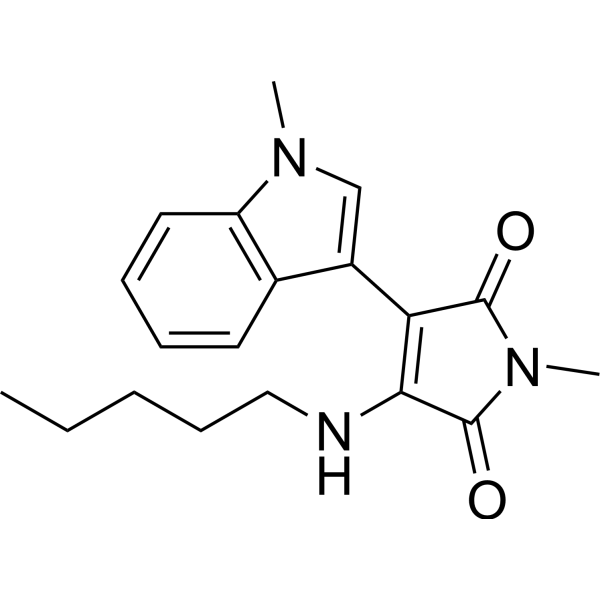
    IM-12
    5+ Cited Publications

    Wnt GSK-3 Cancer
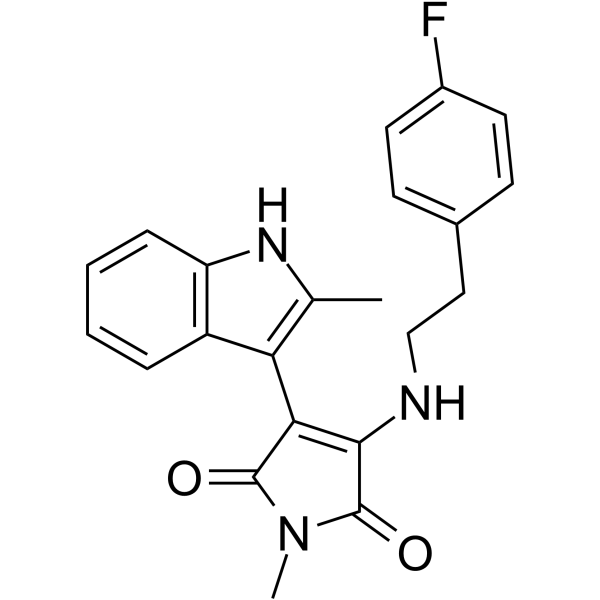
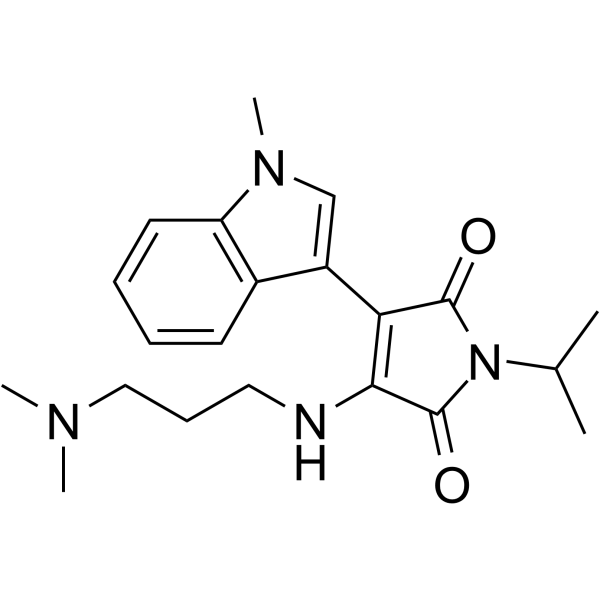
    IM-12 is an inhibitor of GSK-3β, with an IC50 of 53 nM, and also enhances Wnt signalling.
    IM-12
  • HY-P99126
    Anti-Mouse/Human CD44 Antibody (IM7)
    2 Publications Verification

    Transmembrane Glycoprotein CD44 Inflammation/Immunology Cancer
    Anti-Mouse/Human CD44 Antibody (IM7) is an anti-huamn and mouse CD44 IgG2b monoclonal antibody that recognizes a conserved epitope outside the HA-binding domain of the CD44 molecule. Anti-Mouse/Human CD44 Antibody (IM7) exerts a potent anti-inflammatory effect by inducing the shedding of cell surface CD44, significantly improving symptoms in mice with rheumatoid arthritis without affecting relevant immune responses. Anti-Mouse/Human CD44 Antibody (IM7) can be used for researches on inflammation conditions and cancer such as arthritis and osteosarcoma .
    Anti-Mouse/Human CD44 Antibody (IM7)
  • HY-15725
    CDDO-Im
    Maximum Cited Publications
    11 Publications Verification

    RTA-403; TP-235; CDDO-IMidazolide

    Keap1-Nrf2 PPAR Ferroptosis Cancer
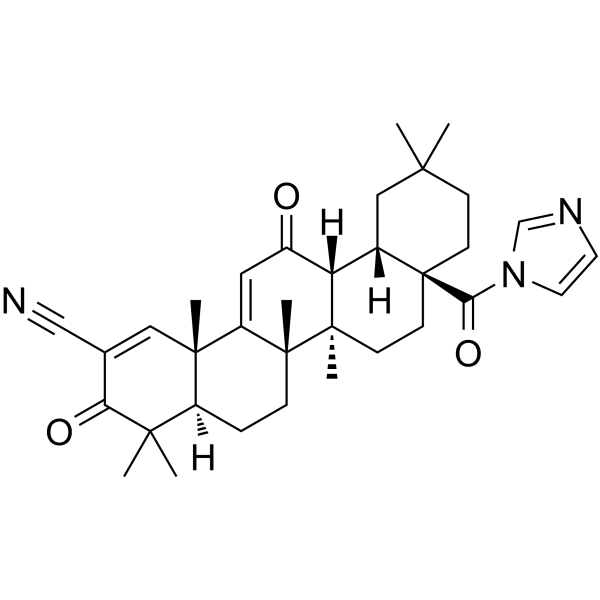
    CDDO-Im (RTA-403) is an activator of Nrf2 and PPAR, with Kis of 232 and 344 nM for PPARα and PPARγ .
    CDDO-Im
  • HY-108351

    Necroptosis Cardiovascular Disease
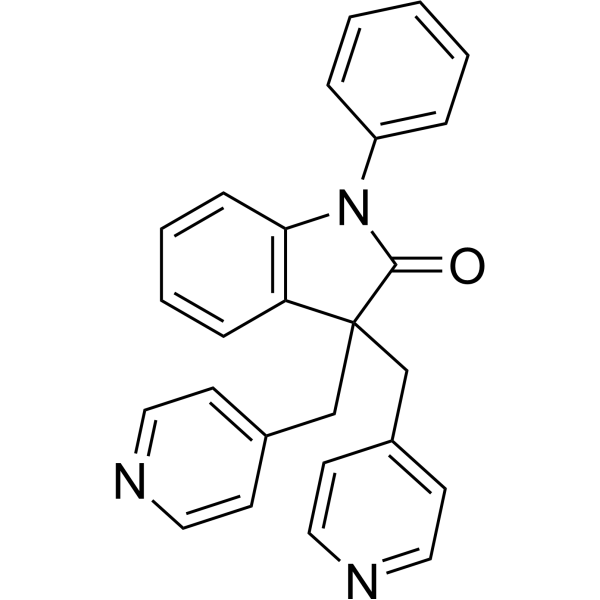
    IM-54 is a selective inhibitor of oxidative stress-induced necrosis. IM-54 shows potent inhibitory activity against H2O2-induced necrosis. IM-54 acts as a potential cardioprotective agent and biological tool for investigating the molecular mechanisms of cell death .
    IM-54
  • HY-125283

    2-Me-Phen hydrochloride; 2-Me-Phenformin hydrochloride

    Mitochondrial Metabolism Oxidative Phosphorylation Metabolic Disease
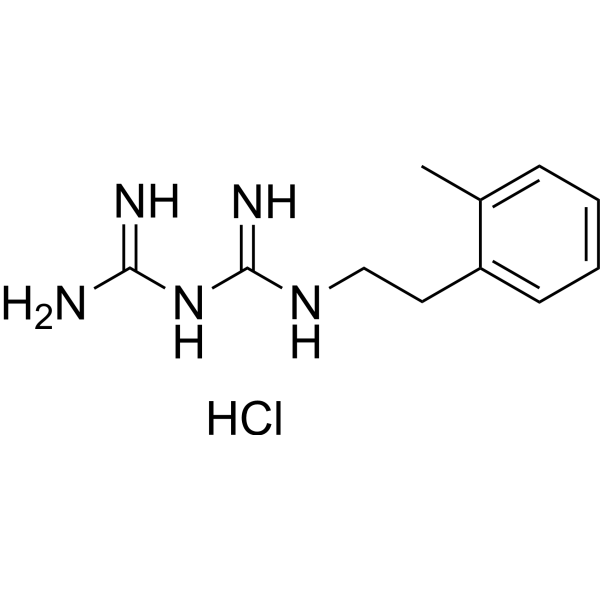
    IM176OUT05 (2-Me-Phen hydrochloride), a biguanide, is a mitochondrial OXPHOS inhibitor. IM176OUT0 inhibits mitochondrial electron transport chain (ETC) activity with an IC50 of 3.2 μM. IM176OUT05 activates stem cell metabolism, promotes hair regrowth and increases stemness induction and maintenance during the pluripotent stem cell generation process .
    IM176OUT05
  • HY-136093A
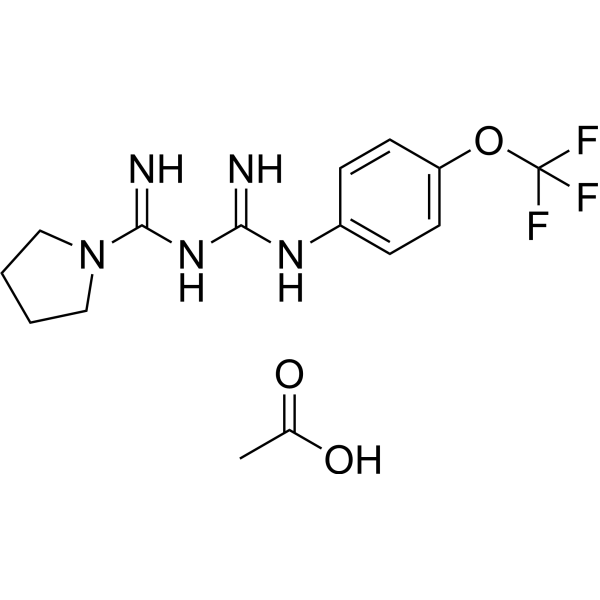
    Lixumistat acetate
    1 Publications Verification

    IM156; HL156A; HL271 acetate

    Mitochondrial Metabolism AMPK Neurological Disease Metabolic Disease Inflammation/Immunology Cancer
    Lixumistat (IM156) acetate is a potent and orally active AMPK activator and OXPHOS inhibitor. Lixumistat acetate strongly activates AMPK, while it lacks the systemic metabolic regulatory effects of classic metformin, such as hypoglycemic and weight-lowering activities. Lixumistat acetate exhibits significant therapeutic effects on cognitive decline associated with brain aging and pulmonary fibrosis .
    Lixumistat acetate
  • HY-112624H

    Dextran 2; Dextran D2; Dextran T2(MW 1600-2400)

    Biochemical Assay Reagents Others
    Dextran T2 (Dextran 2; Dextran T2(MW 1600-2400)) is a natural high molecular weight polysaccharide, the glycosidic bonds in its structure can be recognized by endo-dextranase and exo-dextranase. Dextran T2 (MW 2,000) breaks the glycosidic bonds in the enzymatic hydrolysis mechanism, releasing products such as D-glucose, Isomaltose (IM2), and Isomaltotriose (IM3). Dextran T2 (MW 2,000) can be used as a model substrate to characterize the catalytic properties of dextranase (such as optimal pH, temperature and product specificity), and to study enzymatic mechanism research and polysaccharide degradation pathways in glycobiology. The Dextran series of compounds are also a natural polysaccharide drug carrier, which can be connected to drugs through covalent bonding methods such as ester bonds, amide bonds or click chemistry, or self-assembled to form carriers such as nanoparticles and hydrogels. Dextran is biodegradable and biocompatible, and can achieve targeted delivery and controlled release of drugs. Dextran derivatives can prolong drug half-life, increase local concentration and reduce immune clearance activity .
    Dextran T2 (MW 2,000)
  • HY-150306

    IM-250

    DNA/RNA Synthesis HSV Infection

    Adibelivir (IM-250) is an orally active helicase-primase inhibitor. Adibelivir is effective against HSV infection and reduces reactivation of latent HSV. Adibelivir inhibits HSV-1 infection in Vero cells (IC50: ~20 nM). Adibelivir can be used for the study of recurrent herpes disease[1][2].

    Adibelivir
  • HY-W020468
    Linopirdine
    2 Publications Verification

    DuP 996

    Potassium Channel TRP Channel Neurological Disease
    Linopirdine (DuP 996) is an orally active, selective M-type K + current (IM; Kv7; KCNQ Channels) inhibitor with an IC50 of 2.4 μM. Linopirdine is a TRPV1 agonist. Linopirdine, a putative cognition enhancing agent, increases acetylcholine release in rat brain tissue .
    Linopirdine
  • HY-145786

    Cytochrome P450 Cancer
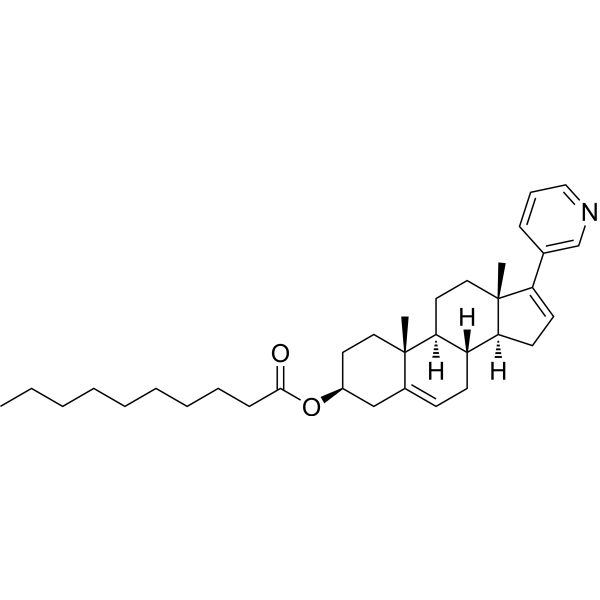
    Abiraterone decanoate is a potent Abiraterone proagent. Abiraterone decanoate provide a controlled release of Abiraterone and long-acting CYP17 inhibition with intramuscular (IM) delivery .
    Abiraterone decanoate
  • HY-116284

    Methyl β-D-glucoside

    Drug Intermediate Others
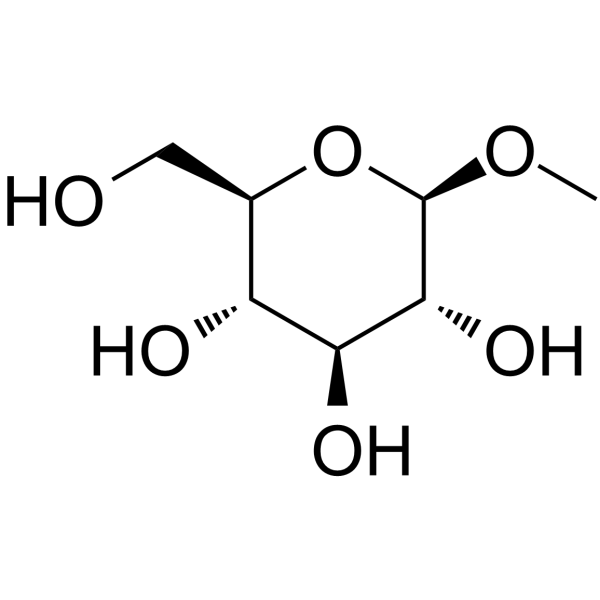
    Methyl β-D-glucopyranoside (Methyl β-D-glucoside) is a model glycosyl acceptor for enzymatic glycosylation reactions. Methyl β-D-glucopyranoside participates in glycoside synthesis and can react with acyl donors such as caffeic acid esters under the catalysis of specific enzymes (such as Lipozyme TL IM) to achieve acylation modification. Methyl β-D-glucopyranoside can generate biologically active derivatives (such as 6-O-caffeoyl glucoside). Methyl β-D-glucopyranoside can be used in organic synthesis and biocatalysis research, especially the efficient enzymatic preparation of medicinal glycosides (such as Robustaside B (HY-N2720), 6-O-caffeoyl salidroside) .
    Methyl β-D-glucopyranoside
  • HY-136093B
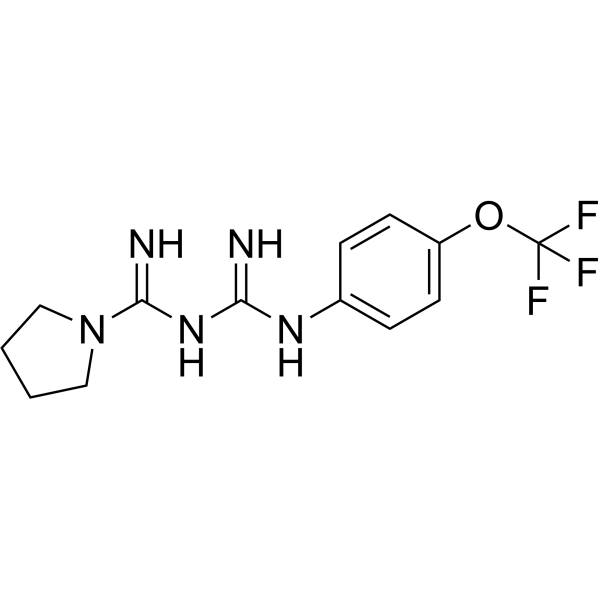
    Lixumistat
    1 Publications Verification

    IM156 free base; HL156A free base; HL271 free base

    Mitochondrial Metabolism AMPK Neurological Disease Inflammation/Immunology
    Lixumistat (IM156 free base) is a potent and orally active AMPK activator and OXPHOS inhibitor. Lixumistat strongly activates AMPK, while it lacks the systemic metabolic regulatory effects of classic metformin, such as hypoglycemic and weight-lowering activities. Lixumistat exhibits significant therapeutic effects on cognitive decline associated with brain aging and pulmonary fibrosis .
    Lixumistat
  • HY-138201

    Ferroptosis Cardiovascular Disease
    IM-93 inhibits ferroptosis and NETosis with an IC< sub>50 of 0.45 µM for cell death inhibition .
    IM-93
  • HY-135953

    Apoptosis Cancer
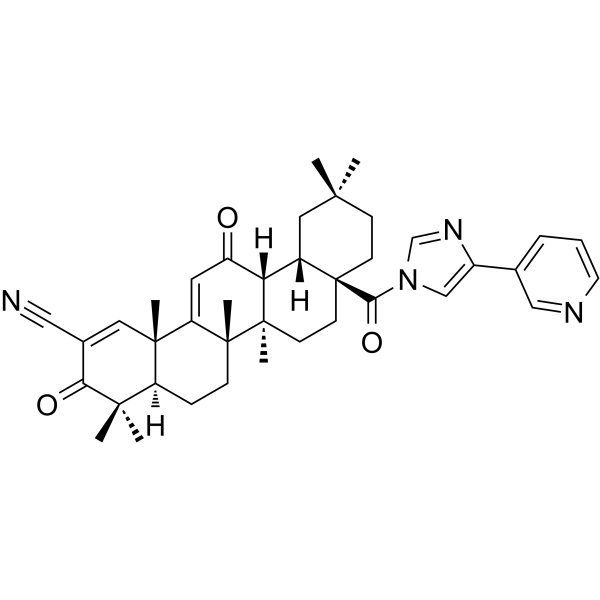
    CDDO-3P-Im is an analogue of CDDO-Imidazolide with chemopreventive effect. CDDO-3P-Im can reduce the size and the severity of the lung tumors in mouse lung cancer model . CDDO-3P-Im is a orally active necroptosis inhibitor that can be used for the research of ischemia/reperfusion (I/R) .
    CDDO-3P-Im
  • HY-136093
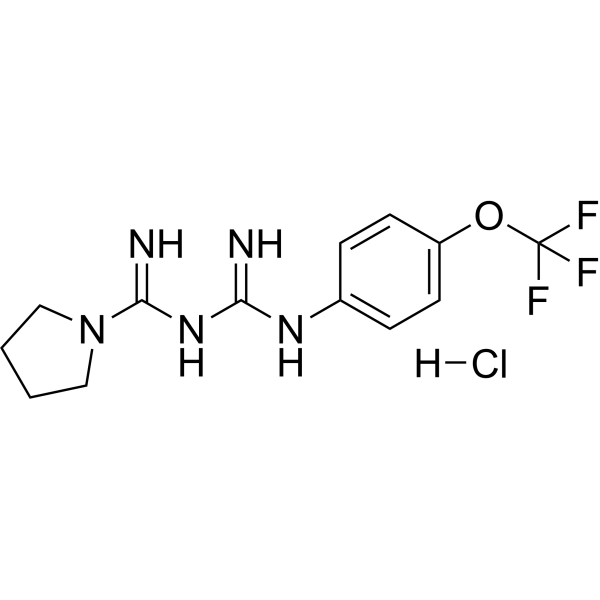
    Lixumistat hydrochloride
    1 Publications Verification

    HL271; IM156 hydrochloride; HL156A hydrochloride

    Mitochondrial Metabolism AMPK Neurological Disease
    Lixumistat (IM156) hydrochloride is a potent and orally active AMPK activator and OXPHOS inhibitor. Lixumistat hydrochloride strongly activates AMPK, while it lacks the systemic metabolic regulatory effects of classic metformin, such as hypoglycemic and weight-lowering activities. Lixumistat hydrochloride exhibits significant therapeutic effects on cognitive decline associated with brain aging and pulmonary fibrosis .
    Lixumistat hydrochloride
  • HY-160157

    Drug-Linker Conjugates for ADC Cancer
    IM-2 is an ADC linker used in the synthesis of antibody-drug conjugates (ADCs) .
    IM-2
  • HY-126379

    Apoptosis Cancer
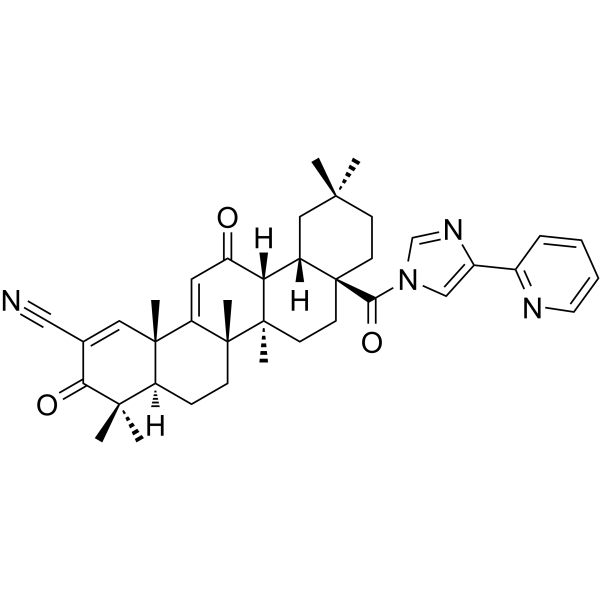
    CDDO-2P-Im is an analogue of CDDO-Imidazolide with chemopreventive effect. CDDO-2P-Im can reduce the size and the severity of the lung tumors in mouse lung cancer model .
    CDDO-2P-Im
  • HY-120009

    Bacterial Antibiotic Infection
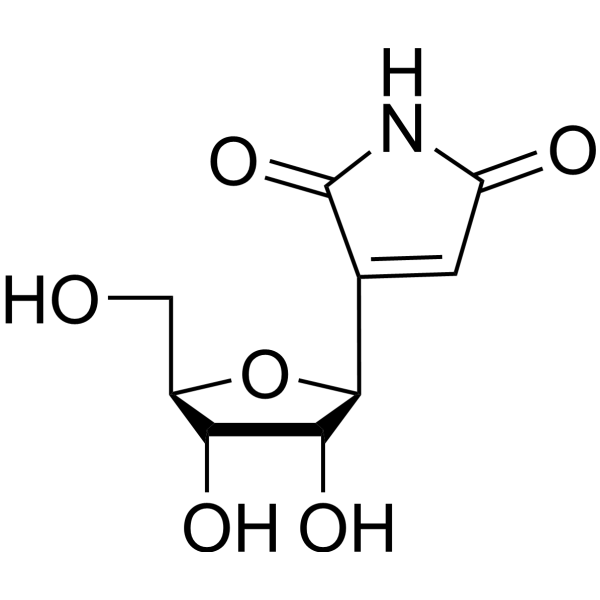
    Showdomycin is an antibiotic produced by IM-2-induced in Streptomyces .
    Showdomycin
  • HY-159862

    Liposome Infection
    IM21.7c is a cationic lipid that can be used to synthesize lipid nanoparticles (LNP) for delivering mRNA and other payloads .
    IM21.7c
  • HY-178674A

    Nucleoside Antimetabolite/Analog Others
    Im-m7GDP sodium is the cap reagent that can be used for nucleic acid synthesis .
    Im-m7GDP sodium
  • HY-134559

    Potassium Channel Neurological Disease
    TKIM is a TREK-1 channel inhibitor with an IC50 of 2.96 μM. TKIM binds to the pocket of the intermediate (IM) state of TREK-1 .
    TKIM
  • HY-12292R

    Wnt GSK-3 Cancer
    IM-12 (Standard) is the analytical standard of IM-12. This product is intended for research and analytical applications. IM-12 is an inhibitor of GSK-3β, with an IC50 of 53 nM, and also enhances Wnt signalling.
    IM-12 (Standard)
  • HY-P5715

    Bacterial Infection
    Im6 is an antimicrobial peptide. Im6 is active against S. aureus and B.subtilis (Gram-positive bacterial) .
    Im6
  • HY-130959

    ADC Payload Microtubule/Tubulin Cancer
    Tubulysin IM-2 is a microtubule/Tubulin inhibitor that can act as an ADC cytotoxin (ADC Cytotoxin) and an anti-microtubule toxin (anti-microtubule toxins). Used for ADC synthesis.
    Tubulysin IM-2
  • HY-130960

    ADC Payload Microtubule/Tubulin Cancer
    Tubulysin IM-3 is a microtubule/Tubulin inhibitor that can act as an ADC cytotoxin (ADC Cytotoxin) and an anti-microtubule toxin (anti-microtubule toxins). Used for ADC synthesis.
    Tubulysin IM-3
  • HY-130958

    ADC Payload Microtubule/Tubulin Cancer
    Tubulysin IM-1 is a microtubule/Tubulin inhibitor that can act as an ADC cytotoxin (ADC Cytotoxin) and an anti-microtubule toxin (anti-microtubule toxins). Used for ADC synthesis .
    Tubulysin IM-1
  • HY-P5687

    Bacterial Infection
    Im5, an antimicrobial peptide, has antibacterial (MIC: 10, 2.5-5, 0.5-1 μM for E. coli, S. aureus, B. subtilis respectively) and hemolytic activity (EC50: 28 μM) .
    Im5
  • HY-160577

    Liposome Others
    DOG-IM4 can be used to synthesize nanoparticles to deliver antigen-encoding nucleic acids. It could be used to try to target autoimmune diseases, rare blood or metabolic diseases, allergies, cancer or infectious diseases .
    DOG-IM4
  • HY-W142171

    Amino Acid Derivatives Others
    Nα-Fmoc-N(im)-trityl-L-histidine pentafluorophenyl ester is a histidine derivative .
    Nα-Fmoc-N(im)-trityl-L-histidine pentafluorophenyl ester
  • HY-125283A

    2-Me-Phen; 2-Me-Phenformin

    Oxidative Phosphorylation Mitochondrial Metabolism Metabolic Disease
    IM176OUT05 free base (2-Me-Phen), a biguanide, is a mitochondrial OXPHOS inhibitor. IM176OUT0 free base inhibits mitochondrial electron transport chain (ETC) activity with an IC50 of 3.2 μM. IM176OUT05 free base activates stem cell metabolism, promotes hair regrowth and increases stemness induction and maintenance during the pluripotent stem cell generation process .
    IM176OUT05 free base
  • HY-W020468R

    DuP 996 (Standard)

    Reference Standards Potassium Channel TRP Channel Neurological Disease
    Linopirdine (DuP 996) is an orally active, selective M-type K+ current (IM; Kv7; KCNQ Channels) inhibitor with an IC50 of 2.4 μM. Linopirdine is a TRPV1 agonist. Linopirdine, a putative cognition enhancing agent, increases acetylcholine release in rat brain tissue .
    Linopirdine (Standard)
  • HY-160714

    ADC Linker Cancer
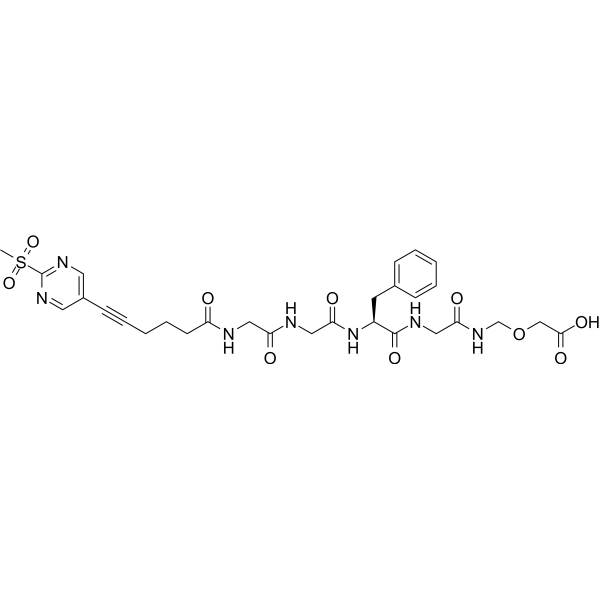
    Fmoc-Ala-Ala-Ala-amide-C-O-C-COOH (Compound IM-3) is a cleavable ADC linker .
    Fmoc-Ala-Ala-Ala-amide-C-O-C-COOH
  • HY-10049A

    Neurokinin Receptor Neurological Disease
    CP 122721 hydrochloride is a potent, non-peptide and selective nonpeptide neurokinin NK1 antagonist, with a pIC50 of 9.8 for human NK1 receptor expressed in IM-9 cells. CP 122721 hydrochloride exhibits anxiolytic and antidepressant-like effects .
    CP 122721 hydrochloride
  • HY-P991462

    CD38 Cancer
    GBR-1342 is a human bispecific antibody (bsAb) targeting CD38 & CD3. GBR-1342 inhibits the activity of Daudi, RAJI, RPMI8226, IM-9, and NCI-H929 cancer cell lines. GBR-1342 can be used in myeloma research .
    GBR-1342
  • HY-149697

    Parasite Others
    Insecticidal agent 6 (Compound Im) is an insect ryanodine receptors (RyRs) inhibitor, with an EC50 value of 0.6308 µM against S. frugiperda RyRs. Insecticidal agent 6 has excellent insecticidal activity against lepidopteran pests and can be used for research on pests and diseases .
    Insecticidal agent 6
  • HY-108351R

    Necroptosis Reference Standards Cardiovascular Disease
    IM-54 (Standard) is the analytical standard of IM-54 (HY-108351). This product is intended for research and analytical applications. IM-54 is a selective inhibitor of oxidative stress-induced necrosis. IM-54 shows potent inhibitory activity against H2O2-induced necrosis. IM-54 acts as a potential cardioprotective agent and biological tool for investigating the molecular mechanisms of cell death .
    IM-54 (Standard)
  • HY-178557

    Nucleoside Antimetabolite/Analog Metabolic Disease
    Im-3'-OMe-GMP is a monomeric raw material that can be used for nucleic acid synthesis.
    Im-3'-OMe-GMP
  • HY-178680

    Nucleoside Antimetabolite/Analog Metabolic Disease
    Im-GDP is a monomeric raw material that can be used for nucleic acid synthesis.
    Im-GDP
  • HY-203025

    Nucleoside Antimetabolite/Analog Metabolic Disease
    Im-NMN is a monomeric raw material that can be used for nucleic acid synthesis.
    Im-NMN
  • HY-178674

    Nucleoside Antimetabolite/Analog Others
    Im-m7GDP is the cap reagent that can be used for nucleic acid synthesis .
    Im-m7GDP
  • HY-150306B

    (R)-IM-250

    HSV DNA/RNA Synthesis Infection
    (R)-Adibelivir ((R)-IM-250) is a blood-brain barrier-permeable HSV helicase-primase inhibitor. (R)-Adibelivir specifically inhibits the activity of the HSV UL5-UL52-UL8 helicase-primase complex. (R)-Adibelivir affects viral reactivation and significantly reduces the reactivation capacity of latent neuronal HSV reservoirs. (R)-Adibelivir can be used in studies related to herpes simplex virus infection, herpes encephalitis, neonatal herpes, and other related conditions .
    (R)-Adibelivir
  • HY-150306A

    (Rac)-IM-250

    HSV DNA/RNA Synthesis Infection
    (Rac)-Adibelivir ((Rac)-IM-250) is a blood-brain barrier-penetrant HSV helicase-primase inhibitor and metabolic stabilizer with antiviral activity. (Rac)-Adibelivir is also effective against Acyclovir (HY-17422)-resistant strains, and its deuterated structure exhibits enhanced metabolic stability, reducing the formation of hydroxylated metabolites. (Rac)-Adibelivir prolongs in vivo half-life, reduces administration dosage, improves oral bioavailability, and achieves higher brain exposure in mice. (Rac)-Adibelivir can be used in the research of herpes simplex infection, herpes encephalitis and Alzheimer's disease .
    (Rac)-Adibelivir
  • HY-P992102

    IM-101

    Complement System Inflammation/Immunology
    Ascuprubart is an anti-human monoclonal antibody targeting Complement C5.
    Ascuprubart
  • HY-P992220

    Anti-Claudin 6 Antibody (IM-302)
  • HY-116284A

    Methyl β-D-glucoside hemihydrate

    Drug Intermediate Others
    Methyl β-D-glucopyranoside (Methyl β-D-glucoside) hemihydrate is a model glycosyl acceptor for enzymatic glycosylation reactions. Methyl β-D-glucopyranoside hemihydrate participates in glycoside synthesis and can react with acyl donors such as caffeic acid esters under the catalysis of specific enzymes (such as Lipozyme TL IM) to achieve acylation modification. Methyl β-D-glucopyranoside hemihydrate can be used in organic synthesis and biocatalysis research, especially the efficient enzymatic preparation of medicinal glycosides (such as Robustaside B (HY-N2720), 6-O-caffeoyl salidroside) .
    Methyl β-D-glucopyranoside hemihydrate
  • HY-116284R

    Methyl β-D-glucoside (Standard)

    Reference Standards Drug Intermediate Others
    Methyl β-D-glucopyranoside (Methyl β-D-glucoside) (Standard) is the analytical standard of Methyl β-D-glucopyranoside. This product is intended for research and analytical applications. Methyl β-D-glucopyranoside is a model glycosyl acceptor for enzymatic glycosylation reactions. Methyl β-D-glucopyranoside participates in glycoside synthesis and can react with acyl donors such as caffeic acid esters under the catalysis of specific enzymes (such as Lipozyme TL IM) to achieve acylation modification. Methyl β-D-glucopyranoside can be used in organic synthesis and biocatalysis research, especially the efficient enzymatic preparation of medicinal glycosides (such as Robustaside B (HY-N2720), 6-O-caffeoyl salidroside).
    Methyl β-D-glucopyranoside (Standard)

Inquiry Online

Your information is safe with us. * Required Fields.

Salutation


Country or Region *

Applicant Name *


Organization Name *

Department *


Email Address *


Product Name *

Cat. No.


Requested quantity *

Phone Number *


Remarks

Inquiry Online

Inquiry Information

Product Name:
Cat. No.:
Quantity:
MCE Japan Authorized Agent:

