

1. Search Result
Search Result
Results for "

Intestinal epithelial barrier

" in MedChemExpress (MCE) Product Catalog:

19

Inhibitors & Agonists

1

Fluorescent Dyes

2

Biochemical Assay Reagents

2

Peptides

8

Natural
Products

2

Isotope-Labeled Compounds

1

GMP Molecules

Cat. No. Product Name Target Research Areas Chemical Structure
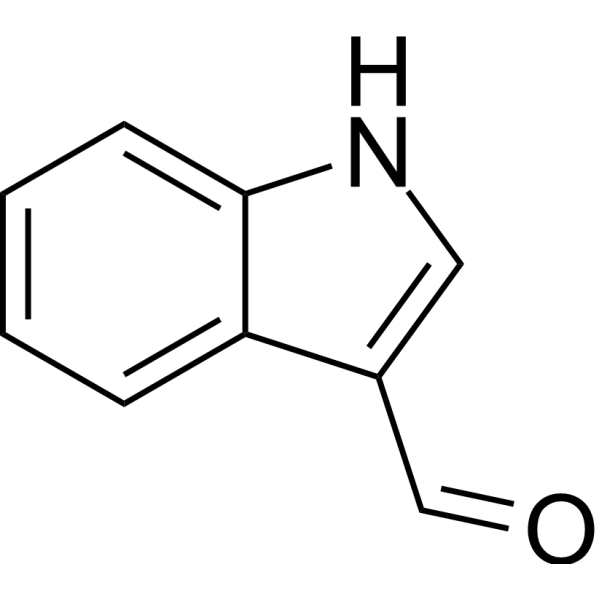
  • HY-W007376
    Indole-3-carboxaldehyde
    3 Publications Verification

    3-Formylindole

    Endogenous Metabolite Others
    Indole-3-carboxaldehyde (3-Formylindole), a banlangen extract, is the product of the oxidative degradation of indole-3-acetic acid (IAA) by crude enzyme preparations from etiolated pea seedlings. Indole-3-carboxaldehyde is a biochemical used to prepare analogs of the indole phytoalexin cyclobrassinin. Indole-3-carboxaldehyde also enhances the epithelial barrier and anti-inflammatory activity in the intestinal tract .
    Indole-3-carboxaldehyde
  • HY-17623
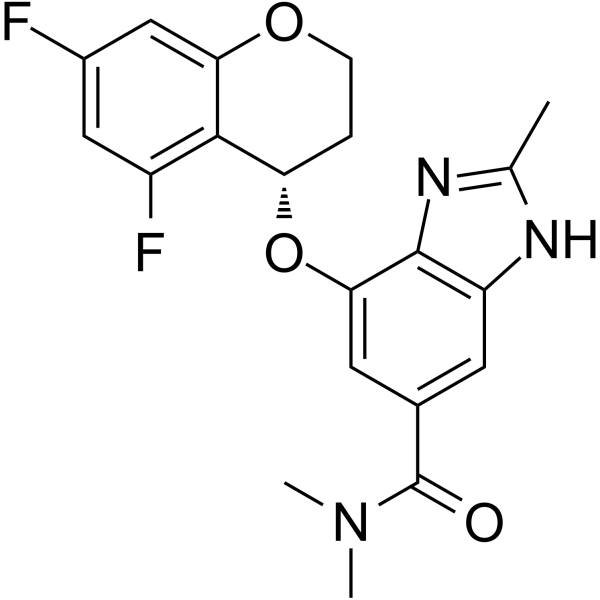
    Tegoprazan
    2 Publications Verification

    CJ-12420; RQ-00000004

    Proton Pump Potassium Channel Na+/K+ ATPase Inflammation/Immunology
    Tegoprazan (CJ-12420), a potassium-competitive acid blocker, is a reversible, orally active and highly selective inhibitor of gastric H +/K +-ATPase. Tegoprazan inhibits gastric acid secretion and motility against porcine, canine and human H +/K +-ATPase with IC50 values ranging from 0.29-0.52 μM in vitro. Tegoprazan significantly improves colitis and enhances the intestinal epithelial barrier function in mice. Tegoprazan is promising for research of Inflammatory bowel, gastric acid-related, motilityimpaired diseases .
    Tegoprazan
  • HY-N0671
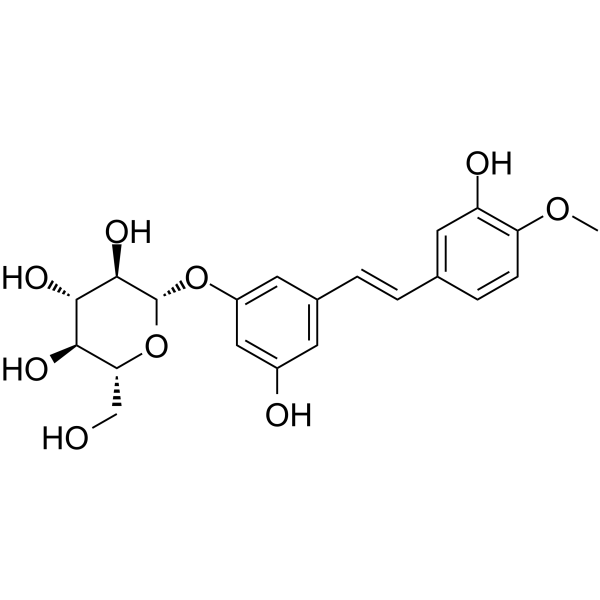
    Rhapontin
    2 Publications Verification

    Rhaponiticin

    Apoptosis Cardiovascular Disease Metabolic Disease Inflammation/Immunology Cancer
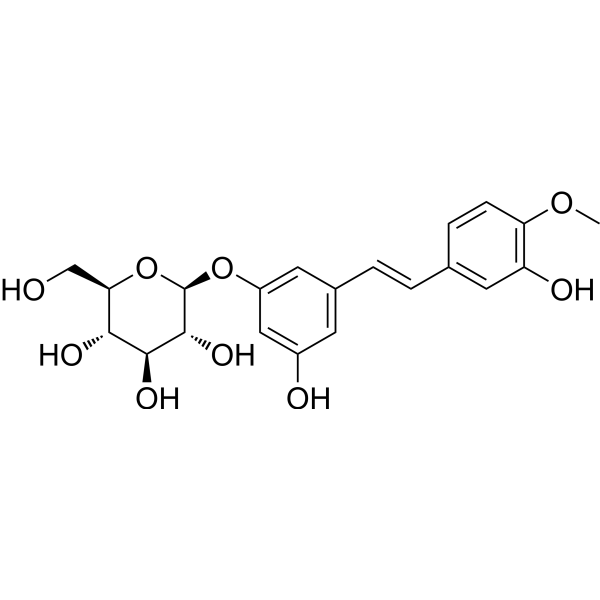
    Rhapontin (Rhaponiticin) is an orally aactive SIRT1 agonist and AMPK activator with anti-inflammatory and anti-fibrotic activities. Rhapontin inhibits NLRP3 inflammasome activation by activating SIRT1 and inhibits TGF-β/Smad signaling via the AMPK pathway. Rhapontin reduces intestinal and lung inflammation, inhibits fibroblast differentiation and extracellular matrix deposition, and enhances tight junction protein expression to repair epithelial barriers. Rhapontin can be used in the study of inflammatory bowel diseases (such as ulcerative colitis) and pulmonary fibrosis .
    Rhapontin
  • HY-112624I

    Dextran 3; Dextran D3; Dextran T3(MW 2400-3600)

    Bacterial Others
    Dextran T3 (Dextran 3; Dextran T3(MW 2400-3600)) is a neural tracer and intestinal permeability probe that can move anterogradely and retrogradely in neuronal axons by passive diffusion. Dextran T3 (MW 3,000) is able to permeate across the intestinal epithelial cell membrane in the presence of cholera toxin-induced cytoskeletal disturbance. Dextran T3 (MW 3,000) is used as a fluorescent marker to rapidly label developing neurons (such as Xenopus retinal ganglion cells) and to assess intestinal barrier function. It can be used to study axonal transport in neuroanatomy and permeability changes in intestinal pathophysiology. The Dextran series of compounds are also natural polysaccharide drug carriers that can be connected to drugs through covalent bonding methods such as ester bonds, amide bonds or click chemistry, or self-assembled to form carriers such as nanoparticles and hydrogels. Dextran is biodegradable and biocompatible, and can achieve targeted delivery and controlled release of drugs. Dextran derivatives can prolong the half-life of drugs, increase local concentrations, and reduce the activity of immune clearance .
    Dextran T3 (MW 3,000)
  • HY-N3415
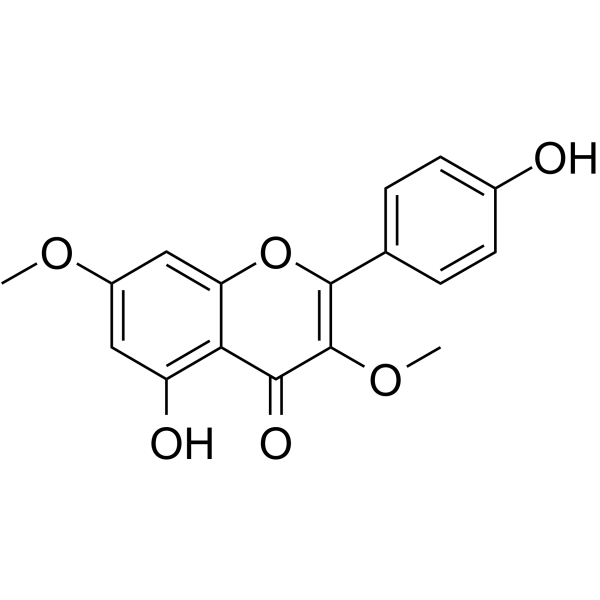
    Kumatakenin
    1 Publications Verification

    Apoptosis Autophagy Caspase Ferroptosis SARS-CoV Neurological Disease Inflammation/Immunology Cancer
    Kumatakenin is an orally active apoptosis inducer and autophagy inhibitor, with a Kd value of 2.94 μM for mouse ATG5. Kumatakenin increases the activities of caspase-3, caspase-8 and caspase-9, thereby inducing caspase-dependent apoptosis in ovarian cancer cells. Kumatakenin reduces the expression of chemokines and pro-oncogenic factors in ovarian cancer cells, and inhibits M2 macrophage polarization. Kumatakenin inactivates TRIM65 function, reduces the expression and stability of FASN, and thus inhibits the proliferation, migration, invasion and tumor progression of esophageal cancer cells. Kumatakenin interacts with ATG5 to reduce its protein level, decrease LC3 level, and reduce the number of autophagosomes in the hippocampus. Kumatakenin binds to Eno3 to upregulate its expression, reduce the stability and expression level of IRP1 mRNA, inhibit ferroptosis, alleviate intestinal inflammation, and restore epithelial barrier function. Kumatakenin enhances the efficacy of antibiotics against pathogenic bacteria, inhibits SARS-CoV-2 replication, and reduces cytokine production. Kumatakenin is applicable to research related to ovarian cancer, esophageal cancer, depression and colitis .
    Kumatakenin
  • HY-N6625
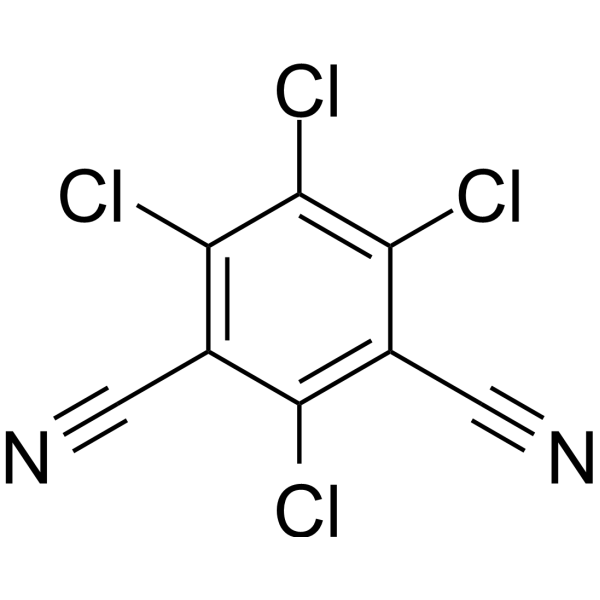
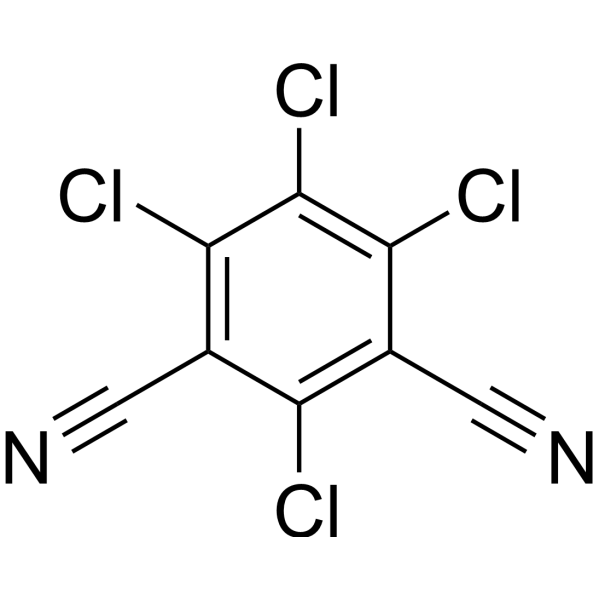
    Chlorothalonil
    1 Publications Verification

    Environmental Pollutants Estrogen Receptor/ERR Fungal Infection
    Chlorothalonil is a broad-spectrum foliar fungicide with oral activity. Chlorothalonil can be used to combat fungal diseases in vegetable and crop leaves. Chlorothalonil can alter the microbial community in the soil. Chlorothalonil inhibits spermatogenesis. Chlorothalonil can cause intestinal epithelial barrier dysfunction and fetal toxicity .
    Chlorothalonil
  • HY-P1108A
    Astressin 2B TFA
    1 Publications Verification

    CRFR Neurological Disease Inflammation/Immunology
    Astressin 2B TFA is a blood-brain barrier-impermeable, highly selective CRFR2 antagonist (rCRFR2, IC50=0.57 nM). Astressin 2B TFA blocks the protective effects mediated by CRFR2, thereby exacerbating indomethacin (HY-14397)-induced hemorrhagic intestinal injury in rats. Astressin 2B TFA reverses the protective effects of Urocortin 1 against intestinal hypermotility, bacterial invasion and upregulation of inflammatory mediators. Astressin 2B TFA also blocks the anxiogenic effect of Urocortin 2 and attenuates stress-induced anxiety-related behaviors. In the Clostridioides difficile toxin A (C. difficile toxin A)-mediated enteritis model, Astressin 2B TFA mimics the phenotype of CRFR2-deficient mice, significantly exacerbating intestinal epithelial damage, edema, neutrophil migration and the expression of multiple proinflammatory cytokines. Astressin 2B TFA is an important tool molecule for investigating the intestinal protective mechanisms of CRFR2 .
    Astressin 2B TFA
  • HY-P1108
    Astressin 2B
    1 Publications Verification

    CRFR Neurological Disease Inflammation/Immunology
    Astressin 2B is a blood-brain barrier-impermeable, highly selective CRFR2 antagonist (rCRFR2, IC50=0.57 nM). Astressin 2B blocks the protective effects mediated by CRFR2, thereby exacerbating indomethacin (HY-14397)-induced hemorrhagic intestinal injury in rats. Astressin 2B reverses the protective effects of Urocortin 1 against intestinal hypermotility, bacterial invasion and upregulation of inflammatory mediators. Astressin 2B also blocks the anxiogenic effect of Urocortin 2 and attenuates stress-induced anxiety-related behaviors. In the Clostridioides difficile toxin A (C. difficile toxin A)-mediated enteritis model, Astressin 2B mimics the phenotype of CRFR2-deficient mice, significantly exacerbating intestinal epithelial damage, edema, neutrophil migration and the expression of multiple proinflammatory cytokines. Astressin 2B is an important tool molecule for investigating the intestinal protective mechanisms of CRFR2 .
    Astressin 2B
  • HY-N4031

    Anaplastic lymphoma kinase (ALK) METTL3 Inflammation/Immunology
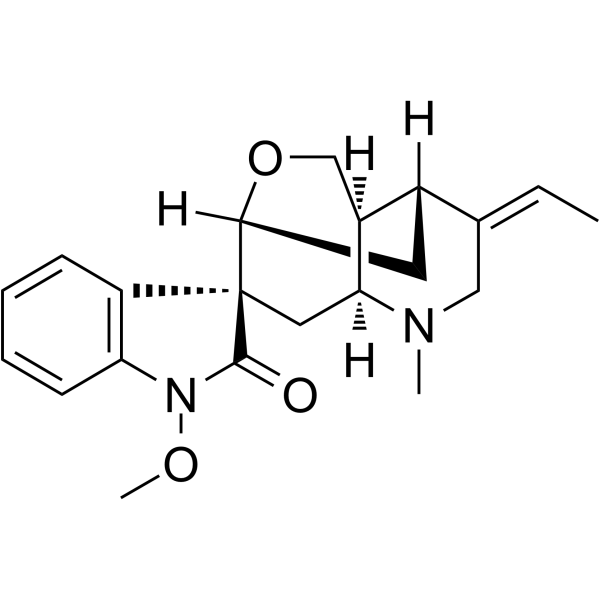
    Humantenine is a highly toxic indole alkaloid from Gelsemium elegans (Gardn. & Champ.) Benth. that binds to RNA m6A modification regulatory proteins (ALKBH5, METTL). Humantenine stably binds via hydrogen bonding and hydrophobic interactions and disrupts the m6A methylation level of target genes, thereby impairing the expression of intestinal epithelial cell tight junction and cytoskeleton-related genes, causing intestinal barrier dysfunction and significant intestinal cytotoxicity. The intraperitoneal injection LD50 values of Humantenine are <1 mg/kg in mice, 1.2 mg/kg in male rats and 1.5 mg/kg in female rats, respectively. Species differences exist in the metabolism of Humantenine in human, porcine, goat and rat liver microsomes, and demethylation, dehydrogenation and oxidation occur in liver microsomes .
    Humantenine
  • HY-W007376R

    3-Formylindole (Standard)

    Reference Standards Endogenous Metabolite Others
    Indole-3-carboxaldehyde (Standard) is the analytical standard of Indole-3-carboxaldehyde. This product is intended for research and analytical applications. Indole-3-carboxaldehyde (3-Formylindole), a banlangen extract, is the product of the oxidative degradation of indole-3-acetic acid (IAA) by crude enzyme preparations from etiolated pea seedlings. Indole-3-carboxaldehyde is a biochemical used to prepare analogs of the indole phytoalexin cyclobrassinin. Indole-3-carboxaldehyde also enhances the epithelial barrier and anti-inflammatory activity in the intestinal tract[1][2].
    Indole-3-carboxaldehyde (Standard)
  • HY-N0671R
    Rhapontin (Standard)
    2 Publications Verification

    Rhaponiticin (Standard)

    Reference Standards Apoptosis Cardiovascular Disease Metabolic Disease Inflammation/Immunology Cancer
    Rhapontin (Standard) is the analytical standard of Rhapontin (HY-N0671). This product is intended for research and analytical applications. Rhapontin (Rhaponiticin) is an orally aactive SIRT1 agonist and AMPK activator with anti-inflammatory and anti-fibrotic activities. Rhapontin inhibits NLRP3 inflammasome activation by activating SIRT1 and inhibits TGF-β/Smad signaling via the AMPK pathway. Rhapontin reduces intestinal and lung inflammation, inhibits fibroblast differentiation and extracellular matrix deposition, and enhances tight junction protein expression to repair epithelial barriers. Rhapontin can be used in the study of inflammatory bowel diseases (such as ulcerative colitis) and pulmonary fibrosis .
    Rhapontin (Standard)
  • HY-N7635

    β-D-Glucopyranosyl oleanolate

    NO Synthase COX Interleukin Related Claudin p38 MAPK Akt PI3K Inflammation/Immunology
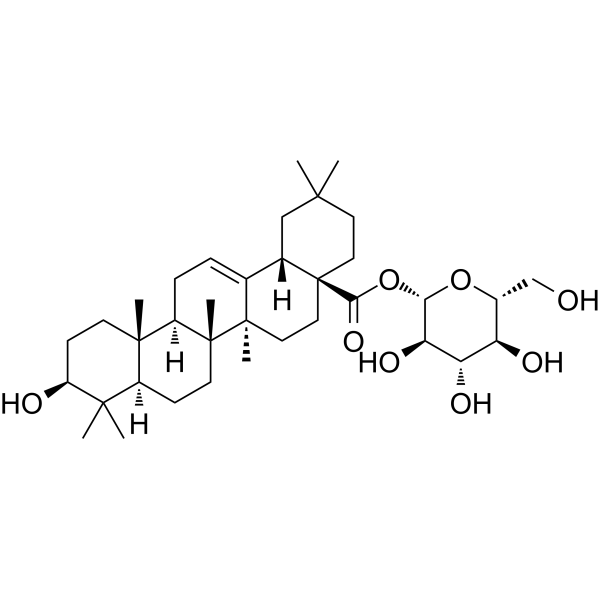
    Oleanolic acid 28-O-β-D-glucopyranoside (β-D-Glucopyranosyl oleanolate) is an orally active pentacyclic triterpenoid compound. Oleanolic acid 28-O-β-D-glucopyranoside has anti-inflammatory effects. In ulcerative colitis models, Oleanolic acid 28-O-β-D-glucopyranoside can inhibit the inflammatory response, enhance the intestinal epithelial barrier function, and modulate the gut microbiota. Its mechanism of action is related to the PI3K-AKT and MAPK signaling pathways. Oleanolic acid 28-O-β-D-glucopyranoside can be used in the research of diseases such as colitis .
    Oleanolic acid 28-O-β-D-glucopyranoside
  • HY-I0746

    m-Aminobenzoic acid; 3ABA

    Endogenous Metabolite Neurological Disease Inflammation/Immunology
    3-Aminobenzoic acid (3-ABA) is an orally active anti-inflammatory agent targeting the tight junction (TJ) regulatory pathways in intestinal epithelial cells. 3-Aminobenzoic acid improves intestinal inflammation by enhancing intestinal barrier integrity and reducing epithelial permeability. It can be used in studies related to improving gut health. Additionally, 3-Aminobenzoic acid analogs can act as γ-aminobutyric acid transaminase (GABA-AT) inhibitors, exhibiting anticonvulsant effects .
    3-Aminobenzoic acid
  • HY-N6625R

    Reference Standards Fungal Estrogen Receptor/ERR Infection
    Chlorothalonil (Standard) is the analytical standard of Chlorothalonil. This product is intended for research and analytical applications. Chlorothalonil is a broad-spectrum foliar fungicide with oral activity. Chlorothalonil can be used to combat fungal diseases in vegetable and crop leaves. Chlorothalonil can alter the microbial community in the soil. Chlorothalonil inhibits spermatogenesis. Chlorothalonil can cause intestinal epithelial barrier dysfunction and fetal toxicity .
    Chlorothalonil (Standard)
  • HY-17623S

    CJ-12420-d6; RQ-00000004-d6

    Proton Pump Na+/K+ ATPase Metabolic Disease
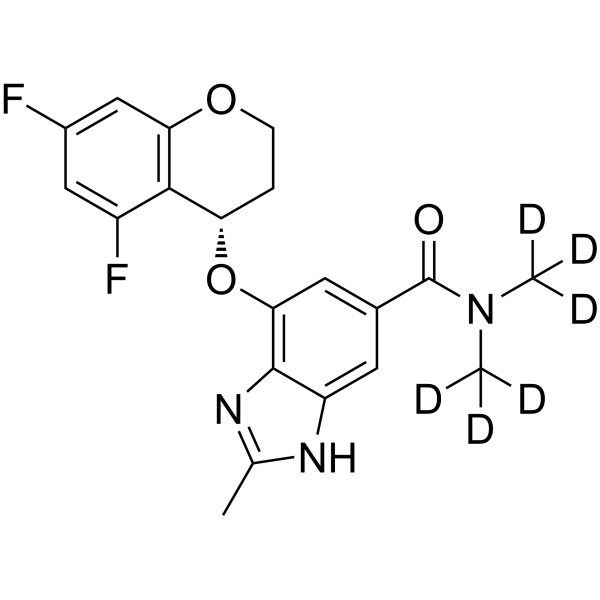
    Tegoprazan (CJ-12420; RQ-00000004), a potassium-competitive acid blocker, is a reversible, oral active and highly selective inhibitor of gastric H+/K+-ATPase that could control gastric acid secretion and motility, with IC50 values ranging from 0.29-0.52 μM for porcine, canine, and human H +/K +-ATPases in vitro. Tegoprazan significantly improves colitis in mice and enhances the intestinal epithelial barrier function. Tegoprazan is promising for research of Inflammatory bowel, gastric acid-related, motilityimpaired diseases .
    Tegoprazan-d6
  • HY-W750674

    3-Formylindole-C13C8

    Isotope-Labeled Compounds Inflammation/Immunology
    Indole-3-carboxaldehyde- 13C8 (3-Formylindole- 13C8) is the 13C-labeled Indole-3-carboxaldehyde (HY-W007376). Indole-3-carboxaldehyde, a banlangen extract, is the product of the oxidative degradation of indole-3-acetic acid (IAA) by crude enzyme preparations from etiolated pea seedlings. Indole-3-carboxaldehyde is a biochemical used to prepare analogs of the indole phytoalexin cyclobrassinin. Indole-3-carboxaldehyde also enhances the epithelial barrier and anti-inflammatory activity in the intestinal tract .
    Indole-3-carboxaldehyde-13C8
  • HY-I0746R

    m-Aminobenzoic acid (Standard); 3ABA (Standard)

    Reference Standards Endogenous Metabolite Neurological Disease Inflammation/Immunology
    3-Aminobenzoic acid (Standard) is the analytical standard of 3-Aminobenzoic acid. This product is intended for research and analytical applications. 3-Aminobenzoic acid (3-ABA) is an orally active anti-inflammatory agent targeting the tight junction (TJ) regulatory pathways in intestinal epithelial cells. 3-Aminobenzoic acid improves intestinal inflammation by enhancing intestinal barrier integrity and reducing epithelial permeability. It can be used in studies related to improving gut health. Additionally, 3-Aminobenzoic acid analogs can act as γ-aminobutyric acid transaminase (GABA-AT) inhibitors, exhibiting anticonvulsant effects .
    3-Aminobenzoic acid (Standard)
  • HY-N1516R

    Reference Standards Apoptosis Cancer
    3-Aminobenzoic acid (Standard) is the analytical standard of 3-Aminobenzoic acid. This product is intended for research and analytical applications. 3-Aminobenzoic acid (3-ABA) is an orally active anti-inflammatory agent targeting the tight junction (TJ) regulatory pathways in intestinal epithelial cells. 3-Aminobenzoic acid improves intestinal inflammation by enhancing intestinal barrier integrity and reducing epithelial permeability. It can be used in studies related to improving gut health. Additionally, 3-Aminobenzoic acid analogs can act as γ-aminobutyric acid transaminase (GABA-AT) inhibitors, exhibiting anticonvulsant effects .
    Ganoderenic acid D (Standard)
  • HY-112005G

    Dioleoylphosphatidylethanolamine; 1,2-Dioleoyl-sn-glycero-3-phosphoethanolamine

    Ferroptosis Glutathione Peroxidase ACSL Family Amino acid Transporter Neurological Disease Inflammation/Immunology
    DOPE GMP is DOPE (HY-112005) produced by using GMP guidelines. GMP small molecules works appropriately as an auxiliary reagent for cell therapy manufacture. DOPE (Dioleoylphosphatidylethanolamine; 1,2-Dioleoyl-sn-glycero-3-phosphoethanolamine) is an orally active inhibitor of ferroptosis with anti-inflammatory and intestinal barrier maintenance activities. DOPE regulates the expression of ACSL4, SLC7A11 and GPX4 to restore the redox system balance, thereby reducing the levels of lipid peroxides, iron ions and intestinal inflammatory factors (IL-1β and IL-6). DOPE promotes the migration and proliferation of intestinal epithelial cells and increases the level of tight junction proteins; it also destabilizes endosomal membranes, mediates the conjugation of RVG peptides with mesenchymal stem cell-derived exosomes to enhance brain targeting. DOPE can be applied to research related to neonatal necrotizing enterocolitis and Alzheimer's disease .
    DOPE

Inquiry Online

Your information is safe with us. * Required Fields.

Salutation


Country or Region *

Applicant Name *


Organization Name *

Department *


Email Address *


Product Name *

Cat. No.


Requested quantity *

Phone Number *


Remarks

Inquiry Online

Inquiry Information

Product Name:
Cat. No.:
Quantity:
MCE Japan Authorized Agent:

