
1. Search Result
Search Result
Pathways Recommended: Stem Cell/Wnt Cell Cycle/DNA Damage
Results for "

L1210 cell

" in MedChemExpress (MCE) Product Catalog:

86

Inhibitors & Agonists

2

Biochemical Assay Reagents

2

Peptides

3

Inhibitory Antibodies

39

Natural
Products

2

Click Chemistry

1

Oligonucleotides

Cat. No. Product Name Target Research Areas Chemical Structure
  • HY-14521
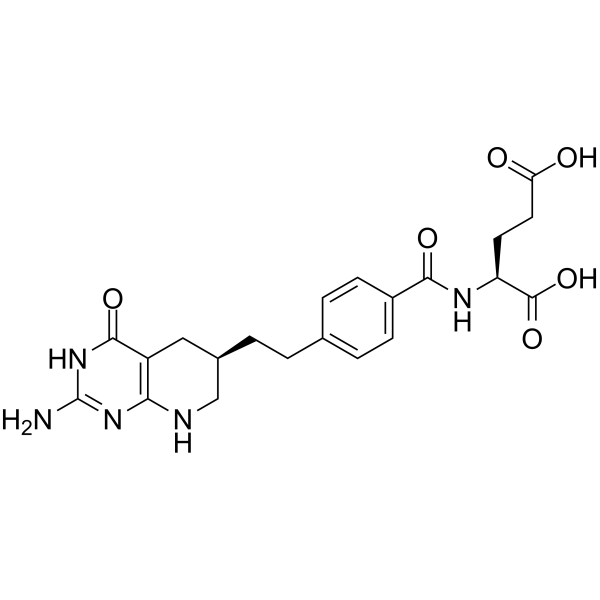
    Lometrexol
    3 Publications Verification

    DDATHF

    Antifolate Apoptosis Caspase Bcl-2 Family Cancer
    Lometrexol (DDATHF), an antipurine antifolate, can inhibit the activity of glycinamide ribonucleotide formyltransferase (GARFT) but do not induce detectable levels of DNA strand breaks. Lometrexol can further inhibit de novo purine synthesis, causing abnormal cell proliferation and apoptosis, even cell cycle arrest. Lometrexol has anticancer activity. Lometrexol also is a potent human Serine hydroxymethyltransferase1/2 (hSHMT1/2) inhibitor .
    Lometrexol
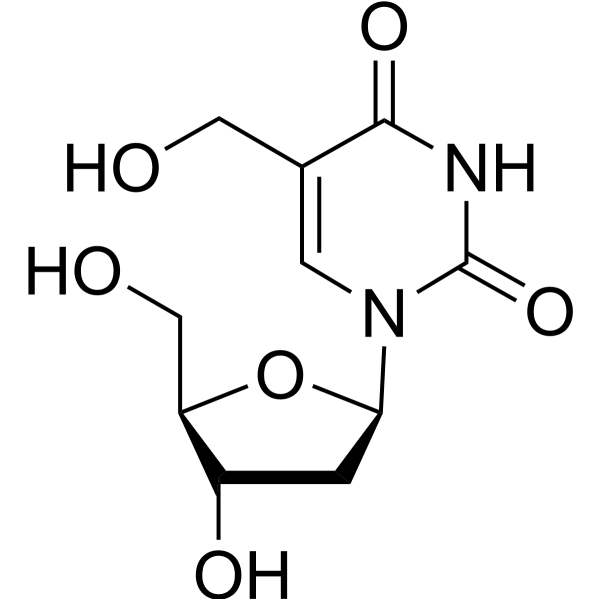
  • HY-129983

    HSV Infection Cancer
    5-Hydroxymethyl-2'-deoxyuridine is a nucleoside analog. 5-Hydroxymethyl-2'-deoxyuridine inhibits the replication of multiple human leukemia cell lines with IC50 values of 1.7-5.8 μM. 5-Hydroxymethyl-2'-deoxyuridine prolongs the survival of mice carrying L1210 leukemia. 5-Hydroxymethyl-2'-deoxyuridine can be used for the research of cell replication and leukemia .
    5-Hydroxymethyl-2'-deoxyuridine
  • HY-100875
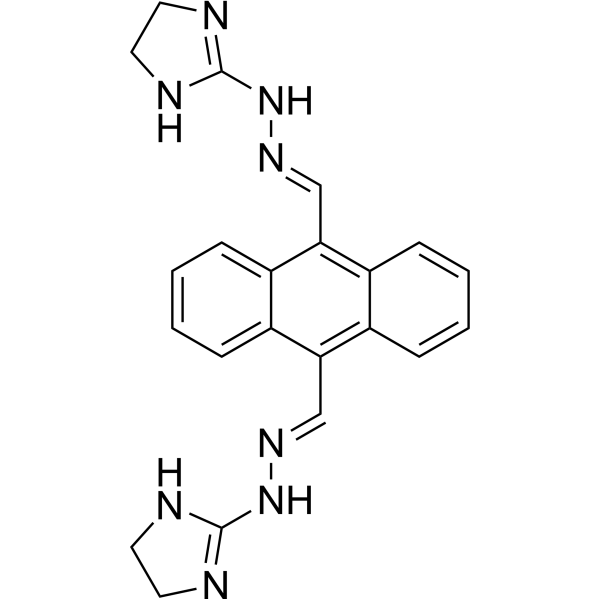
    Bisantrene
    Maximum Cited Publications
    6 Publications Verification

    CL216942

    Topoisomerase Cancer
    Bisantrene is a highly effective antitumor agent, it exerts its cytotoxicity by affecting DNA intercalation. Bisantrene targets eukaryotic type II topoisomerases. Bisantrene is a substrate of MDR1 .
    Bisantrene
  • HY-W590549

    DODAC

    Liposome Cancer
    Dioleyldimethylammonium chloride (DODAC) is a positively charged lipid promoter with membrane-disrupting activity, which is often formulated into cationic liposomes with dioleoylphosphatidylethanolamine. Dioleyldimethylammonium chloride is used in gene transfection research; through electrostatic interactions, it effectively promotes the binding of programmable fusion vesicles to cells and induces membrane disruption. Dioleyldimethylammonium chloride is also applied in studies on L1210 leukemia and LS180 human colon cancer .
    Dioleyldimethylammonium chloride
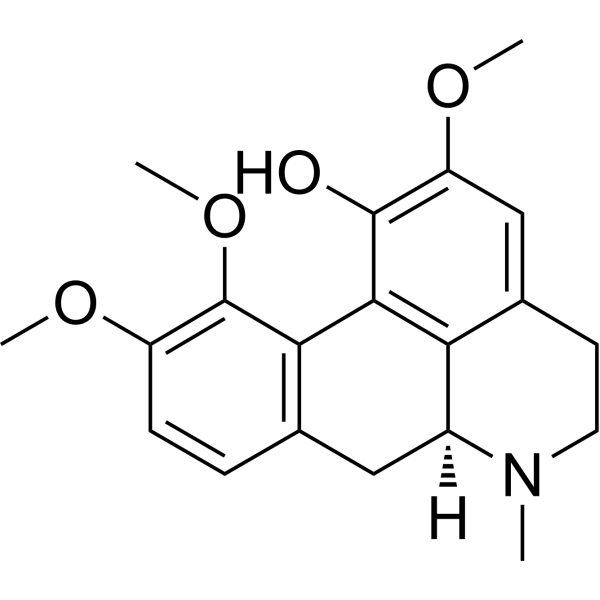
  • HY-N2571

    Reverse Transcriptase HIV Opioid Receptor Infection Neurological Disease Cancer
    Corydine is a HIV-1 reverse transcriptase inhibitor and μ-opioid receptor (MOR) agonist, with an IC50 of 356.7 μg/mL against HIV-1 reverse transcriptase, an EC50 of 0.51 μM for MOR, and a Ki of 2.82 μM for MOR. Corydine produces antinociceptive effects by inhibiting acetic acid-induced writhing behavior in a MOR-dependent manner. Corydine inhibits the proliferation of cancer cells, mitogen-stimulated lymphocytes and IL-2-dependent cells. Corydine can be used in studies related to human immunodeficiency virus infection, visceral pain, leukemia, melanoma, bladder cancer and colon adenocarcinoma .
    Corydine
  • HY-B1713A

    DL-(±)-Ornithine hydrochloride

    Endogenous Metabolite Metabolic Disease
    DL-Ornithine (DL-(±)-Ornithine) hydrochloride is an amino acid and also a urea cycle promoter. DL-Ornithine hydrochloride has the characteristics of low metabolic rate and rapid excretion, and only the L-enantiomer undergoes decarboxylation. In mice inoculated with L-1210 leukemia cells, DL-Ornithine hydrochloride is excreted in urine in its original form, and its conversion to carbon dioxide within 24 h is negligible. DL-Ornithine hydrochloride is mainly used in the urea cycle to eliminate excess nitrogen in the body and protect the kidneys .
    DL-Ornithine hydrochloride
  • HY-100875A
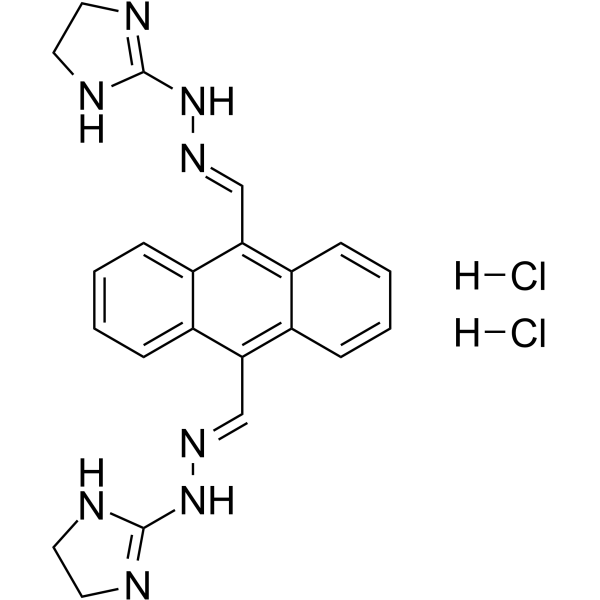
    Bisantrene dihydrochloride
    Maximum Cited Publications
    6 Publications Verification

    CL-216942 dihydrochloride

    Topoisomerase Cancer
    Bisantrene dihydrochloride is a highly effective antitumor agent, it exerts its cytotoxicity by affecting DNA intercalation. Bisantrene dihydrochloride targets eukaryotic type II topoisomerases. Bisantrene dihydrochloride is a substrate of MDR1 .
    Bisantrene dihydrochloride
  • HY-14521B
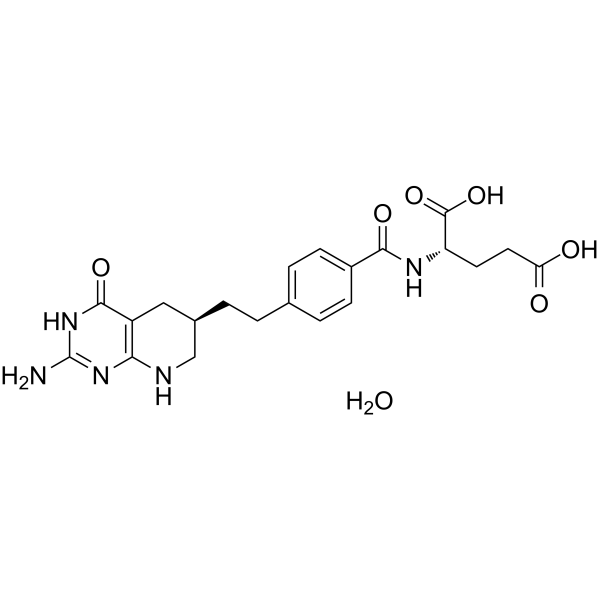
    Lometrexol hydrate
    3 Publications Verification

    DDATHF hydrate

    Antifolate Apoptosis Caspase Bcl-2 Family Cancer
    Lometrexol (DDATHF) hydrate, an antipurine antifolate, can inhibit the activity of glycinamide ribonucleotide formyltransferase (GARFT) but do not induce detectable levels of DNA strand breaks. Lometrexol hydrate can further inhibit de novo purine synthesis, causing abnormal cell proliferation and apoptosis, even cell cycle arrest. Lometrexol hydrate has anticancer activity. Lometrexol hydrate also is a potent human Serine hydroxymethyltransferase1/2 (hSHMT1/2) inhibitor .
    Lometrexol hydrate
  • HY-W096169D

    Biochemical Assay Reagents Drug Intermediate Cancer
    Platinum is a metallic element, and its complexes act as orally active anticancer agents. Platinum-based complexes used for tumors include Cisplatin (HY-17394), Carboplatin (HY-17393), and Oxaliplatin (HY-17371) .
    Platinum
  • HY-N11519

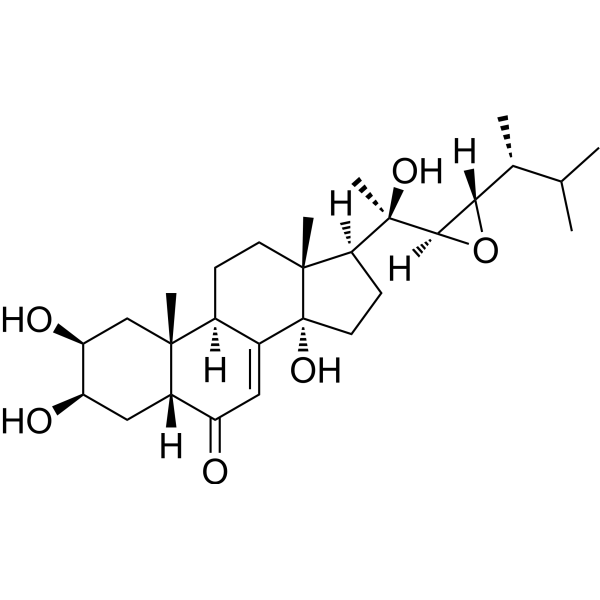
    Others Cancer
    Polyporusterone C (Compound 3) is a natural product that can be isolated from Polyporus umbellatus. Polyporusterone C shows cytotoxic activities with IC50s of 37, 26 and 42 μg/mL against L-1210 cells at 3, 5 and 7 days, respectively .
    Polyporusterone C
  • HY-129861

    HSV Infection Cancer
    5'-Ethynyl-2'-deoxycytidine is an inhibitor for HSV, that inhibits the cytopathic effect of HSV-1 in primary rabbit kidney cell with a MIC of 0.2 μg/mL. 5'-Ethynyl-2'-deoxycytidine inhibits the proliferation of leukemia L1210 cell with an IC50 of 64.5 μg/mL .
    5'-Ethynyl-2'-deoxycytidine
  • HY-10819

    Antifolate Cancer
    AG2034 is an inhibitor of glycinamide ribonucleotide formyltransferase (GARFT), with a Ki of 28 nM against human GARFT, and it binds with high affinity to the folate receptor (Kd of 0.0042 nM). Additionally, AG2034 is a substrate for rat liver folylpolyglutamate synthetase, with a Km of 6.4 µM. AG2034 inhibits the growth of L1210 and CCRF-CEM cells, with IC50 values of 4 nM and 2.9 nM, respectively, and it has demonstrated antitumor activity in xenograft models such as 6C3HED .
    AG2034
  • HY-14521A
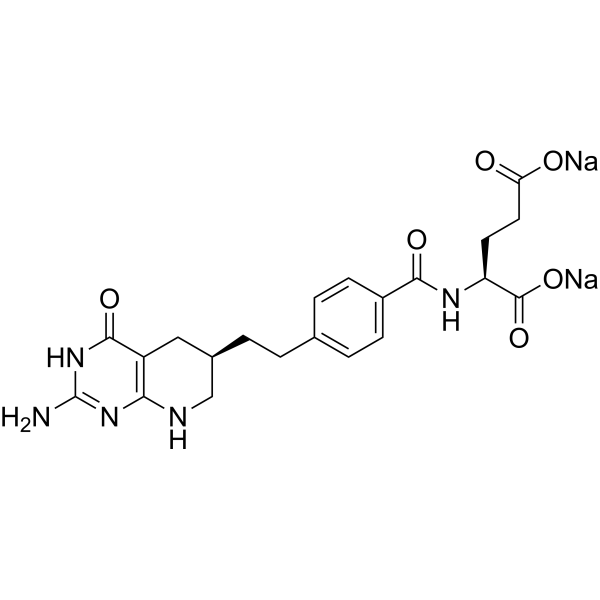
    Lometrexol disodium
    3 Publications Verification

    DDATHF disodium

    Antifolate Apoptosis Caspase Bcl-2 Family Cancer
    Lometrexol (DDATHF) disodium, an antipurine antifolate, can inhibit the activity of glycinamide ribonucleotide formyltransferase (GARFT) but do not induce detectable levels of DNA strand breaks. Lometrexol disodium can further inhibit de novo purine synthesis, causing abnormal cell proliferation and apoptosis, even cell cycle arrest. Lometrexol disodium has anticancer activity. Lometrexol disodium also is a potent human Serine hydroxymethyltransferase1/2 (hSHMT1/2) inhibitor .
    Lometrexol disodium
  • HY-129356A

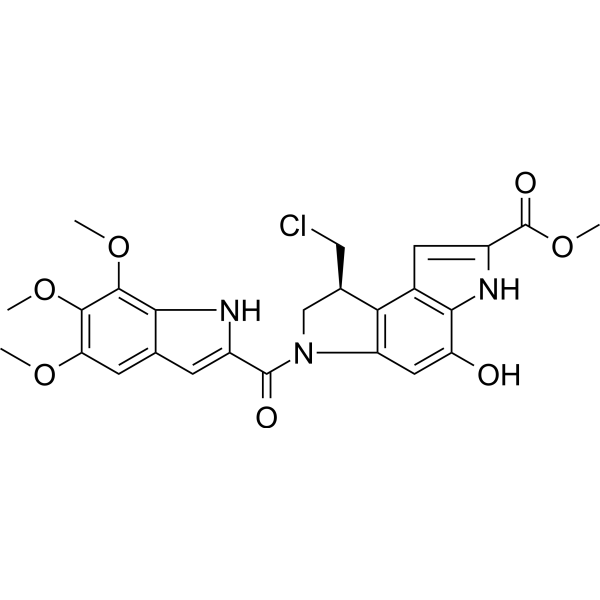
    Drug Isomer Cancer
    (S)-Seco-Duocarmycin SA is the S-enantiomer of Seco-Duocarmycin SA (HY-129356). Seco-Duocarmycin SA can be used for cancer research .
    (S)-Seco-Duocarmycin SA
  • HY-118917

    IMPDH Inflammation/Immunology
    VX-148 is an orally active immunosuppressant, which is a non-competitive inosine-5'-monophosphate dehydrogenase (IMPDH) inhibitor with Ki values for IMPDH Ⅱ and IMPDH Ⅰ of 6 and 14 nM respectively. VX-148 can significantly inhibit the proliferation of human peripheral blood mononuclear cells (PBMC) stimulated by T-cell mitogen (PHA) or B-cell mitogen (SPAS). VX-148 has high selectivity for lymphocytes (such as L1210, Jurkat T cells, and Raji B cells), but has no significant toxicity to non-lymphoid cells. VX-148 can inhibit antibody responses in mouse models and significantly prolong the survival time of transplanted skin in allogeneic skin transplantation models. VX-148 can be used in the research of autoimmune diseases (such as rheumatoid arthritis, psoriasis) and organ transplantation anti-rejection .
    VX-148
  • HY-P990115

    Orexin Receptor (OX Receptor) Inflammation/Immunology Cancer
    Anti-Mouse OX40/CD134 Antibody (OX-86) is an anti-mouse OX40/CD134 IgG1 monoclonal antibody. Anti-Mouse OX40/CD134 Antibody (OX-86) can enhance the anti-tumor function of CD8 + T cells. Anti-Mouse OX40/CD134 Antibody (OX-86) can reverse immune suppression, enhance antigen presentation and T cell activation. Anti-Mouse OX40/CD134 Antibody (OX-86) can be used for research on cancer such as papilloma and leukemia .
    Anti-Mouse OX40/CD134 Antibody (OX-86)
  • HY-19825

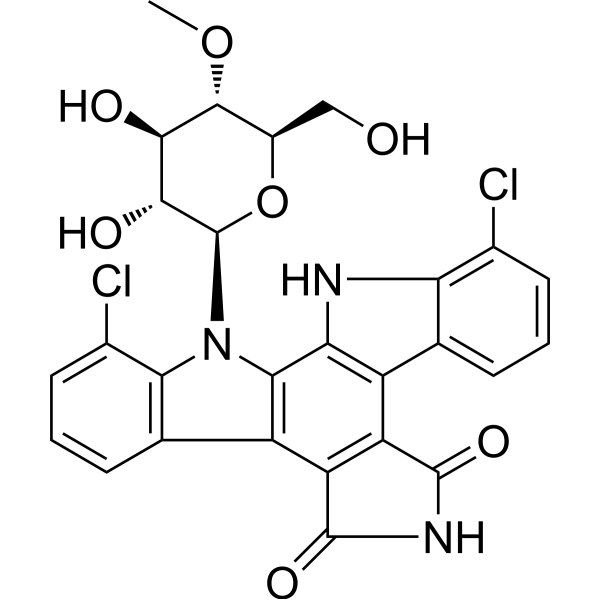
    Topoisomerase ADC Payload Antibiotic Cancer
    Rebeccamycin, an antitumor antibiotic, inhibits DNA topoisomerase I. Rebeccamycin appears to exert its primary antineoplastic effect by poisoning topoisomerase I and has negligible effect on protein kinase C and topoisomerase II .
    Rebeccamycin
  • HY-N15600

    (-)-Merulidial

    Antibiotic Fungal Bacterial DNA/RNA Synthesis Infection Cancer
    Merulidial (Compound 1) is an antibiotic and cytotoxic agent with a sesquiterpene dialdehyde structure. Merulidial significantly inhibits the germination of spores and the hyphal growth of the wood-roting basidiomycete Heterobasidion annosum (H. annosum) and the saprophytic mould Cladosporium cucumerinum (C.cucumerinum). Merulidial also inhibits a variety of bacteria, algae and DNA synthesis of ECA cells. Merulidial shows a strong anticancer activity with IC50 s of 20 and 10 μg/mL for ECA and L1210 cells, respectively .
    Merulidial
  • HY-115738

    Drug Derivative Metabolic Disease
    2-Acetamido-2,4-dideoxy-4-fluoro-α-D-glucopyranose (Compound 13) is a 2-acetamido-2-deoxy-D-glucose analog. 2-Acetamido-2,4-dideoxy-4-fluoro-α-D-glucopyranose is applicable to research related to glycosaminoglycan biosynthesis .
    2-Acetamido-2,4-dideoxy-4-fluoro-α-D-glucopyranose
  • HY-P991016

    PT-217

    CD47 Inflammation/Immunology
    Peluntamig (PT-217) is a bispecific antibody targeting DLL3 and CD47. The antibody arms of Peluntamig specifically bind to DLL3 on small cell lung cancer tumor cells while blocking the CD47-SIRPa interaction, thereby effectively stimulating macrophage phagocytosis and inducing NK cell-mediated cytotoxicity. Peluntamig exhibits significant anti-tumor activity against small cell lung cancer and also has favorable safety profiles. Peluntamig can be used in a variety of tumor-related studies including those on small cell lung cancer and L1210 leukemia .
    Peluntamig
  • HY-118834

    Lyngbyatoxin A

    PKC Inflammation/Immunology Cancer
    Teleocidin A1 (Lyngbyatoxin A) is a PKC activator with a Ki value of 0.11 nM for binding to the PKCδ-C1B peptide. Teleocidin A1 exhibits anticancer activity against cervical cancer and leukemia. Teleocidin A1 can induce seaweed dermatitis, food poisoning and local skin toxicity. Teleocidin A1 can be used in studies related to cervical cancer, seaweed dermatitis and food poisoning .
    Teleocidin A1
  • HY-23120

    Antibiotic Virus Protease Infection Cancer
    1-Hydroxyguanidine sulfate is an antitumor agent that inhibits mast cell P815, leukaemia P388, leukaemia L1210 and carcinosarcoma Walker 256 cells growth. 1-Hydroxyguanidine sulfate also has antiviral activity .
    1-Hydroxyguanidine sulfate
  • HY-129564

    Antibiotic Cancer
    Acetomycin is an antibiotic. Acetomycin inhibits the growth of CT-8 human colon adenocarcinoma cells (IC50: 1.5 μg/mL) and L1210 murine leukemia cells (IC50: 2.2 μg/mL). Acetomycin can be isolated from actinomycete WP-2661 .
    Acetomycin
  • HY-N8519

    Bacterial Fungal Antibiotic Infection Cancer
    Urdamycin B is an antibiotic that effectively inhibits fungi and bacteria. Urdamycin B also exhibits anti-proliferative activity against mouse leukemia cells L1210. Urdamycin B can be obtained from the metabolic products of Streptomyces fradiae. Urdamycin B can be used for research on cancer as well as bacterial and fungal infections .
    Urdamycin B
  • HY-117708

    Drug Intermediate Cancer
    Antitumor agent-144 (16) is an antitumor agent, with IC50 values of 2.6 μM and 8.4 μM in L1210 and KB cells, respectively .
    Antitumor agent-144
  • HY-W194107

    DNA/RNA Synthesis Cancer
    Antitumor agent-152 (Compound 5) is a specific substrate and inhibitor of deoxycytidine kinase (dCK) with anticancer activity. Antitumor agent-152 can inhibit the uptake of 3H-dC in L1210 leukemia cells with an IC50 value of 1.12 μM .
    Antitumor agent-152
  • HY-N10206

    Endogenous Metabolite Cancer
    11-epi-Chaetomugilin I is a metabolite found in Chaetomium globosum. 11-epi-Chaetomugilin I exhibits significant cytotoxic activity against the murine P388 leukemia cell line, the human HL-60 leukemia cell line, the murine L1210 leukemia cell line, and the human KB epidermoid carcinoma cell line .
    11-epi-Chaetomugilin I
  • HY-124116

    DNA/RNA Synthesis Cancer
    PD 121373 is a DNA complexing agent with antitumor activity. PD 121373 can bind tightly to DNA and RNA and inhibit the synthesis of DNA and RNA. The IC50 values of PD 121373 for inhibiting DNA and RNA synthesis in L1210 cells are 0.5 μM and 0.3 μM, respectively .
    PD 121373
  • HY-N14776

    Antibiotic Bacterial Infection Cancer
    11-Demethyltomaymycin is an antibiotic. 11-Demethyltomaymycin has antiviral activity against Escherichia coli T1 and T3 phages and antibacterial activity against Gram-positive bacteria. In addition, 11-Demethyltomaymycin is cytotoxic to leukemia L1210 cells .
    11-Demethyltomaymycin
  • HY-122045

    Dihydrofolate reductase (DHFR) Thymidylate Synthase Cancer
    CB 3705 is a dihydrofolate reductase (DHFR) and thymidylate synthetase (TS) inhibitor. CB 3705 inhibits L1210 cells and mutant L1210 cell line (L1210:C15) with ID50s of 4.77 μM and 408 μM, respectively .
    CB 3705
  • HY-10082A

    (E)-PAN-811; (E)-NSC# 663249; (E)-OCX191

    DNA/RNA Synthesis Cancer
    (E)-3-AP is the E configuration of 3-AP. 3-AP is a potent ribonucleotide reductase inhibitor. 3-AP shows anti-proliferative activity. 3-AP shows anticancer activity in L1210 leukemia model. 3-AP inhibits RR activity and DNA synthesis .
    (E)-3-AP
  • HY-113700

    Antibiotic Cancer
    PD 116779 is an Antibiotic with anticancer activity. PD 116779 demonstrates moderate cytotoxicity against L1210 lymphocytic leukemia and HCT-8 human colon adenocarcinoma cell lines with IC50 values of 3.55x10 -7 and 4.08x10 -7 M, respectively .
    PD 116779
  • HY-W077242

    DNA/RNA Synthesis Cancer
    1,4-Anthraquinone is a potent anticancer agent. 1,4-Anthraquinone blocks nucleoside transport, inhibits macromolecule synthesis, induces DNA fragmentation, and decreases the growth and viability of cancer cells. 1,4-Anthraquinone can be used to research anti-leukemia .
    1,4-Anthraquinone
  • HY-P11158

    Fungal HIV Reverse Transcriptase Infection Cancer
    Gymnin is a defensin-like antifungal peptide. Gymnin has significant antifungal activities against phytopathogenic and mycotoxigenic fungi. Gymnin inhibits HIV-1 reverse transcriptase with an IC50 of 200 μM and the proliferation of tumor cells. Gymnin has a weak mitogenic activity toward murine splenocytes. Gymnin can be used for plant disease treatments research .
    Gymnin
  • HY-N14140

    Antibiotic Bacterial Infection Cancer
    Dioxolamycin is an antitumor antibiotic that can inhibit L-1210 cell activity .
    Dioxolamycin
  • HY-N15034

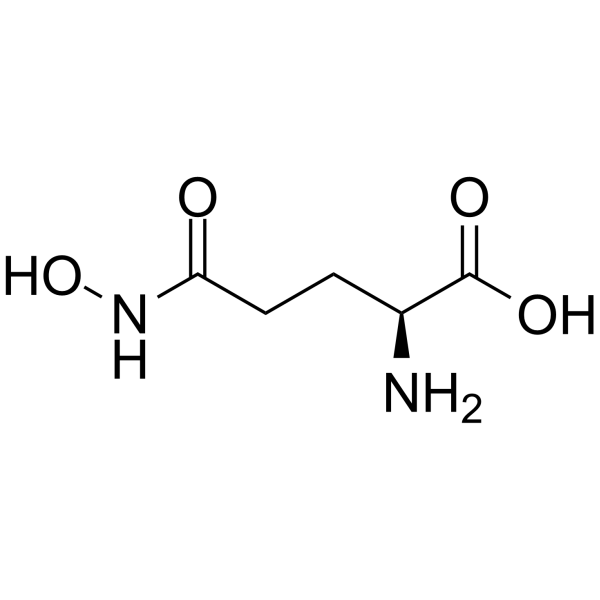
    Antibiotic Bacterial Infection
    7-Hydroxyguanine is an antibiotic that can inhibit the growth of L1210 leukemia cells .
    7-Hydroxyguanine
  • HY-N14787

    Bacterial Infection Cancer
    Basidalin has the ability of anti-Gram-positive bacteria, negative bacteria and inhibition of mouse leukemia L-1210 cell.
    Basidalin
  • HY-N14697

    Antibiotic Cancer
    Cytorhodin X is a cytotoxic antibiotic. Cytorhodin X can inhibit the proliferation of L1210 murine leukemia cells, with an ED50 of 0.36 μM .
    Cytorhodin X
  • HY-10823

    GW1843; 1843U89; OSI-7904

    Thymidylate Synthase DNA/RNA Synthesis Cancer
    OSI-7904L (GW1843; 1843U89; OSI-7904) is a thymidylate synthase (TS) inhibitor with a Ki of 90 pM. OSI-7904L blocks de novo synthesis of thymidine nucleotides, DNA synthesis and induces cell death. OSI-7904L inhibits the growth of human cells, induces tumor regression, and achieves durable antitumor effects in mouse xenograft models. OSI-7904L can be used in research related to colon adenocarcinoma .
    OSI-7904L
  • HY-115836

    Dihydrofolate reductase (DHFR) Cancer
    DDPO is an inhibitor for dihydrofolate reductase (DHFR) with an IC50 of 0.035 µM. DDPO inhibits the cell growth of cancer cell L1210 and WI-L2with IC50 of 5 and 0.28 µM .
    DDPO
  • HY-N14377

    Bacterial Infection Cancer
    Papyracon D has weak effect against nematodes and has inhibitory effect on L1210 and HL60 cells. Papyracon D also has weak anti-Gram-positive bacterial effect .
    Papyracon D
  • HY-N14947

    Quinone Reductase Cancer
    Pterulinic acid is a coenzyme I: Coenzyme Q oxidoreductase inhibitor. he IC50 (μg/mL) L1210 and HL60 of Pterulinic acid to mammalian cell lines are 50 and 20 respectively. HeLaS3 25; BHK is 100 .
    Pterulinic acid
  • HY-16189

    NSC 264137; Celiptium

    DNA Stain Cancer
    Elliptinium acetate (NSC 264137) is a DNA intercalating agent that is highly cytotoxic to L1 210 cells and covalently binds to nucleic acids from L1210 cells. Elliptinium acetate can be used in cancer research, particularly in metastatic breast cancer .
    Elliptinium acetate
  • HY-N14764

    DNA/RNA Synthesis Antibiotic Bacterial Infection Cancer
    2-Hydroxyaclacinomycin A is an anthracycline antibiotic. 2-Hydroxyaclacinomycin A has the activity of inhibiting leukemia L-1210 cells, and the IC50 for RNA and DNA synthesis is 0.10 μg/mL and 0.95 μg/mL, respectively .
    2-Hydroxyaclacinomycin A
  • HY-N14747

    Bacterial Infection
    Elloramycin has weak activity against Gram-positive bacteria, streptomycete and L-1210 leukemic cells, but has no effect on mouse leukemic P388 cells in vivo, and also has a strong inhibition of Streptomyces (including the production of bacteria themselves) activity .
    Elloramycin
  • HY-N14802

    Antibiotic Bacterial Infection
    Napyradiomycin B1 is an antibiotic with anti-Gram-positive bacteria and mycobacterial activity. Napyradiomycin B1 almost none to Gram-negative bacteria and fungi. IC50 (μg/mL) of leukemia L-1210 cells is 2.2 .
    Napyradiomycin B1
  • HY-N14652

    Antibiotic Bacterial Infection Cancer
    Glycocinnasperimicin D is a glycoside cinnamyl imide histamine antibiotic. Glycocinnasperimicin D has the activity of anti-Gram positive bacteria and negative bacteria. Glycocinnasperimicin D inhibits leukemia L1210 cell with an IC50 of 2.0 μg/mL .
    Glycocinnasperimicin D
  • HY-N14806

    Antibiotic Bacterial Infection
    Napyradiomycin C1 is an antibiotic with anti-Gram-positive bacteria and mycobacterial activity. Napyradiomycin C1 almost none to Gram-negative bacteria and fungi. IC50 (μg/mL) of leukemia L-1210 cells is 9.2 .
    Napyradiomycin C1
  • HY-N15055

    Antibiotic Bacterial Infection
    Propeptin is a peptide antibiotic composed of 19 amino acids. Propeptin has weaker activity against Pseudomonas aeruginosa, Mycobacterium monobacterium, and Xanthomonas oryzae. Propeptin has no effect on KB and L1210 cells of tumor cell lines, but has an inhibitory effect on prolyl endopeptidase .
    Propeptin
  • HY-N8512

    Fungal Infection
    Asperfuran is an antifungal dihydrobenzofuran derivative produced by a strain of Aspergillus oryzae. Asperfuran weakly inhibits chitin synthase from Coprinus cinereus. Asperfuran shows weak cytotoxicity In HeLa S3 and L1210 cells with an IC50 of 25 μg/ml .
    Asperfuran

Inquiry Online

Your information is safe with us. * Required Fields.

Salutation


Country or Region *

Applicant Name *


Organization Name *

Department *


Email Address *


Product Name *

Cat. No.


Requested quantity *

Phone Number *


Remarks

Inquiry Online

Inquiry Information

Product Name:
Cat. No.:
Quantity:
MCE Japan Authorized Agent:

