

1. Search Result
Search Result
Results for "

LTA

" in MedChemExpress (MCE) Product Catalog:

47

Inhibitors & Agonists

3

Peptides

1

Inhibitory Antibodies

7

Natural
Products

9

Recombinant Proteins

2

Isotope-Labeled Compounds

2

Antibodies

7

Oligonucleotides

Cat. No. Product Name Target Research Areas Chemical Structure
  • HY-B0494
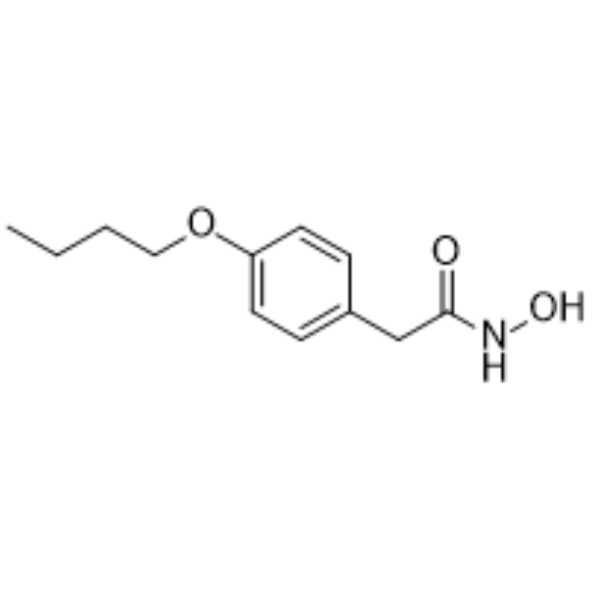
    Bufexamac
    2 Publications Verification

    Bufexamic acid

    HDAC Aminopeptidase Inflammation/Immunology Cancer
    Bufexamac is a selective Ⅱb HDAC (HDAC6, HDAC10) and LTA4H dual inhibitor, with Kds of 0.53 µM and 0.22 µM for HDAC6 and HDAC10. Bufexamac is a nonsteroida anti-inflammatory drug .
    Bufexamac
  • HY-W074890
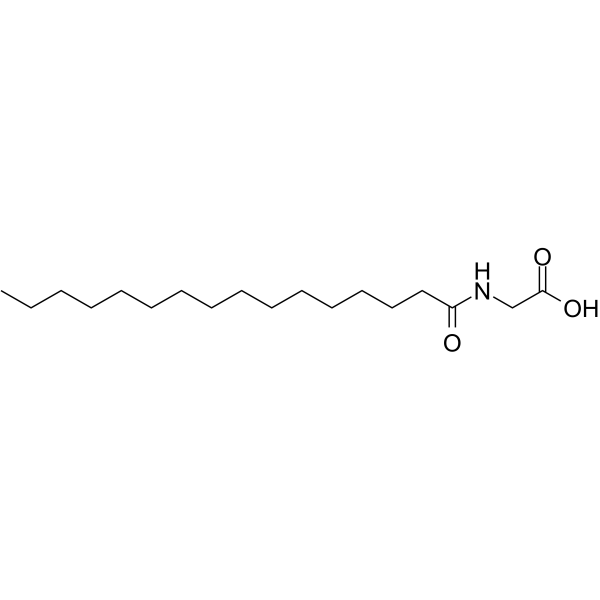
    Palmitoylglycine
    1 Publications Verification

    N-palmitoyl glycine

    Calcium Channel NO Synthase Neurological Disease Inflammation/Immunology
    Palmitoylglycine (N-palmitoyl glycine), an endogenous lipid that acts as a modulator of calcium influx and nitric oxide () production in sensory neurons. Palmitoylglycine is linked to an increased risk of Background Brugada syndrome (BrS) and interacts with BrS-associated proteins, demonstrating moderate binding affinities for DCC, CR1, CTSB, NAAA, DEFB1, EPHA1, IGF1/IGFBP3/ALS, and LTA .
    Palmitoylglycine
  • HY-137298

    LTA4H-IN-1

    Aminopeptidase Inflammation/Immunology
    LTA4H-IN-1 is a potent inhibitor of leukotriene A4 hydrolase (LTA4H) extracted from patent WO2015092740A1, example 29, has an IC50 of 2 nM. LTA4H-IN-1 can be used for the research of inflammatory and autoimmune disorders .
    LYS006
  • HY-W004291

    Methyl icosanoate

    Aminopeptidase Infection
    Methyl arachidate (Methyl icosanoate) is a component of lipid mixtures. Methyl arachidate can be isolated from flowering plants. Methyl arachidate inhibits LTA4H. Methyl arachidate shows no antifeedant activity against Leptinotarsa decemlineata .
    Methyl arachidate
  • HY-P1116
    PBP10
    1 Publications Verification

    Bacterial Reactive Oxygen Species (ROS) Interleukin Related Infection Inflammation/Immunology
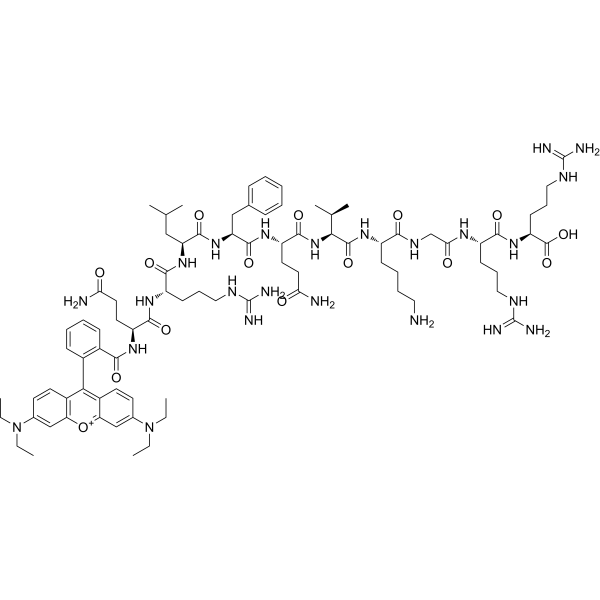
    PBP10 is a decapeptide. PBP10 selectively binds to lipoteichoic acid (LTA), lipopolysaccharide (LPS) and phosphatidylinositol-4,5-bisphosphate (PIP2). PBP10 penetrates cell membranes and possesses bactericidal, anti-inflammatory, cell motility-inhibiting and actin assembly-regulating activities. PBP10 is applicable to relevant research on bacterial infections, microbe-induced inflammation, skin and soft tissue infections, as well as sepsis .
    PBP10
  • HY-P5255

    Bacterial Infection Inflammation/Immunology
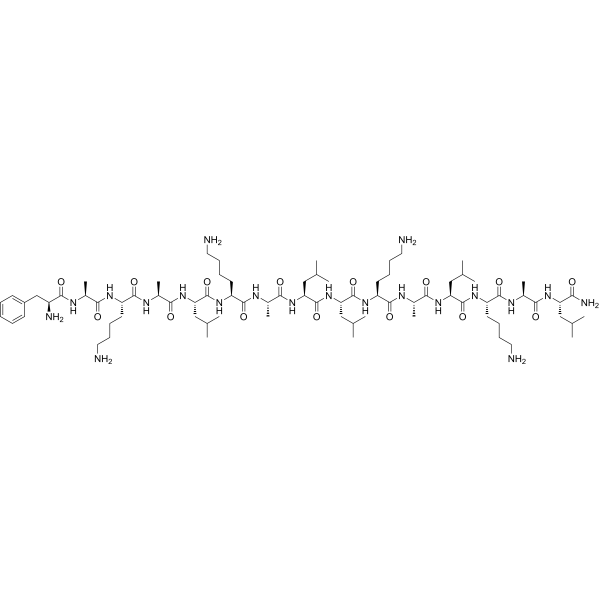
    Oligopeptide-10 is a bioactive peptide with antimicrobial activity. Oligopeptide-10 exhibits broad-spectrum bactericidal effects against Gram-positive bacteria including Propionibacterium acnes and Staphylococcus aureus. Oligopeptide-10 targets lipoteichoic acid (LTA) on the surface of bacterial cell membranes, induces bacterial osmotic imbalance by disrupting the integrity of bacterial membranes, and reduces the release of pro-inflammatory cytokines induced by bacteria. Oligopeptide-10 possesses skin-protective activity. Oligopeptide-10 can be applied in research related to acne vulgaris, dandruff, seborrheic dermatitis, and tinea pedis .
    Oligopeptide-10
  • HY-135813
    LtaS-IN-1
    1 Publications Verification

    Bacterial Infection
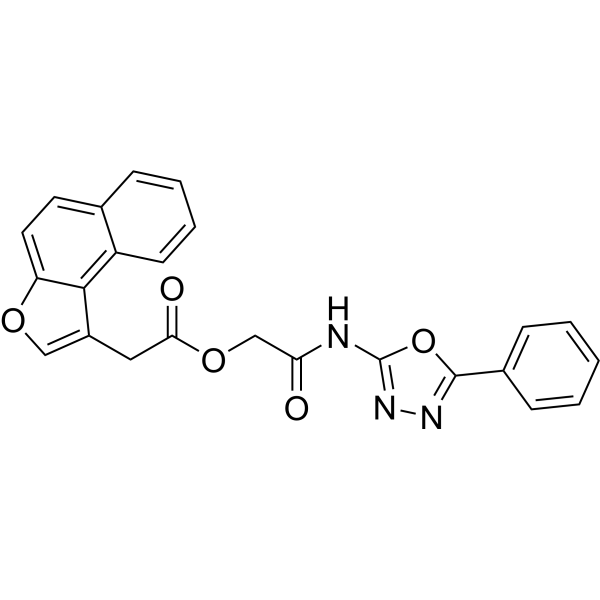
    LtaS-IN-1 (compound 1771) is a potent small-molecule inhibitor of Lipoteichoic acid (LTA) synthesis in multidrug-resistant (MDR) E. faecium and by altering the cell wall morphology. LtaS-IN-1 alone inhibits Enterococcus.spp 28 strains with varying MIC values ranging from 0.5 μg/mL to 64 μg/mL. LtaS-IN-1 combination with antibiotics abolishs multidrug-resistant E. faecium growth almost completely .
    LtaS-IN-1
  • HY-10320A
    Doramapimod hydrochloride
    Maximum Cited Publications
    51 Publications Verification

    BIRB 796 hydrochloride

    Autophagy Raf p38 MAPK Inflammation/Immunology
    Doramapimod hydrochloride (BIRB 796 hydrochloride) is an anti-inflammatory compound with biological activity through inhibition of p38 MAPK. Doramapimod hydrochloride can significantly inhibit the activities of TNF-α and IL-1β induced by LPS, LTA and PGN. Doramapimod hydrochloride showed a stronger inhibitory effect on inflammation induced by all three bacterial toxins, which was more significant compared with the effects of other compounds. Doramapimod hydrochloride can be used in the research of autoimmune diseases .
    Doramapimod hydrochloride
  • HY-103226
    SC-57461A
    2 Publications Verification

    Aminopeptidase Inflammation/Immunology
    SC-57461A is a potent, orally active, nonpeptide, and selective inhibitor of Leukotriene A4 (LTA4) hydrolase with IC50s of 2.5 nM, 3 nM, and 23 nM for recombinant human, mouse, and rat LTA4 hydrolase, respectively .
    SC-57461A
  • HY-P99309

    BSYX-A 110; Anti-S. Epidermidis LTA Recombinant Antibody

    Bacterial Infection
    Pagibaximab is a chimeric IgG1 antibody recognizing the surface component lipoteichoic acid of S. aureus and S. epidermidis. Pagibaximab can be used to prevent staphylococcal sepsis .
    Pagibaximab
  • HY-P1116A
    PBP10 TFA
    1 Publications Verification

    Bacterial Infection Inflammation/Immunology
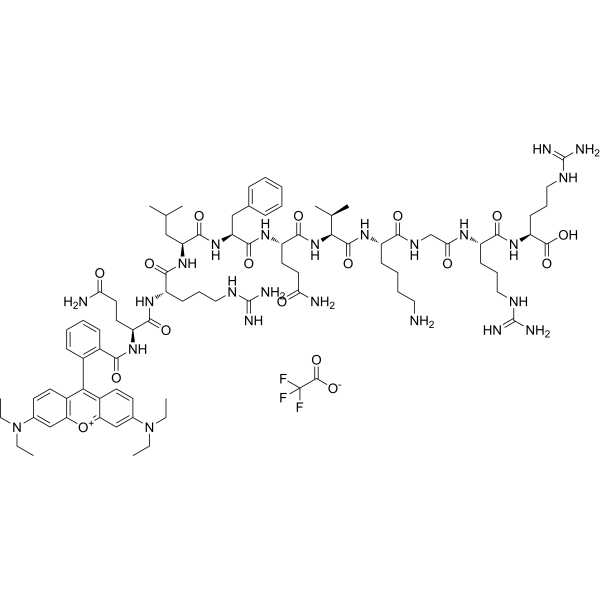
    PBP10 TFA is a decapeptide. PBP10 TFA selectively binds to lipoteichoic acid (LTA), lipopolysaccharide (LPS) and phosphatidylinositol-4,5-bisphosphate (PIP2). PBP10 TFA penetrates cell membranes and possesses bactericidal, anti-inflammatory, cell motility-inhibiting and actin assembly-regulating activities. PBP10 TFA is applicable to relevant research on bacterial infections, microbe-induced inflammation, skin and soft tissue infections, as well as sepsis .
    PBP10 TFA
  • HY-129461

    DTS

    Cathepsin Cancer
    Dibenzyl trisulfide (DTS) is an active ingredient that can be isolated from Petiveria alliacea L.. Dibenzyl trisulfide inhibits cell proliferation and migration. Dibenzyl trisulfide decreased the mRNA and protein expression of BAK-1 and LTA. Dibenzyl trisulfide induces lysosomal membrane permeabilization and cathepsin B release .
    Dibenzyl trisulfide
  • HY-W097753

    4-Methoxydiphenylmethane

    Aminopeptidase Others
    4-MDM (4-Methoxydiphenylmethane) is an orally active anti-inflammatory compound that selectively enhances the Leukotriene A4 Hydrolase (LTA4H) aminopeptidase enzyme activity. 4-MDM reduces the neutrophil recruitment in the lung by enhancing the degradation of proline-glycine-proline by LTA4H, thereby reducing inflammation, and does not affect the epoxy-hydrolase activity of LTA4H. 4-MDM can be used for research on lung diseases .
    4-MDM
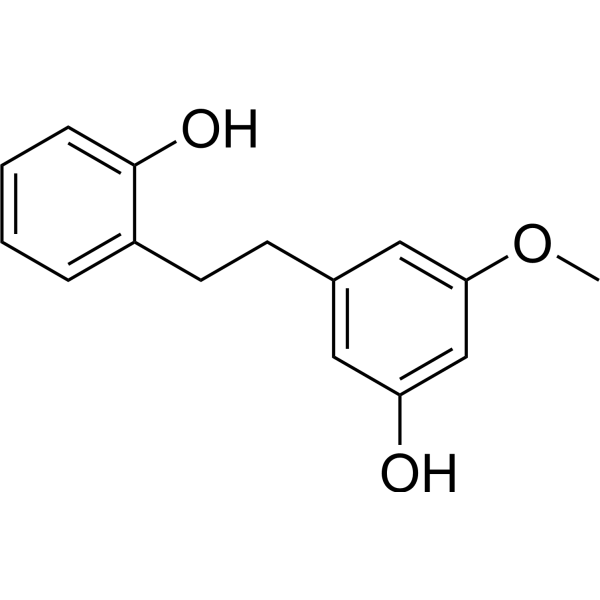
  • HY-N8760

    Aminopeptidase Inflammation/Immunology
    Batatasin IV is an LTA4H inhibitor with anti-inflammatory activity. Batatasin IV is also a natural product that can be obtained from Dioscorea batatus. Batatasin IV can be used in research in the area of inflammation .
    Batatasin IV
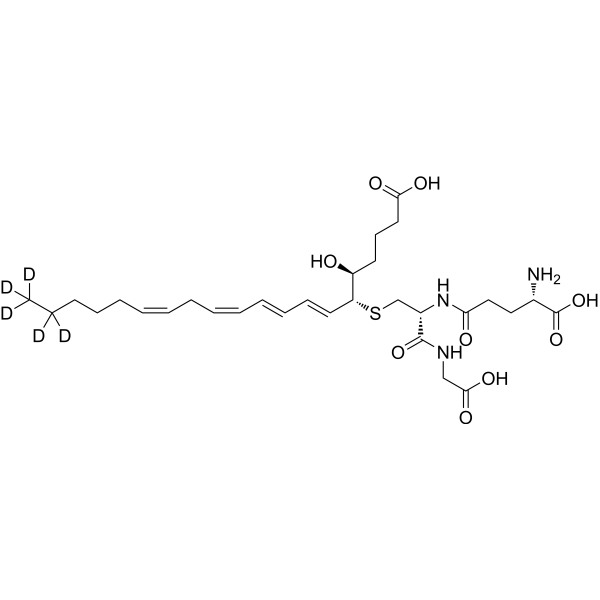
  • HY-113446S

    Endogenous Metabolite Isotope-Labeled Compounds Cardiovascular Disease Inflammation/Immunology
    Leukotriene C4-d5 is the deuterium labeled Leukotriene C4. Leukotriene C4 is the parent cysteinyl leukotriene produced by the LTC4 synthase catalyzed conjugation of glutathione to LTA4.
    Leukotriene C4-d5
  • HY-112621

    LTA4 methyl ester

    Biochemical Assay Reagents Inflammation/Immunology
    Leukotriene A4 methyl ester (LTA4 methyl ester) is synthesized in mast cells, eosinophils, and neutrophils from arachidonic acid by 5-lipoxygenase (5-LO), which exhibits both lipoxygenase and LTA4 synthase activities. LTA4 is rapidly metabolized by LTA4 hydrolase or LTC4 synthase to LTB4 or LTC4, respectively. LTA4, from leukocytes, is known to undergo transcellular metabolism in platelets, erythrocytes, and endothelial cells. Further metabolism of LTA4 by 15-LO leads to lipoxin biosynthesis. LTA4 as a free acid is highly unstable. The methyl ester is stable and can be readily hydrolyzed to the free acid as needed.
    Leukotriene A4 methyl ester
  • HY-W074890R

    N-palmitoyl glycine (Standard)

    Reference Standards Calcium Channel NO Synthase Neurological Disease Inflammation/Immunology
    Palmitoylglycine (Standard) is the analytical standard of Palmitoylglycine. This product is intended for research and analytical applications. Palmitoylglycine (N-palmitoyl glycine), an endogenous lipid that acts as a modulator of calcium influx and nitric oxide () production in sensory neurons. Palmitoylglycine is linked to an increased risk of Background Brugada syndrome (BrS) and interacts with BrS-associated proteins, demonstrating moderate binding affinities for DCC, CR1, CTSB, NAAA, DEFB1, EPHA1, IGF1/IGFBP3/ALS, and LTA[1][2][3].
    Palmitoylglycine (Standard)
  • HY-RS07869

    Small Interfering RNA (siRNA) Others

    Lta Mouse Pre-designed siRNA Set A contains three designed siRNAs for Lta gene (Mouse), as well as a negative control, a positive control, and a FAM-labeled negative control.

    Lta Mouse Pre-designed siRNA Set A
    Lta Mouse Pre-designed siRNA Set A
  • HY-10828

    Aminopeptidase Inflammation/Immunology
    SC-57461 is a potent, orally active, nonpeptide, and selective inhibitor of Leukotriene A4 (LTA4) hydrolase with IC50s of 2.5 nM, 3 nM, and 23 nM for recombinant human, mouse, and rat LTA4 hydrolase, respectively .
    SC-57461
  • HY-164051
    1650-M15
    1 Publications Verification

    Bacterial Infection
    1650-M15 is an inhibitor of lipoteichoic acid synthase (LtaS). It has inhibitory activity against Gram-positive bacteria but has no significant inhibitory effect against Gram-negative bacteria. The IC50s of 1650-M15 against MRSA and MSSA are 62.44 μM and 66.42 μM, respectively, and the MICs are both 200 μM .
    1650-M15
  • HY-146811

    Bacterial Inflammation/Immunology
    HSGN-94 is a potent antimicrobial agent with lipoteichoic acid (LTA) biosynthesis inhibition. HSGN-94 inhibits drug-resistant Gram-positive bacteria with MIC values of 0.25-2 μg/mL. HSGN-94 inhibits biofilm formation of MRSA and Vancomycin-resistant Enterococci. HSGN-94 also inhibits pro-inflammatory cytokines, exhibits in vivo efficacy in an MRSA murine wound infection model .
    HSGN-94
  • HY-161349

    Aminopeptidase Inflammation/Immunology
    LTA4H-IN-4 (compound 3) is an orally active LTA4H inhibitor. The IC50 value of LTA4H-IN-4 for hERG is 156 μM. LTA4H-IN-4 can be used in inflammation related studies .
    LTA4H-IN-4
  • HY-115500

    Endogenous Metabolite Opioid Receptor Leukotriene Receptor Neurological Disease Inflammation/Immunology
    PL265 is an orally active dual enkephalinase inhibitor. PL265 is a prodrug of PL254, which can simultaneously and efficiently inhibit neutral endopeptidase (Neprilysin) and Aminopeptidase N. PL265 can effectively protect and significantly increase the local concentration of enkephalins (such as Met-Enkephalin and Leu-Enkephalin) released by cells at the pain or inflammation sites, thereby activating μ and δ opioid receptors to produce a potent analgesic effect. PL254 can also inhibit leukotriene A4 hydrolase (LTA4H), which may contribute to its additional anti-inflammatory effect by reducing the production of pro-inflammatory mediator leukotriene B4 (LTB4). PL265 can be used in non-addictive chronic pain research .
    PL265
  • HY-162710

    Aminopeptidase Inflammation/Immunology
    LTA4H-IN-5 (Compound H122) is an orally active inhibitor for leukotriene A4 hydrolase (LTA4H), that inhibits the LTA4H aminopeptidase and LTA4H hydrolase with IC50 of 0.38 nM and 16.93 nM. LTA4H-IN-5 exhibits good pharmacokinetic characteristics in C57 mice and ameliorates the DNBS-induced ulcerative enteritis in rat models .
    LTA4H-IN-5
  • HY-160646

    Aminopeptidase Inflammation/Immunology
    LTA4H-IN-3 (compound 9) is a LTA4H inhibitor with the IC50 of 28 nM .
    LTA4H-IN-3
  • HY-174588

    mRNA Inflammation/Immunology
    Human LTA mRNA encodes the human lymphotoxin alpha (LTA) protein, a member of the tumor necrosis factor family. LTA mediates a large variety of inflammatory, immunostimulatory, and antiviral responses. It involves in the formation of secondary lymphoid organs during development and plays a role in apoptosis.
    Human LTA mRNA
  • HY-162015

    Aminopeptidase Inflammation/Immunology
    LTA4H-IN-2 (compound (S)-2 ) is an orally active inhibitor of Leukotriene A4 Hydrolase, with an IC50 of <3 nM .
    LTA4H-IN-2
  • HY-156416

    Bacterial Infection
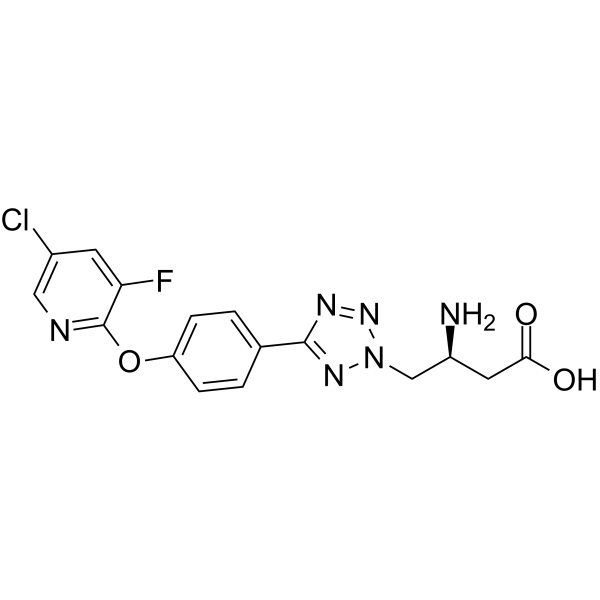
    LtaS-IN-2 (compound 13) is a inhibitor of LTA synthesis, and shows antibacterial activity against S. aureus and S. epidermidis, with the MIC90 of 0.5 μg/mL and 1 μg/mL, respectively. LtaS-IN-2 is a derivative of LtaS-IN-1 (HY-135813) .
    LtaS-IN-2
  • HY-RS07870

    Small Interfering RNA (siRNA) Others

    LTA Rat Pre-designed siRNA Set A contains three designed siRNAs for LTA gene (Rat), as well as a negative control, a positive control, and a FAM-labeled negative control.

    LTA Rat Pre-designed siRNA Set A
    LTA Rat Pre-designed siRNA Set A
  • HY-RS07868

    Small Interfering RNA (siRNA) Others

    LTA Human Pre-designed siRNA Set A contains three designed siRNAs for LTA gene (Human), as well as a negative control, a positive control, and a FAM-labeled negative control.

    LTA Human Pre-designed siRNA Set A
    LTA Human Pre-designed siRNA Set A
  • HY-RS17060

    Small Interfering RNA (siRNA) Others

    Lta4h Mouse Pre-designed siRNA Set A contains three designed siRNAs for Lta4h gene (Mouse), as well as a negative control, a positive control, and a FAM-labeled negative control.

    Lta4h Mouse Pre-designed siRNA Set A
    Lta4h Mouse Pre-designed siRNA Set A
  • HY-RS23504

    Small Interfering RNA (siRNA) Others

    Lta4h Rat Pre-designed siRNA Set A contains three designed siRNAs for Lta4h gene (Rat), as well as a negative control, a positive control, and a FAM-labeled negative control.

    Lta4h Rat Pre-designed siRNA Set A
    Lta4h Rat Pre-designed siRNA Set A
  • HY-RS07871

    Small Interfering RNA (siRNA) Others

    LTA4H Human Pre-designed siRNA Set A contains three designed siRNAs for LTA4H gene (Human), as well as a negative control, a positive control, and a FAM-labeled negative control.

    LTA4H Human Pre-designed siRNA Set A
    LTA4H Human Pre-designed siRNA Set A
  • HY-163336

    14,15-LTA4 methyl ester

    Drug Derivative Inflammation/Immunology
    14,15-Leukotriene A4 methyl ester (14,15-LTA4 methyl ester) is the methyl esterified form of Leukotriene A4, which can be used for the study of biological effects of leukotrienes .
    14,15-Leukotriene A4 methyl ester
  • HY-130441

    Endogenous Metabolite Inflammation/Immunology
    Leukotriene B3 is a LTA hydrolase metabolite of LTA3 in the leukotriene biosynthesis pathway. Leukotriene B3 has proinflammatory activity .
    Leukotriene B3
  • HY-119023

    Aminopeptidase Inflammation/Immunology
    JNJ-26993135 is a selective leukotriene A4 hydrolase (LTA4H) inhibitor with the IC50 value of 11 nM .
    JNJ-26993135
  • HY-118795

    Aminopeptidase Inflammation/Immunology
    SC-22716 is a potent, competitive, reversible inhibitor of human LTA4 hydrolase, with an IC50 of 0.20 µM. SC-22716 has potential for the research of inflammatory bowel disease (IBD) and psoriasis .
    SC-22716
  • HY-137298A

    Aminopeptidase Metabolic Disease Inflammation/Immunology
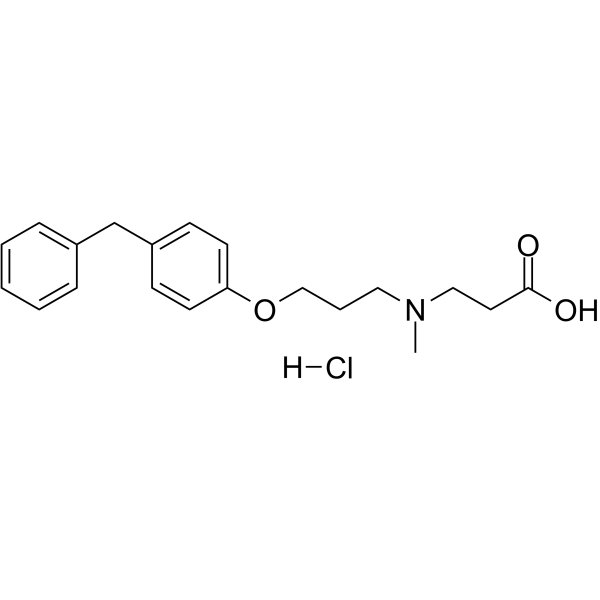
    LYS006 hydrochloride is a potent inhibitor of leukotriene A4 hydrolase (LTA4H) extracted from patent WO2015092740A1, example 29, has an IC50 of 2 nM. LYS006 hydrochloride can be used for the research of inflammatory and autoimmune disorders .
    LYS006 hydrochloride
  • HY-156960

    Aminopeptidase Leukotriene Receptor Inflammation/Immunology
    JNJ-40929837 is a selective and orally active LTA4H (leukotriene A4 hydrolase) inhibitor. JNJ-40929837 effectively inhibits aminopeptidase activity and causes serum accumulation of Pro-Gly-Pro. JNJ-40929837 can be used in asthma research .
    JNJ-40929837
  • HY-156960A

    Aminopeptidase Leukotriene Receptor Inflammation/Immunology
    JNJ-40929837 succinate is a selective and orally active LTA4H (leukotriene A4 hydrolase) inhibitor. JNJ-40929837 succinate effectively inhibits aminopeptidase activity and causes serum accumulation of Pro-Gly-Pro. JNJ-40929837 succinate can be used in asthma research .
    JNJ-40929837 succinate
  • HY-10826

    Aminopeptidase Cardiovascular Disease Neurological Disease
    DG051 (free acid) is an effective inhibitor of leukotriene A4 hydrolase (LTA4H), with a Kd of 26 nM. It has high water solubility (greater than 30 mg/mL) and high oral bioavailability (over 80% across different species). DG051 (free acid) can be used in research related to myocardial infarction and stroke .
    DG051 free acid
  • HY-B0494R

    Bufexamic acid (Standard)

    Reference Standards HDAC Aminopeptidase Inflammation/Immunology Cancer
    Bufexamac (Standard) is the analytical standard of Bufexamac. This product is intended for research and analytical applications. Bufexamac is a selective Ⅱb HDAC (HDAC6, HDAC10) and LTA4H dual inhibitor, with Kds of 0.53 μM and 0.22 μM for HDAC6 and HDAC10. Bufexamac is a nonsteroida anti-inflammatory drug .
    Bufexamac (Standard)
  • HY-W004291R

    Methyl icosanoate (Standard)

    Reference Standards Aminopeptidase Infection
    Methyl arachidate (Standard) is the analytical standard of Methyl arachidate (HY-W004291). This product is intended for research and analytical applications. Methyl arachidate (Methyl icosanoate) is a component of lipid mixtures. Methyl arachidate can be isolated from flowering plants. Methyl arachidate inhibits LTA4H. Methyl arachidate shows no antifeedant activity against Leptinotarsa decemlineata .
    Methyl arachidate (Standard)
  • HY-149801A

    Bacterial Infection
    Antibacterial agent 140 chloride is a promising antibacterial agent. Antibacterial agent 140 chloride is also the first Ru-based AIEgen?photosensitizer?for simultaneous dual applications of?Gram-positive bacteria (G+)?detection. Antibacterial agent 140 chloride uniquely selective discriminates and efficient exterminates Gram-positive bacteria (G+)?from other bacteria due to its interaction with?lipoteichoic acids?(LTA). Antibacterial agent 140 chloride ?also possessed robust?antibacterial activity?for?G+ under?light irradiation .
    Antibacterial agent 140 chloride
  • HY-103226R

    Reference Standards Aminopeptidase Inflammation/Immunology
    SC-57461A (Standard) is the analytical standard of SC-57461A (HY-103226). This product is intended for research and analytical applications. SC-57461A is a potent, orally active, nonpeptide, and selective inhibitor of Leukotriene A4 (LTA4) hydrolase with IC50s of 2.5 nM, 3 nM, and 23 nM for recombinant human, mouse, and rat LTA4 hydrolase, respectively .
    SC-57461A (Standard)
  • HY-W004291S

    Methyl icosanoate-d39

    Biochemical Assay Reagents Metabolic Disease
    Methyl arachidate-d39 is the deuterated Methyl arachidate. Methyl arachidate, a natural compound, is a?leukotriene A4 hydrolase?(LTA4H)?inhibitor
    Methyl arachidate-d39
  • HY-160541

    ADC Linker Inflammation/Immunology
    Mal-PEG2000-NHS ester is a PEG linker, can be used to link lipoteichoic acid (LTA) and CpG DNA fragments to synthesis CpG-TA Heterodiners. Mal-PEG2000-NHS ester can be used for immune stimulation research .
    Mal-PEG2000-NHS ester

Inquiry Online

Your information is safe with us. * Required Fields.

Salutation


Country or Region *

Applicant Name *


Organization Name *

Department *


Email Address *


Product Name *

Cat. No.


Requested quantity *

Phone Number *


Remarks

Inquiry Online

Inquiry Information

Product Name:
Cat. No.:
Quantity:
MCE Japan Authorized Agent:

