
Search Result
Results for "
Lactobacillus
" in MedChemExpress (MCE) Product Catalog:
5
Biochemical Assay Reagents
4
Isotope-Labeled Compounds
| Cat. No. |
Product Name |
Target |
Research Areas |
Chemical Structure |
-
- HY-N8461
-
|
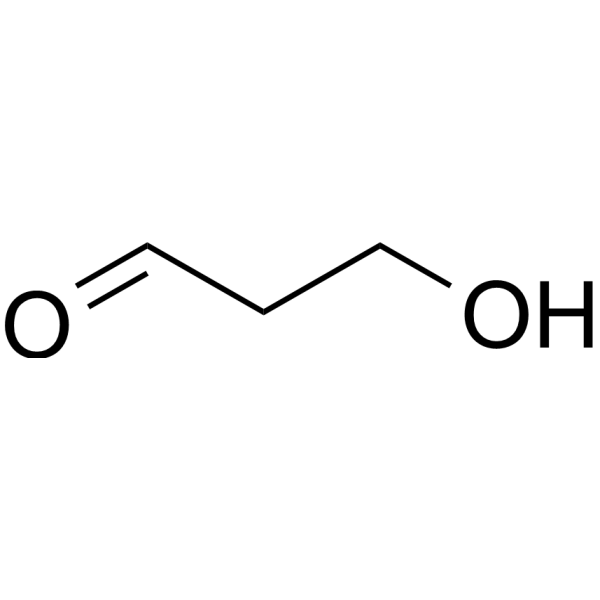
3-Hydroxypropionaldehyde; 3-Hydroxypropanal
|
Bacterial
|
Infection
|
|
Reuterin is a broad-spectrum antimicrobial agent active against Gram positive and Gram negative bacteria, as well as yeasts, moulds and protozoa. Reuterin is produced by specific strains of Lactobacillus reuteri during anaerobic metabolism of glycerol. Reuterin also demonstrates potent antimicrobial activity against a broad panel of human and poultry meat campylobacter spp. Isolates .
|
-
-
- HY-41324
-
|
|
Drug Metabolite
|
Others
|
|
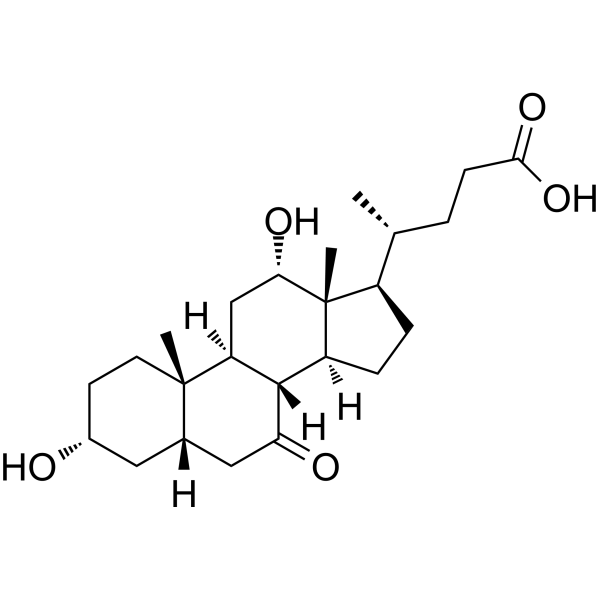
7-keto-Deoxycholic acid is a metabolite of bile acids in Clostridium absonum. 7-keto-Deoxycholic acid is also converted from Lactobacillus and Bifidobacterium with specific condition .
|
-
-
- HY-113016
-
|
|
Apoptosis
Wnt
ERK
Bacterial
Interleukin Related
|
Infection
Metabolic Disease
Cancer
|
|
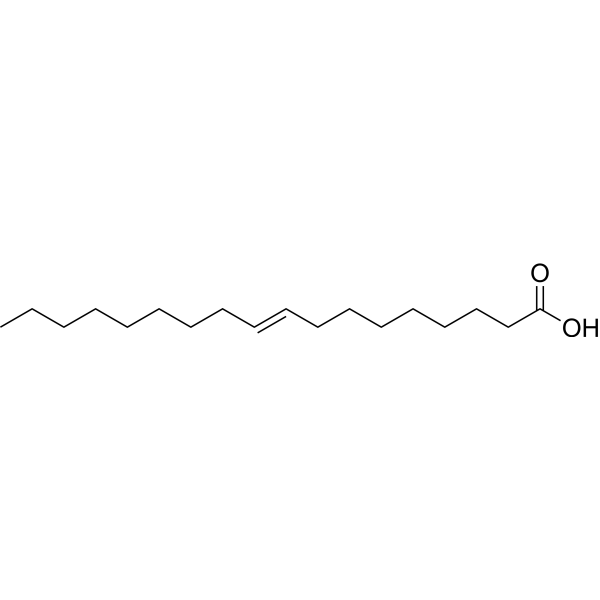
Elaidic acid is an orally active trans fatty acid. Elaidic acid enhances the stemness of colorectal cancer cells by activating the Wnt/ERK1/2 pathway, thereby promoting cell proliferation, invasion and metastasis, and inhibiting apoptosis. Elaidic acid also inhibits the growth of Lactobacillus and alters the cell surface hydrophobicity of Lactobacillus. Elaidic acid reduces basal 2-deoxyglucose uptake in muscle cells and adipocytes. Elaidic acid can be used in research on colorectal cancer, insulin and other related areas .
|
-
-
- HY-137335
-
|
|
Bacterial
VEGFR
Akt
ERK
|
Infection
Inflammation/Immunology
|
|
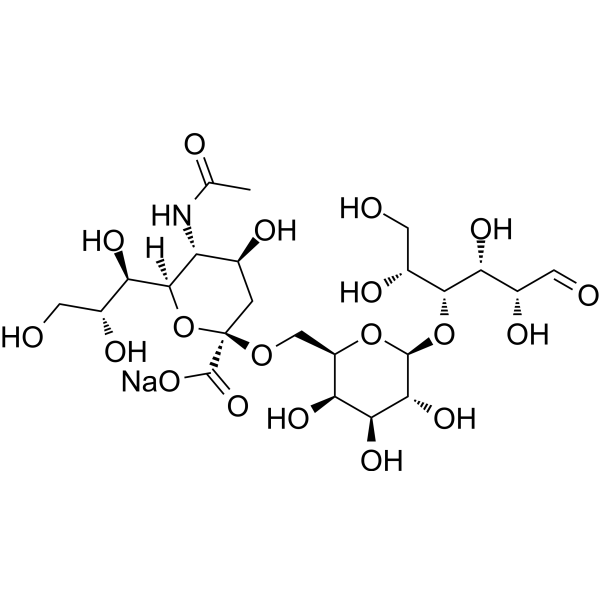
6'-Sialyllactose sodium promotes the growth of beneficial bacteria (such as Bifidobacterium and lactobacillus) and inhibits the proliferation of harmful bacteria. 6'-Sialyllactose sodium exhibits anti-inflammatory and anti-angiogenic activities. 6'-Sialyllactose sodium promotes the muscle health .
|
-
-
- HY-N7104
-
|
D-Lactitol
|
Bacterial
|
Infection
Neurological Disease
Endocrinology
|
|
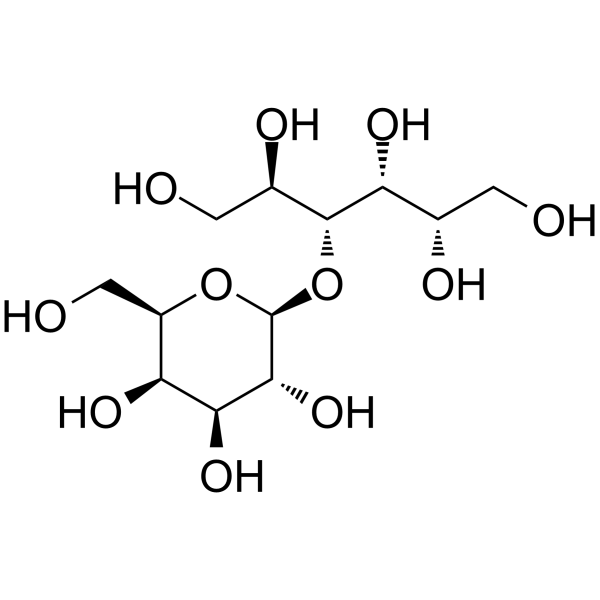
Lactitol (D-Lactitol) is a non-absorbable disaccharide and Bacterial regulator. Lactitol reduces the populations of Bacteroides, Clostridium, coliforms and Eubacterium, while increasing the populations of Lactobacillus and Streptococcus. Lactitol can be used in the research of portosystemic encephalopathy and chronic constipation .
|
-
-
- HY-W096159
-
|
|
Drug Derivative
|
Metabolic Disease
Inflammation/Immunology
|
|
D-Biotinol is an orally active alcohol analogue of D-Biotin (HY-B0511). D-Biotinol can replace D-Biotin to restore the biotin deficiency induced by egg whites in rats. D-Biotinol can be used for the study of biotin deficiency disorders .
|
-
-
- HY-113227
-
|
|
Endogenous Metabolite
|
Inflammation/Immunology
|
|
Oxoadipic acid is a key intermediate metabolite in the lysine degradation pathway. The level of Oxoadipic acid is significantly negatively correlated with the abundance of Staphylococcus. That is, the higher the abundance of Staphylococcus-a potential pathogenic bacterium that usually increases in ulcerative colitis-the lower the level of Oxoadipic acid. Oxoadipic acid can be used in the research of ulcerative colitis .
|
-
-
- HY-B1389
-
|
D-Lactitol monohydrate
|
Bacterial
|
Infection
Neurological Disease
Endocrinology
|
|
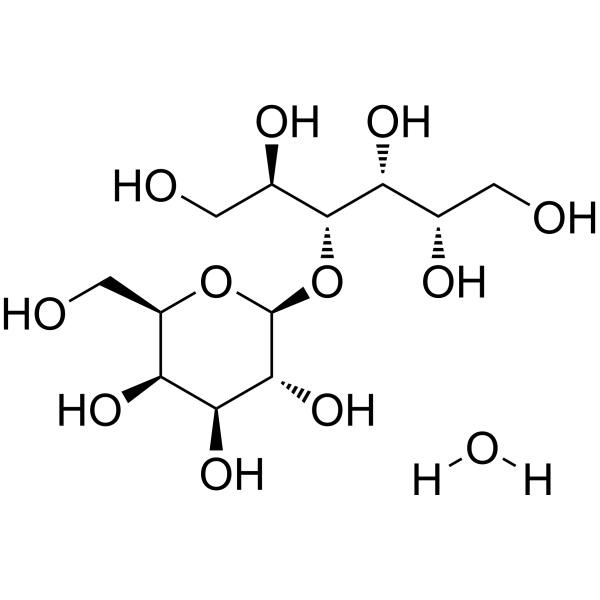
Lactitol monohydrate (D-Lactitol monohydrate) is a non-absorbable disaccharide and Bacterial regulator. Lactitol monohydrate reduces the populations of Bacteroides, Clostridium, coliforms and Eubacterium, while increasing the populations of Lactobacillus and Streptococcus. Lactitol monohydrate can be used in the research of portosystemic encephalopathy and chronic constipation .
|
-
-
- HY-N10521
-
|
|
Bacterial
VEGFR
Akt
ERK
|
Infection
Inflammation/Immunology
|
|
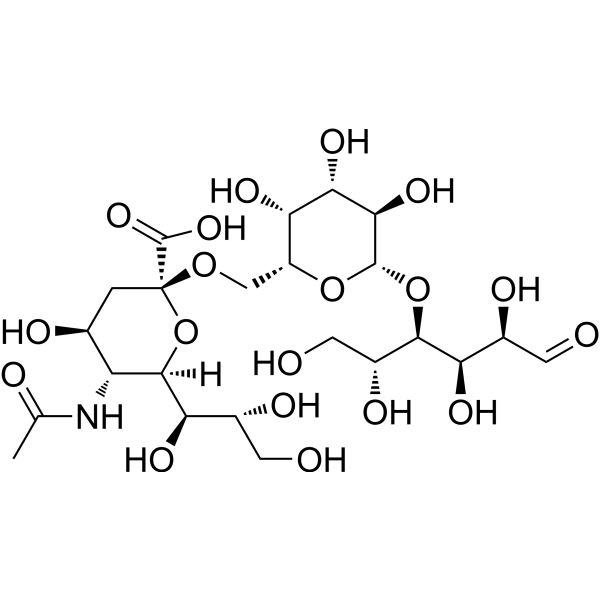
6'-Sialyllactose promotes the growth of beneficial bacteria (such as Bifidobacterium and lactobacillus) and inhibits the proliferation of harmful bacteria. 6'-Sialyllactose exhibits anti-inflammatory and anti-angiogenic activities. 6'-Sialyllactose promotes the muscle health .
|
-
-
- HY-W012836
-
|
|
Environmental Pollutants
Endogenous Metabolite
|
Neurological Disease
|
|
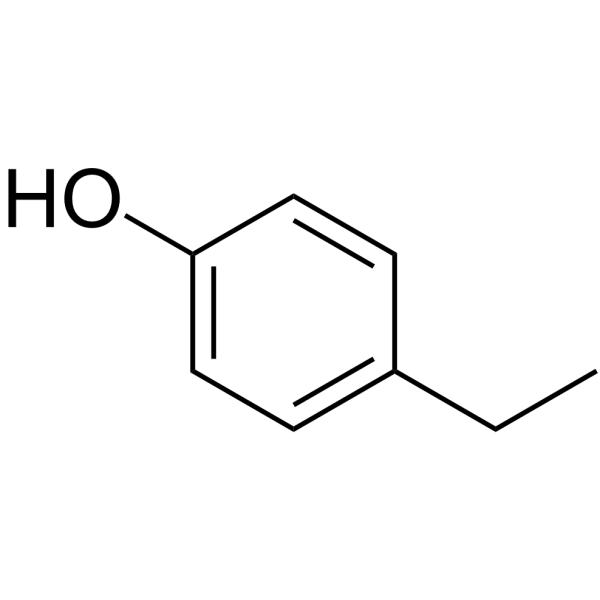
4-Ethylphenol is a volatile phenolic compound associated with off-odour in wine. 4-Ethylphenol is a phenolic compound that can be synthesized by intestinal flora. 4-Ethylphenol will be converted to 4-ethylphenyl sulfate (HY-W674241) by Lactobacillus plantarum .
|
-
-
- HY-126389B
-
|
|
Endogenous Metabolite
NF-κB
Fungal
|
Infection
Inflammation/Immunology
|
|
Chitin, from shrimp shells (chitinase substrate) serves as a substrate for chitinase. Chitin, from shrimp shells (chitinase substrate) is a long-chain polymer of N-acetylglucosamine with β-(1-4) linkages. Chitin, from shrimp shells (chitinase substrate) is found in the exoskeleton of crabs. Chitin, from shrimp shells (chitinase substrate) inhibits the activation of NF-κB p65, alters the translocation of NF-κB p65 to the nucleus, and interacts with the cell wall of Candida species. Chitin, from shrimp shells (chitinase substrate) exerts antifungal and anti-inflammatory effects. Chitin, from shrimp shells (chitinase substrate) can be used in the research of gastric ulcer and candidiasis .
|
-
-
- HY-107863
-
|
Oligolevulose
|
Biochemical Assay Reagents
Bacterial
|
Infection
Metabolic Disease
|
|
Fructooligosaccharides (Oligolevulose) are a class of orally active dietary fibers and prebiotics. Fructooligosaccharides exist in foods such as breast milk, wheat, honey, onions, garlic and bananas. Fructooligosaccharides resist hydrolysis by the body's digestive enzymes and stimulate the growth of beneficial intestinal bacteria through colonic fermentation. Fructooligosaccharides significantly prevent bone loss in the femur and lumbar spine .
|
-
-
- HY-113268
-
|
|
Endogenous Metabolite
|
Metabolic Disease
|
|
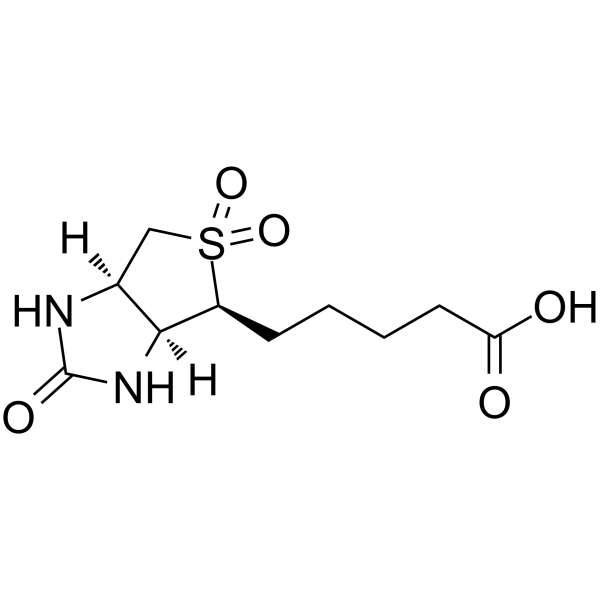
Biotin sulfone, a structural analog and metabolite of Biotin (HY-B0511), exerts competitive inhibition against Biotin in Lactobacillus arabinosus 17-5 .
|
-
-
- HY-P3752
-
|
H-Gly-Ala-Tyr-OH
|
Biochemical Assay Reagents
Bacterial
|
Others
|
|
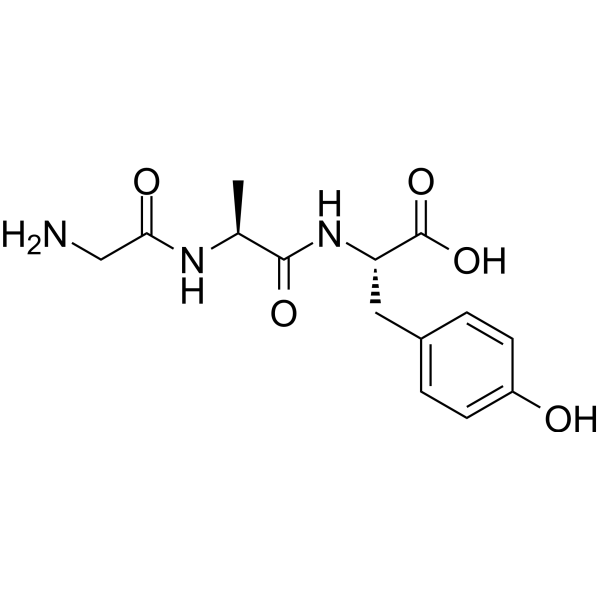
Gly-Ala-Tyr (H-Gly-Ala-Tyr-OH) is a tripeptide substrate composed of L-glycine, alanine, and L-tyrosine joined in sequence by peptide linkages. Gly-Ala-Tyr can be hydrolyzed at both extracellular and intracellular levels by Streptococcus thermophilus, Lactobacillus delbrueckii ssp. bulgaricus, Lactobacillus acidophilus, and Bifidobacterium spp. Ala-Gly-Tyr is functionally related to L-alanine, glycine and L-tyrosine. .
|
-
-
- HY-P11146
-
|
Sakacin P inducer peptide
|
Bacterial
|
Infection
|
|
SppIP (Sakacin P inducer peptide) is a peptide consisting of 19 amino acids . SppIP is an essential inducer for sakacin P production . SppIP can induce the expression of PRRSV GP5 and SARS-CoV-2 spike protein in recombinant Lactobacillus plantarum. SppIP can activate the transcription of the sakacin P promoter to drive the expression of downstream heterologous capsid proteins, increasing the proportion of PCV2d capsid proteins displayed on the cell surface of Lactobacillus plantarum. SppIP can be used in studies related to sakacin P induction .
|
-
-
- HY-30216
-
|
D-α-Hydroxyisocaproic acid
|
Amino Acid Derivatives
Endogenous Metabolite
|
Metabolic Disease
|
|
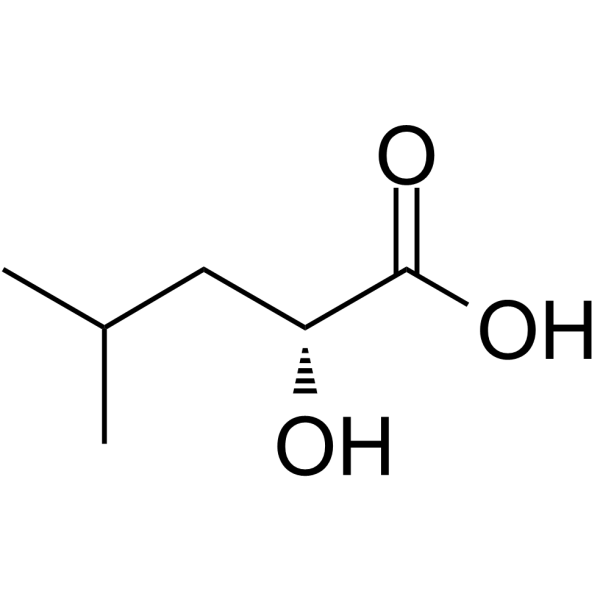
(R)-Leucic acid (D-α-Hydroxyisocaproic acid) is an orally active D-isomer of the α-hydroxy analogue of Leucine (HY-N0486). (R)-Leucic acid is a metabolite of Lactobacillus and can promote intestinal fatty acid absorption by upregulating CD36 expression. (R)-Leucic acid can be used to study microbe-host interactions and the regulation of lipid metabolism by probiotics .
|
-
-
- HY-P2877
-
|
|
Endogenous Metabolite
|
Others
|
|
Tannase is a tannin acyl hydrolase. Tannase catalyzes the hydrolysis of ester bonds in gallotannins, complex tannins and gallic acid esters to release gallic acid. Tannase plays a role in industrial production, including the manufacture of instant tea, beer, fruit juice, some wines, and the production of gallic acid .
|
-
-
- HY-W403933
-
|
|
Endogenous Metabolite
|
Metabolic Disease
|
|
12-Ketochenodeoxycholic acid is an anomalous bile acid and Chenodeoxycholic acid (HY-76847) precursor. 12-Ketochenodeoxycholic acid can be used for the research of hepatobiliary diseases .
|
-
-
- HY-P5589
-
|
PlnA
|
Bacterial
Reactive Oxygen Species (ROS)
|
Infection
Inflammation/Immunology
|
|
Plantaricin A is an antimicrobial peptide that can be derived from Lactobacillus plantarum. Plantaricin A has a synergistic effect with Ciprofloxacin. Plantaricin A shows anti-microbial activity. Plantaricin A increases the membrane potential of S. aureus and the level of intracellular ROS. Plantaricin A inhibits the function of the efflux pump by binding it and altering the structure of MepA, NorA, and LmrS. Plantaricin A significantly relieves inflammation, and promotes wound healing. Plantaricin A permeabilizes cancerous rat pituitary cells [1][2].
|
-
-
- HY-W013755
-
|
DNOP; Di-n-octyl phthalate; Phthalic acid dioctyl ester
|
Biochemical Assay Reagents
Aminotransferases (Transaminases)
Phosphatase
Bacterial
|
Inflammation/Immunology
|
|
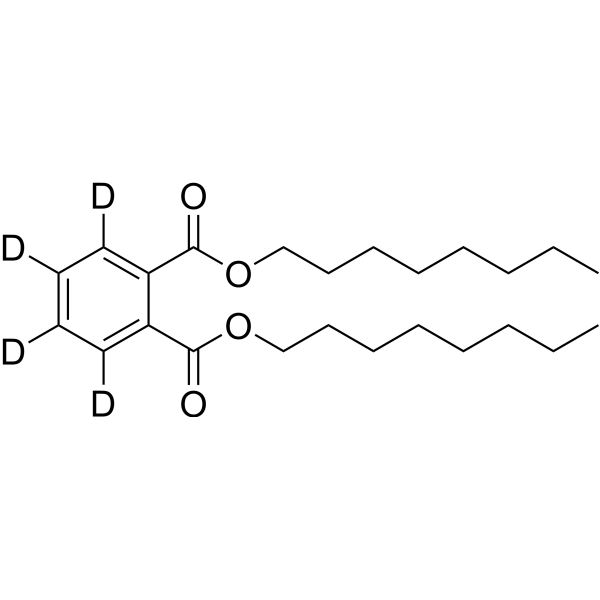
Dioctyl phthalate (DNOP) is a plasticizer. Dioctyl phthalate increases the activities of alanine aminotransferase (ALT) and alkaline phosphatase (ALP) in the liver, as well as the levels of creatinine and urea in the kidney. Exposure to Dioctyl phthalate disrupts the homeostasis of the intestinal microbial community, increases the abundance of pathogenic bacteria, and reduces the abundance of beneficial bacteria such as Lactobacillus. Dioctyl phthalate induces significant and dose-dependent inflammatory responses in the liver, spleen and kidney of mice .
|
-
-
- HY-139410
-
|
|
c-Fms
|
Inflammation/Immunology
|
|
Sodium caseinates is a kind of sodium salts of major milk proteins, which act as protein-based biopolymers and innate immune system activators. Sodium caseinates induce granulopoiesis, activation and differentiation, promote the production of M-CSF, and increase serum levels of G-CSF and GM-CSF. Sodium caseinates inhibit the proliferation and reduce the viability of leukemia macrophage-like cells, thereby significantly improving the survival rate of mice inoculated with leukemia cells. Sodium caseinates can serve as carriers for probiotics in edible films and exhibit anti-Listeria activity. Sodium caseinates effectively protect vitamin A from degradation, enhance its stability, bioaccessibility and bioavailability, and regulate protein digestibility when complexed with vitamin A. Sodium caseinates can be applied to research related to acute monocytic leukemia and vitamin A deficiency .
|
-
-
- HY-W049970
-
|
|
Environmental Pollutants
Bacterial
|
Infection
|
|
Carvacrol methyl ether is a carvacrol derivative isolated from plant essential oils. Carvacrol methyl ether essentially lost its antibacterial activity, exhibiting only a weak inhibitory effect on Saccharomyces cerevisiae at the highest tested concentration of 3 g/L .
|
-
-
- HY-103249
-
|
Reutericycline
|
Bacterial
|
Infection
Metabolic Disease
|
|
Reutericyclin (Reutericycline) is an orally active antibacterial and anti-obesity agent that selectively inhibits Gram-positive bacteria. By selectively dissipating transmembrane potential, Reutericyclin exerts non-lytic bactericidal or bacteriostatic activity against pathogens such as Clostridium difficile and Staphylococcus aureus, and rapidly kills vegetative cells and spores of Clostridium difficile. Reutericyclin possesses favorable properties including resistance to enzymatic hydrolysis, iron-chelating function, and poor absorption by colonic epithelium. Reutericyclin not only eradicates staphylococcal biofilms and inhibits drug-resistant strains, but also counteracts Risperidone (HY-11018)-induced weight gain by inducing changes in gut microbiota composition and restoring energy utilization efficiency. Reutericyclin can be used in research related to Clostridium difficile infection, Risperidone-induced weight gain, and staphylococcal superficial skin infections .
|
-
-
- HY-E70029
-
|
|
Others
|
Others
|
|
alpha-1,6-Fucosidase (LpAlfC(E274A)) (EC 3.2.1.51) cleaves branched non-reducing terminal fucose, linked α(1-6) to the core N-acetylglucosamine of N-linked oligosaccharides. alpha-1,6-Fucosidase (LpAlfC(E274A)) is useful for determining core fucosylation .
|
-
-
- HY-120536
-
HPi1
1 Publications Verification
|
Bacterial
|
Infection
|
|
HPi1 is a potent, selective and orally active antimicrobial against Helicobacter pylori with an IC50 of 0.24 μM and an MIC of 0.08-0.16 μg/mL. HPi1 is inactive against other bacteria, including the gut commensals Lactobacillus casei, Lactobacillus reuteri, and Bifidobacterium longum .
|
-
-
- HY-P2825
-
|
TDC; TyrDC
|
Endogenous Metabolite
|
Others
|
|
Tyrosine decarboxylase, Microorganism (TDC) is a tyrosine decarboxylase produced by microorganisms. Tyrosine decarboxylase is a PLP-dependent enzyme that catalyzes the decarboxylation of L-tyrosine, L-phenylalanine, and L-dopa to produce tyramine, 2-phenethylamine, and dopamine, respectively. Tyrosine decarboxylase mediates acid stress resistance, maintains intracellular pH homeostasis, and generates proton motive force .
|
-
-
- HY-W001974
-
|
|
DNA/RNA Synthesis
Bacterial
|
Others
|
|
7-Nitroindole is a cleavable base analog and Antibacterial agent. 7-Nitroindole inhibits the growth of Lactobacillus arabinosus. 7-Nitroindole is used in studies of light-controlled DNA cleavage and Lactobacillus arabinosus infection .
|
-
-
- HY-124003
-
|
|
Endogenous Metabolite
|
Inflammation/Immunology
|
|
Phytomonic acid is a long-chain fatty acid containing a cyclopropane ring produced by Lactobacillus reuteri. Lactobacilli that normally produce Lactobacillic acid also have the ability to resist TNF-α .
|
-
-
- HY-N12513
-
-
-
- HY-41324R
-
|
|
Drug Metabolite
Reference Standards
|
Others
|
|
7-keto-Deoxycholic acid (Standard) is the analytical standard of 7-keto-Deoxycholic acid. This product is intended for research and analytical applications. 7-keto-Deoxycholic acid is a metabolite of bile acids in Clostridium absonum. 7-keto-Deoxycholic acid is also converted from Lactobacillus and Bifidobacterium with specific condition[1][2].
|
-
-
- HY-W012836S1
-
|
|
Isotope-Labeled Compounds
Endogenous Metabolite
|
Neurological Disease
|
|
4-Ethylphenol-d10 is the deuterium labeled 4-Ethylphenol (HY-W012836). 4-Ethylphenol is a volatile phenolic compound associated with off-odour in wine. 4-Ethylphenol is a phenolic compound that can be synthesized by intestinal flora. 4-Ethylphenol will be converted to 4-ethylphenyl sulfate (HY-W674241) by Lactobacillus plantarum .
|
-
-
- HY-W012836S
-
|
|
Isotope-Labeled Compounds
Endogenous Metabolite
|
Neurological Disease
|
|
4-Ethylphenol-d5 is the deuterium labeled 4-Ethylphenol (HY-W012836). 4-Ethylphenol is a volatile phenolic compound associated with off-odour in wine. 4-Ethylphenol is a phenolic compound that can be synthesized by intestinal flora. 4-Ethylphenol will be converted to 4-ethylphenyl sulfate (HY-W674241) by Lactobacillus plantarum .
|
-
-
- HY-W012836R
-
|
|
Reference Standards
Endogenous Metabolite
|
Neurological Disease
|
|
4-Ethylphenol (Standard) is the analytical standard of 4-Ethylphenol (HY-W012836). This product is intended for research and analytical applications. 4-Ethylphenol is a volatile phenolic compound associated with off-odour in wine. 4-Ethylphenol is a phenolic compound that can be synthesized by intestinal flora. 4-Ethylphenol will be converted to 4-ethylphenyl sulfate (HY-W674241) by Lactobacillus plantarum .
|
-
-
- HY-P11547
-
|
|
Bacterial
|
Infection
|
|
Plantaricin F is an antibacterial peptide. Plantaricin F strongly inhibits several gram-negative bacteria including the foodbome pathogens Salmonella enteritidis and Pseudomonas aeruginosa. Plantaricin F inhibits several Lactobacillus, Pediococcus and Leuconostoc species .
|
-
-
- HY-135055
-
-
-
- HY-P11134
-
|
LeuA
|
Bacterial
|
Infection
|
|
Leucocin A (LeuA), a 37-amino acid peptide, is a class II bacteriocin without Lanthionine (HY-135113). Leucocin A has potent anti-bacterial activity against gram-positive bacteria, such as Leuconostoc paramesenteroides and Lactobacillus sake with MICs of 69 and 39 nM, respectively. Leucocin A can be used for infectious diseases research .
|
-
-
- HY-171837
-
|
|
Caspase
|
Cancer
|
|
c9,t11,c15-CLNA is a conjugated linolenic acid (CLNA) isomer produced by Lactobacillus plantarum ZS2058. c9,t11,c15-CLNA has significant anti-proliferation activity against colon cancer cells (IC50: 18.26 μM). c9,t11,c15-CLNA induces pyroptosis by activating the canonical pyroptosis pathway mediated by caspase-1. c9,t11,c15-CLNA can be used in the study of colon cancer .
|
-
-
- HY-W983371
-
|
(R)-10-Hydroxyoctadecanoic acid; (R)-10-HSA
|
Drug Derivative
Bacterial
|
Infection
|
|
10(R)-Hydroxystearic acid is a derivative of Oleic acid (HY-N1446). 10(R)-Hydroxystearic acid can be biocatalytically produced by Lactobacillus rhamnosus ATCC 53103 .
|
-
-
- HY-126878
-
|
|
Antifolate
|
Infection
Cancer
|
|
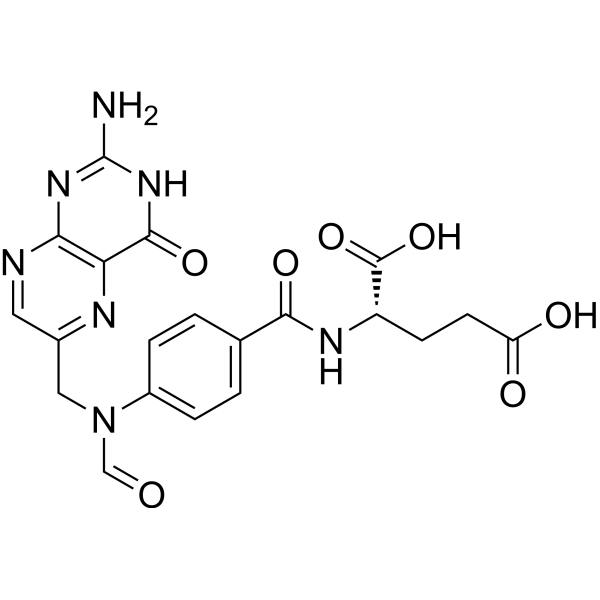
11-Oxahomoaminopterin shows antifolate activity and inhibits Lactobacillus casei DHFFZ with antimicrobial and antitumor activities .
|
-
-
- HY-W142014
-
|
|
Thymidylate Synthase
|
Cancer
|
|
N,O-Didansyl-L-tyrosine cyclohexylammonium is a potent selective thymidylate synthase (TS) inhibitor, acts on TS of Escherichia coli, Lactobacillus casei and human with the IC50 values of 5.0, 3.4 and 119 μM, respectively .
|
-
-
- HY-122518
-
|
|
Bacterial
|
Inflammation/Immunology
|
|
8-Deazafolic acid is an antimicrobial drug for the folate-dependent bacteria, Streptococcus faecium (ATCC 8043) and Lactobacillus casei (ATCC 74691). 8-Deazafolic acid has activity against lymphoid leukemia L1210 in mice .
|
-
-
- HY-131518
-
|
|
Bacterial
|
Infection
|
|
Lycomarasmin has the inhibitory effect of lactobacillus casei, and it is a plant toxin .
|
-
-
- HY-P11138
-
|
Lac705α
|
Biochemical Assay Reagents
Bacterial
|
Infection
|
|
Lactocin 705α (Lac705α) is a peptide component of Lactocin 705. Lactocin 705α can interact with zwitterionic DPPC bilayers. Lactocin 705α can induce the dehydration of the bilayer interfacial region. Lactocin 705α can be used in the research of bacterial infections .
|
-
-
- HY-P11187
-
|
|
Bacterial
|
Infection
|
|
Bactofencin A is a novel class IId bacteriocin. Bactofencin A can be produced by the intestinal isolate Lactobacillus salivarius DPC6502. Bactofencin A displays activity against S. aureus and Listeria spp .
|
-
-
- HY-P10134
-
|
|
Bacterial
|
Infection
|
|
Salivaricin B is a broad-spectrum bacteriocin produced by Lactobacillus salivarius M7, capable of inhibiting the growth of Listeria monocytogenes, Bacillus cereus, Brochothrix thermosphacta, Enterococcus faecalis, and various lactobacilli .
|
-
-
- HY-121785
-
|
|
Bacterial
|
Infection
Cancer
|
|
10-Thiofolic acid is a potent antibacterial and antitumor agent. 10-Thiofolic acid inhibits the growth of Streptococcus faecium (ATCC 8043) and Lactobacillus casei (ATCC 7469). 10-Thiofolic acid has the potential for the research of leukemia .
|
-
-
- HY-N12513R
-
|
|
Reference Standards
Fungal
|
Infection
|
|
5α-Cholestan-3β-ol (Standard) is the analytical standard of 5α-Cholestan-3β-ol. This product is intended for research and analytical applications. 5α-Cholestan-3β-ol is a derivitized steroid compound.
|
-
-
- HY-N12016
-
|
|
Others
|
Metabolic Disease
|
|
Fulvotomentoside B is a saponin isolated from Lactobacillus flavus. Fulvotomentoside compounds can significantly reduce serum glutamate pyruvate transaminase (SGPT) and triacylglycerol (GT) levels in mice poisoned by CCl4, d-galactosamine (d-gal) and acetaminophen, and significantly alleviate liver pathology. damage .
|
-
-
- HY-113268R
-
|
|
Reference Standards
Endogenous Metabolite
|
Metabolic Disease
|
|
Biotin sulfone (Standard) is the analytical standard of Biotin sulfone (HY-113268). This product is intended for research and analytical applications. Biotin sulfone, a structural analog and metabolite of Biotin (HY-B0511), exerts competitive inhibition against Biotin in Lactobacillus arabinosus 17-5 .
|
-
-
- HY-N7104R
-
|
D-Lactitol (Standard)
|
Reference Standards
Bacterial
|
Infection
Neurological Disease
Metabolic Disease
Endocrinology
|
|
Lactitol (Standard) is the analytical standard of Lactitol (HY-N7104). This product is intended for research and analytical applications. Lactitol (D-Lactitol) is a non-absorbable disaccharide and Bacterial regulator. Lactitol reduces the populations of Bacteroides, Clostridium, coliforms and Eubacterium, while increasing the populations of Lactobacillus and Streptococcus. Lactitol can be used in the research of portosystemic encephalopathy and chronic constipation .
|
-
- HY-B1389R
-
|
D-Lactitol monohydrate (Standard)
|
Reference Standards
Bacterial
|
Infection
Neurological Disease
Endocrinology
|
|
Lactitol (monohydrate) (Standard) is the analytical standard of Lactitol monohydrate (HY-B1389). This product is intended for research and analytical applications. Lactitol monohydrate (D-Lactitol monohydrate) is a non-absorbable disaccharide and Bacterial regulator. Lactitol monohydrate reduces the populations of Bacteroides, Clostridium, coliforms and Eubacterium, while increasing the populations of Lactobacillus and Streptococcus. Lactitol monohydrate can be used in the research of portosystemic encephalopathy and chronic constipation .
|
-
- HY-N1872
-
|
|
Others
|
Infection
|
|
4-(3, 4-dihydroxyphenyl)butan-2-one is a compound isolated from the subspecies Lactobacillus plantarum subsp. argentoratensis. 4-(3, 4-dihydroxyphenyl)butan-2-one has antioxidant and anti-inflammatory activity. 4-(3, 4-dihydroxyphenyl)butan-2-one can be used for research of microbial fermentation .
|
-
- HY-W012836S2
-
|
|
Isotope-Labeled Compounds
Endogenous Metabolite
|
Neurological Disease
|
|
4-Ethylphenol-d2 is deuterated labeled 4-Ethylphenol (HY-W012836). 4-Ethylphenol is a volatile phenolic compound associated with off-odour in wine. 4-Ethylphenol is a phenolic compound that can be synthesized by intestinal flora. 4-Ethylphenol will be converted to 4-ethylphenyl sulfate (HY-W674241) by Lactobacillus plantarum .
|
-
- HY-W753473
-
|
|
Isotope-Labeled Compounds
Endogenous Metabolite
|
Neurological Disease
|
|
4-Ethylphenol-d9 is the deuterium labeled 4-Ethylphenol (HY-W012836). 4-Ethylphenol is a volatile phenolic compound associated with off-odour in wine. 4-Ethylphenol is a phenolic compound that can be synthesized by intestinal flora. 4-Ethylphenol will be converted to 4-ethylphenyl sulfate (HY-W674241) by Lactobacillus plantarum .
|
-
- HY-30216R
-
|
D-α-Hydroxyisocaproic acid (Standard)
|
Reference Standards
Amino Acid Derivatives
Endogenous Metabolite
|
Metabolic Disease
|
|
(R)-Leucic acid (Standard) is the analytical standard of (R)-Leucic acid (HY-30216). This product is intended for research and analytical applications. (R)-Leucic acid (D-α-Hydroxyisocaproic acid) is the D-isomer of the α-hydroxy analogue of Leucine (HY-N0486). (R)-Leucic acid is a metabolite of Lactobacillus and can promote intestinal fatty acid absorption by upregulating CD36 expression. (R)-Leucic acid can be used to study microbe-host interactions and the regulation of lipid metabolism by probiotics.
|
-
- HY-171837A
-
|
|
TNF Receptor
Interleukin Related
SOD
|
Inflammation/Immunology
|
|
t9,t11,c15-CLNA is a conjugated linolenic acid (CLNA) isomer produced by Lactobacillus plantarum ZS2058. t9,t11,c15-CLNA has the main activities of anti-inflammatory, antioxidant and improving intestinal barrier function. The regulatory mechanism of t9,t11,c15-CLNA includes upregulation of tight junction proteins, inhibition of pro-inflammatory cytokines (such as TNF-α, IL-6) and activation of antioxidant enzymes (such as SOD, CAT). t9,t11,c15-CLNA can be used in the study of inflammatory bowel diseases (such as colitis) .
|
-
- HY-P2897B
-
-
- HY-E70999
-
|
|
Endogenous Metabolite
|
Metabolic Disease
|
|
L-Histidine Decarboxylase, Lactobacillus 30a (EC 4.1.1.22) catalyzes the conversion of histidine to histamine with the help of vitamin B6. The specific reaction is as follows: Histidine decarboxylase catalyzes the conversion of histidine to histamine.
|
-
- HY-E70889B
-
|
|
Glycosidase
|
Others
|
|
β-Xylosidase, Lactobacillus brevis (EC 3.2.1.37) can release reducing sugars from birch xylan and catalyze the hydrolysis of 4-methylumbelliferone-β-D-cellobiose and 4-methylumbelliferone-β-D-glucopyranoside. β-Xylosidase does not possess endoxylanase, arabinoxylanase, or β-glucanase activity. β-Xylosidase undergoes post-translational glycosylation modification.
|
-
- HY-N18991
-
|
|
Endogenous Metabolite
Bacterial
|
Infection
|
|
D-Mannitol 1-phosphate is a non-nucleotide phosphate ester. D-Mannitol 1-phosphate is isolable from Lactobacillus arabinosus. D-Mannitol 1-phosphate is associated with active polyol metabolism in Lactobacillus arabinosus .
|
-
- HY-N18249
-
|
|
Bacterial
|
Infection
|
|
Rehmaglupentasaccharide A is a pentasaccharide found in air-dried roots of Rehmannia glutinosa. Rehmaglupentasaccharide A promotes proliferation of Lactobacillus reuteri .
|
-
- HY-N18271
-
|
|
Bacterial
|
Infection
|
|
Rehmaglupentasaccharide B is a pentasaccharide which can be found in the roots of dried Rehmannia glutinosa. Rehmaglupentasaccharide B promotes the proliferation of Lactobacillus reuteri .
|
-
- HY-E70935
-
|
|
Bacterial
|
Infection
|
|
Labiase, Streptomyces fulvissimus TU-6 is an enzyme preparation useful for the lysis of many Gram-positive bacteria such as Lactobacillus, Aerococcus and, Streptococcus. Labiase contains β-N-acetyl-D-glucosaminidase and lysozyme activity.
|
-
- HY-P11187A
-
|
|
Bacterial
Endogenous Metabolite
Antibiotic
|
Infection
Inflammation/Immunology
|
|
Bactofencin A acetate is a class IId bacteriocin and Antibacterial agent. Bactofencin A acetate is produced by Lactobacillus salivarius DPC6502, an isolate derived from the intestine. Bactofencin A acetate exhibits activity against Staphylococcus and Listeria species. Bactofencin A acetate slightly modulates the intestinal flora. Bactofencin A acetate can be used in research related to staphylococcal infections, listerial infections, and mastitis .
|
-
- HY-P11626
-
|
|
Collagen
|
Metabolic Disease
|
|
Cyclo(Ala-Hyp) is an orally effective collagen-derived hydroxyproline-containing cyclic dipeptide that can be isolated from the culture supernatant of Lactobacillus plantarum. Cyclo(Ala-Hyp) has an AUC0-6h of 2.350 μg/mL·h, significantly higher than traditional collagen oligopeptides. Cyclo(Ala-Hyp) can be used in research related to liver and kidney function protection, skin care, and joint health.
|
-
- HY-W096159R
-
|
|
Reference Standards
Drug Derivative
|
Metabolic Disease
|
|
D-Biotinol (Standard) is the analytical standard of D-Biotinol (HY-W096159). This product is intended for research and analytical applications. D-Biotinol is an orally effective alcohol analogue of D-Biotin (HY-B0511). D-Biotinol can replace D-biotin to restore the biotin deficiency induced by egg whites in rats. D-Biotinol can be used for the study of biotin deficiency disorders.
|
-
- HY-12292G
-
|
|
NF-κB
STAT
GSK-3
β-catenin
Bcr-Abl
|
Cancer
|
|
IM-12 GMP is IM-12 (HY-12292) produced by using GMP guidelines. GMP small molecules works appropriately as an auxiliary reagent for cell therapy manufacture. IM-12 is an orally active anti-inflammatory agent that targets and inhibits the NF-κB and STAT3 signaling pathways. IM-12 activates the Wnt signaling pathway and promotes the nuclear translocation of β-catenin by inhibiting GSK3β, while also blocking the tyrosine kinase activity of p210BCR/ABL. IM-12 reduces the levels of IL-6, IL-17, NO, prostaglandin E2, iNOS and COX-2, and induces ER stress, Ca 2+ release, autophagy and apoptosis. IM-12 is heat-sensitive and does not induce autophagy in IM-resistant p210BCR/ABL T315I mutant cells. IM-12 is also a component of the 5iLA medium used for naive pluripotent stem cell research. IM-12 has been applied in studies related to carrageenan (HY-125474)-induced hind paw edema, TNBS-induced colitis, and acute and chronic myeloid leukemia .
|
-
- HY-W587782
-
|
|
HIV
SOD
HSV
Interleukin Related
Bacterial
|
Infection
|
|
Nonoxynol-9 is a nonionic detergent. Nonoxynol-9 inhibits SOD activity. Nonoxynol-9 exhibits activity against diverse microbes and pathogens. Nonoxynol-9 can be used for the research of HIV infection .
|
-
| Cat. No. |
Product Name |
Type |
-
- HY-12292G
-
|
|
Fluorescent Dyes
|
|
IM-12 GMP is IM-12 (HY-12292) produced by using GMP guidelines. GMP small molecules works appropriately as an auxiliary reagent for cell therapy manufacture. IM-12 is an orally active anti-inflammatory agent that targets and inhibits the NF-κB and STAT3 signaling pathways. IM-12 activates the Wnt signaling pathway and promotes the nuclear translocation of β-catenin by inhibiting GSK3β, while also blocking the tyrosine kinase activity of p210BCR/ABL. IM-12 reduces the levels of IL-6, IL-17, NO, prostaglandin E2, iNOS and COX-2, and induces ER stress, Ca 2+ release, autophagy and apoptosis. IM-12 is heat-sensitive and does not induce autophagy in IM-resistant p210BCR/ABL T315I mutant cells. IM-12 is also a component of the 5iLA medium used for naive pluripotent stem cell research. IM-12 has been applied in studies related to carrageenan (HY-125474)-induced hind paw edema, TNBS-induced colitis, and acute and chronic myeloid leukemia .
|
| Cat. No. |
Product Name |
Type |
-
- HY-126389B
-
|
|
Biochemical Assay Reagents
|
|
Chitin, from shrimp shells (chitinase substrate) serves as a substrate for chitinase. Chitin, from shrimp shells (chitinase substrate) is a long-chain polymer of N-acetylglucosamine with β-(1-4) linkages. Chitin, from shrimp shells (chitinase substrate) is found in the exoskeleton of crabs. Chitin, from shrimp shells (chitinase substrate) inhibits the activation of NF-κB p65, alters the translocation of NF-κB p65 to the nucleus, and interacts with the cell wall of Candida species. Chitin, from shrimp shells (chitinase substrate) exerts antifungal and anti-inflammatory effects. Chitin, from shrimp shells (chitinase substrate) can be used in the research of gastric ulcer and candidiasis .
|
-
- HY-107863
-
|
Oligolevulose
|
Biochemical Assay Reagents
|
|
Fructooligosaccharides (Oligolevulose) are a class of orally active dietary fibers and prebiotics. Fructooligosaccharides exist in foods such as breast milk, wheat, honey, onions, garlic and bananas. Fructooligosaccharides resist hydrolysis by the body's digestive enzymes and stimulate the growth of beneficial intestinal bacteria through colonic fermentation. Fructooligosaccharides significantly prevent bone loss in the femur and lumbar spine .
|
-
- HY-139410
-
|
|
Biochemical Assay Reagents
|
|
Sodium caseinates is a kind of sodium salts of major milk proteins, which act as protein-based biopolymers and innate immune system activators. Sodium caseinates induce granulopoiesis, activation and differentiation, promote the production of M-CSF, and increase serum levels of G-CSF and GM-CSF. Sodium caseinates inhibit the proliferation and reduce the viability of leukemia macrophage-like cells, thereby significantly improving the survival rate of mice inoculated with leukemia cells. Sodium caseinates can serve as carriers for probiotics in edible films and exhibit anti-Listeria activity. Sodium caseinates effectively protect vitamin A from degradation, enhance its stability, bioaccessibility and bioavailability, and regulate protein digestibility when complexed with vitamin A. Sodium caseinates can be applied to research related to acute monocytic leukemia and vitamin A deficiency .
|
-
- HY-W001974
-
|
|
Biochemical Assay Reagents
|
|
7-Nitroindole is a cleavable base analog and Antibacterial agent. 7-Nitroindole inhibits the growth of Lactobacillus arabinosus. 7-Nitroindole is used in studies of light-controlled DNA cleavage and Lactobacillus arabinosus infection .
|
-
- HY-12292G
-
|
|
Biochemical Assay Reagents
|
|
IM-12 GMP is IM-12 (HY-12292) produced by using GMP guidelines. GMP small molecules works appropriately as an auxiliary reagent for cell therapy manufacture. IM-12 is an orally active anti-inflammatory agent that targets and inhibits the NF-κB and STAT3 signaling pathways. IM-12 activates the Wnt signaling pathway and promotes the nuclear translocation of β-catenin by inhibiting GSK3β, while also blocking the tyrosine kinase activity of p210BCR/ABL. IM-12 reduces the levels of IL-6, IL-17, NO, prostaglandin E2, iNOS and COX-2, and induces ER stress, Ca 2+ release, autophagy and apoptosis. IM-12 is heat-sensitive and does not induce autophagy in IM-resistant p210BCR/ABL T315I mutant cells. IM-12 is also a component of the 5iLA medium used for naive pluripotent stem cell research. IM-12 has been applied in studies related to carrageenan (HY-125474)-induced hind paw edema, TNBS-induced colitis, and acute and chronic myeloid leukemia .
|
| Cat. No. |
Product Name |
Target |
Research Area |
-
- HY-P3752
-
|
H-Gly-Ala-Tyr-OH
|
Biochemical Assay Reagents
Bacterial
|
Others
|
|
Gly-Ala-Tyr (H-Gly-Ala-Tyr-OH) is a tripeptide substrate composed of L-glycine, alanine, and L-tyrosine joined in sequence by peptide linkages. Gly-Ala-Tyr can be hydrolyzed at both extracellular and intracellular levels by Streptococcus thermophilus, Lactobacillus delbrueckii ssp. bulgaricus, Lactobacillus acidophilus, and Bifidobacterium spp. Ala-Gly-Tyr is functionally related to L-alanine, glycine and L-tyrosine. .
|
-
- HY-P11146
-
|
Sakacin P inducer peptide
|
Bacterial
|
Infection
|
|
SppIP (Sakacin P inducer peptide) is a peptide consisting of 19 amino acids . SppIP is an essential inducer for sakacin P production . SppIP can induce the expression of PRRSV GP5 and SARS-CoV-2 spike protein in recombinant Lactobacillus plantarum. SppIP can activate the transcription of the sakacin P promoter to drive the expression of downstream heterologous capsid proteins, increasing the proportion of PCV2d capsid proteins displayed on the cell surface of Lactobacillus plantarum. SppIP can be used in studies related to sakacin P induction .
|
-
- HY-P5589
-
|
PlnA
|
Bacterial
Reactive Oxygen Species (ROS)
|
Infection
Inflammation/Immunology
|
|
Plantaricin A is an antimicrobial peptide that can be derived from Lactobacillus plantarum. Plantaricin A has a synergistic effect with Ciprofloxacin. Plantaricin A shows anti-microbial activity. Plantaricin A increases the membrane potential of S. aureus and the level of intracellular ROS. Plantaricin A inhibits the function of the efflux pump by binding it and altering the structure of MepA, NorA, and LmrS. Plantaricin A significantly relieves inflammation, and promotes wound healing. Plantaricin A permeabilizes cancerous rat pituitary cells [1][2].
|
-
- HY-P11547
-
|
|
Bacterial
|
Infection
|
|
Plantaricin F is an antibacterial peptide. Plantaricin F strongly inhibits several gram-negative bacteria including the foodbome pathogens Salmonella enteritidis and Pseudomonas aeruginosa. Plantaricin F inhibits several Lactobacillus, Pediococcus and Leuconostoc species .
|
-
- HY-P11134
-
|
LeuA
|
Bacterial
|
Infection
|
|
Leucocin A (LeuA), a 37-amino acid peptide, is a class II bacteriocin without Lanthionine (HY-135113). Leucocin A has potent anti-bacterial activity against gram-positive bacteria, such as Leuconostoc paramesenteroides and Lactobacillus sake with MICs of 69 and 39 nM, respectively. Leucocin A can be used for infectious diseases research .
|
-
- HY-W142014
-
|
|
Thymidylate Synthase
|
Cancer
|
|
N,O-Didansyl-L-tyrosine cyclohexylammonium is a potent selective thymidylate synthase (TS) inhibitor, acts on TS of Escherichia coli, Lactobacillus casei and human with the IC50 values of 5.0, 3.4 and 119 μM, respectively .
|
-
- HY-P11138
-
|
Lac705α
|
Biochemical Assay Reagents
Bacterial
|
Infection
|
|
Lactocin 705α (Lac705α) is a peptide component of Lactocin 705. Lactocin 705α can interact with zwitterionic DPPC bilayers. Lactocin 705α can induce the dehydration of the bilayer interfacial region. Lactocin 705α can be used in the research of bacterial infections .
|
-
- HY-P11187
-
|
|
Bacterial
|
Infection
|
|
Bactofencin A is a novel class IId bacteriocin. Bactofencin A can be produced by the intestinal isolate Lactobacillus salivarius DPC6502. Bactofencin A displays activity against S. aureus and Listeria spp .
|
-
- HY-P10134
-
|
|
Bacterial
|
Infection
|
|
Salivaricin B is a broad-spectrum bacteriocin produced by Lactobacillus salivarius M7, capable of inhibiting the growth of Listeria monocytogenes, Bacillus cereus, Brochothrix thermosphacta, Enterococcus faecalis, and various lactobacilli .
|
-
- HY-P11187A
-
|
|
Bacterial
Endogenous Metabolite
Antibiotic
|
Infection
Inflammation/Immunology
|
|
Bactofencin A acetate is a class IId bacteriocin and Antibacterial agent. Bactofencin A acetate is produced by Lactobacillus salivarius DPC6502, an isolate derived from the intestine. Bactofencin A acetate exhibits activity against Staphylococcus and Listeria species. Bactofencin A acetate slightly modulates the intestinal flora. Bactofencin A acetate can be used in research related to staphylococcal infections, listerial infections, and mastitis .
|
-
- HY-P11626
-
|
|
Collagen
|
Metabolic Disease
|
|
Cyclo(Ala-Hyp) is an orally effective collagen-derived hydroxyproline-containing cyclic dipeptide that can be isolated from the culture supernatant of Lactobacillus plantarum. Cyclo(Ala-Hyp) has an AUC0-6h of 2.350 μg/mL·h, significantly higher than traditional collagen oligopeptides. Cyclo(Ala-Hyp) can be used in research related to liver and kidney function protection, skin care, and joint health.
|
| Cat. No. |
Product Name |
Category |
Target |
Chemical Structure |
-
- HY-N8461
-
-
-
- HY-41324
-
-
-
- HY-113016
-
-
-
- HY-W096159
-
-
-
- HY-113227
-
-
-
- HY-N10521
-
|
|
Polysaccharides
Endogenous metabolite
Saccharides
|
Bacterial
VEGFR
Akt
ERK
|
|
6'-Sialyllactose promotes the growth of beneficial bacteria (such as Bifidobacterium and lactobacillus) and inhibits the proliferation of harmful bacteria. 6'-Sialyllactose exhibits anti-inflammatory and anti-angiogenic activities. 6'-Sialyllactose promotes the muscle health .
|
-
-
- HY-W012836
-
-
-
- HY-113268
-
-
-
- HY-30216
-
-
-
- HY-W403933
-
-
-
- HY-W049970
-
-
-
- HY-103249
-
|
Reutericycline
|
Infection
Structural Classification
Microorganisms
Classification of Application Fields
Antibiotics
Antibacterial
Disease Research
Disease Research Fields
Other Antibiotics
Source Classification
|
Bacterial
|
|
Reutericyclin (Reutericycline) is an orally active antibacterial and anti-obesity agent that selectively inhibits Gram-positive bacteria. By selectively dissipating transmembrane potential, Reutericyclin exerts non-lytic bactericidal or bacteriostatic activity against pathogens such as Clostridium difficile and Staphylococcus aureus, and rapidly kills vegetative cells and spores of Clostridium difficile. Reutericyclin possesses favorable properties including resistance to enzymatic hydrolysis, iron-chelating function, and poor absorption by colonic epithelium. Reutericyclin not only eradicates staphylococcal biofilms and inhibits drug-resistant strains, but also counteracts Risperidone (HY-11018)-induced weight gain by inducing changes in gut microbiota composition and restoring energy utilization efficiency. Reutericyclin can be used in research related to Clostridium difficile infection, Risperidone-induced weight gain, and staphylococcal superficial skin infections .
|
-
-
- HY-124003
-
-
-
- HY-N12513
-
-
-
- HY-41324R
-
-
-
- HY-W012836R
-
-
-
- HY-131518
-
-
-
- HY-N12513R
-
-
-
- HY-N12016
-
-
-
- HY-113268R
-
-
-
- HY-N1872
-
|
|
Microorganisms
Phenols
Polyphenols
Source Classification
|
Others
|
|
4-(3, 4-dihydroxyphenyl)butan-2-one is a compound isolated from the subspecies Lactobacillus plantarum subsp. argentoratensis. 4-(3, 4-dihydroxyphenyl)butan-2-one has antioxidant and anti-inflammatory activity. 4-(3, 4-dihydroxyphenyl)butan-2-one can be used for research of microbial fermentation .
|
-
-
- HY-30216R
-
-
-
- HY-N18991
-
-
-
- HY-N18249
-
-
-
- HY-N18271
-
-
-
- HY-W096159R
-
-
| Cat. No. |
Product Name |
Chemical Structure |
-
- HY-W012836S1
-
|
|
|
4-Ethylphenol-d10 is the deuterium labeled 4-Ethylphenol (HY-W012836). 4-Ethylphenol is a volatile phenolic compound associated with off-odour in wine. 4-Ethylphenol is a phenolic compound that can be synthesized by intestinal flora. 4-Ethylphenol will be converted to 4-ethylphenyl sulfate (HY-W674241) by Lactobacillus plantarum .
|
-
-
- HY-W012836S
-
|
|
|
4-Ethylphenol-d5 is the deuterium labeled 4-Ethylphenol (HY-W012836). 4-Ethylphenol is a volatile phenolic compound associated with off-odour in wine. 4-Ethylphenol is a phenolic compound that can be synthesized by intestinal flora. 4-Ethylphenol will be converted to 4-ethylphenyl sulfate (HY-W674241) by Lactobacillus plantarum .
|
-
-
- HY-W012836S2
-
|
|
|
4-Ethylphenol-d2 is deuterated labeled 4-Ethylphenol (HY-W012836). 4-Ethylphenol is a volatile phenolic compound associated with off-odour in wine. 4-Ethylphenol is a phenolic compound that can be synthesized by intestinal flora. 4-Ethylphenol will be converted to 4-ethylphenyl sulfate (HY-W674241) by Lactobacillus plantarum .
|
-
-
- HY-W753473
-
|
|
|
4-Ethylphenol-d9 is the deuterium labeled 4-Ethylphenol (HY-W012836). 4-Ethylphenol is a volatile phenolic compound associated with off-odour in wine. 4-Ethylphenol is a phenolic compound that can be synthesized by intestinal flora. 4-Ethylphenol will be converted to 4-ethylphenyl sulfate (HY-W674241) by Lactobacillus plantarum .
|
-
| Cat. No. |
Product Name |
Target |
Research Areas |
Chemical Structure |
-
- HY-12292G
-
|
|
NF-κB
STAT
GSK-3
β-catenin
Bcr-Abl
|
Cancer
|
|
IM-12 GMP is IM-12 (HY-12292) produced by using GMP guidelines. GMP small molecules works appropriately as an auxiliary reagent for cell therapy manufacture. IM-12 is an orally active anti-inflammatory agent that targets and inhibits the NF-κB and STAT3 signaling pathways. IM-12 activates the Wnt signaling pathway and promotes the nuclear translocation of β-catenin by inhibiting GSK3β, while also blocking the tyrosine kinase activity of p210BCR/ABL. IM-12 reduces the levels of IL-6, IL-17, NO, prostaglandin E2, iNOS and COX-2, and induces ER stress, Ca 2+ release, autophagy and apoptosis. IM-12 is heat-sensitive and does not induce autophagy in IM-resistant p210BCR/ABL T315I mutant cells. IM-12 is also a component of the 5iLA medium used for naive pluripotent stem cell research. IM-12 has been applied in studies related to carrageenan (HY-125474)-induced hind paw edema, TNBS-induced colitis, and acute and chronic myeloid leukemia .
|
-
Your information is safe with us. * Required Fields.
Inquiry Information
- Product Name:
- Cat. No.:
- Quantity:
- MCE Japan Authorized Agent:

