Search Result
Results for "
Low membrane permeability
" in MedChemExpress (MCE) Product Catalog:
1
Isotope-Labeled Compounds
| Cat. No. |
Product Name |
Target |
Research Areas |
Chemical Structure |
-
- HY-D0985A
-
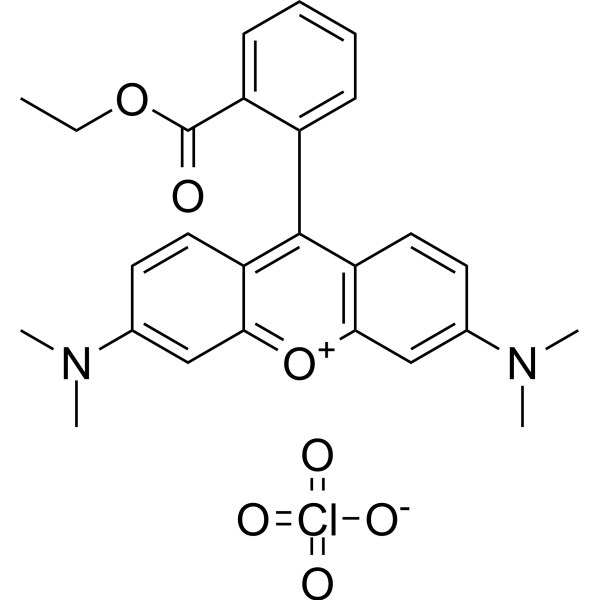
TMRE
Maximum Cited Publications
75 Publications Verification
Tetramethylrhodamine ethyl ester perchlorate
|
Fluorescent Dye
|
Others
|
|
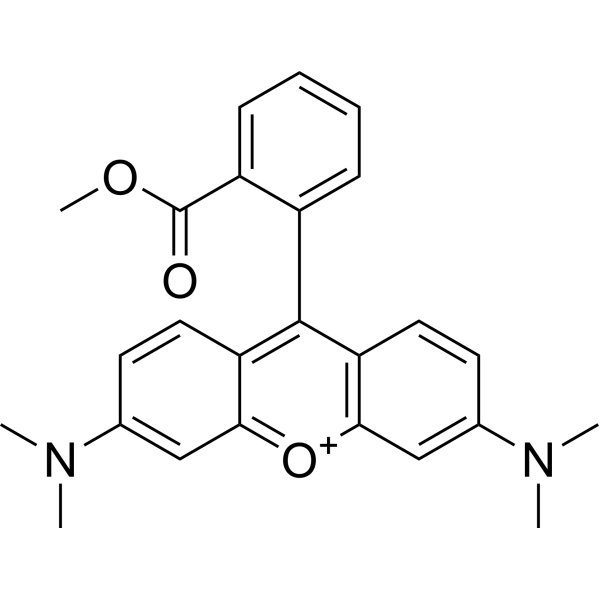
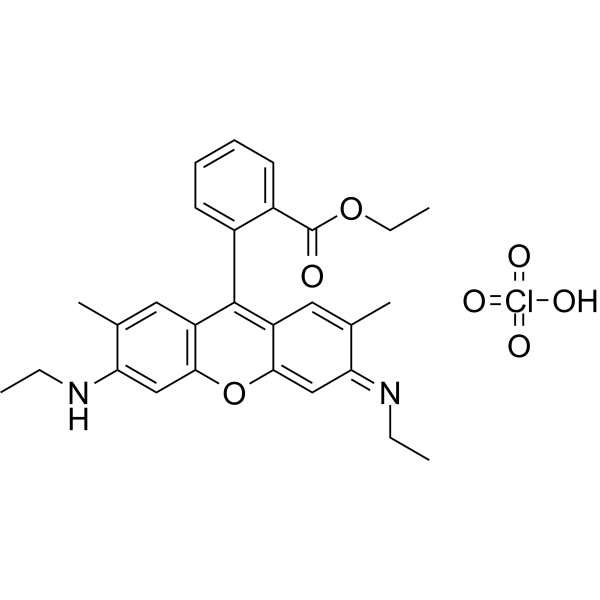
Rhodamine dyes are membrane-permeable cationic fluorescent probes that specifically recognize mitochondrial membrane potentials, thereby attaching to mitochondria and producing bright fluorescence, and at certain concentrations, rhodamine dyes have low toxicity to cells, so they are commonly used to detect mitochondria in animal cells, plant cells, and microorganisms .
|
-
-
- HY-D0984A
-
|
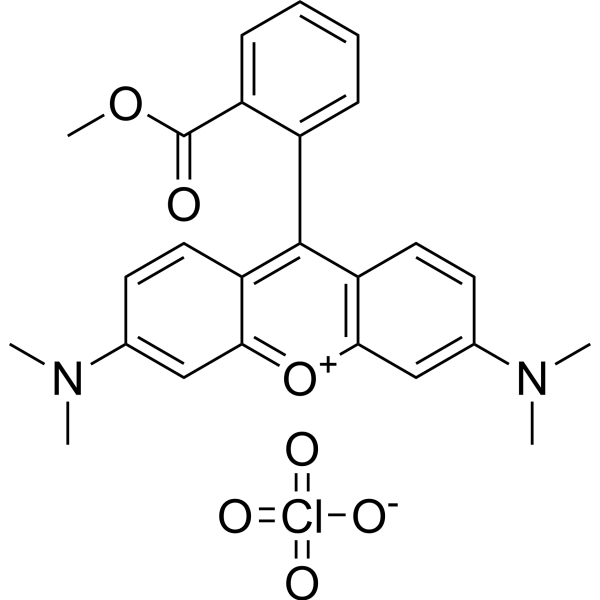
T668
|
Fluorescent Dye
|
Others
|
|
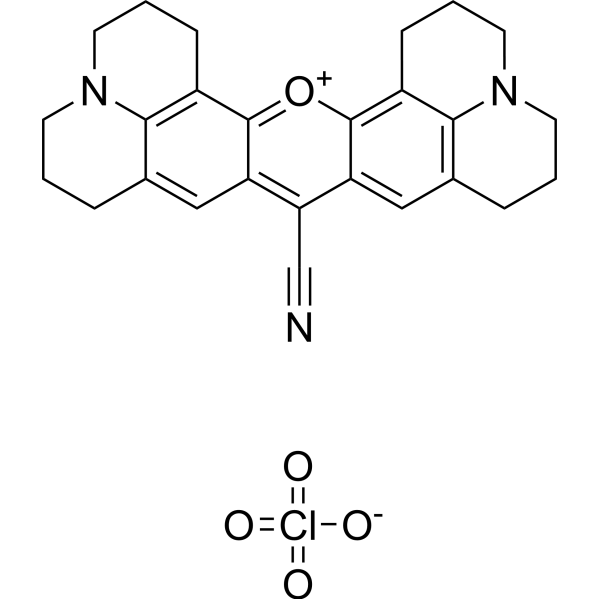
Rhodamine dyes are membrane-permeable cationic fluorescent probes that specifically recognize mitochondrial membrane potentials, thereby attaching to mitochondria and producing bright fluorescence, and at certain concentrations, rhodamine dyes have low toxicity to cells, so they are commonly used to detect mitochondria in animal cells, plant cells, and microorganisms .
|
-
-
- HY-D0816
-
|
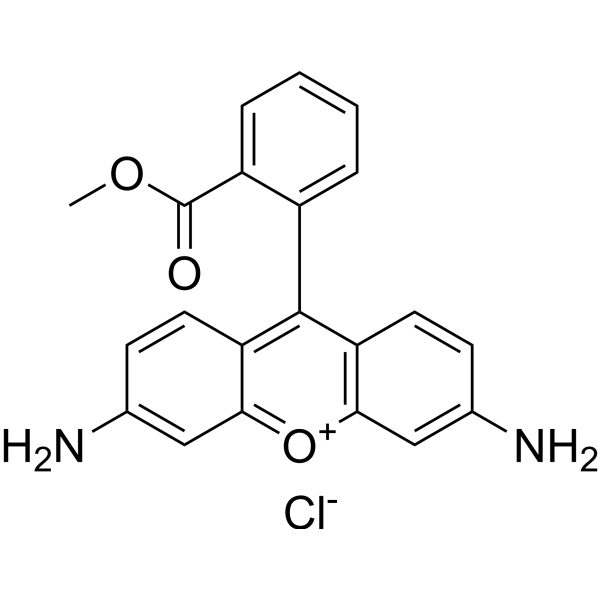
RH-123; R-22420
|
Fluorescent Dye
|
Cardiovascular Disease
|
|
Rhodamine dyes are membrane-permeable cationic fluorescent probes that specifically recognize mitochondrial membrane potentials, thereby attaching to mitochondria and producing bright fluorescence, and at certain concentrations, rhodamine dyes have low toxicity to cells, so they are commonly used to detect mitochondria in animal cells, plant cells, and microorganisms .
|
-
-
- HY-D0309
-
|
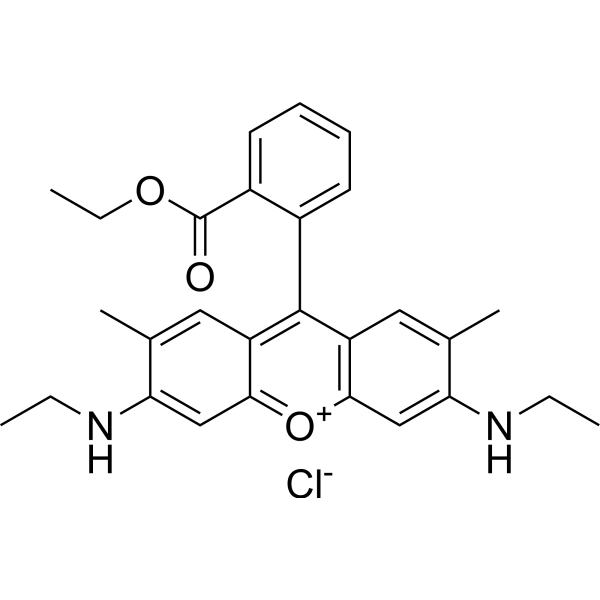
Basic Red 1
|
Environmental Pollutants
Fluorescent Dye
|
Cancer
|
|
Rhodamine dyes are membrane-permeable cationic fluorescent probes that specifically recognize mitochondrial membrane potentials, thereby attaching to mitochondria and producing bright fluorescence, and at certain concentrations, rhodamine dyes have low toxicity to cells, so they are commonly used to detect mitochondria in animal cells, plant cells, and microorganisms .
|
-
-
- HY-D0984
-
|
|
Fluorescent Dye
|
Inflammation/Immunology
|
|
Rhodamine dyes are membrane-permeable cationic fluorescent probes that specifically recognize mitochondrial membrane potentials, thereby attaching to mitochondria and producing bright fluorescence, and at certain concentrations, rhodamine dyes have low toxicity to cells, so they are commonly used to detect mitochondria in animal cells, plant cells, and microorganisms .
|
-
-
- HY-D1694
-
|
|
Fluorescent Dye
|
Others
|
|
LysoTracker Yellow HCK 123 is a potent yellow membrane-permeable fluorescent probe. LysoTracker Yellow HCK 123 is a weakly basic amine that selectively accumulates in cellular compartments with low luminal pH .
|
-
-
- HY-DY1042
-
|
|
Fluorescent Dye
|
Others
|
Rhodamine dyes are membrane-permeable cationic fluorescent probes that specifically recognize mitochondrial membrane potentials, thereby attaching to mitochondria and producing bright fluorescence, and at certain concentrations, rhodamine dyes have low toxicity to cells, so they are commonly used to detect mitochondria in animal cells, plant cells, and microorganisms . Solvent and concentration: DMSO: 10 mM
|
-
-
- HY-101876
-
|
|
Fluorescent Dye
|
Others
|
|
Rhodamine dyes are membrane-permeable cationic fluorescent probes that specifically recognize mitochondrial membrane potentials, thereby attaching to mitochondria and producing bright fluorescence, and at certain concentrations, rhodamine dyes have low toxicity to cells, so they are commonly used to detect mitochondria in animal cells, plant cells, and microorganisms .
|
-
-
- HY-DY1023
-
|
|
Fluorescent Dye
|
Others
|
Rhodamine dyes are membrane-permeable cationic fluorescent probes that specifically recognize mitochondrial membrane potentials, thereby attaching to mitochondria and producing bright fluorescence, and at certain concentrations, rhodamine dyes have low toxicity to cells, so they are commonly used to detect mitochondria in animal cells, plant cells, and microorganisms . Solvent and concentration: DMSO: 10 mM
|
-
-
- HY-DY1054
-
|
|
Fluorescent Dye
|
Cardiovascular Disease
|
Rhodamine dyes are membrane-permeable cationic fluorescent probes that specifically recognize mitochondrial membrane potentials, thereby attaching to mitochondria and producing bright fluorescence, and at certain concentrations, rhodamine dyes have low toxicity to cells, so they are commonly used to detect mitochondria in animal cells, plant cells, and microorganisms . Solvent and concentration: DMSO: 5 mM
|
-
-
- HY-D0309R
-
|
Basic Red 1 (Standard)
|
Fluorescent Dye
Reference Standards
|
Cancer
|
|
Rhodamine 6G (Standard) is the analytical standard of Rhodamine 6G. This product is intended for research and analytical applications. Rhodamine dyes are membrane-permeable cationic fluorescent probes that specifically recognize mitochondrial membrane potentials, thereby attaching to mitochondria and producing bright fluorescence, and at certain concentrations, rhodamine dyes have low toxicity to cells, so they are commonly used to detect mitochondria in animal cells, plant cells, and microorganisms .
|
-
-
- HY-149734
-
|
|
Bacterial
|
Infection
|
|
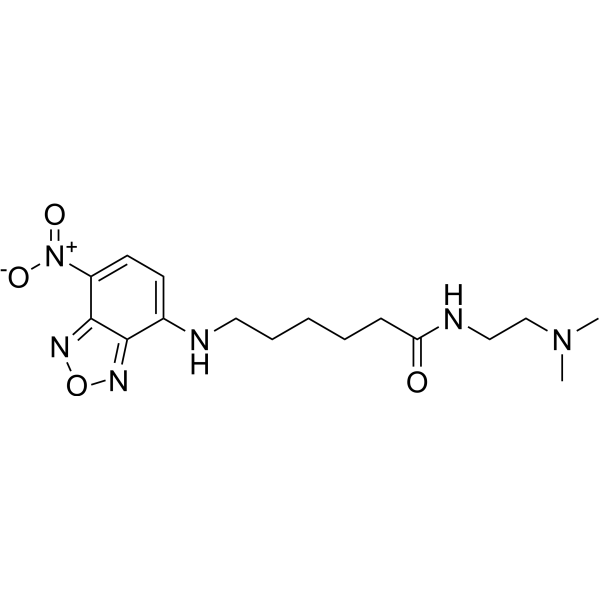
MA220607 is a FtsZ protein inhibitor with activity against both Gram-positive and Gram-negative bacteria. MA220607 inhibits bacterial growth and shows low bacterial resistance frequency. MA220607 increases bacterial membrane permeability and alters proton gradients. MA220607 blocks the formation of bacterial biofilms. MA220607 can be used in studies of bacterial infections .
|
-
-
- HY-149431
-
|
|
HSP
Potassium Channel
|
Cancer
|
|
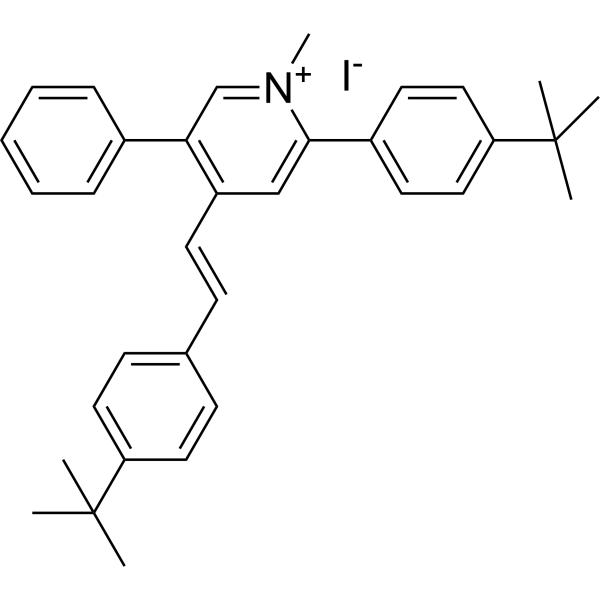
NDNA4 (compound 17) is a selective inhibitor of Hsp90α (IC50: 0.34 μM). NDNA4 is a permanently charged analog with low membrane permeability and low cytotoxicity against Ovcar-8 and MCF-10A ((IC50 >100 μM)). NDNA4 prevents disruption of hERG channel maturation without generating a heat shock response or causing degradation of Hsp90α-dependent client proteins .
|
-
-
- HY-146341
-
|
|
FAAH
MAGL
|
Neurological Disease
|
|
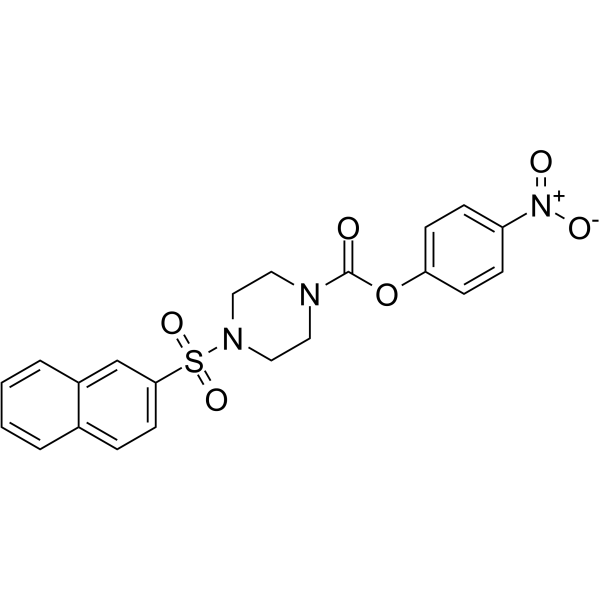
FAAH-IN-5 (Compound 7) is a relative selective, irreversible fatty acid amide hydrolase (FAAH) inhibitor with an IC50 of 10.5 nM. FAAH-IN-5 shows low PAMPA (Parallel Artificial Membrane Permeability Assay) permeability .
|
-
-
- HY-19405
-
|
|
Neurokinin Receptor
|
Others
|
|
UK-224671 is a potent and selective NK2 receptor antagonist. UK-224671 is affected by P-gp efflux and poor intrinsic membrane permeability, resulting in low oral bioavailability .
|
-
-
- HY-146342
-
|
|
FAAH
MAGL
|
Neurological Disease
|
|
FAAH/MAGL-IN-3 (Compound 10) is an irreversible fatty acid amide hydrolase (FAAH) and monoacylglycerol lipase (MAGL) dual inhibitor with IC50 values of 179 and 759 nM against FAAH and MAGL, respectively. FAAH/MAGL-IN-3 shows low PAMPA (Parallel Artificial Membrane Permeability Assay) permeability .
|
-
-
- HY-145257
-
|
|
GABA Receptor
|
Neurological Disease
|
|
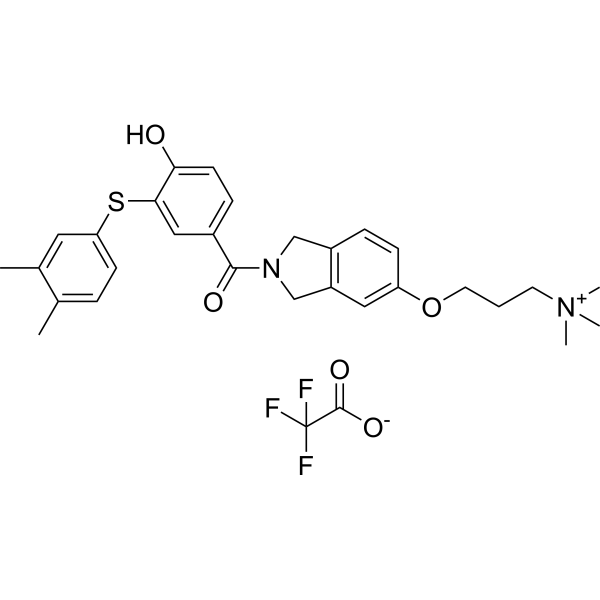
GABAA receptor agent 5 (compound 018) is a potent γ-GABAAR antagonist with an Ki of 0.020 µM. GABAA receptor agent 5 shows γ-GABAAR antagonist activity with low cellular membrane permeability .
|
-
-
- HY-111544
-
|
|
Histone Methyltransferase
|
Cancer
|
|
EML741 is a histone lysine methyltransferase G9a/GLP inhibitor, with an IC50 of 23 nM, Kd of 1.13 μM for G9a. EML741 also inhibits DNMT1 (IC50, 3.1 μM), with no effect on DNMT3a or DNMT3b. EML741 exhibits low cell toxicity, and is membrane permeable and blood-brain barrier penetrated .
|
-
-
- HY-P5107A
-
|
LMWP acetate; TDSP5 acetate
|
VEGFR
|
Cancer
|
|
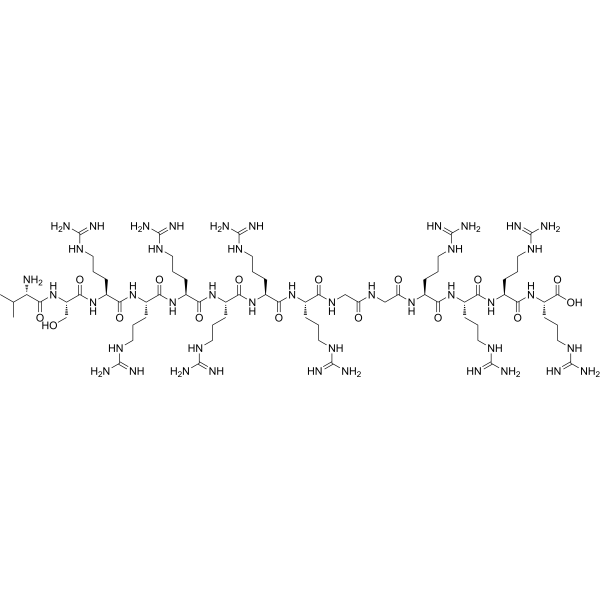
Low molecular weight protamine (LMWP) is a truncated arginine-rich protamine peptide, which also acts as an antidote for heparin/low molecular weight heparin and a cell-penetrating delivery vector. Low molecular weight protamine neutralizes heparin-induced anticoagulant activities, including aPTT, anti-Xa and anti-IIa activities. Low molecular weight protamine translocates across mammalian cell membranes, delivers conjugated impermeable molecules through tumor tissues, enhances the skin permeability of conjugated epidermal growth factor, and accelerates wound healing when conjugated with epidermal growth factor. Low molecular weight protamine retains the in vitro cell proliferation activity of conjugated EGF, and also enables site-specific conjugation with peptides or proteins via genetic recombination. Low molecular weight protamine can be used in studies related to colon cancer, skin wounds and diabetic skin wounds .
|
-
-
- HY-131766
-
|
2'-O-Methyladenosine-3',5'-cyclic monophosphate
|
Ras
|
Others
|
|
2'-O-Me-cAMP is an analogue of natural signal molecule cAMP and a selective stimulator of the exchange factors activated by cAMP (Epac) with low membrane permeability .
|
-
-
- HY-W016758
-
|
1-Butyl-3-methylimidazolium chloride
|
Bacterial
|
Infection
|
|
[BMIM]Cl (1-butyl-3-methylimidazolium chloride) is an alkyl-imidazolium chloride compound and a persistent aquatic pollutant. [BMIM]Cl exhibits antimicrobial activity against S. aureus (MIC = 25 mM), E. coli (MIC = 50 mM), and P. aeruginosa (MIC = 100 mM). It possesses moderate membrane permeability and cytotoxicity, directly affecting microorganisms and mammalian cells at high concentrations, but can inhibit the function of complex ecosystems (e.g., anaerobic digestion) even at environmentally relevant low concentrations by disrupting microbial community structures. [BMIM]Cl can be used in research related to bacterial infections .
|
-
-
- HY-149432
-
|
|
HSP
Potassium Channel
|
Cancer
|
|
NDNA3 (compound 14) is a selective inhibitor of Hsp90α (IC50: 0.51 μM). NDNA3 is a permanently charged analog with low membrane permeability and low toxicity to Ovcar-8 (IC50: 12.66 μM) and MCF-10A (IC50: 11.72 μM) cells. NDNA3 prevents disruption of hERG channel maturation without generating a heat shock response or causing degradation of Hsp90α-dependent client proteins .
|
-
-
- HY-119696S
-
|
|
Isotope-Labeled Compounds
Drug Metabolite
|
Neurological Disease
Cancer
|
|
MTIC-d3 is deuterium labeled MTIC. MTIC is the active metabolite of Temozolomide (TMZ). MITC has lower bioavailability in the brain compared with TMZ, because the agent’s permeability through biological barriers and tumor cell membranes affects bioavailability. MITC exhibits low affinity to biological membrane .
|
-
-
- HY-145258
-
|
|
GABA Receptor
|
Neurological Disease
|
|
GABAA receptor agent 6 (compound 2027) is a potent γ-GABAAR antagonist with an Ki of 0.56 µM. GABAA receptor agent 6 shows γ-GABAAR antagonist activity with low cellular membrane permeability .
|
-
-
- HY-D2953
-
|
CLIP-CPY
|
Fluorescent Dye
|
Others
|
|
BC-CPY is a CLIP-tagged probe based on the pyridine-benzoanthrone (CPY) fluorophore (Ex/Em: 580 nm/610 nm). BC-CPY has excellent cell membrane permeability, enabling deep imaging, low phototoxicity and high signal-to-noise ratio. BC-CPY can be used for super-resolution microscopy imaging of living cells .
|
-
-
- HY-176552
-
|
|
Fungal
Microtubule/Tubulin
|
Infection
|
|
Tubulin polymerization-IN-83 (Compound A23) is a flavonol derivative. Tubulin polymerization-IN-83 exhibits antifungal activity against various phytopathogenic fungi, with an EC50 of 0.338 μg/mL against Botrytis cinerea. Tubulin polymerization-IN-83 exerts its effects by targeting β-tubulin, disrupting mycelial morphology, and increasing cell membrane permeability, with relatively low ecological and environmental risks .
|
-
-
- HY-162923
-
|
|
Bacterial
Antibiotic
|
Infection
|
|
Antibacterial agent 244 is an orally active compound with broad-spectrum antibacterial activity, primarily targeting Gram-positive bacteria, with a MIC value of 1–4 μg/mL and low hemolytic toxicity (HC50 of 111.6 μg/mL). Antibacterial agent 244 disrupts bacterial transmembrane potential, increases membrane permeability, leading to leakage of cellular contents such as DNA and proteins, ultimately causing bacterial death. Antibacterial agent 244 can be used in research related to Gram-positive bacterial infections .
|
-
-
- HY-159492
-
|
|
5-HT Receptor
|
Neurological Disease
|
|
5-HT7 receptor ligand 2 (compound 32) is an arylpiperazinehydrazine ligand for 5-HT7R (Ki=178 nM). 5-HT7 receptor ligand 2 has good membrane permeability, low hepatotoxicity and cardiotoxicity, and high plasma protein binding. 5-HT7 receptor ligand 2 shows neuroprotective effects in SH-SY5Y cells and can be used for the study of central nervous system related diseases .
|
-
-
- HY-162818
-
|
|
Bacterial
Reactive Oxygen Species (ROS)
|
Infection
|
|
Antibacterial agent 237 (compound Ru-8) is a bacteriostatic agent for Staphylococcus aureus, with MIC of 0.78-1.56 μg/mL. Antibacterial agent 237 destroys bacterial cell membranes, changes their permeability, and induces bacteria to produce Reactive Oxygen Species, leading to bacterial death without causing drug resistance. Antibacterial agent 237 has low hemolytic toxicity to rabbit red blood cells and Raw 264.7 cells, and has significant antibacterial effects against Staphylococcus aureus in mouse skin wound infection models and Bacillus major larvae infection models .
|
-
-
- HY-179038
-
|
|
Bacterial
|
Infection
|
|
PYO12 is a 3-phenyl-4-phenoxypyrazole type antibacterial compound. PYO12 exhibits selective activity against Gram-positive bacteria with MIC for S. aureus, B. subtilis, S. pneumoniae, and MRSA of 1, 1, 1, and 4 μg/mL respectively. PYO12 has no activity against Gram-negative bacteria. PYO12 can significantly increase bacterial membrane permeability and significantly upregulate cell wall stress-related genes, possibly by binding to the C55-PP part of lipid II. PYO12 shows a concentration-dependent bactericidal effect, has low toxicity to mammalian cells, and does not cause hemolysis. PYO12 can be used to develop new antibiotics targeting bacterial cell wall synthesis .
|
-
-
- HY-179611
-
|
|
Bacterial
|
Infection
|
|
LP-03 is an antibacterial agent with selective activity against Methicillin-resistant Staphylococcus aureus (MRSA). Its minimum inhibitory concentration (MIC) is 6.2 μM. LP-03 has an inhibitory effect on biofilm formation, but it is unable to effectively remove the formed biofilms. LP-03 can enhance membrane permeability, disrupt the membrane structure of MRSA cells, and does not cause significant membrane depolarization. LP-03 has no hemolytic toxicity and shows low mammalian cell toxicity. It can be used for research on MRSA infections .
|
-
-
- HY-180191
-
|
|
Bacterial
Reactive Oxygen Species (ROS)
DNA/RNA Synthesis
|
Infection
|
|
Anti-MRSA agent 42 (Compound 6d) is an anti-methicillin-resistant Staphylococcus aureus (MRSA) agent. Anti-MRSA agent 42 shows strong inhibitory effects on MRSA standard strains and 11 clinical isolates with MIC values of 0.25-0.5 μg/mL. Anti-MRSA agent 42 has low hemolytic activity and minimal cytotoxicity toward mammalian cells. Anti-MRSA agent 42 can suppress biofilm formation, compromise the cell wall, and disrupt the cytoplasmic membrane, which are accompanied by membrane depolarization, enhanced permeability, and loss of membrane integrity. Anti-MRSA agent 42 can induce ROS production and bind to DNA grooves, interfering with nucleic acid function. Anti-MRSA agent 42 can be used for the research of MRSA infection .
|
-
-
- HY-180125A
-
|
|
Bacterial
Reactive Oxygen Species (ROS)
|
Infection
|
|
Antibacterial agent 307 hydrochloride is an antibacterial agent. Antibacterial agent 307 hydrochloride shows MICs of 1-4 μg/mL against Gram-positive bacteria, moderate activity against Gram-negative bacteria, low hemolytic toxicity, and excellent plasma stability. Antibacterial agent 307 hydrochloride compromises bacterial membrane integrity via increased permeability and depolarization, induces endogenous ROS accumulation, causes cytoplasmic protein and nucleic acid leakage, and drives rapid bacterial cell death. Antibacterial agent 307 hydrochloride can be used for the research of bacterial infection .
|
-
-
- HY-180125
-
|
|
Bacterial
Reactive Oxygen Species (ROS)
|
Infection
|
|
Antibacterial agent 307 is an antibacterial agent. Antibacterial agent 307 shows MICs of 1-4 μg/mL against Gram-positive bacteria, moderate activity against Gram-negative bacteria, low hemolytic toxicity, and excellent plasma stability. Antibacterial agent 307 compromises bacterial membrane integrity via increased permeability and depolarization, induces endogenous ROS accumulation, causes cytoplasmic protein and nucleic acid leakage, and drives rapid bacterial cell death. Antibacterial agent 307 can be used for the research of bacterial infection .
|
-
-
- HY-D1737
-
|
|
Bacterial
|
Infection
|
|
RADA is a fluorescent D-amino acid (FDAA) with high photostability and thermostability, which emits yellow-to-orange fluorescence. RADA shows low outer membrane permeability in wild-type Gram-negative Escherichia coli, but it targets penicillin-binding proteins and L,D-transpeptidases, mimics the interaction between acyl acceptors and enzyme intermediates, and integrates into peptidoglycan during biosynthesis. As a peptidoglycan labeling reagent, RADA metabolically integrates into the nascent peptidoglycan of live bacterial cells, labels the peptidoglycan at the poles and lateral walls of mycobacteria, and enables visualization of peptidoglycan synthesis and remodeling processes. RADA serves as a non-specific stain for fixed cells, is non-toxic to bacterial cells, and its red-shifted excitation/emission spectra reduce phototoxicity. RADA also supports virtual pulse-chase labeling experiments and stochastic optical reconstruction microscopy for sub-diffraction-limited imaging of bacterial cell walls .
|
-
| Cat. No. |
Product Name |
Type |
-
- HY-D0985A
-
TMRE
Maximum Cited Publications
75 Publications Verification
Tetramethylrhodamine ethyl ester perchlorate
|
Fluorescent Dyes
|
|
Rhodamine dyes are membrane-permeable cationic fluorescent probes that specifically recognize mitochondrial membrane potentials, thereby attaching to mitochondria and producing bright fluorescence, and at certain concentrations, rhodamine dyes have low toxicity to cells, so they are commonly used to detect mitochondria in animal cells, plant cells, and microorganisms .
|
-
- HY-D0984A
-
|
T668
|
Fluorescent Dyes
|
|
Rhodamine dyes are membrane-permeable cationic fluorescent probes that specifically recognize mitochondrial membrane potentials, thereby attaching to mitochondria and producing bright fluorescence, and at certain concentrations, rhodamine dyes have low toxicity to cells, so they are commonly used to detect mitochondria in animal cells, plant cells, and microorganisms .
|
-
- HY-D0816
-
|
RH-123; R-22420
|
Fluorescent Dyes
|
|
Rhodamine dyes are membrane-permeable cationic fluorescent probes that specifically recognize mitochondrial membrane potentials, thereby attaching to mitochondria and producing bright fluorescence, and at certain concentrations, rhodamine dyes have low toxicity to cells, so they are commonly used to detect mitochondria in animal cells, plant cells, and microorganisms .
|
-
- HY-D0309
-
|
Basic Red 1
|
Fluorescent Dyes
|
|
Rhodamine dyes are membrane-permeable cationic fluorescent probes that specifically recognize mitochondrial membrane potentials, thereby attaching to mitochondria and producing bright fluorescence, and at certain concentrations, rhodamine dyes have low toxicity to cells, so they are commonly used to detect mitochondria in animal cells, plant cells, and microorganisms .
|
-
- HY-D0984
-
|
|
Fluorescent Dyes
|
|
Rhodamine dyes are membrane-permeable cationic fluorescent probes that specifically recognize mitochondrial membrane potentials, thereby attaching to mitochondria and producing bright fluorescence, and at certain concentrations, rhodamine dyes have low toxicity to cells, so they are commonly used to detect mitochondria in animal cells, plant cells, and microorganisms .
|
-
- HY-D1694
-
|
|
Fluorescent Dyes
|
|
LysoTracker Yellow HCK 123 is a potent yellow membrane-permeable fluorescent probe. LysoTracker Yellow HCK 123 is a weakly basic amine that selectively accumulates in cellular compartments with low luminal pH .
|
-
- HY-DY1042
-
|
|
Fluorescent Dyes
|
Rhodamine dyes are membrane-permeable cationic fluorescent probes that specifically recognize mitochondrial membrane potentials, thereby attaching to mitochondria and producing bright fluorescence, and at certain concentrations, rhodamine dyes have low toxicity to cells, so they are commonly used to detect mitochondria in animal cells, plant cells, and microorganisms . Solvent and concentration: DMSO: 10 mM
|
-
- HY-101876
-
|
|
Fluorescent Dyes
|
|
Rhodamine dyes are membrane-permeable cationic fluorescent probes that specifically recognize mitochondrial membrane potentials, thereby attaching to mitochondria and producing bright fluorescence, and at certain concentrations, rhodamine dyes have low toxicity to cells, so they are commonly used to detect mitochondria in animal cells, plant cells, and microorganisms .
|
-
- HY-DY1023
-
|
|
Fluorescent Dyes
|
Rhodamine dyes are membrane-permeable cationic fluorescent probes that specifically recognize mitochondrial membrane potentials, thereby attaching to mitochondria and producing bright fluorescence, and at certain concentrations, rhodamine dyes have low toxicity to cells, so they are commonly used to detect mitochondria in animal cells, plant cells, and microorganisms . Solvent and concentration: DMSO: 10 mM
|
-
- HY-DY1054
-
|
|
Fluorescent Dyes
|
Rhodamine dyes are membrane-permeable cationic fluorescent probes that specifically recognize mitochondrial membrane potentials, thereby attaching to mitochondria and producing bright fluorescence, and at certain concentrations, rhodamine dyes have low toxicity to cells, so they are commonly used to detect mitochondria in animal cells, plant cells, and microorganisms . Solvent and concentration: DMSO: 5 mM
|
-
- HY-D0309R
-
|
Basic Red 1 (Standard)
|
Fluorescent Dyes
|
|
Rhodamine 6G (Standard) is the analytical standard of Rhodamine 6G. This product is intended for research and analytical applications. Rhodamine dyes are membrane-permeable cationic fluorescent probes that specifically recognize mitochondrial membrane potentials, thereby attaching to mitochondria and producing bright fluorescence, and at certain concentrations, rhodamine dyes have low toxicity to cells, so they are commonly used to detect mitochondria in animal cells, plant cells, and microorganisms .
|
-
- HY-D2953
-
|
CLIP-CPY
|
Fluorescent Dyes
|
|
BC-CPY is a CLIP-tagged probe based on the pyridine-benzoanthrone (CPY) fluorophore (Ex/Em: 580 nm/610 nm). BC-CPY has excellent cell membrane permeability, enabling deep imaging, low phototoxicity and high signal-to-noise ratio. BC-CPY can be used for super-resolution microscopy imaging of living cells .
|
-
- HY-D1737
-
|
|
Fluorescent Dyes
|
|
RADA is a fluorescent D-amino acid (FDAA) with high photostability and thermostability, which emits yellow-to-orange fluorescence. RADA shows low outer membrane permeability in wild-type Gram-negative Escherichia coli, but it targets penicillin-binding proteins and L,D-transpeptidases, mimics the interaction between acyl acceptors and enzyme intermediates, and integrates into peptidoglycan during biosynthesis. As a peptidoglycan labeling reagent, RADA metabolically integrates into the nascent peptidoglycan of live bacterial cells, labels the peptidoglycan at the poles and lateral walls of mycobacteria, and enables visualization of peptidoglycan synthesis and remodeling processes. RADA serves as a non-specific stain for fixed cells, is non-toxic to bacterial cells, and its red-shifted excitation/emission spectra reduce phototoxicity. RADA also supports virtual pulse-chase labeling experiments and stochastic optical reconstruction microscopy for sub-diffraction-limited imaging of bacterial cell walls .
|
| Cat. No. |
Product Name |
Target |
Research Area |
-
- HY-P5107A
-
|
LMWP acetate; TDSP5 acetate
|
VEGFR
|
Cancer
|
|
Low molecular weight protamine (LMWP) is a truncated arginine-rich protamine peptide, which also acts as an antidote for heparin/low molecular weight heparin and a cell-penetrating delivery vector. Low molecular weight protamine neutralizes heparin-induced anticoagulant activities, including aPTT, anti-Xa and anti-IIa activities. Low molecular weight protamine translocates across mammalian cell membranes, delivers conjugated impermeable molecules through tumor tissues, enhances the skin permeability of conjugated epidermal growth factor, and accelerates wound healing when conjugated with epidermal growth factor. Low molecular weight protamine retains the in vitro cell proliferation activity of conjugated EGF, and also enables site-specific conjugation with peptides or proteins via genetic recombination. Low molecular weight protamine can be used in studies related to colon cancer, skin wounds and diabetic skin wounds .
|
| Cat. No. |
Product Name |
Chemical Structure |
-
- HY-119696S
-
|
|
|
MTIC-d3 is deuterium labeled MTIC. MTIC is the active metabolite of Temozolomide (TMZ). MITC has lower bioavailability in the brain compared with TMZ, because the agent’s permeability through biological barriers and tumor cell membranes affects bioavailability. MITC exhibits low affinity to biological membrane .
|
-
Your information is safe with us. * Required Fields.
Inquiry Information
- Product Name:
- Cat. No.:
- Quantity:
- MCE Japan Authorized Agent:

