


Search Result
Results for "
MC38
" in MedChemExpress (MCE) Product Catalog:
| Cat. No. |
Product Name |
Target |
Research Areas |
Chemical Structure |
-
- HY-136927
-
MSA-2
Maximum Cited Publications
30 Publications Verification
|
STING
|
Inflammation/Immunology
Cancer
|
|
MSA-2, a potent and orally available non-nucleotide STING agonist, is bound to STING as a noncovalent dimer with nanomolar affinity. MSA-2 shows EC50s of 8.3 and 24 μM for human STING isoforms WT and HAQ, respectively. MSA-2 stimulates interferon-β secretion in tumors, induces tumor regression with durable antitumor immunity, and synergizes with anti-PD-1 in syngeneic mouse tumor models .
|
-
-
- HY-Y1362
-
|
|
Autophagy
Apoptosis
Pyroptosis
NF-κB
|
Inflammation/Immunology
Cancer
|
|
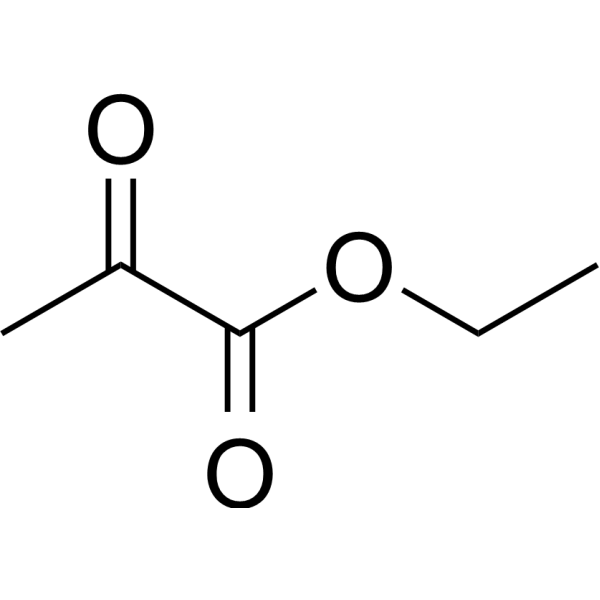
Ethyl pyruvate is a simple derivative of the endogenous metabolite pyruvate. Ethyl pyruvate is an HMGB1 release inhibitor. Ethyl pyruvate can induce apoptosis by autophagy. Ethyl pyruvate has anti-inflammatory, antioxidant and anti-tumor activity. Ethyl pyruvate can be used in the study of neurodegenerative diseases such as Alzheimer's and Parkinson's disease .
|
-
-
- HY-P990117
-
|
|
Integrin
|
Cardiovascular Disease
Cancer
|
|
Anti-Mouse/Rat/Human Osteopontin/SPP1 Antibody (MPIIIB10) is a mouse-derived Osteopontin/SPP1 IgG1 κ type antibody inhibitor. Anti-Mouse/Rat/Human Osteopontin/SPP1 Antibody (MPIIIB10) blocks Angiotensin II (HY-13948)-induced DNA synthesis and collagen gel contraction in cardiac fibroblasts. Anti-Mouse/Rat/Human Osteopontin/SPP1 Antibody (MPIIIB10) significantly inhibits tumor growth in CT26 or MC38 tumors mice models .
|
-
-
- HY-160788
-
-
-
- HY-154919
-
|
|
YTHDF
FOXO
MMP
Pyroptosis
Interleukin Related
|
Endocrinology
Cancer
|
|
DC-Y13-27 is a DC-Y13 derivative and YTHDF2 inhibitor (KD: 37.9 μM). DC-Y13-27 inhibits YTHDF2, restores FOXO3 and TIMP1 protein levels, and reduces MMP1/3/7/9 expression. DC-Y13-27 induces Pyroptosis and increases IL-1β secretion. DC-Y13-27 reduces intervertebral disc degeneration and enhances the response to radiotherapy in colon cancer and melanoma. DC-Y13-27 has antitumor activity against breast cancer .
|
-
-
- HY-160421
-
|
|
Apoptosis
|
Inflammation/Immunology
Cancer
|
|
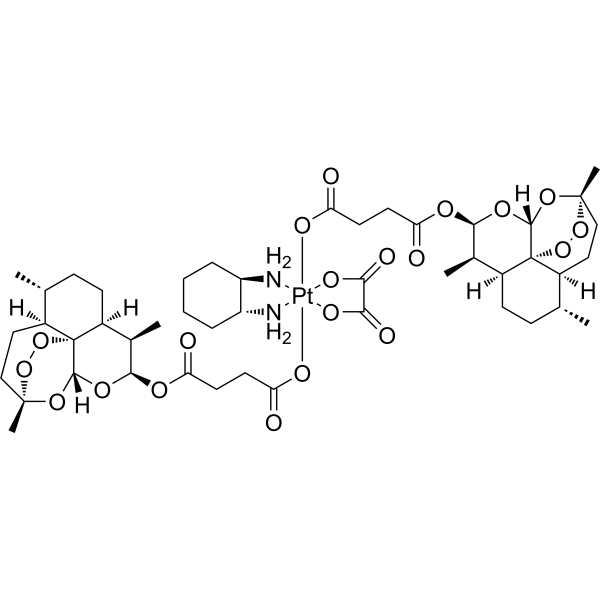
TREM2-IN-1 (OPA) is a TREM2 inhibitor derived from oxaliplatin and artesunate. TREM2-IN-1 can relieves immunosuppressive tumor microenvironment and enhancing chemical anticancer efficiency. TREM2-IN-1 deters the tumor growth in mice models bearing MC38 colorectal tumor by reducing the number of CD206 + and CX3CR1 + immunosuppressive macrophages. TREM2-IN-1 also promotes the expansion and infiltration of immunostimulatory dendritic, cytotoxic T and natural killer cells .
|
-
-
- HY-139693
-
|
|
Phosphatase
|
Inflammation/Immunology
Cancer
|
|
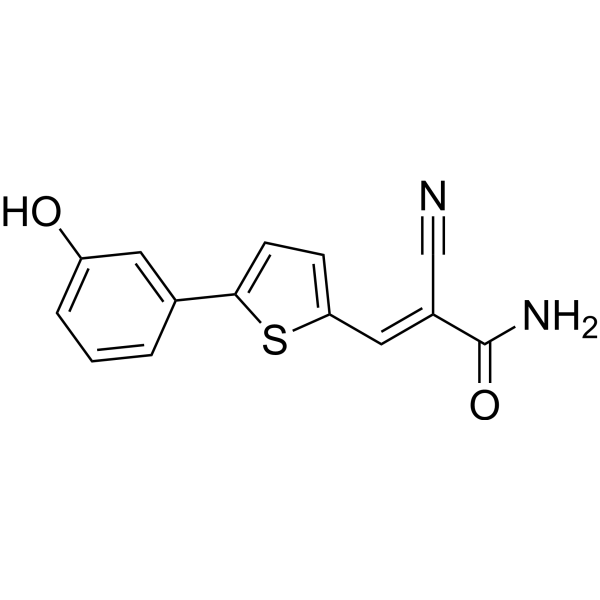
PTPN22-IN-1 is a potent PTPN22 inhibitor (IC50=1.4 µM; Ki=0.50 µM). PTPN22-IN-1 exhibits >7-10 fold selectivity for PTPN22 over similar phosphatases. PTPN22-IN-1 augments antitumor immune responses . From WO2021007491A1 compound L-1.
|
-
-
- HY-P99379
-
|
CAN04; Anti-IL-1RAP/IL-1R3 Reference Antibody (nidanilimab)
|
Interleukin Related
|
Cancer
|
|
Nidanilimab (CAN04) is a fully humanized monoclonal anti-IL1RAP antibody with a Kd value of 1.10 pM. Nidanilimab blocks IL1α and IL1β signaling and stimulates the immune system to destroy tumour cells. Nidanilimab can be used in research of non-small lung cancer (NSCLC) and pancreatic ductal adenocarcinoma (PDAC) .
|
-
-
- HY-153358
-
|
|
HDAC
|
Cancer
|
|
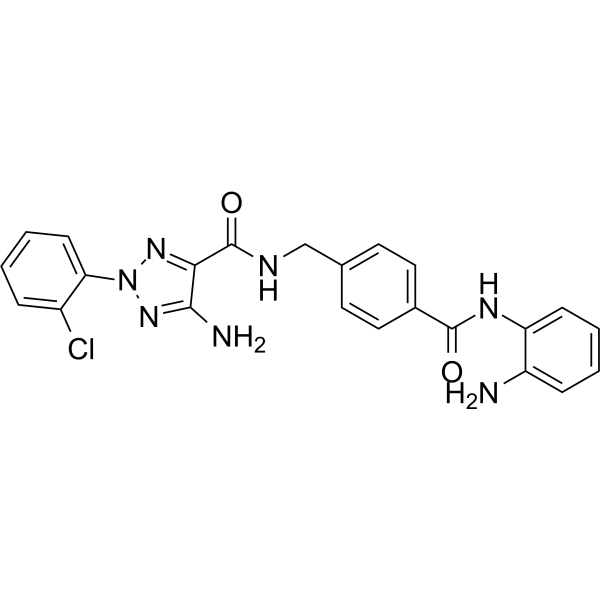
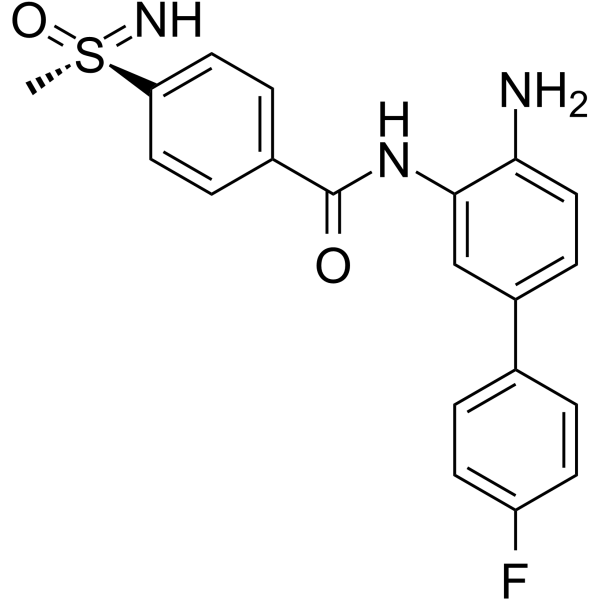
TNG260 is a selective, orally effective inhibitor of HDAC1 and CoREST complex, with a 10-fold selectivity for HDAC1 over HDAC3 and a 500-fold selectivity for CoREST complex over NuRD and Sin3 complex. TNG260 reshapes the tumor immune microenvironment, reduces immunosuppressive neutrophil infiltration, promotes effector T cell recruitment, and reverses anti-PD-1 resistance caused by STK11 deficiency by inhibiting the activity of the CoREST-HDAC1 complex. TNG260 induces durable tumor regression in combination with α-PD1 in MC38 tumor-bearing mice with STK11 mutations, and has lower toxicity to bone marrow cells than non-selective HDAC inhibitors .
|
-
-
- HY-138742
-
|
|
MAP4K
|
Cancer
|
|
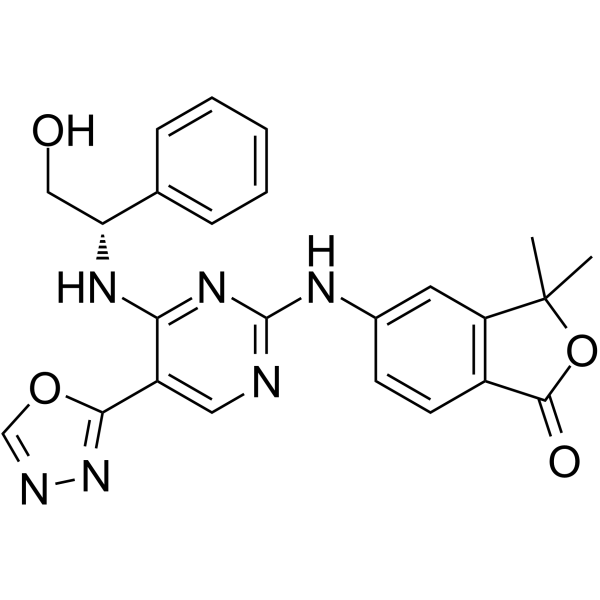
HPK1-IN-7 is a potent, orally active HPK1 (hematopoietic progenitor kinase 1, MAP4K1) inhibitor (IC50=2.6 nM) with excellent family and kinome selectivity. HPK1-IN-7 shows selectivity against IRAK4 (59 nM) and GLK (140 nM). HPK1-IN-7 shows robust efficacy against MC38 syngeneic tumor model in combination with anti-PD1 .
|
-
-
- HY-B0984
-
|
|
Calcium Channel
Ras
STING
Autophagy
|
Infection
Cardiovascular Disease
Cancer
|
|
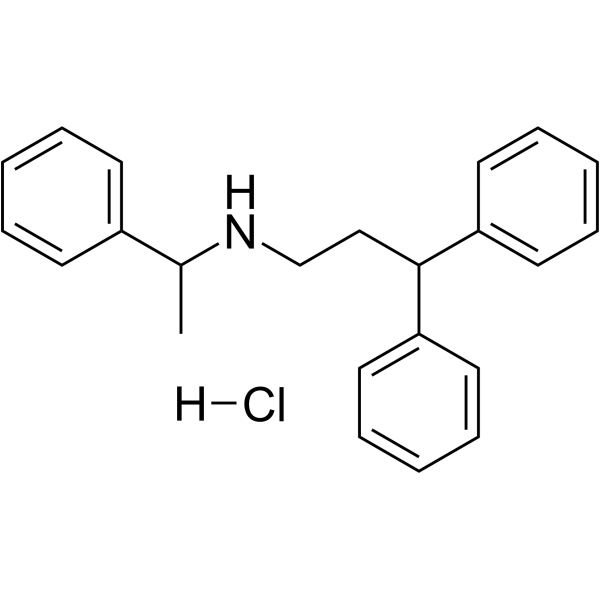
Fendiline hydrochloride, a diphenylalkylamine type of antianginal agent, is an L-type calcium channel blocker (IC50 of 17 µM). Fendiline hydrochloride is also a selective K-Ras inhibitor, and has no effect on H-Ras and N-Ras. Fendiline hydrochloride inhibits K-Ras plasma membrane localization (IC50 of 9.64 μM), inhibits K-Ras signal output and blocks the proliferation of pancreatic, colon, lung, and endometrial cancer cell lines expressing oncogenic mutant K-Ras. Fendiline hydrochloride is a STING agonist and is able to inhibit the growth of multiple refractory cold tumors (MC38, CT26 and B16F10) .
|
-
-
- HY-P11060
-
|
Adpgk peptide
|
MHC
|
Cancer
|
|
MC38 SLP Adpgk (Adpgk peptide) is an H-2 K b-restricted colorectal cancer neoantigen peptide. MC38 SLP Adpgk is formulated into PCNP nanocomplexes together with CpG ODN. PCNP vaccines significantly enhance the co-delivery efficiency of neoantigens and adjuvants to lymphoid organs, and activate cytotoxic T cells. PCNP vaccines not only protect mice from MC-38 colorectal tumor invasion, but also exhibit anti-tumor efficacy in established colorectal tumor models and significantly prolong the survival of tumor-bearing mice .
|
-
-
- HY-178193
-
|
|
DNA/RNA Synthesis
Akt
PD-1/PD-L1
|
Cancer
|
|
Chem-0199 is an Adipocyte Enhancer-Binding Protein 1 (AEBP1) inhibitor. Chem-0199 can disrupt the interaction between AEBP1 and CKAP4, thereby enhances antitumor immunity. Chem-0199 can inhibit Akt phosphorylation (p-Akt) and downregulates PD-L1 expression. Chem-0199 can be used for the research of cancer, such as colon cancer .
|
-
-
- HY-N6579
-
|
|
p38 MAPK
Mitochondrial Metabolism
|
Cancer
|
|
Arvenin I is a natural cucurbitacin glucoside that activates T cells within the cancer-competitive environment. Arvenin I covalently reacts with and hyperactivates MKK3, thereby reviving the mitochondrial fitness of exhausted T cells through the activation of the p38MAPK pathway . Arvenin I exhibits broad-spectrum antiproliferative against cancer cells . Arvenin I enhances antitumor effects both as a monotherapy and in combination with immune checkpoint inhibitors in mice . Arvenin I can be used for cancer research, such as colon cancer, breast cancer, lung cancer, and ovarian cancer [1][2].
|
-
-
- HY-173189
-
|
2′,5′-ApApA; 2′,5′-trioligoadenylate; 5'-O-Triphosphoryladenylyl-(2'→5')-adenylyl-(2'→5')-adenosine
|
DNA/RNA Synthesis
RSV
|
Infection
Cancer
|
|
2-5A is a RNase L activator, signal mediator and innate immune second messenger. 2-5A induces the expression of interferons and interferon-stimulated genes in recipient cells in a RNase L-dependent manner. 2-5A inhibits tumor growth in mouse models via paracrine RNase L activation derived from cancer cells. 2-5A can be used in studies related to viral infection and cancer .
|
-
-
- HY-B0984A
-
|
|
Calcium Channel
Ras
STING
Autophagy
|
Infection
Cardiovascular Disease
Cancer
|
|
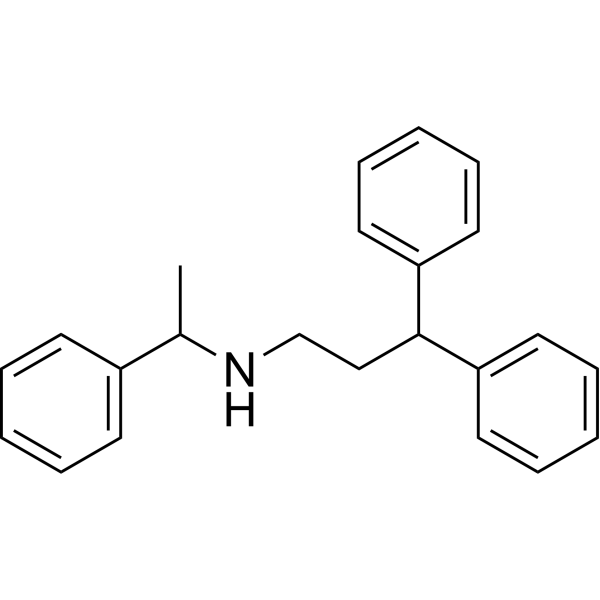
Fendiline, a diphenylalkylamine type of antianginal agent, is an L-type calcium channel blocker (IC50 of 17 µM). Fendiline is also a selective K-Ras inhibitor, and has no effect on H-Ras and N-Ras. Fendiline inhibits K-Ras plasma membrane localization (IC50 of 9.64 μM), inhibits K-Ras signal output and blocks the proliferation of pancreatic, colon, lung, and endometrial cancer cell lines expressing oncogenic mutant K-Ras. Fendiline is a STING agonist and is able to inhibit the growth of multiple refractory cold tumors (MC38, CT26 and B16F10) .
|
-
-
- HY-147389
-
|
|
Phosphodiesterase (PDE)
|
Cancer
|
|
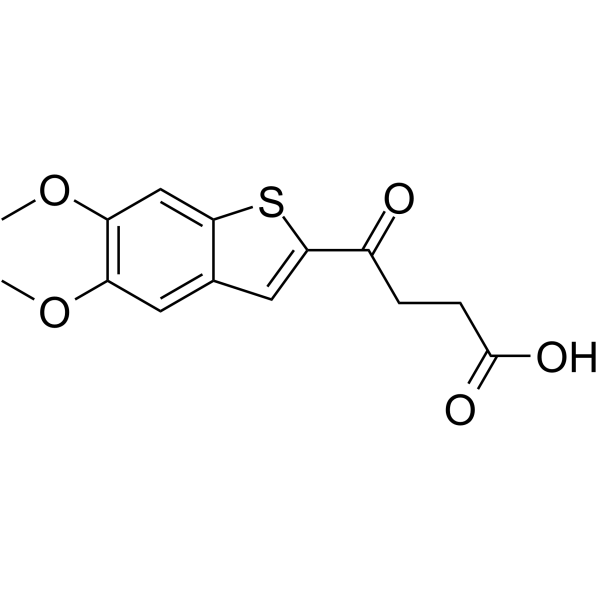
Enpp-1-IN-14 (Compound 015) is a potent Ectonucleotide Pyrophosphatase/Phosphodiesterase-1 (ENPP1) inhibitor with an IC50 value of 32.38 nM for recombinant human ENPP-1. Enpp-1-IN-14 has anti-tumor activity .
|
-
-
- HY-B1414
-
-
-
- HY-138113
-
-
-
- HY-P990680
-
|
|
Transmembrane Glycoprotein
TNF Receptor
|
Infection
Inflammation/Immunology
Cancer
|
|
Anti-Mouse CD40 Antibody (FGK4.5/FGK45) is an agonistic rat-derived IgG2a monoclonal antibody targeting mouse CD40. Anti-Mouse CD40 Antibody (FGK4.5/FGK45) enhances T cells responses, dendritic cells maturation and NK cells activation. Anti-Mouse CD40 Antibody (FGK4.5/FGK45) can be used for the researches of cancer, infection, inflammation and immunology, such as CT26 tumor, vesicular stomatitis virus (VSV) infection and transplantation .
|
-
-
- HY-P99040
-
|
JNJ-61610588; CI-8993; VSTB112
|
VISTA
|
Cancer
|
|
Onvatilimab (JNJ-61610588) is a human IgG1κ anti-VISTA (V-domain Ig Suppressor of T-cell Activation) monoclonal antibody. Onvatilimab can be used in colorectal cancer research .
|
-
-
- HY-P990914
-
|
GS-1811; JTX-1811
|
CCR
|
Inflammation/Immunology
Cancer
|
|
Denikitug (GS-1811; JTX-1811) is a humanized monoclonal antibody against CCR8 receptor with a KD of 16.8 pM. Denikitug specifically binds to human CCR8, inhibits CCL1-induced downstream CCR8 signaling. Denikitug selectively depletes cells expressing CCR8 via antibody-dependent cellular cytotoxicity (ADCC). Denikitug promotes anti-tumor immunity and can be used for the research of cancer and immunology .
|
-
-
- HY-172930
-
|
|
Molecular Glues
IKZF Family
Potassium Channel
|
Inflammation/Immunology
Cancer
|
|
PVTX-405 is a selective and oral active IKZF2 molecular glue degrader with a DC50 of 0.7 nM and a Dmax of 91%. PVTX-405 enhances degradation efficiency, significantly reduces off-target degradation, and alleviates hERG inhibition with IC50 of 48 µM. PVTX-405 significantly inhibits the growth of MC38 tumors, with greater synergistic anti-cancer efficacy in combination with immune checkpoint therapies (ICTs) (anti-PD1 or anti-LAG3) in the MC38 mouse tumor xenograft model using Crbn 391V C57BL/6 mice .
|
-
-
- HY-149208
-
|
|
HDAC
Apoptosis
|
Cancer
|
HDAC-IN-53 is an orally active, and selective HDAC1-3 inhibitor with IC50 values of 47 nM, 125 nM, and 450 nM, respectively. HDAC-IN-53 does not inhibit class II HDACs (HDAC4, 5, 6, 7, 9; IC50>10 μM). HDAC-IN-53 induces caspase-dependent apoptosis. HDAC-IN-53 significantly inhibits the growth of human tumor xenografts in nude mice and murine tumor growth in immune-competent mice bearing MC38 colon cancer .
|
-
-
- HY-B0984R
-
|
|
Calcium Channel
Ras
STING
Autophagy
Reference Standards
|
Infection
Cardiovascular Disease
Cancer
|
|
Fendiline (hydrochloride) (Standard) is the analytical standard of Fendiline (hydrochloride). This product is intended for research and analytical applications. Fendiline hydrochloride, a diphenylalkylamine type of antianginal agent, is an L-type calcium channel blocker (IC50 of 17 µM). Fendiline hydrochloride is also a selective K-Ras inhibitor, and has no effect on H-Ras and N-Ras. Fendiline hydrochloride inhibits K-Ras plasma membrane localization (IC50 of 9.64 μM), inhibits K-Ras signal output and blocks the proliferation of pancreatic, colon, lung, and endometrial cancer cell lines expressing oncogenic mutant K-Ras. Fendiline hydrochloride is a STING agonist and is able to inhibit the growth of multiple refractory cold tumors (MC38, CT26 and B16F10) .
|
-
-
- HY-164864
-
|
|
PROTACs
STAT
|
Cancer
|
|
DU-14 (PTP1B/TC-PTP PROTAC) is a potent and selective PTP1B and TC-PTP dual PROTAC degrader. DU-14 (PTP1B/TC-PTP PROTAC) has the IC50 for PTP1B and TC-PTP phosphatase activity of 24.2 nM and 30.1 nM, respectively. DU-14 (PTP1B/TC-PTP PROTAC) enhances IFN-γ signaling, promotes T cell activation, and has anti-tumor activity. (Pink: PTP1B/TC-PTP inhibitor (HY-171027); Black: Linker (HY-W340290); Blue: E3 ligand (HY-112078)) .
|
-
-
- HY-171572
-
|
|
Antibody-Drug Conjugates (ADCs)
Microtubule/Tubulin
Apoptosis
|
Inflammation/Immunology
Cancer
|
|
Atezolizumab-MMAE is an anti-PD-L1 antibody-drug conjugate (ADC) with an EC50 of 1.1 nM. Atezolizumab-MMAE is composed of a humanized anti-PD-L1 antibody (Atezolizumab) (HY-P9904), a lysosomally cleavable dipeptide linker (valine-citrulline), a tubulin inhibitor (MMAE) (HY-15162), and the drug-linker conjugate for ADC is VcMMAE (HY-15575). Atezolizumab-MMAE has a potent cytotoxicity (EC50: 9.75-11.94 nM) and immune activation effect. Atezolizumab-MMAE has a significantly anti-tumor activity in MC38 xenograft PD-1-humanized immune system mice model .
|
-
-
- HY-162645
-
|
|
TAM Receptor
|
Inflammation/Immunology
Cancer
|
|
BPR5K230 is a dual inhibitor for the receptor tyrosine kinase MER and AXL, with IC50 of 4.1 nM and 9.2 nM. BPR5K230 inhibits the proliferation of Ba/F3-MER with IC50 of 5 nM. BPR5K230 exhibits good pharmacokinetic characteristics in mice, exhibits anti-inflammatory and antitumor against 4T1, MDA-MB-231, MC38 and Hepa1?6 in mouse models .
|
-
-
- HY-P990820
-
|
|
Transmembrane Glycoprotein
|
Inflammation/Immunology
Cancer
|
|
Anti-Mouse TIM-4 Antibody (RMT4-53) is a rat-derived IgG2b κ type antibody inhibitor, targeting to mouse TIM-4. Anti-Mouse TIM-4 Antibody (RMT4-53) can block T cell immunoglobulin and mucin domain 4 (TIM-4). Anti-Mouse TIM-4 Antibody (RMT4-53) can inhibit the engulfment of apoptotic cells and T cell proliferation. Anti-Mouse TIM-4 Antibody (RMT4-53) can be used for the researches of cancer, immunology and metabolic disease, such as MC38 tumor and graft .
|
-
-
- HY-P990018
-
-
-
- HY-155848
-
|
|
Phosphatase
|
Cancer
|
|
LYP-IN-4 (compound D14) is a reversible and selective inhibitor of lymphotyrosine phosphatase (LYP) (Ki=1.34 μM, IC50=3.52μM). LYP-IN-4 inhibits LYP to regulate TCR signaling, up-regulates PD-1/PD-L1 expression, and enhance anti-tumor immunity. LYP-IN-4 activates T cells and inhibits M2 macrophage polarization, inhibits tumor growth in MC38 isogenic mouse models.
|
-
-
- HY-161982
-
|
|
TNF Receptor
|
Cancer
|
|
JNU-0921 is a potent and orally active CD137 agonist. JNU-0921 increases the mRNA expression of IFN-γ and GZMB. JNU-0921 induces luciferase activity with an EC50 value of 64.07 nM.JNU-0921 enhances effector and memory function of cytotoxic CD8 + T cells (CTLs) and alleviates their exhaustion. JNU-0921 also skews polarization of helper T cells toward T helper 1 type and enhances their activity to boost CTL function. JNU-0921 shows anticancer activity .
|
-
-
- HY-P990175
-
|
|
Orexin Receptor (OX Receptor)
|
Inflammation/Immunology
Cancer
|
|
Anti-Mouse OX40L/CD134L Antibody (RM134L) is an anti-mouse OX40L/CD134L IgG2b monoclonal antibody. Anti-Mouse OX40L/CD134L Antibody (RM134L) reduces immune response by inhibiting the OX40/OX40L signaling pathway. Anti-Mouse OX40L/CD134L Antibody (RM134L) can inhibit plasma cell differentiation and antibody secretion. Anti-Mouse OX40L/CD134L Antibody (RM134L) can prolong the survival time of cell transplantation by inhibiting CD4 + T cells. Anti-Mouse OX40L/CD134L Antibody (RM134L) can be used for researches on inflammation and cancer such as graft versus host disease (GVHD), allergic reaction, lupus nephritis and hepatocellular carcinoma (HCC) .
|
-
-
- HY-162133
-
|
|
STING
Apoptosis
IKK
IFNAR
NF-κB
|
Cancer
|
MSA-2-Pt, platinum salt-modified MSA-2 (HY-136927), is a STING agonist. MSA-2-Pt inducing cell death by platinum and activating the STING pathway by MSA-2. MSA-2-Pt direct activates STING pathway, induces phosphorylation of TBK1, IRF3, and NF-κB p65. MSA-2-Pt enhances tumor infiltration of CD4 + and CD8 + T cells, and induces tumor cell death and apoptosis in mouse colon carcinoma and melanoma models .
|
-
-
- HY-155847
-
|
|
Phosphatase
PD-1/PD-L1
|
Inflammation/Immunology
Cancer
|
|
LYP-IN-3 is a selective, orally active and reversible lymphoid-tyrosine phosphatase (LYP) inhibitor (IC50 = 2.55 μM, Ki = 0.93 μM). D34 exhibits high selectivity of PTP1B, PTPN12, PTPN5 and SSH2. LYP-IN-3 regulates the T-cell receptor (TCR) signaling by specifically inhibiting LYP. LYP-IN-3 does not significantly inhibit MC38 cell viability; its anti-tumor effect stems from immune regulation. LYP-IN-3 can significantly upregulate PD-L1 or PD-1 expression in different immune cells. LYP-IN-3 facilitates T-cell infiltration and enhances T-cell functions. LYP-IN-3 synergizes with PD-L1 blockade can significantly improve colorectal tumor regression. LYP-IN-3 can be used for the study of colorectal cancer .
|
-
-
- HY-174308
-
|
|
STING
|
Inflammation/Immunology
Cancer
|
ZSA-215 is a potent and orally active STING agonist with an EC50 of 3.3 μM. ZSA-215 enhances STING signaling through promoting the phosphorylation of STING and interferon regulatory factor 3 (IRF3) and secretion of IFN-β. ZSA-215 inhibits tumor regression and long-term survival of mice in MC38 colon cancer model. ZSA-215 can be used to the study of colon cancerr .
|
-
-
- HY-P990304
-
|
|
TNF Receptor
|
Infection
Inflammation/Immunology
Cancer
|
|
Anti-Mouse 4-1BBL/CD137L Antibody (TKS-1) is a rat-derived IgG2a κ antibody inhibitor, targeting to mouse 4-1BBL/CD137L. Anti-Mouse 4-1BBL/CD137L Antibody (TKS-1) can block 4-1BB ligand (4-1BBL) and inhibit CD4 + and CD8 + T cells. Anti-Mouse 4-1BBL/CD137L Antibody (TKS-1) can be used for the researches of cancer, infection, inflammation and immunology, such as MC38 tumor, lymphocytic choriomeningitis virus (LCMV) infection and herpetic stromal keratitis (HSK) .
|
-
-
- HY-P990861
-
|
|
Transmembrane Glycoprotein
|
Infection
Inflammation/Immunology
Cancer
|
|
Anti-CD4 Antibody (OKT-4) is a kind of mouse IgG2b κ chimeric antibody inhibitor, targeting to human CD4. Anti-CD4 Antibody (OKT-4) can deplete T cells. Anti-CD4 Antibody (OKT-4) can be used for the researches of cancer, infection and immunology, such as melanoma and adenovirus infection .
|
-
-
- HY-P990249
-
|
|
TNF Receptor
|
Inflammation/Immunology
Cancer
|
|
Anti-Mouse DR5/CD262 Antibody (MD5-1) is an anti-mouse DR5/CD262 IgG monoclonal antibody. Anti-Mouse DR5/CD262 Antibody (MD5-1) can eliminate myeloid derived suppressor cells (MDSCs) and enhance T cell anti-tumor immunity. Anti-Mouse DR5/CD262 Antibody (MD5-1) can be used for research on cancer such as gastric and colon cancer .
|
-
-
- HY-P990242
-
|
|
Galectin
TNF Receptor
IFNAR
Interleukin Related
|
Inflammation/Immunology
Cancer
|
|
Anti-Mouse Galectin-9 Antibody (RG9-1) is an anti-mouse Galectin-9 IgG2b monoclonal antibody. Anti-Mouse Galectin-9 Antibody (RG9-1) promotes inflammatory response by enhancing the secretion of IFN-γ, TNF-α, and IL-6. Anti-Mouse Galectin-9 Antibody (RG9-1) can increase CD8 T cell and Treg frequency. Anti-Mouse Galectin-9 Antibody (RG9-1) reduces graft survival time by increasing CD4 + and CD8 + T cell infiltration. Anti-Mouse Galectin-9 Antibody (RG9-1) can be used for researches on inflammation conditions, cancer and xenotransplantation such as ischemia-reperfusion, colon cancer, breast cancer and leukemia .
|
-
-
- HY-177531
-
|
|
Liposome
mRNA
|
Neurological Disease
Inflammation/Immunology
Cancer
|
|
S-Ac7-DOG is a cationic lipid with biodegradability, low immunogenicity and high nucleic acid transfection capacity, which is commonly used to construct lipid nanoparticles for nucleic acid molecule delivery. S-Ac7-DOG can bind to mRNA, microRNA and self-amplifying RNA through electrostatic interaction. Lipid nanoparticles formed by S-Ac7-DOG enter cells via an energy-dependent endocytic pathway, release nucleic acid cargos, induce antigen-specific CD8 + T cell responses, promote the generation of precursor memory T cells, and regulate neuroinflammatory pathways. S-Ac7-DOG can be used in the research of retinal diseases, neuroinflammation and cancer .
|
-
-
- HY-175727
-
|
|
DGK
|
Cancer
|
|
DGKα-IN-9 is a diacylglycerol kinase alpha (DGKα) inhibitor. DGKα-IN-9 demonstrates a tumor growth inhibition in MC38 or or CT26 mouse tumor model. DGKα-IN-9 can be used for the study of cancer .
|
-
-
- HY-161630
-
|
|
Toll-like Receptor (TLR)
|
Cancer
|
|
TLR8 agonist 8 (Compound II-72) is an agonist for Toll-like receptor 8 (TLR8) with EC50 of 0.25-1 μM. TLR8 agonist 8 is stable in human and murine plasma, induces secretion of cytokines TNFα, with EC50 <1 μM. TLR8 agonist 8 exhibits antitumor activity in MC38-HER2 xenograft mouse model with a tumor growth inhibition (TGI) rate of 89% .
|
-
-
- HY-162972
-
|
|
PROTACs
PD-1/PD-L1
|
Cancer
|
|
PROTAC PD-L1 degrader-2 (Compound 9i) is a PROTAC degrader for PD-L1, that inhibits PD-L1 with an IC50 of 197.4 nM and exhibits an affinity with PD-L1 with a Kd of 301 nM. PROTAC PD-L1 degrader-2 promotes the internalization of PD-L1 on the cell membrane, and induces PD-L1 degradation via the synergistic effect of the proteasome and lysosomal pathways. PROTAC PD-L1 degrader-2 can activate the immune system, and exhibits antitumor efficacy in MC38 C57BL/6 mouse model .
|
-
-
- HY-174468
-
|
|
LYTACs
PD-1/PD-L1
HSP
|
Cancer
|
|
dPDL1-4 is a potent and selective eHSPTAC eHSP90 PD-L1 degrader with DC50s of 7.77 μM and 6.52 μM in HeLa and B16F10 cells. dPDL1-4 bridges eHSP90 with the target protein, inducing lysosomal degradation. dPDL1-4 can degrade PD-L1 significantly and inhibits tumor growth. dPDL1-4 can be used for the study of cervical cancer and melanoma. ((Pink: eHSP90 ligand (HY-174476); Blue: PD-L1 ligand (HY-116274); Black: Linker (HY-W021787); HSP ligand + linker: HY-174799)) .
|
-
-
- HY-178062
-
|
|
DGK
Interleukin Related
|
Cancer
|
|
DGKα-IN-10 is an orally active and potent DGKα inhibitor with an IC50 of 0.27 nM. DGKα-IN-10 can induce IL-2 release and T cells proliferation. DGKα-IN-10 can be used for the research of cancer, such as colon cancer .
|
-
-
- HY-P990115
-
|
|
Orexin Receptor (OX Receptor)
|
Inflammation/Immunology
Cancer
|
|
Anti-Mouse OX40/CD134 Antibody (OX-86) is an anti-mouse OX40/CD134 IgG1 monoclonal antibody. Anti-Mouse OX40/CD134 Antibody (OX-86) can enhance the anti-tumor function of CD8 + T cells. Anti-Mouse OX40/CD134 Antibody (OX-86) can reverse immune suppression, enhance antigen presentation and T cell activation. Anti-Mouse OX40/CD134 Antibody (OX-86) can be used for research on cancer such as papilloma and leukemia .
|
-
-
- HY-168954
-
|
|
c-Fms
Apoptosis
Akt
ERK
STAT
|
Inflammation/Immunology
Cancer
|
|
CSF1R-IN-26 (Compound III-1) is the inhibitor for CSF-1R with an IC50 of 20.07 nM. CSF1R-IN-26 promotes the polarization of M2 macrophages to M1 macrophages, thereby inducing apoptosis in MC-38 cancer cell. CSF1R-IN-26 inhibits the activation of AKT/ERK/STAT3 signaling pathway. CSF1R-IN-26 reconstructs the tumor immune microenvironment and exhibits antitumor activity in mouse models. CSF1R-IN-26 exhibits pharmacokinetics characteristics in SD rats with a half-life 1.86 hours, and an oral bioavailability of 79.22% .
|
-
-
- HY-P991566
-
|
|
CTLA-4
|
Cancer
|
|
KD6001 is a humanized IgG1κ monoclonal antibody, targeting CTLA4. KD6001 significantly disrupts CTLA-4 interactions with CD80 (IC50: 16 ng/mL) and CD86. KD6001 enhances IL-2 and IFNγ expression in PHA-activated human lymphocytes and exhibits potent antitumor effects. KD6001 effectively inhibits tumor growth in MC38, B16, and Hepa1-6 tumor mice model. KD6001 can be used for cancers research, such as advanced melanoma, hepatocellular carcinoma and liver cancer .
|
-
-
- HY-175361
-
|
|
ROR
|
Cancer
|
|
RORγ agonist 2 (Compound 34) is a selective RORγ agonist with an EC50 of 0.03 μM for hRORγ. RORγ agonist 2 significantly inhibits tumors growth in syngeneic MC38 tumor mice model .
|
-
- HY-P991464
-
|
|
TNF Receptor
|
Cancer
|
|
IBI37G5 is a human monoclonal antibody (mAb) targeting TNFRSF18/GITR/CD357. IBI37G5 has anti-tumor activity in MC38 and B16F10 mouse tumor models. IBI37G5 can be used in the study of cancer immunity .
|
-
- HY-175487
-
|
|
Adenosine Receptor
|
Cancer
|
|
A2AAR antagonist 4 is an orally active A2A Adenosine receptor antagonist with a Ki of 0.36 nM and a KB of 1 nM at hA2AAR. A2AAR antagonist 4 fully inhibits hA2AAR and hA2bAR at 10 μM. A2AAR antagonist 4 can be used for research of cancer, such as MC38 tiumor .
|
-
- HY-155491
-
|
|
Bacterial
|
Cancer
|
|
Antibacterial agent 166 (Compound 19q), a derivative of Nitisinone (HY-B0607), is a selective and orally active Fusobacterium nucleatum inhibitor with a MIC50 of 1 μg/mL. Antibacterial agent 166 effectively attenuates the migratory ability of MC-38 cells induced by Fusobacterium nucleatum. Antibacterial agent 166 is a promising anti-F. nucleatum lead compound and can be used for colorectal cancer (CRC) research .
|
-
- HY-161629
-
|
|
Toll-like Receptor (TLR)
|
Cancer
|
|
TLR8 agonist 7 (Compound II-36) is an agonist for Toll-like receptor 8 (TLR8) with EC50 <250 nM. TLR8 agonist 7 is stable in human and murine plasma, induces secretion of cytokines TNFα, with EC50 <1 μM. TLR8 agonist 7 exhibits antitumor activity in MC38-HER2 xenograft mouse model with a tumor growth inhibition (TGI) rate of 98% .
|
-
- HY-161631
-
|
|
Toll-like Receptor (TLR)
|
Cancer
|
|
TLR8 agonist 9 (Compound II-77) is an agonist for Toll-like receptor 8 (TLR8) with EC50 of 0.25-1 μM. TLR8 agonist 9 is stable in human and murine plasma, induces secretion of cytokines TNFα, with EC50 <1 μM. TLR8 agonist 9 exhibits antitumor activity in MC38-HER2 xenograft mouse model with a tumor growth inhibition (TGI) rate of 97% .
|
-
- HY-128355A
-
|
|
Indoleamine 2,3-Dioxygenase (IDO)
|
Others
Cancer
|
|
(R)-IDO/TDO-IN-1 (compound 25) is an indoleamine-2,3-dioxygenase (IDO) inhibitor, with good pharmacokinetic properties. (R)-IDO/TDO-IN-1 exhibits anti-tumor activity in MC38 xenograft model. (R)-IDO/TDO-IN-1 shows synergistic effect with anti-PD-1 monoclonal antibody (SHR-1210) .
|
-
- HY-155740
-
|
|
PD-1/PD-L1
|
Cancer
|
|
PD-1/PD-L1-IN-32 (compound A56) is a potent PD-1/PD-L1 inhibitor (IC50=2.4 nM), with anticancer activity. PD-1/PD-L1-IN-32 significantly inhibits tumor growth in hPD-L1 MC38 humanized mouse model, without obvious toxicity against mouse normal ability .
|
-
- HY-175195
-
|
|
Adenosine Receptor
Interleukin Related
IFNAR
Cytochrome P450
|
Inflammation/Immunology
Cancer
|
|
Adenosine receptor antagonist 6 is an orally active and selective A2A adenosine receptor (A2AAR) antagonist, with a Ki of 19.18 nM. Adenosine receptor antagonist 6 inhibits 5’-N-ethylcarboxamide adenosine (NECA) (HY-103173)-mediated cAMP production (IC50 = 0.089 μM) and immunosuppression, while promoting IL-2 and IFN-γ secretion. Adenosine receptor antagonist 6 abolishes the immunosuppressive effects of adenosine on T-cell activation and cytokine release. Adenosine receptor antagonist 6 inhibits tumor growth in a CT26/MC38 xenograft model. Adenosine receptor antagonist 6 can be used for the study of colon cancer .
|
-
- HY-143325
-
|
|
HDAC
Adenosine Receptor
|
Cancer
|
|
A2AAR/HDAC-IN-2 is a potent A2AAR/HDAC dual inhibitor, with good binding affinity for A2AAR (Ki=10.3 nM) and good inhibitory activity against HDAC1 (IC50=18.5 nM). A2AAR/HDAC-IN-2 can be used in study of antitumor .
|
-
- HY-178097
-
|
|
MAP4K
|
Cancer
|
|
HPK1-IN-62 is a selective and orally active HPK-1 inhibitor with an IC50 of 1.22 nM. HPK1-IN-62 significantly improves GLK selectivity (> 665-fold) and LCK selectivity (> 1095-fold). HPK1-IN-62 enhances T-cell activation and demonstrated synergistic effects when combined with anti-mPD-1 therapy in the MC38 tumor model, inhibiting a tumor growth. HPK1-IN-62 can be used in the researchs of colon cancer and cancer immunotherapy .
|
-
- HY-176256
-
|
|
STING
|
Cancer
|
|
endo-S-cGAFMP (Compound 3) is a STING agonist. endo-S-cGAFMP induces the production of interferon regulatory factors and proinflammatory cytokines by activating the cGAS-STING pathway, thereby enhancing innate and adaptive immune responses. endo-S-cGAFMP has potent immunostimulatory capacity in THP1 monocytes and RAW macrophages (EC50 values of 2.45 μM and 5.54 μM, respectively). endo-S-cGAFMP has significant antitumor activity. endo-S-cGAFMP can be used as a potential cancer immunotherapeutic agent, especially for studies of systemic administration .
|
-
- HY-P990164
-
|
|
Transmembrane Glycoprotein
|
Inflammation/Immunology
Cancer
|
|
Anti-Mouse RGMb Antibody (307.9D1) is a rat-derived IgG2a κ type antibody inhibitor, targeting to mouse RGMb. Anti-Mouse RGMb Antibody (307.9D1) blocks RGMb binding to PD-L2. Anti-Mouse RGMb Antibody (307.9D1) can be used for the researches of cancer inflammation and immunology, such as acute myeloid leukemia (AML) and graft versus-host disease (GVHD) .
|
-
- HY-168081
-
|
|
PD-1/PD-L1
|
Cancer
|
|
PD-1/PD-L1-IN-52 (Compound III-5) is an orally active PD-1/PD-L1 inhibitor that blocks the interaction between PD-1 and PD-L1, with an IC50 of 109.9 nM. PD-1/PD-L1-IN-52 exhibits antitumor activity in a C57BL/6 mouse xenograft model implanted with human PD-1-expressing MC38 colon cancer cells, with a TGI of 49.6% .
|
-
- HY-179288
-
|
|
Transmembrane Glycoprotein
STAT
|
Cancer
|
|
TPST2-IN-1 is a potent and selective TPST2 inhibitor with an IC50 of 946 nM and a Ka of 19.4 μM. TPST2-IN-1 increases the phosphorylation of Stat1 and upregulates the IFNγ-responsive gene CXCL10 by inhibiting TPST2 activity.TPST2-IN-1 exhibits anti-tumor activity and enhances T cell-mediated antitumor immunity characterized by increased infiltration of effector CD8 + T cells. TPST2-IN-1 can be used for the research of cancer, such as colon cancer .
|
-
- HY-174301
-
|
|
Deubiquitinase
DNA Methyltransferase
MDM-2/p53
|
Cancer
|
|
USP7-IN-18 is a naphthalene derivative. USP7-IN-18 is a selective USP7 inhibitor (IC50 : 130.9 nM), with no or very weak inhibition of the other 8 DUBs including USP47. USP7-IN-18 specifically binds to the catalytic domain of USP7, blocking its deubiquitinase activity. USP7-IN-18 causes degradation of the oncogenic proteins MDM2 and DNMT1, and also degrades the novel target PCLAF. USP7-IN-18 activates the p53-p21 pathway. USP7-IN-18 exerts anti-tumor effects in colon cancer animal models and reshapes the tumor immune microenvironment. USP7-IN-18 achieves both direct cytotoxic and immune-synergistic anti-tumor actions.
|
-
- HY-P991004
-
|
LB-101
|
CD47
PD-1/PD-L1
|
Cancer
|
|
Itanistomig (LB-101) is a tetravalent bispecific antibody targeting PD-L1 and CD47. Itanistomig blocks PD-L1 and achieves tumor enrichment through binding to PD-L1, and also exerts conditional CD47 blocking activity via cleavage of the hinge linker in the PD-L1-positive tumor microenvironment. Itanistomig induces antibody-dependent cellular phagocytosis in human CD14 + cells and drives tumor regression. Itanistomig can be used in research related to solid tumors .
|
-
- HY-175547
-
|
|
PROTACs
MAP4K
ERK
Interleukin Related
IFNAR
|
Inflammation/Immunology
Cancer
|
|
PROTAC HPK1 Degrader-5 is a potent and orally active HPK1 PROTAC degrader (DC50 = 5.0 nM; Dmax ≥ 99%). PROTAC HPK1 Degrader-5 significantly inhibits SLP76 phosphorylation and enhanced ERK pathway activation through degrading HPK1, thereby stimulating IL-2 and IFN-γ release. PROTAC HPK1 Degrader-5 exhibits the ability to overcome the immunosuppressive effects imposed by PGE2, NECA or TGF-β. PROTAC HPK1 Degrader-5 alone efficaciously inhibits tumor growth in an MC38 syngeneic mouse model. PROTAC HPK1 Degrader-5 can be used for the study of tumor (such as colorectal cancer) immunotherapy (Pink: Target protein ligand (HY-175549); Blue: E3 ligand (HY-W023573); Black: Linker; E3 ligand + Linker (HY-175551)) .
|
-
- HY-P991961
-
|
|
CTLA-4
|
Cancer
|
|
REGN4659 is a fully human anti-CTLA-4 monoclonal antibody and IgG1 antibody. REGN4659 binds to the extracellular domain of human and monkey CTLA-4 with high affinity and specificity. REGN4659 blocks CTLA-4 interaction with CD80 and CD86 ligands. REGN4659 significantly suppresses MC38.Ova tumor growth in CTLA-4 knock-in mice .
|
-
- HY-182238
-
|
|
MAP4K
Interleukin Related
|
Cancer
|
|
HPK1-IN-69 is an orally active HPK1 inhibitor with an IC50 of 1.7 nM. HPK1-IN-69 inhibits the HPK1-mediated TCR signaling pathway, reduces the phosphorylation level of SLP76, and promotes the release of IL-2. HPK1-IN-69 exhibits in vivo anti-tumor activity in mouse models. HPK1-IN-69 can be used for the research of colorectal cancer and MC38 syngeneic tumors .
|
-
- HY-P991528
-
|
|
NF-κB
|
Inflammation/Immunology
Cancer
|
|
PE0116 is a fully human CD137 agonistic monoclonal antibody generated from immunized harbor H2L2 human transgenic mice. PE0116 is a ligand block. PE0116 activates NF-κB signaling which significantly promotes T-cell proliferation and increases cytokine secretion in vitro. PE0116 exhibits robust antitumor activity in MC38 tumor model .
|
-
- HY-104083
-
|
N-MCT
|
DNA/RNA Synthesis
HSV
|
Infection
Cancer
|
|
North-methanocarbathymidine (N-MCT) is a potent antiviral agent. North-methanocarbathymidine inhibits DNA synthesis. North-methanocarbathymidine demonstrates potent antiviral activity against HSV-1, HSV-2 and KSHV. North-methanocarbathymidine exhibits anticancer activity against colon adenocarcinoma expressing HSV-tk .
|
-
- HY-P11252
-
|
|
Radionuclide-Drug Conjugates (RDCs)
VISTA
|
Cancer
|
|
DOTA-CA-170 is a DOTA-modified VISTA targeting agent CA-170. DOTA-CA-170 can be radiolabeled. DOTA-CA-170 can be used in the research of visualizing and distinguishing VISTA expression .
|
-
- HY-181877
-
|
|
HDAC
Adenosine Receptor
|
Cancer
|
IHCH-3185 is an orally active class I HDAC inhibitor (HDAC1 IC50 =102.9 nM) and A2AR antagonist (A2AR Ki =7.6 nM). IHCH-3185 reverses immune gene silencing by inducing histone acetylation and blocks the adenosine signaling pathway to relieve T-cell suppression. IHCH-3185 exhibits antiproliferative activity, induces cell cycle arrest, and significantly improves the tumor microenvironment. IHCH-3185 reduces the proportion of regulatory T cells, increases the CD8 +/Treg ratio, and upregulates the expression of key factors such as H2-K1, Cxcl9 and Cxcl10. IHCH-3185 shows significant antitumor potential in CT26 and MC38 mouse tumor models and is suitable for related cancer research .
|
-
- HY-P10869
-
dCNP
1 Publications Verification
|
Natriuretic Peptide Receptor (NPR)
|
Inflammation/Immunology
Cancer
|
|
dCNP binds to NPR-B/C receptor, activates cGMP signaling pathway, and regulates vascular function. dCNP exhibits anti-hypoxia property through downregulation of hypoxia-related genes expressions like HIF1α and HIF2α. dCNP inhibits the induction of tumor stroma and exhibits anti-fibrosis activity. dCNP upregulates CTLs, NK cells, and conventional type 1 dendritic cells in tumors, and activates immune responses .
|
-
- HY-B1414R
-
|
p-Chloro-m-xylenol (Standard); PCMX (Standard)
|
Reference Standards
Bacterial
Influenza Virus
Parasite
|
Infection
|
|
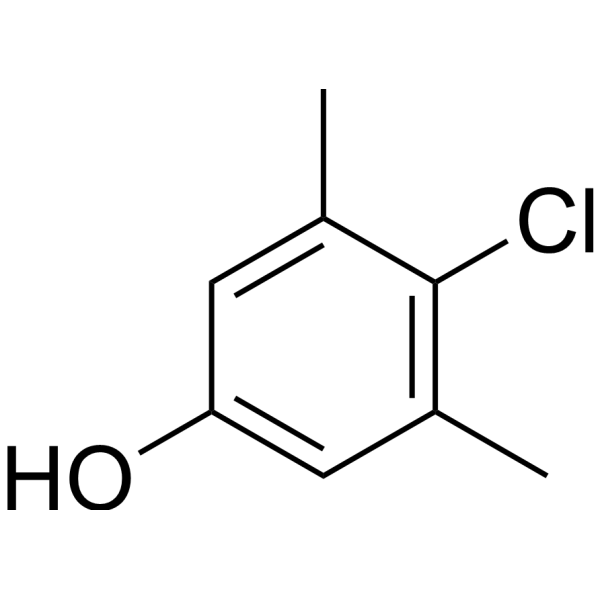
Chloroxylenol (Standard) is the analytical standard of Chloroxylenol. This product is intended for research and analytical applications. Chloroxylenol is a broad-spectrum antibacterial agent that can be used to control bacteria, algae, fungi and viruses .
|
-
- HY-151153
-
|
|
HDAC
Microtubule/Tubulin
Caspase
Apoptosis
|
Cancer
|
|
HDAC1-IN-5 is a potent HDAC1 inhibitor with IC50 values of 15 nM and 20 nM for HDAC1 and HDAC6, respectively. HDAC1-IN-5 can enhance the acetylation of histone H3 and α-tubulin, as well as promote the activation of caspase 3 in cancer cells, thereby inducing apoptosis. HDAC1-IN-5 induces chromatin damage by binding with DNA. HDAC1-IN-5 has strong inhibitory activity against tumor growth in xenograft mice .
|
-
- HY-176482
-
|
|
TAM Receptor
|
Cancer
|
|
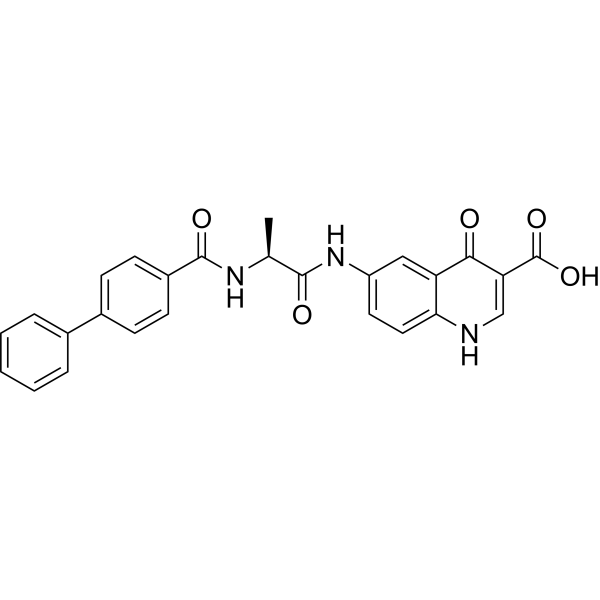
MerTK-IN-3 (compound 11) is an orally active and selectivity MerTK inhibitor with IC50 values of 21.5 nM and 991.3 nM for MerTK and Tyro3, respectively. MerTK-IN-3 can be used for study of colon cancer .
|
-
- HY-143324
-
|
|
HDAC
Adenosine Receptor
|
Cancer
|
|
A2AAR/HDAC-IN-1 (compound 14c) is an orally active, potent and balanced A2AAR/HDAC dual inhibitor, with a Ki of 163.5 nM for A2AAR and an IC50 of 145.3 nM for HDAC1. A2AAR/HDAC-IN-1 shows anticancer activity .
|
-
- HY-149493
-
|
|
PI3K
|
Inflammation/Immunology
Cancer
|
|
IHMT-PI3K-455 (Compound 15u) is a potent, selective, orally active PI3Kγ/δ dual inhibitor with IC50s of 7.1 nM and 0.57 nM for PI3Kγ and PI3Kδ, respectively. IHMT-PI3K-455 suppresses the AKT phosphorylation. IHMT-PI3K-455 inhibits tumor growth by recruiting and activating more CD8 + killing T cells.IHMT-PI3K-455 is used in cancer research .
|
-
- HY-Y1362R
-
|
|
Reference Standards
Autophagy
Apoptosis
Pyroptosis
NF-κB
|
Inflammation/Immunology
Cancer
|
|
Ethyl pyruvate (Standard) is the analytical standard of Ethyl pyruvate. This product is intended for research and analytical applications. Ethyl pyruvate is a simple derivative of the endogenous metabolite pyruvate. Ethyl pyruvate is an HMGB1 release inhibitor. Ethyl pyruvate can induce apoptosis by autophagy. Ethyl pyruvate has anti-inflammatory, antioxidant and anti-tumor activity. Ethyl pyruvate can be used in the study of neurodegenerative diseases such as Alzheimer's and Parkinson's disease .
|
-
- HY-162357
-
|
|
PD-1/PD-L1
|
Cancer
|
|
PD-L1-IN-5 (X22) is an orally active PD-L1 inhibitor, with the IC50 value of 785.6 nM. PD-L1-IN-5 has anti-tumor activity in vivo .
|
-
- HY-172133
-
-
- HY-147682
-
|
|
NF-κB
Apoptosis
|
Cancer
|
|
NF-κB-IN-5 (compound 4d) is an orally active and potent NF-κB inhibitor by interacting directly with NF-κB. NF-κB-IN-5 shows antitumor activity against human cancer cell lines (HCT116, U87-MG, HepG2, BGC823, PC9), with IC50 values of 5.35, 2.81, 2.83, 2.02 and 3.90 μM, respectively. NF-κB-IN-5 induces apoptosis in U87-MG tumor cell and cell cycle arrest in G0/G1 phase .
|
-
- HY-180809
-
|
|
PARP
|
Cancer
|
|
YCH3292, a derivative of YCH189 (HY-155993) is a potent, selective and orally active PARP1/2 inhibitor with IC50 both <0.001 nM. YCH3292 can increase the stability of PARP-DNA complexes. YCH3292 exhibits robust antiproliferative activity. YCH3292 can induce double-strand breaks in DNA, increase the protein levels of γH2AX, P-RPA32, and P-Chk1 and induce tumor cells S or G2/M phase arrest and apoptosis. YCH3292 can inhibit tumor growth in MC38 xenograft model .
|
-
- HY-169478
-
|
|
Liposome
|
Cancer
|
|
Lipid N2-3L is an ionizable cationic lipid (pKa = 8.99) that can be used to generate supramolecular lipid nanoparticles (SMLNPs) for mRNA delivery. Lipid nanoparticles formed by encapsulating a luciferase reporter gene with Lipid N2-3L were detected to accumulate in the lymph nodes of mice, indicating that they can effectively enter the mouse immune system. Lipid nanoparticles formed by encapsulating ovalbumin mRNA and the TLR7/8 agonist Resiquimod (HY-13740) with Lipid N2-3L were able to reduce tumor volume and increase survival in the MC-38-OVA mouse colon cancer model. Lipid N2-3L can be used in the research of drug delivery for cancer-related therapies .
|
-
- HY-181017
-
|
|
Reactive Oxygen Species (ROS)
DNA/RNA Synthesis
PARP
Quinone Reductase
|
Cancer
|
|
Ola-NC-SS-PEG-Lap is a selective immunogenic cell death inducer. Ola-NC-SS-PEG-Lap exploits the synergistic interplay between an NQO1-bioactivated compound and a PARP inhibitor to selectively induce immunogenic cell death in tumor cells without harming normal cells. Ola-NC-SS-PEG-Lap induces ROS accumulation, increases DNA damage. Ola-NC-SS-PEG-Lap can be activated by GSH and release Ola, ultimately producing the synergistic antitumor effect with the Lap portion. Ola-NC-SS-PEG-Lap has anti-cancer activity against colon cancer .
|
-
- HY-181850
-
|
|
G-quadruplex
DNA/RNA Synthesis
Cyclic GMP-AMP Synthase
STING
Autophagy
|
Cancer
|
|
Telomeric G4s ligand 2 is an orally active, selective ligand of telomeric G-quadruplex (G4), with an IC50 of 0.4 μM. Telomeric G4s ligand 2 binds to dimeric telomeric G4, inhibits the activities of DHX36 and BLM helicases. Telomeric G4s ligand 2 activates cGAS-STING and TERRA-ZBP1 pathways, inducing autophagy and G2/M cell cycle arrest, and exhibits antiproliferative effects across cancer cell lines. Telomeric G4s ligand 2 can be used for the study of colorectal cancer .
|
-
- HY-114804
-
|
|
Hippo (MST)
|
Cancer
|
|
BRD2577 is a selective mercaptopyruvate sulfurtransferase (3-MST) inhibitor with an IC50 of 9.9 μM. BRD2577 inhibits H2S production in colon carcinoma cells. BRD2577 exhibits weak to no significant inhibitory effect on colon cancer cell proliferation and mitochondrial activity. BRD2577 can be used for the research of colon cancer .
|
-
- HY-P992357
-
|
|
PD-1/PD-L1
|
Cancer
|
|
GNUV201 is a PD-1 inhibitor with cross-reactivity in humans, mice and monkeys, which effectively blocks the PD-1/PD-L1 interaction. GNUV201 activates T cells and restores their anti-tumor activity, effectively inducing tumor regression. GNUV201 can be used in the research of related diseases such as colorectal cancer, melanoma, pancreatic cancer and colon cancer .
|
-
- HY-181484
-
|
|
STING
IKK
IFNAR
Interleukin Related
CXCR
|
Cancer
|
|
STING agonist-50 is an orally active STING agonist with an IC50 of 3.457 μM. STING agonist-50 activates the STING signaling pathway and promotes the phosphorylation of downstream TBK1 and IRF3. STING agonist-50 induces the expression of IFN-β, CXCL10 and IL-6. STING agonist-50 inhibits tumor growth in syngeneic mouse models. STING agonist-50 can be used for the research of colorectal cancer .
|
-
- HY-P991960
-
|
|
CTLA-4
Interleukin Related
|
Cancer
|
|
JS007 is a humanized IgG1 monoclonal antibody and also a CTLA-4 binder, with a Kd of 0.21 nM for CTLA-4. JS007 blocks the interaction between CTLA-4 and B7-1. JS007 activates T cells, promotes increased IL-2 secretion, and inhibits tumor growth in CTLA-4 knock-in mouse syngeneic tumor models. JS007 is applicable to research related to cancer and advanced solid tumors.
|
-
- HY-183758
-
|
|
Nuclear Hormone Receptor 4A/NR4A
Apoptosis
|
Cancer
|
|
Nur77 modulator 6 is a Nur77 modulator with a Kd of 0.40 μM. Nur77 modulator 6 functionally modulates Nur77 to induce mitotic arrest and apoptosis in colorectal tumor cells. Nur77 modulator 6 suppresses colorectal cancer cell proliferation via Nur77-dependent mitotic arrest induction. Nur77 modulator 6 exhibits anti-proliferative activity against colorectal tumor cells. Nur77 modulator 6 can be used for the research of colorectal cancer .
|
-
- HY-181932
-
|
|
MAP4K
|
Cancer
|
|
HDM2004 is a selective, orally active, blood-brain barrier-penetrant HPK1 inhibitor with an IC50 of 1.89 nM. HDM2004 exhibits anticancer activity against colon cancer. HDM2004 shows synergistic activity when combined with anti-PD-L1 in syngeneic mouse models. HDM2004 can be used for the research of colon cancer .
|
-
- HY-P991958
-
|
|
CTLA-4
|
Cancer
|
|
GIGA-564 is a fully human anti-CTLA4 IgG1 monoclonal antibody with a Kd of 9.8 nM. GIGA-564 binds to a unique epitope of CTLA-4, mediates FcR-dependent signaling pathways, depletes CTLA-4-highly-expressing regulatory T cells within tumors, and inhibits the proliferation of peripheral regulatory T cells. GIGA-564 exhibits anti-tumor activity in mouse models. GIGA-564 can be used for tumor research .
|
-
- HY-183539
-
|
|
DGK
Interleukin Related
|
Cancer
|
|
INCB191358 is a selective and orally active inhibitor of diacylglycerol kinase α/ζ/ι (DGKα/ζ/ι ) with IC50 values of 0.12, 0.36 and 0.36 nM. INCB191358 induces antigen-dependent T-cell activation, induces IL-2 production and enhances antitumor efficacy in combination with PD-1 blockade. INCB191358 can be used for the research of cancer, such as colon carcinoma .
|
-
- HY-P11759
-
|
|
Drug Derivative
|
Cancer
|
|
Myr-transportan-Cys is a derivative of the cell-penetrating peptide Transportan (HY-P1732), and its conjugated myristoyl group (Myr) enhances the interaction between the peptide and cell membranes. Myr-transportan-Cys integrates three key delivery functions: nucleic acid condensation, cell penetration, and endosomal escape. Myr-transportan-Cys can form immunostimulatory tandem peptide nanocomplexes (iTPNCs) for encapsulating and delivering immunostimulatory oligonucleotide cargos to tumors .
|
-
| Cat. No. |
Product Name |
Target |
Research Area |
-
- HY-P11060
-
|
Adpgk peptide
|
MHC
|
Cancer
|
|
MC38 SLP Adpgk (Adpgk peptide) is an H-2 K b-restricted colorectal cancer neoantigen peptide. MC38 SLP Adpgk is formulated into PCNP nanocomplexes together with CpG ODN. PCNP vaccines significantly enhance the co-delivery efficiency of neoantigens and adjuvants to lymphoid organs, and activate cytotoxic T cells. PCNP vaccines not only protect mice from MC-38 colorectal tumor invasion, but also exhibit anti-tumor efficacy in established colorectal tumor models and significantly prolong the survival of tumor-bearing mice .
|
-
- HY-P11059
-
|
Reps1 peptide
|
Peptides
|
Cancer
|
|
MC38 SLP Reps1 is a peptide neoantigen generated by mutation of the MC38 colon cancer cell line and can be used for the synthesis of nanoparticle vaccines .
|
-
- HY-P11252
-
|
|
Radionuclide-Drug Conjugates (RDCs)
VISTA
|
Cancer
|
|
DOTA-CA-170 is a DOTA-modified VISTA targeting agent CA-170. DOTA-CA-170 can be radiolabeled. DOTA-CA-170 can be used in the research of visualizing and distinguishing VISTA expression .
|
-
- HY-P10869
-
dCNP
1 Publications Verification
|
Natriuretic Peptide Receptor (NPR)
|
Inflammation/Immunology
Cancer
|
|
dCNP binds to NPR-B/C receptor, activates cGMP signaling pathway, and regulates vascular function. dCNP exhibits anti-hypoxia property through downregulation of hypoxia-related genes expressions like HIF1α and HIF2α. dCNP inhibits the induction of tumor stroma and exhibits anti-fibrosis activity. dCNP upregulates CTLs, NK cells, and conventional type 1 dendritic cells in tumors, and activates immune responses .
|
-
- HY-P11759
-
|
|
Drug Derivative
|
Cancer
|
|
Myr-transportan-Cys is a derivative of the cell-penetrating peptide Transportan (HY-P1732), and its conjugated myristoyl group (Myr) enhances the interaction between the peptide and cell membranes. Myr-transportan-Cys integrates three key delivery functions: nucleic acid condensation, cell penetration, and endosomal escape. Myr-transportan-Cys can form immunostimulatory tandem peptide nanocomplexes (iTPNCs) for encapsulating and delivering immunostimulatory oligonucleotide cargos to tumors .
|
| Cat. No. |
Product Name |
Target |
Research Area |
Image |
-
- HY-P990117
-
|
|
Integrin
|
Cardiovascular Disease
Cancer
|
|
Anti-Mouse/Rat/Human Osteopontin/SPP1 Antibody (MPIIIB10) is a mouse-derived Osteopontin/SPP1 IgG1 κ type antibody inhibitor. Anti-Mouse/Rat/Human Osteopontin/SPP1 Antibody (MPIIIB10) blocks Angiotensin II (HY-13948)-induced DNA synthesis and collagen gel contraction in cardiac fibroblasts. Anti-Mouse/Rat/Human Osteopontin/SPP1 Antibody (MPIIIB10) significantly inhibits tumor growth in CT26 or MC38 tumors mice models .
|
-
(5)
-
- HY-P99379
-
|
CAN04; Anti-IL-1RAP/IL-1R3 Reference Antibody (nidanilimab)
|
Interleukin Related
|
Cancer
|
|
Nidanilimab (CAN04) is a fully humanized monoclonal anti-IL1RAP antibody with a Kd value of 1.10 pM. Nidanilimab blocks IL1α and IL1β signaling and stimulates the immune system to destroy tumour cells. Nidanilimab can be used in research of non-small lung cancer (NSCLC) and pancreatic ductal adenocarcinoma (PDAC) .
|
-
(5)
-
- HY-P990680
-
|
|
Transmembrane Glycoprotein
TNF Receptor
|
Infection
Inflammation/Immunology
Cancer
|
|
Anti-Mouse CD40 Antibody (FGK4.5/FGK45) is an agonistic rat-derived IgG2a monoclonal antibody targeting mouse CD40. Anti-Mouse CD40 Antibody (FGK4.5/FGK45) enhances T cells responses, dendritic cells maturation and NK cells activation. Anti-Mouse CD40 Antibody (FGK4.5/FGK45) can be used for the researches of cancer, infection, inflammation and immunology, such as CT26 tumor, vesicular stomatitis virus (VSV) infection and transplantation .
|
-
(5)
-
- HY-P99040
-
|
JNJ-61610588; CI-8993; VSTB112
|
VISTA
|
Cancer
|
|
Onvatilimab (JNJ-61610588) is a human IgG1κ anti-VISTA (V-domain Ig Suppressor of T-cell Activation) monoclonal antibody. Onvatilimab can be used in colorectal cancer research .
|
-
(5)
-
- HY-P990914
-
|
GS-1811; JTX-1811
|
CCR
|
Inflammation/Immunology
Cancer
|
|
Denikitug (GS-1811; JTX-1811) is a humanized monoclonal antibody against CCR8 receptor with a KD of 16.8 pM. Denikitug specifically binds to human CCR8, inhibits CCL1-induced downstream CCR8 signaling. Denikitug selectively depletes cells expressing CCR8 via antibody-dependent cellular cytotoxicity (ADCC). Denikitug promotes anti-tumor immunity and can be used for the research of cancer and immunology .
|
-
(5)
-
- HY-P990820
-
|
|
Transmembrane Glycoprotein
|
Inflammation/Immunology
Cancer
|
|
Anti-Mouse TIM-4 Antibody (RMT4-53) is a rat-derived IgG2b κ type antibody inhibitor, targeting to mouse TIM-4. Anti-Mouse TIM-4 Antibody (RMT4-53) can block T cell immunoglobulin and mucin domain 4 (TIM-4). Anti-Mouse TIM-4 Antibody (RMT4-53) can inhibit the engulfment of apoptotic cells and T cell proliferation. Anti-Mouse TIM-4 Antibody (RMT4-53) can be used for the researches of cancer, immunology and metabolic disease, such as MC38 tumor and graft .
|
-
(5)
-
- HY-P990018
-
-
(5)
-
- HY-P990175
-
|
|
Orexin Receptor (OX Receptor)
|
Inflammation/Immunology
Cancer
|
|
Anti-Mouse OX40L/CD134L Antibody (RM134L) is an anti-mouse OX40L/CD134L IgG2b monoclonal antibody. Anti-Mouse OX40L/CD134L Antibody (RM134L) reduces immune response by inhibiting the OX40/OX40L signaling pathway. Anti-Mouse OX40L/CD134L Antibody (RM134L) can inhibit plasma cell differentiation and antibody secretion. Anti-Mouse OX40L/CD134L Antibody (RM134L) can prolong the survival time of cell transplantation by inhibiting CD4 + T cells. Anti-Mouse OX40L/CD134L Antibody (RM134L) can be used for researches on inflammation and cancer such as graft versus host disease (GVHD), allergic reaction, lupus nephritis and hepatocellular carcinoma (HCC) .
|
-
(5)
-
- HY-P990304
-
|
|
TNF Receptor
|
Infection
Inflammation/Immunology
Cancer
|
|
Anti-Mouse 4-1BBL/CD137L Antibody (TKS-1) is a rat-derived IgG2a κ antibody inhibitor, targeting to mouse 4-1BBL/CD137L. Anti-Mouse 4-1BBL/CD137L Antibody (TKS-1) can block 4-1BB ligand (4-1BBL) and inhibit CD4 + and CD8 + T cells. Anti-Mouse 4-1BBL/CD137L Antibody (TKS-1) can be used for the researches of cancer, infection, inflammation and immunology, such as MC38 tumor, lymphocytic choriomeningitis virus (LCMV) infection and herpetic stromal keratitis (HSK) .
|
-
(5)
-
- HY-P990285
-
|
|
Inhibitory Antibodies
|
Inflammation/Immunology
|
|
Anti-Mouse CD200 Antibody (OX-90) is an anti-mouse CD200 IgG2a monoclonal antibody. Anti-Mouse CD200 Antibody (OX-90) can reduce immune cell infiltration and T cell function by blocking CD200. Anti-Mouse CD200 Antibody (OX-90) can be used for research on immunology .
|
-
(5)
-
- HY-P990861
-
|
|
Transmembrane Glycoprotein
|
Infection
Inflammation/Immunology
Cancer
|
|
Anti-CD4 Antibody (OKT-4) is a kind of mouse IgG2b κ chimeric antibody inhibitor, targeting to human CD4. Anti-CD4 Antibody (OKT-4) can deplete T cells. Anti-CD4 Antibody (OKT-4) can be used for the researches of cancer, infection and immunology, such as melanoma and adenovirus infection .
|
-
(5)
-
- HY-P990249
-
|
|
TNF Receptor
|
Inflammation/Immunology
Cancer
|
|
Anti-Mouse DR5/CD262 Antibody (MD5-1) is an anti-mouse DR5/CD262 IgG monoclonal antibody. Anti-Mouse DR5/CD262 Antibody (MD5-1) can eliminate myeloid derived suppressor cells (MDSCs) and enhance T cell anti-tumor immunity. Anti-Mouse DR5/CD262 Antibody (MD5-1) can be used for research on cancer such as gastric and colon cancer .
|
-
(5)
-
- HY-P990242
-
|
|
Galectin
TNF Receptor
IFNAR
Interleukin Related
|
Inflammation/Immunology
Cancer
|
|
Anti-Mouse Galectin-9 Antibody (RG9-1) is an anti-mouse Galectin-9 IgG2b monoclonal antibody. Anti-Mouse Galectin-9 Antibody (RG9-1) promotes inflammatory response by enhancing the secretion of IFN-γ, TNF-α, and IL-6. Anti-Mouse Galectin-9 Antibody (RG9-1) can increase CD8 T cell and Treg frequency. Anti-Mouse Galectin-9 Antibody (RG9-1) reduces graft survival time by increasing CD4 + and CD8 + T cell infiltration. Anti-Mouse Galectin-9 Antibody (RG9-1) can be used for researches on inflammation conditions, cancer and xenotransplantation such as ischemia-reperfusion, colon cancer, breast cancer and leukemia .
|
-
(5)
-
- HY-P990115
-
|
|
Orexin Receptor (OX Receptor)
|
Inflammation/Immunology
Cancer
|
|
Anti-Mouse OX40/CD134 Antibody (OX-86) is an anti-mouse OX40/CD134 IgG1 monoclonal antibody. Anti-Mouse OX40/CD134 Antibody (OX-86) can enhance the anti-tumor function of CD8 + T cells. Anti-Mouse OX40/CD134 Antibody (OX-86) can reverse immune suppression, enhance antigen presentation and T cell activation. Anti-Mouse OX40/CD134 Antibody (OX-86) can be used for research on cancer such as papilloma and leukemia .
|
-
(5)
-
- HY-P991566
-
|
|
CTLA-4
|
Cancer
|
|
KD6001 is a humanized IgG1κ monoclonal antibody, targeting CTLA4. KD6001 significantly disrupts CTLA-4 interactions with CD80 (IC50: 16 ng/mL) and CD86. KD6001 enhances IL-2 and IFNγ expression in PHA-activated human lymphocytes and exhibits potent antitumor effects. KD6001 effectively inhibits tumor growth in MC38, B16, and Hepa1-6 tumor mice model. KD6001 can be used for cancers research, such as advanced melanoma, hepatocellular carcinoma and liver cancer .
|
-
(5)
-
- HY-P991464
-
|
|
TNF Receptor
|
Cancer
|
|
IBI37G5 is a human monoclonal antibody (mAb) targeting TNFRSF18/GITR/CD357. IBI37G5 has anti-tumor activity in MC38 and B16F10 mouse tumor models. IBI37G5 can be used in the study of cancer immunity .
|
-
(5)
-
- HY-P990164
-
|
|
Transmembrane Glycoprotein
|
Inflammation/Immunology
Cancer
|
|
Anti-Mouse RGMb Antibody (307.9D1) is a rat-derived IgG2a κ type antibody inhibitor, targeting to mouse RGMb. Anti-Mouse RGMb Antibody (307.9D1) blocks RGMb binding to PD-L2. Anti-Mouse RGMb Antibody (307.9D1) can be used for the researches of cancer inflammation and immunology, such as acute myeloid leukemia (AML) and graft versus-host disease (GVHD) .
|
-
(5)
-
- HY-P991004
-
|
LB-101
|
CD47
PD-1/PD-L1
|
Cancer
|
|
Itanistomig (LB-101) is a tetravalent bispecific antibody targeting PD-L1 and CD47. Itanistomig blocks PD-L1 and achieves tumor enrichment through binding to PD-L1, and also exerts conditional CD47 blocking activity via cleavage of the hinge linker in the PD-L1-positive tumor microenvironment. Itanistomig induces antibody-dependent cellular phagocytosis in human CD14 + cells and drives tumor regression. Itanistomig can be used in research related to solid tumors .
|
-
(5)
-
- HY-P991961
-
|
|
CTLA-4
|
Cancer
|
|
REGN4659 is a fully human anti-CTLA-4 monoclonal antibody and IgG1 antibody. REGN4659 binds to the extracellular domain of human and monkey CTLA-4 with high affinity and specificity. REGN4659 blocks CTLA-4 interaction with CD80 and CD86 ligands. REGN4659 significantly suppresses MC38.Ova tumor growth in CTLA-4 knock-in mice .
|
-
(5)
-
- HY-P991528
-
|
|
NF-κB
|
Inflammation/Immunology
Cancer
|
|
PE0116 is a fully human CD137 agonistic monoclonal antibody generated from immunized harbor H2L2 human transgenic mice. PE0116 is a ligand block. PE0116 activates NF-κB signaling which significantly promotes T-cell proliferation and increases cytokine secretion in vitro. PE0116 exhibits robust antitumor activity in MC38 tumor model .
|
-
(5)
-
- HY-P992357
-
|
|
PD-1/PD-L1
|
Cancer
|
|
GNUV201 is a PD-1 inhibitor with cross-reactivity in humans, mice and monkeys, which effectively blocks the PD-1/PD-L1 interaction. GNUV201 activates T cells and restores their anti-tumor activity, effectively inducing tumor regression. GNUV201 can be used in the research of related diseases such as colorectal cancer, melanoma, pancreatic cancer and colon cancer .
|
-
(5)
-
- HY-P991960
-
|
|
CTLA-4
Interleukin Related
|
Cancer
|
|
JS007 is a humanized IgG1 monoclonal antibody and also a CTLA-4 binder, with a Kd of 0.21 nM for CTLA-4. JS007 blocks the interaction between CTLA-4 and B7-1. JS007 activates T cells, promotes increased IL-2 secretion, and inhibits tumor growth in CTLA-4 knock-in mouse syngeneic tumor models. JS007 is applicable to research related to cancer and advanced solid tumors.
|
-
(5)
-
- HY-P991958
-
|
|
CTLA-4
|
Cancer
|
|
GIGA-564 is a fully human anti-CTLA4 IgG1 monoclonal antibody with a Kd of 9.8 nM. GIGA-564 binds to a unique epitope of CTLA-4, mediates FcR-dependent signaling pathways, depletes CTLA-4-highly-expressing regulatory T cells within tumors, and inhibits the proliferation of peripheral regulatory T cells. GIGA-564 exhibits anti-tumor activity in mouse models. GIGA-564 can be used for tumor research .
|
-
(5)
| Cat. No. |
Product Name |
Category |
Target |
Chemical Structure |
-
- HY-N6579
-
|
|
Structural Classification
Terpenoids
Scrophulariaceae
Diterpenoids
Lagotis yunnanensis W. W. Smith
Plants
|
p38 MAPK
Mitochondrial Metabolism
|
|
Arvenin I is a natural cucurbitacin glucoside that activates T cells within the cancer-competitive environment. Arvenin I covalently reacts with and hyperactivates MKK3, thereby reviving the mitochondrial fitness of exhausted T cells through the activation of the p38MAPK pathway . Arvenin I exhibits broad-spectrum antiproliferative against cancer cells . Arvenin I enhances antitumor effects both as a monotherapy and in combination with immune checkpoint inhibitors in mice . Arvenin I can be used for cancer research, such as colon cancer, breast cancer, lung cancer, and ovarian cancer [1][2].
|
-
| Cat. No. |
Product Name |
|
Classification |
-
- HY-160788
-
|
|
|
DBCO
|
|
DBCO-β-Glu-PEG12-Exatecan (Compound 107) is an inhibitor for topoisomerase I. DBCO-β-Glu-PEG12-Exatecan can be used as a Drug-Linker Conjugate for ADC molecule .
|
| Cat. No. |
Product Name |
|
Classification |
-
- HY-177531
-
|
|
|
Cationic Lipids
|
|
S-Ac7-DOG is a cationic lipid with biodegradability, low immunogenicity and high nucleic acid transfection capacity, which is commonly used to construct lipid nanoparticles for nucleic acid molecule delivery. S-Ac7-DOG can bind to mRNA, microRNA and self-amplifying RNA through electrostatic interaction. Lipid nanoparticles formed by S-Ac7-DOG enter cells via an energy-dependent endocytic pathway, release nucleic acid cargos, induce antigen-specific CD8 + T cell responses, promote the generation of precursor memory T cells, and regulate neuroinflammatory pathways. S-Ac7-DOG can be used in the research of retinal diseases, neuroinflammation and cancer .
|
-
- HY-169478
-
|
|
|
Cationic Lipids
|
|
Lipid N2-3L is an ionizable cationic lipid (pKa = 8.99) that can be used to generate supramolecular lipid nanoparticles (SMLNPs) for mRNA delivery. Lipid nanoparticles formed by encapsulating a luciferase reporter gene with Lipid N2-3L were detected to accumulate in the lymph nodes of mice, indicating that they can effectively enter the mouse immune system. Lipid nanoparticles formed by encapsulating ovalbumin mRNA and the TLR7/8 agonist Resiquimod (HY-13740) with Lipid N2-3L were able to reduce tumor volume and increase survival in the MC-38-OVA mouse colon cancer model. Lipid N2-3L can be used in the research of drug delivery for cancer-related therapies .
|
Your information is safe with us. * Required Fields.
Inquiry Information
- Product Name:
- Cat. No.:
- Quantity:
- MCE Japan Authorized Agent:

