
1. Search Result
Search Result
Results for "

MLL proteins

" in MedChemExpress (MCE) Product Catalog:

43

Inhibitors & Agonists

5

Peptides

Cat. No. Product Name Target Research Areas Chemical Structure
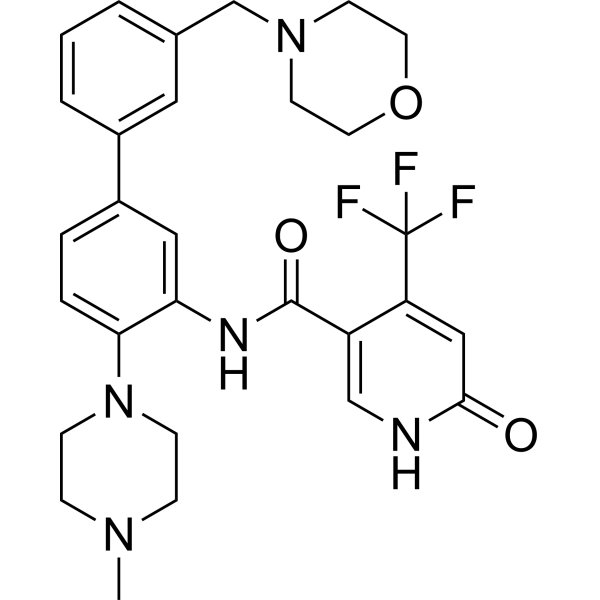
  • HY-16993
    OICR-9429
    Maximum Cited Publications
    15 Publications Verification

    Apoptosis WDR5 Cancer
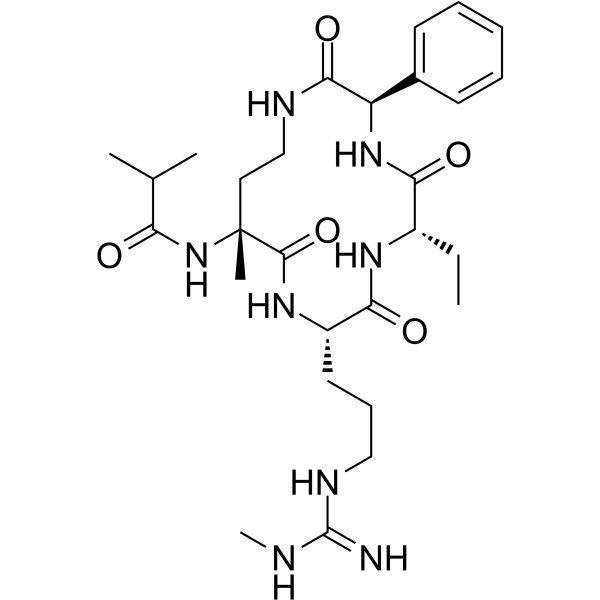
    OICR-9429, a chemical probe, is high affinity WD repeat domain 5 (WDR5) inhibitor, competitively blocks WDR5 interaction with MLL protein via binding the central peptide-binding pocket of WDR5. OICR-9429 can suppress histone H3K4 trimethylation and can be used for the research of various cancers including non-MLL-rearranged leukaemia, colon, pancreatic, prostate cancer and bladder cancer (BCa) .
    OICR-9429
  • HY-153714

    BN-104; BNM-1192; Menin-MLL inhibitor 27

    Epigenetic Reader Domain Potassium Channel Cancer
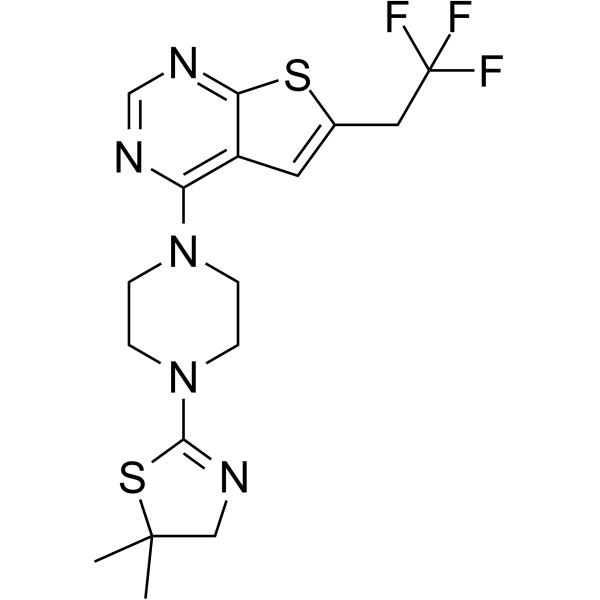
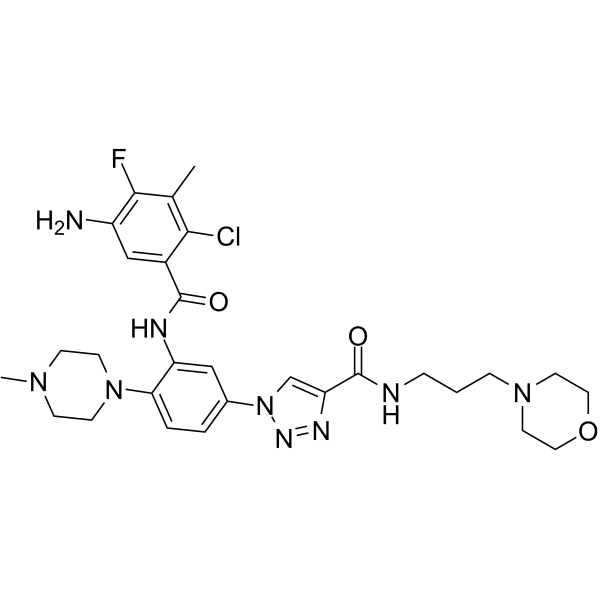
    Zefamenib (BN-104) is an effective selective brain membrane protein inhibitor with oral activity, and it's also a Menin inhibitor, it can block the Menin-MLL interaction and leads to the degradation of Menin protein. Zefamenib is a weak hERG inhibitor, with an IC50 greater than 100 μM. Zefamenib has anti-tumor activity and can be used in cancer research, such as for acute myeloid leukemia .
    Zefamenib
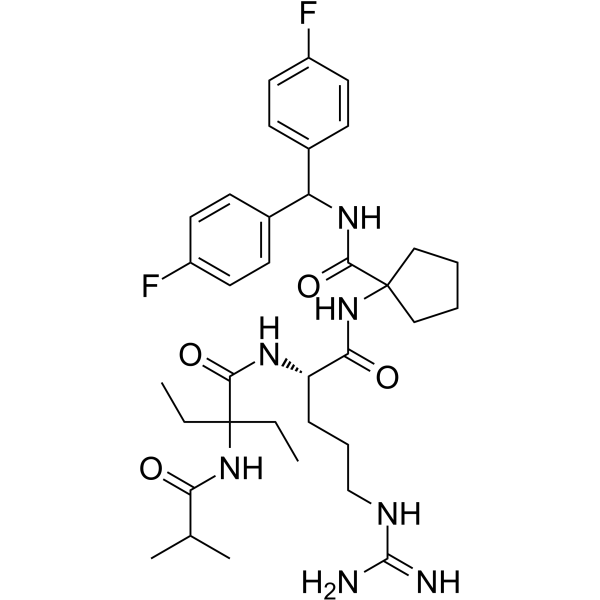
  • HY-12220
    MM-102
    4 Publications Verification

    HMTase Inhibitor IX

    WDR5 Apoptosis NF-κB TNF Receptor Interleukin Related Inflammation/Immunology Cancer
    MM-102 (HMTase Inhibitor IX) is a cell-permeable and tightly binding inhibitor of MLL1-WDR5 interaction (IC50=2.4 nM). MM-102 can specifically inhibit the growth and induce apoptosis of leukemia cells containing MLL1 fusion protein, and reduce renal fibrosis and inflammation in mice with ischemia-reperfusion injury. In addition, MM-102 also acts as an H3K4 histone methyltransferase inhibitor to improve the development of porcine somatic cell nuclear transfer (SCNT) embryos .
    MM-102
  • HY-156794

    DSP-5336

    Epigenetic Reader Domain FLT3 Cancer
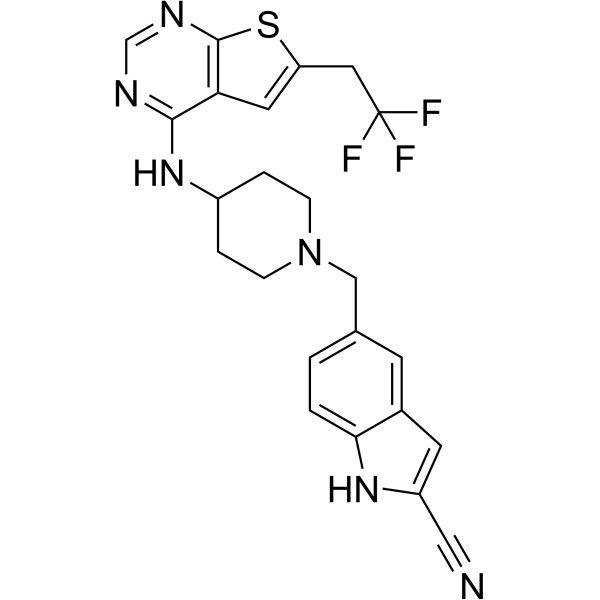
    Enzomenib (DSP-5336) is an orally active Menin inhibitor (IC50=1.4 nM, Kd=6.0 nM). Enzomenib disrupts the interaction between Menin and KMT2A/MLL fusion proteins, specifically inhibits the expression of leukemia driver genes such as HOX/MEIS1, and upregulates ITGAM. Enzomenib effectively induces cell differentiation, inhibits tumor cell proliferation, and suppresses primitive cell colony formation. Enzomenib reduces disease burden and prolongs survival, but causes adverse reactions including differentiation syndrome and QTc interval prolongation. Enzomenib is used for research on relapsed/refractory acute myeloid leukemia, acute lymphoblastic leukemia, and other hematologic malignancies with mixed lineage leukemia (MLL) rearrangements or NPM1 mutations .
    Enzomenib
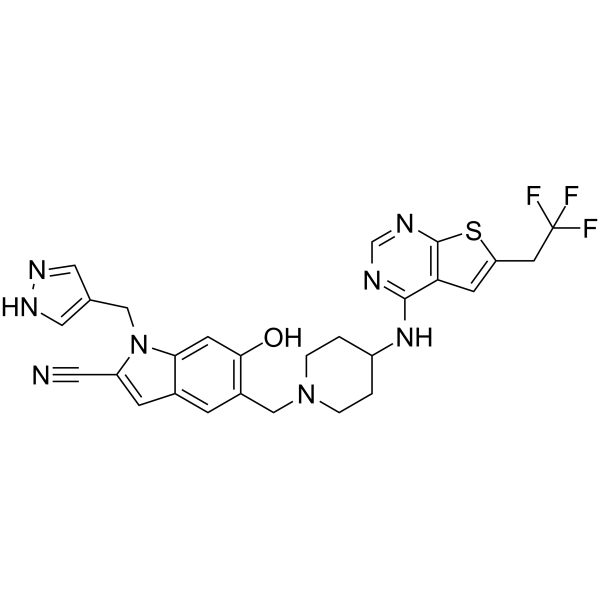
  • HY-108350
    MI-2-2
    1 Publications Verification

    Epigenetic Reader Domain Cancer
    MI-2-2 is a potent menin-MLL inhibitor. MI-2-2 binds to menin with low nanomolar affinity (Kd=22nM) and very effectively disrupts the bivalent protein-protein interaction between menin and MLL. MI-2-2 has specific and very pronounced activity in MLL leukemia cells, including inhibition of cell proliferation, down-regulation of Hoxa9 expression, and differentiation .
    MI-2-2
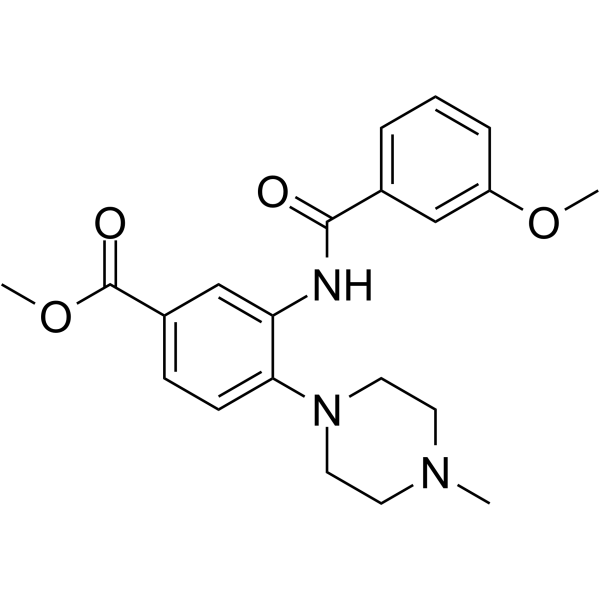
  • HY-19347
    WDR5-0103
    1 Publications Verification

    WD-Repeat Protein 5-0103

    WDR5 Neurological Disease Cancer
    WDR5-0103 (WD-Repeat Protein 5-0103) is a potent and selective WD repeat-containing protein 5 (WDR5) antagonist with a Kd of 450 nM. WDR5-0103 competitively binds to the peptide-binding pocket of WDR5, blocking the interaction between WDR5 and mixed-lineage leukemia (MLL) protein and inhibiting the methyltransferase activity of MLL. WDR5-0103 is mainly used in the research of cancer and neurodegenerative diseases .
    WDR5-0103
  • HY-19810
    MI-538
    4 Publications Verification

    Epigenetic Reader Domain Cancer
    MI-538 is an inhibitor of the interaction between menin and MLL fusion proteins with an IC50 of 21 nM.
    MI-538
  • HY-128347

    Epigenetic Reader Domain Inflammation/Immunology Cancer
    M-89 is a highly potent and specific menin inhibitor, with a Kd of 1.4 nM for binding to menin. M-89 inhibits the menin-mixed lineage leukemia (Menin-MLL) protein-protein interaction and has potential to study MLL leukemia. M-89 inhibits the cell growth in leukemia cell lines carrying MLL fusion .
    M‑89
  • HY-19319
    MI-136
    1 Publications Verification

    Epigenetic Reader Domain Androgen Receptor Apoptosis Cancer
    MI-136 is an inhibitor of the menin-MLL protein-protein interaction (PPI), with an IC50 of 31 nM and a Kd of 23.6 nM. MI-136 shows to block AR signaling and has the potential for the study in castration-resistant tumors .
    MI-136
  • HY-175802

    HYBI-084

    WDR5 Potassium Channel Inflammation/Immunology Cancer
    HBI-2375 (HYBI-084) is a brain-penetrant WDR5 inhibitor with an IC50 of 4.48 nM. HBI-2375 binds to the WINR5 and disrupts MLL1-WDR5 protein-protein interactions. HBI-2375 inhibits cancer cells proliferation and shows anti-tumor activity in AML mouse models, and increases tumor CD8 + cytotoxic T lymphocyte infiltration. HBI-2375 inhibits hERG with an IC50 of 17 µM .
    HBI-2375
  • HY-117948

    Epigenetic Reader Domain Cancer
    ML399 is a Menin-Mixed Lineage Leukemia (MLL) protein-protein interaction inhibitor.
    ML399
  • HY-151595

    Epigenetic Reader Domain Cancer
    Menin-MLL inhibitor-22 (compound C20) is an orally active inhibitor of the interaction between menin and mixed lineage leukemia (MLL) (IC50=7 nM). Menin-MLL inhibitor-22 binds menin protein and inhibits cancer cell growth (MV4 cells, IC50=0.3 μM). Menin is a putative tumor suppressor associated with multiple endocrine neoplasia type 1 (MEN-1 syndrome) .
    Menin-MLL inhibitor-22
  • HY-P3245A

    Apoptosis Cancer
    HXR9 hydrochloride is a cell-permeable peptide and a competitive antagonist of HOX/PBX interaction. HXR9 hydrochloride antagonizes the interaction between HOX and a second transcrip-tion factor (PBX), which binds to HOX proteins in paralogue groups1 to 8. HXR9 hydrochloride selectively decreases cell proliferation and promotes apoptosis in cells with a high level of expression of the HOXA/PBX3 genes, such as MLL-rearranged leukemic cells .
    HXR9 hydrochloride
  • HY-153331

    WDR5 Cancer
    DDO-2213 is an orally active and potent WDR5-MLL1 inhibitor, with an IC50 of 29 nM and a Kd value of 72.9 nM for the WDR5 protein. DDO-2213 selectively inhibits MLL (mixed lineage leukemia) histone methyltransferase activity and the proliferation of MLL translocation-harboring cells. DDO-2213 can be used for MLL fusion leukemia research .
    DDO-2213
  • HY-170494

    Histone Methyltransferase Cancer
    AS-254s is the inhibitor for absent, small, or homeotic-like 1 protein (ASH1L) with an IC50 of 94 nM (FP assay). AS-254s exhibits antiproliferative activity against MLL1-rearranged leukemic cells with GI50 <1 μM. AS-254s induces the differentiation of MLL1-r leukemic cell .
    AS-254s
  • HY-114410

    Mitochondrial Metabolism Cancer
    CCI-006 is a selective inhibitor and chemosensitizer of MLL-rearranged leukemia cells, by inhibits mitochondrial respiration resulting in insurmountable mitochondrial depolarization and a pro-apoptotic unfolded protein response (UPR) in a subset of MLL-r leukemia cells .
    CCI-006
  • HY-P10948A

    WDR5 Histone Methyltransferase Cardiovascular Disease
    CS-VIP 8 hydrochloride is a selective allosteric WDR5 protein inhibitor (Ki= 0.008 μM). CS-VIP 8 hydrochloride induces conformational changes in the MLL1 complex, leading to the dissociation of MLL1 from the complex, inhibiting MLL1 histone methyltransferase activity and regulating HOX gene expression. CS-VIP 8 hydrochloride is promising for research of hematological diseases such as leukemia .
    CS-VIP 8 hydrochloride
  • HY-132233A

    Histone Methyltransferase Cancer
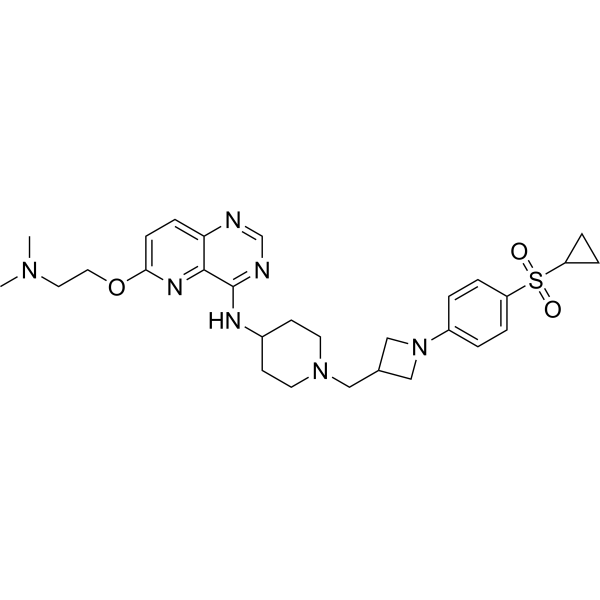
    DDO-2093 dihydrochloride is a potent MLL1-WDR5 protein-protein interaction inhibitor (IC50=8.6 nM; Kd=11.6 nM) with antitumor activity. DDO-2093 dihydrochloride selectively inhibits the catalytic activity of MLL complex .
    DDO-2093 dihydrochloride
  • HY-100869

    WDR5 Cancer
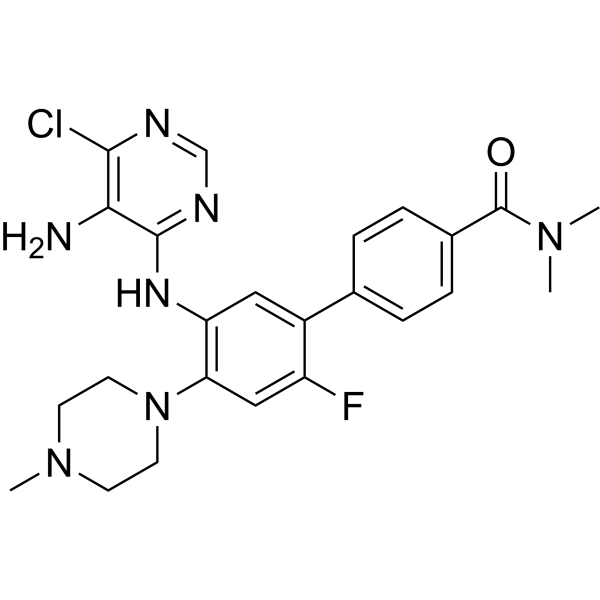
    MM-589 is a potent inhibitor of WD repeat domain 5 (WDR5) and mixed lineage leukemia (MLL) protein-protein interaction. MM-589 binds to WDR5 with an IC50 of 0.90 nM and inhibits the MLL H3K4 methyltransferase activity with an IC50 of 12.7 nM .
    MM-589
  • HY-132233

    WDR5 Cancer
    DDO-2093 is a potent MLL1-WDR5 protein-protein interaction inhibitor (IC50=8.6 nM; Kd=11.6 nM) with antitumor activity. DDO-2093 selectively inhibits the catalytic activity of MLL complex .
    DDO-2093
  • HY-157659

    WDR5 Others
    WDR5-MLL1 antagonist 1 (compound 47) is a compound optimized through protein crystal structure guidance. It has stronger antagonistic activity against WDR5-MLL interaction with a dissociation constant (Kd) of 0.3μM.
    WDR5-47
  • HY-124069

    Epigenetic Reader Domain Cancer
    M-525 is a first-in-class, highly potent, irreversible and covalent menin-MLL protein-protein interaction inhibitor. M-525 binds to menin with an IC50 of 3 nM and achieves low nanomolar potencies in cell growth inhibition and in suppression of MLL regulated gene expression in MLL leukemia cells. Anti-leukemia activity .
    M-525
  • HY-P10948

    WDR5 Histone Methyltransferase Cardiovascular Disease
    CS-VIP 8 is a selective allosteric WDR5 protein inhibitor (Ki= 0.008 μM). CS-VIP 8 induces conformational changes in the MLL1 complex, leading to the dissociation of MLL1 from the complex, inhibiting MLL1 histone methyltransferase activity and regulating HOX gene expression. CS-VIP 8 is promising for research of hematological diseases such as leukemia .
    CS-VIP 8
  • HY-P3245

    Apoptosis Cancer
    HXR9 is a cell-permeable peptide and a competitive antagonist of HOX/PBX interaction. HXR9 antagonizes the interaction between HOX and a second transcrip-tion factor (PBX), which binds to HOX proteins in paralogue groups1 to 8. HXR9 selectively decreases cell proliferation and promotes apoptosis in cells with a high level of expression of the HOXA/PBX3 genes, such as MLL-rearranged leukemic cells .
    HXR9
  • HY-100869A

    WDR5 Cancer
    MM-589 TFA is a potent inhibitor of WD repeat domain 5 (WDR5) and mixed lineage leukemia (MLL) protein-protein interaction. MM-589 binds to WDR5 with an IC50 of 0.90 nM and inhibits the MLL H3K4 methyltransferase activity with an IC50 of 12.7 nM .
    MM-589 TFA
  • HY-178172

    Histone Methyltransferase c-Myc Epigenetic Reader Domain HOXA Cancer
    AF9/ENL-DOT1L/AF4 PPI-IN-1 is a potent AF9/ENL and histone methyltransferase DOT1L/AF4 protein-protein interactions (PPI) inhibitor. AF9/ENL-DOT1L/AF4 PPI-IN-1 can inhibit the AF9-DOT1L (IC50 = 1.5 μM), AF9-AF4 (IC50 = 1 μM), ENL-AF4 (IC50 = 1.2 μM) interactions. AF9/ENL-DOT1L/AF4 PPI-IN-1 can suppress the expression of Mixed lineage leukemia (MLL) target genes Myc and Meis1 and selectively block the proliferation of MLL-r and several other leukemia cells. AF9/ENL-DOT1L/AF4 PPI-IN-1 exhibits significant antitumor activities in a mouse model of MLL-r leukemia without overt toxicities. AF9/ENL-DOT1L/AF4 PPI-IN-1 can be used for the study of MLL-r leukemia .
    AF9/ENL-DOT1L PPI-IN-1
  • HY-176732

    Epigenetic Reader Domain Cancer
    MJ-26 is an inhibitor targeting Menin. MJ-26 has high binding affinity (Ki: 0.56 μM) and significant antiproliferative activity. MJ-26 works by inhibiting Menin-MLL interaction and inducing Menin protein degradation. MJ-26 has significant antitumor effects on acute myeloid leukemia (AML). MJ-26 can be used in AML research .
    MJ-26
  • HY-129167

    Epigenetic Reader Domain Cancer
    Menin-MLL inhibitor 4 is an inhibitor of Menin- MLL (mixed-lineage leukemia protein) interaction extracted from patent WO2017214367, compound example 1. Menin-MLL inhibitor 4 has antitumor activity .
    Menin-MLL inhibitor 4
  • HY-168182

    Epigenetic Reader Domain Cancer
    Menin-MLL inhibitor 34 (Compound 37) is a selective and potent Menin-MLL inhibitor, with an IC50 of 18.21 nM for Menin. Menin-MLL inhibitor 34 has long-lasting anti-leukemic effects by reducing Menin protein levels and down-regulating MEN1 transcription .
    Menin-MLL inhibitor 34
  • HY-P10425

    Histone Methyltransferase Cancer
    T2857W is a mutant peptide that has inhibitory effect on KIX-MLL interaction (IC50=5.67 μM). T2857W can be used for protein-protein interaction (PPI) and for the study of diseases related to KIX-MLL interaction, such as leukemia, cancer, etc .
    T2857W
  • HY-114162B

    SNDX-50469 mesylate

    Epigenetic Reader Domain Apoptosis Cancer
    VTP50469 mesylate is a potent, and selective Menin-MLL1 inhibitor that effectively targets MLL-rearranged and NPM1c+ leukemia. VTP50469 mesylate selectively kills cell lines with MLL rearrangements and NPM1c+ mutations. VTP50469 mesylate displaces Menin from protein complexes and inhibits MLL's chromatin occupancy at specific genes, leading to significant changes in gene expression, differentiation, and apoptosis. VTP50469 demonstrates dramatic reductions in leukemia burden in patient-derived xenograft models of MLL-r acute myeloid leukemia and MLL-r acute lymphoblastic leukemia, with some mice remaining disease-free for over a year post-treatment.
    VTP50469 mesylate
  • HY-146187

    Histone Methyltransferase Cancer
    Antitumor agent-69 (compound 12) is a potent inhibitor of protein-protein interaction between DOT1L and MLL-AF9/MLL-ENL, with Kis of 9 nM and 109 nM for AF9 and ENL, respectively. Antitumor agent-69 exhibits anticancer cellular activitiy .
    Antitumor agent-69
  • HY-100869B

    WDR5 Cancer
    MM-589 (racemic mixture) TFA, is a racemic mixture of MM-589 TFA (HY-100869A). MM-589 TFA is a potent inhibitor of WD repeat domain 5 (WDR5) and mixed lineage leukemia (MLL) protein-protein interaction. MM-589 binds to WDR5 with an IC50 of 0.90 nM and inhibits the MLL H3K4 methyltransferase activity with an IC50 of 12.7 nM .
    MM-589 (racemic mixture ) TFA
  • HY-134921

    Epigenetic Reader Domain Cancer
    MI-nc dihydrochloride is a weak inhibitor of the Menin-MLL fusion protein interaction with an IC50 of 193 μM. MI-nc dihydrochloride can be used as a negative control compound of MI-2 .
    MI-nc dihydrochloride
  • HY-146724

    Histone Methyltransferase Cancer
    Dot1L-IN-7 (compound 25) is a potent and selective disruptor of telomeric silencing 1-like protein (DOT1L) inhibitor with an IC50 of 1.0 μM. Dot1L-IN-7 selectively killed Mixed Lineage Leukemia (MLL)-AF9 without showing any effect on the growth of E2A-HLF cells .
    Dot1L-IN-7
  • HY-181690

    Epigenetic Reader Domain Cancer
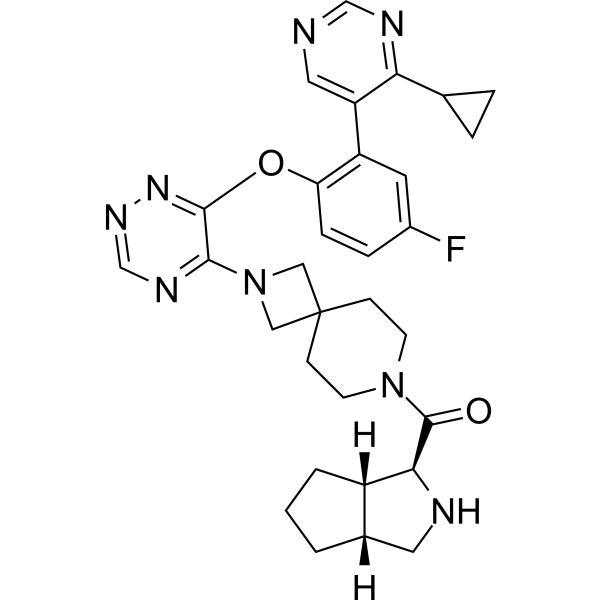
    Menin-MLL-IN-37 is an orally active Menin-MLL protein complex inhibitor with an IC50 of 820.50 nM. Menin-MLL-IN-37 disrupts the interaction between menin and MLL proteins. Menin-MLL-IN-37 induces differentiation of acute myeloid leukemia cells and selectively inhibits the proliferation of MLL-rearranged and DNMT3A/NPM1-mutant leukemia cells. Menin-MLL-IN-37 can be used for the research of acute myeloid leukemia (AML) .
    Menin-MLL-IN-37
  • HY-182793

    Histone Methyltransferase Cancer
    MLL1-IN-1 is an orally active MLL1 inhibitor with an IC50 of 0.043 μM. MLL1-IN-1 induces Menin protein degradation and inhibits the proliferation of leukemia cells. MLL1-IN-1 can induce tumor regression in leukemia-bearing mice. MLL1-IN-1 is useful for research into MLL1-associated leukemia .
    MLL1-IN-1
  • HY-186044

    Epigenetic Reader Domain Metabolic Disease Cancer
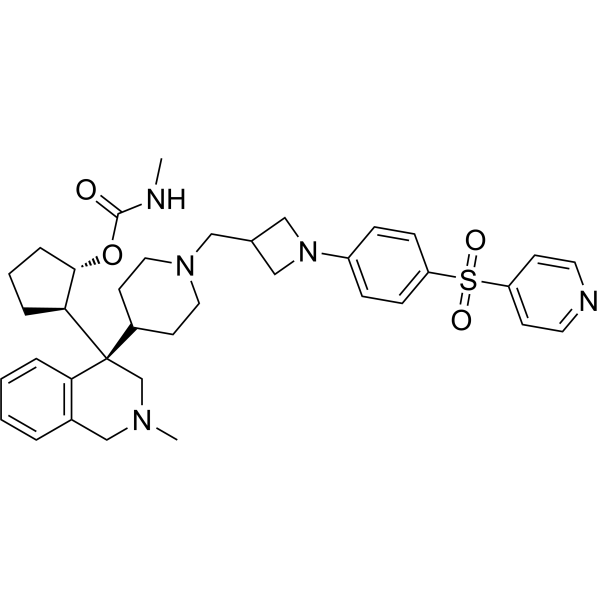
    Menin-MLL-IN-36 (compound 398) is an inhibitor of menin/MLL protein/protein interaction with an IC50 value of 0.043 μM in MEIS1 mRNA expression. Menin-MLL-IN-36 can be used in the research of cancer, myelodysplastic syndrome (MDS), myeloproliferative neoplasms (MPN), and diabetes .
    Menin-MLL-IN-36
  • HY-186043

    Epigenetic Reader Domain Metabolic Disease Cancer
    Menin-MLL-IN-35 (compound 286) is an inhibitor of menin/MLL protein/protein interaction with an IC50 value of 0.096 μM in MEIS1 mRNA expression. Menin-MLL-IN-35 can be used in the research of cancer, myelodysplastic syndrome (MDS), myeloproliferative neoplasms (MPN), and diabetes .
    Menin-MLL-IN-35
  • HY-183959

    WDR5 Cancer
    DC_M5_2 is a WD40 repeat domain protein 5 (WDR5) inhibitor with an IC50 of 9.63 μM and a KD of 13.8 μM. DC_M5_2 binds to the WDR5 pocket that interacts with the MLL1 peptide, blocking the WDR5-MLL1 protein-protein interaction . DC_M5_2 can be used in leukemia-related research .
    DC_M5_2
  • HY-108350R

    Reference Standards Epigenetic Reader Domain Cancer
    MI-2-2 (Standard) is the analytical standard of MI-2-2 (HY-108350). This product is intended for research and analytical applications. MI-2-2 is a potent menin-MLL inhibitor. MI-2-2 binds to menin with low nanomolar affinity (Kd=22nM) and very effectively disrupts the bivalent protein-protein interaction between menin and MLL. MI-2-2 has specific and very pronounced activity in MLL leukemia cells, including inhibition of cell proliferation, down-regulation of Hoxa9 expression, and differentiation .
    MI-2-2 (Standard)
  • HY-181790

    Ligands for Target Protein for PROTAC Histone Methyltransferase Cancer
    DOT1L ligand-2 (Compound 52) is a DOT1L ligand. DOT1L ligand-2 acts as a Ligand for Target Protein for PROTAC, which is used to develop and design degraders of PROTAC DOT1L, such as DOT1L808 (HY-181789). DOT1L ligand-2 is applicable to research related to MLL-rearranged leukemia .
    DOT1L ligand-2
  • HY-156794A

    DSP-5336 enantiomer

    Drug Isomer FLT3 Epigenetic Reader Domain Cardiovascular Disease Cancer
    Enzomenib enantiomer (DSP-5336 enantiomer) is an enantiomer of Enzomenib (HY-156794). Enzomenib (DSP-5336) is an orally active Menin inhibitor (IC50=1.4 nM, Kd=6.0 nM). Enzomenib disrupts the interaction between Menin and KMT2A/MLL fusion proteins, specifically inhibits the expression of leukemia driver genes such as HOX/MEIS1, and upregulates ITGAM. Enzomenib effectively induces cell differentiation, inhibits tumor cell proliferation, and suppresses primitive cell colony formation. Enzomenib reduces disease burden and prolongs survival, but causes adverse reactions including differentiation syndrome and QTc interval prolongation. Enzomenib is used for research on relapsed/refractory acute myeloid leukemia, acute lymphoblastic leukemia, and other hematologic malignancies with mixed lineage leukemia (MLL) rearrangements or NPM1 mutations .
    Enzomenib enantiomer

Inquiry Online

Your information is safe with us. * Required Fields.

Salutation


Country or Region *

Applicant Name *


Organization Name *

Department *


Email Address *


Product Name *

Cat. No.


Requested quantity *

Phone Number *


Remarks

Inquiry Online

Inquiry Information

Product Name:
Cat. No.:
Quantity:
MCE Japan Authorized Agent:

