From 11:00 pm to 12:00 pm EST ( 8:00 pm to 9:00 pm PST ) on January 6th, the website will be under maintenance. We are sorry for the inconvenience. Please arrange your schedule properly.
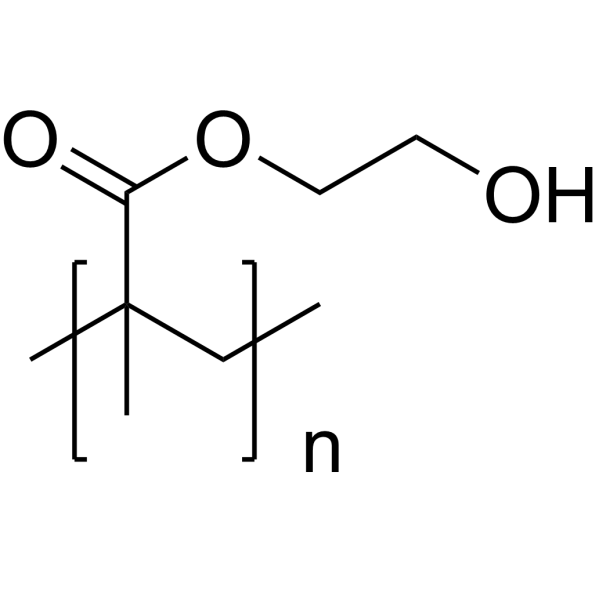
Poly(2-hydroxyethyl methacrylate) (MW 20000) is one of the most important hydrogels in the biomaterials world. Poly(2-hydroxyethyl methacrylate) is the basic component of contact lenses, and is also used in implantation of soft tissues, synthetic transplant for gristle and bone, regeneration of neurotic tissue, transmission of agent and etc .
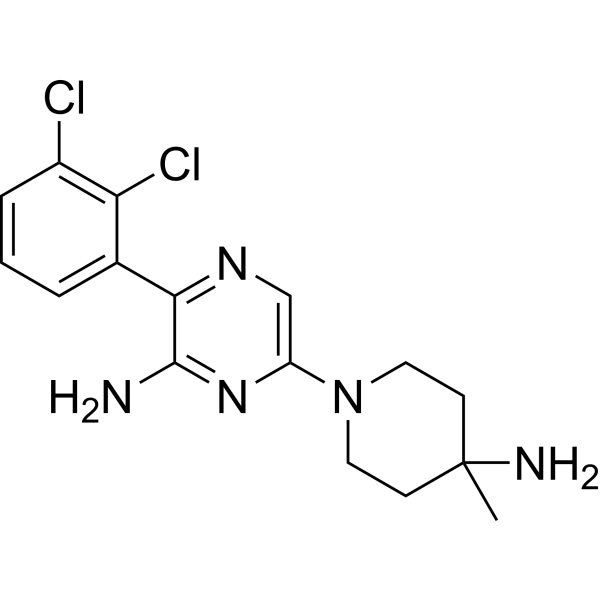
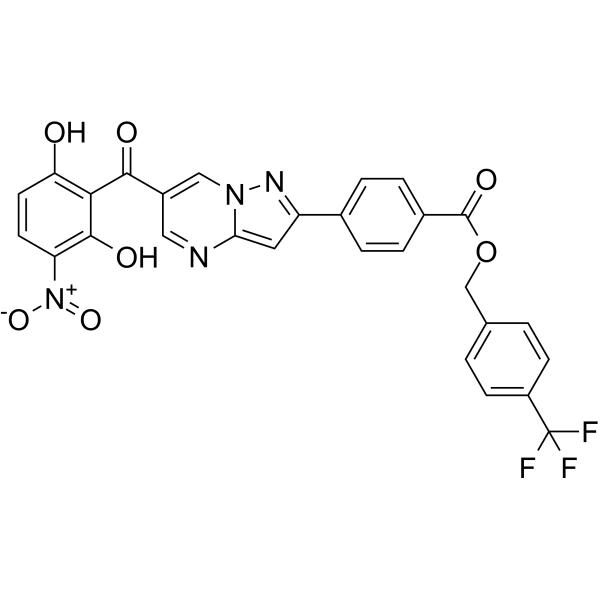
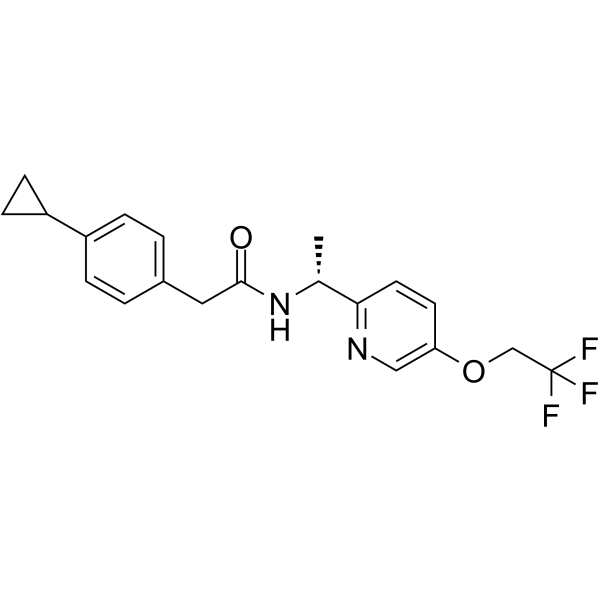
WS6 is an IkB kinase and EBP1 inhibitor, with IC50 values of 0.24 nM, 0.21 nM, and 40.48 nM in MV4-11, MOLM13, and K562 cells, respectively. WS6 promotes the proliferation of alpha and beta cells in the pancreas, has antioxidant and anti-inflammatory activities, and can alleviate depression like behavior in rats [1][2][4].
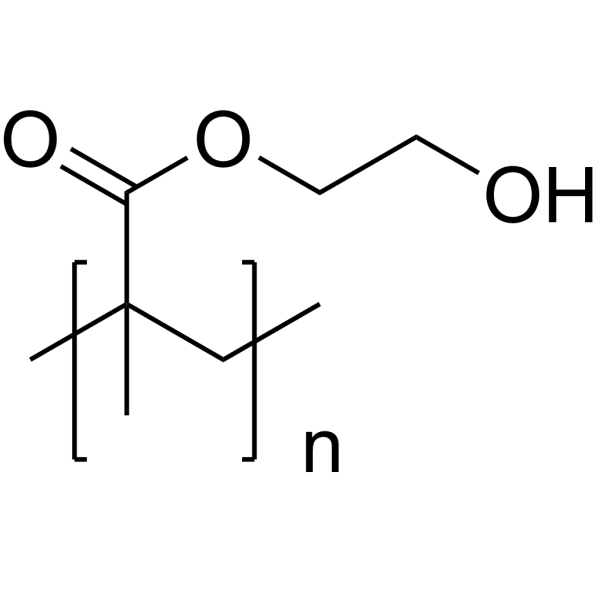
Poly(2-hydroxyethyl methacrylate) (Mv 300000) is a biocompatible, optically transparent, hydrophilic, and non-degradable polymer with excellent cytocompatibility, eliciting a minimal immunological response from host tissue. Poly(2-hydroxyethyl methacrylate) (Mv 300000) can be used for different biomedical applications, such as bone tissue regeneration, wound dressings and drug delivery .
Poly(2-hydroxyethyl methacrylate) (MW 1000000) is one of the most important hydrogels in the biomaterials world. Poly(2-hydroxyethyl methacrylate) is the basic component of contact lenses, and is also used in implantation of soft tissues, synthetic transplant for gristle and bone, regeneration of neurotic tissue, transmission of agent and etc .
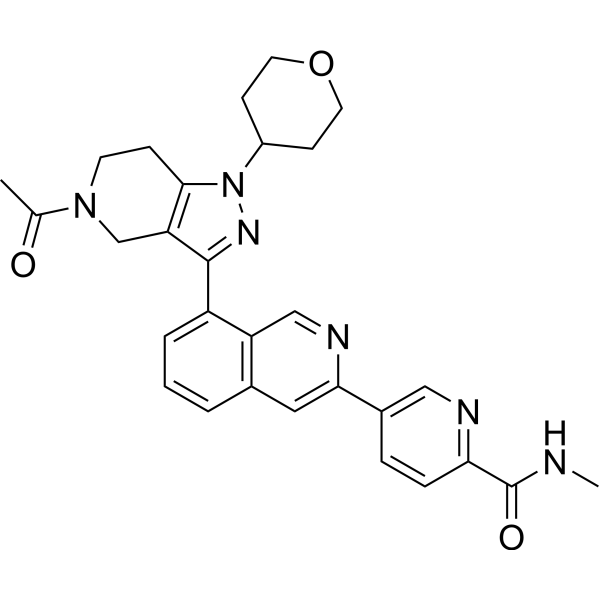
GNE-207 is a potent, selective and orally bioavailable inhibitor of the bromodomain of CBP, with an IC50 of 1 nM, exhibits a selectively index of >2500-fold against BRD4 (1). GNE-207 shows excellent CBP potency, with an EC50 of 18 nM for MYC expression in MV-4-11 cells .
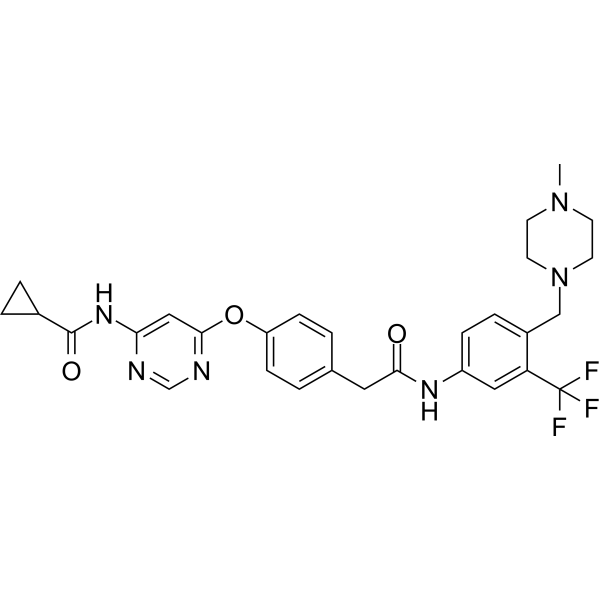
Clifutinib is an orally active and selective internal tandem duplication mutation of FMS-like tyrosine kinase 3 (FLT3-ITD) inhibitor with an IC50 value of 15.1 nM. Clifutinib exerts strong antiproliferative effects on FLT3-ITD acute myeloid leukemia (AML) cell lines (MV-4-11: IC50 = 1.5 nM; MOLM-13: IC50 = 1.4 nM). Clifutinib inhibits the activity of FLT3-ITD kinase and blocks the downstream RAS/MAPK, PI3K/AKT, and JAK/STAT5 signaling pathways of FLT3. Clifutinib induces apoptosis of acute myeloid leukemia (AML) cells with FLT3-ITD mutations. Clifutinib demonstrates significant antitumor efficacy in mice bearing MV-4-11 or MOLM-13 xenografts. Clifutinib is promising for research of relapsed/refractory FLT3-ITD-positive acute myeloid leukemia .
ε-Poly-L-lysine (Epsilon-polylysine; ε-Polylysine) hydrochloride (MV 2000-5000) is a polycationic antibacterial agent with broad-spectrum activity against Gram-positive bacteria, Gram-negative bacteria, fungi, yeasts and specific bacteriophages. ε-Poly-L-lysine hydrochloride (MV 2000-5000) exerts bactericidal effects through mechanisms such as disrupting microbial membranes, inducing ROS production, inhibiting metabolism and spore germination. ε-Poly-L-lysine hydrochloride (MV 2000-5000) also regulates the expression of multiple key genes including sodA, oxyR and recA. ε-Poly-L-lysine hydrochloride (MV 2000-5000) exhibits properties such as low eukaryotic cytotoxicity, thermal stability and pH stability, and supports tissue regeneration and anti-tumor applications. ε-Poly-L-lysine hydrochloride (MV 2000-5000) can be applied in research fields including bacterial and fungal infections, diabetic ulcers, and methicillin-resistant Staphylococcus aureus infections .
Senexin C is a selective and orally active CDK8/19 inhibitor. Senexin C shows a strong tumor-enrichment pharmacokinetic (PK) profile and tumor-pharmacodynamic (PD) marker responses. Senexin C inhibits the growth of MV4-11 leukemia cells with good tolerability .
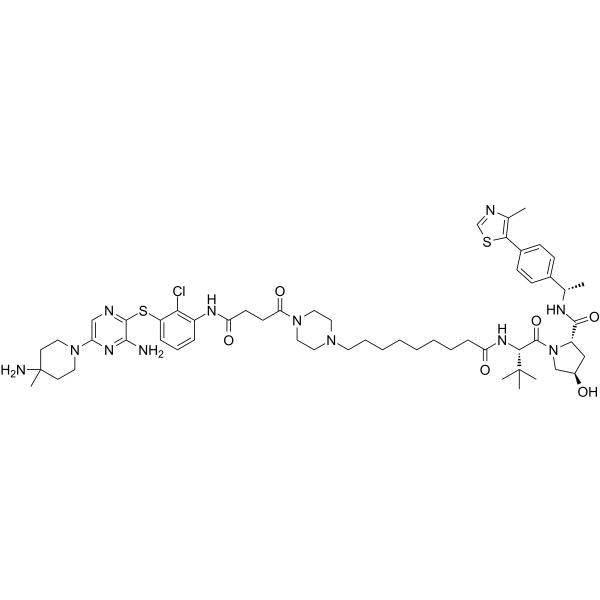
PROTAC MNK1 degrader-1 is a selective MNK1PROTAC degrader with a DC50 of 11.92 nM, and a Dmax > 96% in MV4-11 cells. PROTAC MNK1 degrader-1 significantly reduces p-eIF4E (IC50: 22.07 nM), induces apoptosis, and arrests the cell cycle at the G1 phase. PROTAC MNK1 degrader-1 has potent antitumor activity. PROTAC MNK1 degrader-1 has robust antileukemic efficacy in MV4-11 xenograft mice model with acceptable drug safety . Pink: MNK1 ligand (HY-176429); Blue: CRBN ligase ligand (HY-A0003); Black: linker (HY-Y1139); CRBN + linker: HY-176430
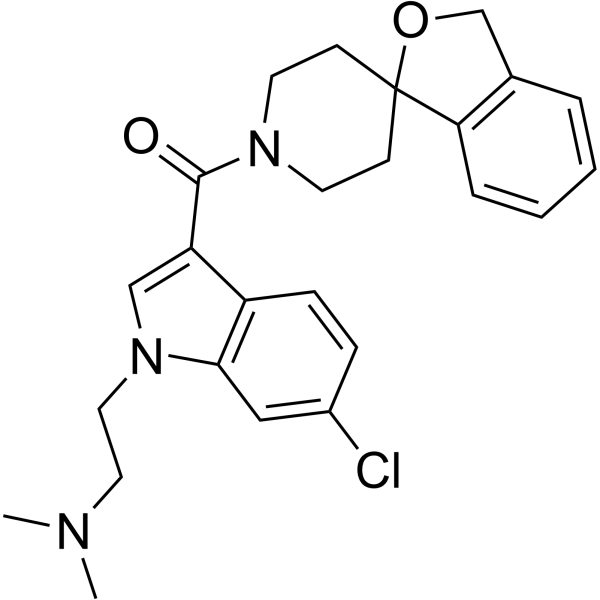
CDK8-IN-12 is an orally active, potent CDK8 inhibitor with a Ki of 14 nM. CDK8-IN-12 has off-target kinase inhibition on GSK-3α, GSK-3β, PCK-θ with Kis of 13 nM, 4 nM, 109 nM, respectively. CDK8-IN-12 shows potent anti-proliferative effects selectively on MV4-11 cell. CDK8-IN-12 is an anti-cancer agent .
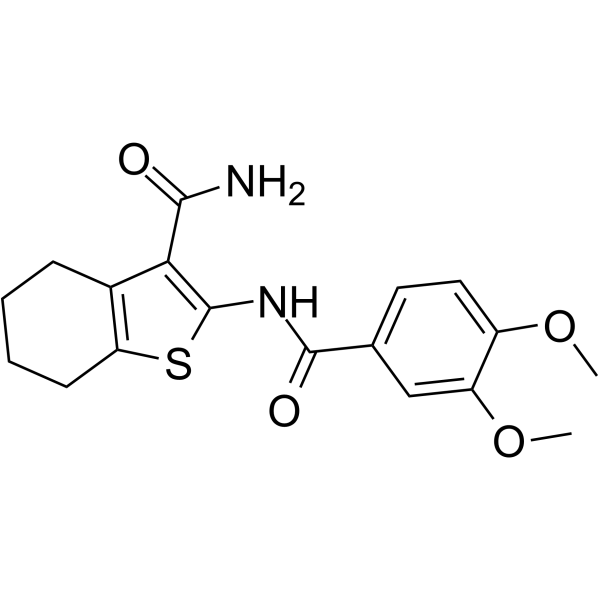
TCS 359, a 2-acylaminothiophene-3-carboxamide, is a potent and selective FLT3 inhibitor with an IC50 of 42 nM. TCS 359 inhibits MV4-11 cell proliferation with an IC50 of 340 nM .
PAK4-IN-2 is a highly potent PAK4 inhibitor with IC50 value of 2.7 nM. PAK4-IN-2 can arrest MV4-11 cells at G0/G1 phase and induce cell apoptosis. PAK4-IN-2 can be used for researching cancer .
DB818 dihydrochloride is the dihydrochloride salt form of DB818 (HY-122623). DB818 dihydrochloride is an inhibitor for Homeobox A9 (HOXA9). DB818 dihydrochloride reduces the formation of HOXA9-DNA complexes, inhibits the growth and induces apoptosis in AML cell lines OCI/AML3, MV4-11, and THP-1 .
BET-IN-19 (Compound 146) is a BET inhibitor. BET-IN-19 inhibits hlL-6 mRNA transcription (IC50 ≤0.3 uM), and c-myc activity in human AML MV4-11 cell (IC50 ≤0.3 uM)。BET-IN-19 inhibits tetra-acetylated histone H4 binding to BRD4 bromodomain 1 (IC50 ≤0.3 uM) .
CDK2-IN-22 (compound 7I) is a potent CDK2 inhibitor with an IC50 of 64.42 nM. CDK2-IN-22 presents a broad antiproliferative efficacy toward diverse cancer cells MV4-11, HT-29, MCF-7, and HeLa with IC50 values of 0.83 μM, 2.12 μM, 3.12 μM, and 8.61 μM, respectively .
RG7713 (RO5028442) is a highly potent, selective and brain-penetrant Vasopressin 1a (V1a) receptor antagonist with Kis of 1 nM (hV1a) and 39 nM (mV1a).
PLK1/BRD4-IN-5 (Compound SC10) is an orally active PLK1 and BRD4 inhibitor with IC50 values of 0.3 nM and 60.8 nM, respectively. PLK1/BRD4-IN-5 can induce MV4-11 cell block in S phase and apoptosis) in a dose-dependent manner. PLK1/BRD4-IN-5 can be used in cancer research .
Poly(acrylic acid) (Mv 4000000) is a polyacrylic acid (and an anionic polymer) with a molecular weight of 4000000. Poly(acrylic acid) (Mv 4000000) can be used as a corrosion inhibitor and surface stabilizer. Poly(acrylic acid) (Mv 4000000) is a biomaterial or organic compound that can be used in life science research .
Poly(acrylic acid) (Mv 3000000) is a polyacrylic acid (an anionic polymer) with a molecular weight of 3000000. Poly(acrylic acid) (Mv 3000000) can be used as a corrosion inhibitor and surface stabilizer. Poly(acrylic acid) (Mv 3000000) is a biomaterial or organic compound that can be used as a life science research related biomaterial or organic compound .
Chk1-IN-6 is a selective and orally active Chk1 inhibitor with an IC50 of 16.1 nM. Chk1-IN-6 shows antiproliferative activity of MV-4-11 cells. Chk1-IN-6 exerts effective response in the MV-4-11 xenograft mouse model. Chk1-IN-6 exhibits synergistic anticancer effect with Gemcitabine (HY-17026). Chk1-IN-6 can be used in the research of cancers such as acute myeloid leukemia and colorectal adenocarcinoma .
SHP2-IN-37 (compound C5) is a potent and selective SHP2 allosteric inhibitor with an IC50 of 0.023 μM. SHP2-IN-37 exhibits antiproliferative effect on KYSE-520 and MV-411 cells with IC50s of 6.97 and 0.67 μM, respectively
FLT3/CHK-IN-1 (Compound 18) is a dual inhibitor of FLT3/CHK1. FLT3/CHK-IN-1 is more than 1700 times more selective to c-KI T and greatly reduces hERG affinity with an IC50 value of 58.4 μM. FLT3/CHK-IN-1 inhibits tumor growth in mouse xenotransplantation models inoculated with MV-4-11 cells .
FT001 is an orally active and selective BET inhibitor. FT001 has potent anti-proliferative effects against MV-4-11. FT001 can be used for research of cancer .
LWY713 is a PROTAC-class FLT3 degrader (DC50=0.64 nM), which selectively induces FLT3 degradation via cereblon and proteasome-dependent pathways. LWY713 inhibits cell proliferation and induces G0/G1 phase arrest and apoptosis in MV4-11 cells. LWY713 shows effective in vivo antitumor activity in MV4-11 xenograft models . LWY713 consists of a target protein ligand (red part) Gilteritinib (HY-12432), an E3 ubiquitin ligase ligand (blue part) Lenalidomide-F (HY-W039233), and a PROTAC linker (black part) Glycolic acid (HY-W015967). E3 ubiquitin ligase and linker can form Lenalidomide-Glycolic acid (HY-169373); the active control for the target protein ligand is Naproxen Gilteritinib (HY-169374).
(S)-dHTC1 is a molecular glue degrader targeting the transcriptional co-activator ENL. (S)-dHTC1 binds the ligase with high affinity only after forming the ENL:dHTC1 complex with an IC50 value of 93 nM. (S)-dHTC1 degrades ENL in MV4;11 cells with a DC50 value of 26 nM. (S)-dHTC1 can be used for acute myeloid leukemia study .
KHS108-MV1 is a conjugate of KHS108 and MV1. KHS108 is a ligand for TACC3. MV1 is an IAP antagonist that binds to cIAP1, cIAP2, and XIAP. KHS108-MV1 can be used in the research of breast cancer and fibrosarcoma .
JP-2-249 is a molecular glue that acts as a potent degrader of SMARCA2. JP-2-249 shows decreasing protein level of SMARCA2 in MV-4-11 cells at 1-10 μM .
PIM-1/HDAC-IN-2 is a robust PIM/HDAC inhibitor (IC50 = 0.11 μM in MV4-11cells), which exerts a synergistic antiproliferative effect through a dual mechanism of inhibiting PIM1 kinase and selectively inhibiting HDAC6. PIM-1/HDAC-IN-2 induces cell apoptosis. PIM-1/HDAC-IN-2 remarkably induces the cleavage of PARP, thereby initiating the arrest of the cell cycle in G1 phase and a reduction in S phase. PIM-1/HDAC-IN-2 demonstrates significant anticancer efficacyin the MV4-11 xenograft model without notable toxicity[1].
FY-56 is a highly potent and selective LSD1/KDM1A inhibitor (IC50=42 nM) and exhibits high selectivity over MAO-A/B. FY-56 induces differentiation of MOLM-13 and MV4-11 cell and has the potential for AML research .
Wee1/HDAC-IN-1 is a dual Wee1/HDAC inhibitor with an IC50 of 1.2 nM for Wee1 and IC50 values of 196 nM for HDAC1, 156 nM for HDAC3, and 55 nM for HDAC6. Wee1/HDAC-IN-1 exhibits strong antiproliferative activity against MV4-11 cells with an IC50 of 0.076 μM. Wee1/HDAC-IN-1 selectively binds to Wee1 and HDACs. Wee1/HDAC-IN-1 interferes with DNA damage repair pathways and induces apoptosis in MV4-11 cells. Wee1/HDAC-IN-1 Wee1/HDAC-IN-1 can be used for the research of acute myeloid leukemia (AML) .
BRD4-IN-4 (Compound 1) is a BRD4 inhibitor (IC50=6.83 μM). BRD4-IN-4 selectively inhibits MV4-11 cell line proliferation and arrests cell at G1 phase. BRD4-IN-4 can be used for research of MLL leukemia .
PROTAC FLT3/JAK2/BRD4 Degrader-1 is a PROTAC degrader that target FLT3, JAK2, and BRD4 with DC50 values of 5.23, 0.678, and 1.17 nM, respectively. PROTAC FLT3/JAK2/BRD4 Degrader-1 exhibits potent antiproliferative activity against MV4;11 cells (IC50 = 0.79 nM) and FLT3 mutant-transformed Ba/F3 cells. PROTAC FLT3/JAK2/BRD4 Degrader-1 induces apoptosis in MV4;11 cells. PROTAC FLT3/JAK2/BRD4 Degrader-1 demonstrates significant anti-tumor efficacy in the MV4;11 xenograft model established in NOD SCID mice. PROTAC FLT3/JAK2/BRD4 Degrader-1 can be used for the study of acute myeloid leukemia (AML). (Pink: FLT3/JAK2/BRD4 ligand (HY-175611), Blue: CRBN Ligand (HY-W087383), Black: Linker, E3 ligase ligand-linker conjugate (HY-W897939)) .
LSD1-UM-109 is a ighly potent and reversible LSD1 inhibitor with an IC50 of 3.1 nM. LSD1-UM-109 inhibits cell growth with IC50 values of 0.6 nM in the MV4;11 acute leukemia cell line and 1.1 nM in the H1417 small-cell lung cancer cell line .
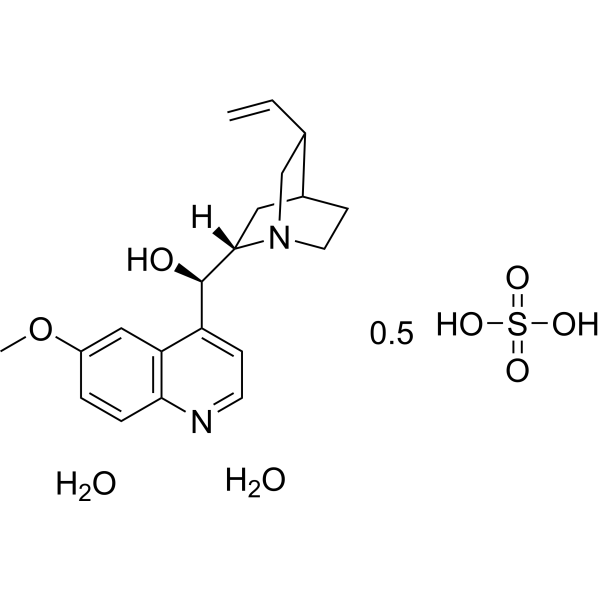
Quinine (sulfate hydrate) (Standard) is the analytical standard of Quinine (sulfate hydrate). This product is intended for research and analytical applications. Quinine sulfate hydrate (2:1:4) is an orally active alkaloid extracted from cinchona bark and can be used in anti-malarial studies. Quinine sulfate hydrate (2:1:4) is a potassium channel inhibitor that inhibits WT mouse Slo3 (KCa5.1) channel currents evoked by voltage pulses to +100?mV with an IC50 of 169 μM .
JNJ-28312141 is an inhibitor for colony-stimulating factor-1 receptor (CSF-1R or FMS), with an IC50 of 0.69 nM. JNJ-28312141 inhibits proliferation of BDBM, MV-4-11, M-o7e, TF-1 with an IC50s of 2.6, 21, 41 and 150 nM, respectively. JNJ-28312141 exhibits anti-inflammatory activity in mouse arthritis model .
MeV-IN-1 (OX-1) is an inhibitor of specific specific Measles virus (MeV) entry with an IC50 of 100 M. MeV-IN-1 has an IC50 of 55 M against live MeV-Edm. MeV-IN-1 efficiently suppresses the formation of infectious centers. MeV-IN-1 exhibits negligible cytotoxicity. MeV-IN-1 potently suppresses R18 redistribution in MV-H- and MV-F-expressing cells, preventing membrane merging .
FLT3-IN-33 (Compound 7r) is a FLT3 inhibitor with an IC50 of 7.82 nM. FLT3-IN-33 has superior anticancer activities against acute myeloid leukemia (AML) cells, such as MV4-11 and MOLM-13 cells. FLT3-IN-33 significantly induces cell apoptosis and inhibits phosphorylation of FLT3 pathways. FLT3-IN-33 can be used for AML and other cancers research .
HDAC3-IN-5 (9c) is a HDAC3 selective inhibitor, with IC50 values of 4.2 nM, 1629 nM and 298.2 nM for HDAC3, HDAC2, HDAC1, respectively. HDAC3-IN-5 (9c) can effectively induce apoptosisin MV4-11 cells in vitro and reduce the expression of anti-apoptotic proteins, the development of HDAC3 selective inhibitors may serve as a potential lead compound to reverse Venetoclax resistance .
XY221 (Compound 16o) selectively inhibits BRD4 BD2, with an IC50 of 5.8 nM. XY221 demonstrates high pan-BD2 selectivity (667-fold over BRD4 BD1) and BRD4 BD2 domain selectivity (9−32-fold over BRD2/3/T BD2). XY221 induce Apoptosis in MV4-11 cells and shows anticancer activity .
VCL Human Pre-designed siRNA Set A contains three designed siRNAs for VCL gene (Human), as well as a negative control, a positive control, and a FAM-labeled negative control.
HDAC-IN-63 (Compound 63) is a dual FLT3/HDAC inhibitor (IC50: 0.844 and 30.0 nM for FLT3 and HDAC1 respectively). HDAC-IN-63 inhibits MV4-11 cell proliferation (IC50: 92 nM. HDAC-IN-63 induces apoptosis and arrests cell cycle in MV4-11 cells. HDAC-IN-63 can be used for research of acute myeloid leukemia (AML) .
CDK/HDAC-IN-4 is a high selective dual cyclin-dependent kinase (CDK)/histone deacetylase (HDAC) inhibitor with IC50 values of 88.4 and 168.9 nM, respectively. CDK/HDAC-IN-4 exhibits antiproliferative capacities against hematological and solid tumor cells. CDK/HDAC-IN-4 also induces MV-4-11 cell Apoptosis and S cell cycle arrests. CDK/HDAC-IN-4 possesses a significant antitumor potency in the MV-4-11 xenograft model .
SNIPER(ABL)-019, conjugating Dasatinib (ABL inhibitor) to MV-1 (IAP ligand) with a linker, induces the reduction of BCR-ABL protein with a DC50 of 0.3 μM .
HDAC6-IN-47 (Compound S-29b) is inhibitor for HDAC, which exhibits high affinities to HDAC1, HDAC2, HDAC3, HDAC6, HDAC8, HDAC10 with Ki of 60, 56, 162, 0.44, 362 and 849 nM, respectively. HDAC6-IN-47 causes tubulin hyperacetylation in MV4-11, inhibits the proliferation of MV4-11 with an EC50 of 0.50 µM. HDAC6-IN-47 can be used in research of leukemia .
FLT3-IN-21 (compound LC-3) is a potent FLT3 inhibitor (IC50: 8.4 nM) and induces apoptosis. FLT3-IN-21 can arrest the cell cycle in the G1 phase and inhibit the proliferation of FLT3-ITD-positive AML cells MV-4-11 (IC50: 5.3 nM). In mice, FLT3-IN-21 (10 mg/kg/d) inhibited tumor growth in the MV-4-11 xenograft model (TGI=92.16%) .
BET-IN-10 is a BET inhibitor with anticancer effects. BET-IN-10 inhibits the cell growth of MV4-11 cells with an IC50 of 26.5 nM (WO2022012456A1; example 6) .
Axl-IN-6 (compound 14) is an orally active and potent AXL inhibitor. Axl-IN-6 is well tolerated and significantly inhibits the tumor growth in MV-4-11 subcutaneous xenograft model .
SNIPER(ABL)-047, conjugating HG-7-85-01 (ABL inhibitor) to MV-1 (IAP ligand) with a linker, induces the reduction of BCR-ABL protein with a DC50 of 2 μM .
PROTAC FLT-3 degrader 3 (compound 35) is a PROTACs degrader of FLT. PROTAC FLT-3 degrader 3 has antiproliferative activity, with IC50 of 7.55 nM in MV4-11 cells .
LSD1-IN-38 (Compound 23e) is a reversible, orally active inhibitor for lysine specific demethylase 1 (LSD1) with an IC50 of 1.2 nM. LSD1-IN-38 inhibits the proliferation of cancer cells MV4-11, Kasumi-1 and NCI-H526, with IC50 of 5, 4 and 11 nM, respectively. LSD1-IN-38 activates CD86 expression with an EC50 of 0.034 μM, and induces differentiation in MV4−11 cell. LSD1-IN-38 exhibits antitumor efficacy in mouse models .
PI3K/HDAC-IN-3 (36) is a PI3K and HDAC dual inhibitor, with IC50 values of 0.23 nM and 172 nM for PI3Kα and HDAC1, respectively. PI3K/HDAC-IN-3 (36) suppresses AKT phosphorylation and increased H3 acetylation in MV4-11 cells. PI3K/HDAC-IN-3 (36) exhibits significant and dose-dependent anticancer efficacy in a MV4-11 xenograft model .
LSD1-IN-40 (Compound 9e) is a potent LSD1 inhibitor, with an IC50 of 9.85 nM. LSD1-IN-40 exhibits exceptional selectivity for LSD1 over both MAOs and hERG. LSD1-IN-40 exhibits significant inhibitory activity against leukemia cells (MV-4-11, HL-60, and THP-1 cells). LSD1-IN-40 can induce apoptosis in MV-4-11 cells. LSD1-IN-40 has the potential for the research of acute myeloid leukemia .
SDR-04 is a BET inhibitor and exhibits strong BRD4-BD1 affinity and inhibition activity. SDR-04 potently suppresses MV4;11 cancer cell line proliferation .
MC2652 (compound 1a) is a potent LSD1 inhibitor. MC2652 displays high inhibiting effects in MV4-11 and NB4 leukaemia cells. MC2652 shows antiproliferative activity against prostate cancer LNCaP cells .
PROTAC SMARCA2 degrader-19 (Compound 46) is a PROTAC degrader for SMARCA2, that degrades SMARCA2 in cell A549 and MV411 with a DC50 < 100 nM. PROTAC SMARCA2 degrader-19 degrades SMARCA4 in cell MV411 with a DC50 > 1000 nM .
Ro 18-3981 is a dihydropyridine that inhibits cardiac Ca 2+ channels. Ro 18-3981 shows higher inhibitory activity when the cell membrane is in a depolarized state (Vh=-20 mV: IC50=2.3 nM; Vh=-50 mV: IC50=100 nM) .
CDK9-IN-14 is a potent and selective CDK9 inhibitor with IC50 of 6.92 nM. CDK9-IN-14 has a relatively strong inhibitory effect on MV4;11 cells and in vivo tumor models, and has a good selectivity and a low toxicity and few side effects .
NMDAR antagonist 2 (compound 3I) is a CNS penetrant NMDAR antagonist with the IC50 of 4.42 μM and 214.75 μM for hGluN1/hGluN2A at −60 mV or 40 mV membrane potentials, respectively. NMDAR antagonist 2 can reduce hippocampal damage .
mTOR inhibitor-26 (Compound HPT-11) is an inhibitor of mTOR with an IC50 of 0.7 nM. It effectively inhibits the proliferation of AML cell lines Molm-13 and MV-4-11. mTOR inhibitor-26 exhibits antitumor activity and favorable metabolic stability, making it a promising candidate for cancer research .
Proteasome-IN-4 is an excellent and non-covalent proteasome inhibitor (IC50=8.39 nM). Proteasome-IN-4 has potent antiproliferative activities against RPMI-8226, MM-1S and MV-4-11 cell lines. Proteasome-IN-4 can be used for cancer research .
CDK8-IN-14 (compound 12) inhibits CDK8 with an IC50 value of 39.2 nM and has anti-AML cell proliferation activity (molm-13 GC50 = 0.02±0.01μM, MV4-11 GC50 = 0.03±0.01μM) .
FLT3-IN-34 is a FLT3 inhibitor, with an IC50 value of 1.4 nM. FLT3-IN-34 blocks the phosphorylation of FLT3 and its downstream signaling molecules AKT and ERK1/2. FLT3-IN-34 induces concentration-dependent G0/G1 phase arrest and mild apoptosis in FLT3-ITD-positive MV4-11 cells. FLT3-IN-34 shows potent anti-proliferative activity against FLT3-ITD-positive MV4-11 cells (IC50 = 14.95 nM) and MOLM-13 (IC50 = 18.5 nM). FLT3-IN-34 can be used for the study of FLT3-positive acute myeloid leukemia (AML) .
PROTAC SMARCA2/4-degrader-8 (Compound I-502) is a PROTAC degrader for catalytic subunit of the SWI/SNF complex SMARCA2. PROTAC SMARCA2/4-degrader-8 degrades SMARCA2 with DC50 <100 nM in A549 and in MV411, degrades SMARCA4 with DC50<100 nM in MV411(Pink: Ligand for target protein (HY-159545); Black: Linker (HY-W063924); Blue: Ligand for E3 ligase (S,R,S)-AHPC (HY-125845))
Quinine-d3 is the deuterium labeled Quinine (HY-D0143). Quinine is an alkaloid derived from the bark of the cinchona tree, acts as an anti-malaria agent. Quinine is a potassium channel inhibitor that inhibits WT mouse Slo3 (KCa5.1) channel currents evoked by voltage pulses to +100?mV with an IC50 of 169 μM .
FW-1 is a type I inhibitor for FLT3 with IC50 of ca. 1 μM. FW-1 exhibits cytotoxicity in FLT3 mutated AML cell. FW-1 arrests the cell cycle at G0/G1 phase, and induces apoptosis in cell MV4-11 and MOLM-13 .
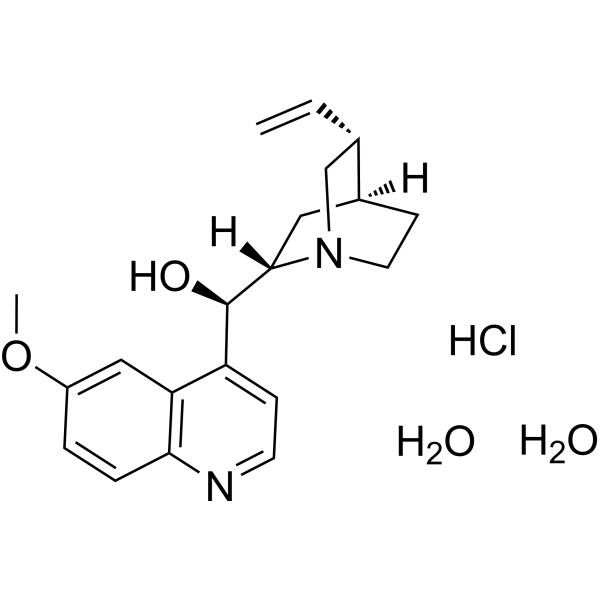
Quinine (hydrochloride dihydrate) (Standard) is the analytical standard of Quinine (hydrochloride dihydrate). This product is intended for research and analytical applications. Quinine hydrochloride dihydrate (Qualaquin) is an orally active and can be used in anti-malarial studies. Quinine hydrochloride dihydrate is a potassium channel inhibitor that inhibits WT mouse Slo3 (KCa5.1) channel currents evoked by voltage pulses to +100?mV with an IC50 of 169 μM .
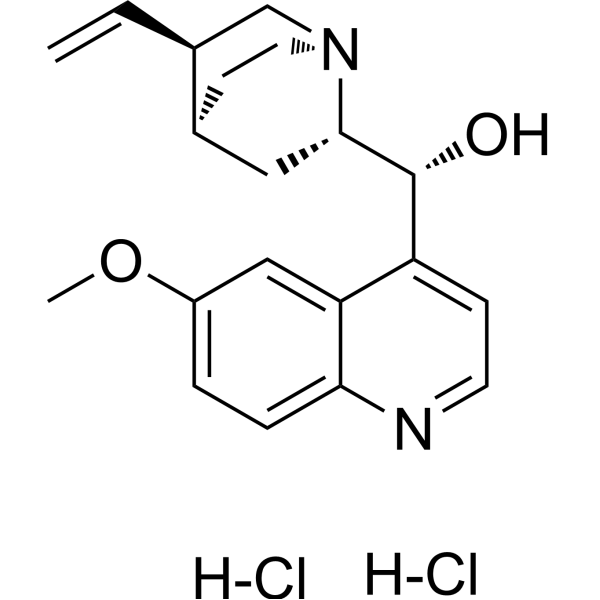
Quinine (dihydrochloride) (Standard) is the analytical standard of Quinine (dihydrochloride). This product is intended for research and analytical applications. Quinine dihydrochloride is an orally active alkaloid extracted from cinchona bark and can be used in anti-malarial studies. Quinine dihydrochloride is a potassium channel inhibitor that inhibits WT mouse Slo3 (KCa5.1) channel currents evoked by voltage pulses to +100?mV with an IC50 of 169 μM .
OICR41114 is a WDR5PROTAC degrader with an EC50 of 40 nM. OICR41114 binds both DCAF1 and WDR5, and its binding affinity for DCAF1 is significantly enhanced in the presence of WDR5 (KD increases from 59 nM to 5 nM). OICR41114 exerts antiproliferative effects on MV4-11 cells. OICR41114 can be used for the research of acute myeloid leukemia .
HDAC-IN-88 (Compound HJ-9) is the inhibitor for HDAC that inhibits HDAC6, HDAC1, HDAC2, HDAC8 and HDAC3 with IC50s of 0.226, 1.103, 2.308, 3.255 and 3.864 μM, respectively. HDAC-IN-88 inhibits the proliferation of cancer cell HepG2, HCT116 and MV4-11 with IC50 of 5.47, 9.78 and 0.38 μM, inhibits the migration of HCT116, arrests the cell cycle at G0/G1 phase, and induces apoptosis and autophagy in MV4-11. HDAC-IN-88 reduces ROS level and mitochondrial membrane potential. HDAC-IN-88 exhibits antimalarial activity that inhibits P. falciparum 3D7 with EC50 of 165 nM. HDAC-IN-88 also exhibits anti-angiogenic activity .
Dot1L-IN-8 (Compound 15) is a potent Dot1L inhibitor. Dot1L-IN-8 inhibits HL-60, K562, MV4-11, HH, and KG-1 cells vitality with IC50s of 0.45, 1.03, 0.68, 1.66, and 1.12 μM, respectively .
GQN-B37-Me is a MCL-1 inhibitor. GQN-B37-Me induces caspase-dependent apoptosis. GQN-B37-Me exhibits noteworthy cytotoxicity in H929 (IC50 = 3.71 μM) and MV-4-11 (IC50 = 5.57 μM) cells. GQN-B37-Me can be used for the research of leukemia .
JNJ-28312141 hydrochloride is an inhibitor for colony-stimulating factor-1 receptor (CSF-1R or FMS), with an IC50 of 0.69 nM. JNJ-28312141 hydrochloride inhibits proliferation of BDBM, MV-4-11, M-o7e, TF-1 with an IC50s of 2.6, 21, 41 and 150 nM, respectively. JNJ-28312141 hydrochloride exhibits anti-inflammatory activity in mouse arthritis model .
HDSI-18 is an orally active HDAC6 selective inhibitor (IC50: 1.6 nM). HDSI-18 is cytotoxic to K562, MV4-11, MOLM-13, THP-1, and Jurkat cells (IC50: 0.48, 0.58, 0.91, 1.79, and 4.31 μM, respectively). HDSI-18 activates Caspase-3, induces mitochondrial depolarization and apoptosis, and has antitumor activity .
Quinine (sulfate hydrate) (Standard) is the analytical standard of Quinine (sulfate hydrate). This product is intended for research and analytical applications. Quinine sulfate hydrate (2:1:4) is an orally active alkaloid extracted from cinchona bark and can be used in anti-malarial studies. Quinine sulfate hydrate (2:1:4) is a potassium channel inhibitor that inhibits WT mouse Slo3 (KCa5.1) channel currents evoked by voltage pulses to +100?mV with an IC50 of 169 μM .
MI-1063 is an inhibitor for MDM-2, that blocks the MDM2-p53 interaction, and activates the tumor suppressor function of p53. MI-1063 inhibits the growth of cancer cell RS4-11 and MV4-11 with IC50 of 179 nM and 93 nM. MI-1063 can be used as target protein ligand in synthesis of PROTAC degrader MD-265 (HY-169327) .
CDK9-IN-19 is a highly potent and selective CDK9 inhibitor with an IC50 value of 2.0 nM. CDK9-IN-19 has excellent cellular antiproliferative activity, moderate pharmacokinetic property and low hERG inhibition. CDK9-IN-19 significantly induces tumour growth inhibition in an MV4-11 xenograft mice model. CDK9-IN-19 can be used for researching acute myeloid leukaemia (AML) .
SIK2/3-IN-1 (Compound 7S) is a selectively inhibitory agent of SIK2/3 with oral activity. SIK2/3-IN-1 can significantly inhibit tumor growth (without any body weight loss) in the MV4-11 AML mice CDX model. SIK2/3-IN-1 can be used in the research of MEF2C-dependent acute myeloid leukemia .
XYD129 is an effective CBP/p300 PROTAC degrader. XYD129 has antiproliferative activity on MV4-11 cell line (IC 50=0.044 μM). XYD129 can be used for the study of acute myeloid leukemia (AML). (Structure Note: Pink, CBP/p300 ligand 5 (HY-161711); Blue, E3 ligase ligand (HY-41547); Black, Linker (HY-40178)) .
FLT3-IN-14 is a potent FLT3 inhibitor with IC50s of 5.6 nM and 1.4 nM for FLT3-WT and FLT3-ITD. FLT3-IN-14 reduces the phosphorylation of FLT3 (Y591), induces cell cycle arrest at G1 phase and apoptosis. FLT3-IN-14 significantly reduces the tumor growth in an MV4-11 xenograft mouse model .
BRD4 Inhibitor-18 is a highly potent BRD4 inhibitor with an IC50 value of 110 nM. BRD4 Inhibitor-18 has a hydrophobic acetylcyclopentanyl side chain. BRD4 Inhibitor-18 can significantly suppress the proliferation of MV-4-11 cells with high BRD4 level. BRD4 Inhibitor-18 has apoptosis-promoting and G0/G1 cycle-arresting activity .
Clevidipine (Standard) is the analytical standard of Clevidipine. This product is intended for research and analytical applications. Clevidipine is a short-acting dihydropyridine calcium channel antagonist (IC50= 7.1 nM, V(H) = -40 mV ).
CDK8-IN-6 (compound 9) is a potent cyclin-dependent kinase 8 (CDK8) inhibitor with an Kd of 13 nM. CDK8-IN-6 shows cytotoxicity for MOLM-13, OCI-AML3, MV4-11, NRK and H9c2 cells with IC50s of 11.2, 7.5, 8.6, 20.5, 12.5-25 µM, respectively. CDK8-IN-6 has the potential for the research of AML-cancer .
FLT3-IN-32 TFA is a potent FLT3 inhibitor with an IC50s of 2.40 nM and 3.83 nM against FLT3-ITD and FLT3-D835Y. FLT3-IN-32 TFA inhibits proliferation/survival of human MV4-11 cells with an IC50 of 0.07 nM. FLT3-IN-32 TFA can be used for the study of acute myeloid leukemia (AML) .
MV78-OH is a NAMPT ligand that can be used as a target protein ligand to synthesize NAMPT-targeting PROTACs, such as PROTAC NAMPT Degrader-28 (HY-181880) .
THP-1/MV-4-11 against-1 (compound 12k) is an anticancer agent with potency inhibitory against THP-1/MV/4 cells (IC50=29 nM and 98 nM, respectively). THP-1/MV-4-11 against-1 is one of 5-substituted thiazolyl urea derivatives, can be used in leukemic diseases research .
MV78-OH-C7-COOH is a synthetic target protein ligand-linker conjugate that can be used for the synthesis of PROTACs, such as PROTAC NAMPT Degrader-28 (HY-181880) .
BET-IN-30 (Compound 11d) is a BTE family protein inhibitor, which can act as a BRD2/BRD3/BRD4 target protein ligand and be used for the synthesis of PROTACs, such as PROTAC BET Degrader-15 (HY-181729). BET-IN-30 exhibits potent anti-proliferative activity against acute myeloid leukemia (AML) cells such as MV4-11. BET-IN-30 can be used for the study of AML .
K783-0308 is a potent and selective dual inhibitor of FLT3 and MNK2 with IC50 values of 680 and 406 nM, respectively. K783-0308 inhibits the growth of MOLM-13 (IC50=10.5 µM) and MV-4-11 (IC50=10.4 µM) cells. K783-0308 promotes acute myeloid leukemia (AML) cell apoptosis and cell cycle arrests in the G0/G1 phase .
ZX079 is a dual BRD4 and CBP PROTAC degrader with a BRD4 DC50 value of 0.035 nM and a CBP DC50 value of < 0.02 nM. ZX079 induces dose- and time-dependent degradation of BRD4 and CBP proteins through recruitment of the cereblon E3 ligase. ZX079 induces apoptosis in MV4-11 and MOLM-13 cells, reduces tumor growth in an acute myeloid leukemia xenograft model. ZX079 can be used for the research of acute myeloid leukemia .
Antitumor agent-208, a Bufalin (HY-N0877) analogue, is a potent and orally active antitumor agent. Antitumor agent-208 exhibits antiproliferative activity against tumor cell line (IC50 =0.30-1.09 nM). Antitumor agent-208 inhibits tumor growth in a MV-4-11 xenograft mouse model. Antitumor agent-208 can be used for cancer research, such as acute myeloid leukemia (AML) and non-small cell lung cancer (NSCLC) .
Bfl-1-IN-3 (Compound 56) is a selective, competitive inhibitor for Bfl-1 on BID binding site with Ki of 105 nM. Bfl-1-IN-3 inhibits the proliferation of cell pfeiffer and MV4-11, with IC50 of 6.92 μM and 12.6 μM. Bfl-1-IN-3 induces apoptosis in pfeiffer cells. Bfl-1-IN-3 overcomes Venetoclax (HY-15531) resistance at the cellular level, and shows synergistically enhanced anti-tumor activity with Venetoclax .
Ebio1 is a selective voltage-gated potassium channel KCNQ2 activator. Ebio1 activates KCNQ2 by generating an extended channel gate with greater conductance at a saturation voltage (+50 mV) .
Benzocaine-d4 is the deuterium labeled Benzocaine. Benzocaine shares a common receptor with all othe rLAs in the voltage-gated Na+ channel, with an IC50 of 0.8 mM tested with a potential of +30 mV.
Benzocaine-(ethyl-d5) is the deuterium labeled Benzocaine. Benzocaine shares a common receptor with all othe rLAs in the voltage-gated Na+ channel, with an IC50 of 0.8 mM tested with a potential of +30 mV.
Closthioamide is a potent inhibitor of bacterial DNA gyrase and highly active against Ec, MRSA, VRE and Mv), with MICs of 9.00 μM, 0.58 μM, 0.58 μM and 72.03 μM respectively.
FLT3-IN-12 is a potent, selective and orally active FLT3 kinase inhibitor with IC50s of 1.48 nM and 2.87 nM for FLT3-WT and FLT3-D835Y, respectively. FLT3-IN-12 possesses high selectivity over c-KIT (>1000-fold). FLT3-IN-12 has an excellent anti-AML (acute myeloid leukemia) activity (MV4-11, IC50 of 0.75 nM) .
CDK8-IN-7 (compound 12) is a potent and selective cyclin-dependent kinase 8 (CDK8) inhibitor with an Kd of 3.5 nM. CDK8-IN-7 shows cytotoxicity for MOLM-13, OCI-AML3, MV4-11, NRK and H9c2 cells with IC50s of 5.9, 4.8, 5.4, 16.2, 12.5-25 µM, respectively. CDK8-IN-7 has the potential for the research of AML-cancer .
FD1024 is PIM inhibitor (IC50s: 1.96, 38.9, 4.17 nM for PIM1, 2, 3). FD1024 can be used for research of acute myeloid leukemia. FD1024 has strong antiproliferative activity against the tested AML cell lines, with 0.16 μM, 0.12 μM, 1.05 μM, 1.39μM for EOL-1, MV-4-11, KG-1, MOLM-16 cells. FD1024 also has antitumor efficacy in mice .
HS-36 is a highly selective and orally active dual inhibitor of CDK4 and CDK9 with IC50 values of 18.9 and 4.2 nM respectively. HS-36 exhibits nanomolar-level potent activity against various cancer cells, inducing G0/G1 phase arrest and promoting cell apoptosis. HS-36 efficiently inhibits tumor growth in a mouse model of MV-4-11 tumors. HS-36 can be used for the study of acute myeloid leukemia .
PLM-101 is an orally available anticancer agent targeting FLT3 and RET with inhibitory activity against acute myeloid leukemia cells. PLM-101 inhibits RET, thereby inducing autophagic degradation of FLT3; and it inhibits the PI3K and Ras/ERK pathways, resulting in anti-leukemia activity. PLM-101 has anti-tumor efficacy in a mouse MV4-11 flank xenograft model (dose: 3, 10 mg/kg; po) and an allogeneic xenograft mouse model (dose: 40 mg/kg; po) .
ORM-10103 is a specific inhibitor of the Na+/Ca2+ exchanger (NCX), which decreases the NCX current with estimated IC50s of 55 and 67 nM at -80 and at 20 mV, respectively .
Balovaptan (RG7314) is an orally available, selective brain-penetrant vasopressin 1a (hV1a) receptor antagonist, with Kis of 1 and 39 nM for human (hV1a) and mouse (mV1a) receptors, and is used for the research of autism.
FLT3-IN-28 (Compound 12y) is an orally active FLT3 inhibitor with antitumor activity. FLT3-IN-28 selectively inhibits cancer cells harboring the FLT3 internal tandem duplication (ITD) mutation, with IC50 values of 85, 290, 130, 65, and 220 nM for BaF3-FLT3-ITD, BaF3-TEL-VEGFR2, MV4-11, MOLM-13, and MOLM-14 cell lines respectively (MV4-11 and MOLM-13/14 are acute myeloid leukemia (AML) cell lines carrying the FLT3-ITD mutation). Additionally, FLT3-IN-28 can downregulate the phosphorylation levels of FLT3 and STAT5 in MOLM-13 cells and induce cell cycle arrest and Apoptosis. FLT3-IN-28 has an oral bioavailability of 19.2% in SD rats and can prolong survival in a dose-dependent manner in NSG mice xenografted with MOLM-13 cells. FLT3-IN-28 holds promise for research in cancer fields related to FLT3-ITD .
PROTAC FLT3/CHK1 Degrader-1 is a PROTAC FLT3/CHK1 degrader, with DC50 values of 5.88 nM (FLT3) and 4.17 nM (CHK1), respectively. PROTAC FLT3/CHK1 Degrader-1 can inhibit the phosphorylation of FLT3 downstream signaling effectors STAT5 (Tyr694), AKT (Ser473), and ERK (Tyr204), downregulate the protein level of c-Myc and maintain the expression of p53 protein. PROTAC FLT3/CHK1 Degrader-1 induces apoptosis in MV-4-11 cells. PROTAC FLT3/CHK1 Degrader-1 shows significant anti-tumor efficacy in mice bearing MV-4-11 subcutaneous xenografts. PROTAC FLT3/CHK1 Degrader-1 can be used for the study of acute myeloid leukemia (AML). (Pink: FLT3/CHK1 ligand (HY-178869 ), Blue: CRBN Ligand (HY-W093272), Black: Linker, E3 ligase ligand-linker conjugate (HY-W998238)) .
Clevidipine-d7 is the deuterium labeled Clevidipine. Clevidipine is a short-acting dihydropyridine calcium channel antagonist (IC50= 7.1 nM, V(H) = -40 mV ) under development for treatment of perioperative hypertension .
Benzocaine (Standard) is the analytical standard of Benzocaine. This product is intended for research and analytical applications. Benzocaine shares a common receptor with all othe rLAs in the voltage-gated Na + channel, with an IC50 of 0.8 mM tested with a potential of +30 mV.
SHP099 is an allosteric SHP2 inhibitor, with IC50s of 0.690, 1.241, 0.416, 1.968, 2.896 μM for SHP2, SHP2 D61Y, SHP2E69K, SHP2 A72V, SHP2 E76K. SHP099 inhibits cancer cell growth, such as MV4-11 and TF-1 cell (IC50: 0.32 and 1.73 μM). SHP099 inhibits RAS-ERK signaling and inhibits tumor growth .
FLT3/HDAC-IN-1 is a dual inhibitor of FLT3/HDAC, with IC50 values of 30.4, 52.4, and 14.7 nM for FLT3, HDAC1, and HDAC3, respectively. FLT3/HDAC-IN-1 can induce apoptosis in MV-4-11 cells and has anti-proliferative effects on FLT3 mutant-transformed BaF3 cells. FLT3/HDAC-IN-1 is being researched for its potential in treating hard-to-treat solid tumors and hematological malignancies .
Antiproliferative agent-30 (Compound 8g) inhibits tubulin assembly and inhibits FLT3 and Abl1. Antiproliferative agent-30 has vascular-disrupting activity. Antiproliferative agent-30 has broad antiproliferative activities against cancer cell lines (IC50s: 0.054 nM, 0.008 nM, 0.144 nM for HCT-116, K562, MV-4-11 cells respectively). Antiproliferative agent-30 also has anticancer effect against AML with FLT3-ITD-TKD mutation .
PROTAC SMARCA2/4-degrader-19 (Compound I-412) is a PROTAC degrader for catalytic subunit of the SWI/SNF complex SMARCA2 and SMARCA4. PROTAC SMARCA2/4-degrader-19 degrades SMARCA2 in MV411 and in A549 with DC50 <100 nM, degrades SMARCA4 in MV411 with DC50 <100 nM. (Pink: Ligand for Target Protein (HY-163949); Black: Linker (HY-W006635); Blue: Ligand for E3 Ligase (HY-125845))
FLT3-IN-11 (compound 30) is a potent, selective and orally active FLT3 kinase inhibitor with IC50s of 7.22 nM and 4.95 nM for wild-type FLT3 and FLT3-D835Y, respectively. FLT3-IN-11 high selectivity for FLT3 over c-KIT (>1000-fold). FLT3-IN-11has excellent anti-acute myeloid leukemia (AML) activity (MV4-11 cells, IC50 of 3.2 nM) .
Menin–KMT2A-IN-1 (Compound 20) is the inhibitor for menin–KMT2A that binds to menin with an IC50 of 8 nM, and inhibits the interaction between menin and lysine methyltransferase 2A (KMT2A). Menin–KMT2A-IN-1 inhibits hERG with an IC50 of 65 μM. Menin–KMT2A-IN-1 inhibits cell MV4-11 with an IC50 of 74 nM. Menin–KMT2A-IN-1 exhibits good pharmacokinetic characteristics in CD-1 mouse with an orally bioavailability of 74% .
PROTAC SMARCA2/4-degrader-30 (Compound I-291) is a PROTAC degrader for catalytic subunit of the SWI/SNF complex SMARCA2 and SMARCA4. PROTAC SMARCA2/4-degrader-30 degrades SMARCA2 in A549 and in MV411 with DC50 <100 nM, degrades SMARCA4 in MV411 with DC50 <100 nM. (Pink: ligand for target protein (HY-163926); Black: linker (HY-159684); Blue: ligand for E3 ligase (HY-W382038)) .
YTHu78 is a KDM5B PROTAC-type degrader. YTHu78 induces KDM5B degradation via the ubiquitin-proteasome system and triggers apoptosis in MV-4-11 and MM.1S cell lines. YTHu78 exhibits significant antiproliferative activity against a variety of hematological cancer cell lines and can be used to study hematological cancers. (Pink: KDM5B ligand: (HY-116761); Blue: Thalidomide ligand: (HY-14658), Black + Pink: KDM5B ligand + linker: (HY-175145)) .
DIX-01 is a molecular gel degrader that can simultaneously induce the degradation of IKZF1/3 and GSPT1 mediated by CRBN. Its DC50 values are: IKZF1 (19.80 nM), IKZF3 (45.31 nM), and GSPT1 (120.1 nM). DIX-01 exhibits nanomolar-level potent anti-proliferative activity in various cancer cell lines. DIX-01 induces apoptosis in MV4-11 cells and significantly inhibits the growth of leukemia cells in zebrafish. DIX-01 can be used for the study of malignant hematological tumors .
PROTAC SMARCA2/4-degrader-20 (Compound I-405) is a PROTAC degrader for catalytic subunit of the SWI/SNF complex SMARCA2. PROTAC SMARCA2/4-degrader-20 degrades SMARCA2 in A549 and MV411 with DC50 <100 nM, degrades SMARCA4 in MV411 with DC50 of 100-500 nM. (Pink: Ligand for Target Protein (HY-159545); Black: Linker (HY-W006635); Blue: Ligand for E3 Ligase (HY-163932))
PROTAC SMARCA2/4-degrader-9 (Compound I-503) is a PROTAC degrader for catalytic subunit of the SWI/SNF complex SMARCA2 and SMARCA4. PROTAC SMARCA2 degrader-9 degrades SMARCA2 in MV411 and in A549 with DC50 <100 nM, degrades SMARCA4 in MV411 with DC50 <100 nM . (Pink: Ligand for target protein (HY-159545); Black: Linker (HY-W006635); Blue: Ligand for E3 ligase (S,R,S)-AHPC (HY-125845))
FLT3-IN-22 (compound 22f) is a potent FLT3 inhibitor with IC50 values of 0.941 nM and 0.199 nM for FLT3 and FLT3/D835Y, respectively. FLT3-IN-22 exhibits strong antiproliferative activity against MV4-11 cells and the mutant FLT kinase expressed Ba/F3 cell lines, including FLT-D835Y and FLT3-F691L .
FTO-IN-14 (Compound F97) is the inhibitor for the RNA demethylase Fat mass and obesity-associated protein FTO with IC50 of 0.45 μM. FTO-IN-14 regulates the protein expression of ASB2, RARA and MYC. FTO-IN-14 exhibits antiproliferative activity in AML cancer cells (IC50 for MOLM13, NB4, HEL, OCI-AML3, MV4-11 and MONOMAC6 is 0.7-5.5 μM), induces apoptosis in NB4 cell. FTO-IN-14 exhibits antitumor activity in mouse NB4 xenograft models .
PROTAC SMARCA2/4-degrader-5 (Compound I-437) is a PROTAC degrader for catalytic subunit of the SWI/SNF complex SMARCA2 and SMARCA4. PROTAC SMARCA2/4-degrader-5 degrades SMARCA2 in MV411 and in A549 with DC50 <100 nM, degrades SMARCA4 in MV411 with DC50 of 100-500 nM. (Pink: Ligand for target protein (HY-159545); Black: Linker (HY-159557); Blue: Ligand for E3 ligase (S,R,S)-AHPC (HY-125845))
PROTAC SMARCA2/4-degrader-4 (Compound I-434) is a PROTAC degrader for catalytic subunit of the SWI/SNF complex SMARCA2 and SMARCA4. PROTAC SMARCA2/4-degrader-4 degrades SMARCA2 in MV411 and in A549 with DC50 <100 nM, degrades SMARCA4 in MV411 with DC50 <100 nM. (Pink: Ligand for target protein (HY-159472); Black: Linker (HY-159478); Blue: Ligand for E3 ligase (S,R,S)-AHPC (HY-125845))
PROTAC BRD4 Degrader-41 (Compound A5) is a BRD4 PROTAC degrader with a DC50 of 0.97 nM. PROTAC BRD4 Degrader-41 exhibits potent anti-proliferative activity against various types of cancer cells such as AML, lymphoma, breast cancer, ovarian cancer, and non-small cell lung cancer. PROTAC BRD4 Degrader-41 can induce G0/G1 phase arrest and apoptosis in MV4-11 cells. PROTAC BRD4 Degrader-41 downregulates the transcriptional level of c-Myc .
HI042 is a FMS-like Tyrosine Kinase 3 (FLT3) inhibitor. HI042 shows IC50 values of 0.62 μM for MOLM-13, 0.33 μM for MV4-11, and 0.89 μM for OCI-AML3 cells. HI042 selectively reduces the viability of FLT3-internal tandem duplication
(FLT3-|TD) mutations-positive cell lines, induces apoptosis, disrupts cell cycle progression, and diminishes the clonogenic potential. HI042 can be used for the research of acute myeloid leukemia (AML) .
FLT3-IN-32 is a potent and orally active FLT3 inhibitor. FLT3-IN-32 shows high selectivity for FLT3 and efficiently inhibits FLT3-activating mutations and induces apoptosis. FLT3-IN-32 shows good tolerability in non-tumor bearing mice. FLT3-IN-32 demonstrates outstanding anti-tumor efficacy in MV4-11 bearing NOD/SCID mice, prolonging the survival noticeably. FLT3-IN-32 can be used for the research of acute myeloid leukemia .
MC-amide-C2-amide-(β-D-GlcUA)-amide-PEG1-CH2-CC-885 is a Drug-Linker Conjugates for ADC composed of CC-885 (HY-101488) and a linker. MC-amide-C2-amide-(β-D-GlcUA)-amide-PEG1-CH2-CC-885 conjugates with GemtUZUmab (HY-P99971) to synthesize an ADC (Compound ADC-2). ADC-2 exhibits anti-tumor activity in a leukemia MV-4-11 xenograft model .
(R)-Clevidipine- 13C,d3 is the deuterium and 13C labeled Clevidipine . Clevidipine is a short-acting dihydropyridine calcium channel antagonist (IC50= 7.1 nM, V(H) = -40 mV ) under development for treatment of perioperative hypertension .
SHP099 (Standard) is the analytical standard of SHP099. This product is intended for research and analytical applications. SHP099 is an allosteric SHP2 inhibitor, with IC50s of 0.690, 1.241, 0.416, 1.968, 2.896 μM for SHP2, SHP2D61Y, SHP2E69K, SHP2A72V, SHP2E76K. SHP099 inhibits cancer cell growth, such as MV4-11 and TF-1 cell (IC50: 0.32 and 1.73 μM). SHP099 inhibits RAS-ERK signaling and inhibits tumor growth .
HSB401 is an orally active FLT3 inhibitor (IC50: 28, 5, 72, 51 nM for FLT3-WT, FLT3-D835Y, FLT3-ITD-F691L, FLT3-ITD, respectively). HSB401 downregulates FLT3 signaling and induces cell cycle arrest and apoptosis. HSB401 spares c-KIT inhibition, thereby reducing the risk of myelosuppression. HSB401 significantly suppresses tumor growth in the MV4-11 xenograft mouse model. HSB401 can be used for the research of acute myeloid leukemia .
FLT3-IN-20 (compound 34f) is a potent FLT3 inhibitor with IC50 values of 1 and 4 nM for FLT3-D835Y and FLT3-ITD, respectively. FLT3-IN-20 has anti-proliferation efficacy in FLT3-ITD-positive AML cell lines MV4-11 and MOLM-13 (7 and 9 nM, respectively) and the MOLM-13 variant (4 nM) with the FLT3-ITD-D835Y mutation. FLT3-IN-20 can be used in research of cancer .
SJ44236 is the PROTAC degrader for BET that degrades BRD2 (DC50 = 0.127 nM), BRD3 and BRD4. SJ44236 exhibits cytotoxicity in cell MV4-11 and HD-MB03 with IC50s of 0.12 nM and 0.92 nM. SJ44236 downregulates the expression of c-Myc, upregulates the expression of p53. SJ44236 exhibits a good orally bioavailability of 45% in mice . (Pink: ligand for target protein JQ-1 carboxylic acid (HY-78695); Black: linker (HY-W012935); Blue: ligand for E3 ligase Cereblon E3 ligase Ligand 54 (HY-W890189))
FLC-8 is an orally active FLT3 inhibitor with IC50 values of 10.2 nM, 11.6 nM and 24.10 nM against human FLT3-WT, FLT3-G697R and FLT3-N676D, respectively. FLC-8 inhibits FLT3 autophosphorylation and downstream STAT5, AKT and ERK signaling pathways, and induces apoptosis in acute myeloid leukemia (AML) cells. FLC-8 exhibits potent antitumor activity in the MV4-11 xenograft model. FLC-8 can be used for the research of acute myeloid leukemia .
Quinine (hydrochloride) is an alkaloid derived from the bark of the cinchona tree, acts as an anti-malaria agent. Quinine (hydrochloride) is a potassium channel inhibitor that inhibits WT mouse Slo3 (KCa5.1) channel currents evoked by voltage pulses to +100 mV with an IC50 of 169 μM .
Quinine hydrochloride dihydrate (Qualaquin) is an orally active and can be used in anti-malarial studies. Quinine hydrochloride dihydrate is a potassium channel inhibitor that inhibits WT mouse Slo3 (KCa5.1) channel currents evoked by voltage pulses to +100 mV with an IC50 of 169 μM .
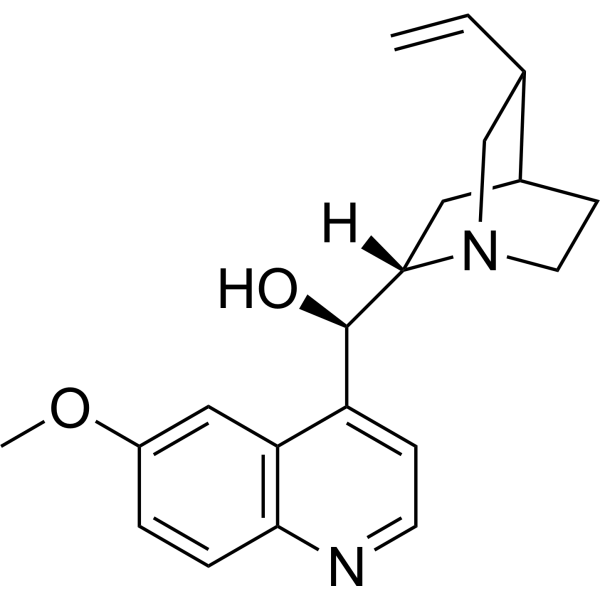
Quinine is an alkaloid derived from the bark of the cinchona tree, acts as an anti-malaria agent. Quinine is a potassium channel inhibitor that inhibits WT mouse Slo3 (KCa5.1) channel currents evoked by voltage pulses to +100 mV with an IC50 of 169 μM .
PROTAC SMARCA2 degrader-21 (Compound I-5) is a PROTAC degrader for SMARCA, that degrades SMARCA2 with a DC50 of 10-50 nM in A549 cell, and degrades SMARCA2 and SMARCA4 in MV411 with DC50 of <1 nM and >100 nM, respectively .
PROTAC BRD9 Degrader-7 is an orally active, selective BRD9PROTAC degrader (DC50 = 1.02 nM). PROTAC BRD9 Degrader-7 mediates BRD9 degradation via the ubiquitin-proteasome system. PROTAC BRD9 Degrader-7 exhibits proliferation inhibitory activity in the MV4-11 cells. PROTAC BRD9 Degrader-7 can be used in the research of acute myeloid leukemia and other related malignancies. (Pink: BI 7271: HY-123616, Blue: 5-Aminothalidomide: HY-W023573, Blue + Black: Thalidomide-5-piperazine: HY-W834174, Black: N,N'-Dimethylpiperazine: HY-W539783) .
SHP2-IN-38 is a novel green-fluorescent SHP2 inhibitor with IC50 values of 2.89 μM (SHP2), 8.73 μM (SHP1), 11.08 μM (PTP1B), 33.07 μM (TCPTP). SHP2-IN-38 blocks the SHP2-mediated ERK signaling pathway and inhibits MV4-11 cells proliferation in vitro with IC50 of 7.90 μM. SHP2-IN-38 has an excitation wavelength of 360 nm, with a maximum emission wavelength of 550 nm in DMSO and 540 nm in DMF. SHP2-IN-38 shows green fluorescence imaging in HeLa cells and zebrafish.
Quinine dihydrochloride is an orally active alkaloid extracted from cinchona bark and can be used in anti-malarial studies. Quinine dihydrochloride is a potassium channel inhibitor that inhibits WT mouse Slo3 (KCa5.1) channel currents evoked by voltage pulses to +100 mV with an IC50 of 169 μM .
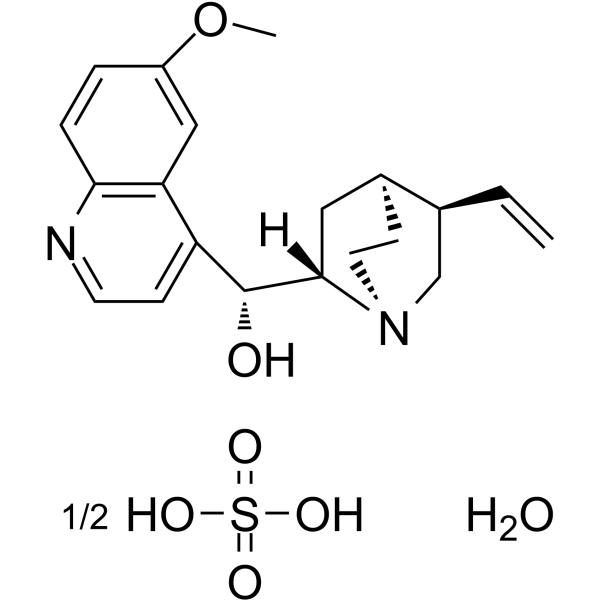
Quinine hemisulfate hydrate, an alkaloid derived from the bark of the cinchona tree, acts as an anti-malaria agent. Quinine hemisulfate hydrate is a potassium channel inhibitor that inhibits WT mouse Slo3 (KCa5.1) channel currents evoked by voltage pulses to +100 mV, with an IC50 of 169 μM .
Quinine hemisulfate is an orally active alkaloid extracted from cinchona bark and can be used in anti-malarial studies. Quinine hemisulfate is a potassium channel inhibitor that inhibits WT mouse Slo3 (KCa5.1) channel currents evoked by voltage pulses to +100 mV with an IC50 of 169 μM .
Balovaptan (Standard) is the analytical standard of Balovaptan (HY-109024). This product is intended for research and analytical applications. Balovaptan (RG7314) is an orally available, selective brain-penetrant vasopressin 1a (hV1a) receptor antagonist, with Kis of 1 and 39 nM for human (hV1a) and mouse (mV1a) receptors, and is used for the research of autism.
Poly(acrylic acid) (Mv 1250000) (viscous liquid) is a polyacrylic acid with a molecular weight of 1250000 (an anionic polymer), which can be used as a corrosion inhibitor and surface stabilizer. Poly(acrylic acid) can be used to construct an anionic nanogel to encapsulate positively charged enzymes and to modify MoS₂ nanoparticles to build a transdermal drug delivery system .
PROTAC ATR degrader-2 is a selective ATR PROTAC degrader. PROTAC ATR degrader-2 degrades ATR in acute myeloid leukemia (AML) cells MV-4-11 and MOLM-13, with DC50 values of 22.9 nM and 34.5 nM, respectively. PROTAC ATR degrader-2 has an IC50 of 29.6 nM against ATR, and its IC50 values against ATM and PI3K are both greater than 2000 nM. PROTAC ATR degrader-2 induces apoptosis, DNA damage, and upregulates p53 expression. PROTAC ATR degrader-2 inhibits cancer cell proliferation through the kinase-independent function of ATR protein. PROTAC ATR degrader-2 is applicable to research related to acute myeloid leukemia .
FLT3-IN-32 hydrochloride is a potent and orally active FLT3 inhibitor with an IC50s of 0.29 nM, 0.77 nM and 2.07 nM against FLT3-ITD, FLT3-D835Y and FLT-N676K. FLT3-IN-32 hydrochloride reduces the phosphorylation of FLT3 and its downstream signaling molecules (STAT5, MAPK, AKT) to induce FLT3-mutated Ba/F3 cells apoptosis. FLT3-IN-32 hydrochloride shows significant anti-tumor efficacy in n the MV4-11 xenograft model. FLT3-IN-32 hydrochloride can be used for the study of acute myeloid leukemia (AML) .
GSPT1 degrader-17 (Compound 9q) is a potent and selective cereblon-based molecular glue degrader that targets G1 to S phase transition 1 (GSPT1). GSPT1 degrader-17 degrades GSPT1 in U937 cells with a DC50 of 35 nM and Dmax of 81.65%. GSPT1 degrader-17 has a strong inhibitory effect on U937, MOLT-4 and MV4-11 cells with IC50 values of 0.019, 0.006 and 0.027 μM. GSPT1 degrader-17 can induce cells apoptosis and G0/G1 phase arrest. GSPT1 degrader-17 can be used for the research of cancer, such as acute myeloid leukemia .
Quinine sulfate hydrate (2:1:4) is an orally active alkaloid extracted from cinchona bark and can be used in anti-malarial studies. Quinine sulfate hydrate (2:1:4) is a potassium channel inhibitor that inhibits WT mouse Slo3 (KCa5.1) channel currents evoked by voltage pulses to +100 mV with an IC50 of 169 μM .
Quinine (Standard) is the analytical standard of Quinine. This product is intended for research and analytical applications. Quinine is an alkaloid derived from the bark of the cinchona tree, acts as an anti-malaria agent. Quinine is a potassium channel inhibitor that inhibits WT mouse Slo3 (KCa5.1) channel currents evoked by voltage pulses to +100 mV with an IC50 of 169 μM .
MV-IN-15 (compound 4AF) is a potent antiviral and antifungal agent. TMV-IN-15 suppresses viral particle assembly by binding to the TMV-CP, inducing prominent aggregation and structural fusion. TMV-IN-15 exhibits inhibitory activity against Physalospora piricola and Rhizoctonia cereal. TMV-IN-15 can be used for pesticides research .
VU0134992 hydrochloride is the first subtype-preferring, orally active and selective Kir4.1 potassium channel pore blocker, with an IC50 of 0.97 µM. VU0134992 hydrochloride is 9-fold selective for homomeric Kir4.1 over Kir4.1/5.1 concatemeric channels (IC50=9 µM) at -120 mV .
Benzocaine (hydrochloride) is an orally active local agent that can suppress or relieve pain, that acts on voltage-gated Na+ channels at a common receptor, with an IC50 value of 0.8 mM at +30 mV. Additionally, Benzocaine (hydrochloride) non-competitively inhibits Ca-ATPase binding with Ca2+, with an IC50 of 47.1 mM. Benzocaine (hydrochloride) can be used in research within the field of neuromuscular regulation .
VU0134992 is the first subtype-preferring, orally active and selective Kir4.1 potassium channel pore blocker, with an IC50 of 0.97 µM. VU0134992 is 9-fold selective for homomeric Kir4.1 over Kir4.1/5.1 concatemeric channels (IC50=9 µM) at -120 mV .
Cav 3.2 inhibitor 2 is a Cav3.2 T-type Ca 2+ channels inhibitor with an IC50 of 0.09339 μM under -80mV holding potential. Cav 3.2 inhibitor 2 potently suppresses T-channel-dependent somatic and visceral pain in mice. Cav 3.2 inhibitor 2 can be used for the research of intractable pain .
DDO-2728 (compound 19) is a selective AlkB homologue 5 (ALKBH5) inhibitor with an IC50 of 2.97 μM. DDO-2728 increases the abundance of N 6 methyladenosine (m 6A) modifications, inducing cell apoptosis and cycle arrest. DDO-2728 suppresses tumor growth in the MV4 11 xenograft model with favorable safety profile, shows the potential of targeting ALKBH5 in cancer research .
Menin-MLL inhibitor-22 (compound C20) is an orally active inhibitor of the interaction between menin and mixed lineage leukemia (MLL) (IC50=7 nM). Menin-MLL inhibitor-22 binds menin protein and inhibits cancer cell growth (MV4 cells, IC50=0.3 μM). Menin is a putative tumor suppressor associated with multiple endocrine neoplasia type 1 (MEN-1 syndrome) .
Mesoridazine (TPS-23) , a metabolite of Thioridazine (HY-B0965A), acts as an orally active phenothiazine antipsychotic agent. Mesoridazine is a potent and rapid open-channel blocker of human ether-a-go-go related gene (hERG) channels and blocks hERG currents with an IC50 of 550 nM (at 0 mV) in human embryonic kidney 293 cells .Mesoridazine can be used for the research of schizophrenia, as well as certain other psychiatric disorders .
Mesoridazine (TPS-23) benzenesulfonate, a metabolite of Thioridazine (HY-B0965A), acts as an orally active phenothiazine antipsychotic agent. Mesoridazine benzenesulfonate is a potent and rapid open-channel blocker of human ether-a-go-go related gene (hERG) channels and blocks hERG currents with an IC50 of 550 nM (at 0 mV) in human embryonic kidney 293 cells .Mesoridazine benzenesulfonate can be used for the research of schizophrenia, as well as certain other psychiatric disorders .
V1a/V2 antagonist 1 (Compound 18j) is an orally active dual V1a and V2 receptor antagonist with high binding affinity for both receptors (Ki: 0.13 nM for hV1a, 0.53 nM for hV2 and 0.5 nM for mV1a; IC50: 2.2 nM for hV1a). V1a/V2 antagonist 1 inhibits Oxytocin (HY-17571)-induced scratching behavior in mice .
2,6-Dichlorophenolindophenol (DCIP; DPIP) sodium hydrate is a redox chromogenic indicator with a redox potential of +217 mV relative to SHE, and it acts as a substrate for reduction reactions. During the metabolic process of nutrient consumption by Saccharomyces cerevisiae, 2,6-Dichlorophenolindophenol sodium hydrate is reduced from dark blue to colorless, resulting in a decrease in absorbance. 2,6-Dichlorophenolindophenol sodium hydrate is widely used in spectrophotometric biochemical oxygen demand determination and preclinical colorimetric toxicity analysis for heavy metal ion detection based on Saccharomyces cerevisiae .
PROTAC SMARCA2 degrader-5 (Compound I-425) is a PROTAC degrader for catalytic subunit of the SWI/SNF complex SMARCA2. PROTAC SMARCA2 degrader-5 degrades SMARCA2 in MV411 and in A549 with DC50 <100 nM, degrades SMARCA4 with DC50 of 100-500 nM . (Pink: Ligand for target protein (HY-159531); Black: Linker (HY-159538); Blue: Ligand for E3 ligase (S,R,S)-AHPC (HY-125845))
Mesoridazine-d3 is the deuterium labeled Mesoridazine (HY-B1482A). Mesoridazine (TPS-23) , a metabolite of Thioridazine (HY-B0965A), acts as an orally active phenothiazine antipsychotic agent. Mesoridazine is a potent and rapid open-channel blocker of human ether-a-go-go related gene (hERG) channels and blocks hERG currents with an IC50 of 550 nM (at 0 mV) in human embryonic kidney 293 cells .Mesoridazine can be used for the research of schizophrenia, as well as certain other psychiatric disorders .
PROTAC SMARCA2/4-degrader-18 (Compound I-348) is a PROTAC degrader for catalytic subunit of the SWI/SNF complex SMARCA2 and SMARCA4. PROTAC SMARCA2/4-degrader-18 degrades SMARCA2 in A549 with DC50 <100 nM, degrades SMARCA4 in MV411 with DC50 <100 nM. (Pink: Ligand for Target Protein (HY-159531); Black: Linker (HY-76547); Blue: Ligand for E3 Ligase (HY-125845))
PROTAC SMARCA2/4-degrader-31 (Compound I-280) is a degrader for catalytic subunit of the SWI/SNF complex SMARCA2 and SMARCA4. PROTAC SMARCA2/4-degrader-31 degrades SMARCA2 in A549 with DC50 <100 nM, degrades SMARCA4 in MV411 with DC50 <100 nM. (Pink: Ligand for target protein (HY-163926); Black: Linker (HY-159682); Blue: Ligand for E3 ligase (HY-W382038)) .
TTA-A2 is a potent, selective and orally active t-type voltage gated calcium channel antagonist with reduced pregnane X receptor (PXR) activation. TTA-A2 is equally potent against the Cav3.1 (a1G) and Cav3.2 (a1H) channels with IC50 values of 89 nM and 92 nM, respectively, at -80 and -100 mV holding potentials. TTA-A2 can be used for the research of a variety of human neurological diseases, including sleep disorders and epilepsy .
PROTAC SMARCA2 degrader-7 (Compound I-428) is a PROTAC degrader for SWI/SNF-related matrix-associated actin-dependent regulator of chromatin subfamily A (SMARCA) SMARCA2. PROTAC SMARCA2 degrader-7 degrades SMARCA2 and SMARCA4 in MV411 with DC50 of <100 and 100-500 nM. (Pink: Ligand for target protein (HY-159542); Black: Linker (HY-159538); Blue: Ligand for E3 ligase (S,R,S)-AHPC (HY-125845))
PROTAC SMARCA2/4-degrader-15 (Compound I-335) is a PROTAC degrader for catalytic subunit of the SWI/SNF complex SMARCA2 and SMARCA4. PROTAC SMARCA2/4-degrader-15 degrades SMARCA2 in A549 with DC50 <100 nM, degrades SMARCA4 in MV411 with DC50 <100 nM. (Pink: Ligand for Target Protein (HY-159545); Black: Linker (HY-N3024); Blue: Ligand for E3 Ligase (HY-125845))
PROTAC SMARCA2/4-degrader-17 (Compound I-345) is a PROTAC degrader for catalytic subunit of the SWI/SNF complex SMARCA2 and SMARCA4. PROTAC SMARCA2/4-degrader-17 degrades SMARCA2 in A549 with DC50 <100 nM, degrades SMARCA4 in MV411 with DC50 <100 nM. (Pink: Ligand for Target Protein (HY-159545); Black: Linker (HY-W053507); Blue: Ligand for E3 Ligase (HY-125845))
PROTAC SMARCA2/4-degrader-29 (Compound I-279) is a PROTAC degrader for catalytic subunit of the SWI/SNF complex SMARCA2 and SMARCA4. PROTAC SMARCA2/4-degrader-29 degrades SMARCA2 in A549 with DC50 <100 nM, degrades SMARCA4 in MV411 with DC50 <100 nM. (Pink: ligand for target protein (HY-163926); Black: linker (HY-159682); Blue: ligand for E3 ligase (HY-W382038)) .
PI3K/HDAC-IN-4 (Compound 31f) is a PI3K/HDAC dual inhibitor (IC50: 0.2μM). PI3K/HDAC-IN-4 shows high selectivity for HDAC1-3 (IC50 values of 75.5 nM, 70.9 nM, and 1.9 nM, respectively). PI3K/HDAC-IN-4 is a potent PIK3 inhibitor with IC50 values of 2.5 nM, 80.5 nM, 10.0 nM, and 57.2 nM for PI3Kα, β, δ, and γ, respectively. PI3K/HDAC-IN-4 significantly induces tumor cell apoptosis by simultaneously inhibiting the PI3K/AKT/mTOR signaling pathway and HDAC1-3. PI3K/HDAC-IN-4 exhibits potent antiproliferative activity in a variety of tumor cell lines (e.g., MV4-11, Jeko-1, HL60, and MCF-7, with IC50 values of 0.2, 0.9, 0.8, and 1.5 μM, respectively). PI3K/HDAC-IN-4 can be used in the study of lymphoma and leukemia .
ATTO 647 is a carborhodamine fluorophore and imaging tracer with photostable properties. ATTO 647 serves as a fluorescent probe to investigate cell membrane structure and diffusion characteristics. When conjugated with wheat germ agglutinin, ATTO 647 specifically binds to N-acetyl-β-D-glucosamine and sialic acid residues on membrane glycoproteins, enabling single-molecule tracing of glycoprotein diffusion. ATTO 647 exhibits highly stable fluorescence properties with significantly reduced blinking in mounting media such as ROXS (AA/MV) and ROXS (TX/TQ), whereas its brightness properties vary in Ibidi-MM and Vectashield. ATTO 647 can also be used to label histone H2B-GFP in fixed cells for confocal microscopy photobleaching experiments .
2,6-Dichlorophenolindophenol (DCIP; DPIP) sodium hydrate is a redox chromogenic indicator with a redox potential of +217 mV relative to SHE, and it acts as a substrate for reduction reactions. During the metabolic process of nutrient consumption by Saccharomyces cerevisiae, 2,6-Dichlorophenolindophenol sodium hydrate is reduced from dark blue to colorless, resulting in a decrease in absorbance. 2,6-Dichlorophenolindophenol sodium hydrate is widely used in spectrophotometric biochemical oxygen demand determination and preclinical colorimetric toxicity analysis for heavy metal ion detection based on Saccharomyces cerevisiae .
ε-Poly-L-lysine (Epsilon-polylysine; ε-Polylysine) hydrochloride (MV 2000-5000) is a polycationic antibacterial agent with broad-spectrum activity against Gram-positive bacteria, Gram-negative bacteria, fungi, yeasts and specific bacteriophages. ε-Poly-L-lysine hydrochloride (MV 2000-5000) exerts bactericidal effects through mechanisms such as disrupting microbial membranes, inducing ROS production, inhibiting metabolism and spore germination. ε-Poly-L-lysine hydrochloride (MV 2000-5000) also regulates the expression of multiple key genes including sodA, oxyR and recA. ε-Poly-L-lysine hydrochloride (MV 2000-5000) exhibits properties such as low eukaryotic cytotoxicity, thermal stability and pH stability, and supports tissue regeneration and anti-tumor applications. ε-Poly-L-lysine hydrochloride (MV 2000-5000) can be applied in research fields including bacterial and fungal infections, diabetic ulcers, and methicillin-resistant Staphylococcus aureus infections .
Poly(acrylic acid) (Mv 4000000) is a polyacrylic acid (and an anionic polymer) with a molecular weight of 4000000. Poly(acrylic acid) (Mv 4000000) can be used as a corrosion inhibitor and surface stabilizer. Poly(acrylic acid) (Mv 4000000) is a biomaterial or organic compound that can be used in life science research .
Poly(acrylic acid) (Mv 3000000) is a polyacrylic acid (an anionic polymer) with a molecular weight of 3000000. Poly(acrylic acid) (Mv 3000000) can be used as a corrosion inhibitor and surface stabilizer. Poly(acrylic acid) (Mv 3000000) is a biomaterial or organic compound that can be used as a life science research related biomaterial or organic compound .
Quinine is an alkaloid derived from the bark of the cinchona tree, acts as an anti-malaria agent. Quinine is a potassium channel inhibitor that inhibits WT mouse Slo3 (KCa5.1) channel currents evoked by voltage pulses to +100 mV with an IC50 of 169 μM .
Quinine hydrochloride dihydrate (Qualaquin) is an orally active and can be used in anti-malarial studies. Quinine hydrochloride dihydrate is a potassium channel inhibitor that inhibits WT mouse Slo3 (KCa5.1) channel currents evoked by voltage pulses to +100 mV with an IC50 of 169 μM .
Quinine sulfate hydrate (2:1:4) is an orally active alkaloid extracted from cinchona bark and can be used in anti-malarial studies. Quinine sulfate hydrate (2:1:4) is a potassium channel inhibitor that inhibits WT mouse Slo3 (KCa5.1) channel currents evoked by voltage pulses to +100 mV with an IC50 of 169 μM .
Quinine hemisulfate hydrate, an alkaloid derived from the bark of the cinchona tree, acts as an anti-malaria agent. Quinine hemisulfate hydrate is a potassium channel inhibitor that inhibits WT mouse Slo3 (KCa5.1) channel currents evoked by voltage pulses to +100 mV, with an IC50 of 169 μM .
Quinine dihydrochloride is an orally active alkaloid extracted from cinchona bark and can be used in anti-malarial studies. Quinine dihydrochloride is a potassium channel inhibitor that inhibits WT mouse Slo3 (KCa5.1) channel currents evoked by voltage pulses to +100 mV with an IC50 of 169 μM .
Quinine hemisulfate is an orally active alkaloid extracted from cinchona bark and can be used in anti-malarial studies. Quinine hemisulfate is a potassium channel inhibitor that inhibits WT mouse Slo3 (KCa5.1) channel currents evoked by voltage pulses to +100 mV with an IC50 of 169 μM .
Quinine (sulfate hydrate) (Standard) is the analytical standard of Quinine (sulfate hydrate). This product is intended for research and analytical applications. Quinine sulfate hydrate (2:1:4) is an orally active alkaloid extracted from cinchona bark and can be used in anti-malarial studies. Quinine sulfate hydrate (2:1:4) is a potassium channel inhibitor that inhibits WT mouse Slo3 (KCa5.1) channel currents evoked by voltage pulses to +100?mV with an IC50 of 169 μM .
Closthioamide is a potent inhibitor of bacterial DNA gyrase and highly active against Ec, MRSA, VRE and Mv), with MICs of 9.00 μM, 0.58 μM, 0.58 μM and 72.03 μM respectively.
Quinine (Standard) is the analytical standard of Quinine. This product is intended for research and analytical applications. Quinine is an alkaloid derived from the bark of the cinchona tree, acts as an anti-malaria agent. Quinine is a potassium channel inhibitor that inhibits WT mouse Slo3 (KCa5.1) channel currents evoked by voltage pulses to +100 mV with an IC50 of 169 μM .
Quinine (hydrochloride dihydrate) (Standard) is the analytical standard of Quinine (hydrochloride dihydrate). This product is intended for research and analytical applications. Quinine hydrochloride dihydrate (Qualaquin) is an orally active and can be used in anti-malarial studies. Quinine hydrochloride dihydrate is a potassium channel inhibitor that inhibits WT mouse Slo3 (KCa5.1) channel currents evoked by voltage pulses to +100?mV with an IC50 of 169 μM .
Quinine (dihydrochloride) (Standard) is the analytical standard of Quinine (dihydrochloride). This product is intended for research and analytical applications. Quinine dihydrochloride is an orally active alkaloid extracted from cinchona bark and can be used in anti-malarial studies. Quinine dihydrochloride is a potassium channel inhibitor that inhibits WT mouse Slo3 (KCa5.1) channel currents evoked by voltage pulses to +100?mV with an IC50 of 169 μM .
Vinculin Protein, an actin-binding protein, is crucial for cell adhesion, morphology, and mechanosensing. It regulates E-cadherin expression and enhances mechanosensing. Vinculin forms complexes with THSD1, PTK2/FAK1, TLN1, and VCL, and interacts with APBB1IP, NRAP, CTNNB1, SYNM, SORBS1, and CTNNA1. Its interaction with CTNNA1 is necessary for localization to cell-cell junctions. Vinculin also binds to ACTN4, causing conformational changes. Vinculin Protein, Human (GST) is the recombinant human-derived Vinculin protein, expressed by E. coli , with N-GST labeled tag.
The hemagglutinin (HA) protein attaches viral particles to host cells by binding to sialic acid-containing receptors and induces viral particle internalization through clathrin-dependent endocytosis. HA also promotes an alternative clathrin- and caveolin-independent pathway for some virions. HA/Hemagglutinin Protein, H5N8 (EPI544756, sf9, His) is the recombinant Virus-derived HA/Hemagglutinin protein, expressed by Sf9 insect cells , with C-His labeled tag.
The hemagglutinin (HA) protein attaches viral particles to host cells by binding to sialic acid-containing receptors and induces viral particle internalization through clathrin-dependent endocytosis. HA also promotes an alternative clathrin- and caveolin-independent pathway for some virions. HA1/Hemagglutinin Protein, H5N8 (EPI544756, HEK293, His) is the recombinant Virus-derived HA1/Hemagglutinin protein, expressed by HEK293 , with C-His labeled tag.
Quinine-d3 is the deuterium labeled Quinine (HY-D0143). Quinine is an alkaloid derived from the bark of the cinchona tree, acts as an anti-malaria agent. Quinine is a potassium channel inhibitor that inhibits WT mouse Slo3 (KCa5.1) channel currents evoked by voltage pulses to +100?mV with an IC50 of 169 μM .
Benzocaine-d4 is the deuterium labeled Benzocaine. Benzocaine shares a common receptor with all othe rLAs in the voltage-gated Na+ channel, with an IC50 of 0.8 mM tested with a potential of +30 mV.
Benzocaine-(ethyl-d5) is the deuterium labeled Benzocaine. Benzocaine shares a common receptor with all othe rLAs in the voltage-gated Na+ channel, with an IC50 of 0.8 mM tested with a potential of +30 mV.
Clevidipine-d7 is the deuterium labeled Clevidipine. Clevidipine is a short-acting dihydropyridine calcium channel antagonist (IC50= 7.1 nM, V(H) = -40 mV ) under development for treatment of perioperative hypertension .
(R)-Clevidipine- 13C,d3 is the deuterium and 13C labeled Clevidipine . Clevidipine is a short-acting dihydropyridine calcium channel antagonist (IC50= 7.1 nM, V(H) = -40 mV ) under development for treatment of perioperative hypertension .
Mesoridazine-d3 is the deuterium labeled Mesoridazine (HY-B1482A). Mesoridazine (TPS-23) , a metabolite of Thioridazine (HY-B0965A), acts as an orally active phenothiazine antipsychotic agent. Mesoridazine is a potent and rapid open-channel blocker of human ether-a-go-go related gene (hERG) channels and blocks hERG currents with an IC50 of 550 nM (at 0 mV) in human embryonic kidney 293 cells .Mesoridazine can be used for the research of schizophrenia, as well as certain other psychiatric disorders .
Vinculin Antibody is a non-conjugated and Rabbit origined IgG monoclonal antibody, targeting to Vinculin. It can be used as a loading control antibody.
PROTAC SMARCA2/4-degrader-4 (Compound I-434) is a PROTAC degrader for catalytic subunit of the SWI/SNF complex SMARCA2 and SMARCA4. PROTAC SMARCA2/4-degrader-4 degrades SMARCA2 in MV411 and in A549 with DC50 <100 nM, degrades SMARCA4 in MV411 with DC50 <100 nM. (Pink: Ligand for target protein (HY-159472); Black: Linker (HY-159478); Blue: Ligand for E3 ligase (S,R,S)-AHPC (HY-125845))
PROTAC SMARCA2/4-degrader-8 (Compound I-502) is a PROTAC degrader for catalytic subunit of the SWI/SNF complex SMARCA2. PROTAC SMARCA2/4-degrader-8 degrades SMARCA2 with DC50 <100 nM in A549 and in MV411, degrades SMARCA4 with DC50<100 nM in MV411(Pink: Ligand for target protein (HY-159545); Black: Linker (HY-W063924); Blue: Ligand for E3 ligase (S,R,S)-AHPC (HY-125845))
PROTAC SMARCA2/4-degrader-9 (Compound I-503) is a PROTAC degrader for catalytic subunit of the SWI/SNF complex SMARCA2 and SMARCA4. PROTAC SMARCA2 degrader-9 degrades SMARCA2 in MV411 and in A549 with DC50 <100 nM, degrades SMARCA4 in MV411 with DC50 <100 nM . (Pink: Ligand for target protein (HY-159545); Black: Linker (HY-W006635); Blue: Ligand for E3 ligase (S,R,S)-AHPC (HY-125845))
PROTAC SMARCA2/4-degrader-5 (Compound I-437) is a PROTAC degrader for catalytic subunit of the SWI/SNF complex SMARCA2 and SMARCA4. PROTAC SMARCA2/4-degrader-5 degrades SMARCA2 in MV411 and in A549 with DC50 <100 nM, degrades SMARCA4 in MV411 with DC50 of 100-500 nM. (Pink: Ligand for target protein (HY-159545); Black: Linker (HY-159557); Blue: Ligand for E3 ligase (S,R,S)-AHPC (HY-125845))
PROTAC SMARCA2 degrader-5 (Compound I-425) is a PROTAC degrader for catalytic subunit of the SWI/SNF complex SMARCA2. PROTAC SMARCA2 degrader-5 degrades SMARCA2 in MV411 and in A549 with DC50 <100 nM, degrades SMARCA4 with DC50 of 100-500 nM . (Pink: Ligand for target protein (HY-159531); Black: Linker (HY-159538); Blue: Ligand for E3 ligase (S,R,S)-AHPC (HY-125845))
PROTAC SMARCA2 degrader-7 (Compound I-428) is a PROTAC degrader for SWI/SNF-related matrix-associated actin-dependent regulator of chromatin subfamily A (SMARCA) SMARCA2. PROTAC SMARCA2 degrader-7 degrades SMARCA2 and SMARCA4 in MV411 with DC50 of <100 and 100-500 nM. (Pink: Ligand for target protein (HY-159542); Black: Linker (HY-159538); Blue: Ligand for E3 ligase (S,R,S)-AHPC (HY-125845))
VCL Human Pre-designed siRNA Set A contains three designed siRNAs for VCL gene (Human), as well as a negative control, a positive control, and a FAM-labeled negative control.
Inquiry Online
Your information is safe with us. * Required Fields.
Western blot analysis of extracts from THP-1(lane 2(20μg), Jurkat (lane 3(20μg) and NIH3T3(lane 4(20μg) using FOXO1A (HY-P80132) Rabbit mAb. Proteins were transferred
to a PVDF membrane and blocked with 5% non-fat milk in TBST for 2 hour at room temperature. The primary antibody (1/1000) and Loading control antibody (Beta Actin, HY-P80438, 1/10000) was
used in 5% non-fat milk in TBST at 4°C overnight. Goat Anti-Mouse/Rabbit IgG-HRP Secondary Antibody (1/10000) was used for 1 hour at room temperature.
Western blot analysis of extracts from THP-1(lane 2(20μg), Jurkat (lane 3(20μg) and NIH3T3(lane 4(20μg) using FOXO1A (HY-P80132) Rabbit mAb. Proteins were transferred
to a PVDF membrane and blocked with 5% non-fat milk in TBST for 2 hour at room temperature. The primary antibody (1/1000) and Loading control antibody (Beta Actin, HY-P80438, 1/10000) was
used in 5% non-fat milk in TBST at 4°C overnight. Goat Anti-Mouse/Rabbit IgG-HRP Secondary Antibody (1/10000) was used for 1 hour at room temperature.
Western blot analysis of extracts from THP-1(lane 2(20μg), Jurkat (lane 3(20μg) and NIH3T3(lane 4(20μg) using FOXO1A (HY-P80132) Rabbit mAb. Proteins were transferred
to a PVDF membrane and blocked with 5% non-fat milk in TBST for 2 hour at room temperature. The primary antibody (1/1000) and Loading control antibody (Beta Actin, HY-P80438, 1/10000) was
used in 5% non-fat milk in TBST at 4°C overnight. Goat Anti-Mouse/Rabbit IgG-HRP Secondary Antibody (1/10000) was used for 1 hour at room temperature.
Western blot analysis of extracts from THP-1(lane 2(20μg), Jurkat (lane 3(20μg) and NIH3T3(lane 4(20μg) using FOXO1A (HY-P80132) Rabbit mAb. Proteins were transferred
to a PVDF membrane and blocked with 5% non-fat milk in TBST for 2 hour at room temperature. The primary antibody (1/1000) and Loading control antibody (Beta Actin, HY-P80438, 1/10000) was
MedchemExpress Validation 03
Western blot analysis of extracts from THP-1(lane 2(20μg), Jurkat (lane 3(20μg) and NIH3T3(lane 4(20μg) using FOXO1A (HY-P80132) Rabbit mAb. Proteins were transferred
MedchemExpress Validation 04
Western blot analysis of extracts from THP-1(lane 2(20μg), Jurkat (lane 3(20μg) and NIH3T3(lane 4(20μg) using FOXO1A (HY-P80132) Rabbit mAb. Proteins were transferred
to a PVDF membrane and blocked with 5% non-fat milk in TBST for 2 hour at room temperature. The primary antibody (1/1000) and Loading control antibody (Beta Actin, HY-P80438, 1/10000) was
used in 5% non-fat milk in TBST at 4°C overnight. Goat Anti-Mouse/Rabbit IgG-HRP Secondary Antibody (1/10000) was used for 1 hour at room temperature.
MedchemExpress Validation
Western blot analysis of extracts from THP-1(lane 2(20μg), Jurkat (lane 3(20μg) and NIH3T3(lane 4(20μg) using FOXO1A (HY-P80132) Rabbit mAb. Proteins were transferred
to a PVDF membrane and blocked with 5% non-fat milk in TBST for 2 hour at room temperature. The primary antibody (1/1000) and Loading control antibody (Beta Actin, HY-P80438, 1/10000) was
used in 5% non-fat milk in TBST at 4°C overnight. Goat Anti-Mouse/Rabbit IgG-HRP Secondary Antibody (1/10000) was used for 1 hour at room temperature.
Western blot analysis of extracts from THP-1(lane 2(20μg), Jurkat (lane 3(20μg) and NIH3T3(lane 4(20μg) using FOXO1A (HY-P80132) Rabbit mAb. Proteins were transferred
to a PVDF membrane and blocked with 5% non-fat milk in TBST for 2 hour at room temperature. The primary antibody (1/1000) and Loading control antibody (Beta Actin, HY-P80438, 1/10000) was
used in 5% non-fat milk in TBST at 4°C overnight. Goat Anti-Mouse/Rabbit IgG-HRP Secondary Antibody (1/10000) was used for 1 hour at room temperature.
MedchemExpress Validation
Western blot analysis of extracts from THP-1(lane 2(20μg), Jurkat (lane 3(20μg) and NIH3T3(lane 4(20μg) using FOXO1A (HY-P80132) Rabbit mAb. Proteins were transferred
to a PVDF membrane and blocked with 5% non-fat milk in TBST for 2 hour at room temperature. The primary antibody (1/1000) and Loading control antibody (Beta Actin, HY-P80438, 1/10000) was
used in 5% non-fat milk in TBST at 4°C overnight. Goat Anti-Mouse/Rabbit IgG-HRP Secondary Antibody (1/10000) was used for 1 hour at room temperature.
MedchemExpress Validation
Western blot analysis of extracts from THP-1(lane 2(20μg), Jurkat (lane 3(20μg) and NIH3T3(lane 4(20μg) using FOXO1A (HY-P80132) Rabbit mAb. Proteins were transferred
to a PVDF membrane and blocked with 5% non-fat milk in TBST for 2 hour at room temperature. The primary antibody (1/1000) and Loading control antibody (Beta Actin, HY-P80438, 1/10000) was
used in 5% non-fat milk in TBST at 4°C overnight. Goat Anti-Mouse/Rabbit IgG-HRP Secondary Antibody (1/10000) was used for 1 hour at room temperature.
MedchemExpress Validation
Western blot analysis of extracts from THP-1(lane 2(20μg), Jurkat (lane 3(20μg) and NIH3T3(lane 4(20μg) using FOXO1A (HY-P80132) Rabbit mAb. Proteins were transferred
to a PVDF membrane and blocked with 5% non-fat milk in TBST for 2 hour at room temperature. The primary antibody (1/1000) and Loading control antibody (Beta Actin, HY-P80438, 1/10000) was
used in 5% non-fat milk in TBST at 4°C overnight. Goat Anti-Mouse/Rabbit IgG-HRP Secondary Antibody (1/10000) was used for 1 hour at room temperature.
MedchemExpress Validation
Western blot analysis of extracts from THP-1(lane 2(20μg), Jurkat (lane 3(20μg) and NIH3T3(lane 4(20μg) using FOXO1A (HY-P80132) Rabbit mAb. Proteins were transferred
to a PVDF membrane and blocked with 5% non-fat milk in TBST for 2 hour at room temperature. The primary antibody (1/1000) and Loading control antibody (Beta Actin, HY-P80438, 1/10000) was
used in 5% non-fat milk in TBST at 4°C overnight. Goat Anti-Mouse/Rabbit IgG-HRP Secondary Antibody (1/10000) was used for 1 hour at room temperature.
MedchemExpress Validation
Western blot analysis of extracts from THP-1(lane 2(20μg), Jurkat (lane 3(20μg) and NIH3T3(lane 4(20μg) using FOXO1A (HY-P80132) Rabbit mAb. Proteins were transferred
to a PVDF membrane and blocked with 5% non-fat milk in TBST for 2 hour at room temperature. The primary antibody (1/1000) and Loading control antibody (Beta Actin, HY-P80438, 1/10000) was
used in 5% non-fat milk in TBST at 4°C overnight. Goat Anti-Mouse/Rabbit IgG-HRP Secondary Antibody (1/10000) was used for 1 hour at room temperature.
MedchemExpress Validation
Western blot analysis of extracts from THP-1(lane 2(20μg), Jurkat (lane 3(20μg) and NIH3T3(lane 4(20μg) using FOXO1A (HY-P80132) Rabbit mAb. Proteins were transferred
to a PVDF membrane and blocked with 5% non-fat milk in TBST for 2 hour at room temperature. The primary antibody (1/1000) and Loading control antibody (Beta Actin, HY-P80438, 1/10000) was
used in 5% non-fat milk in TBST at 4°C overnight. Goat Anti-Mouse/Rabbit IgG-HRP Secondary Antibody (1/10000) was used for 1 hour at room temperature.
MedChemExpress values your privacy and your trust is important to us. We use cookies to enhance your website experience. Some cookies are necessary to run the website.
Privacy and Cookie Policy

