
From 11:00 pm to 12:00 pm EST ( 8:00 pm to 9:00 pm PST ) on January 6th, the website will be under maintenance. We are sorry for the inconvenience. Please arrange your schedule properly.
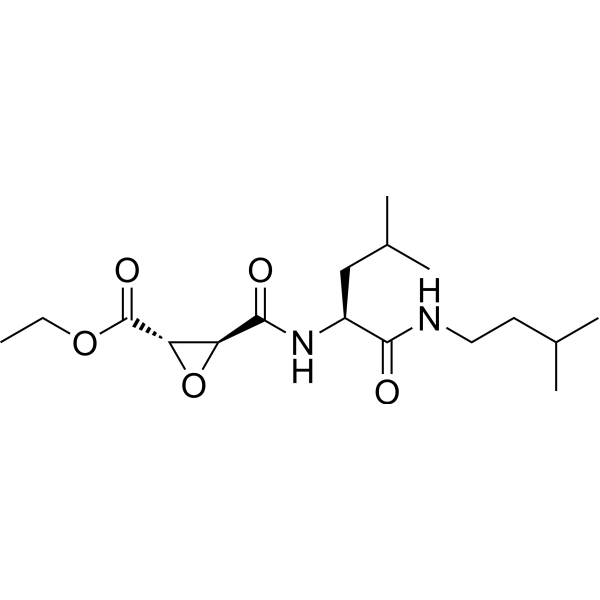
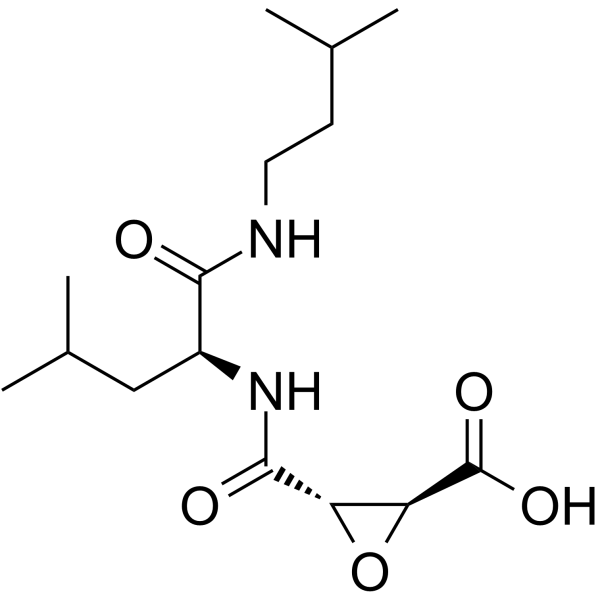
Aloxistatin (E64d) is a cell-permeable and irreversible broad-spectrum cysteine protease inhibitor. Aloxistatin (E64d) exhibits entry-blocking effect for MERS-CoV.
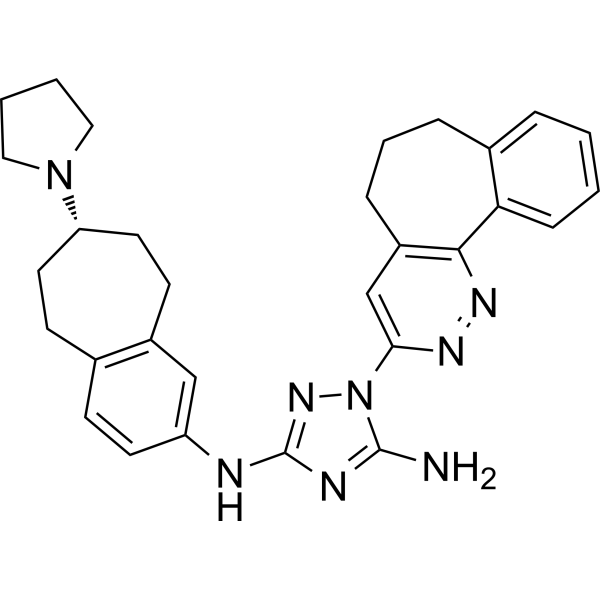
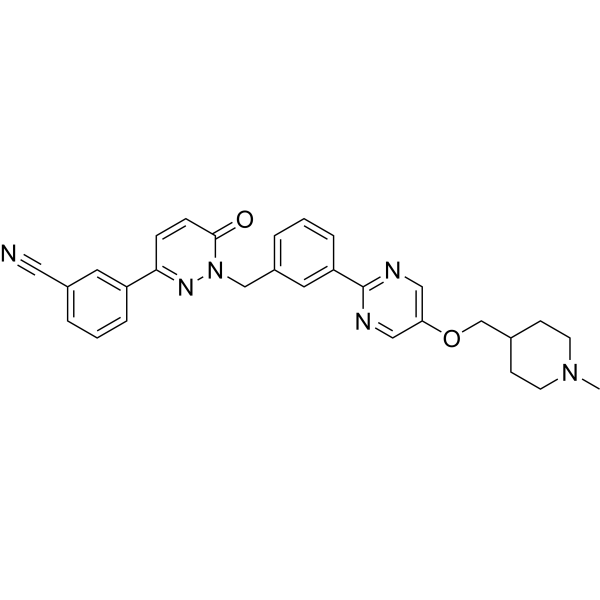
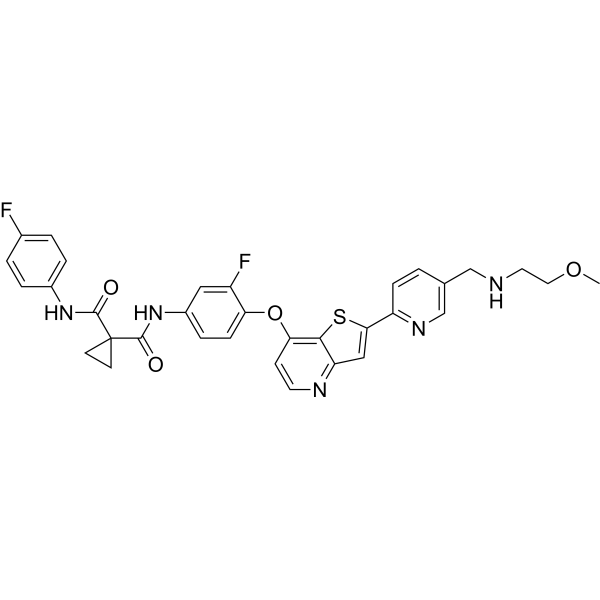
Zanzalintinib (XL092) is an orally active, ATP-competitive inhibitor of multiple receptor tyrosine kinases (RTKs) including MET, VEGFR2, AXL and MER, with IC50s in cell-based assays of 15 nM, 1.6 nM, 3.4 nM, 7.2 nM respectively. Zanzalintinib exhibits anti-tumor activity. Zanzalintinib has the potential for kinase-dependent diseases and conditions research .
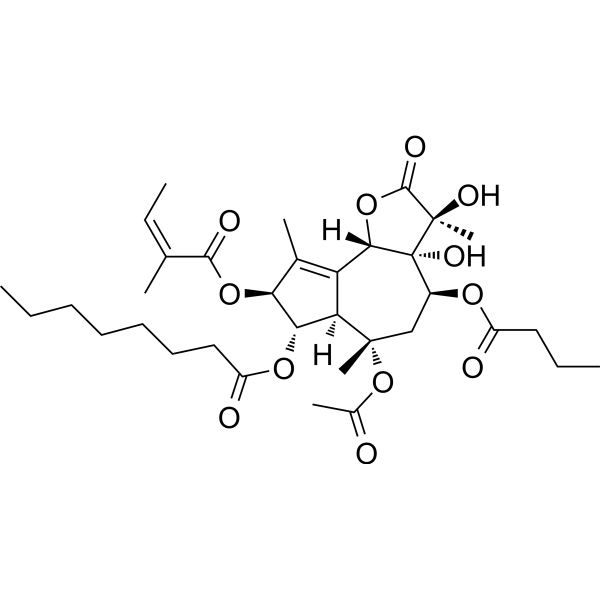
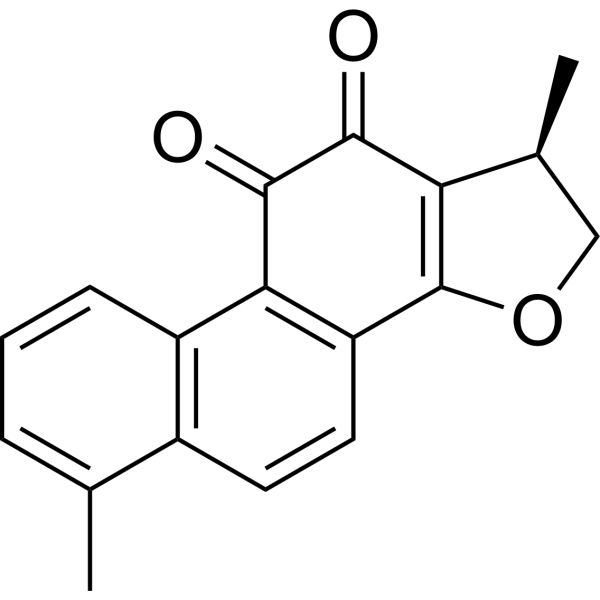
Dihydrotanshinone I is a natural compound extracted from Salvia miltiorrhiza Bunge which has been widely used for treating cardiovascular diseases. Dihydrotanshinone I exhibits entry-blocking effect for MERS-CoV.
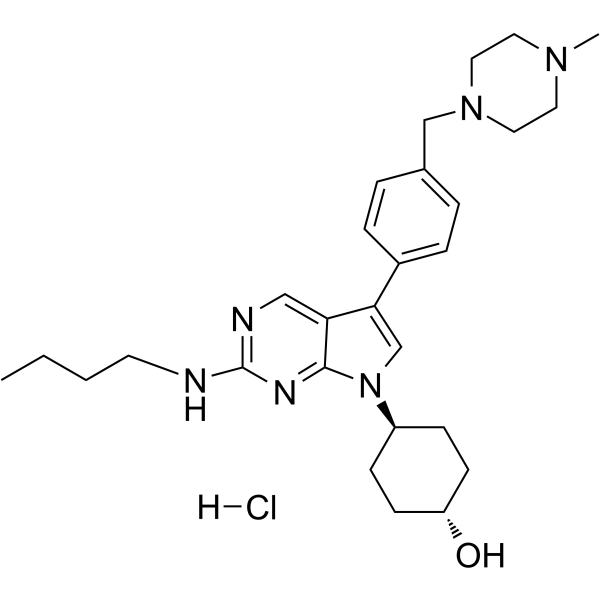
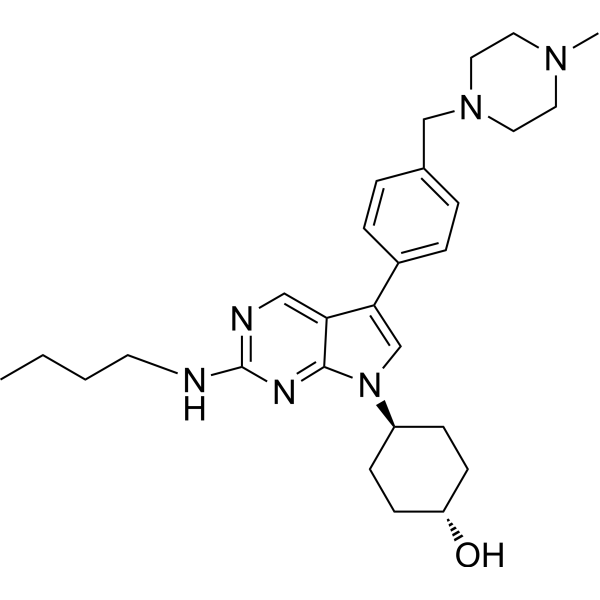
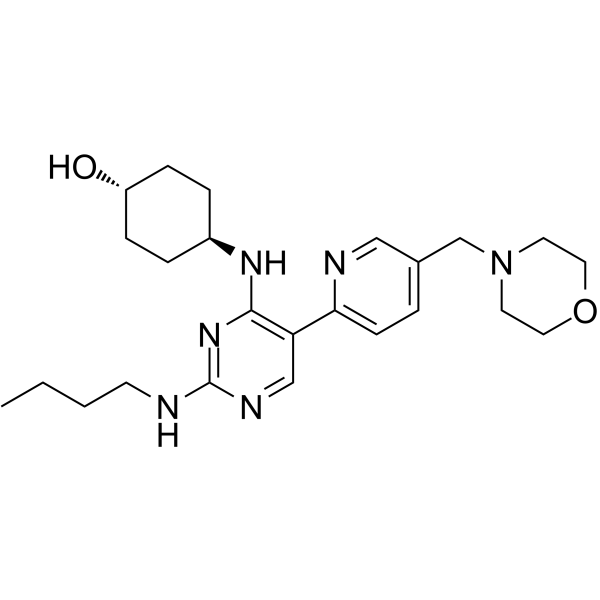
UNC569 is a potent, reversible, ATP-competitive and orally active Mer kinase inhibitor with an IC50 of 2.9 nM and a Ki of 4.3 nM. UNC569 also inhibits Axl and Tyro3 with IC50s of 37 nM and 48 nM, respectively. UNC569 can be used for acute lymphoblastic leukemia (ALL) and atypical teratoid/rhabdoid tumors research
Adrixetinib (Q702) is an orally active triple inhibitor against CSF1R, Mer, and Axl, with Kd values of 8.7 nM, 0.8 nM, and 0.3 nM, respectively. Adrixetinib acts as a potent immune modulator that remodels the tumor microenvironment. Adrixetinib increases the abundance of M1 macrophages and CD8⁺ T cells, while decreasing the levels of M2 macrophages and myeloid-derived suppressor cells (MDSCs). Adrixetinib upregulates the expression of MHC class I and E-cadherin in tumor cells. Adrixetinib shows remarkable antitumor efficacy in syngeneic mouse tumor models. Adrixetinib is suitable for the research of breast cancer, renal adenocarcinoma, colon carcinoma, and melanoma .
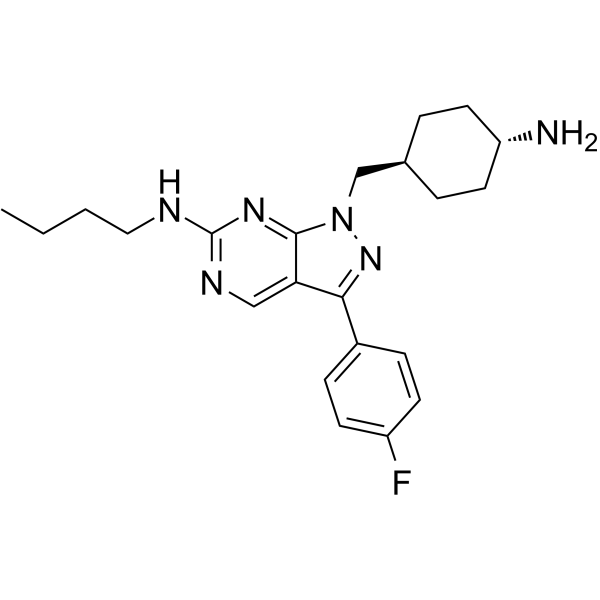
UNC2881 is an orally active and specific Mer kinase inhibitor, inhibits steady-state Mer kinase phosphorylation with an IC50 value of 22 nM. UNC2881 shows additional inhibition against Axl and Tyro with IC50s of 360 nM and 250 nM, respectively. UNC2881 potently inhibits collagen-induced platelet aggregation, can be used for pathologic thrombosis research .
Imetelstat (GRN163L) is a 13-mer oligonucleotide and competitive Telomerase inhibitor. Imetelstat binds with high affinity to the template region of the RNA component of human telomerase. Imetelstat induces Apoptosis. Imetelstat is capable of selectively eliminating myelofibrosis hematopoietic stem cells. Imetelstat leads to the loss of a cancer cell's ability to maintain telomere length, resulting in the inhibition of cell proliferation .
HSV-60mer sodium is a 60 bp double-stranded oligonucleotide containing viral DNA motifs that derive from the herpes simplex virus 1 (HSV-1) genome . Transfected HSV-60 has been shown to potently induce IFN-β in a Toll-like receptor (TLR)-, DNA-dependent activator of IRFs (DAI)-, and RNA polymerase III (Pol III)-independent, but STING-, TBK1- and IFN regulatory factor 3 (IRF3)-dependent manner.
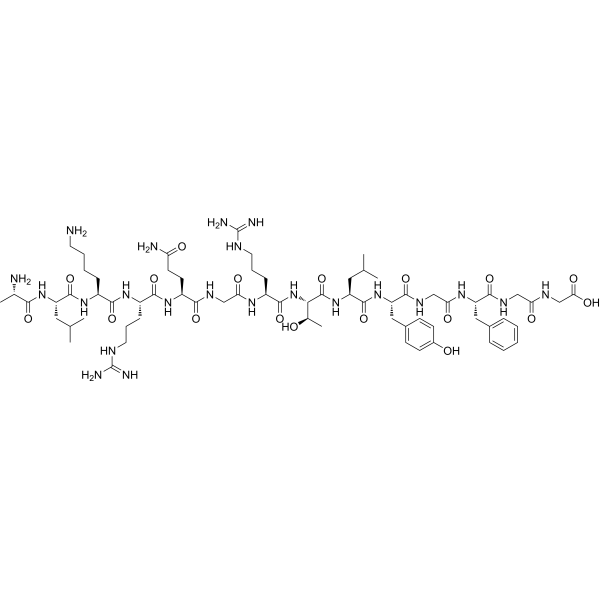
AE105 is a 9-mer peptide probe targeting the urokinase-type plasminogen activator receptor (uPAR). AE105 binds tightly to the uPA-binding cavity of uPAR. AE105 can be used for the study of cancer .
Fulipiftide is a short peptide derived from pigment epithelium-derived factor (PEDF). Fulipiftide induces the expansion of nuclear stem cell factor +TSPC by activating ERK2 and STAT3 signaling pathways. Fulipiftide has anti-inflammatory activity and can be used in the study of acute tendon injury .
RIPK1-IN-7 is a potent and selective RIPK1 inhibitor with a Kd of 4 nM and an enzymatic IC50 of 11 nM. RIPK1-IN-7 exhibits excellent antimetastasis activity in the experimental B16 melanoma lung metastasis model .
dsVACV-70mer (sodium) is a 70 bp double-stranded oligonucleotide containing viral DNA motifs derived from vaccinia virus DNA. dsVACV-70mer (sodium) has potently induces IFN-β via a STING-dependent manner .
DS-1205b free base is a potent and selective inhibitor of AXL kinase, with an IC50 of 1.3 nM. DS-1205b free base also inhibits MER, MET, and TRKA, with IC50s of 63, 104, and 407 nM, respectively. DS-1205b free base can inhibit cell migration in vitro and tumor growth in vivo .
ssRNA41 sodium is a 20-mer phosphothioate protected single-stranded RNA oligonucleotide. It derives from ssRNA40 by replacement of all U nucleotides with adenosine. ssRNA41 sodium is unable to induce the production of type IFNs, and therefore can be used as a negative control for ssRNA40 .
TAT-14 is a 14-mer peptide that acts as Nrf2 activator with an anti-inflammatory effect. TAT-14 has no effect on Nrf2 mRNA expression, but increases Nrf2 protein level due to targeting the Nrf2 binding site on Keap1 .
YS110 is a humanized anti-CD26 (DPP4) IgG1 monoclonal antibody. YS110 induces CD26 nuclear translocation through the caveolin pathway. YS110 inhibits the proliferation of tumor cell by delaying G2/M cell cycle transition. YS110 inhibits the infection of Middle East respiratory syndrome coronavirus (MERS CoV) by blocking the binding of MERS CoV S1 to CD26. YS110 can be used for researches on cancer or infection such as Malignant Mesothelioma and MERS .
Aprinocarsen (ISIS 3521) sodium, a specific antisense oligonucleotide inhibitor of protein kinase C-alpha (PKC-α). Aprinocarsen sodium is a 20-mer oligonucleotide, it regulates cell differentiation and proliferation. Aprinocarsen sodium inhibits the growth of human tumor cell lines in nude mice. Aprinocarsen sodium shows the value as a chemotherapeutic compound of human cancers .
Alkyne-P60 is a potent 15-mer peptide inhibitor of Foxp3. Alkyne-P60 can bind with Foxp3, hinder its nuclear translocation, and diminish Foxp3-mediated inhibition of NFKB and NFAT functions. Alkyne-P60 is a ligand for target protein for PROTAC (HY-162943).
ODN INH-18 sodium is a linear 24-mer class B INH-ODN in which the 5' INH-ODN 4084-F sequence was followed by a random stretch of 12 nucleotides lacking the ability to form significant secondary structures. ODN INH-18 sodium showes inhibitory potency for TLR9 ligand-induced IFN-α production.
ssRNA42 (sodium) is a 20-mer phosphothioate protected single-stranded RNA oligonucleotide. ssRNA42 (sodium) derives from ssRNA40 by replacement of all G nucleotides with adenosine. ssRNA42 activated human PBMCs to secrete IFN-α, TNF-a, IL- 12p40, and IL-6, but ssRNA42 failed to stimulated murine pDCs and PBMCs.
Amilo-5MER (5-MP) TFA is an orally active and selective Serum Amyloid A (SAA) inhibitor. Amilo-5MER TFA specifically inhibits the release of pro-inflammatory cytokines IL-6 and IL-1β from SAA-activated cells. Amilo-5MER TFA reduces chronic inflammation and relieves symptoms of diseases such as rheumatoid arthritis (RA), inflammatory bowel disease (IBD), and multiple sclerosis (MS). Amilo-5MER TFA is promising for research of autoimmune diseases and chronic inflammatory diseases .
BAD (103-127) (human), the 25-mer Bad peptide, is derived from the BH3 domain of BAD, can antagonize the function of Bcl-xL. BAD (103-127) (human) is reported to have almost 800-fold higher affinity for Bcl-XL than the 16-mer peptide .
BPR5K230 is a dual inhibitor for the receptor tyrosine kinase MER and AXL, with IC50 of 4.1 nM and 9.2 nM. BPR5K230 inhibits the proliferation of Ba/F3-MER with IC50 of 5 nM. BPR5K230 exhibits good pharmacokinetic characteristics in mice, exhibits anti-inflammatory and antitumor against 4T1, MDA-MB-231, MC38 and Hepa1?6 in mouse models .
BAD (103-127) (human), FAM-labeled TFA is a FAM-labeled human BAD (103-127) (HY-P2468). BAD (103-127) (human) TFA, the 25-mer Bad peptide, is derived from the BH3 domain of BAD and can antagonize the function of Bcl-xL .
LBW242, a 3-mer and Smac mimetic, is a potent and orally active proapoptotic IAP inhibitor. LBW242 shows effects on mutant FLT3-expressing cells. LBW242 has activity against multiple myeloma, and potentiates TRAIL- and anticancer agent-mediated cell death of ovarian cancer cells .
GTI-2040, a 20-mer phosphorothioate oligonucleotide, was designed to hybridize to the mRNA sequence of human ribonucleotide reductase R2. GTI-2040 has been shown to inhibit human cancer cell proliferation by downregulation of R2 expression in vitro and to significantly inhibit tumor growth in xenograft models of human cancer in mice.
Amilo-5MER (5-MP) is an orally active and selective Serum Amyloid A (SAA) inhibitor. Amilo-5MER specifically inhibits the release of pro-inflammatory cytokines IL-6 and IL-1β from SAA-activated cells. Amilo-5MER reduces chronic inflammation and relieves symptoms of diseases such as rheumatoid arthritis (RA), inflammatory bowel disease (IBD), and multiple sclerosis (MS). Amilo-5MER is promising for research of autoimmune diseases and chronic inflammatory diseases .
Mer-NF5003E is a non-nucleoside reverse transcriptase inhibitor targeting HIV-1 reverse transcriptase (RT) (EC50=50 μM). Mer-NF5003E exhibits inhibitory activity against wild-type HIV-1 and multiple NNRTI-resistant strains (e.g., K103N, Y181C). Mer-NF5003E is promising for research of HIV infections .
KRAS G13D peptide, 25 mer, a KRAS activating oncogene mutation peptide, is an immune potentiator extracted from patent WO2018144775A1. KRAS G13D peptide, 25 mer can be used to prepare KRAS vaccine .
AS-0017445 is an inhibitor targeting the main protease of both the current coronavirus and the virus that caused the Middle East Respiratory Syndrome (MERS) outbreak. AS-0017445 inhibits the viral protein processing in host cells and thus prevents viral replication .
Mpro inhibitor N3 hemihydrate is a potent inhibitor of SARS-CoV-2 Mpro with an EC50 of 16.77 μM for SARS-CoV-2. Mpro inhibitor N3 hemihydrate specifically inhibits Mpro from multiple coronaviruses, including SARS-CoV and MERS-CoV. Mpro inhibitor N3 hemihydrate displays inhibition against HCoV-229E, FIPV, and MHV-A59 with individual IC50 of 4.0 μM, 8.8 μM, and 2.7 μM, respectively .
Anti-MERS-D12 mAb (MERS-D12; MERS Antibody-D12) is a human monoclonal IgG1. Anti-MERS-D12 mAb binds directly to the DPP4 interacting region of the MERS-CoV Spike receptor binding domain (RBD) and effect neutralization by directly blocking receptor binding .
Afovirsen is a 20-mer phosphorothioate oligonucleotide. It is complementary to the mRNA sequence for the translation initiation codon of the E2 protein vital to replication of HPV types 6 and 11.
TKD (450-463) is a 14-mer peptide (TKDNNLLGRFELSG). TKD (450-463) is able to stimulate the cytolytic and proliferative activity of NK cells at concentrations equivalent to full-length Hsp70 protein .
GPI2A is a 20-mer antisense oligonucleotide sequence that is complementary to a region of the HIV-1 gag gene. GPI2A shows a significant inhibitory effect on p55 and its cleavage product p39/41.
AE105 TFA is a 9-mer peptide probe targeting the urokinase-type plasminogen activator receptor (uPAR). AE105 TFA binds tightly to the uPA-binding cavity of uPAR. AE105 TFA can be used for the study of cancer .
Drosocin is a biological active peptide. (Drosocin is a 19-mer cationic antimicrobial peptide from Drosophila melanogaster. In Drosophila native drosocin carries a disaccharide moiety attached to a threonine residue in mid-chain position. This synthetic drosocin peptide of identical amino acid sequence without the disaccharide has an activity several times lower than the native compound.)
ODN INH-18 is a linear 24-mer class B INH-ODN in which the 5' INH-ODN 4084-F sequence was followed by a random stretch of 12 nucleotides lacking the ability to form significant secondary structures. ODN INH-18 showes inhibitory potency for TLR9 ligand-induced IFN-α production.
Mer/c-Met-IN-1 is a potent Mer/c-met dual inhibitor with IC50 values of 1 and 19 nM. Mer/c-Met-IN-1 can inhibit cancer cells proliferation, migration and induce apoptosis. Mer/c-Met-IN-1 can be used for the research of cancer, such as colon cancer .
VMAPRTLFL is a 9-mer peptide derived from the signal peptide of HLA-G and can serve as a peptide ligand for HLA-E. VMAPRTLFL plays a crucial role in regulating the functions of adaptive natural killer (NK) cells. Specifically, VMAPRTLFL enriches FcεRγ - adaptive NK cells, upregulates the expression of CD25, and enhances their proliferative activity, antibody-dependent cellular cytotoxicity (ADCC), and IFN-γ release. VMAPRTLFL can be used in research related to human cytomegalovirus (HCMV) infection, transplant rejection, and pregnancy immunity .
ssVACV-70mer sodium is a 70 bp single-stranded oligonucleotide containing viral DNA motifs that derive from the vaccinia virus DNA. Unlike its double-stranded counterpart dsVACV 70mer, ssVACV 70mer is not IFN-inducer .
Anti-MERS-3A1 mAb (MERS-3A1) is a human monoclonal IgG1 antibody with the high binding affinity produced in CHO cells.
Anti-MERS-3A1 mAb bocks the binding of MERS-CoV spike protein to DPP4 receptor .
REGN3051 is a human IgG1 monoclonal antibody (mAb) targeting MERS CoV. REGN3051 reduces viral titers in the lungs of mice expressing human DPP4. REGN3051 decreases lung disease severity and viral replication in marmosets inoculated with MERS-CoV. Recommended isotype control: Human IgG1 kappa, Isotype Control (HY-P99001) .
MERS-CoV-IN-2 (compound 3c) is a MERS-CoV 3CLpro inhibitor (IC50=17nM). MERS-CoV-IN-2 inhibits the activity of the 3CLpro enzyme by binding to the active site of the enzyme, specifically the S4 subsite, thereby exhibiting antiviral activity against SARS-CoV-2 and MERS-CoV .
Anti-MERS-2E6 mAb (MERS-2E6; MERS Antibody-2E6), a human neutralizing antibody IgG1 (CHO expressed) that can compete for the binding of the virus Spike protein to the receptor (CD26), thereby inhibiting virus invasion into host cells.
EZH2-IN-4 is an orally active, potent EZH2 inhibitor with IC50s of 0.923 nM and 2.65 nM against wild type (WT) 5-membered (5-mer) EZH2 and mutant 5-mer EZH2, respectively. EZH2-IN-4 has anti-cancer activity .
MERS-CoV-IN-1 exhibits excellent inhibitory activity against coronavirus. MERS-CoV-IN-1 is useful as a pharmaceutical composition for preventing coronavirus-induced diseases (MERS-CoV and SARS) (extracted from patent WO2018174442A1, compound 1) .
FITC-Trecovirsen (sodium) is a FITC labeled Trecovirsen. Trecovirsen is a 25-mer antisense phosphorothioate oligonucleotide targeted at the gag site of the HIV gene .
Afovirsen sodium is a 20-mer phosphorothioate oligonucleotide. It is complementary to the mRNA sequence for the translation initiation codon of the E2 protein vital to replication of HPV types 6 and 11.
Capsid assembly inhibitor is a 12-mer peptide that binds the capsid (CA) domain of Gag and inhibits assembly of immature- and mature-like HIV-1 capsid particles in vitro .
GPI2A sodium is a 20-mer antisense oligonucleotide sequence that is complementary to a region of the HIV-1 gag gene. GPI2A shows a significant inhibitory effect on p55 and its cleavage product p39/41.
SBP1 peptide is a chemically synthesized 23-mer peptide fragment of the ACE2 PD α1 helix. SBP1 peptide associates with micromolar affinity to insect-derived SARS-CoV-2-RBD protein .
SARS-CoV-2 Mpro-IN-47 is an orally active SARS-CoV-2 Mpro reversible covalent Inhibitor. SARS-CoV-2 Mpro-IN-47 shows potent antiviral activity against several clinical variants of SARS-CoV-2. SARS-CoV-2 Mpro-IN-47 can be used for the research of infection, such as SARS-CoV-2 .
Mertk Mouse Pre-designed siRNA Set A contains three designed siRNAs for Mertk gene (Mouse), as well as a negative control, a positive control, and a FAM-labeled negative control.
SARS-CoV-IN-5 (compound 49) is a highly selective, nonpeptidic and noncovalent 3CL pro inhibitor with IC50s of 38 nM, 21.1 nM and 86 nM for 3CL pro of SARS-CoV-1, SARS-CoV-2, Bat coronavirus WIV1, respectively. SARS-CoV-IN-5 inhibits the replication of the SARS-CoV-2 delta variant with an EC50 of 0.272 μM. SARS-CoV-IN-5 significantly reduces the lung viral copies in a K18-hACE2 transgenic mouse model. SARS-CoV-IN-5 has good target-specific and potential broad-spectrum anticoronavirus activities against SARS-CoV-1, WIV1, MERS, HCoV-OC43, HCoV-229E, and HKU9 .
BAD (103-127) (human), FAM-labeled is a FAM-labeled human BAD (103-127) (HY-P2468). BAD (103-127) (human), the 25-mer Bad peptide, is derived from the BH3 domain of BAD and can antagonize the function of Bcl-xL .
Progesterone carboxylic acid (Testosterone-17β-carboxylic acid) is an androstenedione analogue. Progesterone carboxylic acid can conjugate with 20-mer peptide nucleic acid (PNA) and the conjugate has superior binding capacity on complementary DNA. Progesterone carboxylic acid can be used for cancers and type 2 diabetes (T2D) research .
GTI-2040 sodium, a 20-mer phosphorothioate oligonucleotide, was designed to hybridize to the mRNA sequence of human ribonucleotide reductase R2. GTI-2040 sodium has been shown to inhibit human cancer cell proliferation by downregulation of R2 expression in vitro and to significantly inhibit tumor growth in xenograft models of human cancer in mice.
N-TETAMINE-pSar45 is a polysarcosine (pSar) derivative featuring an N-tetamine head group and a 45-mer polysarcosine tail. Sarcosine is an amino acid derivated that is being developed as an alternative to PEG for in vivo applications due to its biodegradability and highly reduced antigenicity. pSar-lipid derivatives such as this may be applied in the development of lipid nanoparticles.
TAT-14 TFA is a 14-mer peptide that acts as Nrf2 activator with an anti-inflammatory effect. TAT-14 TFA has no effect on Nrf2 mRNA expression, but increases Nrf2 protein level due to targeting the Nrf2 binding site on Keap1 .
MERTK Human Pre-designed siRNA Set A contains three designed siRNAs for MERTK gene (Human), as well as a negative control, a positive control, and a FAM-labeled negative control.
ODN INH-18 triethylamine is a linear 24-mer class B INH-ODN in which the 5' INH-ODN 4084-F sequence was followed by a random stretch of 12 nucleotides lacking the ability to form significant secondary structures. ODN INH-18 triethylamine showes inhibitory potency for TLR9 ligand-induced IFN-α production.
Pap12-6 is a 12-mer peptide derived from the antimicrobial peptide Papiliocin of yellow butterfly larva. Pap12-6 kills bacteria by penetrating and disrupting their membranes, exhibiting strong antibacterial activity. Pap12-6 exerts its anti-inflammatory effects through the TLR4-mediated NF-κB signaling pathway .
Anticancer agent 263 (compound 7) is a potent anticancer agent. Anticancer agent 263 binds to the G-quadruplex DNA (G4) sequence 22-mer Pu22, a mimic of c-Myc DNA. Anticancer agent 263 is a structure modulator, showcasing a significant enhancement in protein α-helix formation and the capability to form supramolecular network. Anticancer agent 263 shows no cytotoxicity .
HBA(111-142), an antimicrobial peptide, is a C-terminal 32-mer fragment of alpha-hemoglobin. HBA(111-142) has antibacterial activity against the ESKAPE panel of pathogens. HBA(111-142) forms amyloid fibrils, and has antiviral activities. HBA(111-142) inhibits measles and herpes viruses (HSV-1, HSV-2, HCMV) .
SARS-CoV-2 Mpro-IN-52 (compound 47) is a potent SARS-CoV-2 main protease (MPro) inhibitor (EC50 = 0.0099 µM) with antiviral activity. SARS-CoV-2 Mpro-IN-52 exhibits potent and broad-spectrum activity against MERS, OC43, 229E with EC50s of 0.00961, 0.138, and 0.117 µM. SARS-CoV-2 Mpro-IN-52 can be used for COVID-19 research .
3,3′′′′-Dihydroxy-2′,2′′,2′′′,5′,5′′,5′′′-hexamethyl[1,1′:4′,1′′:4′′,1′′′:4′′′,1′′′′-quinquephenyl]-4,4′′′′-dicarboxylic acid(5-mer-HCA) is a metal-organic framework (MOF).
Erh Mouse Pre-designed siRNA Set A contains three designed siRNAs for Erh gene (Mouse), as well as a negative control, a positive control, and a FAM-labeled negative control.
acpP PNA is a 10-mer peptide nucleic acid targeting the bacterial essential gene acpP. acpP PNA can inhibit bacterial growth and reduce the level of target transcripts, and still retains activity with double terminal mismatches. acpP PNA may also cause off-target effects .
N-Hexadecyl-pSar25 is a polysarcosine (pSar) derivative featuring a hexadecyl head group and a 25-mer polysarcosine tail. Sarcosine is an amino acid derivated that is being developed as an alternative to PEG for in vivo applications due to its biodegradability and highly reduced antigenicity. pSar-lipid derivatives such as this may be applied in the development of lipid nanoparticles.
Lama2 Mouse Pre-designed siRNA Set A contains three designed siRNAs for Lama2 gene (Mouse), as well as a negative control, a positive control, and a FAM-labeled negative control.
Progesterone carboxylic acid (Standard) is the analytical standard of Progesterone carboxylic acid (HY-108409). This product is intended for research and analytical applications. Progesterone carboxylic acid (Testosterone-17β-carboxylic acid) is an androstenedione analogue. Progesterone carboxylic acid can conjugate with 20-mer peptide nucleic acid (PNA) and the conjugate has superior binding capacity on complementary DNA. Progesterone carboxylic acid can be used for cancers and type 2 diabetes (T2D) research .
A20FMDV2-Cys is a cysteine-containing 20-mer peptide that targets integrin αvβ6 with high affinity. A20FMDV2-Cys can be used for targeted liposome modification to enhance liver and bile duct targeting. A20FMDV2-Cys is applicable for research in drug delivery .
UNC1666 is an ATP-competitive dual-target Mer/Flt3 tyrosine kinase inhibitor with IC50 values of 0.55 nM and 0.69 nM, and Ki values of 0.16 nM and 0.67 nM, respectively. UNC1666 reduces the phosphorylation levels of Mer and Flt3, suppresses downstream pro-survival signaling pathways (Erk1/2, Akt and Stat), induces cell apoptosis, and decreases colony formation of acute myeloid leukemia cells. UNC1666 is applicable to research related to acute myeloid leukemia .
Arcapillin is a flavonoid that can be isolated from Artemisia capillaris Thunb. Arcapillin induces dose-dependent relaxation of ileum and pulmonary artery smooth muscle, causes slight urinary bladder smooth muscle contraction at highest tested concentrations. Arcapillin binds to the active site of SARS-CoV-2 Mpro via interactions with Gln139, His163, and His164, exhibits antiviral activity against SARS-CoV-2 and MERS-CoV. Arcapillin can be used for the research of gastrointestinal disorders, COVID-19, and Middle East respiratory syndrome (MERS) .
PLpro-IN-5 (compound 21) is a PLPro protease inhibitor with an IC50 value of 91.14 nM. PLpro-IN-5 shows broad-spectrum antivirus, especially for SARS-CoV, MERS-CoV, SARS-CoV-2 .
PF-07265807 is a potent TAM and c-Met kinase inhibitor with IC50 values of 6.1 nM, 13.2 nM and 21.6 nM for AXL, MER and TYRO3, respectively. PF-07265807 can be used for researching anticancer .
E 64c is a derivative of naturally occurring epoxide inhibitor of cysteine proteases, a Calcium-activated neutral protease (CANP) inhibitor and a very weak irreversible cathepsin C inhibitor. E 64c exhibits entry-blocking effect for MERS-CoV.
Aloxistatin (Standard) is the analytical standard of Aloxistatin. This product is intended for research and analytical applications. Aloxistatin (E64d) is a cell-permeable and irreversible broad-spectrum cysteine protease inhibitor. Aloxistatin (E64d) exhibits entry-blocking effect for MERS-CoV.
NSC89641 inhibits MERS-CoV M pro, with an IC50 value < 3.5 μM. NSC89641 exhibits the high inhibitory potency against SARS-CoV-2 M pro enzymatic activity, with an IC50 of 3.05 μM .
H2-D b restricted epitopes VSV Nucleoprotein (52-59) is a 9-mer peptide derived from the nucleoprotein of Vesicular Stomatitis Virus (VSV). H2-D b restricted epitopes VSV Nucleoprotein (52-59) binds to MHC class I molecules and presents itself to CD8+ T cells, thereby activating cytotoxic T lymphocytes (CTLs), which can recognize and kill cells expressing the corresponding antigen. H2-D b restricted epitopes VSV Nucleoprotein (52-59) can be used in the development of CTL vaccines against Ebola virus .
MM3122 is a selective type II transmembrane serine protease (TMPRSS2) inhibitor with an IC50 value of 0.34 nM. MM3122 effectively blocks TMPRSS2, thereby inhibiting the entry of SARS-CoV-2 and MERS-CoV into human cells .
SB-140 is a selective, covalent PLpro inhibitor with an IC50 of ≤2.5 nM against SARS-CoV-2 PLpro. SB-140 has antiviral activity against SARS-CoV-2,MERS-CoV and SARS-CoV-1 .
SSOe26 sodium is a 15mer antisense oligonucleotide targeting?HER4. SSOe26 sodium induces exon 26 skipping, leading to the generation of a novel mRNA transcript that excludes exon 26 (CYT2 isoform). SSOe26 sodium decreases tumour growth in mouse xenografts.
GEM231 sodium is an 18mer antisense oligonucleotide targeting the mRNA of the PKA-I (RIα regulatory subunit of cAMP dependent protein kinase type I ). GEM231 sodium induces cell growth arrest, apoptosis, and differentiation in a variety of cancer cell lines in vitro and in tumors in vivo.
GEM231 is an 18mer antisense oligonucleotide targeting the mRNA of the PKA-I (RIα regulatory subunit of cAMP dependent protein kinase type I ). GEM231 induces cell growth arrest, apoptosis, and differentiation in a variety of cancer cell lines in vitro and in tumors in vivo.
Fomivirsen (ISIS-2922) sodium is an antisense 21 mer phosphorothioate oligonucleotide. Fomivirsen sodium is an antiviral agent that is used cytomegalovirus retinitis (CMV) research, incluiding in AIDs. Fomivirsen sodium binds to and degrades the mRNAs encoding CMV immediate-early 2 protein, thus inhibiting virus proliferation .
GPER1 Human Pre-designed siRNA Set A contains three designed siRNAs for GPER1 gene (Human), as well as a negative control, a positive control, and a FAM-labeled negative control.
Thapsigargin, an endoplasmic reticulum (ER) stress inducer, is an inhibitor of microsomal Ca 2+-ATPase. Thapsigargin efficiently inhibits coronavirus (HCoV-229E, MERS-CoV, SARS-CoV-2) replication in different cell types .
GN-2 peptoid is a 9-mer cationic amphipathic peptoid and bactericidal agent with an overall net charge of +4, broad-spectrum antimicrobial activity, and low hemolytic and cytotoxic activity against mammalian cells. GN-2 peptoid exerts bactericidal action against Escherichia coli in a concentration-dependent manner. GN-2 peptoid exhibits antimicrobial activity against Gram-positive Staphylococcus aureus and Gram-negative Escherichia coli, Pseudomonas aeruginosa strains. GN-2 peptoid shows low toxicity against human red blood cells and HeLa cells. GN-2 peptoid maintains antimicrobial activity in the presence of 50% human blood plasma. GN-2 peptoid can be used for the research of bacterial infections .
Dihydrotanshinone I (Standard) is the analytical standard of Dihydrotanshinone I. This product is intended for research and analytical applications. Dihydrotanshinone I is a natural compound extracted from Salvia miltiorrhiza Bunge which has been widely used for treating cardiovascular diseases. Dihydrotanshinone I exhibits entry-blocking effect for MERS-CoV.
TPG-20A is a SARS-CoV-2 main protease inhibitor with an IC50 of 27.8 nM. TPG-20A also inhibits MERS-CoV main protease. TPG-20A can be used for the research of infection, such as SARS-CoV-2 .
YAP-TEAD-IN-1 TFA is a potent and competitive peptide inhibitor of YAP-TEAD interaction (IC50=25 nM). YAP-TEAD-IN-1 TFA is a 17mer peptide and shows a higher the binding affinity to TEAD1 (Kd=15 nM) than YAP (50-171) (Kd= 40 nM) .
PAMAM dendrimer G1.5 carboxylate (PAMAM G1.5 carboxylate) sodium is a polyanionic dendrimers comprising the terminal groups sodium carboxylate. PAMAM dendrimer G1.5 carboxylate shows antiviral activity with the MERS‐CoV plaque inhibition assay, with the inhibition rate of 40.5% .
YAP-TEAD-IN-1 is a potent and competitive inhibitor of?YAP–TEAD interaction (IC50=25 nM). YAP-TEAD-IN-1 is a 17mer peptide and shows a higher the binding affinity to TEAD1 (Kd=15 nM) than YAP (50-171) (Kd=40 nM) .
A1cf Mouse Pre-designed siRNA Set A contains three designed siRNAs for A1cf gene (Mouse), as well as a negative control, a positive control, and a FAM-labeled negative control.
PIH is an antiviral peptide that effectively inhibits the HR1/HR2-mediated membrane fusion between MERS-CoV and host cells, with an IC50 of 1.171 μM. By forming a complex with gold nanorods (AuNRs), the antiviral efficacy of PIH can be further enhanced by 10-fold .
Bonducellpin D is a furanoditerpenoid lactone isolated from Caesalpinia minax. Bonducellpin D exhibits broad-spectrum inhibition potential against SARS-CoV M pro and MERS-CoV M pro, with an Ki of 467.11 and 284.86 nM, respectively. Bonducellpin D also exhibits moderate anti-cancer activity in vitro .
SARS-CoV-2-IN-1 is a potent Mpro inhibitor. SARS-CoV-2-IN-1 inhibits the purified recombinant SARS-CoV-2 Mpro, SARS-CoV Mpro and MERS-CoV Mpro with IC50s of 0.67, 0.90 and 0.58 μM, respectively .
SARS-CoV-2-IN-92 (compound 11) inhibits SARS-CoV-2 variants (EC50 = 0.48 μM), as well as SARS-CoV and MERS-CoV. SARS-CoV-2-IN-92 (compound 11) potently and selectively blocks ERα-Glu II .
(M)-AVI-4773 is an orally active, blood-brain barrier permeable coronaviruses M Pro inhibitor with an IC50 of 2.5 nM aginst SARS-CoV-2 M Pro. (M)-AVI-4773 produces a rapid onset antiviral effect in mouse models of MERS-CoV and SARS-CoV-2 infection .
Iscartrelvir (WU-04) is a non-covalent inhibitor of SARS-CoV-2, targeting the 3CLpro protein. Iscartrelvir has high inhibitory effect on the 3CLpro protein of 6 SARS-CoV-2 variants (Alpha, Beta, Gamma, Delta, Lambda and Omicron) and 2 coronaviruses (SARS-CoV and MERS-CoV) .
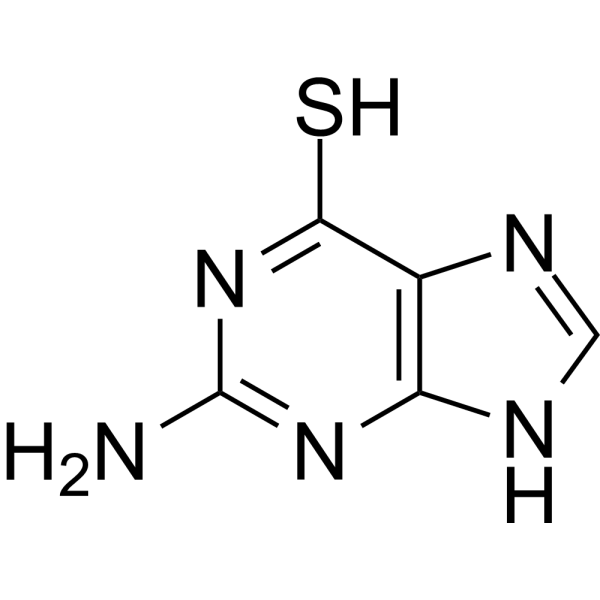
6-Thioguanine (Thioguanine; 2-Amino-6-purinethiol) is an anti-leukemia and immunosuppressant agent, acts as an inhibitor of SARS and MERS coronavirus papain-like proteases (PLpros) and also potently inhibits USP2 activity, with IC50s of 25 μM and 40 μM for Plpros and recombinant human USP2, respectively.
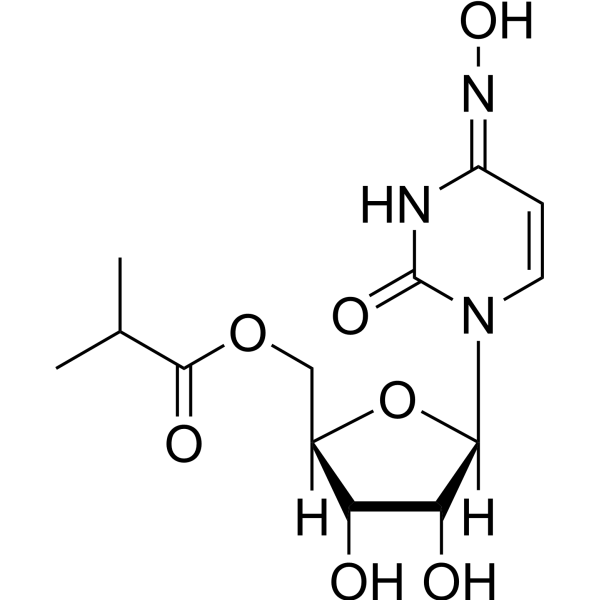
Molnupiravir (EIDD-2801) is an orally bioavailable proagent of the ribonucleoside analog EIDD-1931. Molnupiravir has broad spectrum antiviral activity against influenza virus and multiple coronaviruses, such as SARS-CoV-2, MERS-CoV, SARS-CoV. Molnupiravir has the potential for the research of COVID-19, and seasonal and pandemic influenza .
Tepotinib (EMD-1214063) is an orally active and highly selective, reversible, ATP-competitive c-Met inhibitor with an IC50 of 3 nM, >200-fold selective for c-Met than IRAK4, TrkA, Axl, IRAK1, and Mer. Tepotinib inhibits c-Met phosphorylation and induces autophagy. Tepotinib has antitumor effects .
UNC2541 is a potent and Mer tyrosine kinase (MerTK)-specific inhibitor, binds in the MerTK ATP pocket, with an IC50 of 4.4 nM, more selective over Axl, Tyro3 and Flt3. UNC2541 inhibits phosphorylated MerTK (pMerTK; EC50, 510 nM). UNC2541 abolishes the analgesic and anti-inflammatory effects of ozone in vivo and in vitro .
Tepotinib (EMD-1214063) hydrochloride is an orally active and highly selective, reversible, ATP-competitive c-Met inhibitor with an IC50 of 3 nM, >200-fold selective for c-Met than IRAK4, TrkA, Axl, IRAK1, and Mer. Tepotinib hydrochloride inhibits c-Met phosphorylation and induces autophagy. Tepotinib hydrochloride has antitumor effects .
Glumetinib (SCC244) is a highly selective, orally bioavailable, ATP-competitive c-Met inhibitor with an IC50 of 0.42 nM. Glumetinib has greater than 2400-fold selectivity for c-Met over those 312 kinases evaluated, including the c-Met family member RON and highly homologous kinases Axl, Mer, TyrO3. Antitumor activity .
UNC2025 hydrochloride is a potent, ATP-competitive, highly orally active and BBB-permeable Mer/Flt3 inhibitor with IC50 values of 0.74 nM and 0.8 nM, respectively. UNC2025 hydrochloride is >45-fold selectivity for MERTK relative to Axl (IC50= 122 nM; Ki = 13.3 nM). UNC2025 hydrochloride exhibits an excellent PK properties, and can be used for the investigation of acute leukemia .
UNC2025 is a potent, ATP-competitive, highly orally active and BBB-permeable Mer/Flt3 inhibitor with IC50 values of 0.74 nM and 0.8 nM, respectively. UNC2025 is >45-fold selectivity for MERTK relative to Axl (IC50= 122 nM; Ki = 13.3 nM). UNC2025 exhibits an excellent PK properties, and can be used for the investigation of acute leukemia .
SSO111 sodium, a 20mer fully modified antisense oligonucleotide, targets the oncogene?HER2. SSO111 sodium induces exon 15 skipping during splicing, leading to the generation of a novel mRNA transcript that excludes exon 15. SSO111 sodium downregulated HER2 mRNA, which resulted in the inhibition of proliferation and induction of apoptosis in HER2-overexpressing tumor cells.
Remdesivir de(ethylbutyl 2-aminopropanoate) is an impurity of Remdesivir. Remdesivir, a nucleoside analogue with effective antiviral activity, has EC50s of 74 nM for SARS-CoV and MERS-CoV in HAE cells, and 30 nM for murine hepatitis virus in delayed brain tumor cells. Remdesivir is highly effective in the control of SARS-CoV-2 (COVID-19) infection in vitro .
Molnupiravir-d7 is the deuterium labeled Molnupiravir. Molnupiravir (EIDD-2801) is an orally bioavailable prodrug of the ribonucleoside analog EIDD-1931. Molnupiravir has broad spectrum antiviral activity against influenza virus and multiple coronaviruses, such as SARS-CoV-2, MERS-CoV, SARS-CoV. Molnupiravir has the potential for the research of COVID-19, and seasonal and pandemic influenza .
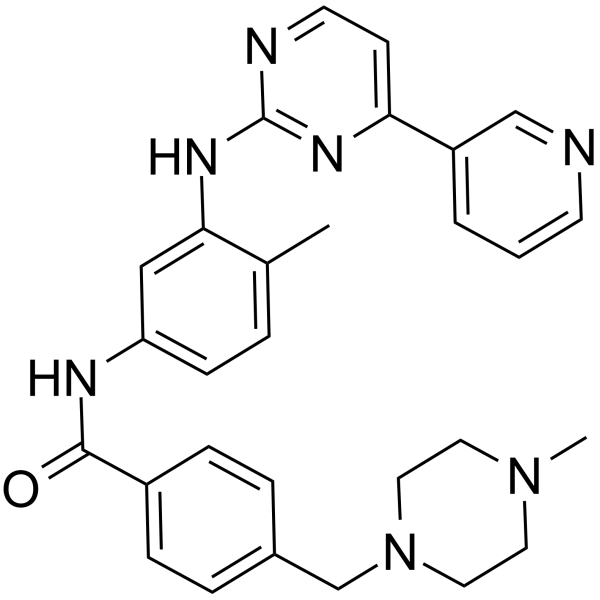
Imatinib (STI571) is an orally bioavailable tyrosine kinases inhibitor that selectively inhibits BCR/ABL, v-Abl, PDGFR and c-kit kinase activity. Imatinib (STI571) works by binding close to the ATP binding site, locking it in a closed or self-inhibited conformation, therefore inhibiting the enzyme activity of the protein semicompetitively . Imatinib also is an inhibitor of SARS-CoV and MERS-CoV .
Tamnorzatinib (ONO-7475) is a potent, selective, and orally active Axl/Mer inhibitor with IC50 values of 0.7 nM and 1.0 nM, respectively. Tamnorzatinib sensitizes AXL-overexpressing EGFR-mutant NSCLC cells to the EGFR-TKIs, suppresses the emergence and maintenance of tolerant cells. Tamnorzatinib combines with Osimertinib (HY-15772) provides a bright promise for the study of EGFR-mutated non-small cell lung cancer (NSCLC).
Bemcentinib (R428) is a selective and orally active Axl inhibitor with an IC50 of 14 nM. Bemcentinib retards cancer cell migration and invasion. Bemcentinib exhibits >100-fold selectivity for Axl versus Abl and 50- and >100-fold selectivity over TAM family kinases Mer and Tyro3, respectively, in cells. Bemcentinib blocks tumor spread and prolongs survival in models of metastatic breast cancer .
Tepotinib (Standard) is the analytical standard of Tepotinib. This product is intended for research and analytical applications. Tepotinib (EMD-1214063) is an orally active and highly selective, reversible, ATP-competitive c-Met inhibitor with an IC50 of 3 nM, >200-fold selective for c-Met than IRAK4, TrkA, Axl, IRAK1, and Mer. Tepotinib inhibits c-Met phosphorylation. Tepotinib has antitumor effects .
Molnupiravir (Standard) is the analytical standard of Molnupiravir. This product is intended for research and analytical applications. Molnupiravir (EIDD-2801) is an orally bioavailable proagent of the ribonucleoside analog EIDD-1931. Molnupiravir has broad spectrum antiviral activity against influenza virus and multiple coronaviruses, such as SARS-CoV-2, MERS-CoV, SARS-CoV. Molnupiravir has the potential for the research of COVID-19, and seasonal and pandemic influenza .
Imatinib-d3 (hydrochloride) is the deuterium labeled Imatinib. Imatinib (STI571) is an orally bioavailable tyrosine kinases inhibitor that selectively inhibits BCR/ABL, v-Abl, PDGFR and c-kit kinase activity. Imatinib (STI571) works by binding close to the ATP binding site, locking it in a closed or self-inhibited conformation, therefore inhibiting the enzyme activity of the protein semicompetitively. Imatinib also is an inhibitor of SARS-CoV and MERS-CoV.
Chlorphenoxamine hydrochloride, an antihistamine and anticholinergic agent is a GPCR antagonist. Chlorphenoxamine hydrochloride inhibits multiple lethal viral diseases, such as SARS-CoV, MERS-CoV, EBOV and malaria. Chlorphenoxamine hydrochloride shows anti-filovirus activity against both EBOV and Marburg virus (MARV) with IC50s of 1.1 μM and 6.2 μM, respectively. Chlorphenoxamine hydrochloride is used for allergic conditions, urticaria, viral diseases and Parkinson’s disease .
Imatinib Impurity E is the impurity of Imatinib. Imatinib is an orally bioavailable tyrosine kinases inhibitor that selectively inhibits BCR/ABL, v-Abl, PDGFR and c-kit kinase activity. Imatinib (STI571) works by binding close to the ATP binding site, locking it in a closed or self-inhibited conformation, therefore inhibiting the enzyme activity of the protein semicompetitively . Imatinib also is an inhibitor of SARS-CoV and MERS-CoV .
Chlorphenoxamine, an antihistamine and anticholinergic agent is a GPCR antagonist. Chlorphenoxamine inhibits multiple lethal viral diseases, such as SARS-CoV, MERS-CoV, EBOV and malaria. Chlorphenoxamine shows anti-filovirus activity against both EBOV and Marburg virus (MARV) with IC50s of 1.1 μM and 6.2 μM, respectively. Chlorphenoxamine is used for allergic conditions, urticaria, viral diseases and Parkinson’s disease .
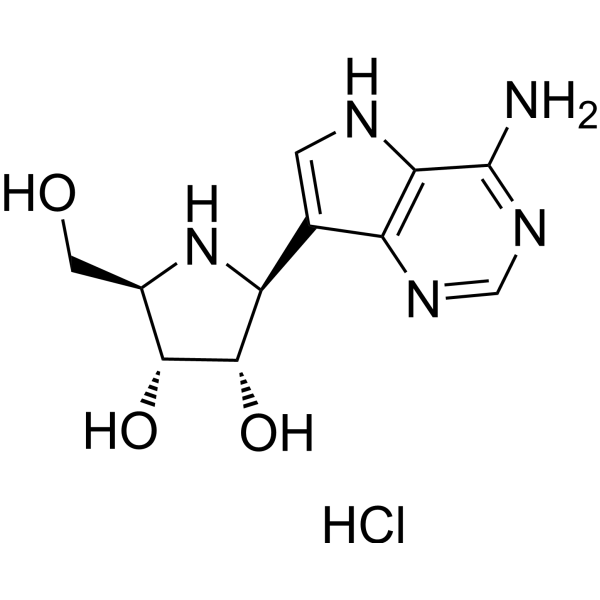
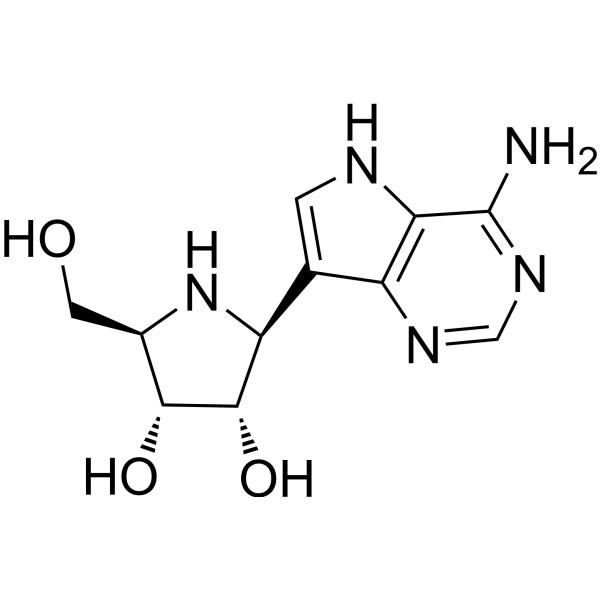
Galidesivir (BCX4430) hydrochloride, an adenosine analog and a direct-acting antiviral agent, disrupts viral RNA-dependent RNA polymerase (RdRp) activity. Galidesivir hydrochloride is active in vitro against many RNA viral pathogens, including the filoviruses and emerging infectious agents such as MERS-CoV, SARS-CoV, and SARS-CoV-2. Galidesivir hydrochloride inhibits some negative-sense RNA viruses with EC50s ranging from ~3 to ~68 μM .
c-Met-IN-12 (compound 4r) is an orally active, potent and selective type II c-Met kinase inhibitor, with an IC50 of 10.6 nM. c-Met-IN-12 displays high inhibitory effects (inhibition rate > 80% in 1 μM) against AXL, Mer and TYRO3 kinases. c-Met-IN-12 can be used a scaffold for further kinase selectivity enhancement. c-Met-IN-12 shows antitumor efficacy .
6-Thioguanine (Standard) is the analytical standard of 6-Thioguanine. This product is intended for research and analytical applications. 6-Thioguanine (Thioguanine; 2-Amino-6-purinethiol) is an anti-leukemia and immunosuppressant agent, acts as an inhibitor of SARS and MERS coronavirus papain-like proteases (PLpros) and also potently inhibits USP2 activity, with IC50s of 25 μM and 40 μM for Plpros and recombinant human USP2, respectively.
Galidesivir (BCX4430), an adenosine analog and a direct-acting antiviral agent, disrupts viral RNA-dependent RNA polymerase (RdRp) activity. Galidesivir is active in vitro against many RNA viral pathogens, including the filoviruses and emerging infectious agents such as MERS-CoV, SARS-CoV, and SARS-CoV-2. Galidesivir inhibits some negative-sense RNA viruses with EC50s ranging from ~3 to ~68 μM .
Chlorphenoxamine (Standard) is the analytical standard of Chlorphenoxamine (HY-B1607). This product is intended for research and analytical applications. Chlorphenoxamine, an antihistamine and anticholinergic agent is a GPCR antagonist. Chlorphenoxamine inhibits multiple lethal viral diseases, such as SARS-CoV, MERS-CoV, EBOV and malaria. Chlorphenoxamine shows anti-filovirus activity against both EBOV and Marburg virus (MARV) with IC50s of 1.1 μM and 6.2 μM, respectively. Chlorphenoxamine is used for allergic conditions, urticaria, viral diseases and Parkinson’s disease.
Bemcentinib (Standard) is the analytical standard of Bemcentinib. This product is intended for research and analytical applications. Bemcentinib (R428) is a selective and orally active Axl inhibitor with an IC50 of 14 nM. Bemcentinib retards cancer cell migration and invasion. Bemcentinib exhibits >100-fold selectivity for Axl versus Abl and 50- and >100-fold selectivity over TAM family kinases Mer and Tyro3, respectively, in cells. Bemcentinib blocks tumor spread and prolongs survival in models of metastatic breast cancer .
Imatinib (Standard) is the analytical standard of Imatinib. This product is intended for research and analytical applications. Imatinib (STI571) is an orally bioavailable tyrosine kinases inhibitor that selectively inhibits BCR/ABL, v-Abl, PDGFR and c-kit kinase activity. Imatinib (STI571) works by binding close to the ATP binding site, locking it in a closed or self-inhibited conformation, therefore inhibiting the enzyme activity of the protein semicompetitively . Imatinib also is an inhibitor of SARS-CoV and MERS-CoV .
MM927 is a potent NVL inhibitor, with an IC50of 0.053 μM. MM927 blocks 60S ribosomal subunit biogenesis in the nucleolus. MM927 induces half-mer polysomes, cell cycle arrest at G1/S and G2/M and apoptosis in cells. MM927 demonstrates antitumor efficacy in MOLM-13 AML and HCT116 CRC xenograft models. MM927 can be used for the study of cancers such as acute myeloid leukemia (AML) and colorectal cancer (CRC) .
Imatinib- 13C,d3 (STI571- 13C,d3) is 13C labeled Imatinib. Imatinib (STI571) is an orally bioavailable tyrosine kinases inhibitor that selectively inhibits BCR/ABL, v-Abl, PDGFR and c-kit kinase activity. Imatinib (STI571) works by binding close to the ATP binding site, locking it in a closed or self-inhibited conformation, therefore inhibiting the enzyme activity of the protein semicompetitively . Imatinib also is an inhibitor of SARS-CoV and MERS-CoV .
Bemcentinib (R428) GMP is Bemcentinib (HY-15150) in GMP grade. GMP-grade small molecules can be used as auxiliary reagents in cell therapy.Bemcentinib (R428) is a selective and orally active Axl inhibitor with an IC50 of 14 nM. Bemcentinib retards cancer cell migration and invasion. Bemcentinib exhibits >100-fold selectivity for Axl versus Abl and 50- and >100-fold selectivity over TAM family kinases Mer and Tyro3, respectively, in cells. Bemcentinib blocks tumor spread and prolongs survival in models of metastatic breast cancer .
SARS-CoV-2 Mpro-IN-37 (compound 8r) is a SARS-CoV-2 main protease (M pro) inhibitor, with an IC50 of 0.0199 μM. SARS-CoV-2 Mpro-IN-37 inhibits SARS-CoV-1 M pro and MERS-CoV M pro with IC50s of 0.00945 and 0.111 μM, respectively. SARS-CoV-2 Mpro-IN-37 displays high antiviral activity in the nanomolar range without showing cellular toxicity .
Bemcentinib-d8 (R428-d8) is the deuterium labeled Bemcentinib (HY-15150). Bemcentinib (R428) is a selective and orally active Axl inhibitor with an IC50 of 14 nM. Bemcentinib retards cancer cell migration and invasion. Bemcentinib exhibits >100-fold selectivity for Axl versus Abl and 50- and >100-fold selectivity over TAM family kinases Mer and Tyro3, respectively, in cells. Bemcentinib blocks tumor spread and prolongs survival in models of metastatic breast cancer .
TDI-015051 is a highly selective, orally active antiviral agent that targets the coronavirus NSP14guanine-N7 methyltransferase. TDI-015051 binds to substrates in a non-competitive manner and forms a stable ternary complex, precisely blocking the capping and methylation processes of viral mRNA. TDI-015051 potently inhibits a variety of coronaviruses (including SARS-CoV-2 and MERS). By impairing viral replication and translation and inducing a moderate type I interferon-mediated immune response, it significantly reduces pulmonary viral load and exhibits a synergistic effect with Nirmatrelvir (HY-138687). In addition, TDI-015051 does not inhibit non-coronavirus methyltransferases, and the drug-resistant mutations it induces impair viral fitness, demonstrating excellent antiviral properties and safety. TDI-015051 can be used for research on COVID-19 and the replication mechanism of coronaviruses .The IC50 values of TDI-015051 against SARS-CoV-2, α-hCoV-NL63, α-hCoV-229E, β-hCoV-MERS are 0.15 nM, 1.7 nM, 2.6 nM and 3.6 nM, respectively, and the Ka value against SARS-CoV-2 is 0.061 nM .
UNC3133 is an orally active, limitedly selective MerTK inhibitor with an IC50 of 3.0 nM. UNC3133 inhibits Axl, Tyro3 and Flt3 kinases, with IC50 values of 17 nM, 31 nM and 6.8 nM, respectively. UNC3133 is applicable to the research of inflammatory diseases and cancers .
CHIKV-IN-1 (Compound 3a) is a compound that inhibits the Chikungunya virus (CHIKV) with an EC50 of 0.12 μM. CHIKV-IN-1 is a potent inhibitor of the S-adenosyl-L-homocysteine hydrolase (SAH hydrolase), with an IC50 of 0.36 μM. CHIKV-IN-1 is only effective against CHIKV and some other alphaviruses, but has no activity against other RNA viruses such as SARS-CoV, MERS-CoV, and ZIKV. CHIKV-IN-1 has extremely low cytotoxicity (CC₅₀ > 250 μM), and it has an extremely high selectivity index (SI > 2083). CHIKV-IN-1 can be used in research on anti-Chikungunya virus .
SCR007 is a synthetic carbohydrate receptor (SCR) with broad-spectrum antiviral activity. SCR007 inhibits the entry of enveloped viruses across multiple families (Coronaviridae: SARS-CoV-1, SARS-CoV-2, MERS-CoV; Filoviridae: EBOV, MARV; Paramyxoviridae: NiV, HeV) and the glycosylated nonenveloped rotavirus. SCR007 binds viral envelope N-glycans, blocking viral binding to host cells or both binding and membrane fusion. SCR007 exerts prophylactic effects in hACE2 mice infected with SARS-CoV-2. SCR007 can be used for the study and prevention of enveloped virus pandemics .
SCR005 is a synthetic carbohydrate receptor (SCR) with broad-spectrum antiviral activity. SCR005 inhibits the entry of enveloped viruses across multiple families (Coronaviridae: SARS-CoV-1, SARS-CoV-2, MERS-CoV; Filoviridae: EBOV, MARV; Paramyxoviridae: NiV, HeV) and the glycosylated nonenveloped rotavirus. SCR005 binds viral envelope N-glycans, blocking viral binding to host cells or both binding and membrane fusion. SCR005 exerts prophylactic effects in hACE2 mice infected with SARS-CoV-2. SCR005 can be used for the study and prevention of enveloped virus pandemics .
2-Thiouridine is an orally active modified nucleobase. 2-Thiouridine stabilizes U:A base pairs and destabilizes U:G wobble base pairs. 2-Thiouridine significantly improves the efficiency and accuracy of nonenzymatic replication of mixed-sequence A/U-containing RNA templates. 2-Thiouridine exhibits antiviral activity against multiple positive-sense single-stranded RNA viruses (DENV2, ZIKV, YFV, JEV, WNV, CHIKV, human coronaviruses ( [HCoV]-229E, HCoV-OC43, SARS-CoV), and MERS-CoV) .
SARS-CoV-2 Mpro-IN-50 (Compound 30) is a noncovalent SARS-CoV-2 Mpro inhibitor with an IC50 of 14 nM. SARS-CoV-2 Mpro-IN-50 is also a pan-CoV Mpro inhibitor with IC50 s of 20-190 nM for SARS-CoV-1 Mpro, 229E Mpro, HKU1 Mpro, MERS Mpro, NL63 Mpro and OC43 Mpro. SARS-CoV-2 Mpro-IN-50 has significant antiviral activity against the SARS-CoV-2 omicron variant (EC50 : 22 nM). SARS-CoV-2 Mpro-IN-50 can be used for coronavirus infections research .
Adrixetinib (Q702) TFA is an orally active triple inhibitor against CSF1R, Mer, and Axl, with Kd values of 8.7 nM, 0.8 nM, and 0.3 nM, respectively. Adrixetinib TFA acts as a potent immune modulator that remodels the tumor microenvironment. Adrixetinib TFA increases the abundance of M1 macrophages and CD8⁺ T cells, while decreasing the levels of M2 macrophages and myeloid-derived suppressor cells (MDSCs). Adrixetinib TFA upregulates the expression of MHC class I and E-cadherin in tumor cells. Adrixetinib TFA shows remarkable antitumor efficacy in syngeneic mouse tumor models. Adrixetinib TFA is suitable for the research of breast cancer, renal adenocarcinoma, colon carcinoma, and melanoma .
UAWJ9-36-3 is a M pro and cathepsin L (IC50: 1.81 μM) inhibitor. UAWJ9-36-3 shows potent binding and enzymatic inhibition against the M pros from SARS-CoV-2, SARS-CoV, MERS-CoV, HCoV-OC43, HCoV-NL63, HCoV-229E, and HCoV-HKU1. UAWJ9-36-3 demonstrates broad-spectrum antiviral activity against not only SARS-CoV-2, but also the common human coronaviruses HCoV-OC43, HCoV-NL63, and HCoV-229E .
TMP1 is an orally active bispecific inhibitor of M pro (IC50 = 312.5 nM)/TMPRSS2 (IC50 = 1.28 μM, KD = 10.10 μM). TMP1 exhibits broad protection against different SARS-CoV-2 variants in vitro. TMP1 cross-protects against highly pathogenic coronaviruses (SARS-CoV-1, SARS-CoV-2, and MERS-CoV) in vivo and effectively blocks the transmission of SARS-CoV-2. TMP1 can inhibit infection by SARS-CoV-2 escape mutants that are resistant to Nivolumab (HY-P9903). TMP1 can be used in coronavirus research .
P9R is an antiviral peptide. P9R has broad-spectrum antiviral activities against the coronaviruses (SARS-CoV-2, MERS-CoV and SARS-CoV), A(H1N1)pdm09, A(H7N9) virus, and rhinovirus. P9R directly binds to viruses and inhibits virus-host endosomal acidification. P9R significantly protects mice from A(H1N1)pdm09 infection without generating drug-resistant virus. P9R can be used for pH-dependent respiratory viruses research .
Axl-IN-21 is an orally active and selective AXL inhibitor (Kd = 2.7 nM, IC50 = 4.0 nM). Axl-IN-21 displays kinase selectivity and retains strong activity against cancer-related mul-kinases (Mer with Kd = 1.4 nM, DDR1 with IC50 = 22.2 nM, HIPK4 with Kd = 11.0 nM and LOK with Kd =10 nM). Axl-IN-21 overcomes tumor microenvironment-driven resistance by blocking CAF-derived GAS6-induced AXL/STAT3/ABCG1 signaling, restoring chemosensitivity and inhibiting drug efflux in gastric cancer (GC). Axl-IN-21 suppresses TGF-β1-induced epithelial-mesenchymal transition (EMT), migration, and invasion in MDA-MB-231 cells. Axl-IN-21 exhibits no significant cytotoxicity in non-cancerous cells. Axl-IN-21 can be research for triple negative breast cancer and gastric cancer [1] [2] .
PF-07957472 (Compound 4) is an orally active and selective SARS-CoV-2 papain-like protease (PLpro) inhibitor, with a Ki of 2 nM against SARS-CoV-2 PLpro. PF-07957472 reduces SARS-CoV-2 viral titers in the lungs of infected mice and inhibits SARS-CoV-2-induced cytopathic effects in cells. PF-07957472 can be used for the research of COVID-19 .
Bemcentinib (R428) GMP is Bemcentinib (HY-15150) in GMP grade. GMP-grade small molecules can be used as auxiliary reagents in cell therapy.Bemcentinib (R428) is a selective and orally active Axl inhibitor with an IC50 of 14 nM. Bemcentinib retards cancer cell migration and invasion. Bemcentinib exhibits >100-fold selectivity for Axl versus Abl and 50- and >100-fold selectivity over TAM family kinases Mer and Tyro3, respectively, in cells. Bemcentinib blocks tumor spread and prolongs survival in models of metastatic breast cancer .
2-Thiouridine is an orally active modified nucleobase. 2-Thiouridine stabilizes U:A base pairs and destabilizes U:G wobble base pairs. 2-Thiouridine significantly improves the efficiency and accuracy of nonenzymatic replication of mixed-sequence A/U-containing RNA templates. 2-Thiouridine exhibits antiviral activity against multiple positive-sense single-stranded RNA viruses (DENV2, ZIKV, YFV, JEV, WNV, CHIKV, human coronaviruses ( [HCoV]-229E, HCoV-OC43, SARS-CoV), and MERS-CoV) .
Bemcentinib (R428) GMP is Bemcentinib (HY-15150) in GMP grade. GMP-grade small molecules can be used as auxiliary reagents in cell therapy.Bemcentinib (R428) is a selective and orally active Axl inhibitor with an IC50 of 14 nM. Bemcentinib retards cancer cell migration and invasion. Bemcentinib exhibits >100-fold selectivity for Axl versus Abl and 50- and >100-fold selectivity over TAM family kinases Mer and Tyro3, respectively, in cells. Bemcentinib blocks tumor spread and prolongs survival in models of metastatic breast cancer .
AE105 is a 9-mer peptide probe targeting the urokinase-type plasminogen activator receptor (uPAR). AE105 binds tightly to the uPA-binding cavity of uPAR. AE105 can be used for the study of cancer .
Fulipiftide is a short peptide derived from pigment epithelium-derived factor (PEDF). Fulipiftide induces the expansion of nuclear stem cell factor +TSPC by activating ERK2 and STAT3 signaling pathways. Fulipiftide has anti-inflammatory activity and can be used in the study of acute tendon injury .
Cys-Gly-Tyr-Gly-Pro-Lys-Lys-Lys-Arg-Lys-Val-Gly-Gly is a13-mer synthetic peptide containing seven amino acids homologous to SV40 T antigen. Cys-Gly-Tyr-Gly-Pro-Lys-Lys-Lys-Arg-Lys-Val-Gly-Gly is capable of inducing nuclear transport .
YAP-TEAD-IN-1 TFA is a potent and competitive peptide inhibitor of YAP-TEAD interaction (IC50=25 nM). YAP-TEAD-IN-1 TFA is a 17mer peptide and shows a higher the binding affinity to TEAD1 (Kd=15 nM) than YAP (50-171) (Kd= 40 nM) .
YAP-TEAD-IN-1 is a potent and competitive inhibitor of?YAP–TEAD interaction (IC50=25 nM). YAP-TEAD-IN-1 is a 17mer peptide and shows a higher the binding affinity to TEAD1 (Kd=15 nM) than YAP (50-171) (Kd=40 nM) .
TAT-14 is a 14-mer peptide that acts as Nrf2 activator with an anti-inflammatory effect. TAT-14 has no effect on Nrf2 mRNA expression, but increases Nrf2 protein level due to targeting the Nrf2 binding site on Keap1 .
Alkyne-P60 is a potent 15-mer peptide inhibitor of Foxp3. Alkyne-P60 can bind with Foxp3, hinder its nuclear translocation, and diminish Foxp3-mediated inhibition of NFKB and NFAT functions. Alkyne-P60 is a ligand for target protein for PROTAC (HY-162943).
Amilo-5MER (5-MP) TFA is an orally active and selective Serum Amyloid A (SAA) inhibitor. Amilo-5MER TFA specifically inhibits the release of pro-inflammatory cytokines IL-6 and IL-1β from SAA-activated cells. Amilo-5MER TFA reduces chronic inflammation and relieves symptoms of diseases such as rheumatoid arthritis (RA), inflammatory bowel disease (IBD), and multiple sclerosis (MS). Amilo-5MER TFA is promising for research of autoimmune diseases and chronic inflammatory diseases .
BAD (103-127) (human), the 25-mer Bad peptide, is derived from the BH3 domain of BAD, can antagonize the function of Bcl-xL. BAD (103-127) (human) is reported to have almost 800-fold higher affinity for Bcl-XL than the 16-mer peptide .
BAD (103-127) (human), FAM-labeled TFA is a FAM-labeled human BAD (103-127) (HY-P2468). BAD (103-127) (human) TFA, the 25-mer Bad peptide, is derived from the BH3 domain of BAD and can antagonize the function of Bcl-xL .
Amilo-5MER (5-MP) is an orally active and selective Serum Amyloid A (SAA) inhibitor. Amilo-5MER specifically inhibits the release of pro-inflammatory cytokines IL-6 and IL-1β from SAA-activated cells. Amilo-5MER reduces chronic inflammation and relieves symptoms of diseases such as rheumatoid arthritis (RA), inflammatory bowel disease (IBD), and multiple sclerosis (MS). Amilo-5MER is promising for research of autoimmune diseases and chronic inflammatory diseases .
KRAS G13D peptide, 25 mer, a KRAS activating oncogene mutation peptide, is an immune potentiator extracted from patent WO2018144775A1. KRAS G13D peptide, 25 mer can be used to prepare KRAS vaccine .
TKD (450-463) is a 14-mer peptide (TKDNNLLGRFELSG). TKD (450-463) is able to stimulate the cytolytic and proliferative activity of NK cells at concentrations equivalent to full-length Hsp70 protein .
AE105 TFA is a 9-mer peptide probe targeting the urokinase-type plasminogen activator receptor (uPAR). AE105 TFA binds tightly to the uPA-binding cavity of uPAR. AE105 TFA can be used for the study of cancer .
HN-1 is a 12-mer peptide with specific activity to head and neck squamous cell cancer (HNSCC) cells. HN-1, as a tumor-specific peptide, is capable of penetrating tumor tissues. HN-1 is capable of translocating agents across cell membranes .
Drosocin is a biological active peptide. (Drosocin is a 19-mer cationic antimicrobial peptide from Drosophila melanogaster. In Drosophila native drosocin carries a disaccharide moiety attached to a threonine residue in mid-chain position. This synthetic drosocin peptide of identical amino acid sequence without the disaccharide has an activity several times lower than the native compound.)
VMAPRTLFL is a 9-mer peptide derived from the signal peptide of HLA-G and can serve as a peptide ligand for HLA-E. VMAPRTLFL plays a crucial role in regulating the functions of adaptive natural killer (NK) cells. Specifically, VMAPRTLFL enriches FcεRγ - adaptive NK cells, upregulates the expression of CD25, and enhances their proliferative activity, antibody-dependent cellular cytotoxicity (ADCC), and IFN-γ release. VMAPRTLFL can be used in research related to human cytomegalovirus (HCMV) infection, transplant rejection, and pregnancy immunity .
P9R is an antiviral peptide. P9R has broad-spectrum antiviral activities against the coronaviruses (SARS-CoV-2, MERS-CoV and SARS-CoV), A(H1N1)pdm09, A(H7N9) virus, and rhinovirus. P9R directly binds to viruses and inhibits virus-host endosomal acidification. P9R significantly protects mice from A(H1N1)pdm09 infection without generating drug-resistant virus. P9R can be used for pH-dependent respiratory viruses research .
Capsid assembly inhibitor is a 12-mer peptide that binds the capsid (CA) domain of Gag and inhibits assembly of immature- and mature-like HIV-1 capsid particles in vitro .
SBP1 peptide is a chemically synthesized 23-mer peptide fragment of the ACE2 PD α1 helix. SBP1 peptide associates with micromolar affinity to insect-derived SARS-CoV-2-RBD protein .
BAD (103-127) (human), FAM-labeled is a FAM-labeled human BAD (103-127) (HY-P2468). BAD (103-127) (human), the 25-mer Bad peptide, is derived from the BH3 domain of BAD and can antagonize the function of Bcl-xL .
TAT-14 TFA is a 14-mer peptide that acts as Nrf2 activator with an anti-inflammatory effect. TAT-14 TFA has no effect on Nrf2 mRNA expression, but increases Nrf2 protein level due to targeting the Nrf2 binding site on Keap1 .
Pap12-6 is a 12-mer peptide derived from the antimicrobial peptide Papiliocin of yellow butterfly larva. Pap12-6 kills bacteria by penetrating and disrupting their membranes, exhibiting strong antibacterial activity. Pap12-6 exerts its anti-inflammatory effects through the TLR4-mediated NF-κB signaling pathway .
HBA(111-142), an antimicrobial peptide, is a C-terminal 32-mer fragment of alpha-hemoglobin. HBA(111-142) has antibacterial activity against the ESKAPE panel of pathogens. HBA(111-142) forms amyloid fibrils, and has antiviral activities. HBA(111-142) inhibits measles and herpes viruses (HSV-1, HSV-2, HCMV) .
H2-D b restricted epitopes VSV Nucleoprotein (52-59) is a 9-mer peptide derived from the nucleoprotein of Vesicular Stomatitis Virus (VSV). H2-D b restricted epitopes VSV Nucleoprotein (52-59) binds to MHC class I molecules and presents itself to CD8+ T cells, thereby activating cytotoxic T lymphocytes (CTLs), which can recognize and kill cells expressing the corresponding antigen. H2-D b restricted epitopes VSV Nucleoprotein (52-59) can be used in the development of CTL vaccines against Ebola virus .
PIH is an antiviral peptide that effectively inhibits the HR1/HR2-mediated membrane fusion between MERS-CoV and host cells, with an IC50 of 1.171 μM. By forming a complex with gold nanorods (AuNRs), the antiviral efficacy of PIH can be further enhanced by 10-fold .
acpP PNA is a 10-mer peptide nucleic acid targeting the bacterial essential gene acpP. acpP PNA can inhibit bacterial growth and reduce the level of target transcripts, and still retains activity with double terminal mismatches. acpP PNA may also cause off-target effects .
A20FMDV2-Cys is a cysteine-containing 20-mer peptide that targets integrin αvβ6 with high affinity. A20FMDV2-Cys can be used for targeted liposome modification to enhance liver and bile duct targeting. A20FMDV2-Cys is applicable for research in drug delivery .
GN-2 peptoid is a 9-mer cationic amphipathic peptoid and bactericidal agent with an overall net charge of +4, broad-spectrum antimicrobial activity, and low hemolytic and cytotoxic activity against mammalian cells. GN-2 peptoid exerts bactericidal action against Escherichia coli in a concentration-dependent manner. GN-2 peptoid exhibits antimicrobial activity against Gram-positive Staphylococcus aureus and Gram-negative Escherichia coli, Pseudomonas aeruginosa strains. GN-2 peptoid shows low toxicity against human red blood cells and HeLa cells. GN-2 peptoid maintains antimicrobial activity in the presence of 50% human blood plasma. GN-2 peptoid can be used for the research of bacterial infections .
YS110 is a humanized anti-CD26 (DPP4) IgG1 monoclonal antibody. YS110 induces CD26 nuclear translocation through the caveolin pathway. YS110 inhibits the proliferation of tumor cell by delaying G2/M cell cycle transition. YS110 inhibits the infection of Middle East respiratory syndrome coronavirus (MERS CoV) by blocking the binding of MERS CoV S1 to CD26. YS110 can be used for researches on cancer or infection such as Malignant Mesothelioma and MERS .
Anti-MERS-D12 mAb (MERS-D12; MERS Antibody-D12) is a human monoclonal IgG1. Anti-MERS-D12 mAb binds directly to the DPP4 interacting region of the MERS-CoV Spike receptor binding domain (RBD) and effect neutralization by directly blocking receptor binding .
Anti-MERS-3A1 mAb (MERS-3A1) is a human monoclonal IgG1 antibody with the high binding affinity produced in CHO cells.
Anti-MERS-3A1 mAb bocks the binding of MERS-CoV spike protein to DPP4 receptor .
REGN3051 is a human IgG1 monoclonal antibody (mAb) targeting MERS CoV. REGN3051 reduces viral titers in the lungs of mice expressing human DPP4. REGN3051 decreases lung disease severity and viral replication in marmosets inoculated with MERS-CoV. Recommended isotype control: Human IgG1 kappa, Isotype Control (HY-P99001) .
Anti-MERS-2E6 mAb (MERS-2E6; MERS Antibody-2E6), a human neutralizing antibody IgG1 (CHO expressed) that can compete for the binding of the virus Spike protein to the receptor (CD26), thereby inhibiting virus invasion into host cells.
RGX-019 is a humanized antibody expressed in CHO cells, targeting MER/MERTK. RGX-019 has a huIgG1 heavy chain and a huκ light chain, with a predicted molecular weight (MW) of 150 kDa. The isotype control for RGX-019 can refer to Human IgG1 kappa, Isotype Control (HY-P99001).
Thapsigargin, an endoplasmic reticulum (ER) stress inducer, is an inhibitor of microsomal Ca 2+-ATPase. Thapsigargin efficiently inhibits coronavirus (HCoV-229E, MERS-CoV, SARS-CoV-2) replication in different cell types .
6-Thioguanine (Thioguanine; 2-Amino-6-purinethiol) is an anti-leukemia and immunosuppressant agent, acts as an inhibitor of SARS and MERS coronavirus papain-like proteases (PLpros) and also potently inhibits USP2 activity, with IC50s of 25 μM and 40 μM for Plpros and recombinant human USP2, respectively.
Dihydrotanshinone I is a natural compound extracted from Salvia miltiorrhiza Bunge which has been widely used for treating cardiovascular diseases. Dihydrotanshinone I exhibits entry-blocking effect for MERS-CoV.
6-Thioguanine (Standard) is the analytical standard of 6-Thioguanine. This product is intended for research and analytical applications. 6-Thioguanine (Thioguanine; 2-Amino-6-purinethiol) is an anti-leukemia and immunosuppressant agent, acts as an inhibitor of SARS and MERS coronavirus papain-like proteases (PLpros) and also potently inhibits USP2 activity, with IC50s of 25 μM and 40 μM for Plpros and recombinant human USP2, respectively.
2-Thiouridine is an orally active modified nucleobase. 2-Thiouridine stabilizes U:A base pairs and destabilizes U:G wobble base pairs. 2-Thiouridine significantly improves the efficiency and accuracy of nonenzymatic replication of mixed-sequence A/U-containing RNA templates. 2-Thiouridine exhibits antiviral activity against multiple positive-sense single-stranded RNA viruses (DENV2, ZIKV, YFV, JEV, WNV, CHIKV, human coronaviruses ( [HCoV]-229E, HCoV-OC43, SARS-CoV), and MERS-CoV) .
Mer-NF5003E is a non-nucleoside reverse transcriptase inhibitor targeting HIV-1 reverse transcriptase (RT) (EC50=50 μM). Mer-NF5003E exhibits inhibitory activity against wild-type HIV-1 and multiple NNRTI-resistant strains (e.g., K103N, Y181C). Mer-NF5003E is promising for research of HIV infections .
Arcapillin is a flavonoid that can be isolated from Artemisia capillaris Thunb. Arcapillin induces dose-dependent relaxation of ileum and pulmonary artery smooth muscle, causes slight urinary bladder smooth muscle contraction at highest tested concentrations. Arcapillin binds to the active site of SARS-CoV-2 Mpro via interactions with Gln139, His163, and His164, exhibits antiviral activity against SARS-CoV-2 and MERS-CoV. Arcapillin can be used for the research of gastrointestinal disorders, COVID-19, and Middle East respiratory syndrome (MERS) .
Dihydrotanshinone I (Standard) is the analytical standard of Dihydrotanshinone I. This product is intended for research and analytical applications. Dihydrotanshinone I is a natural compound extracted from Salvia miltiorrhiza Bunge which has been widely used for treating cardiovascular diseases. Dihydrotanshinone I exhibits entry-blocking effect for MERS-CoV.
Bonducellpin D is a furanoditerpenoid lactone isolated from Caesalpinia minax. Bonducellpin D exhibits broad-spectrum inhibition potential against SARS-CoV M pro and MERS-CoV M pro, with an Ki of 467.11 and 284.86 nM, respectively. Bonducellpin D also exhibits moderate anti-cancer activity in vitro .
Mer protein is a receptor tyrosine kinase that transduces signals by binding to ligands such as LGALS3, TUB, TULP1, or GAS6, regulating cell survival, migration, differentiation, and apoptotic cell phagocytosis (endocytosis). Ligand binding induces autophosphorylation of MERTK, creating a docking site for downstream molecules. Mer Protein, Human (HEK293, Fc) is the recombinant human-derived MERTK protein, expressed by HEK293, with C-hFc labeled tag.
Mer protein is a receptor tyrosine kinase that transduces signals by binding to ligands such as LGALS3, TUB, TULP1, or GAS6, regulating cell survival, migration, differentiation, and apoptotic cell phagocytosis (endocytosis). Ligand binding induces autophosphorylation of MERTK, creating a docking site for downstream molecules. Mer Protein, Cynomolgus (HEK293, Fc) is the recombinant cynomolgus-derived Mer protein, expressed by HEK293 , with C-hFc labeled tag.
Mer protein is a receptor tyrosine kinase that transduces signals by binding to ligands such as LGALS3, TUB, TULP1 or GAS6.Mer is critical in processes such as cell survival, migration, differentiation, and phagocytosis of apoptotic cells, and autophosphorylation occurs upon ligand binding.MERTK Protein, Mouse (HEK293, His) is the recombinant mouse-derived MERTK protein, expressed by HEK293 , with C-10*His labeled tag.
MERTK protein is a receptor tyrosine kinase that transmits signals by binding to ligands such as LGALS3, TUB, TULP1 or GAS6. MERTK autophosphorylates upon ligand binding and controls cell survival, migration, differentiation, and endocytosis. MERTK Protein, Rat (HEK293, His) is the recombinant rat-derived MERTK protein, expressed by HEK293 , with N-6*His labeled tag.
Mer protein is a receptor tyrosine kinase that transduces signals by binding to ligands such as LGALS3, TUB, TULP1, or GAS6, regulating cell survival, migration, differentiation, and apoptotic cell phagocytosis (endocytosis). Ligand binding induces autophosphorylation of MERTK, creating a docking site for downstream molecules. MERTK Protein, Human (Biotinylated, sf9, Flag, Avi) is the recombinant human-derived MERTK, expressed by Sf9 insect cells, with Avi, Flag labeled tag.
Mer protein is a receptor tyrosine kinase that transduces signals by binding to ligands such as LGALS3, TUB, TULP1, or GAS6, regulating cell survival, migration, differentiation, and apoptotic cell phagocytosis (endocytosis). Ligand binding induces autophosphorylation of MERTK, creating a docking site for downstream molecules. MERTK Protein, Human (HEK293, His) is the recombinant human-derived MERTK protein, expressed by HEK293 , with C-10*His labeled tag.
Mer protein is a receptor tyrosine kinase that transduces signals by binding to ligands such as LGALS3, TUB, TULP1, or GAS6, regulating cell survival, migration, differentiation, and apoptotic cell phagocytosis (endocytosis). Ligand binding induces autophosphorylation of MERTK, creating a docking site for downstream molecules. Mer Protein, Human (HEK293, mFc) is the recombinant human-derived Mer protein, expressed by HEK293 , with C-mFc labeled tag.
Mer protein is a receptor tyrosine kinase that transduces signals by binding to ligands such as LGALS3, TUB, TULP1, or GAS6, regulating cell survival, migration, differentiation, and apoptotic cell phagocytosis (endocytosis). Ligand binding induces autophosphorylation of MERTK, creating a docking site for downstream molecules. Mer Protein, Human (HEK293) is the recombinant human-derived Mer protein, expressed by HEK293 , with tag free.
Mer protein is a receptor tyrosine kinase that transduces signals by binding to ligands such as LGALS3, TUB, TULP1, or GAS6, regulating cell survival, migration, differentiation, and apoptotic cell phagocytosis (endocytosis). Ligand binding induces autophosphorylation of MERTK, creating a docking site for downstream molecules. Mer Protein, Human (sf9) is the recombinant human-derived Mer protein, expressed by Sf9 insect cells , with tag free.
Mer protein is a receptor tyrosine kinase that transduces signals by binding to ligands such as LGALS3, TUB, TULP1, or GAS6, regulating cell survival, migration, differentiation, and apoptotic cell phagocytosis (endocytosis). Ligand binding induces autophosphorylation of MERTK, creating a docking site for downstream molecules. Mer Protein, Human (sf9, His-GST) is the recombinant human-derived Mer protein, expressed by Sf9 insect cells , with N-His, N-GST labeled tag.
Mer protein is a receptor tyrosine kinase that transduces signals by binding to ligands such as LGALS3, TUB, TULP1, or GAS6, regulating cell survival, migration, differentiation, and apoptotic cell phagocytosis (endocytosis). Ligand binding induces autophosphorylation of MERTK, creating a docking site for downstream molecules. Mer Protein, Human (HEK293, His-Fc) is the recombinant human-derived Mer protein, expressed by HEK293 , with C-hFc, C-His labeled tag.
Mer protein is a receptor tyrosine kinase that transduces signals by binding to ligands such as LGALS3, TUB, TULP1 or GAS6.Mer is critical in processes such as cell survival, migration, differentiation, and phagocytosis of apoptotic cells, and autophosphorylation occurs upon ligand binding.Mer Protein, Mouse (HEK293, Fc) is the recombinant mouse-derived Mer protein, expressed by HEK293 , with C-hFc labeled tag.
Mer protein is a receptor tyrosine kinase that transduces signals by binding to ligands such as LGALS3, TUB, TULP1 or GAS6.Mer is critical in processes such as cell survival, migration, differentiation, and phagocytosis of apoptotic cells, and autophosphorylation occurs upon ligand binding.Mer Protein, Mouse (sf9, His-GST) is the recombinant mouse-derived Mer protein, expressed by Sf9 insect cells , with N-His, N-GST labeled tag.
MER tyrosine kinase (MERTK) is a transmembrane protein with transmembrane receptor protein tyrosine kinase activity. MERTK has oncogenic properties and is often overexpressed or activated in various malignancies, activating several downstream signaling pathways including MAPK/ERK, PI3K/AKT, and JAK/STAT. MERTK is involved in animal organ development, synapse elimination, neutrophil clearance and protein kinase B signaling. Mer Protein, Human (HEK293, His) is the recombinant human-derived Mer protein, expressed by HEK293 , with C-6*His labeled tag.
Mer protein is a receptor tyrosine kinase that transduces signals by binding to ligands such as LGALS3, TUB, TULP1, or GAS6, regulating cell survival, migration, differentiation, and apoptotic cell phagocytosis (endocytosis). Ligand binding induces autophosphorylation of MERTK, creating a docking site for downstream molecules. Mer Protein, Cynomolgus (HEK293, His) is the recombinant cynomolgus-derived MERTK/Mer protein, expressed by HEK293, with C-His labeled tag.
The CD47 protein is an adhesive multifunctional protein that coordinates cell-cell interactions, serves as a THBS1 receptor, and regulates integrin signaling through heterotrimeric G proteins.It plays a key role in signal transduction, cardiovascular homeostasis, inflammation, apoptosis, angiogenesis, cell self-renewal, immune regulation, and memory formation. CD47 Protein, Mouse (140a.a, HEK293, His) is the recombinant mouse-derived CD47 protein, expressed by HEK293 , with C-6*His labeled tag.
The CD47 protein is an adhesive multifunctional protein that coordinates cell-cell interactions, serves as a THBS1 receptor, and regulates integrin signaling through heterotrimeric G proteins. It plays a key role in signal transduction, cardiovascular homeostasis, inflammation, apoptosis, angiogenesis, cell self-renewal, immune regulation, and memory formation. CD47 Protein, Mouse (HEK293, hFc) is the recombinant mouse-derived CD47 protein, expressed by HEK293 , with C-hFc labeled tag.
The CD47 protein is an adhesive multifunctional protein that coordinates cell-cell interactions, serves as a THBS1 receptor, and regulates integrin signaling through heterotrimeric G proteins. It plays a key role in signal transduction, cardiovascular homeostasis, inflammation, apoptosis, angiogenesis, cell self-renewal, immune regulation, and memory formation. CD47 Protein, Rabbit (HEK293, Fc) is the recombinant Rabbit-derived CD47 protein, expressed by HEK293 , with C-hFc labeled tag. The total length of CD47 Protein, Rabbit (HEK293, Fc) is 121 a.a., with molecular weight of 48-58 kDa.
The CD47 protein is an adhesive multifunctional protein that coordinates cell-cell interactions, serves as a THBS1 receptor, and regulates integrin signaling through heterotrimeric G proteins. It plays a key role in signal transduction, cardiovascular homeostasis, inflammation, apoptosis, angiogenesis, cell self-renewal, immune regulation, and memory formation. CD47 Protein, Canine (HEK293, His) is the recombinant canine-derived CD47 protein, expressed by HEK293 , with C-His labeled tag. The total length of CD47 Protein, Canine (HEK293, His) is 122 a.a., with molecular weight of 27-32 kDa.
The CD47 protein is an adhesive multifunctional protein that coordinates cell-cell interactions, serves as a THBS1 receptor, and regulates integrin signaling through heterotrimeric G proteins. It plays a key role in signal transduction, cardiovascular homeostasis, inflammation, apoptosis, angiogenesis, cell self-renewal, immune regulation, and memory formation. CD47 Protein, Mouse (HEK293, mFc) is the recombinant mouse-derived CD47 protein, expressed by HEK293 , with C-mFc labeled tag.
CD47 is an adhesion protein that regulates integrin signaling through G protein activation and serves as a receptor for thrombospondin THBS1, affecting signal transduction, cardiovascular homeostasis, inflammation, apoptosis, angiogenesis, self-renewal and Immunomodulatory. It regulates pulmonary endothelin EDN1 signaling, acts as a pressor in blood pressure regulation, and is critical for memory formation. CD47 Protein, Human (HEK293, mFc) is the recombinant human-derived CD47 protein, expressed by HEK293, with C-mFc labeled tag.
CD47 is an adhesion protein that regulates integrin signaling through G protein activation and serves as a receptor for thrombospondin THBS1, affecting signal transduction, cardiovascular homeostasis, inflammation, apoptosis, angiogenesis, self-renewal and Immunomodulatory. It regulates pulmonary endothelin EDN1 signaling, acts as a pressor in blood pressure regulation, and is critical for memory formation. CD47 Protein, Human (HEK293, His, Avi) is the recombinant human-derived CD47 protein, expressed by HEK293, with C-Avi and C-His labeled tag.
CD47 is a leukocyte surface antigen, and high expression of CD47 helps tumors escape. CD47 inhibition leads to the activation of CD103+ dendritic cells, which leads to the recruitment and activation of natural killer cells and inhibits cancer development. CD47 Protein, Rhesus Macaque (HEK293, Fc) is the recombinant Rhesus Macaque-derived CD47 protein, expressed by HEK293 , with C-hFc labeled tag.
CD47 is an adhesion protein that regulates integrin signaling through G protein activation and serves as a receptor for thrombospondin THBS1, affecting signal transduction, cardiovascular homeostasis, inflammation, apoptosis, angiogenesis, self-renewal and Immunomodulatory. It regulates pulmonary endothelin EDN1 signaling, acts as a pressor in blood pressure regulation, and is critical for memory formation. CD47 Protein, Human (HEK293) is the recombinant human-derived CD47 protein, expressed by HEK293 , with tag free.
CD47 Protein, Human (HEK293, Fc) is a polypeptide chain with the C-terminal human IgG1 Fc fragment produced in HEK293 cells. CD47 is a prominent target in cancer immunotherapy.
CD47 is an adhesion protein that regulates integrin signaling through G protein activation and serves as a receptor for thrombospondin THBS1, affecting signal transduction, cardiovascular homeostasis, inflammation, apoptosis, angiogenesis, self-renewal and Immunomodulatory. It regulates pulmonary endothelin EDN1 signaling, acts as a pressor in blood pressure regulation, and is critical for memory formation. CD47 Protein, Human (Biotinylated, HEK293, mFc-Avi) is the recombinant human-derived CD47 protein, expressed by HEK293 , with C-mFc, C-Avi labeled tag.
CD47 is an adhesion protein that regulates integrin signaling through G protein activation and serves as a receptor for thrombospondin THBS1, affecting signal transduction, cardiovascular homeostasis, inflammation, apoptosis, angiogenesis, self-renewal and Immunomodulatory. It regulates pulmonary endothelin EDN1 signaling, acts as a pressor in blood pressure regulation, and is critical for memory formation. CD47 Protein, Human (Biotinylated, HEK293, hFc-Avi) is the recombinant human-derived CD47 protein, expressed by HEK293 , with C-Avi, C-hFc labeled tag.
CD47 is an adhesion protein that regulates integrin signaling through G protein activation and serves as a receptor for thrombospondin THBS1, affecting signal transduction, cardiovascular homeostasis, inflammation, apoptosis, angiogenesis, self-renewal and Immunomodulatory. It regulates pulmonary endothelin EDN1 signaling, acts as a pressor in blood pressure regulation, and is critical for memory formation. FITC-Labeled CD47 Protein, Human (HEK293, His) is the recombinant human-derived FITC-Labeled CD47 protein, expressed by HEK293 , with His labeled tag.
The CD47 protein, also known as integrin-associated protein (IAP), is an immune checkpoint protein. CD47 binds to membrane integrins and binds ligands platelet reaction-protein-1 (TSP-1) and signal regulatory protein alpha (SIRP伪). CD47 is a potential therapeutic target for some cancers and is also used to treat pulmonary fibrosis. CD47 Protein, Mouse (HEK293) is the recombinant mouse-derived CD47 protein, expressed by HEK293 , with tag free.
The CD47 protein is an adhesive multifunctional protein that coordinates cell-cell interactions, serves as a THBS1 receptor, and regulates integrin signaling through heterotrimeric G proteins. It plays a key role in signal transduction, cardiovascular homeostasis, inflammation, apoptosis, angiogenesis, cell self-renewal, immune regulation, and memory formation. CD47 Protein, Mouse (Biotinylated, HEK293, His-Avi) is the recombinant mouse-derived CD47 protein, expressed by HEK293 , with C-Avi, C-His labeled tag.
CD47 is an adhesion protein that regulates integrin signaling through G protein activation and serves as a receptor for thrombospondin THBS1, affecting signal transduction, cardiovascular homeostasis, inflammation, apoptosis, angiogenesis, self-renewal and Immunomodulatory. It regulates pulmonary endothelin EDN1 signaling, acts as a pressor in blood pressure regulation, and is critical for memory formation. CD47 Protein, Mouse (Biotinylated, HEK293, Fc-Avi) is the recombinant mouse-derived CD47 protein, expressed by HEK293 , with C-Avi, C-Fc labeled tag.
The CD47 protein is an adhesive multifunctional protein that coordinates cell-cell interactions, serves as a THBS1 receptor, and regulates integrin signaling through heterotrimeric G proteins. It plays a key role in signal transduction, cardiovascular homeostasis, inflammation, apoptosis, angiogenesis, cell self-renewal, immune regulation, and memory formation. CD47 Protein, Mouse (HEK293, His) is the recombinant mouse-derived CD47 protein, expressed by HEK293 , with C-His labeled tag.
The CD47 protein, also known as integrin-associated protein (IAP), is an immune checkpoint protein. CD47 binds to membrane integrins and binds ligands platelet reaction-protein-1 (TSP-1) and signal regulatory protein alpha (SIRP伪). CD47 is a potential therapeutic target for some cancers and is also used to treat pulmonary fibrosis. CD47 Protein, Mouse (HEK293, solution) is the recombinant mouse-derived CD47 protein, expressed by HEK293 , with tag free.
The CD47 protein acts as a THBS1 receptor and regulates integrin signaling, promoting cell-cell interactions. It plays a role in signal transduction, cardiovascular homeostasis, inflammation, apoptosis, angiogenesis, immune regulation, and memory formation. CD47 Protein, Rat (HEK293, His) is the recombinant rat-derived CD47 protein, expressed by HEK293 , with C-His labeled tag.
The CD47 protein acts as a THBS1 receptor and regulates integrin signaling, promoting cell-cell interactions. It plays a role in signal transduction, cardiovascular homeostasis, inflammation, apoptosis, angiogenesis, immune regulation, and memory formation. CD47 Protein, Rat (HEK293, Fc) is the recombinant rat-derived CD47 protein, expressed by HEK293 , with C-hFc labeled tag.
CD47 is an adhesion protein that regulates integrin signaling through G protein activation and serves as a receptor for thrombospondin THBS1, affecting signal transduction, cardiovascular homeostasis, inflammation, apoptosis, angiogenesis, self-renewal and Immunomodulatory. It regulates pulmonary endothelin EDN1 signaling, acts as a pressor in blood pressure regulation, and is critical for memory formation. CD47 Protein, Human (Biotinylated, HEK293, His-Avi) is the recombinant human-derived CD47 protein, expressed by HEK293 , with C-Avi, C-His labeled tag.
CD47 is a leukocyte surface antigen, and high expression of CD47 helps tumors escape. CD47 inhibition leads to the activation of CD103+ dendritic cells, which leads to the recruitment and activation of natural killer cells and inhibits cancer development. CD47 Protein, Cynomolgus/Rhesus Macaque (HEK293, His) is the recombinant Rhesus Macaque, cynomolgus-derived CD47 protein, expressed by HEK293 , with C-His labeled tag.
CD47 is an adhesion protein that regulates integrin signaling through G protein activation and serves as a receptor for thrombospondin THBS1, affecting signal transduction, cardiovascular homeostasis, inflammation, apoptosis, angiogenesis, self-renewal and Immunomodulatory. It regulates pulmonary endothelin EDN1 signaling, acts as a pressor in blood pressure regulation, and is critical for memory formation. CD47 Protein, Human (Biotinylated, HEK293, Avi-His) is the recombinant human-derived CD47 protein, expressed by HEK293 , with C-Avi, C-6*His labeled tag.
The PRDX3 protein is a thiol-specific peroxidase that plays a key role in cellular defense by reducing hydrogen peroxide and organic hydroperoxides to water and alcohols. It detoxifies peroxides and cooperates with MAP3K13 to regulate NF-kappa-B activation. PRDX3 Protein, Human is the recombinant human-derived PRDX3 protein, expressed by E. coli , with tag free.
Molnupiravir-d7 is the deuterium labeled Molnupiravir. Molnupiravir (EIDD-2801) is an orally bioavailable prodrug of the ribonucleoside analog EIDD-1931. Molnupiravir has broad spectrum antiviral activity against influenza virus and multiple coronaviruses, such as SARS-CoV-2, MERS-CoV, SARS-CoV. Molnupiravir has the potential for the research of COVID-19, and seasonal and pandemic influenza .
Imatinib- 13C,d3 (STI571- 13C,d3) is 13C labeled Imatinib. Imatinib (STI571) is an orally bioavailable tyrosine kinases inhibitor that selectively inhibits BCR/ABL, v-Abl, PDGFR and c-kit kinase activity. Imatinib (STI571) works by binding close to the ATP binding site, locking it in a closed or self-inhibited conformation, therefore inhibiting the enzyme activity of the protein semicompetitively . Imatinib also is an inhibitor of SARS-CoV and MERS-CoV .
Imatinib-d3 (hydrochloride) is the deuterium labeled Imatinib. Imatinib (STI571) is an orally bioavailable tyrosine kinases inhibitor that selectively inhibits BCR/ABL, v-Abl, PDGFR and c-kit kinase activity. Imatinib (STI571) works by binding close to the ATP binding site, locking it in a closed or self-inhibited conformation, therefore inhibiting the enzyme activity of the protein semicompetitively. Imatinib also is an inhibitor of SARS-CoV and MERS-CoV.
Bemcentinib-d8 (R428-d8) is the deuterium labeled Bemcentinib (HY-15150). Bemcentinib (R428) is a selective and orally active Axl inhibitor with an IC50 of 14 nM. Bemcentinib retards cancer cell migration and invasion. Bemcentinib exhibits >100-fold selectivity for Axl versus Abl and 50- and >100-fold selectivity over TAM family kinases Mer and Tyro3, respectively, in cells. Bemcentinib blocks tumor spread and prolongs survival in models of metastatic breast cancer .
Alkyne-P60 is a potent 15-mer peptide inhibitor of Foxp3. Alkyne-P60 can bind with Foxp3, hinder its nuclear translocation, and diminish Foxp3-mediated inhibition of NFKB and NFAT functions. Alkyne-P60 is a ligand for target protein for PROTAC (HY-162943).
(M)-AVI-4773 is an orally active, blood-brain barrier permeable coronaviruses M Pro inhibitor with an IC50 of 2.5 nM aginst SARS-CoV-2 M Pro. (M)-AVI-4773 produces a rapid onset antiviral effect in mouse models of MERS-CoV and SARS-CoV-2 infection .
Fomivirsen (ISIS-2922) sodium is an antisense 21 mer phosphorothioate oligonucleotide. Fomivirsen sodium is an antiviral agent that is used cytomegalovirus retinitis (CMV) research, incluiding in AIDs. Fomivirsen sodium binds to and degrades the mRNAs encoding CMV immediate-early 2 protein, thus inhibiting virus proliferation .
Imetelstat (GRN163L) is a 13-mer oligonucleotide and competitive Telomerase inhibitor. Imetelstat binds with high affinity to the template region of the RNA component of human telomerase. Imetelstat induces Apoptosis. Imetelstat is capable of selectively eliminating myelofibrosis hematopoietic stem cells. Imetelstat leads to the loss of a cancer cell's ability to maintain telomere length, resulting in the inhibition of cell proliferation .
Aprinocarsen (ISIS 3521) sodium, a specific antisense oligonucleotide inhibitor of protein kinase C-alpha (PKC-α). Aprinocarsen sodium is a 20-mer oligonucleotide, it regulates cell differentiation and proliferation. Aprinocarsen sodium inhibits the growth of human tumor cell lines in nude mice. Aprinocarsen sodium shows the value as a chemotherapeutic compound of human cancers .
ODN INH-18 sodium is a linear 24-mer class B INH-ODN in which the 5' INH-ODN 4084-F sequence was followed by a random stretch of 12 nucleotides lacking the ability to form significant secondary structures. ODN INH-18 sodium showes inhibitory potency for TLR9 ligand-induced IFN-α production.
ssRNA42 (sodium) is a 20-mer phosphothioate protected single-stranded RNA oligonucleotide. ssRNA42 (sodium) derives from ssRNA40 by replacement of all G nucleotides with adenosine. ssRNA42 activated human PBMCs to secrete IFN-α, TNF-a, IL- 12p40, and IL-6, but ssRNA42 failed to stimulated murine pDCs and PBMCs.
IMT504 sodium, a non-CpG 24-mer oligodeoxynucleotide, is an immunomodulatory oligonucleotide currently being investigated as a rabies vaccine. IMT504 sodium has been previously proven to be effective in animal models of vaccine potency, chronic lymphocytic leukemia, tissue regeneration, and sepsis.
GTI-2040, a 20-mer phosphorothioate oligonucleotide, was designed to hybridize to the mRNA sequence of human ribonucleotide reductase R2. GTI-2040 has been shown to inhibit human cancer cell proliferation by downregulation of R2 expression in vitro and to significantly inhibit tumor growth in xenograft models of human cancer in mice.
GPER1 Human Pre-designed siRNA Set A contains three designed siRNAs for GPER1 gene (Human), as well as a negative control, a positive control, and a FAM-labeled negative control.
Afovirsen is a 20-mer phosphorothioate oligonucleotide. It is complementary to the mRNA sequence for the translation initiation codon of the E2 protein vital to replication of HPV types 6 and 11.
GPI2A is a 20-mer antisense oligonucleotide sequence that is complementary to a region of the HIV-1 gag gene. GPI2A shows a significant inhibitory effect on p55 and its cleavage product p39/41.
ODN INH-18 is a linear 24-mer class B INH-ODN in which the 5' INH-ODN 4084-F sequence was followed by a random stretch of 12 nucleotides lacking the ability to form significant secondary structures. ODN INH-18 showes inhibitory potency for TLR9 ligand-induced IFN-α production.
FITC-Trecovirsen (sodium) is a FITC labeled Trecovirsen. Trecovirsen is a 25-mer antisense phosphorothioate oligonucleotide targeted at the gag site of the HIV gene .
Afovirsen sodium is a 20-mer phosphorothioate oligonucleotide. It is complementary to the mRNA sequence for the translation initiation codon of the E2 protein vital to replication of HPV types 6 and 11.
IMT504, a non-CpG 24-mer oligodeoxynucleotide, is an immunomodulatory oligonucleotide currently being investigated as a rabies vaccine. IMT504 has been previously proven to be effective in animal models of vaccine potency, chronic lymphocytic leukemia, tissue regeneration, and sepsis.
GPI2A sodium is a 20-mer antisense oligonucleotide sequence that is complementary to a region of the HIV-1 gag gene. GPI2A shows a significant inhibitory effect on p55 and its cleavage product p39/41.
Mertk Mouse Pre-designed siRNA Set A contains three designed siRNAs for Mertk gene (Mouse), as well as a negative control, a positive control, and a FAM-labeled negative control.
GTI-2040 sodium, a 20-mer phosphorothioate oligonucleotide, was designed to hybridize to the mRNA sequence of human ribonucleotide reductase R2. GTI-2040 sodium has been shown to inhibit human cancer cell proliferation by downregulation of R2 expression in vitro and to significantly inhibit tumor growth in xenograft models of human cancer in mice.
MERTK Human Pre-designed siRNA Set A contains three designed siRNAs for MERTK gene (Human), as well as a negative control, a positive control, and a FAM-labeled negative control.
ODN INH-18 triethylamine is a linear 24-mer class B INH-ODN in which the 5' INH-ODN 4084-F sequence was followed by a random stretch of 12 nucleotides lacking the ability to form significant secondary structures. ODN INH-18 triethylamine showes inhibitory potency for TLR9 ligand-induced IFN-α production.
Protein C aptamer sodium is a 44mer-DNA aptamer that the anticoagulant functions of activated protein C. Activated protein C (APC) is a serine protease with anticoagulant, anti-inflammatory, and cytoprotective properties.
SSOe26 sodium is a 15mer antisense oligonucleotide targeting?HER4. SSOe26 sodium induces exon 26 skipping, leading to the generation of a novel mRNA transcript that excludes exon 26 (CYT2 isoform). SSOe26 sodium decreases tumour growth in mouse xenografts.
GEM231 sodium is an 18mer antisense oligonucleotide targeting the mRNA of the PKA-I (RIα regulatory subunit of cAMP dependent protein kinase type I ). GEM231 sodium induces cell growth arrest, apoptosis, and differentiation in a variety of cancer cell lines in vitro and in tumors in vivo.
GEM231 is an 18mer antisense oligonucleotide targeting the mRNA of the PKA-I (RIα regulatory subunit of cAMP dependent protein kinase type I ). GEM231 induces cell growth arrest, apoptosis, and differentiation in a variety of cancer cell lines in vitro and in tumors in vivo.
A1cf Mouse Pre-designed siRNA Set A contains three designed siRNAs for A1cf gene (Mouse), as well as a negative control, a positive control, and a FAM-labeled negative control.
SSO111 sodium, a 20mer fully modified antisense oligonucleotide, targets the oncogene?HER2. SSO111 sodium induces exon 15 skipping during splicing, leading to the generation of a novel mRNA transcript that excludes exon 15. SSO111 sodium downregulated HER2 mRNA, which resulted in the inhibition of proliferation and induction of apoptosis in HER2-overexpressing tumor cells.
MDM4-targeting ASO sodium is a 25mer antisense oligonucleotide targeting MDM4. MDM4-targeting ASO sodium induced exon 6 skipping, leading to nonsense-mediated decay of the mRNA transcript that excludes exon-6. In multiple human melanoma cell lines and in melanoma patient-derived xenograft (PDX) mouse models, MDM4-targeting ASO-mediated skipping of exon 6 decreased MDM4 abundance, inhibited melanoma growth, and enhanced sensitivity to MAPK-targeting therapeutics.
Erh Mouse Pre-designed siRNA Set A contains three designed siRNAs for Erh gene (Mouse), as well as a negative control, a positive control, and a FAM-labeled negative control.
LJM-3064 sodium is a guanosine-rich 40-mer DNA aptamer that targets myelin. LJM-3064 mediates remyelination in the Theiler's murine encephalomyelitis virus mouse model of multiple sclerosis.
Lama2 Mouse Pre-designed siRNA Set A contains three designed siRNAs for Lama2 gene (Mouse), as well as a negative control, a positive control, and a FAM-labeled negative control.
FMN aptamer sodium is a 77mer-RNA aptamer that targets FMN (flavin mononucleotide). FMN is a riboflavin derivative acting as a cofactor for enzymes, and is a component of the mitochondrial electron transport system.
Inquiry Online
Your information is safe with us. * Required Fields.
Western blot analysis of extracts from THP-1(lane 2(20μg), Jurkat (lane 3(20μg) and NIH3T3(lane 4(20μg) using FOXO1A (HY-P80132) Rabbit mAb. Proteins were transferred
to a PVDF membrane and blocked with 5% non-fat milk in TBST for 2 hour at room temperature. The primary antibody (1/1000) and Loading control antibody (Beta Actin, HY-P80438, 1/10000) was
used in 5% non-fat milk in TBST at 4°C overnight. Goat Anti-Mouse/Rabbit IgG-HRP Secondary Antibody (1/10000) was used for 1 hour at room temperature.
Western blot analysis of extracts from THP-1(lane 2(20μg), Jurkat (lane 3(20μg) and NIH3T3(lane 4(20μg) using FOXO1A (HY-P80132) Rabbit mAb. Proteins were transferred
to a PVDF membrane and blocked with 5% non-fat milk in TBST for 2 hour at room temperature. The primary antibody (1/1000) and Loading control antibody (Beta Actin, HY-P80438, 1/10000) was
used in 5% non-fat milk in TBST at 4°C overnight. Goat Anti-Mouse/Rabbit IgG-HRP Secondary Antibody (1/10000) was used for 1 hour at room temperature.
Western blot analysis of extracts from THP-1(lane 2(20μg), Jurkat (lane 3(20μg) and NIH3T3(lane 4(20μg) using FOXO1A (HY-P80132) Rabbit mAb. Proteins were transferred
to a PVDF membrane and blocked with 5% non-fat milk in TBST for 2 hour at room temperature. The primary antibody (1/1000) and Loading control antibody (Beta Actin, HY-P80438, 1/10000) was
used in 5% non-fat milk in TBST at 4°C overnight. Goat Anti-Mouse/Rabbit IgG-HRP Secondary Antibody (1/10000) was used for 1 hour at room temperature.
Western blot analysis of extracts from THP-1(lane 2(20μg), Jurkat (lane 3(20μg) and NIH3T3(lane 4(20μg) using FOXO1A (HY-P80132) Rabbit mAb. Proteins were transferred
to a PVDF membrane and blocked with 5% non-fat milk in TBST for 2 hour at room temperature. The primary antibody (1/1000) and Loading control antibody (Beta Actin, HY-P80438, 1/10000) was
MedchemExpress Validation 03
Western blot analysis of extracts from THP-1(lane 2(20μg), Jurkat (lane 3(20μg) and NIH3T3(lane 4(20μg) using FOXO1A (HY-P80132) Rabbit mAb. Proteins were transferred
MedchemExpress Validation 04
Western blot analysis of extracts from THP-1(lane 2(20μg), Jurkat (lane 3(20μg) and NIH3T3(lane 4(20μg) using FOXO1A (HY-P80132) Rabbit mAb. Proteins were transferred
to a PVDF membrane and blocked with 5% non-fat milk in TBST for 2 hour at room temperature. The primary antibody (1/1000) and Loading control antibody (Beta Actin, HY-P80438, 1/10000) was
used in 5% non-fat milk in TBST at 4°C overnight. Goat Anti-Mouse/Rabbit IgG-HRP Secondary Antibody (1/10000) was used for 1 hour at room temperature.
MedchemExpress Validation
Western blot analysis of extracts from THP-1(lane 2(20μg), Jurkat (lane 3(20μg) and NIH3T3(lane 4(20μg) using FOXO1A (HY-P80132) Rabbit mAb. Proteins were transferred
to a PVDF membrane and blocked with 5% non-fat milk in TBST for 2 hour at room temperature. The primary antibody (1/1000) and Loading control antibody (Beta Actin, HY-P80438, 1/10000) was
used in 5% non-fat milk in TBST at 4°C overnight. Goat Anti-Mouse/Rabbit IgG-HRP Secondary Antibody (1/10000) was used for 1 hour at room temperature.
Western blot analysis of extracts from THP-1(lane 2(20μg), Jurkat (lane 3(20μg) and NIH3T3(lane 4(20μg) using FOXO1A (HY-P80132) Rabbit mAb. Proteins were transferred
to a PVDF membrane and blocked with 5% non-fat milk in TBST for 2 hour at room temperature. The primary antibody (1/1000) and Loading control antibody (Beta Actin, HY-P80438, 1/10000) was
used in 5% non-fat milk in TBST at 4°C overnight. Goat Anti-Mouse/Rabbit IgG-HRP Secondary Antibody (1/10000) was used for 1 hour at room temperature.
MedchemExpress Validation
Western blot analysis of extracts from THP-1(lane 2(20μg), Jurkat (lane 3(20μg) and NIH3T3(lane 4(20μg) using FOXO1A (HY-P80132) Rabbit mAb. Proteins were transferred
to a PVDF membrane and blocked with 5% non-fat milk in TBST for 2 hour at room temperature. The primary antibody (1/1000) and Loading control antibody (Beta Actin, HY-P80438, 1/10000) was
used in 5% non-fat milk in TBST at 4°C overnight. Goat Anti-Mouse/Rabbit IgG-HRP Secondary Antibody (1/10000) was used for 1 hour at room temperature.
MedchemExpress Validation
Western blot analysis of extracts from THP-1(lane 2(20μg), Jurkat (lane 3(20μg) and NIH3T3(lane 4(20μg) using FOXO1A (HY-P80132) Rabbit mAb. Proteins were transferred
to a PVDF membrane and blocked with 5% non-fat milk in TBST for 2 hour at room temperature. The primary antibody (1/1000) and Loading control antibody (Beta Actin, HY-P80438, 1/10000) was
used in 5% non-fat milk in TBST at 4°C overnight. Goat Anti-Mouse/Rabbit IgG-HRP Secondary Antibody (1/10000) was used for 1 hour at room temperature.
MedchemExpress Validation
Western blot analysis of extracts from THP-1(lane 2(20μg), Jurkat (lane 3(20μg) and NIH3T3(lane 4(20μg) using FOXO1A (HY-P80132) Rabbit mAb. Proteins were transferred
to a PVDF membrane and blocked with 5% non-fat milk in TBST for 2 hour at room temperature. The primary antibody (1/1000) and Loading control antibody (Beta Actin, HY-P80438, 1/10000) was
used in 5% non-fat milk in TBST at 4°C overnight. Goat Anti-Mouse/Rabbit IgG-HRP Secondary Antibody (1/10000) was used for 1 hour at room temperature.
MedchemExpress Validation
Western blot analysis of extracts from THP-1(lane 2(20μg), Jurkat (lane 3(20μg) and NIH3T3(lane 4(20μg) using FOXO1A (HY-P80132) Rabbit mAb. Proteins were transferred
to a PVDF membrane and blocked with 5% non-fat milk in TBST for 2 hour at room temperature. The primary antibody (1/1000) and Loading control antibody (Beta Actin, HY-P80438, 1/10000) was
used in 5% non-fat milk in TBST at 4°C overnight. Goat Anti-Mouse/Rabbit IgG-HRP Secondary Antibody (1/10000) was used for 1 hour at room temperature.
MedchemExpress Validation
Western blot analysis of extracts from THP-1(lane 2(20μg), Jurkat (lane 3(20μg) and NIH3T3(lane 4(20μg) using FOXO1A (HY-P80132) Rabbit mAb. Proteins were transferred
to a PVDF membrane and blocked with 5% non-fat milk in TBST for 2 hour at room temperature. The primary antibody (1/1000) and Loading control antibody (Beta Actin, HY-P80438, 1/10000) was
used in 5% non-fat milk in TBST at 4°C overnight. Goat Anti-Mouse/Rabbit IgG-HRP Secondary Antibody (1/10000) was used for 1 hour at room temperature.
MedchemExpress Validation
Western blot analysis of extracts from THP-1(lane 2(20μg), Jurkat (lane 3(20μg) and NIH3T3(lane 4(20μg) using FOXO1A (HY-P80132) Rabbit mAb. Proteins were transferred
to a PVDF membrane and blocked with 5% non-fat milk in TBST for 2 hour at room temperature. The primary antibody (1/1000) and Loading control antibody (Beta Actin, HY-P80438, 1/10000) was
used in 5% non-fat milk in TBST at 4°C overnight. Goat Anti-Mouse/Rabbit IgG-HRP Secondary Antibody (1/10000) was used for 1 hour at room temperature.
MedChemExpress values your privacy and your trust is important to us. We use cookies to enhance your website experience. Some cookies are necessary to run the website.
Privacy and Cookie Policy

