
1. Search Result
Search Result
Isoforms Recommended: PDE1
Results for "

PDE1

" in MedChemExpress (MCE) Product Catalog:

88

Inhibitors & Agonists

15

Natural
Products

2

Recombinant Proteins

7

Isotope-Labeled Compounds

9

Antibodies

9

Oligonucleotides

Targets Recommended:
Cat. No. Product Name Target Research Areas Chemical Structure
  • HY-15455
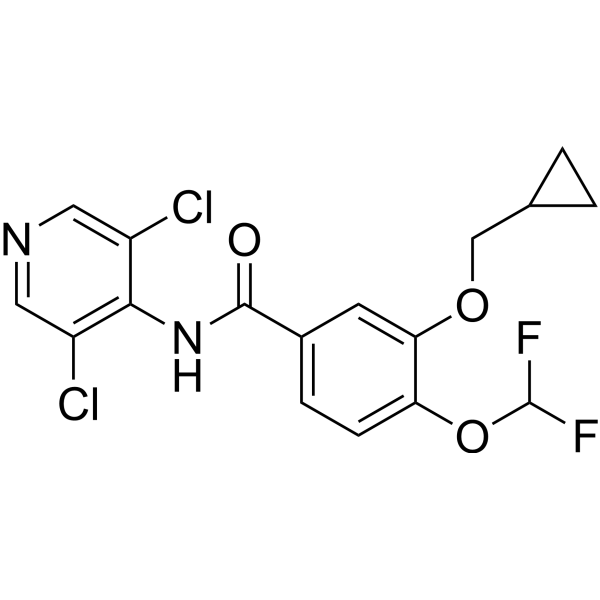
    Roflumilast
    Maximum Cited Publications
    14 Publications Verification

    APTA-2217; BYK 20869; B9302-107

    Phosphodiesterase (PDE) RSV Inflammation/Immunology
    Roflumilast (APTA-2217) is a selective PDE4 inhibitor with IC50s of 0.7, 0.9, 0.7, and 0.2 nM for PDE4A1, PDE4A4, PDE4B1, and PDE4B2, respectively, without affecting PDE1, PDE2, PDE3 or PDE5 isoenzymes from various cells.
    Roflumilast
  • HY-B0442
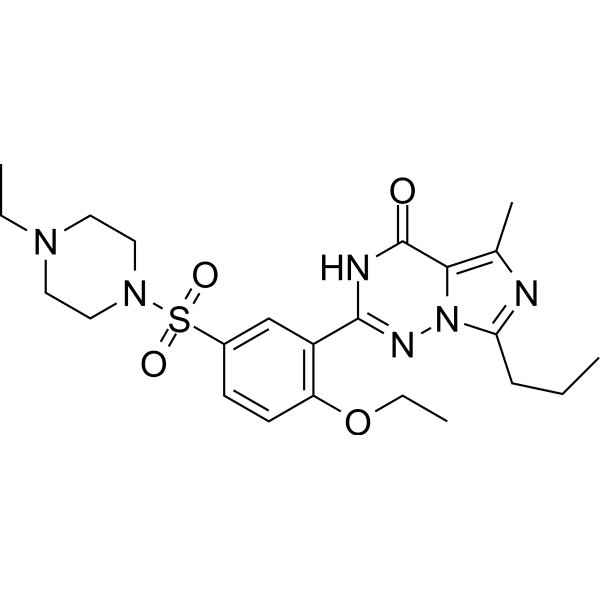
    Vardenafil
    5 Publications Verification

    Phosphodiesterase (PDE) Endogenous Metabolite Metabolic Disease Inflammation/Immunology Endocrinology Cancer
    Vardenafil is a selective and orally active inhibitor of phosphodiesterase-5 (PDE5), with an IC50 of 0.7 nM. Vardenafil shows inhibitory towards PDE1, PDE6 with IC50s of 180 nM, and 11 nM, while IC50s are >1000 nM for PDE3 and PDE4 [1]. Vardenafil competitively inhibits cyclic guanosine monophosphate (cGMP) hydrolysis and thus increases cGMP levels . Vardenafil can be used for the research of erectile dysfunction, hepatitis, diabetes [1]-[6].
    Vardenafil
  • HY-18252
    Avanafil
    1 Publications Verification

    TA1790

    Phosphodiesterase (PDE) NO Synthase Endogenous Metabolite Cardiovascular Disease Endocrinology
    Avanafil (TA-1790) is a potent and selective phosphodiesterase-5 (PDE-5) inhibitor with IC50 values of 5.2 nM, 630 nM, 5700 nM, 6200 nM, 12000 nM, 27000 nM, 51000 nM and 53000 nM for PDE-5, PDE-6, PDE-4, PDE-10, PDE-8, PDE-7, PDE-2 and PDE-1, respectively. Avanafil activates NO/cGMP/PKG signaling-pathway to decrease loss in BMD, bone atrophy, and oxidative stress. Avanafil inhibits cyclic guanosine monophosphate (cGMP) hydrolysis and thus increases cGMP levels. Avanafil can be used for the research of erectile dysfunction and osteoporosis [1] .
    Avanafil
  • HY-50098
    Mardepodect
    3 Publications Verification

    PF-2545920

    Phosphodiesterase (PDE) Neurological Disease Cancer
    Mardepodect is a potent, selective orally active, and brain-penetrant PDE10A inhibitor with an IC50 of 0.37 nM, with >1000-fold selectivity over other PDEs .
    Mardepodect
  • HY-12501A
    ITI-214
    3 Publications Verification

    Phosphodiesterase (PDE) Neurological Disease
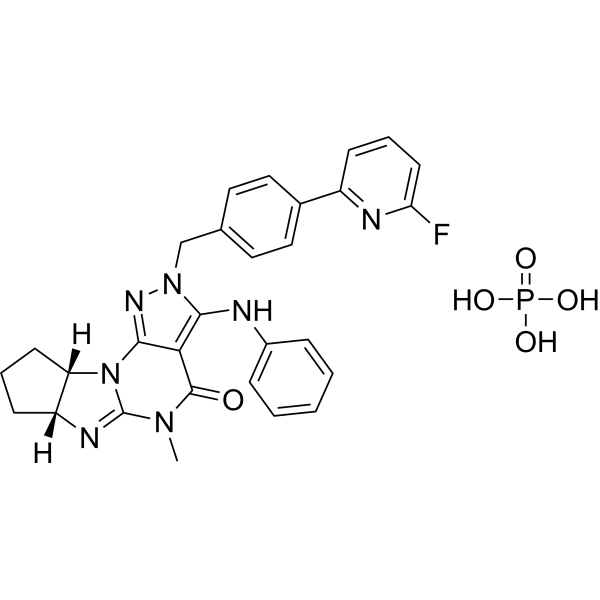
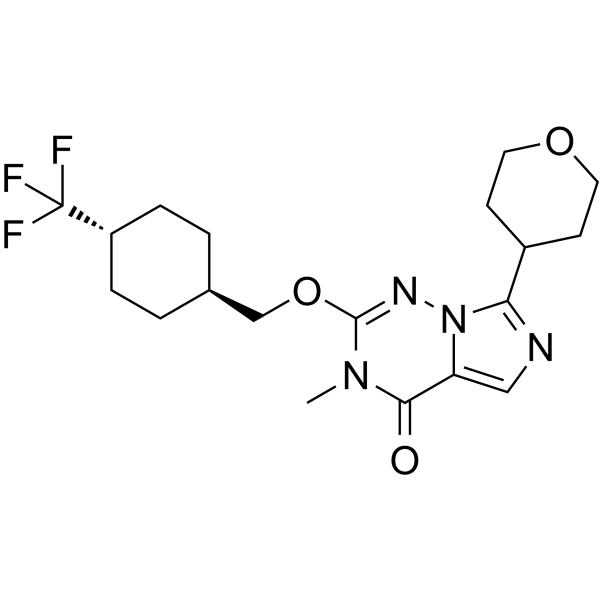
    ITI-214 is a potent, CNS-active, orally bioavailable PDE1 inhibitor (Ki of 58 pM) with excellent selectivity against other PDE family members and against a panel of enzymes, receptors, transporters and ion channels. ITI-214 inhibits recombinant full-length human PDE1A, PDE1B and PDE1C with Kis of 33 pM, 380 pM and 35 pM, respectively. ITI-214 shows efficacy in various animal models of motor and cognitive functions [1] .
    ITI-214
  • HY-B0442A
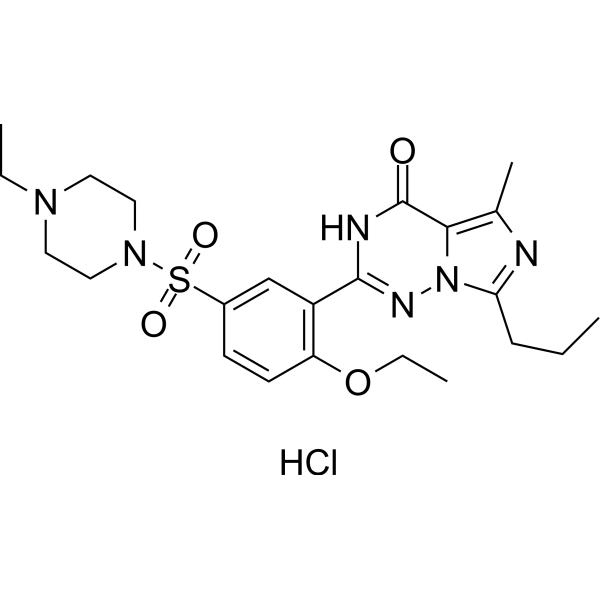
    Vardenafil hydrochloride
    5 Publications Verification

    Phosphodiesterase (PDE) Endogenous Metabolite Metabolic Disease Inflammation/Immunology Endocrinology Cancer
    Vardenafil hydrochloride is a selective and orally active inhibitor of phosphodiesterase-5 (PDE5), with an IC50 of 0.7 nM. Vardenafil hydrochloride shows inhibitory towards PDE1, PDE6 with IC50s of 180 nM, and 11 nM, while IC50s are >1000 nM for PDE3 and PDE4 [1]. Vardenafil hydrochloride competitively inhibits cyclic guanosine monophosphate (cGMP) hydrolysis and thus increases cGMP levels . Vardenafil hydrochloride can be used for the research of erectile dysfunction, hepatitis, diabetes [1]-[6].
    Vardenafil hydrochloride
  • HY-B0442B
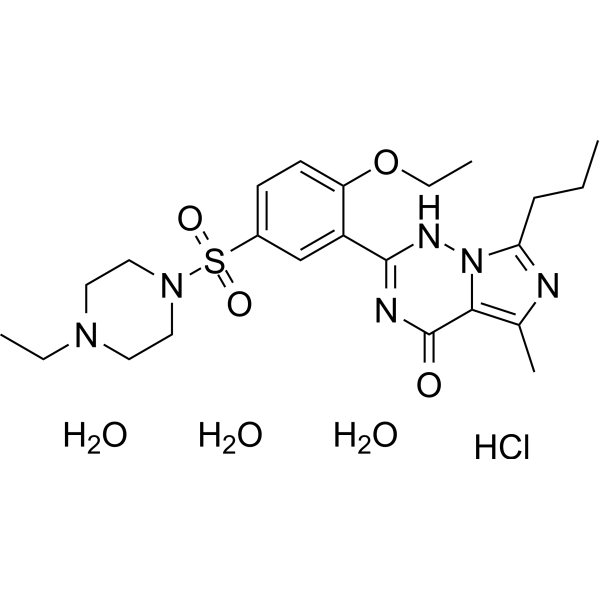
    Vardenafil hydrochloride trihydrate
    5 Publications Verification

    Endogenous Metabolite Phosphodiesterase (PDE) Metabolic Disease Inflammation/Immunology Endocrinology
    Vardenafil hydrochloride trihydrate is a selective and orally active inhibitor of phosphodiesterase-5 (PDE5), with an IC50 of 0.7 nM. Vardenafil hydrochloride trihydrate shows inhibitory towards PDE1, PDE6 with IC50s of 180 nM, and 11 nM, while IC50s are >1000 nM for PDE3 and PDE4 [1]. Vardenafil hydrochloride trihydrate competitively inhibits cyclic guanosine monophosphate (cGMP) hydrolysis and thus increases cGMP levels . Vardenafil hydrochloride trihydrate can be used for the research of erectile dysfunction, hepatitis, diabetes [1]-[6].
    Vardenafil hydrochloride trihydrate
  • HY-14254A
    Olprinone
    1 Publications Verification

    Loprinone

    Phosphodiesterase (PDE) Cardiovascular Disease
    Olprinone (Loprinone) is a potent phosphodiesterase (PDE) 3 inhibitor, with IC50s of 150, 100, 0.35 and 14 μM for PDE1, PDE2, PDE3 and PDE4, respectively. Olprinone is used for the research of heart failure due to its positive inotropic and vasodilative effects. Anti-inflammatory activity [1] .
    Olprinone
  • HY-P2878
    Phosphodiesterase I
    1 Publications Verification

    PDE

    Phosphodiesterase (PDE) Neurological Disease Cancer
    Phosphodiesterase I (PDE) is an enzyme that can catalyze the hydrolysis of the 3' ring phosphate bond of cyclic nucleotides, and is often used in biochemical research. Phosphodiesterase I acts as an important regulator of signal transduction mediated by the second messenger molecules cAMP and cGMP. According to their specificity to cyclic nucleotides, they can also be divided into different types, such as PDE1-PDE11, which also have certain potential in various diseases [1].
    Phosphodiesterase I
  • HY-10790
    Cilomilast
    3 Publications Verification

    SB-207499

    Phosphodiesterase (PDE) Inflammation/Immunology
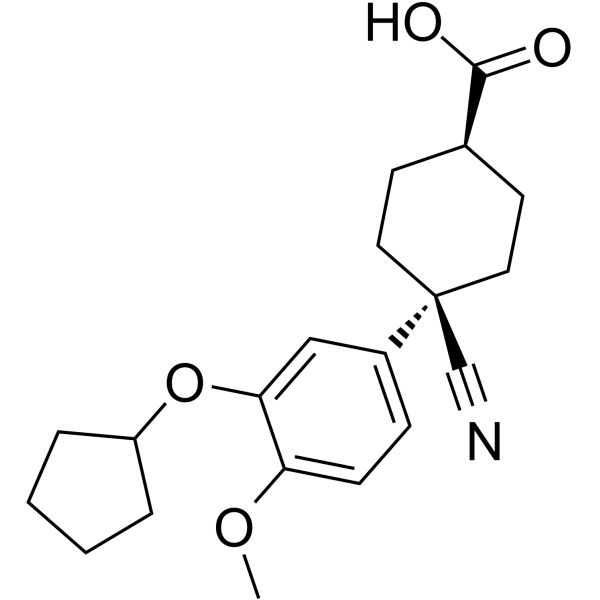
    Cilomilast (SB-207499) is a potent, selective and orally active inhibitor of Phosphodiesterase 4 (PDE4), with IC50s of ~100 and 120 nM for LPDE4 and HPDE4, respectively. Cilomilast shows selectivity for PDE4 over PDE1, PDE2, PDE3 and PDE5 (IC50=74, 65, >100, and 83 μM, respectively). Cilomilast has anti-inflammatory and immunomodulatory effects and can be used for thr research of asthma and chronic obstructive pulmonary disease (COPD) [1] .
    Cilomilast
  • HY-102050

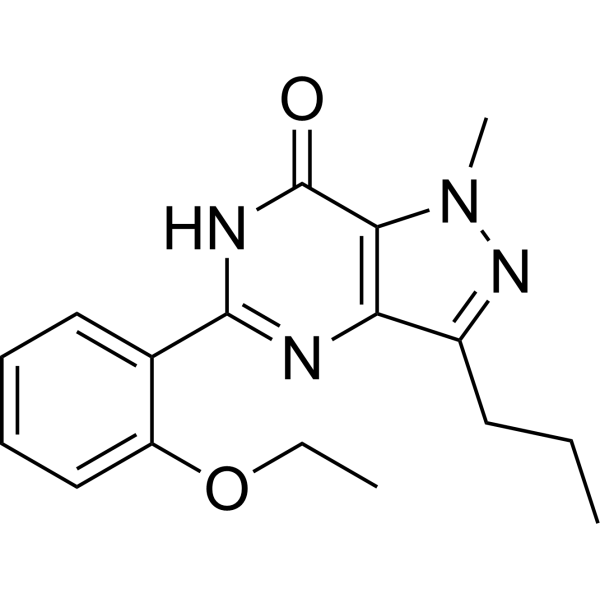
    Phosphodiesterase (PDE) Neurological Disease
    PF-05085727 is a potent, selective and brain penetrant inhibitor of cGMP-dependent PDE2A (IC50=2 nM). PF-05085727 inhibits PDE2A >4,000-fold selectivity over PDE1 and PDE3-11 [1].
    PF-05085727
  • HY-112831
    Osoresnontrine
    1 Publications Verification

    BI-409306

    Phosphodiesterase (PDE) Neurological Disease
    Osoresnontrine (BI-409306) is a potent and selective PDE9A inhibitor, with an IC50 of 52 nM, and shows weak activity against other PDEs, such as PDE1A (IC50, 1.4 µM), PDE1C (IC50, 1.0 µM), PDE2A, PDE3A, PDE4B, PDE5A, PDE6AB, PDE7A, and PDE10A (IC50 all > 10 μM); Osoresnontrine can be used in the research of memory enhancement in CNS disorders.
    Osoresnontrine
  • HY-14254
    Olprinone Hydrochloride
    1 Publications Verification

    Loprinone Hydrochloride

    Phosphodiesterase (PDE) Cardiovascular Disease
    Olprinone (Loprinone) Hydrochloride is a potent phosphodiesterase (PDE) 3 inhibitor, with IC50s of 150, 100, 0.35 and 14 μM for PDE1, PDE2, PDE3 and PDE4, respectively. Olprinone Hydrochloride is used for the research of heart failure due to its positive inotropic and vasodilative effects. Anti-inflammatory activity [1] .
    Olprinone Hydrochloride
  • HY-108618
    BC11-38
    2 Publications Verification

    Phosphodiesterase (PDE) Endocrinology
    BC11-38 is a potent, selective, and biologically active PDE11 inhibitor, with IC50s of 0.28 µM and >100 µM for PDE11 and PDE1-10, respectively. BC11-38 elevates cAMP levels, PKA-mediated ATF-1 phosphorylation, and cortisol production in H295R cells [1].
    BC11-38
  • HY-136569

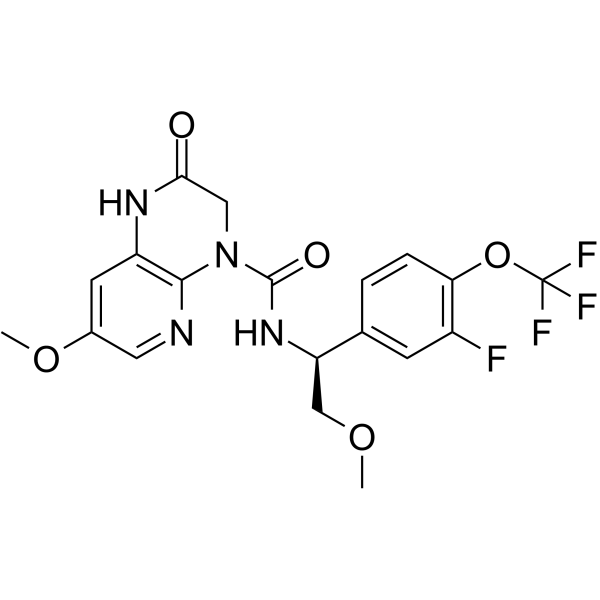
    Phosphodiesterase (PDE) Neurological Disease
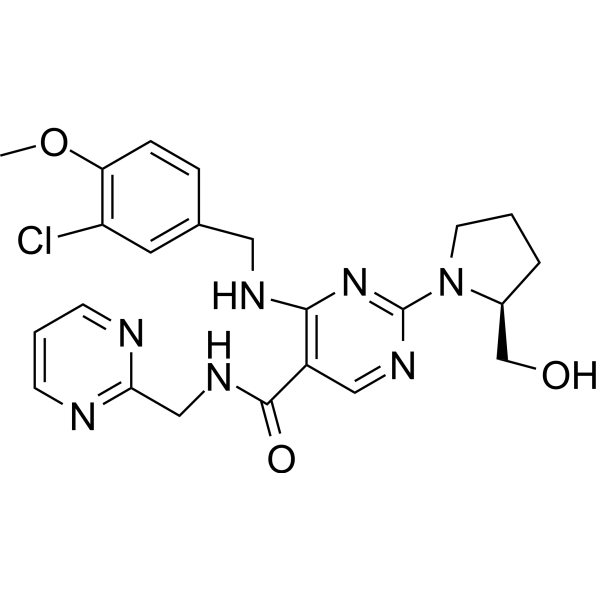
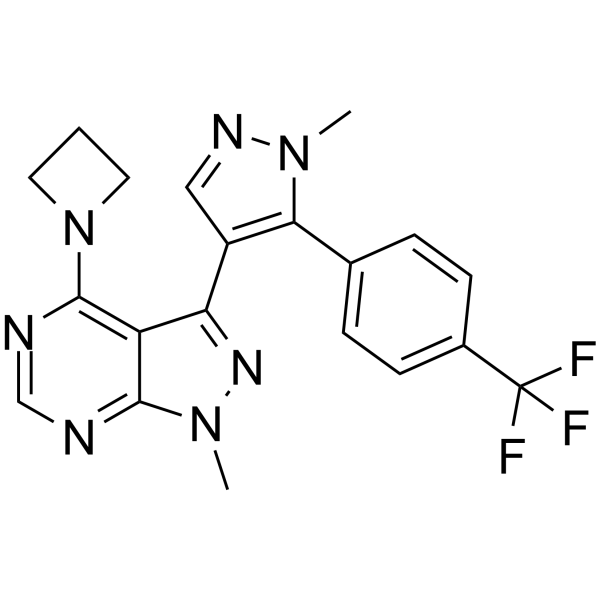
    DSR-141562 is a novel, orally active, and selective brain-penetrant phosphodiesterase 1 (PDE1) inhibitor. DSR-141562 shows preferential selectivity for human PDE1B with an IC50 of 43.9 nM, and the IC50 values for human PDE1A and 1C are 97.6 and 431.8 nM, respectively. DSR-141562 can be used for the study of positive symptoms, negative symptoms and cognitive impairments associated with schizophrenia [1] .
    DSR-141562
  • HY-101490

    Phosphodiesterase (PDE) Neurological Disease
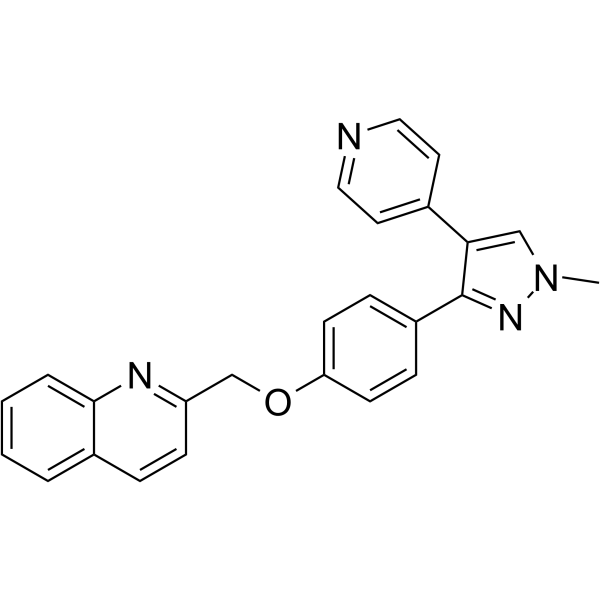
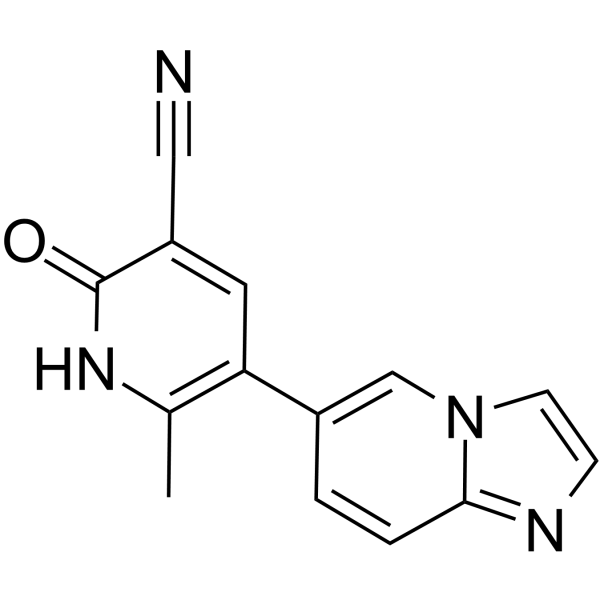
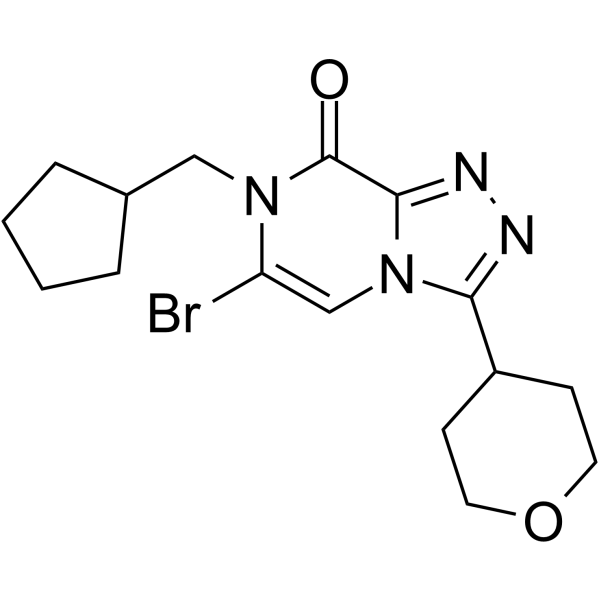
    PDE1-IN-2 is a PDE1 inhibitor extracted from patent WO2016/55618 A1, example 31. PDE1-IN-2 has IC50 values of 6 nM, 140 nM and 164 nM for PDE1C, PDE1B and PDE1A, respectvely. PDE1-IN-2 is developed for the research of neurodegenerative disorders and psychiatric disorders [1].
    PDE1-IN-2
  • HY-169402A

    Phosphodiesterase (PDE) NO Synthase Reactive Oxygen Species (ROS) Interleukin Related Inflammation/Immunology
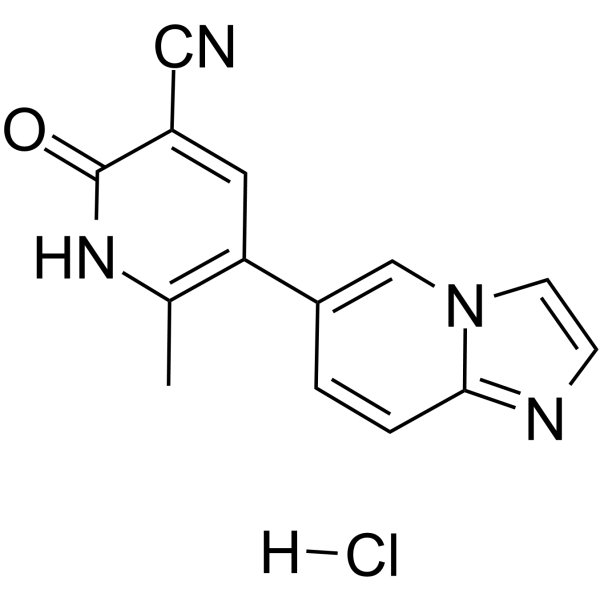
    PDE1-IN-9 (Compound 7a) hydrochloride is a selective inhibitor for phosphodiesterase 1 (PDE1), that inhibits PDE1C with an IC50 of 11 nM. PDE1-IN-9 hydrochloride reduces mRNA expression of IL-1β, IL-6, TNF-α and iNOS, inhibits the production of nitric oxide (NO) and reactive oxygen species (ROS). PDE1-IN-9 hydrochloride exhibits good metabolic stability in rat liver microsomes [1].
    PDE1-IN-9 hydrochloride
  • HY-W011336

    Phosphodiesterase (PDE) Others
    PDE5-IN-7 (compound 8) is a selective phosphodiesterase 5 (PDE 5) inhibitor with an IC50 value of 5 nM, while an IC50 of 300 nM for PDE 1 [1].
    PDE5-IN-7
  • HY-103493

    Phosphodiesterase (PDE) Neurological Disease
    TAK-915 is a potent, selective, brain-penetrant and orally active phosphodiesterase 2A (PDE2A) inhibitor with an IC50 of 0.61 nM. TAK-915 is >4100-fold more selectivity for PDE2A than PDE1A. TAK-915 has the potential for neuropsychiatric and neurodegenerative disorders treatment [1] .
    TAK-915
  • HY-114672

    Phosphodiesterase (PDE) Cardiovascular Disease
    MBCQ is a potent and selective cGMP-specific phosphodiesterase (PDE V; PDE5) inhibitor with an IC50 of 19 nM. MBCQ lacks inhibitory activity toward other PDE isozymes (all IC50s>100 μM). MBCQ dilates coronary arteries via specific inhibition of cGMP-PDE .
    MBCQ
  • HY-117977

    Phosphodiesterase (PDE) Neurological Disease Inflammation/Immunology
    FCPR03 is a potent and selective phosphodiesterase 4 (PDE4) inhibitor with IC50 values of 60 nM, 31 nM and 47 nM for PDE4 catalytic domain, PDE4B1 and PDE4D7, respectively. FCPR03 displays at least 2100-fold selectivity over other PDEs (PDE1-3 and PDE5-11). FCPR03 has anti-inflammatory, neuroprotective and antidepressant-like effects [1] .
    FCPR03
  • HY-12501

    Phosphodiesterase (PDE) Neurological Disease
    ITI-214 free base is a potent, CNS-active, orally bioavailable PDE1 inhibitor (Ki of 58 pM) with excellent selectivity against other PDE family members and against a panel of enzymes, receptors, transporters and ion channels. ITI-214 free base inhibits recombinant full-length human PDE1A, PDE1B and PDE1C with Kis of 33 pM, 380 pM and 35 pM, respectively. ITI-214 free base shows efficacy in various animal models of motor and cognitive functions [1] .
    ITI-214 free base
  • HY-15455S
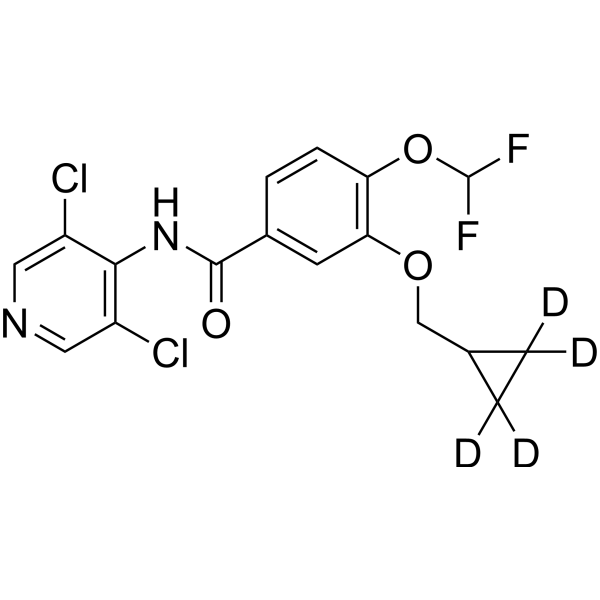
    Roflumilast-d4
    1 Publications Verification

    APTA-2217-d4; BYK 20869-d4; B9302-107-d4

    Isotope-Labeled Compounds Phosphodiesterase (PDE) RSV Inflammation/Immunology
    Roflumilast-d4 is the deuterium labeled Roflumilast. Roflumilast is a selective PDE4 inhibitor with IC50s of 0.7, 0.9, 0.7, and 0.2 nM for PDE4A1, PDEA4, PDEB1, and PDEB2, respectively, without affecting PDE1, PDE2, PDE3 or PDE5 isoenzymes from various cells [1] .
    Roflumilast-d4
  • HY-111167

    Phosphodiesterase (PDE) Interleukin Related TNF Receptor IFNAR Inflammation/Immunology
    AN-2898 is a selective PDE4 inhibitor with IC50 of 0.027 μM over other phosphodiesterase enzymes, such as PDE1A, PDE2A and PDE3A. AN-2898 also potently inhibits PDE4 subtypes (PDE4B1, PDE4A1A and PDE4D2). AN-2898 significantly inhibits the production of TNF-α, IL-2, IFN-γ, IL-5 and IL-10. AN-2898 can be used for mild to moderate atopic dermatitis (AD) and psoriasis research [1].
    AN-2898
  • HY-N11262

    Phosphodiesterase (PDE) Sirtuin PGC-1α p38 MAPK HSP TNF Receptor NO Synthase Apoptosis Metabolic Disease Inflammation/Immunology
    Sudachitin is an orally active compound that potently inhibits mouse PDE1C and human PDE4B, with IC50 values of 5.0 μM and 15.0 μM, respectively. Sudachitin upregulates Sirt1 and PGC‑1α expression in skeletal muscle to regulate energy metabolism and promote mitochondrial biogenesis. Sudachitin improves lipid metabolism, glucose tolerance, insulin sensitivity, energy expenditure, and fatty acid β‑oxidation. Sudachitin activates p38MAPK signaling, induces HSP27 phosphorylation and caspase‑dependent apoptosis, and blocks EGF‑driven keratinocyte migration and proliferation. Sudachitin suppresses LPS‑induced TNF‑α, NO, and iNOS expression in macrophages and shows potent anti‑inflammatory activity. Sudachitin can be used for the research of metabolic syndrome, type 2 diabetes, and psoriasis. [1] .
    Sudachitin
  • HY-B0442AS

    Endogenous Metabolite Phosphodiesterase (PDE) Isotope-Labeled Compounds Metabolic Disease Inflammation/Immunology Endocrinology
    Vardenafil-d5 hydrochloride is deuterated labeled Vardenafil hydrochloride (HY-B0442A). Vardenafil hydrochloride is a selective and orally active inhibitor of phosphodiesterase-5 (PDE5), with an IC50 of 0.7 nM. Vardenafil hydrochloride shows inhibitory towards PDE1, PDE6 with IC50s of 180 nM, and 11 nM, while IC50s are >1000 nM for PDE3 and PDE4 [1]. Vardenafil hydrochloride competitively inhibits cyclic guanosine monophosphate (cGMP) hydrolysis and thus increases cGMP levels . Vardenafil hydrochloride can be used for the research of erectile dysfunction, hepatitis, diabetes [1]-[6].
    Vardenafil-d5 hydrochloride
  • HY-120195

    Phosphodiesterase (PDE) Neurological Disease
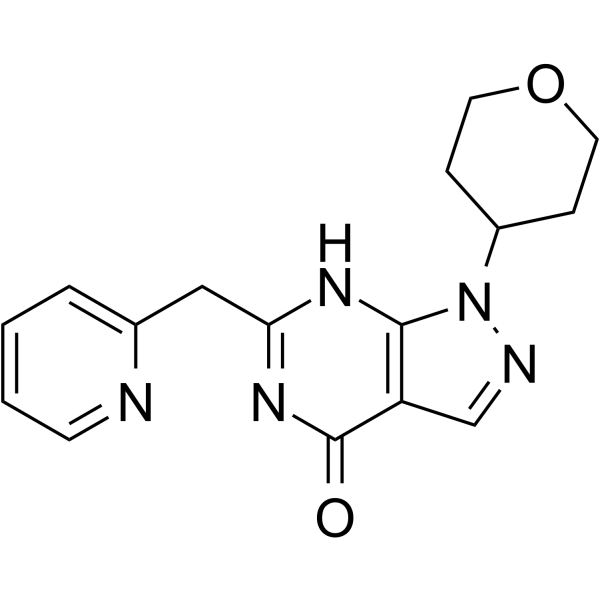
    PF-04677490 is a PDE1 inhibitor (IC50: 21 nM). PF-04677490 has IC50s of 21 nM, 83 nM, and 118 nM for PDE1B1, PDE1C, and PDE1A, respectively. PF-04677490 efficaciously inhibits cAMP- and cGMP-hydrolytic activity [1].
    PF-04677490
  • HY-120741

    Phosphodiesterase (PDE) Neurological Disease
    PF-04822163 is an orally active, selective, and blood-brain barrier permeable PDE1 inhibitor with IC50 values of 2 nM, 2.4 nM, and 7 nM for PDE1A, PDE1B, and PDE1C respectively. PF-04822163 can be used in the research of attention deficit hyperactivity disorder or Parkinson's disease [1].
    PF-04822163
  • HY-175971

    Phosphodiesterase (PDE) TGF-beta/Smad p38 MAPK Inflammation/Immunology
    PDE1-IN-10 is a potent and sekective Phosphodiesterase 1 (PDE1) inhibitor with an IC50 of 5 nM. PDE1-IN-10 can suppress TGF-β/Smad-MAPK signaling and exhibit antifibrotic effects. PDE1-IN-10 can be used for the research of idiopathic pulmonary fibrosis [1].
    PDE1-IN-10
  • HY-163406

    Phosphatase Apoptosis Cancer
    PDE1-IN-6 (compound 6c) is a selectivity PDE1 inhibitor with the IC50 of 7.5 nM. PDE1-IN-6 significantly inhibits the proliferation and induced cell apoptosis in Acute myelogenous leukemia cells [1].
    PDE1-IN-6
  • HY-169402

    Phosphodiesterase (PDE) NO Synthase Reactive Oxygen Species (ROS) Interleukin Related Inflammation/Immunology
    PDE1-IN-9 (Compound 7a) is a selective inhibitor for phosphodiesterase 1 (PDE1), that inhibits PDE1C with an IC50 of 11 nM. PDE1-IN-9 reduces mRNA expression of IL-1β, IL-6, TNF-α and iNOS, inhibits the production of nitric oxide (NO) and reactive oxygen species (ROS). PDE1-IN-9 exhibits good metabolic stability in rat liver microsomes [1].
    PDE1-IN-9
  • HY-130262

    Phosphodiesterase (PDE) Inflammation/Immunology
    PDE1-IN-3, compound 4 (WO2019156861), is a selective human phosphodiesterase 1 (PDE1) inhibitor. PDE1-IN-3 inhibits PDE4D and PDE6AB with IC50 values of 23.99 μM and 10 μM, respectively [1].
    PDE1-IN-3
  • HY-161506

    Phosphodiesterase (PDE) Inflammation/Immunology
    PDE1-IN-7 (Compound 13h) is a selective inhibitor of bPDE1 (IC50= 10 nM). PDE1-IN-7 exhibits significant anti-fibrotic effects in a BDL-induced liver fibrosis rat model. PDE1-IN-7 can be used for research in liver fibrosis [1].
    PDE1-IN-7
  • HY-147946

    Phosphodiesterase (PDE) Calcium Channel Inflammation/Immunology
    PDE1-IN-4 (compound 2g) is a potent and selective PDE1 (phosphodiesterase-1) inhibitor, with IC50 values of 10, 145, and 354 nM for PDE1C, PDE1A, and PDE1B, respectively. PDE1-IN-4 inhibits myofibroblast differentiation of human lung fibroblasts induced by TGF1. PDE1-IN-4 shows anti-fibrosis effects through the regulation of cAMP (3′,5′-cyclic adenosine monophosphate) and cGMP (3′,5′-cyclic guanosine monophosphate). PDE1-IN-4 can be used for idiopathic pulmonary fibrosis (IPF) research [1].
    PDE1-IN-4
  • HY-103024

    Environmental Pollutants Phosphodiesterase (PDE) Neurological Disease
    ICI-63197 is a phosphodiesterase 3 (PDE3) and PDE4 inhibitor with Ki values of 9 µM and 10 µM, respectively. ICI-63197 is selectivity against PDE1 and PDE2. ICI-63197 has antidepressant effects [1] .
    ICI-63197
  • HY-169963

    Phosphodiesterase (PDE) Others
    PDE1-IN-8 (Compound 3f) is the inhibitor for PDE1 with an IC50 of 11 nM. PDE1-IN-8 inhibits cAMP and cGMP signaling pathway, inhibits the differentiation and proliferation of cells into myofibroblast, and exhibits anti-fibrotic efficacy in Bleomycin (HY-17565)-induced rat pulmonary fibrosis model [1].
    PDE1-IN-8
  • HY-155199

    Phosphodiesterase (PDE) Inflammation/Immunology
    PDE1-IN-5 (Compound 10c) is a selective PDE1C inhibitor (IC50: 15 nM). PDE1-IN-5 has anti- inflammatory activity, and inhibits expression of iNOS, TNF-α, IL-1α, IL-1β, and IL-6 induced by LPS. PDE1-IN-5 has anti-inflammatory bowel disease (IBD) effects in the dextran sodium sulfate (DSS)-Induced colitis mice model. PDE1-IN-5 can be used for research of IBD [1].
    PDE1-IN-5
  • HY-178478

    Phosphodiesterase (PDE) Metabolic Disease
    PDE1-IN-11 (Compound 5cc) is an orally active and highly selective PDE1A1 inhibitor. PDE1-IN-11 increases intracellular cAMP and cGMP levels, activating the PKA-CREB and NO-cGMP-PKG signaling pathways, promoting osteoblast differentiation and bone formation, while suppressing osteoclastogenesis and bone resorption. PDE1-IN-11 is promising for research of postmenopausal osteoporosis (PMO) and other bone metabolism disorders [1].
    PDE1-IN-11
  • HY-156434

    Phosphodiesterase (PDE) Neurological Disease
    PDE11A4-IN-1 (compound 23b) is a potent and selective PDE11A4 inhibitor with an IC50 of 12 nM. PDE11A4-IN-1 show high selectivity for PDE11A4 over PDE1, PDE2, PDE7, PDE8, and PDE9 [1].
    PDE11A4-IN-1
  • HY-15455R

    APTA-2217 (Standard); BYK 20869 (Standard); B9302-107 (Standard)

    Reference Standards Phosphodiesterase (PDE) RSV Inflammation/Immunology
    Roflumilast (Standard) is the analytical standard of Roflumilast. This product is intended for research and analytical applications. Roflumilast (APTA-2217) is a selective PDE4 inhibitor with IC50s of 0.7, 0.9, 0.7, and 0.2 nM for PDE4A1, PDEA4, PDEB1, and PDEB2, respectively, without affecting PDE1, PDE2, PDE3 or PDE5 isoenzymes from various cells.
    Roflumilast (Standard)
  • HY-18252A

    TA1790 dibenzenesulfonate

    Phosphodiesterase (PDE) NO Synthase Endogenous Metabolite Cardiovascular Disease Endocrinology
    Avanafil (TA-1790) dibenzenesulfonate is a potent and selective phosphodiesterase-5 (PDE-5) inhibitor with IC50 values of 5.2 nM, 630 nM, 5700 nM, 6200 nM, 12000 nM, 27000 nM, 51000 nM and 53000 nM for PDE-5, PDE-6, PDE-4, PDE-10, PDE-8, PDE-7, PDE-2 and PDE-1, respectively. Avanafil dibenzenesulfonate activates NO/cGMP/PKG signaling-pathway to decrease loss in BMD, bone atrophy, and oxidative stress. Avanafil dibenzenesulfonate inhibits cyclic guanosine monophosphate (cGMP) hydrolysis and thus increases cGMP levels. Avanafil dibenzenesulfonate can be used for the research of erectile dysfunction and osteoporosis [1] .
    Avanafil dibenzenesulfonate
  • HY-112631

    Phosphodiesterase (PDE) Cardiovascular Disease
    OPC-33540 is a highly selective and competitive PDE3 inhibitor with IC50 values of 0.32 nM (PDE3A) and 1.5 nM (PDE3B). OPC-33540 exhibits IC50s against PDE1, PDE2, PDE4, PDE5, and PDE7 of 42.9, 52.3, 100.8, 2.5, and 51.3 μM, respectively. OPC-33540 significantly enhances cAMP accumulation in platelets and effectively inhibits thrombin-induced platelet aggregation. OPC-33540 can be used in antithrombotic studies [1].
    OPC 33540
  • HY-100990

    Phosphodiesterase (PDE) Neurological Disease
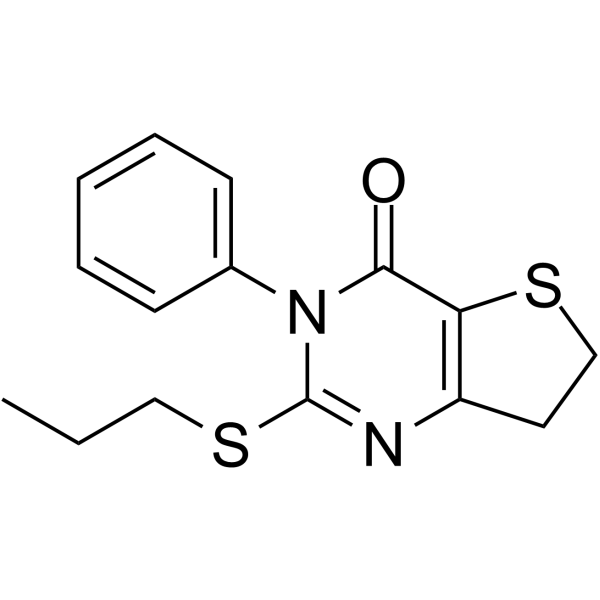
    MMPX is a potent PDE1 inhibitor [1].
    MMPX
  • HY-105349

    Phosphodiesterase (PDE) Neurological Disease
    T-0156 is a potent and selective phosphodiesterase type 5 (PDE5) inhibitor. T-0156 specifically inhibits the hydrolysis of cyclic guanosine monophosphate (cGMP) by PDE5 in a competitive manner (IC50=0.23 nM). T-0156 inhibits PDE6 (IC50=56 nM) and has low potencies against PDE1, PDE2, PDE3, and PDE4 (IC50>10 μM). T-0156 enhances the nitric oxide (NO)/cGMP pathway [1].
    T-0156
  • HY-182327

    Phosphodiesterase (PDE) Dopamine Receptor Neurological Disease
    PDE1-IN-12 (P78, the first compound in 12) is a PDE1 inhibitor. PDE1-IN-12 inhibits PDEl-mediated suppression of the dopamine D1 receptor intracellular pathway and can be used for narcolepsy [1].
    PDE1-IN-12
  • HY-122622

    Phosphodiesterase (PDE) Others
    PF-04471141 (hydrochloride) is a compound that regulates intracellular cAMP and cGMP concentrations. It is a PDE1 inhibitor and has different effects on different PDE enzymes in regulating intracellular signaling molecule concentrations and cell proliferation in vascular smooth muscle cells.
    PF-04471141 hydrochloride
  • HY-164685

    Phosphodiesterase (PDE) Neurological Disease
    T-0156 free base is a potent and selective phosphodiesterase type 5 (PDE5) inhibitor. T-0156 free base specifically inhibits the hydrolysis of cyclic guanosine monophosphate (cGMP) by PDE5 in a competitive manner (IC50=0.23 nM). T-0156 free base inhibits PDE6 (IC50=56 nM) and has low potencies against PDE1, PDE2, PDE3, and PDE4 (IC50>10 μM). T-0156 free base enhances the nitric oxide (NO)/cGMP pathway [1].
    T-0156 free base
  • HY-167891

    Phosphodiesterase (PDE) Apoptosis Inflammation/Immunology
    GPD-1116 is an orally active Phosphodiesterase (PDE) 4 and PDE1 inhibitor. GPD-1116 can reduce smoke-induced apoptosis of lung cells. GPD-1116 is effective in several disease models in animals, including emphysema, acute lung injury, chronic obstructive pulmonary disease (COPD), asthma and pulmonary hypertension [1].
    GPD-1116
  • HY-15455S2

    APTA-2217-d3; BYK 20869-d3; B9302-107-d3

    Isotope-Labeled Compounds Phosphodiesterase (PDE) RSV Inflammation/Immunology
    Roflumilast-d3 is deuterium labeled Roflumilast. Roflumilast is a selective PDE4 inhibitor with IC50s of 0.7, 0.9, 0.7, and 0.2 nM for PDE4A1, PDEA4, PDEB1, and PDEB2, respectively, without affecting PDE1, PDE2, PDE3 or PDE5 isoenzymes from various cells.
    Roflumilast-d3
  • HY-15455S1

    Phosphodiesterase (PDE) RSV Inflammation/Immunology
    Roflumilast-d4 N-Oxide is the deuterium labeled Roflumilast. Roflumilast is a selective PDE4 inhibitor with IC50s of 0.7, 0.9, 0.7, and 0.2 nM for PDE4A1, PDEA4, PDEB1, and PDEB2, respectively, without affecting PDE1, PDE2, PDE3 or PDE5 isoenzymes from various cells [1] .
    Roflumilast-d4 N-Oxide

Inquiry Online

Your information is safe with us. * Required Fields.

Salutation


Country or Region *

Applicant Name *


Organization Name *

Department *


Email Address *


Product Name *

Cat. No.


Requested quantity *

Phone Number *


Remarks

Inquiry Online

Inquiry Information

Product Name:
Cat. No.:
Quantity:
MCE Japan Authorized Agent:

