33 Results for "

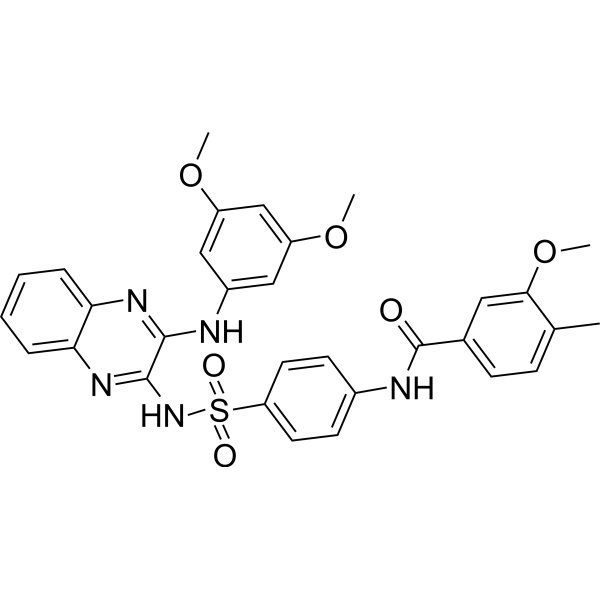
PI3K-IN-1

" in MedChemExpress (MCE) Product Catalog:
Products (33)

33 Results for "PI3K-IN-1" in MCE Product Catalog:

12
12 Publications Verification
Cat. No.: HY-12068
CAS No.: 1349796-36-6
Purity:  99.46%
Synonyms: XL-147 derivative 1
Target:  

PI3K

Research Areas:  

Cancer

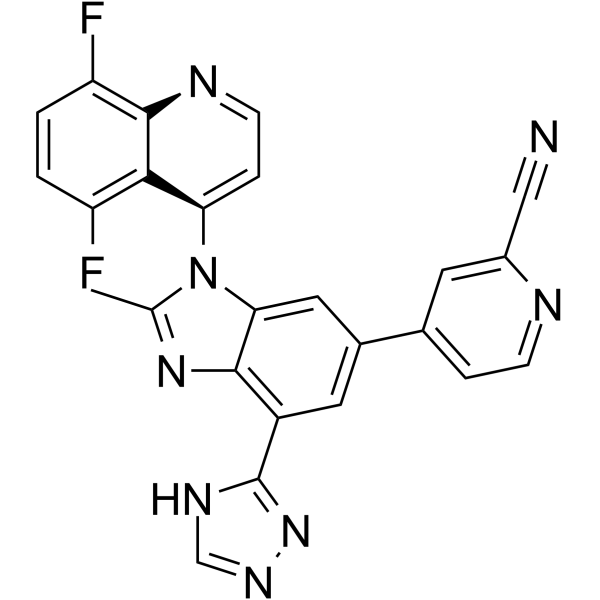
PI3K-IN-1 (XL-147 derivative 1) is a potent inhibitor of PI3K. PI3K-IN-1 (25 μM) blocks PI3K/Akt signaling pathways .
loading...
    loading...
Cat. No.: HY-101921
CAS No.: 1911564-39-0
Purity:  99.60%
Target:  

PI3K

Research Areas:  

Inflammation/Immunology

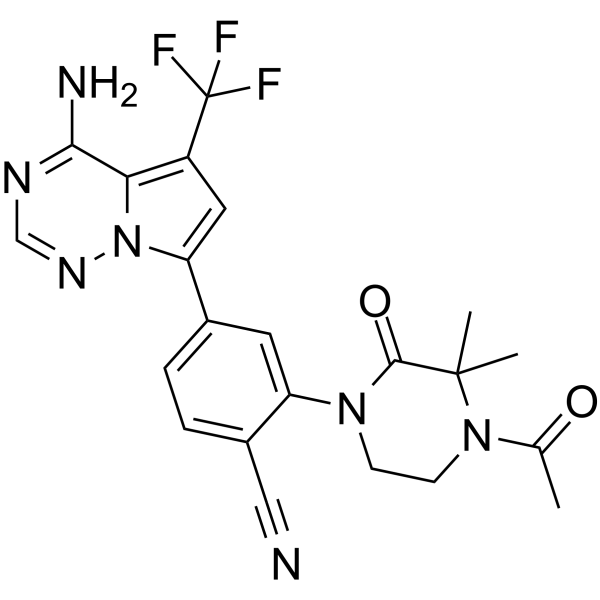
PI3Kδ-IN-1 is a potent, selective, and efficacious PI3Kδ inhibitor with an IC50 of 1.7 nM.
loading...
    loading...
Cat. No.: HY-124647
CAS No.: 2100855-80-7
Target:  

PI3K

Research Areas:  

Cancer

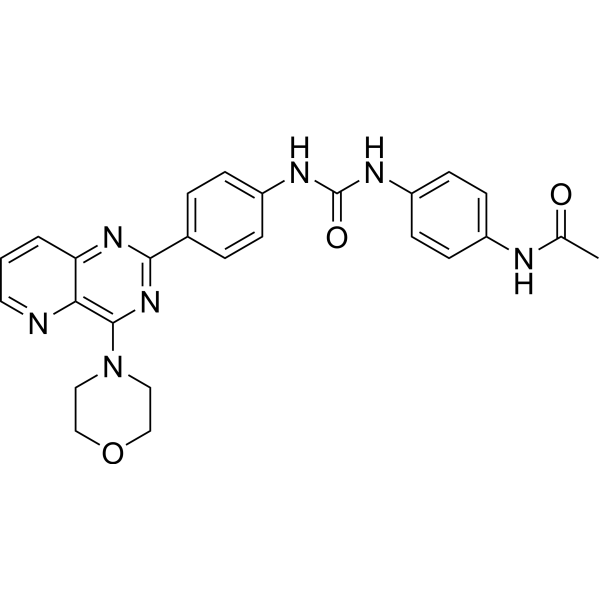
PI3Kα-IN-1 is a PI3Kα inhibitor (IC50 < 0.5 nM), and also inhibits mTOR (IC50: 104 nM) .
loading...
    loading...
Cat. No.: HY-144993
CAS No.: 1980884-01-2
Purity:  99.85%
Target:  

PI3K

Research Areas:  

Cancer

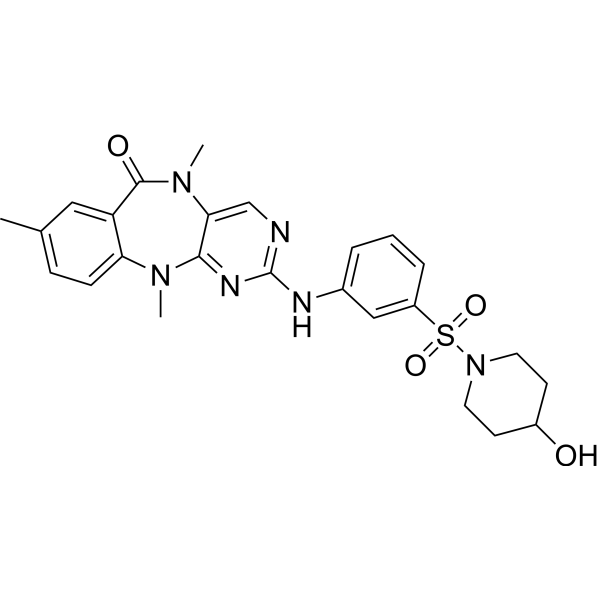
PI3Kδ/γ-IN-1 is a potent, selective PI3K-δ/γ inhibitor for research of hematological malignancies.
loading...
    loading...
Cat. No.: HY-145338
CAS No.: 2215098-77-2
Target:  

PI3K

Research Areas:  

Cancer

PI3Kβ-IN-1 (compound (P)-14) is a selective and orally active PI3Kβ inhibitor, with an IC50 of 2 nM .
loading...
    loading...
4
4 Cited Publications
Cat. No.: HY-113402
CAS No.: 636-58-8
Purity:  95.20%
Synonyms: γ-Glu-Cys
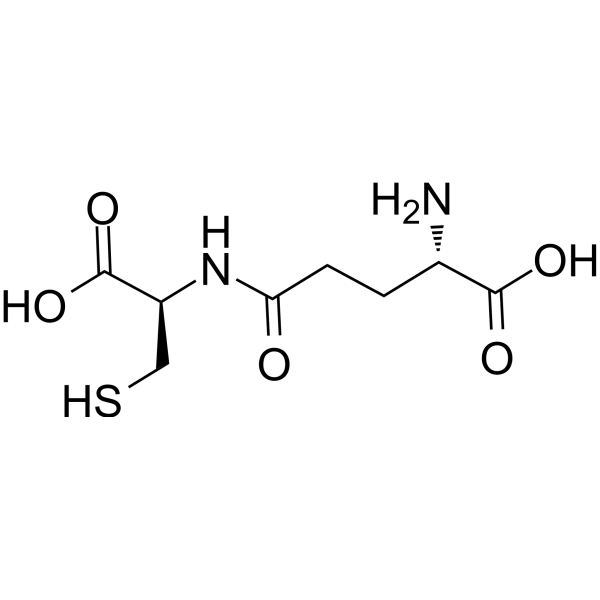
Gamma-glutamylcysteine (γ-Glu-Cys) is an orally active, blood-brain barrier permeable dipeptide . Gamma-glutamylcysteine activates AMPK, SIRT1, IL-4/STAT6, AC/cAMP/PI3K, IGF-1R/IRS1/PI3K, and Nrf2 signaling pathways; it inhibits NF-κB, JAK1/STAT1/3, MAPKs, cadmium-induced p38 MAPK, JNK, and PI3K/Akt signaling pathways. Gamma-glutamylcysteine regulates macrophage polarization, modulates the trafficking of CD36 and GLUT4, induces glutathione synthesis, improves metabolic dysfunction, reduces lipid deposition, ameliorates glucose homeostasis, inhibits apoptosis (Apoptosis), stabilizes mitochondria, suppresses lipid peroxidation, iron accumulation and ferroptosis (Ferroptosis), reduces ds-HMGB1 levels, reverses mechanical hyperalgesia, and alleviates hepatic lipid droplet formation. Gamma-glutamylcysteine is applicable to research related to inflammatory bowel disease, type 2 diabetes, cadmium-induced neurotoxicity, Alzheimer's disease, cerebral ischemia/reperfusion injury, neuropathy, and alcoholic liver disease .
loading...
    loading...
4
4 Cited Publications
Cat. No.: HY-113402A
CAS No.: 283159-88-6
Purity:  95.20%
Synonyms: γ-Glu-Cys TFA
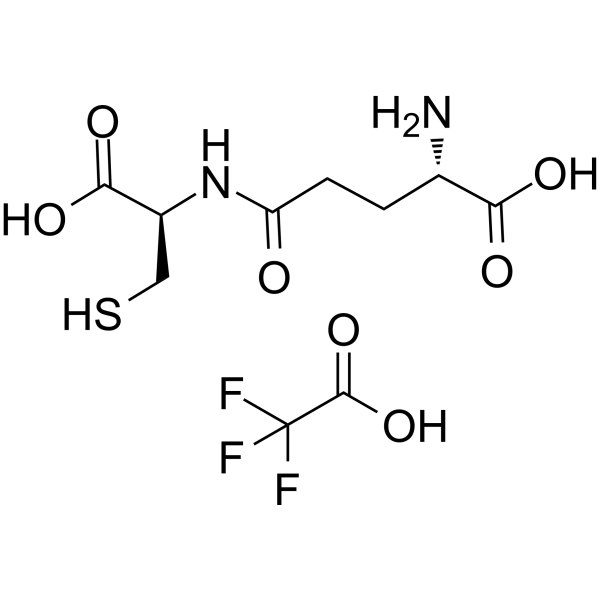
Gamma-glutamylcysteine TFA (γ-Glu-Cys TFA) is an orally active, blood-brain barrier permeable dipeptide . Gamma-glutamylcysteine TFA activates AMPK, SIRT1, IL-4/STAT6, AC/cAMP/PI3K, IGF-1R/IRS1/PI3K, and Nrf2 signaling pathways; it inhibits NF-κB, JAK1/STAT1/3, MAPKs, cadmium-induced p38 MAPK, JNK, and PI3K/Akt signaling pathways. Gamma-glutamylcysteine TFA regulates macrophage polarization, modulates the trafficking of CD36 and GLUT4, induces glutathione synthesis, improves metabolic dysfunction, reduces lipid deposition, ameliorates glucose homeostasis, inhibits apoptosis (Apoptosis), stabilizes mitochondria, suppresses lipid peroxidation, iron accumulation and ferroptosis (Ferroptosis), reduces ds-HMGB1 levels, reverses mechanical hyperalgesia, and alleviates hepatic lipid droplet formation. Gamma-glutamylcysteine TFA is applicable to research related to inflammatory bowel disease, type 2 diabetes, cadmium-induced neurotoxicity, Alzheimer's disease, cerebral ischemia/reperfusion injury, neuropathy, and alcoholic liver disease .
loading...
    loading...
1
1 Cited Publications
Cat. No.: HY-18650
CAS No.: 845932-30-1
Target:  

ATM/ATR

Research Areas:  

Cancer

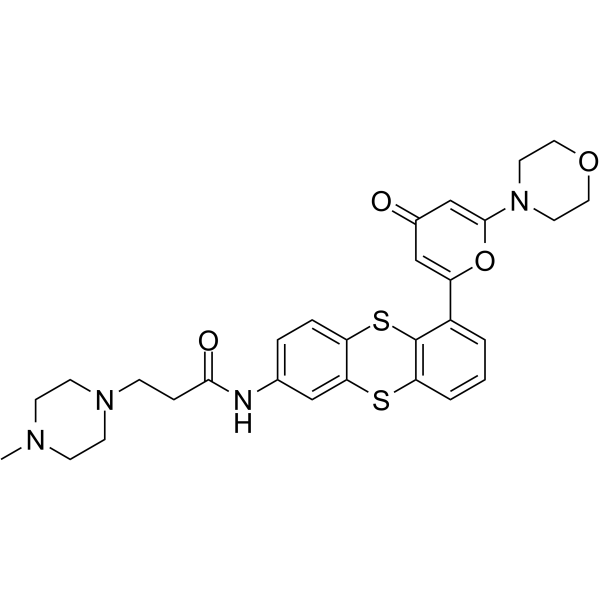
KU 59403 is a potent ATM inhibitor, with IC50 values of 3 nM, 9.1 μM and 10 μM for ATM, DNA-PK and PI3K, respectively .
loading...
    loading...
1
1 Cited Publications
Cat. No.: HY-108418
CAS No.: 870281-17-7
Purity:  99.52%
Target:  

PI3K

Research Areas:  

Cancer

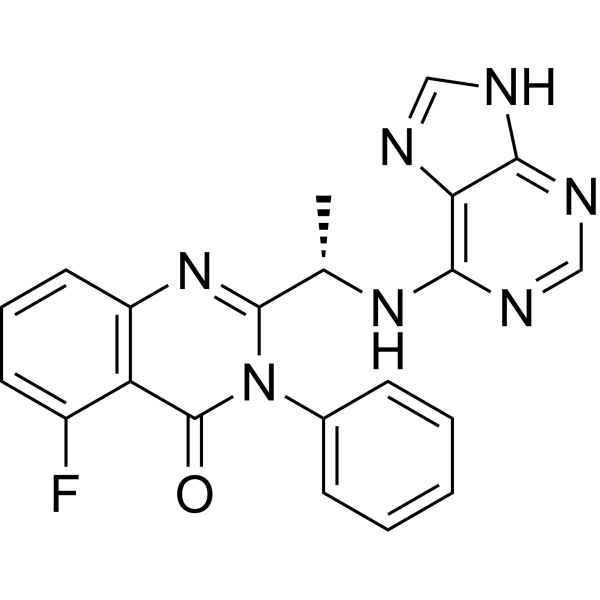
PI3Kδ-IN-15 (compound 6b) is a selective PI3Kδ inhibitor with an IC50 of 0.5 nM for p110δ. PI3Kδ-IN-15 inhibits PI3Kδ with >30-fold higher potency than PI3Kγ, PI3Kβ, and PI3Kα .
loading...
    loading...
Cat. No.: HY-107365
CAS No.: 1927857-61-1
Purity:  99.85%
Target:  

PI3K mTOR

Research Areas:  

Cancer

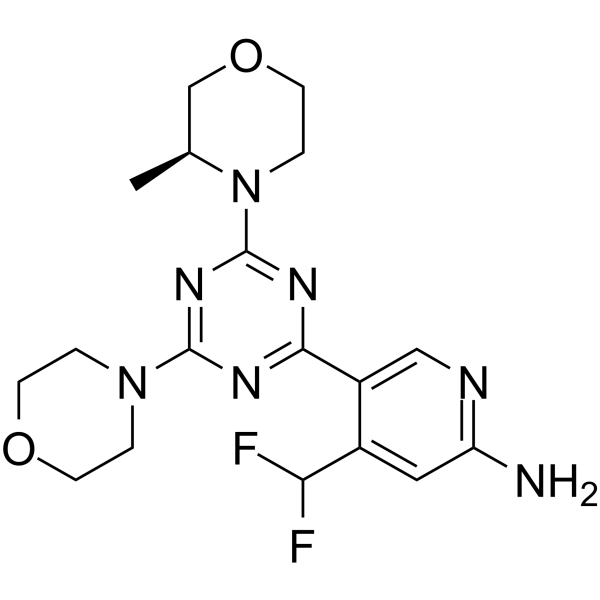
PQR530 is a potent, ATP-competitive, orally bioavailable and brain-penetrant dual pan-PI3K/mTORC1/2 inhibitor, with a subnanomolar Kd toward PI3Kα and mTOR (0.84 and 0.33 nM, respectively). Antitumor activity .
loading...
    loading...
Cat. No.: HY-N1399
CAS No.: 531-28-2
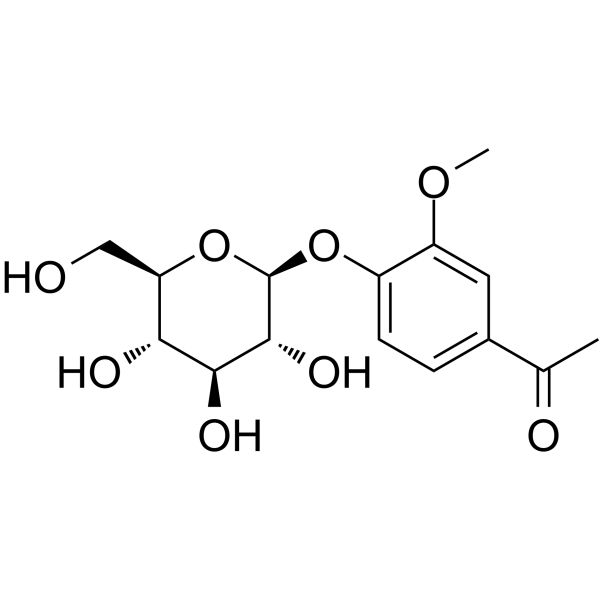
Androsin is an active compound isolated from Picrorhiza Kurroa Royle ex Benth. Androsin activates AMPKα/PI3K/Beclin1/LC3 signaling pathway, inhibits SREBP1c/FASN signaling pathway. Androsin can be used in research of asthma and non-alcoholic fatty liver disease (NAFLD). Androsin is orally active .
loading...
    loading...
Cat. No.: HY-162713
CAS No.: 2791417-66-6
Target:  

EGFR PI3K PPAR

Research Areas:  

Cancer

MTX-531 is an oral drug that inhibits EGFR (with an IC50 of 14.7 nM) and PI3K (with IC50 values of 6.4, 233, 8.3, and 1.1 nM for PI3Kα, PI3Kβ, PI3Kγ, and PI3Kδ respectively), and it has anti-tumor effects. MTX-531 also acts as a weak agonist of PPARγ, with an IC50 of 2.5 µM, helping to alleviate hyperglycemia induced by PI3K inhibitors .
loading...
    loading...
Cat. No.: HY-120213
CAS No.: 1373764-75-0
Purity:  98.34%
Target:  

FAK Src PI3K MMP Apoptosis

Research Areas:  

Cancer

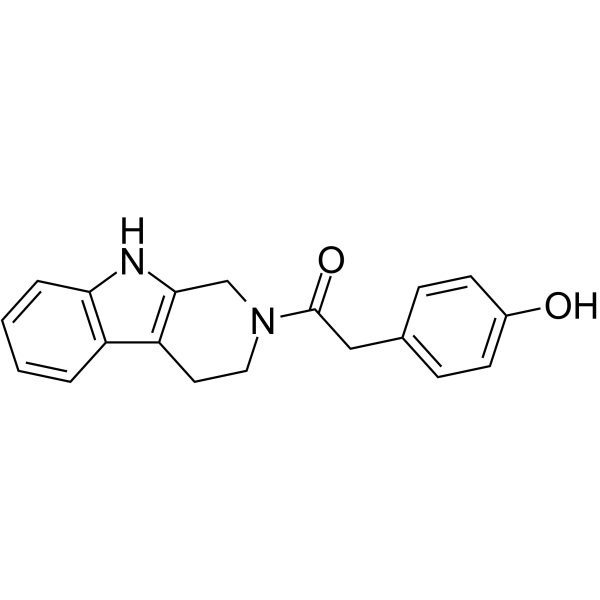
YH-306 is an antitumor agent. YH-306 suppresses colorectal tumour growth and metastasis via FAK pathway. YH-306 significantly inhibits the migration and invasion of colorectal cancer cells. YH-306 potently suppresses uninhibited proliferation and induces cell apoptosis. YH-306 suppresses the activation of FAK, c-Src, paxillin, and PI3K, Rac1 and the expression of MMP2 and MMP9. YH-306 also inhibita actin-related protein (Arp2/3) complex-mediated actin polymerization .
loading...
    loading...
Cat. No.: HY-133124
CAS No.: 2337386-47-5
Purity:  99.43%
Target:  

PARP PI3K Apoptosis

Research Areas:  

Cancer

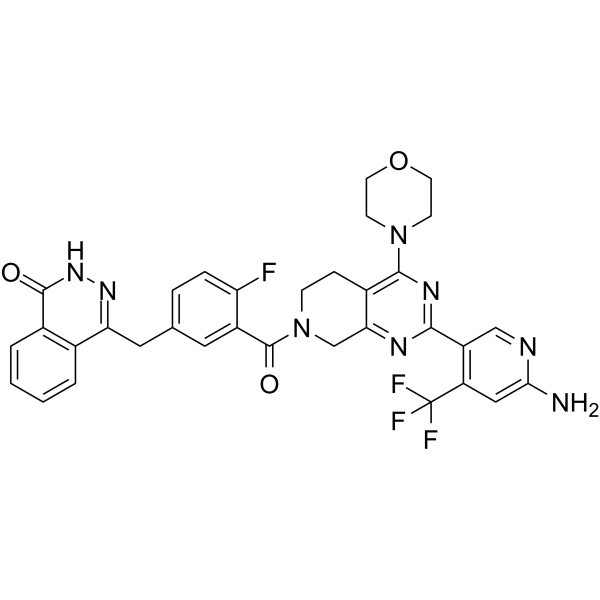
PARP/PI3K-IN-1 (compound 15) is a potent PARP/PI3K inhibitor with pIC50 values of 8.22, 8.44, 8.25, 6.54, 8.13, 6.08 for PARP-1, PARP-2, PI3Kα, PI3Kβ, PI3Kδ, and PI3Kγ, respectively. PARP/PI3K-IN-1 is a highly effective anticancer compound targeted against a wide range of oncologic diseases .
loading...
    loading...
Cat. No.: HY-12068R
CAS No.: 1349796-36-6
Synonyms: XL-147 derivative 1 (Standard)
Research Areas:  

Cancer

PI3K-IN-1 (Standard) is the analytical standard of PI3K-IN-1. This product is intended for research and analytical applications. PI3K-IN-1 (XL-147 derivative 1) is a potent inhibitor of PI3K. PI3K-IN-1 (25 μM) blocks PI3K/Akt signaling pathways .
loading...
    loading...
Cat. No.: HY-113402R
CAS No.: 636-58-8
Synonyms: γ-Glu-Cys (Standard)
Gamma-glutamylcysteine (Standard) is the analytical standard of Gamma-glutamylcysteine. This product is intended for research and analytical applications. Gamma-glutamylcysteine (γ-Glu-Cys) is an orally active, blood-brain barrier permeable dipeptide . Gamma-glutamylcysteine activates AMPK, SIRT1, IL-4/STAT6, AC/cAMP/PI3K, IGF-1R/IRS1/PI3K, and Nrf2 signaling pathways; it inhibits NF-κB, JAK1/STAT1/3, MAPKs, cadmium-induced p38 MAPK, JNK, and PI3K/Akt signaling pathways. Gamma-glutamylcysteine regulates macrophage polarization, modulates the trafficking of CD36 and GLUT4, induces glutathione synthesis, improves metabolic dysfunction, reduces lipid deposition, ameliorates glucose homeostasis, inhibits apoptosis (Apoptosis), stabilizes mitochondria, suppresses lipid peroxidation, iron accumulation and ferroptosis (Ferroptosis), reduces ds-HMGB1 levels, reverses mechanical hyperalgesia, and alleviates hepatic lipid droplet formation. Gamma-glutamylcysteine is applicable to research related to inflammatory bowel disease, type 2 diabetes, cadmium-induced neurotoxicity, Alzheimer's disease, cerebral ischemia/reperfusion injury, neuropathy, and alcoholic liver disease.
loading...
    loading...
Cat. No.: HY-144692
CAS No.: 2281803-28-7
Target:  

MEK PI3K PERK

Research Areas:  

Cancer

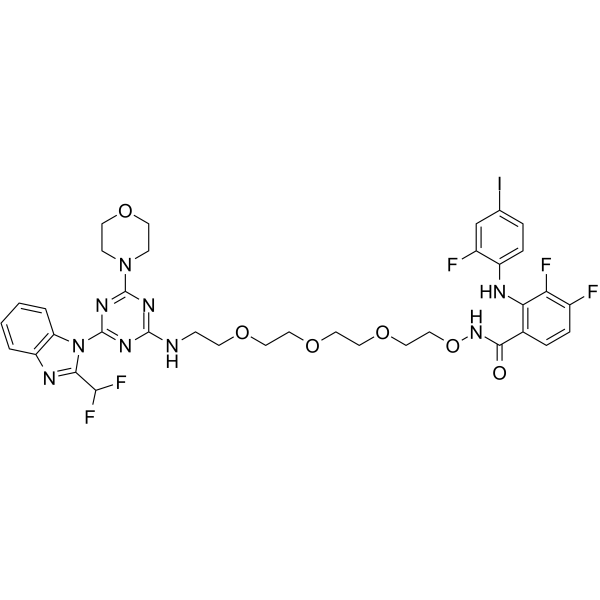
MEK/PI3K-IN-1 (compound 6r) is a potent MEK/PI3K inhibitor, with IC50 values of 124 nM (MEK1), 130 nM (PI3Kα), and 236 nM (PI3Kδ), respectively. MEK/PI3K-IN-1 suppresses pAKT and pERK1/2 levels. MEK/PI3K-IN-1 shows anti-proliferative activity against tumor cell lines .
loading...
    loading...
Cat. No.: HY-147911
Target:  

PI3K COX

Research Areas:  

Inflammation/Immunology Cancer

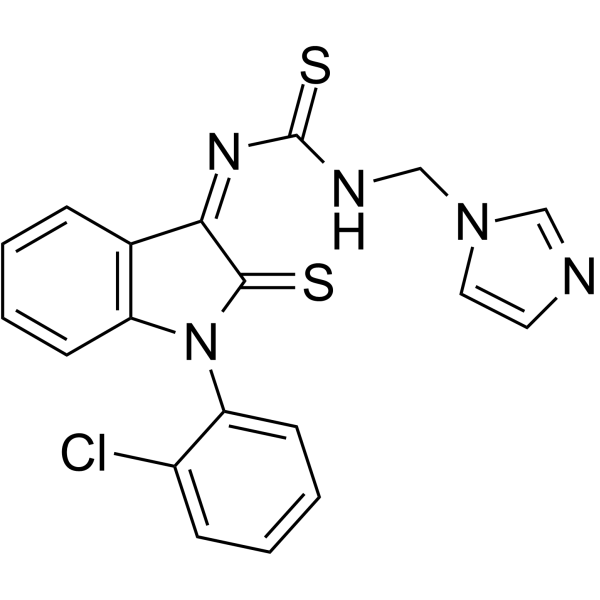
COX-2/PI3K-IN-1 (compound 5d) is a potent PI3K inhibitor with IC50 value of 1.14 nM. COX-2/PI3K-IN-1 is a selective COX-2 inhibitor with Ki value of 3.24 nM. COX-2/PI3K-IN-1 has anti-inflammatory and anti-cancer properties.
loading...
    loading...
Cat. No.: HY-136512
CAS No.: 80152-07-4
Purity:  98.65%
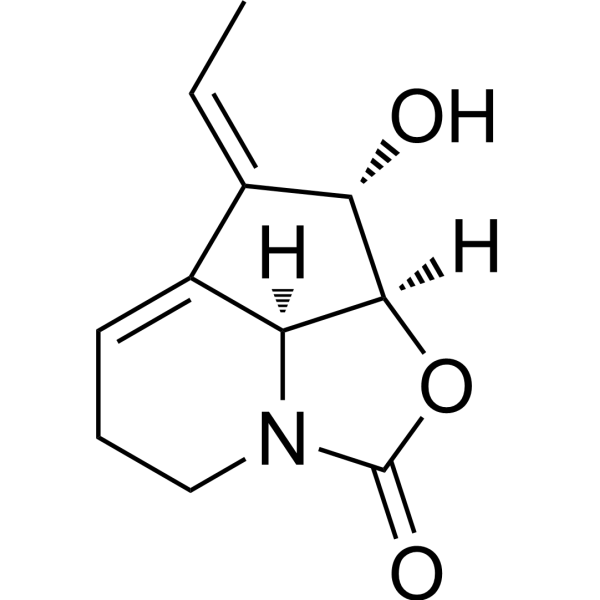
Streptazolin is an antibiotic. Streptazolin increases bacterial killing and elaboration of immunostimulatory cytokines by macrophages in vitro. Streptazolin stimulates the macrophage NF-κB pathway via PI3K signaling .
loading...
    loading...
Cat. No.: HY-113402AR
CAS No.: 283159-88-6
Synonyms: γ-Glu-Cys TFA (Standard)
Gamma-glutamylcysteine (TFA) (Standard) is the analytical standard of Gamma-glutamylcysteine (TFA). This product is intended for research and analytical applications. Gamma-glutamylcysteine TFA (γ-Glu-Cys TFA) is an orally active, blood-brain barrier permeable dipeptide . Gamma-glutamylcysteine TFA activates AMPK, SIRT1, IL-4/STAT6, AC/cAMP/PI3K, IGF-1R/IRS1/PI3K, and Nrf2 signaling pathways; it inhibits NF-κB, JAK1/STAT1/3, MAPKs, cadmium-induced p38 MAPK, JNK, and PI3K/Akt signaling pathways. Gamma-glutamylcysteine TFA regulates macrophage polarization, modulates the trafficking of CD36 and GLUT4, induces glutathione synthesis, improves metabolic dysfunction, reduces lipid deposition, ameliorates glucose homeostasis, inhibits apoptosis (Apoptosis), stabilizes mitochondria, suppresses lipid peroxidation, iron accumulation and ferroptosis (Ferroptosis), reduces ds-HMGB1 levels, reverses mechanical hyperalgesia, and alleviates hepatic lipid droplet formation. Gamma-glutamylcysteine TFA is applicable to research related to inflammatory bowel disease, type 2 diabetes, cadmium-induced neurotoxicity, Alzheimer's disease, cerebral ischemia/reperfusion injury, neuropathy, and alcoholic liver disease.
loading...
    loading...

