1. Search Result
Search Result
Isoforms Recommended: PLK1
Results for "

PLK-1

" in MedChemExpress (MCE) Product Catalog:

97

Inhibitors & Agonists

1

Fluorescent Dye

2

Biochemical Assay Reagents

4

Peptides

6

Natural
Products

4

Recombinant Proteins

7

Antibodies

3

Click Chemistry

3

Oligonucleotides

1

GMP Molecules

Targets Recommended:
Cat. No. Product Name Target Research Areas Chemical Structure
  • HY-10197
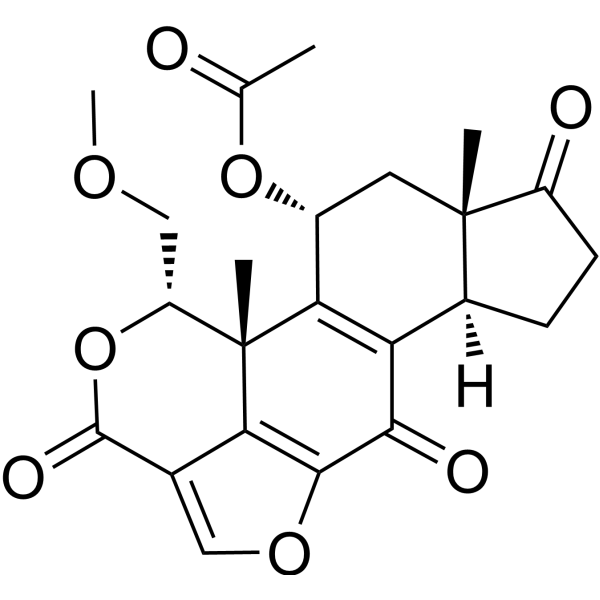
    Wortmannin
    160+ Cited Publications

    SL-2052; KY-12420

    Organoid PI3K Polo-like Kinase (PLK) Autophagy Antibiotic Cancer
    Wortmannin (SL-2052; KY-12420) is a potent, selective and irreversible PI3K inhibitor with an IC50 of 3 nM. Wortmannin also blocks autophagy formation, and potently inhibits Polo-like kinase 1 (PlK1) and Plk3 with IC50s of 5.8 and 48 nM, respectively [1] .
    Wortmannin
  • HY-12137
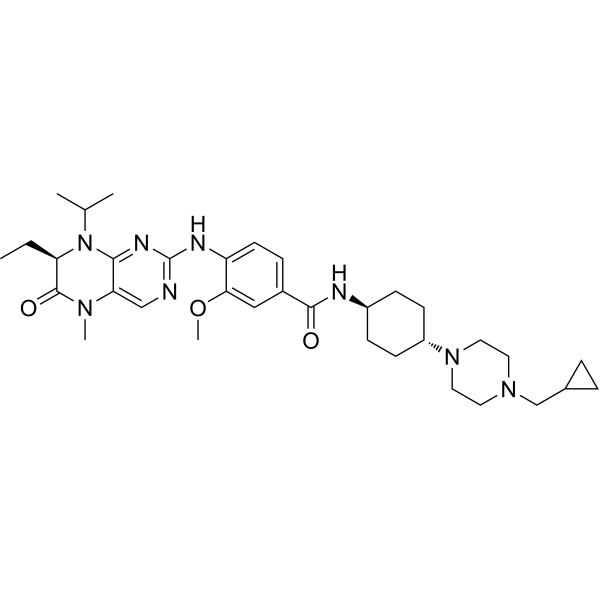
    Volasertib
    30+ Cited Publications

    BI 6727

    Polo-like Kinase (PLK) Apoptosis Cancer
    Volasertib (BI 6727) is an orally active, highly potent and ATP-competitive Polo-like kinase 1 (PLK1) inhibitor with an IC50 of 0.87 nM. Volasertib inhibits PLK2 and PLK3 with IC50s of 5 and 56 nM, respectively. Volasertib induces mitotic arrest and apoptosis. Volasertib, a dihydropteridinone derivative, shows marked antitumor activity in multiple cancer models [1] .
    Volasertib
  • HY-15828
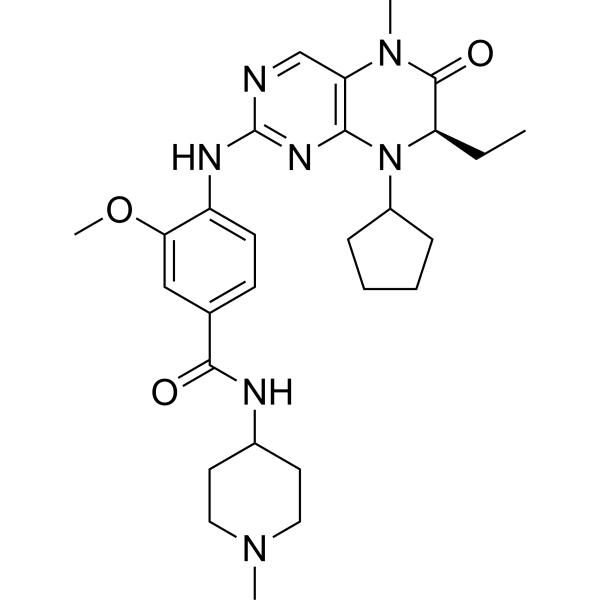
    Onvansertib
    5+ Cited Publications

    NMS-1286937; NMS-P937

    Polo-like Kinase (PLK) Apoptosis Cancer
    NMS-1286937 is a potent, selective and orally available PLK1 inhibitor, with an IC50 of 2 nM.
    Onvansertib
  • HY-50698
    BI 2536
    55+ Cited Publications

    Polo-like Kinase (PLK) Epigenetic Reader Domain Apoptosis Cancer
    BI 2536 is a dual PLK1 and BRD4 inhibitor with IC50s of 0.83 and 25 nM, respectively [1]. BI-2536 suppresses IFNB (encoding IFN-β) gene transcription .
    BI 2536
  • HY-12037A
    Rigosertib
    5+ Cited Publications

    ON-01910

    Polo-like Kinase (PLK) PI3K Apoptosis Cancer
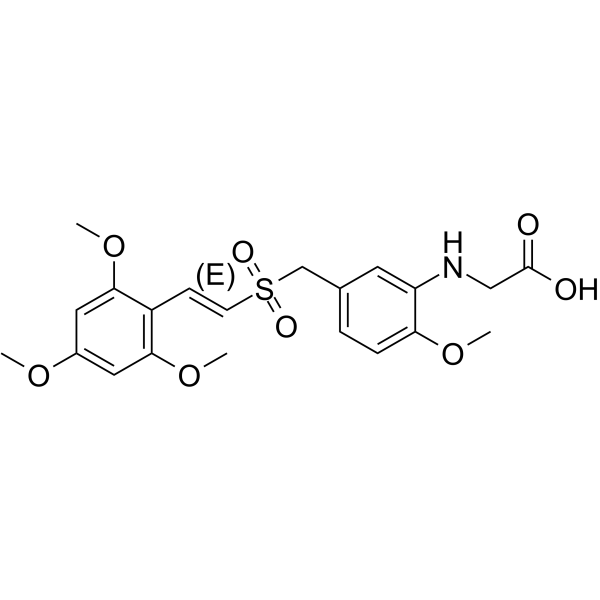
    Rigosertib (ON-01910) is a multi-kinase inhibitor and a selective anti-cancer agent, which induces apoptosis by inhibition the PI3 kinase/Akt pathway, promots the phosphorylation of histone H2AX and induces G2/M arrest in cell cycle [1] . Rigosertib is a selective and non-ATP-competitive inhibitor of PLK1 with an IC50 of 9 nM .
    Rigosertib
  • HY-50877
    GSK461364
    15+ Cited Publications

    GSK461364A

    Polo-like Kinase (PLK) Cancer
    GSK461364 is a selective, reversible and ATP-competitive Polo-like kinase 1 (PLK1) inhibitor with a Ki value of 2.2 nM.
    GSK461364
  • HY-15160
    TAK-960
    2 Publications Verification

    Polo-like Kinase (PLK) Cancer
    TAK-960 is an orally available, selective inhibitor of polo-like kinase 1 (PLK1), with an IC50 of 0.8 nM. TAK-960 also shows inhibitory activities against PLK2 and PLK3, with IC50s of 16.9 and 50.2 nM, respectively. TAK-960 inhibits proliferation of multiple cancer cell lines and exhibits significant efficacy against multiple tumor xenografts [1].
    TAK-960
  • HY-W286743
    Nε-(Carboxymethyl)-L-lysine
    1 Publications Verification

    CML; N6-(Carboxymethyl)-L-lysine; Nε-(1-Carboxymethyl)-L-lysine

    Polo-like Kinase (PLK) ERK NF-κB Cancer
    Nε-(Carboxymethyl)-L-lysine (CML) is an orally active advanced glycation end product. Nε-(Carboxymethyl)-L-lysine upregulates the expression of PLK1 and CEP20, and induces the activation of RAGE and ERK/NFκB. Nε-(Carboxymethyl)-L-lysine drives centrosome amplification. Nε-(Carboxymethyl)-L-lysine induces malignant transformation of hepatocytes and promotes the development of hepatocellular carcinoma. Nε-(Carboxymethyl)-L-lysine induces epithelial-mesenchymal transition in osteosarcoma cells and enhances their migration and invasion properties [1] .
    Nε-(Carboxymethyl)-L-lysine
  • HY-12045
    HMN-214
    3 Publications Verification

    IVX-214

    Polo-like Kinase (PLK) Cancer
    HMN-214, an orally bioavailable proagent of HMN-176, is an inhibitor of polo-like kinase-1 (plk1), with antitumor activity.
    HMN-214
  • HY-15161
    Ro3280
    4 Publications Verification

    Polo-like Kinase (PLK) Cancer
    Ro3280 is a potent, highly selective inhibitor of PLK1 with an IC50 and a Kd of 3 nM and 0.09 nM, respectively, and nearly has no effect on PLK2 and PLK3.
    Ro3280
  • HY-11003
    GW843682X
    5+ Cited Publications

    GW843682

    Polo-like Kinase (PLK) Cancer
    GW843682X is a selective, ATP-competitive inhibitor of PLK1 and PLK3, with IC50s of 2.2 nM and 9.1 nM, respectively, and is also >100-fold selective against ~30 other kinases.
    GW843682X
  • HY-147298
    Plogosertib
    1 Publications Verification

    CYC140

    Polo-like Kinase (PLK) Cancer
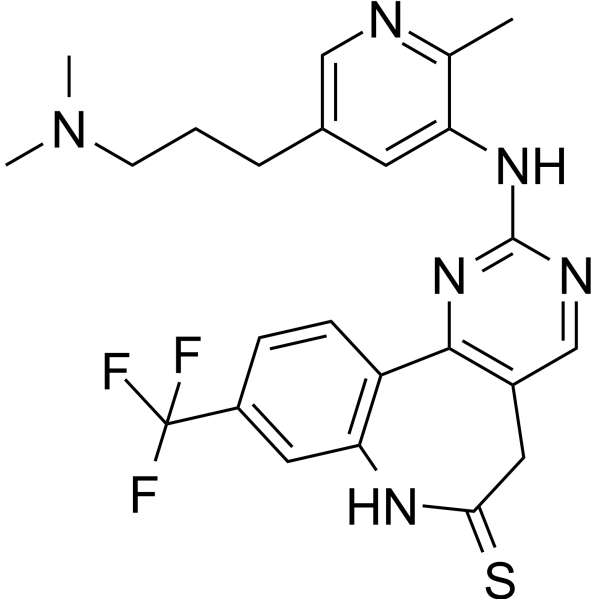
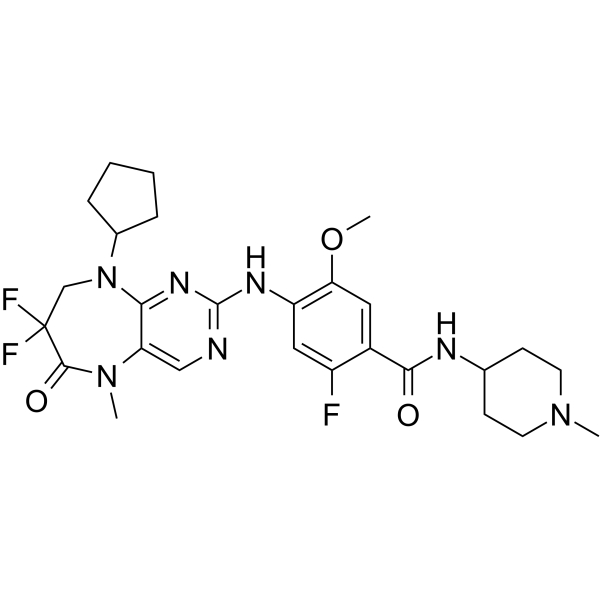
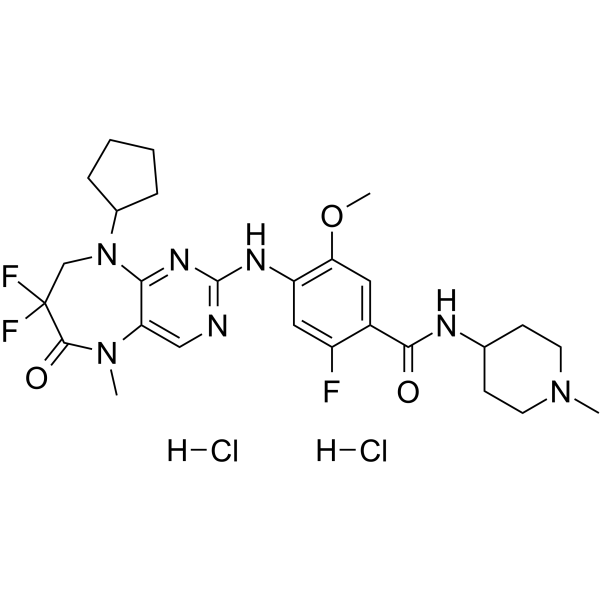
    Plogosertib (CYC140) is a selective, potent, and orally active ATP-competitive PLK1 inhibitor (IC50: 3 nM). Plogosertib is an anti-cancer agent with anti-proliferative activity. Plogosertib can be used in the research of several tumors, including esophageal, gastric, leukemia, non–small cell lung cancer, ovarian, and squamous cell cancers [1] .
    Plogosertib
  • HY-112356

    Apoptosis Reactive Oxygen Species (ROS) Polo-like Kinase (PLK) Inflammation/Immunology Cancer
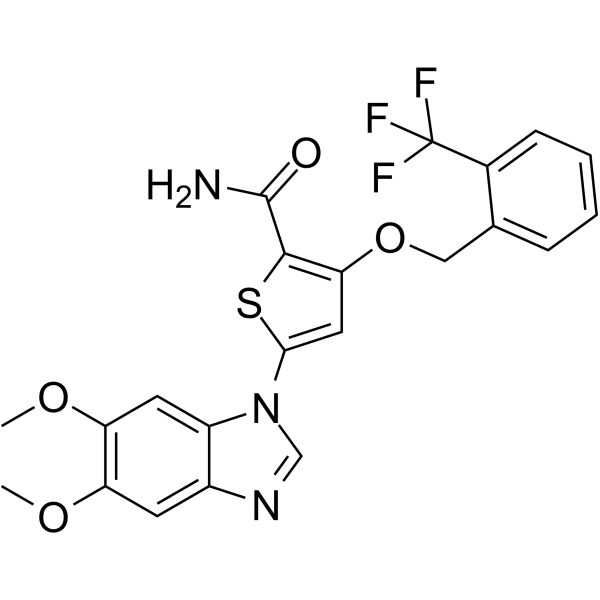
    Scytonemin is a hydrophobic alkaloid pigment that can be isolated from the outer sheath of cyanobacteria. Scytonemin has protective function against short-wave solar ultraviolet (UV) radiation, which can reduce the generation of reactive oxygen species (ROS) and the formation of DNA damage. Scytonemin also has anti-inflammatory and anti-proliferative activities, produces concentration-dependent inhibition (IC50=2.0 μM) of polo-like kinase 1 (PLK1)-mediated cdc25C phosphorylation, and plays an important role in regulating the G2/M transition in the cell cycle. It can be used in the research of cancer, acute inflammation and sunscreen cosmetics [1] .
    Scytonemin
  • HY-15155
    MLN0905
    5 Publications Verification

    Polo-like Kinase (PLK) Cancer
    MLN0905 is a potent, orally active Polo-like kinase 1 (PLK1) inhibitor. MLN0905 has inhibitory potency against PLK1 with an IC50 value of 2 nM. MLN0905 can be used for the research of cancer [1] .
    MLN0905
  • HY-12134
    Poloxin
    3 Publications Verification

    Polo-like Kinase (PLK) Cancer
    Poloxin is a non-ATP competitive Polo-like Kinase 1 (PLK1) inhibitor that targets the polo-box domain, with an IC50 of appr 4.8 μM.
    Poloxin
  • HY-172737

    Polo-like Kinase (PLK) Cancer
    RP-1664 is a selective and orally active PLK4 inhibitor with an IC50 of 3 nM. RP-1664 demonstrates exquisite selectivity over related kinases, including AURKA/B and PLK1. RP-1664 disrupts centriole biogenesis in cancer cells and leads an accumulation of PLK4 and p21 protein. RP-1664 demonstrates increased sensitivity in TRIM37-high-expressing cells or tumors. RP-1664 exhibits anti-tumor activity in breast cancer and neuroblastoma research [1][2].
    RP-1664
  • HY-13994

    Mps1 Polo-like Kinase (PLK) Cancer
    Mps1-IN-2 is a potent, selective and ATP-competitive dual Mps1/Plk1 inhibitor, with an IC50 and a Kd of 145 nM and 12 nM for Mps1 and a Kd of 61 nM for Plk1.
    Mps1-IN-2
  • HY-108597
    TC-S 7005
    4 Publications Verification

    Polo-like Kinase (PLK) Cardiovascular Disease Inflammation/Immunology
    TC-S 7005 is a Polo-like kinases (Plks) inhibitor with IC50s of 4 nM, 24 nM and 214 nM for Plk2, Plk3, and Plk1, respectively [1].
    TC-S 7005
  • HY-102069

    Polo-like Kinase (PLK) CDK DAPK Others
    3MB-PP1, a bulky purine analog, is a Polo-like kinase 1 (Plk1) inhibitor. 3MB-PP1 blocks mitotic progression and cell division arise through target Plk1 in in cells expressing analog-sensitive Plk1 alleles. 3MB-PP1 specifically inhibits the activity of analog-sensitive Ssn3 (Cdk8). 3MB-PP1 inhibits Leu93 Mutant Zipper-interacting protein kinase (Leu93-ZIPK; IC50=2 μM). 3MB-PP1 can be used for the research of hypha formation of Candida albicans and cell division [1] .
    3MB-PP1
  • HY-15158

    Polo-like Kinase (PLK) Autophagy Apoptosis Cancer
    SBE13 Hydrochloride is a potent and selective Plk1 inhibitor, with an IC50 of 200 pM; SBE13 Hydrochloride poorly inhibits Plk2 (IC50>66 μM) or Plk3 (IC50=875 nM).
    SBE13 Hydrochloride
  • HY-151986

    DNA/RNA Synthesis Cancer
    FOXM1-IN-1 is a potent FOXM1 inhibitor with an IC50 value of 2.65 µM. FOXM1-IN-1 shows antiproliferative activity. FOXM1-IN-1 decreases the the expression of FOXM1, PLK1, CDC25B protein [1].
    FOXM1-IN-1
  • HY-139188

    PI5P4K Metabolic Disease Cancer
    CC260 is a selective PI5P4Kα and PI5P4Kβ inhibitor with Kis of 40 nM and 30 nM, respectively. CC260 does not inhibit or weakly inhibits other protein kinases, such as Plk1 and RSK2. CC260 can be used for cell energy metabolism, diabetes and cancer research [1].
    CC260
  • HY-12037
    Rigosertib sodium
    5+ Cited Publications

    ON-01910 sodium

    Polo-like Kinase (PLK) PI3K Apoptosis Cancer
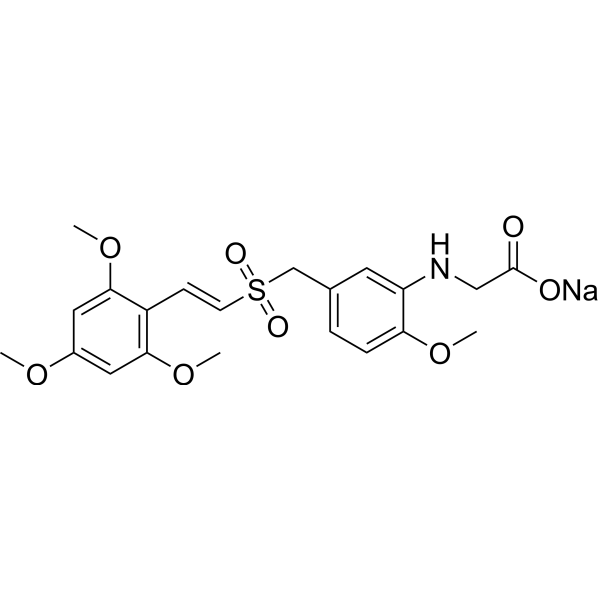
    Rigosertib sodium (ON-01910 sodium) is a multi-kinase inhibitor and a selective anti-cancer agent, which induces apoptosis by inhibition the PI3K/Akt pathway, promotes the phosphorylation of histone H2AX and induces G2/M arrest in cell cycle [1] . Rigosertib sodium is a selective and non-ATP-competitive inhibitor of PLK1 with an IC50 of 9 nM .
    Rigosertib sodium
  • HY-116423

    NEKs Cancer
    JH295 is a potent, irreversible and selective NIMA-related kinase 2 (Nek2) inhibitor with an IC50 of 770 nM. JH295 inhibits cellular Nek2 via alkylation of Cys22. JH295 is inactive against the mitotic kinases, Cdk1, Aurora B or Plk1, and does not perturb bipolar spindle assembly or the spindle assembly checkpoint [1]. JH295 is a click chemistry reagent, it contains an Alkyne group and can undergo copper-catalyzed azide-alkyne cycloaddition (CuAAc) with molecules containing Azide groups.
    JH295
  • HY-13647

    Polo-like Kinase (PLK) Mitosis Cancer
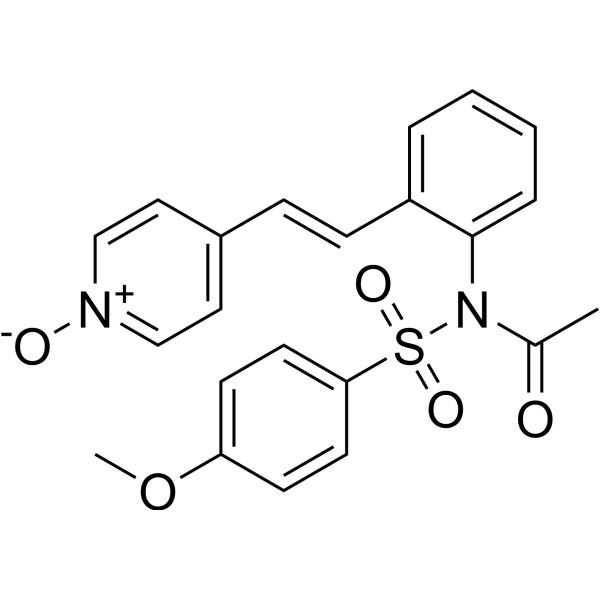
    HMN-176 is a stilbene derivative which inhibits mitosis, interfering with polo-like kinase-1 (plk1), without significant effect on tubulin polymerization.
    HMN-176
  • HY-12137A
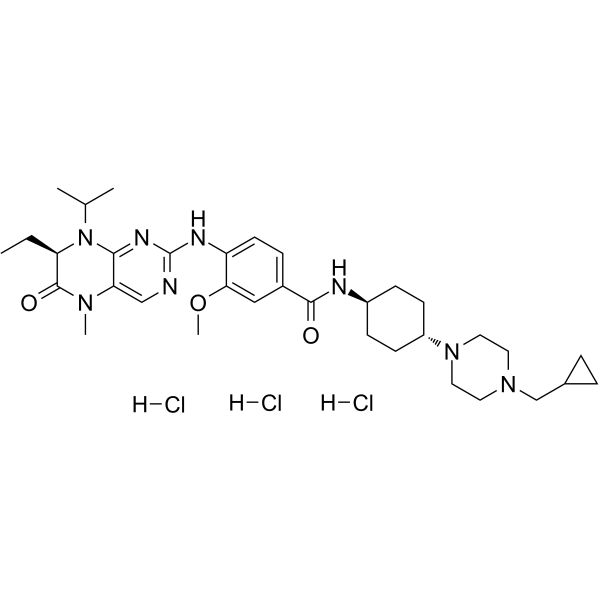
    Volasertib trihydrochloride
    30+ Cited Publications

    BI 6727 trihydrochloride

    Polo-like Kinase (PLK) Apoptosis Cancer
    Volasertib (BI 6727) trihydrochloride is an orally active, highly potent and ATP-competitive Polo-like kinase 1 (PLK1) inhibitor with an IC50 of 0.87 nM. Volasertib trihydrochloride inhibits PLK2 and PLK3 with IC50s of 5 and 56 nM, respectively. Volasertib trihydrochloride induces mitotic arrest and apoptosis. Volasertib trihydrochloride, a dihydropteridinone derivative, shows marked antitumor activity in multiple cancer models [1] .
    Volasertib trihydrochloride
  • HY-150259

    PROTACs c-Myc Cancer
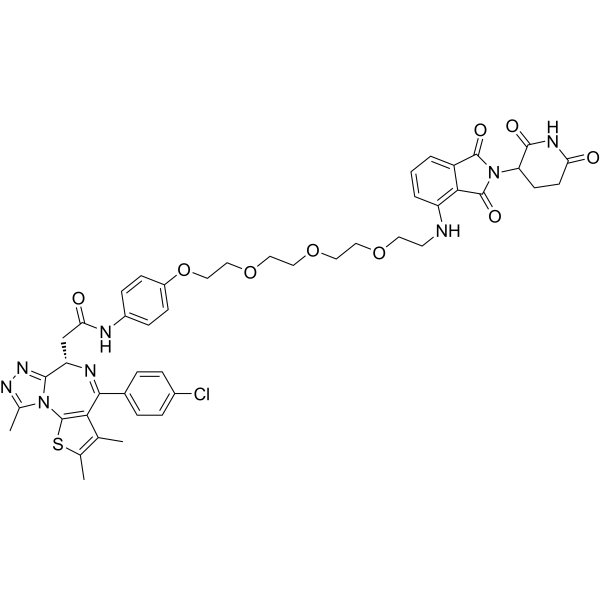
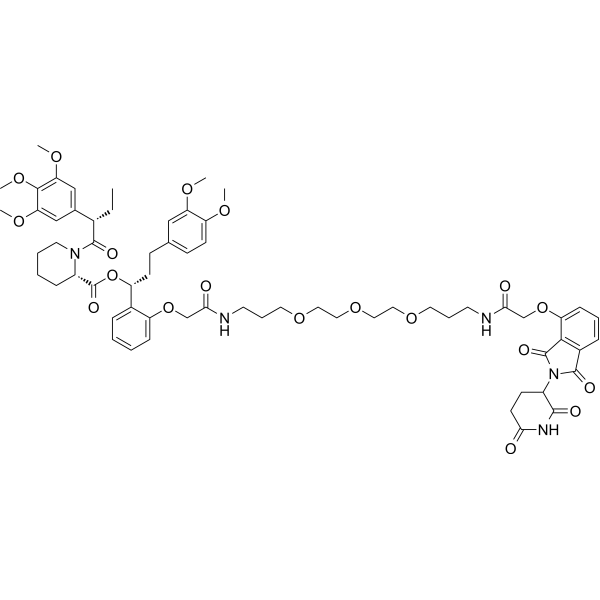
    MDEG-541 is a potent MYC-MAX degrader. MDEG-541 is a PROTAC that based on the MYC-MAX dimerization inhibitor 10058-F4 derivative 28RH and Thalidomide (HY-14658). MDEG-541 shows antiproliferative activity. MDEG-541 decreases the expression of GSPT1, MYC, GSPT2, PLK1 protein [1].
    MDEG-541
  • HY-15159

    Polo-like Kinase (PLK) Cancer
    Cyclapolin 9 is a potent, selective and ATP-competitive polo-like kinase 1 (PLK1) inhibitor with an IC50 of 500 nM. Cyclapolin 9 is inactive against other kinases [1] .
    Cyclapolin 9
  • HY-158031

    Apoptosis Polo-like Kinase (PLK) Epigenetic Reader Domain Cancer
    PLK1/BRD4-IN-5 (Compound SC10) is an orally active PLK1 and BRD4 inhibitor with IC50 values of 0.3  nM and 60.8  nM, respectively. PLK1/BRD4-IN-5 can induce MV4-11 cell block in S phase and apoptosis) in a dose-dependent manner. PLK1/BRD4-IN-5 can be used in cancer research [1].
    PLK1/BRD4-IN-5
  • HY-160558

    Epigenetic Reader Domain Polo-like Kinase (PLK) Cancer
    PLK1/BRD4-IN-3 (Compound 21) is a selective dual inhibitor for bromodomain 4 (BRD4) and polo-like kinase 1 (PLK1). PLK1/BRD4-IN-3 inhibits BRD4-BD1, PLK1 and BRDT-BD1, with IC50s of 0.059, 0.127 and 0.245 μM, respectively [1].
    PLK1/BRD4-IN-3
  • HY-114302
    CCB02
    1 Publications Verification

    Microtubule/Tubulin Cancer
    CCB02 is a selective CPAP-tubulin interaction inhibitor, binding to tubulin and competing for the CPAP binding site of β-tubulin, with an IC50 of 689 nM, and shows potent anti-tumor activity. CCB02 shows no inhibition on the cell cycle- and centrosome-related kinases, or the phosphorylation status of Aurora A, Plk1, Plk2, CDK2, and CHK1 [1].
    CCB02
  • HY-135366

    IKK Inflammation/Immunology
    HPN-01 is a potent and selective IKK inhibitor, with pIC50 values of 6.4, 7.0 and <4.8 for IKK-α, IKK-β and IKK-ε, respectively. HPN-01 displays greater 50-fold selectivity over a panel of more than 50 other kinases, including ALK5, CDK-2, EGFR, ErbB2, GSK3β, PLK1, Src, and VEGFR-2 [1].
    HPN-01
  • HY-159493

    Polo-like Kinase (PLK) Cancer
    BI2536-PEG2-Halo is a bifunctional molecule containing a ligand for Halo tag and a Polo-like kinase 1 (PLK1) inhibitor BI-2536 (HY-50698). BI2536-PEG2-Halo inhibits the proliferation of 293T cells with Halo-p53R273H(FL)-mCherry tag (IC50=23 nM), exhibits selective toxicity against p53 mutant cancer cells [1].
    BI2536-PEG2-Halo
  • HY-N0885
    Telocinobufagin
    1 Publications Verification

    Telobufotoxin; Telocinobufogenin

    JAK STAT mTOR PI3K Akt Polo-like Kinase (PLK) Na+/K+ ATPase Apoptosis Bacterial Infection Cardiovascular Disease Neurological Disease Inflammation/Immunology Cancer
    Telocinobufagin (Telobufotoxin; Telocinobufogenin) is an orally active bufadienolide with potential anti-tumor effects. Telocinobufagin exerts its anti-cancer effects on non-small cell carcinoma, osteosarcoma, thyroid cancer, breast cancer and head and neck squamous cell carcinoma by inhibiting the STAT3, JAK2/STAT3, LARP1-mTOR, PI3K/Akt/Snail and PLK1 pathways, and can also induce tumor cell apoptosis. Telocinobufagin enhances the Th1 immune response and protects against Salmonella typhimurium infection. Telocinobufagin has a strong cardiac-stimulating effect by inhibiting the activity of Na +/K +-ATPase, and it can promote renal fibrosis. Telocinobufagin demonstrates non-opioid analgesic effects in various acute pain models [1] .
    Telocinobufagin
  • HY-148974

    Polo-like Kinase (PLK) Cancer
    PLK1-IN-5 is a potent PLK1 inhibitor with an IC50 of < 500 nM. PLK1-IN-5 shows anticancer effects (WO2008113711A1; compound I-4) [1].
    PLK1-IN-5
  • HY-173233

    Polo-like Kinase (PLK) Cancer
    PLK1-IN-14 (Compound Hit-4) is a selective PLK1 inhibitor. It has an IC50 of 22.61 pM against PLK1 and an IC50 of 0.09 nM for inhibiting the proliferation of DU - 145 prostate cancer cells. PLK1-IN-14 can be used in the research of prostate cancer [1].
    PLK1-IN-14
  • HY-169579

    Polo-like Kinase (PLK) Cancer
    PLK1-IN-11 (Cluster 4, 16953209) is a PLK1 inhibitor, with IC50 of 1 μM. PLK1-IN-11 can be used in research on a variety of cancers, including pancreatic, ovarian, breast, and non-small cell lung carcinoma [1].
    PLK1-IN-11
  • HY-126249

    Aurora Kinase Polo-like Kinase (PLK) Apoptosis Cancer
    AAPK-25 is a potent and selective Aurora/PLK dual inhibitor with anti-tumor activity, which can cause mitotic delay and arrest cells in a prometaphase, reflecting by the biomarker histone H3 Ser10 phosphorylation and followed by a surge in apoptosis. AAPK-25 targets Aurora-A, -B, and -C with Kd values ranging from 23-289 nM, as well as PLK-1, -2, and -3 with Kd values ranging from 55-456 nM [1].
    AAPK-25
  • HY-114461B

    Drug Derivative DNA/RNA Synthesis Cancer
    (3S,17S)-FD-895 a FD-895 (HY-114461) analogue, is a spliceosome modulator. (3S,17S)-FD-895 inhibits cancer cell growth and exhibits gene-selective splice modulatory activity. (3S,17S)-FD-895 can be used for the research of colorectal carcinoma [1].
    (3S,17S)-FD-895
  • HY-149085

    RAR/RXR Cancer
    XS-060 is a potent anticancer agent and RXRα antagonist. XS-060 significantly induces RXRα-dependent mitotic arrest by inhibiting pRXRα-PLK1 interaction. XS-060 inhibits p-RXRα interaction with PLK1 but has no effect on RXRα heterodimerization with RARγ. XS-060 inhibits the in situ interaction between p-RXRα and PLK1 at the centrosome [1] .
    XS-060
  • HY-N8692

    Polo-like Kinase (PLK) VRK Cancer
    Dihydrobaicalein is a PLK1 Inhibitor with an IC50 of 6.3 μM. Dihydrobaicalein also inhibits VRK2 and PLK2. Dihydrobaicalein is a natural product that can be isolated from Scutellaria scandens [1].
    Dihydrobaicalein
  • HY-146792

    Polo-like Kinase (PLK) Cancer
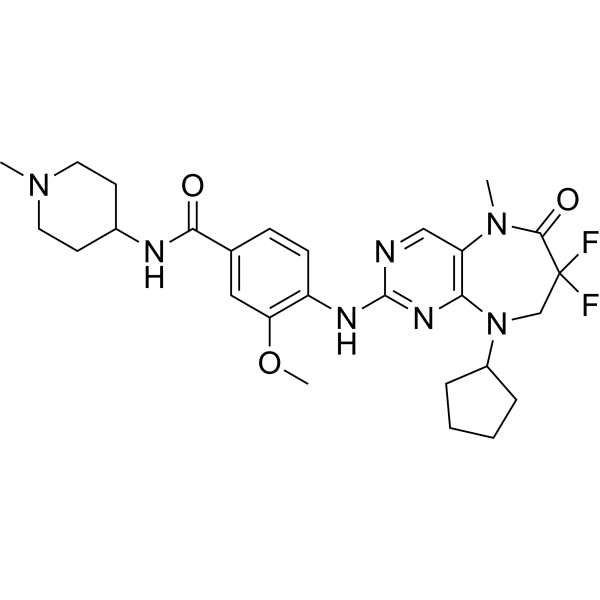
    PLK1-IN-4 is a potent and selective PLK1 inhibitor with IC50 < 0.508 nM. PLK1-IN-4 has broad antiproliferative activity against a variety of cancer cell lines. PLK1-IN-4 induces mitotic arrest at the G2/M phase checkpoint, leading to cancer cell apoptosis. PLK1-IN-4 can be used for researching hepatocellular carcinoma [1].
    PLK1-IN-4
  • HY-149100

    Polo-like Kinase (PLK) Epigenetic Reader Domain Cancer
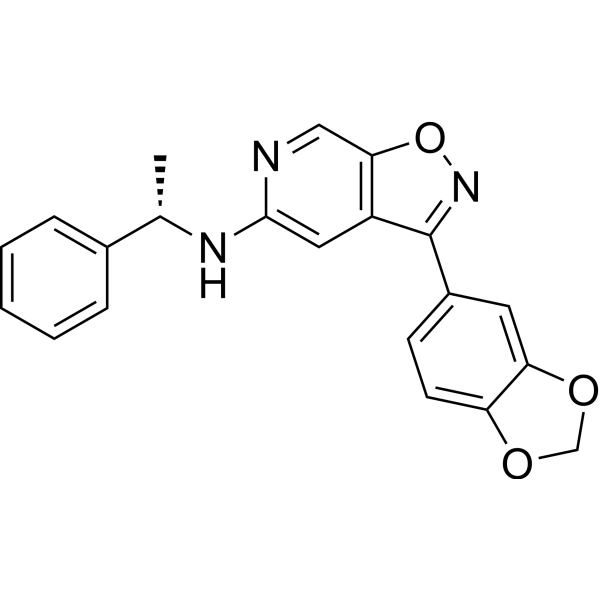
    PLK1-IN-6 is a potent and selective PLK1 inhibitor, with an IC50 of 0.45 nM. PLK1-IN-6 shows significant anti-proliferative activities against cancer cells [1].
    PLK1-IN-6
  • HY-149086

    RAR/RXR Apoptosis PARP Bcl-2 Family Cancer
    BPA-B9 is a RXRα ligand and antagonist targeting the pRXRα-PLK1 interaction. BPA-B9 has excellent RXRα-binding affinity (KD=39.29 ± 1.12 nM). BPA-B9 inhibits the proliferation of cancer cells by inducing mitotic arrest and cell apoptosis [1].
    BPA-B9
  • HY-164955

    Mps1 Polo-like Kinase (PLK) Cancer
    TTK/PLK1-IN-1 (Formula I) is the inhibitor for threonine tyrosine kinase (TTK) and polo-like kinase 1 (PLK1) with IC50 of 7 nM and 72 nM. TTK/PLK1-IN-1 regulates spindle assembly checkpoint (SAC), and exhibits antitumor efficacy against TNBC [1].
    TTK/PLK1-IN-1
  • HY-172364

    Polo-like Kinase (PLK) Cancer
    PLK1-IN-12 is a highly selective and orally active PLK1 inhibitor with an IC50 of 20 nM. PLK1-IN-12 shows more selective for PLK1 than PLK2 (IC50: >10000 nM) and PLK3 (IC50: 3953 nM). PLK1-IN-12 exhibits anticancer potency across a broad spectrum of cell lines. PLK1-IN-12 can be used in anti-leukemia research [1].
    PLK1-IN-12
  • HY-173212

    Polo-like Kinase (PLK) c-Myc Apoptosis Cancer
    PLK1-IN-13 is a selective and orally active PLK1 inhibitor (IC50: 0.27 nM). PLK1-IN-13 also inhibits PLK2 (IC50: 12.72 nM) and PLK3 (IC50: 4.12 nM). PLK1-IN-13 arrests cell at G2 phase, induces apoptosis and down-regulates the transcription of the proliferation-related oncogene c-MYC. PLK1-IN-13 inhibits tumor growth, and can be used for research of acute myeloid leukemia (AML) [1].
    PLK1-IN-13
  • HY-161521

    Polo-like Kinase (PLK) Cancer
    PLK1-IN-10 (Compound 4Bb) is an orally active PLK1 PBD (polo-box domain) inhibitor. PLK1-IN-10 blocks the interaction of PLK1 with the cell division regulator protein 1 (PRC1) and decreases the protein expression of the CDK1-Cyclin B1 complex. PLK1-IN-10 reacts with glutathione (GSH) to increase cellular oxidative stress, ultimately leading to cell death [1].
    PLK1-IN-10
  • HY-172880

    Polo-like Kinase (PLK) Apoptosis Cancer
    PLK1-IN-15 (Compound 7n) is a PLK1 inhibitor (IC50: 38.5 nM). PLK1-IN-15 exhibits antiproliferative activity against HepG2, Huh7, H1299 and A549 cells (IC50: 2.03, 2.08, 4.79 and 17.11 μM, respectively). PLK1-IN-15 induces cell cycle arrest at the G2/M phase and apoptosis, and has anticancer activity [1].
    PLK1-IN-15
  • HY-50698G

    Polo-like Kinase (PLK) Apoptosis Epigenetic Reader Domain Cancer
    BI 2536 (GMP) is BI 2536 (HY-50698) produced by using GMP guidelines. GMP small molecules works appropriately as an auxiliary reagent for cell therapy manufacture. BI 2536 is a dual PLK1 and BRD4 inhibitor with IC50s of 0.83 and 25 nM, respectively [1]. BI-2536 suppresses IFNB (encoding IFN-β) gene transcription .
    BI 2536

Inquiry Online

Your information is safe with us. * Required Fields.

Salutation


Country or Region *

Applicant Name *


Organization Name *

Department *


Email Address *


Product Name *

Cat. No.


Requested quantity *

Phone Number *


Remarks

Inquiry Online

Inquiry Information

Product Name:
Cat. No.:
Quantity:
MCE Japan Authorized Agent:

