
From 11:00 pm to 12:00 pm EST ( 8:00 pm to 9:00 pm PST ) on January 6th, the website will be under maintenance. We are sorry for the inconvenience. Please arrange your schedule properly.
PV-1019 (NSC 744039) is a potent, selective Chk2 inhibitor with an IC50 value of 24 nM. PV-1019 inhibits the Topotecan (HY-13768)-induced Chk2 autophosphorylation. PV-1019 inhibits IR-induced apoptosis .
Murine Fibrinogen is a native fibrinogen derived from mouse plasma. Murine Fibrinogen acts as a cerebrovascular permeability enhancer. Murine Fibrinogen activates matrix metalloproteinase-9 (MMP-9), downregulates the expression of vascular endothelial cadherin (VE-cadherin), and upregulates the expression of plasmalemmal vesicle-associated protein-1 (PV-1). Murine Fibrinogen increases macromolecular leakage from pial veins, thereby disrupting the microvascular integrity of cerebral blood vessels. Murine Fibrinogen can be used in studies related to cerebrovascular dysfunction .
Zorevunersen sodium is an antisense oligonucleotide targeting the Scn1a gene based on TANGO technology. Zorevunersen sodium increases Scn1a mRNA transcripts and elevates the expression level of NaV1.1 protein. Zorevunersen sodium restores the excitability of PV interneurons, thereby reducing seizures and prolonging survival in mice. Zorevunersen sodium can be used for research on Dravet syndrome .
Pipobroman is a bromide derivative of piperazine and acts as an alkylating agent. Pipobroman plays its role by inhibiting DNA and RNA polymerase or by reducing pyrimidine nucleotide incorporation into DNA. Pipobroman can be used for the cancer research, including polycythemia vera, myeloproliferative neoplasm, and AML et.al .
Zorevunersen is an antisense oligonucleotide targeting the Scn1a gene based on TANGO technology. Zorevunersen increases Scn1a mRNA transcripts and elevates the expression level of NaV1.1 protein. Zorevunersen restores the excitability of PV interneurons, thereby reducing seizures and prolonging survival in mice. Zorevunersen can be used for research on Dravet syndrome .
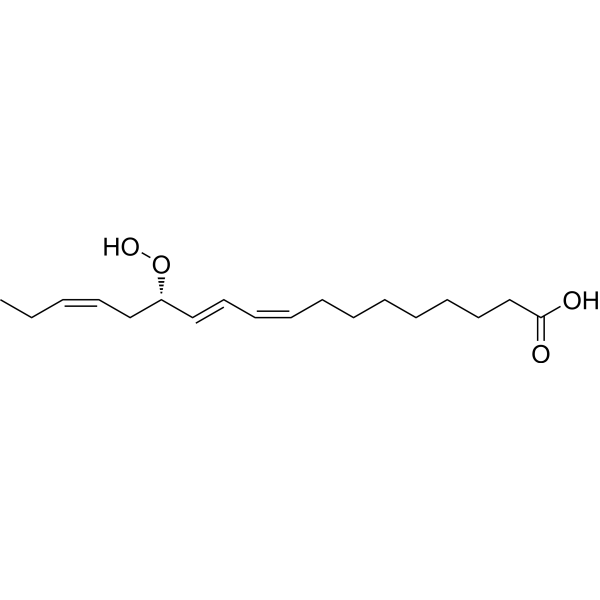
13-HPOT is a linolenic acid hydroperoxide and an antibacterial agent. 13-HPOT interacts with lipid representatives of bacterial inner membranes. 13-HPOT exerts dose-dependent in vitro antibacterial activity against Pectobacterium carotovorum, Pseudomonas syringaepv. syringae DC3000, and Xanthomonas translucenspv. translucens .
Andrimid is a peptide Antibiotic and acetyl-CoA carboxylase inhibitor. Andrimid is produced by symbiotic bacteria of the genus *Enterobacter* residing in the brown planthopper Nilaparvata lugens. Andrimid exhibits strong specific activity against Xanthomonas campestrispv. oryzae. Andrimid shows no or only weak activity against Gram-positive and Gram-negative bacteria, including most plant pathogenic bacteria. Andrimid can be used in studies related to bacterial infections and rice bacterial blight .
Anti-Mouse CD28 Antibody (PV-1) is an anti-mouse CD28 IgG monoclonal antibody. Anti-Mouse CD28 Antibody (PV-1) can activate T cells. Anti-Mouse CD28 Antibody (PV-1) can be used for researches on cancer and immunology such as leukemia. The recommend isotype control of Anti-Mouse CD28 Antibody (PV-1): Armenian hamster IgG, Isotype Control (HY-P990305) .
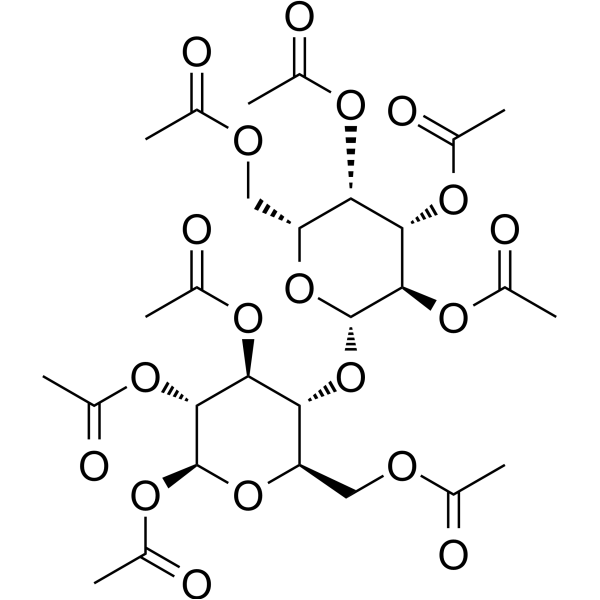
Lactose octaacetate shows mild to moderate antifungal activity against some fungi, but it has low or no activity against bacteria and yeast. Lactose octaacetate shows low cytotoxicity to MDBK cells, Hep-2 and MDCK cells. Lactose octaacetate has antiviral activity against PV-1 .
Mansonone E (Compound 5) is a pesticide. Mansonone E can be isolated from heartwood of Mansonia gagei. Mansonone E has significant antifungal activity against Cladosporium cucumerinum, Candida albicans and Phytophthora parasitica. Mansonone E has potent antibacterial activity with MIC50s of both 7.8 μg/mL for Xanthomonas oryzae pv. oryzae and X. oryzae pv. Oryzicola. Mansonone E also has antifeedant and herbicidal activities .
Syringolin A is a plant elicitor that can be produced by the plant pathogen Pseudomonas syringaepv. syringae. Syringolin A exhibits anti-proliferative activity against a variety of cancer cells (IC50 for SK-N-SH, LAN-1, SKOV3 is 20-25 µM), induces apoptosis in SK-N-SH through upregulation of p53 expression and downregulation of Akt/PKB proteins .
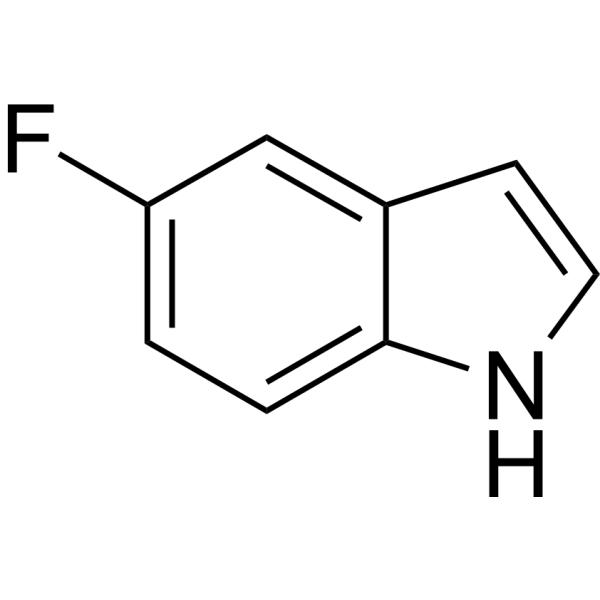
5-Fluoroindole is an orally active fluorinated indole derivative and antibacterial agent. 5-Fluoroindole induces ROS accumulation and triggers Apoptosis. 5-Fluoroindole inhibits the growth of pan-susceptible Mycobacterium tuberculosis (Mtb) H37Rv strains. 5-Fluoroindole has significant bactericidal activity against Pseudomonas syringae pv. actinidiae (Psa) with an EC50 of 15.34 μg/mL. 5-Fluoroindole introduces fluorine labeling for protein research. 5-Fluoroindole can be used in the study of tuberculosis and kiwifruit bacterial canker .
PV1162 is a selective Chk2 inhibitor with an IC50 of 0.29 nM. PV1162 inhibits ATP binding to Chk2 by targeting the gatekeeper-dependent hydrophobic pocket, which is specific to Chk2 and located behind the ATP-binding site (adenine-binding region), thereby inhibiting the phosphorylation activity of Chk2. PV1162 holds potential application value in the field of cancer therapy .
La peptide (LAP) is an internal ribosome entry site (IRES) inhibitor. La peptide efficiently enters cells, blocks binding of cellular transacting factors to viral IRES, followed by inhibiting IRES-mediated translation. La peptide can be used for RNA viruses research, such as hepatitis C (HCV) and poliovirus (PV) .
ROS inducer 1 (compound I29) is a fungicide, with EC50 against Xanthomonas axonopodispv. citri (Xac), Xanthomonas oryzaepv. oryzae (Xoo), and Pseudomonas syringaepv. actinidiae (Psa) of 5.73, 6.62 and 9.05 μg/mL. ROS inducer 1 can effectively induce the production of ROS in Xanthomonas cells and inhibit rice bacterial blight. ROS inducer 1 has the potential to study bacterial infection in crops .
2,2',4'-Trichloroacetophenone (Compound 3) is an α-haloacetophenone analogue. 2,2',4'-Trichloroacetophenone exhibits good antibacterial activities against Xanthomonas oryzae pv. oryzae (Xoo) and Xanthomonas axonopodis pv. citri (Xac) with EC50 values of 0.54 and 2.02 mg/L, respectively. 2,2',4'-Trichloroacetophenone can be used for antibacteria study .
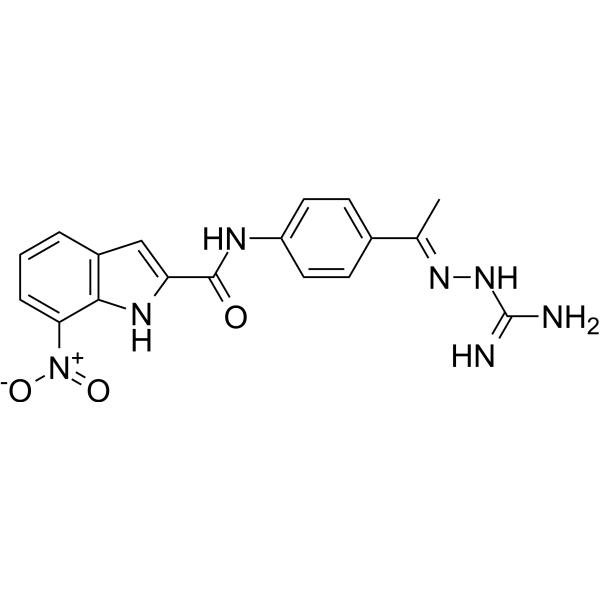
JAK2-IN-15 is an orally active, potent, selective JAK2 inhibitor (IC50 = 1.17 nM). JAK2-IN-15 can inhibit the AK2-STAT signaling pathway. JAK2-IN-15 significantly improves key pathological indicators such as hematocrit and splenomegaly in an Epoetin beta (HY-114134) (rhEPO)-induced mouse model. JAK2-IN-15 can be used for the study of Polycythemia Vera (PV) .
PV1115 is a potent and highly selective Chk2 inhibitor with an IC50 of 0.14 nM, 66000 nM, >100000 nM for Chk2, Chk1 and RSK2, respectively. PV1115 is situated within the ATP-binding pocket of Chk2 .
3,4-Methylenedioxy PV9 hydrochloride is a drug derivative. 3,4-Methylenedioxy PV9 hydrochloride shows toxicity against BEAS-2B, human aortic endothelia, HASM, SK-N-SH, A172, HepG2, MKN45, and DLD1cells (LC50=12.8-67.5 μM) .
Antibacterial agent 292 is a 3-pyrazolylindole derivative. Antibacterial agent 292 is an anti-bacterial agent. Antibacterial agent 292 shows potent inhibitory activity against Xanthomonas oryzae pv oryzae (Xoo) and Xanthomonas axonopodis pv citri (Xac), with EC50 values of 2.54 and 3.49 μg/mL. Antibacterial agent 292 can suppress biofilm formation, bacterial motility, and extracellular polysaccharide production, induce morphological alterations and promote ROS accumulation, ultimately triggers bacterial apoptosis. Antibacterial agent 292 down-regulates the expression of genes associated with the type VI secretion system (T6SS). Antibacterial agent 292 can be used in rice bacterial blight and citrus canker .
H1PVAT is a potent and selective inhibitor of poliovirus serotypes (PV-1, PV-2, PV-3), and inhibits early stage of the replication. H1PVAT interacts with viral capsid directly and protects PV against heat inactivation .
T3SS-IN-4 (Compound Z-8) is a T3SS inhibitor that can inhibit the expression of Xanthomonas oryzae pv oryzae (Xoo) T3SS-related genes without affecting bacterial growth. T3SS-IN-4 can effectively reduce the hypersensitive response (HR) induced by Xoo in tobacco and lower the pathogenicity of Xoo in rice .
Pvalb Mouse Pre-designed siRNA Set A contains three designed siRNAs for Pvalb gene (Mouse), as well as a negative control, a positive control, and a FAM-labeled negative control.
Quorum sensing-IN-5 is a RpfF-targeted quorum-sensing inhibitor. Quorum sensing-IN-5 inhibits Xanthomonas oryzae pv oryzae (Xoo) and Xanthomonas axonopodis pv. citri (Xac) with EC50 values of 9.91 μg/mL and 7.04 μg/mL. Quorum sensing-IN-5 has antimicrobial activity .
Antibacterial agent 276 (compound B3) is an antibacterial agent with EC50 values of 1.32 μg/mL and 2.80 μg/mL against Xanthomonas oryzae pv.oryzae and Xanthomonas axonopodis pv.citri,respectively. Antibacterial agent 276 disrupts the intracellular redox balance, and results in the accumulation of reactive oxygen species (ROS) and subsequent induction of apoptosis .
Antibacterial agent 178 (compound A10) is a potent antibacterial agent. Antibacterial agent 178 shows antibacterial activities for Xanthomonas oryzae pv. oryzae and Xanthomonas oryzae pv. oryzicola with EC50s of 5.32 mg/L and 7.58 mg/L, respectively. Antibacterial agent 178 targets the translational regulator (CsrA) and the virulence regulator (Xoc3530) .
Antibacterial agent 299 (Compound P5) is a highly effective antibacterial agent against Xanthomonas oryzae pv. oryzae (Xoo), with an EC₅₀ value of 6.9 μg/mL. Antibacterial agent 299 integrates into bacterial membranes, disrupts membrane structure, inhibits biofilm formation, and thus exerts antibacterial effects. Antibacterial agent 299 also shows inhibitory activity against Xanthomonas oryzae pv. oryzicola (Xoc) (EC₅₀ = 32.5 ± 3.0 μg/mL), but its activity against Xanthomonas axonopodis pv. citri (Xac) is weaker. Antibacterial agent 299 demonstrated excellent control efficacy in a rice bacterial blight (BLB) model. Antibacterial agent 299 can be used for BLB research .
Purine phosphoribosyltransferase-IN-2 is a potent inhibitor of the Plasmodium falciparum ((Pf)), Plasmodium vivax((Pv)) and Trypanosoma brucei ((Tbr)) 6-oxopurine phosphoribosyltransferase (PRT), with Kis of 30, 20 and 2 nM, respectively .
Antibacterial agent 66 (Compound 6q), a trifluoromethylpyridine 1,3,4-oxadiazole derivative, shows activity against Xanthomonas oryzae pv. oryzae (Xoo) with an EC50 value of 7.2 μg/mL .
Asperglaucin A represents an unusual phthalide-like derivative. Asperglaucin A exhibits potent antibacterial activities against two plant pathogens Pseudomonas syringae pv actinidae (Psa) and Bacillus cereus, with an MIC value of 6.25 μM .
Purine phosphoribosyltransferase-IN-1 (Compound (S,R)-48) is a potent inhibitor of the Plasmodium falciparum (Pf), P. vivax(Pv) and Trypanosoma brucei (Tbr) 6-oxopurine purine phosphoribosyltransferases (PRTs), with Ki values of 50, 20, and 2 nM, respectively .
Kv3, Channel Containing Protein (567-585) corresponds to amino acids 567 to 585 fragment of the Kv3.1b channel containing protein. Kv3 channel protein is expressed by parvalbumin (PV)-containing pallidal neurons .
flg22Pst is a peptide that can be derived Pseudomonas syringae pv. tabaci and serves as an effective elicitor for the plant immune system. flg22Pst can induce callose deposition in plants, trigger plant immune responses, and thereby assist plants in defending against pathogen invasion .
Asperglaucin B is an alkylated salicylaldehyde derivative from the fungus Aspergillus chevalieri SQ-8, with antibacterial activities. Asperglaucin B displays potent antibacterial activities against two plant pathogens Pseudomonas syringae pv actinidae (Psa) and Bacillus cereus, with an MIC value of 6.25 μM .
Ac-{Cpg}-Thr-Ala-{Ala(CO)}-Asp-{Cpg}-NH2 (compound 40) is a potent Plasmodium subtilisin-like protease 1 (SUB1) inhibitor. SUB1-IN-1 shows IC50 values of 12 nM and 10 nM against P. vivax and P. falciparum SUB1 (Pv- and PfSUB1), respectively .
ROS inducer 3 (Compound I6) is a ROS inducer. ROS inducer 3 has excellent in vitro bioactivity with an EC50 of 2.86 μg/mL. ROS inducer 3 has significant protective activity for preventing Pseudomonas syringae pv. actinidiae. ROS inducer 2, as a bactericidal agent, can be used for the research of intractable plant bacterial diseases .
ROS inducer 2 (Compound I16) is a ROS inducer. ROS inducer 2 has good activity in vitro, with an EC50 of 3.43 μg/mL. ROS inducer 2 has outstanding bioactivities in vivo against Xanthomonas axonopodis pv. citri. ROS inducer 2, as a bactericidal agent, can be used for the research of intractable plant bacterial diseases .
Pipobroman (Standard) is the analytical standard of Pipobroman. This product is intended for research and analytical applications. Pipobroman is a bromide derivative of piperazine and acts as an alkylating agent. Pipobroman plays its role by inhibiting DNA and RNA polymerase or by reducing pyrimidine nucleotide incorporation into DNA. Pipobroman can be used for the cancer research, including polycythemia vera, myeloproliferative neoplasm, and AML et.al .
PROTAC CYP1B1 degrader-2 (compound PV2) is a von Hippel-Landau (VHL) E3 ligase-based CYP1B1 degrader with the DC50 of 1.0 nM at 24 h in A549/Taxol cells. PROTAC CYP1B1 degrader-2 inhibits growth, migration, and invasion of A549/Taxol cell(Sturcture Note:(Blue: VHL ligand (HY-112078), Black: linker (HY-W007700), Pink: CYP1B1 ligand (HY-159006) .
Racemomycin B (229-B; Streptothricin D), the main component from Streptomyces lavendulae OP-2, is a streptothricin antibiotic containing three β-lysine groups. RM-B exhibits antimicrobial activity against plant pathogenic microorganisms and effectively inhibits the growth of Brassica rapa L. roots at 50 ppm. RM-B showed a minimum inhibitory concentration (MIC) of 0.4 μg/ml against Pseudomonas syringae pv. tabaci IFO-3508 and a MIC range of 0.1-2.0 μg/ml against six strains of Fusarium oxysporum, showing stronger antimicrobial activity than RM-A and RM-C. The biological activity of racemomycin compounds increases with the increase in the number of β-lysine groups.
PV-DPD-19 is an autoinducer-2 (AI-2) quorum sensing inhibitor. PV-DPD-19 reduces AI-2 production and inhibits the expression of multiple MSCRAMMs. In co-culture systems with Staphylococcus aureus, PV-DPD-19 decreases the production of pyocyanin and Elastase in Pseudomonas aeruginosa. PV-DPD-19 impairs the adhesion ability of Staphylococcus aureus to lung epithelial cells. PV-DPD-19 inhibits biofilm formation of Pseudomonas aeruginosa (MBIC50 = 27 μg/mL) and Staphylococcus aureus (MBIC50 = 35 μg/mL). PV-DPD-19 shows no cytotoxicity in both in vitro lung epithelial cell models and in vivoGalleria mellonella larva models .
Antibacterial agent 317 (Compound 5h) is an antibacterial agent. Antibacterial agent 317 has multiple antibacterial mechanisms, including enhancing cell membrane permeability, inhibiting EPS production and cell membrane formation, and also interfering with flagella and methionine biosynthesis. Antibacterial agent 317 significantly suppresses the growth of tested plant pathogens, namely, Xanthomonas oryzae pv oryzicola (Xoc) and Xanthomonas oryzae pv oryzae (Xoo) with EC50 values of 1.53 and 6.07 μg/mL, respectively .
Komaroidine is a bactericidal agent. Komaroidine induces reactive oxygen species (ROS) bursts in bacterial cells, disrupts antioxidant enzyme function and redox homeostasis, increases membrane permeability, and triggers bacterial apoptosis. Komaroidine suppresses bacterial burden within infected plant tissues.Komaroidine exhibits broad-spectrum antibacterial activity against phytopathogenic bacteria including Xanthomonas oryzae pv. oryzae, Xanthomonas axonopodis pv. citri, and Pseudomonas syringae pv. actinidiae. Komaroidine can be used for the research of rice bacterial leaf blight .
Antibacterial agent 266 (Compound C5) is a plant pathogen inhibitor that disrupts bacterial integrity, with EC50 values of 24.1 μg/mL and 39.0 μg/mL against Xanthomonas oryzaepvoryzae (Xoo) and X. axonopodispvcitri (Xac), respectively. Antibacterial agent 266 can be used in the development of plant pathology and agricultural antimicrobial agents research .
Antimalarial agent 55 is an orally potent inhibitor of PfA-M1 and PfA-M17 aminopeptidases from Plasmodium falciparum, with Ki values of 27 nM and 81 nM, respectively. Antimalarial agent 55 exhibits potent nanomolar activity against homologous enzymes from Plasmodium vivax and Plasmodium berghei, with Ki values of 2 nM, 4 nM, 190 nM and 18 nM for Pv-M1, Pb-M1, Pv-M17 and Pb-M17, respectively. Antimalarial agent 55 possesses significant antiplasmodial activity, as well as cross-species inhibitory capacity and broad-spectrum activity that is unaffected by existing drug resistance mechanisms. Antimalarial agent 55 can be used in malaria research .
T3SS-IN-6 is a thiazolidin-2-cyanamide derivative and type III secretion system (T3SS) inhibitor targeting Xanthomonas oryzaepv. oryzae (Xoo). T3SS-IN-6 exhibits no effect on Xoo growth. T3SS-IN-6 shows no measurable acute toxicity to silkworms and earthworms .
hRVs-IN-1 (Compound 6g) is a selective anti-hRV viral agent. hRVs-IN-1 inhibits the replication of tested hRV strains with EC50 values of 0.083, 0.078, and 0.015 μM against hRV-B14, hRV-A21, and hRV-A71, respectively. hRVs-IN-1 inhibits the replication of PV3 with an EC50 of 0.063 μM .
Antimicrobial agent-50 (Compound C2) is an anti-oomycete and Fungicidal agent. Antimicrobial agent-50 inhibits the activity of Mitochondrial respiratory chain complex III with an IC50 of 6.05 mg/L. Antimicrobial agent-50 inhibits ATP synthesis. Antimicrobial agent-50 exhibits protective activity against Phytophthora capsici in vivo. Antimicrobial agent-50 potently inhibits mycelial growth of Gaeumannomyces graminis, Rhizoctonia solani and Phytophthora capsici, with EC50 values of 2.97 mg/L, 1.86 mg/L and 0.74 mg/L, respectively .
Lactose octaacetate shows mild to moderate antifungal activity against some fungi, but it has low or no activity against bacteria and yeast. Lactose octaacetate shows low cytotoxicity to MDBK cells, Hep-2 and MDCK cells. Lactose octaacetate has antiviral activity against PV-1 .
5-Fluoroindole is an orally active fluorinated indole derivative and antibacterial agent. 5-Fluoroindole induces ROS accumulation and triggers Apoptosis. 5-Fluoroindole inhibits the growth of pan-susceptible Mycobacterium tuberculosis (Mtb) H37Rv strains. 5-Fluoroindole has significant bactericidal activity against Pseudomonas syringae pv. actinidiae (Psa) with an EC50 of 15.34 μg/mL. 5-Fluoroindole introduces fluorine labeling for protein research. 5-Fluoroindole can be used in the study of tuberculosis and kiwifruit bacterial canker .
La peptide (LAP) is an internal ribosome entry site (IRES) inhibitor. La peptide efficiently enters cells, blocks binding of cellular transacting factors to viral IRES, followed by inhibiting IRES-mediated translation. La peptide can be used for RNA viruses research, such as hepatitis C (HCV) and poliovirus (PV) .
Kv3, Channel Containing Protein (567-585) corresponds to amino acids 567 to 585 fragment of the Kv3.1b channel containing protein. Kv3 channel protein is expressed by parvalbumin (PV)-containing pallidal neurons .
flg22Pst is a peptide that can be derived Pseudomonas syringae pv. tabaci and serves as an effective elicitor for the plant immune system. flg22Pst can induce callose deposition in plants, trigger plant immune responses, and thereby assist plants in defending against pathogen invasion .
Ac-{Cpg}-Thr-Ala-{Ala(CO)}-Asp-{Cpg}-NH2 (compound 40) is a potent Plasmodium subtilisin-like protease 1 (SUB1) inhibitor. SUB1-IN-1 shows IC50 values of 12 nM and 10 nM against P. vivax and P. falciparum SUB1 (Pv- and PfSUB1), respectively .
Anti-Mouse CD28 Antibody (PV-1) is an anti-mouse CD28 IgG monoclonal antibody. Anti-Mouse CD28 Antibody (PV-1) can activate T cells. Anti-Mouse CD28 Antibody (PV-1) can be used for researches on cancer and immunology such as leukemia. The recommend isotype control of Anti-Mouse CD28 Antibody (PV-1): Armenian hamster IgG, Isotype Control (HY-P990305) .
Andrimid is a peptide Antibiotic and acetyl-CoA carboxylase inhibitor. Andrimid is produced by symbiotic bacteria of the genus *Enterobacter* residing in the brown planthopper Nilaparvata lugens. Andrimid exhibits strong specific activity against Xanthomonas campestrispv. oryzae. Andrimid shows no or only weak activity against Gram-positive and Gram-negative bacteria, including most plant pathogenic bacteria. Andrimid can be used in studies related to bacterial infections and rice bacterial blight .
Mansonone E (Compound 5) is a pesticide. Mansonone E can be isolated from heartwood of Mansonia gagei. Mansonone E has significant antifungal activity against Cladosporium cucumerinum, Candida albicans and Phytophthora parasitica. Mansonone E has potent antibacterial activity with MIC50s of both 7.8 μg/mL for Xanthomonas oryzae pv. oryzae and X. oryzae pv. Oryzicola. Mansonone E also has antifeedant and herbicidal activities .
Syringolin A is a plant elicitor that can be produced by the plant pathogen Pseudomonas syringaepv. syringae. Syringolin A exhibits anti-proliferative activity against a variety of cancer cells (IC50 for SK-N-SH, LAN-1, SKOV3 is 20-25 µM), induces apoptosis in SK-N-SH through upregulation of p53 expression and downregulation of Akt/PKB proteins .
Asperglaucin A represents an unusual phthalide-like derivative. Asperglaucin A exhibits potent antibacterial activities against two plant pathogens Pseudomonas syringae pv actinidae (Psa) and Bacillus cereus, with an MIC value of 6.25 μM .
Asperglaucin B is an alkylated salicylaldehyde derivative from the fungus Aspergillus chevalieri SQ-8, with antibacterial activities. Asperglaucin B displays potent antibacterial activities against two plant pathogens Pseudomonas syringae pv actinidae (Psa) and Bacillus cereus, with an MIC value of 6.25 μM .
Racemomycin B (229-B; Streptothricin D), the main component from Streptomyces lavendulae OP-2, is a streptothricin antibiotic containing three β-lysine groups. RM-B exhibits antimicrobial activity against plant pathogenic microorganisms and effectively inhibits the growth of Brassica rapa L. roots at 50 ppm. RM-B showed a minimum inhibitory concentration (MIC) of 0.4 μg/ml against Pseudomonas syringae pv. tabaci IFO-3508 and a MIC range of 0.1-2.0 μg/ml against six strains of Fusarium oxysporum, showing stronger antimicrobial activity than RM-A and RM-C. The biological activity of racemomycin compounds increases with the increase in the number of β-lysine groups.
Komaroidine is a bactericidal agent. Komaroidine induces reactive oxygen species (ROS) bursts in bacterial cells, disrupts antioxidant enzyme function and redox homeostasis, increases membrane permeability, and triggers bacterial apoptosis. Komaroidine suppresses bacterial burden within infected plant tissues.Komaroidine exhibits broad-spectrum antibacterial activity against phytopathogenic bacteria including Xanthomonas oryzae pv. oryzae, Xanthomonas axonopodis pv. citri, and Pseudomonas syringae pv. actinidiae. Komaroidine can be used for the research of rice bacterial leaf blight .
The MICAL2 protein is a methionine monooxygenase that crucially promotes F-actin depolymerization by oxidizing actin residues "Met-44" and "Met-47" to form methionine sulfoxide. This modification prevents actin filaments from repolymerizing. MICAL2 Protein, Human (P.pastoris, His) is the recombinant human-derived MICAL2 protein, expressed by P. pastoris , with N-His labeled tag.
The PLVAP protein is an endothelial cell-specific membrane protein that plays a key role in the complex structure of endothelial fenestrae by participating in the formation of septa that bridge these fenestrae. Furthermore, it plays a crucial role in the development of stomata within caveolae and transendothelial channels. PLVAP Protein, Human (HEK293, His) is the recombinant human-derived PLVAP protein, expressed by HEK293 , with N-His labeled tag.
Zorevunersen sodium is an antisense oligonucleotide targeting the Scn1a gene based on TANGO technology. Zorevunersen sodium increases Scn1a mRNA transcripts and elevates the expression level of NaV1.1 protein. Zorevunersen sodium restores the excitability of PV interneurons, thereby reducing seizures and prolonging survival in mice. Zorevunersen sodium can be used for research on Dravet syndrome .
Zorevunersen is an antisense oligonucleotide targeting the Scn1a gene based on TANGO technology. Zorevunersen increases Scn1a mRNA transcripts and elevates the expression level of NaV1.1 protein. Zorevunersen restores the excitability of PV interneurons, thereby reducing seizures and prolonging survival in mice. Zorevunersen can be used for research on Dravet syndrome .
Pvalb Mouse Pre-designed siRNA Set A contains three designed siRNAs for Pvalb gene (Mouse), as well as a negative control, a positive control, and a FAM-labeled negative control.
Inquiry Online
Your information is safe with us. * Required Fields.
Western blot analysis of extracts from THP-1(lane 2(20μg), Jurkat (lane 3(20μg) and NIH3T3(lane 4(20μg) using FOXO1A (HY-P80132) Rabbit mAb. Proteins were transferred
to a PVDF membrane and blocked with 5% non-fat milk in TBST for 2 hour at room temperature. The primary antibody (1/1000) and Loading control antibody (Beta Actin, HY-P80438, 1/10000) was
used in 5% non-fat milk in TBST at 4°C overnight. Goat Anti-Mouse/Rabbit IgG-HRP Secondary Antibody (1/10000) was used for 1 hour at room temperature.
Western blot analysis of extracts from THP-1(lane 2(20μg), Jurkat (lane 3(20μg) and NIH3T3(lane 4(20μg) using FOXO1A (HY-P80132) Rabbit mAb. Proteins were transferred
to a PVDF membrane and blocked with 5% non-fat milk in TBST for 2 hour at room temperature. The primary antibody (1/1000) and Loading control antibody (Beta Actin, HY-P80438, 1/10000) was
used in 5% non-fat milk in TBST at 4°C overnight. Goat Anti-Mouse/Rabbit IgG-HRP Secondary Antibody (1/10000) was used for 1 hour at room temperature.
Western blot analysis of extracts from THP-1(lane 2(20μg), Jurkat (lane 3(20μg) and NIH3T3(lane 4(20μg) using FOXO1A (HY-P80132) Rabbit mAb. Proteins were transferred
to a PVDF membrane and blocked with 5% non-fat milk in TBST for 2 hour at room temperature. The primary antibody (1/1000) and Loading control antibody (Beta Actin, HY-P80438, 1/10000) was
used in 5% non-fat milk in TBST at 4°C overnight. Goat Anti-Mouse/Rabbit IgG-HRP Secondary Antibody (1/10000) was used for 1 hour at room temperature.
Western blot analysis of extracts from THP-1(lane 2(20μg), Jurkat (lane 3(20μg) and NIH3T3(lane 4(20μg) using FOXO1A (HY-P80132) Rabbit mAb. Proteins were transferred
to a PVDF membrane and blocked with 5% non-fat milk in TBST for 2 hour at room temperature. The primary antibody (1/1000) and Loading control antibody (Beta Actin, HY-P80438, 1/10000) was
MedchemExpress Validation 03
Western blot analysis of extracts from THP-1(lane 2(20μg), Jurkat (lane 3(20μg) and NIH3T3(lane 4(20μg) using FOXO1A (HY-P80132) Rabbit mAb. Proteins were transferred
MedchemExpress Validation 04
Western blot analysis of extracts from THP-1(lane 2(20μg), Jurkat (lane 3(20μg) and NIH3T3(lane 4(20μg) using FOXO1A (HY-P80132) Rabbit mAb. Proteins were transferred
to a PVDF membrane and blocked with 5% non-fat milk in TBST for 2 hour at room temperature. The primary antibody (1/1000) and Loading control antibody (Beta Actin, HY-P80438, 1/10000) was
used in 5% non-fat milk in TBST at 4°C overnight. Goat Anti-Mouse/Rabbit IgG-HRP Secondary Antibody (1/10000) was used for 1 hour at room temperature.
MedchemExpress Validation
Western blot analysis of extracts from THP-1(lane 2(20μg), Jurkat (lane 3(20μg) and NIH3T3(lane 4(20μg) using FOXO1A (HY-P80132) Rabbit mAb. Proteins were transferred
to a PVDF membrane and blocked with 5% non-fat milk in TBST for 2 hour at room temperature. The primary antibody (1/1000) and Loading control antibody (Beta Actin, HY-P80438, 1/10000) was
used in 5% non-fat milk in TBST at 4°C overnight. Goat Anti-Mouse/Rabbit IgG-HRP Secondary Antibody (1/10000) was used for 1 hour at room temperature.
Western blot analysis of extracts from THP-1(lane 2(20μg), Jurkat (lane 3(20μg) and NIH3T3(lane 4(20μg) using FOXO1A (HY-P80132) Rabbit mAb. Proteins were transferred
to a PVDF membrane and blocked with 5% non-fat milk in TBST for 2 hour at room temperature. The primary antibody (1/1000) and Loading control antibody (Beta Actin, HY-P80438, 1/10000) was
used in 5% non-fat milk in TBST at 4°C overnight. Goat Anti-Mouse/Rabbit IgG-HRP Secondary Antibody (1/10000) was used for 1 hour at room temperature.
MedchemExpress Validation
Western blot analysis of extracts from THP-1(lane 2(20μg), Jurkat (lane 3(20μg) and NIH3T3(lane 4(20μg) using FOXO1A (HY-P80132) Rabbit mAb. Proteins were transferred
to a PVDF membrane and blocked with 5% non-fat milk in TBST for 2 hour at room temperature. The primary antibody (1/1000) and Loading control antibody (Beta Actin, HY-P80438, 1/10000) was
used in 5% non-fat milk in TBST at 4°C overnight. Goat Anti-Mouse/Rabbit IgG-HRP Secondary Antibody (1/10000) was used for 1 hour at room temperature.
MedchemExpress Validation
Western blot analysis of extracts from THP-1(lane 2(20μg), Jurkat (lane 3(20μg) and NIH3T3(lane 4(20μg) using FOXO1A (HY-P80132) Rabbit mAb. Proteins were transferred
to a PVDF membrane and blocked with 5% non-fat milk in TBST for 2 hour at room temperature. The primary antibody (1/1000) and Loading control antibody (Beta Actin, HY-P80438, 1/10000) was
used in 5% non-fat milk in TBST at 4°C overnight. Goat Anti-Mouse/Rabbit IgG-HRP Secondary Antibody (1/10000) was used for 1 hour at room temperature.
MedchemExpress Validation
Western blot analysis of extracts from THP-1(lane 2(20μg), Jurkat (lane 3(20μg) and NIH3T3(lane 4(20μg) using FOXO1A (HY-P80132) Rabbit mAb. Proteins were transferred
to a PVDF membrane and blocked with 5% non-fat milk in TBST for 2 hour at room temperature. The primary antibody (1/1000) and Loading control antibody (Beta Actin, HY-P80438, 1/10000) was
used in 5% non-fat milk in TBST at 4°C overnight. Goat Anti-Mouse/Rabbit IgG-HRP Secondary Antibody (1/10000) was used for 1 hour at room temperature.
MedchemExpress Validation
Western blot analysis of extracts from THP-1(lane 2(20μg), Jurkat (lane 3(20μg) and NIH3T3(lane 4(20μg) using FOXO1A (HY-P80132) Rabbit mAb. Proteins were transferred
to a PVDF membrane and blocked with 5% non-fat milk in TBST for 2 hour at room temperature. The primary antibody (1/1000) and Loading control antibody (Beta Actin, HY-P80438, 1/10000) was
used in 5% non-fat milk in TBST at 4°C overnight. Goat Anti-Mouse/Rabbit IgG-HRP Secondary Antibody (1/10000) was used for 1 hour at room temperature.
MedchemExpress Validation
Western blot analysis of extracts from THP-1(lane 2(20μg), Jurkat (lane 3(20μg) and NIH3T3(lane 4(20μg) using FOXO1A (HY-P80132) Rabbit mAb. Proteins were transferred
to a PVDF membrane and blocked with 5% non-fat milk in TBST for 2 hour at room temperature. The primary antibody (1/1000) and Loading control antibody (Beta Actin, HY-P80438, 1/10000) was
used in 5% non-fat milk in TBST at 4°C overnight. Goat Anti-Mouse/Rabbit IgG-HRP Secondary Antibody (1/10000) was used for 1 hour at room temperature.
MedchemExpress Validation
Western blot analysis of extracts from THP-1(lane 2(20μg), Jurkat (lane 3(20μg) and NIH3T3(lane 4(20μg) using FOXO1A (HY-P80132) Rabbit mAb. Proteins were transferred
to a PVDF membrane and blocked with 5% non-fat milk in TBST for 2 hour at room temperature. The primary antibody (1/1000) and Loading control antibody (Beta Actin, HY-P80438, 1/10000) was
used in 5% non-fat milk in TBST at 4°C overnight. Goat Anti-Mouse/Rabbit IgG-HRP Secondary Antibody (1/10000) was used for 1 hour at room temperature.
MedChemExpress values your privacy and your trust is important to us. We use cookies to enhance your website experience. Some cookies are necessary to run the website.
Privacy and Cookie Policy

