1. Search Result
Search Result
Results for "

RAS protein

" in MedChemExpress (MCE) Product Catalog:

116

Inhibitors & Agonists

1

Screening Libraries

2

Biochemical Assay Reagents

4

Peptides

1

Inhibitory Antibodies

6

Natural
Products

68

Recombinant Proteins

4

Isotope-Labeled Compounds

47

Antibodies

2

Oligonucleotides

Targets Recommended:
Cat. No. Product Name Target Research Areas Chemical Structure
  • HY-B0627
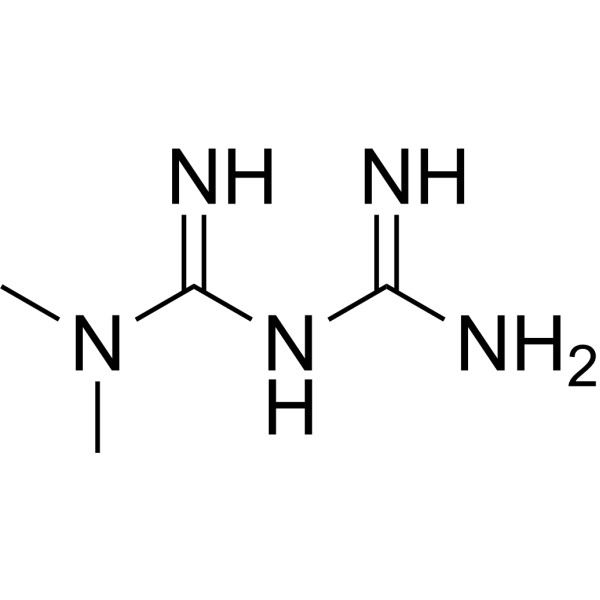
    Metformin
    Maximum Cited Publications
    196 Publications Verification

    1,1-Dimethylbiguanide

    AMPK Autophagy Mitophagy Apoptosis mTOR Cardiovascular Disease Infection Neurological Disease Metabolic Disease Inflammation/Immunology Cancer
    Metformin (1,1-Dimethylbiguanide) inhibits the mitochondrial respiratory chain in the liver, leading to AMPK activation and enhancing insulin sensitivity, and can be used in the study of type 2 diabetes. Metformin exerts central glucose-lowering effects by inhibiting Ras-related protein 1 (Rap1) in SF1 hypothalamic neurons. Metformin also inhibits liver oxidative stress, nitrosative stress, inflammation, and apoptosis caused by liver ischemia/reperfusion injury. In addition, Metformin regulates the expression of autophagy-related proteins by activating AMPK and inhibiting the mTOR signaling pathway, thereby inducing tumor cell autophagy and inhibiting the growth of renal cell carcinoma in vitro and in vivo .
    Metformin
  • HY-148439
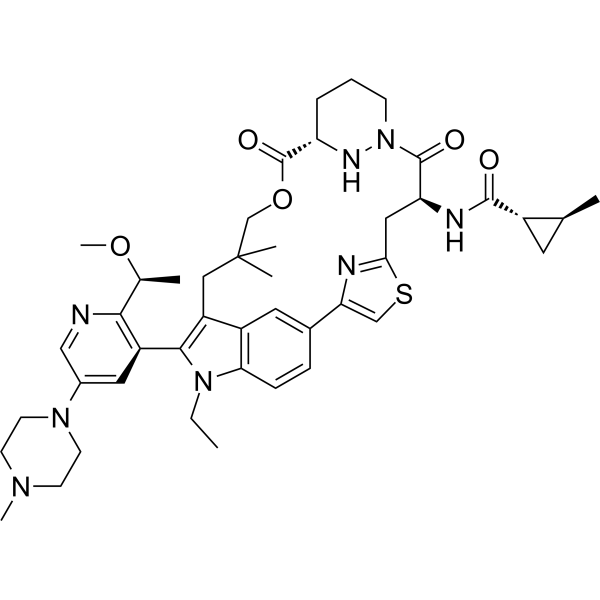
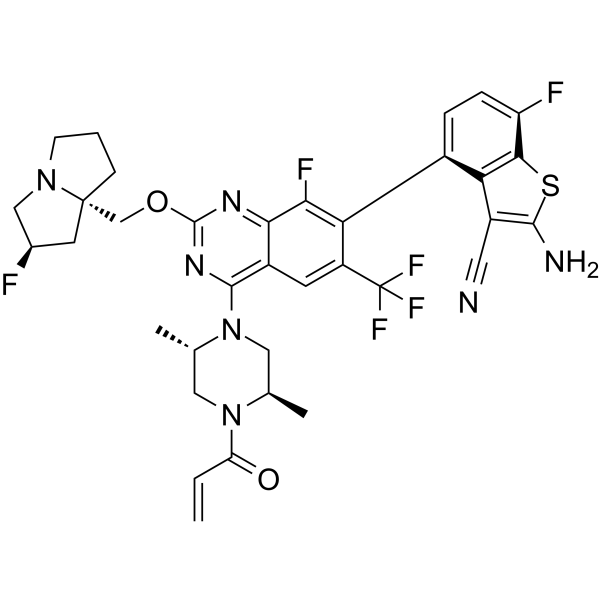
    Daraxonrasib
    5+ Cited Publications

    RMC-6236; RAS-IN-2

    Ras PERK Cancer
    Daraxonrasib (RMC-6236) is an orally active, non-covalent RAS (ON) inhibitor. Daraxonrasib disrupts the interaction of wild-type or mutant RAS proteins with the RAS binding domain of BRAF, with EC50 values ranging from 28-220 nM for wild-type KRAS, NRAS, HRAS, and multiple oncogenic RAS variants. Daraxonrasib inhibits pERK. Daraxonrasib has anti-tumor activity against KRAS mutant tumors .
    Daraxonrasib
  • HY-17471A
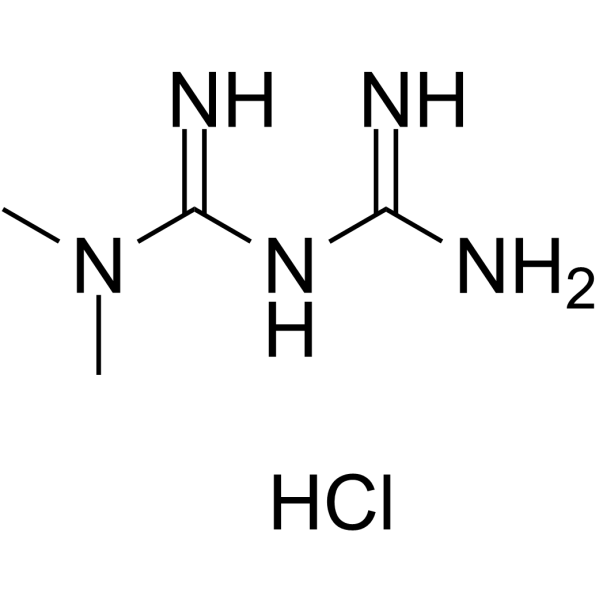
    Metformin hydrochloride
    Maximum Cited Publications
    196 Publications Verification

    1,1-Dimethylbiguanide hydrochloride

    AMPK Autophagy Mitophagy Apoptosis mTOR Cardiovascular Disease Infection Neurological Disease Metabolic Disease Inflammation/Immunology Cancer
    Metformin (1,1-Dimethylbiguanide) hydrochloride inhibits the mitochondrial respiratory chain in the liver, leading to AMPK activation and enhancing insulin sensitivity, and can be used in the study of type 2 diabetes. Metformin hydrochloride exerts central glucose-lowering effects by inhibiting Ras-related protein 1 (Rap1) in SF1 hypothalamic neurons. Metformin hydrochloride also inhibits liver oxidative stress, nitrosative stress, inflammation, and apoptosis caused by liver ischemia/reperfusion injury. In addition, Metformin hydrochloride regulates the expression of autophagy-related proteins by activating AMPK and inhibiting the mTOR signaling pathway, thereby inducing tumor cell autophagy and inhibiting the growth of renal cell carcinoma in vitro and in vivo .
    Metformin hydrochloride
  • HY-B0660
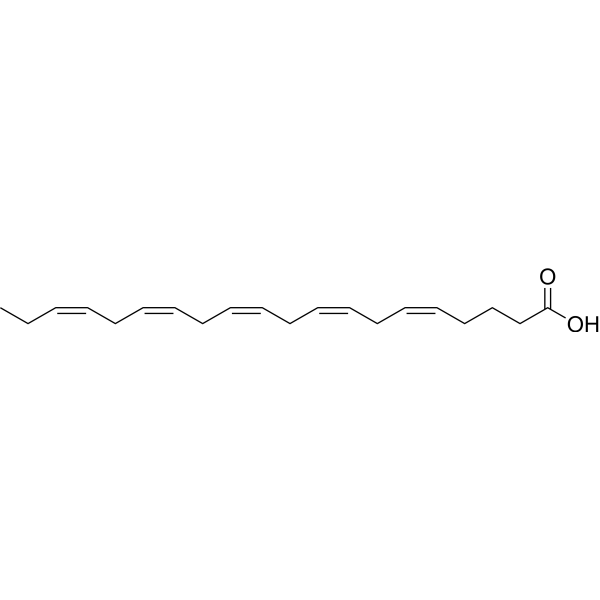
    Eicosapentaenoic Acid
    25+ Cited Publications

    EPA; Timnodonic acid

    Endogenous Metabolite Histone Demethylase Neurological Disease Cancer
    Eicosapentaenoic Acid (EPA) is an orally active Omega-3 long-chain polyunsaturated fatty acid (ω-3 LC-PUFA). Eicosapentaenoic Acid exhibits a DNA demethylating action that promotes the re-expression of the tumor suppressor gene CCAAT/enhancer-binding protein δ (C/EBPδ). Eicosapentaenoic Acid activates RAS/ERK/C/EBPβ pathway through H-Ras intron 1 CpG island demethylation in U937 leukemia cells. Eicosapentaenoic Acid can promote relaxation of vascular smooth muscle cells and vasodilation .
    Eicosapentaenoic Acid
  • HY-156498
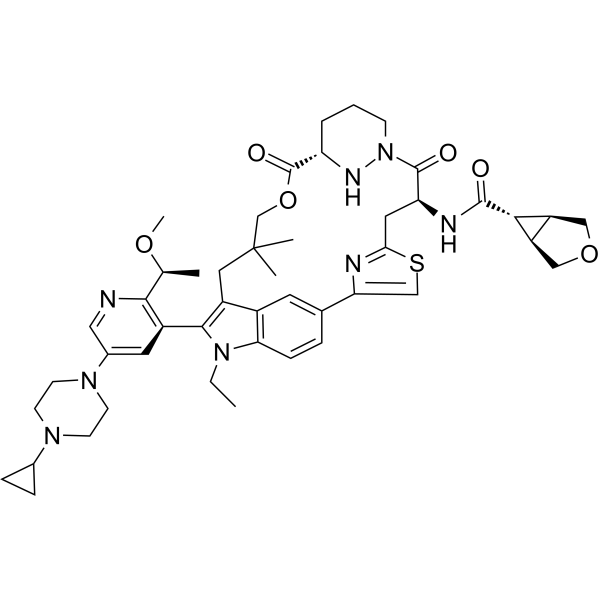
    RMC-7977
    10+ Cited Publications

    Ras ERK Raf Ribosomal S6 Kinase (RSK) AMPK Apoptosis PARP Cancer
    RMC-7977 is an orally active triple-complex RAS inhibitor that can simultaneously bind to cyclophilin A (CYPA) (Kd = 195 nM) and KRAS (G12V) (Kd = 292 μM). It exhibits broad-spectrum inhibitory activity against KRAS, NRAS, and HRAS proteins and their various wild-type and mutant variants. RMC-7977 induces apoptosis by inhibiting the phosphorylation of ERK, CRAF, and RSK, as well as increasing PARP cleavage. This leads to tumor regression, reduces resistance in KRAS G12C cancer models, and demonstrates good tolerability across various RAS cancer models .
    RMC-7977
  • HY-112473
    Grassofermata
    10+ Cited Publications

    NAV-2729

    Ras Cancer
    Grassofermata is a dual Arf1/Arf6 activation inhibitor. ADP ribosylation factors (Arfs) are members of the Arf family of GTP-binding proteins of the Ras superfamily.
    Grassofermata
  • HY-158107
    BBO-8520
    1 Publications Verification

    Ras Cancer
    BBO-8520 is a direct small molecule covalent inhibitor targeting KRAS G12C with high oral availability. BBO-8520 has the characteristics of KRAS G12C (OFF) inhibitor and the function of blocking KRAS G12C (ON) signal. BBO-8520 inhibits cell proliferation by inhibiting KRAS G12C (ON) by binding GTP protein. BBO-8520 can block RAS-RAF1 interaction and return KRAS G12C to the inactive (OFF) state. BBO-8520 can be used for the research of cancer .
    BBO-8520
  • HY-158409

    Molecular Glues Ras Cyclophilin PERK Cancer
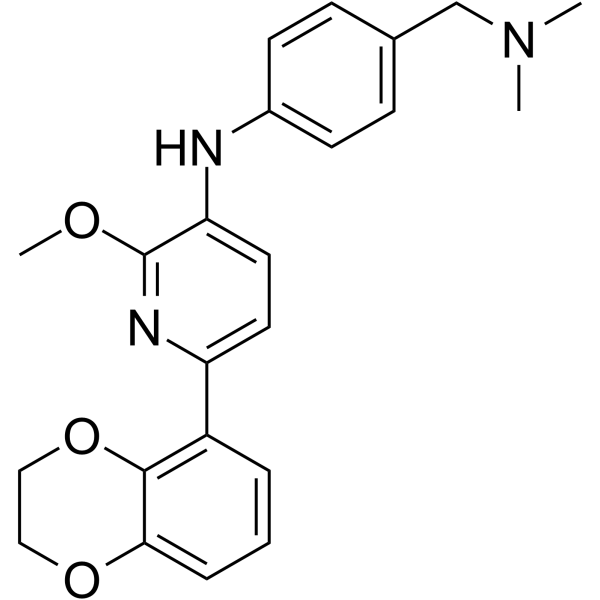
    Pan-rasin-2 (compound 6A) is an orally active molecular glues that targets RAS. Pan-RAS-IN-2 inhibits pERK (IC50 in AsPC-1 cells: 0.3 nM). Pan-rasin-2 has significant inhibitory activity on cell proliferation of RAS mutant cell lines. Pan-rasin-2 can form ternary complexes with cyclophilin A (CYPA) and RAS (ON) proteins and the formation of ternary complexes can block the binding of RAF downstream of RAS, which has anti-tumor (such as colorectal cancer, pancreatic cancer) effects .
    Pan-RAS-IN-2
  • HY-143589

    JAB-21822; KRAS G12C inhibitor 36

    Ras Cancer
    Glecirasib (Compound 1-2; JAB-21822) is an orally active and potent inhibitor of KRAS G12C. The Ras family of proteins is an important intracellular signaling molecule that plays an important role in growth and development. Glecirasib has the potential for the research of KRAS G12C-mediated cancer .
    Glecirasib
  • HY-P3108
    Alamandine
    2 Publications Verification

    Angiotensin Receptor Angiotensin-converting Enzyme (ACE) Cardiovascular Disease
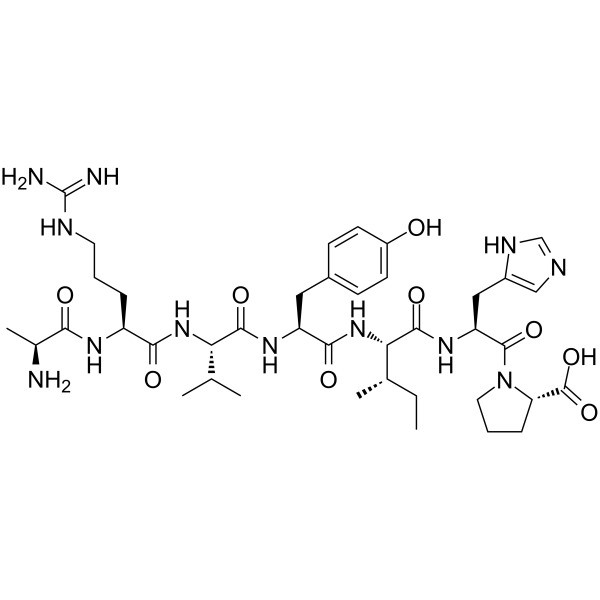
    Alamandine, a member of the renin-angiotensin system (RAS), a vasoactive peptide, is an endogenous ligand of the G protein-coupled receptor MrgD. Alamandine targets to protect the kidney and heart through anti-hypertensive actions .
    Alamandine
  • HY-101295
    Pan-RAS-IN-1
    5+ Cited Publications

    Ras Cancer
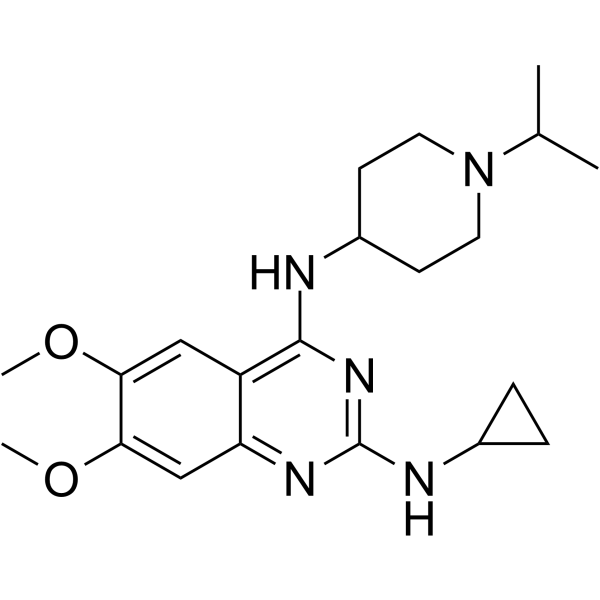
    Pan-RAS-IN-1 is a pan-Ras inhibitor that disrupts the interaction of Ras proteins and their effectors.
    Pan-RAS-IN-1
  • HY-N6670

    Antibiotic Raf ERK Ras MEK Bacterial Infection
    Cefotetan is a binding agent that targets human Raf1 kinase inhibitor protein (hRKIP). Cefotetan binds to hRKIP, reduces the binding space between hRKIP and Raf1 kinase, relieves hRKIP's inhibition of the Ras/Raf1/MEK/ERK signaling pathway, and enhances ERK phosphorylation. Cefotetan can be used to study diseases associated with dysregulated Ras/Raf1/MEK/ERK signaling pathways. Cefotetan is also a broad-spectrum antibacterial agent that disrupts cell wall synthesis by binding to bacterial penicillin-binding proteins (PBPs). It is used to study bacterial infections such as bone, skin, urinary tract, and lower respiratory tract .
    Cefotetan
  • HY-159788

    PROTACs Ras Cancer
    PROTAC K-Ras Degrader-4 (Compound 4) is a PROTAC degrader for KRAS that degrades KRAS G12D in GP5d and degrades KRAS G12V in cell SW620 with DC50s of 1 nM and 13 nM. PROTAC K-Ras Degrader-4 inhibits MAPK signaling pathway . (Pink: ligand for target protein pan-KRAS degrader 1 (HY-162960); Black: linker (HY-159790); Blue: ligand for E3 ligase VHL (HY-W998248))
    PROTAC K-Ras Degrader-4
  • HY-16111

    Farnesyl Transferase Ras Cancer
    BMS-214662 is a farnesyl transferase inhibitor. BMS-214662 can effectively block the localization and function of Ras protein in the cell membrane by inhibiting the pro-group modification of Ras protein, thereby exerting anti-tumor activity. BMS-214662 has an IC50 value of 1.3 nM for H-Ras and 8.4 nM for K-Ras. BMS-214662 can be used to study Ras-related tumor diseases .
    BMS-214662
  • HY-N9330

    Xanthine Oxidase Cancer
    Broussoflavonol F is a HER2-RAS-MEK-ERK signaling pathway modulator and mushroom tyrosinase inhibitor, with an IC50 of 82.3 μM against mushroom tyrosinase. Broussoflavonol F reduces the protein expression levels of RAS, HER2, phosphorylated BRAF, phosphorylated MEK and phosphorylated Erk. It induces cell apoptosis, triggers G0/G1 phase cell cycle arrest, and exhibits cytotoxicity against colon cancer cells. Broussoflavonol F is applicable to related research on colon cancer .
    Broussoflavonol F
  • HY-143212

    1-Stearoyl-2-docosahexaenoyl-sn-glycerol

    Ras p38 MAPK ERK PKC Metabolic Disease Inflammation/Immunology Cancer
    18:0-22:6 DG (1-Stearoyl-2-docosahexaenoyl-sn-glycerol) is a diacylglycerol (DG) that can interact with RasGRP (Ras guanine nucleotide-releasing protein) (Ki = 8.37 μM) and modulate the activation of MAP kinases (such as ERK1/ERK2), which play a crucial role in cellular signaling processes. 18:0-22:6 DG can also activate protein kinase C (PKC) isozyme. 18:0-22:6 DG can be used for research of cancer, immunology and metabolic disease .
    18:0-22:6 DG
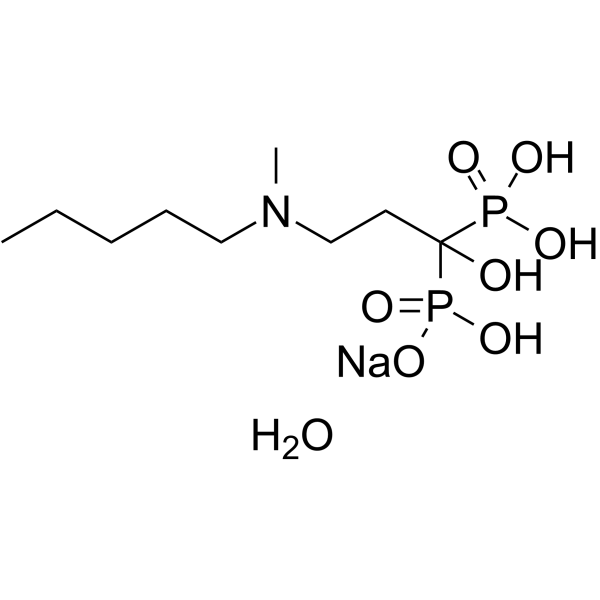
  • HY-B0515
    Ibandronate Sodium Monohydrate
    1 Publications Verification

    BM-210955; RPR-102289A

    Apoptosis Metabolic Disease Cancer
    Ibandronate Sodium Monohydrate (BM-210955; RPR-102289A) is an orally active, selective inhibitor of farnesyl pyrophosphate synthase (FPP synthase). Ibandronate Sodium Monohydrate can block the mevalonate pathway to inhibit the isoprenylation modification of small GTPases (such as RAS, RHO family proteins), induce tumor cell apoptosis and inhibit bone resorption. Ibandronate Sodium Monohydrate inhibits tumor cell proliferation (such as ER + breast cancer cells), promotes the expression of the pro-apoptotic gene FAS, and can produce synergistic anti-tumor effects with anti-estrogen compounds. Ibandronate Sodium Monohydrate is used in the study of osteoporosis and bone metastatic tumors (such as breast cancer bone metastasis) .
    Ibandronate Sodium Monohydrate
  • HY-176811

    Ras PI3K Akt Cancer
    VVD-442 is an inhibitor targeting PI3Kα. VVD-442 covalently binds to Cys242 in the RAS-binding domain of PI3K p110α, induces conformational changes, and disrupts the interaction between PI3K p110α and RAS proteins. VVD-442 also blocks RAS-mediated PI3K activation. VVD-442 can be used in research related to RAS-mutant cancers and HER2-overexpressing cancers .
    VVD-442
  • HY-118563

    ICMT Apoptosis Ras Cancer
    Farnesylthioacetic acid is a competitive, non-substrate inhibitor of Prenylcysteine α-carboxyl methyltransferase. It acts as a non-substrate competitive inhibitor of Arabidopsis thaliana Prenylcysteine α-carboxyl methyltransferase and blocks methyltransferase activity. Farnesylthioacetic acid does not inhibit protein farnesyltransferase activity in Arabidopsis. It induces Apoptosis. Farnesylthioacetic acid regulates the subcellular localization of Ras protein, reducing the proportion of cytoplasmic Ras protein without disrupting membrane binding. It enhances ABA-induced seed dormancy, delays seed germination, and promotes maximum stomatal closure at lower exogenous ABA concentrations. Farnesylthioacetic acid can be used in studies related to promyelocytic leukemia .
    Farnesylthioacetic acid
  • HY-18707

    Ras Apoptosis Cancer
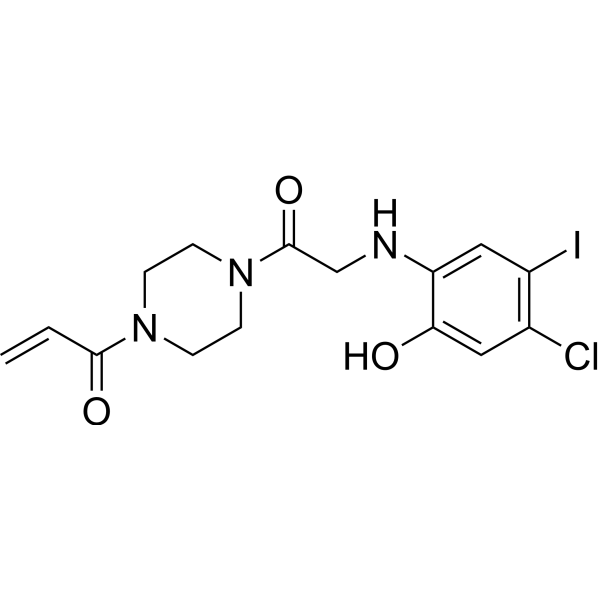
    K-Ras(G12C) inhibitor 12 is an irreversible inhibitor of K-Ras(G12C). K-Ras(G12C) inhibitor 12 can alter the nucleotide-binding preference of K-Ras and block its interaction with effector proteins. K-Ras(G12C) inhibitor 12 can reduce cell viability and induce apoptosis in lung cancer cell lines with G12C mutations. K-Ras(G12C) inhibitor 12 has anti-tumor activity .
    K-Ras(G12C) inhibitor 12
  • HY-178842

    Ras ADC Payload Cancer
    Z52 is a Ras protein inhibitor. Z52 can be used for the research of cancer, such as pancreatic cancer .
    Z52
  • HY-122866
    ZT-12-037-01
    1 Publications Verification

    Ras Cancer
    ZT-12-037-01 is a STK19-targeted inhibitor, has a high-affinity interaction with STK19 protein and inhibits oncogenic NRAS-driven melanocyte malignant transformation. ZT-12-037-01 is an ATP-competitive inhibitor, inhibiting phosphorylation of NRAS (major isoform of Ras family) with an IC50 of 24 nM .
    ZT-12-037-01
  • HY-17471AR

    1,1-Dimethylbiguanide hydrochloride (Standard)

    Reference Standards AMPK Autophagy Mitophagy Apoptosis mTOR Cardiovascular Disease Metabolic Disease Cancer
    Metformin hydrochloride (Standard) is the analytical standard of Metformin hydrochloride (HY-17471A). This product is intended for research and analytical applications. Metformin (1,1-Dimethylbiguanide) hydrochloride inhibits the mitochondrial respiratory chain in the liver, leading to AMPK activation and enhancing insulin sensitivity, and can be used in the study of type 2 diabetes. Metformin hydrochloride exerts central glucose-lowering effects by inhibiting Ras-related protein 1 (Rap1) in SF1 hypothalamic neurons. Metformin hydrochloride also inhibits liver oxidative stress, nitrosative stress, inflammation, and apoptosis caused by liver ischemia/reperfusion injury. In addition, Metformin hydrochloride regulates the expression of autophagy-related proteins by activating AMPK and inhibiting the mTOR signaling pathway, thereby inducing tumor cell autophagy and inhibiting the growth of renal cell carcinoma in vitro and in vivo .
    Metformin hydrochloride (Standard)
  • HY-122862
    RAS inhibitor Abd-7
    3 Publications Verification

    Ras Cancer
    RAS inhibitor Abd-7, a potent RAS-binding compound (Kd=51 nM), is a RAS-effector protein-protein interaction (PPI) inhibitor. RAS inhibitor Abd-7 interacts with RAS inside the cells, prevents RAS-effector interactions and inhibits endogenous RAS-dependent signaling. RAS inhibitor Abd-7 impairs the PPI of various mutant KRAS proteins with PI3K, CRAF and RALGDS as well as NRAS Q61H and HRAS G12V .
    RAS inhibitor Abd-7
  • HY-153821

    Ras PROTACs Cancer
    PROTAC KRAS G12C degrader-2 (compound 432) is a modulator of K-Ras protein hydrolysis. PROTAC KRAS G12C degrader-2 is a bifunctional compound, which contain on one end a cereblon inhibitor of apoptosis proteins (IAP) and on the other end a moiety which binds KRAS .
    PROTAC KRAS G12C degrader-2
  • HY-U00416

    Ras Cancer
    ARS-1323 is a KRAS G12C inhibitor. ARS-1323 specifically binds to the cysteine residue on the mutant K-Ras protein, locks it in the GDP-bound conformation, thereby blocking K-Ras activation and downstream signaling pathways. ARS-1323 can be used to investigate the signal transduction mechanisms and growth characteristics of tumor cells driven by K-Ras G12C .
    ARS-1323
  • HY-177106

    Drug Intermediate Ras Cancer
    ADT-1004 is an orally active prodrug of ADT-007 (HY-157887). ADT-007 is a reversible, highly potent and selective pan-RAS inhibitor that binds to the nucleotide-free conformation of RAS proteins and blocks their GTP activation, thereby inhibiting the downstream MAPK and AKT signaling pathways. ADT-1004 can be used for the research of pancreatic ductal adenocarcinoma .
    ADT-1004
  • HY-122641

    Phosphodiesterase (PDE) Cancer
    Deltasonamide 1 is a PDE6δ-KRas inhibitor. Deltasonamide 1 can inhibit PDE6δ-KRas with a KD of 203 pM. Deltasonamide 1 can be used for the research of tumors .
    Deltasonamide 1
  • HY-138295

    Ras Cancer
    KRAS inhibitor-10 selectively and effectively inhibit RAS proteins, and particularly KRAS proteins. KRAS inhibitor-10 is an orally active anti-cancer agent and can be used for cancer research, such as pancreatic cancer, breast cancer, multiple myeloma, leukemia and lung cancer. KRAS inhibitor-10 is a tetrahydroisoquinoline compound (compound 11) extracted from patent WO2021005165 A1 .
    KRAS inhibitor-10
  • HY-B0660R

    EPA (Standard); Timnodonic acid (Standard)

    Reference Standards Endogenous Metabolite Histone Demethylase Neurological Disease Cancer
    Eicosapentaenoic Acid (Standard) is the analytical standard of Eicosapentaenoic Acid. This product is intended for research and analytical applications. Eicosapentaenoic Acid (EPA) is an orally active Omega-3 long-chain polyunsaturated fatty acid (ω-3 LC-PUFA). Eicosapentaenoic Acid exhibits a DNA demethylating action that promotes the re-expression of the tumor suppressor gene CCAAT/enhancer-binding protein δ (C/EBPδ). Eicosapentaenoic Acid activates RAS/ERK/C/EBPβ pathway through H-Ras intron 1 CpG island demethylation in U937 leukemia cells. Eicosapentaenoic Acid can promote relaxation of vascular smooth muscle cells and vasodilation .
    Eicosapentaenoic Acid (Standard)
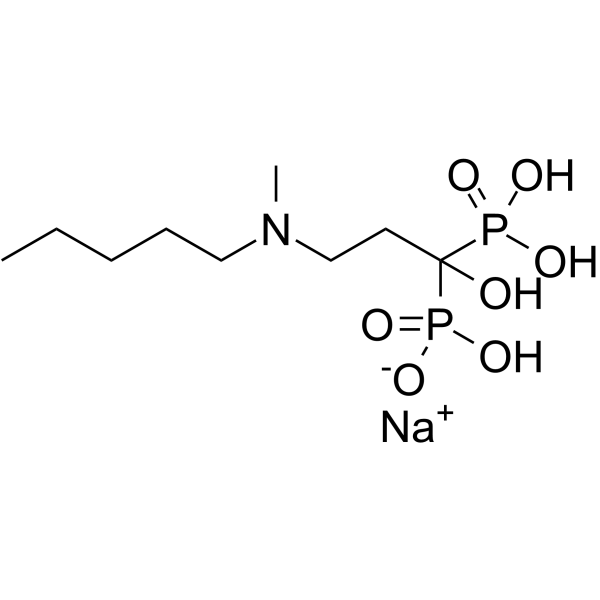
  • HY-B0515B
    Ibandronate Sodium
    1 Publications Verification

    Apoptosis Metabolic Disease Cancer
    Ibandronate Sodium is an orally active, selective inhibitor of farnesyl pyrophosphate synthase (FPP synthase). Ibandronate Sodium can block the mevalonate pathway to inhibit the isoprenylation modification of small GTPases (such as RAS, RHO family proteins), induce tumor cell apoptosis and inhibit bone resorption. Ibandronate Sodium inhibits tumor cell proliferation (such as ER+ breast cancer cells), promotes the expression of the pro-apoptotic gene FAS, and can produce synergistic anti-tumor effects with anti-estrogen compounds. Ibandronate Sodium is used in the study of osteoporosis and bone metastatic tumors (such as breast cancer bone metastasis) .
    Ibandronate Sodium
  • HY-B0627S

    1,1-Dimethylbiguanide-d6

    Isotope-Labeled Compounds AMPK Autophagy Mitophagy Apoptosis mTOR Cardiovascular Disease Cancer
    Metformin-d6 (1,1-Dimethylbiguanide-d6) is a deuterated labeled Metformin (HY-B0627). Metformin (1,1-Dimethylbiguanide) inhibits the mitochondrial respiratory chain in the liver, leading to AMPK activation and enhancing insulin sensitivity, and can be used in the study of type 2 diabetes. Metformin exerts central glucose-lowering effects by inhibiting Ras-related protein 1 (Rap1) in SF1 hypothalamic neurons. Metformin also inhibits liver oxidative stress, nitrosative stress, inflammation, and apoptosis caused by liver ischemia/reperfusion injury. In addition, Metformin regulates the expression of autophagy-related proteins by activating AMPK and inhibiting the mTOR signaling pathway, thereby inducing tumor cell autophagy and inhibiting the growth of renal cell carcinoma in vitro and in vivo .
    Metformin-d6
  • HY-16111A

    Farnesyl Transferase Ras Cancer
    BMS-214662 hydrochloride is an inhibitor of farnesyltransferase (Farnesyl Transferase). BMS-214662 hydrochloride can effectively block the localization and function of Ras proteins on the cell membrane by inhibiting the prenylation modification of Ras proteins, thereby exerting anti-tumor activity. The IC50 value of BMS-214662 hydrochloride for H-Ras is 1.3 nM, and for K-Ras it is 8.4 nM. BMS-214662 hydrochloride can be used in the research of tumor diseases related to Ras .
    BMS-214662 hydrochloride
  • HY-16967

    G-quadruplex Bcl-2 Family Ras Caspase Cancer
    MM41 is a quadruplex-interacting compound. MM41 binds tightly to quadruplexes encoded in the promoter sequences of the BCL-2 and k-RAS genes. MM41 reduces BCL-2 and k-RAS protein levels, increases caspase 3. MM41 has antitumor effects against pancreatic cancer .
    MM41
  • HY-15872

    Farnesyl Transferase Ras ERK mTOR Caspase Apoptosis Akt PI3K Bacterial Cardiovascular Disease Neurological Disease Cancer
    FTI-277 is a farnesyltransferase (FTase) inhibitor. FTI-277 inhibits Ras farnesylation, blocks the phosphorylation of downstream ERK1/2 and mTOR, and reduces membrane-bound active N-ras protein. FTI-277 activates caspase 3, upregulates Bim expression, induces cell apoptosis, suppresses regulatory T cell expansion, enhances macrophage phagocytosis, and improves bacterial clearance. FTI-277 activates the PI3K/Akt signaling pathway, inhibits osteoblast differentiation, and reduces the proliferation ability of neuroblastoma cells. FTI-277 can be used in research related to head and neck squamous cell carcinoma, neuroblastoma, sepsis, and vascular calcification .
    FTI-277
  • HY-110038

    Farnesyl Transferase Ras ERK mTOR Apoptosis Caspase Akt PI3K Bacterial Cardiovascular Disease Neurological Disease Cancer
    FTI-277 TFA is a farnesyltransferase (FTase) inhibitor. FTI-277 TFA inhibits Ras farnesylation, blocks the phosphorylation of downstream ERK1/2 and mTOR, and reduces membrane-bound active N-ras protein. FTI-277 TFA activates caspase 3, upregulates Bim expression, induces cell apoptosis, suppresses regulatory T cell expansion, enhances macrophage phagocytosis, and improves bacterial clearance. FTI-277 TFA activates the PI3K/Akt signaling pathway, inhibits osteoblast differentiation, and reduces the proliferation ability of neuroblastoma cells. FTI-277 TFA can be used in research related to head and neck squamous cell carcinoma, neuroblastoma, sepsis, and vascular calcification .
    FTI-277 TFA
  • HY-178837

    Ras ADC Payload Cancer
    Z56 is a Ras protein inhibitor. Z56 can be used for the research of cancer, such as pancreatic cancer .
    Z56
  • HY-W747572

    (R)-(+)-Perillyl alcohol

    Ras Cancer
    (+)-Perillyl alcohol is the enantiomer of S-(-)-Perillyl alcohol (HY-116514). (+)-Perillyl alcohol can inhibit the growth of polypeptides and block the cell cycle in the G0/G1 phase. (+)-Perillyl alcohol induces cell signaling that is associated with changes in cytoskeletal actin organization and reduced protein expression of growth regulatory proteins such as Ras and CDC2 kinase .
    (+)-Perillyl alcohol
  • HY-143603

    Ras Cancer
    KRAS G12D inhibitor 10 is a potent inhibitor of KRAS G12D. The Ras family of proteins is an important intracellular signaling molecule that plays an important role in growth and development. KRAS G12D inhibitor 10 has the potential for the research of KRAS G12D-mediated cancer (extracted from patent WO2021108683A1, compound 34) .
    KRAS G12D inhibitor 10
  • HY-143607

    Ras Cancer
    KRAS G12D inhibitor 13 is a potent inhibitor of KRAS G12D. The Ras family of proteins is an important intracellular signaling molecule that plays an important role in growth and development. KRAS G12D inhibitor 13 has the potential for the research of KRAS G12D-mediated cancer (extracted from patent WO2021108683A1, compound 142) .
    KRAS G12D inhibitor 13
  • HY-178211

    Ras MEK ERK Akt Cancer
    SHY-867 is a pan RAS inhibitor. SHY-867 effectively prevents the binding of K-Ras proteins and other members of the Ras superfamily of small GTPases with EC50 values of 0.5-3 μM. SHY-867 effectively inhibits the phosphorylation of MEK, ERK1/2, and AKT downstream of K-Ras. SHY-867 inhibits the formation of the Ras-GTP activity complex. SHY-867 can be used to the studies of pancreatic cancer and non-small cell lung cancer .
    SHY-867
  • HY-P10847

    Ras Cancer
    KS-58 is a KRpep-2d (HY-P3277) derivative. KS-58 is a K-Ras (G12D) inhibitory peptide that selectively binds K-Ras. KS-58 can enter cells and block intracellular Ras interaction with effector proteins. KS-58 inhibits the proliferation of tumor cells and has antitumor activity .
    KS-58
  • HY-176918

    Target Protein Ligand-Linker Conjugates Ras Cancer
    K-Ras ligand-Linker Conjugate 8 is a Target Protein Ligand-Linker Conjugate that incorporates a ligand for KRAS (HY-162960) and a PROTAC linker, which recruits E3 ligases. K-Ras ligand-Linker Conjugate 8 can be used for synthesis of PROTAC KRAS(on) degrader ACBI-4 (HY-176792) .
    K-Ras ligand-Linker Conjugate 8
  • HY-118426

    (Rac)-IND 58359; (Rac)-R115777

    Farnesyl Transferase Ras Cancer
    (Rac)-Tipifarnib ((Rac)-IND 58359; (Rac)-R115777) is a potent farnesyl protein transferase inhibitor that specifically targets the pro-tailation process of Ras proteins. (Rac)-Tipifarnib showed significant in vivo antitumor effects after oral administration to mice .
    (Rac)-Tipifarnib
  • HY-122641D

    Phosphodiesterase (PDE) Cancer
    Deltasonamide 1 TFA is a PDE6δ-KRas inhibitor. Deltasonamide 1 can inhibit PDE6δ-KRas with a KD of 203 pM. Deltasonamide 1 can be used for the research of tumors .
    Deltasonamide 1 TFA
  • HY-W011269
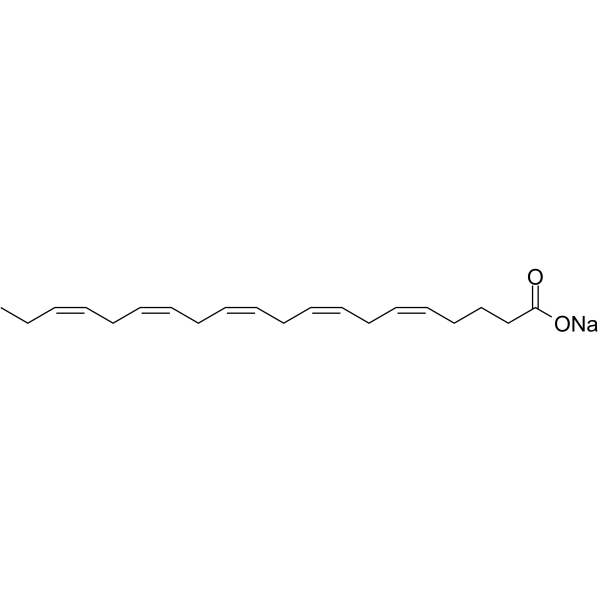
    Eicosapentaenoic Acid sodium
    25+ Cited Publications

    EPA sodium; Timnodonic acid sodium

    Endogenous Metabolite Histone Demethylase Cardiovascular Disease Metabolic Disease Cancer
    Eicosapentaenoic Acid (EPA)sodium is an orally active Omega-3 long-chain polyunsaturated fatty acid (ω-3 LC-PUFA). Eicosapentaenoic Acid sodium exhibits a DNA demethylating action that promotes the re-expression of the tumor suppressor gene CCAAT/enhancer-binding protein δ (C/EBPδ). Eicosapentaenoic Acid sodium activates RAS/ERK/C/EBPβ pathway through H-Ras intron 1 CpG island demethylation in U937 leukemia cells. Eicosapentaenoic Acid sodium can promote relaxation of vascular smooth muscle cells and vasodilation .
    Eicosapentaenoic Acid sodium
  • HY-143606

    Ras Cancer
    KRAS G12D inhibitor 12 is a potent inhibitor of KRAS G12D. The Ras family of proteins is an important intracellular signaling molecule that plays an important role in growth and development. KRAS G12D inhibitor 12 has the potential for the research of KRAS G12D-mediated cancer (extracted from patent WO2021108683A1, compound 134) .
    KRAS G12D inhibitor 12
  • HY-143604

    Ras Cancer
    KRAS G12D inhibitor 11 is a potent inhibitor of KRAS G12D. The Ras family of proteins is an important intracellular signaling molecule that plays an important role in growth and development. KRAS G12D inhibitor 11 has the potential for the research of KRAS G12D-mediated cancer (extracted from patent WO2021108683A1, compound 52) .
    KRAS G12D inhibitor 11
  • HY-143599

    Ras Cancer
    KRAS G12D inhibitor 8 is a potent inhibitor of KRAS G12D. The Ras family of proteins is an important intracellular signaling molecule that plays an important role in growth and development. KRAS G12D inhibitor 8 has the potential for the research of KRAS G12D-mediated cancer (extracted from patent WO2021107160A1, compound 2) .
    KRAS G12D inhibitor 8
  • HY-151566

    Ras Farnesyl Transferase Fungal Infection
    Antifungal agent 46 (compound 2f) is a potent antifungal agent. Antifungal agent 46 prevents Ras signaling by inhibiting protein farnesyltransferase .
    Antifungal agent 46

Inquiry Online

Your information is safe with us. * Required Fields.

Salutation


Country or Region *

Applicant Name *


Organization Name *

Department *


Email Address *


Product Name *

Cat. No.


Requested quantity *

Phone Number *


Remarks

Inquiry Online

Inquiry Information

Product Name:
Cat. No.:
Quantity:
MCE Japan Authorized Agent:

