1. Search Result
Search Result
Results for "

Reverse agonist

" in MedChemExpress (MCE) Product Catalog:

97

Inhibitors & Agonists

1

Screening Libraries

1

Fluorescent Dyes

14

Peptides

1

Inhibitory Antibodies

8

Natural
Products

6

Isotope-Labeled Compounds

2

Click Chemistry

Targets Recommended:
Cat. No. Product Name Target Research Areas Chemical Structure
  • HY-13580
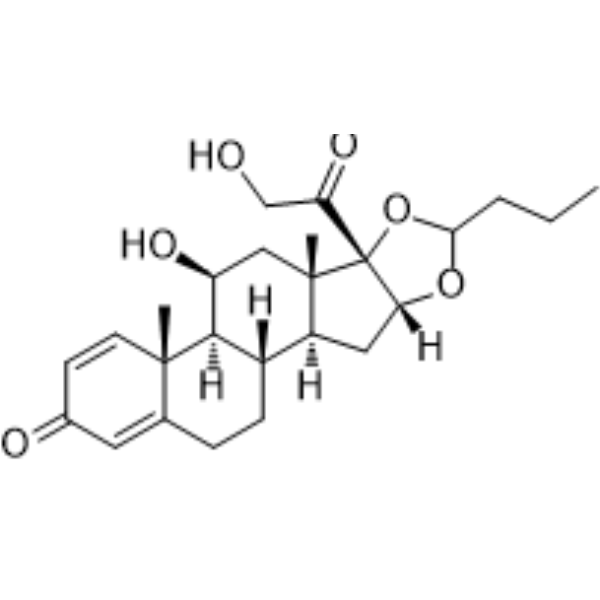
    Budesonide
    5+ Cited Publications

    Glucocorticoid Receptor ADC Payload Inflammation/Immunology Cancer
    Budesonide, an inhaled glucocortical steroid, is an orally active glucocorticoid receptor agonist. Budesonide decreases the size of lung tumors, reverses DNA hypomethylation and modulates mRNA expression of genes. Budesonide is an anti-inflammatory agent used for asthma .
    Budesonide
  • HY-103454
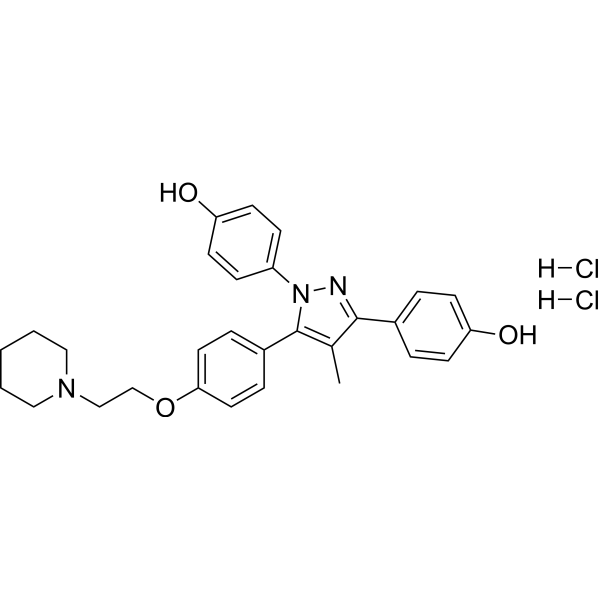
    MPP dihydrochloride
    Maximum Cited Publications
    16 Publications Verification

    Estrogen Receptor/ERR Apoptosis Endocrinology Cancer
    MPP dihydrochloride is a potent and selective ER (estrogen receptor) modulator. MPP dihydrochloride induces significant apoptosis in the endometrial cancer and oLE cell lines. MPP dihydrochloride reverses the positive effects of beta-estradiol. MPP dihydrochloride has mixed agonist/antagonist action on murine uterine ERalpha in vivo .
    MPP dihydrochloride
  • HY-B1203

    9α-Fludrocortisone; 9α-Fluorcortisol

    Mineralocorticoid Receptor Glucocorticoid Receptor Apoptosis Neurological Disease Metabolic Disease Inflammation/Immunology Cancer
    Fludrocortisone (9α-Fludrocortisone) is an orally active mineralocorticoid and glucocorticoid receptor agonist. Fludrocortisone suppresses pro-inflammatory cytokine expression, reduces CCL2, IL-6, IL-8 levels, upregulates mineralocorticoid receptor (MR) expression, induces PI3K/Akt, GSK-3β, CREB, ERK1/2, mTOR phosphorylation, blocks Tau hyperphosphorylation, prevents apoptosis, promotes survival and proliferation, enhances renal sodium and water transport, increases plasma volume and blood pressure, reduces plasma potassium and renin activity, stimulates erythropoietin expression, modulates uterine receptivity genes, and reverses PP242-induced MUC1 upregulation. Fludrocortisone can be used for the research of congenital adrenal hyperplasia, postural hypotension, and adrenal insufficiency .
    Fludrocortisone
  • HY-109139
    Taminadenant
    1 Publications Verification

    NIR178; PBF509

    Adenosine Receptor Neurological Disease Cancer
    Taminadenant (NIR178; PBF509) is a highly potent and orally active adenosine A2A receptor (A2AR) antagonist. Taminadenant can antagonize A2AR agonist-mediated cAMP accumulation and impedance responses with KB values of 72.8 nM and 8.2 nM, respectively. Taminadenant reverses motor impairments in several rat models of movement disorders, including catalepsy, tremor, and hemiparkinsonism. Taminadenant can also inhibit tumor growth when combined with Spartalizumab (HY-P9972). Taminadenant reactivate the antitumor immune response .
    Taminadenant
  • HY-143712
    Allolithocholic acid
    1 Publications Verification

    Drug Metabolite G protein-coupled Bile Acid Receptor 1 ROR Metabolic Disease Inflammation/Immunology Cancer
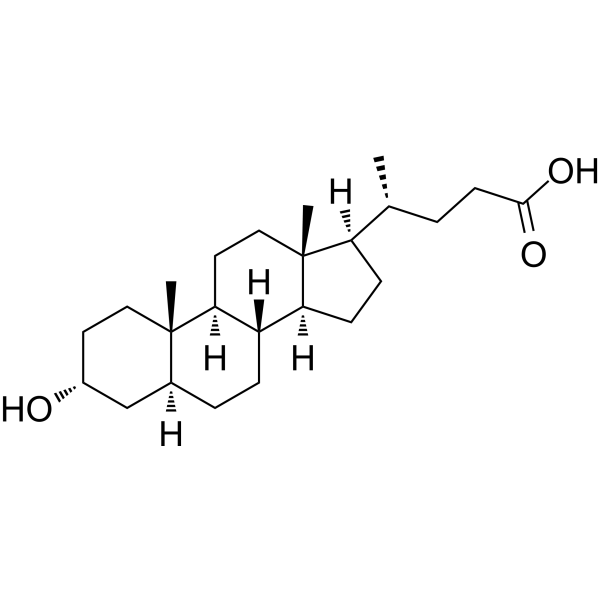
    Allolithocholic acid is an orally active metabolite of Lithocholic acid (HY-B0172). Allolithocholic acid is a dual GPBAR1 agonist (EC50 = 2.7 μM) and RORγt inverse agonist (IC50 = 3.4 μM). Allolithocholic acid modulates immune and metabolic pathways, regulates immune cell polarization, prevents M1 macrophage and Th17 CD4 cell polarization. Allolithocholic acid improves insulin sensitivity, reduces liver lipid accumulation, reverses liver immunological, inflammatory and metabolic signaling dysregulation, restores bile acid homeostasis, adipose tissue histopathology/function, and intestinal microbiota composition, modulates intestinal immunity. Allolithocholic acid can be used for the researches of cancer, inflammayion, immunology and metabolic disease .
    Allolithocholic acid
  • HY-103454B
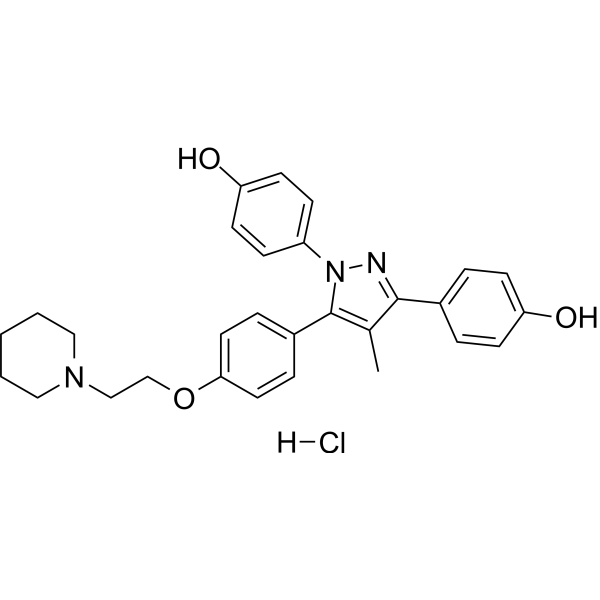
    MPP hydrochloride
    Maximum Cited Publications
    16 Publications Verification

    Estrogen Receptor/ERR Apoptosis Endocrinology Cancer
    MPP hydrochloride is a potent and selective ER (estrogen receptor) modulator. MPP hydrochloride induces significant apoptosis in the endometrial cancer and oLE cell lines. MPP hydrochloride reverses the the positive effects of beta-estradiol. MPP hydrochloride has mixed agonist/antagonist action on murine uterine ERalpha in vivo .
    MPP hydrochloride
  • HY-156131
    Loperamide
    10+ Cited Publications

    ADL 2-1294

    Opioid Receptor Neurological Disease Inflammation/Immunology
    Loperamide (ADL 2-1294) is selective and orally active μ opioid receptor agonist with Ki valuess of 3, 48 and 1156 nM against μ, δ and κ opioid receptor, respectively. Loperamide produces antinociception and antihyperalgesia. Loperamide exhibits peripheral selectivity, enhancing fluid, electrolyte, and glucose absorption, reversing PGE2 (HY-101952)- and Cholera toxin (HY-P1446)-induced intestinal secretion, and reducing intestinal motility. Loperamide can be used for the researches of inflammatory pain and protracted diarrhoea .
    Loperamide
  • HY-175416

    KC289

    Piezo Channel Calcium Channel Cardiovascular Disease Metabolic Disease
    Yoda2 (KC289), the potassium salt of Yoda1 (HY-18723), is a PIEZO1 agonist with an EC50 of 150 nM. Yoda2 evokes Ca 2+ elevation and NO-dependent relaxation. Yoda2 induces relaxation in mouse arterial and cavernous tissues. Yoda2 inhibits glucocorticoid-induced osteoclast formation and bone resorptive activity, reverses glucocorticoid-induced bone density loss and architectural deterioration, and does not induce medication-related osteonecrosis of the jaw in mice. Yoda2 can be used for the researches of hypertension and osteoporosis .
    Yoda2
  • HY-18282

    LXR Cardiovascular Disease Metabolic Disease Cancer
    AZ876 is a selective, orally active agonist of liver X receptor (LXRα/β) (Ki=0.007 μM [LXRα, human], 0.011 μM [LXRβ, human]. AZ876 induces the expression of target genes such as ABCA1 and ABCG1, promotes reverse cholesterol transport (RCT) and regulates lipid metabolism and anti-inflammatory effects. AZ876 increases cardiac polyunsaturated fatty acid levels, reduces myocardial fibrosis, and reduces lesion area and monocyte adhesion in atherosclerosis models. AZ876 can be used in cardiovascular disease research, such as preventing and treating β-adrenergic-induced cardiac diastolic dysfunction and inhibiting the progression of atherosclerosis .
    AZ876
  • HY-N2571

    Reverse Transcriptase HIV Opioid Receptor Infection Neurological Disease Cancer
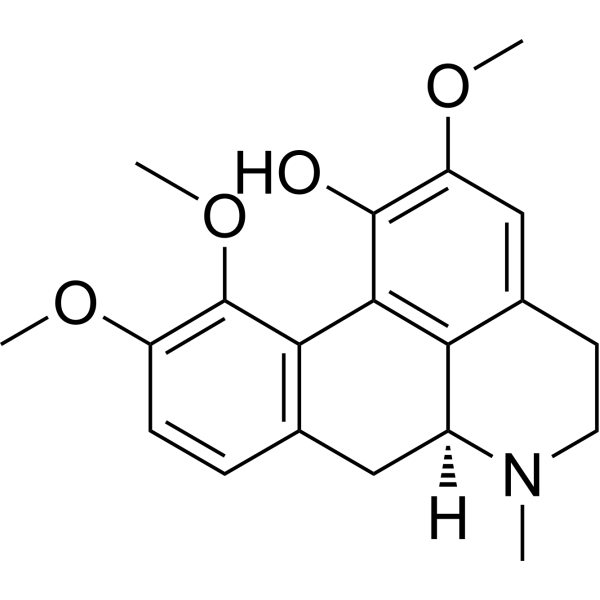
    Corydine is a HIV-1 reverse transcriptase inhibitor and μ-opioid receptor (MOR) agonist, with an IC50 of 356.7 μg/mL against HIV-1 reverse transcriptase, an EC50 of 0.51 μM for MOR, and a Ki of 2.82 μM for MOR. Corydine produces antinociceptive effects by inhibiting acetic acid-induced writhing behavior in a MOR-dependent manner. Corydine inhibits the proliferation of cancer cells, mitogen-stimulated lymphocytes and IL-2-dependent cells. Corydine can be used in studies related to human immunodeficiency virus infection, visceral pain, leukemia, melanoma, bladder cancer and colon adenocarcinoma .
    Corydine
  • HY-13580S

    Glucocorticoid Receptor Inflammation/Immunology Cancer
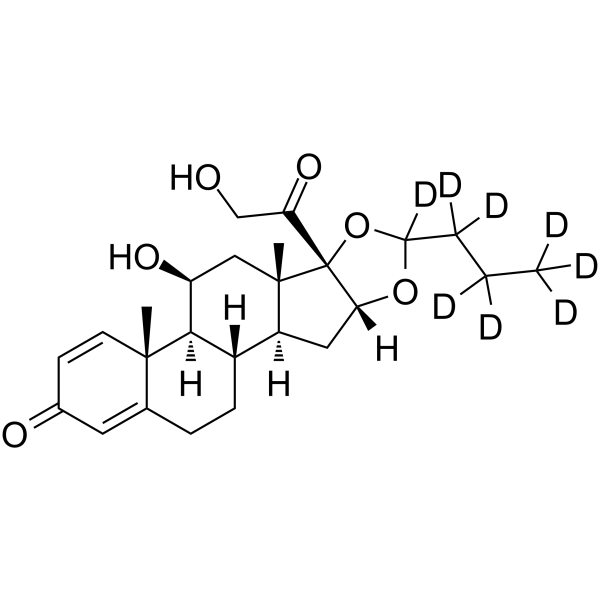
    Budesonide-d8 is the deuterium labeled Budesonide. Budesonide, an inhaled glucocortical steroid, is an orally active glucocorticoid receptor agonist. Budesonide decreases the size of lung tumors, reverses DNA hypomethylation and modulates mRNA expression of genes. Budesonide is an anti-inflammatory agent used for asthma .
    Budesonide-d8
  • HY-A0066A

    Imidaline hydrochloride; NSC35110 hydrochloride

    Adrenergic Receptor Cardiovascular Disease Endocrinology
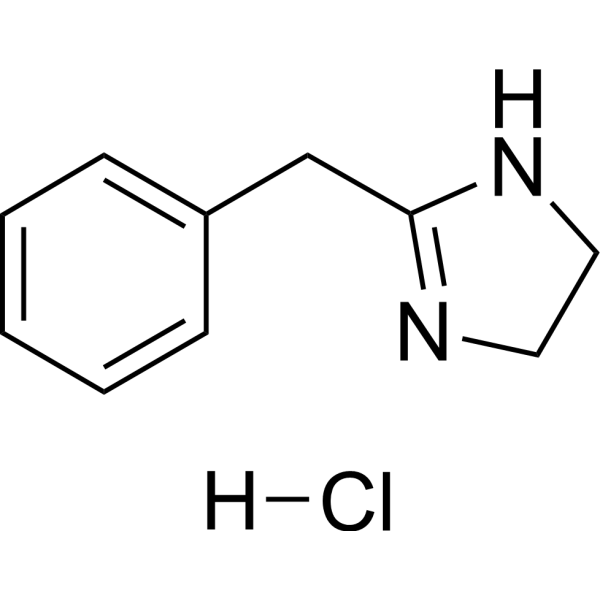
    Tolazoline hydrochloride (Imidaline hydrochloride) is an α-adrenergic receptor antagonist. Tolazoline hydrochloride inhibits Noradrenaline (HY-13715)-induced cell contraction, modulates vascular resistance, increases arterial pressure, and reverses bradycardia and tachypnea. Tolazoline hydrochloride can be used to study erectile dysfunction, α2-adrenergic receptor agonist-related poisoning, and skin vascular disease research .
    Tolazoline hydrochloride
  • HY-103325

    Cannabinoid Receptor TRP Channel Interleukin Related ANGPTL VEGFR Metabolic Disease Inflammation/Immunology
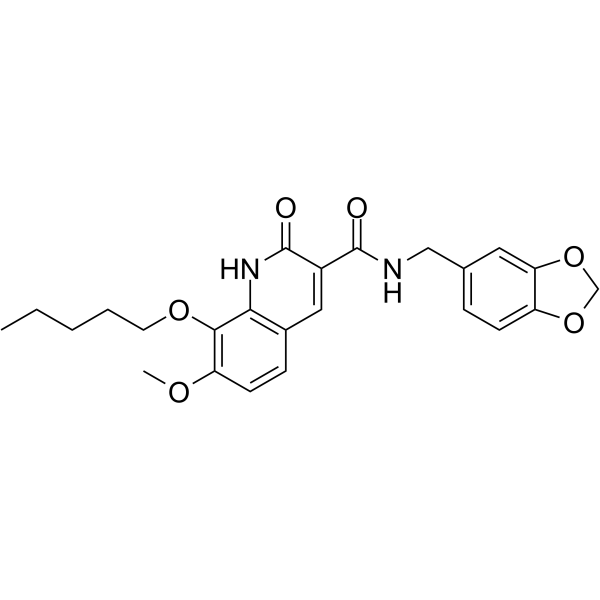
    JTE-907 is a selective and orally active cannabinoid CB2 receptor inverse agonist and exerts anti-inflammatory effects. JTE-907 upregulates IL-6, MCP-1, IL-1β, VEGF, ANGPTL4, and TRPV1 in mature adipocytes. JTE-907 downregulates CB1, MCP-1, and IL-1β in preadipocytes. JTE-907 inhibits ear swelling in mice. JTE-907 reverses the protective effects of CB2 agonists and Anandamide (HY-10863) against cytokine-evoked colonic mucosal damage. JTE-907 can be used for the research of allergic dermatitis, obesity, and colitis .
    JTE-907
  • HY-110291

    LPL Receptor Neurological Disease
    A-971432 is a potent, selective and orally active sphingosine-1-phosphate (S1P) receptor 5 agonist with IC50s of .362, >10, 0.006 μM for S1P1, S1P3, S1P5 respectively. A-971432 protects blood–brain barrier (BBB) homeostasis. A-971432 reverses age-related cognitive decline. A-971432 has the potential for the research of alzheimer’s disease or multiple sclerosis .
    A-971432
  • HY-15618

    M1 receptor modulator

    mAChR Calcium Channel Neurological Disease
    MK-7622 (M1 receptor modulator) is an orally active positive allosteric modulator of muscarinic M1 acetylcholine receptors (mAChRs). MK-7622 enhances ACh-induced calcium flux in CHO cells expressing human M1 receptors (EC50 = 21 nM) and shows robust agonist activity in rat M1-expressing CHO cells, increasing intracellular calcium. MK-7622 reverses Scopolamine (HY-N0296)-induced cognitive deficits in rhesus macaques in an object retrieval detour task. MK-7622 can be used for the study of Alzheimer's disease (AD) .
    MK-7622
  • HY-N3431

    AMPK PD-1/PD-L1 FXR Reactive Oxygen Species (ROS) Cardiovascular Disease
    Kaempferol-7-O-rhamnoside is a PD-1/PD-L1 inhibitor and farnesoid X receptor (FXR) agonist. Kaempferol-7-O-rhamnoside demonstrates cardioprotective potential targeting the AMPKα1 signaling pathway. Kaempferol-7-O-rhamnoside significantly upregulates the mRNA expression of AMPKα1 in H9c2 cardiomyocytes. Kaempferol-7-O-rhamnoside reverses APAP-induced reduction of glutathione (GSH) content and increase of ROS production in L02 cells. Kaempferol-7-O-rhamnoside has the potential for heart failure .
    Kaempferol-7-O-rhamnoside
  • HY-123985

    Mitochondrial Metabolism Others
    MFN2 agonist-1 (B-A/l) potently stimulates mitochondrial fusion in mitofusin 2 (MFN2)-deficient cells. MFN2 agonist-1 reverses mitochondrial “clumping” (formation of static mitochondrial aggregates) and restores mitochondrial motility in cultured mouse neurons expressing the CMT2A mutant MFN2 T105M.
    MFN2 agonist-1
  • HY-P0083

    POR-8

    Vasopressin Receptor Cardiovascular Disease
    Ornipressin (POR-8) is a vasopressin agonist specific for the V1 receptor. Ornipressin can be used as a local vasoconstrictor. Ornipressin can reverse the hypotension associated with combine general/epidural anesthesia. Ornipressin has antidiuretic activity. Ornipressin decreases renal vascular resistance and increases renal blood flow in renal failure model .
    Ornipressin
  • HY-121675

    BOL-148; Bromolysergide

    5-HT Receptor G protein-coupled Bile Acid Receptor 1 Neurological Disease
    2-Bromo-LSD (BOL-148) is a blood-brain barrier-permeable 5-HT2A partial agonist and competitive partial antagonist. 2-Bromo-LSD acts as both a potent partial agonist (with an EC50 of 0.81 nM for Gq dissociation) and a potent partial antagonist (with a KB of 0.18 nM for Gq dissociation) at the 5-HT2A receptor. 2-Bromo-LSD exhibits partial agonist activity at multiple aminergic GPCRs, including 5-HT2A. 2-Bromo-LSD lacks 5-HT2B agonist activity. 2-Bromo-LSD induces dendritogenesis and spinogenesis. 2-Bromo-LSD reverses the behavioral effects of chronic stress and increases active coping behaviors in mice .
    2-Bromo-LSD
  • HY-A0066

    Imidaline; NSC35110

    Adrenergic Receptor Cardiovascular Disease Endocrinology
    Tolazoline (Imidaline) is an α-adrenergic receptor antagonist. Tolazoline inhibits Noradrenaline (HY-13715)-induced cell contraction, modulates vascular resistance, increases arterial pressure, and reverses bradycardia and tachypnea. Tolazoline can be used to study erectile dysfunction, α2-adrenergic receptor agonist-related poisoning, and skin vascular disease research .
    Tolazoline
  • HY-123148

    LXR Inflammation/Immunology
    IMB-808 is a potent LXRα/β dual agonist with EC50 values of 0.53 μM and 0.15 μM (0.15 μM, using GAL4-pGL4-luc reporter plasmid) for LXRβ and LXRα, respectively. IMB-808 promotes expression of genes related to reverse cholesterol transport (ABCA1 and ABCG1). IMB-808 can be used for the study of atherosclerosis research .
    IMB-808
  • HY-116819

    GCGR Neurological Disease Metabolic Disease
    VU0453379 is a blood-brain barrier permeable GLP-1R positive allosteric modulator (PAM) with an EC50 value of 1.3 μM. VU0453379 potentiates the actions of endogenous GLP-1 and synthetic peptide agonists, and promotes GLP-1 receptor internalization. VU0453379 stimulates insulin secretion from primary mouse islets. VU0453379 enhances the function of endogenous GLP-1R and reverses catalepsy in animal models. VU0453379 is useful for research on Parkinson's disease and type 2 diabetes .
    VU0453379
  • HY-19870C
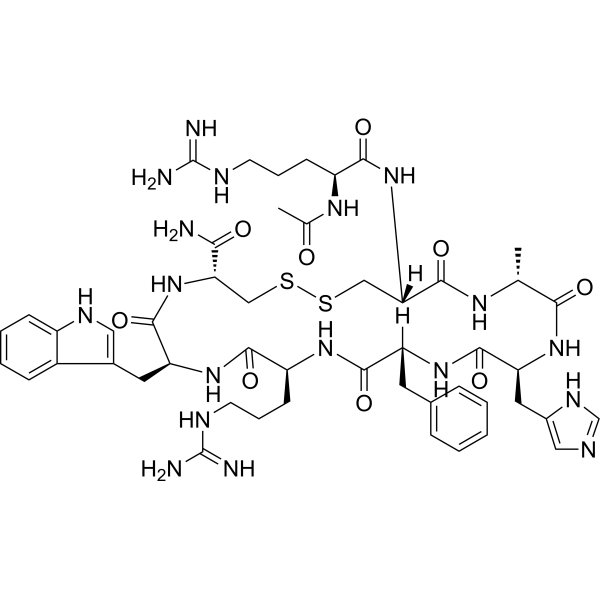
    Setmelanotide monoacetate
    5+ Cited Publications

    RM-493 monoacetate; BIM-22493 monoacetate; IRC-022493 monoacetate

    Melanocortin Receptor Calmodulin AMPK Cardiovascular Disease Metabolic Disease Inflammation/Immunology
    Setmelanotide monoacetate (RM-493 monoacetate) is a blood-brain barrier-permeable, selective MC4R agonist with a Ki value of 2.1 nM for hMC4R. Setmelanotide monoacetate activates the CaMKK2/AMPK signaling pathway. Setmelanotide monoacetate mediates body weight homeostasis, feeding regulation and energy expenditure modulation; it reduces food intake, induces weight loss, decreases obesity severity, increases daytime activity and energy expenditure, lowers levels of leptin, triglycerides, fasting insulin and diastolic blood pressure, improves insulin sensitivity, glucose tolerance and fatty liver condition, and reverses respiratory depression. Setmelanotide monoacetate is applicable to research related to obesity, hyperinsulinemia, fatty liver and respiratory depression .
    Setmelanotide monoacetate
  • HY-P6292

    PACAP Receptor PKA ERK PI3K Akt GSK-3 Neurological Disease Cancer
    KS-133 is a bicyclic peptide with VIPR2 antagonistic activity that can cross the blood-brain barrier. KS-133 selectively blocks VIPR2-mediated Gq/Ca, Gs/cAMP, cAMP/PKA/ERK and PI3K/AKT/GSK3β signaling pathways. KS-133 inhibits VIPR2 agonist-induced CREB phosphorylation in the prefrontal cortex of mice. KS-133 shifts the polarization direction of macrophages toward M1. KS-133 attenuates cancer cell proliferation and reduces the cell cycle distribution level at the S-M phase. KS-133 exerts antitumor effects in a mouse model of colorectal cancer. KS-133 reverses cognitive decline in mouse models of psychiatric disorders. KS-133 can be used for research related to schizophrenia, colorectal cancer and breast cancer .
    KS-133
  • HY-N8593

    Environmental Pollutants p38 MAPK TNF Receptor NF-κB Interleukin Related Histamine Receptor PKA Inflammation/Immunology Endocrinology
    Undecane is a potent cAMP agonist with anti-allergic and anti-inflammatory activities. Undecane inhibits degranulation and the secretion of histamine and TNF-α. Undecane reverses the increased levels of p38 phosphorylation, NF-κB transcriptional activity and target cytokine/chemokine genes, including thymus and activation-regulated chemokine (TARC), macrophage-derived chemokine (MDC) and interleukin-8 (IL-8). Undecane can be used for the study of skin inflammatory disorders, such as atopic dermatitis .
    Undecane
  • HY-103142
    AS19
    1 Publications Verification

    5-HT Receptor Neurological Disease
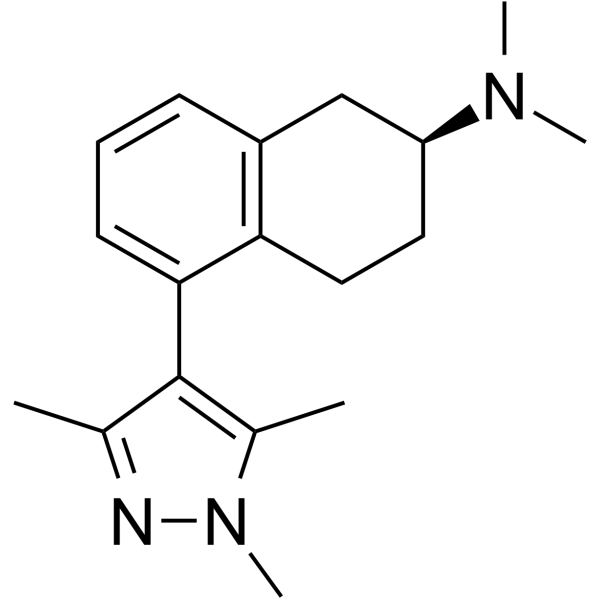
    AS19 is a potent, selective 5-HT7 receptor agonist with an IC50 value of 0.83 nM and a Ki of 0.6 nM. AS19 is selective for 5-HT7 over 5-HT1A, 5-HT1B, 5-HT1D, and 5-HT5A receptors (Kis = 89.7 nM, 490 nM, 6.6 nM and 98.5 nM, respectively). AS19 enhances memory consolidation and reverses Scopolamine- or Dizocilpine-induced amnesia .
    AS19
  • HY-106432A

    SB-202026 hydrochloride; Memric hydrochloride

    mAChR Dopamine Receptor Neurological Disease
    Sabcomeline (SB-202026; Memric) hydrochloride is a muscarinic receptor agonist capable of crossing the blood-brain barrier. Sabcomeline hydrochloride exhibits affinity for all hM1 to hM5 subtypes (pKi=6.72-7.23), and shows near-full agonism at the hM3 receptor, inducing extracellular acidification. Sabcomeline hydrochloride alters the binding kinetics of dopamine D2 receptors through neural network regulation. Sabcomeline hydrochloride also causes minimal cardiovascular changes, effectively reverses spatial memory deficits in rodents and induces conditioned taste aversion. Sabcomeline hydrochloride is an important tool compound in studies of Alzheimer's disease and related neurodegenerative diseases .
    Sabcomeline hydrochloride
  • HY-160603

    TRP Channel Others
    PF-05214030 is a TRPV4 antagonist (IC50: 4 and 27nM for hTRPV4 and rTRPV4 respectively). PF-05214030 reverses the reduction in bladder capacity caused by intravesical infusion of a TRPV4 agonist .
    PF-05214030
  • HY-P1310
    VKGILS-NH2
    1 Publications Verification

    Protease Activated Receptor (PAR) Inflammation/Immunology
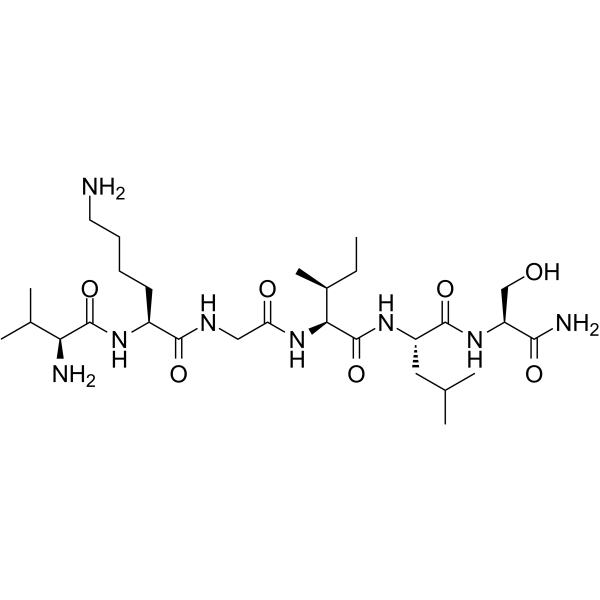
    VKGILS-NH2 is a reversed amino acid sequence control peptide for SLIGKV-NH2 (protease-activated receptor 2 (PAR2) agonist). VKGILS-NH2 has no effect on DNA synthesis in cells .
    VKGILS-NH2
  • HY-12392

    Opioid Receptor Neurological Disease
    Iprindole, an opioid receptor agonist, is a tricyclic antidepressant. Iprindole shortens the immobility time in mice forced swimming test, which can be reversed by the opiate antagonist Naloxone (HY-17417A). Iprindole induces lamellar body formation but devoid of lamellar bodies. Iprindole can be used for the research of depression .
    Iprindole
  • HY-13580R
    Budesonide (Standard)
    5+ Cited Publications

    Reference Standards Glucocorticoid Receptor ADC Payload Inflammation/Immunology Cancer
    Budesonide (Standard) is the analytical standard of Budesonide. This product is intended for research and analytical applications. Budesonide, an inhaled glucocortical steroid, is an orally active glucocorticoid receptor agonist. Budesonide decreases the size of lung tumors, reverses DNA hypomethylation and modulates mRNA expression of genes. Budesonide is an anti-inflammatory agent used for asthma .
    Budesonide (Standard)
  • HY-118956

    ABT-431 hydrochloride; DAS-431 hydrochloride

    Dopamine Receptor Neurological Disease
    Adrogolide hydrochloride (ABT-431 hydrochloride) is a chemically stable prodrug that can convert to the dopamine D1 receptor agonist A-86929. Adrogolide hydrochloride ameliorates the MPTP (HY-15608)-induced Parkinson's Disease in marmoset model, reduces the dyskinesias tendency. Adrogolide hydrochloride reverses Risperidone (HY-11018)-induced cognitive deficits in monkey .
    Adrogolide hydrochloride
  • HY-P1208

    Melanocortin Receptor Inflammation/Immunology
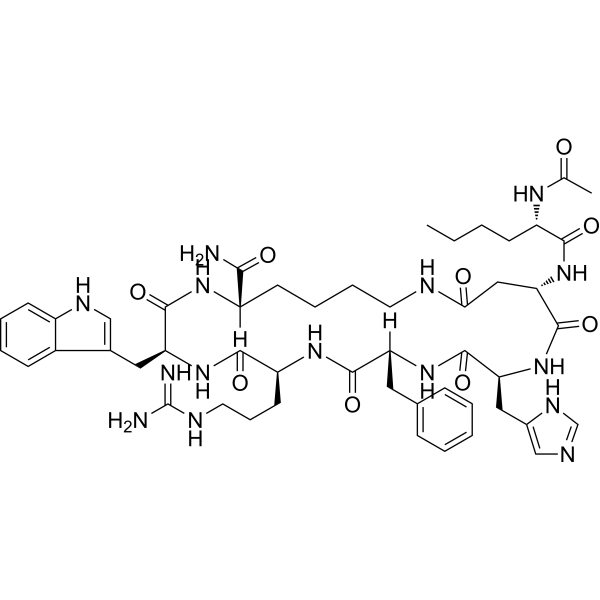
    PG-931, an analog of SHU 9119 (HY-P0227), is a potent melanocortin 4 (MC4) receptor (IC50=0.58 nM) agonist and is more selective than for the hMC3R (IC50=55 nM) or the hMC5R (IC50=2.4 nM). PG-931 can reverse haemorrhagic shock and prevent multiple organ damage in vivo .
    PG-931
  • HY-D1190

    RAR/RXR Others
    DC271 is a RAR agonist and synthetic retinoid that binds to the retinoid-binding site of cellular retinoic acid-binding protein II (CRBP-II). DC271 exhibits solvatochromic fluorescence properties: it produces intense blue-shifted emission in nonpolar environments and weak red-shifted emission in polar environments, and its severe fluorescence quenching in aqueous solutions can be reversed by embedding in the hydrophobic retinoid-binding protein pocket. DC271 enables direct detection of the binding between unlabeled compounds and related retinoid-binding proteins via fluorescence competition assays (Ex/Em = 355 nm/460 nm) .
    DC271
  • HY-P0083A

    POR-8 acetate

    Vasopressin Receptor Cardiovascular Disease
    Ornipressin (POR-8) acetate is a potent vasoconstrictor, hemostatic and renal agent. Ornipressin acetate is a vasopressin agonist specific for the V1 receptor. Ornipressin acetate can be used as a local vasoconstrictor. Ornipressin acetate can reverse the hypotension associated with combine general/epidural anesthesia. Ornipressin acetate has antidiuretic activity. Ornipressin acetate decreases renal vascular resistance and increases renal blood flow in renal failure model .
    Ornipressin acetate
  • HY-101230

    Opioid Receptor Neurological Disease
    ICI 174864 is a selective and brain-penetrant δ-opioid receptor antagonist with Ke values of 22.0 nM to 30.6 nM at δ-opioid receptor in mouse vas deferens. ICI 174864 selectively blocks biological effects mediated by the δ-opioid receptor agonist DPDPE (HY-P1334) after central administration. ICI 174864 reverses hypotension in rats with endotoxic shock and inhibits acetic acid-induced writhing in mice. ICI 174864 can be used for the research of opioid receptor subtypes, endotoxic hypotension and analgesic pathways .
    ICI 174864
  • HY-154928

    LXR Metabolic Disease
    GW6340 is an intestinal-specific LXR agonist. GW6340 promotes macrophage reverse cholesterol transport (mRCT) .
    GW6340
  • HY-P11354

    TGF-β Receptor Apoptosis Interleukin Related Integrin Cadherin Inflammation/Immunology
    THR-123 is an orally active ALK3 peptide agonist. THR-123 has a relatively weak binding to ALK2, but does not bind to ALK6. THR-123 suppresses inflammation, apoptosis and the epithelial-to-mesenchymal transition program and reverses established fibrosis in five mouse models of acute and chronic renal injury. THR-123 can be used for the study of kidney fibrosis .
    THR-123
  • HY-162490

    ROR Inflammation/Immunology
    TF-S14 is a reverse agonist of RORγt. TF-S14 reduces Th17 cell-associated cytokine production, including IL-17A, IL-21, and IL-22 by binding to and inhibiting RORγt activity. TF-S14 can be used in the study of autoimmune diseases and rejection in allotransplantation .
    TF-S14
  • HY-15380

    HIV Reverse Transcriptase Infection
    PNU-142721 is a reverse transcriptase inhibitor and PXR agonist that effectively inhibits various type I HIV variants .
    PNU‐142721
  • HY-153189

    Trk Receptor Neurological Disease
    TrkB-IN-1 is a potent and orally active TrkB agonist and has favorable PK properties. TrkB-IN-1 reverses the cognitive defects in an AD mouse model and can be used for alzheimer’s disease research .
    TrkB-IN-1
  • HY-179008

    5-HT Receptor Neurological Disease
    5-HT2CR agonist 2 (Compound 16k) is a selective, blood-brain barrier-penetrating and Gq-biased 5-HT2CR agonist, with an EC50 of 36 nM. 5-HT2CR agonist 2 attenuates MK801 (HY-15084B)-induced hyperlocomotion and reverses Phencyclidine-induced hyperlocomotor activity .
    5-HT2CR agonist 2
  • HY-W742981

    Isotope-Labeled Compounds Glucocorticoid Receptor ADC Payload Inflammation/Immunology Cancer
    Budesonide-d6 is deuterium labeled Budesonide. Budesonide, an inhaled glucocortical steroid, is an orally active glucocorticoid receptor agonist. Budesonide decreases the size of lung tumors, reverses DNA hypomethylation and modulates mRNA expression of genes. Budesonide is an anti-inflammatory agent used for asthma .
    Budesonide-d6
  • HY-P2204

    Neurotensin Receptor Neurological Disease Inflammation/Immunology
    PD-149163 is an NTR-1 agonist. PD-149163 reverses intestinal damage through its anti-inflammatory, antioxidant, and cell proliferation promoting properties. PD-149163 has antipsychotic effects. PD-149163 is commonly used in research on mental illness and intestinal injury .
    PD-149163
  • HY-127133

    MPP

    Estrogen Receptor/ERR Endocrinology
    Methylpiperidino pyrazole (MPP) is a potent and selective ER (estrogen receptor) modulator. Methylpiperidino pyrazole induces significant apoptosis in the endometrial cancer and oLE cell lines. Methylpiperidino pyrazole reverses the the positive effects of beta-estradiol. Methylpiperidino pyrazole has mixed agonist/antagonist action on murine uterine ERalpha in vivo .
    Methylpiperidino pyrazole
  • HY-171758

    Opioid Receptor Neurological Disease
    BU72 is a highly potent and long-acting agonist of μ and κ opioid receptors, and also has a partial agonist effect on δ opioid receptors (EC50 values are 0.054, 0.033, and 0.58 nM, respectively). BU72 has a strong and long-lasting analgesic effect, which is mainly mediated by μ opioid receptors. BU72 has a long-lasting activity and can partially reverse the analgesic effect of morphine. BU72 can be used in the study of opioid dependence .
    BU72
  • HY-106781

    Dopamine Receptor Neurological Disease
    OPC-4392 is a orally active presynaptic dopamine autoreceptor agonist and postsynaptic D2 receptor antagonist. OPC 4392 reverses the Reserpine (HY-N0480)-induced dopamine accumulation, inhibits Apomorphine (HY-12723)-induced stereotypic and climbing behaviors in mouse models. OPC-4392 can be used as antipsychotic agent .
    OPC-4392
  • HY-P11354A

    TGF-β Receptor Apoptosis Interleukin Related Integrin Cadherin Inflammation/Immunology
    THR-123 TFA is an orally active ALK3 peptide agonist. THR-123 TFA has a relatively weak binding to ALK2, but does not bind to ALK6. THR-123 TFA suppresses inflammation, Apoptosis and the epithelial-to-mesenchymal transition program and reverses established fibrosis in five mouse models of acute and chronic renal injury. THR-123 TFA can be used for the study of kidney fibrosis .
    THR-123 TFA
  • HY-185104

    LXR Cardiovascular Disease
    Ginsenoside C-K hexapropionate ester (Structure 2) is a selective agonist of LXRα, with no significant activation effect on LXRβ. Ginsenoside C-K hexapropionate ester upregulates the expression of downstream genes such as ABCA1 by activating LXRα, promoting reverse cholesterol transport, and reducing lipid deposition in macrophage-derived foam cells. It can be used in the research of atherosclerosis. Ginsenoside C-K hexapropionate ester is a derivative synthesized from ginsenoside Compound K, an active metabolite of Panax notoginseng saponins, by modification with propionic anhydride .
    Ginsenoside C-K hexapropionate ester
  • HY-107054

    ETC-1001

    PPAR Cardiovascular Disease
    ESP-31015 (ETC-1001) is an orally active and non-fibrate based PPARα agonists. ESP-31015 demonstrates significant lipid-regulating effects in the obese Zucker rat model. ESP-31015 can be used in cardiovascular disease research .
    ESP-31015

Inquiry Online

Your information is safe with us. * Required Fields.

Salutation


Country or Region *

Applicant Name *


Organization Name *

Department *


Email Address *


Product Name *

Cat. No.


Requested quantity *

Phone Number *


Remarks

Inquiry Online

Inquiry Information

Product Name:
Cat. No.:
Quantity:
MCE Japan Authorized Agent:

