

1. Search Result
Search Result
Results for "

Sensory Neuron

" in MedChemExpress (MCE) Product Catalog:

40

Inhibitors & Agonists

1

Screening Libraries

2

Biochemical Assay Reagents

13

Peptides

1

Inhibitory Antibodies

3

Natural
Products

1

Recombinant Proteins

1

Isotope-Labeled Compounds

Cat. No. Product Name Target Research Areas Chemical Structure
  • HY-121636
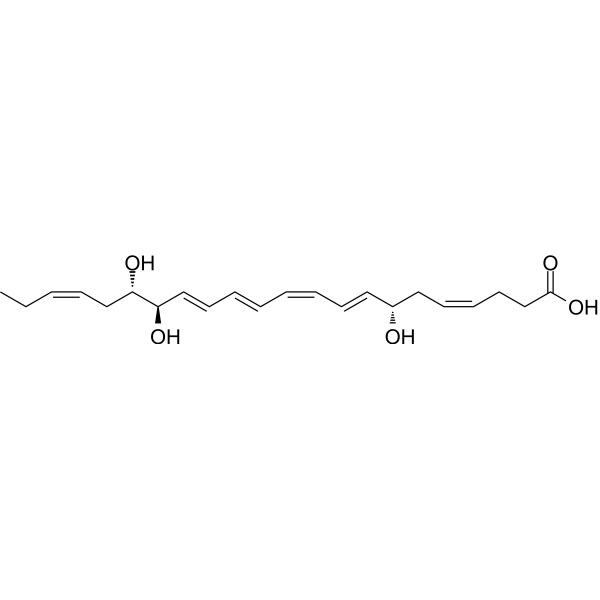
    Resolvin D2
    5 Publications Verification

    RvD2

    TRP Channel Infection Neurological Disease Inflammation/Immunology
    Resolvin D2 is a metabolite of docosahexaenoic acid (DHA), with anti-inflammatory, anti-infective activities. Resolvin D2 is a potent regulator of leukocytes and controls microbial sepsis. Resolvin D2 is a remarkably potent inhibitor of TRPV1 (IC50 = 0.1 nM) and TRPA1 (IC50 = 2 nM) in primary sensory neurons .
    Resolvin D2
  • HY-N1500
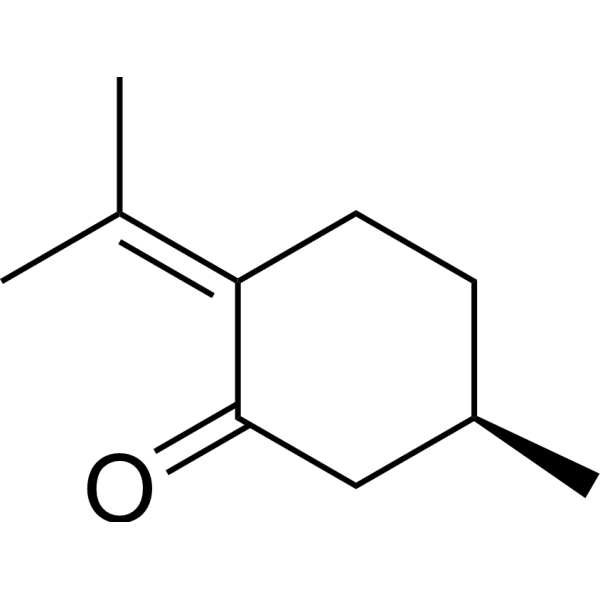
    Pulegone
    1 Publications Verification

    TRP Channel Bacterial Fungal NO Synthase COX NF-κB p38 MAPK Keap1-Nrf2 Heme Oxygenase (HO) PERK JNK Calcium Channel Infection Neurological Disease Inflammation/Immunology
    Pulegone is a monoterpene ketone compound widely present in the essential oils of many plants. Pulegone can also be used as a bird repellent. Pulegone has multiple activities such as anti-inflammatory, antibacterial, antifungal, and anti-hyperalgesic effects. Pulegone is particularly effective against bacteria of the Salmonella species .
    Pulegone
  • HY-P99301

    Anti-Canine IL31 Recombinant Antibody; CAN34D3-65; PF-06443537

    Interleukin Related Inflammation/Immunology
    Lokivetmab (Anti-Canine IL31 Recombinant Antibody) is an anti-canine IL-31 monoclonal antibody. Lokivetmab inhibits IL-31-mediated activation of pruritogenic signals in peripheral sensory neurons and reduces TH2-weighted inflammation. Lokivetmab demonstrates long-term efficacy in controlling pruritus and improving skin lesions in dogs with canine atopic dermatitis (CAD). Lokivetmab can be used for the research of atopic dermatitis (AD) in dogs .
    Lokivetmab
  • HY-P2847

    CRFR Metabolic Disease Endocrinology
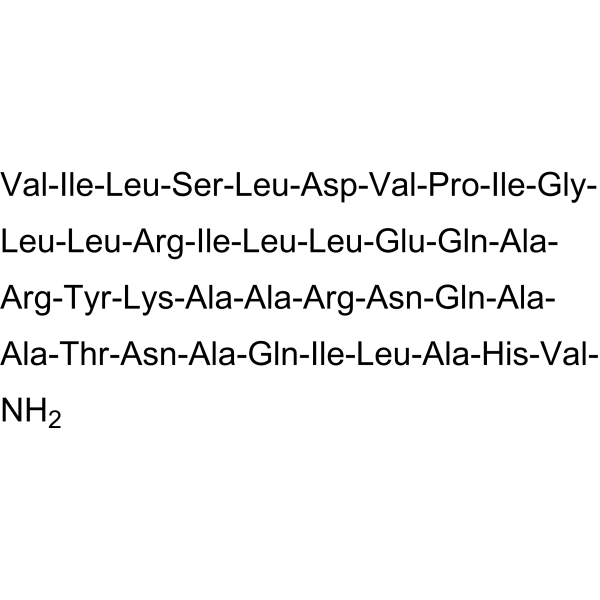
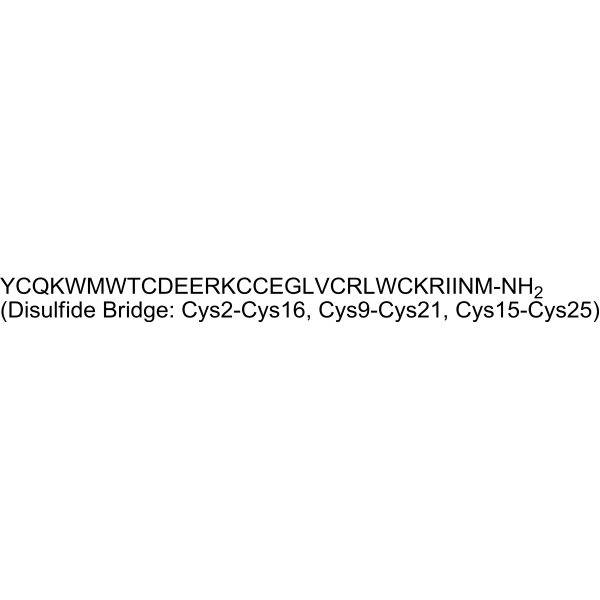
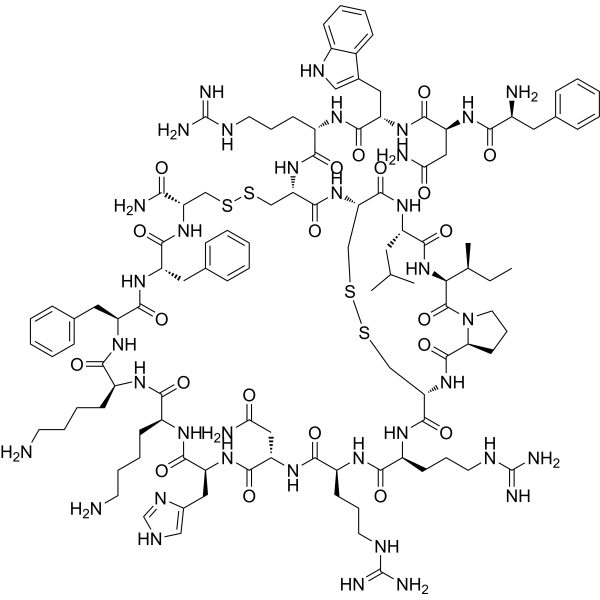
    Urocortin II, mouse is a potent and selective endogenous peptide agonist of type-2 corticotropin-releasing factor (CRF2) receptor with Ki values of 0.66 nM and ﹥100 nM for CRFR2 and CRFR1, respectively. Urocortin II, mouse activates CRF2 receptors in a cAMP/PKA- and Ca 2+/CaMKII-dependent manner.Urocortin II, mouse is expressed in discrete areas of the central nervous system, and activates central neurons involved in the processing of visceral sensory information, and in modulating autonomic outflow .
    Urocortin II, mouse
  • HY-W074890
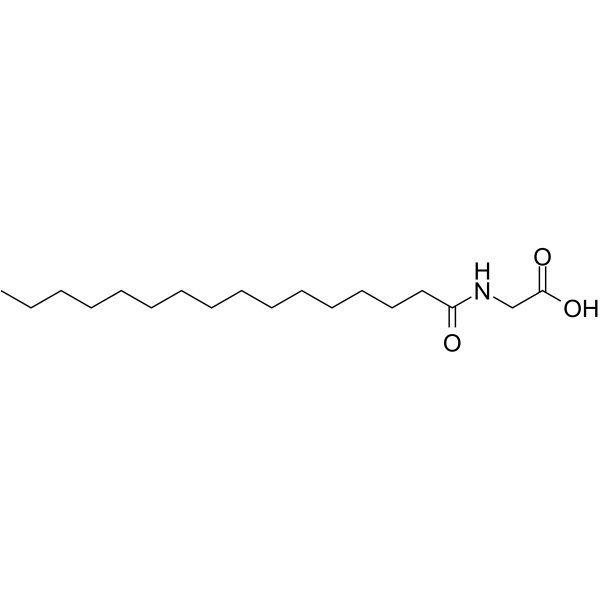
    Palmitoylglycine
    1 Publications Verification

    N-palmitoyl glycine

    Calcium Channel NO Synthase Neurological Disease Inflammation/Immunology
    Palmitoylglycine (N-palmitoyl glycine), an endogenous lipid that acts as a modulator of calcium influx and nitric oxide () production in sensory neurons. Palmitoylglycine is linked to an increased risk of Background Brugada syndrome (BrS) and interacts with BrS-associated proteins, demonstrating moderate binding affinities for DCC, CR1, CTSB, NAAA, DEFB1, EPHA1, IGF1/IGFBP3/ALS, and LTA .
    Palmitoylglycine
  • HY-P1241
    BAM(8-22)
    1 Publications Verification

    Mas-related G-protein-coupled Receptor (MRGPR) Neurological Disease Inflammation/Immunology
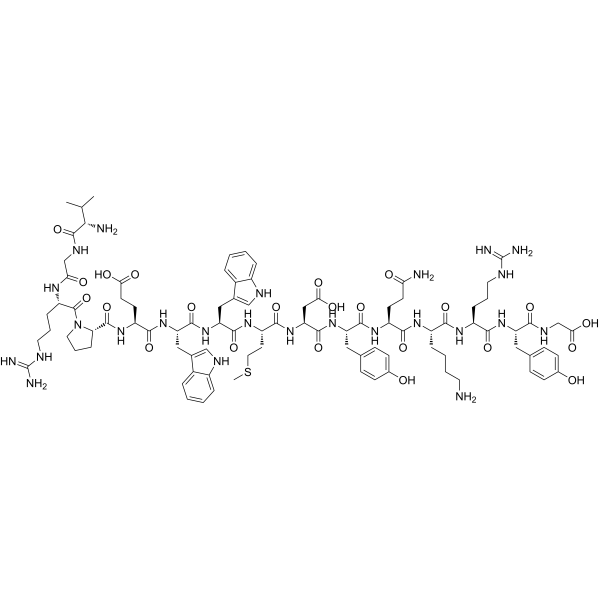
    BAM(8-22), a proteolytically cleaved product of proenkephalin A and sensory neuron-specific receptor (SNSR) agonist, is a potent activator of Mas-related G-protein-coupled receptors (Mrgprs), MrgprC11 and hMrgprX1. BAM(8-22) induces scratching in mice in an Mrgpr-dependent manner. In addition, BAM(8-22) has an analgesic effect and can also inhibit the activation of microglia .
    BAM(8-22)
  • HY-116144
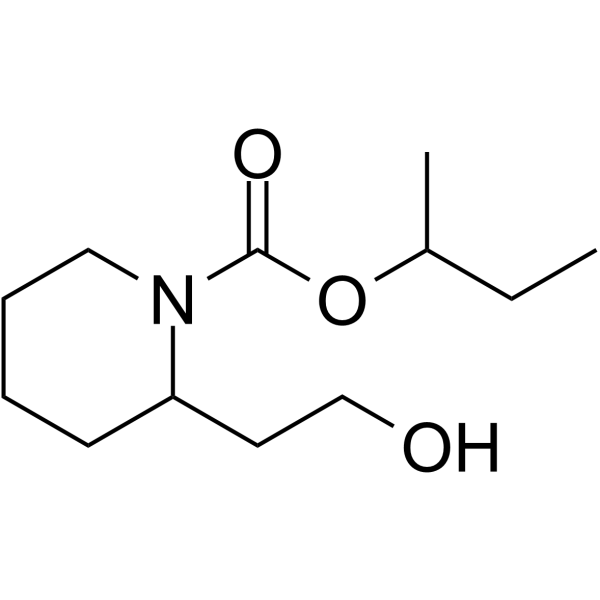
    Picaridin
    3 Publications Verification

    Lcaridin

    Environmental Pollutants Parasite Infection
    Picaridin (Lcaridin) is a broad spectrum arthropod repellent. Picaridin interacts with mosquito and tick olfactory receptor proteins. Picaridin repels Aedes aegypti. Picaridin exhibits considerable antibacterial, anticandidal and antifungal properties .
    Picaridin
  • HY-P4058

    CGRP free acid

    CGRP Receptor Neurological Disease
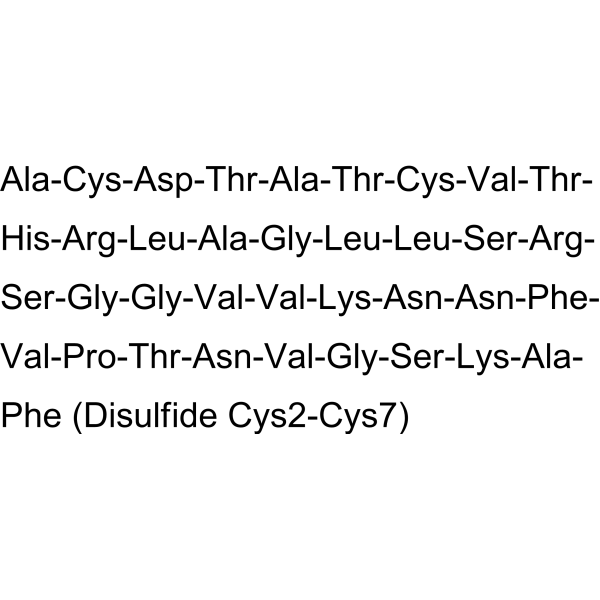
    Calcitonin gene-related peptide (CGRP) free acid is a 37-amino acid neuropeptide, which represents the deamidated form of α-CGRP (human) (HY-P1071). Calcitonin gene-related peptide free acid is produced in the central and peripheral nervous systems of rats, and localizes to specific sensory, integrative and motor neuron systems, including those involved in nociception/thermoreception, feeding behavior, olfaction and visceral motor functions .
    Calcitonin gene-related peptide free acid
  • HY-163763

    G2A (GPR132) Neurological Disease Inflammation/Immunology Cancer
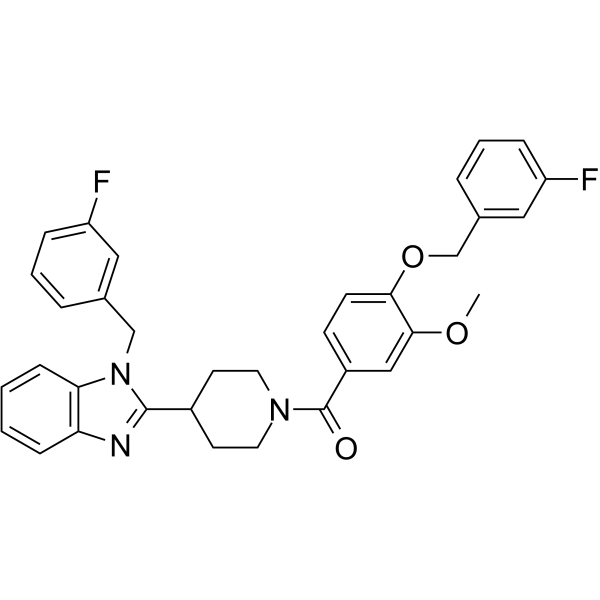
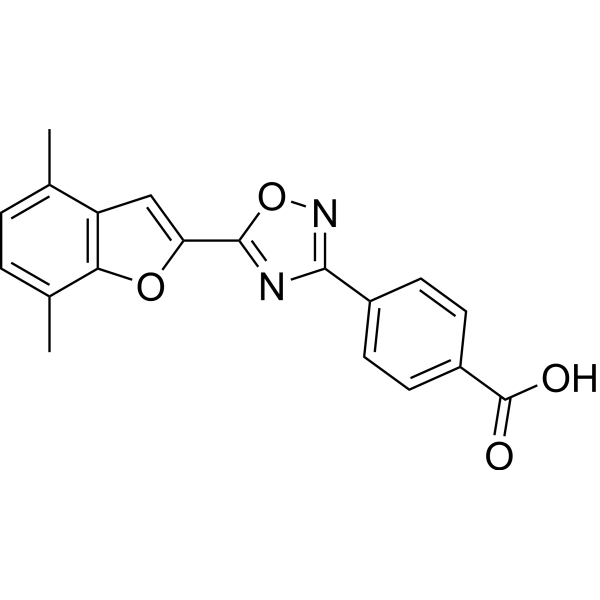
    T-10418 is a potent and highly selective G2A/GPR132 agonist. T-10418 has an EC50 of 0.82 μM for human G2A activation. T-10418 has good water solubility, metabolic stability, and pharmacokinetic properties. T-10418 can be used for the research of various diseases such as neuropathic pain, acute myeloid leukemia, and inflammation .
    T-10418
  • HY-P1080
    ω-Agatoxin IVA
    1 Publications Verification

    Calcium Channel Cardiovascular Disease Neurological Disease
    ω-Agatoxin IVA is a potent, selective P/Q type Ca 2+ (Cav2.1) channel blocker with IC50 values of 2 nM and 90 nM. ω-Agatoxin IVA inhibits glutamate exocytosis and calcium influx elicited by high potassium. ω-Agatoxin IVA inhibits Capsaicin (HY-10448)-induced CGRP release and vasodilation. ω-Agatoxin IVA can be used for the research of neurological and cardiovascular disease .
    ω-Agatoxin IVA
  • HY-NP143

    Biochemical Assay Reagents Neurological Disease
    Nerve Growth Factor 2.5S, murine submaxillary gland is a neurotrophic polypeptide required for normal growth and development of sympathetic and embryonic sensory neurons and certain cholinergic neurons in the central nervous system. Nerve Growth Factor 2.5S, murine submaxillary gland has only β-subunit , and shows nerve growth-promoting activity .
    Nerve Growth Factor 2.5S,murine submaxillary gland
  • HY-145169

    Sodium Channel Neurological Disease
    AZ194 is a first-in-class, orally active inhibitor of CRMP2-Ubc9 interaction and inhibitor of NaV1.7 (IC50=1.2 μM). AZ194 blocks SUMOylation of CRMP2 to selectively reduce the amount of surface-expressed NaV1.7. Antinociceptive effects .
    AZ194
  • HY-164795

    Neurotensin Receptor Arrestin iGluR ERK Sodium Channel Neurological Disease
    SBI-810 is a blood-brain barrier-permeable NTSR1 modulator. SBI-810 promotes the recruitment of β-arrestin-2 to NTSR1 and antagonizes NTSR1-mediated Gq activation. SBI-810 inhibits excitatory synaptic transmission, NMDA receptor and extracellular signal-regulated kinase (ERK) signaling in spinal nociceptive neurons, reduces surface expression of Nav1.7 and action potential firing in primary sensory neurons, and attenuates C-fiber responses. SBI-810 effectively alleviates acute and chronic pain in various rodent models through peripheral and central modulation. SBI-810 is applicable to research related to multiple pain disorders .
    SBI-810
  • HY-164795A

    Neurotensin Receptor Arrestin iGluR ERK Sodium Channel Neurological Disease
    SBI-810 hydrochloride is a blood-brain barrier-permeable NTSR1 modulator. SBI-810 hydrochloride promotes the recruitment of β-arrestin-2 to NTSR1 and antagonizes NTSR1-mediated Gq activation. SBI-810 hydrochloride inhibits excitatory synaptic transmission, NMDA receptor and extracellular signal-regulated kinase (ERK) signaling in spinal nociceptive neurons, reduces surface expression of Nav1.7 and action potential firing in primary sensory neurons, and attenuates C-fiber responses. SBI-810 hydrochloride effectively alleviates acute and chronic pain in various rodent models through peripheral and central modulation. SBI-810 hydrochloride is applicable to research related to multiple pain disorders .
    SBI-810 hydrochloride
  • HY-111573

    C286

    RAR/RXR Others Neurological Disease Inflammation/Immunology
    KCL-286 (C286) is an orally active and brain-penetrant retinoic acid receptor (RAR) β2 agonist (EC50 = 1.9 nM). KCL-286 targets RARβ2 with good selectivity over RAR α (EC50 = 26 nM) and RAR γ (EC50 = 11 nM). KCL-286 activates RARβ2 in the injured neurons. KCL-286 induces axonal regeneration of both spinal and sensory nerves through the inhibitory environment of the CNS, modulates neuroinflammation and extracellular matrix molecules. KCL-286 can modulate the expression of CSPGs by neuronal secretion of decorin which promotes myelination and aids axonal growth. KCL-286 can be studied in research for area such as spinal cord injury and traumatic nerve injury .
    KCL-286
  • HY-116144R

    Lcaridin (Standard)

    Reference Standards Parasite Infection
    Picaridin (Standard) is the analytical standard of Picaridin. This product is intended for research and analytical applications. Picaridin (Lcaridin) is a broad spectrum arthropod repellent. The repellent and deterrent activities of Picaridin involve olfactory sensing in mosquitoes, and ticks, via their interactions with odorant receptor proteins .
    Picaridin (Standard)
  • HY-121636S

    RvD2-d5

    TRP Channel Infection Neurological Disease Inflammation/Immunology
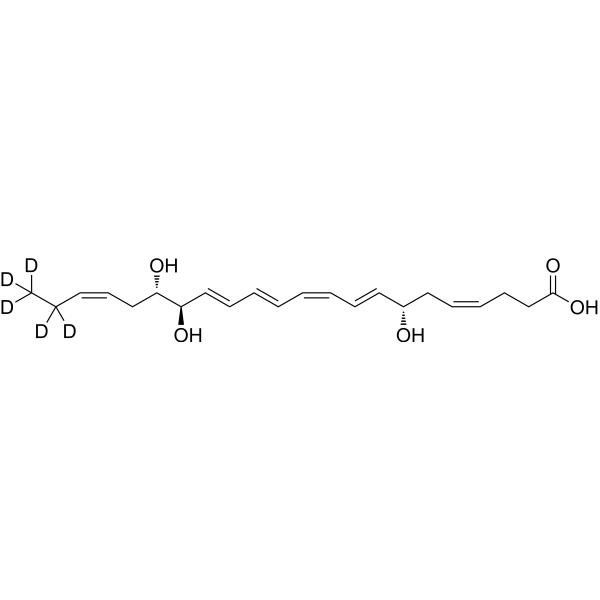
    Resolvin D2-d5 is the deuterium labeled Resolvin D2. Resolvin D2 is a metabolite of docosahexaenoic acid (DHA), with anti-inflammatory, anti-infective activities. Resolvin D2 is a potent regulator of leukocytes and controls microbial sepsis. Resolvin D2 is a remarkably potent inhibitor of TRPV1 (IC50 = 0.1 nM) and TRPA1 (IC50 = 2 nM) in primary sensory neurons .
    Resolvin D2-d5
  • HY-W074890R

    N-palmitoyl glycine (Standard)

    Reference Standards Calcium Channel NO Synthase Neurological Disease Inflammation/Immunology
    Palmitoylglycine (Standard) is the analytical standard of Palmitoylglycine. This product is intended for research and analytical applications. Palmitoylglycine (N-palmitoyl glycine), an endogenous lipid that acts as a modulator of calcium influx and nitric oxide () production in sensory neurons. Palmitoylglycine is linked to an increased risk of Background Brugada syndrome (BrS) and interacts with BrS-associated proteins, demonstrating moderate binding affinities for DCC, CR1, CTSB, NAAA, DEFB1, EPHA1, IGF1/IGFBP3/ALS, and LTA[1][2][3].
    Palmitoylglycine (Standard)
  • HY-115877

    TRP Channel Others
    GDC-0334 is a selective TRPA1 antagonist. GDC-0334 inhibits TRPA1 function on airway smooth muscle and sensory neurons by decreasing cough and allergic airway inflammation in rats and guinea pigs. GDC-0334 can be used for TRPA1-mediated diseases research, such as pain or asthma .
    GDC-0334
  • HY-167862

    Endogenous Metabolite Neurological Disease
    UCM-05194 is a selective LPA1 receptor agonist with activity to improve neuropathic pain. UCM-05194 is a LPA1 agonist that exhibits potent and selective properties in its pharmacologically similar properties. UCM-05194 triggers LPA1-mediated cellular effects and leads to internalization of the receptor, resulting in functional inactivation in primary sensory neurons. UCM-05194 effectively reduces pain perception in in vivo models. UCM-05194 can be used to conduct research on progressive systemic diseases .
    UCM-05194
  • HY-175340

    Potassium Channel TSPO Neurological Disease
    Kv7.2/Kv7.3 activator-3 (GRT-X) is an orally active Kv7.2/Kv7.3 and TSPO activator. Kv7.2/Kv7.3 activator-3 activates Kv7.2/Kv7.3, Kv7.4, and Kv7.5 with EC50 values of 0.37, 2.06, and 0.75 μM, respectively, and binds to TSPO with Ki values of 0.07 μM (rat membrane) and 4.60 μM (human U-118 MG cells). Kv7.2/Kv7.3 activator-3 prevents motor neuron degeneration in mice and humans conditioned by ALS/FTD astrocytes. Kv7.2/Kv7.3 activator-3 stimulates dorsal root ganglion axonal growth through TSPO and Kv7.2/3 activation. Kv7.2/Kv7.3 activator-3 has anti-epileptic effects in epileptic seizure models. Kv7.2/Kv7.3 activator-3 reduces pain hypersensitivity in patients with diabetic neuropathy, promotes neuronal survival and regeneration after cervical neuropathy in rats, and accelerates the recovery of normal function of sensory and motor neurons .
    Kv7.2/Kv7.3 activator-3
  • HY-172166B

    Fluorescent Dye Neurological Disease
    TRITC-lysine-dextran (MW 70kDa) is a fluorescent label prepared by the conjugation of TRITC (HY-D0791), lysine and dextran. TRITC-lysine-dextran (MW 70kDa) serves multiple functions as an axonal tracer, non-viral nanocarrier and fixable fluorescent clonal marker. TRITC-lysine-dextran (MW 70kDa) undergoes anterograde and retrograde transport within axons of sensory neurons, and acts as a non-viral delivery system to precisely deliver biomolecules to neurons. TRITC-lysine-dextran (MW 70kDa) remains stably retained during histological preparation, thereby supporting continuous observation in live or fixed samples .
    TRITC-lysine-dextran (MW 70kDa)
  • HY-106935A

    Drug Derivative Neurological Disease
    CGP 29030A is an orally effective and specific analgesic agent. CGP 29030A inhibits nociceptive spinal cord neurons without affecting normal sensory functions. CGP 29030A also inhibits gamma motor neurons, which may be beneficial for studying pain disorders that occur concurrently due to increased motor activity (such as cramp, spasm) .
    CGP 29030A
  • HY-116072

    Calcium Channel Cardiovascular Disease
    Antiarrhythmic agent-2 is a nonspecific Ca 2+ inward current blocker that inhibits ionic currents in sensory neuron membranes. Antiarrhythmic agent-2 can be used in the study of cardiovascular diseases, such as arrhythmias .
    Antiarrhythmic agent-2
  • HY-121406

    (Z)-FRG-8813

    Histamine Receptor Inflammation/Immunology
    (Z)-Lafutidine ((Z)-FRG-8813) is a potent histamine H2 receptor antagonist. (Z)-Lafutidine shows anti-secretory and gastroprotective activities .
    (Z)-Lafutidine
  • HY-P1241A

    Mas-related G-protein-coupled Receptor (MRGPR) Neurological Disease Inflammation/Immunology
    BAM(8-22) TFA, a proteolytically cleaved product of proenkephalin A and sensory neuron-specific receptor (SNSR) agonist, is a potent activator of Mas-related G-protein-coupled receptors (Mrgprs), MrgprC11 and hMrgprX1. BAM(8-22) TFA induces scratching in mice in an Mrgpr-dependent manner. In addition, BAM(8-22) TFA has an analgesic effect and can also inhibit the activation of microglia .
    BAM(8-22) TFA
  • HY-108576

    DuP 996 dihydrochloride

    TRP Channel Neurological Disease
    Linopirdine dihydrochloride is a agonist of capsaicin receptor TRPV1. Linopirdine increases the intracellular calcium concentration in HEK293 cells. Linopirdine dihydrochloride exerts an excitatory action on mammalian nociceptors .
    Linopirdine dihydrochloride
  • HY-168166

    Endogenous Metabolite Neurological Disease
    CHET3 is a sex-selective activator with potent analgesic activity. CHET3 was discovered to be a highly selective omnidirectional modulator of TASK-3-containing K2P channels, including TASK-3 homologues and TASK-3/TASK-1 heterologues. CHET3 exhibited significant analgesic effects in multiple acute and chronic pain models in mice, which could be abolished by pharmacological means or genetic knockout of TASK-3. CHET3 is able to functionally modulate the membrane excitability of specific small sensory neurons, which supports its analgesic effects on thermal hypersensitivity and mechanical hyperalgesia in chronic pain .
    CHET3
  • HY-P11702

    Bacterial Others
    f-MFFINTLTL is a formylated nonapeptide and a natural ligand from mitochondria or bacteria. f-MFFINTLTL serves as a tool chemical stimulant for the specific activation of sensory neurons expressing the specific vomeronasal receptor (V2rf2) .
    f-MFFINTLTL
  • HY-P11701

    MHC Others
    SEIDLILGY is a nonapeptide identified as a peptide ligand derived from mouse major histocompatibility complex class I (MHC). SEIDLILGY serves as a tool chemical stimulant for the specific activation of sensory neurons expressing the particular vomeronasal receptor (V2rf2) .
    SEIDLILGY
  • HY-P11700

    MHC Inflammation/Immunology
    AAPDARETA is a mutated MHC-associated peptide with reduced binding affinity to H-2D b MHC molecules. AAPDARETA activates subsets of mouse main olfactory epithelium sensory neurons and induces Ca 2+ transients .
    AAPDARETA
  • HY-181998

    Interleukin Related Neurological Disease Inflammation/Immunology
    CN016 is a neuroprotective agent. CN016 inhibits the elevation of pro-inflammatory cytokines G-CSF, GM-CSF and IL-6 induced by Oxaliplatin (HY-17371). CN016 suppresses Paclitaxel (HY-B0015)-induced inflammatory responses and immune cell infiltration into sensory neurons. CN016 protects neurons from Paclitaxel (HY-B0015)-induced neurotoxic damage. CN016 protects mice against Oxaliplatin-induced peripheral neuropathy .
    CN016
  • HY-P11704

    Formyl Peptide Receptor (FPR) Bacterial Neurological Disease
    f-MKKFRW is a selective mouse formyl peptide receptor 3 (Fpr3) activator and bacterial MgrB-derived peptide motif. f-MKKFRW activates Fpr3 to trigger downstream signaling and calcium responses in Fpr3-expressing cells. f-MKKFRW stimulates a subset of mouse vomeronasal sensory neurons in the accessory olfactory system to evoke calcium responses. f-MKKFRW drives innate avoidance behavior in mice via nasal contact .
    f-MKKFRW
  • HY-182539

    CGRP Receptor Others Neurological Disease
    DD04107 is a neuronal exocytosis inhibitor with a rat Syt1-C2B domain binding Ka of 2.4 μM. DD04107 interferes with synaptobrevin-syntaxin-SNAP-25 complex formation and Syt1-SNARE complex interaction to block α-calcitonin gene-related peptide (α-CGRP) exocytotic release from primary sensory neurons. DD04107 blocks inflammatory ion channel recruitment to nociceptor plasma membranes. DD04107 can be used for the research of chronic inflammatory pain, neuropathic pain, osteosarcoma pain, chemotherapy-induced peripheral neuropathy, diabetic neuropathy, inflammatory pain .
    DD04107
  • HY-179350A

    VEGFR Neurological Disease
    EG01449 is a quinoline-based antagonist of Neuropilin-1 (NRP1) with an Kd of 0.6 µM. EG01449 competitively inhibits the binding of VEGFA to NRP1 with an IC50 of 362 nM. EG01449 prevents VEGFA-induced pain by inhibiting NRP1-dependent signaling and reducing sodium currents in sensory neurons. EG01449 can be used for the research of nociceptive pain .
    EG01449
  • HY-182831

    Sodium Channel Neurological Disease
    Nav1.7-IN-22 (P58 13-2) is a selective inhibitor of voltage-gated sodium channel Nav1.7. Nav1.7-IN-22 inhibits abnormal electrical signal generation and conduction in sensory neurons by blocking Nav1.7 channel activity. Nav1.7-IN-22 can be used for the study of pain .
    Nav1.7-IN-22
  • HY-179350

    VEGFR Neurological Disease
    EG01449 Free acid is a quinoline-based antagonist of Neuropilin-1 (NRP1) with an Kd of 0.6 µM. EG01449 Free acid competitively inhibits the binding of VEGFA to NRP1 with an IC50 of 362 nM. EG01449 Free acid prevents VEGFA-induced pain by inhibiting NRP1-dependent signaling and reducing sodium currents in sensory neurons. EG01449 Free acid can be used for the research of nociceptive pain .
    EG01449 Free acid
  • HY-P11703

    MHC Others
    TRVLNLGPI is an MHC motif-containing, MHC-independent nonapeptide. TRVLNLGPI is not a product of immune presentation, but a product of renal protein degradation, and its concentration is sufficiently high to be specifically recognized by vomeronasal neurons. The concentration of TRVLNLGPI in mouse urine can be six orders of magnitude higher than that of prototype MHC-dependent peptides .
    TRVLNLGPI
  • HY-181348

    HBV Infection
    HBV-IN-56 is an orally active HBsAg production inhibitor. HBV-IN-56 inhibits HBsAg production both in vitro and in vivo. HBV-IN-56 can be used for the research of chronic hepatitis B virus infection .
    HBV-IN-56
  • HY-183857

    TRP Channel Neurological Disease
    DD-161515 is a TRPV1/VR1 inhibitor with an IC50 of 0.7 μM in rats. DD-161515 binds to an allosteric site of TRPV1 distinct from that of capsaicin, blocks channel opening, inhibits receptor-mediated calcium ion influx, reduces the excitability of peripheral sensory nerve fibers, and thereby inhibits nociception induced by heat and transmission of chemically induced pain signals. DD-161515 can be used in studies related to inflammatory pain .
    DD-161515

Inquiry Online

Your information is safe with us. * Required Fields.

Salutation


Country or Region *

Applicant Name *


Organization Name *

Department *


Email Address *


Product Name *

Cat. No.


Requested quantity *

Phone Number *


Remarks

Inquiry Online

Inquiry Information

Product Name:
Cat. No.:
Quantity:
MCE Japan Authorized Agent:

