
1. Search Result
Search Result
Results for "

Surfactants

" in MedChemExpress (MCE) Product Catalog:

470

Inhibitors & Agonists

290

Biochemical Assay Reagents

9

Peptides

35

Natural
Products

45

Isotope-Labeled Compounds

37

Oligonucleotides

Cat. No. 상품명 Target 연구분야 Chemical Structure
  • HY-N0420
    Succinic acid
    5+ Cited Publications

    Wormwood acid

    Environmental Pollutants Endogenous Metabolite Neurological Disease
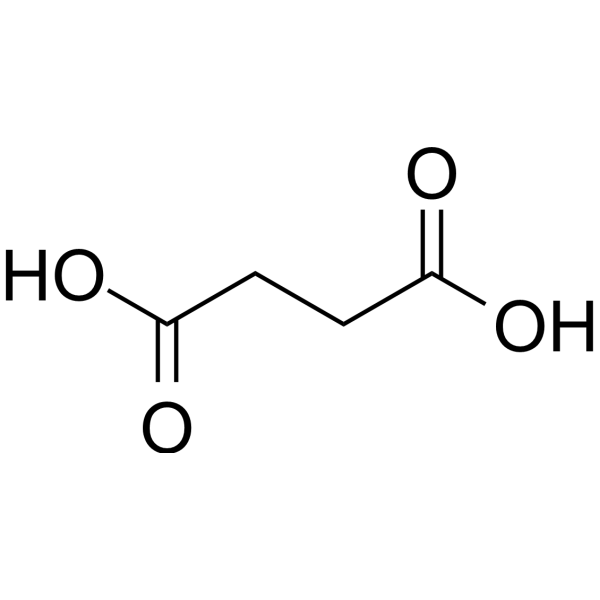
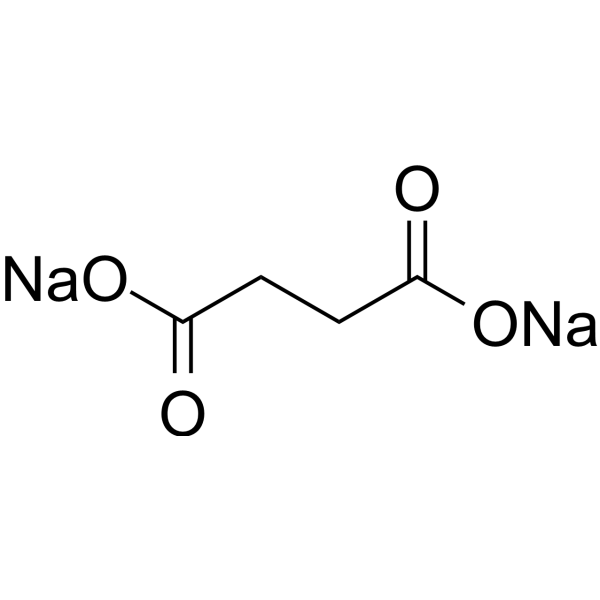
    Succinic acid is an anti-anxiety agent with oral activity. Disodium succinate is the salt form of Succinic acid. Succinic acid is an intermediate product of the tricarboxylic acid cycle. Succinic acid is an important platform chemical. Succinic acid can be used as surfactant, additive, ion chelating agent, flavoring agent and other applications in chemical, pharmaceutical and food fields .
    Succinic acid
  • HY-D1005A

    PEG-PPG-PEG, 8800 (Average Mn)

    Environmental Pollutants Biochemical Assay Reagents Inflammation/Immunology
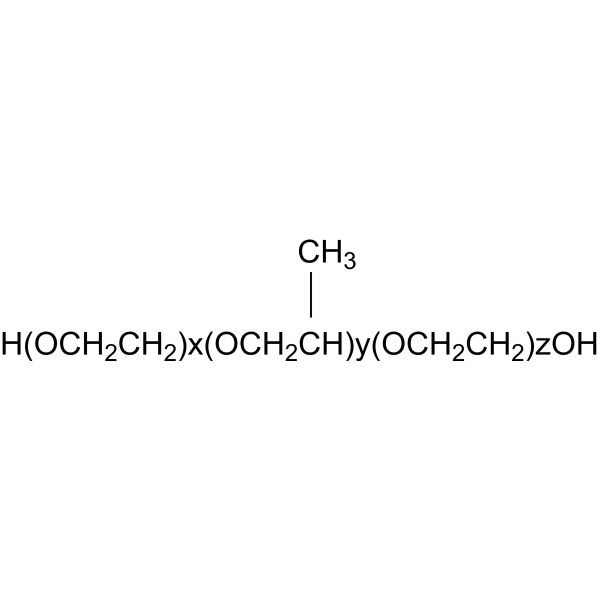
    Poloxamer 188 is a nonionic linear copolymer with surfactant properties. Poloxamer 188 exhibits anti-thrombotic, anti-inflammatory, and cytoprotective activities in various tissue injury models. Poloxamer 188 can be used for drug delivery .
    Poloxamer 188
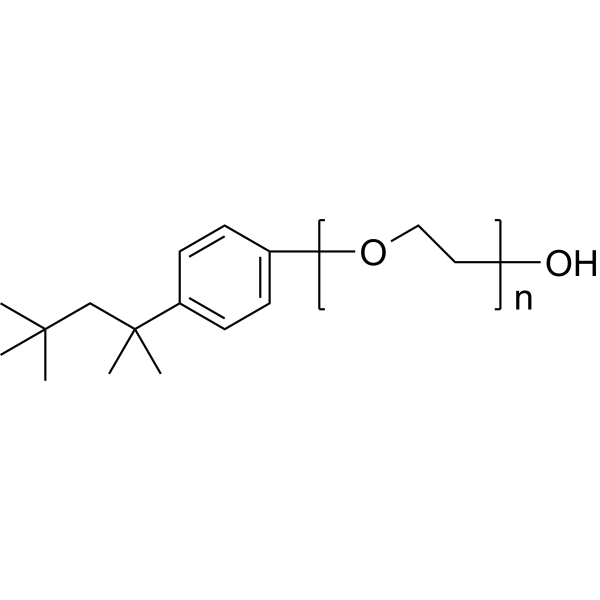
  • HY-Y1883

    Environmental Pollutants Biochemical Assay Reagents Apoptosis Infection Cancer
    Polyethylene glycol mono(4-tert-octylphenyl) ether surfactant is a non-denaturing detergent that solubilizes lipid membranes. Polyethylene glycol mono(4-tert-octylphenyl) ether surfactant is commonly used in laboratories and is applied to vaccines at different stages of the manufacturing process. Polyethylene glycol mono(4-tert-octylphenyl) ether surfactant is listed as an excipient in certain vaccines including split virus influenza vaccines. Polyethylene glycol mono(4-tert-octylphenyl) ether surfactant is a nonionic surfactant. Polyethylene glycol mono(4-tert-octylphenyl) ether surfactant induces Apoptosis in prostate and colon cancer cell lines and reduces the infectivity of classic enveloped viruses such as WNV .
    Polyethylene glycol mono(4-tert-octylphenyl) ether surfactant
  • HY-D0838

    Biochemical Assay Reagents Others
    Dodecyltrimethylammonium bromide (DTAB) is a surfactant. Dodecyltrimethylammonium bromide interacts with DNA and changes the mechanical properties of DNA on binding and the specific binding parameters of the interaction .
    Dodecyltrimethylammonium bromide
  • HY-125920

    Sarkosyl NL sodium

    Environmental Pollutants Biochemical Assay Reagents Others
    Lauroylsarcosine sodium is a surfactant commonly used in personal care and cosmetics such as shampoos, facial cleansers and toothpaste. It works by lowering the surface tension of water, allowing it to better penetrate and clean surfaces. Lauroylsarcosine sodium is considered safe for cosmetic use and is approved for use in several countries. However, it can cause skin irritation in high concentrations or with prolonged exposure.
    Lauroylsarcosine sodium
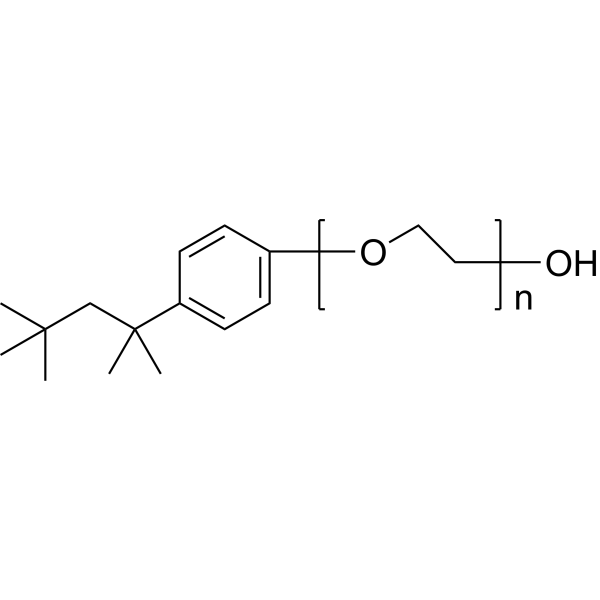
  • HY-Y1883A

    Environmental Pollutants Biochemical Assay Reagents Infection Cancer
    Polyethylene glycol mono(4-tert-octylphenyl) ether is a non-denaturing detergent that solubilizes lipid membranes. Polyethylene glycol mono(4-tert-octylphenyl) ether is commonly used in laboratories and is applied to vaccines at different stages of the manufacturing process. Polyethylene glycol mono(4-tert-octylphenyl) ether is listed as an excipient in certain vaccines including split virus influenza vaccines. Polyethylene glycol mono(4-tert-octylphenyl) ether is a nonionic surfactant. Polyethylene glycol mono(4-tert-octylphenyl) ether induces Apoptosis in prostate and colon cancer cell lines and reduces the infectivity of classic enveloped viruses such as WNV .
    Polyethylene glycol mono(4-tert-octylphenyl) ether
  • HY-Y0850H

    PVA (Mw 89000-98000, 99+% hydrolyzed); Poly(Ethenol) (Mw 89000-98000, 99+% hydrolyzed)

    Environmental Pollutants Biochemical Assay Reagents Others
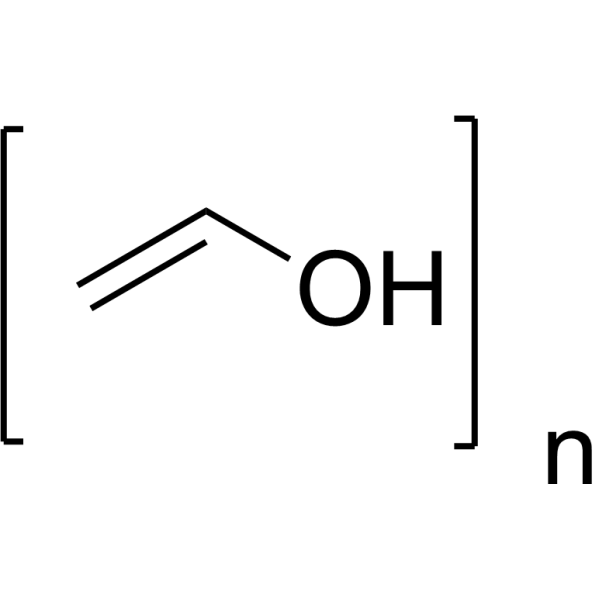
    Polyvinyl alcohol (Mw 89000-98000, 99+% hydrolyzed) also known as PVA, is a vinyl water-soluble polymer that can be used as a non-ionic surfactant. It can also be used as a biodegradable polymer and can be used in adhesives, coatings, textiles, ceramics and cosmetics .
    Polyvinyl alcohol (Mw 89000-98000, 99+% hydrolyzed)
  • HY-101530C

    PEG 100 stearate

    Environmental Pollutants Biochemical Assay Reagents Others
    Polyoxyl 100 stearate (PEG-100 stearate) is a non-ionic surfactant formed by polyethylene glycol (PEG) and stearic acid, and it is commonly used in pharmaceutical preparations, nanocarriers, emulsification systems and cosmetic formulations .
    Polyoxyl 100 stearate
  • HY-114362

    TPGS-750-M

    Biochemical Assay Reagents Others
    DL-alpha-Tocopherol methoxypolyethylene glycol succinate (TPGS-750-M) is an amphiphile, acts as a surfactant. DL-alpha-Tocopherol methoxypolyethylene glycol succinate has a positive effect on Suzuki-Miyaura cross coupling. DL-alpha-Tocopherol methoxypolyethylene glycol succinate increases the styrene titer. DL-alpha-Tocopherol methoxypolyethylene glycol succinate is used in the stability test of NPYM-modified drugs in biological fluids .
    DL-alpha-Tocopherol methoxypolyethylene glycol succinate
  • HY-W141881

    Environmental Pollutants Biochemical Assay Reagents HSV Infection
    N-lauroylsarcosine is an anionic surfactant. N-lauroylsarcosine has antiviral activity against HSV-2 strain 333 and HSV-1 strain F. N-lauroylsarcosine synergistically increases skin permeability with 25-50% ethanol. N-lauroylsarcosine can be used to study HSV-2 infection .
    N-Lauroylsarcosine
  • HY-B2106D

    Decaethylene glycol monododecyl ether (C12E10); Polidocanol (10)

    Biochemical Assay Reagents Others Cancer
    Polyoxyethylene (10) lauryl ether is a nonionic surfactant. Polyoxyethylene (10) lauryl ether exhibits unique properties in dissolving liposomes and exerts the minimal interference with endotoxin detection. Polyoxyethylene (10) lauryl ether forms hybrid liposomes with Dimyristoylphosphatidylcholine (DMPC) (HY-109541), which can inhibit the proliferation of human promyelocytic leukemia cells without the administration of any drugs .
    Polyoxyethylene (10) lauryl ether
  • HY-W250168A

    Polyethylene glycol oleyl ether, average Mn~1150; Polyethylene glycol monooleyl ether, n~20

    Environmental Pollutants Biochemical Assay Reagents Others
    Polyoxyethylene(20) oleyl ether (Polyethylene glycol oleyl ether, with an average Mn of 1150) is a non-ionic surfactant. Polyoxyethylene(20) oleyl ether possesses emulsifying and detergent properties and can be used as a functional additive in drug delivery systems, helping to form stable nanoemulsions .
    Polyoxyethylene(20) oleyl ether
  • HY-15435A
    CHAPS hydrate
    4 Publications Verification

    Biochemical Assay Reagents Exosomes Others
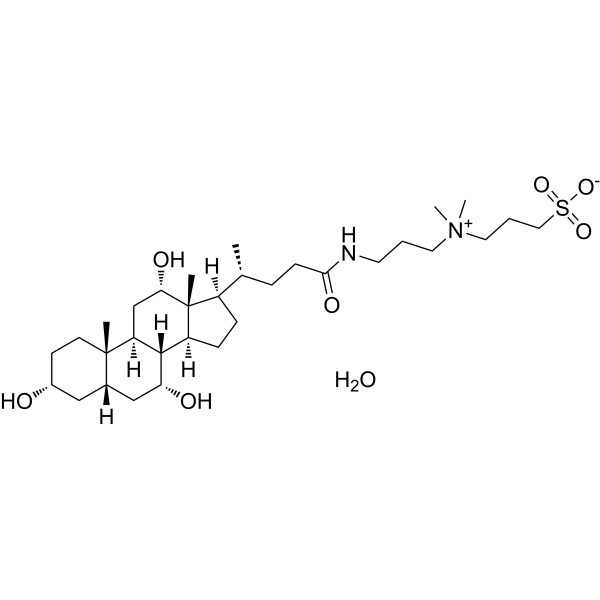
    CHAPS hydrate is a cholic acid-derived, sulfobetaine-type zwitterionic detergent and micelle-forming agent. CHAPS hydrate exhibits properties of weak cationic or nonionic surfactants in different solution systems, undergoes micellization, and forms small, loose hydrophilic aggregates that are temperature-dependent. CHAPS hydrate stabilizes mononucleosomes under different ionic strengths, reduces nucleosome sequence specificity, promotes sliding of histone cores along DNA, solubilizes Tamm‑Horsfall protein to reduce its interference with urinary exosome isolation, and maintains vesicle structure and the activity of related proteins at the same time. CHAPS hydrate is used to recover native folded fusion proteins, enhance the binding capacity of GST fusion proteins, and restore GST enzyme activity. However, CHAPS hydrate cannot refold proteins denatured by urea, guanidine hydrochloride or heat, nor can it construct the structure of intrinsically disordered proteins. CHAPS hydrate is commonly used in research on the separation and purification of membrane proteins .
    CHAPS hydrate
  • HY-D0869

    N-Cyclohexyl-3-aminopropanesulfonic acid

    Biochemical Assay Reagents Others Cancer
    CAPS, cyclohexylaminopropane sulfonic acid, is a surfactant. CAPS can be used as biological buffer (0.05 M, pH 11) for dialysis .
    CAPS
  • HY-B1899A
    Taurodeoxycholic acid sodium hydrate
    3 Publications Verification

    Taurodeoxycholate sodium hydrate

    G protein-coupled Bile Acid Receptor 1 Endogenous Metabolite Metabolic Disease
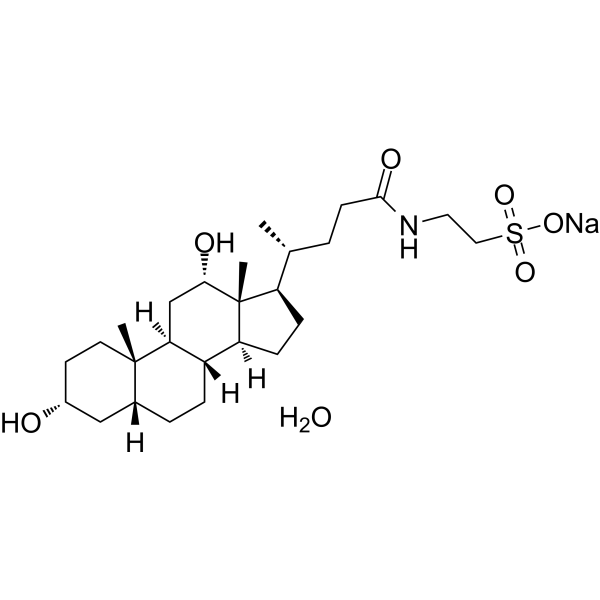
    Taurodeoxycholic acid sodium hydrate (Sodium taurodeoxycholate monohydrate), a bile acid, is an amphiphilic surfactant molecule synthesized from cholesterol in the liver. Taurodeoxycholic acid sodium hydrate activates the S1PR2 pathway in addition to the TGR5 pathway .
    Taurodeoxycholic acid sodium hydrate
  • HY-126377

    Biochemical Assay Reagents Others
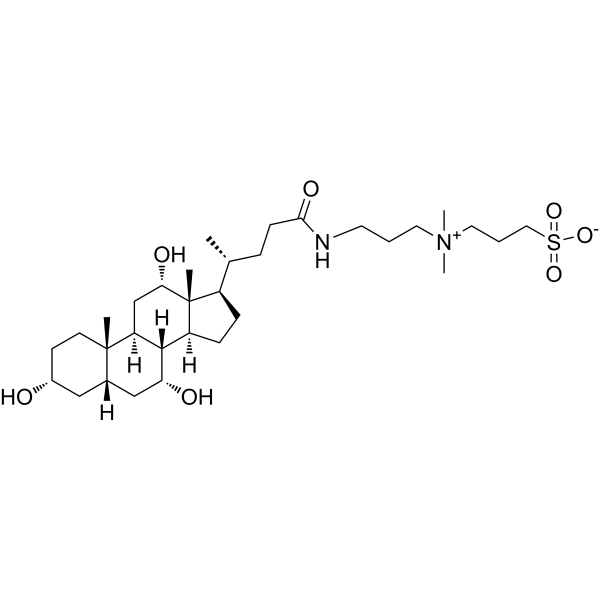
    Sulfobetaine 10, is a zwitterionic surfactant commonly used in biochemistry and biophysics. It is commonly used to dissolve membrane proteins and other hydrophobic molecules in aqueous solutions. Sulfobetaine 10 has both positively and negatively charged groups in its structure, which allows it to maintain a neutral charge in solution and reduces its tendency to denature proteins. It is considered a mild, non-denaturing surfactant and is widely used in protein research.
    Sulfobetaine 10
  • HY-Y0850K

    PVA (Mw 31000-50000, 98-99% hydrolyzed); Poly(Ethenol) (Mw 31000-50000, 98-99% hydrolyzed)

    Environmental Pollutants Biochemical Assay Reagents Cancer
    Polyvinyl alcohol (Mw 31000-50000, 98-99% hydrolyzed), also known as PVA, is a vinyl water-soluble polymer that can be used as a non-ionic surfactant. It can also be used as a biodegradable polymer and can be used in adhesives, coatings, textiles, ceramics and cosmetics. Polyvinyl alcohol can be used in tissue engineering by electrospinning. Polyvinyl alcohol can achieve high cellular density, infiltration, and uniform distribution, facilitating functional connections between cells. Polyvinyl alcohol can improve cell vitality through in vitro cultivation. Polyvinyl alcohol demonstrates promising inhibition of ostersarcoma cancer cells with Doxorubicin (HY-15142A) .
    Polyvinyl alcohol (Mw 31000-50000, 98-99% hydrolyzed)
  • HY-B1549

    Dimethylbenzyllaurylammonium chloride

    Environmental Pollutants Biochemical Assay Reagents Others
    Lauryl benzalkonium chloride (Dimethylbenzyllaurylammonium chloride) is a cationic surfactant .
    Lauryl benzalkonium chloride
  • HY-W129593

    Sorbitan monostearate

    Environmental Pollutants Biochemical Assay Reagents Others
    Sorbitan monooctadecanoate (Sorbitan monostearate) is a hydrophobic nonionic surfactant. Sorbitan monooctadecanoate can serve as a pharmaceutical excipient, such as an emulsifier, nonionic surfactant, solubilizer, wetting agent, and dispersing/suspending agent .
    Sorbitan monooctadecanoate
  • HY-W096983

    Dodecyltrimethylammonium chloride,for IPC,≥99%

    Environmental Pollutants Biochemical Assay Reagents Others
    DTAC (Dodecyltrimethylammonium chloride), for IPC, ≥99% is a quaternary ammonium cationic surfactant. DTAC, for IPC, ≥99% can form micelles in aqueous media, which interact with and encapsulate Diclofenac sodium (HY-15037) molecules; the micellization process is entropy-driven at lower temperatures and enthalpy-driven at higher temperatures .
    DTAC,for IPC,≥99%
  • HY-101530B

    PEG 40 stearate

    Biochemical Assay Reagents Others
    Polyoxyl 40 stearate (PEG 40 stearate) is a nonionic surfactant formed by the esterification of stearic acid with polyethylene glycol (PEG) containing approximately 40 ethoxy units, it is widely used in pharmaceutical preparations, nanodrug carriers, emulsification systems and biomedical materials. Polyoxyl 40 stearate can serve as a matrix component of solid lipid nanoparticles to achieve controlled release of encapsulated antifungal drugs; it can also act as a base material for solid lipid nanoparticles for vaginal administration, and polymerizable groups can be introduced via modification with acryloyl chloride .
    Polyoxyl 40 stearate
  • HY-Y0850N

    PVA (Mw 13000-23000, 98% hydrolyzed); Poly(Ethenol) (Mw 13000-23000, 98% hydrolyzed)

    Environmental Pollutants Biochemical Assay Reagents Cancer
    Polyvinyl alcohol (PVA; Poly(Ethenol)) (Mw 13000-23000, 98% hydrolyzed) , also known as PVA, is a vinyl water-soluble polymer that can be used as a non-ionic surfactant. Polyvinyl alcohol (Mw 13000-23000, 98% hydrolyzed) can also be used as a biodegradable polymer and can be used in adhesives, coatings, textiles, ceramics and cosmetics. Polyvinyl alcohol (Mw 13,000–23,000, 98% hydrolyzed) can be used in studies involving breast cancer as well as cisplatin (HY-17394)-induced sensorineural hearing loss .
    Polyvinyl alcohol (Mw 13000-23000, 98% hydrolyzed)
  • HY-42935A
    Heptanoate sodium
    1 Publications Verification

    Enanthate sodium

    Biochemical Assay Reagents Others
    Heptanoate sodium is an organic sodium salt compound widely used in various industries and laboratories. It can be used as surfactant, emulsifier, lubricant and preservative, etc., and plays an important role in some electronic devices. In addition, Heptanoate sodium is also used in the preparation of certain chemicals and raw materials such as paints, plastics, fragrances, etc. Although the compound has no direct medical application, it plays an important role in chemical research and industrial production.
    Heptanoate sodium
  • HY-141633

    Bacterial Infection
    Sucrose monolaurate is a glycolipid surfactant . Sucrose monolaurate interacts with bacterial DNA, disrupts cell membrane permeability, and exerts excellent inhibitory and bactericidal effects against a variety of foodborne pathogens (especially Gram-positive bacteria). Sucrose monolaurate significantly reduces liquid surface tension, and acts as a synergist for chlorine-based disinfectants in food cleaning and disinfection to improve the removal efficiency of pathogens on the surface of agricultural products .
    Sucrose monolaurate
  • HY-139415

    Environmental Pollutants Biochemical Assay Reagents Others
    Polyethylene glycol monoisotridecyl ether is a nonionic surfactant widely used in cleaning, industrial, agricultural and other fields .
    Polyethylene glycol monoisotridecyl ether
  • HY-145955

    Sodium stearoyl glutamate

    Biochemical Assay Reagents Others
    Sodium stearoyl glutamate is a sodium salt of monocarboxylic acid anionic surfactant, which serves as a chelating agent, skin sensitizer and anionic co-emulsifier .
    Stearoyl glutamic acid sodium
  • HY-108004

    Septefril; Decametoxin

    Bacterial Fungal Infection
    Decamethoxine (Septefril) is a cationic gemini surfactant. Decamethoxine exhibits strong bactericidal and fungicidal effects. Decamethoxine modifies the permeability of the microbial cell membrane, resulting in the destruction and death of diverse microorganisms .
    Decamethoxine
  • HY-P4371

    Biochemical Assay Reagents Inflammation/Immunology
    Hel 13-5 is a monomeric, lipophilic, basic amphipathic α-helical synthetic peptide composed of 18 amino acid residues. Hel 13-5 is designed as a substitute for proteins in artificial pulmonary surfactants, and it mimics the interaction between the N-terminal fragment of human pulmonary surfactant protein B and lipids. Hel 13-5 can bind to phospholipids for the development of pulmonary surfactant model systems. Hel 13-5 can be used in studies related to respiratory distress syndrome .
    Hel 13-5
  • HY-21196A

    Phosphatase Metabolic Disease
    Potassium perfluorohexanesulfonate is an orally active surfactant found in sera of the general population. Potassium perfluorohexanesulfonate induces adaptive hepatocellular hypertrophy, decreases serum cholesterol and increases alkaline phosphatase in male mice .
    Potassium perfluorohexanesulfonate
  • HY-W250144

    Dodecylbenzenesulphonic acid

    Environmental Pollutants Biochemical Assay Reagents Others
    Dodecylbenzenesulfonic acid (Dodecylbenzenesulphonic acid) is an anionic surfactant. Dodecylbenzenesulfonic acid serves as a raw material for various detergents. Dodecylbenzenesulfonic acid can be used as a cleaning agent in the daily chemical industry or a chemical oil-displacing agent in tertiary oil recovery .
    Dodecylbenzenesulfonic acid
  • HY-W099601
    Sodium dodecanoate, 99-100%
    5+ Cited Publications

    Lauric acid sodium salt, 99-100%

    Environmental Pollutants Biochemical Assay Reagents Others
    Sodium LaurateIt is an organic compound belonging to fatty acids. It is the sodium salt of lauric acid, a medium-chain saturated fatty acid found in various animal and vegetable fats. Sodium LaurateCommonly used as surfactants, emulsifiers and cleaning agents in various industries such as cosmetics, personal care and detergent industries. It's found in a variety of products, including soaps, shampoos, toothpaste, and laundry detergent. Furthermore, it also has applications in the food industry where it is used as a food additive to improve texture and stability.
    Sodium dodecanoate, 99-100%
  • HY-W015993

    n-Nonyl-β-D-glucopyranoside

    Biochemical Assay Reagents Others
    Nonyl β-D-glucopyranoside (n-Nonyl-β-D-glucopyranoside) is a surfactant that can be used in studies on interactions with lipid monolayers. Nonyl β-D-glucopyranoside can also be used for the enantiomer separation of phenoxy acid herbicides and amino acid derivatives .
    Nonyl β-D-glucopyranoside
  • HY-123622

    Biochemical Assay Reagents Others
    CYMAL-5, 98% (TLC) is a cycloalkyl aliphatic saccharide. CYMAL-5, 98% (TLC) is a glycosidic surfactant (GS) with a chiral maltose polar head group and a cyclohexyl-pentyl hydrophobic tail. CYMAL-5, 98% (TLC) is a non-ionic detergent that has a tenfold lower critical micelle concentration (CMC) in comparison with OG, and has previously been used for membrane protein extraction or crystallization of membrane proteins for X-ray crystallographic studies .
    CYMAL-5, 98% (TLC)
  • HY-W392173

    Biochemical Assay Reagents Others
    Lauryl glucoside (50% in water) is a non-ionic surfactant with high cleansing ability, high foaming ability and low cost .
    Lauryl glucoside (50% in water)
  • HY-W127620

    Biochemical Assay Reagents Others
    Sulfobetaine-12is a zwitterionic surfactant, which means it has both positive and negative charges in its molecules. It is used as a detergent in various industries, including pharmaceuticals, cosmetics, and personal care products. Sulfobetaine-12Often used as a mild surfactant due to its non-irritating properties and ability to stabilize emulsions. Plus, it has antistatic properties that can be used to clean electronics and other static-prone surfaces.
    Sulfobetaine-12
  • HY-W250183B

    Polyethylene glycol octadecyl ether (n~20)

    Environmental Pollutants Liposome Others
    Polyoxyethylene (20) stearyl ether (Polyethylene glycol octadecyl ether (n~20)) is a PEGylated lipid surfactant. Polyoxyethylene (20) stearyl ether is used in studies on the formation and stabilization of lipid nanoparticles .
    Polyoxyethylene (20) stearyl ether
  • HY-23059
    4-Dodecylbenzenesulfonic acid
    1 Publications Verification

    p-Dodecylbenzenesulphonic acid

    Environmental Pollutants Biochemical Assay Reagents Others
    4-Dodecylbenzenesulfonic acid is an organosulfur compound commonly used in various industrial applications. It is usually used as a surfactant, emulsifier and auxiliary agent, etc., and is widely used in lubricants, paints, resins and other fields. In addition, due to its good water solubility and cleaning ability, it can also be used in the preparation of products such as detergents and cleaners.
    4-Dodecylbenzenesulfonic acid
  • HY-W011087

    Environmental Pollutants Biochemical Assay Reagents Others
    Benzyldimethyltetradecylammonium chloride is a quaternary ammonium salt consisting of a positively charged N-benzyl-N,N-dimethyltetradecyl-1-amine cation and a negatively charged chloride anion. The compound is commonly used as a surfactant and emulsifier in a variety of applications including detergents, fabric softeners and personal care products. It also has antimicrobial properties and is used as a disinfectant or antiseptic in some products.
    Benzyldimethyltetradecylammonium chloride
  • HY-Y1361

    D-(-)-Tartaric acid diethyl ester

    Biochemical Assay Reagents Drug Intermediate Others
    Diethyl D-(-)-tartrate (D-(-)-Tartaric acid diethyl ester) is a biochemical reagent that can be used as a biological material or organic compound for life science related research. Diethyl D(-)-tartrate can also react with fatty carbonyl compounds to form bis(sodium carboxylate) types of surfactants, which have good water solubility, strong ability to lower surface tension, and can be easily decomposed under acidic conditions .
    Diethyl D-(-)-tartrate
  • HY-29504

    Tridecyl hexaethylene glycol ether

    Biochemical Assay Reagents Others
    Hexaethylene glycol monotridecyl ether is a homogeneous surfactant .
    Hexaethylene glycol monotridecyl ether
  • HY-W010851

    HTAPS

    Biochemical Assay Reagents Others
    Hexadecyltrimethylammonium (p-toluenesulfonate) is a cationic surfactant commonly used in micelle experiments.
    Hexadecyltrimethylammonium (p-toluenesulfonate)
  • HY-W099575

    Biochemical Assay Reagents Others
    3-(Hexadecyldimethylammonio)propane-1-sulfonate is an organic compound belonging to the class of sulfonates. It is a quaternary ammonium surfactant commonly used in various industrial and laboratory applications such as the production of detergents, personal care products and pharmaceuticals. 3-(Hexadecyldimethylammonio)propane-1-sulfonate is surface active and can be used as an emulsifier, foaming agent and wetting agent. In addition, it is used as a solubilizer in protein purification and as a surfactant in chromatography.
    Sulfobetaine-16
  • HY-D0872

    Biochemical Assay Reagents Others
    DIPSO is a biological zwitterionic buffer with the useful pH range from 7.0 to 8.2. DIPSO can interfere meiotic regulation in mouse oocytes. DIPSO also has surfactant activity at 10 mM .
    DIPSO
  • HY-W127624

    Biochemical Assay Reagents Others
    Polyoxyethylene monocetyl ether (n=approx. 23) is a nonionic surfactant and can be used to manufacture hand sanitizer, laundry detergent, body wash, laundry powder, dish soap, metal cleaning agents and other products .
    Polyoxyethylene monocetyl ether (n=approx. 23)
  • HY-W040217

    N-Oxodecyl meglumine; Decanoyl N-methylglucamide

    Environmental Pollutants Biochemical Assay Reagents Others
    MEGA-10 (N-Oxodecyl meglumine) is a nonionic sugar-based surfactant. MEGA-10 sequesters n-alkylbenzenes into its hydrophobic core via micelle formation as a solubilizer .
    MEGA-10
  • HY-W101255

    MTEACl

    Biochemical Assay Reagents Others
    Triethylmethylammonium chloride is a quaternary ammonium salt belonging to the class of alkylammonium salts. This compound is widely used as a phase transfer catalyst in organic synthesis to facilitate the transfer of reactants between immiscible phases. In addition, it can be used as an electrolyte in electrochemical devices, a surfactant in emulsion polymerization, and a corrosion inhibitor. Its unique chemical properties make it an important ingredient in a variety of industrial applications, including pharmaceuticals, agrochemicals, and materials science.
    Triethylmethylammonium chloride
  • HY-W683499

    LHSB

    Biochemical Assay Reagents Others
    Lauryl hydroxysultaine (LHSB), a surfactant, is comprised of a core Sultaine structure with a sulphopropyl quaternary ammonium salt, an alkyl group and a hydroxyl group .
    Lauryl hydroxysultaine
  • HY-W250168D

    Polyethylene glycol oleyl ether, average Mn~2469; Polyethylene glycol monooleyl ether, n~50

    Biochemical Assay Reagents Others
    Polyoxyethylene(50) oleyl ether (Polyethylene glycol oleyl ether, average Mn~2469; Polyethylene glycol monooleyl ether, n~50) is a nonionic surfactant .
    Polyoxyethylene(50) oleyl ether
  • HY-W250168C

    Polyethylene glycol oleyl ether, average Mn~577; Polyethylene glycol monooleyl ether, n~7

    Biochemical Assay Reagents Others
    Polyoxyethylene(7) oleyl ether (Polyethylene glycol oleyl ether, average Mn~577; Polyethylene glycol monooleyl ether, n~7) is a nonionic surfactant. Polyoxyethylene(7) oleyl ether can be used as cosmetic raw .
    Polyoxyethylene(7) oleyl ether
  • HY-W005513

    Lauric diethanolamide

    Environmental Pollutants Biochemical Assay Reagents Others
    N,N-Bis(2-hydroxyethyl)dodecanamide (Lauric diethanolamide) is an orally consumable non-ionic surfactant and antistatic agent .
    N,N-Bis(2-hydroxyethyl)dodecanamide

온라인 문의

Your information is safe with us. * Required Fields.

호칭


Country or Region *

고객명 *


회사명 *

Department *


메일주소 *


상품명 *

Cat. No.


Requested quantity *

전화번호 *


비고

온라인 문의

Inquiry Information

상품명:
Cat. No.:
수량:
MCE Japan Authorized Agent:

