




1. Search Result
Search Result
Results for "

T-cell immunity

" in MedChemExpress (MCE) Product Catalog:

268

Inhibitors & Agonists

1

Screening Libraries

1

Fluorescent Dyes

4

Biochemical Assay Reagents

33

Peptides

85

Inhibitory Antibodies

9

Natural
Products

6

Isotope-Labeled Compounds

16

Oligonucleotides

1

GMP Molecules

Targets Recommended:
Cat. No. Product Name Target Research Areas Chemical Structure
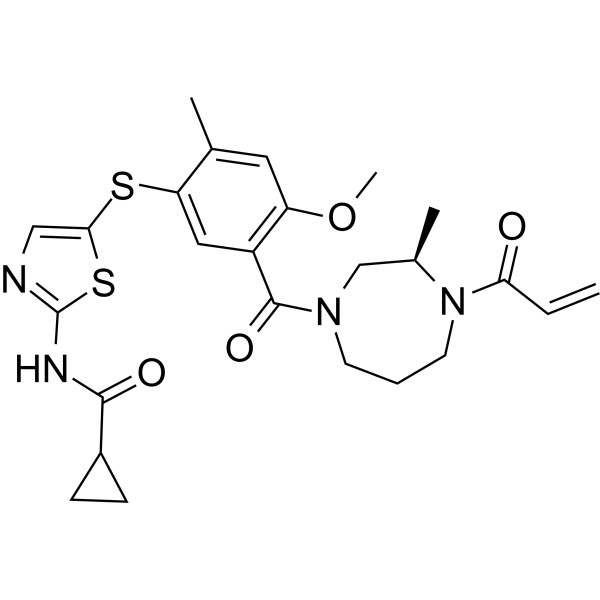
  • HY-156677
    STC-15
    4 Publications Verification

    METTL3 Cancer
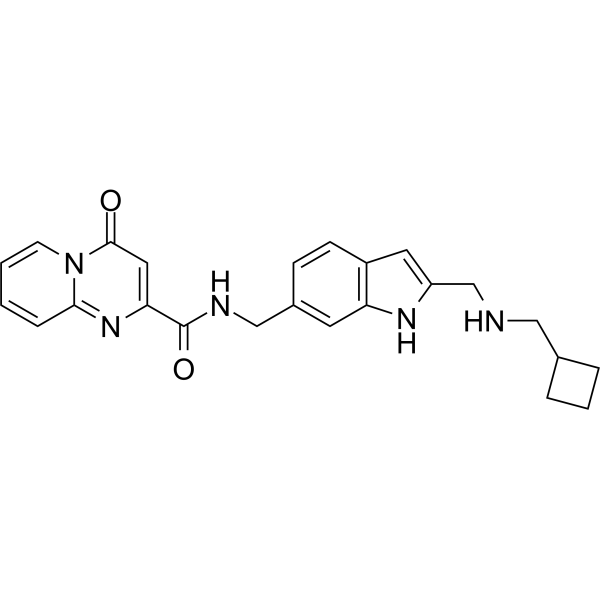
    STC-15 is an orally active RNA methyltransferase METTL3 inhibitor with the activity of activating anti-tumor immunity and reshaping the tumor microenvironment. STC-15 inhibits tumor growth by activating anti-cancer immune responses associated with increased interferon signaling and synergizes with T-cell checkpoint blockade. STC-15 can be used in the study of proliferative diseases such as cancer and autoimmune diseases .
    STC-15
  • HY-NP141

    4-Hydroxy-3-nitrophenylacetyl-bovine serum albumin

    Biochemical Assay Reagents Inflammation/Immunology
    NP-BSA (4-Hydroxy-3-nitrophenylacetyl-bovine serum albumin) is an antigen-adjuvant conjugate of 4-Hydroxy-3-nitrophenylacetyl (NP) conjugated to bovine serum albumin (BSA), which is an immune complex. NP-BSA is taken up, processed, and presented by antigen-presenting cells to stimulate T-cell proliferation and the production of antigen-specific antibodies. NP-BSA can be used in the research of immunological vaccines .
    NP-BSA
  • HY-119339
    SX-682
    5+ Cited Publications

    CXCR Inflammation/Immunology Endocrinology Cancer
    SX-682 is an orally bioavailable, potent allosteric inhibitor of CXCR1 and CXCR2. SX-682 can block tumor myeloid-derived suppressor cells (MDSCs) recruitment and enhance T cell activation and antitumor immunity .
    SX-682
  • HY-P99048
    Sintilimab
    1 Publications Verification

    IBI308

    PD-1/PD-L1 Inflammation/Immunology Cancer
    Sintilimab (IBI308) is a safe and effectivel humanized IgG4 monoclonal antibody that binds to PD-1 with a KD value of 74 pM. Sintilimab blocks the interaction of PD-1 with its ligands (PD-L1 and PL-L2), consequently helping to restore the endogenous antitumour T-cell response. Sintilimab combined with prebiotics inhibits tumor volume and regulates immune cell subpopulation balance in lung adenocarcinoma mice. Sintilimab can be used for the research of classical Hodgkin's lymphoma, non-small cell lung cancer and oesophageal cancer .
    Sintilimab
  • HY-148029

    TAK-676

    STING Cancer
    Dazostinag disodium (TAK-676) is an agonist of STING, triggering the activation of STING signaling pathway and type I interferons. Dazostinag disodium is also a modulator of immune system, resulting complete regressions and durable memory T-cell immunity. Dazostinag disodium promotes durable IFN-dependent antitumor immunity .
    Dazostinag disodium
  • HY-P9986

    MTIG-7192A; RG-6058

    CD28 Cancer
    Tiragolumab is an immune checkpoint inhibitor binding to the T-cell immunoglobulin and ITIM domain (TIGIT). Tiragolumab in combination with Atezolizumab (HY-P9904) and Bevacizumab (HY-P9906) has benefit in unresectable hepatocellular carcinoma. Tiragolumab can be used to study non-small cell lung cancer (NSCLC) and melanoma .
    Tiragolumab
  • HY-P99051
    Tinurilimab
    2 Publications Verification

    BAY 1834942

    Transmembrane Glycoprotein Inflammation/Immunology Cancer
    Tinurilimab (Bay 1834942) is an anti-CEACAM6 (carcinoembryonic antigen-related cell adhesion molecule 6) humanized IgG2 monoclonal antibody. CEACAM6 is an immune checkpoint regulator suppressing the activity of effector T-cells against tumors. Tinurilimab shows an increased tumor cell killing effect in the tumor-cell/T-cell co-culture system .
    Tinurilimab
  • HY-N0454
    DL-Arginine
    4 Publications Verification

    (±)-Arginine

    Endogenous Metabolite Cardiovascular Disease
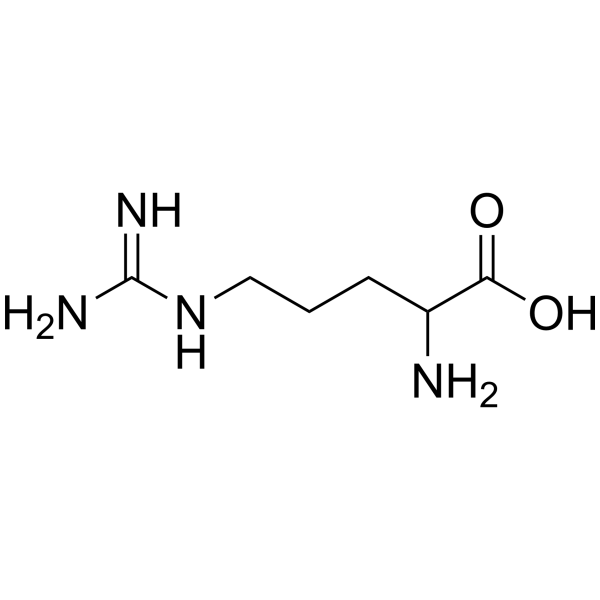
    DL-Arginine is the racemic compound of L-Arginine (HY-N0455) and D-Arginine (HY-W016781). Arginine is an essential amino acid that requires additional supplementation in traumatic or diseased conditions. Arginine is involved in T cell activation, proliferation, and differentiation, and affects the function of immune cells .
    DL-Arginine
  • HY-102011
    BMS-1166
    5+ Cited Publications

    PD-1/PD-L1 Inflammation/Immunology Cancer
    BMS-1166 is a potent PD-1/PD-L1 immune checkpoint inhibitor. BMS-1166 induces dimerization of PD-L1 and blocks its interaction with PD-1, with an IC50 of 1.4 nM. BMS-1166 antagonizes the inhibitory effect of PD-1/PD-L1 immune checkpoint on T cell activation .
    BMS-1166
  • HY-P99166

    XMAB-20717

    PD-1/PD-L1 CTLA-4 Inflammation/Immunology Cancer
    Vudalimab is a potent dual PD-1 and CTLA-4 inhibitor as a fully humanized bispecific monoclonal antibody. Vudalimab targets immune checkpoint receptors PD-1 and CTLA-4 and promotes tumor-selective T-cell activation .
    Vudalimab
  • HY-P99617

    REGN3767

    LAG-3 Inflammation/Immunology Cancer
    Fianlimab (REGN3767) is a human monoclonal antibody that targets the immune checkpoint receptor LAG-3 on T cells and has anti-tumour activity .
    Fianlimab
  • HY-P99152

    Muromanab-CD3

    CD3 Interleukin Related IFNAR Inflammation/Immunology Cancer
    Muromonab (Muromonab-CD3; OKT3) is a mouse monoclonal antibody targeting the CD3 antigen. Muromonab specifically binds to the CD3 antigen on the surface of human and higher primate T cells. Muromonab blocks the function of T cell receptors to recognize foreign antigens and inhibits T cell-mediated immune responses, including cell-mediated lymphocyte lysis and T cell proliferation responses. Muromonab can be used to study acute kidney, liver, heart and combined kidney-pancreas transplant rejection, and can also be used to study graft-versus-host disease in bone marrow transplant patients .
    Muromonab
  • HY-P99259

    FPA 008; Anti-Human CSF1R Recombinant Antibody

    c-Fms Inflammation/Immunology Cancer
    Cabiralizumab (FPA 008) is an anti-CSF1R monoclonal antibody (MAb). Cabiralizumab enhances T cell infiltration and antitumor T cell immune responses. Cabiralizumab inhibits the activation of osteoclasts and blocks bone destruction, and can be used in the research of rheumatoid arthritis (RA). Cabiralizumab can combine with Nivolumab (HY-P9903) for lung cancer research .
    Cabiralizumab
  • HY-162065
    N6F11
    1 Publications Verification

    Ferroptosis Cancer
    N6F11 is a selective ferroptosis inducer, and can selectively induce ferroptosis by targeting TRIM25-mediated GPX4 degradation in cancer cells while sparing immune cells. N6F11 initiates HMGB1-dependent antitumor immunity mediated by CD8 + T cells .
    N6F11
  • HY-W014375
    DL-Arginine hydrochloride
    4 Publications Verification

    (±)-Arginine hydrochloride

    Endogenous Metabolite Cardiovascular Disease
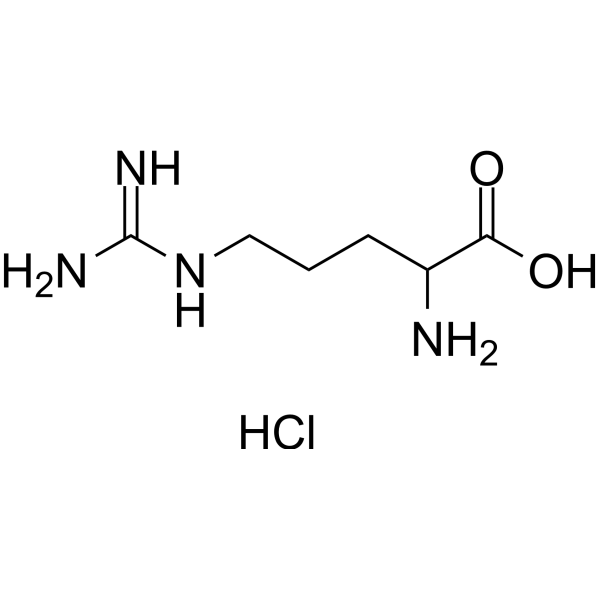
    DL-Arginine ((±)-Arginine) hydrochloride is the racemic compound of L-Arginine (HY-N0455) and D-Arginine (HY-W016781). Arginine is an essential amino acid that requires additional supplementation in traumatic or diseased conditions. Arginine is involved in T cell activation, proliferation, and differentiation, and affects the function of immune cells .
    DL-Arginine hydrochloride
  • HY-122542B
    PPACK TFA
    2 Publications Verification

    Ligands for E3 Ligase Molecular Glues IKZF Family Cardiovascular Disease
    PPACK TFA is an orally active, selective molecular glue degrader targeting IKZF2. Through a molecular glue mechanism, PPACK TFA binds to CRBN, recruits IKZF2 to form a ternary complex, and promotes its ubiquitination and proteasomal degradation. This further converts inhibitory regulatory T cells (Treg) into effector-like T cells, enhances CD8 + T cell responses, and modulates the Teff:Treg balance. PPACK TFA also increases the production of the inflammatory cytokine IL-2 and reduces the suppressive activity of Treg. PPACK TFA can be used in cancer immunotherapy research, and exhibits a synergistic effect when combined with immune checkpoint inhibitors such as anti-PD1 .
    PPACK TFA
  • HY-P99378

    ALTB-168; Anti-PSGL1/CD162 Reference Antibody (neihulizumab); AbGn-168

    Apoptosis Inflammation/Immunology
    Neihulizumab (ALTB-168) is an immune checkpoint agonistic antibody that binds to human CD162 (PSGL-1), leading to downregulation of activated T-cells. Neihulizumab can be uesd for steroid-refractory acute graft-versus-host-disease (SR-aGVHD), psoriasis, psoriatic arthritis and ulcerative colitis research .
    Neihulizumab
  • HY-P99302

    BMS-931699 Antibody

    CD28 Inflammation/Immunology
    Lulizumab (Humanized Anti-CD28 Recombinant Antibody) is an anti-CD28 domain antibody antagonist. Lulizumab inhibits T-cell activation by selectively targeting the CD28 signal. In a sensitized non-human primate kidney transplantation model, when combined with Carfilzomib (HY-10455), Lulizumab can regulate immune cells and prolong the survival time of the graft .
    Lulizumab
  • HY-P99236
    Bexmarilimab
    1 Publications Verification

    FP-1305

    Transmembrane Glycoprotein Inflammation/Immunology Cancer
    Bexmarilimab (FP-1305) is a potent humanized anti-CLEVER-1 IgG4 antibody with an IC50 value of 4.51 nM. Bexmarilimab is capable of inducing a phenotypic M2 to M1 immune switch of tumor-associated macrophages. Bexmarilimab can promote antigen presentation and pro-inflammatory cytokine secretion. Bexmarilimab can induce B-cell and T-cell activation. Bexmarilimab can be used in researches of immunology and cancer, such as colorectal carcinoma .
    Bexmarilimab
  • HY-P5005

    CMV PD-1/PD-L1 Infection Inflammation/Immunology Cancer
    VIPhyb is a vasoactive intestinal polypeptide (VIP) receptor antagonist. VIPhyb can inhibit VIP signaling, increase T-cell immunity and downregulate PD1. VIPhyb can inhibit cancer cell proliferation. VIPhyb can reduce inflammatory cytokine expression. VIPhyb can enhance viral clearance. VIPhyb can be used for the researches of cancer, infection and inflammation and immunology, such as non-small cell lung cancer (NSCLC), cytomegalovirus infection and colitis .
    VIPhyb
  • HY-149874
    BMS-502
    1 Publications Verification

    DGK Inflammation/Immunology Cancer
    BMS-502 (Compound 22) is a potent dual inhibitor of diacylglycerol kinase (DGK) α and ζ with IC50 of 4.6 nM and 2.1 nM. BMS-502 enhanced T cell immune responses in mice. BMS-502 can be used in tumor immunity related research .
    BMS-502
  • HY-N0600

    Interleukin Related IFNAR NF-κB Inflammation/Immunology
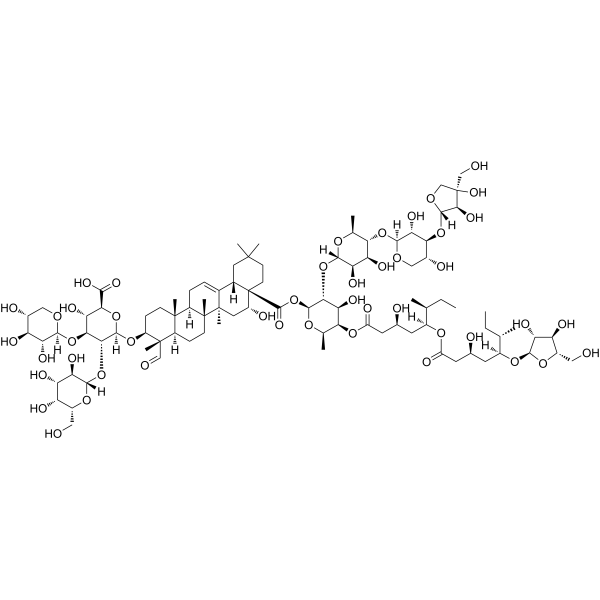
    Ginsenoside F3 is a saponin extracted from the leaves of Panax ginseng with immunoenhancing and antitumor immunostimulatory activities. Ginsenoside F3 upregulates RIPOR2 with a Kd value of 3.77 μM. Ginsenoside F3 enhances NF‑κB activation, upregulates T‑bet and downregulates GATA‑3, increases the production of IL‑2 and IFN‑γ, decreases the production of IL‑4 and IL‑10, reverses CD8⁺ T‑cell exhaustion, restores cytokine secretion, and enhances antitumor immunity in a mouse non‑small cell lung cancer model. Ginsenoside F3 can be used for the research of non-small cell lung cancer .
    Ginsenoside F3
  • HY-P11303

    CD74 MHC Neurological Disease Cancer
    PADRE peptide is a pan-HLA-DR binding epitope and immunostimulant. PADRE peptide binds to the peptide-binding groove of MHC class II molecules for presentation to CD4 + T cells, thereby effectively stimulating specific immune responses. PADRE peptide not only enhances anti-tumor immune responses, inhibits tumor growth and prolongs survival; it also significantly increases the frequency of E7-specific CD8 + T cells and improves therapeutic efficacy against TC-1 tumors when used in combination with E7 peptide-based vaccines and poly (I:C). The intensity of the immune response induced by PADRE peptide is lower than that of the Ii-PADRE DNA vaccine, and it fails to enhance the immune effect of CRT-E7 DNA. PADRE peptide is widely applicable to research on related tumors such as melanoma, glioblastoma and cervical cancer .
    PADRE peptide
  • HY-B2046

    Environmental Pollutants Apoptosis Herbicide Bcl-2 Family Caspase Reactive Oxygen Species (ROS) Inflammation/Immunology
    Simazine is a triazine herbicide. Simazine is widely used in agriculture, potted plant and tree production. In addition, Simazine can induce the apoptosis of immune cells in the spleen of mice and inhibit the proliferation of B cells and T cells in mice .
    Simazine
  • HY-P99159

    Interleukin Related Cancer
    Ivuxolimab is a fully human IgG2 agonist targeting OX40 (CD134), which selectively binds to the OX40 receptor on the surface of activated CD4 + and CD8 + T cells without inducing antibody-dependent cytotoxicity. Ivuxolimab can promote T cell proliferation, survival and cytokine (such as IFN-γ, IL-2) secretion, inhibit regulatory T cell function, and enhance anti-tumor immune response. Ivuxolimab can be used in the study of melanoma, hepatocellular carcinoma, head and neck squamous cell carcinoma, etc .
    Ivuxolimab
  • HY-150726
    ODN 1668
    1 Publications Verification

    Toll-like Receptor (TLR) Bacterial Infection Neurological Disease Inflammation/Immunology
    ODN 1668, a class B CpG ODN (oligodeoxynucleotide), is a TLR-9 agonist. ODN 1668 has strong immune regulatory properties, can enhance the level of antibody IgG2 subtype, promote the immune response of T cells and B cells, and can be used in the study of vaccine adjuvants. In addition, CpG ODN 1668 induces an antimicrobial immune response via a CaTLR9 dependent pathway in groupers. Sequence: 5'-tccatgacgttcctgatgct-3’ .
    ODN 1668
  • HY-150726C
    ODN 1668 sodium
    1 Publications Verification

    Toll-like Receptor (TLR) Bacterial Infection Neurological Disease Inflammation/Immunology
    ODN 1668 sodium, a class B CpG ODN (oligodeoxynucleotide), is a TLR-9 agonist. ODN 1668 sodium has strong immune regulatory properties, can enhance the level of antibody IgG2 subtype, promote the immune response of T cells and B cells, and can be used in the study of vaccine adjuvants. In addition, CpG ODN 1668 sodium induces an antimicrobial immune response via a CaTLR9 dependent pathway in groupers. Sequence: 5'-tccatgacgttcctgatgct-3’ .
    ODN 1668 sodium
  • HY-P991480

    Transmembrane Glycoprotein Tau Protein Amyloid-β Neurological Disease Cancer
    ONC-841 is a blood-brain barrier-permeable, humanized monoclonal antibody targeting SIGLEC10. As an immune checkpoint inhibitor, ONC-841 restores the functions of immune effector cells such as T cells and enhances anti-tumor immune responses by blocking inhibitory signals mediated by SIGLEC10. ONC-841 restores the phagocytic and migratory activities of microglia, and promotes the phagocytosis of Amyloid-β and Tau protein aggregates by microglia. ONC-841 is applicable to research related to solid tumors and Alzheimer's disease .
    ONC-841
  • HY-150879

    PD-1/PD-L1 Ligands for Target Protein for PROTAC Cancer
    BMS-37 is a PD-1/PD-L1 immune checkpoint inhibitor with an IC50 towards the PD-L1/PD-1 complex in the range of 18 to 200 nM. BMS-37 shows unspecific toxicity against modified Jurkat T cells with an EC50 between 3 and 6 µM. BMS-37 can be used for the study of the PD-L1-induced exhaustion of T-cells or as PD-L1 ligand to synthesize PROTAC molecules .
    BMS-37
  • HY-P99916

    AMG-427

    FLT3 CD3 TNF Receptor Inflammation/Immunology Cancer
    Emirodatamab (AMG-427) is a bispecific T-cell engager (BiTE). Emirodatamab simultaneously binds FLT3 on the surface of acute myeloid leukemia (AML) cells and CD3 on the surface of T cells, thereby precisely recruiting immune effector cells to tumor sites. Emirodatamab potently induces T cell activation, secretion of proinflammatory cytokines (such as IFNγ, TNFα), and specific cytotoxicity, effectively lysing FLT3-positive tumor cells and inhibiting their growth. Emirodatamab not only significantly prolongs survival in mouse xenograft models and eliminates diseased cells in primates, but also exhibits a synergistic enhancement effect when combined with PD-1 blockade therapy. Emirodatamab is used in studies of acute myeloid leukemia, especially relapsed or refractory cases .
    Emirodatamab
  • HY-P99573

    MGD-013

    LAG-3 Inflammation/Immunology Cancer
    Tebotelimab (MGD-013) is a humanized IgG4κ bispecific PD-1/LAG-3 dual-affinity re-targeting (DART) antibody. Tebotelimab binds cell-surface expressed PD-1 and LAG-3 with EC50s of 1.65 nM and 0.41 nM in NS0 cells, respectively. Tebotelimab blocks PD-1/PD-L1, PD-1/PD-L2 and LAG-3/HLA (MHC-II) interactions and PD-1 signaling. Tebotelimab restores exhausted T-cell responses and and enhances antitumour immunity .
    Tebotelimab
  • HY-P99057

    CDX-1127

    TNF Receptor Transmembrane Glycoprotein Inflammation/Immunology Cancer
    Varlilumab (CDX-1127) is an agonist anti-CD27 monoclonal antibody. Varlilumab can promote T cell expansion and activate the immune response. Varlilumab has anti-tumor activity and can be used in the research of hematological malignancies and solid tumors .
    Varlilumab
  • HY-122542A
    PPACK dihydrochloride
    2 Publications Verification

    Pebac; D-Phenylalanyl-prolyl-arginyl Chloromethyl Ketone; D-Phe-Pro-Arg-CH2Cl

    Ligands for E3 Ligase Molecular Glues IKZF Family Cardiovascular Disease
    PPACK dihydrochloride is an orally active, selective molecular glue degrader targeting IKZF2. Through a molecular glue mechanism, PPACK dihydrochloride binds to CRBN, recruits IKZF2 to form a ternary complex, and promotes its ubiquitination and proteasomal degradation. This further converts inhibitory regulatory T cells (Treg) into effector-like T cells, enhances CD8 + T cell responses, and modulates the Teff:Treg balance. PPACK dihydrochloride also increases the production of the inflammatory cytokine IL-2 and reduces the suppressive activity of Treg. PPACK dihydrochloride can be used in cancer immunotherapy research, and exhibits a synergistic effect when combined with immune checkpoint inhibitors such as anti-PD1 .
    PPACK dihydrochloride
  • HY-P99431

    Alomfilimab; SAR 445256

    CD28 Inflammation/Immunology Cancer
    KY-1044 (Alomfilimab; SAR 445256) is a fully human IgG1 antibody targeting inducible costimulatory receptor (ICOS). KY-1044 depletes ICOS high cells via antibody-dependent cellular cytotoxicity (ADCC) through the engagement of FcgRIIIa. KY-1044 act as a costimulatory molecule on cells expressing lower ICOS levels, such as CD8 + TEff cells (through FcgR-dependent clustering). KY-1044 exploit the differential expression of ICOS on T-cell subtypes to improve the intratumoral immune contexture and restore an antitumor immune response .
    KY-1044
  • HY-144088
    ZYF0033
    2 Publications Verification

    HPK1-IN-22

    MAP4K Inflammation/Immunology Cancer
    ZYF0033 is an orally active inhibitor of the hematopoietic progenitor cell kinase HPK1 with an IC50 of less than 10 nM based on the phosphorylation inhibition of MBP protein. ZYF0033 promotes anti-cancer immune responses and reduces phosphorylation of SLP76 (serine 376). ZYF0033 inhibits tumor growth in the 4T-1 syngeneic mouse model and leads to increased intratumoral infiltration of DCs, NK cells, and CD107a +CD8 + T cells, but not T cells, PD-1 +CD8 + T cells, TIM-3 +CD8 + Infiltration of T cells and LAG3 +CD8 + T cells was reduced .
    ZYF0033
  • HY-P99812
    Ragifilimab
    1 Publications Verification

    INCAGN-1876

    TNF Receptor Inflammation/Immunology Cancer
    Ragifilimab (INCAGN-1876) is an agonist monoclonal antibody targeting the glucocorticoid-induced TNFR-related protein (GITR). Ragifilimab binds to and activates GITR on T cells, which stimulates the immune system to enhance its anti-tumor activity. Ragifilimab can be used for advanced or metastatic solid tumors research .
    Ragifilimab
  • HY-155971

    Autophagy Inflammation/Immunology Cancer
    VISTA-IN-2 (Compound 1) is an inhibitor of V-domain Ig suppressor of T-cell activation (VISTA). VISTA-IN-2 induces VISTA degradation in cells through an autophagic mechanism. VISTA-IN-2 rescues VISTA-mediated immunosuppression, and enhances antitumor activity of immune cells. VISTA-IN-2 also activates the antitumor immunity and inhibits tumor growth in a CT26 mouse model .
    VISTA-IN-2
  • HY-P991364

    PYX-106; BSI-060T

    Transmembrane Glycoprotein Cancer
    Aldastotug (PYX-106; BSI-060T) is a human monoclonal antibody (mAb) targeting Siglec-15/CD33L3. Aldastotug reverses Siglec-15-mediated immunosuppression and enhances T-cell proliferation. Aldastotug induces significantly increased levels of IFNγ and TNFα in T cells. Aldastotug can be used in cancer immunity research. Recommended isotype control: Human IgG1 kappa, Isotype Control (HY-P99001) .
    Aldastotug
  • HY-NP028

    KLH-FITC

    Biochemical Assay Reagents Fluorescent Dye Inflammation/Immunology
    Keyhole Limpet Hemocyanin-FITC induces both T-cell-dependent and T-cell-independent immune responses .
    Keyhole Limpet Hemocyanin-FITC
  • HY-149830
    PD-L1-IN-2
    1 Publications Verification

    PD-1/PD-L1 Cancer
    PD-L1-IN-2 is a potential tumor immunological agent by inhibiting PD-L1. PD-L1-IN-2 is a Naamidine J derivative and exerts antitumor effects in vivo by reducing PD-L1 expression and enhancing tumor-infiltrating T-cell immunity. PD-L1-IN-2 is used for colorectal cancer research .
    PD-L1-IN-2
  • HY-P991198

    Tim3 Cancer
    M6903 is a humanized monoclonal IgG2 antibody targeting T cell immunoglobulin and mucin domain-3 (TIM-3) (KD for human TIM-3 is 2.3 nM). M6903 binds to TIM-3, blocking the binding of TIM-3 to phosphatidylserine (PtdSer), carcinoembryonic antigen cell adhesion-related molecule 1 (CEACAM1), and galectin 9 (Gal-9), thus relieving TIM-3-mediated T cell inhibition and exerting the activities of activating antigen-specific T cells and enhancing anti-tumor immunity. M6903 is promising for research of cancers .
    M6903
  • HY-159643

    MAP4K IFNAR Interleukin Related Inflammation/Immunology Cancer
    NDI-101150 is an orally active, potent and selective hematopoietic progenitor cell kinase 1 (HPK1) inhibitor with an IC50 of 0.7 nM. NDI-101150 blocks HPK1-mediated negative regulation of immune receptor signaling, inhibits immunosuppression of T cell activation, enhances antigen-specific antibody production and augments B-cell activation. NDI-101150 inhibits tumor growth in syngeneic tumor models, establishes durable antitumor immune memory, and synergizes with anti-PD1 to enhance exhausted T cell activity and drive tumor regressions. NDI-101150 can be used for the research of cancer, such as breast cancer and colon cancer .
    NDI-101150
  • HY-105063

    HSP Metabolic Disease Inflammation/Immunology
    DiaPep277 is a 24 amino acid peptide derived from positions 437-460 in HSP60. DiaPep277 arrests the progression of β-cell destruction in NOD mice. DiaPep277 has an immune modulatory effect on diabetogenic T cells in animal models of diabetes .
    DiaPep277
  • HY-155847

    Phosphatase PD-1/PD-L1 Inflammation/Immunology Cancer
    LYP-IN-3 is a selective, orally active and reversible lymphoid-tyrosine phosphatase (LYP) inhibitor (IC50 = 2.55 μM, Ki = 0.93 μM). D34 exhibits high selectivity of PTP1B, PTPN12, PTPN5 and SSH2. LYP-IN-3 regulates the T-cell receptor (TCR) signaling by specifically inhibiting LYP. LYP-IN-3 does not significantly inhibit MC38 cell viability; its anti-tumor effect stems from immune regulation. LYP-IN-3 can significantly upregulate PD-L1 or PD-1 expression in different immune cells. LYP-IN-3 facilitates T-cell infiltration and enhances T-cell functions. LYP-IN-3 synergizes with PD-L1 blockade can significantly improve colorectal tumor regression. LYP-IN-3 can be used for the study of colorectal cancer .
    LYP-IN-3
  • HY-169853

    VISTA Inflammation/Immunology
    M351-0056 is the agonist for the immune checkpoint protein VISTA, that reduces the secretion of VISTA-induced cytokines, promotes the T-cell proliferation induced by VISTA, and exhibits immunomodulatory activity. M351-0056 ameliorates Imiquimod (HY-B0180)-induced psoriatic dermatitis in mouse models .
    M351-0056
  • HY-P99027

    LAG525; IMP701; Hu5A8

    LAG-3 Cancer
    Ieramilimab (LAG525; IMP701) is a humanized IgG4 monoclonal antibody that binds to LAG-3, resulting in inhibition of LAG-3 interaction with MHC-II molecules. Ieramilimab restores T-cell and NK-cell-mediated antileukemic immunity by reducing exhaustion and augmenting cytokine output and cytotoxicity. Ieramilimab increases the infiltration of cytotoxic T lymphocytes and reduces baseline densities of regulatory T cells (Tregs) and ADAM10-expressing tumor cells. Ieramilimab can be used for the study of various malignancies including melanoma, RCC, and advanced solid tumors .
    Ieramilimab
  • HY-P991309

    C-type Lectin-like Receptors (CTLRs) Cancer
    ZM-008 is an anti-LLT1 monoclonal antibody. ZM-008 blocks the interaction between LLT1 and CD161 on the surface of NK cells and T cells. ZM-008 restores anti-tumor immune activity, shifts the tumor microenvironment to an immune-responsive state, and recovers NK cell-mediated cytotoxicity against tumor cells, thereby reversing immunosuppression in immune-resistant "cold" tumors. ZM-008 is applicable to the research of immune-resistant solid tumors .
    ZM-008
  • HY-149667

    DGK Cancer
    BMS-332 is a dual DGKα/ζ lipid kinase inhibitor, with IC50s of 5 and 1 nM against DGKα and DGKζ, respectively. BMS-332 enhances the antigen-specific T cell response. BMS-332 reduces the viral load in the liver and spleen when combined with anti-PD-1 in chronic infection models. BMS-332 can be used for the study of T cell immune checkpoint strategy .
    BMS-332
  • HY-P991443

    CD73 Cancer
    IPH5301 is a human IgG1 monoclonal antibody (mAb) targeting NT5E/CD73. IPH5301 has a functionally silent Fc domain, specifically inhibits soluble and membrane CD73 enzyme activity, and restores the proliferation of immune T cells. IPH5301 can be used in anti-tumor immunity research. Recommended isotype control: Human IgG1 kappa, Isotype Control (HY-P99001) .
    IPH5301
  • HY-160940

    MAP4K Cancer
    HPK1-IN-46 (Compound 36) is an efficient and highly selective HPK1 reverse indazole inhibitor with an IC50 value of 1.1 nM. HPK1-IN-46 exhibits high selectivity for CDK2, JAK1, and JAK2. HPK1-IN-46 inhibits SLP76 phosphorylation mediated by HPK1, reverses T-cell inhibition, and enhances anti-tumor immunity. HPK1-IN-46 can be used in immunotherapy research for tumors .
    HPK1-IN-46

Inquiry Online

Your information is safe with us. * Required Fields.

Salutation


Country or Region *

Applicant Name *


Organization Name *

Department *


Email Address *


Product Name *

Cat. No.


Requested quantity *

Phone Number *


Remarks

Inquiry Online

Inquiry Information

Product Name:
Cat. No.:
Quantity:
MCE Japan Authorized Agent:

