Search Result
Results for "
T47D cells
" in MedChemExpress (MCE) Product Catalog:
1
Isotope-Labeled Compounds
| Cat. No. |
Product Name |
Target |
Research Areas |
Chemical Structure |
-
- HY-19822
-
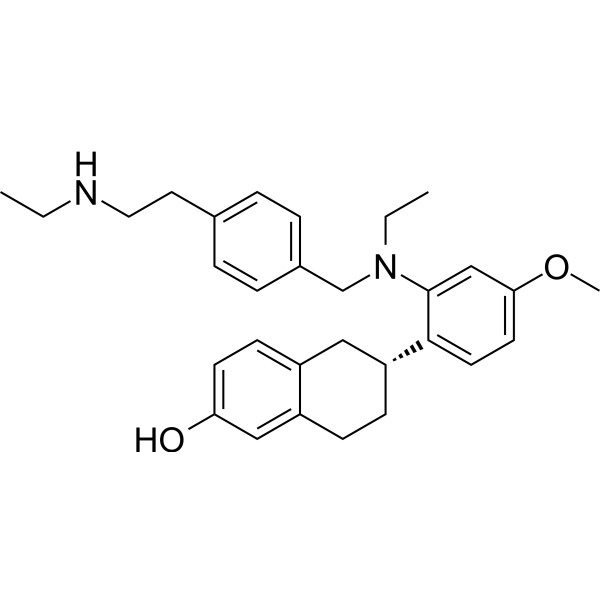
Elacestrant
Maximum Cited Publications
17 Publications Verification
RAD1901
|
Estrogen Receptor/ERR
|
Cancer
|
|
Elacestrant (RAD1901) is an orally available and selective estrogen receptor degrader (SERD) with IC50s of 48 and 870 nM for ERα and ERβ, respectively. Elacestrant also can inhibit growth of ER + breast cancer cell lines in vitro and in vivo .
|
-
-
- HY-113293B
-
|
|
Endogenous Metabolite
Estrogen Receptor/ERR
|
Metabolic Disease
Cancer
|
|
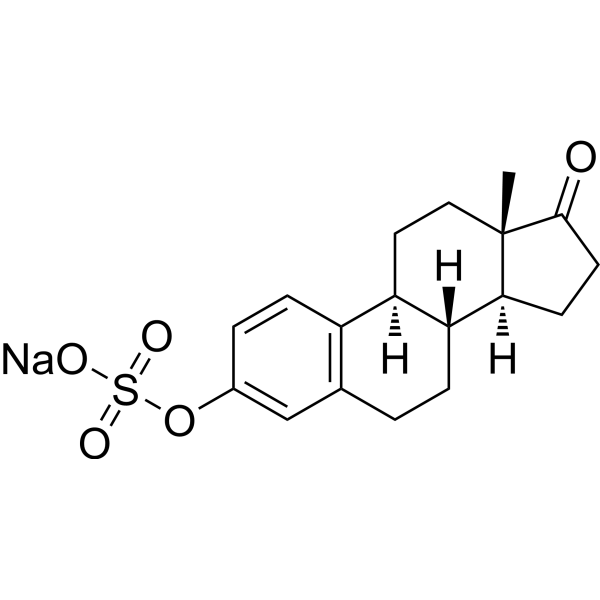
Estrone sulfate sodium is an inactive endogenous estrogen that can be converted into Estrone (HY-B0234) and Estradiol (HY-B0141). Estrone sulfate sodium is also a substrate of the OATP1B3 transporter. Estrone sulfate sodium can be converted into Estrone and Estradiol in normal mammary parenchymal cells. Estrone sulfate sodium stimulates the growth of nitrosomethylurea-induced mammary tumors in ovariectomized rats and the colony formation of dispersed nitrosomethylurea mammary cells, with conversion into Estrone and Estradiol occurring both in vivo and in vitro during this process. Estrone sulfate sodium is applicable to breast cancer-related research .
|
-
-
- HY-19822A
-
|
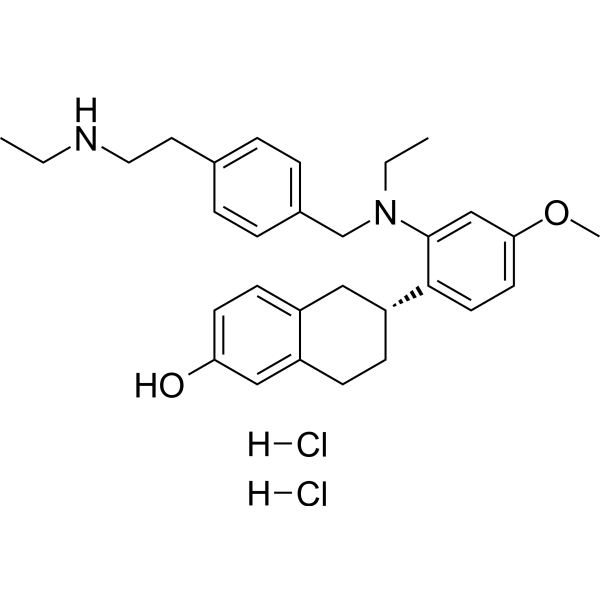
RAD1901 dihydrochloride
|
Estrogen Receptor/ERR
|
Cancer
|
|
Elacestrant (RAD1901) dihydrochloride is an orally available and selective estrogen receptor degrader (SERD) with IC50s of 48 and 870 nM for ERα and ERβ, respectively. Elacestrant dihydrochloride also can inhibit growth of ER + breast cancer cell lines in vitro and in vivo .
|
-
-
- HY-175465
-
|
|
Interleukin Related
STAT
|
Cancer
|
|
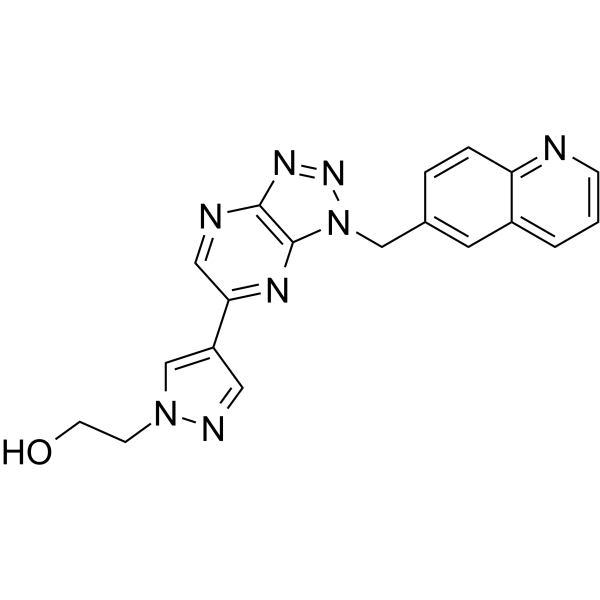
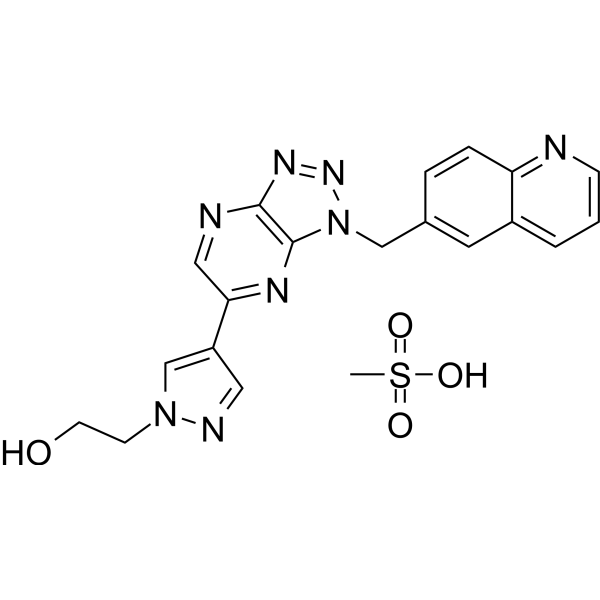
SMI-10B13 is an Oncostatin M (OSM) inhibitor with a KD of 6.6 μM. SMI-10B13 inhibits OSM-mediated STAT3 phosphorylation in T47D and MCF-7 cell lines (IC50 = 136 and 164 nM, respectively). SMI-10B13 shows anti-tumor effect in human breast cancer mice models .
|
-
-
- HY-168660
-
CPD-10
1 Publications Verification
|
PROTACs
Apoptosis
CDK
|
Cancer
|
|
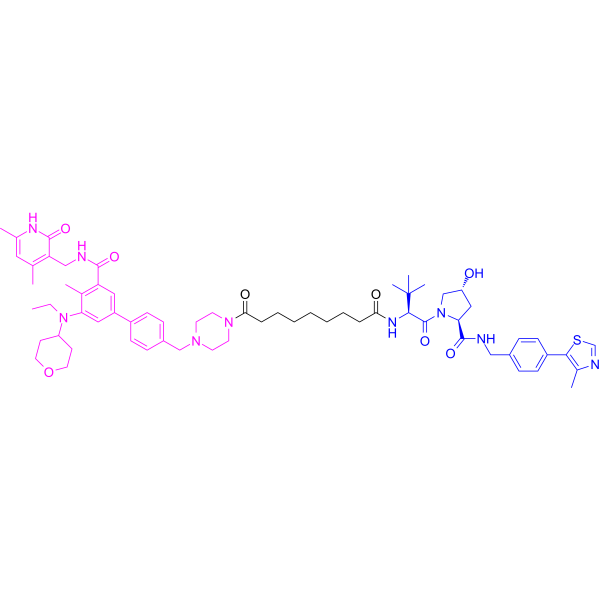
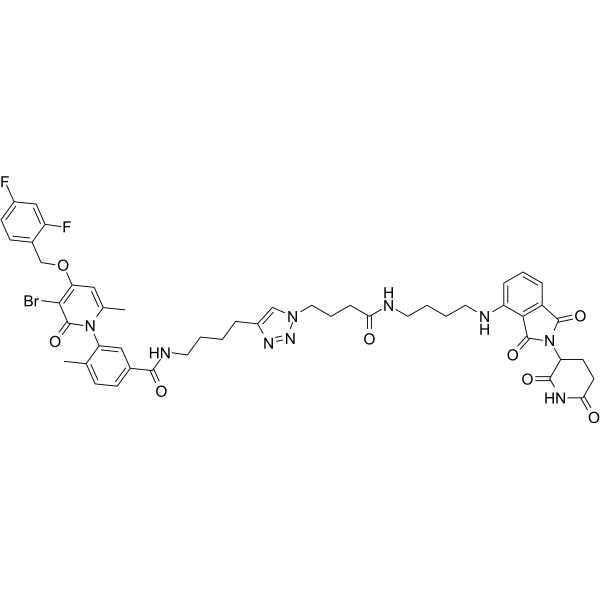
CPD-10 is a potent CCND1 and CDK4 PROTAC degrader. CPD-10 exhibits anti-proliferative effects on tumor cells and can also induce apoptosis. CPD-10 can be used for the study of breast cancer and lung cancer .
|
-
-
- HY-B0648
-
|
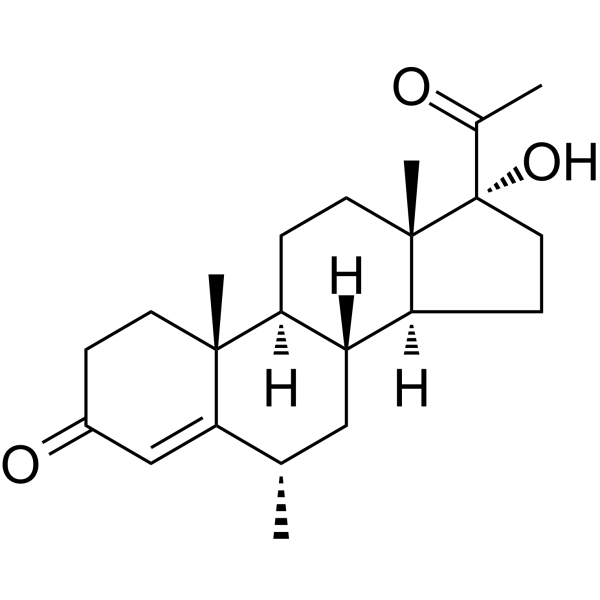
17α-Hydroxy-6α-methylprogesterone; U8840
|
Progesterone Receptor
|
Endocrinology
Cancer
|
|
Medroxyprogesterone (17α-Hydroxy-6α-methylprogesterone) is a synthetic human variant of progesterone that is a progesterone receptor agonist with oral activity. Medroxyprogesterone can induce cell proliferation through the PI3K/Akt signaling pathway. Medroxyprogesterone has an inhibitory effect on atherosclerosis in mice. The progesterone agonist activity of Medroxyprogesterone is less effective than Medroxyprogesterone acetate (HY-B0469) .
|
-
-
- HY-153932
-
|
|
PROTACs
p38 MAPK
|
Cancer
|
|
NR-7h is a potent and selective p38α and p38β degrader with DC50 values of 24 nM and 27.2 nM for p38α in T47D, MB-MDA-231 cells, respectively .
|
-
-
- HY-175739
-
|
|
Mitochondrial Metabolism
CXCR
|
Neurological Disease
Metabolic Disease
Inflammation/Immunology
|
|
TFAM activator 1 is a TFAM activator. TFAM activator 1 increases TFAM protein levels, promotes mitochondrial DNA stability, increases mitochondrial DNA copy number, and prevents mitochondrial DNA from escaping into the cytoplasm. TFAM activator 1 improves cellular energy metabolism in cybrid cells. TFAM activator 1 reduces fibrosis markers in fibroblasts. TFAM activator 1 can be used in the research of mitochondrial encephalomyopathy, lactic acidosis, and stroke-like episodes syndrome, systemic sclerosis, and autoimmune diseases .
|
-
-
- HY-129578
-
-
-
- HY-128600
-
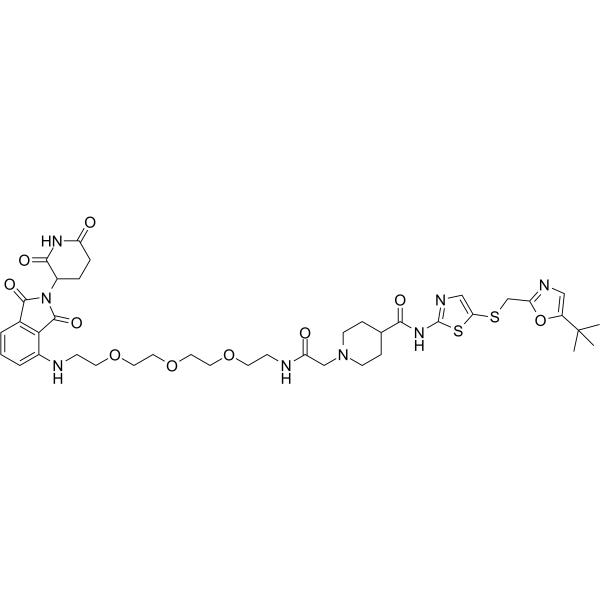
ERD-308
1 Publications Verification
|
PROTACs
Estrogen Receptor/ERR
|
Cancer
|
|
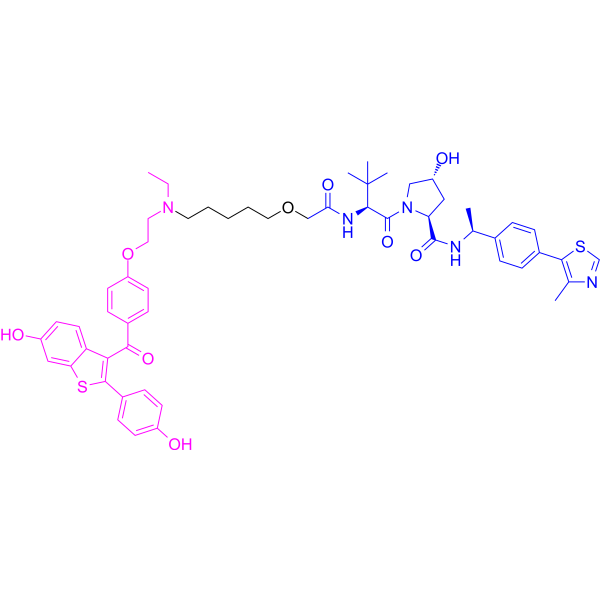
ERD-308 is a potent estrogen receptor (ER) PROTAC degrader. ERD-308 has DC50 values of 0.17 nM and 0.43 nM in MCF-7 and T47D ER+ cells. ERD-308 can inhibit the proliferation of breast cancer cells and exhibits anti-tumor activity. (Pink: Target Protein Ligand (HY-48027); Black: Linker (HY-172643); Blue: VHL Ligand (HY-112078); VHL Ligand+Linker:(HY-172645))
|
-
-
- HY-160066
-
|
|
Transmembrane Glycoprotein
|
Cancer
|
|
SYL3C aptamer sodium is a DNA aptamer that targets epithelial cell adhesion molecule (EpCAM) on the surface of cancer cells. SYL3C aptamer sodium targets a variety of human cancer cell lines including MDA-MB-231, Kato III, HT-29, T47D and SW480. The Kd values of SYL3C aptamer sodium against breast cancer cell line MDA-MB-231 and gastric cancer cell line Kato III are 38 nM and 67 nM, respectively. SYL3C aptamer sodium possesses stability, high binding affinity and selectivity, and can be used for targeted cancer cell imaging and circulating tumor cell detection .
|
-
-
- HY-103302
-
|
|
CGRP Receptor
|
Endocrinology
|
|
SUN B8155, a non-peptide agonist of calcitonin (CT) receptor, selectively mimics the biological actions of calcitonin. Calcitonin, a 32-amino acid peptide hormone secreted mainly from the thyroid gland, plays an important role in maintaining bone homeostasis .
|
-
-
- HY-170620
-
|
|
PROTACs
PARP
|
Cancer
|
|
PARP1 PROTAC 180055 (Compound 180055) is a selective PARP1 PROTAC degrader (DC50 in T47D and MDA-MB-231 cell lines is 180 nM and 240 nM, respectively). PARP1 PROTAC 180055 promotes ubiquitination and degradation of PARP1 as well as inhibits PARP1 enzyme activity without a noticeable DNA trapping effect. PARP1 PROTAC 180055 inhibits tumors carrying BRCA mutations with a minor impact on the growth of normal cells (Pink: PARP1 ligand (HY-10617A); Blue: E3 ligase VHL ligand (HY-125845); Black: linker (HY-W014787)) .
|
-
-
- HY-148214
-
|
|
CDK
|
Cancer
|
|
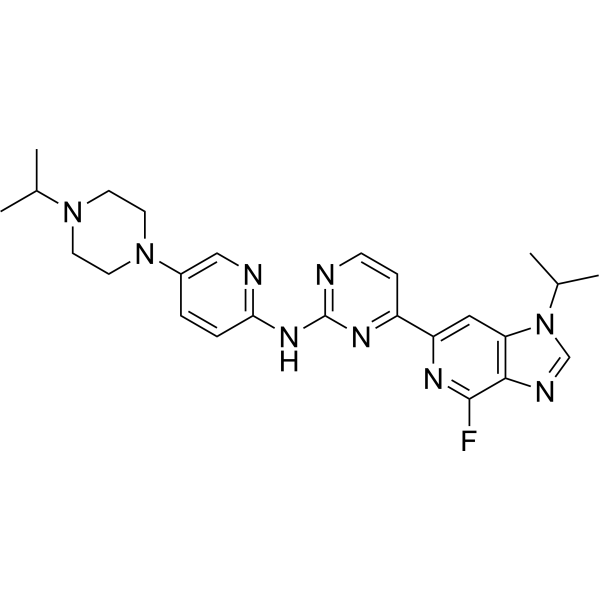
CDK2/4/6-IN-2 is a selective CDK2/4/6 inhibitor with IC50 values <1 μM. CDK2/4/6-IN-2 inhibits cells proliferation and phosphorylation of retinoblastoma protein at Ser807/811 in breast cancer cells. CDK2/4/6-IN-2 can be used for the research of cancer, such as breast cancer .
|
-
-
- HY-U00447
-
|
|
MDM-2/p53
DNA Alkylator/Crosslinker
|
Cancer
|
|
PK11000 is an alkylating agent, and stabilizes the DNA-binding domain of both WT and mutant p53 proteins by covalent cysteine modification without compromising DNA binding. PK11000 has anti-tumor activities .
|
-
-
- HY-168664
-
|
|
PROTACs
CDK
|
Cancer
|
|
CPD-39 is a potent and orally active CCND1 and CDK4 heterobifunctional PROTAC degrader. CPD-39 shows anti-proliferation. (Pink: ligand for target protein (HY-50767); black: linker (HY-20240); Blue: E3 ligase ligand (HY-168667)) .
|
-
-
- HY-124053
-
|
|
HDAC
|
Cancer
|
|
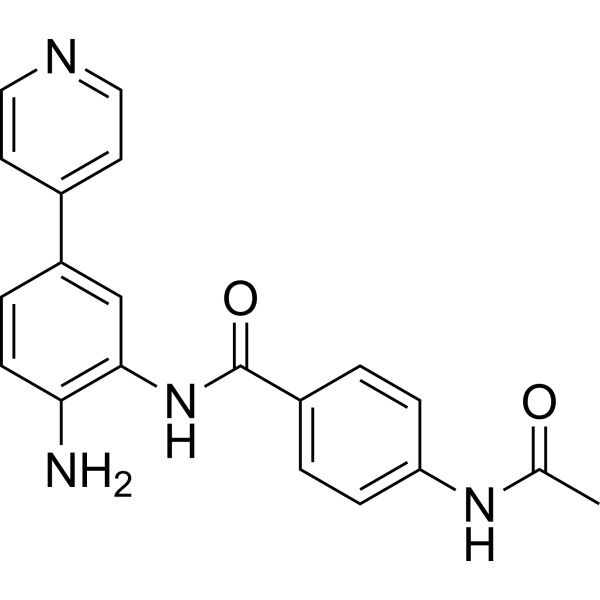
BRD2492 (compound 6d) is a potent, selective HDAC1 and HDAC2 inhibitor with IC50s of 13.2 nM and 77.2 nM, respecrtively. BRD2492 exhibits >100-fold selectivity for HDAC1/2 over selectivity over HDAC3 and HDAC6. BRD2492 inhibits breast cancer cell lines growth with IC50s of 1.01 μM and 11.13 μM for T-47D and MCF-7 cells, respectively .
|
-
-
- HY-155231
-
|
|
Elastase
|
Cancer
|
|
Neutrophil elastase inhibitor 4 (compound 4f) is a competitive human neutrophil elastase (HNE) inhibitor (IC50: 42.30 nM, Ki: 8.04 nM). Neutrophil elastase inhibitor 4 induces T47D cell apoptosis. Neutrophil elastase inhibitor 4 inhibits cell proliferation with IC50s of 21.25, 34.17, 29.93, 99.11 nM for T47D, RPMI 8226, A549, and HSF cells .
|
-
-
- HY-N4010
-
|
|
Others
|
Cancer
|
|
Iriflophenone, isolated from Aquilaria sinensis, stimulates MCF-7 and T-47D human breast cancer cells proliferation .
|
-
-
- HY-175785
-
|
|
Estrogen Receptor/ERR
Aryl Hydrocarbon Receptor
Apoptosis
MDM-2/p53
|
Cancer
|
|
X15695 is selective and orally active estrogen receptor (ERα) degrader. X15695 is an aryl hydrocarbon receptor (AHR) ligand. X15695 enables AHR to form a complex with the ERα, promoting its proteasomal degradation. X15695 inhibits the breast cancer cells proliferation, promotes cell cycle block and induces apoptosis. X15695 can be used for the study of breast cancer .
|
-
-
- HY-D2188
-
|
|
Deubiquitinase
|
Cancer
|
|
IMP-2373 is a low-toxicity activity-based probe targeting covalent pan-deubiquitinase (DUB), which modulates and monitors DUB activity via covalent binding to the catalytic cysteine and active site of DUB. IMP-2373 enables real-time tracking of dynamic intracellular DUB activity in physiologically relevant living cell systems, and quantitative analysis of activity changes induced by pharmacological inhibition or MYC dysregulation. IMP-2373 can be used for research on related diseases such as B-cell lymphoma .
|
-
-
- HY-120234
-
|
Z-Leu-Leu-Nle-CHO; GSII
|
γ-secretase
Proteasome
Apoptosis
|
Cancer
|
|
Z-LLNle-CHO (Z-Leu-Leu-Nle-CHO) is a γ-secretase inhibitor I. Z-LLNle-CHO induces caspase and ROS-dependent apoptosis by blocking the Akt-mediated pro-survival pathway. Z-LLNle-CHO can be used in cancer research, such as breast cancer and leukaemia .
|
-
-
- HY-P991358
-
|
LFA-102; X213
|
Estrogen Receptor/ERR
STAT
Akt
|
Cancer
|
|
XOMA-213 (LFA-102; X213) is a human monoclonal antibody (mAb) targeting the prolactin receptor (PRLR), with a Kd value of 2 nM against the human target. XOMA-213 blocks PRL-induced cell proliferation and inhibits the activation of multiple PRLR ligands, including PRL and human growth hormone (hGH). XOMA-213 suppresses PRL-induced phosphorylation of Stat5, Akt and ERK1/2 in cells. XOMA-213 induces tumor regression, delays disease progression, and inhibits PRLR signaling as well as tumor growth. XOMA-213 can be used in research related to breast cancer .
|
-
-
- HY-125443
-
|
|
Others
|
Cancer
|
|
Lucialdehydes A is a lanostante-type triterpene aldehydes, isolated from the fruiting bodies of Ganoderma lucidum. Lucialdehydes A shows cytotoxic effects on tumor cells, including Lewis lung carcinoma (LLC), T-47D, Sarcoma 180, and Meth-A tumor cell lines .
|
-
-
- HY-15668
-
|
|
MMP
Bcl-2 Family
Caspase
Apoptosis
Drug Derivative
|
Cancer
|
|
ST09 is an efficient and low toxicity Curcumin (HY-N0005) derivative. ST09 significantly inhibits cell migration and downregulates the expression of MMP1, MMP2, and Vimentin. ST09 has strong cytotoxicity to breast cancer cells, such as MDA-MB-231, MCF7 and T47D cells. ST09 induces cell apoptosis by upregulating Bax and cleaved caspase-3/9. ST09 can be used in the research of cancer such as breast cancer .
|
-
-
- HY-179148
-
|
|
EGFR
Apoptosis
|
Cancer
|
|
EGFR-IN-184 (compound 5p) is an EGFR inhibitor (IC50 = 65.6 nM). EGFR-IN-184 has anti proliferative activity against various tumor cells, such as T47D (IC50 = 15 μM), PC3 (IC50 = 55 μM), HCT116 (IC50 = 36 μM) cells. EGFR-IN-184 can significantly induce cell apoptosis and block the cell cycle. EGFR-IN-184 can be used for research on various types of cancer .
|
-
-
- HY-146087
-
|
|
Autophagy
|
Cancer
|
|
Autophagy inducer 4 is a Magnolol-based Mannich base derivatives, which can be used as an anticancer agent. Autophagy inducer 4 suppresses cancer cells via inducing autophagy. Autophagy inducer 4 has 76-fold improvement in cytotoxicity against T47D cells compared with Magnolol. Autophagy inducer 4 also possesses suppressive effects on migration of T47D and Hela cancer cells .
|
-
-
- HY-119995
-
|
|
Apoptosis
Histamine Receptor
|
Cardiovascular Disease
Cancer
|
|
Chloropyramine is competitive reversible H1 receptor antagonist. Chloropyramine also has anti-tumour activity in breast cancer. Chloropyramine can be used for the research of allergic conditions, such as conjunctivitis and bronchial asthma .
|
-
-
- HY-125664
-
|
|
Antibiotic
|
Cancer
|
|
Lucialdehyde B is a tetracyclic triterpene isolated from the substrates of Ganoderma lucidum with antiviral and cytotoxic activities. Lucialdehyde B has cytotoxic effects against Lewis lung cancer (LLC), T-47D, Sarcoma 180 and Meth-A tumor cell lines .
|
-
-
- HY-172964
-
|
|
PI3K
Akt
mTOR
Apoptosis
Reactive Oxygen Species (ROS)
|
Cancer
|
|
KIM-161 is a PIK3CA inhibitor. KIM-161 has significant antiproliferative activity with IC50 values of 1.428 and 1.562 µM against PI3KCA mutant breast cancer MCF7 and T47D cells, respectively. KIM-161 induces apoptosis and cell cycle arrest by inhibiting the PI3K/AKT/mTOR signaling pathway and inducing ROS production. KIM-161 can be used to study breast cancer and its PI3KCA mutant subtypes .
|
-
-
- HY-157151
-
|
|
Histone Methyltransferase
|
Cancer
|
|
iPRMT1 is a potent and selective PRMT1 inhibitor for breast cancer research. iPRMT1 inhibits breast cancer cell growth in vitro and in vivo with EC50 values of 90, 70, and 9 nM in MCF7, T47D, and MDA-MB-231 cells, respectively .
|
-
-
- HY-172112
-
|
|
VEGFR
Apoptosis
|
Cancer
|
|
VEGFR-2-IN-64 (Compound 28) is the inhibitor for VEGFR2 with IC50 of 27.8 nM. VEGFR-2-IN-64 inhibits the proliferation of cancer cell A549, T-47D and Caco-2, exhibits anti-migration and anti-cloning activities in cell T-47D, induces apoptosis in T-47D .
|
-
-
- HY-174867
-
|
|
PROTACs
Ferroptosis
|
Cancer
|
|
AY-4 (Compound AY-4) is an efficient PROTAC degrader targeting FTH1 (Kd = 3.17 nM). AY-4 effectively upregulates the levels of ferrous (Fe 2+) and ferric (Fe 3+) ions in cells. AY-4 is a potential anticancer candidate compound that regulates iron homeostasis through ferritin degradation and enhances the efficacy of existing drugs. AY-4 can effectively reduce the level of FTH1 in breast cancer cells (Pink: FTH1 ligand AY-2 (HY-174871); Blue: E3 ligand Pomalidomide (HY-10984); Black: Linker, Pomalidomide-PEG3-acid (HY-174872)) .
|
-
-
- HY-161995
-
|
|
Apoptosis
Necroptosis
FGFR
VEGFR
PDGFR
|
Cancer
|
|
FGFR1/VEGFR2-IN-2 (compound 6l) is a VEGFR2/FGFR1 dual inhibitor. The IC50 values for VEGFR2 and FGFR1 are 0.025 µM and 0.026 µM respectively, and for EGFR and PDGFR-β, the IC50 values are 0.106 µM and 0.077 µM. FGFR1/VEGFR2-IN-2 showes significant anti-cancer activity (GI=60.38%) on NCI-60 cell line, with an IC50 of 8.51 µM in T-47D cell line and anti-migration. FGFR1/VEGFR2-IN-2 acts to arrest cells in the G1 phase and promote apoptosis and necrosis; the IC50 for MCF-7 cell line exceeds 100 µM, and the IC50 for MDA-MB-231 is 69.17 µM, non-toxic to normal cells .
|
-
-
- HY-106827
-
|
RU 27987
|
Progesterone Receptor
Androgen Receptor
Phosphatase
|
Metabolic Disease
|
|
Trimegestone (RU 27987) is an orally active, selective progestogen and PR ligand, with an IC50 of 7.6 nM for hPR, 4.4 nM for rabbit PR, and 3.3 nM for rat PR. Trimegestone induces Alkaline phosphatase activity. Trimegestone exhibits antiandrogenic activity (IC50 = 303 nM). Trimegestone can be used in research related to menopausal symptoms and osteoporosis .
|
-
-
- HY-118382
-
|
STX1383
|
17β-HSD
|
Cancer
|
|
SCH-451659 (STX1383) is an orally active, selective 17β-HSD3 inhibitor with an IC50 of 2.4 nM against h17β-HSD3. SCH-451659 selectively blocks the conversion of androstenedione to testosterone. SCH-451659 reduces testosterone levels in mice. SCH-451659 exhibits anticancer activity against androstenedione-dependent prostate tumors .
|
-
-
- HY-N15759
-
|
|
Biochemical Assay Reagents
|
Cancer
|
|
8,2'-Diprenylquercetin 3-methyl ether is isolated from Sinopodophyllum hexandrum (Royle) Ying (Sinopodophylli Fructus). 8,2'-Diprenylquercetin 3-methyl ether is cytotoxic to MDA-231 and T47D breast cancer cell lines .
|
-
-
- HY-N4010R
-
-
-
- HY-155197
-
|
|
Microtubule/Tubulin
Estrogen Receptor/ERR
|
Cancer
|
|
ER degrader 7 (Compound 35t) is an ERα and ERβ degrader. ER degrader 7 inhibits tubulin polymerization. ER degrader 7 inhibits cell viability with IC50s of 0.06, 2.56, 15.84, 1.59, 1.67, 1.37 μM for MCF-7, T47D, MCF-10A, LCC2, T47D D538G, and T47D Y537S cells respectively. ER degrader 7 also inhibits breast cancer tumor growth .
|
-
-
- HY-173034
-
|
|
Phosphatase
Apoptosis
|
Cancer
|
|
PTP1B-IN-30 (Compound 3j) is the inhibitor for PTP1B with an IC50 of 0.51 µM. PTP1B-IN-30 inhibits the proliferation of cancer cell T47D with an IC50 of 21.21 µM, arrests the cell cycle at S phase, and induces apoptosis in T47D .
|
-
-
- HY-151120
-
|
|
Others
|
Cancer
|
|
Anticancer agent 79 (compound 3d) shows good anti-breast cancer activity. Anticancer agent 79 shows good cytotoxic activity in T47-D cells, with an IC50 of 13.64 ± 0.26 μM .
|
-
-
- HY-106297
-
|
Org 30659
|
Progesterone Receptor
|
Metabolic Disease
Cancer
|
|
Tosagestin(Org 30659) is a 19-nortestosterone–derived progestagen. Tosagestinsuppresses ovarian function to a level sufficient to inhibit ovulation. Tosagestininhibits cell growth in T47D-S cells .
|
-
-
- HY-150543
-
|
|
Steroid Sulfatase
|
Cancer
|
|
Steroid sulfatase-IN-3 (compound 1q) is a potent STS (Steroid sulfatase) inhibitor, with an IC50 of 25.8 nM. Steroid sulfatase-IN-3 shows antiproliferative activity against T-47D estrogen-dependent breast cancer cells, with an IC50 of 1.04 µM .
|
-
-
- HY-155233
-
|
|
Steroid Sulfatase
|
Cancer
|
|
Steroid sulfatase-IN-5 (compound 10b) is a steroid sulfatase (STS) inhibitor (IC50: 0.32 nM). Steroid sulfatase-IN-5 inhibits T-47D cell proliferation with an IC50 of 35.7 μM. Steroid sulfatase-IN-5 can be used for research of breast cancer .
|
-
-
- HY-160282
-
|
|
PI3K
|
Cancer
|
|
PI3K-IN-49 is a potent PI3K inhibitor. PI3K-IN-49 shows antiproliferative activity for Avg T-47D and Avg SKBR3 cells (WO2023239710A1; example 29) .
|
-
-
- HY-N13118
-
|
|
Others
|
Cancer
|
|
Sinopodophylline B (compound 2) is a flavonoid glycoside compound that is cytotoxic to breast cancer cells. For example, the IC50 of Sinopodophylline B is 1.5 μM (T47D) and 44.2 μM (MDA-MB-231), respectively .
|
-
-
- HY-178463
-
|
|
Estrogen Receptor/ERR
|
Cancer
|
|
F0840-0093 is a highly selective estrogen receptor α (ERα) degrader. F0840-0093 exhibits potent antiproliferative activity against T47D cells with an IC50 value of 4.65 μM. F0840-0093 is promising for research of estrogen receptor-positive (ER+) breast cancer .
|
-
-
- HY-129578R
-
|
|
Reference Standards
Autophagy
Cathepsin
|
Infection
Inflammation/Immunology
Cancer
|
|
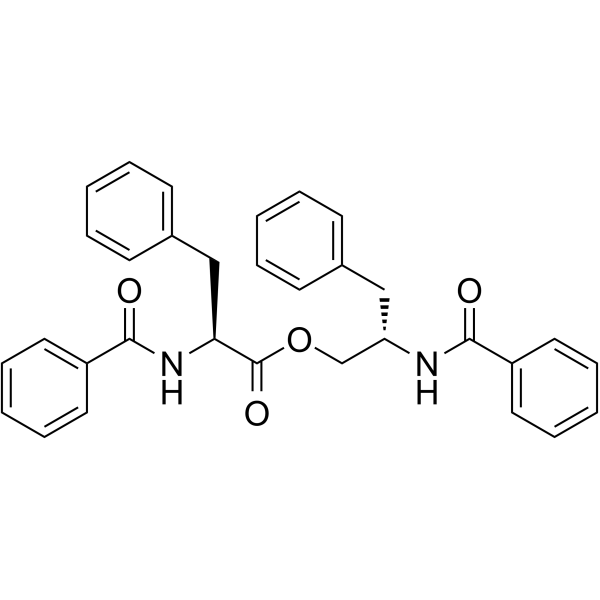
Asperphenamate (Standard) is the analytical standard of Asperphenamate. This product is intended for research and analytical applications. Asperphenamate, a fungal metabolite of Aspergillus flatiipes with anti-cancer effect, exhibits IC50 values of 92.3 μM, 96.5 μM and 97.9 μM in T47D, MDA-MB-231 and HL-60 cells, respectively[1][2].
|
-
-
- HY-163119
-
|
|
Pim
|
Cancer
|
|
Pim-1 kinase inhibitor 9 (compound 8b) is a selective inhibitor against Pim-1 kinase with IC50 value of 0.24 µM. Pim-1 kinase inhibitor 9 inhibits cell cycle of T47D at S phase. Pim-1 kinase inhibitor 9 reveals antitumor activity .
|
-
-
- HY-162751
-
|
|
HSP
Apoptosis
|
Cancer
|
|
Anticancer agent 249 (Compound 89) is an inhibitor for Hsp90β with IC50 of 16.5 μM in PC3MM2 cell. Anticancer agent 249 inhibits proliferation of cancer cells MCF-7, T47D, MDA-MB-231, MDA-MB-468 and SKBr3 with IC50 of 1.8-5.3 μM. Anticancer agent 249 induces apoptosis in MDA-MB-231. Anticancer agent 249 exhibits antitumor efficacy in mice .
|
-
- HY-170336
-
|
|
PROTACs
Estrogen Receptor/ERR
|
Cancer
|
|
PROTAC ERα Degrader-10 (Compound 160a) is an orally active degrader for ERα with DC50 of 0.37-1.1 nM, in cells MCF7, T47D and CAMA-1. PROTAC ERα Degrader-10 exhibits antitumor efficacy in mouse model . (Pink: ligand for target protein (HY-170339); Black: linker (HY-30105); Blue: ligand for E3 ligase Cereblon (HY-168055))
|
-
- HY-179045
-
|
|
Estrogen Receptor/ERR
Apoptosis
|
Cancer
|
ERα degrader 14 (Compound B7) is a potent ERα degrader. ERα degrader 14 exhibits significantly potent and selective anti-proliferative activity on two ERα-positive breast cancer cell lines (MCF-7 and T47D). ERα degrader 14 induces cell cycle arrest, inhibits cell migration, and induces cell apoptosis. ERα degrader 14 effectively inhibits tumor growth in mouse models. ERα degrader 14 can be used for the study of breast cancer .
|
-
- HY-169019
-
|
|
PI3K
Apoptosis
|
Cancer
|
XJTU-L453 is a PI3Kα inhibitor with an IC50 value of 0.4 nM. XJTU-L453 can inhibit the proliferation of breast cancer cell lines T47D and MCF7, with IC50 values of 0.2 μM and 0.5 μM, respectively. XJTU-L453 can inhibit the PI3K pathway, induce cell cycle arrest, and trigger cell apoptosis (apoptosis). XJTU-L453 also has antitumor activity in MCF7 xenograft mice .
|
-
- HY-123163
-
|
RWJ-66826; RTI-6617-003
|
Progesterone Receptor
Glucocorticoid Receptor
Androgen Receptor
Estrogen Receptor/ERR
|
Endocrinology
Cancer
|
|
JNJ-1250132 (RWJ-66826) is an orally active and potent steroidal progesterone receptor (PR) antagonist, with an IC50 of 1.3 nM. JNJ-1250132 inhibits binding of the receptor to DNA in vitro. JNJ-1250132 is a potent competitive inhibitor of binding to the human glucocorticoid receptor (GR) (IC50=0.50 nM) and the rat androgen receptor (AR) (IC50=5.6 nM), and was a weak inhibitor of binding to human Estrogen receptor (ER) (IC50 >3000 nM) .
|
-
- HY-138089
-
|
|
Androgen Receptor
Estrogen Receptor/ERR
LDLR
|
Metabolic Disease
Cancer
|
|
17β-Hydroxy exemestane (17-H-EXE) is the primary active metabolite of Exemestane (HY-13632). 17β-Hydroxy exemestane is an aromatase inhibitor (IC50 = 69 nM) and an androgen receptor (AR) agonist (IC50 = 39.6 nM) that is selective for AR over estrogen receptor α (ERα; IC50 = 21.2 μM). 17β-Hydroxy exemestane stimulates growth of AR- and ERα-positive MCF-7 (EC50= 2.7 μM) and T47D breast cancer cells (EC50s = 0.43 and 1500 nM for AR- and ER-mediated growth, respectively) and inhibits proliferation of testosterone-treated aromatase-overexpressing MCF-7 cells. 17β-Hydroxy exemestane inhibits increases in serum cholesterol and LDL levels and prevents decreases in bone mineral density in the lumbar vertebrae and femur, as well as femoral bending strength and compressive strength of the fifth lumbar vertebrae in ovariectomized rats .
|
-
- HY-162530
-
|
|
CDK
|
Cancer
|
|
CDK4/6-IN-20 (Compound II-5) is a CDK4/CDK6 inhibitor with IC50 values of 1.9, 14.2 nM, respectively. CDK4/6-IN-20 also inhibits cell proliferation and can be used in cancer research .
|
-
- HY-P2965
-
|
|
Endogenous Metabolite
|
Cancer
|
|
L-Lysine α-oxidase is a potent anticancer agent. L-Lysine α-oxidase also a L-amino acid oxidase, deaminates L-lysine with the yield of H2O2, ammonia, and α-keto-ε-aminocaproate. L-Lysine α-oxidase shows cytotoxicity and anticancer activity .
|
-
- HY-125916
-
|
|
Endogenous Metabolite
|
Cancer
|
|
Pseurotin A is a secondary metabolite of Aspergillus and other fungi. Pseurotin A is a competitive inhibitor of chitin synthase and a neuritogenic agent. Pseurotin A inhibits IgE production (IC50 = 3.6 μM). Pseurotin A inhibits the PCSK9-LDLr interaction. Pseurotin A shows dose-dependent reduction of PCSK9, along with increased LDLR levels in hormone-dependent breast cancer cell lines. Pseurotin A exhibits antitumor activity .
|
-
- HY-P10393
-
|
ERα (295-311)
|
Apoptosis
|
Cancer
|
|
ERα17p (ERα 295-311) is the epitope of the CaM binding site on the estrogen receptor α (ER), which interacts with calmodulin (CaM) in a calcium-dependent manner. ERα17p regulates the migration of cancer cells MCF-7, SK-BR-3, T47D, and MDA-MB-231 through Rho/ROCK and PI3K/Akt signaling pathways. ERα17p inhibits proliferations of breast cancer cells, induces apoptosis, and inhibits tumor growth in mouse models .
|
-
- HY-121149B
-
|
(E/Z)-3-Hydroxytamoxifen
|
Estrogen Receptor/ERR
Apoptosis
|
Cancer
|
|
(E/Z)-Droloxifene is a mixture of (E)-droloxifene (a selective estrogen receptor modulator) and (Z)-droloxifene. (E)-Droloxifene binds to the estrogen receptor (ER) with an IC50 value of 24 nM in rabbit uterine homogenates. (E)-Droloxifene increases uterine weight in immature rats, and reduces estradiol-induced increases in uterine weight in juvenile rats. (E)-Droloxifene also inhibits 17β-estradiol-stimulated growth of MCF-7, ZR-75-1, and T47D human breast cancer cells. (Z)-Droloxifene binds weakly to ER and has no estrogenic or antiestrogenic activity .
|
-
- HY-175292
-
|
|
EGFR
Microtubule/Tubulin
|
Cancer
|
|
EGFR WT/T790M-IN-3 is an irreversible covalent EGFR WT and EGFR T790M inhibitor with IC50s value of 28.1 and 24.6 nM. EGFR WT/T790M-IN-3 hampers tubulin polymerization through IC50 value of 5.1 μM. EGFR WT/T790M-IN-3 shows significant anti-proliferative effects on HCT116 and T47D cells, with IC50 values of 3.12 and 4.12 μM, respectively. EGFR WT/T790M-IN-3 can be used for the study of cancers such as non-small cell lung cancer, colon cancer and breast cancer .
|
-
- HY-179451
-
|
|
Apoptosis
p38 MAPK
Parasite
|
Infection
Inflammation/Immunology
Cancer
|
|
Apoptosis inducer 53 is an apoptosis inducer. Apoptosis inducer 53 can inhibit proliferation of human tumor cell lines (A549, HeLa, SW1573, T-47D, WiDr) with GI50 values of 2.5-9.1 μM. Apoptosis inducer 53 can induce cancer cells apoptosis and reduce colony formation. Apoptosis inducer 53 can activate p38α MAPK signaling and exerts anti-inflammatory effect. Apoptosis inducer 53 also shows anti-Leishmania donovani activity. Apoptosis inducer 53 can be used for the researches of cancer, infection and inflammation .
|
-
- HY-179688
-
|
|
PROTACs
CDK
|
Cancer
|
|
PROTAC CDK2/4 Degrader-1 (Compound 5) is a CDK2/4 PROTAC degrader, with its DC50 values for CDK2 and CDK4 both ≤ 10 nM. PROTAC CDK2/4 Degrader-1 exhibits excellent inhibitory activity against cell proliferation in OVCAR3 and T47D cells. PROTAC CDK2/4 Degrader-1 can be used for research on breast cancer and ovarian cancer .
|
-
- HY-162529
-
|
|
CDK
|
Cancer
|
|
CDK4/6-IN-19 (Compound II-7) is a CDK4/CDK6 inhibitor with IC50 values of 0.2, 5.0 nM, respectively. CDK4/6-IN-19 also inhibits cell proliferation and can be used in cancer research .
|
-
- HY-113293BR
-
|
|
Reference Standards
Endogenous Metabolite
Estrogen Receptor/ERR
|
Metabolic Disease
Cancer
|
|
Estrone sulfate sodium (Standard) is the analytical standard of Estrone sulfate sodium (HY-113293B). This product is intended for research and analytical applications. Estrone sulfate sodium is an inactive endogenous estrogen that can be converted into Estrone (HY-B0234) and Estradiol (HY-B0141). Estrone sulfate sodium is also a substrate of the OATP1B3 transporter. Estrone sulfate sodium can be converted into Estrone and Estradiol in normal mammary parenchymal cells. Estrone sulfate sodium stimulates the growth of nitrosomethylurea-induced mammary tumors in ovariectomized rats and the colony formation of dispersed nitrosomethylurea mammary cells, with conversion into Estrone and Estradiol occurring both in vivo and in vitro during this process. Estrone sulfate sodium is applicable to breast cancer-related research.
|
-
- HY-151199
-
|
|
Steroid Sulfatase
|
Endocrinology
Cancer
|
|
Steroid sulfatase/17β-HSD1-IN-1 is a potent steroid sulfatase and 17β-hydroxysteroid dehydrogenase type 1 (17β-HSD1) inhibitor with an IC50 value of 28 nM for cellular human steroid sulfatase. Steroid sulfatase/17β-HSD1-IN-1 can be used to research estrogen-dependent diseases .
|
-
- HY-19822S2
-
|
RAD1901-d10
|
Estrogen Receptor/ERR
Isotope-Labeled Compounds
|
Cancer
|
|
Elacestrant-d10 is the deuterium labeled of Elacestrant (HY-19822). Elacestrant is an orally available and selective estrogen receptor degrader (SERD) with IC50s of 48 and 870 nM for ERα and ERβ, respectively. Elacestrant also inhibits growth of ER + breast cancer cell lines in vitro and in vivo .
|
-
- HY-133005
-
|
4-Desacetylvinblastine; Desacetylvincaleukoblastine
|
Drug Metabolite
|
Cancer
|
|
Desacetylvinblastine (4-Desacetylvinblastine) is the major metabolite of Vinblastine (HY-13780) and a cytotoxic agent. When used alone, desacetylvinblastine has poor anti-tumor effects, but it can exert significant anti-tumor activity when in the presence of specific conjugates .
|
-
- HY-103302R
-
|
|
Reference Standards
CGRP Receptor
|
Endocrinology
|
|
SUN B8155 (Standard) is the analytical standard of SUN B8155 (HY-103302). This product is intended for research and analytical applications. SUN B8155, a non-peptide agonist of calcitonin (CT) receptor, selectively mimics the biological actions of calcitonin. Calcitonin, a 32-amino acid peptide hormone secreted mainly from the thyroid gland, plays an important role in maintaining bone homeostasis .
|
-
- HY-182083
-
|
|
PROTACs
PI3K
|
Cancer
|
|
PROTAC PI3Kα/δ degrader-1 is an orally active PI3Kα/δ PROTAC degrader, with an IC50 of 0.34 nM for PI3Kα and 1.85 nM for PI3Kδ. PROTAC PI3Kα/δ degrader-1 inhibits the proliferation and migration of cancer cells, induces G1-phase cell cycle arrest and PI3Kα degradation. PROTAC PI3Kα/δ degrader-1 suppresses tumor growth in breast cancer xenograft mouse models. PROTAC PI3Kα/δ degrader-1 can be used for the research of breast cancer .
|
-
- HY-181136
-
|
|
Estrogen Receptor/ERR
|
Metabolic Disease
Cancer
|
|
Antiestrogenic agent-1, an organophosphorus 13α-estrone derivative, is an antiestrogenic agent. Antiestrogenic agent-1 can disrupt estrogen signaling by inhibiting estrogen-mediated transcriptional activity. Antiestrogenic agent-1 can inhibit cancer cells proliferation, migration, invasion and induce G1-phase arrest. Antiestrogenic agent-1 mitigates estrogen-induced uterine growth in immature rats and inhibits tumor growth in a murine triple-negative breast cancer mice model. Antiestrogenic agent-1 can be used for the researches of cancer and endocrinology,such as breast cancer, oropharyngeal squamous cell carcinoma .
|
-
- HY-183139
-
|
|
RAR/RXR
AP-1
|
Cancer
|
|
CD666 is a selective retinoic acid receptor-γ (RAR-γ) agonist with a Kd of 68 nM. CD666 inhibits proliferation of cancer cells and shows synergistical effects and anti-AP-1 activity with IFN-γ. CD666 can be used for the research of breast cancer .
|
-
- HY-183285
-
|
|
PI3K
Akt
|
Cancer
|
|
PI3Kα-IN-32 (Compound 11f) is a selective, orally active PI3Kα inhibitor, with an IC50 of 26.3 nM against PI3Kα H1047R. PI3Kα-IN-32 inhibits AKT phosphorylation. PI3Kα-IN-32 exhibits anticancer activity against breast cancer. PI3Kα-IN-32 can be used in the research of HR +/HER2 - breast cancer .
|
-
- HY-183119
-
|
|
Legumain
|
Cancer
|
|
Legumain-IN-2 is a selective legumain inhibitor with a human legumain IC50 of 0.9 nM. Legumain-IN-2 can be used for the research of breast cancer .
|
-
- HY-181832
-
|
|
AMPK
Apoptosis
|
Cancer
|
|
ASS1 activator 1 (Compound 10f) is a ASS1 activator with an EC50 of 1.90 μM. ASS1 activator 1 enhances the activity of ASS1 and promotes AMPK phosphorylation. ASS1 activator 1 induces cell Apoptosis. ASS1 activator 1 exhibits anticancer activity against triple-negative breast cancer, colorectal cancer and liver cancer .
|
-
- HY-W581798
-
|
|
Biochemical Assay Reagents
|
Metabolic Disease
Cancer
|
|
Iron(II) sulfate hydrate is an iron(II) salt with oral activity, acting as an iron supplier, and is easily oxidized to iron(III) in water. Iron(II) sulfate hydrate induces apoptotic morphological changes in cancer cells, and promotes dose‑dependent iron accumulation in rats. Iron(II) sulfate hydrate can be used in studies of leukemia, breast cancer, iron deficiency, anemia, and restless legs syndrome .
|
-
- HY-119080
-
|
|
Progesterone Receptor
|
Endocrinology
Cancer
|
|
CP8754 is an orally active, selective human progesterone receptor (hPR) antagonist that blocks progesterone-mediated signaling pathways. CP8754 competitively inhibits the binding of [ 3H]-progesterone to hPR. And in vitro, CP8754 inhibits progesterone-dependent exogenous luciferase and endogenous alkaline phosphatase expression; while in vivo, CP8754 inhibits rabbit endometrial transformation. CP8754 does not significantly bind to human glucocorticoid receptors (hGR), estrogen receptors (hER), or rat androgen receptors (rAR). CP8754 can be used in the study of progesterone-related diseases such as breast cancer, endometriosis, uterine fibroids, and meningioma, as well as hormone-dependent tumors .
|
-
- HY-181772
-
|
|
E1/E2/E3 Enzyme
|
Cancer
|
|
MCULE-3064932370 is a covalent and allosteric SUMO E1 (heterodimer of Aos1 and Uba2) inhibitor with IC50 values ranging from 16.66 μM to 2.96 μM. MCULE-3064932370 inhibits SUMOylation of Uba2. MCULE-3064932370 has anti-cancer activity against breast cancer .
|
-
| Cat. No. |
Product Name |
Type |
-
- HY-D2188
-
|
|
Fluorescent Dye
|
|
IMP-2373 is a low-toxicity activity-based probe targeting covalent pan-deubiquitinase (DUB), which modulates and monitors DUB activity via covalent binding to the catalytic cysteine and active site of DUB. IMP-2373 enables real-time tracking of dynamic intracellular DUB activity in physiologically relevant living cell systems, and quantitative analysis of activity changes induced by pharmacological inhibition or MYC dysregulation. IMP-2373 can be used for research on related diseases such as B-cell lymphoma .
|
| Cat. No. |
Product Name |
Target |
Research Area |
-
- HY-120234
-
|
Z-Leu-Leu-Nle-CHO; GSII
|
γ-secretase
Proteasome
Apoptosis
|
Cancer
|
|
Z-LLNle-CHO (Z-Leu-Leu-Nle-CHO) is a γ-secretase inhibitor I. Z-LLNle-CHO induces caspase and ROS-dependent apoptosis by blocking the Akt-mediated pro-survival pathway. Z-LLNle-CHO can be used in cancer research, such as breast cancer and leukaemia .
|
-
- HY-P10393
-
|
ERα (295-311)
|
Apoptosis
|
Cancer
|
|
ERα17p (ERα 295-311) is the epitope of the CaM binding site on the estrogen receptor α (ER), which interacts with calmodulin (CaM) in a calcium-dependent manner. ERα17p regulates the migration of cancer cells MCF-7, SK-BR-3, T47D, and MDA-MB-231 through Rho/ROCK and PI3K/Akt signaling pathways. ERα17p inhibits proliferations of breast cancer cells, induces apoptosis, and inhibits tumor growth in mouse models .
|
| Cat. No. |
Product Name |
Target |
Research Area |
Image |
-
- HY-P991358
-
|
LFA-102; X213
|
Estrogen Receptor/ERR
STAT
Akt
|
Cancer
|
|
XOMA-213 (LFA-102; X213) is a human monoclonal antibody (mAb) targeting the prolactin receptor (PRLR), with a Kd value of 2 nM against the human target. XOMA-213 blocks PRL-induced cell proliferation and inhibits the activation of multiple PRLR ligands, including PRL and human growth hormone (hGH). XOMA-213 suppresses PRL-induced phosphorylation of Stat5, Akt and ERK1/2 in cells. XOMA-213 induces tumor regression, delays disease progression, and inhibits PRLR signaling as well as tumor growth. XOMA-213 can be used in research related to breast cancer .
|
-
(5)
| Cat. No. |
Product Name |
Category |
Target |
Chemical Structure |
| Cat. No. |
Product Name |
Chemical Structure |
-
- HY-19822S2
-
|
|
|
Elacestrant-d10 is the deuterium labeled of Elacestrant (HY-19822). Elacestrant is an orally available and selective estrogen receptor degrader (SERD) with IC50s of 48 and 870 nM for ERα and ERβ, respectively. Elacestrant also inhibits growth of ER + breast cancer cell lines in vitro and in vivo .
|
-
| Cat. No. |
Product Name |
|
Classification |
-
- HY-160066
-
|
|
|
Aptamers
|
|
SYL3C aptamer sodium is a DNA aptamer that targets epithelial cell adhesion molecule (EpCAM) on the surface of cancer cells. SYL3C aptamer sodium targets a variety of human cancer cell lines including MDA-MB-231, Kato III, HT-29, T47D and SW480. The Kd values of SYL3C aptamer sodium against breast cancer cell line MDA-MB-231 and gastric cancer cell line Kato III are 38 nM and 67 nM, respectively. SYL3C aptamer sodium possesses stability, high binding affinity and selectivity, and can be used for targeted cancer cell imaging and circulating tumor cell detection .
|
Your information is safe with us. * Required Fields.
Inquiry Information
- Product Name:
- Cat. No.:
- Quantity:
- MCE Japan Authorized Agent:

