
Search Result
Results for "
U87MG cell
" in MedChemExpress (MCE) Product Catalog:
5
Isotope-Labeled Compounds
| Cat. No. |
Product Name |
Target |
Research Areas |
Chemical Structure |
-
- HY-B1490
-
|
|
Serotonin Transporter
Apoptosis
Autophagy
|
Neurological Disease
Inflammation/Immunology
Cancer
|
|
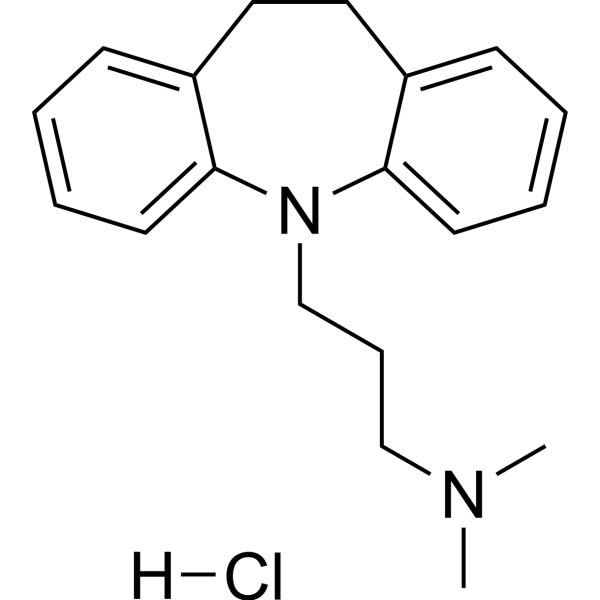
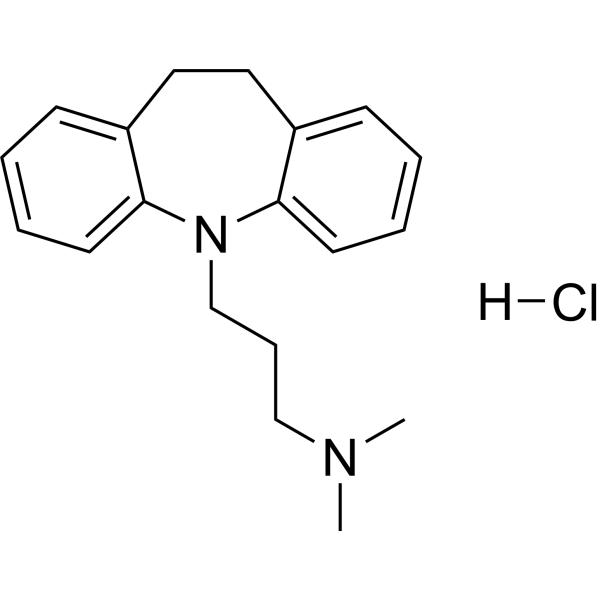
Imipramine hydrochloride is an orally active tertiary amine tricyclic antidepressant. Imipramine hydrochloride is a Fascin1 inhibitor with antitumor activities. Imipramine hydrochloride also inhibits serotonin transporter with an IC50 value of 32 nM. Imipramine hydrochloride stimulates U-87MG glioma cells autophagy and induces HL-60 cell apoptosis. Imipramine hydrochloride shows neuroprotective and immunomodulatory effects .
|
-
-
- HY-B1490A
-
Imipramine
Maximum Cited Publications
6 Publications Verification
|
Serotonin Transporter
Autophagy
Apoptosis
|
Neurological Disease
Inflammation/Immunology
Cancer
|
|
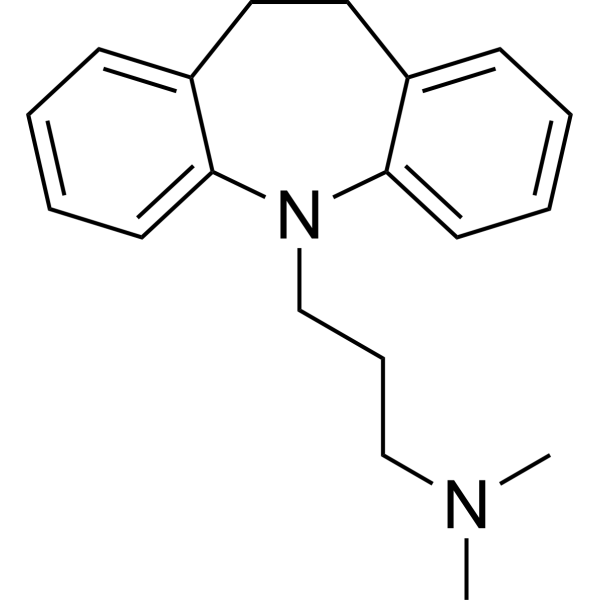
Imipramine is an orally active tertiary amine tricyclic antidepressant. Imipramine is a Fascin1 inhibitor with antitumor activities. Imipramine also inhibits serotonin transporter with an IC50 value of 32 nM. Imipramine stimulates U-87MG glioma cells autophagy and induces HL-60 cell apoptosis. Imipramine shows neuroprotective and immunomodulatory effects .
|
-
-
- HY-13260
-
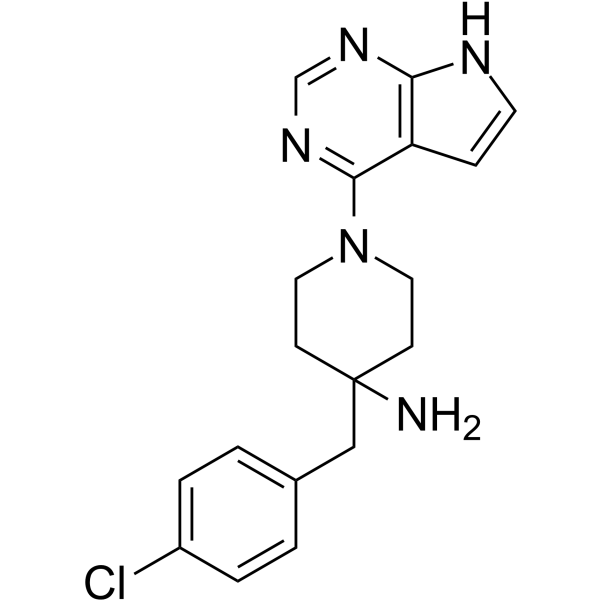
CCT128930
Maximum Cited Publications
6 Publications Verification
|
Akt
Autophagy
Apoptosis
|
Cancer
|
|
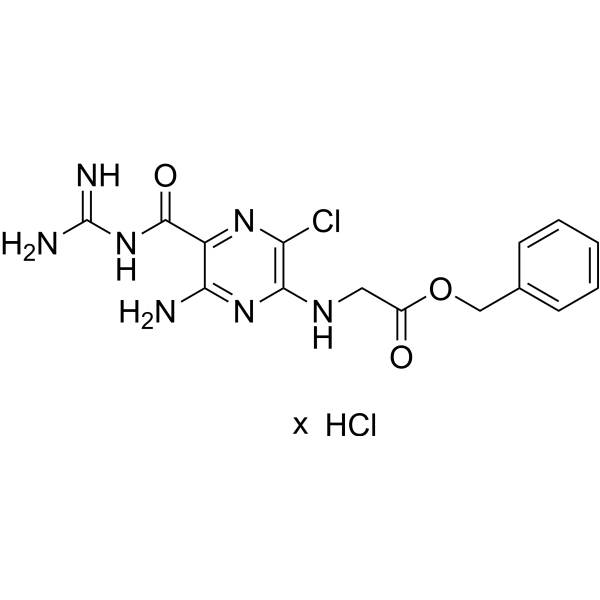
CCT128930 is a ATP-competitive and selective inhibitor of AKT (IC50=6 nM for AKT2). CCT128930 has 28-fold selectivity over the closely related PKA kinase (IC50=168 nM) through the targeting of Met282 of AKT (Met173 of PKA-AKT chimera), as well as 20-fold selectivity over p70S6K (IC50=120 nM). Antitumor activity.
|
-
-
- HY-12833
-
AMZ30
1 Publications Verification
|
Phosphatase
Akt
ERK
|
Others
|
|
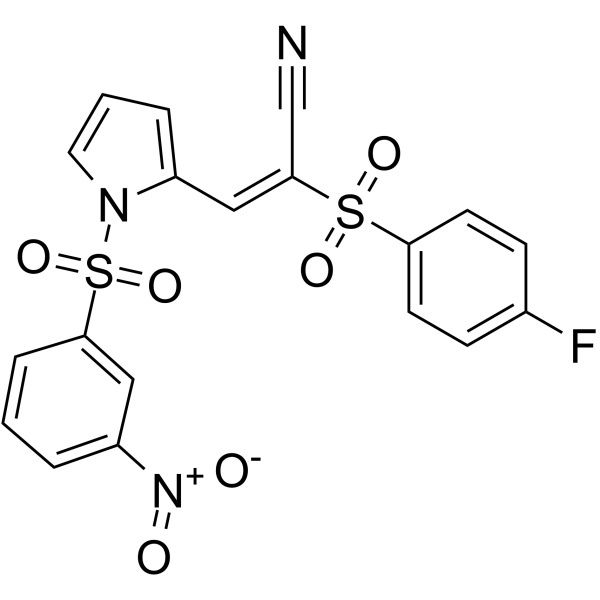
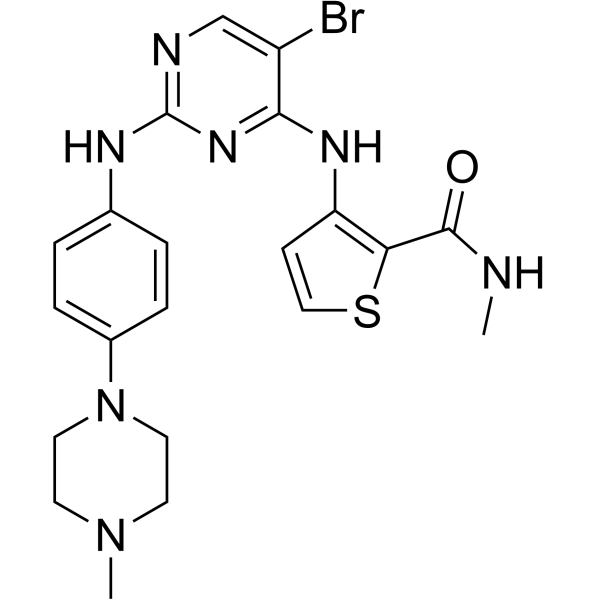
AMZ30 is selective protein phosphatase methylesterase-1(PME-1) inhibitor with IC50s of 600 nM and 3.5 µM in human cell lysates and in HEK 293T cells, respectively. AMZ30 shows >100-fold selectivity relative to other serine hydrolases. AMZ30 reduces the demethylated form of PP2A in living cells. AMZ30 attenuates muscle cell differentiation. AMZ30 increases the resistance of U87MG and U251MG glioblastoma cells to t-BHP-induced oxidative stress. AMZ30can be used for the study of glioblastoma .
|
-
-
- HY-108693
-
|
|
Leukotriene Receptor
Apoptosis
|
Inflammation/Immunology
|
|
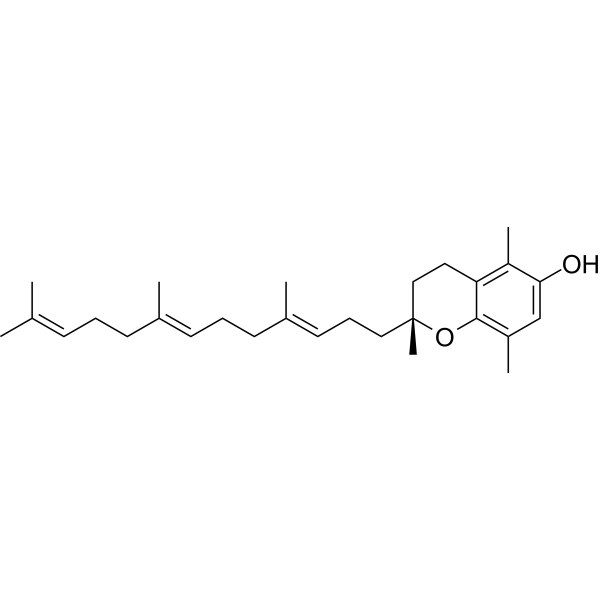
β-Tocotrienol is an isomer of vitamin E. β-Tocotrienol is a less potent antioxidant than α-tocotrienol. β-Tocotrienol can be found in the tocotrienol-rich fraction (TRF) of palm oil, which possesses anti-carcinogenic effects in vitro on human colon carcinoma and prostate cancer cells. β-Tocotrienol inhibits the growth of A549 (GI50 = 1.38 μM) and U87MG (GI50 = 2.53 μM) cells. β-Tocotrienol also induces apoptosis in cancer cells. β-Tocotrienol can inhibit PD-L1 expression and mitigates PD-L1-mediated immune suppression in vitro and in vivo .
|
-
-
- HY-111183
-
|
Zinostatin; Vinostatin
|
DNA/RNA Synthesis
Bacterial
Apoptosis
Antibiotic
|
Infection
Cancer
|
|
Neocarzinostatin (solution), a potent DNA-damaging, anti-tumor antibiotic, recognizes double-stranded DNA bulge and induces DNA double strand breaks (DSBs). Neocarzinostatin induces apoptosis. Neocarzinostatin has potential for EpCAM-positive cancers treatment .
|
-
-
- HY-116273
-
|
|
Phospholipase
|
Cancer
|
|
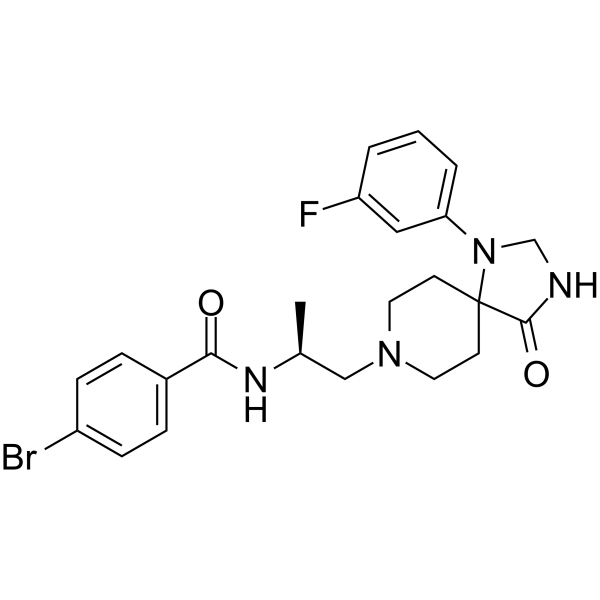
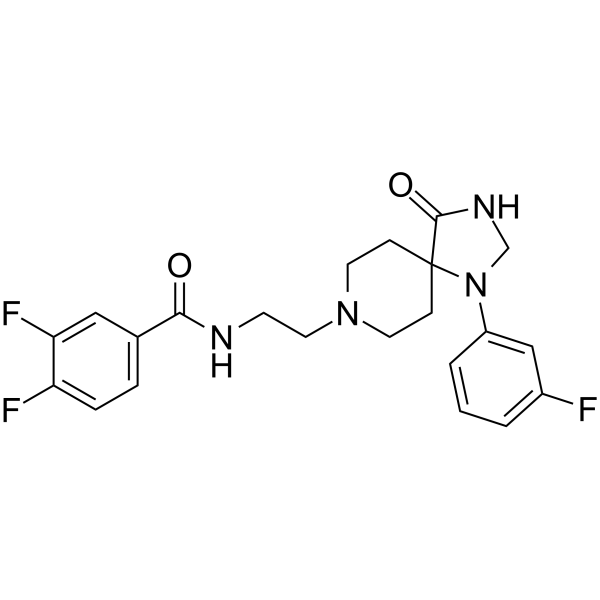
ML299 is a selective allosteric modulator and a dual inhibitor of phospholipases D1 and D2 (IC50 values are 6 and 12 nM, respectively). ML299 decreases invasive migration in U87-MG glioblastoma cells .
|
-
-
- HY-15398C
-
|
Epicholecalciferol
|
Hedgehog
|
Cancer
|
|
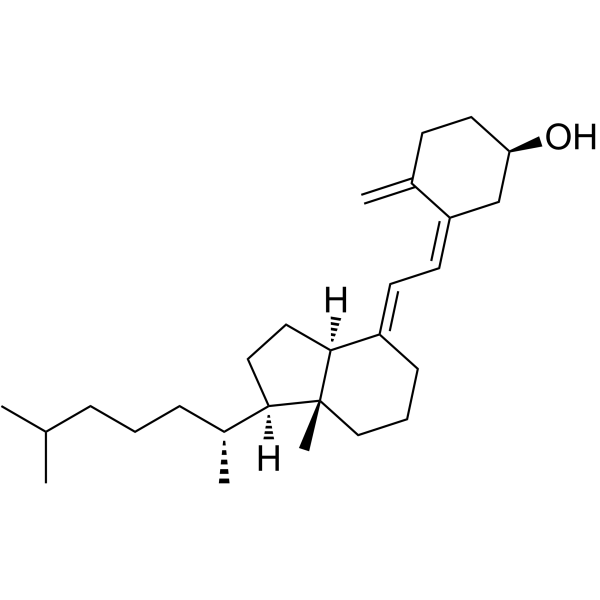
3-epi-Vitamin D3 (Epicholecalciferol) (Compound 4), a Vitamin D3 analogue, is a Hedgehog pathway inhibitor with an IC50 of 39.2 μM measured in U87MG cells .
|
-
-
- HY-155439
-
|
|
FAK
|
Cancer
|
FAK-IN-14 (compound 8d) is a focal adhesion kinase(FAK) inhibitor with an IC50 value of 0.2438 nM. FAK-IN-14 induces U87-MG cell early apoptosis and arrest the cell at the G2/M phase .
|
-
-
- HY-P4111
-
|
|
CXCR
|
Inflammation/Immunology
Cancer
|
|
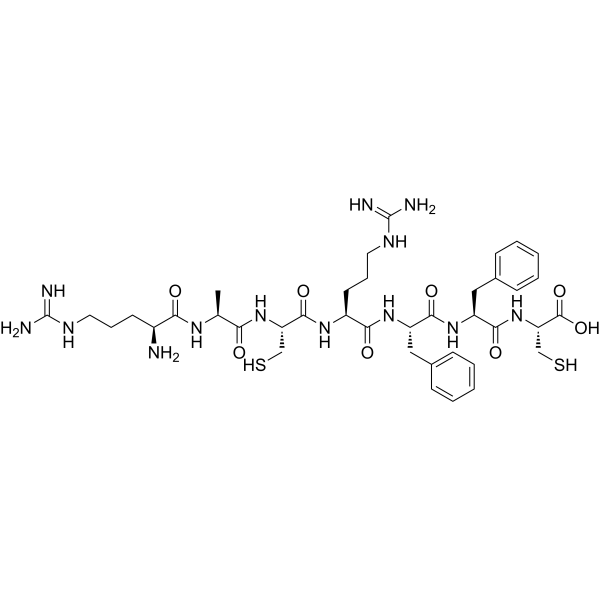
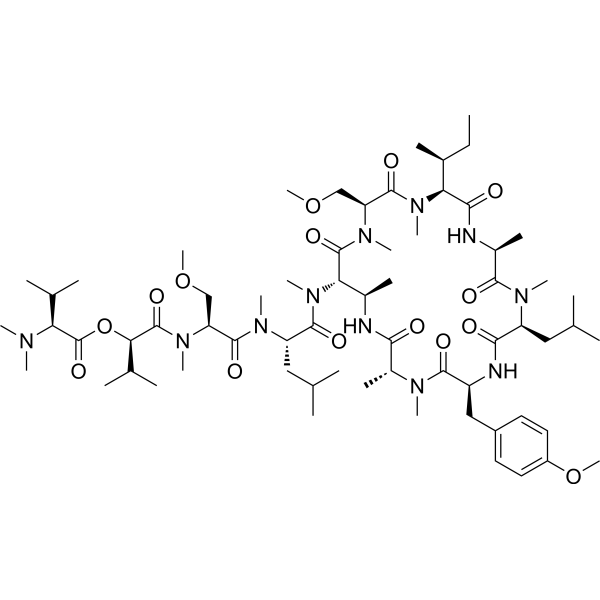
Peptide R is a cyclic peptide and a specific CXCR4 antagonist. Peptide R exhibits excellent ability to effectively remodel tumor stroma. Peptide R has potential for use in tumor research .
|
-
-
- HY-148833
-
|
|
MDM-2/p53
|
Cancer
|
|
MDM2-p53-IN-16 is a MDM2-p53 complex inhibitor with an IC50 value of 4.3 nM to dissociate human p53/MDM2 complex. MDM2-p53-IN-16 reactivates p53, and induces Glioblastoma Multiforme (GBM) cell apoptosis and cell-cycle arrest. MDM2-p53-IN-16 can be used for the cancer research .
|
-
-
- HY-13260A
-
|
|
Akt
Autophagy
Apoptosis
|
Cancer
|
|
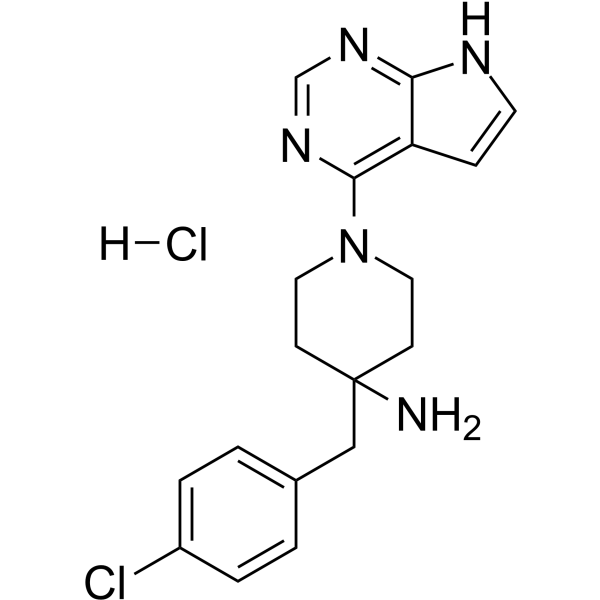
CCT128930 hydrochloride is a potent and selective inhibitor of AKT (IC50=6 nM). CCT128930 hydrochloride has 28-fold selectivity over the closely related PKA kinase (IC50=168 nM) through the targeting of Met282 of AKT (Met173 of PKA-AKT chimera), as well as 20-fold selectivity over p70S6K (IC50=120 nM). CCT128930 hydrochloride induces cell cycle arrest, DNA damage, and autophagy. Antitumor activity .
|
-
-
- HY-P10427
-
|
|
CXCR
Dengue Virus
|
Neurological Disease
Inflammation/Immunology
Cancer
|
|
DV1 is a CXCR4 inhibitor with anti-proteolytic properties that specifically blocks the binding of SDF-1α to its receptor. DV1 inhibits the migration of breast cancer cells and enables the targeted delivery of avidin-PLGA nanoparticles to CXCR4-expressing cancer cells. DV1 not only effectively suppresses the progression of metastatic breast cancer in mouse models, but also preferentially accumulates in brain tumor tissues rather than normal brain tissues, showing potential for inhibiting intracranial tumor metastasis. As a humoral immune stimulant, DV1 induces the production of specific IgG, neutralizing antibodies and cellular immune responses, thereby providing the host with protection against lethal challenges. DV1 has been applied to studies on CXCR4-expressing cancers, glioblastoma, dengue fever and other related diseases .
|
-
-
- HY-136479
-
|
|
Sirtuin
|
Cancer
|
|
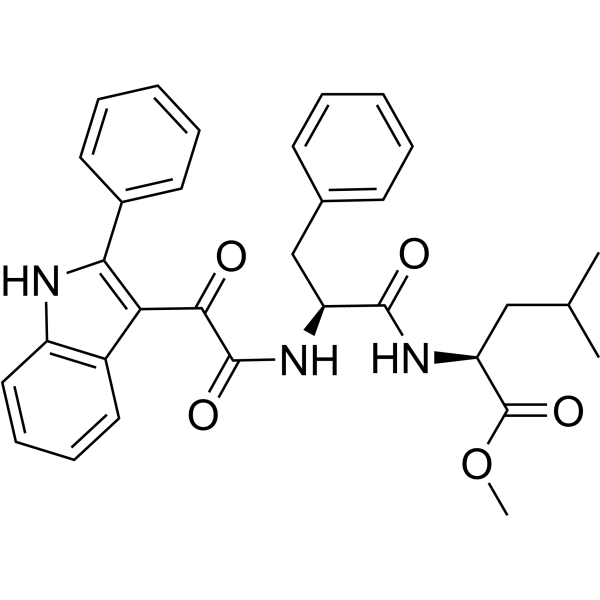
F0911-7667 is a SIRT1 activator that induces autophagic cell death in U87MG and T98G cells by activating the AMPK-mTOR-ULK complex. CWR tripeptide was also identified as a SIRT1 activator that reduced p53 acetylation in IMR32 neuroblastoma cells and protected cells from cell death induced by Aβ fragments .
|
-
-
- HY-B1490R
-
|
|
Reference Standards
Serotonin Transporter
Apoptosis
Autophagy
|
Neurological Disease
Inflammation/Immunology
Cancer
|
|
Imipramine (hydrochloride) (Standard) is the analytical standard of Imipramine (hydrochloride). This product is intended for research and analytical applications. Imipramine hydrochloride is an orally active tertiary amine tricyclic antidepressant. Imipramine hydrochloride is a Fascin1 inhibitor with antitumor activities. Imipramine hydrochloride also inhibits serotonin transporter with an IC50 value of 32 nM. Imipramine hydrochloride stimulates U-87MG glioma cells autophagy and induces HL-60 cell apoptosis. Imipramine hydrochloride shows neuroprotective and immunomodulatory effects .
|
-
-
- HY-116165
-
|
|
Phospholipase
|
Cancer
|
|
ML298 is a potent and selective inhibitor of Phospholipase D2 (PLD2) with an IC50 of 355 nM. ML298 decreases invasive migration in U87-MG glioblastoma cells .
|
-
-
- HY-117359
-
|
|
PAI-1
Apoptosis
|
Cancer
|
|
UCD38B hydrochloride is a cell permeant, competitive enzymatic uPA inhibitor with an IC50 value of 7 μM. UCD38B hydrochloride targets intracellular uPA causing mistrafficking of uPA into perinuclear mitochondria, reducing the mitochondrial membrane potential, and followed by the release of apoptotic inducible factor (AIF). UCD38B hydrochloride induces apoptosis .
|
-
-
- HY-156349
-
|
|
Apoptosis
|
Others
|
|
Sec61-IN-4 (Compound 16b) is a Sec61 inhibitor (IC50: 0.04 nM in U87-MG cells) .
|
-
-
- HY-148868A
-
|
|
Akt
CDK
|
Cancer
|
|
Akt1&PKA-IN-2 (Compound R-29) is a AKT1 and PKA inhibitor with selectivity for CDK2, with IC50 values of 0.007 and 0.01 μM, respectively. Akt1&PKA-IN-2 is applicable for cancer research .
|
-
-
- HY-146260
-
|
|
PI3K
|
Cancer
|
|
NVP-CLR457 (compound 40) is an orally active, potent and balanced pan-class I PI3K inhibitor. NVP-CLR457 shows a clear dose-dependent PK/PD/efficacy relationship. NVP-CLR457 has antitumor activity .
|
-
-
- HY-175213
-
|
|
Isocitrate Dehydrogenase (IDH)
|
Cancer
|
|
Mutant IDH1-IN-7 is a highly selective Isocitrate Dehydrogenase 1 (IDH1) R132H (IC50 = 0.26 μM, Kd = 2.1 μM)/R132C (IC50 = 1.1 μM) inhibitor. Mutant IDH1-IN-7 has no inhibitory effect on wild-type IDH1, IDH2-wt, and IDH2 R140Q. Mutant IDH1-IN-7 inhibits 2-Hydroxyglutarate (2-HG) production in U87-MG R132H cells (EC50 = 0.55 μM). Mutant IDH1-IN-7 exhibits moderate antiproliferative effects on U87-MG R132H and HT-1080 cells .
|
-
-
- HY-B1490AS
-
|
|
Isotope-Labeled Compounds
Serotonin Transporter
|
Neurological Disease
Inflammation/Immunology
Cancer
|
|
Imipramine-d6 is the deuterium labeled Imipramine hydrochloride. Imipramine is an orally active tertiary amine tricyclic antidepressant. Imipramine is a Fascin1 inhibitor with antitumor activities. Imipramine also inhibits serotonin transporter with an IC50 value of 32 nM. Imipramine stimulates U-87MG glioma cells autophagy and induces HL-60 cell apoptosis. Imipramine shows neuroprotective and immunomodulatory effects .
|
-
-
- HY-B1490S1
-
-
-
- HY-B1490AR
-
|
|
Serotonin Transporter
Autophagy
Apoptosis
Reference Standards
|
Neurological Disease
Inflammation/Immunology
Cancer
|
|
Imipramine (Standard) is the analytical standard of Imipramine. This product is intended for research and analytical applications. Imipramine is an orally active tertiary amine tricyclic antidepressant. Imipramine is a Fascin1 inhibitor with antitumor activities. Imipramine also inhibits serotonin transporter with an IC50 value of 32 nM. Imipramine stimulates U-87MG glioma cells autophagy and induces HL-60 cell apoptosis. Imipramine shows neuroprotective and immunomodulatory effects .
|
-
-
- HY-170577
-
|
|
Pyruvate Kinase
Apoptosis
|
Cancer
|
|
PKM2-IN-8 (Compound 9b) is a pyruvate kinase M2 (PKM2) inhibitor (IC50 = 0.31 μM). PKM2-IN-8 has potent antiproliferative activity against U87MG glioma cells. PKM2-IN-8 can induce early apoptosis and reduce lactate levels. PKM2-IN-8 can be used for the research of glioblastoma .
|
-
-
- HY-178178
-
|
|
PARP
Reactive Oxygen Species (ROS)
DNA/RNA Synthesis
Apoptosis
|
Cancer
|
|
PARP1-IN-46 is a potent PARP-1 inhibitor with an IC50 of 2.4 nM. PARP1-IN-46 demonstrates remarkable anti-proliferative activity in both rat (C6) and human (U87MG) glioma cells. PARP1-IN-46 promotes PARP cleavage, triggers DNA damage, and increases ROS. PARP1-IN-46 effectively inhibits the migration, invasion and colony formation of glioma cells, and ultimately induces cell apoptosis. PARP1-IN-46 can be used to the study of glioma .
|
-
-
- HY-172159
-
|
|
HDAC
Apoptosis
|
Cancer
|
|
FF2039 (compound 1j) is a specific HDAC1, HDAC6, and HDAC isoforms of class I, IIa and IIb PROTAC degrader. FF2039 demonstrates s significant antiproliferative activity against both hematological and solid cancer cell lines, driven by cell cycle arrest and Apoptosis induction. FF2039 inhibits HDAC isoform of HDAC1, HDAC2, HDAC4 and HDAC6 with IC50s of 1.03, 2.15, 12.4 and 0.053 μM, respectively. FF2039 shows antiproliferative activity against different tumor entities of MM.1S, MDA-MB-231 and U-87MG with EC50s of 2.8, 28 and 30 μM, respectively. (Pink: PRMT5 ligand (HY-168864); Blue: E3 ligase ligand HY-W957284); Black: linker (HY-W881439); E3+linker (HY-172185 )) .
|
-
-
- HY-B2085
-
|
Arsthinol; Balarsen
|
Drug Intermediate
|
Cancer
|
|
Arsthinenol is an orally active antitumor agent, that exhibits cytotoxicity in U87MG cells with an IC50 of 31.6 μM. Arsthinenol forms complex with cyclodextrin, inhibits the tumor growth and improves the survival rates of U87MG xenograft mice .
|
-
-
- HY-168279
-
|
|
VEGFR
|
Cancer
|
|
VEGF-IN-1 (compound 6) can reduce the release of VEGF in U87-MG cells and inhibit angiogenesis in vitro. VEGF-IN-1 can inhibit cell proliferation by inducing autophagy in tumor cells, with an IC50 value of 28.35 μM for U87-MG cells .
|
-
-
- HY-150309
-
|
|
PI3K
|
Cancer
|
|
PI3K-IN-54 (compound 10w) is a pan-PI3K inhibitor. The IC50 values of PI3K-IN-54 for p110α, p110β, and p110δ are 0.22 nM, 1.4 nM, and 0.38 nM, respectively. PI3K-IN-54 can be used in cancer research .
|
-
-
- HY-144450
-
|
|
PI3K
Akt
|
Cancer
|
|
PI3K-IN-29 is a potent PI3K inhibitor. PI3K-IN-29 displays good inhibition potencies against U87MG, HeLa and HL60 cells with IC50 values of 0.264, 2.04 and 1.14 µM, respectively. PI3K-IN-29 inhibits PI3K/Akt pathway by inhibiting phosphorylation of Akt that is catalyzed by PI3K .
|
-
-
- HY-18343
-
|
|
MDM-2/p53
Apoptosis
|
Cancer
|
|
CP-31398 can stabilize the active conformation of p53 and promote p53 activity in cancer cells with either mutant or wild-type p53. In addition, CP-31398 can upregulate p53 target genes, such as p21WAF1/Cip1 and KILLER/DR5. CP-31398 exerts an inhibitory effect on tumor growth .
|
-
-
- HY-168899
-
|
|
FAK
Apoptosis
|
Cancer
|
|
FAK-IN-24 (Compound 9f) is a FAK inhibitor (IC50: 0.815 nM). FAK-IN-24 induces DNA damage and apoptosis. FAK-IN-24 has anti-glioblastoma activity. FAK-IN-24 inhibits proliferation of glioblastoma cell lines U87-MG (IC50 = 15 nM) and U251 (IC50 = 20 nM). FAK-IN-24 inhibits tumor growth in U87-MG xenograft model .
|
-
-
- HY-155580
-
|
|
Monoamine Oxidase
HSP
|
Cancer
|
|
MAO A/HSP90-IN-2 (compound 4-C) is a dual inhibitor of HSP90and MAO A with the IC50 values of 0.016 and 4.58 μM, respectively. MAO A/HSP90-IN-2 increases HSP70 expression and reduces HER2 and phospho-Akt expression, and decreases IFN-γ induced PD-L1 expression in GL26 cells. MAO A/HSP90-IN-2 inhibits the growth of Temozolomide (HY-17364) -sensitive and -resistant GBM cells, colon cancer, leukemia, non-small cell lung and other cancers, and has potential to inhibit tumor immune escape [1] sup >.
|
-
-
- HY-147682
-
|
|
NF-κB
Apoptosis
|
Cancer
|
|
NF-κB-IN-5 (compound 4d) is an orally active and potent NF-κB inhibitor by interacting directly with NF-κB. NF-κB-IN-5 shows antitumor activity against human cancer cell lines (HCT116, U87-MG, HepG2, BGC823, PC9), with IC50 values of 5.35, 2.81, 2.83, 2.02 and 3.90 μM, respectively. NF-κB-IN-5 induces apoptosis in U87-MG tumor cell and cell cycle arrest in G0/G1 phase .
|
-
-
- HY-149427
-
|
|
PI3K
|
Cancer
|
|
PI3Kα-IN-12 (compound 13) is a highly selective PI3Kα inhibitor (IC50: 1.2 nM). PI3Kα-IN-12 inhibits HCT-116 and U87-MG with IC50s values of 0.83 and 1.25 μM, respectively. PI3Kα-IN-12 (40 mg/kg; IP) causes tumor regression in a U87-MG cell line xenograft mouse model .
|
-
-
- HY-155440
-
|
|
FAK
|
Cancer
|
|
FAK-IN-15 (Compound 9b) is a focal adhesion kinase (FAK) inhibitor with an IC50 value of 0.2691 nM. FAK-IN-15 has anti-tumor activity with an IC50 value of 1.033 μM against U87-MG cells .
|
-
-
- HY-157125
-
|
|
PI3K
Apoptosis
|
Cancer
|
|
PI3Kα-IN-14 (compound F8) is a selective PI3Kα inhibitor with an IC50 of 0.14 nM. PI3Kα-IN-14 induces a great decrease in mitochondrial membrane which caused cell cycle arrest at G1 phase and apoptosis in U87-MG cells. PI3Kα-IN-14 shows significant anti-proliferative activities against three tumor-derived cell lines (PC-3: IC50 of 0.28 μM; HCT-116: IC50 of 0.57 μM; and U87-MG: IC50 of 1.37 μM) .
|
-
-
- HY-117991
-
|
|
VEGFR
|
Cancer
|
|
DW10075 is a highly selective and orally active VEGFR inhibitor targeting the VEGF/VEGFR pathway. DW10075 selectively inhibits VEGFR-1, VEGFR-2, and VEGFR-3, but has no effect on FGFR and PDGFR. DW10075 inhibits VEGF-induced HUVEC proliferation, migration, and tube formation. And DW10075 inhibits angiogenesis in both the rat aortic ring model and the chick chorionic membrane model. DW10075 also exhibits antiproliferative activity against human cancer cell lines, with IC50s of 2.2 μM and 22.2 μM against U87-MG human glioblastoma cells and A375 melanoma cells, respectively. In the nude mouse U87-MG xenograft tumor model, DW10075 (po) significantly inhibits tumor growth and reduces the expression of CD31 and Ki67 in tumor tissues.
|
-
-
- HY-B1490S
-
|
|
Serotonin Transporter
Apoptosis
Autophagy
|
Neurological Disease
Inflammation/Immunology
Cancer
|
|
Imipramine-d4 (hydrochloride) is the deuterium labeled Imipramine hydrochloride. Imipramine hydrochloride is an orally active tertiary amine tricyclic antidepressant. Imipramine hydrochloride is a Fascin1 inhibitor with antitumor activities. Imipramine hydrochloride also inhibits serotonin transporter with an IC50 value of 32 nM. Imipramine hydrochloride stimulates U-87MG glioma cells autophagy and induces HL-60 cell apoptosis. Imipramine hydrochloride shows neuroprotective and immunomodulatory effects .
|
-
-
- HY-B1490AS1
-
|
|
Serotonin Transporter
Isotope-Labeled Compounds
Apoptosis
Autophagy
|
Others
|
|
Imipramine-d4 is deuterium labeled Imipramine. Imipramine is an orally active tertiary amine tricyclic antidepressant. Imipramine is a Fascin1 inhibitor with antitumor activities. Imipramine also inhibits serotonin transporter with an IC50 value of 32 nM. Imipramine stimulates U-87MG glioma cells autophagy and induces HL-60 cell apoptosis. Imipramine shows neuroprotective and immunomodulatory effects .
|
-
-
- HY-B1490AS3
-
-
-
- HY-176162
-
|
|
Reactive Oxygen Species (ROS)
Apoptosis
|
Cancer
|
|
BJ-13 is a reactive oxygen species (ROS) inducer that can lead to mitochondrial membrane potential collapse and caspase-dependent apoptosis. BJ-13 inhibits the proliferation of SGC-7901, U-87MG, and HepG-2 cancer cells (IC50 values of 15.33, 27.18, and 20.44 nM, respectively). BJ-13 can be used in the study of gastric cancer .
|
-
-
- HY-17662
-
|
AK-918/41759663
|
Bcl-2 Family
|
Cancer
|
|
Mol4 (AK-918/41759663) is a highly selective BCL-2 protein inhibitor (IC50=153.3 μM). Mol4 induces mitochondrial outer membrane permeabilization (MOMP) and cytochrome c release, showing significant antiproliferative activity against glioblastoma (U87-MG) cell lines. Mol4 is promising for research of BCL-2-dependent tumors (e.g., chronic lymphocytic leukemia) .
|
-
-
- HY-136765
-
|
|
PI3K
|
Cancer
|
|
PI3K-IN-11 (compound 13) is a PI3K inhibitor, which selectively inhibits PI3Kα, PI3Kβ, PI3K, and PI3Kδ (IC50s=6.4, 13, 8, and 11 nM, respectively) over mTOR (IC50=2.9 μM). PX-13-17OH is greater than 420-fold selective for PI3K in a panel of 20 lipid and protein kinases. PX-13-17OH inhibits phosphorylation of Akt and S6 kinase (S6K) in PTEN-negative U87MG cells when used at concentrations ranging from 0.03 to 1 μg/mL. It inhibits tumor growth in a U87MG mouse xenograft model when administered at doses ranging from 2.5 to 10 mg/kg.
|
-
-
- HY-121916
-
|
|
Isocitrate Dehydrogenase (IDH)
|
Cancer
|
|
ML309 is a highly selective and potent inhibitor of the R132H mutant isocitrate dehydrogenase 1 (IDH1 R132H), with an IC50 of 96 nM. ML309 is a competitive inhibitor of α-KG, with a Ki value of 156 nM, and its inhibitory activity against the wild-type IDH1 is greater than 35 μM. ML309 effectively reduces the production of the tumor metabolite 2-HG in U87MG cells. ML309 can be used as a chemical probe to study the role of the mutant IDH1 in cancer .
|
-
-
- HY-163691
-
|
|
Carbonic Anhydrase
|
Cancer
|
|
Antitumor agent-163 (Compound 3) is a photosensitizer used in Molecular-Targeted Photodynamic Therapy (MT-PDT) targeting carbonic anhydrase IX (CAIX). Antitumor agent-163 inactivates CAIX protein via singlet oxygen under 540 nm wavelength light, without affecting internal standard proteins such as α-tubulin, β-actin, and proliferating cell nuclear antigen (PCNA). Antitumor agent-163 induces cell membrane damage, inhibits cell viability (IC50 is 0.2 and 0.05 μM for A549 and U87MG). Antitumor agent-163 exhibits antitumor efficacy in mouse model .
|
-
-
- HY-108693R
-
|
|
Leukotriene Receptor
Reference Standards
Apoptosis
|
Inflammation/Immunology
|
|
β-Tocotrienol (Standard) is the analytical standard of β-Tocotrienol. This product is intended for research and analytical applications. β-Tocotrienol is an isomer of vitamin E. β-Tocotrienol is a less potent antioxidant than α-tocotrienol. β-Tocotrienol can be found in the tocotrienol-rich fraction (TRF) of palm oil, which possesses anti-carcinogenic effects in vitro on human colon carcinoma and prostate cancer cells. β-Tocotrienol inhibits the growth of A549 (GI50 = 1.38 μM) and U87MG (GI50 = 2.53 μM) cells. β-Tocotrienol also induces apoptosis in cancer cells. β-Tocotrienol can inhibit PD-L1 expression and mitigates PD-L1-mediated immune suppression in vitro and in vivo .
|
-
-
- HY-173044
-
|
|
5-HT Receptor
Dopamine Receptor
|
Neurological Disease
|
|
5-HT1AR/5-HT6R ligand-1 (Compound PP13) is the ligand for 5-HT receptor that exhibits good affinity to 5-HT1AR, 5-HT6R and 5-HT7R (Ki of 19, 69 and 198 nM, respectively), thereby inhibiting the cAMP production in HEK293 cell with EC50 of 1535, 488 and 53 nM, respectively. 5-HT1AR/5-HT6R ligand-1 exhibits anti-proliferative activity against a variety of cancer cells (IC50 for 1321N1, U87MG, MCF7, and AsPC-1 is 9.6, 13.6, 19.3 and 14.6 μM, respectively). 5-HT1AR/5-HT6R ligand-1 also exhibits antagonist activity for dopamine receptor D2R with Ki of 1903 nM .
|
-
-
- HY-151169
-
|
|
MDM-2/p53
|
Cancer
|
|
MDM2/4-p53-IN-1 is a potent MDM2-p53 and MDM4-p53 inhibitor with IC50 values of 35.9, 57.4 nM, respectively. MDM2/4-p53-IN-1 shows antiproliferative activity .
|
-
- HY-120896B
-
|
|
Reactive Oxygen Species (ROS)
|
Cancer
|
|
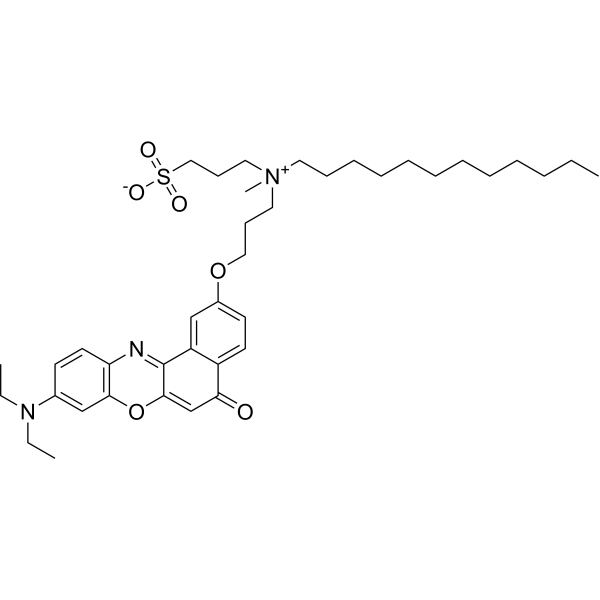
Imipramine Blue chloride is a potent anti-invasive agent. Imipramine Blue chloride inhibits the invasion of glioma. Imipramine Blue chloride inhibits NADPH oxidase-mediated reactive oxygen species generation .
|
-
- HY-154988
-
|
|
MARK
|
Neurological Disease
Cancer
|
|
MARK4 inhibitor 4 is a MARK4 inhibitor with an IC50 of 1.49 μM. MARK4 inhibitor 4 can be used in cancer and tau lesion-related research .
|
-
- HY-159101
-
|
|
EGFR
PD-1/PD-L1
|
Cancer
|
|
EP26 is a potent and orally active EGFR and PD-L1 inhibitor with IC50 values of 48.6 nM, 1.77 µM, respectively. EP26 decreased the protein expression of p-EGFR. EP26 induces cell cycle arrest at G0/G1 phase. EP26 has the potential for the research of glioblastoma .
|
-
- HY-168559
-
|
|
EGFR
Apoptosis
|
Cancer
|
|
EGFR-IN-131 (compound 3a) is a potent and cross the blood-brain barrier EGFR inhibitor with an IC50 value of 272.9 nM. EGFR-IN-131 shows antiproliferative activity. EGFR-IN-131 induces apoptosis and cell cycle arrest at G0/G1 phase. EGFR-IN-131 decreases the protein expression of p-EGFR .
|
-
- HY-120387
-
|
|
ROS Kinase
Anaplastic lymphoma kinase (ALK)
TAM Receptor
c-Met/HGFR
|
Cancer
|
|
SMU-B is the orally active inhibitor for ALK (IC50<0.5 nM), c-ros oncogene 1 (ROS1), c-MET (IC50=1.87 nM) and AXL (IC50=28.9 nM). SMU-B inhibits the proliferation of MKN45, H1993 and H441 with IC50s of 0.02 μM, 1.58 μM and 2.82 μM, respectively. SMU-B exhibits antitumor efficacy in mouse models .
|
-
- HY-157135
-
|
|
Carbonic Anhydrase
|
Cancer
|
|
hCAIX-IN-19 is a sulfonamides inhibitor against hCA IX with an inhibition constant (KI ) of 6.2 nM and show good selectivity over hCA I (hCA I/ hCA IX = 117) .
|
-
- HY-120267
-
-
- HY-183853
-
|
|
mAChR
Reactive Oxygen Species (ROS)
DNA/RNA Synthesis
Apoptosis
SOD
Sirtuin
|
Cardiovascular Disease
Neurological Disease
Cancer
|
|
Arecaidine-propargyl ester is a selective M2 muscarinic receptor agonist with blood-brain barrier permeability, with a pKi of 5.91 for hm1, 7.06 for hm2, 6.07 for hm3, 6.01 for hm4, and 6.03 for hm5. Arecaidine-propargyl ester stimulates central and peripheral muscarinic receptors. Arecaidine-propargyl ester increases intracellular ROS, induces DNA damage and Apoptosis, and upregulates the expression of MnSOD and SIRT1. Arecaidine-propargyl ester reduces sympathetic nerve outflow, induces dose-dependent hypotension, and triggers negative chronotropic effects at high peripheral doses. Arecaidine-propargyl ester can be used in research related to Alzheimer's disease and glioblastoma .
|
-
- HY-D3432
-
|
|
Fluorescent Dye
|
Neurological Disease
Inflammation/Immunology
Cancer
|
|
WazaGaY-1 is an aza-BODIPY derivative, functions as a NIR-I/NIR-II fluorescent contrast agent. WazaGaY-1 undergoes internalization into tumor cells predominantly via clathrin-coated pits. WazaGaY-1 can be used for the research of glioblastoma, ovarian carcinoma and melanoma (Ex/Em = 685/820 nm) .
|
-
- HY-181717
-
|
|
NF-κB
Apoptosis
Cadherin
Caspase
Bcl-2 Family
|
Neurological Disease
Cancer
|
|
TKL002 is a blood-brain barrier-permeable inhibitor of the CTH/H2S/NF-κB/EMT signaling axis. TKL002 induces G2/M phase cell cycle arrest and apoptosis in glioblastoma cells. TKL002 inhibits the migration and invasion of glioblastoma cells by upregulating E-cadherin and downregulating N-cadherin and vimentin. TKL002 is applicable to relevant research on glioblastoma .
|
-
- HY-P992396
-
|
|
c-Met/HGFR
|
Cancer
|
|
KTN0073 is a high-affinity MET receptor tyrosine kinase inhibitor. KTN0073 can be used in studies related to non-small cell lung cancer and human cancers driven by HGF, MET amplification, or exon 14 mutation. KTN0073 binds to the Sema/PSI domain to block the HGF-MET interaction, and induces ubiquitination and degradation of oncogenic MET receptors via an HGF-independent pathway, thereby inhibiting MET-dependent signal transduction. KTN0073 exhibits significant antitumor activity in vivo, and its tumor suppressive activity is superior to that of the IgG1 subtype when grafted to the IgG2 constant region .
|
-
- HY-182272
-
|
|
FAP
|
Cancer
|
|
FAP-IN-9 (compound P12) is a fibroblast activation protein (FAP) inhibitor with an IC50 of 0.38 nM against human FAP. FAP-IN-9 functionally inhibits FAP activity, and its specific binding is verified by in vitro and in vivo blocking assays. FAP-IN-9 forms stable complexes and acts as a tumor-targeting agent. When labeled with 99mTc, FAP-IN-9 serves as a SPECT probe and is applicable to research related to glioblastoma .
|
-
- HY-181491
-
|
|
Microtubule/Tubulin
EGFR
Akt
mTOR
Ras
Apoptosis
Autophagy
|
Cancer
|
|
Tubulin-IN-64 is a sulfonated styrylquinazoline derivative with high selectivity antitumor activity. Tubulin-IN-64 targets tubulin, inhibits the EGFR/Akt/mTOR and EGFR/Ras signaling pathways, induces cell cycle arrest, apoptosis and autophagy. Tubulin-IN-64 exhibits significant antitumor efficacy in the zebrafish GBM xenograft model. Tubulin-IN-64 can be used for the research on glioblastoma and leukemia .
|
-
- HY-181494
-
|
|
FAP
|
Cancer
|
|
FAPI-X5 is a fibroblast activation protein (FAP) inhibitor. FAPI-X5 binds to the FAP catalytic domain, forming hydrogen bonds with key active residues and engaging in π-π stacking to drive functional inhibition. FAPI-X5 exhibits albumin binding activity to prolong systemic circulation half-life. FAPI-X5 induces cytostatic effects on glioblastoma tumors, slowing tumor growth without regression. FAPI-X5, when labeled with 68Ga, acts as a PET tracer with rapid tumor uptake and high-contrast imaging in glioblastoma tumor-bearing mice. FAPI-X5, when labeled with 177Lu or 47Sc, functions as a targeted radionuclide agent with prolonged tumor retention. FAPI-X5 can be used for the research of glioblastoma .
|
-
| Cat. No. |
Product Name |
Type |
-
- HY-D3432
-
|
|
Fluorescent Dyes
|
|
WazaGaY-1 is an aza-BODIPY derivative, functions as a NIR-I/NIR-II fluorescent contrast agent. WazaGaY-1 undergoes internalization into tumor cells predominantly via clathrin-coated pits. WazaGaY-1 can be used for the research of glioblastoma, ovarian carcinoma and melanoma (Ex/Em = 685/820 nm) .
|
| Cat. No. |
Product Name |
Target |
Research Area |
-
- HY-P4111
-
|
|
CXCR
|
Inflammation/Immunology
Cancer
|
|
Peptide R is a cyclic peptide and a specific CXCR4 antagonist. Peptide R exhibits excellent ability to effectively remodel tumor stroma. Peptide R has potential for use in tumor research .
|
-
- HY-P10427
-
|
|
CXCR
Dengue Virus
|
Neurological Disease
Inflammation/Immunology
Cancer
|
|
DV1 is a CXCR4 inhibitor with anti-proteolytic properties that specifically blocks the binding of SDF-1α to its receptor. DV1 inhibits the migration of breast cancer cells and enables the targeted delivery of avidin-PLGA nanoparticles to CXCR4-expressing cancer cells. DV1 not only effectively suppresses the progression of metastatic breast cancer in mouse models, but also preferentially accumulates in brain tumor tissues rather than normal brain tissues, showing potential for inhibiting intracranial tumor metastasis. As a humoral immune stimulant, DV1 induces the production of specific IgG, neutralizing antibodies and cellular immune responses, thereby providing the host with protection against lethal challenges. DV1 has been applied to studies on CXCR4-expressing cancers, glioblastoma, dengue fever and other related diseases .
|
| Cat. No. |
Product Name |
Target |
Research Area |
Image |
-
- HY-P992396
-
|
|
c-Met/HGFR
|
Cancer
|
|
KTN0073 is a high-affinity MET receptor tyrosine kinase inhibitor. KTN0073 can be used in studies related to non-small cell lung cancer and human cancers driven by HGF, MET amplification, or exon 14 mutation. KTN0073 binds to the Sema/PSI domain to block the HGF-MET interaction, and induces ubiquitination and degradation of oncogenic MET receptors via an HGF-independent pathway, thereby inhibiting MET-dependent signal transduction. KTN0073 exhibits significant antitumor activity in vivo, and its tumor suppressive activity is superior to that of the IgG1 subtype when grafted to the IgG2 constant region .
|
-
(5)
| Cat. No. |
Product Name |
Chemical Structure |
-
- HY-B1490AS
-
|
|
|
Imipramine-d6 is the deuterium labeled Imipramine hydrochloride. Imipramine is an orally active tertiary amine tricyclic antidepressant. Imipramine is a Fascin1 inhibitor with antitumor activities. Imipramine also inhibits serotonin transporter with an IC50 value of 32 nM. Imipramine stimulates U-87MG glioma cells autophagy and induces HL-60 cell apoptosis. Imipramine shows neuroprotective and immunomodulatory effects .
|
-
-
- HY-B1490S1
-
|
|
|
Imipramine-d3 (hydrochloride) is deuterium labeled Imipramine (hydrochloride). Imipramine is an orally active tertiary amine tricyclic antidepressant. Imipramine is a Fascin1 inhibitor with antitumor activities. Imipramine also inhibits serotonin transporter with an IC50 value of 32 nM. Imipramine stimulates U-87MG glioma cells autophagy and induces HL-60 cell apoptosis. Imipramine shows neuroprotective and immunomodulatory effects .
|
-
-
- HY-B1490S
-
|
|
|
Imipramine-d4 (hydrochloride) is the deuterium labeled Imipramine hydrochloride. Imipramine hydrochloride is an orally active tertiary amine tricyclic antidepressant. Imipramine hydrochloride is a Fascin1 inhibitor with antitumor activities. Imipramine hydrochloride also inhibits serotonin transporter with an IC50 value of 32 nM. Imipramine hydrochloride stimulates U-87MG glioma cells autophagy and induces HL-60 cell apoptosis. Imipramine hydrochloride shows neuroprotective and immunomodulatory effects .
|
-
-
- HY-B1490AS1
-
|
|
|
Imipramine-d4 is deuterium labeled Imipramine. Imipramine is an orally active tertiary amine tricyclic antidepressant. Imipramine is a Fascin1 inhibitor with antitumor activities. Imipramine also inhibits serotonin transporter with an IC50 value of 32 nM. Imipramine stimulates U-87MG glioma cells autophagy and induces HL-60 cell apoptosis. Imipramine shows neuroprotective and immunomodulatory effects .
|
-
-
- HY-B1490AS3
-
|
|
|
Imipramine-d4-1 is the deuterium labeled Imipramine (HY-W010179). Imipramine is an orally active tertiary amine tricyclic antidepressant. Imipramine is a Fascin1 inhibitor with antitumor activities. Imipramine also inhibits serotonin transporter with an IC50 value of 32 nM. Imipramine stimulates U-87MG glioma cells autophagy and induces HL-60 cell apoptosis. Imipramine shows neuroprotective and immunomodulatory effects .
|
-
| Cat. No. |
Product Name |
|
Classification |
-
- HY-183853
-
|
|
|
Alkynes
|
|
Arecaidine-propargyl ester is a selective M2 muscarinic receptor agonist with blood-brain barrier permeability, with a pKi of 5.91 for hm1, 7.06 for hm2, 6.07 for hm3, 6.01 for hm4, and 6.03 for hm5. Arecaidine-propargyl ester stimulates central and peripheral muscarinic receptors. Arecaidine-propargyl ester increases intracellular ROS, induces DNA damage and Apoptosis, and upregulates the expression of MnSOD and SIRT1. Arecaidine-propargyl ester reduces sympathetic nerve outflow, induces dose-dependent hypotension, and triggers negative chronotropic effects at high peripheral doses. Arecaidine-propargyl ester can be used in research related to Alzheimer's disease and glioblastoma .
|
Your information is safe with us. * Required Fields.
Inquiry Information
- Product Name:
- Cat. No.:
- Quantity:
- MCE Japan Authorized Agent:

