

1. Search Result
Search Result
Results for "

UV light

" in MedChemExpress (MCE) Product Catalog:

52

Inhibitors & Agonists

8

Fluorescent Dyes

3

Biochemical Assay Reagents

7

Peptides

8

Natural
Products

6

Isotope-Labeled Compounds

Cat. No. Product Name Target Research Areas Chemical Structure
  • HY-113485
    Melanin
    1 Publications Verification

    Endogenous Metabolite Others
    Melanin is a unique pigment with myriad functions. It is multifunctional, providing defense against environmental stresses such as ultraviolet (UV) light, oxidizing agents and ionizing radiation.
    Melanin
  • HY-101897
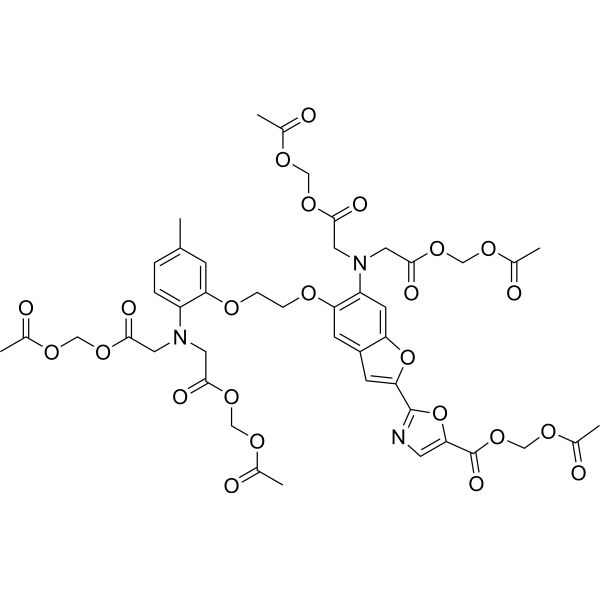
    Fura-2 AM
    Maximum Cited Publications
    9 Publications Verification

    Fura-2 Acetoxymethyl ester

    Fluorescent Dye Others
    Fura-2 AM is a membrane permeable, intracellular, UV light-excitable and ratiometric fluorescent Ca 2+ (calcium ion) indicator. Fura-2 AM crosses cell membranes and is converted to Fura-2 (HY-D0110A) via cellular esterases. Fura-2 AM can be used to detect calcium in cells.
    Fura-2 AM
  • HY-D0150
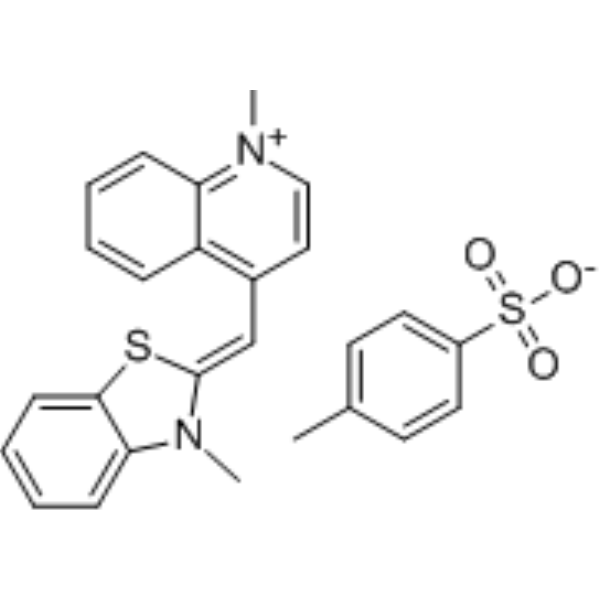
    Thiazole Orange
    1 Publications Verification

    Fluorescent Dye Others
    Thiazole Orange is an asymmetric anthocyanin dye that can be coupled with oligonucleotides (ONs) to prepare fluorescent hybridization probes. Thiazole Orange has been widely used in biomolecular detection and staining of DNA/ RNA in gels and can be used for reticulocyte analysis. Thiazole orange generates a significant fluorescence enhancement and high quantum yield when it binds with nucleic acids, especially RNA. Thiazole orange can permeate living cell membranes. Thiazole orange can use UV light for detection, but can also be detected with blue light. The excitation and emission of Thiazole orange are λex = 510 nm (488 nm and 470 nm also show strong excitation) and λem = 527 nm, respectively .
    Thiazole Orange
  • HY-B1398
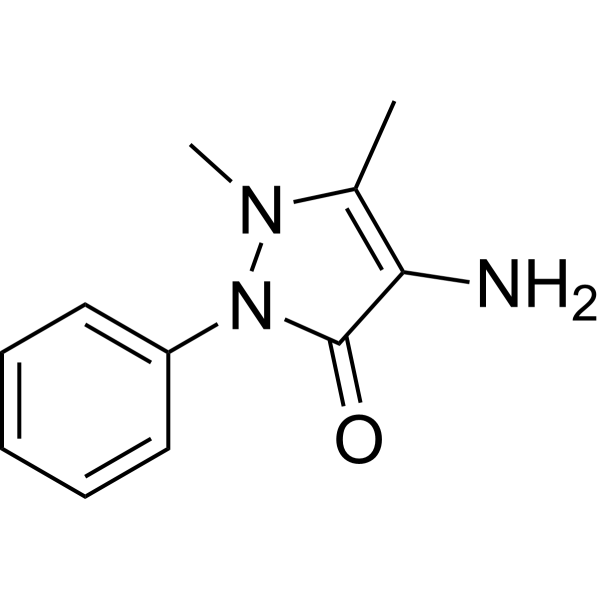
    Ampyrone
    1 Publications Verification

    4-Aminophenazone

    COX Drug Metabolite Neurological Disease Inflammation/Immunology Cancer
    Ampyrone (4-Aminophenazone; 4-Aminoantipyrine) is a reversible and low-damage optical clearing agent and non-selective COX inhibitor based on UV absorption properties. Ampyrone can improve the optical transmittance of mouse skin and other tissues. Ampyrone can induce tissue refractive index matching by enhancing UV absorption, reduce light scattering, and achieve tissue transparency in vivo. Ampyrone reduces the synthesis of prostaglandin PGE2, thereby exerting anti-inflammatory, analgesic and antipyretic effects. Ampyrone inhibits DNA damage, cell apoptosis and immune cell phagocytosis induced by Doxorubicin (HY-15142A) and Cisplatin (HY-17394), etc., and participates in the regulation of toxicity in tumor chemotherapy .
    Ampyrone
  • HY-Y0546
    Benzophenone
    1 Publications Verification

    Environmental Pollutants Endogenous Metabolite Photosensitizer Cancer
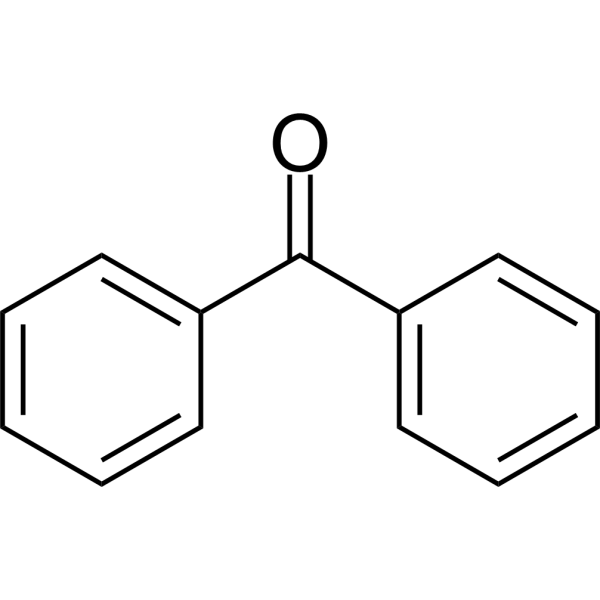
    Benzophenone is an endogenous metabolite. Benzophenone is a photosensitizer, that absorbs UV light, transfers its energy to DNA, and triggers DNA damage. Benzophenone can be used as the fragrance enhancer, ultraviolet curing agent, additive in plastics, or the flavor ingredient. Benzophenone can also be used in the manufacturing of insecticides, agricultural chemicals, hypnotics, antihistamines, and other pharmaceuticals. Benzophenone exhibits certain carcinogenicity in mouse/rat models under long term exposure. Benzophenone exhibits estrogenic activity .
    Benzophenone
  • HY-B1556

    NSC 6647

    Environmental Pollutants Apoptosis Drug Derivative p38 MAPK ERK JNK Cancer
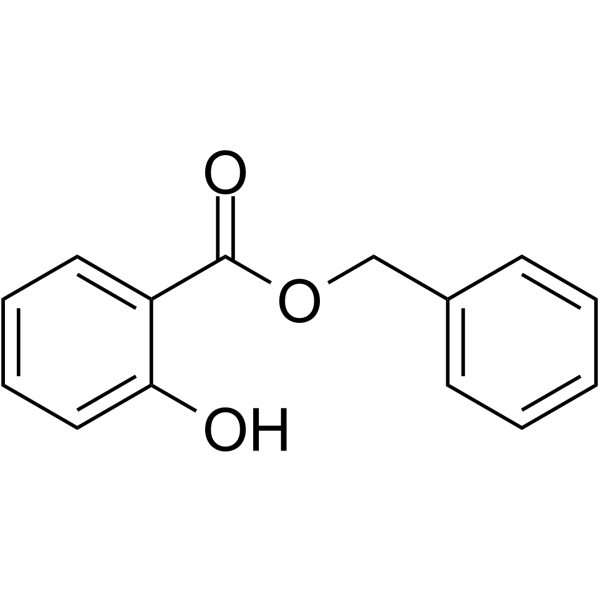
    Benzyl salicylate (NSC 6647)?is a salicylic acid benzyl ester. It can be used as a fragrance additive or UV light absorber .
    Benzyl salicylate
  • HY-164159

    Reactive Oxygen Species (ROS) MMP Inflammation/Immunology
    α-Glucosylrutin, a flavonoid, is a potent antioxidant with free radical scavenging activity. α-Glucosylrutin reduces MMP-1 gene expression, protein expression, and enzyme activity, and reduces MMP-2 protein expression and enzyme activity in UVA-irradiated human dermal fibroblasts. α-Glucosylrutin prevents oxidative stress-induced intracellular tyrosine residue phosphorylation and counteracts intracellular thiol level depletion in human skin cells. α-Glucosylrutin is effective in the prevention of dermatologic diseases in which oxidative stress is of pathogenetic relevance, e.g. in polymorphous light eruption (PLE). α-Glucosylrutin can be used for the research of UV-induced skin photodamage/photoaging .
    α-Glucosylrutin
  • HY-B0897
    Bisoctrizole
    1 Publications Verification

    Biochemical Assay Reagents Others
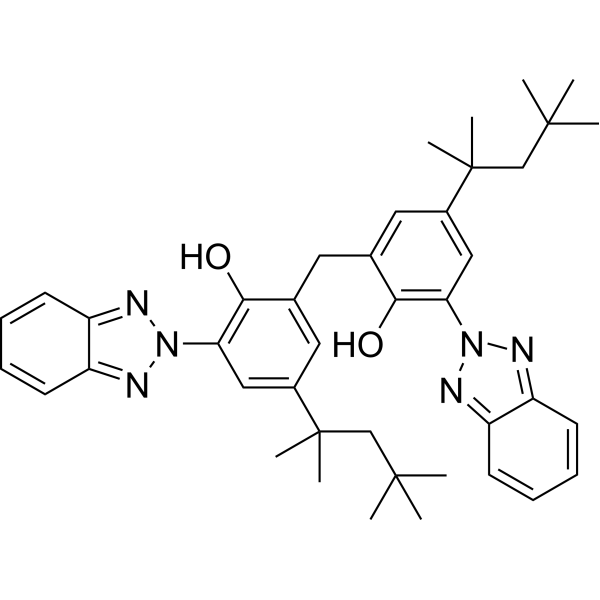
    Bisoctrizole is a broad-spectrum UVA/UVB absorber that belongs to the benzotriazole class of compounds. Bisoctrizole absorbs UV light through hydroxyphenyl groups, causing reversible electronic transitions, thereby converting light energy into heat energy, inhibiting UV-induced material or skin damage. Bisoctrizole is highly efficient in capturing UVA (320-400 nm) and some UVB (280-320 nm) radiation. Bisoctrizole delays the photodegradation of materials such as silicones, improving their UV aging resistance or enhancing the photoprotective ability of sunscreen products .
    Bisoctrizole
  • HY-D0853
    DiAzKs
    1 Publications Verification

    H-L-Photo-lysine

    Fluorescent Dye Others
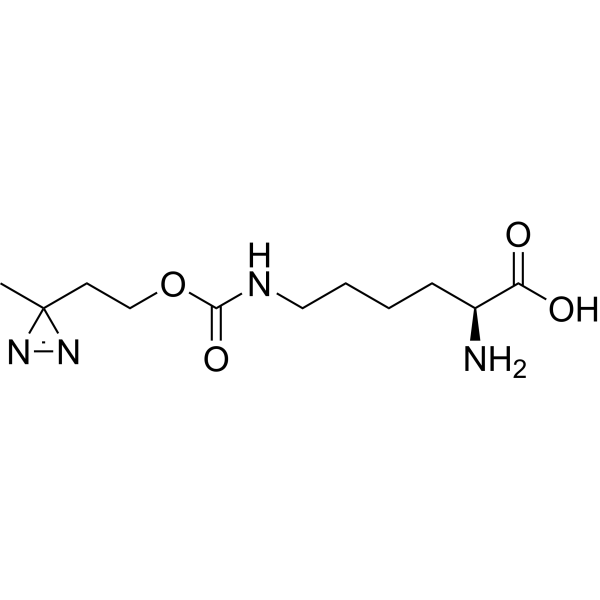
    DiAzKs (H-L-Photo-lysine) is a diazirine-containing lysine amino acid and is a photo-cross-linker. DiAzKs can site-selective incorporated into proteins and is used to crosslink protein-protein interactions in vitro and in living cells. DiAzKs acts as a UV light-activated photo-crosslinking probe .
    DiAzKs
  • HY-P4417

    Fluorescent Dye Others
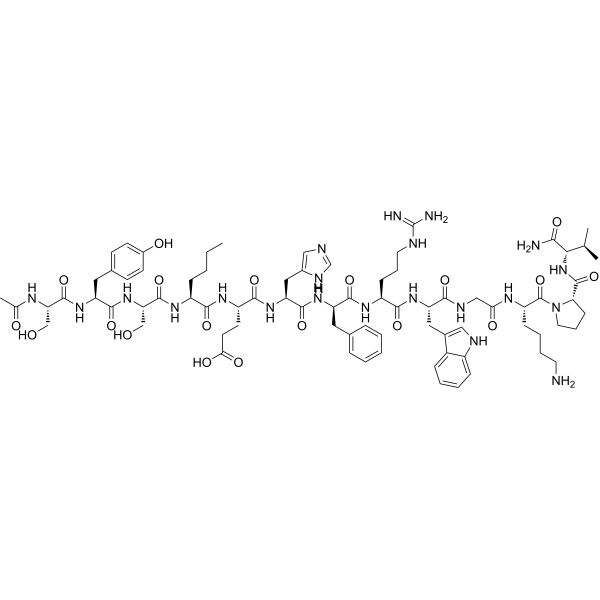
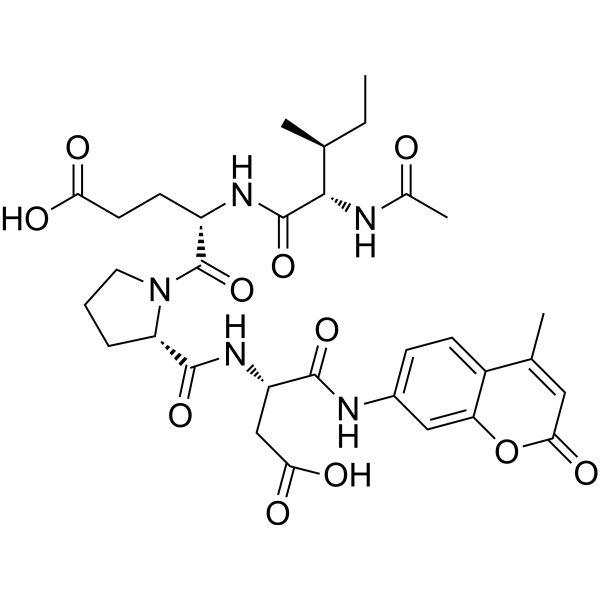
    Ac-IEPD-AMC is a fluorogenic substrate for the determination of protease activity. Ac-IEPD-AMC undergoes hydrolysis and releases the fluorescent product 7-amino-4-methylcoumarin (AMC). AMC is fluorescent under UV light and can emit a fluorescent signal .
    Ac-IEPD-AMC
  • HY-P4419A

    Fluorescent Dye Others
    Boc-Asp(OBzl)-Pro-Arg-AMC acetate is a fluorogenic substrate for the determination of protease activity. Boc-Asp(OBzl)-Pro-Arg-AMC acetate undergoes hydrolysis and releases the fluorescent product 7-amino-4-methylcoumarin (AMC). AMC is fluorescent under UV light and can emit a fluorescent signal .
    Boc-Asp(OBzl)-Pro-Arg-AMC acetate
  • HY-W099538

    Dilauryl 3,3'-Thiodipropionate

    Environmental Pollutants Biochemical Assay Reagents Others
    Dilauryl thiodipropionate (DLTDP), which is a sulfur-containing antioxidant commonly used to stabilize polymers and plastics against degradation caused by heat, oxygen, and UV light, acts to scavenge free radicals and others that may cause polymer chain scission and cross-linked active substances, in addition, DLTDP has been used as an additive to lubricants, oils and other industrial fluids to improve their oxidation stability, the long hydrocarbon chain in DLTDP makes it low volatility and compatible with many materials and Good compatibility with substrates.
    Dilauryl thiodipropionate
  • HY-Y0546S

    Isotope-Labeled Compounds Endogenous Metabolite Photosensitizer Cancer
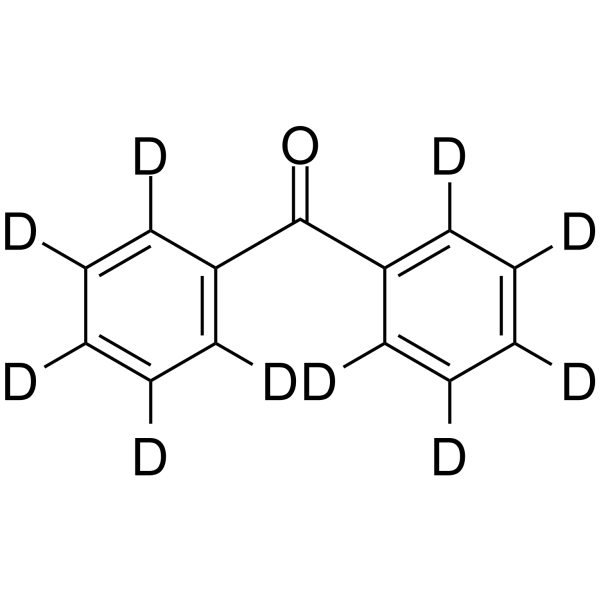
    Benzophenone-d10 is the deuterium labeled Benzophenone (HY-Y0546). Benzophenone is an endogenous metabolite. Benzophenone is a photosensitizer, that absorbs UV light, transfers its energy to DNA, and triggers DNA damage. Benzophenone can be used as the fragrance enhancer, ultraviolet curing agent, additive in plastics, or the flavor ingredient. Benzophenone can also be used in the manufacturing of insecticides, agricultural chemicals, hypnotics, antihistamines, and other pharmaceuticals. Benzophenone exhibits certain carcinogenicity in mouse/rat models under long term exposure. Benzophenone exhibits estrogenic activity .
    Benzophenone-d10
  • HY-N4096

    Others Inflammation/Immunology
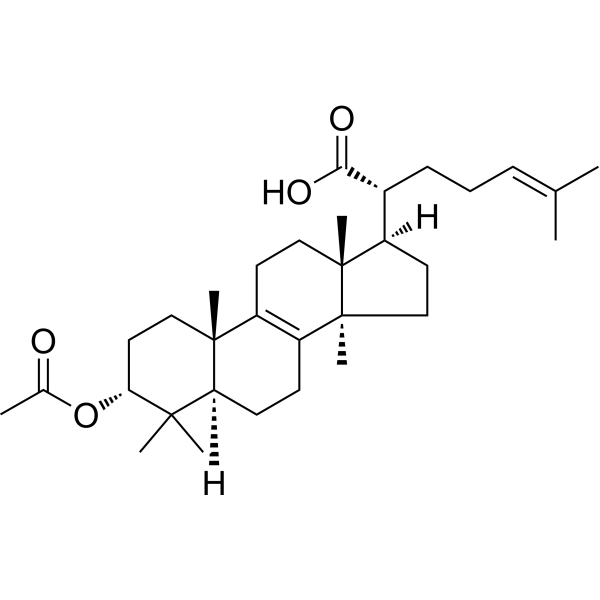
    Tsugaric acid A can significantly inhibit superoxide anion formation. Tsugaric acid A also protects human keratinocytes against damage induced by ultraviolet B (UV B) light. Tsugaric acid A can protect keratinocytes from photodamage.
    Tsugaric acid A
  • HY-B1556S

    NSC 6647-d4

    Isotope-Labeled Compounds ERK Drug Derivative Apoptosis p38 MAPK JNK Cancer
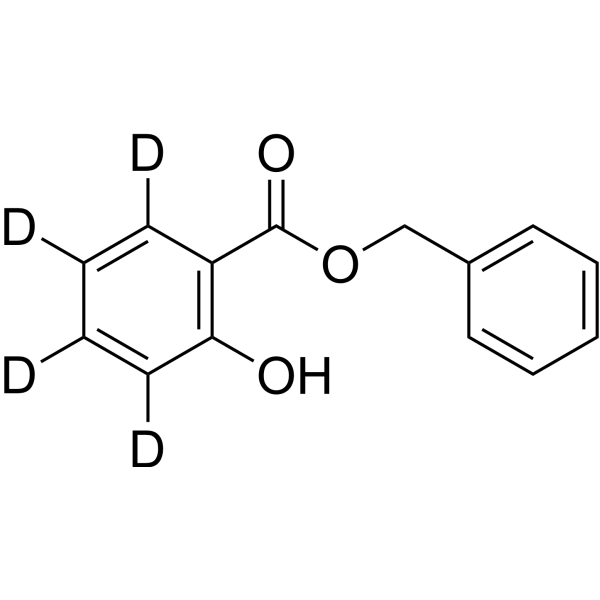
    Benzyl salicylate-d4 (NSC 6647-d4) is the deuterium labeled Benzyl salicylate (HY-B1556). Benzyl salicylate (NSC 6647)?is a salicylic acid benzyl ester. It can be used as a fragrance additive or UV light absorber .
    Benzyl salicylate-d4
  • HY-D0853A
    DiAzKs hydrochloride
    1 Publications Verification

    H-L-Photo-lysine hydrochloride

    Fluorescent Dye Others
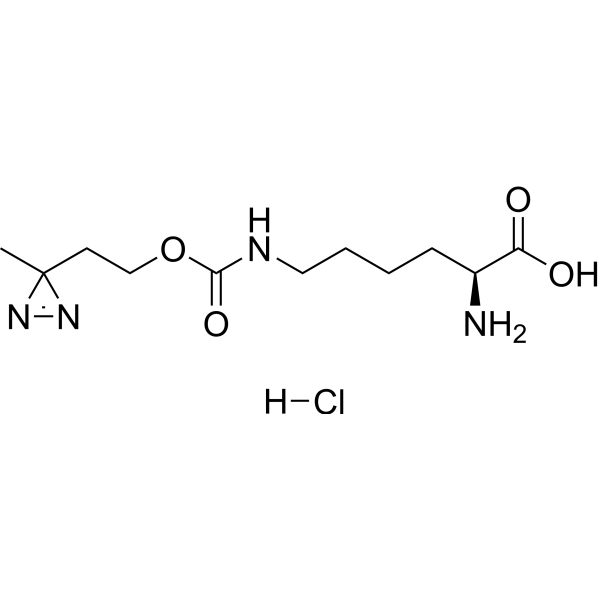
    DiAzKs (H-L-Photo-lysine) hydrochloride is a diazirine-containing lysine amino acid and is a photo-cross-linker. DiAzKs hydrochloride can site-selective incorporated into proteins and is used to crosslink protein-protein interactions in vitro and in living cells. DiAzKs hydrochloride acts as a UV light-activated photo-crosslinking probe .
    DiAzKs hydrochloride
  • HY-113326

    trans-Phytoene

    Reactive Oxygen Species (ROS) Cancer
    Phytoene (trans-Phytoene) is a carotene pigment. Phytoene is the precursor of all carotenoids. Phytoene is the predominant PT isomer in most carotenogenic organisms. Phytoene can delay the skin tumors appearance and reduce their number in mice that are induced the tumors with UV-B light. Phytoene leads to protection against oxidative stress and malignant transformation. Phytoene inhibits the proliferation of breast cancer cells .
    Phytoene
  • HY-103427

    Dopamine Receptor Neurological Disease
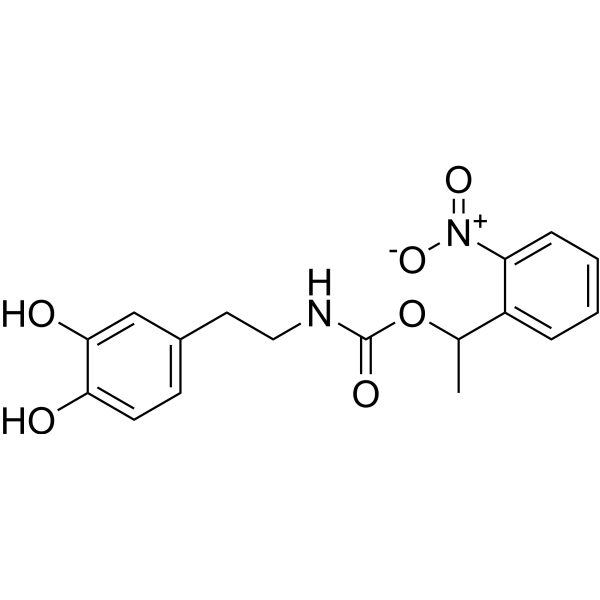
    NPEC-caged-dopamine is a caged version of dopamine. NPEC-caged-Dopamine was used by applying focal photolysis with UV light (360 nm) to releases dopamine, which leads to D1 receptor activation .
    NPEC-caged-dopamine
  • HY-P4417A

    Fluorescent Dye Others
    Ac-IEPD-AMC TFA is a fluorescent substrate used to measure protease activity. Ac-IEPD-AMC undergoes hydrolysis and releases the fluorescent product 7-amino-4-methylcoumarin (AMC). AMC fluoresces under UV light irradiation and can emit fluorescent signals .
    Ac-IEPD-AMC TFA
  • HY-P4323A

    Fluorescent Dye Others
    Boc-Gln-Arg-Arg-AMC acetate is a fluorogenic substrate for the determination of protease activity. Boc-Gln-Arg-Arg-AMC undergoes hydrolysis and releases the fluorescent product 7-amino-4-methylcoumarin (AMC). AMC is fluorescent under UV light and can emit a fluorescent signal .
    Boc-Gln-Arg-Arg-AMC acetate
  • HY-Y0546S2

    Isotope-Labeled Compounds Endogenous Metabolite Photosensitizer Cancer
    Benzophenone- 13C is the 13C labeled Benzophenone (HY-Y0546). Benzophenone is an endogenous metabolite. Benzophenone is a photosensitizer, that absorbs UV light, transfers its energy to DNA, and triggers DNA damage. Benzophenone can be used as the fragrance enhancer, ultraviolet curing agent, additive in plastics, or the flavor ingredient. Benzophenone can also be used in the manufacturing of insecticides, agricultural chemicals, hypnotics, antihistamines, and other pharmaceuticals. Benzophenone exhibits certain carcinogenicity in mouse/rat models under long term exposure. Benzophenone exhibits estrogenic activity .
    Benzophenone-13C
  • HY-B1398R
    Ampyrone (Standard)
    1 Publications Verification

    4-Aminophenazone (Standard)

    Reference Standards COX Drug Metabolite Neurological Disease Inflammation/Immunology Cancer
    Ampyrone (4-Aminophenazone) (Standard) is the analytical standard of Ampyrone (HY-B1398). This product is intended for research and analytical applications. Ampyrone (4-Aminophenazone; 4-Aminoantipyrine) is a reversible and low-damage optical clearing agent and non-selective COX inhibitor based on UV absorption properties. Ampyrone can improve the optical transmittance of mouse skin and other tissues. Ampyrone can induce tissue refractive index matching by enhancing UV absorption, reduce light scattering, and achieve tissue transparency in vivo. Ampyrone reduces the synthesis of prostaglandin PGE2, thereby exerting anti-inflammatory, analgesic and antipyretic effects. Ampyrone inhibits DNA damage, cell apoptosis and immune cell phagocytosis induced by Doxorubicin (HY-15142A) and Cisplatin (HY-17394), etc., and participates in the regulation of toxicity in tumor chemotherapy .
    Ampyrone (Standard)
  • HY-D2994

    SNAP-MaP555

    Fluorescent Dye Others
    SPY555-BG (SNAP-MaP555) is the benzylguanine derivative of SPY555 fluorophore. SPY555-BG emits light in the orange part of the UV-ViS spectrum. SPY555-BG is fluorogenic, highly cell permeable and well suited for STED and SIM superresolution imaging. SPY555-BG can be imaged with a standard Cy3 filterset. SPY555-BG can be used for widefield, confocal, SIM or STED imaging in living or fixed cells and tissue .
    SPY555-BG
  • HY-161650

    PROTACs Epigenetic Reader Domain Cancer
    PROTAC BRD4 Degrader-26 (PROTAC-2) is a photo-regulated PROTAC, which degrades 80% BRD4 at 1 μM by using photocleavable linker. PROTAC BRD4 Degrader-26 will be deactivated by UV light. (Pink: ligand for target protein BRD4 ligand 6 (HY-161651); Black: linker (HY-161653); Blue: E3 ligase ligand Thalidomide 4-fluoride (HY-41547))
    PROTAC BRD4 Degrader-26
  • HY-D0114

    Fluorescent Dye Others
    3-Carboxy-7-Hydroxycoumarin is a UV-light excitable fluorescent dye .
    3-Carboxy-7-Hydroxycoumarin
  • HY-W704878

    Isotope-Labeled Compounds COMT Metabolic Disease
    (Z)-Entacapone-d10-1 is the deuterium labeled (Z)-Entacapone (HY-139089). (Z)-Entacapone is a metabolite of the catechol-O-methyltransferase (COMT) inhibitor Entacapone (HY-14280). It is also a potential impurity found in commercial preparations of Entacapone and a degradant of Entacapone formed by UV light exposure.
    (Z)-Entacapone-d10-1
  • HY-B1556R

    NSC 6647 (Standard)

    Reference Standards ERK Drug Derivative Apoptosis p38 MAPK JNK Cancer
    Benzyl salicylate (Standard) (NSC 6647 (Standard)) is the analytical standard of Benzyl salicylate (HY-B1556). This product is intended for research and analytical applications. Benzyl salicylate (NSC 6647)?is a salicylic acid benzyl ester. It can be used as a fragrance additive or UV light absorber .
    Benzyl salicylate (Standard)
  • HY-155996

    PI3K Apoptosis Cancer
    FD2157 is a photosensitive PI3K inhibitor, with IC50s of 43 nM, 83 nM, 84 nM, 14 nM for PI3Kα, PI3Kβ, PI3Kγ, PI3Kδ respectively. FD2157 potently inhibits cancer cell proliferation and induces cell apoptosis when exposed to 365 nm UV light .
    FD2157
  • HY-161652

    E3 Ligase Ligand-Linker Conjugates Cancer
    Thalidomide-NH-C3-O-Ph(NO2)-methylester-O-pyrrolidine-2,5-dione is the conjugate of a linker and a ligand for E3 ligase. Thalidomide-NH-C3-O-Ph(NO2)-methylester-O-pyrrolidine-2,5-dione can be used for synthesis of PROTAC BRD4 Degrader-26 (HY-161650) .
    Thalidomide-NH-C3-O-Ph(NO2)-methylester-O-pyrrolidine-2,5-dione
  • HY-N3491

    Bacterial Others
    Isodictamnine is a phototoxic furoquinoline compound of the Turnipaceae family. Isodictamnine is phototoxic to certain bacteria and yeasts under long-wave UV light .
    Isodictamnine
  • HY-B0897R

    Reference Standards Biochemical Assay Reagents Others
    Bisoctrizole (Standard) is the analytical standard of Bisoctrizole (HY-B0897). This product is intended for research and analytical applications. Bisoctrizole is a broad-spectrum UVA/UVB absorber that belongs to the benzotriazole class of compounds. Bisoctrizole absorbs UV light through hydroxyphenyl groups, causing reversible electronic transitions, thereby converting light energy into heat energy, inhibiting UV-induced material or skin damage. Bisoctrizole is highly efficient in capturing UVA (320-400 nm) and some UVB (280-320 nm) radiation. Bisoctrizole delays the photodegradation of materials such as silicones, improving their UV aging resistance or enhancing the photoprotective ability of sunscreen products .
    Bisoctrizole (Standard)
  • HY-139089

    COMT Metabolic Disease
    (Z)-Entacapone is a metabolite of the catechol-O-methyltransferase (COMT) inhibitor Entacapone (HY-14280). It is also a potential impurity found in commercial preparations of Entacapone and a degradant of Entacapone formed by UV light exposure.
    (Z)-Entacapone
  • HY-P4408

    Fluorescent Dye Others
    Ac-Arg-Gly-Lys-AMC is a fluorogenic substrate for the determination of protease activity. Ac-Arg-Gly-Lys-AMC undergoes hydrolysis and releases the fluorescent product 7-amino-4-methylcoumarin (AMC). AMC is fluorescent under UV light and can emit a fluorescent signal .
    Ac-Arg-Gly-Lys-AMC
  • HY-P4323

    Fluorescent Dye Others
    Boc-Gln-Arg-Arg-AMC is a fluorogenic substrate for the determination of protease activity. Boc-Gln-Arg-Arg-AMC undergoes hydrolysis and releases the fluorescent product 7-amino-4-methylcoumarin (AMC). AMC is fluorescent under UV light and can emit a fluorescent signal .
    Boc-Gln-Arg-Arg-AMC
  • HY-161160

    Fluorescent Dye Others
    Ac4ManNDAz is a cell-permeable photocross-linking probe. Ac4ManNDAz can effectively compete with endogenous sialic acid for incorporation into cell surface glycoproteins and form cross-links with glycoprotein ligands under UV light irradiation. Ac4ManNDAz can be used to study interactions between glycoproteins .
    Ac4ManNDAz
  • HY-P4416

    Fluorescent Dye Others
    Ac-Gly-Ala-Lys(Ac)-AMC is a fluorogenic substrate for the determination of protease activity. Ac-Gly-Ala-Lys(Ac)-AMC undergoes hydrolysis and releases the fluorescent product 7-amino-4-methylcoumarin (AMC). AMC is fluorescent under UV light and can emit a fluorescent signal .
    Ac-Gly-Ala-Lys(Ac)-AMC
  • HY-W800683

    Biochemical Assay Reagents Others
    4-Azide-TFP-Amide-SS-Sulfo-NHS consists of an aryl azide, a cleavable disulfide bond, and an NHS ester. The aryl azide can be photo-activated with UV light (250 to 350 nm) for conjugation with biomolecules. Fluoro helps to stabilize the free radical intermediate. The NHS ester reacts with amines. The disulfide bond can be cleaved by reducing agents.
    4-Azide-TFP-amide-SS-Sulfo-NHS
  • HY-158220D

    HAMA (MW 300000)

    Biochemical Assay Reagents Inflammation/Immunology
    Hyaluronic acid methacryloyl (MW 300000) (HAMA (MW 300000)), a natural extracellular matrix (ECM) with anti-inflammatory effects, promoting cell adhesion and proliferation. Hyaluronic acid methacryloyl (MW 300000) can be widely used in tissue engineering and regenerative medicine. Hyaluronic acid methacryloyl (MW 300000) can rapidly form a hydrogel after exposure to UV light .
    Hyaluronic acid methacryloyl (MW 300000)
  • HY-B1398S

    4-Aminoantipyrine-d3

    Isotope-Labeled Compounds COX Drug Metabolite Neurological Disease Inflammation/Immunology Cancer
    Ampyrone-d3 is the deuterium labeled Ampyrone (HY-B1398). Ampyrone (4-Aminophenazone; 4-Aminoantipyrine) is a reversible and low-damage optical clearing agent and non-selective COX inhibitor based on UV absorption properties. Ampyrone can improve the optical transmittance of mouse skin and other tissues. Ampyrone can induce tissue refractive index matching by enhancing UV absorption, reduce light scattering, and achieve tissue transparency in vivo. Ampyrone reduces the synthesis of prostaglandin PGE2, thereby exerting anti-inflammatory, analgesic and antipyretic effects. Ampyrone inhibits DNA damage, cell apoptosis and immune cell phagocytosis induced by Doxorubicin (HY-15142A) and Cisplatin (HY-17394), etc., and participates in the regulation of toxicity in tumor chemotherapy .
    Ampyrone-d3
  • HY-Y0546S1

    Isotope-Labeled Compounds Endogenous Metabolite Photosensitizer Cancer
    Benzophenone-d5 is the deuterium labeled Benzophenone (HY-Y0546). Benzophenone is an endogenous metabolite. Benzophenone is a photosensitizer, that absorbs UV light, transfers its energy to DNA, and triggers DNA damage. Benzophenone can be used as the fragrance enhancer, ultraviolet curing agent, additive in plastics, or the flavor ingredient. Benzophenone can also be used in the manufacturing of insecticides, agricultural chemicals, hypnotics, antihistamines, and other pharmaceuticals. Benzophenone exhibits certain carcinogenicity in mouse/rat models under long term exposure. Benzophenone exhibits estrogenic activity .
    Benzophenone-d5
  • HY-155730

    PI3K Cancer
    PI3K-IN-41 (compound 2) is a photocaged compound, as well as a photocaged PI3K inhibitor (IC50=18.92 nM) with anticancer properties. PI3K-IN-41 has potential to be used in precisely controlled cancer therapeutics. PI3K-IN-41 exhibits potent PI3K ihibition upon UV light irradiation, and enhances antitumor effect .
    PI3K-IN-41
  • HY-Y0546R

    Reference Standards Endogenous Metabolite Photosensitizer Cancer
    Benzophenone (Standard) is the analytical standard of Benzophenone. This product is intended for research and analytical applications. Benzophenone standard is a photosensitizer, that absorbs UV light, transfers its energy to DNA, and triggers DNA damage. Benzophenone standard can be used as the fragrance enhancer, ultraviolet curing agent, additive in plastics, or the flavor ingredient. Benzophenone standard can also be used in the manufacturing of insecticides, agricultural chemicals, hypnotics, antihistamines, and other pharmaceuticals. Benzophenone standard exhibits certain carcinogenicity in mouse/rat models under long term exposure. Benzophenone standard exhibits estrogenic activity .
    Benzophenone (Standard)
  • HY-W099538R

    Dilauryl 3,3'-Thiodipropionate (Standard)

    Biochemical Assay Reagents Reference Standards Others
    Dilauryl thiodipropionate (Standard) is the analytical standard of Dilauryl thiodipropionate. This product is intended for research and analytical applications. Dilauryl thiodipropionate (DLTDP), which is a sulfur-containing antioxidant commonly used to stabilize polymers and plastics against degradation caused by heat, oxygen, and UV light, acts to scavenge free radicals and others that may cause polymer chain scission and cross-linked active substances, in addition, DLTDP has been used as an additive to lubricants, oils and other industrial fluids to improve their oxidation stability, the long hydrocarbon chain in DLTDP makes it low volatility and compatible with many materials and Good compatibility with substrates.
    Dilauryl thiodipropionate (Standard)
  • HY-103300

    Endogenous Metabolite Infection
    NPE-caged-proton is a reagent that releases protons under UV light and has the activity of activating the fusion protein GP64 under weak acidic conditions. NPE-caged-proton can promote the binding of enveloped viruses to liposome membranes with acidic phospholipids in an environment of pH 4.0 to 5.5, thereby initiating membrane fusion. The ultraviolet unblocking effect of NPE-caged-proton can lower the environmental pH, thereby triggering the process of viral membrane fusion. When studying the interaction between viruses and cell membranes, NPE-caged-proton provides a valuable tool for revealing the subtle behaviors of viruses in different chemical and biochemical environments .
    NPE-caged-proton
  • HY-Z1074

    Endogenous Metabolite Others
    Previtamin D2 is a precursor to Vitamin D2 (ergocalciferol) , formed through the photoisomerization of ergosterol, a compound found in fungi and some plants. Exposure to ultraviolet (UV) light triggers the conversion of ergosterol to previtamin D2, which then rapidly isomerizes to vitamin D2.
    Previtamin D2
  • HY-W190916

    Biochemical Assay Reagents Others
    3-[[2-[(4-azidobenzoyl)amino]ethyl]dithio]propanoicacid contains an aryl azide, a cleavable disulfide bond, and a carboxylic acid. The aryl azide can be photo-activated with UV light (250 to 350 nm) for conjugation with biomolecules. The carboxylic acid can be reacted with amines in the presence of an activator to form an amide bond. The disulfide bond can be cleaved via reducing agents.
    3-((2-(4-Azidobenzamido)ethyl)disulfanyl)propanoic acid
  • HY-W800632

    Biochemical Assay Reagents Others
    4-Azide-TFP-Amide-SS-propionic acid contains an aryl azide, a cleavable disulfide bond, and a carboxylic acid. The aryl azide can be photo-activated with UV light (250 to 350 nm) for conjugation with biomolecules. Fluoro helps to stabilize the free radical intermediate. The carboxylic acid can be reacted with amines in the presence of an activator to form an amide bond. The disulfide bond can be cleaved via reducing agents.
    4-Azide-TFP-amide-SS-propionic acid
  • HY-W800635

    Biochemical Assay Reagents Others
    4-Azide-TFP-Amide-PEG4-acid contains an aryl azide and a carboxylic acid with a PEG spacer to increase aqueous solubility and decrease steric hinderance during ligation. The aryl azide can be photo-activated with UV light (250 to 350 nm) for conjugation with biomolecules. Fluoro helps to stabilize the free radical intermediate. The carboxylic acid can be reacted with amines in the presence of an activator to form an amide bond.
    4-Azide-TFP-amide-PEG4-acid
  • HY-DY1101

    Fura-2 Acetoxymethyl ester (solution)

    Fluorescent Dye Others
    Fura-2 AM (solution) (Fura-2 Acetoxymethyl ester (solution)) is a membrane permeable, intracellular, UV light-excitable and ratiometric fluorescent Ca 2+ (calcium ion) indicator. Fura-2 AM crosses cell membranes and is converted to Fura-2 (HY-D0110A) via cellular esterases. Fura-2 AM can be used to detect calcium in cells.
    Solvent and concentration: DMSO: 1 mM
    Fura-2 AM (solution)
  • HY-180985

    PROTACs Bcr-Abl Cancer
    Azo-PROTAC-4C-cis is a BCR-ABL PROTAC degrader, and its degradation efficiency of BCR-ABL is much lower than that of its trans isomer Azo-PROTAC-4C-trans (HY-180983). Azo-PROTAC-4C-cis is the product of the conformational transformation of Azo-PROTAC-4C-trans under ultraviolet (UV) light irradiation. Azo-PROTAC-4C-cis can be converted into highly active Azo-PROTAC-4C-trans under visible light, thereby initiating protein degradation. Azo-PROTAC-4C-cis can be used for the study of myeloid leukemia .
    Azo-PROTAC-4C-cis

Inquiry Online

Your information is safe with us. * Required Fields.

Salutation


Country or Region *

Applicant Name *


Organization Name *

Department *


Email Address *


Product Name *

Cat. No.


Requested quantity *

Phone Number *


Remarks

Inquiry Online

Inquiry Information

Product Name:
Cat. No.:
Quantity:
MCE Japan Authorized Agent:

