1. Search Result
Search Result
Results for "

Ultraviolet activity

" in MedChemExpress (MCE) Product Catalog:

29

Inhibitors & Agonists

1

Fluorescent Dye

1

Biochemical Assay Reagents

5

Peptides

7

Natural
Products

4

Isotope-Labeled Compounds

1

Click Chemistry

Cat. No. Product Name Target Research Areas Chemical Structure
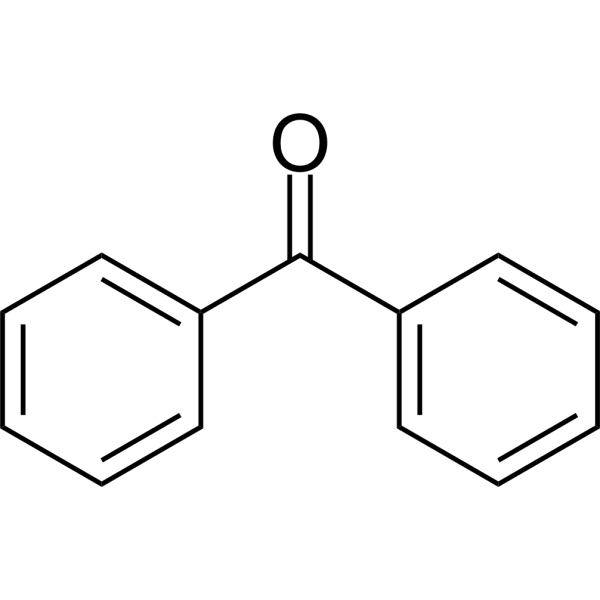
  • HY-Y0546
    Benzophenone
    1 Publications Verification

    Environmental Pollutants Endogenous Metabolite Photosensitizer Cancer
    Benzophenone is an endogenous metabolite. Benzophenone is a photosensitizer, that absorbs UV light, transfers its energy to DNA, and triggers DNA damage. Benzophenone can be used as the fragrance enhancer, ultraviolet curing agent, additive in plastics, or the flavor ingredient. Benzophenone can also be used in the manufacturing of insecticides, agricultural chemicals, hypnotics, antihistamines, and other pharmaceuticals. Benzophenone exhibits certain carcinogenicity in mouse/rat models under long term exposure. Benzophenone exhibits estrogenic activity .
    Benzophenone
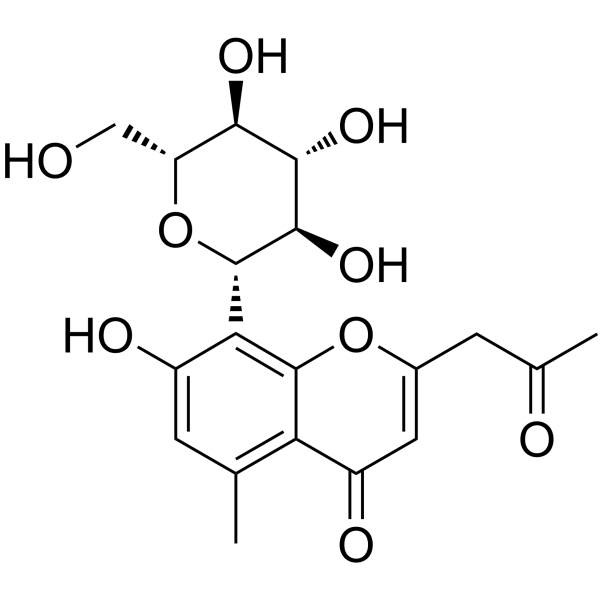
  • HY-N2460
    Aloesin
    1 Publications Verification

    Aloeresin

    Tyrosinase Apoptosis Infection Inflammation/Immunology Cancer
    Aloesin (Aloeresin) is a tyrosinase inhibitor, and shows anti-inflammatory activity, ultraviolet protection, and antibacterium effects. Aloesin can induce apoptosis and be used in ovarian cancer research .
    Aloesin
  • HY-P10533

    Tyrosinase Others
    Cysteine peptide is a tyrosinase inhibitor with skin-whitening, antioxidant and multi-regulatory activities. Cysteine peptide inhibits enzyme activity and blocks melanin transport, effectively reducing UV-B-induced skin erythema and pigmentation. Cysteine peptide synergistically maintains skin health by quenching ROS, resisting oxidative stress and promoting pheomelanin production. Cysteine peptide safely prevents daily ultraviolet damage and supports moderate sun exposure for vitamin D synthesis. Cysteine peptide also acts as a plant signaling factor to regulate vegetative growth, development and stress resistance responses .
    Cysteine peptide
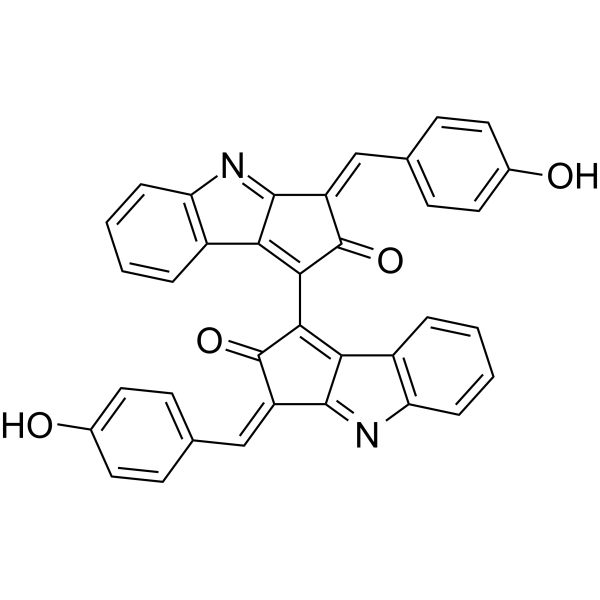
  • HY-112356

    Apoptosis Reactive Oxygen Species (ROS) Polo-like Kinase (PLK) Inflammation/Immunology Cancer
    Scytonemin is a hydrophobic alkaloid pigment that can be isolated from the outer sheath of cyanobacteria. Scytonemin has protective function against short-wave solar ultraviolet (UV) radiation, which can reduce the generation of reactive oxygen species (ROS) and the formation of DNA damage. Scytonemin also has anti-inflammatory and anti-proliferative activities, produces concentration-dependent inhibition (IC50=2.0 μM) of polo-like kinase 1 (PLK1)-mediated cdc25C phosphorylation, and plays an important role in regulating the G2/M transition in the cell cycle. It can be used in the research of cancer, acute inflammation and sunscreen cosmetics .
    Scytonemin
  • HY-137822

    4-Nitrophenyl a-D-mannopyranoside

    Glycosidase Others
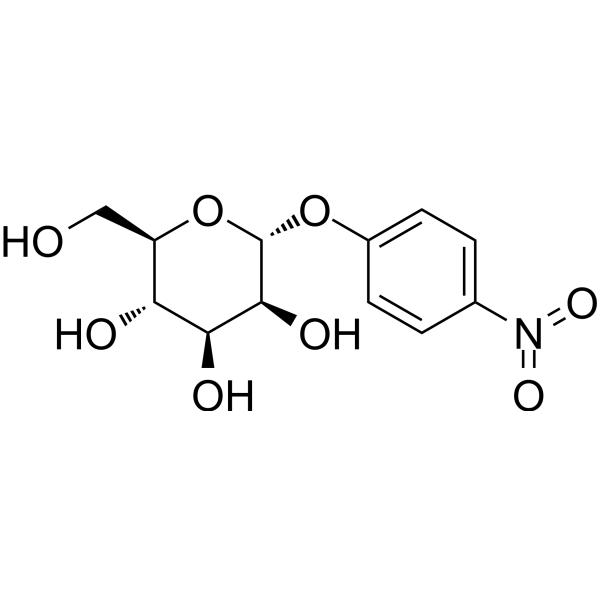
    p-Nitrophenyl α-D-mannopyranoside (4-Nitrophenyl α-D-mannopyranoside) is a chromogenic glycosidic ligand. p-Nitrophenyl α-D-mannopyranoside features a sugar moiety (α-D-mannopyranose) with the mannose-characteristic axial hydroxyl group at the C2 position and a ligand portion (p-nitrophenol) that provides ultraviolet-visible light absorption properties. p-Nitrophenyl α-D-mannopyranoside can be used to determine glycosidase activity and characterize the sugar recognition properties of lectins (such as Concanavalin A (HY-P2149)) .
    p-Nitrophenyl α-D-mannopyranoside
  • HY-B0966

    Benzophenone-8; UV-24

    Biochemical Assay Reagents Inflammation/Immunology Cancer
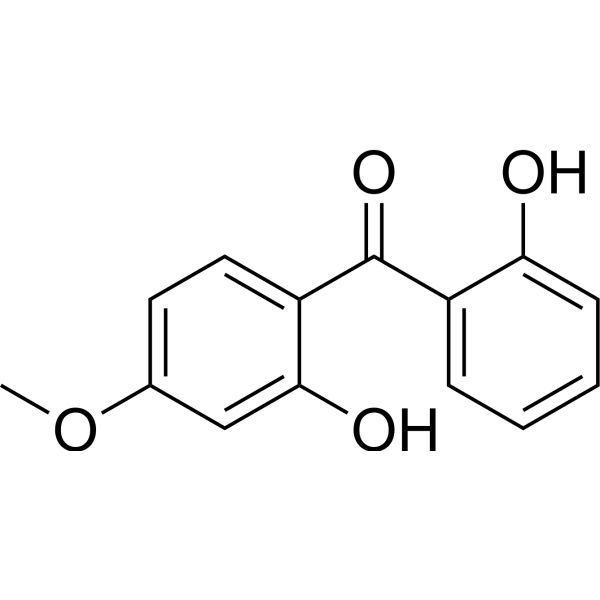
    Dioxybenzone (Benzophenone-8; UV-24) is an organic compound used to block UVB and short-wave UVA (ultraviolet) radiation. Dioxybenzone has orally activity. Dioxybenzone exhibits estrogenic disrupting effect. Dioxybenzone up-regulates inflammatory cytokines. Dioxybenzone can be used for cancer, reproductive system disease and inflammatory disease study .
    Dioxybenzone
  • HY-N1750

    Tyrosinase Metabolic Disease
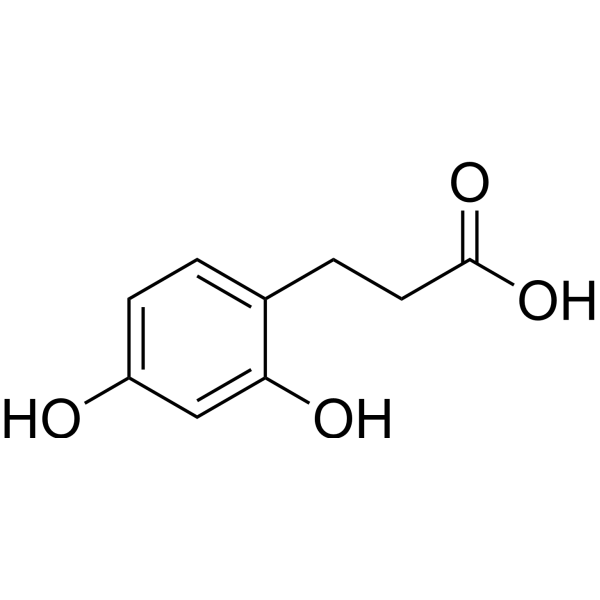
    3-(2,4-Dihydroxyphenyl) propanoic acid (DPPacid) is a competitive Tyrosinase inhibitor. It exhibits an IC50 value of 3.02 μM against mushroom tyrosinase with L-tyrosine as the substrate, an IC50 value of 62 μM with DL-DOPA as the substrate, and a Ki value of 11.5 μM. 3-(2,4-Dihydroxyphenyl) propanoic acid shows no DPPH radical scavenging activity. It can be used in studies related to ultraviolet B (UVB)-induced hyperpigmentation .
    3-(2,4-Dihydroxyphenyl)propanoic acid
  • HY-W036120

    2,2′,4,4′-Tetrahydroxybenzophenone

    Environmental Pollutants Glycosidase Estrogen Receptor/ERR Pregnane X Receptor (PXR) Metabolic Disease Endocrinology
    Benzophenone-2 (2,2',4,4'-Tetrahydroxybenzophenone) is an organic ultraviolet absorber that is widely used in personal care products and industrial products such as plastics and coatings. Benzophenone-2 is an endocrine disruptor that can interfere with estrogen receptors (ERα receptor) and pregnane X receptor (PXR receptor) activity, leading to reproductive toxicity, immune disorders, and metabolic abnormalities. Benzophenone-2 can inhibit the activity of α-glucosidase (IC50 = 49.72 μM), and can be used for research on diabetes .
    Benzophenone-2
  • HY-W075770

    Nickel monoxide

    Environmental Pollutants Apoptosis Reactive Oxygen Species (ROS) Caspase TGF-beta/Smad p38 MAPK Akt PI3K Infection Metabolic Disease Cancer
    Nickel(II) oxide (nickel monoxide) is a chemical warfare agent that can enter the body through the respiratory tract and other routes, distributing to organs such as the lungs and testes. The nanoparticle form of nickel(II) oxide (NiO NPs) exhibits antibacterial, anti-leishmanial, anti-diabetic, and anti-cancer activities. NiO NPs can be activated by ultraviolet and visible light, generating reactive oxygen species (ROS). Nickel(II) oxide induces oxidative stress by generating reactive oxygen species, activating the TGF-β1-mediated MAPK and PI3K/AKT pathways, disrupting the MMPs/TIMPs balance, and upregulating the expression of inflammatory factors (IL-1β, IL-6) and apoptosis-related molecules (Bax, caspase-3, p53), while inhibiting the activity of the anti-apoptotic molecule Bcl-2. Nickel(II) oxide induces cytotoxicity, promotes fibrosis, triggers inflammatory responses, and causes apoptosis. Nickel(II) oxide can be applied in research on the safety assessment of nanomaterials, such as in the context of pulmonary fibrosis and reproductive system toxicity .
    Nickel(II) oxide
  • HY-131618

    Bz-Gly-Arg

    Amino Acid Derivatives Others
    Hippuryl-Arg (Bz-Gly-Arg) is a substrate used for fluorescence detection and is commonly used in biochemical studies, especially in studying enzyme activity. The phenylalanine portion of Hippuryl-Arg is connected by an aromatic side chain, which allows it to be detected under ultraviolet light. Hippuryl-Arg is used to detect enzymes that recognize and cut peptide bonds containing arginine .
    Hippuryl-Arg
  • HY-109116

    Leukomethylene blue

    Biochemical Assay Reagents Others
    Hydromethylthionine (Leukomethylene blue) has a very active photochemically active reagent, especially in its interaction with dissolved oxygen. The photochemical activity of Hydromethylthionine is mainly regulated by the reaction of its triplet state with dissolved oxygen, which reacts with dissolved oxygen to form Methylene Blue (HY-14536) and hydronium ions under ultraviolet light. Hydromethylthionine can be used for the photodegradation of model pollutants in semiconductor photocatalysis and for the study of indicators in chemical analysis .
    Hydromethylthionine
  • HY-Y0546S

    Isotope-Labeled Compounds Endogenous Metabolite Photosensitizer Cancer
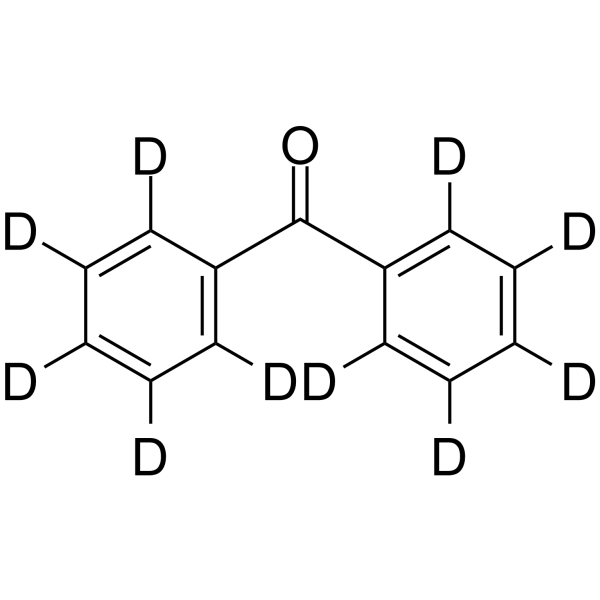
    Benzophenone-d10 is the deuterium labeled Benzophenone (HY-Y0546). Benzophenone is an endogenous metabolite. Benzophenone is a photosensitizer, that absorbs UV light, transfers its energy to DNA, and triggers DNA damage. Benzophenone can be used as the fragrance enhancer, ultraviolet curing agent, additive in plastics, or the flavor ingredient. Benzophenone can also be used in the manufacturing of insecticides, agricultural chemicals, hypnotics, antihistamines, and other pharmaceuticals. Benzophenone exhibits certain carcinogenicity in mouse/rat models under long term exposure. Benzophenone exhibits estrogenic activity .
    Benzophenone-d10
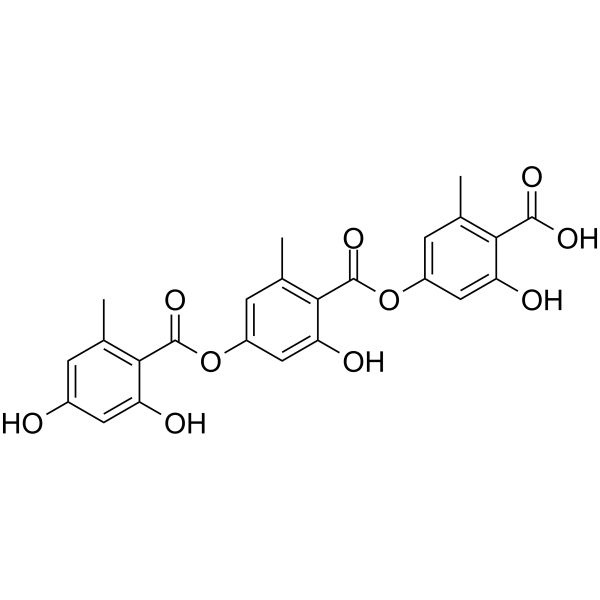
  • HY-N3985

    Others Cancer
    Gyrophoric acid is a good ultraviolet filter in lichen populations. Gyrophoric acid shows DPPH radical scavenging activity with an IC50 value of 105.75 μg/ml .
    Gyrophoric acid
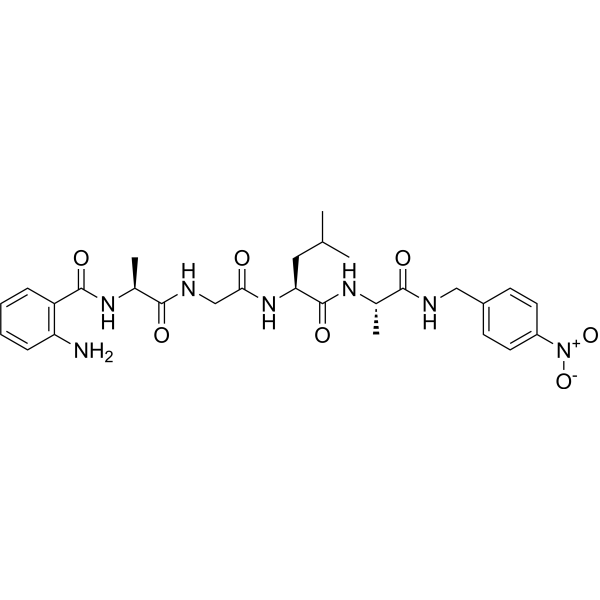
  • HY-P4406
    Abz-AGLA-Nba
    1 Publications Verification

    Fluorescent Dye Others
    Abz-AGLA-Nba is a fluorogenic substrate for the determination of protease activity. Abz-AGLA-Nba is hydrolyzed to release aminoacyl benzimide (Abz-AGLA) and 2-naphthylaminoacyl (Nba). The product Abz-AGLA produced by this hydrolysis reaction is fluorescent under ultraviolet light and can emit a fluorescent signal .
    Abz-AGLA-Nba
  • HY-176548

    YAP Annexin A Inflammation/Immunology
    PY-PAP is a photoactivatable affinity probe and a derivative of PY-60 (HY-141644). PY-PAP retains the cellular function of activating YAP transcriptional activity. In 293A cells, PY-PAP can label cathepsin D (CTSD) and annexin A2 (ANXA2) through ultraviolet crosslinking and click reactions. PY-PAP plays a key role in identifying ANXA2 as the specific target of PY-60 .
    PY-PAP
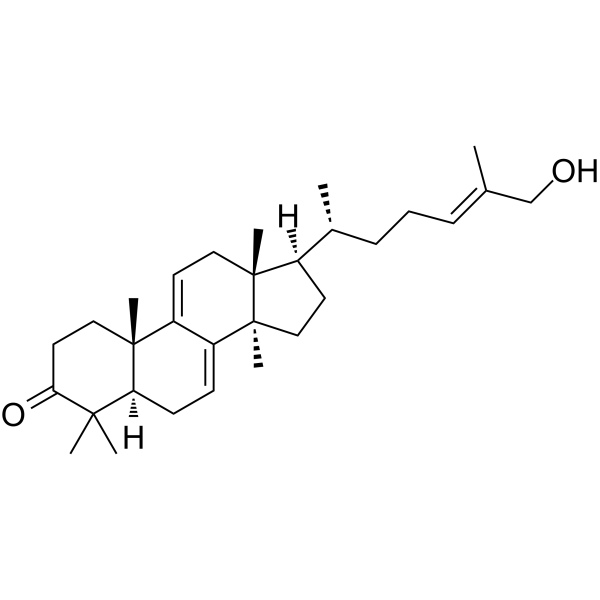
  • HY-N3925

    Bacterial Infection Metabolic Disease Inflammation/Immunology
    Ganoderol A is a terpenoid extracted from Ganoderma lucidum with antimicrobial activities. Ganoderol A inhibits cholesterol synthesis pathway and has significant anti-inflammatory activity and protection against ultraviolet A (UVA) damage .
    Ganoderol A
  • HY-E70578

    DNA Glycosylase Others
    T4 Endonuclease V is a dual-activity DNA glycosylase that combines the activities of DNA N-glycosylase and AP lyase. T4 Endonuclease V can repair ultraviolet (UV)-induced cyclobutane pyrimidine dimers in DNA .
    T4 Endonuclease V
  • HY-P4406A

    Fluorescent Dye Others
    Abz-AGLA-Nba TFA is a fluorogenic substrate for the determination of protease activity. Abz-AGLA-Nba TFA is hydrolyzed to release aminoacyl benzimide (Abz-AGLA) and 2-naphthylaminoacyl (Nba). The product Abz-AGLA produced by this hydrolysis reaction is fluorescent under ultraviolet light and can emit a fluorescent signal .
    Abz-AGLA-Nba TFA
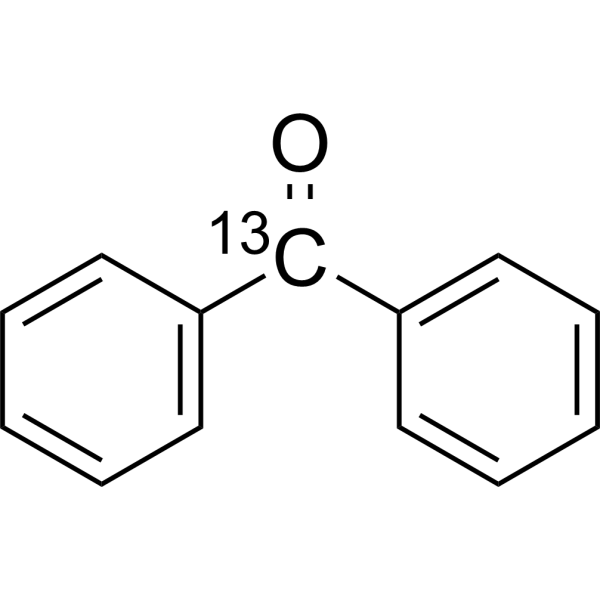
  • HY-Y0546S2

    Isotope-Labeled Compounds Endogenous Metabolite Photosensitizer Cancer
    Benzophenone- 13C is the 13C labeled Benzophenone (HY-Y0546). Benzophenone is an endogenous metabolite. Benzophenone is a photosensitizer, that absorbs UV light, transfers its energy to DNA, and triggers DNA damage. Benzophenone can be used as the fragrance enhancer, ultraviolet curing agent, additive in plastics, or the flavor ingredient. Benzophenone can also be used in the manufacturing of insecticides, agricultural chemicals, hypnotics, antihistamines, and other pharmaceuticals. Benzophenone exhibits certain carcinogenicity in mouse/rat models under long term exposure. Benzophenone exhibits estrogenic activity .
    Benzophenone-13C
  • HY-N6095

    Endogenous Metabolite Others
    Nocarimidazole A is a white amorphous solid alkaloid with ultraviolet activity that can be isolated from marine actinomycete Nocardiopsis .
    Nocarimidazole A
  • HY-P4465

    Fluorescent Dye Others
    Gly-Arg-pNA is a fluorogenic substrate for the measurement of protease activity. Gly-Arg-pNA undergoes hydrolysis and releases the fluorescent product p-nitroaniline. p-nitroaniline is in a fluorescent state under ultraviolet light irradiation and can emit a fluorescent signal .
    Gly-Arg-pNA
  • HY-P4400

    Fluorescent Dye Others
    Z-VDVAD-AFC is a fluorogenic substrate. Z-VDVAD-AFC is used to measure the activity of cysteine protease 3 (Caspase-3). Z-VDVAD-AFC undergoes hydrolysis to release 7-amino-4-trifluoromethylcoumarin (AFC). AFC is fluorescent under ultraviolet light and can emit fluorescent signals .
    Z-VDVAD-AFC
  • HY-B0966R

    Benzophenone-8 (Standard); UV-24 (Standard)

    Biochemical Assay Reagents Reference Standards Inflammation/Immunology Cancer
    Dioxybenzone (Standard) is the analytical standard of Dioxybenzone. This product is intended for research and analytical applications. Dioxybenzone (Benzophenone-8; UV-24) is an organic compound used to block UVB and short-wave UVA (ultraviolet) radiation. Dioxybenzone has orally activity. Dioxybenzone exhibits estrogenic disrupting effect. Dioxybenzone up-regulates inflammatory cytokines. Dioxybenzone can be used for cancer, reproductive system disease and inflammatory disease study.
    Dioxybenzone (Standard)
  • HY-169860

    BCRP Cancer
    BCRP-IN-2 has BCRP inhibitory activity and shows even greater inhibition of BCRP after activation by ultraviolet light. BCRP-IN-2 can be a valuable probe for studying the interactions of quinazolinamine derivatives with BCRP, as it stimulates ATP hydrolysis of the BCRP transport protein, increasing the accumulation of mitoxantrone (HY-13502) in H460/MX20 cells with BCRP overexpression .
    BCRP-IN-2
  • HY-B0966S

    Benzophenone-8-d3; UV-24-d3

    Isotope-Labeled Compounds Biochemical Assay Reagents Inflammation/Immunology Cancer
    Dioxybenzone-d3 is deuterium labeled Dioxybenzone. Dioxybenzone (Benzophenone-8; UV-24) is an organic compound used to block UVB and short-wave UVA (ultraviolet) radiation. Dioxybenzone has orally activity. Dioxybenzone exhibits estrogenic disrupting effect. Dioxybenzone up-regulates inflammatory cytokines. Dioxybenzone can be used for cancer, reproductive system disease and inflammatory disease study .
    Dioxybenzone-d3
  • HY-Y0546S1

    Isotope-Labeled Compounds Endogenous Metabolite Photosensitizer Cancer
    Benzophenone-d5 is the deuterium labeled Benzophenone (HY-Y0546). Benzophenone is an endogenous metabolite. Benzophenone is a photosensitizer, that absorbs UV light, transfers its energy to DNA, and triggers DNA damage. Benzophenone can be used as the fragrance enhancer, ultraviolet curing agent, additive in plastics, or the flavor ingredient. Benzophenone can also be used in the manufacturing of insecticides, agricultural chemicals, hypnotics, antihistamines, and other pharmaceuticals. Benzophenone exhibits certain carcinogenicity in mouse/rat models under long term exposure. Benzophenone exhibits estrogenic activity .
    Benzophenone-d5
  • HY-Y0546R

    Reference Standards Endogenous Metabolite Photosensitizer Cancer
    Benzophenone (Standard) is the analytical standard of Benzophenone. This product is intended for research and analytical applications. Benzophenone standard is a photosensitizer, that absorbs UV light, transfers its energy to DNA, and triggers DNA damage. Benzophenone standard can be used as the fragrance enhancer, ultraviolet curing agent, additive in plastics, or the flavor ingredient. Benzophenone standard can also be used in the manufacturing of insecticides, agricultural chemicals, hypnotics, antihistamines, and other pharmaceuticals. Benzophenone standard exhibits certain carcinogenicity in mouse/rat models under long term exposure. Benzophenone standard exhibits estrogenic activity .
    Benzophenone (Standard)
  • HY-103300

    Endogenous Metabolite Infection
    NPE-caged-proton is a reagent that releases protons under UV light and has the activity of activating the fusion protein GP64 under weak acidic conditions. NPE-caged-proton can promote the binding of enveloped viruses to liposome membranes with acidic phospholipids in an environment of pH 4.0 to 5.5, thereby initiating membrane fusion. The ultraviolet unblocking effect of NPE-caged-proton can lower the environmental pH, thereby triggering the process of viral membrane fusion. When studying the interaction between viruses and cell membranes, NPE-caged-proton provides a valuable tool for revealing the subtle behaviors of viruses in different chemical and biochemical environments .
    NPE-caged-proton
  • HY-133240

    DNA Alkylator/Crosslinker Calcium Channel Potassium Channel Sodium Channel Infection
    trans-AzoTAB is a photoresponsive potassium/sodium/calcium channel modulator and DNA-binding agent. trans-AzoTAB undergoes trans-cis isomerization driven by light, with variable polarity and DNA affinity. trans-AzoTAB also enhances voltage-gated potassium currents and inhibits sodium and calcium currents in cardiomyocytes, thereby reducing spontaneous electrical activity and excitation conduction velocity. In addition, trans-AzoTAB induces compaction and frozen conformation of λ-phage DNA, and non-sequence-dependently inhibits transcription and translation processes in the dark; its activity can be reversed and restored by visible light after activation with ultraviolet irradiation. trans-AzoTAB can serve as a probe for two-photon optical regulation of myocardial excitability, and is used to construct photoresponsive interfacial polymer structures .
    trans-AzoTAB

Inquiry Online

Your information is safe with us. * Required Fields.

Salutation


Country or Region *

Applicant Name *


Organization Name *

Department *


Email Address *


Product Name *

Cat. No.


Requested quantity *

Phone Number *


Remarks

Inquiry Online

Inquiry Information

Product Name:
Cat. No.:
Quantity:
MCE Japan Authorized Agent:

