
Search Result
Results for "
X4
" in MedChemExpress (MCE) Product Catalog:
2
Isotope-Labeled Compounds
| Cat. No. |
Product Name |
Target |
Research Areas |
Chemical Structure |
-
- HY-15310
-
|
MK-933; CD-5024; K-237
|
Environmental Pollutants
Antibiotic
Mitophagy
Bacterial
Parasite
Autophagy
Flavivirus
HSV
HIV
SARS-CoV
Dengue Virus
|
Infection
Cancer
|
|
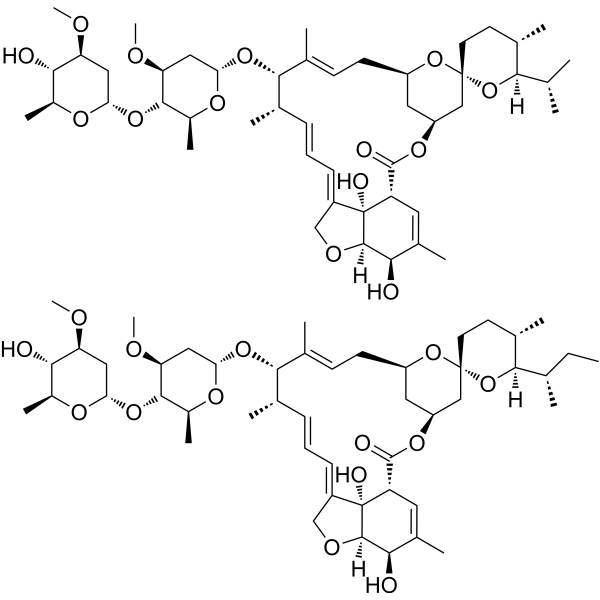
Ivermectin (MK-933) is a broad-spectrum anti-parasite agent. Ivermectin (MK-933) is a specific inhibitor of Impα/β1-mediated nuclear import and has potent antiviral activity towards both HIV-1 and dengue virus. It is a positive allosteric effector of P2X4 and the α7 neuronal nicotinic acetylcholine receptor (nAChRs). Ivermectin also inhibits bovine herpesvirus1 (BoHV-1) replication and inhibits BoHV-1 DNA polymerase nuclear import [4]. Ivermectin is a candidate therapeutic against SARS-CoV-2/COVID-19 .
|
-
-
- HY-136254
-
|
|
P2X Receptor
|
Inflammation/Immunology
Cancer
|
|
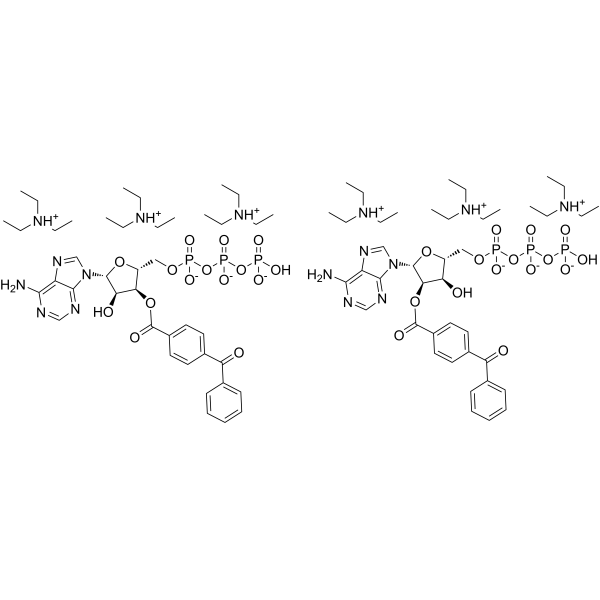
BzATP triethylammonium salt acts as a P2X receptor agonist with pEC50s of 8.74, 5.26, 7.10, 7.50, 6.19, 6.31, 5.33 for P2X1, P2X2, P2X3, P2X2/3, P2X4 and P2X7, respectively . BzATP triethylammonium salt is potent at P2X7 receptors with EC50s of 3.6 μM and 285 μM for rat P2X7 and mouse P2X7, respectively .
|
-
-
- HY-D0914
-
|
FD&C Green No. 3; Food green 3; C.I. 42053
|
Environmental Pollutants
α-synuclein
|
Neurological Disease
|
|
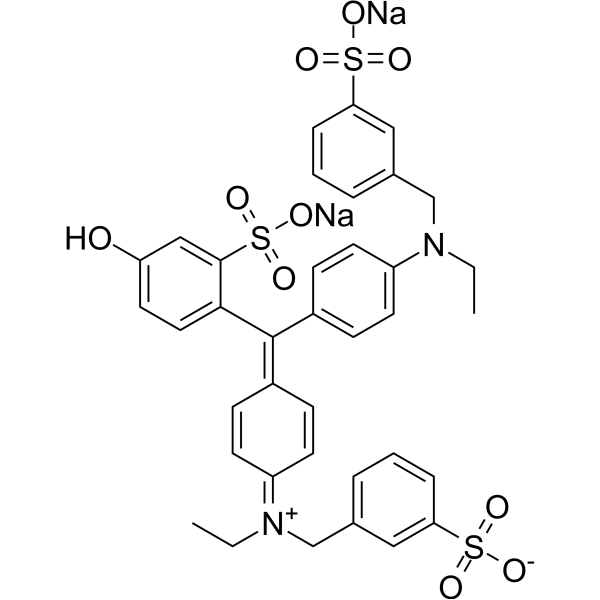
Fast Green FCF is a sea green triarylmethane food dye, with absorption maximum ranging from 622 to 626 nm. Fast Green FCF inhibits α-synuclein aggregation, as well as Aβ and P2X4 receptor, and TLR4/Myd88/NF-κB. Fast Green FCF is widely used as a staining agent like quantitative stain for histones at alkaline pH after acid extraction of DNA, and as a protein stain in electrophoresis. Fast Green FCF improves cognitive impairment, depression, relieves pain allergies, and promotes reproductive function [4] .
|
-
-
- HY-130605
-
|
|
P2X Receptor
|
Neurological Disease
|
|
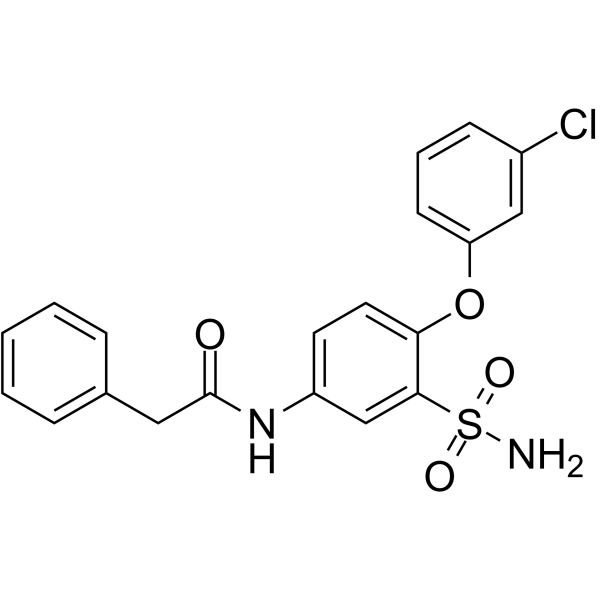
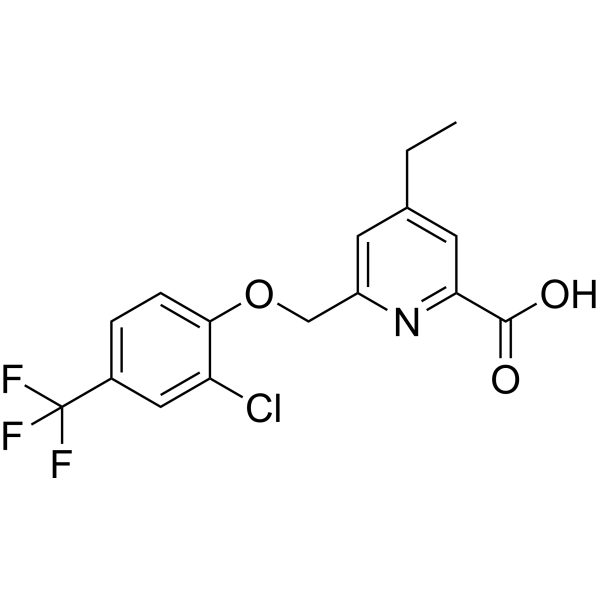
BAY-1797, a chemical probe, is a potent, orally active, and selective P2X4 antagonist, with an IC50 of 211 nM against human P2X4. BAY-1797 displays no or very weak activity on the other P2X ion channels. BAY-1797 shows anti-nociceptive and anti-inflammatory effects .
|
-
-
- HY-101911
-
5-BDBD
4 Publications Verification
|
P2X Receptor
|
Neurological Disease
|
|
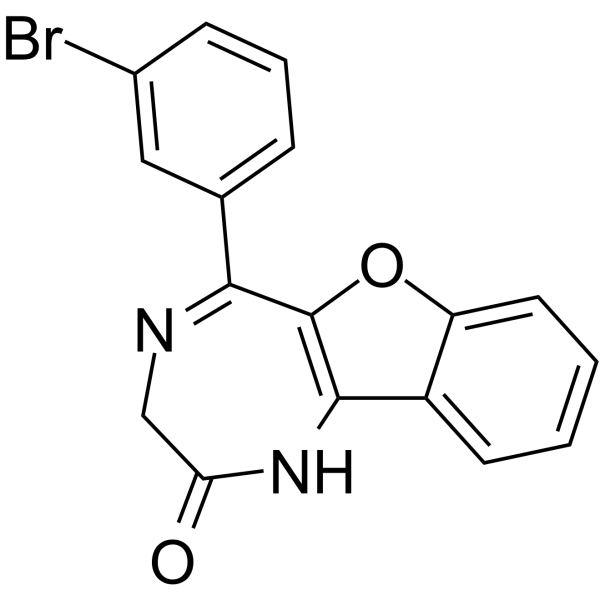
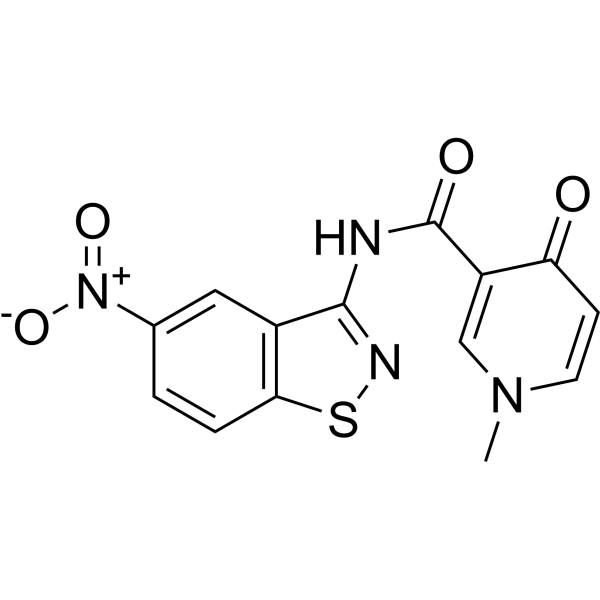
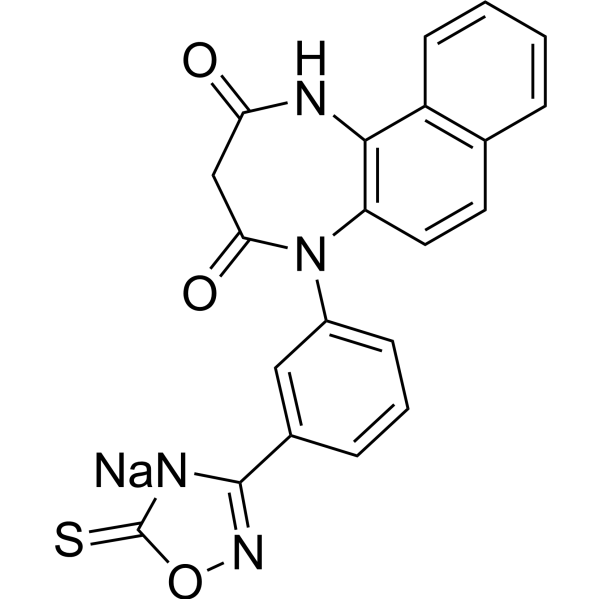
5-BDBD, a potent and selective P2X4 receptor antagonist, inhibits rP2X4R-mediated currents, with an IC50 of 0.75 μM. 5-BDBD completely blocks the basal and acute hyperalgesia induced by nitroglycerin (NTG) .
|
-
-
- HY-15971A
-
|
GENZ-644494
|
CXCR
HIV
|
Infection
Endocrinology
|
|
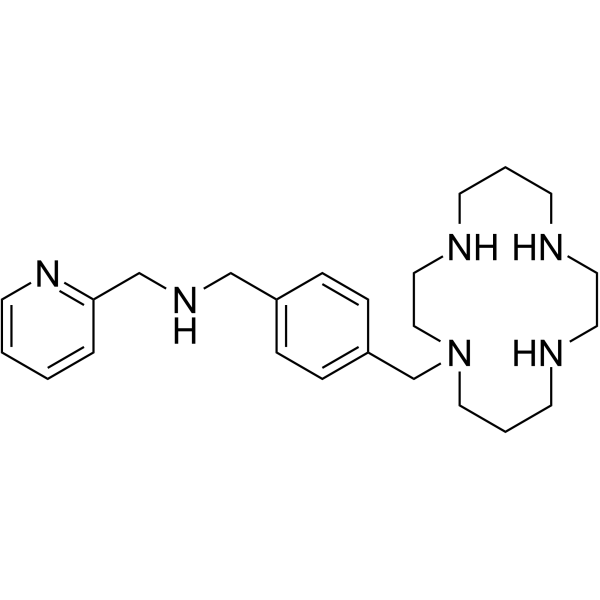
AMD 3465 (GENZ-644494) is a potent antagonist of CXCR4, inhibits binding of 12G5 mAb and CXCL12 AF647 to CXCR4, with IC50s of 0.75 nM and 18 nM in SupT1 cells; AMD 3465 also potently inhibits the replication of X4 HIV strains (IC50: 1-10 nM), but has no effect on CCR5-using (R5) viruses.
|
-
-
- HY-D0976
-
NF279
1 Publications Verification
|
P2X Receptor
HIV
NTPDase
CXCR
|
Infection
|
|
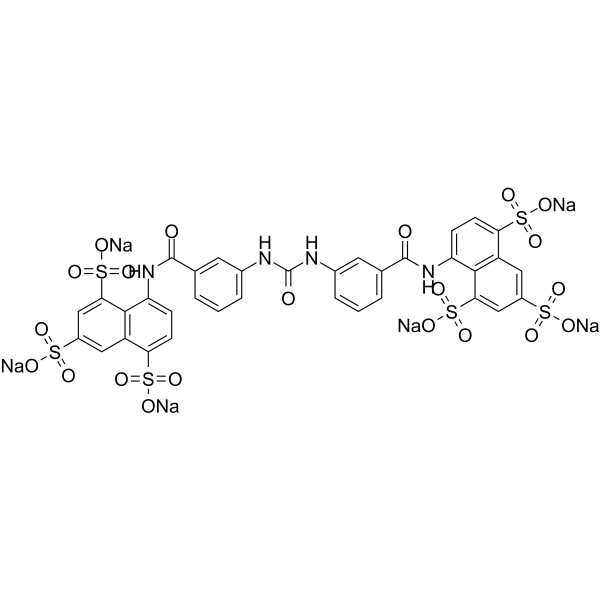
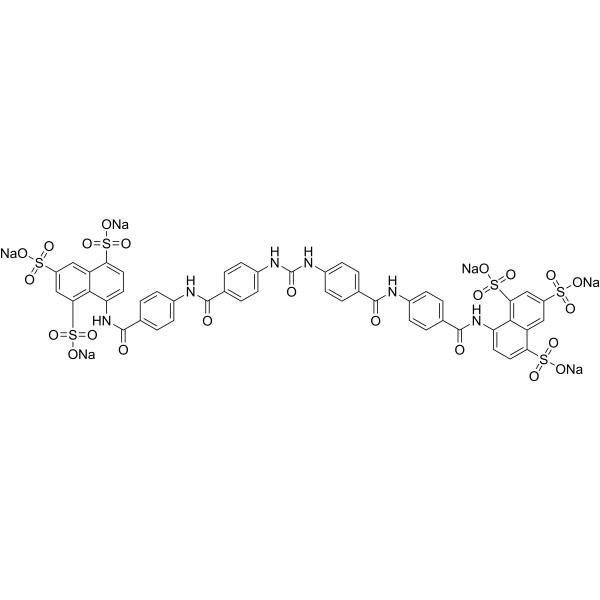
NF279 is a selective P2X1 receptor antagonist and NTPDase inhibitor, with a P2X1 IC50 value of 19 nM. NF279 suppresses GABA-evoked currents, reduces ATP-excited respiratory activity, alters hypoglossal nerve burst parameters, and blocks CXCR4, CCR5, CXCR3, and CXCR7-mediated calcium responses. NF279 arrests HIV-1 fusion downstream of CD4 binding, inhibits R5- and X4-tropic HIV-1 strains. NF279 can be used for the research of HIV-1 infection [4] .
|
-
-
- HY-101910
-
|
N-(p-Methylphenylsulfonyl)phenoxazine
|
P2X Receptor
|
Neurological Disease
|
|
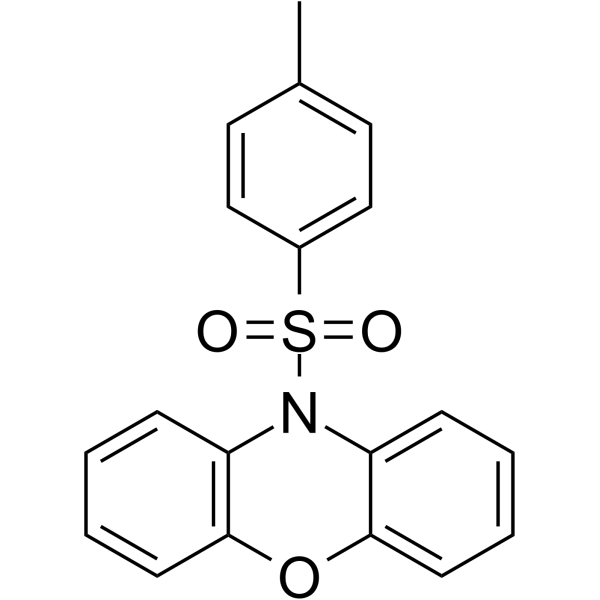
PSB-12062 is a potent and selective P2X4 antagonist with an IC50 of 1.38 μM for human P2X4.
|
-
-
- HY-145997
-
|
|
Mas-related G-protein-coupled Receptor (MRGPR)
|
Inflammation/Immunology
|
|
MRGPRX4 modulator-1 (compound 31-2) is a potent mas-related g-protein receptor X4 (MRGPR X4) modulator, with antagonist activity of IC50 < 100 nM for MRGPR4. MRGPRX4 modulator-1 can be used for researching MRGPR X4 dependent diseases such as itch, pain, and autoimmune disorders .
|
-
-
- HY-P99572
-
|
BNT-312; DuoBody-CD40x-4-1BB; GEN1042
|
TNF Receptor
|
Inflammation/Immunology
Cancer
|
|
Tecaginlimab (BNT-312) is a Fc-inert bispecific antibody for dual targeting and conditional stimulation of CD40 and 4-1BB. Tecaginlimab can enhance priming and reactivation of tumor-specific immunity .
|
-
-
- HY-15971
-
|
GENZ-644494 hexahydrobromide
|
CXCR
HIV
|
Infection
Endocrinology
|
|
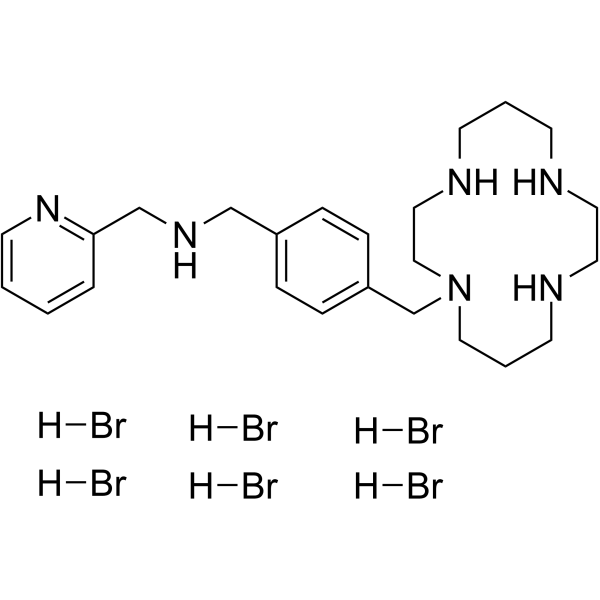
AMD 3465 hexahydrobromide (GENZ-644494 hexahydrobromide) is a potent antagonist of CXCR4, inhibits binding of 12G5 mAb and CXCL12 AF647 to CXCR4, with IC50s of 0.75 nM and 18 nM in SupT1 cells; AMD 3465 also potently inhibits the replication of X4 HIV strains (IC50: 1-10 nM), but has no effect on CCR5-using (R5) viruses.
|
-
-
- HY-147051
-
|
MRGPRX4 modulator-2
|
Mas-related G-protein-coupled Receptor (MRGPR)
|
Inflammation/Immunology
|
|
MRGPRX4 modulator-2 (compound 1-55) is a potent MRGPR X4 modulator, possessing antagonist activity against MRGPR X4 with an IC50 < 100 nM. MRGPRX4 modulator-2 can be used for researching autoimmune diseases such as psoriasis, multiple sclerosis, Steven Johnson’s Syndrome, and other chronic itch conditions .
|
-
-
- HY-P10415
-
EPI-X4
1 Publications Verification
hSA(408–423) peptide
|
CXCR
|
Infection
Inflammation/Immunology
Cancer
|
|
EPI-X4 (hSA408–423 peptide) is an antagonist for C-X-C motif chemokine receptor 4 (CXCR4) with IC50 of 8.6 μM. EPI-X4 blocks the CXCL12-mediated signaling, inhibits chemokine-mediated migration and invasion of leukemia cell. EPI-X4 exhibits anti-inflammatory activity in mouse model. EPI-X4 exhibits antiviral activity against CXCR4-tropic HIV with IC50 of 8.6 μM .
|
-
-
- HY-110237
-
|
|
P2X Receptor
Calcium Channel
|
Cardiovascular Disease
|
|
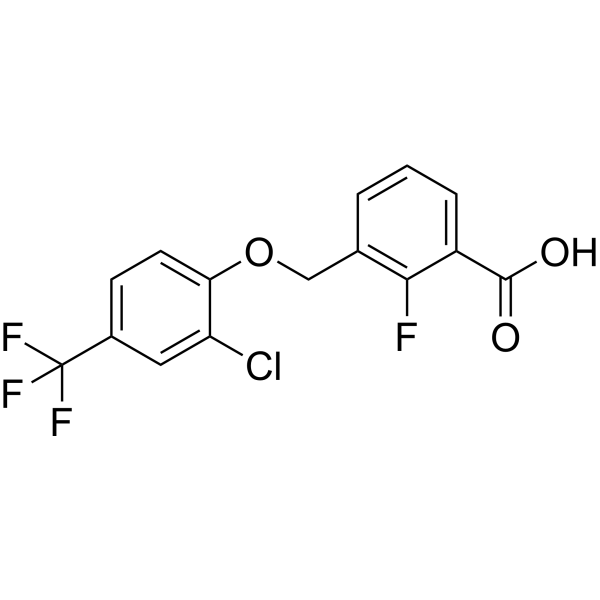
BX430 is a potent and selective noncompetitive allosteric human P2X4 receptor channels antagonist with an IC50 of 0.54 μM. BX430 has species specificity. BX430 is used for chronic pain and cardiovascular disease.
|
-
-
- HY-150270A
-
|
|
P2X Receptor
Prostaglandin Receptor
NOD-like Receptor (NLR)
Caspase
Interleukin Related
|
Inflammation/Immunology
|
|
NP-1815-PX sodium is an orally active dual inhibitor of P2X4 and prostaglandin TP receptors, with an IC50 of 0.26 μM against human P2X4 receptors. NP-1815-PX sodium specifically inhibits ATP-mediated prostaglandin production, TP receptor-induced calcium elevation, and the canonical/non-canonical NLRP3 inflammasome signaling pathway. NP-1815-PX sodium selectively blocks smooth muscle contractions induced by ATP, U46619 (HY-108566) and prostaglandin F2α. NP-1815-PX sodium not only produces anti-allodynic effects in vivo, but also significantly alleviates symptoms of DNBS (HY-W324435)-induced colitis (such as weight loss and tissue damage). NP-1815-PX sodium exerts anti-inflammatory effects by downregulating IL-1β levels and Caspase-1 activity. NP-1815-PX sodium is used in studies related to asthma and inflammatory bowel disease (colitis) .
|
-
-
- HY-134807
-
|
|
P2X Receptor
5-HT Receptor
Autophagy
|
Cancer
|
|
Indophagolin is a potent, indoline-containing autophagy inhibitor (IC50=140 nM). Indophagolin antagonizes the purinergic receptor P2X4 as well as P2X1 and P2X3 with IC50s of 2.71, 2.40 and 3.49 μM, respectively. Indophagolin also antagonizes the Gq-protein-coupled P2Y4, P2Y6, and P2Y11 receptors (IC50s =3.4~15.4 μM). Indophagolin has a strong antagonistic effect on serotonin receptor 5-HT6 (IC50=1.0 μM) and a moderate effect on receptors 5-HT1B, 5-HT2B, 5-HT4e, and 5-HT7 .
|
-
-
- HY-131502
-
|
|
P2X Receptor
|
Inflammation/Immunology
|
|
Taspine is a natural product with anti-inflammatory activity. Taspine suppresses P2X4 receptor activity via PI3K inhibition. Taspine inhibits pro-inflammatory signalling via inhibition of P2X4 receptors in macrophage .
|
-
-
- HY-P7061A
-
|
|
Apelin Receptor (APJ)
CXCR
|
Infection
Endocrinology
|
|
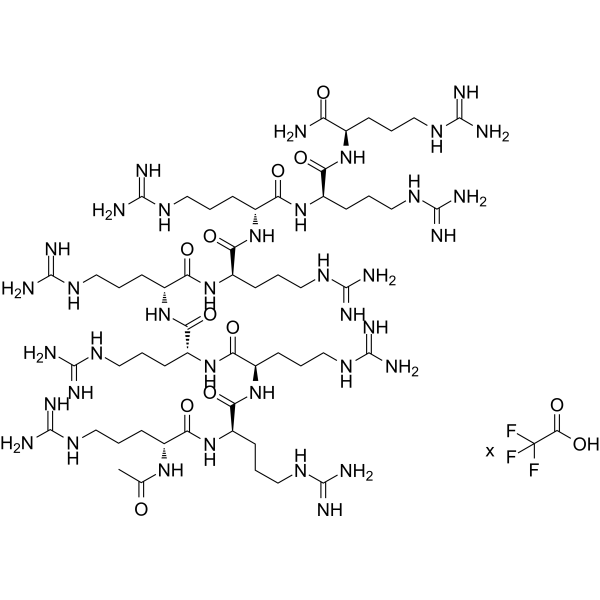
ALX 40-4C Trifluoroacetate is a small peptide inhibitor of the chemokine receptor CXCR4, inhibits SDF-1 from binding CXCR4 with a Ki of 1 μM, and suppresses the replication of X4 strains of HIV-1; ALX 40-4C Trifluoroacetate also acts as an antagonist of the APJ receptor, with an IC50 of 2.9 μM.
|
-
-
- HY-108676
-
|
|
P2X Receptor
|
Neurological Disease
|
|
NF023 hexasodium is a selective and competitive P2X1 receptor antagonist, with IC50 values of 0.21 μM, 28.9 μM, > 50 μM and > 100 μM for human P2X1, P2X3, P2X2, and P2X4-mediated responses respectively [4].
|
-
-
- HY-101308A
-
|
|
P2Y Receptor
|
Cardiovascular Disease
|
|
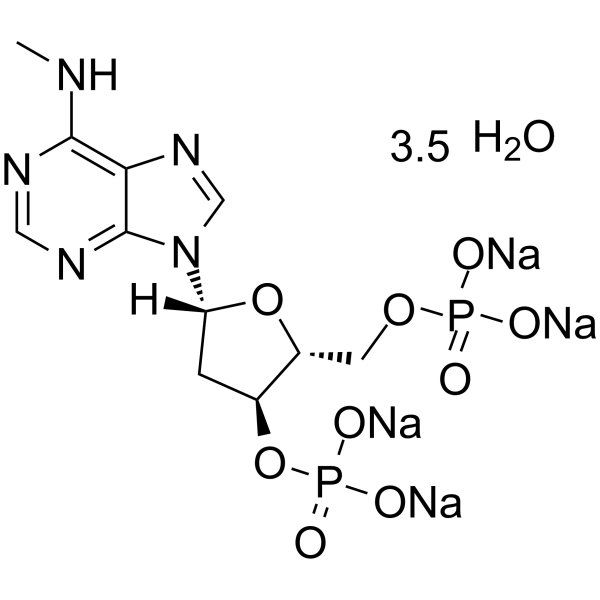
MRS2179 tetrasodium hydrate is a competitive P2Y1 receptor antagonist, with a Kb of 102 nM and a pA2 of 6.99 for turkey P2Y1 receptor. MRS2179 tetrasodium hydrate is selective for P2Y1 over P2X1 (IC50=1.15 µM), P2X3 (12.9 µM), P2X2, P2X4, P2Y2, P2Y4, and P2Y6 receptors . MRS2179 tetrasodium hydrate inhibits platelet aggregation .
|
-
-
- HY-134851
-
|
|
HIV
|
Infection
|
|
HIV-1 inhibitor-6 (compound 9), a diheteroarylamide-based compound, is a potent HIV-1 pre-mRNA alternative splicing inhibitor. HIV-1 inhibitor-6 blocks HIV replication. HIV-1 inhibitor-6 is active against wild-type HIV-1IIIB (subtype B, X4-tropic) and HIV-1 97USSN54 (subtype A, R5-tropic) with EC50s of 0.6 μM and 0.9 μM, respectively. HIV-1 inhibitor-6 inhibits HIV strains resistant to agents targeting HIV reverse transcriptase, protease, integrase, and coreceptor CCR5 with EC50s ranging from 0.9 to 1.5 μM .
|
-
-
- HY-122058A
-
|
|
CXCR
HIV
|
Infection
Inflammation/Immunology
|
|
KRH-3955 hydrochloride is an orally bioavailable CXCR4 antagonist. KRH-3955 hydrochloride inhibits SDF-1α binding to CXCR4 with an IC50 of 0.61 nM. KRH-3955 hydrochloride is also a highly potent and selective inhibitor of X4 HIV-1, with an EC50 of 0.3 to 1.0 nM .
|
-
-
- HY-D2155
-
|
|
Fluorescent Dye
|
Others
|
|
Texas red-X 4-succinimidyl ester is a derivative of Texas Red (HY-101878), an amphoteric rhodamine red fluorescent dye. Texas Red is widely used to study neuronal morphology and as a cell type-selective fluorescent marker for astrocytes, both in vivo and in slice preparations.
|
-
-
- HY-160645
-
|
|
P2X Receptor
|
Neurological Disease
Endocrinology
Cancer
|
|
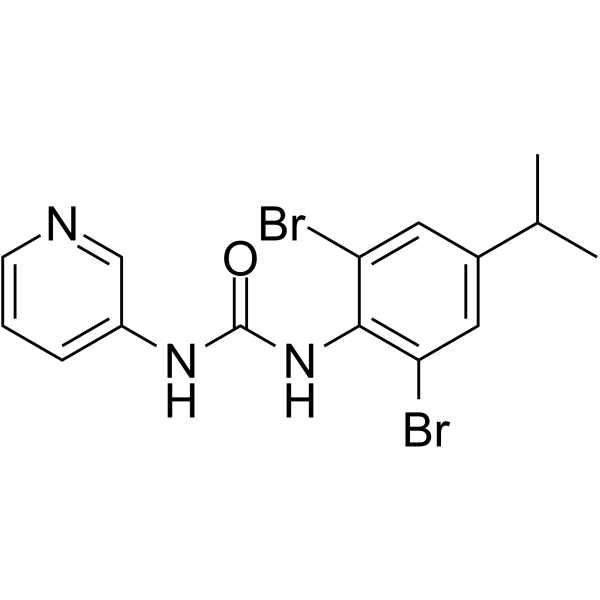
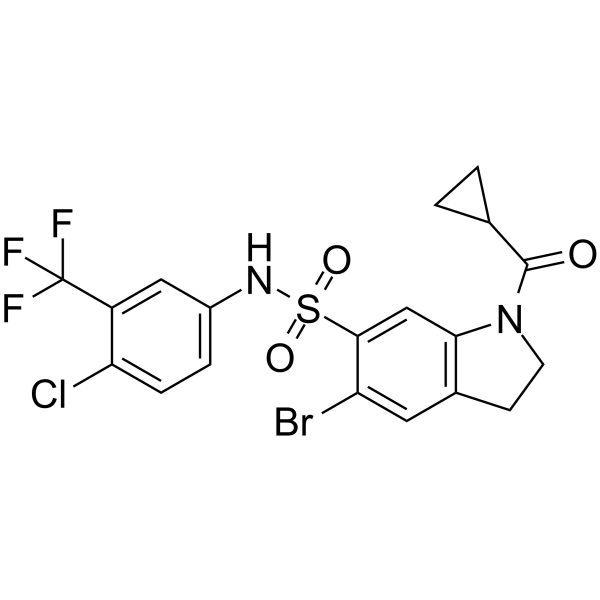
P2X4 antagonist-1 is a P2X4 receptor antagonist with an IC50 of 15 nM. P2X4 antagonist-1 inhibits ATP (HY-B2176)-induced calcium influx. P2X4 antagonist-1 can be used for the research of pain syndromes, endometriosis, cancer .
|
-
-
- HY-P7061
-
|
|
CXCR
Apelin Receptor (APJ)
|
Infection
Endocrinology
|
|
ALX 40-4C is a small peptide inhibitor of the chemokine receptor CXCR4, inhibits SDF-1 from binding CXCR4 with a Ki of 1 μM, and suppresses the replication of X4 strains of HIV-1; ALX 40-4C Trifluoroacetate also acts as an antagonist of the APJ receptor, with an IC50 of 2.9 μM.
|
-
-
- HY-18745
-
|
Benzoylbenzoyl-ATP triethylammonium
|
P2X Receptor
|
Inflammation/Immunology
Cancer
|
|
BzATP triethylammonium acts as a P2X receptor agonist with pEC50s of 8.74, 5.26, 7.10, 7.50, 6.19, 6.31, 5.33 for P2X1, P2X2, P2X3, P2X2/3, P2X4 and P2X7, respectively . BzATP triethylammonium is potent at P2X7 receptors with EC50s of 3.6 μM and 285 μM for rat P2X7 and mouse P2X7, respectively .
|
-
-
- HY-101228
-
|
|
P2X Receptor
|
Neurological Disease
|
|
PSB-12054 is a selective P2X4 antagonist with an IC50 of 0.189 μM at human P2X4 receptors. PSB-12054 can be used in the research of neuropathic pain and neurodegenerative diseases .
|
-
-
- HY-175038
-
|
|
Fungal
|
Infection
|
|
Oomycete-IN-1 (Compound X4) is a selective inhibitor targeting the PH domain of PcORP1 in Phytophthora species. Oomycete-IN-1 shows EC50 values ranging from 1 to 4 μg/mL against six oomycetes. Oomycete-IN-1 disrupts lipid transport and metabolism, leading to mycelium hyperplasia and cell membrane ruffling in P. capsici. Oomycete-IN-1 can be used in the research of preventing and controlling oomycete diseases (such as P. capsici infection) .
|
-
-
- HY-12108
-
|
|
HIV Integrase
HIV
|
Infection
|
|
S 1360 is a potent and selective inhibitor of HIV-1 integrase. S 1360 inhibits the catalytic activity of purified integrase (
IC50: 20 nM). The EC50, and CC50 of S 1360
in MTT assay (MT-4 cells infected with HIV-1 IIIB) are 200 nM and 12 μM, respectively. S 1360 has antiviral activity against both X4 tropic and R5 tropic strains, as well as NRTI, NNRTI and PI drug-resistant variants .
|
-
-
- HY-150270
-
|
|
Prostaglandin Receptor
P2X Receptor
NOD-like Receptor (NLR)
Caspase
Interleukin Related
|
Neurological Disease
Inflammation/Immunology
|
|
NP-1815-PX is an orally active dual inhibitor of P2X4 and prostaglandin TP receptors, with an IC50 of 0.26 μM against human P2X4 receptors. NP-1815-PX specifically inhibits ATP-mediated prostaglandin production, TP receptor-induced calcium elevation, and the canonical/non-canonical NLRP3 inflammasome signaling pathway. NP-1815-PX selectively blocks smooth muscle contractions induced by ATP, U46619 (HY-108566) and prostaglandin F2α. NP-1815-PX not only produces anti-allodynic effects in vivo, but also significantly alleviates symptoms of DNBS (HY-W324435)-induced colitis (such as weight loss and tissue damage). NP-1815-PX exerts anti-inflammatory effects by downregulating IL-1β levels and Caspase-1 activity. NP-1815-PX is used in studies related to asthma and inflammatory bowel disease (colitis) .
|
-
-
- HY-15971AR
-
|
GENZ-644494 (Standard)
|
CXCR
HIV
Reference Standards
|
Infection
Endocrinology
|
|
AMD 3465 (Standard) is the analytical standard of AMD 3465. This product is intended for research and analytical applications. AMD 3465 (GENZ-644494) is a potent antagonist of CXCR4, inhibits binding of 12G5 mAb and CXCL12AF647 to CXCR4, with IC50s of 0.75 nM and 18 nM in SupT1 cells; AMD 3465 also potently inhibits the replication of X4 HIV strains (IC50: 1-10 nM), but has no effect on CCR5-using (R5) viruses.
|
-
-
- HY-15971R
-
|
GENZ-644494 hexahydrobromide (Standard)
|
CXCR
HIV
Reference Standards
|
Infection
Endocrinology
|
|
AMD 3465 (hexahydrobromide) (Standard) is the analytical standard of AMD 3465 (hexahydrobromide). This product is intended for research and analytical applications. AMD 3465 hexahydrobromide (GENZ-644494 hexahydrobromide) is a potent antagonist of CXCR4, inhibits binding of 12G5 mAb and CXCL12AF647 to CXCR4, with IC50s of 0.75 nM and 18 nM in SupT1 cells; AMD 3465 also potently inhibits the replication of X4 HIV strains (IC50: 1-10 nM), but has no effect on CCR5-using (R5) viruses.
|
-
-
- HY-101308
-
|
|
P2Y Receptor
|
Cardiovascular Disease
|
|
MRS2179 tetrasodium is a competitive P2Y1 receptor antagonist, with a Kb of 102 nM and a pA2 of 6.99 for turkey P2Y1 receptor. MRS2179 tetrasodium is selective for P2Y1 over P2X1 (IC50=1.15 µM), P2X3 (12.9 µM), P2X2, P2X4, P2Y2, P2Y4, and P2Y6 receptors . MRS2179 tetrasodium inhibits platelet aggregation .
|
-
-
- HY-W097612
-
|
|
P2X Receptor
|
Others
|
|
P2X4 antagonist-5 (compound 63) is a control compound for P2X4 antagonists (IC50>100 μM, hP2X4) .
|
-
-
- HY-122058
-
|
|
HIV
|
Infection
|
|
KRH-3955 is a CXCR4 antagonist with good bioavailability and potent anti-HIV-1 activity. KRH-3955 can effectively inhibit the replication of X4 HIV-1, including clinical isolates from different donors. KRH-3955 also shows activity against recombinant X4 HIV-1 containing reverse transcriptase, protease and tyrosinase resistance mutations. KRH-3955 can inhibit the binding of SDF-1alpha to CXCR4 and calcium ion signaling through this receptor. KRH-3955 inhibits the binding of an antibody against CXCR4 to CXCR4, showing a potent antagonistic effect on CXCR4. KRH-3955 shows an oral bioavailability of 25.6% in rats and can inhibit the replication of X4 HIV-1 in vivo .
|
-
-
- HY-167945
-
|
|
HIV
CXCR
|
Infection
|
|
AMD-3329 is a potent and selective anti-HIV-1 and HIV-2 agent, exhibiting activity by inhibiting virus replication through binding to the chemokine receptor CXCR4, which serves as a co-receptor for the entry of X4 viruses.
|
-
-
- HY-144285
-
|
|
CXCR
HIV
|
Inflammation/Immunology
|
|
CXCR4 antagonist 4 is a potent, orally active CXCR4 antagonist (IC50=24 nM) with diminished CYP 2D6 activity, improved PAMPA permeability, potent inhibition of human immunodeficiency virus entry (IC50=7 nM) .
|
-
-
- HY-176731
-
|
|
P2X Receptor
|
Neurological Disease
|
|
MSK-9 is a positive allosteric modulator of the P2X4 receptor with dual activities of enhancing ion conductance and delaying receptor inactivation. MSK-9 stabilizes the open state of the P2X4 receptor through rigid 3-piperidinyl and hydrophobic menthyl substituents. MSK-9 can be used in the study of multiple sclerosis (MS) .
|
-
-
- HY-151547
-
|
|
P2X Receptor
|
Neurological Disease
|
|
MRS4719 is a potent P2X4 receptor antagonist with an IC50 value of 0.503 μM for human P2X4 receptor. MRS4719 can reduce infarct volume and reduce brain atrophy, showing neuroprotective and neuro-rehabilitative activities in ischemic stroke model. MRS4719 also reduces ATP-induced [Ca 2+]i influx in primary human monocyte-derived macrophages. MRS4719 can be used to research ischemic stroke .
|
-
-
- HY-175672
-
|
|
Mas-related G-protein-coupled Receptor (MRGPR)
|
Neurological Disease
|
|
MRGPRX4 modulator-3 (Compound 1C) is a negative allosteric MAS-related G-protein-coupled receptor X4 (MRGPRX4) modulator. MRGPRX4 modulator-3 significantly attenuates Nateglinide (HY-B0422) (orthosteric agonist)-induced responses with an IC50 of 337 nM. MRGPRX4 modulator-3 can be used for chronic itch (especially cholestatic itch) and pain research .
|
-
-
- HY-170418
-
|
|
Anaplastic lymphoma kinase (ALK)
ROS Kinase
Apoptosis
|
Cancer
|
|
ALK/ROS1-IN-5 (compound X4) is a selective ALK and ROS1 kinases inhibitor with IC50s of 0.512 μM (ALK), 0.766 μM (ROS1), respectively. ALK/ROS1-IN-5 inhibits H2228 cells with an IC50 of 0.034 μM. ALK/ROS1-IN-5 induces cancer cells apoptosis in dose-dependent manner. ALK/ROS1-IN-5 effectively suppresses the expression of p-ALK and p-ERK in cancer cells[1].
|
-
-
- HY-176195
-
-
-
- HY-160677
-
-
-
- HY-170804
-
-
-
- HY-139090
-
|
28-O-Acetyl-3-Oxobetulin; 3-oxo-28-O-Acetylbetulin
|
Bacterial
HIV
Drug Derivative
|
Cancer
|
|
3-Oxobetulin acetate (28-O-Acetyl-3-Oxobetulin; 3-oxo-28-O-Acetylbetulin) is a derivative of betulin (HY-N0083), a cholesterol biosynthesis inhibitor. 3-Oxobetulin acetate inhibits the growth of P388 murine lymphocytic leukemia cells (EC50=0.12 μg/mL) and human MCF-7 breast cancer, SF-268 CNS cancer, H460 lung cancer, and KM20L2 colon cancer cells (GI50s=8, 10.6, 5.2, and 12.7 μg/mL), but not BxPC-3 pancreatic cancer cells or DU145 prostate cancer cells (GI50s=>10 μg/mL for both). 3-Oxobetulin acetate inhibits the replication of X4-tropic recombinant HIV (NL4.3-Ren) in MT-2 lymphoblastoid cells (IC50=13.4 μM). 3-Oxobetulin acetate is also effective against Listeria donovani amastigotes.
|
-
-
- HY-168474
-
|
|
P2X Receptor
|
Inflammation/Immunology
|
|
P2X4 antagonist-4 (compound 64) is a potent P2X4R antagonist with an IC50 value of 8 µM. P2X4 antagonist-4 blocks the ATP-induced NLRP3 inflammasome activation and release of IL-1β .
|
-
-
- HY-151546
-
|
|
P2X Receptor
|
Neurological Disease
|
|
MRS4596 is a potent and selective P2X4 receptor antagonist with an IC50 value of 1.38 μM for human P2X4 receptor. MRS4596 has neuroprotective and neuro-rehabilitative activities in ischemic stroke model. MRS4596 can be used in research of ischemic stroke .
|
-
-
- HY-151546S
-
|
|
Isotope-Labeled Compounds
P2X Receptor
|
Neurological Disease
|
|
MRS4596-d4 is the deuterium labeled MRS4596 (HY-151546). MRS4596 is a potent and selective P2X4 receptor antagonist with an IC50 value of 1.38 μM for human P2X4 receptor. MRS4596 has neuroprotective and neuro-rehabilitative activities in ischemic stroke model. MRS4596 can be used in research of ischemic stroke .
|
-
-
- HY-151547S
-
|
|
Isotope-Labeled Compounds
P2X Receptor
|
Neurological Disease
|
|
MRS4719-d3 is the deuterium labeled MRS4719 (HY-151547). MRS4719 is a potent P2X4 receptor antagonist with an IC50 value of 0.503 μM for human P2X4 receptor. MRS4719 can reduce infarct volume and reduce brain atrophy, showing neuroprotective and neuro-rehabilitative activities in ischemic stroke model. MRS4719 also reduces ATP-induced [Ca 2+]i influx in primary human monocyte-derived macrophages. MRS4719 can be used to research ischemic stroke .
|
-
-
- HY-113700
-
|
|
Antibiotic
|
Cancer
|
|
PD 116779 is an Antibiotic with anticancer activity. PD 116779 demonstrates moderate cytotoxicity against L1210 lymphocytic leukemia and HCT-8 human colon adenocarcinoma cell lines with IC50 values of 3.55x10 -7 and 4.08x10 -7 M, respectively .
|
-
- HY-D0914A
-
|
|
α-synuclein
|
Neurological Disease
|
|
Fast green FCF free acid is a dye that is acid-resistant. Fast Green FCF free acid inhibits α-synuclein aggregation, as well as Aβ, P2X4 receptor and TLR4/Myd88/NF-κB. Fast Green FCF free acid is widely used as a staining agent like quantitative stain for histones at alkaline pH after acid extraction of DNA, and as a protein stain in electrophoresis. Fast Green FCF free acid improves cognitive impairment, depression, relieves pain allergies, and promotes reproductive function [4] .
|
-
- HY-101911R
-
|
|
Reference Standards
P2X Receptor
|
Neurological Disease
|
|
5-BDBD (Standard) is the analytical standard of 5-BDBD (HY-101911). This product is intended for research and analytical applications. 5-BDBD, a potent and selective P2X4 receptor antagonist, inhibits rP2X4R-mediated currents, with an IC50 of 0.75 μM. 5-BDBD completely blocks the basal and acute hyperalgesia induced by nitroglycerin (NTG) .
|
-
- HY-101910R
-
|
N-(p-Methylphenylsulfonyl)phenoxazine (Standard)
|
Reference Standards
P2X Receptor
|
Neurological Disease
|
|
PSB-12062 (Standard) is the analytical standard of PSB-12062 (HY-101910). This product is intended for research and analytical applications. PSB-12062 is a potent and selective P2X4 antagonist with an IC50 of 1.38 μM for human P2X4.
|
-
- HY-182642
-
|
|
P2X Receptor
Nucleoside Antimetabolite/Analog
|
Cardiovascular Disease
|
|
MRS2339 is a ribose-modified nucleotide and a nucleotidase-resistant P2 receptor agonist. MRS2339 activates P2X4R. MRS2339 induces ionic currents via P2X receptors, reduces cardiomyocyte cross-sectional area and heart weight/body weight ratio, lacks vasodilatory activity, and extends the lifespan of mice with cardiomyopathy. MRS2339 can be used in research related to heart failure and cardiomyopathy .
|
-
- HY-186112
-
|
|
P2X Receptor
|
Inflammation/Immunology
|
|
PSFL2915 is a P2X receptor inhibitor with oral effectiveness, with an IC50 of 0.319 μM for human P2X3, 0.261 μM for rat P2X2/3, and 13.3 μM for human P2X2, and exhibits ~42-fold selectivity for human P2X3 over human P2X2. PSFL2915 inhibits human P2X3 activation by preventing allosteric tightening of the inner pocket of the head domain required for channel opening, with magnesium-dependent inhibition. PSFL2915 inhibits rat P2X2/3 and human P2X2 receptor activation, and has low activity against human P2X1, P2X4, and P2X7 receptors. PSFL2915 can be used for the research of chronic cough .
|
-
| Cat. No. |
Product Name |
Type |
-
- HY-D0914
-
|
FD&C Green No. 3; Food green 3; C.I. 42053
|
Fluorescent Dyes
|
|
Fast Green FCF is a sea green triarylmethane food dye, with absorption maximum ranging from 622 to 626 nm. Fast Green FCF inhibits α-synuclein aggregation, as well as Aβ and P2X4 receptor, and TLR4/Myd88/NF-κB. Fast Green FCF is widely used as a staining agent like quantitative stain for histones at alkaline pH after acid extraction of DNA, and as a protein stain in electrophoresis. Fast Green FCF improves cognitive impairment, depression, relieves pain allergies, and promotes reproductive function [4] .
|
-
- HY-D2155
-
|
|
Fluorescent Dyes
|
|
Texas red-X 4-succinimidyl ester is a derivative of Texas Red (HY-101878), an amphoteric rhodamine red fluorescent dye. Texas Red is widely used to study neuronal morphology and as a cell type-selective fluorescent marker for astrocytes, both in vivo and in slice preparations.
|
-
- HY-D0914A
-
|
|
Fluorescent Dyes
|
|
Fast green FCF free acid is a dye that is acid-resistant. Fast Green FCF free acid inhibits α-synuclein aggregation, as well as Aβ, P2X4 receptor and TLR4/Myd88/NF-κB. Fast Green FCF free acid is widely used as a staining agent like quantitative stain for histones at alkaline pH after acid extraction of DNA, and as a protein stain in electrophoresis. Fast Green FCF free acid improves cognitive impairment, depression, relieves pain allergies, and promotes reproductive function [4] .
|
| Cat. No. |
Product Name |
Target |
Research Area |
-
- HY-P10415
-
EPI-X4
1 Publications Verification
hSA(408–423) peptide
|
CXCR
|
Infection
Inflammation/Immunology
Cancer
|
|
EPI-X4 (hSA408–423 peptide) is an antagonist for C-X-C motif chemokine receptor 4 (CXCR4) with IC50 of 8.6 μM. EPI-X4 blocks the CXCL12-mediated signaling, inhibits chemokine-mediated migration and invasion of leukemia cell. EPI-X4 exhibits anti-inflammatory activity in mouse model. EPI-X4 exhibits antiviral activity against CXCR4-tropic HIV with IC50 of 8.6 μM .
|
-
- HY-P7061A
-
|
|
Apelin Receptor (APJ)
CXCR
|
Infection
Endocrinology
|
|
ALX 40-4C Trifluoroacetate is a small peptide inhibitor of the chemokine receptor CXCR4, inhibits SDF-1 from binding CXCR4 with a Ki of 1 μM, and suppresses the replication of X4 strains of HIV-1; ALX 40-4C Trifluoroacetate also acts as an antagonist of the APJ receptor, with an IC50 of 2.9 μM.
|
-
- HY-P7061
-
|
|
CXCR
Apelin Receptor (APJ)
|
Infection
Endocrinology
|
|
ALX 40-4C is a small peptide inhibitor of the chemokine receptor CXCR4, inhibits SDF-1 from binding CXCR4 with a Ki of 1 μM, and suppresses the replication of X4 strains of HIV-1; ALX 40-4C Trifluoroacetate also acts as an antagonist of the APJ receptor, with an IC50 of 2.9 μM.
|
-
- HY-144285
-
|
|
CXCR
HIV
|
Inflammation/Immunology
|
|
CXCR4 antagonist 4 is a potent, orally active CXCR4 antagonist (IC50=24 nM) with diminished CYP 2D6 activity, improved PAMPA permeability, potent inhibition of human immunodeficiency virus entry (IC50=7 nM) .
|
| Cat. No. |
Product Name |
Target |
Research Area |
Image |
-
- HY-P99572
-
|
BNT-312; DuoBody-CD40x-4-1BB; GEN1042
|
TNF Receptor
|
Inflammation/Immunology
Cancer
|
|
Tecaginlimab (BNT-312) is a Fc-inert bispecific antibody for dual targeting and conditional stimulation of CD40 and 4-1BB. Tecaginlimab can enhance priming and reactivation of tumor-specific immunity .
|
-
(5)
| Cat. No. |
Product Name |
Category |
Target |
Chemical Structure |
| Cat. No. |
Product Name |
Chemical Structure |
-
- HY-151546S
-
|
|
|
MRS4596-d4 is the deuterium labeled MRS4596 (HY-151546). MRS4596 is a potent and selective P2X4 receptor antagonist with an IC50 value of 1.38 μM for human P2X4 receptor. MRS4596 has neuroprotective and neuro-rehabilitative activities in ischemic stroke model. MRS4596 can be used in research of ischemic stroke .
|
-
-
- HY-151547S
-
|
|
|
MRS4719-d3 is the deuterium labeled MRS4719 (HY-151547). MRS4719 is a potent P2X4 receptor antagonist with an IC50 value of 0.503 μM for human P2X4 receptor. MRS4719 can reduce infarct volume and reduce brain atrophy, showing neuroprotective and neuro-rehabilitative activities in ischemic stroke model. MRS4719 also reduces ATP-induced [Ca 2+]i influx in primary human monocyte-derived macrophages. MRS4719 can be used to research ischemic stroke .
|
-
Your information is safe with us. * Required Fields.
Inquiry Information
- Product Name:
- Cat. No.:
- Quantity:
- MCE Japan Authorized Agent:

