1. Search Result
Search Result
Results for "

aggressiveness

" in MedChemExpress (MCE) Product Catalog:

46

Inhibitors & Agonists

2

Screening Libraries

1

Inhibitory Antibodies

3

Natural
Products

2

Isotope-Labeled Compounds

2

Oligonucleotides

Cat. No. Product Name Target Research Areas Chemical Structure
  • HY-148559

    Liposome Cancer
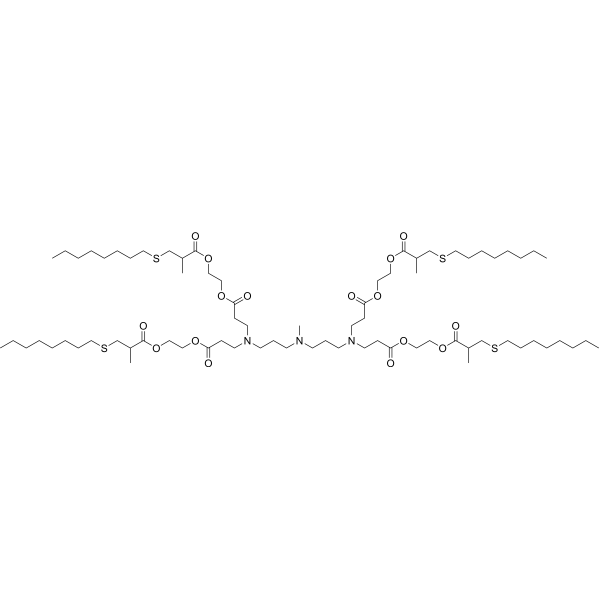
    4A3-SC8 is a modular degradable dendrimer that enables small RNAs to extend survival in an aggressive liver cancer model .
    4A3-SC8
  • HY-141519

    Parasite Infection
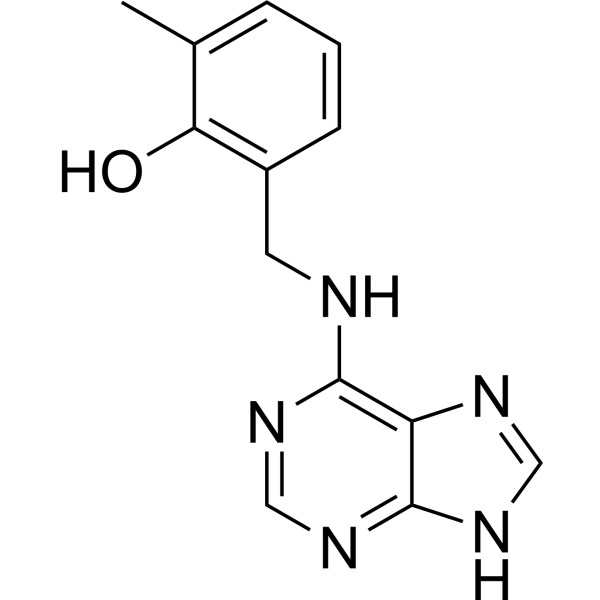
    PI-55 is a specific cytokinin receptor inhibitor. PI-55 is structurally related to 6-benzylaminopurine (BAP) and was shown to inhibit competitively BAP binding on Arabidopsis-specific receptors CRE1/AHK4 and AHK3. PI-55 inhibits cytokinins induced haustorium formation and increased parasite aggressiveness .
    PI-55
  • HY-W004305

    Palmitaldehyde

    Environmental Pollutants Endogenous Metabolite Metabolic Disease
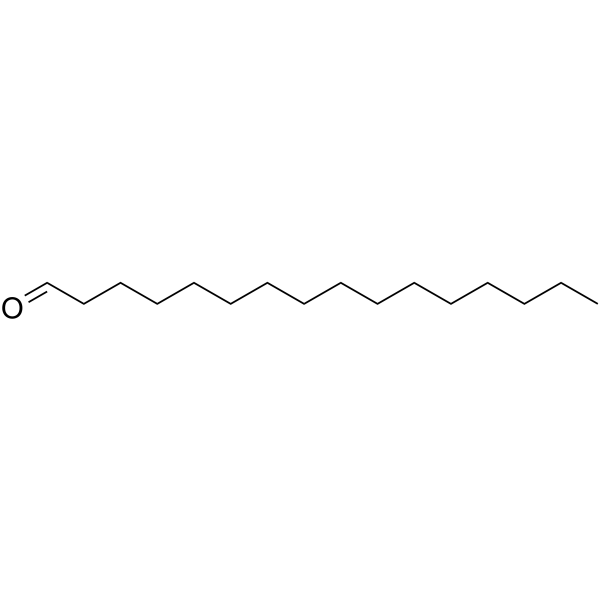
    Hexadecanal (Palmitaldehyde) , a volatile long-chain aliphatic aldehyde, is emitted from human feces, skin, and breath. The receptor for hexadecanal(OR37B) is highly conserved across mammals. Hexadecanal may exert its effects by modulating functional connectivity between the brain substrates of social appraisal and the brain substrates of aggressive execution. Also, Hexadecanal is confirmed to be highly deterrent to the ant Lasius niger. Hexadecanal is promising for the research of startle responses and aggression
    Hexadecanal
  • HY-B1470

    R-1929

    Dopamine Receptor Adrenergic Receptor Neurological Disease
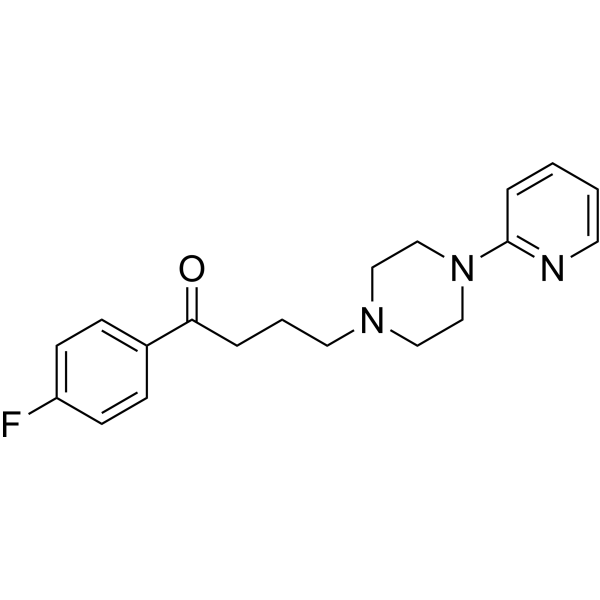
    Azaperone is an antagonist of dopamine D2 receptor (Dopamine D2 Receptor) and α-adrenergic receptor (AR). Azaperone reduces vasomotor tone, mean arterial pressure, hematocrit, hemoglobin concentration, and etorphine-induced duration; induces transient tachycardia followed by bradycardia, splenic uptake of red blood cells, and sedation; alters animal behaviors; and produces sedation with distinct onset and duration in foals. Azaperone is used for sedation and tranquilization in various animals to reduce stress and aggressive behaviors, and serves as a preanesthetic agent .
    Azaperone
  • HY-17612

    NW-3509

    Sodium Channel Neurological Disease
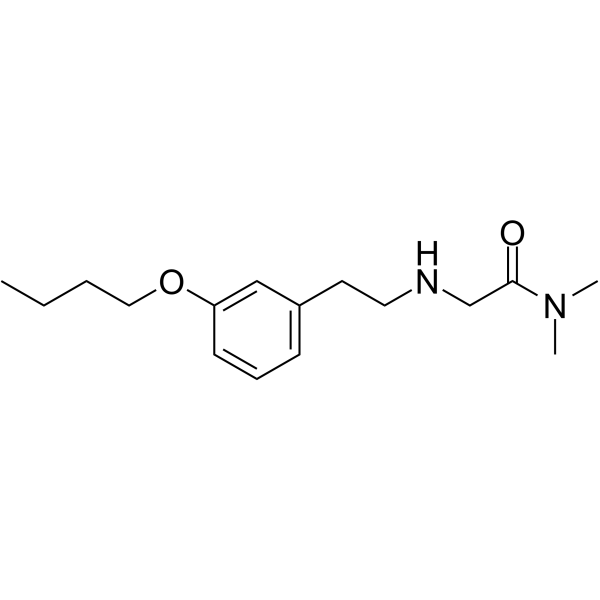
    Evenamide (NW-3509) is an orally available voltage-gated sodium channel (VGSC) blocker (Ki=0.4 µM) for the research of schizophrenia. Evenamide shows efficacy in a broad spectrum of rodent models of psychosis, mania, depression, and aggressiveness .
    Evenamide
  • HY-103151

    5-HT Receptor Neurological Disease Metabolic Disease
    CP94253 hydrochloride is an orally active, brain-penetrant and selective 5-HT1B receptor agonist with an Ki of 2 nM. CP94253 hydrochloride induces antidepressant-like effects, waking enhancement, sleep inhibition, increased sleep latency, hyperlocomotion, and suppressed aggressive behavior. CP94253 hydrochloride can be used for the research of depression and heightened aggressive behavior .
    CP94253 hydrochloride
  • HY-128587
    Mevociclib
    5+ Cited Publications

    SY-1365

    CDK Cancer
    Mevociclib (SY-1365) is a potent and first-in-class selective CDK7 inhibitor, with a Ki of 17.4 nM. Mevociclib exhibits anti-proliferative and apoptotic effects in solid tumor cell lines. Mevociclib possesses anti-tumor activity in hematological and multiple aggressive solid tumors .
    Mevociclib
  • HY-147008

    Epigenetic Reader Domain Cancer
    XP-524 is a potent BET and EP300 inhibitor. XP-524 shows great tumoricidal activity in vivo. XP-524 prevents KRAS-induced, neoplastic transformation in vivo and extends survival in two transgenic mouse models of aggressive PDAC. XP-524 also enhances the presentation of self-peptide and tumor recruitment of cytotoxic T lymphocytes. XP-524 has the potential for the research of pancreatic ductal adenocarcinoma (PDAC) .
    XP-524
  • HY-W107409

    Others Cancer
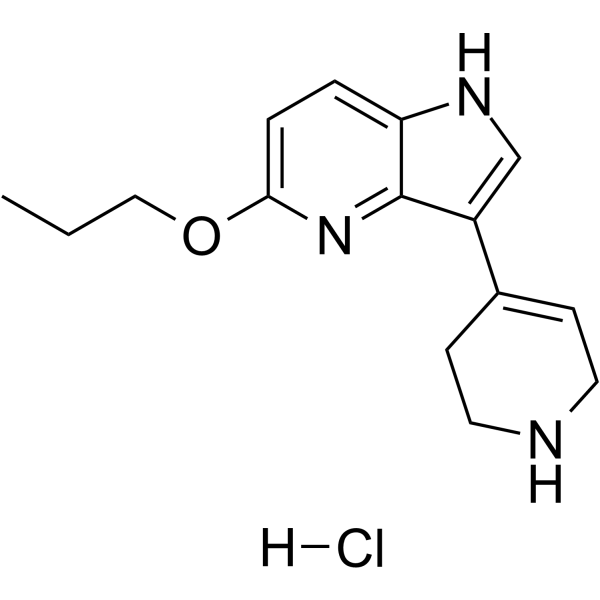
    Meridianin C is a marine natural product with anticancer activity. Meridianin C has significant inhibitory effects on four different human tongue cancer cells (YD-8, YD-10B, YD-38 and HSC-3). Meridianin C most strongly reduced the growth of YD-10B cells, the most aggressive and tumorigenic of the cell lines tested. Meridianin C also induced significant accumulation of large vesicles in YD-10B cells, validating its function through macrophagocytosis. Meridianin C reduces cellular levels of Dickkopf-related protein-3 (DKK-3), a known negative regulator of macrophagy. Meridianin C affects macrophagocytosis by downregulating DKK-3, thereby affecting cell proliferation .
    Meridianin C
  • HY-139126

    DL-Muscarin chloride

    mAChR Neurological Disease
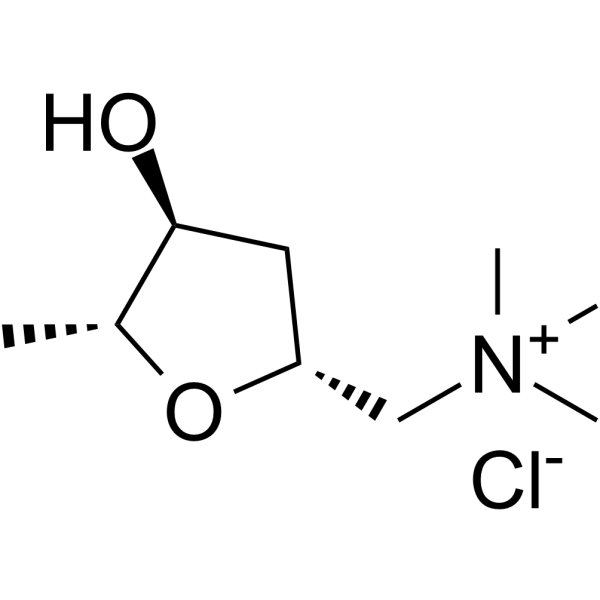
    (±)-Muscarine chloride is the racemate of Muscarine chloride. Muscarine is a prototype muscarinic acetylcholine receptor agonist .
    (±)-Muscarine chloride
  • HY-152189

    17β-HSD Cancer
    S19-1035 is a highly potent and specific aldo-keto reductase 1C3 (AKR1C3) inhibitor. S19-1035 inhibits AKR1C3 with an IC50 value of 3.04 nM. S19-1035 can be used for the research of tumor .
    S19-1035
  • HY-144779

    HDAC Autophagy Cancer
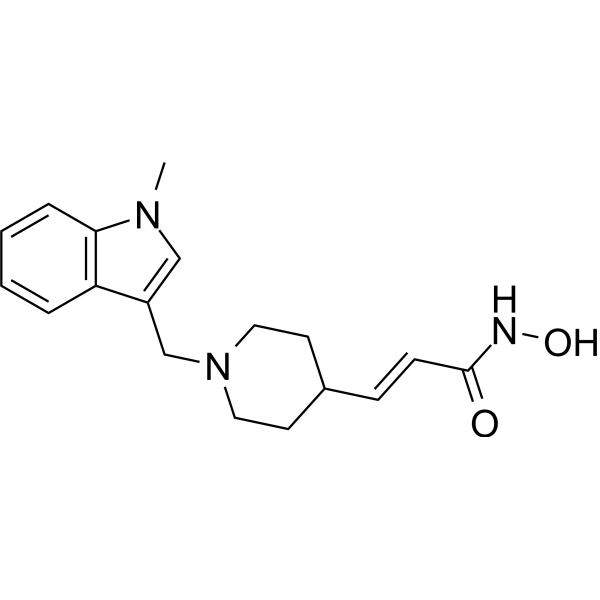
    HDAC10-IN-1 (compound 13b) is a potent and highly selective HDAC10 inhibitor, with an IC50 of 58 nM. HDAC10-IN-1 modulates autophagy in aggressive FLT3-ITD positive acute myeloid leukemia cells .
    HDAC10-IN-1
  • HY-135319

    Bacterial Antibiotic ERK JNK NF-κB ROR Apoptosis Caspase GSK-3 Akt PI3K Infection Metabolic Disease Inflammation/Immunology Cancer
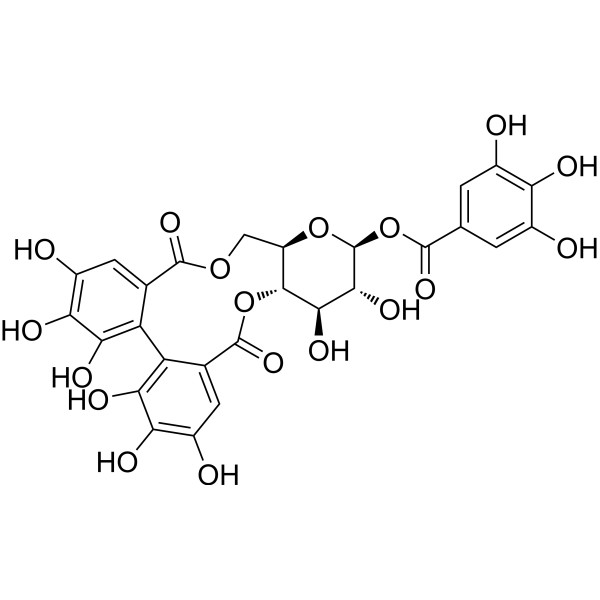
    Strictinin is an orally active phenolic compound. Strictinin reduces xanthine oxidase activity, uric acid production, and the activation of ERK1/2, JNK, NF-κB, and NLRP3 inflammasome components in hepatocytes treated with Xanthine (HY-W017389). Strictinin decreases elevated serum uric acid levels and enhanced xanthine oxidase activity in mice treated with potassium oxonate. Strictinin acts as a ROR1 inhibitor and exhibits anticancer activity against highly aggressive non-androgen-dependent prostate cancer. Strictinin induces cancer cell apoptosis (apoptosis), arrests cell cycle, and inhibits cancer cell migration, invasion, and epithelial-mesenchymal transition. Strictinin modulates gut microbiota, inhibits bacterial growth and biofilm formation, accelerates small intestinal transit, and blocks viral entry and replication. Strictinin can be used in research related to hyperuricemia, androgen receptor-negative non-androgen-dependent prostate cancer, triple-negative breast cancer, bacterial infections, constipation, coronavirus infections, dental caries, and infections caused by influenza A, influenza B, and human parainfluenza virus type 1 .
    Strictinin
  • HY-130402A

    Parasite Infection
    Propamidine (isethionate) is an agent in the diamidine class. Propamidine (isethionate) can be used in research of Acanthamoeba keratitis .
    Propamidine isethionate
  • HY-144782A

    HDAC Autophagy Cancer
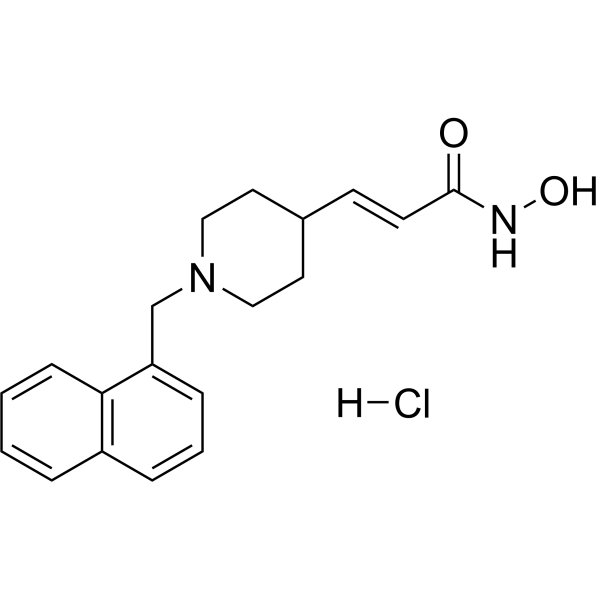
    HDAC10-IN-2 hydrochloride (compound 10c) is a potent and highly selective HDAC10 inhibitor, with an IC50 of 20 nM. HDAC10-IN-2 hydrochloride modulates autophagy in aggressive FLT3-ITD positive acute myeloid leukemia cells .
    HDAC10-IN-2 hydrochloride
  • HY-168996

    CDK Apoptosis Cancer
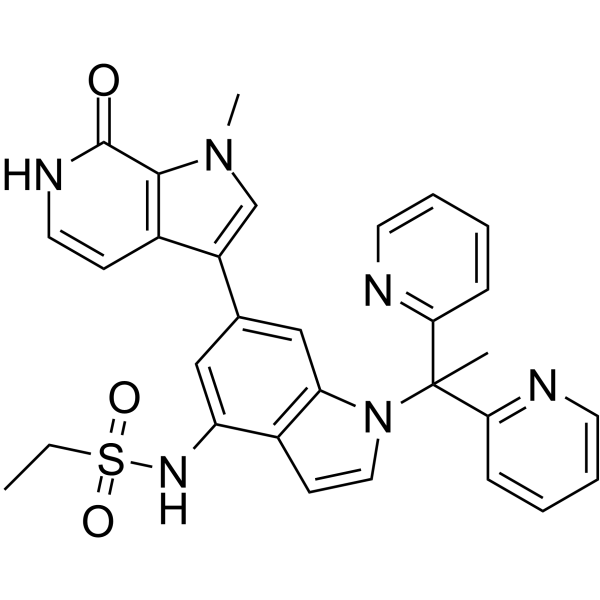
    LA-CB1 is an Abemaciclib (HY-16297A) derivative that targets CDK4/6 and promotes its degradation via the ubiquitin-proteasome pathway, thereby disrupting the CDK4/6-Cyclin D1-Rb-E2F axis and inducing G0/G1 cell cycle arrest and apoptosis. LA-CB1 exhibits antiproliferative activity against MDA-MB-231 cells, with an IC50 of 0.27 µM, and effectively inhibits epithelial-mesenchymal transition (EMT), cell migration, invasion, and angiogenesis. In highly aggressive models such as triple-negative breast cancer (TNBC), LA-CB1 significantly suppresses tumor growth in a dose-dependent manner. LA-CB1 holds potential for research in the field of breast cancer .
    LA-CB1
  • HY-177138

    Microtubule/Tubulin Cancer
    Tubulin-IN-52 is a tubulin inhibitor. Tubulin-IN-52 demonstrates significant cytotoxicity toward a variety of cancer cell types including prostate, lung, and ovarian cancers with strong activity toward highly aggressive cancer lines (IC50 = 0.9-3.8 mM). Tubulin-IN-52 significantly inhibits the growth of established tumors without noticeable toxicity. Tubulin-IN-52 can be used for the study of cancer .
    Tubulin-IN-52
  • HY-15401

    5-HT Receptor Neurological Disease Metabolic Disease
    WAY 163909 is an orally active, blood-brain barrier permeable 5-HT2C receptor-selective agonist. WAY 163909 exhibits an EC50 of 8 nM and a Ki of 10.5 nM for h5-HT2C. Instead of triggering apoptosis, WAY 163909 induces anorectic, antipsychotic-like, antidepressant-like, anti-aggressive and anti-compulsive effects. WAY 163909 alleviates ketamine-induced hypothermia, but impairs sexual function at high doses. With rapid antidepressant-like properties, WAY 163909 can be used in research related to obesity, schizophrenia, depression, obsessive-compulsive disorder, and anesthesia-induced hypothermia .
    WAY 163909
  • HY-119377

    Glutaminase Cancer
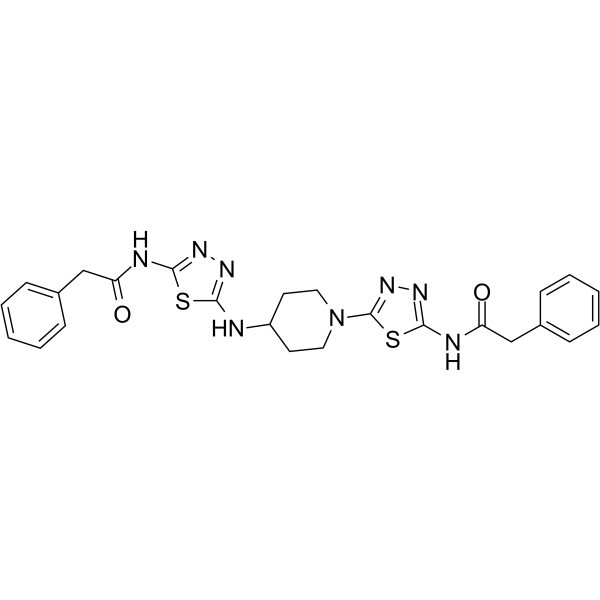
    UPGL00004 is a potent allosteric glutaminase C (GAC) inhibitor (IC50=29 nM; Kd=27 nM). UPGL00004 strongly inhibits the proliferation of highly aggressive triple-negative breast cancer cell lines .
    UPGL00004
  • HY-144782

    HDAC Autophagy Cancer
    HDAC10-IN-2 (compound 10c) is a potent and highly selective HDAC10 inhibitor, with an IC50 of 20 nM. HDAC10-IN-2 modulates autophagy in aggressive FLT3-ITD positive acute myeloid leukemia cells .
    HDAC10-IN-2
  • HY-B1470S

    R-1929-d4

    Isotope-Labeled Compounds Dopamine Receptor Adrenergic Receptor Neurological Disease
    Azaperone-d4 (R-1929-d4) is the deuterium labeled Azaperone (HY-B1470). Azaperone is an antagonist of dopamine D2 receptor (Dopamine D2 Receptor) and α-adrenergic receptor (AR). Azaperone reduces vasomotor tone, mean arterial pressure, hematocrit, hemoglobin concentration, and etorphine-induced duration; induces transient tachycardia followed by bradycardia, splenic uptake of red blood cells, and sedation; alters animal behaviors; and produces sedation with distinct onset and duration in foals. Azaperone is used for sedation and tranquilization in various animals to reduce stress and aggressive behaviors, and serves as a preanesthetic agent.
    Azaperone-d4
  • HY-164401

    EAAT DNA/RNA Synthesis DNA Alkylator/Crosslinker Neurological Disease Cancer
    QBS10072S is a bifunctional chemotherapeutic agent that can cross the blood-brain barrier (BBB), comprising a LAT1-targeting domain and a cytotoxic domain. QBS10072S exhibits inhibitory potency against LAT1-mediated substrate uptake (IC50 = 21 μM) of approximately 50-fold higher than that against LAT2 (IC50 = 1100 μM). QBS10072S enters LAT1-expressing tumor cells via LAT1-mediated active transport, induces DNA interstrand crosslinking, and causes DNA damage and cell death. QBS10072S can be used for the research of glioblastoma and aggressive T-cell lymphoma .
    QBS10072S
  • HY-171807

    nAChR STAT Neurological Disease Inflammation/Immunology
    TC-2559 free base is a α4β2 nicotinic acetylcholine receptor (nAChR) agonists with an EC50 of 0.18 μM. TC-2559 free base shows much weaker potencies on the group of b4-containing nAChR subtypes, α2β4, α4β4 and α3β4 receptors, with EC50s in the range of 10-30 µM. TC-2559 free base can increase the discharge of dopamine cells in the ventral tegmental area (VTA) of rats in vitro, enhancing the excitability and aggressive behavior of VTA dopamine neurons. TC-2559 free base inhibits STAT3 to exert anti-inflammatory properties and relieves mice mechanical allodynia and improve rats cognitive deficits. TC-2559 free base can be used for the study of nerve pain .
    TC-2559 free base
  • HY-153614

    Ac-Val-Leu-Pro-Glu(OMe)-CH2F

    Cathepsin Cancer
    Ac-VLPE-FMK, a tetrapeptidyl mono-fluoromethyl ketone (m-FMK), is a Cat-B and Cat-L inhibitor. Ac-VLPE-FMK can be used for the research of cancer aggressiveness .
    Ac-VLPE-FMK
  • HY-17612A

    NW-3509 hydrochloride

    Sodium Channel Neurological Disease
    Evenamide hydrochloride is an orally available voltage-gated sodium channel (VGSC) blocker (Ki=0.4 μM) for the research of schizophrenia. Evenamide hydrochloride shows efficacy in a broad spectrum of rodent models of psychosis, mania, depression, and aggressiveness .
    Evenamide hydrochloride
  • HY-103151A

    5-HT Receptor Neurological Disease Metabolic Disease
    CP94253 is an orally active, brain-penetrant and selective 5-HT1B receptor agonist with an Ki of 2 nM. CP94253 induces antidepressant-like effects, waking enhancement, sleep inhibition, increased sleep latency, hyperlocomotion, and suppressed aggressive behavior. CP94253 can be used for the research of depression and heightened aggressive behavior .
    CP94253
  • HY-105774

    Serotonin Transporter Neurological Disease
    Oxaflozane is a non-tricyclic antidepressant with serotoninergic action. Oxaflozane has anti-cataleptic and anti-aggressive actions with a weak potentiation of the stereotypes provoked by Amphetamin .
    Oxaflozane
  • HY-176191

    Aurora Kinase Cancer
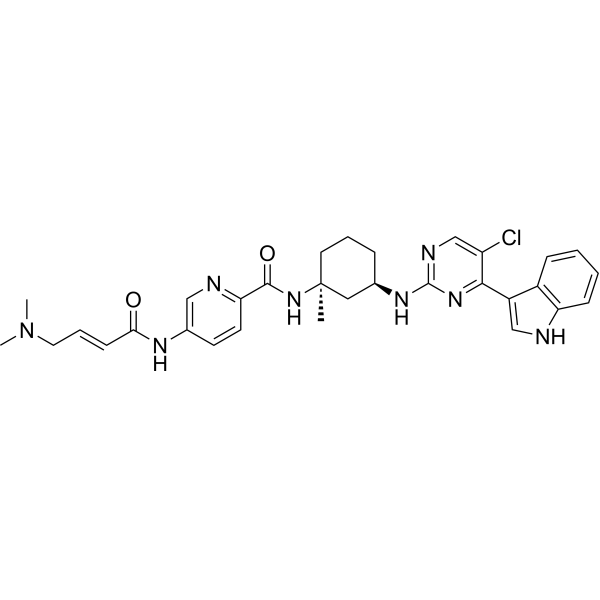
    Aurora kinase-IN-7 (compound 4b) is an orally active and selective AURKB inhibitor. Aurora kinase-IN-7 can be used in the study of aggressive cancers .
    Aurora kinase-IN-7
  • HY-168363

    WE-973

    GABA Receptor Neurological Disease
    Ciclotizolam (WE-973) is a thienotriazolodiazepine with anticonvulsant and anti-aggressive activities. Ciclotizolam binds to benzodiazepine receptors in the central nervous system. Ciclotizolam decreases total sleep time in cats .
    Ciclotizolam
  • HY-114056

    Others Cancer
    AS115 is a potent and selective KIAA1363 inactivator with IC50 value of 150 nM. KIAA1363 is a 2-acetyl monoacylglycerol ether (MAGE) hydrolase that is upregulated in aggressive cancers of various tissues .
    AS115
  • HY-164500

    Apoptosis Histone Methyltransferase Cancer
    MC3629 is an inhibitor of histone methyltransferase (EZH2) with anti-tumor activity. MC3629 inhibits SHH MB cancer cell proliferation and self-renewal and induces apoptosis. MC3629 can be used to study drug resistance in tumor aggressiveness .
    MC3629
  • HY-121704

    iGluR Neurological Disease
    SR 57227A Free base is a highly selective compound for both peripheral and central 5-HT3 receptors and acts as an inhibitor of NMDA receptor-mediated responses in rat cortical pyramidal cells, demonstrating antidepressant-like effects in rats while reducing isolation-induced aggressive behavior.
    SR 57227A free base
  • HY-174779

    mRNA Cancer
    Human AREG mRNA encodes the human amphiregulin (AREG) protein, a member of the epidermal growth factor family. AREG interacts with the EGF/TGF-alpha receptor to promote the growth of normal epithelial cells, and inhibits the growth of certain aggressive carcinoma cell lines. It also functions in mammary gland, oocyte and bone tissue development.
    Human AREG mRNA
  • HY-174392

    Biochemical Assay Reagents Cancer
    Anticancer agent 275 is a natural product that has potent anticancer activity. Anticancer agent 275 shows strong proliferation inhibition activity against BT12 cells. Anticancer agent 275 can be studied in research for rare and aggressive atypical teratoid rhabdoid tumor (ATRT) and other cancer cell lines .
    Anticancer agent 275
  • HY-143587

    CDK Cancer
    CDK7-IN-2 is a potent inhibitor of CDK7. CDK7 is implicated in both temporal control of the cell cycle and transcriptional activity. CDK7 is implicated in the transcriptional initiation process by phosphorylation of Rbpl subunit of RNA Polymerase II (RNAPII). CDK7 has the potential for the research of cancer disease, in particular aggressive and hard- to-treat cancers (extracted from patent WO2019099298A1, compound 1) .
    CDK7-IN-2
  • HY-P990200

    Transmembrane Glycoprotein CHIKV Infection Inflammation/Immunology Cancer
    Anti-Mouse Ly6C Antibody (Monts 1) is a rat-derived anti-mouse Ly6C IgG2a type antibody inhibitor. Anti-Mouse Ly6C Antibody (Monts 1) depletes monocytes, neutrophils, and some other granulocyte populations. Anti-Mouse Ly6C Antibody (Monts 1) can be used for the researches of cancer, immunology and infection, such as chikungunya (CHIKV) and aggressive tumor .
    Anti-Mouse Ly6C Antibody (Monts 1)
  • HY-164480

    IKK NF-κB Inflammation/Immunology Cancer
    GTCpFE inhibits IKKα/β in the NF-κB pathway with anti-inflammatory activities and blocks p65 nuclear entry, which consists of Dimethyl fumarate (DMF) (HY-17363) linked to Aspirin (ASA) (HY-14654). GTCpFE exhibits selective anti-cancer stem-like cell (CSC) activity by reducing mammosphere growth and the CD44 + CD24 - immunophenotype. GTCpFE inhibits breast cancer stem cells, an important NFκB- and PGE2-dependent phenotype in aggressive cancers .
    GTCpFE
  • HY-W004305S

    Palmitaldehyde-d5

    Isotope-Labeled Compounds Endogenous Metabolite Metabolic Disease
    Hexadecanal-d5 (Palmitaldehyde-d5) is deuterium labeled Hexadecanal. Hexadecanal (Palmitaldehyde) , a volatile long-chain aliphatic aldehyde, is emitted from human feces, skin, and breath. The receptor for hexadecanal(OR37B) is highly conserved across mammals. Hexadecanal may exert its effects by modulating functional connectivity between the brain substrates of social appraisal and the brain substrates of aggressive execution. Also, Hexadecanal is confirmed to be highly deterrent to the ant Lasius niger. Hexadecanal is promising for the research of startle responses and aggression
    Hexadecanal-d5
  • HY-B1470R

    R-1929 (Standard)

    Reference Standards Dopamine Receptor Adrenergic Receptor Neurological Disease
    Azaperone (R-1929) (Standard) is the analytical standard of Azaperone (HY-B1470). This product is intended for research and analytical applications. Azaperone is an antagonist of dopamine D2 receptor (Dopamine D2 Receptor) and α-adrenergic receptor (AR). Azaperone reduces vasomotor tone, mean arterial pressure, hematocrit, hemoglobin concentration, and etorphine-induced duration; induces transient tachycardia followed by bradycardia, splenic uptake of red blood cells, and sedation; alters animal behaviors; and produces sedation with distinct onset and duration in foals. Azaperone is used for sedation and tranquilization in various animals to reduce stress and aggressive behaviors, and serves as a preanesthetic agent.
    Azaperone (Standard)
  • HY-19682

    5-HT Receptor Adrenergic Receptor Neurological Disease
    Enciprazine is an orally active non-benzodiazepine anxiolytic. Enciprazine acts as an agonist of 5-HT1A receptor (5-HT1AR) and an antagonist of α1-adrenergic receptor (α1-adrenergic receptor) . Enciprazine induces drug-related electroencephalogram changes by reducing the average power of δ waves and θ waves, and increasing the average power of α waves and fast β waves. Enciprazine exhibits anti-aggressive activity, with only weak sedative and ataxic effects. Enciprazine regulates plasma corticosterone levels and activates the hypothalamic-pituitary-adrenal axis. Enciprazine can be used in research related to anxiety disorders, generalized anxiety syndrome and psychosis .
    Enciprazine
  • HY-103151R

    Reference Standards 5-HT Receptor Neurological Disease Metabolic Disease
    CP94253 hydrochloride (Standard) is the analytical standard of CP94253 hydrochloride (HY-103151). This product is intended for research and analytical applications. CP94253 hydrochloride is an orally active, brain-penetrant and selective 5-HT1B receptor agonist with an Ki of 2 nM. CP94253 hydrochloride induces antidepressant-like effects, waking enhancement, sleep inhibition, increased sleep latency, hyperlocomotion, and suppressed aggressive behavior. CP94253 hydrochloride can be used for the research of depression and heightened aggressive behavior .
    CP94253 hydrochloride (Standard)
  • HY-17419A

    DNA Alkylator/Crosslinker Cancer
    (R)-Ifosfamide is a chemotherapeutic agent primarily used in the treatment of aggressive tumors such as rhabdomyosarcoma, exhibiting alkylating activity that interferes with DNA replication. (R)-Ifosfamide is an isomeric derivative of the DNA alkylating agent Ifosfamide (HY-17419).
    (R)-Ifosfamide
  • HY-183671

    Biochemical Assay Reagents Inflammation/Immunology Cancer
    NSC850143 is an antiproliferative agent. NSC850143 induces antiproliferative and cytotoxic effects in aggressive tumor cells. NSC850143 can be used in the research of cancers such as leukemia, non-small cell lung cancer, colon cancer, central nervous system cancer, melanoma, ovarian cancer, renal cancer, prostate cancer and breast cancer .
    NSC850143
  • HY-180995

    DNA/RNA Synthesis Cancer
    VARS1-IN-1 is a valyl-tRNA synthetase (VARS1) inhibitor with a Kd of 0.213 μM. VARS1-IN-1 suppresses VARS1’s tRNA aminoacylation activity, reduces charged levels of valine tRNAs and redues total protein synthesis rate. VARS1-IN-1 suppresses aggressive tumor growth and cell proliferation in PC3 prostate cancer xenograft models. VARS1-IN-1 can be used for the research of prostate cancer .
    VARS1-IN-1
  • HY-19682A

    5-HT Receptor Adrenergic Receptor Neurological Disease
    Enciprazine dihydrochloride is an orally active non-benzodiazepine anxiolytic. Enciprazine dihydrochloride acts as an agonist of 5-HT1A receptor (5-HT1AR) and an antagonist of α1-adrenergic receptor (α1-adrenergic receptor) . Enciprazine dihydrochloride induces drug-related electroencephalogram changes by reducing the average power of δ waves and θ waves, and increasing the average power of α waves and fast β waves. Enciprazine dihydrochloride exhibits anti-aggressive activity, with only weak sedative and ataxic effects. Enciprazine dihydrochloride regulates plasma corticosterone levels and activates the hypothalamic-pituitary-adrenal axis. Enciprazine dihydrochloride can be used in research related to anxiety disorders, generalized anxiety syndrome and psychosis .
    Enciprazine dihydrochloride
  • HY-164401A

    EAAT DNA/RNA Synthesis DNA Alkylator/Crosslinker Neurological Disease Cancer
    QBS10072S dihydrochloride is a bifunctional chemotherapeutic agent that can cross the blood-brain barrier (BBB), comprising a LAT1-targeting domain and a cytotoxic domain. QBS10072S dihydrochloride exhibits inhibitory potency against LAT1-mediated substrate uptake (IC50 = 21 μM) of approximately 50-fold higher than that against LAT2 (IC50 = 1100 μM). QBS10072S dihydrochloride enters LAT1-expressing tumor cells via LAT1-mediated active transport, induces DNA interstrand crosslinking, and causes DNA damage and cell death. QBS10072S dihydrochloride can be used for the research of glioblastoma and aggressive T-cell lymphoma .
    QBS10072S dihydrochloride

Inquiry Online

Your information is safe with us. * Required Fields.

Salutation


Country or Region *

Applicant Name *


Organization Name *

Department *


Email Address *


Product Name *

Cat. No.


Requested quantity *

Phone Number *


Remarks

Inquiry Online

Inquiry Information

Product Name:
Cat. No.:
Quantity:
MCE Japan Authorized Agent:

