1. Search Result
Search Result
Results for "

amplitudes

" in MedChemExpress (MCE) Product Catalog:

42

Inhibitors & Agonists

11

Peptides

2

Natural
Products

Cat. No. Product Name Target Research Areas Chemical Structure
  • HY-110175
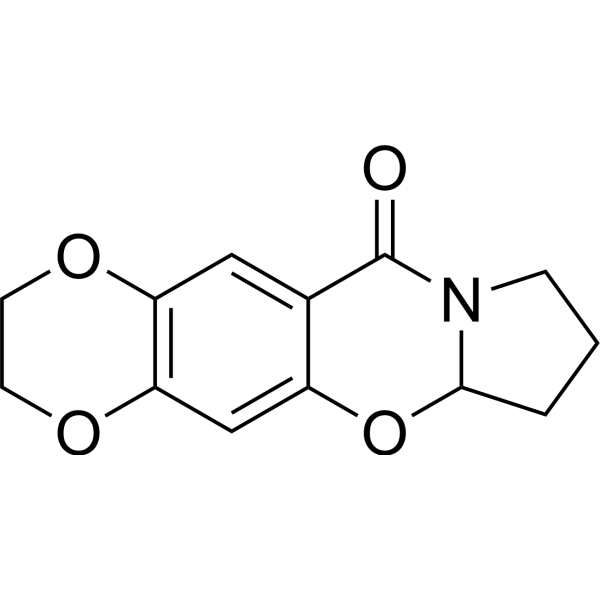
    CX614
    1 Publications Verification

    iGluR Neurological Disease
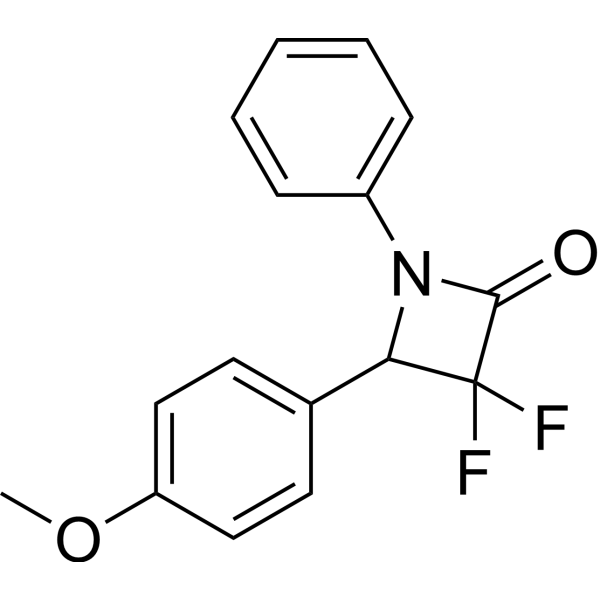
    CX614 is a positive variant modulator of AMPA receptors that enhances excitatory postsynaptic potentials (amplitude and duration) by blocking and slowing the inactivation of responses to glutamate and automatically evokes excitatory postsynaptic currents in neuronal cultures. CX614 can be used in the study of psychiatric disorders such as depression .
    CX614
  • HY-P11117

    TRP Channel iGluR Calcium Channel Neurological Disease
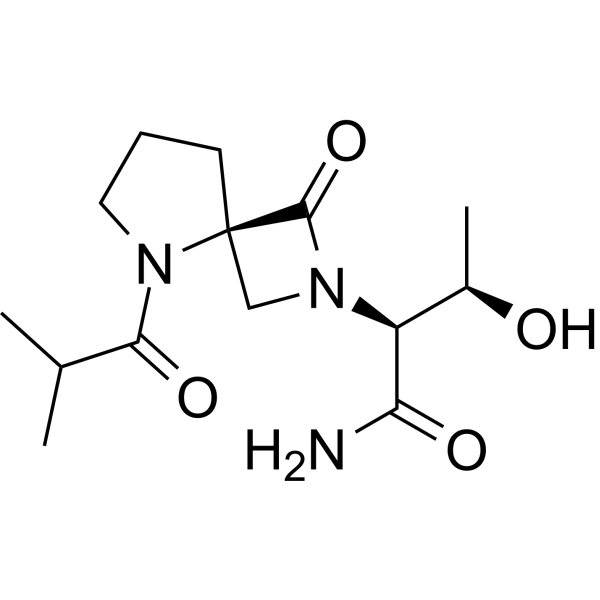
    TAT-EE3 is a neuroprotective peptide which can uncouple TRPM2-NMDARs interaction. TAT-EE3 inhibits TRPM2-induced enhancement of NMDAR surface expression and current amplitude.TAT-EE3 protects neurons against ischemic injury in vitro and in vivo. TAT-EE3can be used for the study of ischemic stroke .
    TAT-EE3
  • HY-108588
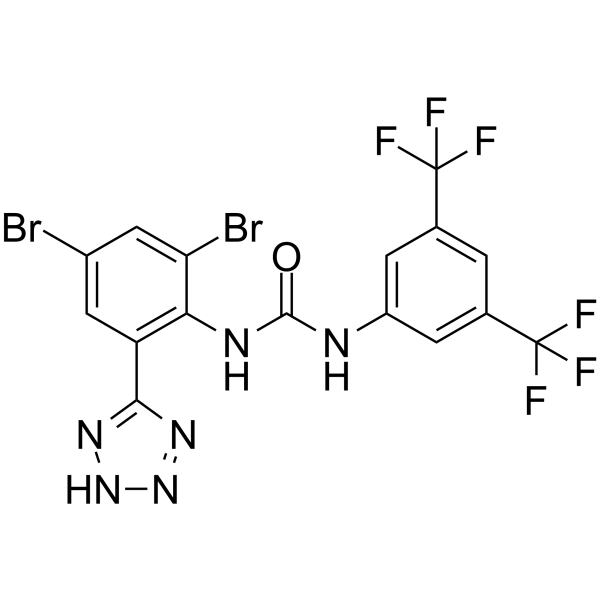
    NS5806
    1 Publications Verification

    Potassium Channel Cardiovascular Disease
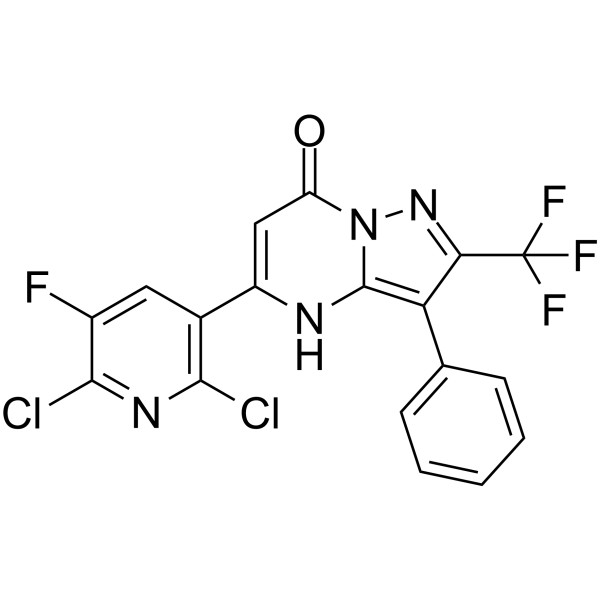
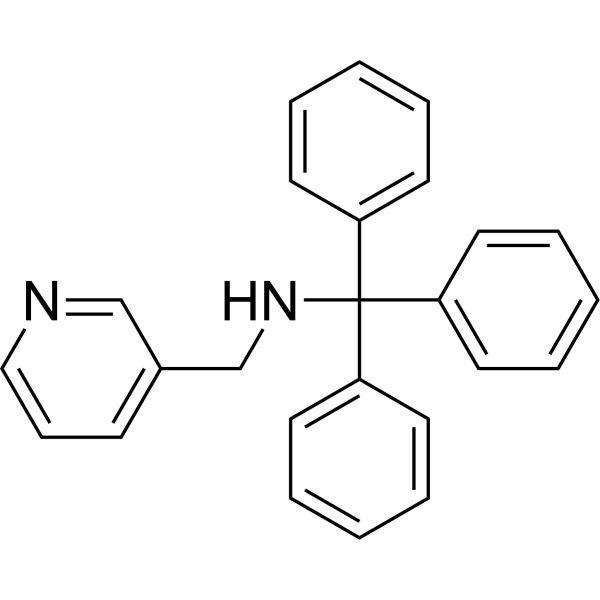
    NS5806, a potent potassium current activator, increases KV4.3/KChIP2 peak current amplitudes with an EC50 of 5.3 μM. NS5806 slows KV4.3 and KV4.2 current dacay in channel complexes containing KChIP2 .
    NS5806
  • HY-N6688

    Potassium Channel Bacterial Infection Neurological Disease
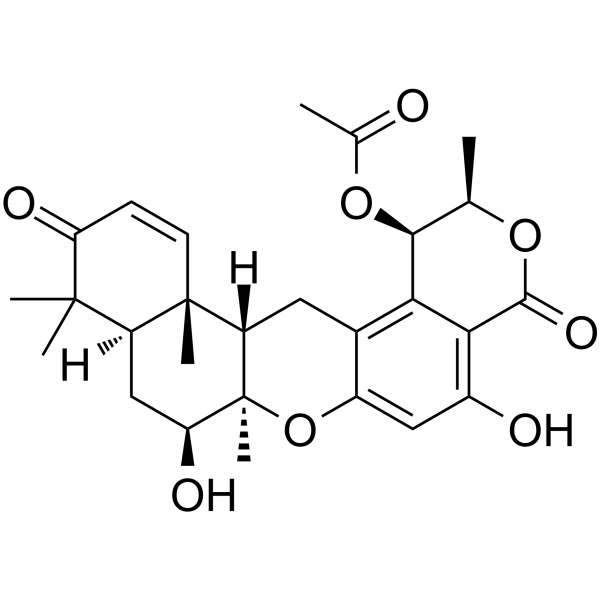
    Verruculogen is a tremorgenic mycotoxin and inhibitor of the M phase of the mammalian cell cycle. Verruculogen is produced by Penicillium and Aspergillus species. Verruculogen enhances the binding of ChTX to maxi-k channels with a K1/2 value of 170 nM. Verruculogen inhibits the amplitude of Ca 2+-activated K + currents. Verruculogen induces severe tremors in infected animals .
    Verruculogen
  • HY-15241

    LCQ-195; AT9311

    CDK Cancer
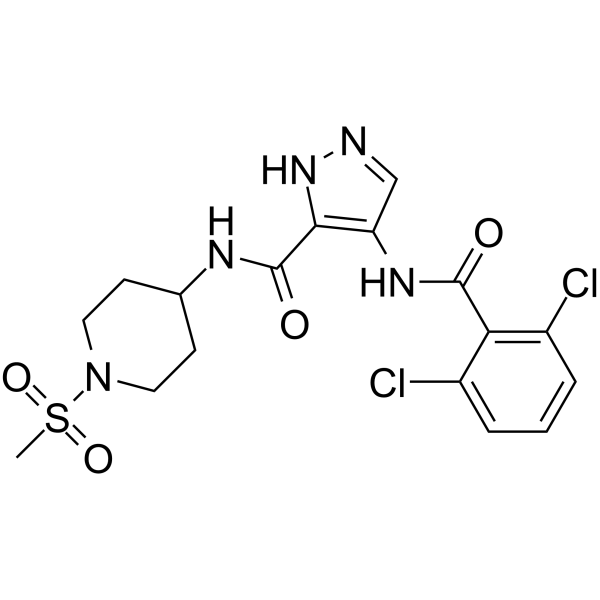
    NVP-LCQ195 (LCQ-195) is an inhibitor of CDK1/2/3/5/9. NVP-LCQ195 induces cell cycle arrest and eventual apoptotic cell death of multiple myeloma (MM) cells. NVP-LCQ195 triggers decreased amplitude of transcriptional signatures related to oncogenesis, drug resistance and stem cell renewal in MM cell lines .
    NVP-LCQ195
  • HY-164288

    TDI-006570

    Cyclic GMP-AMP Synthase STING Neurological Disease Inflammation/Immunology
    TDI-6570 (TDI-006570) is a blood-brain barrier-permeable, orally active cGAS inhibitor with an IC50 of 1.64 μM. TDI-6570 exhibits high gastrointestinal absorption and a long brain half-life in mice, and shows no toxicity to primary neurons. By inhibiting the cGAS-STING-IFN signaling pathway, TDI-6570 reduces STING levels and the activation of TBK1, blocks double-stranded DNA-induced cGAS activation and downstream interferon-stimulated gene expression, thereby reducing tau protein spread and improving synaptic loss. TDI-6570 reverses memory deficits, increases the amplitude of long-term potentiation, enhances the MEF2C transcriptional network, restores PSD-95 and vGAT punctate structures, and significantly improves cognitive resilience. TDI-6570 can be applied to the research of Alzheimer's disease, Parkinson's disease, systemic lupus erythematosus, as well as various central nervous system and autoimmune diseases .
    TDI-6570
  • HY-124702
    ICA-105574
    1 Publications Verification

    Potassium Channel Cardiovascular Disease
    ICA-105574 is a potent and efficacious hERG channel activator. The primary mechanism by which ICA-105574 potentiates hERG channel activity is by removing hERG channel inactivation. ICA-105574 steeply potentiates current amplitudes more than 10-fold with an EC50 value of 0.5 +/- 0.1 μM and a Hill slope (n(H)) of 3.3 +/- 0.2. ICA-105574 can prevent arrhythmias induced by cardiac delayed repolarization. ICA-105574 shortens action potential duration in ventricular myocytes concentration-dependently .
    ICA-105574
  • HY-110162

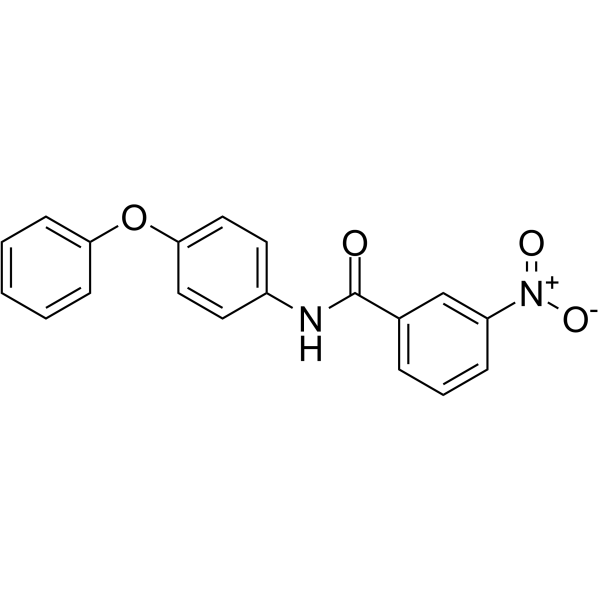
    Potassium Channel Neurological Disease
    QO 58 is a potent modulator of K(v)7 channels. QO-58 increases the current amplitudes, shifts the voltage-dependent activation curve in a more negative direction and slows the deactivation of K(v)7.2/K(v)7.3 currents. QO-58 has the potential for the research of diseases associated with neuronal hyperexcitability .
    QO 58
  • HY-13527
    LY310762
    1 Publications Verification

    5-HT Receptor Cardiovascular Disease Neurological Disease
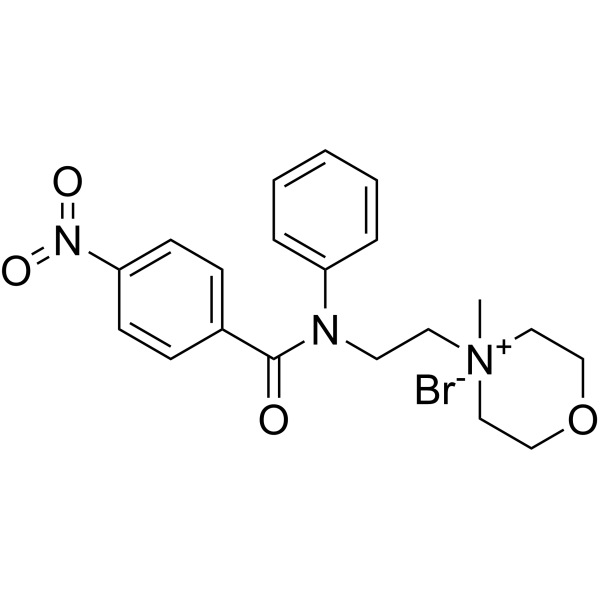
    LY310762 is a selective 5-HT1D receptor antagonist (Ki=249 nM) with a weak affinity for 5-HT1B receptor. LY310762 effectively abolishes the renal vasodilatory effects of 5-HTamplitude .
    LY310762
  • HY-108592

    Potassium Channel Cardiovascular Disease Neurological Disease
    UCL 2077 is a potassium channel and slow afterhyperpolarization (sAHP) inhibitor. UCL 2077 selectively blocks sAHP channels without affecting L-type Ca 2+ currents. UCL 2077 blocks KCNQ1- and KCNQ2-containing K + channels, decreases erg current amplitude, increases erg deactivation rate. UCL 2077 can be used for the research of hippocampus-dependent memory retrieval deficit and cardiac arrhythmias .
    UCL 2077
  • HY-W014883

    1,12-DD; 1,12-Diamino dodecane

    Potassium Channel Metabolic Disease
    1,12-Dodecanediamine (1,12-DD) is a reversible Maxi calcium-activated potassium channel blocker. 1,12-Dodecanediamine can reduce the single-channel current amplitude, mean channel open time, and channel open probability. 1,12-Dodecanediamine is promising for research of cell electrical signal transduction mechanism .
    1,12-Dodecanediamine
  • HY-P1386

    Dynamin II (828–842)

    iGluR Neurological Disease
    D15, a peptide with 15 aa segment of dynamin, is an AMPAR endocytosis inhibitor. D15 blocks the interaction of dynamin with amphiphysin 1 and 2. D15 significantly increases AMPAR excitatory postsynaptic potential (EPSC) amplitude of medium spiny neurons (MSNs) in Sapap3 KO mice. D15 can be used for neuropsychiatric disorder research .
    D15
  • HY-120927A

    Opioid Receptor Neurological Disease
    Alvimopan metabolite hydrochloride is a peripherally restricted Opioid Receptor antagonist that inhibits the amplitude of electrically evoked contractions and spontaneous mechanical activity in guinea pig ileum .
    Alvimopan metabolite hydrochloride
  • HY-N8472

    GABA Receptor Infection
    Chrodrimanin B, a metabolite of a fungal, is a potent, non-open-channel-blocking antagonist on?B.?mori GABAR RDL with an IC50?of 1.13 nM. Chrodrimanin B attenuates the peak current amplitude of the GABA response of RDL with an IC50?of 1.66 nM.?Chrodrimanin B, a meroterpenoid, shows insecticidal activity .
    Chrodrimanin B
  • HY-P10979

    Neuropeptide S Receptor Neurological Disease
    Buccalin is a neuropeptide that colocalizes with small molecule cardioactive peptides in neuronal B15. When exogenously applied to the ARC neuromuscular junction, Buccalin reduces the amplitude of muscle contraction induced by motor neuron firing and acts only presynaptically. Buccalin has no effect on the rate of muscle relaxation and reduces motor neuron-induced ARC excitatory junction potentials without affecting contraction produced by direct acetylcholine action on the muscle .
    Buccalin
  • HY-175663

    RPE65 Metabolic Disease
    EYE-002 is a RPE65 inhibitor with an IC50 of 69 nM. EYE-002 promotes recovery of scotopic ERG a-/b-wave amplitudes. EYE-002 regulates the visual cycle in mice by reducing 11-cis-retinal (11cRAL) (HY-116711) synthesis and increasing all-trans-retinyl esters (atREs). EYE-002 exerts protective effects against photic retinal damage in mice. EYE-002 can be used for the study of visual cycle-associated retinopathies, such as Stargardt disease type 1 (STGD1) .
    EYE-002
  • HY-176065

    Sodium Channel Neurological Disease
    Nav1.2-IN-1 (compound 5i), a 3-(1,2,3,6-tetrahydropyridine)-4-azaindole derivative, is a potent and selective Nav1.2 inhibitor. Nav1.2-IN-1 induces a reduction in the peak amplitude of Nav1.2 currents with an IC50 value of 7.79 μM. Nav1.2-IN-1 exhibits antiepileptic activity. Nav1.2-IN-1 shows high anticonvulsant effect and low neurotoxicity in subcutaneous Pentetrazole (sc-PTZ)-induced epilepsy mode .
    Nav1.2-IN-1
  • HY-175664

    RPE65 Metabolic Disease
    EYE-003 is an orally active RPE65 inhibitor with an IC50 of 102 nM. EYE-003 regulates the visual cycle in mice by reducing 11-cis-retinal (11cRAL) (HY-116711) synthesis and increasing all-trans-retinyl esters (atREs). EYE-003 suppresses scotopic ERG b-wave amplitude and exerts protective effects against retinal degeneration in Abca4 ⁻/⁻ Rdh8 ⁻/⁻ mice (a STGD1 model) by reducing retinal autofluorescent puncta and preserving outer nuclear layer (ONL) thickness in a dose-dependent manner. EYE-003 can be used for the study of visual cycle-associated retinopathies, such as Stargardt disease type 1 (STGD1) .
    EYE-003
  • HY-113673

    Potassium Channel Cardiovascular Disease
    A-935142 is a human ether-a-go-go-related gene (hERG, Kv 11.1) channel activator. A-935142 enhances hERG current in a complex manner by facilitation of activation, reduction of inactivation, and slowing of deactivation, and abbreviates atrial and ventricular repolarization .
    A-935142
  • HY-P1716

    PKC Neurological Disease
    Neuropeptide DF2 is a DRNFLRFamide neuropeptide orignally isolated from crayfish. which enhances transmitter release and stimulates the amplitude of excitatory post-synaptic potentials (EPSP) through the calcium/calmodulin-dependent protein kinase .
    Neuropeptide DF2
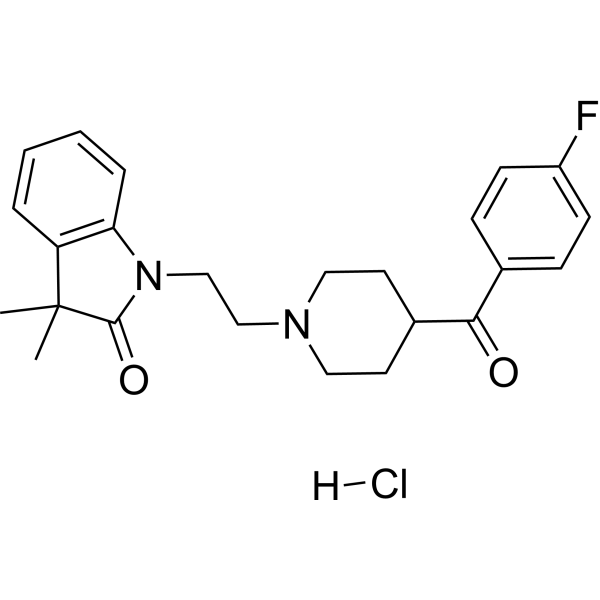
  • HY-108502

    Sodium Channel Cardiovascular Disease
    KC 12291 hydrochloride is an orally active blocker of voltage-gated sodium channel (VGSC). KC 12291 hydrochloride reduces the amplitude of sustained Na + current to exert antiischemic activity. KC 12291 hydrochloride has significant cardioprotective effect in vitro and in vivo .
    KC 12291 hydrochloride
  • HY-P3777

    Potassium Channel Neurological Disease
    β-Bag cell peptide is a neuroactive peptide. β-Bag cell peptide elevates cyclic AMP levels in the bag cell neurons. β-Bag cell peptide decreases the amplitudes of the voltage-dependent potassium currents .
    β-Bag cell peptide
  • HY-105651A

    Cholinesterase (ChE) Cardiovascular Disease
    Butalamine (hydrochloride) is a peripheral vasodilator with local anesthetic effects. :Butalamine (hydrochloride) can produce in animals coronary vasodilation, local anaesthesia, analgesia and a papaverine like action in duodenal preparations. Butalamine (hydrochloride) causes a slowing in rate of spontaneous activity, a decrease in amplitude and a reduction in isolated human smooth muscle .
    Butalamine hydrochloride
  • HY-P1249

    Neuropeptide Y Receptor Neurological Disease
    Neuropeptide SF (mouse,rat) is a potent neuropeptide FF receptor agonist with Ki values are 48.4 nM and 12.1 nM for NPFF1 and NPFF2, respectively. Neuropeptide SF increases the amplitude of the sustained current of heterologously expressed acid sensing ion channel 3 (ASIC3) .
    Neuropeptide SF(mouse,rat)
  • HY-P1249A

    Neuropeptide Y Receptor Neurological Disease
    Neuropeptide SF (mouse,rat) TFA is a potent neuropeptide FF receptor agonist with Ki values are 48.4 nM and 12.1 nM for NPFF1 and NPFF2, respectively. Neuropeptide SF TFA increases the amplitude of the sustained current of heterologously expressed acid sensing ion channel 3 (ASIC3) .
    Neuropeptide SF(mouse,rat) TFA
  • HY-15718B

    PST2744 oxalate

    Na+/K+ ATPase Cardiovascular Disease
    Istaroxime oxalate (PST2744 oxalate) is the oxalate form of Istaroxime (HY-15718). Istaroxime oxalate is is an inotropic agent, that inhibits Na +/K +-ATPase with an IC50 of 0.11 μM. Istaroxime oxalate increases force of contraction in guinea pig atria and twitch amplitude in isolated guinea pig myocytes without causing lethal arrhythmias .
    Istaroxime oxalate
  • HY-W693142

    Orphan GPCR Apoptosis Cardiovascular Disease
    Succinate calcium is a key intermediate product of the citric acid cycle (tricarboxylic acid cycle). Succinate calcium can act as a specific ligand for the G protein-coupled receptor GPR91. Succinate calcium can increase the amplitude of calcium transient in cardiac muscle cells and accelerate the decay rate of calcium transient. Succinate calcium can induce myocardial apoptosis .
    Succinate calcium
  • HY-105651AR

    Cholinesterase (ChE) Reference Standards Cardiovascular Disease
    Butalamine (hydrochloride) (Standard) is the analytical standard of Butalamine (hydrochloride). This product is intended for research and analytical applications. Butalamine (hydrochloride) is a peripheral vasodilator with local anesthetic effects. :Butalamine (hydrochloride) can produce in animals coronary vasodilation, local anaesthesia, analgesia and a papaverine like action in duodenal preparations. Butalamine (hydrochloride) causes a slowing in rate of spontaneous activity, a decrease in amplitude and a reduction in isolated human smooth muscle .
    Butalamine hydrochloride (Standard)
  • HY-131885

    GABA Receptor Neurological Disease
    RuBi-Glutamate hexafluorophosphate sodium is a neuronal activator. RuBi-Glutamate hexafluorophosphate sodium photocleaves to release glutamate upon one- or two-photon excitation, activating glutamate receptors in cortical pyramidal neurons. RuBi-Glutamate hexafluorophosphate sodium reduces peak amplitude of evoked GABAergic inhibitory postsynaptic currents in its caged form. RuBi-Glutamate hexafluorophosphate sodium can be used for the research of Huntington's disease .
    RuBi-Glutamate hexafluorophosphate sodium
  • HY-B1789

    mAChR Neurological Disease
    Telenzepine is an antimuscarinic agent with Kis of 0.94 nM (M1 mAChR) and 17.8 nM (M2 mAChR) binding to muscarinic receptors. Telenzepine effectively blocks synaptic transmission promoted by muscarinic or M1 receptor agonists. Thus, Telenzepine can reduce the amplitude of extracellular slow excitatory postsynaptic potentials (EC50=38 nM) and slow inhibitory postsynaptic potentials (EC50=253 nM) .
    Telenzepine
  • HY-178928

    Potassium Channel Inflammation/Immunology
    KV1.3-IN-3 (Compound 13a) is a KV1.3 channel inhibitor. KV1.3-IN-3 decreases the Kv1.3 peak current amplitude by more than 80%. KV1.3-IN-3 exhibits excellent pharmacological properties and safety. KV1.3-IN-3 can be used for the study of autoimmunity disease .
    KV1.3-IN-3
  • HY-107719

    iGluR Neurological Disease
    D-AP7 is a specific NMDA receptor antagonist with inhibitory activity against epileptiform activity. D-AP7 attenuated neuronal activation in spot activity by reducing the duration and number of exogenously induced bursts. D-AP7 also increased the amplitude of secondary action potentials, which may restore neuronal activity in some epileptiform bursts. D-AP7 showed anxiogenic effects and impaired memory consolidation in passive avoidance learning .
    D-AP7
  • HY-136677

    Calcium Channel Cardiovascular Disease
    LND 796 is an aminosteroidal derivative with positive inotropic effects similar to those of digitalis. It exhibits electrophysiological, toxic, and inotropic effects in normal and partially potassium-depolarized ventricular muscles. LND 796 requires higher concentrations than digoxin to induce the same toxic symptoms. It exhibits a concentration-dependent positive inotropic effect on guinea pig papillary muscles in normal potassium solution. In partially potassium-depolarized papillary muscles, LND 796 enhances both components of contraction and increases the amplitude of slow action potentials. The mechanism of positive inotropic action of LND 796 involves enhanced calcium entry in calcium channels and inhibition of sodium-potassium ATPase. Due to its expanded positive inotropic range, LND 796 may have potential application in the treatment of congestive heart failure.
    Lnd 796
  • HY-108588R

    Reference Standards Potassium Channel Cardiovascular Disease
    NS5806 (Standard) is the analytical standard of NS5806 (HY-108588). This product is intended for research and analytical applications. NS5806, a potent potassium current activator, increases KV4.3/KChIP2 peak current amplitudes with an EC50 of 5.3 μM. NS5806 slows KV4.3 and KV4.2 current dacay in channel complexes containing KChIP2 .
    NS5806 (Standard)
  • HY-106501A

    Goe 4704 hydrochloride

    Potassium Channel Cardiovascular Disease
    Asocainol hydrochloride (Goe 4704 hydrochloride) is an antiarrhythmic agent. Asocainol hydrochloride reduces the maximum rate of action potential rise and action potential amplitude. Asocainol hydrochloride is applicable for the research of arrhythmias .
    Asocainol hydrochloride
  • HY-179514

    Gala-SR1078

    ROR Inflammation/Immunology
    Gala-SR (Gala-SR1078) is an RORα agonist. Gala-SR ameliorates rhythm disorders by enhancing the amplitude of the circadian rhythm. Gala-SR can be used for the study of periodontitis .
    Gala-SR
  • HY-165387

    Biochemical Assay Reagents Neurological Disease
    Nafenodone is an antidepressant agent. Nafenodone can reduce the rate and amplitude of contractions and lengthen sinus node recovery time. Nafenodone can inhibit the spontaneous mechanical activity in portal vein segmens with an IC50 of 1.4 μM in rat isolated vascular smooth muscle. Nafenodone relaxes the contractions induced by high K + and noradrenaline .
    Nafenodone
  • HY-165571

    Carboxypeptidase Neurological Disease
    E2072 is a selective, orally active competitive inhibitor of glutamate carboxypeptidase II (GCPII) with a Ki of 10 nM. E2072 alleviates established thermal hyperalgesia in a rat model of chronic constriction injury. E2072 prevents oxaliplatin-induced reductions in nerve conduction velocity and amplitude in mice. E2072 is applicable to research related to neuropathic pain and neuropathy .
    E2072
  • HY-P1059

    iGluR Neurological Disease
    Pep2-AVKI is a selective peptide inhibitor of the binding of the AMPA receptor subunit (GluR2) at the C-terminal PDZ site to C-kinase (PICK1). Pep2-AVKI does not affect the binding of (AMPA-type glutamate receptor) GluA2 to GRIP or ABP. Pep2-AVKI does not increase the amplitude of AMPA currents. pep2-AVKI can be used to study neurological diseases .
    Pep2-AVKI
  • HY-W714853

    Akt Src STAT EGFR Drug Isomer Neurological Disease Inflammation/Immunology
    (+)-Theta-cypermethrin is a stereoisomer of Cypermethrin (HY-B0829) that possesses blood-brain barrier penetration ability and binds to AKT1, SRC, STAT3 and EGFR with high affinity. (+)-Theta-cypermethrin reduces the amplitude of delayed rectifier potassium channel currents, shifts the steady-state activation curve to negative potentials, and shifts the steady-state inactivation curve to negative potentials at higher concentrations. (+)-Theta-cypermethrin induces abnormal electrical activity in rat hippocampal neurons. (+)-Theta-cypermethrin causes chronic respiratory system damage and exhibits neurotoxicity .
    (+)-Theta-cypermethrin
  • HY-P1056

    iGluR Neurological Disease
    pep2-SVKI is a selective peptide inhibitor. pep2-SVKI inhibits the binding of AMPA-type glutamate receptor (GluA2) (C-terminal PDZ site) to glutamate receptor interacting protein (GRIP), AMPA receptor binding protein (ABP), and C-kinase interacting protein (PICK1). pep2-SVKI increases the amplitude of AMPA receptor-mediated currents and blocks long-term depression (LTD). pep2-SVKI can be used to study neurological diseases .
    pep2-SVKI
  • HY-Y0282

    NSC 77384; Sanibrom 40

    Environmental Pollutants Neurological Disease
    Sodium bromide (NSC 77384; Sanibrom 40) is a GABA-ergic system modulator that crosses the blood-brain barrier, and it effectively reduces and blocks epileptiform discharges. Sodium bromide exerts significant anticonvulsant effects by enhancing GABA-ergic inhibitory functions, such as increasing the amplitude of inhibitory postsynaptic currents and paired-pulse inhibition. Sodium bromide specifically enhances stimulation-induced extracellular alkalosis without affecting baseline pH or subsequent acidosis processes. Sodium bromide exhibits species-specific pharmacokinetic characteristics, competes with chloride ions for renal tubular reabsorption sites, and serves as a marker for extracellular fluid volume. Sodium bromide can be used in the research of epilepsy and related neurological diseases .
    Sodium bromide

Inquiry Online

Your information is safe with us. * Required Fields.

Salutation


Country or Region *

Applicant Name *


Organization Name *

Department *


Email Address *


Product Name *

Cat. No.


Requested quantity *

Phone Number *


Remarks

Inquiry Online

Inquiry Information

Product Name:
Cat. No.:
Quantity:
MCE Japan Authorized Agent:

