1. Search Result
Search Result
Results for "

arachidonic

" in MedChemExpress (MCE) Product Catalog:

247

Inhibitors & Agonists

2

Fluorescent Dye

11

Biochemical Assay Reagents

2

Peptides

56

Natural
Products

1

Recombinant Proteins

17

Isotope-Labeled Compounds

2

Click Chemistry

5

Oligonucleotides

Cat. No. Product Name Target Research Areas Chemical Structure
  • HY-109590

    Immunocytophyt

    Endogenous Metabolite Cardiovascular Disease Inflammation/Immunology
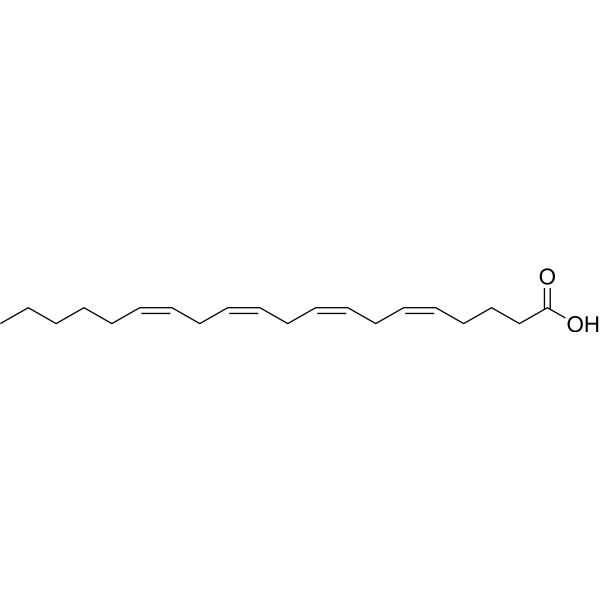
    Arachidonic acid (Immunocytophyt) is a polyunsaturated omega-6 fatty acid and a major constituent of biomembranes. Arachidonic acid also acts as the substrate for various lipid mediators, such as prostaglandins (PGs). Arachidonic acid improves cognitive response and cardiovascular function .
    Arachidonic acid
  • HY-N0303
    Idebenone
    5+ Cited Publications

    Mitochondrial Metabolism Apoptosis Neurological Disease
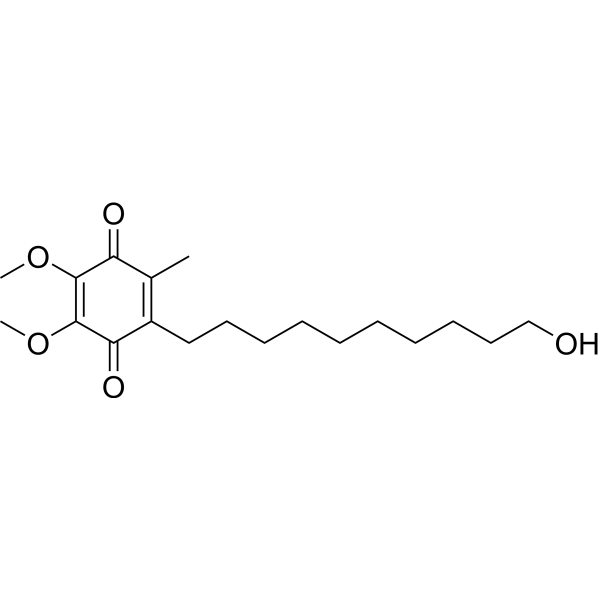
    Idebenone, a well-appreciated mitochondrial protectant, exhibits protective efficacy against neurotoxicity and can be used for the research of Alzheimer's disease, Huntington's disease. Idebenone (oxidised form) has a dose-dependent inhibitory effect on the enzymatic metabolism of arachidonic acid in astroglial homogenates (IC50=16.65 μM) . Idebenone, a coenzyme Q10 analog and an antioxidant, induces apoptotic cell death in the human dopaminergic neuroblastoma SHSY-5Y cells . Idebenone quickly crosses the blood-brain barrier.
    Idebenone
  • HY-109590S
    Arachidonic acid-d8
    4 Publications Verification

    Immunocytophyt-d8

    Endogenous Metabolite Inflammation/Immunology
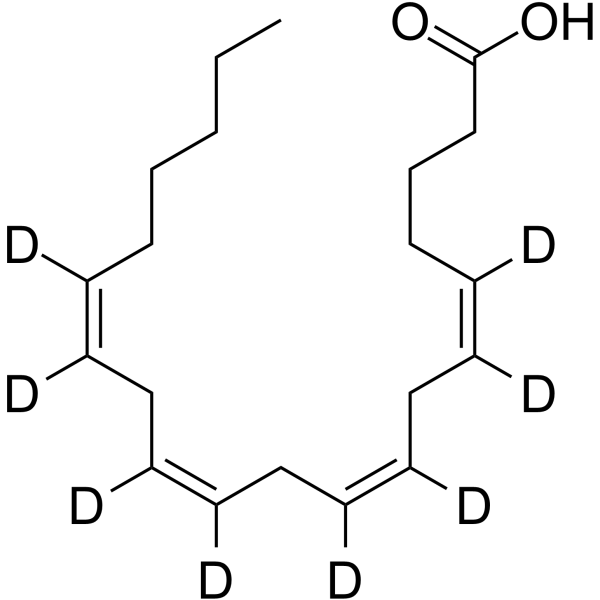
    Arachidonic acid-d8 is the deuterium labeled Arachidonic acid. Arachidonic acid is an essential fatty acid and a major constituent of biomembranes .
    Arachidonic acid-d8
  • HY-P3029
    Phospholipase A2
    1 Publications Verification

    PLA2

    Phospholipase Cardiovascular Disease Inflammation/Immunology
    Phospholipase A2 (PLA2) is a calcium-dependent, heat-stable enzyme that catalyzes the hydrolysis of glycerophospholipids at the sn-2 position of cellular membranes, thereby releasing Arachidonic Acid (AA) (HY-109590). Phospholipase A2 is a key mediator in the biosynthesis of pro-inflammatory lipid mediators, critically involved in inflammatory processes. Phospholipase A2 can be used for cardiovascular and inflammatory diseases research .
    Phospholipase A2
  • HY-109590A
    Arachidonic acid sodium salt
    Maximum Cited Publications
    55 Publications Verification

    Immunocytophyt sodium salt

    Endogenous Metabolite Cardiovascular Disease Neurological Disease Inflammation/Immunology
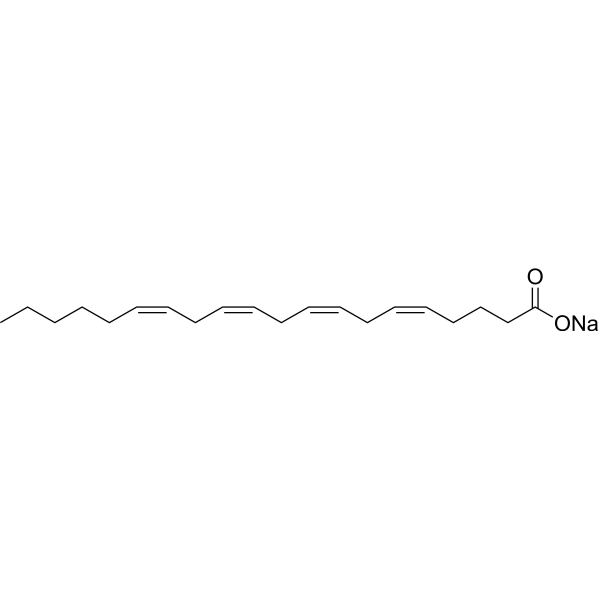
    Arachidonic acid (Immunocytophyt) sodium salt is a polyunsaturated omega-6 fatty acid and a major constituent of biomembranes. Arachidonic acid sodium salt also acts as the substrate for various lipid mediators, such as prostaglandins (PGs). Arachidonic acid sodium salt improves cognitive response and cardiovascular function .
    Arachidonic acid sodium salt
  • HY-124108

    ETYA

    COX Lipoxygenase Orthopoxvirus Potassium Channel DNA/RNA Synthesis Drug Derivative Infection Neurological Disease Inflammation/Immunology Cancer
    Eicosatetraynoic acid (ETYA) is a non-metabolizable analog of Arachidonic acid (HY-109590) and also an inhibitor of the lipoxygenase (LOX)/cyclooxygenase (COX) pathway (ID50 = 8 μM and 4 μM). Eicosatetraynoic acid acts as a suicide substrate to inhibit the production of inflammatory mediators such as leukotrienes and prostaglandins. Eicosatetraynoic acid acts directly on cell membranes and membrane proteins to exert a wide range of effects, including blocking potassium channels, increasing cell membrane fluidity, elevating intracellular calcium levels, inhibiting DNA synthesis in tumor cells, inducing differentiation of certain cells, and specifically inhibiting the assembly and replication of orthopoxviruses. Eicosatetraynoic acid alleviates acute lung injury induced by chemicals such as phosgene .
    Eicosatetraynoic acid
  • HY-18540
    KT109
    1 Publications Verification

    MAGL DAGL Metabolic Disease Inflammation/Immunology
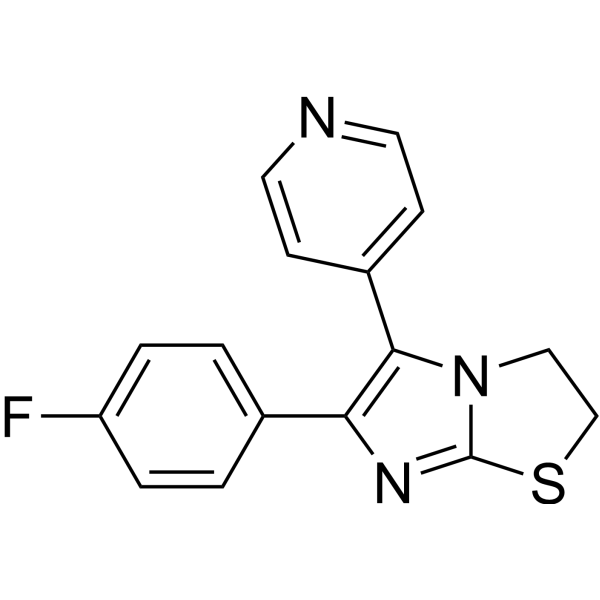
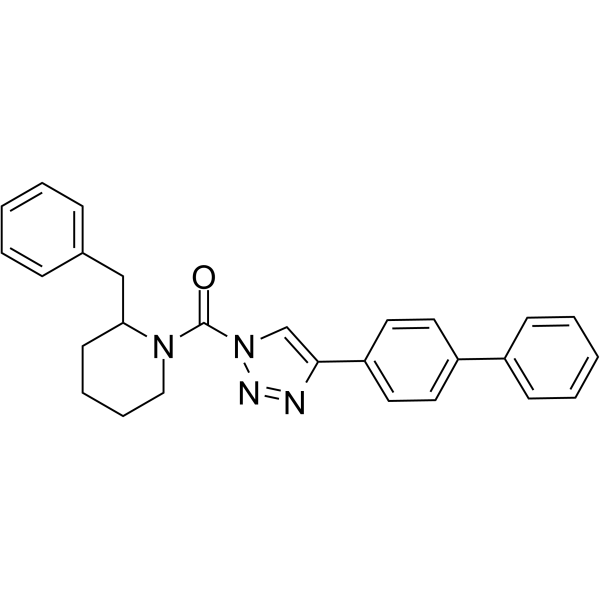
    KT109 is a potent and an isoform-selective inhibitor of diacylglycerol lipase-β (DAGLβ) with an IC50 of 42 nM. KT109 has ~60-fold selectivity for DAGLβ over DAGLα. KT109 shows inhibitory activity against PLA2G7 (IC50=1 µM). KT109 shows negligible activity against FAAH, MGLL, ABHD11, and cytosolic phospholipase A2 (cPLA2 or PLA2G4A). KT109 perturbs a lipid network involved in macrophage inflammatory responses and lowers 2-Arachidonoylglycerol (HY-W011051), Arachidonic acid (HY-109590) and eicosanoids in mouse peritoneal macrophages .
    KT109
  • HY-12511
    SKF-86002
    3 Publications Verification

    p38 MAPK Inflammation/Immunology
    SKF-86002 is an orally active p38 MAPK inhibitor, with anti-inflammatory, anti-arthritic and analgesic activities. SKF-86002 inhibits lipopolysaccharide (LPS)-stimulate human monocyte IL-1 and TNF-α production (IC50 = 1 μM). SKF-86002 inhibits lipoxygenase- and cyclooxygenase-mediated metabolism of arachidonic acid .
    SKF-86002
  • HY-116141

    7-HCA; Umbelliferyl Arachidonate; 7-HC-arachidonate

    Phospholipase MAGL Others
    7-Hydroxycoumarinyl arachidonate (7-HCA) is a fluorogenic substrate of cytosolic phospholipase A2 (PLA2). 7-Hydroxycoumarinyl arachidonate is also a fluorogenic substrate for monoacylglycerol lipase (MAGL). MAGL protein catalyzes the hydrolysis of 7-Hydroxycoumarinyl arachidonat to generate Arachidonic acid (AA) and the highly fluorescent 7-hydroxyl coumarin (7-HC; HY-N0573). Release of 7-HC can be measured using a fluorometer .
    7-Hydroxycoumarinyl arachidonate
  • HY-139285

    Endogenous Metabolite Metabolic Disease
    Arachidonic acid-alkyne is aω‑alkynyl lipid surrogates for polyunsaturated fatty acid. Arachidonic acid-alkyne has low rates of oxidation. Arachidonic acid-alkyne can be used for tracking the polyunsaturated fatty acids .
    Arachidonic acid-alkyne
  • HY-109590R
    Arachidonic acid (Standard)
    50+ Cited Publications

    Immunocytophyt (Standard)

    Reference Standards Endogenous Metabolite Cardiovascular Disease Inflammation/Immunology
    Arachidonic acid (Immunocytophyt) (Standard) is the analytical standard of Arachidonic acid (HY-109590). This product is intended for research and analytical applications. Arachidonic acid is an essential fatty acid and a major constituent of biomembranes.
    Arachidonic acid (Standard)
  • HY-125139

    ω-3 arachidonic acid ethyl ester, in ethanol, 98%; (all-Z)-8,11,14,17-Eicosatetraenoic acid ethyl ester, in ethanol, 98%

    Biochemical Assay Reagents Cardiovascular Disease Others
    omega-3 Arachidonic acid ethyl ester, in ethanol, 98% is a rare polyunsaturated fatty acid found in very small amounts in dietary sources. Omega-3 fatty acids are known to be essential for the growth and development of infants, and they protect against heart disease, blood clots, high blood pressure, and inflammatory and autoimmune diseases. In human platelet membranes, omega-3 arachidonic acid inhibits arachidonyl-CoA synthetase with a Ki of 14 μM. It also inhibits arachidonoyl-CoA synthetase in calf brain extract with an IC50 of approximately 5 μM. Omega-3 ethyl arachidonate is the more lipophilic form of the free acid.
    omega-3 Arachidonic acid ethyl ester, in ethanol, 98%
  • HY-P3029A

    PLA2, Crotalus adamanteus Venom

    Phospholipase Others
    Phospholipase A2, Crotalus adamanteus Venom (PLA2) catalyzes the hydrolysis of the sn-2 position of membrane glycerophospholipids to liberate arachidonic acid (AA). Phospholipase A2, Crotalus adamanteus Venom is a member of the class of heat-stable, calcium-dependent enzymes, is often used in biochemical studies .
    Phospholipase A2, Crotalus adamanteus Venom
  • HY-143787

    Lipoxygenase Inflammation/Immunology
    ALOX15-IN-1 (compound 8b) is a potent inhibitor of the linoleate oxygenase activity of rabbit and human ALOX15 with IC50s of 0.04 and 2.06 μM for ALOX15 0rthologs linoleic acid (LA) and arachidonic acid (AA), respectively .
    ALOX15-IN-1
  • HY-127049

    Fluorescent Dye Others
    Arachidonic acid-Biotin is a biotin-labeled Arachidonic acid (HY-109590) that can be used to detect complexes of arachidonic acid with protein binding partners such as fatty acid binding proteins (FABPs) .
    Arachidonic acid-biotin
  • HY-109590S2

    Immunocytophyt-d11

    Isotope-Labeled Compounds Endogenous Metabolite Inflammation/Immunology
    Arachidonic acid-d11 is the deuterium labeled Arachidonic acid. Arachidonic acid is an essential fatty acid and a major constituent of biomembranes .
    Arachidonic acid-d11
  • HY-W011297

    arachidonic acid methyl ester

    PKC Metabolic Disease
    Methyl arachidonate is a protein kinase C activator and also an orally active substrate that undergoes esterase-mediated hydrolysis. Methyl arachidonate indirectly activates protein kinase C via eicosanoid metabolites generated through the arachidonic acid metabolic pathway, exerting effects via cyclooxygenase products at low concentrations and via lipoxygenase products at high concentrations. Methyl arachidonate can be used in studies related to lipodystrophy .
    Methyl arachidonate
  • HY-125140

    Endogenous Metabolite Others
    ω-3 Arachidonic acid is a poly fatty acid that is essential for growth and development in infants. ω-3 Arachidonic acid inhibits arachidenol-CoA synthetase with Ki values of 14 µM. It also inhibited arachidenol-CoA synthetase of calf brain extract with IC50 values of about 5 µM .
    ω-3 Arachidonic acid
  • HY-W011297S1

    arachidonic acid methyl ester-d8

    Isotope-Labeled Compounds Others
    Methyl arachidonate-d8 is the deuterium labeled Arachidonic acid methyl ester .
    Methyl arachidonate-d8
  • HY-106200

    Lipoxygenase Inflammation/Immunology
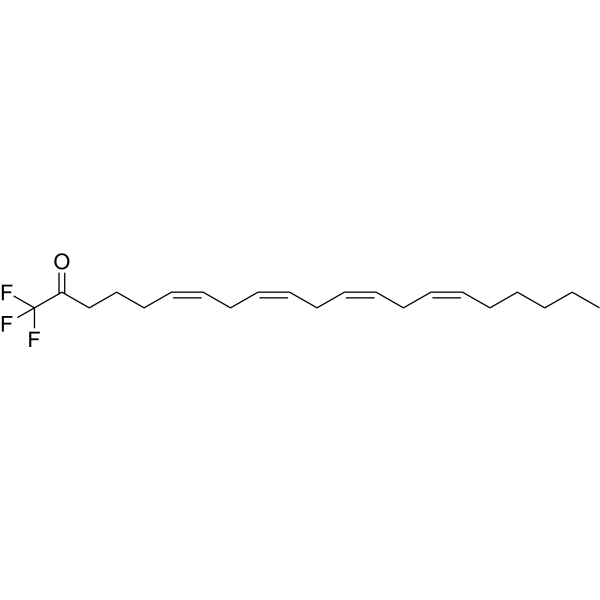
    CJ-13,610, a nonredox-type 5-LO inhibitor, dose dependently suppresses 5-LO product formation in ionophore A23187-stimulated PMNL in the absence of exogenous AA with an IC50 of about 70 nM . PMNL: polymorphonuclear leukocytes; AA: arachidonic acid
    CJ-13,610
  • HY-N10225

    Prostaglandin Receptor Cardiovascular Disease Endocrinology
    Thielavin A is an inhibitor of prostaglandin biosynthesis produced by Thielavia terricola. Thielavin A specifically inhibits the conversion of arachidonic acid into prostaglandin H2. Thielavin A has no anti-inflammatory activity on intravenous injection or on oral administration .
    Thielavin A
  • HY-113434B

    (±)-5-HETE

    Endogenous Metabolite Inflammation/Immunology
    5-HETE ((±)-5-HETE), a fatty acid, is a oxidative derivative of Arachidonic acid. 5-HETE is a mixture of 5(S)-HETE and 5(R)-HETE. 5-HETE is a potent aggregating agent that induces the aggregation of neutrophils with an IC50 value of 200 nM .
    5-HETE
  • HY-113330
    12S-HHT
    1 Publications Verification

    12(S)-HHTrE

    Leukotriene Receptor Endogenous Metabolite Inflammation/Immunology
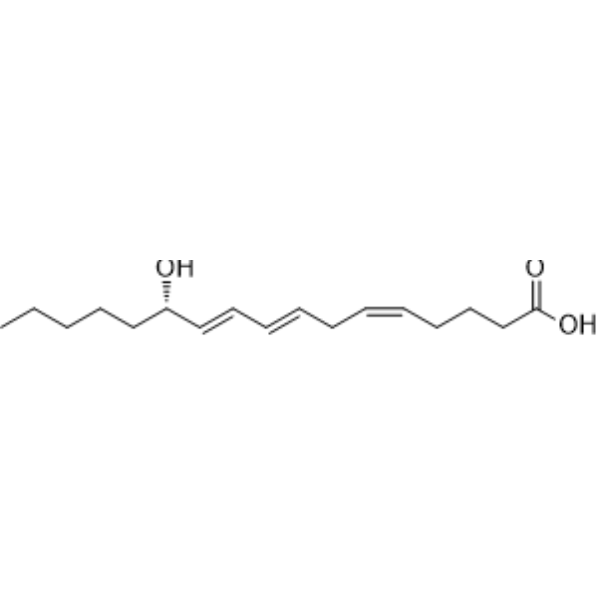
    12S-HHT (12(S)-HHTrE) is an enzymatic product of prostaglandin H2 (PGH2) derived from cyclooxygenase (COX)-mediated arachidonic acid metabolism. 12S-HHT is an endogenous ligand for BLT2 that fully activates BLT2 in vivo. 12S-HHT suppresses UV-induced IL-6 synthesis in keratinocytes, exerting an anti-inflammatory activity .
    12S-HHT
  • HY-126031

    DAGL Inflammation/Immunology
    (R)-KT109 is a peripherally restricted serine hydrolase inhibitor that cannot cross the blood-brain barrier. (R)-KT109 irreversibly inhibits ABHD6, DAGLα and DAGLβ via carbamoylation of the active-site serine. (R)-KT109 exerts selective inhibitory effects on serine hydrolases in mouse brains, with pIC50 values of 8.6, 9.1 and 8.2 against human ABHD6, DAGLα and DAGLβ, respectively. (R)-KT109 effectively reduces the levels of 2-arachidonoylglycerol, arachidonic acid, eicosanoids and TNF-α. (R)-KT109 is widely used in studies of metabolic syndrome-related diseases and neuroinflammation .
    (R)-KT109
  • HY-113943A

    (±)9-HETE

    Endogenous Metabolite Others
    9-HETE, a monohydroxy fatty acid, is the lipoxygenase metabolite of arachidonic acid (HY-109590) .
    9-HETE
  • HY-P2976

    LOX

    Endogenous Metabolite Others
    Lipoxygenase, general (LOX) is a dioxygenase, is often used in biochemical studies. Lipoxygenase, general catalyzes the formation of corresponding hydroperoxides from polyunsaturated fatty acids such as linoleic acid and arachidonic acid .
    Lipoxygenase, general
  • HY-143791

    Lipoxygenase Inflammation/Immunology
    ALOX15-IN-2 (compound 8a) is a potent inhibitor of the linoleate oxygenase activity of rabbit and human ALOX15 with IC50s of 1.55 and 2.79 μM for ALOX15 0rthologs linoleic acid (LA) and arachidonic acid (AA), respectively .
    ALOX15-IN-2
  • HY-137119

    5-iso Prostaglandin F2α-VI

    Prostaglandin Receptor Others
    (±)5-iPF2α-VI (5-iso Prostaglandin F2α-VI) is the racemate of 5-iPF2α-VI. 5-iPF2α-VI is a regioisomeric isoprostane formed from arachidonic acid (AA) and is a biomarker of oxidative stress .
    (±)5-iPF2α-VI
  • HY-113445

    COX Endogenous Metabolite Endocrinology
    Thromboxane B3 is a prostaglandin analog derived from arachidonic acid (AA) in the cyclooxygenase (COX) metabolic pathway. Thromboxane B3 is generated from arachidonic acid (AA) in platelets and vascular endothelial cells through the catalysis of cyclooxygenase (COX) and thromboxane synthase (TXS). Thromboxane B3 has been reported to be formed by human platelets upon ingestion of eicosapentaenoic acid (C20: 5ω3) .
    Thromboxane B3
  • HY-113336A

    Drug Isomer Others
    15(R)-HETE is an isomer of 15-HETE. 15-HETE is a lipid mediator derived from arachidonic acid and can be used for the study of asthma .
    15(R)-HETE
  • HY-109590S1

    Immunocytophyt-d5

    Endogenous Metabolite Inflammation/Immunology
    Arachidonic acid-d5 is the deuterium labeled Arachidonic acid. Arachidonic acid is an essential fatty acid and a major constituent of biomembranes.
    Arachidonic acid-d5
  • HY-116246

    Drug Metabolite Inflammation/Immunology
    5(S)-HETE lactone is an arachidonic acid (AA) metabolite .
    5(S)-HETE lactone
  • HY-W013214

    Endogenous Metabolite Others
    Ethyl arachidonate is a lipophilic esterified form of arachidonic acid (AA) and can be added into dietary regimens or fed to cultured cells as a source of exogenous arachidonate. Ethyl arachidonate is the main species of fatty acid ethyl esters (FAEE) in brain of alcohol-intoxicated subjects .
    Ethyl arachidonate
  • HY-114564

    E5510

    Prostaglandin Receptor Cardiovascular Disease
    Satigrel (E5510) is a potent inhibitor of platelet aggregation. Satigrel inhibits collagen- and arachidonic acid-induced platelet aggregation through preventing thromboxane A2 synthesis by selective inhibition of the target enzyme, PGHS1, which exists in platelets. Satigrel inhibits PGHS1 (IC50: 0.081 μM) and PGHS2 (IC50: 5.9 μM). Satigrel is against Type III PDE, Type V and Type II (IC50: 15.7 μM, 39.8 μM and 62.4 μM, respectively) .
    Satigrel
  • HY-134428

    Endogenous Metabolite Metabolic Disease
    Arachidonoyl coenzyme A lithium is an unsaturated fatty acyl coenzyme A, formed by the condensation of the thiol group of coenzyme A with the carboxyl group of arachidonic acid .
    Arachidonoyl coenzyme A lithium
  • HY-120978

    ω-3 arachidonic acid methyl ester; (all-Z)-8,11,14,17-Eicosatetraenoic acid methyl ester

    Biochemical Assay Reagents Others
    omega-3 Arachidonic Acid methyl ester, mainly docosahexaenoic acid, eicosapentaenoic acid and α-Linoleic acid, represented by linoleic acid, is an essential dietary nutrient required for normal growth and development.Omega-3Methyl arachidonic acid is a rare fatty acid Omega-3Neutral fat-soluble form of arachidonic acid. Omega-3Fatty acids, as a group, were associated with reduced inflammation and autoimmune activity, as well as reduced thrombosis and platelet activation.
    Omega-3 arachidonic acid methyl ester
  • HY-119735

    Others Cardiovascular Disease
    Curcolone is a sesquiterpenoid that inhibits collagen-induced or arachidonic acid (AA)-induced platelet aggregation .
    Curcolone
  • HY-112653A

    8-Hydroxy-5(Z),9(E),11(Z),14(Z)-eicosatetraenoic acid

    Endogenous Metabolite Metabolic Disease
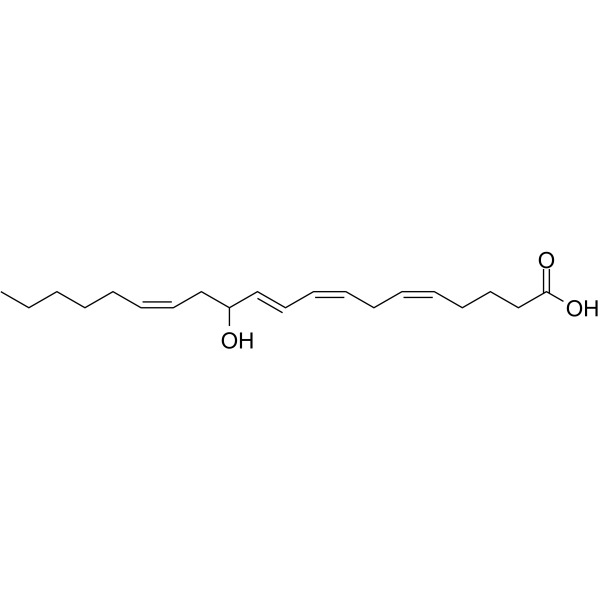
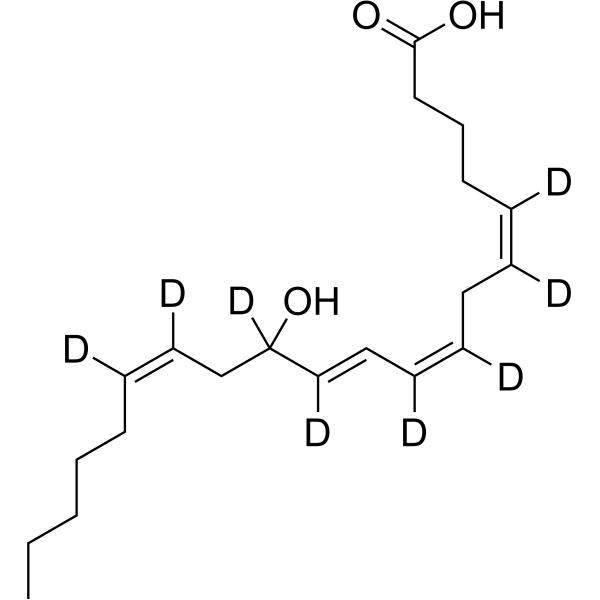
    (±)8-HETE is one of the six monohydroxy fatty acids produced by the non-enzymatic oxidation of Arachidonic acid (HY-109590). The biological activity of (±)8-HETE is likely to resemble that of its constituent enantiomers (8(R)-HETE and 8(S)-HETE).
    (±)8-HETE
  • HY-113442

    Endogenous Metabolite Drug Metabolite Inflammation/Immunology
    6-trans-12-epi-Leukotriene B4, an arachidonic acid metabolite, is a potent anti-inflammatory agent .
    6-trans-12-epi-Leukotriene B4
  • HY-134556

    Apoptosis Inflammation/Immunology Cancer
    2'-Hydroxyflavanone is a flavanone that can inhibit cancer cell proliferation, induce apoptosis, and reduce inflammation. 2'-Hydroxyflavanone shows inhibitory effect on platelet aggregation caused by two inducers with IC50s 47.8 μM arachidonic acid (AA) and 147.2 μM aenosine diphosphate (ADP) .
    2'-Hydroxyflavanone
  • HY-125770
    5(S)​-​HPETE
    1 Publications Verification

    Endogenous Metabolite Inflammation/Immunology
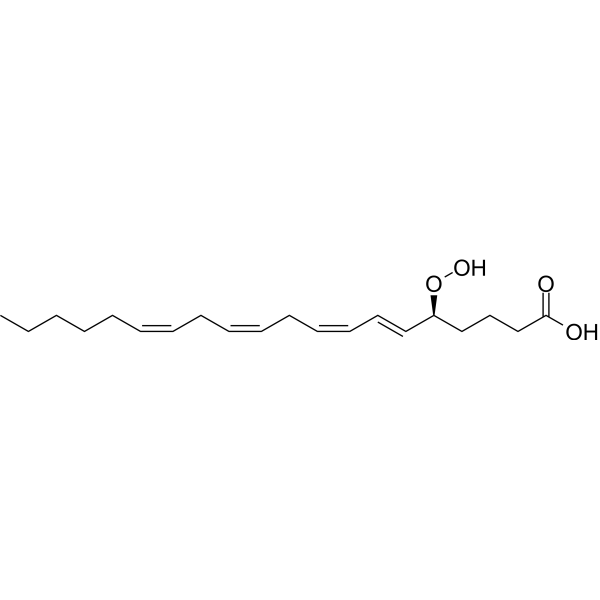
    5(S)-HPETE is a 5-lipoxygenase substrate and Arachidonic acid (HY-109590) metabolite. 5(S)-HPETE forms via 5-LOX-catalyzed hydroperoxidation of arachidonic acid. 5(S)-HPETE undergoes 5-LOX-catalyzed epoxidation (dehydration) to form leukotriene A4. 5(S)-HPETE can be used for the research of asthma, rheumatoid arthritis .
    5(S)​-​HPETE
  • HY-19594

    WIN 13146

    Parasite Infection
    Teclozan (WIN 13146) is an antiprotozoal agent, class in benzylamine derivatives. Teclozan intervenes in the phospholipid metabolism preventes the formation of arachidonic acid. Teclozan acts in the intestinal lumen being effective in Anti-G. intestinalis. Teclozan can be used for the research of protozoan infections .
    Teclozan
  • HY-119647

    COX Cytochrome P450 Others
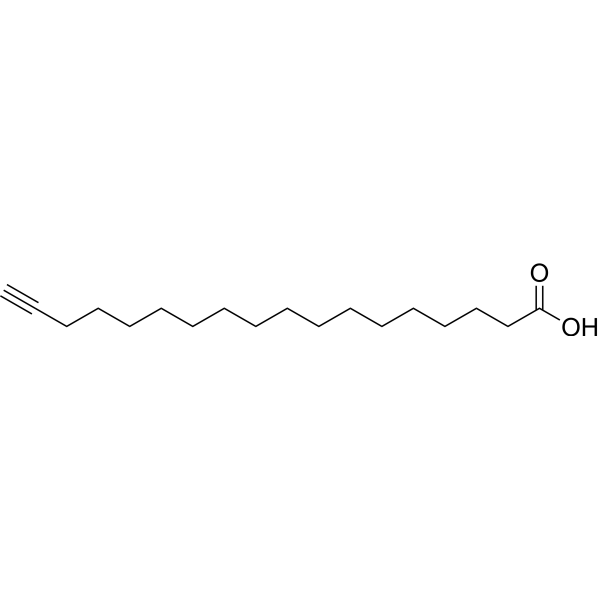
    PPOH, a fatty acid derivative, is a selective cyclooxygenase (COX) inhibitor that inhibits arachidonic acid cyclooxygenase activity in renal cortical microsomes. In addition, PPOH acts on CYP4A2 and CYP4A3 with the IC50 values of 22 μM and 6.5 μM, respectively . PPOH is a click chemistry reagent, it contains an Alkyne group and can undergo copper-catalyzed azide-alkyne cycloaddition (CuAAc) with molecules containing Azide groups.
    PPOH
  • HY-111293

    Arachidonoyl amine; arachidonic acid amide

    FAAH Metabolic Disease
    Arachidonamide is substrate of anandamide amidohydrolase .
    Arachidonamide
  • HY-135283

    A-216546

    Endothelin Receptor Cardiovascular Disease Endocrinology
    ABT-546 (A-216546), a chemical probe, is a potent, highly selective and active endothelin ETA receptor antagonist with a Ki of 0.46 nM for [ 125I]endothelin-1 binding to cloned human endothelin ETA. ABT-546 is >25,000-fold more selective for the ETA receptor than for the ETB receptor. ABT-546 blocks endothelin-1-induced arachidonic acid release and phosphatidylinositol hydrolysis with IC50 of 0.59 nM and 3 nM, respectively .
    ABT-546
  • HY-120050

    Phospholipase Inflammation/Immunology
    GK470 (compound 28) is an inhibitor of group IVA cytosolic phospholipase A2 (GIVA cPLA2) with an IC50 of 300 nM in vesicle assays. GK470 has anti-inflammatory activity, inhibiting the release of arachidonic acid in SW982 fibroblast-like synoviocytes with an IC50 value of 0.6 μM. GK470 exhibits comparable anti-inflammatory effects to Methotrexate (HY-14519) in a preventive collagen-induced arthritis model and significantly reduces plasma PGE2 levels .
    GK470
  • HY-173534

    AA sulfonate sodium

    Drug Derivative Others
    Arachidonic acid sulfonate (AA sulfonate) sodium is a derivative of Arachidonic acid (HY-109590) containing a sulfonate group.
    Arachidonic acid sulfonate sodium
  • HY-N0303R

    Reference Standards Mitochondrial Metabolism Apoptosis Neurological Disease
    Idebenone (Standard) is the analytical standard of Idebenone. This product is intended for research and analytical applications. Idebenone, a well-appreciated mitochondrial protectant, exhibits protective efficacy against neurotoxicity and can be used for the research of Alzheimer's disease, Huntington's disease. Idebenone (oxidised form) has a dose-dependent inhibitory effect on the enzymatic metabolism of arachidonic acid in astroglial homogenates (IC50=16.65 μM) . Idebenone, a coenzyme Q10 analog and an antioxidant, induces apoptotic cell death in the human dopaminergic neuroblastoma SHSY-5Y cells . Idebenone quickly crosses the blood-brain barrier.
    Idebenone (Standard)
  • HY-158801

    C20:4 Carnitine chloride; L-Arachidonoylcarnitine chloride; L-Carnitine arachidonoyl ester chloride

    Endogenous Metabolite Metabolic Disease
    Arachidonoyl-L-carnitine (C20:4 Carnitine) chloride is an arachidonic acid-L-carnitine complex .
    Arachidonoyl-L-carnitine chloride
  • HY-N3049

    Others Cardiovascular Disease
    Piperlotine C is an alkaloid isolated from Piper lolot, with anti-platelet aggregation induced by arachidonic acid, and the IC50 is 26.6 µg/mL .
    Piperlotine C

Inquiry Online

Your information is safe with us. * Required Fields.

Salutation


Country or Region *

Applicant Name *


Organization Name *

Department *


Email Address *


Product Name *

Cat. No.


Requested quantity *

Phone Number *


Remarks

Inquiry Online

Inquiry Information

Product Name:
Cat. No.:
Quantity:
MCE Japan Authorized Agent:

