1. Search Result
Search Result
Results for "

asparagine

" in MedChemExpress (MCE) Product Catalog:

77

Inhibitors & Agonists

4

Biochemical Assay Reagents

17

Peptides

1

Inhibitory Antibodies

13

Natural
Products

2

Recombinant Proteins

15

Isotope-Labeled Compounds

2

Antibodies

1

Oligonucleotides

Cat. No. Product Name Target Research Areas Chemical Structure
  • HY-N0667
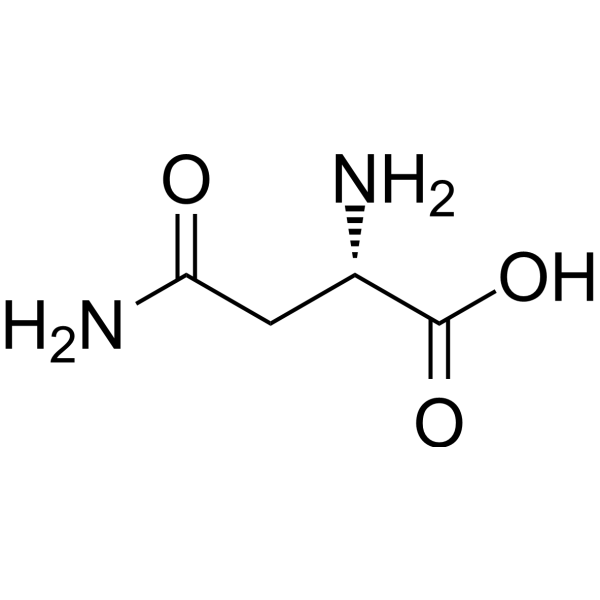
    L-Asparagine
    5 Publications Verification

    (-)-asparagine; Asn; Asparamide

    Endogenous Metabolite Apoptosis DNA/RNA Synthesis Inflammation/Immunology
    L-Asparagine is an essential amino acid for leukemic cells and a substrate for L-Asparaginase. L-Asparaginase is a potent anti-leukemic enzyme that promotes asparagine (Asn) and glutamine (Gln) depletion and inhibits protein biosynthesis in lymphoblasts. Removal of L-asparagine from plasma by L-Asparaginase results in inhibition of RNA and DNA synthesis and subsequent apoptosis. L-Asparaginase has cell-killing ability in vitro and in vivo, and selectively inhibits the growth of cancer cells with low asparagine synthetase (AASNS) expression. L-Asparagine can be used as a biomarker and sensor for the study of childhood acute lymphoblastic leukemia .
    L-Asparagine
  • HY-P1923
    L-Asparaginase
    10+ Cited Publications

    L-​ASNase

    Apoptosis DNA/RNA Synthesis Cancer
    L-Asparaginase (L-ASNase) is a deamidating enzyme that catalyses the hydrolysis of L-asparagine and L-glutamine, and can be used for the research of acute lymphoblastic leukemia. L-Asparaginase depletes L-asparagine from plasma resulting in inhibition of RNA and DNA synthesis with the subsequent blastic cell apoptosis .
    L-Asparaginase
  • HY-W015798
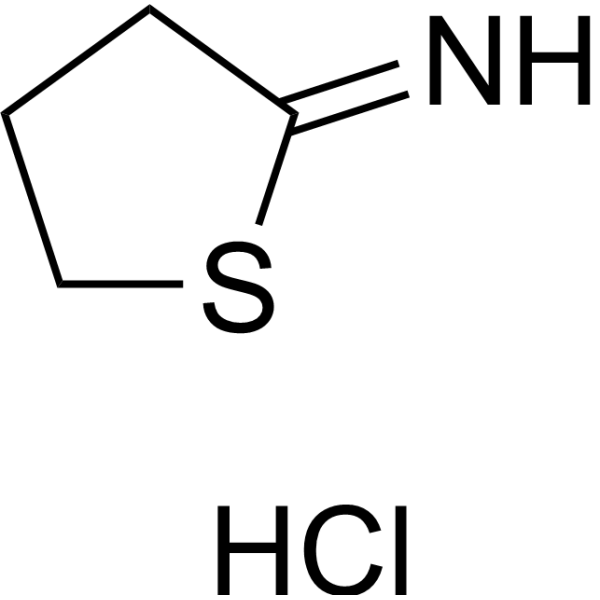
    2-Iminothiolane hydrochloride
    1 Publications Verification

    Biochemical Assay Reagents Others
    2-Iminothiolane hydrochloride is a reagent for the introduction of sulphydryl groups into oligosaccharides derived from asparagine-linked glycans .
    2-Iminothiolane hydrochloride
  • HY-112654
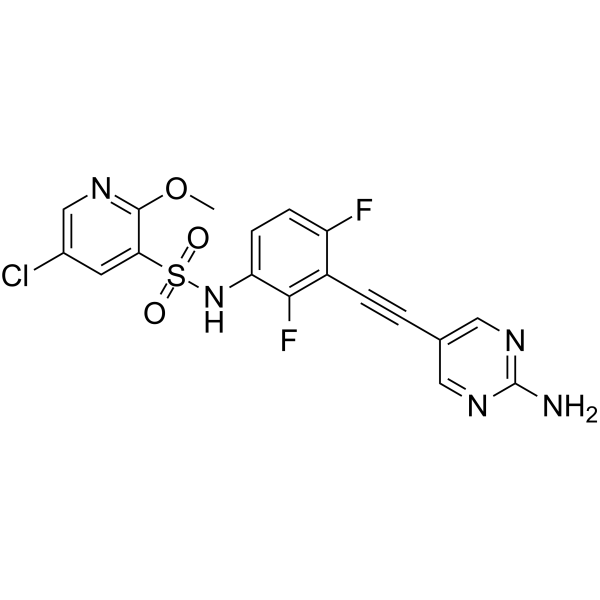
    GCN2iB
    Maximum Cited Publications
    60 Publications Verification

    Eukaryotic Initiation Factor (eIF) Glutathione Peroxidase Cardiovascular Disease Metabolic Disease Cancer
    GCN2iB is an ATP-competitive, selective GCN2 inhibitor with an IC50 of 2.4 nM. GCN2iB inhibits the activation of the GCN2 pathway and upregulates GPX4. GCN2iB enhances the anticancer effect of ASNase against acute lymphoblastic leukemia. GCN2iB increases left ventricular ejection fraction, while reducing fasting blood glucose and myocardial fibrosis. GCN2iB can be used in research related to acute lymphoblastic leukemia, acute myeloid leukemia and diabetic cardiomyopathy .
    GCN2iB
  • HY-N1996
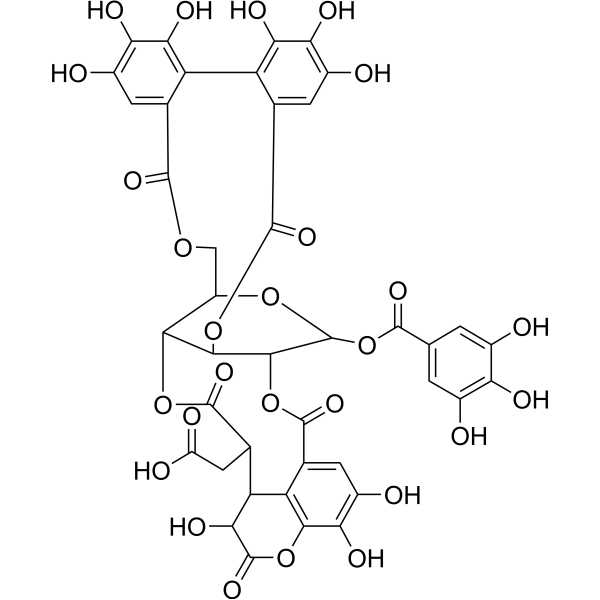
    Chebulagic acid
    5 Publications Verification

    COX Lipoxygenase SARS-CoV Influenza Virus Infection Inflammation/Immunology
    Chebulagic acid is a COX-LOX dual inhibitor isolated from the fruits of Terminalia chebula Retz, on angiogenesis. Chebulagic acid is a M2 serine to asparagine 31 mutation (S31N) inhibitor and influenza antiviral. Chebulagic acid also against SARS-CoV-2 viral replication with an EC50 of 9.76 μM.
    Chebulagic acid
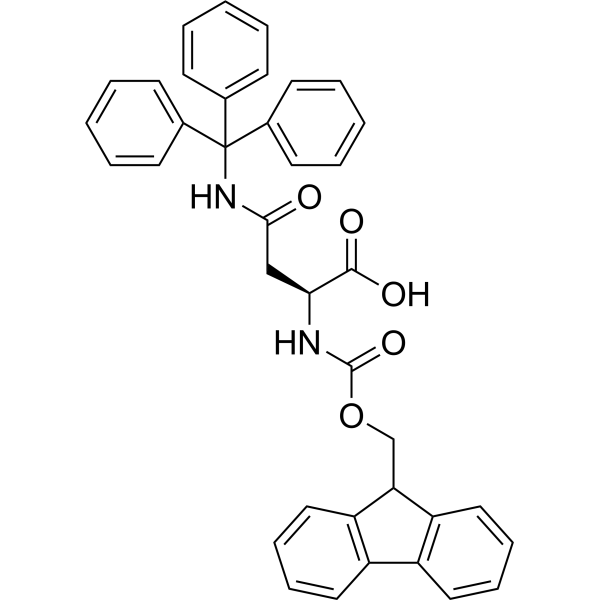
  • HY-W002327

    Biochemical Assay Reagents Others
    Fmoc-Asn (Trt)-OH is an Fmoc-protected asparagine derivative. Fmoc-Asn (Trt)-OH supports solid-phase peptide synthesis .
    Fmoc-Asn(Trt)-OH
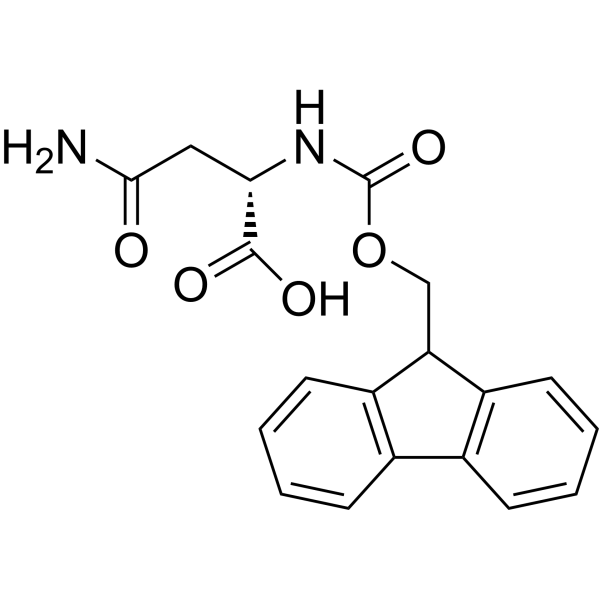
  • HY-W009085

    Amino Acid Derivatives Others
    Fmoc-Asn-OH is an asparagine derivative .
    Fmoc-Asn-OH
  • HY-E70135

    Endo F1

    Endogenous Metabolite Metabolic Disease
    Endo-β-N-acetylglucosaminidase F1 (Endo F1) cleaves Asparagine-linked high mannose and some hybrid oligosaccharides .
    Endo-β-N-acetylglucosaminidase F1
  • HY-175282

    Apoptosis Caspase CDK PARP Akt Autophagy Atg8/LC3 Cancer
    ASX-173 is an orally active inhibitor of asparagine synthetase (ASNS) (IC50 = 0.113 μM, Ki = 0.4 nM). ASX-173 enhances the anticancer activity of L-asparaginase (ASNase) (HY-P1923). ASX-173 disrupts nucleotide synthesis and induces leukemia cell cycle arrest, apoptosis and autophagy in leukemia cells in combination with ASNase. ASX-173 slows the growth of OCI-AML2 xenografts in combination with ASNase. ASX-173 is indicated for the study of acute lymphoblastic leukemia, acute myeloid leukemia, colorectal cancer, and other cancers .
    ASX-173
  • HY-N0667S2
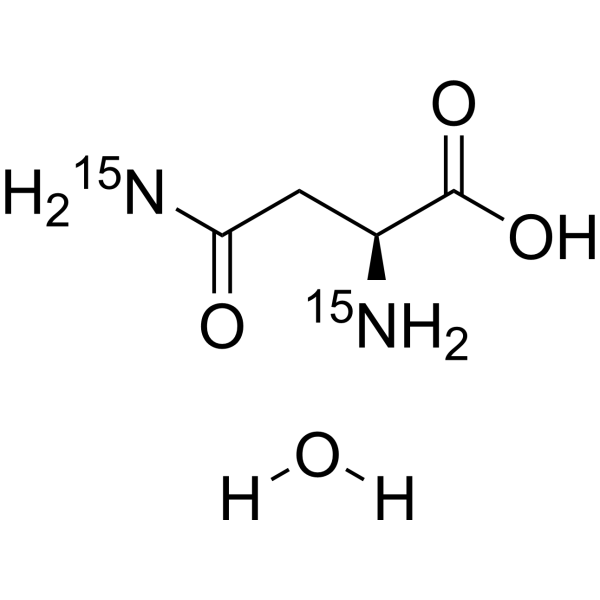
    L-Asparagine-15N2 monohydrate
    1 Publications Verification

    (-)-asparagine-15N2 monohydrate; Asn-15N2 monohydrate; Asparamide-15N2 monohydrate

    Isotope-Labeled Compounds Endogenous Metabolite Apoptosis DNA/RNA Synthesis Inflammation/Immunology
    L-Asparagine- 15N2 monohydrate is the 15N-labeled L-Asparagine monohydrate (HY-W017443). L-Asparagine monohydrate is an essential amino acid for leukemic cells and a substrate for L-Asparaginase. L-Asparaginase is a potent anti-leukemic enzyme that promotes asparagine (Asn) and glutamine (Gln) depletion and inhibits protein biosynthesis in lymphoblasts. Removal of L-asparagine from plasma by L-Asparaginase results in inhibition of RNA and DNA synthesis and subsequent apoptosis. L-Asparaginase has cell-killing ability in vitro and in vivo, and selectively inhibits the growth of cancer cells with low asparagine synthetase (AASNS) expression. L-Asparagine monohydrate can be used as a biomarker and sensor for the study of childhood acute lymphoblastic leukemia .
    L-Asparagine-15N2 monohydrate
  • HY-E70068

    Others Others
    Endo-β-N-acetylglucosaminidase (Endo S) is a family 18 glycosyl hydrolase secreted by Streptococcus pyogenes. Endo-β-N-acetylglucosaminidase (Endo S) exclusively hydrolyzes the β-1,4-di-N-acetylchitobiose core of the asparagine-linked complex-type glycan on Asn-297 of the γ-chains of IgG antibody .
    Endo-β-N-acetylglucosaminidase (Endo S)
  • HY-W017443
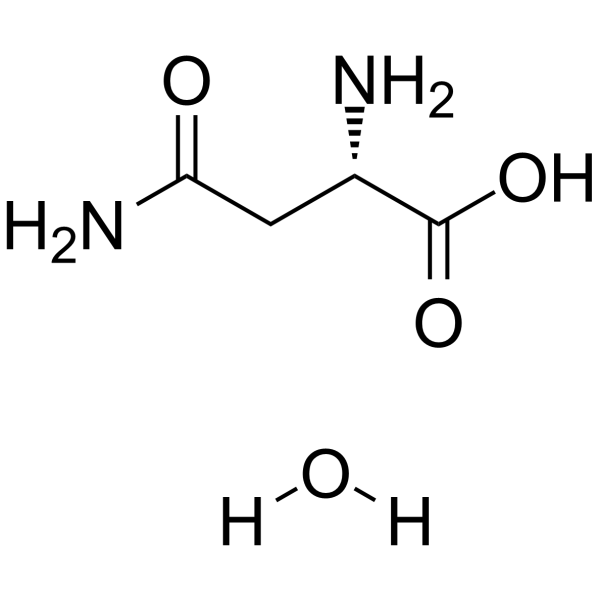
    L-Asparagine monohydrate
    5 Publications Verification

    Endogenous Metabolite Apoptosis DNA/RNA Synthesis Neurological Disease Metabolic Disease Inflammation/Immunology Cancer
    L-Asparagine monohydrate is an essential amino acid for leukemic cells and a substrate for L-Asparaginase. L-Asparaginase is a potent anti-leukemic enzyme that promotes asparagine (Asn) and glutamine (Gln) depletion and inhibits protein biosynthesis in lymphoblasts. Removal of L-asparagine from plasma by L-Asparaginase results in inhibition of RNA and DNA synthesis and subsequent apoptosis. L-Asparaginase has cell-killing ability in vitro and in vivo, and selectively inhibits the growth of cancer cells with low asparagine synthetase (AASNS) expression. L-Asparagine monohydrate can be used as a biomarker and sensor for the study of childhood acute lymphoblastic leukemia .
    L-Asparagine monohydrate
  • HY-E70134

    Endo F3

    Others Metabolic Disease
    Endo-β-N-acetylglucosaminidase D (Endo F3) cleaves free or Asparagine-linked triantennary oligosaccharides or α1-6 fucosylated biantennary oligosaccharides, as well as triamnnosyl chitobiose core structures .
    Endo-β-N-acetylglucosaminidase F3
  • HY-E70131
    Endo H, Streptomyces picatus
    1 Publications Verification

    Endo-β-N-acetylglucosaminidase H

    Others Metabolic Disease
    Endo H, Streptomyces picatus (Endo-β-N-acetylglucosaminidase H), isolated from Streptomyces plicatus, hydrolyzes the central glycosidic bond of the β1, 4-di-N-acetylchitobiose core in asparagine-linked oligosaccharides .
    Endo H, Streptomyces picatus
  • HY-E70133

    Endo F2

    Others Metabolic Disease
    Endo-β-N-acetylglucosaminidase F2 (Endo F2), a highly specific endoglycosidase, cleaves within the chitobiose core of asparagine-linked complex biantennary and high mannose oligosaccharides from glycoproteins and glycopeptides. Endo F2 cleaves biantennary glycans at a rate approximately 20 times greater than high mannose glycans. The activity of Endo F2 is identical on biantennary structures with and without core fucosylation. Endo F2 is not active on hybrid or tri- and tetra-antennary oligosaccharides .
    Endo-β-N-acetylglucosaminidase F2
  • HY-W010378

    H-D-Asn-OH

    Endogenous Metabolite Metabolic Disease
    D-Asparagine (H-D-Asn-OH) acts as a competitive inhibitor of L-asparagine hydrolysis, with a Ki value of 0.24 mM. D-Asparagine serves as a nitrogen source for yeast strains. D-Asparagine is a good substrate for external yeast asparaginase but a poor substrate for internal yeast asparaginase .
    D-Asparagine
  • HY-112052
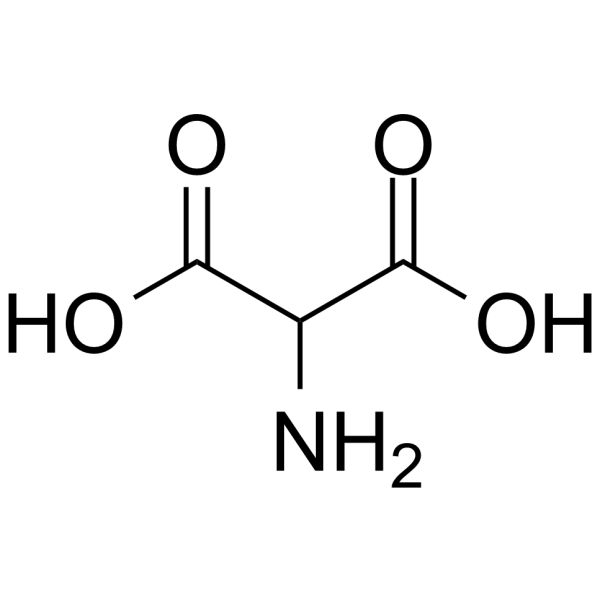
    Aminomalonic acid
    1 Publications Verification

    Endogenous Metabolite Cancer
    Aminomalonic acid is an amino endogenous metabolite, acts as a strong inhibitor of L-asparagine synthetase from Leukemia 5178Y/AR (Ki= 0.0023 M) and mouse pancreas (Ki= 0.0015 M) in vitro. Aminomalonic acid is a potential biomarker to discriminate between different stages of melanoma metastasis .
    Aminomalonic acid
  • HY-P2929A
    PNGase F-Fast
    1 Publications Verification

    Glycosidase Cancer
    PNGase F-Fast is a glycosidase that catalyzes the cleavage of internal glycosidic bonds in oligosaccharides. PNGase F-Fast removes almost all N-linked oligosaccharides from glycoproteins. PNGase F-Fast can release N-glycans from glycoproteins in the sugar analysis workflow. The cleavage site is: the glycosidic bond between the innermost N-acetylglucosamine and asparagine. PNGase F-Fast is an improved reagent that allows for rapid deglycosylation of antibodies and antibody fusions within minutes .
    PNGase F-Fast
  • HY-108860

    PEG-L-asparaginase; Pegasparaginase

    FGFR Interleukin Related Inflammation/Immunology
    Oncaspar (PEG-L-asparaginase; Pegasparaginase), a pegylated form of native Escherichia coli-derived L-asparaginase, breaks down the amino acid asparagine that are circulating in the bloodstream. Oncaspar plays an important role in acute lymphoblastic leukemia (ALL) through asparagine hydrolysis and activation of the integrated stress response (ISR) pathway .
    Oncaspar
  • HY-114174
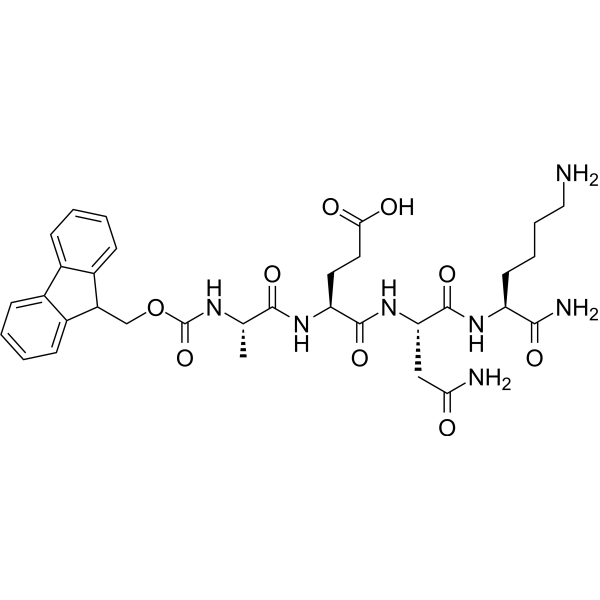
    Fmoc-Ala-Glu-Asn-Lys-NH2
    3 Publications Verification

    Amyloid-β Neurological Disease
    Fmoc-Ala-Glu-Asn-Lys-NH2 is a selective asparagine endopeptidase (AEP) inhibitor peptide and suppresses amyloid precursor protein (APP) cleavage. AEP, a pH-controlled cysteine proteinase, is activated during ageing and mediates APP proteolytic processing .
    Fmoc-Ala-Glu-Asn-Lys-NH2
  • HY-W008325

    Amino Acid Derivatives Others
    Boc-L-Dap-OH is a Boc-protected derivative of L-2,3-diaminopropionic acid. Boc-L-Dap-OH is an important chiral amino acid derivative. Boc-L-Dap-OH can be generated via the Hofmann rearrangement of Boc-L-asparagine. Boc-L-Dap-OH serves as a starting material for the preparation of BIM analogs .
    Boc-L-Dap-OH
  • HY-124832
    δ-Secretase inhibitor 11
    1 Publications Verification

    Caspase Amyloid-β Neurological Disease
    δ-Secretase inhibitor 11 (compound 11) is an orally active, potent, BBB-penetrated, non-toxic, selective and specific δ-secretase inhibitor, with an IC50 of 0.7 μM. δ-Secretase inhibitor 11 interacts with both the active site and allosteric site of δ-secretase. δ-Secretase inhibitor 11 attenuates tau and APP (amyloid precursor protein) cleavage. δ-Secretase inhibitor 11 ameliorates synaptic dysfunction and cognitive impairments in tau P301S and 5XFAD transgenic mouse models. δ-Secretase inhibitor 11 can be used for Alzheimer's disease research .
    δ-Secretase inhibitor 11
  • HY-N0667S5
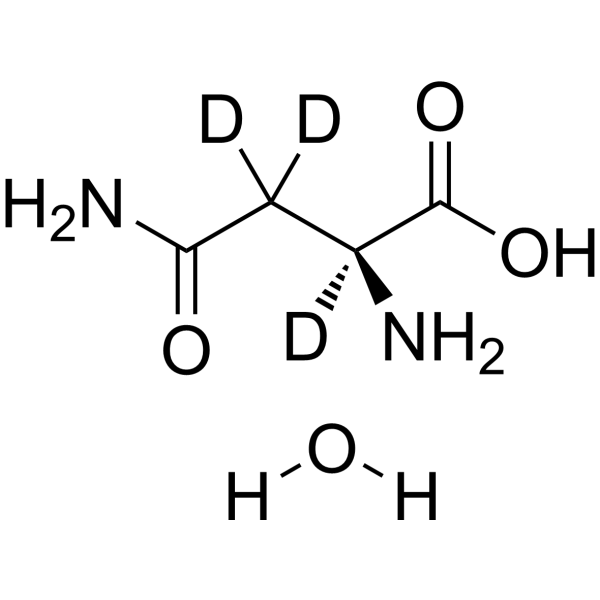
    L-Asparagine-d3 hydrate
    1 Publications Verification

    Isotope-Labeled Compounds Endogenous Metabolite Apoptosis DNA/RNA Synthesis Inflammation/Immunology
    L-Asparagine-d3 hydrate is the deuterium labeled L-Asparagine (HY-N0667). L-Asparagine is an essential amino acid for leukemic cells and a substrate for L-Asparaginase. L-Asparaginase is a potent anti-leukemic enzyme that promotes asparagine (Asn) and glutamine (Gln) depletion and inhibits protein biosynthesis in lymphoblasts. Removal of L-asparagine from plasma by L-Asparaginase results in inhibition of RNA and DNA synthesis and subsequent apoptosis. L-Asparaginase has cell-killing ability in vitro and in vivo, and selectively inhibits the growth of cancer cells with low asparagine synthetase (AASNS) expression. L-Asparagine can be used as a biomarker and sensor for the study of childhood acute lymphoblastic leukemia .
    L-Asparagine-d3 hydrate
  • HY-148389

    Sialylglycoasparaginate

    Biochemical Assay Reagents Others
    Disialo-Asn (Sialylglycoasparaginate) is an asparagine oligosaccharide. Disialo-Asn can be used for nucleic acid modification .
    Disialo-Asn
  • HY-147204

    Drug-Linker Conjugates for ADC Cancer
    Mc-Alanyl-Alanyl-Asparagine-PAB-MMAE (compound S6) is a potent anticancer agent, which can be specific activated by tumor microenvironment. Mc-Alanyl-Alanyl-Asparagine-PAB-MMAE can suppress tumor growth in mice (extracted from patent CN104147612A) .
    Mc-Alanyl-Alanyl-Asparagine-PAB-MMAE
  • HY-N0667R

    (-)-asparagine (Standard); Asn (Standard); Asparamide (Standard)

    Reference Standards Endogenous Metabolite Apoptosis DNA/RNA Synthesis Inflammation/Immunology
    L-Asparagine (Standard) is the analytical standard of L-Asparagine (HY-N0667). This product is intended for research and analytical applications. L-Asparagine is an essential amino acid for leukemic cells and a substrate for L-Asparaginase. L-Asparaginase is a potent anti-leukemic enzyme that promotes asparagine (Asn) and glutamine (Gln) depletion and inhibits protein biosynthesis in lymphoblasts. Removal of L-asparagine from plasma by L-Asparaginase results in inhibition of RNA and DNA synthesis and subsequent apoptosis. L-Asparaginase has cell-killing ability in vitro and in vivo, and selectively inhibits the growth of cancer cells with low asparagine synthetase (AASNS) expression. L-Asparagine can be used as a biomarker and sensor for the study of childhood acute lymphoblastic leukemia .
    L-Asparagine (Standard)
  • HY-P11200

    γ-Glutamylasparagine

    Calcium Channel Neurological Disease
    γ-Glu-Asn (γ-Glutamylasparagine) is a calcium sensing receptor (CaSR) agonist. γ-Glu-Asn is a dipeptide composed of glutamic acid and asparagine .
    γ-Glu-Asn
  • HY-P990742

    TJ-CD4B; ABL111; TJ033721

    TNF Receptor Claudin Inflammation/Immunology Cancer
    Givastomig (ABL111, TJ033721) is a bispecific antibody (BsAb) inhibitor. Givastomig can specifically binds to Claudin18.2 (CLDN 18.2) on the surface of cancer cells and 4-1BB (CD137, TNFRSF9) on the surface of activated T cells and natural killer (NK) cells. Givastomig is engineered to contain a single Fc-domain mutation (asparagine to alanine) to eliminate Fc-effector function. Givastomig-bound cell lines expressing a range of CLDN18.2 levels with high affinity and induced 4-1BB activation only in the context of CLDN18.2 binding. Givastomig can be used for the study of colon carcinoma .
    Givastomig
  • HY-W017442

    Endogenous Metabolite Others
    DL-Asparagine is a racemic melange of the Aparagine L and D-enantiomers. DL-Asparagine has been used in growth-media for bacteria-growth .
    DL-Asparagine
  • HY-W017443S

    Isotope-Labeled Compounds Endogenous Metabolite Apoptosis DNA/RNA Synthesis Neurological Disease Metabolic Disease Inflammation/Immunology Cancer
    L-Asparagine- 13C4, 15N2 monohydrateis the 13C-labeled and 15N-labeled L-Asparagine monohydrate (HY-W017443). L-Asparagine monohydrate is an essential amino acid for leukemic cells and a substrate for L-Asparaginase. L-Asparaginase is a potent anti-leukemic enzyme that promotes asparagine (Asn) and glutamine (Gln) depletion and inhibits protein biosynthesis in lymphoblasts. Removal of L-asparagine from plasma by L-Asparaginase results in inhibition of RNA and DNA synthesis and subsequent apoptosis. L-Asparaginase has cell-killing ability in vitro and in vivo, and selectively inhibits the growth of cancer cells with low asparagine synthetase (AASNS) expression. L-Asparagine monohydrate can be used as a biomarker and sensor for the study of childhood acute lymphoblastic leukemia .
    L-Asparagine-13C4,15N2 monohydrate
  • HY-N12109

    Others Others
    Albizziin is an amino acid analog with activity as a competitive inhibitor of asparagine synthetase. Albizziin has been used to isolate Chinese hamster ovary cell mutants with altered levels of the target enzyme. Several mutational classes of albizziin can be distinguished based on cross-resistance to β-aspartic hydroxamic acid. Studies on asparagine synthetase have shown that resistance to albizziin may be associated with altered regulation of asparagine synthetase, structural mutations of the enzyme, and gene amplification .
    Albizziin
  • HY-W130397

    Drug Derivative Others
    (S)-2-((((9H-Fluoren-9-yl)methoxy)carbonyl)(methyl)amino)-4-oxo-4-(tritylamino)butanoic acid is an asparagine derivative .
    (S)-2-((((9H-Fluoren-9-yl)methoxy)carbonyl)(methyl)amino)-4-oxo-4-(tritylamino)butanoic acid
  • HY-162076

    Cathepsin Neurological Disease
    AEP-IN-3 (compound 18) is an orally active, potent and brain penetrant asparagine endopeptidase (AEP) inhibitor, with an IC50 of 7.8 ± 0.9 nM. AEP-IN-3 can be used for Alzheimer’s Disease (AD) research .
    AEP-IN-3
  • HY-153986

    Cathepsin Neurological Disease
    AEP-IN-2 is an asparagine endopeptidase (AEP) inhibitor via block AEP cleavage of APP and Tau. AEP-IN-2 has oral activity and decreases Aβ40 and Aβ42 and p-Tau levels .
    AEP-IN-2
  • HY-N0667S3

    (-)-asparagine-13C4 monohydrate; Asn-13C4 monohydrate; Asparamide-13C4 monohydrate

    Isotope-Labeled Compounds Endogenous Metabolite Apoptosis DNA/RNA Synthesis Inflammation/Immunology
    L-Asparagine- 13C4 monohydrate is the 13C-labeled L-Asparagine monohydrate (HY-W017443). L-Asparagine monohydrate is an essential amino acid for leukemic cells and a substrate for L-Asparaginase. L-Asparaginase is a potent anti-leukemic enzyme that promotes asparagine (Asn) and glutamine (Gln) depletion and inhibits protein biosynthesis in lymphoblasts. Removal of L-asparagine from plasma by L-Asparaginase results in inhibition of RNA and DNA synthesis and subsequent apoptosis. L-Asparaginase has cell-killing ability in vitro and in vivo, and selectively inhibits the growth of cancer cells with low asparagine synthetase (AASNS) expression. L-Asparagine monohydrate can be used as a biomarker and sensor for the study of childhood acute lymphoblastic leukemia .
    L-Asparagine-13C4 monohydrate
  • HY-W002449

    Amino Acid Derivatives Others
    N2-(tert-Butoxycarbonyl)-N4-trityl-L-asparagine is an aspartic acid derivative .
    N2-(tert-Butoxycarbonyl)-N4-trityl-L-asparagine
  • HY-W010719

    Amino Acid Derivatives Others
    N2-[(9H-Fluoren-9-ylmethoxy)carbonyl]-N-(triphenylmethyl)-D-asparagine is an asparagine derivative .
    Fmoc-D-Asn(Trt)-OH
  • HY-W008233

    Amino Acid Derivatives Others
    Z-Asn-OH is an asparagine derivative .
    Z-Asn-OH
  • HY-131092A

    Asn-Arg diTFA

    Drug Intermediate Others
    H-Asn-Arg-OH diTFA is a dipeptide formed by the connection of asparagine and arginine via a peptide bond, which can be used in polypeptide synthesis.
    H-Asn-Arg-OH diTFA
  • HY-P2929C
    PNGase F (Lyophilized)
    1 Publications Verification

    Glycosidase Cancer
    PNGase F (Lyophilized) is a glycosidase expressed by recombinant E. coli. PNGase F (Lyophilized) can selectively hydrolyze all N-glycans linked to Asn in proteins except those containing α1-3 fucosidic bonds. The cleavage site is the glycosidic bond between Asn and the innermost GIcNAc, which releases sugar molecules linked to asparagine from glycoproteins and converts asparagine to aspartic acid. The cleaved glycoforms include high mannose, hybrid and complex oligosaccharides .
    PNGase F (Lyophilized)
  • HY-W010378R

    H-D-Asn-OH (Standard)

    Reference Standards Endogenous Metabolite Metabolic Disease
    D-Asparagine (Standard) (H-D-Asn-OH (Standard)) is the analytical standard of D-Asparagine (HY-W010378). This product is intended for research and analytical applications. D-Asparagine (H-D-Asn-OH) is a competitive inhibitor of L-Asparagine hydrolysis with a Ki value of 0.24 mM. D-Asparagine is a source of nitrogen for yeast strains. D-Asparagine is a good substrate for the external yeast asparaginase but is a poor substrate for the internal enzyme.
    D-Asparagine (Standard)
  • HY-P4724

    Drug Derivative Metabolic Disease
    (β-Asp28)-Exenatide is a potential degradation product of exenatide produced by the formation and cleavage of asparagine.
    (β-Asp28)-Exenatide
  • HY-W012220

    Amino Acid Derivatives Others
    (R)-4-Amino-2-((tert-butoxycarbonyl)amino)-4-oxobutanoic acid is an asparagine derivative .
    (R)-4-Amino-2-((tert-butoxycarbonyl)amino)-4-oxobutanoic acid
  • HY-W011137

    Drug Derivative Others
    (S)-4-Nitrophenyl 4-amino-2-((tert-butoxycarbonyl)amino)-4-oxobutanoate is an asparagine derivative .
    (S)-4-Nitrophenyl 4-amino-2-((tert-butoxycarbonyl)amino)-4-oxobutanoate
  • HY-W017443R

    Reference Standards Endogenous Metabolite Apoptosis DNA/RNA Synthesis Neurological Disease Metabolic Disease Inflammation/Immunology Cancer
    L-Asparagine monohydrate (Standard) is the analytical standard of L-Asparagine monohydrate (HY-W017443). This product is intended for research and analytical applications. L-Asparagine monohydrate is an essential amino acid for leukemic cells and a substrate for L-Asparaginase. L-Asparaginase is a potent anti-leukemic enzyme that promotes asparagine (Asn) and glutamine (Gln) depletion and inhibits protein biosynthesis in lymphoblasts. Removal of L-asparagine from plasma by L-Asparaginase results in inhibition of RNA and DNA synthesis and subsequent apoptosis. L-Asparaginase has cell-killing ability in vitro and in vivo, and selectively inhibits the growth of cancer cells with low asparagine synthetase (AASNS) expression. L-Asparagine monohydrate can be used as a biomarker and sensor for the study of childhood acute lymphoblastic leukemia .
    L-Asparagine monohydrate (Standard)
  • HY-W017443S1

    Isotope-Labeled Compounds Endogenous Metabolite Apoptosis DNA/RNA Synthesis Neurological Disease Metabolic Disease Inflammation/Immunology Cancer
    L-Asparagine-amide- 15N monohydrate is the 15N-labeled L-Asparagine monohydrate (HY-W017443). L-Asparagine monohydrate is an essential amino acid for leukemic cells and a substrate for L-Asparaginase. L-Asparaginase is a potent anti-leukemic enzyme that promotes asparagine (Asn) and glutamine (Gln) depletion and inhibits protein biosynthesis in lymphoblasts. Removal of L-asparagine from plasma by L-Asparaginase results in inhibition of RNA and DNA synthesis and subsequent apoptosis. L-Asparaginase has cell-killing ability in vitro and in vivo, and selectively inhibits the growth of cancer cells with low asparagine synthetase (AASNS) expression. L-Asparagine monohydrate can be used as a biomarker and sensor for the study of childhood acute lymphoblastic leukemia .
    L-Asparagine-amide-15N monohydrate
  • HY-N0667S7

    (-)-asparagine-13C4,15N2; Asn-13C4,15N2; Asparamide-13C4,15N2

    Isotope-Labeled Compounds Endogenous Metabolite Apoptosis DNA/RNA Synthesis Inflammation/Immunology
    L-Asparagine- 13C4, 15N2 ((-)-Asparagine- 13C4, 15N2) is the 13C and 15N-labeled L-Asparagine (HY-N0667). L-Asparagine is an essential amino acid for leukemic cells and a substrate for L-Asparaginase. L-Asparaginase is a potent anti-leukemic enzyme that promotes asparagine (Asn) and glutamine (Gln) depletion and inhibits protein biosynthesis in lymphoblasts. Removal of L-asparagine from plasma by L-Asparaginase results in inhibition of RNA and DNA synthesis and subsequent apoptosis. L-Asparaginase has cell-killing ability in vitro and in vivo, and selectively inhibits the growth of cancer cells with low asparagine synthetase (AASNS) expression. L-Asparagine can be used as a biomarker and sensor for the study of childhood acute lymphoblastic leukemia .
    L-Asparagine-13C4,15N2
  • HY-146068

    Cathepsin Neurological Disease
    AEP-IN-1 (Compound 13e) is a CNS agent-like non-covalent inhibitor of asparagine endopeptidase (AEP), with the IC50 of 89 nM. AEP-IN-1 can be used for the research of numerous neurological diseases such as Alzheimer’s disease (AD) .
    AEP-IN-1
  • HY-W017444

    Biochemical Assay Reagents Others
    (R)-2,4-diamino-4-oxobutanoic acid hydrate is a biochemical reagent that can be used as a biological material or organic compound for life science related research.
    D-Asparagine monohydrate
  • HY-146646

    Antibiotic Infection Cancer
    Bleomycin A2, an antitumor antibiotic promoting DNA-degradation, is an aspartate/asparagine-β-hydroxylase (AspH) inhibitor with an IC50 of 1.47 μM .
    Bleomycin A2

Inquiry Online

Your information is safe with us. * Required Fields.

Salutation


Country or Region *

Applicant Name *


Organization Name *

Department *


Email Address *


Product Name *

Cat. No.


Requested quantity *

Phone Number *


Remarks

Inquiry Online

Inquiry Information

Product Name:
Cat. No.:
Quantity:
MCE Japan Authorized Agent:

