Search Result
Results for "
behavioral disorder
" in MedChemExpress (MCE) Product Catalog:
1
Biochemical Assay Reagents
8
Isotope-Labeled Compounds
| Cat. No. |
Product Name |
Target |
Research Areas |
Chemical Structure |
-
- HY-105174
-
|
|
JAK
FAK
|
Inflammation/Immunology
|
|
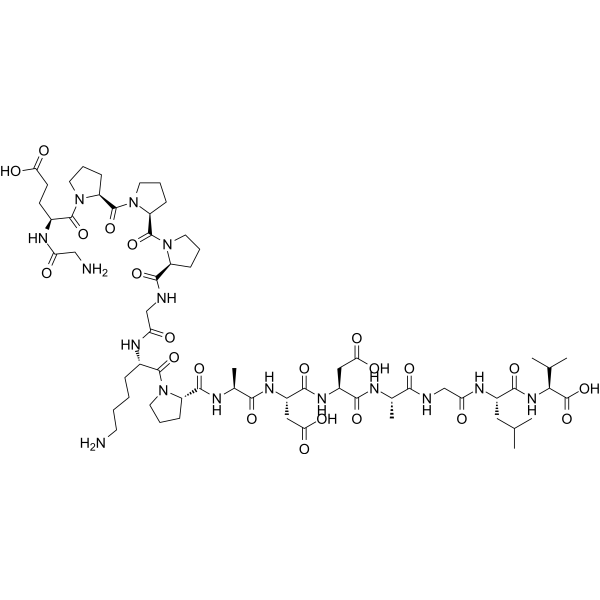
BPC 157 is the 15-amino acide fragment of gastric peptide BPC. BPC 157 exhibits wound healing promoting and neuroprotective activity. BPC 157 maintains the integrity of the gastrointestinal mucosa without significant toxicity. BPC 157 acetate counteracts NSAIDs/insulin overdose/copper-induced toxicity. BPC 157 ameliorates specific (over)stimulated/damaged neurotransmitter systems-induced behavioral disorders through serotonergic and dopaminergic systems .
|
-
-
- HY-18678A
-
|
PT-141 Acetate
|
Melanocortin Receptor
|
Metabolic Disease
|
|
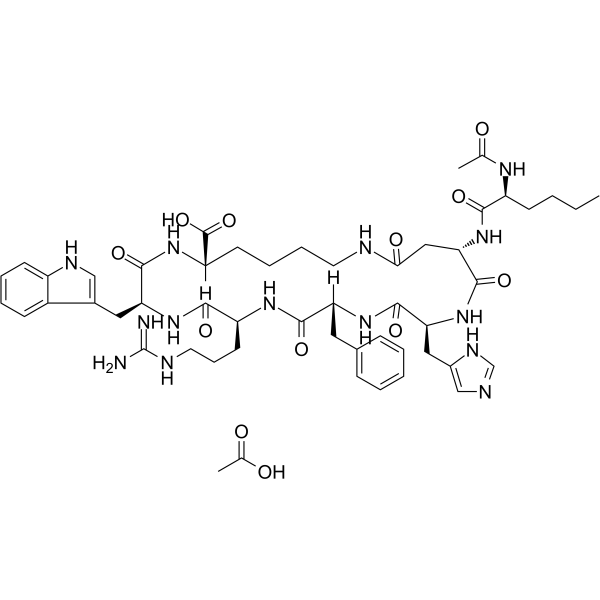
Bremelanotide (PT-141) Acetate is a melanocortin receptor agonist. Bremelanotide Acetate can activate MC4R and increases dopamine release. Bremelanotide Acetate induces appetitive sexual behaviors, female mounting behavior, and repetitive self-grooming. Bremelanotide Acetate can be used for the research of hypoactive sexual desire disorders .
|
-
-
- HY-B0168A
-
|
|
Serotonin Transporter
PERK
|
Neurological Disease
|
|
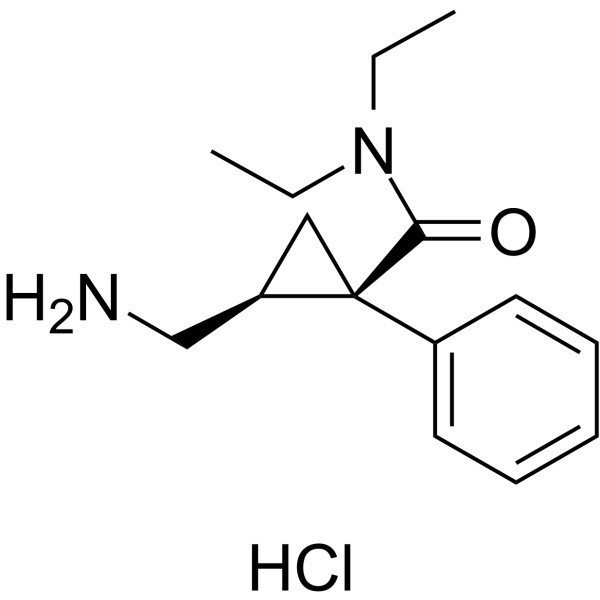
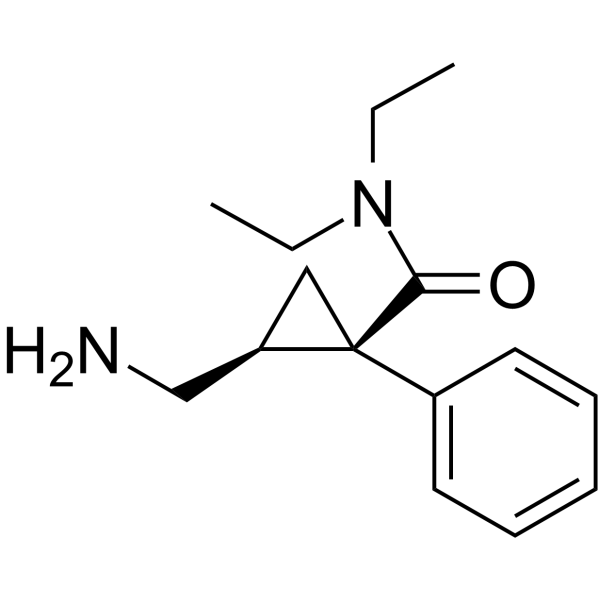
Milnacipran hydrochloride is an orally active Serotonin (HY-B1473A) and Norepinephrine (HY-13715) reuptake inhibitor. Milnacipran hydrochloride inhibits monoamine transporters, especially the norepinephrine transporter and the serotonin transporter (Ki values of 31 and 8.5 nM, respectively). Milnacipran hydrochloride inhibits pERK1/2 activation. Milnacipran hydrochloride has antidepressant, anxiolytic and analgesic properties. Milnacipran hydrochloride inhibits biting behavior in mice. Milnacipran hydrochloride can be used in the study of major depressive disorder, anxiety disorders, and neuropathic pain (e.g., fibromyalgia) .
|
-
-
- HY-B0863
-
|
|
Environmental Pollutants
Necroptosis
Apoptosis
Autophagy
|
Neurological Disease
|
|
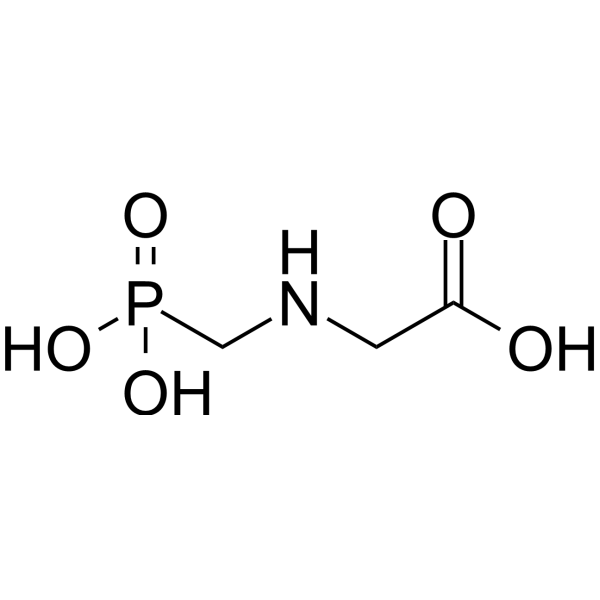
Glyphosate, a non-selective systemic biocide with broad-spectrum activity, is an herbicidal derivative of the amino acid glycine. Glyphosate inhibits the enzymatic activity of the 5-endopyruvylshikimate 3-phosphate synthase (EPSPS) in the shikimic acid pathway, preventing the synthesis of the aromatic amino acids tyrosine, phenylalanine, and tryptophan. Glyphosate induces oxidative stress, neuroinflammation, and mitochondrial dysfunction, processes that lead to neuronal death by autophagia, necrosis, or apoptosis, as well as the appearance of behavioral and motor disorders .
|
-
-
- HY-18678
-
|
PT-141
|
Melanocortin Receptor
|
Neurological Disease
Metabolic Disease
|
|
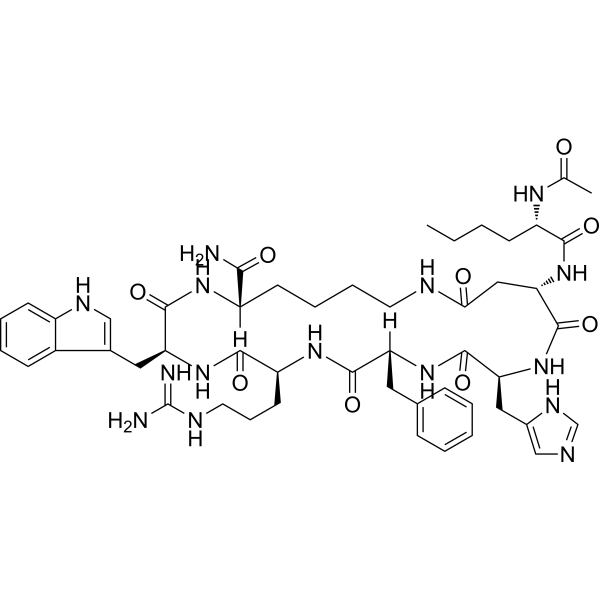
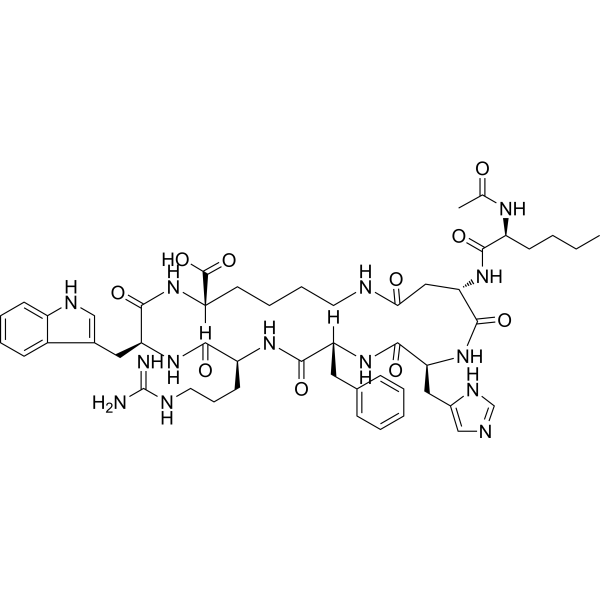
Bremelanotide (PT-141) is a melanocortin receptor agonist. Bremelanotide can activate MC4R and increases dopamine release. Bremelanotide induces appetitive sexual behaviors, female mounting behavior, and repetitive self-grooming. Bremelanotide can be used for the research of hypoactive sexual desire disorders .
|
-
-
- HY-W250122
-
|
Monosodium glutamate
|
Biochemical Assay Reagents
Reactive Oxygen Species (ROS)
Mitochondrial Metabolism
Apoptosis
HSP
Bcl-2 Family
|
Neurological Disease
Metabolic Disease
Inflammation/Immunology
|
|
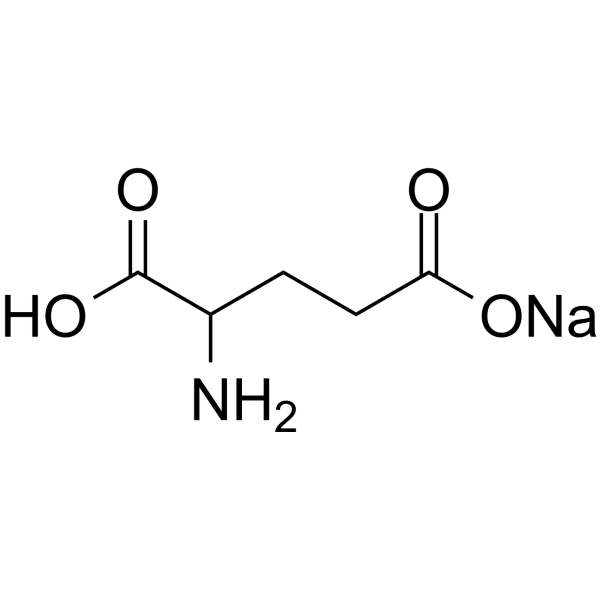
Glutamic acid sodium salt (Monosodium glutamate) is an orally active food flavor enhancer. Glutamic acid sodium salt causes ROS generation, mitochondrial dysfunction, and Apoptosis. Glutamic acid sodium salt upregulates CHOP, Grp78, and Bcl-2. Glutamic acid sodium salt impairs cognition, induces depressive-like behavior, induces hyperalgesia, and induces obesity and insulin resistance. Glutamic acid sodium salt can be used to study neurotoxicity (e.g., brain damage, cognitive impairment), metabolic disorders (e.g., obesity, insulin resistance), hepatotoxicity, and renal toxicity, as well as pain-related disorders .
|
-
-
- HY-12443
-
|
|
Casein Kinase
|
Neurological Disease
|
|
PF-5006739 is a potent and selective inhibitor of CK1δ/ε with IC50s of 3.9 nM and 17.0 nM, respectively. PF-5006739 is a potential therapeutic agent for a range of psychiatric disorders with low nanomolar in vitro potency for CK1δ/ε and high kinome selectivity. PF-5006739 attenuats opioid agent-seeking behavior in a rodent operant reinstatement model in animals in a dose-dependent manner . PF-5006739 improves glucose tolerance in both diet-induced obesity (DIO) and genetic (ob/ob) mice models of obesity .
|
-
-
- HY-W013150
-
|
|
GABA Receptor
|
Neurological Disease
|
|
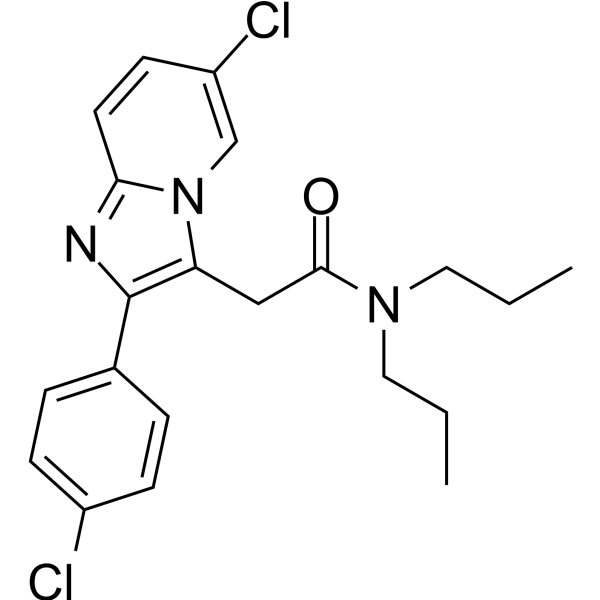
Alpidem, an anxiolytic agent, is an orally active and brain-penetrant GABAA receptor ligand, binds to α1β2γ2 subunit-containing GABAA receptors (IC50 of 17 nM) over α5β2γ2 subunit-containing GABAA receptors (IC50 of >10 μM). Alpidem modulates calcium-induced mitochondrial permeability transition, induces glutathione depletion and hepatocyte necrosis, potentiates TNF-α toxicity, inhibits marble-burying and locomotor activity, enhances stressed rodent feeding behavior, and exerts anticonvulsant effects. Alpidem can be used for the research of anxiety, anxiety disorders, and convulsions .
|
-
-
- HY-100903
-
|
nor-Binaltorphimine dihydrochloride; nor-BNI dihydrochloride
|
Opioid Receptor
|
Neurological Disease
|
|
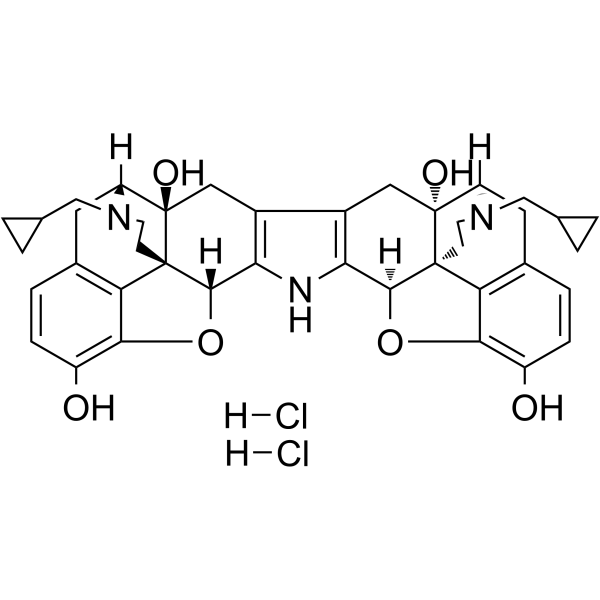
Norbinaltorphimine dihydrochloride (nor-Binaltorphimine dihydrochloride; nor-BNI dihydrochloride) is a selective, long-acting competitive antagonist of the κ-opioid receptor. Norbinaltorphimine dihydrochloride blocks κ-opioid receptor-mediated analgesic effects, and inhibits butorphanol-induced changes in κ-opioid receptor binding kinetics, desensitization and down-regulation. Norbinaltorphimine dihydrochloride suppresses specific opioid withdrawal symptoms, precipitates withdrawal behaviors in butorphanol-dependent rats, and serves as a molecular probe for studying κ-opioid receptor-agonist interactions. Norbinaltorphimine dihydrochloride is applicable to research related to neurological disorders such as pain .
|
-
-
- HY-117040
-
|
Norbinaltorphimine; NorBNI
|
Opioid Receptor
|
Neurological Disease
|
|
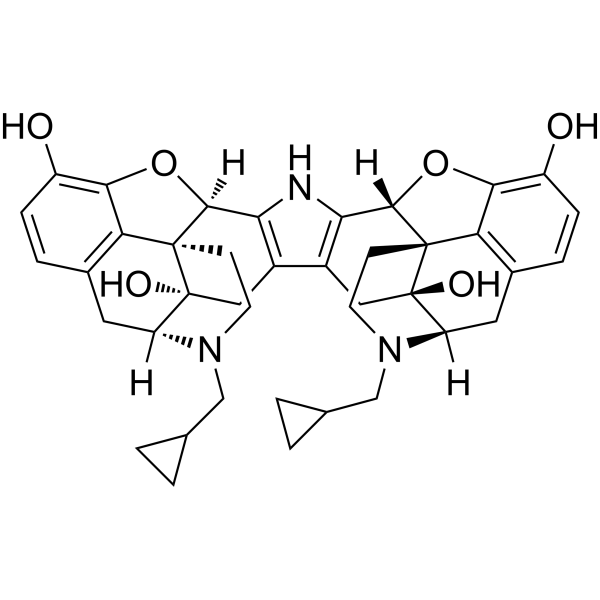
nor-Binaltorphimine (Norbinaltorphimine; NorBNI) is a selective, long-acting competitive antagonist of the κ-opioid receptor. nor-Binaltorphimine blocks κ-opioid receptor-mediated analgesic effects, and inhibits butorphanol-induced changes in κ-opioid receptor binding kinetics, desensitization and down-regulation. nor-Binaltorphimine suppresses specific opioid withdrawal symptoms, precipitates withdrawal behaviors in butorphanol-dependent rats, and serves as a molecular probe for studying κ-opioid receptor-agonist interactions. nor-Binaltorphimine is applicable to research related to neurological disorders such as pain .
|
-
-
- HY-107664
-
|
|
Neurotensin Receptor
|
Neurological Disease
|
|
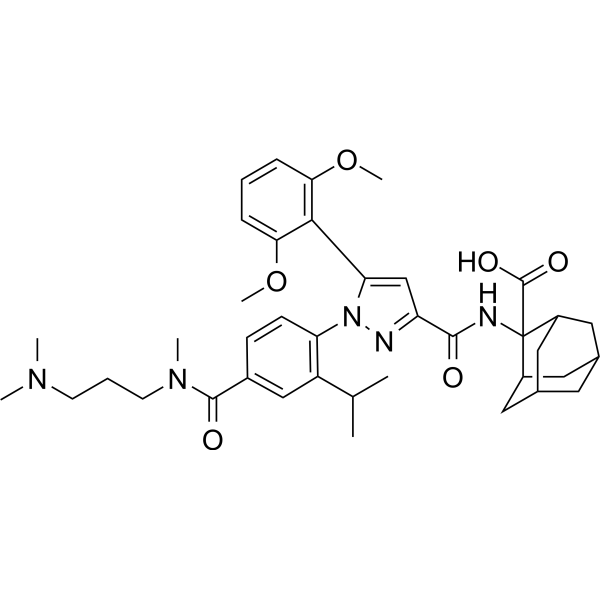
SR 142948 is an orally active and selective non-peptide neurotensin receptor (NT) antagonist with IC50s of 1.19 nM, 0.32 nM, 3.96 nM in h-NTR1-CHO cells, HT-29 cells, and adult rat brain, respectively. SR 142948 antagonizes NT-induced inositol monophosphate formation in HT-29 cells with an IC50 of 3.9 nM. SR 142948 blocks hypothermia, analgesia and steering behavior induced by NT in vivo. SR 142948 shows blood-brain permeability and can be used in study of psychiatric disorders .
|
-
-
- HY-117771
-
DO34
5 Publications Verification
|
DAGL
|
Neurological Disease
Metabolic Disease
|
|
DO34 is a selective DAGL inhibitor, with an IC50 of 6 nM for DAGLα conversion of SAG to 2-AG. DO34 blocks de novo 2-AG synthesis, and suppresses tonic CB1 receptor activation. DO34 blocks depolarization-induced suppression of excitation and inhibition in the cerebellum and hippocampus. DO34 regulates feeding behavior and locomotor activity in mice. DO34 abolishes AM251-mediated enhancement of parallel fiber-evoked excitatory postsynaptic currents in cerebellar slices from MAGL global knockout mice. DO34 can be used for the research of energy balance disorder and neuroinflammation .
|
-
-
- HY-175188
-
|
BPN-0027490
|
Myosin
|
Neurological Disease
|
MT-110 (BPN-0027490) is a non-muscle myosin NMIIB-selective inhibitor with high brain penetration and favorable safety profile. MT-110 specifically disrupts NMIIB-dependent actin dynamics in dendritic spines, while it exerts no significant adverse effects on cardiac myosin II and cardiac functions (such as cardiac output and heart rate) at tested concentrations. A single administration of MT-110 produces long-lasting (sustained for several weeks) blockade of methamphetamine motivation associated with environmental cues. MT-110 exhibits extremely high specificity, with no interference with cocaine motivation, hippocampus-dependent memory, fear memory, or locomotor and anxiety-like behaviors. MT-110 serves as a valuable tool compound for investigating the mechanisms of methamphetamine use disorder .
|
-
-
- HY-132806
-
|
RG-7816; RO-7017773
|
GABA Receptor
|
Neurological Disease
|
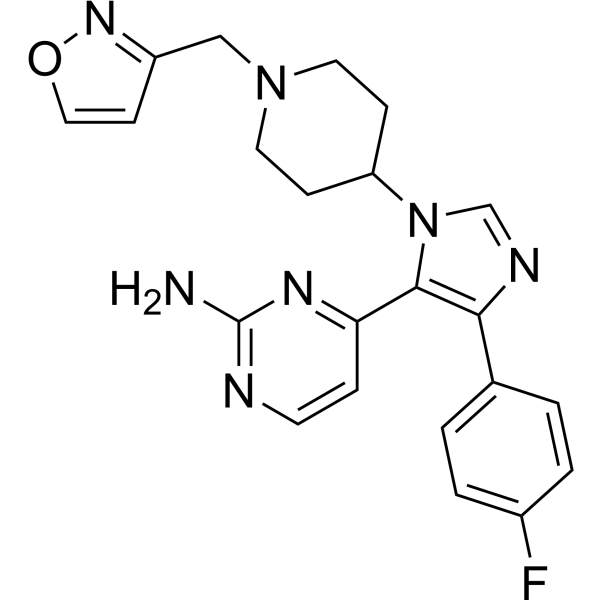
|
Alogabat is a positive allosteric modulator (PAM) and agonist (Ki <100 nM) of the GABAA α5 receptor, targeting the α5β3γ2 subunit with a Ki of 8.7 nM. Alogabat increases the expression level of α5β3γ2 in oocytes (1.97-fold). GABAA has been implicated in cognitive impairment associated with central nervous system (CNS) disorders, brain cancer (including brain tumors such as medulloblastoma), and can be used in the study of mild cognitive impairment (MCI), amnestic MCI (aMCI), age-associated memory impairment (AAMI), age-related cognitive decline (ARCD), dementia, Alzheimer's disease (AD), prodromal AD, post-traumatic stress disorder (PTSD), schizophrenia, bipolar disorder, amyotrophic lateral sclerosis (ALS), cognitive impairment associated with cancer treatment, mental retardation, Parkinson's disease (PD), autism spectrum disorder, fragile X, Rett syndrome, obsessive-compulsive behavior, and substance addiction .
|
-
-
- HY-B1752
-
|
LY 171555; (-)-LY 141865
|
Dopamine Receptor
Calcium Channel
Bcl-2 Family
iGluR
Apoptosis
|
Neurological Disease
|
|
Quinpirole (LY 171555; (-)-LY 141865) is a D2/D3 dopamine receptor agonist and a CaV1.3 calcium channel modulator. Quinpirole normalizes dendritic spine density in dopamine-depleted striatum, upregulates the protein expression of BCL2 and GluR2, downregulates the protein expression of BAX, and delays the onset of seizures. Quinpirole enhances learning and memory, inhibits neuronal apoptosis (apoptosis), and induces anxiety-like, stereotyped, and compulsive behaviors. Quinpirole disrupts prepulse inhibition in rhesus monkeys, enhances the activity of paraventricular thalamic neurons to promote recovery from Isoflurane anesthesia, and alters the composition of the gut microbiota in rats. Quinpirole can be used in research related to dyskinesia, pain, epilepsy, and neurological disorders including anxiety disorder, obsessive-compulsive disorder, and schizophrenia .
|
-
-
- HY-13999
-
|
NSI-189
|
Trk Receptor
|
Neurological Disease
|
|
Amdiglurax (NSI-189) is an orally active chemical entity with enhanced neurogenic activity. Amdiglurax up-regulates neurogenic factors such as BDNF (brain derived-neurotrophic factor) and SCF. Amdiglurax exhibits anti-depressant effect. Amdiglurax enhances synaptic plasticity and reduces cognitive dysfunction. Amdiglurax holds potential for psychiatric disorder research .
|
-
-
- HY-172550
-
|
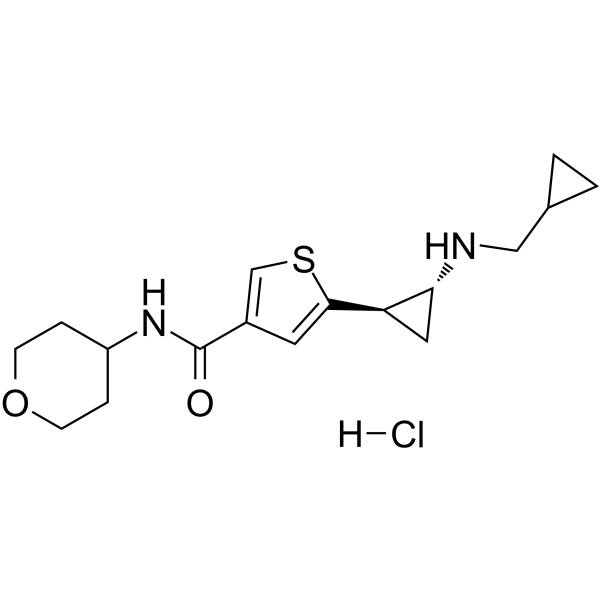
|
HCN Channel
|
Neurological Disease
|
|
MS7710 is a hyperpolarization-activated cyclic nucleotide-gated (HCN) channel inhibitor with blood-brain barrier permeability and an excellent brain/plasma concentration ratio. MS7710 inhibits HCN channel-mediated Ih current, and reduces the firing frequency and burst activity of dopaminergic neurons in the ventral tegmental area. MS7710 ameliorates chronic social defeat stress-induced deficits in social interaction and impairments in reward-related cognitive flexibility in mice. MS7710 exerts only limited effects on ventral tegmental area dopaminergic neuron activity, social interaction, exploratory behavior, locomotor activity or sucrose preference in control mice. MS7710 is applicable to the research of major depressive disorder .
|
-
-
- HY-167856
-
|
|
GPR88
|
Neurological Disease
|
|
RTI-122 is a selective, blood-brain barrier-permeable GPR88 agonist (cAMP EC50=11 nM), with EC50 values of 11.5 nM and 155 nM for human and mouse GPR88, respectively ([ 35S]GTPγS assay). By activating the GPR88 receptor to regulate the cAMP signaling pathway and G protein activity, RTI-122 significantly attenuates Binge-like drinking, reduces alcohol intake, and decreases alcohol-seeking motivation. RTI-122 blocks the reinstatement of alcohol-seeking behavior without affecting water or sucrose intake. RTI-122 exhibits metabolic stability in mice (T1/2=5.8 h) and can be used to investigate alcohol use disorder .
|
-
-
- HY-147294
-
|
ACT-539313
|
Orexin Receptor (OX Receptor)
Cytochrome P450
|
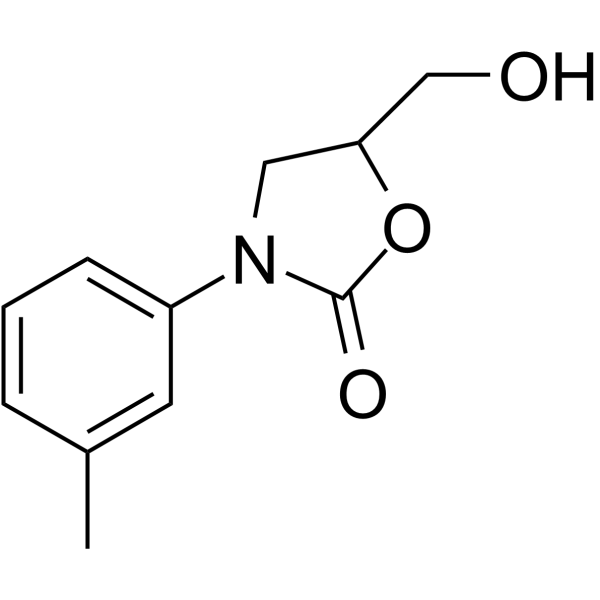
Neurological Disease
|
|
Nivasorexant (ACT-539313) is an orally active, blood-brain barrier penetrant, selective orexin OX1R inhibitor. Nivasorexant specifically blocks central OX1Rs without affecting OX2Rs, and exhibits competitive inhibitory activity against CYP2C8, CYP2C9, CYP2C19 and CYP3A4 (IC50 values are 25 μM, 8.6 μM, 1.6 μM, 19 μM/44 μM, respectively). Nivasorexant significantly reduces binge-like eating behavior of highly palatable food in rat models and has long-acting properties. Nivasorexant shows no relevant off-target activity against over 130 selected proteins, exhibits favorable safety profiles, and can be used for studies related to binge eating disorder .
|
-
-
- HY-138830
-
TAK-418
2 Publications Verification
|
Histone Demethylase
|
Neurological Disease
|
|
TAK-418 is a selective, orally active LSD1 (KDM1A) enzyme inhibitor with an IC50 of 2.9 nM. TAK-418 unlocks aberrant epigenetic machinery and improves autism symptoms in neurodevelopmental disorder models .
|
-
-
- HY-100703
-
|
Floropipamide; McN-JR 3345; R 3345
|
5-HT Receptor
Dopamine Receptor
|
Neurological Disease
|
|
Pipamperone (Floropipamide) is a butyrophenone derivative and high-affinity antagonist of 5-HT2A receptor (pKi=8.2) and D4 receptor (pKi=8.0). Pipamperone is also a low-affinity antagonist of D2 receptor (pKi=6.7). Pipamperone affects neurotransmitter functions and exerts antipsychotic activity. Pipamperone is used in the research of mental disorders such as autism-related behavioral disorders and Alzheimer's disease .
|
-
-
- HY-147403S
-
|
JNJ-61393215
|
Orexin Receptor (OX Receptor)
Isotope-Labeled Compounds
|
Neurological Disease
|
|
Tebideutorexant is an OX1R-selective inhibitor with oral bioavailability and blood-brain barrier permeability, with human OX1R pKi 8.17 and rat OX1R pKi 8.13.Tebideutorexant selectively modulates OX1R, with no significant functional effect on OX2R. Tebideutorexant can be used for the research of panic and anxiety disorders .
|
-
-
- HY-N1414
-
|
|
Trk Receptor
NF-κB
Amyloid-β
|
Neurological Disease
|
|
(E)-3',6-Disinapoylsucrose is an orally active, blood-brain barrier permeable neuroprotective agent that inhibits Aβ protein aggregation. (E)-3',6-Disinapoylsucrose exerts anxiolytic, anti-inflammatory and cognitive-enhancing effects. (E)-3',6-Disinapoylsucrose regulates the TrkB/BDNF signaling pathway, inhibits the expression of NF-κB p65, reduces pro-inflammatory cytokine levels, and alleviates neuronal damage. (E)-3',6-Disinapoylsucrose also enhances the functions of central 5-HT and noradrenergic systems, thereby improving spatial learning and memory abilities and reducing anxiety-like behaviors. (E)-3',6-Disinapoylsucrose can be used for the research of related diseases such as Alzheimer's disease, depression, memory impairment and anxiety disorder .
|
-
-
- HY-110023
-
|
|
Serotonin Transporter
|
Neurological Disease
|
|
Zimelidine dihydrochloride is an orally active selective serotonin reuptake inhibitor. Zimelidine dihydrochloride competitively inhibits central 5-HT uptake and desensitizes 5-HT autoreceptors in dorsal raphe nucleus. Zimelidine dihydrochloride time-dependently modulates 5-HT neuronal firing and hippocampal CA3 responses. Zimelidine dihydrochloride strengthens central serotonergic neurotransmission and produces related behavioral changes. Zimelidine dihydrochloride exerts anxiolytic, analgesic, feeding-suppressive and tolerance-attenuating effects. Zimelidine dihydrochloride is used for the study of depressive disorders and analgesic tolerance .
|
-
-
- HY-W747676
-
|
|
Isotope-Labeled Compounds
Apoptosis
Autophagy
Necroptosis
|
Neurological Disease
|
|
Glyphosate- 13C is the 13C-labeled Glyphosate (HY-B0863). Glyphosate, a non-selective systemic biocide with broad-spectrum activity, is an herbicidal derivative of the amino acid glycine. Glyphosate inhibits the enzymatic activity of the 5-endopyruvylshikimate 3-phosphate synthase (EPSPS) in the shikimic acid pathway, preventing the synthesis of the aromatic amino acids tyrosine, phenylalanine, and tryptophan. Glyphosate induces oxidative stress, neuroinflammation, and mitochondrial dysfunction, processes that lead to neuronal death by autophagia, necrosis, or apoptosis, as well as the appearance of behavioral and motor disorders .
|
-
-
- HY-12783A
-
|
|
GABA Receptor
|
Neurological Disease
|
|
SCH 50911 is a selective, orally active, blood-brain barrier permeable GABA-B receptor (GABA-B Receptor) antagonist with an IC50 of 1.1 μM in rats. SCH 50911 blocks baclofen-induced antitussive effects, regulates neuronal firing and GABA release. SCH 50911 promotes spontaneous seizures during withdrawal in ethanol-dependent rats, alters reward-related neurotransmission, and reduces or suppresses lever responding and self-administration behaviors of alcohol and sucrose in rats. SCH 50911 is applicable to research related to ethanol withdrawal syndrome, absence epilepsy and alcohol use disorder .
|
-
-
- HY-B0168
-
|
|
Serotonin Transporter
PERK
|
Neurological Disease
|
|
Milnacipran is an orally active Serotonin (HY-B1473A) and Norepinephrine (HY-13715) reuptake inhibitor. Milnacipran inhibits monoamine transporters, especially the norepinephrine transporter and the serotonin transporter (Ki values of 31 and 8.5 nM, respectively). Milnacipran inhibits pERK1/2 activation. Milnacipran has antidepressant, anxiolytic and analgesic properties. Milnacipran inhibits biting behavior in mice. Milnacipran can be used in the study of major depressive disorder, anxiety disorders, and neuropathic pain (e.g., fibromyalgia) .
|
-
-
- HY-158013A
-
|
|
Dopamine Transporter
|
Neurological Disease
|
|
JJC8-088 dioxalate is the dioxalate salt form of JJC8-088 (HY-158013). JJC8-088 dioxalate is a derivative of modafinil. JJC8-088 dioxalate is an inhibitor for dopamine transporter (DAT). JJC8-088 dioxalate exhibits behavioral characteristics similar to cocaine in rat models, and can be to study psychostimulant use disorders .
|
-
-
- HY-14196
-
|
MD 69276
|
Monoamine Oxidase
|
Neurological Disease
|
|
Toloxatone (MD 69276) is a reversible, selective MAO-A inhibitor that can cross the blood-brain barrier. Toloxatone increases the levels of serotonin (5-HT) and norepinephrine in the brain. Toloxatone reduces the immobility time in the forced swimming test in mice, inhibits killing behavior in rats without causing sedation, and shows a correlation between its free plasma concentration and cerebrospinal fluid concentration. Toloxatone is widely used in research related to depression, depressive disorders and Parkinson's disease .
|
-
-
- HY-15691
-
|
|
Opioid Receptor
mTOR
|
Neurological Disease
Metabolic Disease
|
|
PF-04455242 is an orally bioavailable, blood-brain barrier-permeable κ-opioid receptor (KOR) inhibitor. PF-04455242 blocks in vivo effects induced by KOR and MOR agonists, and elicits KOR-independent outward currents in ventral tegmental area neurons. PF-04455242 promotes energy expenditure and activates the hypothalamic mTOR pathway. PF-04455242 attenuates stress-induced behavioral effects and produces antidepressant-like effects. PF-04455242 can be used in studies related to pain, depression, addictive disorders, and obesity induced by estrogen withdrawal .
|
-
-
- HY-132187
-
|
|
TGF-beta/Smad
TRP Channel
Apoptosis
PAI-1
|
Cardiovascular Disease
Neurological Disease
Metabolic Disease
Inflammation/Immunology
Cancer
|
|
Sphingosylphosphorylcholine is a bioactive lipid and a major component of plasma high-density lipoprotein that binds to OGR1 with a Kd of 33.3 nM. Sphingosylphosphorylcholine triggers delayed phosphorylation of Smad2, upregulates α-SMA expression, and activates TRPM3. Sphingosylphosphorylcholine reduces Apoptosis and upregulates the expression of uPA and its receptor uPA-R. Sphingosylphosphorylcholine exerts anti-apoptotic, anti-cardiac hypertrophy and pro-wound healing effects. Sphingosylphosphorylcholine induces scratching behavior in mice. Sphingosylphosphorylcholine is used in studies related to atopic dermatitis, promyelocytic leukemia, heart failure, myocardial ischemia/reperfusion injury, ovarian cancer, breast cancer, pancreatic cancer, and skin wound healing disorders in genetically impaired healing diabetes .
|
-
-
- HY-164728
-
|
|
Calcium Channel
|
Neurological Disease
|
|
Pregabalin diacid is an impurity of Pregabalin, a lipophilic GABA (γ-aminobutyric acid) analog with anxiolytic and anticonvulsant activity. Pregabalin may act on the α(2)β subunit of voltage-dependent calcium channels, which are widely distributed in the peripheral and central nervous systems. Pregabalin can effectively induce hypoalgesia and improve behavioral disorders .
|
-
-
- HY-13999A1
-
|
NSI-189 phosphate
|
Trk Receptor
|
Neurological Disease
|
|
Amdiglurax (NSI-189) phosphate is an orally active chemical entity with enhanced neurogenic activity. Amdiglurax phosphate up-regulates neurogenic factors such as BDNF (brain derived-neurotrophic factor) and SCF. Amdiglurax phosphate exhibits anti-depressant effect. Amdiglurax enhances synaptic plasticity and reduces cognitive dysfunction. Amdiglurax phosphate holds potential for psychiatric disorder research .
|
-
-
- HY-119918
-
|
|
mAChR
|
Neurological Disease
|
|
Cycrimine is an orally active muscarinic cholinergic receptor (mAChR) M1 antagonist, reduces the acetylcholine levels in parkinson model. Cycrimine shows antispasmodic activity, can be used in studies of behavioral and mental disorder .
|
-
-
- HY-107664A
-
|
|
Neurotensin Receptor
|
Neurological Disease
|
|
SR 142948 dihydrochloride is an orally active and selective non-peptide neurotensin receptor (NT) antagonist with IC50s of 1.19 nM, 0.32 nM, 3.96 nM in h-NTR1-CHO cells, HT-29 cells, and adult rat brain, respectively. SR 142948 dihydrochloride antagonizes NT-induced inositol monophosphate formation in HT-29 cells with an IC50 of 3.9 nM. SR 142948 dihydrochloride blocks hypothermia, analgesia and steering behavior induced by NT in vivo. SR 142948 dihydrochloride shows blood-brain permeability and can be used in study of psychiatric disorders .
|
-
-
- HY-100703A
-
|
Floropipamide dihydrochloride; McN-JR 3345 dihydrochloride; R 3345 dihydrochloride
|
Dopamine Receptor
5-HT Receptor
|
Neurological Disease
|
|
Pipamperone dihydrochloride (Floropipamide dihydrochloride) is a butyrophenone derivative and high-affinity antagonist of 5-HT2A receptor (pKi=8.2) and D4 receptor (pKi=8.0). Pipamperone dihydrochloride is also a low-affinity antagonist of D2 receptor (pKi=6.7). Pipamperone dihydrochloride affects neurotransmitter functions and exerts antipsychotic activity. Pipamperone dihydrochloride is used in the research of mental disorders such as autism-related behavioral disorders and Alzheimer's disease .
|
-
-
- HY-135698
-
|
M-CAM
|
Opioid Receptor
|
Neurological Disease
|
|
Methocinnamox (M-CAM) a selective and long-acting μ-opioid receptor (MOR) antagonist with a Ki of 0.6 nM. Methocinnamox binds to the orthosteric site of the MOR in a pseudo-irreversible, non-covalent manner, resulting in prolonged receptor blockade that persists until new receptors are synthesized. Methocinnamox acts as a reversible antagonist at both the kappa-opioid receptor (KOR) (Ki = 4.9 nM) and delta-opioid receptor (DOR) (Ki = 2.2 nM), and it exhibits no intrinsic agonist activity at these receptors. Methocinnamox can be used to reverse and prevent opioid overdose and addiction .
|
-
-
- HY-B0168S
-
|
|
Isotope-Labeled Compounds
Serotonin Transporter
PERK
|
Neurological Disease
|
|
Milnacipran-d10 (hydrochloride) is the deuterium labeled Milnacipran hydrochloride (HY-B0168A). Milnacipran hydrochloride is an orally active Serotonin (HY-B1473A) and Norepinephrine (HY-13715) reuptake inhibitor. Milnacipran hydrochloride inhibits monoamine transporters, especially the norepinephrine transporter and the serotonin transporter (Ki values of 31 and 8.5 nM, respectively). Milnacipran hydrochloride inhibits pERK1/2 activation. Milnacipran hydrochloride has antidepressant, anxiolytic and analgesic properties. Milnacipran hydrochloride inhibits biting behavior in mice. Milnacipran hydrochloride can be used in the study of major depressive disorder, anxiety disorders, and neuropathic pain (e.g., fibromyalgia) .
|
-
-
- HY-B0863B
-
|
|
Apoptosis
Autophagy
Necroptosis
|
Neurological Disease
|
|
Glyphosate isopropylammonium, a non-selective systemic biocide with broad-spectrum activity, is an herbicidal derivative of the amino acid glycine. Glyphosate isopropylammonium inhibits the enzymatic activity of the 5-endopyruvylshikimate 3-phosphate synthase (EPSPS) in the shikimic acid pathway, preventing the synthesis of the aromatic amino acids tyrosine, phenylalanine, and tryptophan. Glyphosate isopropylammonium induces oxidative stress, neuroinflammation, and mitochondrial dysfunction, processes that lead to neuronal death by autophagia, necrosis, or apoptosis, as well as the appearance of behavioral and motor disorders .
|
-
-
- HY-19545
-
|
R-(+)-SCH-23390
|
Dopamine Receptor
|
Neurological Disease
|
|
SCH-23390 is a dopamine D1-like receptor antagonist (with Ki values of 0.2 nM and 0.3 nM for the D1 and D5 receptor subtypes, respectively). SCH-23390 can shorten the latency period for cocaine-induced lever pressing behavior in rats. SCH-23390 can also eliminate generalized seizures caused by chemical convulsants, such as arecoline (HY-B0726A) and strychnine, and is used in research on neurological disorders related to the dopamine system .
|
-
-
- HY-118835
-
|
|
Serotonin Transporter
|
Neurological Disease
|
|
Zimelidine is an orally active selective serotonin reuptake inhibitor. Zimelidine competitively inhibits central 5-HT uptake and desensitizes 5-HT autoreceptors in dorsal raphe nucleus. Zimelidine time-dependently modulates 5-HT neuronal firing and hippocampal CA3 responses. Zimelidine strengthens central serotonergic neurotransmission and produces related behavioral changes. Zimelidine exerts anxiolytic, analgesic, feeding-suppressive and tolerance-attenuating effects. Zimelidine is used for the study of depressive disorders and analgesic tolerance .
|
-
-
- HY-107664B
-
|
|
Neurotensin Receptor
|
Neurological Disease
|
|
SR 142948 TFA is an orally active and selective non-peptide neurotensin receptor (NT) antagonist with IC50s of 1.19 nM, 0.32 nM, 3.96 nM in h-NTR1-CHO cells, HT-29 cells, and adult rat brain, respectively. SR 142948 TFA antagonizes NT-induced inositol monophosphate formation in HT-29 cells with an IC50 of 3.9 nM. SR 142948 TFA blocks hypothermia, analgesia and steering behavior induced by NT in vivo. SR 142948 TFA shows blood-brain permeability and can be used in study of psychiatric disorders .
|
-
-
- HY-P1426
-
|
|
Potassium Channel
|
Neurological Disease
|
|
AmmTX3 is a peptide toxin identified from the venom of the scorpion Androctonus mauretanicus. AmmTX3 is a highly specific blocker of Kv4 channels, which selectively and almost completely blocks transient A-type K + currents with a Ki of 131 nM. AmmTX3 induces epileptiform behaviors and causes death in mice receiving intracerebroventricular injection. AmmTX3 increases the excitability of dentate gyrus granule cells, reduces GABAergic inhibition, enhances and stabilizes the EPSP-spike component of long-term potentiation, and impairs reference memory. AmmTX3 can be used in research related to pain, epilepsy, and autism spectrum disorder .
|
-
-
- HY-179063
-
|
|
5-HT Receptor
Dopamine Receptor
Serotonin Transporter
|
Neurological Disease
|
5-HT2A receptor agonist-13 (Compound 28c) is a partial agonist of the 5-HT2A receptor, with an EC50 value of 416.9 nM and a Ki value of 113.9 nM. 5-HT2A receptor agonist-13 exhibits very weak agonistic activity towards the 5-HT2B receptor (EC50 = 120.2 nM), D2 receptor (Ki = 1298 nM), and has no activity towards the 5-HT2C receptor. 5-HT2A receptor agonist-13 exhibits weak inhibitory activity on the serotonin transporter (SERT) (EC50 = 977.2 nM). 5-HT2A receptor agonist-13 has antidepressant activity in mouse models and does not induce hallucinogenic behavior. 5-HT2A receptor agonist-13 can be used for the study of major depressive disorder (MDD) and treatment-resistant depression (TRD) .
|
-
-
- HY-101080
-
|
|
Dopamine Receptor
|
Neurological Disease
|
|
3'-Fluorobenzylspiperone maleate is a ligand for dopamine D2 receptors with activity in improving behavioral disorders. 3'-Fluorobenzylspiperone maleate showed better inhibitory effects than placebo, especially in reducing behavioral disorders .
|
-
-
- HY-108041
-
|
BCI 838
|
mGluR
|
Neurological Disease
|
|
MGS 0210 (BCI 838) is an orally active metabolite of glutamate receptor 2/3 (mGluR2/3) agonists. MGS 0210 improves amnesia and reduces anxiety in APP mice. MGS 0210 improves PTSD-related behaviors in a mouse model of post-traumatic stress disorder (PTSD). MGS 0210 can be used in research on neurological disorders such as Alzheimer's disease and major depressive disorder .
|
-
-
- HY-117637
-
|
|
Oxytocin Receptor
|
Neurological Disease
|
|
ALS-I-41 is a novel, potent and selective oxytocin receptor antagonist with the potential to modulate biological activities related to social behavior and mental disorders. ALS-I-41 is being evaluated for behavioral pharmacology experiments in non-human primates and can be administered via intranasal or intramuscular injection. The central nervous system penetration and metabolic rate of ALS-I-41 were studied by mass spectrometry analysis in cerebrospinal fluid and plasma of macaque monkeys .
|
-
-
- HY-138830A
-
|
|
Histone Demethylase
|
Neurological Disease
|
|
(S,S)-TAK-418 is a potent inhibitor of lysine-specific demethylase 1 (LSD1), demonstrating significant normalization of aberrant gene expression in neurodevelopmental disorders. (S,S)-TAK-418 also ameliorates ASD-like behaviors in rodent models affected by maternal exposure to valproate or poly I:C. (S,S)-TAK-418 modulates gene expression differently across various models and ages, indicating its potential as a therapeutic agent for conditions like autism spectrum disorder and schizophrenia.
|
-
-
- HY-171472
-
|
|
Dopamine Receptor
|
Neurological Disease
|
|
A-86929 is a highly potent and selective dopamine D1 receptor agonist with a pKi value of 7.3. In the 6-OHDA (HY-B1081)-induced unilateral nigrostriatal lesion rat model, A-86929 significantly induces rotational behavior. It also improves motor function in the MPTP (HY-15608)-induced Parkinson's disease marmoset model. Additionally, A-86929 demonstrates potential therapeutic value in reducing cocaine-seeking behavior in rats and reversing Haloperidol (HY-14538)-induced cognitive deficits in rhesus monkeys. A-86929 can be used for research in neurological disorders .
|
-
-
- HY-100703S
-
|
Floropipamide-d10 dihydrochloride; McN-JR 3345-d10 dihydrochloride; R 3345-d10 dihydrochloride
|
Isotope-Labeled Compounds
Dopamine Receptor
5-HT Receptor
|
Neurological Disease
|
|
Pipamperone-d10 (Floropipamide-d10) dihydrochloride is a deuterated Pipamperone dihydrochloride (HY-100703A). Pipamperone dihydrochloride (Floropipamide dihydrochloride) is a butyrophenone derivative and high-affinity antagonist of 5-HT2A receptor (pKi=8.2) and D4 receptor (pKi=8.0). Pipamperone dihydrochloride is also a low-affinity antagonist of D2 receptor (pKi=6.7). Pipamperone dihydrochloride affects neurotransmitter functions and exerts antipsychotic activity. Pipamperone dihydrochloride is used in the research of mental disorders such as autism-related behavioral disorders and Alzheimer's disease .
|
-
- HY-100703R
-
|
Floropipamide (Standard); McN-JR 3345 (Standard); R 3345 (Standard)
|
Reference Standards
5-HT Receptor
Dopamine Receptor
|
Neurological Disease
|
|
Pipamperone (Standard) is the analytical standard of Pipamperone (HY-100703). This product is intended for research and analytical applications. Pipamperone (Floropipamide) is a butyrophenone derivative and high-affinity antagonist of 5-HT2A receptor (pKi=8.2) and D4 receptor (pKi=8.0). Pipamperone is also a low-affinity antagonist of D2 receptor (pKi=6.7). Pipamperone affects neurotransmitter functions and exerts antipsychotic activity. Pipamperone is used in the research of mental disorders such as autism-related behavioral disorders and Alzheimer's disease .
|
-
- HY-174282
-
|
|
Dopamine Transporter
|
Neurological Disease
|
|
RDS-04-010 is an atypical dopamine transporter (DAT) inhibitor. RDS-04-010 has the effect of inhibiting cocaine intake and seeking behavior. RDS-04-010 exerts its modulatory effect mainly by binding to the inward conformation of DAT, thereby reducing the reinforcing effect of cocaine. RDS-04-010 can be used in the study of cocaine use disorder (CUD) .
|
-
- HY-106644
-
|
FG4963 free acid
|
5-HT Receptor
|
Neurological Disease
|
|
Femoxetine is a serotonin (5-HT) inhibitor with antidepressant properties. Femoxetine increases serotonin levels in the brain by preventing serotonin from being reabsorbed by nerve cells, resulting in increased concentrations of the neurotransmitter in the synaptic gap, which enhances serotonin signaling. Femoxetine can be used to study the role of serotonin in depression and other emotional disorders, and how 5-HT reuptake inhibitors affect mood and behavior .
|
-
- HY-106644A
-
|
FG4963
|
5-HT Receptor
|
Neurological Disease
|
|
Femoxetine hydrochloride is a serotonin (5-HT) inhibitor with antidepressant properties. Femoxetine hydrochloride increases serotonin levels in the brain by preventing serotonin from being reabsorbed by nerve cells, resulting in increased concentrations of the neurotransmitter in the synaptic gap, which enhances serotonin signaling. Femoxetine hydrochloride can be used to study the role of serotonin in depression and other emotional disorders, and how 5-HT reuptake inhibitors affect mood and behavior .
|
-
- HY-B0168AS
-
|
|
Isotope-Labeled Compounds
Serotonin Transporter
PERK
|
Neurological Disease
|
|
Milnacipran-d5 hydrochloride is deuterium labeled Milnacipran hydrochloride (HY-B0168A). Milnacipran hydrochloride is an orally active Serotonin (HY-B1473A) and Norepinephrine (HY-13715) reuptake inhibitor. Milnacipran hydrochloride inhibits monoamine transporters, especially the norepinephrine transporter and the serotonin transporter (Ki values of 31 and 8.5 nM, respectively). Milnacipran hydrochloride inhibits pERK1/2 activation. Milnacipran hydrochloride has antidepressant, anxiolytic and analgesic properties. Milnacipran hydrochloride inhibits biting behavior in mice. Milnacipran hydrochloride can be used in the study of major depressive disorder, anxiety disorders, and neuropathic pain (e.g., fibromyalgia) .
|
-
- HY-110010
-
|
|
Dopamine Receptor
|
Neurological Disease
|
|
Nafadotride is a dopamine D3 receptor antagonist. Nafadotrode regulates dopamine signaling primarily by antagonizing dopamine D3 receptors. The dopamine D3 receptor plays an important role in regulating emotion, motivation, reward, and certain motor functions. By blocking these receptors, Nafadotrode may affect neurotransmission processes associated with these functions. Nafadotrode can be used to explore the role of dopamine D3 receptors in various behavioral and neuropsychiatric disorders .
|
-
- HY-123389
-
|
(R)-UM-1071
|
Opioid Receptor
|
Endocrinology
|
|
MR2034 ((R)-UM-1071) is a κ-opioid receptor agonist with activity that stimulates the hypothalamic-pituitary-adrenal axis. MR2034 has shown the potential to promote mood and inhibit addictive behaviors in animal models and can be used to study inhibitory approaches related to mood and addictive disorders. MR2034 is selective for κ-opioid receptors and can effectively modulate biological processes related to stress and mood .
|
-
- HY-B0168AR
-
|
|
Reference Standards
Serotonin Transporter
PERK
|
Neurological Disease
|
|
Milnacipran (hydrochloride) (Standard) is the analytical standard of Milnacipran hydrochloride (HY-B0168A). This product is intended for research and analytical applications. Milnacipran hydrochloride is an orally active Serotonin (HY-B1473A) and Norepinephrine (HY-13715) reuptake inhibitor. Milnacipran hydrochloride inhibits monoamine transporters, especially the norepinephrine transporter and the serotonin transporter (Ki values of 31 and 8.5 nM, respectively). Milnacipran hydrochloride inhibits pERK1/2 activation. Milnacipran hydrochloride has antidepressant, anxiolytic and analgesic properties. Milnacipran hydrochloride inhibits biting behavior in mice. Milnacipran hydrochloride can be used in the study of major depressive disorder, anxiety disorders, and neuropathic pain (e.g., fibromyalgia) .
|
-
- HY-163345
-
|
|
5-HT Receptor
|
Neurological Disease
|
|
5-HT7R antagonist 2 (compound 4h) is a 5-HT7R antagonist that antagonizes the G protein and β-arrestin signaling pathways, with a Ki of 67 nM, the IC50 values in cAMP and Tango tests were 2.59 μM and 39.57 μM, respectively. 5-HT7R antagonist 2 has an effect on neurogenesis and can reduce repetitive behaviors related to autism spectrum disorder (ASD) and restore neurogenesis of ASD impairment .
|
-
- HY-15691A
-
|
|
Opioid Receptor
mTOR
|
Neurological Disease
Metabolic Disease
|
|
PF-4455242 hydrochloride is an orally bioavailable, blood-brain barrier-permeable κ-opioid receptor (KOR) inhibitor. PF-4455242 hydrochloride blocks in vivo effects induced by KOR and MOR agonists, and elicits KOR-independent outward currents in ventral tegmental area neurons. PF-4455242 hydrochloride promotes energy expenditure and activates the hypothalamic mTOR pathway. PF-4455242 hydrochloride attenuates stress-induced behavioral effects and produces antidepressant-like effects. PF-4455242 hydrochloride can be used in studies related to pain, depression, addictive disorders, and obesity induced by estrogen withdrawal .
|
-
- HY-12783
-
|
|
GABA Receptor
|
Neurological Disease
|
|
SCH 50911 dihydrochloride is a selective, orally active, blood-brain barrier permeable GABA-B receptor (GABA-B Receptor) antagonist with an IC50 of 1.1 μM in rats. SCH 50911 dihydrochloride blocks baclofen-induced antitussive effects, regulates neuronal firing and GABA release. SCH 50911 dihydrochloride promotes spontaneous seizures during withdrawal in ethanol-dependent rats, alters reward-related neurotransmission, and reduces or suppresses lever responding and self-administration behaviors of alcohol and sucrose in rats. SCH 50911 dihydrochloride is applicable to research related to ethanol withdrawal syndrome, absence epilepsy and alcohol use disorder .
|
-
- HY-B0863S5
-
|
|
Isotope-Labeled Compounds
Apoptosis
Autophagy
Necroptosis
|
Neurological Disease
|
|
Glyphosate- 13C, 15N-1 is the 13C- and 15N-labeled Glyphosate (HY-B0863). Glyphosate, a non-selective systemic biocide with broad-spectrum activity, is an herbicidal derivative of the amino acid glycine. Glyphosate inhibits the enzymatic activity of the 5-endopyruvylshikimate 3-phosphate synthase (EPSPS) in the shikimic acid pathway, preventing the synthesis of the aromatic amino acids tyrosine, phenylalanine, and tryptophan. Glyphosate induces oxidative stress, neuroinflammation, and mitochondrial dysfunction, processes that lead to neuronal death by autophagia, necrosis, or apoptosis, as well as the appearance of behavioral and motor disorders .
|
-
- HY-110023R
-
|
|
Reference Standards
Serotonin Transporter
|
Neurological Disease
|
|
Zimelidine dihydrochloride (Standard) is the analytical standard of Zimelidine dihydrochloride (HY-110023). This product is intended for research and analytical applications. Zimelidine dihydrochloride is an orally active selective serotonin reuptake inhibitor. Zimelidine dihydrochloride competitively inhibits central 5-HT uptake and desensitizes 5-HT autoreceptors in dorsal raphe nucleus. Zimelidine dihydrochloride time-dependently modulates 5-HT neuronal firing and hippocampal CA3 responses. Zimelidine dihydrochloride strengthens central serotonergic neurotransmission and produces related behavioral changes. Zimelidine dihydrochloride exerts anxiolytic, analgesic, feeding-suppressive and tolerance-attenuating effects. Zimelidine dihydrochloride is used for the study of depressive disorders and analgesic tolerance .
|
-
- HY-118835S
-
|
|
Isotope-Labeled Compounds
Serotonin Transporter
|
Neurological Disease
|
|
Zimeldine-d6 is the deuterium labeled Zimeldine (HY-118835) . Zimelidine is an orally active selective serotonin reuptake inhibitor. Zimelidine competitively inhibits central 5-HT uptake and desensitizes 5-HT autoreceptors in dorsal raphe nucleus. Zimelidine time-dependently modulates 5-HT neuronal firing and hippocampal CA3 responses. Zimelidine strengthens central serotonergic neurotransmission and produces related behavioral changes. Zimelidine exerts anxiolytic, analgesic, feeding-suppressive and tolerance-attenuating effects. Zimelidine is used for the study of depressive disorders and analgesic tolerance .
|
-
- HY-P1426A
-
|
|
Potassium Channel
|
Neurological Disease
|
|
AmmTX3 TFA is a peptide toxin identified from the venom of the scorpion Androctonus mauretanicus. AmmTX3 TFA is a highly specific blocker of Kv4 channels, which selectively and almost completely blocks transient A-type K + currents with a Ki of 131 nM. AmmTX3 TFA induces epileptiform behaviors and causes death in mice receiving intracerebroventricular injection. AmmTX3 TFA increases the excitability of dentate gyrus granule cells, reduces GABAergic inhibition, enhances and stabilizes the EPSP-spike component of long-term potentiation, and impairs reference memory. AmmTX3 TFA can be used in research related to pain, epilepsy, and autism spectrum disorder .
|
-
- HY-W013150R
-
|
|
Reference Standards
GABA Receptor
|
Neurological Disease
|
|
Alpidem (Standard) is the analytical standard of Alpidem (HY-W013150). This product is intended for research and analytical applications. Alpidem, an anxiolytic agent, is an orally active and brain-penetrant GABAA receptor ligand, binds to α1β2γ2 subunit-containing GABAA receptors (IC50 of 17 nM) over α5β2γ2 subunit-containing GABAA receptors (IC50 of >10 μM). Alpidem modulates calcium-induced mitochondrial permeability transition, induces glutathione depletion and hepatocyte necrosis, potentiates TNF-α toxicity, inhibits marble-burying and locomotor activity, enhances stressed rodent feeding behavior, and exerts anticonvulsant effects. Alpidem can be used for the research of anxiety, anxiety disorders, and convulsions.
|
-
- HY-W013150S
-
|
|
Isotope-Labeled Compounds
GABA Receptor
|
Neurological Disease
|
|
Alpidem-d14 is the deuterium labeled Alpidem (HY-W013150) . Alpidem, an anxiolytic agent, is an orally active and brain-penetrant GABAA receptor ligand, binds to α1β2γ2 subunit-containing GABAA receptors (IC50 of 17 nM) over α5β2γ2 subunit-containing GABAA receptors (IC50 of >10 μM). Alpidem modulates calcium-induced mitochondrial permeability transition, induces glutathione depletion and hepatocyte necrosis, potentiates TNF-α toxicity, inhibits marble-burying and locomotor activity, enhances stressed rodent feeding behavior, and exerts anticonvulsant effects. Alpidem can be used for the research of anxiety, anxiety disorders, and convulsions.
|
-
- HY-148115
-
|
|
LPL Receptor
|
Inflammation/Immunology
|
|
S1p receptor agonist 2 (compound 1) is an agonist of S1P5 receptor, exhibits selectivity over the S1P1 and/or S1P3 receptors. S1p receptor agonist 2 can be used for endogenous SIP signaling system research, and alleviating or preventing CNS disorders research, such as neurodegenerative disorders .
|
-
- HY-P0267A
-
|
|
Melanocortin Receptor
|
Neurological Disease
Metabolic Disease
Endocrinology
|
|
Melanotan (MT)-II acetate is a melanocortin receptor agonist that crosses the blood-brain barrier. Melanotan (MT)-II acetate activates melanocortin receptor 3 and melanocortin receptor 4, and stimulates the release of central endogenous oxytocin. Melanotan (MT)-II acetate reverses recognition memory impairment, increased anxiety levels and reduced exploratory tendency in zebrafish exposed to short-term high-fat diet. Melanotan (MT)-II acetate improves impaired social behavior indicators in mouse models of autism spectrum disorder. Melanotan (MT)-II acetate induces weight loss, reduces food intake and exerts anorectic effects. Melanotan (MT)-II acetate increases intracavernous pressure and erectile activity in brown rats. Melanotan (MT)-II acetate can be used in studies related to memory impairment, anxiety, reduced exploratory behavior, autism spectrum disorder, obesity and erectile dysfunction .
|
-
- HY-15080
-
|
LY 293606
|
iGluR
|
Cardiovascular Disease
Neurological Disease
|
|
GYKI 53405 is a non-competitive, orally active AMPA receptor antagonist. GYKI 53405 shows no significant binding affinity for GABAA, GABAB or benzodiazepine receptors. GYKI 53405 increases self-grooming behavior, induces wet dog-like shakes, reduces spontaneous activity, produces anxiolytic-like behavior, reverses the anxiogenic effect induced by mCPP, inhibits locomotor activity, suppresses sound-induced and maximal electroshock-induced seizures, prolongs survival in global cerebral ischemia models, and exhibits sustained anticonvulsant effects at doses below the sedation threshold. GYKI 53405 can be used in research related to absence epilepsy, anxiety disorders and global cerebral ischemia .
|
-
- HY-183489
-
|
|
Trace Amine-associated Receptor (TAAR)
|
Neurological Disease
Metabolic Disease
|
|
TAAR1-agonist-4 is a TAAR1 agonist and oral hypoglycemic agent with an EC50 of 0.0046 μM for TAAR1. TAAR1-agonist-4 alleviates antipsychotic-related metabolic side effects, improves negative and cognitive symptoms, and reduces drug abuse behaviors. TAAR1-agonist-4 is applicable to research on schizophrenia, acute manic episodes associated with bipolar disorder, and glucose intolerance .
|
-
- HY-181960
-
|
|
Histamine Receptor
|
Neurological Disease
|
|
BP1.3656B is a selective, orally active, blood-brain barrier-permeable histamine H3 receptor (histamine H3 receptor) inverse agonist/antagonist, with a KB value of 0.08 nM for antagonizing agonist-induced activity and an IC50 value of 0.38 nM for directly inhibiting the basal activity of the receptor. BP1.3656B reduces alcohol consumption, alcohol-seeking behavior, alcohol self-administration, motivation to drink, alcohol relapse, alcohol-induced hyperlocomotion, and binge alcohol intake. BP1.3656B is applicable for the research of alcohol use disorder .
|
-
- HY-105174AR
-
|
|
Reference Standards
JAK
FAK
|
Neurological Disease
Metabolic Disease
|
|
BPC 157 acetate (Standard) is the analytical standard of BPC 157 acetate (HY-105174A). This product is intended for research and analytical applications. BPC 157 acetate is the acetate salt form of BPC 157 (HY-105174). BPC 157 acetate is the 15-amino acide fragment of gastric peptide BPC. BPC 157 acetate exhibits wound healing promoting and neuroprotective activity. BPC 157 acetate maintains the integrity of the gastrointestinal mucosa without significant toxicity. BPC 157 acetate counteracts NSAIDs/insulin overdose/copper-induced toxicity. BPC 157 acetate ameliorates specific (over)stimulated/damaged neurotransmitter systems-induced behavioral disorders through serotonergic and dopaminergic systems .
|
-
- HY-100903R
-
|
nor-Binaltorphimine dihydrochloride (Standard); nor-BNI dihydrochloride (Standard)
|
Opioid Receptor
Reference Standards
|
Neurological Disease
|
|
Norbinaltorphimine dihydrochloride (Standard) is the analytical standard of Norbinaltorphimine dihydrochloride (HY-100903). This product is intended for research and analytical applications. Norbinaltorphimine dihydrochloride (nor-Binaltorphimine dihydrochloride; nor-BNI dihydrochloride) is a selective, long-acting competitive antagonist of the κ-opioid receptor. Norbinaltorphimine dihydrochloride blocks κ-opioid receptor-mediated analgesic effects, and inhibits butorphanol-induced changes in κ-opioid receptor binding kinetics, desensitization and down-regulation. Norbinaltorphimine dihydrochloride suppresses specific opioid withdrawal symptoms, precipitates withdrawal behaviors in butorphanol-dependent rats, and serves as a molecular probe for studying κ-opioid receptor-agonist interactions. Norbinaltorphimine dihydrochloride is applicable to research related to neurological disorders such as pain .
|
-
- HY-181878
-
|
Z7149
|
Serotonin Transporter
Adrenergic Receptor
5-HT Receptor
|
Neurological Disease
|
Z8779877149 (Z7149) is a blood-brain barrier-permeable multi-target ligand that targets SERT (Ki=198 nM), α2A adrenergic receptor (Ki=180 nM; EC50=440 nM) and 5-HT2A receptor (EC50=172 nM, Emax=76%). Z8779877149 inhibits 5-HT reuptake and activates Gi and Gq protein signaling pathways, respectively. Z8779877149 effectively alleviates pain responses as well as depression- and anxiety-like behaviors, while exhibiting favorable safety without inducing sedation or motor impairment. Z8779877149 is available for the research of pain, depression and anxiety disorders .
|
-
- HY-167856A
-
|
|
GPR88
|
Neurological Disease
|
|
RTI-122 dihydrochloride is a selective, blood-brain barrier-permeable GPR88 agonist (cAMP EC50=11 nM), with EC50 values of 11.5 nM and 155 nM for human and mouse GPR88, respectively ([ 35S]GTPγS assay). By activating the GPR88 receptor to regulate the cAMP signaling pathway and G protein activity, RTI-122 dihydrochloride significantly attenuates Binge-like drinking, reduces alcohol intake, and decreases alcohol-seeking motivation. RTI-122 dihydrochloride blocks the reinstatement of alcohol-seeking behavior without affecting water or sucrose intake. RTI-122 dihydrochloride exhibits metabolic stability in mice (T1/2=5.8 h) and can be used to investigate alcohol use disorder .
|
-
- HY-107664R
-
|
|
Reference Standards
Neurotensin Receptor
|
Neurological Disease
|
|
SR 142948 (Standard) is the analytical standard of SR 142948 (HY-107664). This product is intended for research and analytical applications. SR 142948 is an orally active and selective non-peptide neurotensin receptor (NT) antagonist with IC50s of 1.19 nM, 0.32 nM, 3.96 nM in h-NTR1-CHO cells, HT-29 cells, and adult rat brain, respectively. SR 142948 antagonizes NT-induced inositol monophosphate formation in HT-29 cells with an IC50 of 3.9 nM. SR 142948 blocks hypothermia, analgesia and steering behavior induced by NT in vivo. SR 142948 shows blood-brain permeability and can be used in study of psychiatric disorders .
|
-
- HY-181047
-
|
|
Dopamine Receptor
|
Neurological Disease
|
|
FMJ-01-042 is a blood-brain barrier-permeable, low-efficacy partial agonist with high affinity (Kᵢ = 4.33 nM) and exceptional subtype selectivity for the dopamine D4 receptor. FMJ-01-042 exhibits good metabolic stability and is suitable for research on neurological and psychiatric disorders .
|
-
- HY-179713
-
|
|
Dopamine Receptor
5-HT Receptor
|
Neurological Disease
|
|
D2R/D3R/5-HT1AR agonist 1 (compound 22b) is an orally active triple-target D2R/D3R/5-HT1AR agonist with EC50 values of 1.29, 1.05 and 153.5 nM. D2R/D3R/5-HT1AR agonist 1 can improve the behavioral disorders induced by MPTP (HY-W114750) and exerts anti-depression effect. D2R/D3R/5-HT1AR agonist 1 can be used for the research of Parkinson's disease and depression .
|
-
- HY-W644305
-
|
3β-Androstenol
|
GABA Receptor
Endogenous Metabolite
|
Neurological Disease
|
Androst-16-en-3-ol is a pheromone derived from boars that triggers mating responses in estrous sows. It also exists in human urine, plasma, saliva and sweat. As an endogenous neurosteroid, Androst-16-en-3-ol acts as a positive allosteric modulator of GABAA receptors (GABAA receptor) and exerts anxiolytic, antidepressant and anticonvulsant activities in mice.
|
-
-
-
HY-L108
-
|
|
2,857 compounds
|
|
Depression is a serious global affective disorder and one of the most common neurological diseases whose clinical manifestations are low mood, loss of interest, anhedonia, loss of energy, and fatigue, people with major depressive disorder (MDD) can even have suicidal thoughts and behaviors.
Currently available antidepressants have significant limitations, including a long time lag for a therapeutic response (weeks to months) and low response rates. This is particularly problematic for a disease with a high suicide rate. Therefore, the development of new antidepressant drugs is particularly urgent.
MCE offers a unique collection of 2,857 compounds with antidepressant activities or targeting the unique targets of depression. MCE Antidepressant Compound Library is a useful tool for exploring the mechanism of depression and discovering new drugs for depression.
|
| Cat. No. |
Product Name |
Type |
-
- HY-W250122
-
|
Monosodium glutamate
|
Biochemical Assay Reagents
|
|
Glutamic acid sodium salt (Monosodium glutamate) is an orally active food flavor enhancer. Glutamic acid sodium salt causes ROS generation, mitochondrial dysfunction, and Apoptosis. Glutamic acid sodium salt upregulates CHOP, Grp78, and Bcl-2. Glutamic acid sodium salt impairs cognition, induces depressive-like behavior, induces hyperalgesia, and induces obesity and insulin resistance. Glutamic acid sodium salt can be used to study neurotoxicity (e.g., brain damage, cognitive impairment), metabolic disorders (e.g., obesity, insulin resistance), hepatotoxicity, and renal toxicity, as well as pain-related disorders .
|
| Cat. No. |
Product Name |
Target |
Research Area |
-
- HY-105174
-
|
|
JAK
FAK
|
Inflammation/Immunology
|
|
BPC 157 is the 15-amino acide fragment of gastric peptide BPC. BPC 157 exhibits wound healing promoting and neuroprotective activity. BPC 157 maintains the integrity of the gastrointestinal mucosa without significant toxicity. BPC 157 acetate counteracts NSAIDs/insulin overdose/copper-induced toxicity. BPC 157 ameliorates specific (over)stimulated/damaged neurotransmitter systems-induced behavioral disorders through serotonergic and dopaminergic systems .
|
-
- HY-18678A
-
|
PT-141 Acetate
|
Melanocortin Receptor
|
Metabolic Disease
|
|
Bremelanotide (PT-141) Acetate is a melanocortin receptor agonist. Bremelanotide Acetate can activate MC4R and increases dopamine release. Bremelanotide Acetate induces appetitive sexual behaviors, female mounting behavior, and repetitive self-grooming. Bremelanotide Acetate can be used for the research of hypoactive sexual desire disorders .
|
-
- HY-18678
-
|
PT-141
|
Melanocortin Receptor
|
Neurological Disease
Metabolic Disease
|
|
Bremelanotide (PT-141) is a melanocortin receptor agonist. Bremelanotide can activate MC4R and increases dopamine release. Bremelanotide induces appetitive sexual behaviors, female mounting behavior, and repetitive self-grooming. Bremelanotide can be used for the research of hypoactive sexual desire disorders .
|
-
- HY-P1426
-
|
|
Potassium Channel
|
Neurological Disease
|
|
AmmTX3 is a peptide toxin identified from the venom of the scorpion Androctonus mauretanicus. AmmTX3 is a highly specific blocker of Kv4 channels, which selectively and almost completely blocks transient A-type K + currents with a Ki of 131 nM. AmmTX3 induces epileptiform behaviors and causes death in mice receiving intracerebroventricular injection. AmmTX3 increases the excitability of dentate gyrus granule cells, reduces GABAergic inhibition, enhances and stabilizes the EPSP-spike component of long-term potentiation, and impairs reference memory. AmmTX3 can be used in research related to pain, epilepsy, and autism spectrum disorder .
|
-
- HY-P1426A
-
|
|
Potassium Channel
|
Neurological Disease
|
|
AmmTX3 TFA is a peptide toxin identified from the venom of the scorpion Androctonus mauretanicus. AmmTX3 TFA is a highly specific blocker of Kv4 channels, which selectively and almost completely blocks transient A-type K + currents with a Ki of 131 nM. AmmTX3 TFA induces epileptiform behaviors and causes death in mice receiving intracerebroventricular injection. AmmTX3 TFA increases the excitability of dentate gyrus granule cells, reduces GABAergic inhibition, enhances and stabilizes the EPSP-spike component of long-term potentiation, and impairs reference memory. AmmTX3 TFA can be used in research related to pain, epilepsy, and autism spectrum disorder .
|
-
- HY-P0267A
-
|
|
Melanocortin Receptor
|
Neurological Disease
Metabolic Disease
Endocrinology
|
|
Melanotan (MT)-II acetate is a melanocortin receptor agonist that crosses the blood-brain barrier. Melanotan (MT)-II acetate activates melanocortin receptor 3 and melanocortin receptor 4, and stimulates the release of central endogenous oxytocin. Melanotan (MT)-II acetate reverses recognition memory impairment, increased anxiety levels and reduced exploratory tendency in zebrafish exposed to short-term high-fat diet. Melanotan (MT)-II acetate improves impaired social behavior indicators in mouse models of autism spectrum disorder. Melanotan (MT)-II acetate induces weight loss, reduces food intake and exerts anorectic effects. Melanotan (MT)-II acetate increases intracavernous pressure and erectile activity in brown rats. Melanotan (MT)-II acetate can be used in studies related to memory impairment, anxiety, reduced exploratory behavior, autism spectrum disorder, obesity and erectile dysfunction .
|
-
- HY-105174AR
-
|
|
Reference Standards
JAK
FAK
|
Neurological Disease
Metabolic Disease
|
|
BPC 157 acetate (Standard) is the analytical standard of BPC 157 acetate (HY-105174A). This product is intended for research and analytical applications. BPC 157 acetate is the acetate salt form of BPC 157 (HY-105174). BPC 157 acetate is the 15-amino acide fragment of gastric peptide BPC. BPC 157 acetate exhibits wound healing promoting and neuroprotective activity. BPC 157 acetate maintains the integrity of the gastrointestinal mucosa without significant toxicity. BPC 157 acetate counteracts NSAIDs/insulin overdose/copper-induced toxicity. BPC 157 acetate ameliorates specific (over)stimulated/damaged neurotransmitter systems-induced behavioral disorders through serotonergic and dopaminergic systems .
|
| Cat. No. |
Product Name |
Category |
Target |
Chemical Structure |
-
- HY-105174
-
-
-
- HY-B0863
-
|
|
Source Classification
|
Environmental Pollutants
Necroptosis
Apoptosis
Autophagy
|
|
Glyphosate, a non-selective systemic biocide with broad-spectrum activity, is an herbicidal derivative of the amino acid glycine. Glyphosate inhibits the enzymatic activity of the 5-endopyruvylshikimate 3-phosphate synthase (EPSPS) in the shikimic acid pathway, preventing the synthesis of the aromatic amino acids tyrosine, phenylalanine, and tryptophan. Glyphosate induces oxidative stress, neuroinflammation, and mitochondrial dysfunction, processes that lead to neuronal death by autophagia, necrosis, or apoptosis, as well as the appearance of behavioral and motor disorders .
|
-
-
- HY-N1414
-
|
|
Structural Classification
Simple Phenylpropanols
Polygalaceae
Phenols
Polyphenols
Phenylpropanoids
Plants
Polygala tenuifolia Willd.
Source Classification
|
Trk Receptor
NF-κB
Amyloid-β
|
|
(E)-3',6-Disinapoylsucrose is an orally active, blood-brain barrier permeable neuroprotective agent that inhibits Aβ protein aggregation. (E)-3',6-Disinapoylsucrose exerts anxiolytic, anti-inflammatory and cognitive-enhancing effects. (E)-3',6-Disinapoylsucrose regulates the TrkB/BDNF signaling pathway, inhibits the expression of NF-κB p65, reduces pro-inflammatory cytokine levels, and alleviates neuronal damage. (E)-3',6-Disinapoylsucrose also enhances the functions of central 5-HT and noradrenergic systems, thereby improving spatial learning and memory abilities and reducing anxiety-like behaviors. (E)-3',6-Disinapoylsucrose can be used for the research of related diseases such as Alzheimer's disease, depression, memory impairment and anxiety disorder .
|
-
-
- HY-132187
-
|
|
Structural Classification
Natural Products
Endogenous metabolite
Source Classification
|
TGF-beta/Smad
TRP Channel
Apoptosis
PAI-1
|
|
Sphingosylphosphorylcholine is a bioactive lipid and a major component of plasma high-density lipoprotein that binds to OGR1 with a Kd of 33.3 nM. Sphingosylphosphorylcholine triggers delayed phosphorylation of Smad2, upregulates α-SMA expression, and activates TRPM3. Sphingosylphosphorylcholine reduces Apoptosis and upregulates the expression of uPA and its receptor uPA-R. Sphingosylphosphorylcholine exerts anti-apoptotic, anti-cardiac hypertrophy and pro-wound healing effects. Sphingosylphosphorylcholine induces scratching behavior in mice. Sphingosylphosphorylcholine is used in studies related to atopic dermatitis, promyelocytic leukemia, heart failure, myocardial ischemia/reperfusion injury, ovarian cancer, breast cancer, pancreatic cancer, and skin wound healing disorders in genetically impaired healing diabetes .
|
-
| Cat. No. |
Product Name |
Chemical Structure |
-
- HY-147403S
-
|
|
|
Tebideutorexant is an OX1R-selective inhibitor with oral bioavailability and blood-brain barrier permeability, with human OX1R pKi 8.17 and rat OX1R pKi 8.13.Tebideutorexant selectively modulates OX1R, with no significant functional effect on OX2R. Tebideutorexant can be used for the research of panic and anxiety disorders .
|
-
-
- HY-W747676
-
|
|
|
Glyphosate- 13C is the 13C-labeled Glyphosate (HY-B0863). Glyphosate, a non-selective systemic biocide with broad-spectrum activity, is an herbicidal derivative of the amino acid glycine. Glyphosate inhibits the enzymatic activity of the 5-endopyruvylshikimate 3-phosphate synthase (EPSPS) in the shikimic acid pathway, preventing the synthesis of the aromatic amino acids tyrosine, phenylalanine, and tryptophan. Glyphosate induces oxidative stress, neuroinflammation, and mitochondrial dysfunction, processes that lead to neuronal death by autophagia, necrosis, or apoptosis, as well as the appearance of behavioral and motor disorders .
|
-
-
- HY-B0168S
-
|
|
|
Milnacipran-d10 (hydrochloride) is the deuterium labeled Milnacipran hydrochloride (HY-B0168A). Milnacipran hydrochloride is an orally active Serotonin (HY-B1473A) and Norepinephrine (HY-13715) reuptake inhibitor. Milnacipran hydrochloride inhibits monoamine transporters, especially the norepinephrine transporter and the serotonin transporter (Ki values of 31 and 8.5 nM, respectively). Milnacipran hydrochloride inhibits pERK1/2 activation. Milnacipran hydrochloride has antidepressant, anxiolytic and analgesic properties. Milnacipran hydrochloride inhibits biting behavior in mice. Milnacipran hydrochloride can be used in the study of major depressive disorder, anxiety disorders, and neuropathic pain (e.g., fibromyalgia) .
|
-
-
- HY-100703S
-
|
|
|
Pipamperone-d10 (Floropipamide-d10) dihydrochloride is a deuterated Pipamperone dihydrochloride (HY-100703A). Pipamperone dihydrochloride (Floropipamide dihydrochloride) is a butyrophenone derivative and high-affinity antagonist of 5-HT2A receptor (pKi=8.2) and D4 receptor (pKi=8.0). Pipamperone dihydrochloride is also a low-affinity antagonist of D2 receptor (pKi=6.7). Pipamperone dihydrochloride affects neurotransmitter functions and exerts antipsychotic activity. Pipamperone dihydrochloride is used in the research of mental disorders such as autism-related behavioral disorders and Alzheimer's disease .
|
-
-
- HY-B0168AS
-
|
|
|
Milnacipran-d5 hydrochloride is deuterium labeled Milnacipran hydrochloride (HY-B0168A). Milnacipran hydrochloride is an orally active Serotonin (HY-B1473A) and Norepinephrine (HY-13715) reuptake inhibitor. Milnacipran hydrochloride inhibits monoamine transporters, especially the norepinephrine transporter and the serotonin transporter (Ki values of 31 and 8.5 nM, respectively). Milnacipran hydrochloride inhibits pERK1/2 activation. Milnacipran hydrochloride has antidepressant, anxiolytic and analgesic properties. Milnacipran hydrochloride inhibits biting behavior in mice. Milnacipran hydrochloride can be used in the study of major depressive disorder, anxiety disorders, and neuropathic pain (e.g., fibromyalgia) .
|
-
-
- HY-B0863S5
-
|
|
|
Glyphosate- 13C, 15N-1 is the 13C- and 15N-labeled Glyphosate (HY-B0863). Glyphosate, a non-selective systemic biocide with broad-spectrum activity, is an herbicidal derivative of the amino acid glycine. Glyphosate inhibits the enzymatic activity of the 5-endopyruvylshikimate 3-phosphate synthase (EPSPS) in the shikimic acid pathway, preventing the synthesis of the aromatic amino acids tyrosine, phenylalanine, and tryptophan. Glyphosate induces oxidative stress, neuroinflammation, and mitochondrial dysfunction, processes that lead to neuronal death by autophagia, necrosis, or apoptosis, as well as the appearance of behavioral and motor disorders .
|
-
-
- HY-118835S
-
|
|
|
Zimeldine-d6 is the deuterium labeled Zimeldine (HY-118835) . Zimelidine is an orally active selective serotonin reuptake inhibitor. Zimelidine competitively inhibits central 5-HT uptake and desensitizes 5-HT autoreceptors in dorsal raphe nucleus. Zimelidine time-dependently modulates 5-HT neuronal firing and hippocampal CA3 responses. Zimelidine strengthens central serotonergic neurotransmission and produces related behavioral changes. Zimelidine exerts anxiolytic, analgesic, feeding-suppressive and tolerance-attenuating effects. Zimelidine is used for the study of depressive disorders and analgesic tolerance .
|
-
-
- HY-W013150S
-
|
|
|
Alpidem-d14 is the deuterium labeled Alpidem (HY-W013150) . Alpidem, an anxiolytic agent, is an orally active and brain-penetrant GABAA receptor ligand, binds to α1β2γ2 subunit-containing GABAA receptors (IC50 of 17 nM) over α5β2γ2 subunit-containing GABAA receptors (IC50 of >10 μM). Alpidem modulates calcium-induced mitochondrial permeability transition, induces glutathione depletion and hepatocyte necrosis, potentiates TNF-α toxicity, inhibits marble-burying and locomotor activity, enhances stressed rodent feeding behavior, and exerts anticonvulsant effects. Alpidem can be used for the research of anxiety, anxiety disorders, and convulsions.
|
-
Your information is safe with us. * Required Fields.
Inquiry Information
- Product Name:
- Cat. No.:
- Quantity:
- MCE Japan Authorized Agent:

