
1. Search Result
Search Result
Results for "

benzoquinone

" in MedChemExpress (MCE) Product Catalog:

38

Inhibitors & Agonists

1

Bibliotecas de Screening

17

Natural
Products

1

Isotope-Labeled Compounds

Cat. No. Nombre del producto Target Áreas de investigación Chemical Structure
  • HY-113283

    Amyloid-β Natriuretic Peptide Receptor (NPR) α-synuclein Transthyretin (TTR) Claudin Neurological Disease Metabolic Disease Cancer
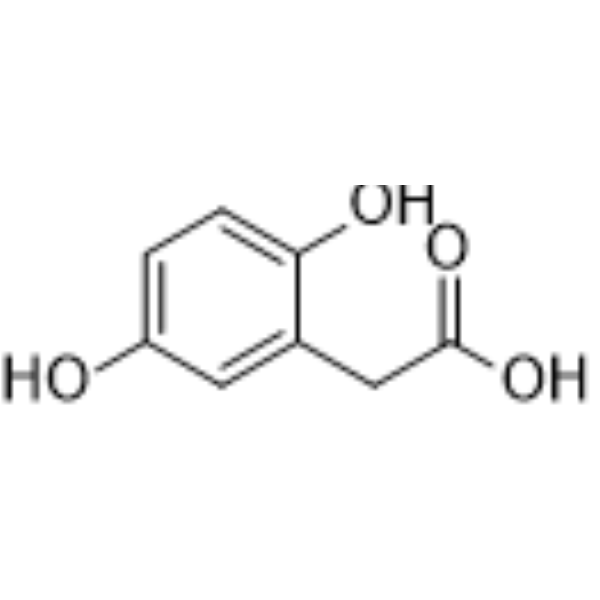
    Homogentisic acid is an orally active, blood-brain barrier-permeable amyloidogenic compound that functions as both an amyloid component and a pigment precursor. Accumulation of homogentisic acid downregulates tight junction proteins (such as claudin-5, occludin, ZO-1) and impairs blood-brain barrier integrity. Homogentisic acid and its oxidation product benzoquinone acetic acid not only induce the aggregation and fibrosis of multiple proteins (such as 1-42, α-synuclein, SAA, Transthyretin (TTR), atrial natriuretic peptide), but also trigger oxidative stress, damage to the Wnt/β-catenin pathway, and neurotoxicity, leading to ochronosis pigment deposition and synaptic dysfunction. At specific concentrations, homogentisic acid exerts no cytotoxicity or genotoxicity on human peripheral blood lymphocytes, and even counteracts the genotoxicity induced by Irinotecan (HY-16562). Homogentisic acid serves as an important tool molecule for investigating the mechanisms of diseases including ochronosis, secondary amyloidosis, Alzheimer's disease, and colorectal cancer .
    Homogentisic acid
  • HY-W010323

    DHBQ

    Endogenous Metabolite Fungal Others
    2,5-Dihydroxy-1,4-benzoquinone (DHBQ) is a redox-active quinone-based organic ligand with antibacterial activity that can be obtained from fungal metabolites. After 2,5-Dihydroxy-1,4-benzoquinone is incorporated into the Fe (dhbq) metal-organic framework, a two-electron redox process occurs, which helps improve the discharge capacity of Li +-ion battery cathodes. 2,5-Dihydroxy-1,4-benzoquinone can be used to construct conductive metal-organic frameworks suitable for Li +-ion battery cathodes .
    2,5-Dihydroxy-1,4-benzoquinone
  • HY-W017464

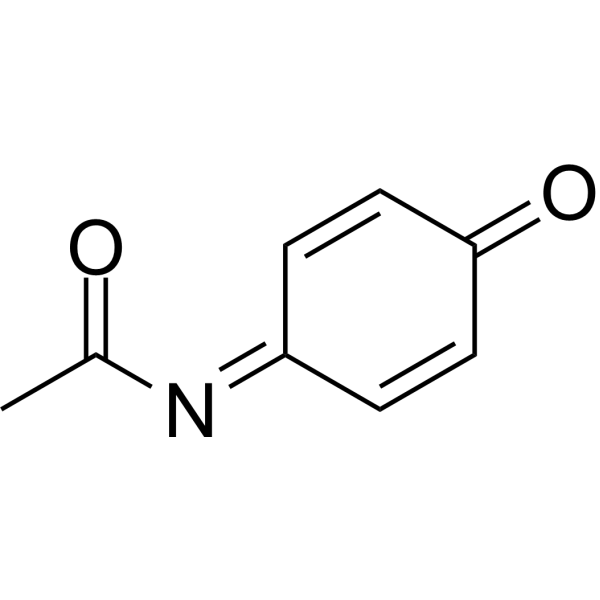
    N-Acetyl-4-benzoquinone Imine

    Drug Metabolite Endogenous Metabolite Metabolic Disease
    NAPQI is the toxic metabolite of Acetaminophen (HY-66005). NAPQI is also an inhibitor of enzymes in the vitamin K cycle. NAPQI is rapidly detoxified by glutathione (GSH), but in situations of GSH deficiency, excess NAPQI reacts with cysteine residues in proteins, causing cell death and toxicity in the liver .
    NAPQI
  • HY-W015816

    2,6-DMBQ

    Photosystem II Others
    2,6-Dimethylbenzoquinone (2,6-DMBQ) is a benzoquinone derivative. 2,6-Dimethylbenzoquinone promotes Photosystem II-mediated photoelectrochemical water oxidation via electron transfer between spinach chloroplast Photosystem II membranes and carbon paste electrodes, and accepts electrons from Photosystem II during oxygen evolution assays. 2,6-Dimethylbenzoquinone undergoes direct photolysis in aqueous solution under 365 nm conditions, producing 2,6-dimethylhydroquinone and 3-hydroxy-2,6-dimethylbenzoquinone .
    2,6-Dimethylbenzoquinone
  • HY-N1677

    Akt mTOR Bacterial Fungal AMPK Infection Metabolic Disease Inflammation/Immunology Cancer
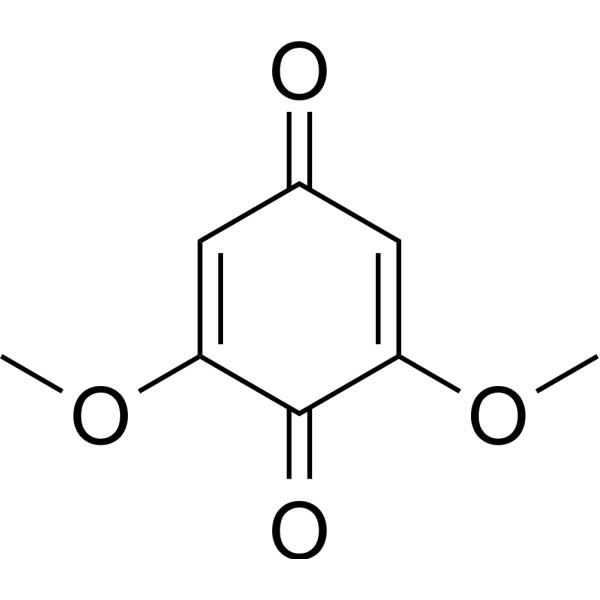
    2,6-Dimethoxy-1,4-benzoquinone is a 1,4-benzoquinone derivative. 2,6-Dimethoxy-1,4-benzoquinone promotes phosphorylation of AKT, S6K, mTOR, 4E-BP1, and AMPK, and attenuates mTORC1 activity as part of the AKT/mTOR pathway. 2,6-Dimethoxy-1,4-benzoquinone stimulates myoblast differentiation, increases myotube size, elevates MHC protein expression, enhances mitochondrial biogenesis, respiration, and DNA content, and increases skeletal muscle weights, fiber size, grip strength, and treadmill performance. 2,6-Dimethoxy-1,4-benzoquinone exerts anti-cancer, anti-inflammatory, anti-adipogenic, antibacterial, and antimutagenic effects, inhibits adipogenic transcription factors, nitric oxide production, skin tumor development, Magnaporthe oryzae growth, spore germination, appressorium formation, and growth of select bacterial species, induces H2O2 generation and rice defense gene expression, and reduces rice blast lesion formation. 2,6-Dimethoxy-1,4-benzoquinone can be used for the research of obesity, skin tumorigenesis, rice blast disease, and food-borne illness .
    2,6-Dimethoxy-1,4-benzoquinone
  • HY-B1106
    Tetrahydroxyquinone
    1 Publications Verification

    Tetrahydroxy-1,4-benzoquinone; Tetrahydroxybenzoquinone

    Reactive Oxygen Species (ROS) Apoptosis Cancer
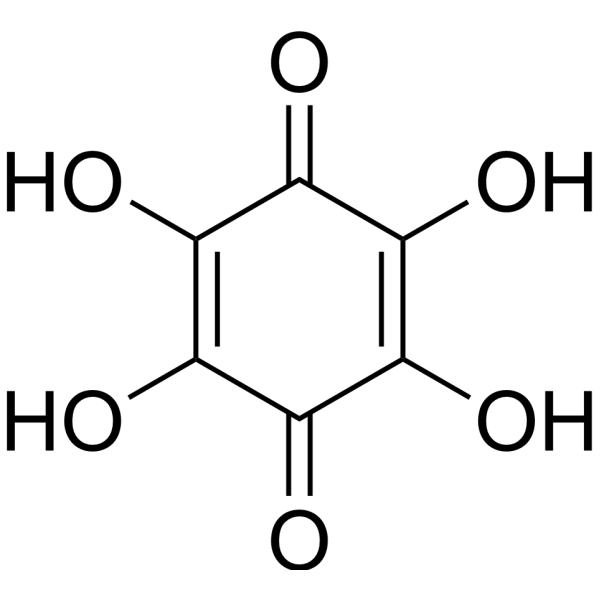
    Tetrahydroxyquinone (Tetrahydroxy-1,4-benzoquinone), a primitive anticataract agent, is a redox active benzoquinone. Tetrahydroxyquinone can take part in a redox cycle with semiquinone radicals, leading to the formation of reactive oxygen species (ROS) .
    Tetrahydroxyquinone
  • HY-100074

    Drug Intermediate Others
    2,6-Diisopropyl-p-benzoquinone is a drug intermediate that can be used for the synthesis of Geldanamycin (HY-15230) .
    2,6-Diisopropyl-p-benzoquinone
  • HY-Y0278

    Tetrachloro-p-benzoquinone; TCBQ

    Environmental Pollutants JNK Fungal Toll-like Receptor (TLR) Reactive Oxygen Species (ROS) Apoptosis MyD88 Ferroptosis Infection Neurological Disease Metabolic Disease Inflammation/Immunology
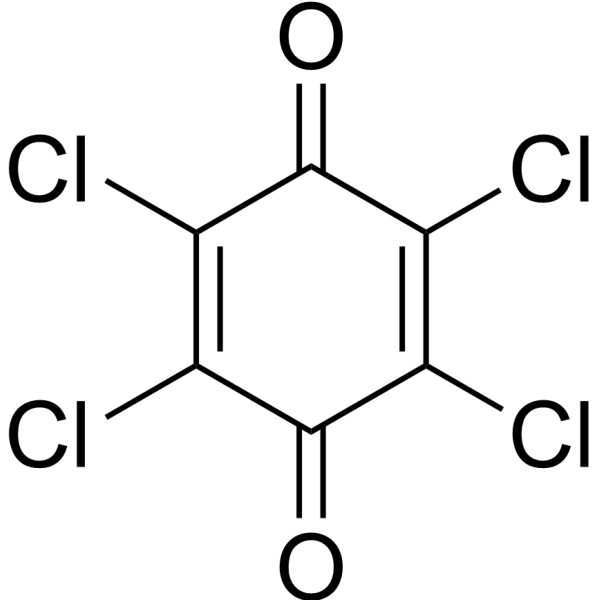
    Chloranil (Tetrachloro-p-benzoquinone), an orally active metabolite of pentachlorophenol and hexachlorobenzene, is a widely used fungicide. Chloranil can induce ROS production. Chloranil induces neutrophil extracellular traps through the ROS-JNK-NOX2 pathway. Chloranil induces ferroptosis and neuroinflammation. Chloranil induces apoptosis of mouse embryonic stem cells .
    Chloranil
  • HY-W017187

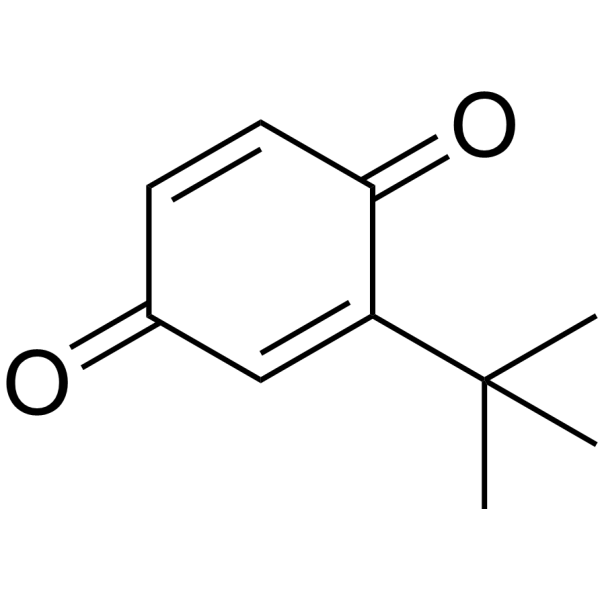
    Bacterial Drug Metabolite Keap1-Nrf2 Heme Oxygenase (HO) Infection
    2-tert-Butyl-1,4-benzoquinone is a food additive oxidant, an electrophilic metabolite of Butylated hydroxyanisole (HY-B1066), and an antibacterial agent. 2-tert-Butyl-1,4-benzoquinone reduces virulence factors, activates Nrf2, and induces S-arylation of its negative regulator Keap1. 2-tert-Butyl-1,4-benzoquinone induces HO-1. 2-tert-Butyl-1,4-benzoquinone exhibits quorum sensing inhibitory activity against Chromobacterium violaceum .
    2-tert-Butyl-1,4-benzoquinone
  • HY-N8213

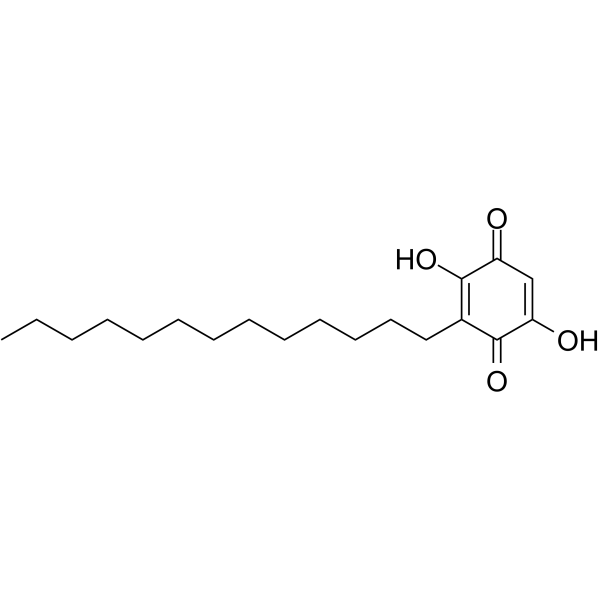
    Apoptosis Phospholipase Bacterial Parasite Infection Inflammation/Immunology Cancer
    Rapanone is a natural benzoquinone. Rapanone exhibits a broad spectrum of biological actions, including anti-tumor, antioxidant, anti-inflammatory, antibacterial and antiparasitic. Rapanone also is a potent and selective human synovial PLA2 inhibitor, with an IC50 of 2.6 μM .
    Rapanone
  • HY-B1106A
    Tetrahydroxyquinone monohydrate
    1 Publications Verification

    Tetrahydroxy-1,4-benzoquinone monohydrate; Tetrahydroxybenzoquinone monohydrate

    Reactive Oxygen Species (ROS) Apoptosis Cancer
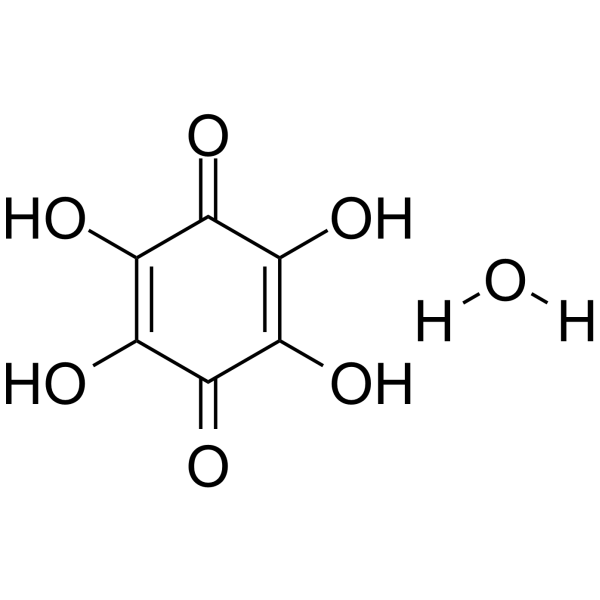
    Tetrahydroxyquinone monohydrate (Tetrahydroxy-1,4-benzoquinone monohydrate), a primitive anticataract agent, is a redox active benzoquinone. Tetrahydroxyquinone monohydrate can take part in a redox cycle with semiquinone radicals, leading to the formation of reactive oxygen species (ROS) .
    Tetrahydroxyquinone monohydrate
  • HY-116139

    Merlin; RP-201772

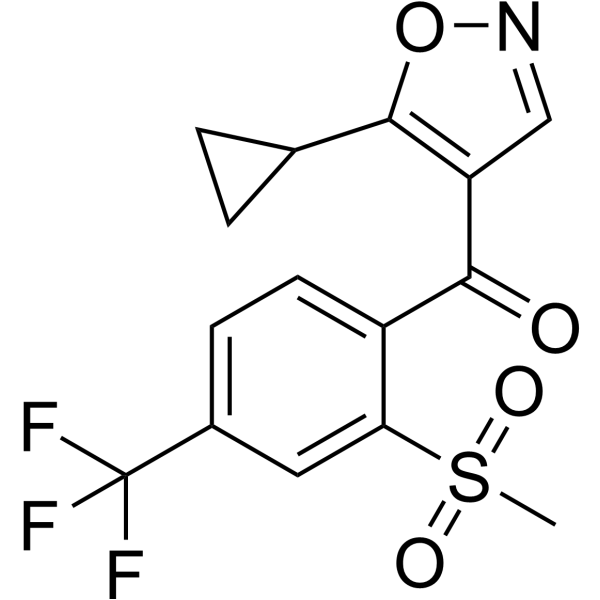
    Environmental Pollutants HPPD Herbicide Others
    Isoxaflutole (Merlin) is the inhibitor for HPPD that blocks benzoquinone biosynthesis, and results in the bleaching of weeds. Isoxaflutole can be used as herbicide .
    Isoxaflutole
  • HY-W017092

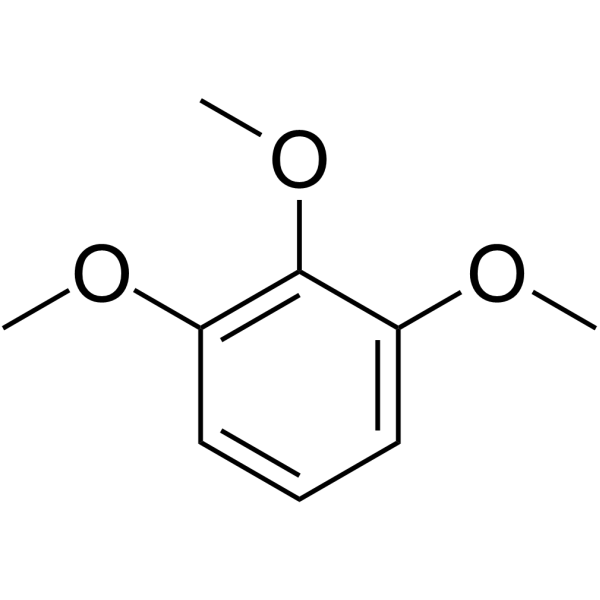
    Drug Intermediate Others
    1,2,3-Trimethoxybenzene is a model compound of lignin. 1,2,3-Trimethoxybenzene can potentially serve as a biomarker for certain foods due to its presence in tea. 1,2,3-Trimethoxybenzene can be used as a drug intermediate for synthesizing 2,6-dimethoxy-1,4-benzoquinone (HY-N1677) .
    1,2,3-Trimethoxybenzene
  • HY-W100491

    Drug Derivative Cancer
    Trimethylbenzoquinone (Compound 5) is a methylated benzoquinone. Trimethylbenzoquinone exhibits moderate cytotoxicity against K562 cells, with its IC50 being 0.75 μM. Trimethylbenzoquinone is completely unable to cause inter-strand DNA cross-linking and cannot alkylate DNA guanines. Trimethylbenzoquinone can be used to study the relationship between the nitrogen heterocyclic group and DNA cross-linking .
    Trimethylbenzoquinone
  • HY-N9610

    Ubiquinone 30

    Endogenous Metabolite Inflammation/Immunology
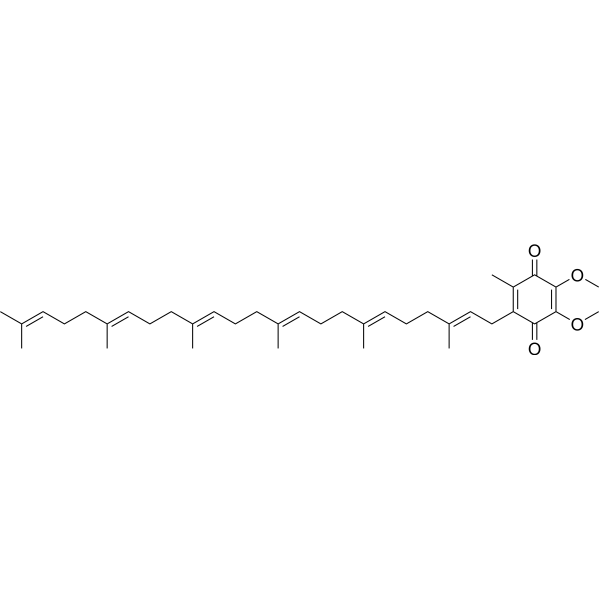
    Coenzyme Q6 (Ubiquinone 30) is an isoprenylated benzoquinone lipid. Coenzyme Q6 exhibits functions in respiratory electron transport and as a lipid antioxidant. Coenzyme Q6 also has antioxidant effects, which can prevent the production of free radicals and oxidative damage .
    Coenzyme Q6
  • HY-N11537

    Others Others
    2-Methoxy-6-pentadecyl-1,4-benzoquinone (1c) is a pentadecyl derivative that can be isolated from seed oils of different iris plants such as I. pseudacorus, I. missouriensis and I. sibirica .
    2-Methoxy-6-pentadecyl-1,4-benzoquinone
  • HY-W090317

    DMBQ; 2,5-Dimethyl-p-quinone; Phlorone

    Urease Others
    2,5-Dimethyl-1,4-benzoquinone is a jack bean urease (HY-P2767) inhibitor (IC50: 0.98 μM). 2,5-Dimethyl-1,4-benzoquinone can be used in the study of soil urease activity in agriculture .
    2,5-Dimethyl-1,4-benzoquinone
  • HY-N7527

    Others Neurological Disease
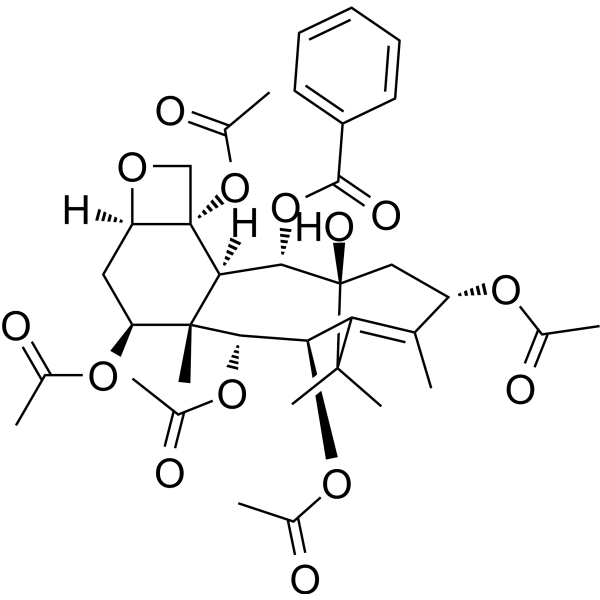
    Baccatin VI is a natural taxoid with antinociceptive activities. Baccatin VI possesses significant antinociceptive activity against p-Benzoquinone-induced abdominal contractions .
    Baccatin VI
  • HY-133571

    AHGDM

    HSP ADC Payload Cancer
    Aminohexylgeldanamycin (AHGDM), a Geldanamycin derivative, is a potent HSP90 inhibitor. Aminohexylgeldanamycin shows antiangiogenic and antitumor activities .
    Aminohexylgeldanamycin
  • HY-W050151

    Bacterial DNA/RNA Synthesis Infection
    2,5-Di-tert-butyl-1,4-benzoquinone is a potent antibacterial agent that defends the emerging antibacterial resistance, which is found in marine Streptomyces sp. VITVSK1. 2,5-Di-tert-butyl-1,4-benzoquinone is also a potent inhibitor of RNA polymerase .
    2,5-Di-tert-butyl-1,4-benzoquinone
  • HY-116139R

    Merlin (Standard); RP-201772 (Standard)

    Herbicide Reference Standards HPPD Others
    Isoxaflutole (Standard) is the analytical standard of Isoxaflutole. This product is intended for research and analytical applications. Isoxaflutole (Merlin) is the inhibitor for HPPD that blocks benzoquinone biosynthesis, and results in the bleaching of weeds .
    Isoxaflutole (Standard)
  • HY-133571A

    AHGDM hydrochloride

    HSP ADC Payload Cancer
    Aminohexylgeldanamycin (AHGDM) hydrochloride, a Geldanamycin derivative, is a potent HSP90 inhibitor. Aminohexylgeldanamycin hydrochloride shows antiangiogenic and antitumor activities .
    Aminohexylgeldanamycin hydrochloride
  • HY-N1677R

    Reference Standards Akt mTOR Bacterial Fungal AMPK Infection Metabolic Disease Inflammation/Immunology Cancer
    2,6-Dimethoxy-1,4-benzoquinone (Standard) is the analytical standard of 2,6-Dimethoxy-1,4-benzoquinone (HY-N1677). This product is intended for research and analytical applications. 2,6-Dimethoxy-1,4-benzoquinone is a 1,4-benzoquinone derivative. 2,6-Dimethoxy-1,4-benzoquinone promotes phosphorylation of AKT, S6K, mTOR, 4E-BP1, and AMPK, and attenuates mTORC1 activity as part of the AKT/mTOR pathway. 2,6-Dimethoxy-1,4-benzoquinone stimulates myoblast differentiation, increases myotube size, elevates MHC protein expression, enhances mitochondrial biogenesis, respiration, and DNA content, and increases skeletal muscle weights, fiber size, grip strength, and treadmill performance. 2,6-Dimethoxy-1,4-benzoquinone exerts anti-cancer, anti-inflammatory, anti-adipogenic, antibacterial, and antimutagenic effects, inhibits adipogenic transcription factors, nitric oxide production, skin tumor development, Magnaporthe oryzae growth, spore germination, appressorium formation, and growth of select bacterial species, induces H2O2 generation and rice defense gene expression, and reduces rice blast lesion formation. 2,6-Dimethoxy-1,4-benzoquinone can be used for the research of obesity, skin tumorigenesis, rice blast disease, and food-borne illness.
    2,6-Dimethoxy-1,4-benzoquinone (Standard)
  • HY-100074R

    Reference Standards
    2,6-Diisopropyl-p-benzoquinone (Standard) is the analytical standard of 2,6-Diisopropyl-p-benzoquinone. This product is intended for research and analytical applications.
    2,6-Diisopropyl-p-benzoquinone (Standard)
  • HY-W744265

    N-Acetyl-4-benzoquinone Imine-d3

    Isotope-Labeled Compounds Drug Metabolite Endogenous Metabolite Metabolic Disease
    NAPQI-d3 (N-Acetyl-4-benzoquinone Imine-d3) is the deuterium labeled NAPQI (HY-W017464). NAPQI is the toxic metabolite of Acetaminophen (HY-66005). NAPQI is also an inhibitor of enzymes in the vitamin K cycle. NAPQI is rapidly detoxified by glutathione (GSH), but in situations of GSH deficiency, excess NAPQI reacts with cysteine residues in proteins, causing cell death and toxicity in the liver .
    NAPQI-d3
  • HY-N10307

    Fungal Bacterial Endogenous Metabolite Infection Cancer
    Anserinone B is an antifungal and antibacterial benzoquinone. Anserinone B causes radial growth reductions of 50% and 37% against S.fimicola and A. furfuraceus, respectively. Anserinones B also displays moderate cytotoxicity in the NCI’s 60 human tumor cell line panel (GI50=4.4 µg/mL) .
    Anserinone B
  • HY-N12165

    Others Others
    1,3,5,6-Tetrahydroxy-8-methylxanthone (compound 8) is a dimeric 1,4-benzoquinone derivative isolated from the marine-derived fungus Penicillium genus .
    1,3,5,6-Tetrahydroxy-8-methylxanthone
  • HY-N14445

    Antibiotic Bacterial Infection
    Sakyomicin D is a Benzoquinone antibiotic. Sakyomicin D has activity against Gram-positive bacteria .
    Sakyomicin D
  • HY-N14469

    Antibiotic Bacterial Infection
    Sakyomicin C is a Benzoquinone antibiotic. Sakyomicin C has activity against Gram-positive bacteria and mycobacteria .
    Sakyomicin C
  • HY-Y0278R

    Tetrachloro-p-benzoquinone (Standard); TCBQ (Standard)

    Reference Standards Toll-like Receptor (TLR) MyD88 Apoptosis Ferroptosis JNK Reactive Oxygen Species (ROS) Fungal Infection Neurological Disease Metabolic Disease Inflammation/Immunology
    Chloranil (Standard) is the analytical standard of Chloranil. This product is intended for research and analytical applications. Chloranil, an orally active metabolite of pentachlorophenol and hexachlorobenzene, is a widely used fungicide. Chloranil can induce ROS production. Chloranil induces neutrophil extracellular traps through the ROS-JNK-NOX2 pathway. Chloranil induces ferroptosis and neuroinflammation. Chloranil induces apoptosis of mouse embryonic stem cells .
    Chloranil (Standard)
  • HY-N14475

    Antibiotic Bacterial Infection
    Sakyomicin B is a Benzoquinone antibiotic found in the strain of Nocardia sp. M-53. Sakyomicin B has activity against Gram-positive bacteria and mycobacteria .
    Sakyomicin B
  • HY-W017092R

    Reference Standards Drug Intermediate Others
    1,2,3-Trimethoxybenzene (Standard) is an analytical standard for 1,2,3-Trimethoxybenzene (HY-W017092). This product is for research and analytical applications. 1,2,3-Trimethoxybenzene is a lignin model compound. Its presence in tea makes it a potential biomarker for certain foods. 1,2,3-Trimethoxybenzene can be used as a pharmaceutical intermediate in the synthesis of 2,6-dimethoxy-1,4-benzoquinone (HY-N1677).
    1,2,3-Trimethoxybenzene (Standard)
  • HY-N15582

    Apoptosis Inflammation/Immunology Cancer
    Perezone is a sesquiterpenoid benzoquinone found in the roots of Acourtia species. Perezone inhibits the activity of leukemia cell line K-562 and human glioma cell line U-251 (IC50: 6.83 μM). Perezone increases the expression of caspase 3, 8, and 9 genes associated with apoptosis. Perezone has antioxidant and anti-inflammatory activities .
    Perezone
  • HY-N12641

    Apoptosis Pyroptosis Cancer
    Ardisianone is a component with an alkyl benzoquinone structure that can be isolated from Ardisia virens Kurz and Ardisia compressa tea extract. Ardisianone exhibits potent antileukemic activity, particularly against HL-60 cells, with IC50 values of 1.87 μM (24 h) and 1.67 μM (48 h). Ardisianone induces caspase-dependent apoptosis and triggers pyroptosis. Ardisianone can be used for the study of acute myeloid leukemia (AML) .
    Ardisianone
  • HY-A0202

    Biochemical Assay Reagents Neurological Disease Cancer
    NSC-224070 is a diaziridinyl benzoquinone alkylating agent. NSC-224070 can be used for research on central nervous system tumors .
    NSC-224070
  • HY-W017464R

    N-Acetyl-4-benzoquinone Imine (Standard)

    Drug Metabolite Reference Standards Endogenous Metabolite Metabolic Disease
    NAPQI (Standard) is the analytical standard of NAPQI (HY-W017464). This product is intended for research and analytical applications. NAPQI is the toxic metabolite of Acetaminophen (HY-66005). NAPQI is also an inhibitor of enzymes in the vitamin K cycle. NAPQI is rapidly detoxified by glutathione (GSH), but in situations of GSH deficiency, excess NAPQI reacts with cysteine residues in proteins, causing cell death and toxicity in the liver .
    NAPQI (Standard)
  • HY-125778

    Others Metabolic Disease
    Cochlioquinone is a sesquiterpene metabolite originally isolated from C. miyabeanus. It is a phytotoxin that inhibits root growth of finger millet (E. coracana) and rice plants (O. sativa) by 59.9 and 51.7%, respectively, when used at a concentration of 100 ppm.2 Cochlioquinone B inhibits NADH oxidase and NADH-2,3-dimethoxy-5-pentyl-1,4-benzoquinone reductase from bovine heart mitochondria.
    Cochlioquinone B
  • HY-N19314

    Endogenous Metabolite Fungal Cancer
    4-Acetylantroquinonol B is a benzoquinone derivative and a hepatocellular carcinoma cell proliferation inhibitor. 4-Acetylantroquinonol B can be isolated from the mycelia of Antrodia cinnamomea cultured via submerged fermentation. 4-Acetylantroquinonol B exhibits selective activity against hepatocellular carcinoma cells and can be used in hepatocellular carcinoma research .
    4-Acetylantroquinonol B

Consulta en línea

Your information is safe with us. * Required Fields.

Saludo


Country or Region *

Nombre del solicitante *


Nombre de la Organizaciòn *

Department *


Direcciòn del E-mail *


Nombre del producto *

Cat. No.


Requested quantity *

Número de teléfono *


Observaciones

Consulta en línea

Inquiry Information

Nombre del producto:
Cat. No.:
Cantidad:
MCE Japan Authorized Agent:

