1. Search Result
Search Result
Results for "

brain exposures

" in MedChemExpress (MCE) Product Catalog:

33

Inhibitors & Agonists

1

Natural
Products

1

Isotope-Labeled Compounds

Cat. No. Product Name Target Research Areas Chemical Structure
  • HY-B0459
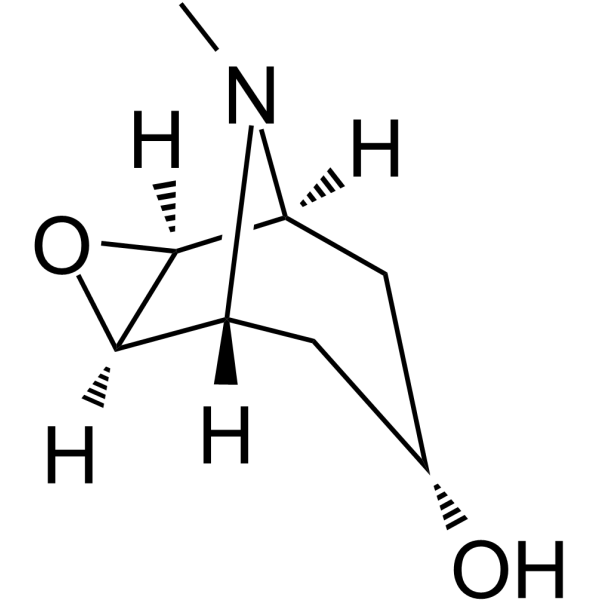
    Scopine
    2 Publications Verification

    6,7-Epoxytropine

    Drug Metabolite Neurological Disease Cancer
    Scopine is a metabolite of Scopolamine (HY-N0296) and brain-targeting compound. Scopine significantly increases the brain exposure of Chlorambucil (HY-13593) and enhances its anti-glioma activity. Scopine can be used in targeted therapy research for brain gliomas .
    Scopine
  • HY-B0459A
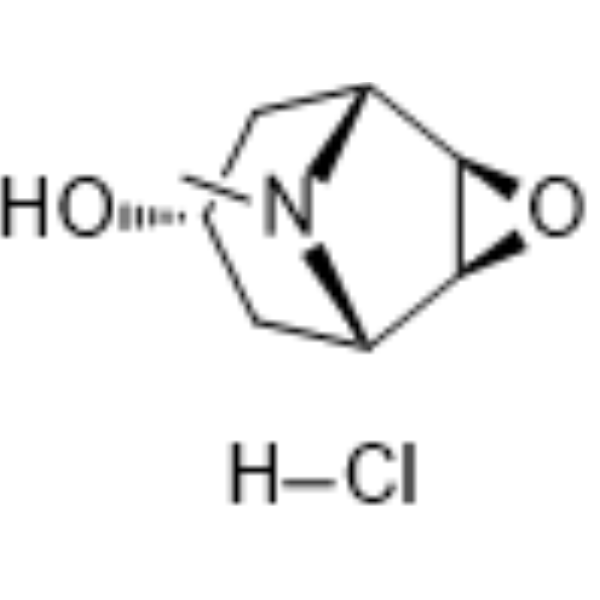
    Scopine hydrochloride
    2 Publications Verification

    6,7-Epoxytropine hydrochloride

    Drug Metabolite Neurological Disease Cancer
    Scopine hydrochloride is a metabolite of Scopolamine (HY-N0296) and brain-targeting compound. Scopine hydrochloride significantly increases the brain exposure of Chlorambucil (HY-13593) and enhances its anti-glioma activity. Scopine hydrochloride can be used in targeted therapy research for brain gliomas .
    Scopine hydrochloride
  • HY-116565
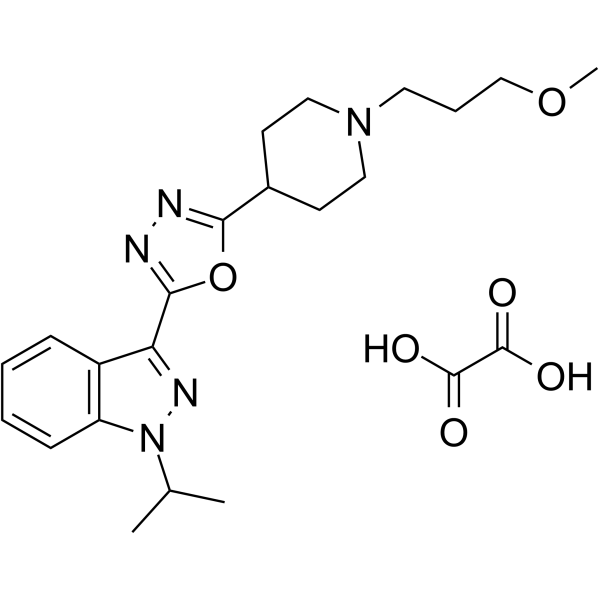
    Usmarapride
    1 Publications Verification

    SUVN-D4010

    5-HT Receptor Neurological Disease
    Usmarapride (SUVN-D4010) (Example 3)is a potent, selective, orally active and brain penetrant 5-HT4 receptor partial agonist (EC50=27.5 nM). Usmarapride (SUVN-D4010) can be used for the research of cognitive deficits associated with Alzheimer's disease .
    Usmarapride
  • HY-W017424

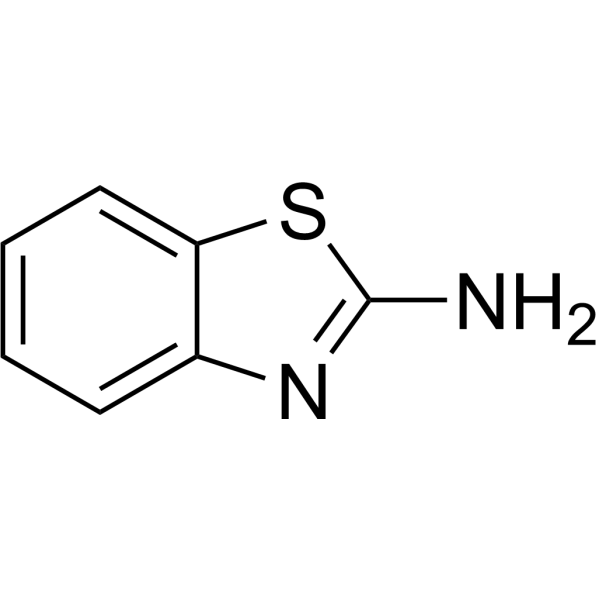
    Drug Intermediate Caspase Apoptosis Neurological Disease Cancer
    2-Aminobenzothiazole acts as a caspase 3/7 activator, an anticancer cytotoxic agent, and also exhibits neurotoxicity. 2-Aminobenzothiazole drives the apoptotic pathway by activating caspase 3/7, induces mitochondrial inner membrane depolarization, and triggers both early and late apoptosis via a caspase-dependent pathway. In zebrafish models, 2-Aminobenzothiazole induces oxidative damage in brain tissues and inhibits genes related to GABA and 5-HT synthesis pathways. Long-term exposure to 2-Aminobenzothiazole impairs motor ability, social behavior, anxiety-like state and cognitive function. 2-Aminobenzothiazole can be used in studies of human laryngeal carcinoma and related neurotoxicity .
    2-Aminobenzothiazole
  • HY-148233S

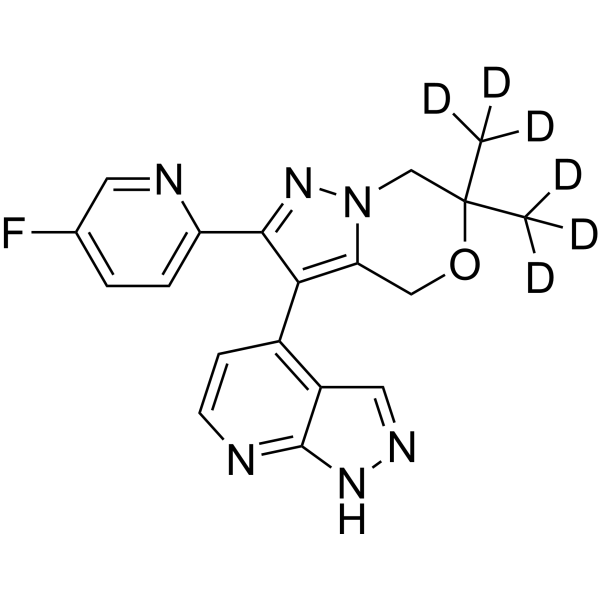
    Casein Kinase Others
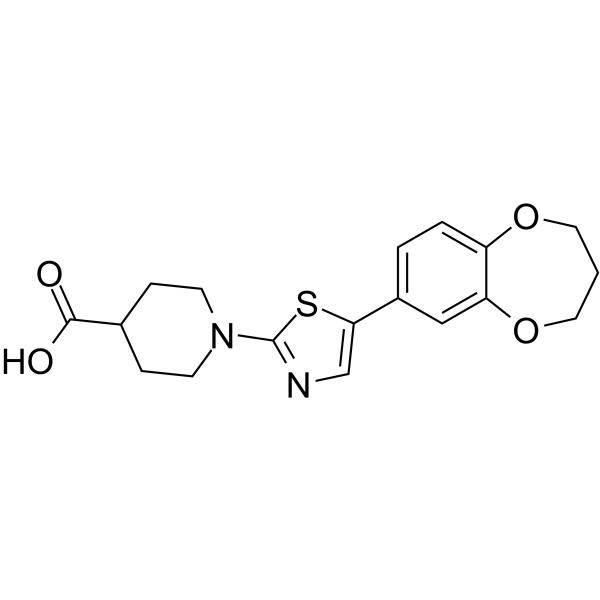
    JNJ-6204 is a dual inhibitor for CSNK1D (Casein Kinase 1 Delta) and CSNK1E (Casein Kinase 1 Epsilon) (CSNK1D IC50=2.3 nM; CSNK1E IC50=137 nM). JNJ-6204 shows good brain exposure .
    JNJ-6204
  • HY-163087

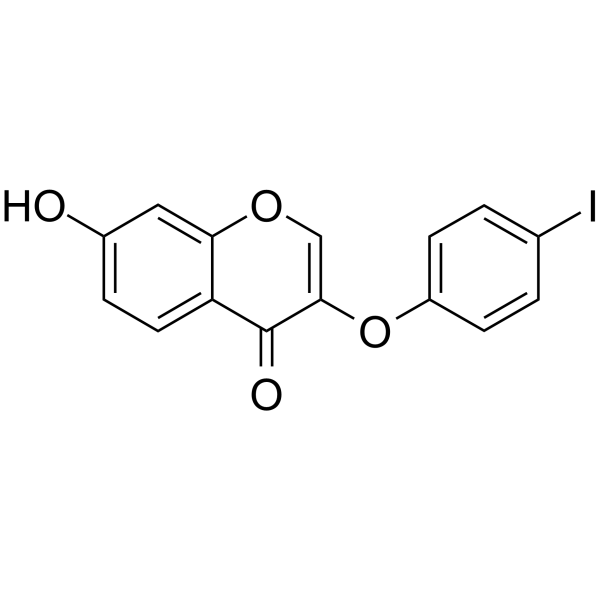
    Orphan GPCR Neurological Disease Metabolic Disease
    PT-91 is an agonist of GPR27. PT-91 exhibits high metabolic stability and brain exposure in mice .
    PT-91
  • HY-110146

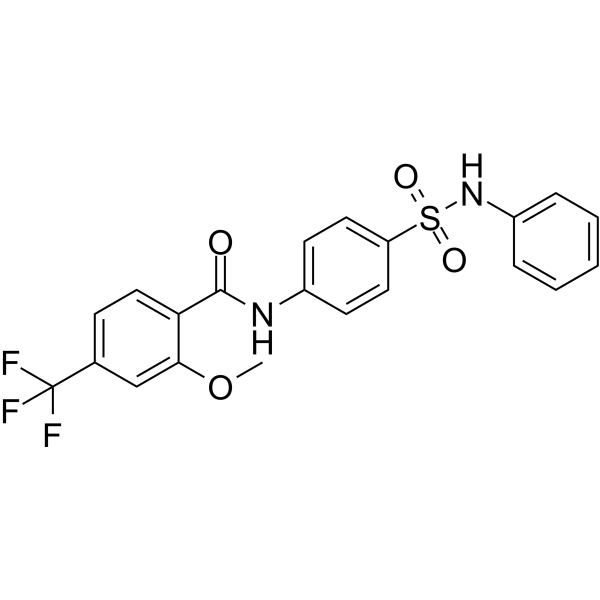
    mGluR Neurological Disease
    XAP044 is a potent and selective antagonist of mGlu7. The metabotropic glutamate receptor subtype 7 (mGlu7) is an important presynaptic regulator of neurotransmission in the mammalian CNS. XAP044 demonstrates good brain exposure and wide spectrum anti-stress and antidepressant- and anxiolytic-like efficacy in rodent behavioral paradigms .
    XAP044
  • HY-163671

    GPR52 Neurological Disease
    PW0729 (compound 15b) is an orphan GPR52 agonist with potential applications in GPR52 activation, signaling bias, and neuropsychiatric and neurological disorders. The brain exposure characteristics of PW0729 need to be further optimized .
    PW0729
  • HY-124713

    DNA/RNA Synthesis Neurological Disease
    ML372 inhibits survival motor neuron (SMN) protein ubiquitination, increases SMN protein stability without affecting mRNA expression. ML372 improves spinal muscular atrophy (SMA) in mice. ML372 is brain penetrant and has a reasonable exposure and half-life in vivo .
    ML372
  • HY-155672

    5-HT Receptor Neurological Disease
    JPC0323 is a dual 5-HT2C/5-HT2A receptor positive allosteric modulator. JPC0323 has on-target properties, acceptable plasma exposure and brain penetration. JPC0323 can be used for the research of neurological disease .
    JPC0323
  • HY-120496

    ASP3662

    11β-HSD Neurological Disease Metabolic Disease
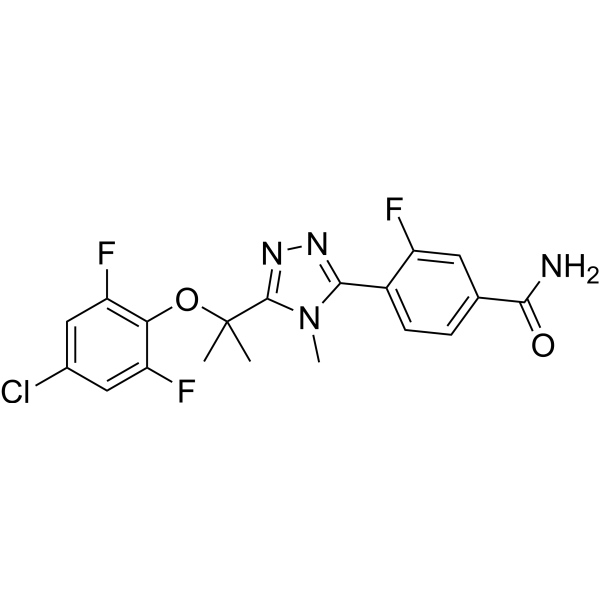
    Clofutriben (ASP3662) is a selective, orally active and brain-penetrant 11β-hydroxysteroid dehydrogenase type 1 (11β-HSD1) inhibitor with Ki values of 5.3 nM (human), 2.6 nM (mouse), and 23 nM (rat). Clofutriben inhibits conversion of inactive glucocorticoids to active glucocorticoids, reducing intracellular glucocorticoid exposure. Clofutriben ameliorates neuropathic pain, and restores muscle pressure thresholds in rodent models, while lacking effects in inflammatory pain .
    Clofutriben
  • HY-116565A
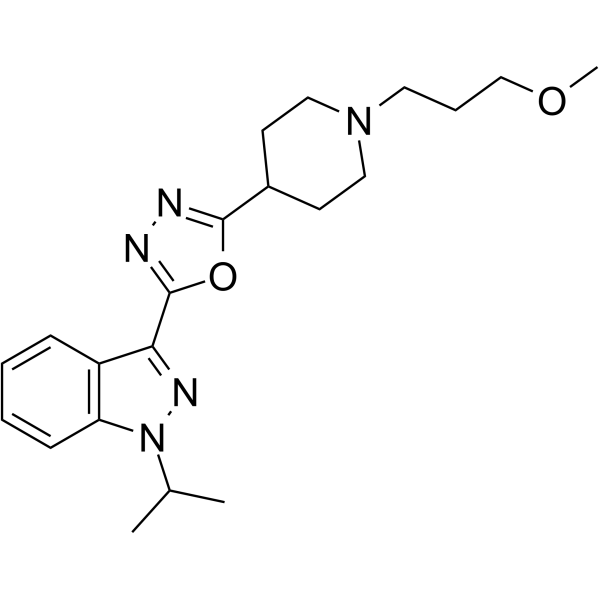
    Usmarapride free base
    1 Publications Verification

    SUVN-D4010 free base

    5-HT Receptor Neurological Disease
    Usmarapride (SUVN-D4010) free base is a potent, selective, orally active and brain penetrant 5-HT4 receptor partial agonist (EC50=44 nM). Usmarapride (SUVN-D4010) free base can be used for the research of cognitive deficits associated with Alzheimer's disease .
    Usmarapride free base
  • HY-130609A

    γ-secretase Neurological Disease
    Aβ42-IN-1 free base (compound 1v) is an orally active, high brain exposure γ-secretase modulator. Aβ42-IN-1 free base potently reduces Aβ42 levels with an IC50 value of 0.091 μM, and significantly reduces brain Aβ42 levels in mice. Aβ42-IN-1 free base is a promising compound for the treatment of Alzheimer’s disease .
    Aβ42-IN-1 free base
  • HY-130609

    γ-secretase Neurological Disease
    Aβ42-IN-1, compound 1v, is a novel, potent and orally active?γ-secretase modulator (GSM). Aβ42-IN-1 potently reduced Aβ42 levels with an IC50?value of 0.091?μM without CYP3A4 inhibition. Aβ42-IN-1 shows a sustained pharmacokinetic profile.
    Aβ42-IN-1
  • HY-147720

    γ-secretase Neurological Disease
    γ-Secretase modulator 11 (1o) showed high potency in vitro and brain exposure, inducing brain a β 42 levels were significantly reduced and showed undetectable inhibition of cytochrome P450 enzymes. In addition, compound 1o showed excellent anti cognitive deficit effect in AD model mice.
    γ-Secretase modulator 11
  • HY-147684

    FGFR Neurological Disease
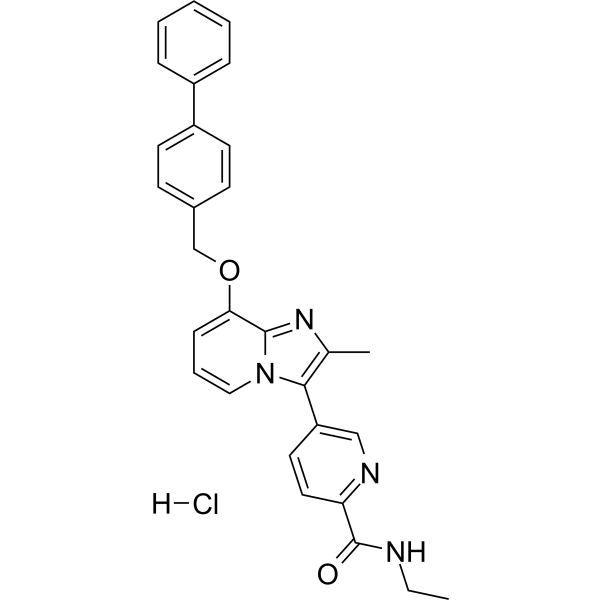
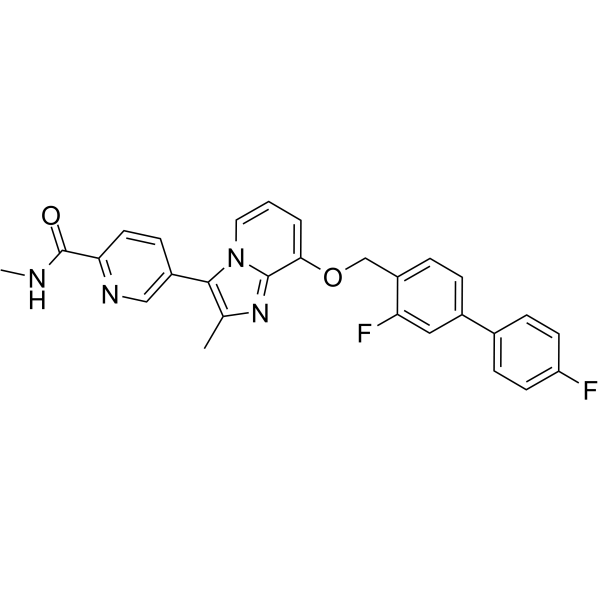
    FGFR-IN-7 (compound 17) is an orally active, potent and BBB-penetrated FGFR (fibroblast growth factor receptor) modulator. FGFR-IN-7 shows neuroprotective activity. FGFR-IN-7 improves brain exposure and reduced risk of phospholidosis. FGFR-IN-7 can be used for neurodegenerative diseases research .
    FGFR-IN-7
  • HY-158627

    5-HT Receptor Others
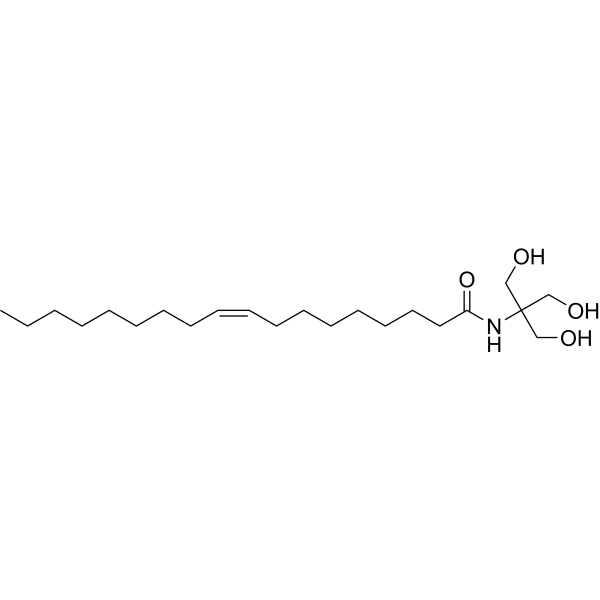
    JPC0323 Oleate is a derivative of JPC0323 (HY-155672). JPC0323 is a dual 5-HT2C/5-HT2A receptor positive allosteric modulator. JPC0323 has on-target properties, acceptable plasma exposure and brain penetration. JPC0323 can be used for the research of neurological disease .
    JPC0323 Oleate
  • HY-169310

    ATM/ATR Cancer
    ATM Inhibitor-11 (Compound 1) is an inhibitor for ATM with an IC50 of 0.32 nM. ATM Inhibitor-11 inhibits the KAP1 phosphorylation with an IC50 of 0.97 nM. ATM Inhibitor-11 exhibits high exposure in the brain, heart and plasma of ICR mouse. ATM Inhibitor-11 exhibits anti-tumor efficacy in NCI-H441 xenograft mouse model .
    ATM Inhibitor-11
  • HY-155992

    Sigma Receptor Neurological Disease
    WLB-89462 (Compound 20c) is a selective σ2 receptor ligand (Ki: 13 nM). WLB-89462 has neuroprotective activity. WLB-89462 improves short-term memory impairment induced by Aβ peptide in rats. WLB-89462 has good ADMET profile (good solubility, no CYP inhibition, good metabolic stability, high permeability, brain penetration, and high oral exposure in rodents) .
    WLB-89462
  • HY-104044A

    BGB-290 maleate

    Apoptosis Neurological Disease
    Pamiparib maleate (BGB-290 maleate) is a highly potent and selective PARP inhibitor with neurotoxicity-inducing activity. Pamiparib maleate can effectively penetrate the blood-brain barrier and cause cerebral hemorrhage, brain atrophy, and movement disorders in zebrafish embryos exposed. Pamiparib maleate exposure downregulates the activities of acetylcholinesterase (AChE) and adenosine triphosphatase (ATPase) and leads to upregulation of oxidative stress, which triggers apoptosis and interferes with the expression of neurodevelopment-related genes. The use of pamiparib maleate is also accompanied by downregulation of the Notch signaling pathway, while activation of the Notch signaling pathway can partially rescue neurodevelopmental toxicity. Therefore, pamiparib maleate provides a reference for evaluating its potential neurotoxicity during embryonic development .
    Pamiparib maleate
  • HY-120144

    Opioid Receptor Neurological Disease
    SR-8993 is a highly selective nociceptin receptor agonist that can penetrate the blood-brain barrier and has the activity of reducing alcohol intake and relieving withdrawal anxiety. SR-8993 has shown mild anxiolytic effects in animal models and can effectively reverse anxiety caused by acute alcohol withdrawal. SR-8993 further reduces restricted drinking, operant responses for alcohol, and increased drinking induced by long-term intermittent exposure to alcohol. SR-8993 also reduces stress- and cue-related alcohol-seeking relapse .
    SR-8993
  • HY-W017424R

    Reference Standards Apoptosis Drug Intermediate Caspase Others
    2-Aminobenzothiazole (Standard) is the analytical standard of 2-Aminobenzothiazole. This product is intended for research and analytical applications. 2-Aminobenzothiazole acts as a caspase 3/7 activator, an anticancer cytotoxic agent, and also exhibits neurotoxicity. 2-Aminobenzothiazole drives the apoptotic pathway by activating caspase 3/7, induces mitochondrial inner membrane depolarization, and triggers both early and late apoptosis via a caspase-dependent pathway. In zebrafish models, 2-Aminobenzothiazole induces oxidative damage in brain tissues and inhibits genes related to GABA and 5-HT synthesis pathways. Long-term exposure to 2-Aminobenzothiazole impairs motor ability, social behavior, anxiety-like state and cognitive function. 2-Aminobenzothiazole can be used in studies of human laryngeal carcinoma and related neurotoxicity .
    2-Aminobenzothiazole (Standard)
  • HY-164512

    Drug Intermediate Neurological Disease
    NRMA-I is the amide produrg of the small molecule nuclear receptor modulator. NRMA-I exhibits a higher exposure in the brain, indicating that a good blood-brain barrier (BBB) penetration. NRMA-I can be used for research of central nervous system diseases related to nuclear receptors, such as Alzheimer's disease and Parkinson's disease .
    NRMA-I
  • HY-164505

    Drug Intermediate Neurological Disease
    NRMA-9 is the amide produrg of the small molecule nuclear receptor modulator. NRMA-9 exhibits a higher exposure in the brain, indicating that a good blood-brain barrier (BBB) penetration. NRMA-9 can be used for research of central nervous system diseases related to nuclear receptors, such as Alzheimer's disease and Parkinson's disease .
    NRMA-9
  • HY-W747910A

    Drug Metabolite Inflammation/Immunology
    S584 dihydrochloride is a catechol metabolite of the oral-effective Piribedil (HY-12707), with anti-lipid peroxidation activity. S584 dihydrochloride significantly inhibits lipid peroxidation in rat synaptosomes under basal conditions and Fe³⁺ stimulation. S584 dihydrochloride significantly antagonizes the increase in thiobarbituric acid reactive substances (TBARS) in the brains of mice exposed to high oxygen and under normal air conditions .
    S584 dihydrochloride
  • HY-182254

    Cholinesterase (ChE) Neurological Disease
    AChE/BChE-IN-35, Tacrine (HY-111338) derivative, is a brain-penetrant dual AChE/BChE inhibitor with an Electric Eel AChE IC50 of 123.66 nM, human AChE IC50 of 122.34 nM, and equine BChE IC50 of 488.00 nM. AChE/BChE-IN-35 undergoes LAT1-mediated active transport across cell membranes. AChE/BChE-IN-35 exhibits enhanced brain exposure with slower brain tissue elimination. AChE/BChE-IN-35 can be used for the research of alzheimer's disease .
    AChE/BChE-IN-35
  • HY-150306A

    (Rac)-IM-250

    HSV DNA/RNA Synthesis Infection
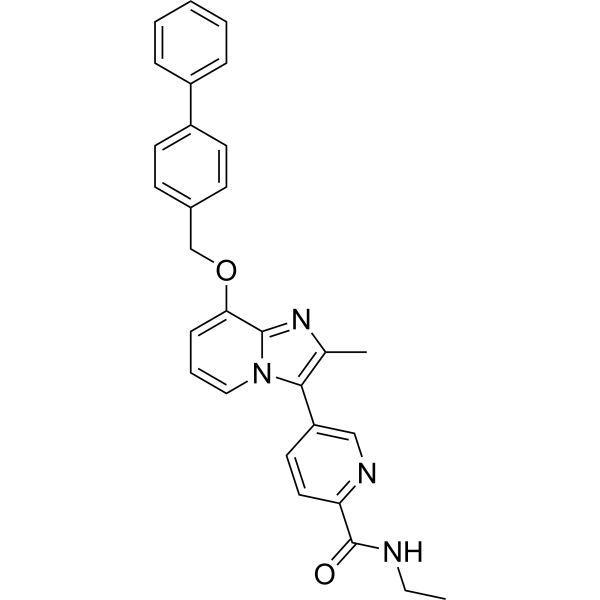
    (Rac)-Adibelivir ((Rac)-IM-250) is a blood-brain barrier-penetrant HSV helicase-primase inhibitor and metabolic stabilizer with antiviral activity. (Rac)-Adibelivir is also effective against Acyclovir (HY-17422)-resistant strains, and its deuterated structure exhibits enhanced metabolic stability, reducing the formation of hydroxylated metabolites. (Rac)-Adibelivir prolongs in vivo half-life, reduces administration dosage, improves oral bioavailability, and achieves higher brain exposure in mice. (Rac)-Adibelivir can be used in the research of herpes simplex infection, herpes encephalitis and Alzheimer's disease .
    (Rac)-Adibelivir
  • HY-181711

    NO Synthase Neurological Disease Cancer
    nNOS-IN-6 is a human neuronal nitric oxide synthase (hnNOS) inhibitor with a human hnNOS Ki of 16 nM, ~1800-fold selectivity over human eNOS, ~2900-fold selectivity over human iNOS, and a rat nNOS Ki of 34 nM.nNOS-IN-6 exhibits high effective permeability in PAMPA-BBB assays, crosses the blood-brain barrier, and shows sustained systemic exposure, low clearance, and robust brain penetration in mouse in vivo pharmacokinetic studies.nNOS-IN-6 can be used for the research of neurodegenerative diseases, melanoma .
    nNOS-IN-6
  • HY-180406

    Neuropeptide Y Receptor Neurological Disease
    NPY Y2 antagonist 2 is a modulator targeting the neuropeptide Y (NPY) receptor Y2, with pKi values of 6.8 nM and 7.2 nM in human and rat brains, respectively, and demonstrating blood-brain barrier penetration. NPY Y2 antagonist 2 shows selectivity for the Y1 and Y5 receptors. NPY Y2 antagonist 2 blocks the negative feedback regulation mediated by the NPY Y2 receptor, thereby increasing endogenous NPY release and enhancing Y1 receptor activation, resulting in the modulation of central neurotransmitter release. NPY Y2 antagonist 2 exhibits moderate in vivo clearance, high free fraction in rat brain, and a favorable brain/plasma ratio and brain exposure. NPY Y2 antagonist 2 is applicable for research in conditions such as mood disorders, anxiety induced by alcohol withdrawal, and social anxiety associated with nicotine withdrawal .
    NPY Y2 antagonist 2
  • HY-182244

    Serotonin Transporter 5-HT Receptor Endocrinology
    SERT/NET-IN-1 is a blood-brain barrier-permeable SERT and NET inhibitor, with an IC50 of 11.2 nM against human SERT and an IC50 of 32.0 nM against human NET. SERT/NET-IN-1 blocks 5-HT reuptake to enhance serotonergic signaling. SERT/NET-IN-1 also blocks norepinephrine reuptake to enhance central noradrenergic transmission and inhibits the ejaculatory reflex. SERT/NET-IN-1 prolongs ejaculatory latency, reduces ejaculation frequency and preserves sexual function. SERT/NET-IN-1 exhibits cross-species microsomal metabolic stability, shows acceptable oral brain exposure in rats, and has favorable safety profiles. SERT/NET-IN-1 can be used in studies related to premature ejaculation .
    SERT/NET-IN-1
  • HY-181545A

    NO Synthase IFNAR Cancer
    nNOS-IN-2 trihydrochloride is a blood-brain barrier-permeable nitric oxide synthase (nNOS) inhibitor. nNOS-IN-2 trihydrochloride exhibits Ki values of 1.7 nM and 2.3 nM against human and rat nNOS, respectively, and shows high selectivity for human eNOS and iNOS. nNOS-IN-2 trihydrochloride also effectively reduces PD-L1 expression in human melanoma cells under both basal conditions and IFN-γ exposure. nNOS-IN-2 trihydrochloride can be used for the study of melanoma and related signaling pathways .
    nNOS-IN-2 trihydrochloride
  • HY-181049

    Dopamine Receptor Neurological Disease
    FMJ-01-054 is a selective dopamine D4 Receptor (D4R) antagonist with a Ki od 77.7 nM. FMJ-01-054 shows subtype selectivity over D2R and D3R. FMJ-01-054 inhibits D4R-mediated β-arrestin recruitment and cAMP production with IC50 values of 3800 nM and 134 nM, respectively. FMJ-01-054 has desirable plasma half-life and brain exposure in rats. FMJ-01-054 can be used for the research of neurological disorders .
    FMJ-01-054
  • HY-186072

    NOD-like Receptor (NLR) Interleukin Related Cytochrome P450 Neurological Disease Metabolic Disease Inflammation/Immunology
    NT-0527 is a selective, orally active, and brain-permeable NLRP3 inflammasome inhibitor. NT-0527 can specifically block the formation of the NLRP3 inflammasome, resulting in the reduction in the maturation and release of IL-1β, exhibit inhibition on CYP2C19. NT-0527 displays anti-inflammatory activity in the mouse LPS (HY-D1056) /ATP (HY-B2176)-induced peritonitis model. NT-0527 can be used for the research of neuroinflammatory disorders (Parkinson's disease, Alzheimer's disease, amyotrophic lateral sclerosis) and peripheral inflammatory disorders (type II diabetes, atherosclerosis, gout, etc.) associated with NLRP3 inflammasome .
    NT-0527

Inquiry Online

Your information is safe with us. * Required Fields.

Salutation


Country or Region *

Applicant Name *


Organization Name *

Department *


Email Address *


Product Name *

Cat. No.


Requested quantity *

Phone Number *


Remarks

Inquiry Online

Inquiry Information

Product Name:
Cat. No.:
Quantity:
MCE Japan Authorized Agent:

