Search Result
Results for "
buffering agent
" in MedChemExpress (MCE) Product Catalog:
39
Biochemical Assay Reagents
19
Isotope-Labeled Compounds
| Cat. No. |
Product Name |
Target |
Research Areas |
Chemical Structure |
-
- HY-D0857
-
|
|
Biochemical Assay Reagents
|
Others
|
|
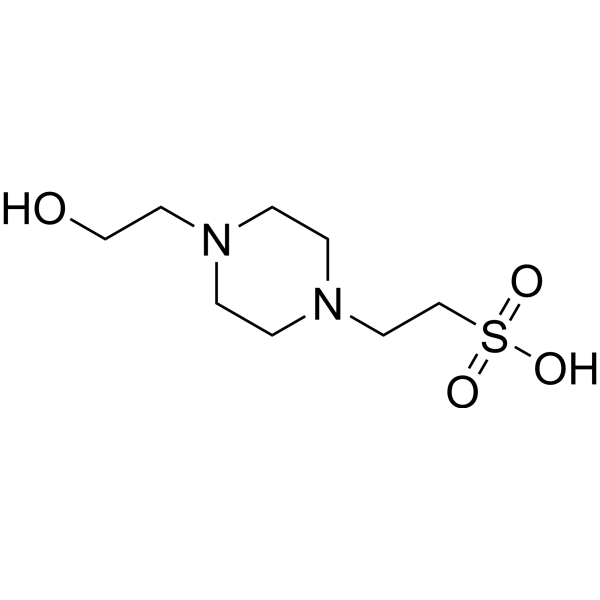
HEPES, a nonvolatile zwitterionic chemical buffering agent, is broadly applied in cell culture. HEPES is effective at pH 6.8 to 8.2. HEPES is also a potent inducer of lysosome biogenesis .
|
-
-
- HY-Y0842
-
|
Methanamide; Formimidic acid
|
Biochemical Assay Reagents
|
Cardiovascular Disease
Cancer
|
|
Formamide is an effective DNA denaturant that significantly reduces the stability of DNA in buffer solutions. Formamide can also be used as a decalcifying agent for rat cardiac cells. Additionally, formamide is widely used as a solvent or chemical raw material for ion compounds, resins, and plasticizers.
|
-
-
- HY-N1428
-
-
-
- HY-B2201
-
-
-
- HY-D0859
-
MOPS
1 Publications Verification
|
Biochemical Assay Reagents
|
Others
|
|
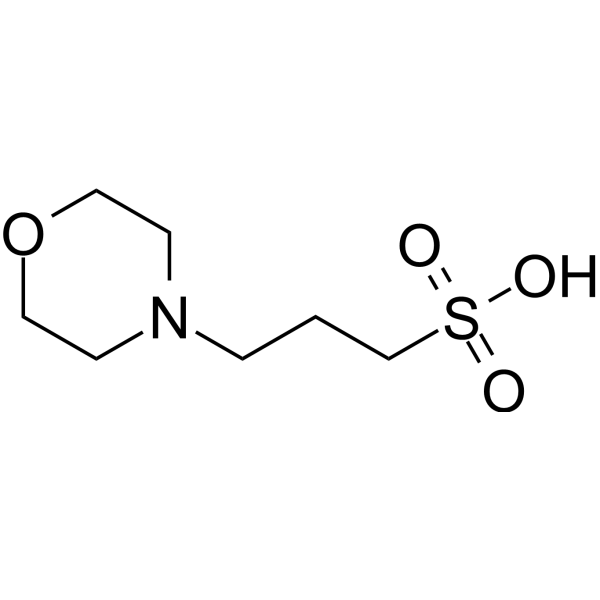
MOPS is a buffering agent used in biology. MOPS buffer maintains the pH of mammalian cell culture media. MOPS significantly improves the thermal stability of BSA (HY-D0842) .
|
-
-
- HY-113354
-
|
|
Endogenous Metabolite
|
Neurological Disease
|
|
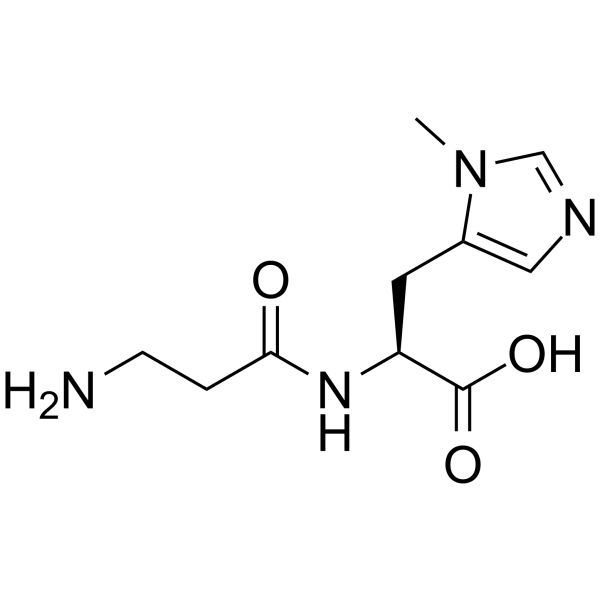
Anserine, a methylated form of Carnosine, is an orally active, natural Histidine-containing dipeptide found in skeletal muscle of vertebrates. Anserine is not cleaved by serum carnosinase and act as biochemical buffers, chelators, antioxidants, and anti-glycation agents. Anserine has blood-brain barrier permeability, and improves memory functions in Alzheimer's disease (AD)-model mice .
|
-
-
- HY-D0875
-
-
-
- HY-108535
-
|
|
Biochemical Assay Reagents
|
Others
|
|
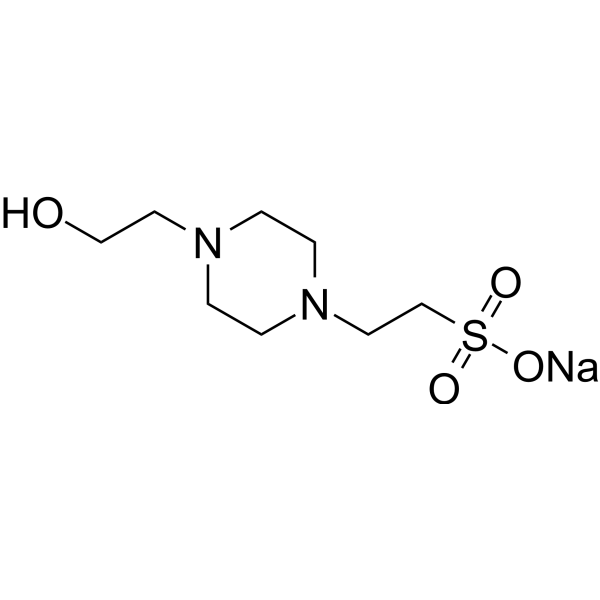
HEPES sodium, a nonvolatile zwitterionic chemical buffering agent, is broadly applied in cell culture. HEPES sodium is effective at pH 6.8 to 8.2. HEPES sodium is also a potent inducer of lysosome biogenesis .
|
-
-
- HY-B2243
-
|
Sodium phosphate monobasic; Monosodium dihydrogen orthophosphate; Monosodium phosphate
|
Environmental Pollutants
Biochemical Assay Reagents
|
Others
|
|
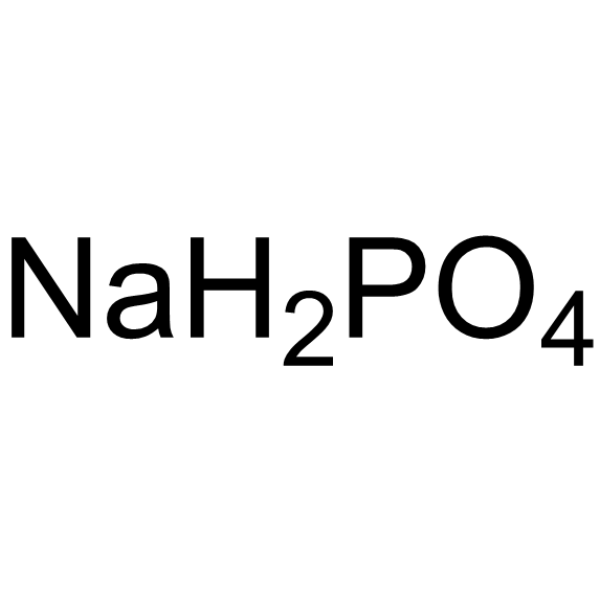
Dihydrogen monosodium phosphate (Monosodium phosphate) is an inorganic salt compound commonly used in industry and laboratories. It can be used as a buffer, nutritional supplement, cleaning agent, etc., and plays a role in certain metal processing, pharmaceutical and chemical industries. In addition, Dihydrogen monosodium phosphate can also be used in the field of water treatment and environmental protection, for example as a purifying agent or precipitating agent for solutions.
|
-
-
- HY-Y0842B
-
|
Methanamide (deionized); Formimidic acid (deionized)
|
Biochemical Assay Reagents
|
Cardiovascular Disease
Cancer
|
|
Formamide deionized (Methanamide deionizde) is an effective DNA denaturant that significantly reduces the stability of DNA in buffer solutions. Formamide deionized can also be used as a decalcifying agent for rat cardiac cells. Additionally, Formamide deionized is widely used as a solvent or chemical raw material for ion compounds, resins, and plasticizers .
|
-
-
- HY-N1428S1
-
-
-
- HY-N1428A
-
-
-
- HY-W251598C
-
|
Sodium hydrogen carbonate for cell culture; Soda bicarbonate for cell culture
|
Environmental Pollutants
Bacterial
|
Inflammation/Immunology
Cancer
|
|
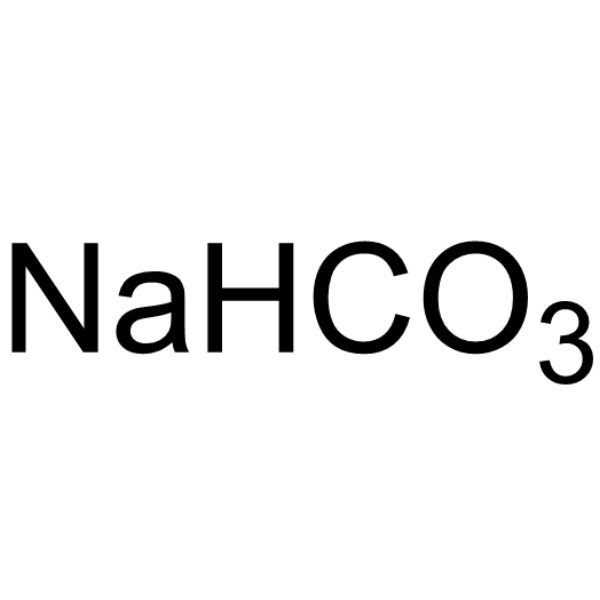
Sodium bicarbonate, for cell culture (Sodium hydrogen carbonate for cell culture; Soda bicarbonate for cell culture) is an inorganic salt that is neutral to slightly alkaline and easily decomposes when exposed to moisture in the air. Sodium bicarbonate, for cell culture can maintain the pH of the culture medium, thereby affecting the expression of inducible nitric oxide synthase (iNOS) and nitric oxide (NO) production in macrophages and reversing the acidosis of the tumor microenvironment. Sodium bicarbonate is widely used in the fields of food, medicine, cosmetics, etc. Its main uses include buffers, flavoring agents, disinfectants, pharmaceuticals, and proton gradient regulators. Sodium bicarbonate is also commonly used as an antacid to inhibit gastrointestinal diseases, neutralize gastric acid, and reduce gastric discomfort .
|
-
-
- HY-N1428S
-
-
-
- HY-Y0308E
-
|
Disodium hydrogen phosphate, for cell culture
|
Environmental Pollutants
Biochemical Assay Reagents
|
Others
|
|
Sodium phosphate dibasic (Disodium hydrogen phosphate), for cell culture is a buffer and chelating agent. Sodium phosphate dibasic is used to adjust the pH of liquids. Sodium phosphate dibasic can be used in cell culture .
|
-
-
- HY-Y1220J
-
|
|
Environmental Pollutants
Biochemical Assay Reagents
|
Others
|
|
Potassium carbonate, with a purity of 99%, is an inorganic compound. At low concentrations, potassium carbonate can be used as an alkaline treatment agent and feed buffer in pork processing, as well as to inhibit the synthesis of milk fat in dairy cows .
|
-
-
- HY-W035903
-
|
2-Aminoethanol hydrochloride
|
Biochemical Assay Reagents
|
Others
|
|
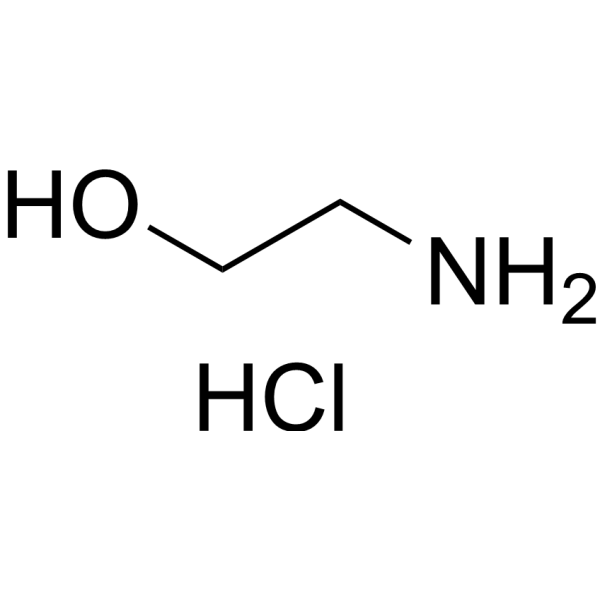
Ethanolamine hydrochloride, is an organic compound used in various industrial applications. It is a white or colorless solid that is soluble in water and has a faint odor. One of the major uses of Ethanolamine hydrochloride is in the production of detergents and surfactants. Used as a raw material in the manufacture of compounds such as ethylenediaminetetraacetic acid (EDTA) and diethanolamine, which are commonly used in household and industrial cleaning products. Ethanolamine hydrochloride is also used in the synthesis of pharmaceuticals, agrochemicals and rubber processing agents. It acts as a buffer in certain chemical reactions, helping to adjust pH and maintain stability. Ethanolamine hydrochloride can be used for gas purification and metal corrosion inhibitor. Its ability to react with acid gases such as carbon dioxide and sulfur dioxide makes it useful for removing impurities from natural gas and other industrial gases. Overall, Ethanolamine hydrochloride is a multifunctional compound with many potential industrial applications. Its ability to act as a buffer, chelating agent, and corrosion inhibitor makes it an important tool in a variety of industries.
|
-
-
- HY-W009156
-
-
-
- HY-W251598B
-
|
Sodium hydrogen carbonate for molecular biology; Soda bicarbonate for molecular biology
|
Bacterial
NO Synthase
|
Inflammation/Immunology
Cancer
|
|
Sodium bicarbonate, for molecular biology (Sodium hydrogen carbonate for molecular biolog; Soda bicarbonate for molecular biolog) is an inorganic salt. Sodium bicarbonate can maintain the pH of the culture medium, thereby affecting the expression of inducible nitric oxide synthase (iNOS) and nitric oxide (NO) production in macrophages and reversing the acidosis of the tumor microenvironment. Sodium bicarbonate is widely used in the fields of food, cosmetics, etc. Its main uses include buffers, flavoring agents, disinfectants, pharmaceuticals, and proton gradient regulators. Sodium bicarbonate is also commonly used as an antacid to inhibit gastrointestinal diseases, neutralize gastric acid, and reduce gastric discomfort .
|
-
-
- HY-D0859A
-
|
|
Biochemical Assay Reagents
|
Others
|
|
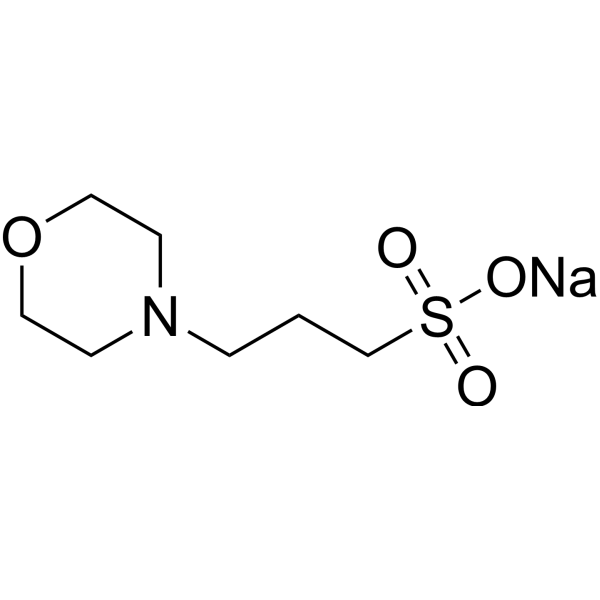
MOPS sodium salt is a buffering agent used in biology. MOPS buffer maintains the pH of mammalian cell culture media. MOPS sodium salt significantly improves the thermal stability of BSA (HY-D0842) .
|
-
-
- HY-D0873
-
|
EPPS
|
Amyloid-β
|
Neurological Disease
|
|
HEPPS (EPPS) is a buffering agent with the useful pH range from 7.3 ~ 8.7. HEPPS reduces Aβ-aggregate-induced memory deficits and rescues cognitive deficits in mice. EPPS is orally active and penetrates the blood-brain barrier .
|
-
-
- HY-D0857S
-
|
|
Isotope-Labeled Compounds
|
Others
|
|
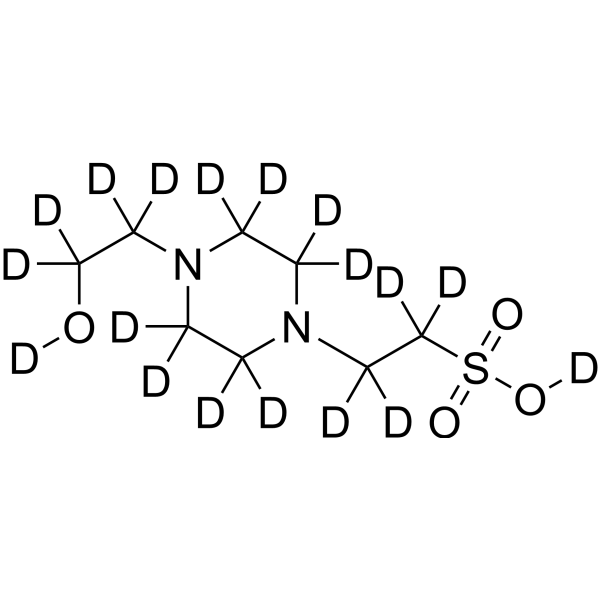
HEPES-d18 is the deuterium labeled HEPES . HEPES, a nonvolatile zwitterionic chemical buffering agent, is broadly applied in cell culture. HEPES is effective at pH 6.8 to 8.2. HEPES is also a potent inducer of lysosome biogenesis .
|
-
-
- HY-13995B
-
|
|
Drug Derivative
|
Metabolic Disease
|
|
Sevelamer carbonate is an orally active and non-calcium-based phosphate binding agent and used for the hyperphosphatemia of chronic kidney disease (CKD)research. Sevelamer carbonate effectively lowers serum phosphorus levels hile having minimal effect on serum calcium or serum chloride levels in vivo. Sevelamer carbonate is considered as an improved, buffered form of sevelamer (HY-13995) .
|
-
-
- HY-Y0286
-
|
Hartshorn salt, 99%
|
Environmental Pollutants
Biochemical Assay Reagents
|
Others
|
|
Ammonium carbonate (Ammonium carbonate), 99% is a solid amino compound that functions as a buffer, pH regulator, pore-forming agent, and electrocatalytic oxidation substrate. Ammonium carbonate, 99% is a GRAS-grade direct food additive with no restricted daily intake specified by FAO/WHO, and it shows no acute skin toxicity, clinical signs of toxicity, or effects on body weight in rats. Ammonium carbonate, 99% undergoes electrocatalytic oxidation in alkaline solutions with a Pt/C catalyst (carbonate adsorption interferes with activity). Ammonium carbonate, 99% can serve as a fuel for low-temperature polymer fuel cells and anion exchange membrane fuel cells (with performance superior to pure ammonia), and can also form pores in the carrier-free Pt cathode catalyst layer after low-temperature decomposition, thereby enhancing catalyst activity under low-humidity conditions and the performance of proton exchange membrane fuel cells .
|
-
-
- HY-D0202
-
|
|
Fluorescent Dye
|
Others
|
|
Arsenazo III is an azo derivative of chromotropic acid, a metal chrome dye, a chelating agent, and a cation complexing agent. Arsenazo III forms stable 1:1 complexes with Ca 2+, Mg 2+, Sr 2+, Ba 2+, K +, and Na +, and its binding affinity for Ca 2+ depends on pH, alkali metal cation concentration, and buffer parameters. Arsenazo III serves as a colorimetric indicator for micromolar ionized Ca 2+ in cells .
|
-
-
- HY-B1295
-
|
Litarex tetrahydrate
|
Apoptosis
Endogenous Metabolite
Bacterial
|
Infection
Cardiovascular Disease
Metabolic Disease
Inflammation/Immunology
Cancer
|
|
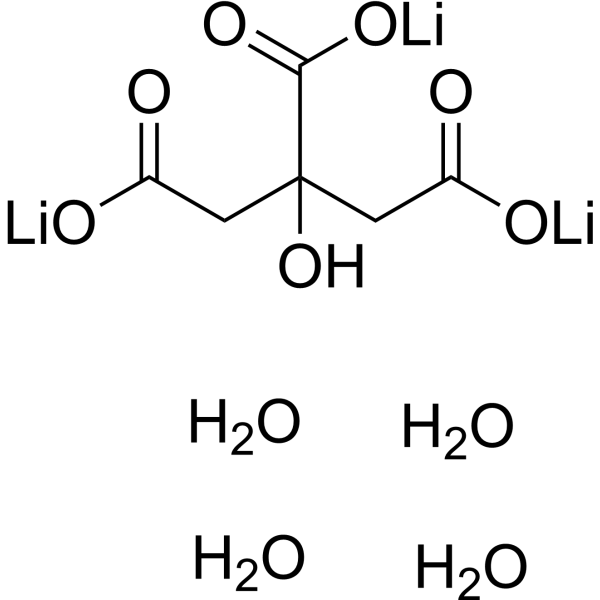
Lithium citrate (Litarex) tetrahydrate is a natural preservative and food tartness enhancer. Lithium citrate tetrahydrate induces apoptosis and cell cycle arrest at G2/M phase and S phase in HaCaT cells. Lithium citrate tetrahydrate cause oxidative damage of the liver by means of the decrease of antioxidative enzyme activities. Lithium citrate tetrahydrate is also an acidulant, emulsifier, sequestrant and buffering agent widely used across many industries .
|
-
-
- HY-D0077
-
|
Oregon green 488
|
Fluorescent Dye
|
Others
|
|
2',7'-Difluorofluorescein (Oregon green 488) is a fluorescein derivative and a pH-sensitive fluorescent probe (pKa ~4.7). Upon excitation at 488 nm, 2',7'-Difluorofluorescein exhibits pH-sensitive fluorescence intensity through the formation of dianions, while its pH sensitivity decreases under excitation at 450 nm, allowing its use in ratiometric pH analysis. 2',7'-Difluorofluorescein can be used for the quantitative analysis of pH values in the range of 2-7 in submicron aerosol particles. 2',7'-Difluorofluorescein undergoes buffer-mediated and buffer-free excited-state proton transfer between different protonated forms, and its cationic form undergoes rapid excited-state deprotonation. 2',7'-Difluorofluorescein is resistant to photodegradation, maintains stable absorption and fluorescence properties within the physiological pH range, and serves as a fluorescent protein label, a component of Ca 2+ indicators, a fluorescent imaging agent, and an anisotropy probe .
|
-
-
- HY-N1428CA
-
|
|
Apoptosis
Endogenous Metabolite
Bacterial
|
Cardiovascular Disease
Infection
Metabolic Disease
Inflammation/Immunology
Cancer
|
|
Ferric citrate, suitable for cell culture is a natural preservative and food tartness enhancer. Ferric citrate, suitable for cell culture induces apoptosis and cell cycle arrest at G2/M phase and S phase in HaCaT cells. Ferric citrate, suitable for cell culture causes oxidative damage of the liver by means of the decrease of antioxidative enzyme activities. Ferric citrate, suitable for cell culture is also an acidulant, emulsifier, sequestrant and buffering agent widely used across many industries .
|
-
-
- HY-W251598S
-
|
|
Reference Standards
Bacterial
NO Synthase
|
Inflammation/Immunology
Cancer
|
|
Bicarbonate- 13C sodium is the 13C-labeled Sodium bicarbonate (HY-Y0756). Sodium bicarbonate is an inorganic salt that is neutral to slightly alkaline and easily decomposes when exposed to moisture in the air. Sodium bicarbonate can maintain the pH of the culture medium, thereby affecting the expression of inducible nitric oxide synthase (iNOS) and nitric oxide (NO) production in macrophages and reversing the acidosis of the tumor microenvironment. Sodium bicarbonate is widely used in the fields of food, medicine, cosmetics, etc. Its main uses include buffers, flavoring agents, disinfectants, pharmaceuticals, and proton gradient regulators. Sodium bicarbonate is also commonly used as an antacid to inhibit gastrointestinal diseases, neutralize gastric acid, and reduce gastric discomfort .
|
-
-
- HY-B1529
-
-
-
- HY-113354S
-
|
|
Endogenous Metabolite
|
Neurological Disease
|
|
Anserine-d4 is the deuterium labeled Anserine. Anserine, a methylated form of Carnosine, is an orally active, natural Histidine-containing dipeptide found in skeletal muscle of vertebrates. Anserine is not cleaved by serum carnosinase and act as biochemical buffers, chelators, antioxidants, and anti-glycation agents. Anserine improves memory functions in Alzheimer's disease (AD)-model mice .
|
-
-
- HY-W008606
-
-
-
- HY-N1428R
-
-
-
- HY-N1428S3
-
-
-
- HY-W014792
-
-
-
- HY-W105704
-
|
|
Biochemical Assay Reagents
|
Others
|
|
HEPBS is a zwitterionic buffering agent with a pH range (7.6-9.0) similar to that of biological systems. HEPBS can be used in the culture of cells .
|
-
-
- HY-Y0842S1
-
|
Methanamide-d3; Formimidic acid-d3
|
Isotope-Labeled Compounds
Biochemical Assay Reagents
Apoptosis
|
Cardiovascular Disease
Cancer
|
|
Formamide-d3 is the deuterium labeled Formamide (HY-Y0842). Formamide is an effective DNA denaturant that significantly reduces the stability of DNA in buffer solutions. Formamide can also be used as a decalcifying agent for rat cardiac cells. Additionally, formamide is widely used as a solvent or chemical raw material for ion compounds, resins, and plasticizers.
|
-
-
- HY-W040147
-
-
-
- HY-W008600
-
-
-
- HY-W016091
-
-
-
- HY-W251598I
-
|
Sodium hydrogen carbonate, meets analytical specification of Ph. Eur., BP, USP, FCC, E500
|
Bacterial
NO Synthase
|
Inflammation/Immunology
Cancer
|
|
Sodium bicarbonate, meets analytical specification of Ph. Eur., BP, USP, FCC, E500 is an inorganic salt that is neutral to slightly alkaline and easily decomposes when exposed to moisture in the air. Sodium bicarbonate can maintain the pH of the culture medium, thereby affecting the expression of inducible nitric oxide synthase (iNOS) and nitric oxide (NO) production in macrophages and reversing the acidosis of the tumor microenvironment. Sodium bicarbonate is widely used in the fields of food, medicine, cosmetics, etc. Its main uses include buffers, flavoring agents, disinfectants, pharmaceuticals, and proton gradient regulators. Sodium bicarbonate is also commonly used as an antacid to inhibit gastrointestinal diseases, neutralize gastric acid, and reduce gastric discomfort .
|
-
-
- HY-W099337
-
|
|
Biochemical Assay Reagents
|
|
|
N-Ethyl-D-glucamine is a glucose derivative with biological activity as a buffer and chelating agent. Therefore, it is widely used in biochemical research to regulate pH and bind metal ions.
|
-
-
- HY-W923277
-
|
|
Biochemical Assay Reagents
|
|
|
Sodium sesquicarbonate hydrate is a kind of buffering agent that can stabilize pH value by neutralizing acidic substances without causing a sharp change in pH value. This property makes it widely used in many fields, especially in maintaining acid-base balance in organisms.
|
-
-
- HY-Y0842S3
-
|
Methanamide-15N; Formimidic acid-15N
|
Isotope-Labeled Compounds
Biochemical Assay Reagents
Apoptosis
|
Cardiovascular Disease
Cancer
|
|
Formamide- 15N is the 15N labeled Formamide (HY-Y0842). Formamide is an effective DNA denaturant that significantly reduces the stability of DNA in buffer solutions. Formamide can also be used as a decalcifying agent for rat cardiac cells. Additionally, formamide is widely used as a solvent or chemical raw material for ion compounds, resins, and plasticizers.
|
-
-
- HY-W250303A
-
|
Hydroxybutanedioic acid disodium hydrate; Disodium DL-malate hydrate; E 296 disodium hydrate
|
Biochemical Assay Reagents
|
Others
|
|
Malic acid disodium hydrate is an organic compound that is commonly used as a food additive, buffering agent, and nutritional supplement. It contains sodium and malic acid. Malic acid disodium hydrate has a variety of properties that make it suitable for these applications, including the ability to enhance food flavor, improve texture, and regulate acidity. In addition, due to its potential health benefits, including improved energy production, reduced fatigue, and enhanced athletic performance, Malic acid disodium hydrate can be used as a dietary supplement .
|
-
-
- HY-N1428S2
-
-
-
- HY-N1428S6
-
-
-
- HY-W127841
-
-
-
- HY-Y1175A
-
|
|
Biochemical Assay Reagents
|
Others
|
|
Calcium acetate monohydrate, ACS, 99% is a monohydrate form of calcium acetate used to precipitate oxalates in solution; it also serves as a stabilizer, buffer, and chelating agent.
|
-
-
- HY-W127738
-
|
Vitamin C stearate; Ascorbic acid 6-stearate; Ascorbyl stearate
|
Biochemical Assay Reagents
|
Others
|
|
6-O-Staroyl-L-ascorbic acid is an organic compound commonly used in cosmetics and skin care products. It can be used as an antioxidant and whitening agent, and is widely used in anti-aging, moisturizing and skin repairing. In addition, this compound is used as a catalyst or buffer in certain chemical reactions.
|
-
- HY-N1428AR
-
|
|
Reference Standards
Endogenous Metabolite
Apoptosis
Bacterial
|
Infection
Cardiovascular Disease
Metabolic Disease
Inflammation/Immunology
Cancer
|
|
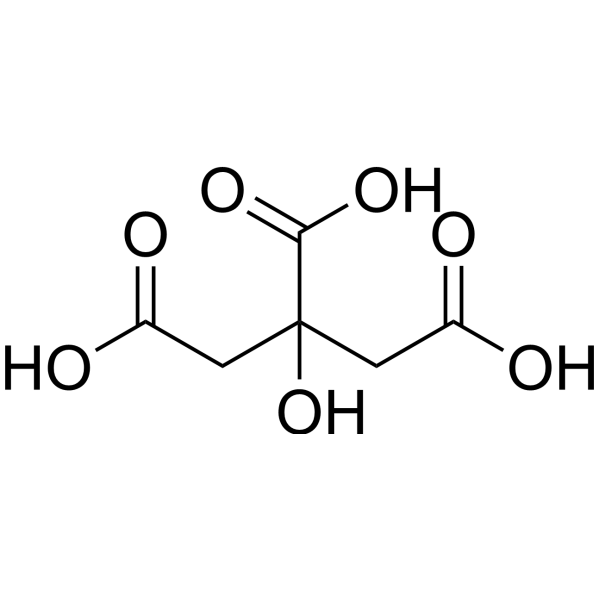
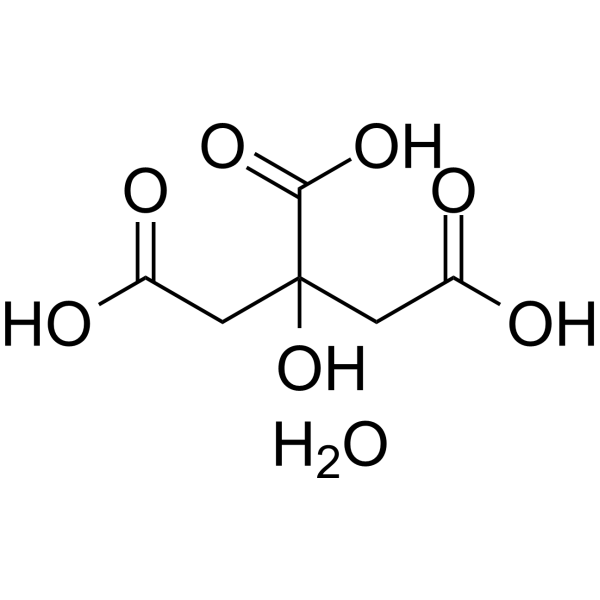
Citric acid monohydrate (Standard) is the analytical standard of Citric acid monohydrate (HY-N1428A). This product is intended for research and analytical applications. Citric acid monohydrate is a natural preservative and food tartness enhancer. Citric acid monohydrate induces apoptosis and cell cycle arrest at G2/M phase and S phase in HaCaT cells. Citric acid monohydrate cause oxidative damage of the liver by means of the decrease of antioxidative enzyme activities. Citric acid monohydrate is also an acidulant, emulsifier, sequestrant and buffering agent widely used across many industries .
|
-
- HY-W251598J
-
|
Sodium hydrogen carbonate (Pharmaceutical primary standard, USP); Soda bicarbonate (Pharmaceutical primary standard, USP)
|
Bacterial
NO Synthase
|
Inflammation/Immunology
Cancer
|
|
Sodium bicarbonate, United States Pharmacopeia (USP) Reference Standard is an inorganic salt. Sodium bicarbonate, United States Pharmacopeia (USP) Reference Standard can maintain the pH of the culture medium, thereby affecting the expression of inducible nitric oxide synthase (iNOS) and nitric oxide (NO) production in macrophages and reversing the acidosis of the tumor microenvironment. Sodium bicarbonate, United States Pharmacopeia (USP) Reference Standard is widely used in the fields of food, cosmetics, etc. Its main uses include buffers, flavoring agents, disinfectants, pharmaceuticals, and proton gradient regulators. Sodium bicarbonate, United States Pharmacopeia (USP) Reference Standard is also commonly used as an antacid to inhibit gastrointestinal diseases, neutralize gastric acid, and reduce gastric discomfort .
|
-
- HY-W509915
-
-
- HY-Z0290A
-
|
|
Biochemical Assay Reagents
|
Others
|
|
Sodium phenyl phosphate dihydrate can be used as a buffering agent in biochemical and pharmaceutical formulations. Sodium phenyl phosphate dehydrate also acts as a substrate for evaluating phosphataseactivity .
|
-
- HY-W414406
-
|
|
Biochemical Assay Reagents
|
Others
|
|
CABS is a zwitterionic piperazine buffer reagent, which can be used as a buffer reagent for wetting agents, pesticide emulsifiers, and dispersants, and has been used in fluorescent dyeing applications .
|
-
- HY-W643127
-
|
N-Tris(hydroxymethyl)methyl-4-aminobutanesulfonic acid
|
Biochemical Assay Reagents
|
Others
|
|
TABS (N-Tris(hydroxymethyl)methyl-4-aminobutanesulfonic acid) is a zwitterionic chemical buffering agent, is broadly applied in cell culture .
|
-
- HY-D0859S
-
|
|
Isotope-Labeled Compounds
|
Others
|
|
MOPS-d15 is the deuterium labeled MOPS (HY-D0859). MOPS is a buffering agent used in biology. MOPS buffer maintains the pH of mammalian cell culture media. MOPS significantly improves the thermal stability of BSA (HY-D0842) .
|
-
- HY-D0875S
-
|
1,4-Piperazinediethanesulfonic acid-d18
|
Isotope-Labeled Compounds
|
Others
|
|
PIPES-d18 is the deuterium labeled PIPES . PIPES (1,4-Piperazinediethanesulfonic acid) is an important component of PIPES buffer agent used in biochemistry .
|
-
- HY-W008600R
-
|
|
Reference Standards
Biochemical Assay Reagents
|
Others
|
|
Sodium octane-1-sulfonate (Standard) is the analytical standard of Sodium octane-1-sulfonate. This product is intended for research and analytical applications. Sodium octane-1-sulfonate is an ion-pairing agent that can be used as a buffer in biochemical research and HPLC .
|
-
- HY-Y0842S5
-
|
|
Isotope-Labeled Compounds
Biochemical Assay Reagents
Apoptosis
|
Cardiovascular Disease
Cancer
|
|
Formamide-d2 is the deuterium labeled Formamide (HY-Y0842). Formamide is an effective DNA denaturant that significantly reduces the stability of DNA in buffer solutions. Formamide can also be used as a decalcifying agent for rat cardiac cells. Additionally, formamide is widely used as a solvent or chemical raw material for ion compounds, resins, and plasticizers.
|
-
- HY-Y0842S4
-
|
|
Isotope-Labeled Compounds
Biochemical Assay Reagents
Apoptosis
|
Cardiovascular Disease
Cancer
|
|
Formamide-d1 is the deuterium labeled Formamide (HY-Y0842). Formamide is an effective DNA denaturant that significantly reduces the stability of DNA in buffer solutions. Formamide can also be used as a decalcifying agent for rat cardiac cells. Additionally, formamide is widely used as a solvent or chemical raw material for ion compounds, resins, and plasticizers.
|
-
- HY-113354S1
-
|
|
Isotope-Labeled Compounds
|
Neurological Disease
|
|
Anserine-d4 hydrochloride is the deuterium labeled Anserine (HY-113354). Anserine, a methylated form of Carnosine, is an orally active, natural Histidine-containing dipeptide found in skeletal muscle of vertebrates. Anserine is not cleaved by serum carnosinase and act as biochemical buffers, chelators, antioxidants, and anti-glycation agents. Anserine improves memory functions in Alzheimer's disease (AD)-model mice .
|
-
- HY-113354R
-
|
|
Reference Standards
Endogenous Metabolite
|
Neurological Disease
|
|
Anserine (Standard) is the analytical standard of Anserine. This product is intended for research and analytical applications. Anserine, a methylated form of Carnosine, is an orally active, natural Histidine-containing dipeptide found in skeletal muscle of vertebrates. Anserine is not cleaved by serum carnosinase and act as biochemical buffers, chelators, antioxidants, and anti-glycation agents. Anserine improves memory functions in Alzheimer's disease (AD)-model mice[1][2].
|
-
- HY-Y0842S
-
|
Methanamide-13C; Formimidic acid-13C
|
Isotope-Labeled Compounds
Biochemical Assay Reagents
Apoptosis
|
Cardiovascular Disease
Cancer
|
|
Formamide- 13C is the 13C-labeled Formamide (HY-Y0842). Formamide is an effective DNA denaturant that significantly reduces the stability of DNA in buffer solutions. Formamide can also be used as a decalcifying agent for rat cardiac cells. Additionally, formamide is widely used as a solvent or chemical raw material for ion compounds, resins, and plasticizers.
|
-
- HY-Y0842R
-
|
Methanamide (Standard); Formimidic acid (Standard)
|
Reference Standards
Biochemical Assay Reagents
Apoptosis
|
Cancer
|
|
Formamide (Standard) is the analytical standard of Formamide. This product is intended for research and analytical applications. Formamide is an effective DNA denaturant that significantly reduces the stability of DNA in buffer solutions. It induces apoptosis by promoting the formation of cyclic nucleotides and the phosphorylation and dephosphorylation processes of nucleotides, making it useful in cancer research. Formamide can also be used as a decalcifying agent for rat cardiac cells. Additionally, formamide is widely used as a solvent or chemical raw material for ion compounds, resins, and plasticizers. [4]
|
-
- HY-Y0842S2
-
|
|
Isotope-Labeled Compounds
Biochemical Assay Reagents
Apoptosis
|
Cardiovascular Disease
Cancer
|
|
Glycine- 13C, 15N is the 13C and 15N labeled Glycine (HY-Y0842). Formamide is an effective DNA denaturant that significantly reduces the stability of DNA in buffer solutions. It induces apoptosis by promoting the formation of cyclic nucleotides and the phosphorylation and dephosphorylation processes of nucleotides, making it useful in cancer research. Formamide can also be used as a decalcifying agent for rat cardiac cells. Additionally, formamide is widely used as a solvent or chemical raw material for ion compounds, resins, and plasticizers. .
|
-
- HY-W009156R
-
|
Potassium citrate monohydrate (Standard)
|
Reference Standards
Apoptosis
Endogenous Metabolite
Bacterial
|
Infection
Cardiovascular Disease
Metabolic Disease
Inflammation/Immunology
Cancer
|
|
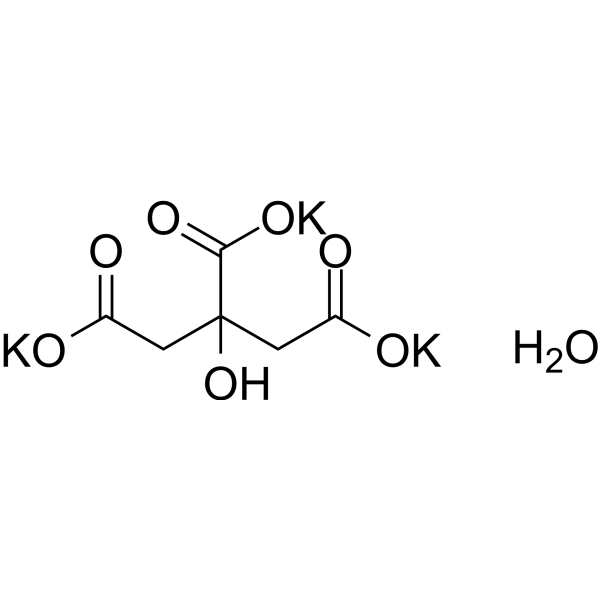
Citric acid tripotassium hydrate (Standard) (Potassium citrate monohydrate (Standard)) is the analytical standard of Citric acid tripotassium hydrate (HY-W009156). This product is intended for research and analytical applications. Citric acid tripotassium hydrate is a natural preservative and food tartness enhancer. Citric acid tripotassium hydrate induces apoptosis and cell cycle arrest at G2/M phase and S phase in HaCaT cells. Citric acid tripotassium hydrate cause oxidative damage of the liver by means of the decrease of antioxidative enzyme activities. Citric acid tripotassium hydrate is also an acidulant, emulsifier, sequestrant and buffering agent widely used across many industries .
|
-
- HY-B1295R
-
|
Litarex tetrahydrate (Standard)
|
Apoptosis
Endogenous Metabolite
Bacterial
Reference Standards
|
Infection
Cardiovascular Disease
Metabolic Disease
Inflammation/Immunology
Cancer
|
|
Lithium citrate (tetrahydrate) (Standard) is the analytical standard of Lithium citrate (tetrahydrate). This product is intended for research and analytical applications. Lithium citrate (Litarex) tetrahydrate is a natural preservative and food tartness enhancer. Lithium citrate tetrahydrate induces apoptosis and cell cycle arrest at G2/M phase and S phase in HaCaT cells. Lithium citrate tetrahydrate cause oxidative damage of the liver by means of the decrease of antioxidative enzyme activities. Lithium citrate tetrahydrate is also an acidulant, emulsifier, sequestrant and buffering agent widely used across many industries .
|
-
- HY-108535R
-
|
|
Biochemical Assay Reagents
Reference Standards
|
Others
|
|
HEPES sodium (Standard) is the analytical standard of HEPES (sodium) (HY-108535). This product is intended for research and analytical applications. HEPES sodium, a nonvolatile zwitterionic chemical buffering agent, is broadly applied in cell culture. HEPES sodium is effective at pH 6.8 to 8.2. HEPES sodium is also a potent inducer of lysosome biogenesis .
|
-
- HY-W724319
-
|
Sodium citrate-d4; Trisodium citrate anhydrous-d4
|
Isotope-Labeled Compounds
Apoptosis
Bacterial
Endogenous Metabolite
|
Cardiovascular Disease
Infection
Metabolic Disease
Inflammation/Immunology
Cancer
|
|
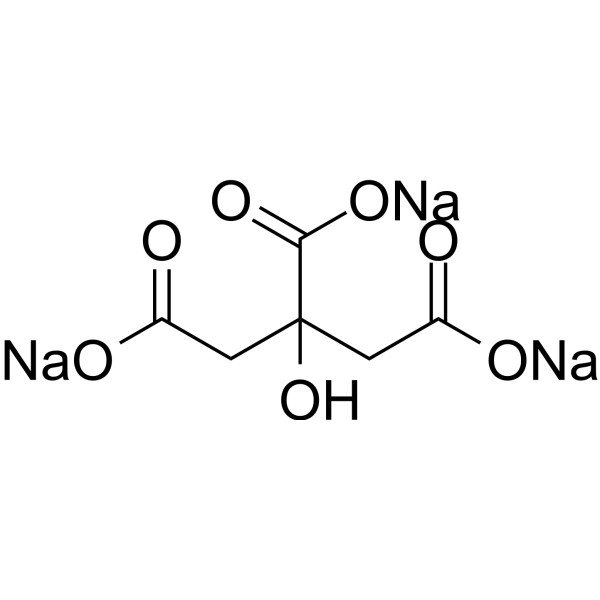
Citric acid-d4 trisodium (Sodium citrate-d4) is the deuterium labeled Citric acid trisodium (HY-B2201). Citric acid trisodium (Sodium citrate) is a natural preservative and food tartness enhancer. Citric acid trisodium induces apoptosis and cell cycle arrest at G2/M phase and S phase in HaCaT cells. Citric acid trisodium cause oxidative damage of the liver by means of the decrease of antioxidative enzyme activities. Citric acid trisodium is also an acidulant, emulsifier, sequestrant and buffering agent widely used across many industries .
|
-
- HY-W103773
-
|
|
Biochemical Assay Reagents
Fungal
Bacterial
|
Infection
|
|
2-Phenylphenol sodium is a phenolic disinfectant and toxic agent with bactericidal, fungicidal and growth-inhibiting activities. 2-Phenylphenol sodium serves as a post-harvest agricultural fungicide and food preservative. At specific concentrations, 2-Phenylphenol sodium inhibits the growth of E. coli strains, while at high concentrations, 2-Phenylphenol sodium completely blocks their proliferation. 2-Phenylphenol sodium acts as a substrate for biocatalytic conversion, and is converted to 3-phenylcatechol by 2-hydroxybiphenyl 3-monooxygenase in recombinant E. coli. 2-Phenylphenol sodium also undergoes electrochemical oxidation in phosphate buffer solution .
|
-
- HY-148150A
-
|
|
Creatine Kinase
|
Cardiovascular Disease
Inflammation/Immunology
Cancer
|
|
Cyclocreatine phosphate dilithium is a synthetic intracellular energy buffer. Cyclocreatine phosphate dilithium mediates antiproliferative activity in cells with high creatine kinase levels and inhibits solid tumor growth. Cyclocreatine phosphate dilithium maintains adenosine triphosphate (ATP) levels and protects tissues from hypoxia, cellular damage and inflammation during ischemic events. Cyclocreatine phosphate dilithium accumulates in skeletal muscle, reduces muscle phosphocreatine and total creatine levels, and acts both as a bioenergetic/anti-inflammatory agent and an experimental tool for the assessment of ischemic injury. Cyclocreatine phosphate dilithium can be used in studies related to solid tumors, heart failure and ischemia .
|
-
- HY-172754
-
|
|
Fluorescent Dye
|
Cancer
|
|
ICAAc is a solvatochromic fluorophore with reduced basicity. ICAAc demonstrates significant solvatochromic behavior across solvents of varying polarity, with a large dipole moment difference and low quantum yield in water, making it a tunable solvatochromic fluorophore. ICAAc enables pH sensing via UV-vis/fluorescence detection and in microenvironments including sodium lauryl sulfate micelle Stern layers. ICAAc acts as a supravital cell stain for epifluorescence imaging of live cancer cells .
|
-
| Cat. No. |
Product Name |
Type |
-
- HY-D0202
-
|
|
Fluorescent Dye
|
|
Arsenazo III is an azo derivative of chromotropic acid, a metal chrome dye, a chelating agent, and a cation complexing agent. Arsenazo III forms stable 1:1 complexes with Ca 2+, Mg 2+, Sr 2+, Ba 2+, K +, and Na +, and its binding affinity for Ca 2+ depends on pH, alkali metal cation concentration, and buffer parameters. Arsenazo III serves as a colorimetric indicator for micromolar ionized Ca 2+ in cells .
|
-
- HY-172754
-
|
|
Fluorescent Dye
|
|
ICAAc is a solvatochromic fluorophore with reduced basicity. ICAAc demonstrates significant solvatochromic behavior across solvents of varying polarity, with a large dipole moment difference and low quantum yield in water, making it a tunable solvatochromic fluorophore. ICAAc enables pH sensing via UV-vis/fluorescence detection and in microenvironments including sodium lauryl sulfate micelle Stern layers. ICAAc acts as a supravital cell stain for epifluorescence imaging of live cancer cells .
|
| Cat. No. |
Product Name |
Type |
-
- HY-D0857
-
|
|
Biochemical Assay Reagents
|
|
HEPES, a nonvolatile zwitterionic chemical buffering agent, is broadly applied in cell culture. HEPES is effective at pH 6.8 to 8.2. HEPES is also a potent inducer of lysosome biogenesis .
|
-
- HY-Y0842
-
|
Methanamide; Formimidic acid
|
Biochemical Assay Reagents
|
|
Formamide is an effective DNA denaturant that significantly reduces the stability of DNA in buffer solutions. Formamide can also be used as a decalcifying agent for rat cardiac cells. Additionally, formamide is widely used as a solvent or chemical raw material for ion compounds, resins, and plasticizers.
|
-
- HY-B2201
-
|
Sodium citrate; Trisodium citrate anhydrous
|
Biochemical Assay Reagents
|
|
Citric acid trisodium (Sodium citrate) is a natural preservative and food tartness enhancer. Citric acid trisodium induces apoptosis and cell cycle arrest at G2/M phase and S phase in HaCaT cells. Citric acid trisodium cause oxidative damage of the liver by means of the decrease of antioxidative enzyme activities. Citric acid trisodium is also an acidulant, emulsifier, sequestrant and buffering agent widely used across many industries .
|
-
- HY-D0875
-
|
1,4-Piperazinediethanesulfonic acid
|
Biochemical Assay Reagents
|
|
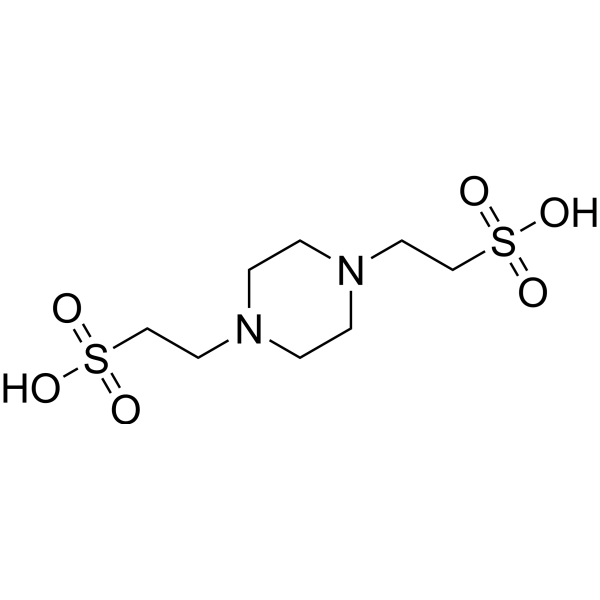
PIPES (1,4-Piperazinediethanesulfonic acid) is an important component of PIPES buffer agent used in biochemistry .
|
-
- HY-108535
-
|
|
Biochemical Assay Reagents
|
|
HEPES sodium, a nonvolatile zwitterionic chemical buffering agent, is broadly applied in cell culture. HEPES sodium is effective at pH 6.8 to 8.2. HEPES sodium is also a potent inducer of lysosome biogenesis .
|
-
- HY-Y0842B
-
|
Methanamide (deionized); Formimidic acid (deionized)
|
Biochemical Assay Reagents
|
|
Formamide deionized (Methanamide deionizde) is an effective DNA denaturant that significantly reduces the stability of DNA in buffer solutions. Formamide deionized can also be used as a decalcifying agent for rat cardiac cells. Additionally, Formamide deionized is widely used as a solvent or chemical raw material for ion compounds, resins, and plasticizers .
|
-
- HY-N1428A
-
|
|
Biochemical Assay Reagents
|
|
Citric acid monohydrate is a natural preservative and food tartness enhancer. Citric acid monohydrate induces apoptosis and cell cycle arrest at G2/M phase and S phase in HaCaT cells. Citric acid monohydrate cause oxidative damage of the liver by means of the decrease of antioxidative enzyme activities. Citric acid monohydrate is also an acidulant, emulsifier, sequestrant and buffering agent widely used across many industries .
|
-
- HY-W251598C
-
|
Sodium hydrogen carbonate for cell culture; Soda bicarbonate for cell culture
|
Biochemical Assay Reagents
|
|
Sodium bicarbonate, for cell culture (Sodium hydrogen carbonate for cell culture; Soda bicarbonate for cell culture) is an inorganic salt that is neutral to slightly alkaline and easily decomposes when exposed to moisture in the air. Sodium bicarbonate, for cell culture can maintain the pH of the culture medium, thereby affecting the expression of inducible nitric oxide synthase (iNOS) and nitric oxide (NO) production in macrophages and reversing the acidosis of the tumor microenvironment. Sodium bicarbonate is widely used in the fields of food, medicine, cosmetics, etc. Its main uses include buffers, flavoring agents, disinfectants, pharmaceuticals, and proton gradient regulators. Sodium bicarbonate is also commonly used as an antacid to inhibit gastrointestinal diseases, neutralize gastric acid, and reduce gastric discomfort .
|
-
- HY-Y0308E
-
|
Disodium hydrogen phosphate, for cell culture
|
Biochemical Assay Reagents
|
|
Sodium phosphate dibasic (Disodium hydrogen phosphate), for cell culture is a buffer and chelating agent. Sodium phosphate dibasic is used to adjust the pH of liquids. Sodium phosphate dibasic can be used in cell culture .
|
-
- HY-Y1220J
-
|
|
Biochemical Assay Reagents
|
|
Potassium carbonate, with a purity of 99%, is an inorganic compound. At low concentrations, potassium carbonate can be used as an alkaline treatment agent and feed buffer in pork processing, as well as to inhibit the synthesis of milk fat in dairy cows .
|
-
- HY-W035903
-
|
2-Aminoethanol hydrochloride
|
Biochemical Assay Reagents
|
|
Ethanolamine hydrochloride, is an organic compound used in various industrial applications. It is a white or colorless solid that is soluble in water and has a faint odor. One of the major uses of Ethanolamine hydrochloride is in the production of detergents and surfactants. Used as a raw material in the manufacture of compounds such as ethylenediaminetetraacetic acid (EDTA) and diethanolamine, which are commonly used in household and industrial cleaning products. Ethanolamine hydrochloride is also used in the synthesis of pharmaceuticals, agrochemicals and rubber processing agents. It acts as a buffer in certain chemical reactions, helping to adjust pH and maintain stability. Ethanolamine hydrochloride can be used for gas purification and metal corrosion inhibitor. Its ability to react with acid gases such as carbon dioxide and sulfur dioxide makes it useful for removing impurities from natural gas and other industrial gases. Overall, Ethanolamine hydrochloride is a multifunctional compound with many potential industrial applications. Its ability to act as a buffer, chelating agent, and corrosion inhibitor makes it an important tool in a variety of industries.
|
-
- HY-W251598B
-
|
Sodium hydrogen carbonate for molecular biology; Soda bicarbonate for molecular biology
|
Biochemical Assay Reagents
|
|
Sodium bicarbonate, for molecular biology (Sodium hydrogen carbonate for molecular biolog; Soda bicarbonate for molecular biolog) is an inorganic salt. Sodium bicarbonate can maintain the pH of the culture medium, thereby affecting the expression of inducible nitric oxide synthase (iNOS) and nitric oxide (NO) production in macrophages and reversing the acidosis of the tumor microenvironment. Sodium bicarbonate is widely used in the fields of food, cosmetics, etc. Its main uses include buffers, flavoring agents, disinfectants, pharmaceuticals, and proton gradient regulators. Sodium bicarbonate is also commonly used as an antacid to inhibit gastrointestinal diseases, neutralize gastric acid, and reduce gastric discomfort .
|
-
- HY-D0859A
-
|
|
Biochemical Assay Reagents
|
|
MOPS sodium salt is a buffering agent used in biology. MOPS buffer maintains the pH of mammalian cell culture media. MOPS sodium salt significantly improves the thermal stability of BSA (HY-D0842) .
|
-
- HY-D0873
-
|
EPPS
|
Biochemical Assay Reagents
|
|
HEPPS (EPPS) is a buffering agent with the useful pH range from 7.3 ~ 8.7. HEPPS reduces Aβ-aggregate-induced memory deficits and rescues cognitive deficits in mice. EPPS is orally active and penetrates the blood-brain barrier .
|
-
- HY-Y0286
-
|
Hartshorn salt, 99%
|
Biochemical Assay Reagents
|
|
Ammonium carbonate (Ammonium carbonate), 99% is a solid amino compound that functions as a buffer, pH regulator, pore-forming agent, and electrocatalytic oxidation substrate. Ammonium carbonate, 99% is a GRAS-grade direct food additive with no restricted daily intake specified by FAO/WHO, and it shows no acute skin toxicity, clinical signs of toxicity, or effects on body weight in rats. Ammonium carbonate, 99% undergoes electrocatalytic oxidation in alkaline solutions with a Pt/C catalyst (carbonate adsorption interferes with activity). Ammonium carbonate, 99% can serve as a fuel for low-temperature polymer fuel cells and anion exchange membrane fuel cells (with performance superior to pure ammonia), and can also form pores in the carrier-free Pt cathode catalyst layer after low-temperature decomposition, thereby enhancing catalyst activity under low-humidity conditions and the performance of proton exchange membrane fuel cells .
|
-
- HY-B1295
-
|
Litarex tetrahydrate
|
Biochemical Assay Reagents
|
|
Lithium citrate (Litarex) tetrahydrate is a natural preservative and food tartness enhancer. Lithium citrate tetrahydrate induces apoptosis and cell cycle arrest at G2/M phase and S phase in HaCaT cells. Lithium citrate tetrahydrate cause oxidative damage of the liver by means of the decrease of antioxidative enzyme activities. Lithium citrate tetrahydrate is also an acidulant, emulsifier, sequestrant and buffering agent widely used across many industries .
|
-
- HY-N1428CA
-
|
|
Biochemical Assay Reagents
|
|
Ferric citrate, suitable for cell culture is a natural preservative and food tartness enhancer. Ferric citrate, suitable for cell culture induces apoptosis and cell cycle arrest at G2/M phase and S phase in HaCaT cells. Ferric citrate, suitable for cell culture causes oxidative damage of the liver by means of the decrease of antioxidative enzyme activities. Ferric citrate, suitable for cell culture is also an acidulant, emulsifier, sequestrant and buffering agent widely used across many industries .
|
-
- HY-B1529
-
|
Ammonium hydrogencitrate, 99%; Diammonium hydrogen citrate, 99%
|
Biochemical Assay Reagents
|
|
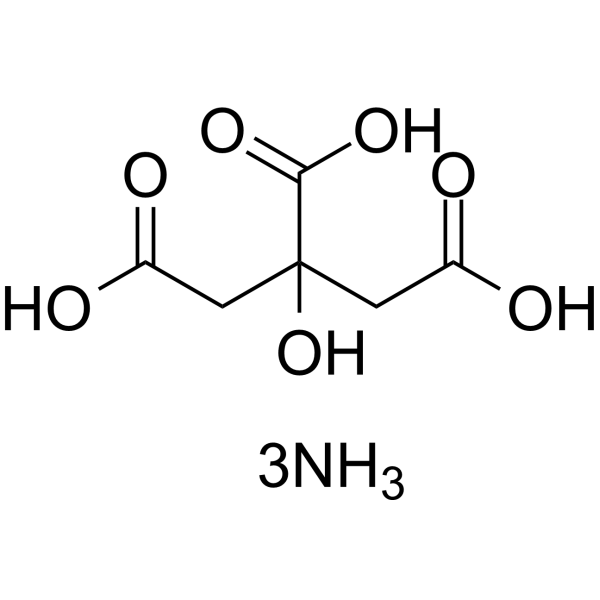
Ammonium citrate dibasic, 99% (Ammonium hydrogencitrate, 99%) can be used as the carbon source to prepare carbon quantum dots (CDs). Ammonium citrate dibasic, 99% is a buffering agent .
|
-
- HY-W008606
-
|
Citric acid monosodium salt
|
Biochemical Assay Reagents
|
|
Sodium citrate monobasic (Citric acid monosodium salt) is a natural preservative and food tartness enhancer. Sodium citrate monobasic induces apoptosis and cell cycle arrest at G2/M phase and S phase in HaCaT cells. Sodium citrate monobasic cause oxidative damage of the liver by means of the decrease of antioxidative enzyme activities. Sodium citrate monobasic is also an acidulant, emulsifier, sequestrant and buffering agent widely used across many industries .
|
-
- HY-W014792
-
|
|
Biochemical Assay Reagents
|
|
Sodium heptane-1-sulfonate is an ion-pairing agent that can be used as a buffer in biochemical research and HPLC .
|
-
- HY-W105704
-
|
|
Biochemical Assay Reagents
|
|
HEPBS is a zwitterionic buffering agent with a pH range (7.6-9.0) similar to that of biological systems. HEPBS can be used in the culture of cells .
|
-
- HY-W040147
-
|
1,4-Piperazinediethanesulfonic acid disodium
|
Biochemical Assay Reagents
|
|
PIPES (1,4-Piperazinediethanesulfonic acid) disodium is an important component of PIPES buffer agent used in biochemistry .
|
-
- HY-W008600
-
|
|
Biochemical Assay Reagents
|
|
Sodium octane-1-sulfonate is an ion-pairing agent that can be used as a buffer in biochemical research and HPLC .
|
-
- HY-W016091
-
|
|
Biochemical Assay Reagents
|
|
Sodium heptane-1-sulfonate is an ion-pairing agent that can be used as a buffer in biochemical research and HPLC .
|
-
- HY-W251598I
-
|
Sodium hydrogen carbonate, meets analytical specification of Ph. Eur., BP, USP, FCC, E500
|
Biochemical Assay Reagents
|
|
Sodium bicarbonate, meets analytical specification of Ph. Eur., BP, USP, FCC, E500 is an inorganic salt that is neutral to slightly alkaline and easily decomposes when exposed to moisture in the air. Sodium bicarbonate can maintain the pH of the culture medium, thereby affecting the expression of inducible nitric oxide synthase (iNOS) and nitric oxide (NO) production in macrophages and reversing the acidosis of the tumor microenvironment. Sodium bicarbonate is widely used in the fields of food, medicine, cosmetics, etc. Its main uses include buffers, flavoring agents, disinfectants, pharmaceuticals, and proton gradient regulators. Sodium bicarbonate is also commonly used as an antacid to inhibit gastrointestinal diseases, neutralize gastric acid, and reduce gastric discomfort .
|
-
- HY-W099337
-
|
|
Biochemical Assay Reagents
|
|
N-Ethyl-D-glucamine is a glucose derivative with biological activity as a buffer and chelating agent. Therefore, it is widely used in biochemical research to regulate pH and bind metal ions.
|
-
- HY-W923277
-
|
|
Biochemical Assay Reagents
|
|
Sodium sesquicarbonate hydrate is a kind of buffering agent that can stabilize pH value by neutralizing acidic substances without causing a sharp change in pH value. This property makes it widely used in many fields, especially in maintaining acid-base balance in organisms.
|
-
- HY-W250303A
-
|
Hydroxybutanedioic acid disodium hydrate; Disodium DL-malate hydrate; E 296 disodium hydrate
|
Biochemical Assay Reagents
|
|
Malic acid disodium hydrate is an organic compound that is commonly used as a food additive, buffering agent, and nutritional supplement. It contains sodium and malic acid. Malic acid disodium hydrate has a variety of properties that make it suitable for these applications, including the ability to enhance food flavor, improve texture, and regulate acidity. In addition, due to its potential health benefits, including improved energy production, reduced fatigue, and enhanced athletic performance, Malic acid disodium hydrate can be used as a dietary supplement .
|
-
- HY-W127841
-
|
|
Biochemical Assay Reagents
|
|
Citric acid-2,4- 13C2 is the 13C-labeled Citric acid (HY-N1428). Citric acid is a natural preservative and food tartness enhancer. Citric acid induces apoptosis and cell cycle arrest at G2/M phase and S phase in HaCaT cells. Citric acid cause oxidative damage of the liver by means of the decrease of antioxidative enzyme activities. Citric acid is also an acidulant, emulsifier, sequestrant and buffering agent widely used across many industries .
|
-
- HY-Y1175A
-
|
|
Biochemical Assay Reagents
|
|
Calcium acetate monohydrate, ACS, 99% is a monohydrate form of calcium acetate used to precipitate oxalates in solution; it also serves as a stabilizer, buffer, and chelating agent.
|
-
- HY-W127738
-
|
Vitamin C stearate; Ascorbic acid 6-stearate; Ascorbyl stearate
|
Biochemical Assay Reagents
|
|
6-O-Staroyl-L-ascorbic acid is an organic compound commonly used in cosmetics and skin care products. It can be used as an antioxidant and whitening agent, and is widely used in anti-aging, moisturizing and skin repairing. In addition, this compound is used as a catalyst or buffer in certain chemical reactions.
|
-
- HY-N1428AR
-
|
|
Biochemical Assay Reagents
|
|
Citric acid monohydrate (Standard) is the analytical standard of Citric acid monohydrate (HY-N1428A). This product is intended for research and analytical applications. Citric acid monohydrate is a natural preservative and food tartness enhancer. Citric acid monohydrate induces apoptosis and cell cycle arrest at G2/M phase and S phase in HaCaT cells. Citric acid monohydrate cause oxidative damage of the liver by means of the decrease of antioxidative enzyme activities. Citric acid monohydrate is also an acidulant, emulsifier, sequestrant and buffering agent widely used across many industries .
|
-
- HY-W251598J
-
|
Sodium hydrogen carbonate (Pharmaceutical primary standard, USP); Soda bicarbonate (Pharmaceutical primary standard, USP)
|
Biochemical Assay Reagents
|
|
Sodium bicarbonate, United States Pharmacopeia (USP) Reference Standard is an inorganic salt. Sodium bicarbonate, United States Pharmacopeia (USP) Reference Standard can maintain the pH of the culture medium, thereby affecting the expression of inducible nitric oxide synthase (iNOS) and nitric oxide (NO) production in macrophages and reversing the acidosis of the tumor microenvironment. Sodium bicarbonate, United States Pharmacopeia (USP) Reference Standard is widely used in the fields of food, cosmetics, etc. Its main uses include buffers, flavoring agents, disinfectants, pharmaceuticals, and proton gradient regulators. Sodium bicarbonate, United States Pharmacopeia (USP) Reference Standard is also commonly used as an antacid to inhibit gastrointestinal diseases, neutralize gastric acid, and reduce gastric discomfort .
|
-
- HY-W414406
-
|
|
Biochemical Assay Reagents
|
|
CABS is a zwitterionic piperazine buffer reagent, which can be used as a buffer reagent for wetting agents, pesticide emulsifiers, and dispersants, and has been used in fluorescent dyeing applications .
|
-
- HY-W643127
-
|
N-Tris(hydroxymethyl)methyl-4-aminobutanesulfonic acid
|
Biochemical Assay Reagents
|
|
TABS (N-Tris(hydroxymethyl)methyl-4-aminobutanesulfonic acid) is a zwitterionic chemical buffering agent, is broadly applied in cell culture .
|
-
- HY-W008600R
-
|
|
Biochemical Assay Reagents
|
|
Sodium octane-1-sulfonate (Standard) is the analytical standard of Sodium octane-1-sulfonate. This product is intended for research and analytical applications. Sodium octane-1-sulfonate is an ion-pairing agent that can be used as a buffer in biochemical research and HPLC .
|
-
- HY-Y0842R
-
|
Methanamide (Standard); Formimidic acid (Standard)
|
Biochemical Assay Reagents
|
|
Formamide (Standard) is the analytical standard of Formamide. This product is intended for research and analytical applications. Formamide is an effective DNA denaturant that significantly reduces the stability of DNA in buffer solutions. It induces apoptosis by promoting the formation of cyclic nucleotides and the phosphorylation and dephosphorylation processes of nucleotides, making it useful in cancer research. Formamide can also be used as a decalcifying agent for rat cardiac cells. Additionally, formamide is widely used as a solvent or chemical raw material for ion compounds, resins, and plasticizers. [4]
|
-
- HY-B1295R
-
|
Litarex tetrahydrate (Standard)
|
Biochemical Assay Reagents
|
|
Lithium citrate (tetrahydrate) (Standard) is the analytical standard of Lithium citrate (tetrahydrate). This product is intended for research and analytical applications. Lithium citrate (Litarex) tetrahydrate is a natural preservative and food tartness enhancer. Lithium citrate tetrahydrate induces apoptosis and cell cycle arrest at G2/M phase and S phase in HaCaT cells. Lithium citrate tetrahydrate cause oxidative damage of the liver by means of the decrease of antioxidative enzyme activities. Lithium citrate tetrahydrate is also an acidulant, emulsifier, sequestrant and buffering agent widely used across many industries .
|
-
- HY-108535R
-
|
|
Biochemical Assay Reagents
|
|
HEPES sodium (Standard) is the analytical standard of HEPES (sodium) (HY-108535). This product is intended for research and analytical applications. HEPES sodium, a nonvolatile zwitterionic chemical buffering agent, is broadly applied in cell culture. HEPES sodium is effective at pH 6.8 to 8.2. HEPES sodium is also a potent inducer of lysosome biogenesis .
|
| Cat. No. |
Product Name |
Category |
Target |
Chemical Structure |
| Cat. No. |
Product Name |
Chemical Structure |
-
- HY-N1428S1
-
|
|
|
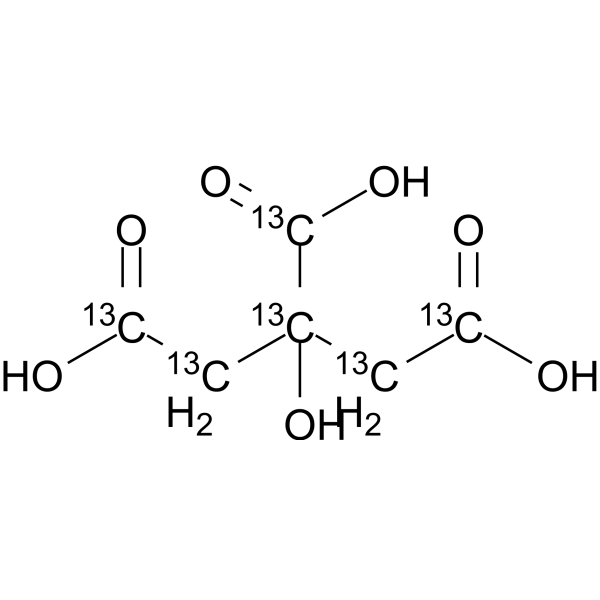
Citric acid- 13C6 is the 13C-labeled Citric acid (HY-N1428). Citric acid is a natural preservative and food tartness enhancer. Citric acid induces apoptosis and cell cycle arrest at G2/M phase and S phase in HaCaT cells. Citric acid cause oxidative damage of the liver by means of the decrease of antioxidative enzyme activities. Citric acid is also an acidulant, emulsifier, sequestrant and buffering agent widely used across many industries .
|
-
-
- HY-N1428S
-
|
|
|
Citric acid-d4 is the deuterium labeled Citric acid (HY-N1428). Citric acid is a natural preservative and food tartness enhancer. Citric acid induces apoptosis and cell cycle arrest at G2/M phase and S phase in HaCaT cells. Citric acid cause oxidative damage of the liver by means of the decrease of antioxidative enzyme activities. Citric acid is also an acidulant, emulsifier, sequestrant and buffering agent widely used across many industries .
|
-
-
- HY-D0857S
-
1 Publications Verification
|
|
HEPES-d18 is the deuterium labeled HEPES . HEPES, a nonvolatile zwitterionic chemical buffering agent, is broadly applied in cell culture. HEPES is effective at pH 6.8 to 8.2. HEPES is also a potent inducer of lysosome biogenesis .
|
-
-
- HY-W251598S
-
|
|
|
Bicarbonate- 13C sodium is the 13C-labeled Sodium bicarbonate (HY-Y0756). Sodium bicarbonate is an inorganic salt that is neutral to slightly alkaline and easily decomposes when exposed to moisture in the air. Sodium bicarbonate can maintain the pH of the culture medium, thereby affecting the expression of inducible nitric oxide synthase (iNOS) and nitric oxide (NO) production in macrophages and reversing the acidosis of the tumor microenvironment. Sodium bicarbonate is widely used in the fields of food, medicine, cosmetics, etc. Its main uses include buffers, flavoring agents, disinfectants, pharmaceuticals, and proton gradient regulators. Sodium bicarbonate is also commonly used as an antacid to inhibit gastrointestinal diseases, neutralize gastric acid, and reduce gastric discomfort .
|
-
-
- HY-113354S
-
|
|
|
Anserine-d4 is the deuterium labeled Anserine. Anserine, a methylated form of Carnosine, is an orally active, natural Histidine-containing dipeptide found in skeletal muscle of vertebrates. Anserine is not cleaved by serum carnosinase and act as biochemical buffers, chelators, antioxidants, and anti-glycation agents. Anserine improves memory functions in Alzheimer's disease (AD)-model mice .
|
-
-
- HY-N1428S3
-
|
|
|
Citric acid- 13C3 is the 13C-labeled Citric acid (HY-N1428). Citric acid is a natural preservative and food tartness enhancer. Citric acid induces apoptosis and cell cycle arrest at G2/M phase and S phase in HaCaT cells. Citric acid cause oxidative damage of the liver by means of the decrease of antioxidative enzyme activities. Citric acid is also an acidulant, emulsifier, sequestrant and buffering agent widely used across many industries .
|
-
-
- HY-Y0842S1
-
|
|
|
Formamide-d3 is the deuterium labeled Formamide (HY-Y0842). Formamide is an effective DNA denaturant that significantly reduces the stability of DNA in buffer solutions. Formamide can also be used as a decalcifying agent for rat cardiac cells. Additionally, formamide is widely used as a solvent or chemical raw material for ion compounds, resins, and plasticizers.
|
-
-
- HY-Y0842S3
-
|
|
|
Formamide- 15N is the 15N labeled Formamide (HY-Y0842). Formamide is an effective DNA denaturant that significantly reduces the stability of DNA in buffer solutions. Formamide can also be used as a decalcifying agent for rat cardiac cells. Additionally, formamide is widely used as a solvent or chemical raw material for ion compounds, resins, and plasticizers.
|
-
-
- HY-N1428S2
-
|
|
|
Citric acid- 13C2 is the 13C-labeled Citric acid (HY-N1428). Citric acid is a natural preservative and food tartness enhancer. Citric acid induces apoptosis and cell cycle arrest at G2/M phase and S phase in HaCaT cells. Citric acid cause oxidative damage of the liver by means of the decrease of antioxidative enzyme activities. Citric acid is also an acidulant, emulsifier, sequestrant and buffering agent widely used across many industries .
|
-
-
- HY-N1428S6
-
|
|
|
Citric acid-d4-1 is deuterated labeled Citric acid (HY-N1428). Citric acid is a natural preservative and food tartness enhancer. Citric acid induces apoptosis and cell cycle arrest at G2/M phase and S phase in HaCaT cells. Citric acid cause oxidative damage of the liver by means of the decrease of antioxidative enzyme activities. Citric acid is also an acidulant, emulsifier, sequestrant and buffering agent widely used across many industries .
|
-
-
- HY-W127841
-
|
|
|
Citric acid-2,4- 13C2 is the 13C-labeled Citric acid (HY-N1428). Citric acid is a natural preservative and food tartness enhancer. Citric acid induces apoptosis and cell cycle arrest at G2/M phase and S phase in HaCaT cells. Citric acid cause oxidative damage of the liver by means of the decrease of antioxidative enzyme activities. Citric acid is also an acidulant, emulsifier, sequestrant and buffering agent widely used across many industries .
|
-
-
- HY-D0859S
-
|
|
|
MOPS-d15 is the deuterium labeled MOPS (HY-D0859). MOPS is a buffering agent used in biology. MOPS buffer maintains the pH of mammalian cell culture media. MOPS significantly improves the thermal stability of BSA (HY-D0842) .
|
-
-
- HY-D0875S
-
|
|
|
PIPES-d18 is the deuterium labeled PIPES . PIPES (1,4-Piperazinediethanesulfonic acid) is an important component of PIPES buffer agent used in biochemistry .
|
-
-
- HY-Y0842S5
-
|
|
|
Formamide-d2 is the deuterium labeled Formamide (HY-Y0842). Formamide is an effective DNA denaturant that significantly reduces the stability of DNA in buffer solutions. Formamide can also be used as a decalcifying agent for rat cardiac cells. Additionally, formamide is widely used as a solvent or chemical raw material for ion compounds, resins, and plasticizers.
|
-
-
- HY-Y0842S4
-
|
|
|
Formamide-d1 is the deuterium labeled Formamide (HY-Y0842). Formamide is an effective DNA denaturant that significantly reduces the stability of DNA in buffer solutions. Formamide can also be used as a decalcifying agent for rat cardiac cells. Additionally, formamide is widely used as a solvent or chemical raw material for ion compounds, resins, and plasticizers.
|
-
-
- HY-113354S1
-
|
|
|
Anserine-d4 hydrochloride is the deuterium labeled Anserine (HY-113354). Anserine, a methylated form of Carnosine, is an orally active, natural Histidine-containing dipeptide found in skeletal muscle of vertebrates. Anserine is not cleaved by serum carnosinase and act as biochemical buffers, chelators, antioxidants, and anti-glycation agents. Anserine improves memory functions in Alzheimer's disease (AD)-model mice .
|
-
-
- HY-Y0842S
-
|
|
|
Formamide- 13C is the 13C-labeled Formamide (HY-Y0842). Formamide is an effective DNA denaturant that significantly reduces the stability of DNA in buffer solutions. Formamide can also be used as a decalcifying agent for rat cardiac cells. Additionally, formamide is widely used as a solvent or chemical raw material for ion compounds, resins, and plasticizers.
|
-
-
- HY-Y0842S2
-
|
|
|
Glycine- 13C, 15N is the 13C and 15N labeled Glycine (HY-Y0842). Formamide is an effective DNA denaturant that significantly reduces the stability of DNA in buffer solutions. It induces apoptosis by promoting the formation of cyclic nucleotides and the phosphorylation and dephosphorylation processes of nucleotides, making it useful in cancer research. Formamide can also be used as a decalcifying agent for rat cardiac cells. Additionally, formamide is widely used as a solvent or chemical raw material for ion compounds, resins, and plasticizers. .
|
-
-
- HY-W724319
-
|
|
|
Citric acid-d4 trisodium (Sodium citrate-d4) is the deuterium labeled Citric acid trisodium (HY-B2201). Citric acid trisodium (Sodium citrate) is a natural preservative and food tartness enhancer. Citric acid trisodium induces apoptosis and cell cycle arrest at G2/M phase and S phase in HaCaT cells. Citric acid trisodium cause oxidative damage of the liver by means of the decrease of antioxidative enzyme activities. Citric acid trisodium is also an acidulant, emulsifier, sequestrant and buffering agent widely used across many industries .
|
-
| Cat. No. |
Product Name |
|
Classification |
-
- HY-B2243
-
|
Sodium phosphate monobasic; Monosodium dihydrogen orthophosphate; Monosodium phosphate
|
|
Chelating Agents
pH Modifiers
|
|
Dihydrogen monosodium phosphate (Monosodium phosphate) is an inorganic salt compound commonly used in industry and laboratories. It can be used as a buffer, nutritional supplement, cleaning agent, etc., and plays a role in certain metal processing, pharmaceutical and chemical industries. In addition, Dihydrogen monosodium phosphate can also be used in the field of water treatment and environmental protection, for example as a purifying agent or precipitating agent for solutions.
|
Your information is safe with us. * Required Fields.
Inquiry Information
- Product Name:
- Cat. No.:
- Quantity:
- MCE Japan Authorized Agent:

