Search Result
Results for "
cavity
" in MedChemExpress (MCE) Product Catalog:
3
Biochemical Assay Reagents
3
Isotope-Labeled Compounds
| Cat. No. |
Product Name |
Target |
Research Areas |
Chemical Structure |
-
- HY-N7434
-
|
Diethylnitrosamine; DEN; DENA
|
DNA/RNA Synthesis
|
Cancer
|
|
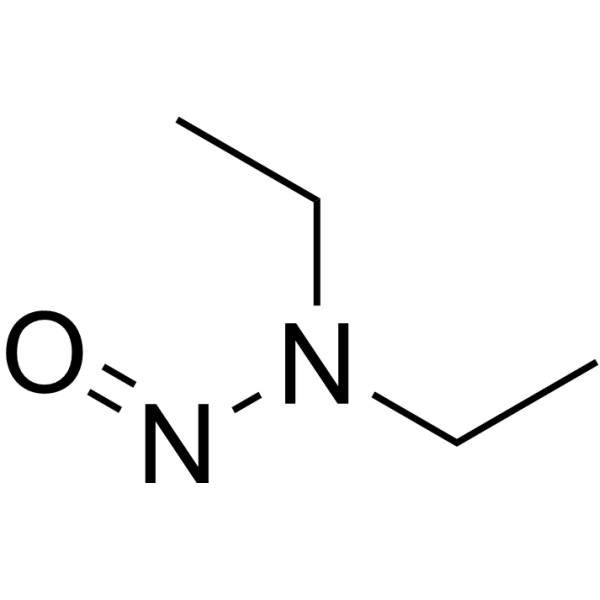
N-Nitrosodiethylamine (Diethylnitrosamine) is a potent hepatocarcinogenic dialkylnitrosoamine. N-Nitrosodiethylamine is mainly present in tobacco smoke, water, cheddar cheese, cured, fried meals and many alcoholic beverages. N-Nitrosodiethylamine is responsible for the changes in the nuclear enzymes associated with DNA repair/replication. N-Nitrosodiethylamine results in various tumors in all animal species. The main target organs are the nasal cavity, trachea, lung, esophagus and liver.
|
-
-
- HY-N7434S1
-
|
Diethylnitrosamine-d10; DEN-d10; DENA-d10
|
DNA/RNA Synthesis
|
Cancer
|
|
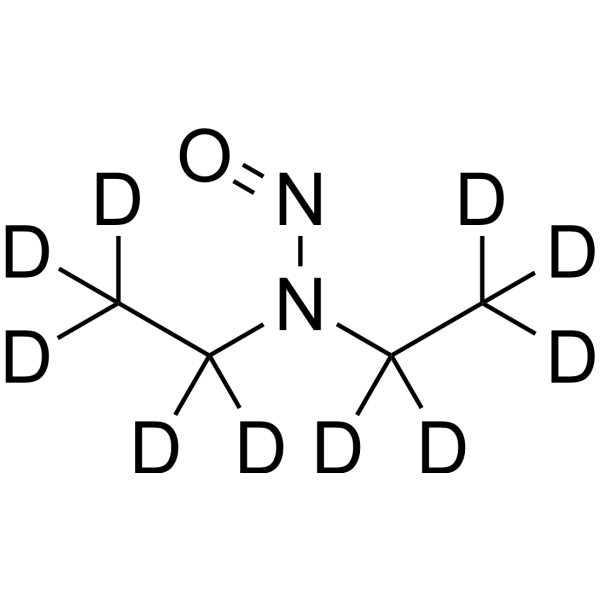
N-Nitrosodiethylamine-d10 is the deuterium labeled N-Nitrosodiethylamine . N-Nitrosodiethylamine (Diethylnitrosamine) is a potent hepatocarcinogenic dialkylnitrosoamine. N-Nitrosodiethylamine is mainly present in tobacco smoke, water, cheddar cheese, cured, fried meals and many alcoholic beverages. N-Nitrosodiethylamine is responsible for the changes in the nuclear enzymes associated with DNA repair/replication. N-Nitrosodiethylamine results in various tumors in all animal species. The main target organs are the nasal cavity, trachea, lung, esophagus and liver.
|
-
-
- HY-165559
-
|
|
TRP Channel
|
Inflammation/Immunology
|
|
Trpvicin is a potent and subtype-selective TRPV3 inhibitor with IC50s of 0.41 and 0.22 μM for hTRPV3-WT and hTRPV3-G573S mutant, respectively. Trpvicin exhibits minimal effects on other TRP family members (such as TRPV1/2/4/5/6, TRPA1 and TRPM8). Trpvicin inhibits the TRPV3 channel by stabilizing it in a closed state via VSLD-PD binding. Trpvicin accesses additional binding sites inside the central cavity of the G573S mutant to remodel symmetry and block the channel. Trpvicin inhibits itch and hair loss in mouse models. Trpvicin can be used for study of inflammation and immunology .
|
-
-
- HY-W007656
-
|
|
Biochemical Assay Reagents
|
Others
|
|
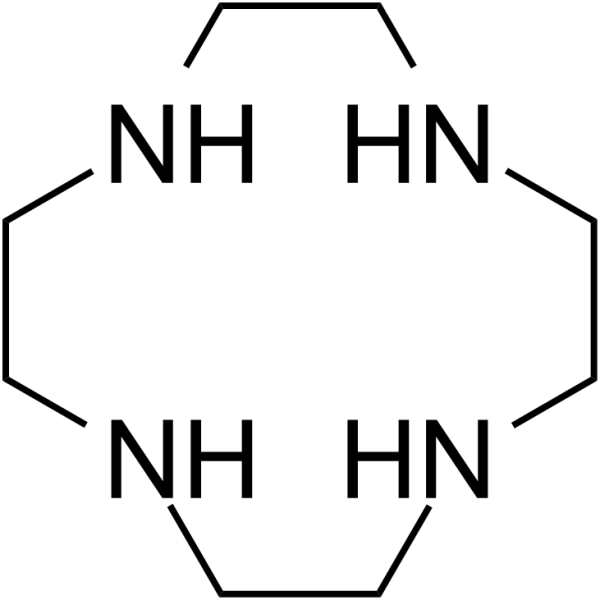
Cyclen is a macrocyclic tetraamine chelating agent. Cyclen is the aza analogue of crown ether, used as a precursor for MRI contrast agents, and is an intermediate for the preparation of effective macrocyclic chelates. Cyclen is employed as a structural regulator through interfacial polymerization of polyethleneimine (PEI) and trimesoyl chloride (TMC) to develop polyamide NF membrane with efficient Li +/Mg 2+ separation performance. Cyclen has specific cavity structure and exhibits selective coordination properties for Li + ions [1][2].
|
-
-
- HY-108637
-
|
|
MDM-2/p53
|
Cancer
|
|
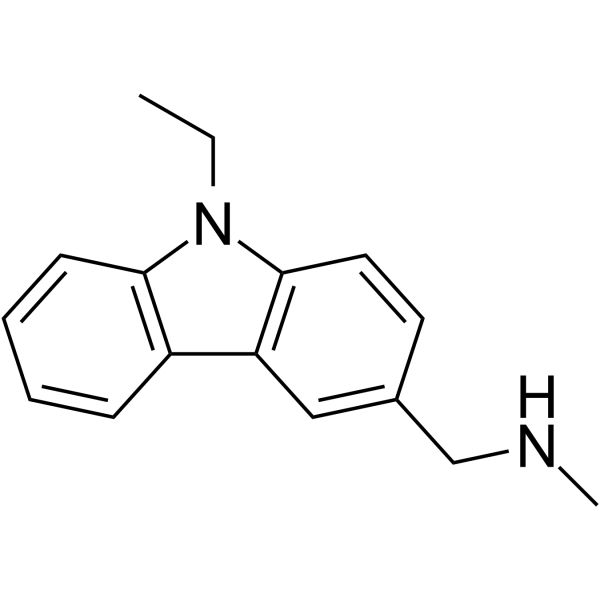
PhiKan 083 is a carbazole derivative, which binds to the surface cavity and stabilizes Y220C (a p53 mutant), with a Kd of 167 μM. PhiKan 083 can be used for cancer research .
|
-
-
- HY-I0096
-
|
|
iGluR
HIV
HIV Integrase
|
Neurological Disease
|
|
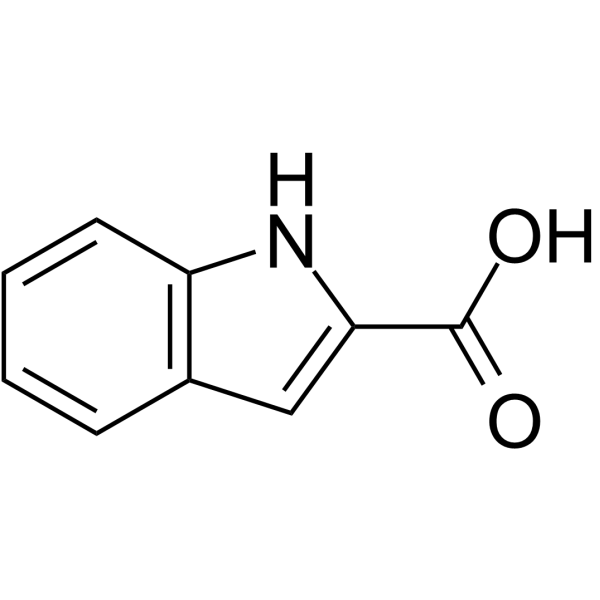
Indole-2-carboxylic acid (I2CA) is a competitive antagonist of the glycine site of the NMDA receptor (Ki=15 μM, 5-fluoro-I2CA) and an inhibitor of HIV-1 integrase. Indole-2-carboxylic acid is selective for the glycine site of the NMDA receptor and blocks the enhancement of NMDA receptor by competitively inhibiting the binding of glycine to the NMDA receptor. Indole-2-carboxylic acid can also inhibit the strand transfer activity of HIV-1 integrase by chelating Mg 2+ at the active site of integrase and interacting with the hydrophobic cavity. Indole-2-carboxylic acid can be used in the study of neurological diseases (such as stroke, epilepsy) and HIV-1 infection .
|
-
-
- HY-130187A
-
|
|
Bacterial
|
Infection
|
|
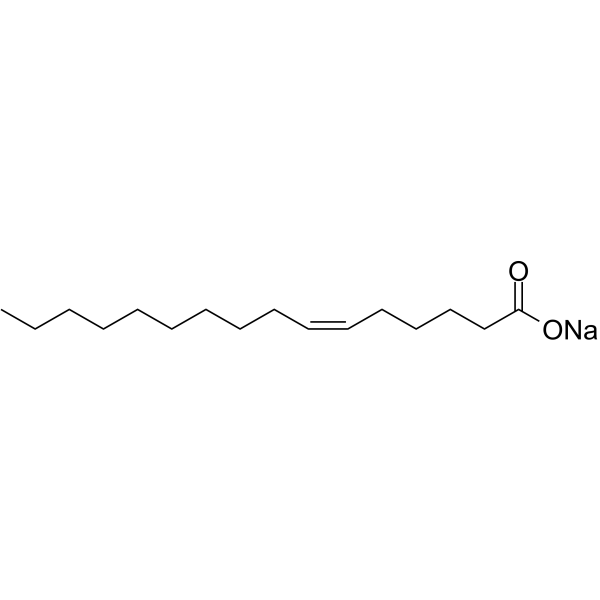
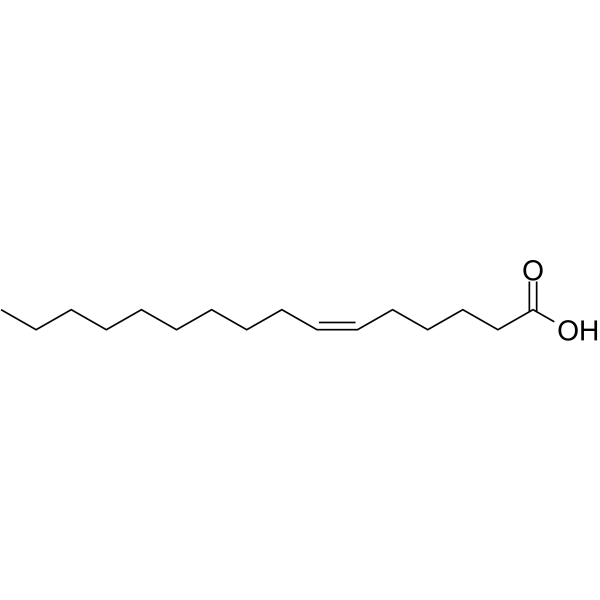
Sapienic acid sodium is a fatty acid commonly found on the skin and in mucosa. Sapienic acid sodium has variable antimicrobial activities against Gram-positive and Gram-negative bacteria found on the skin and in the oral cavity. Sapienic acid sodium is active against Streptococcus sanguinis, Streptococcus mitis and Fusobacterium nucleatum with MBC values of 31.3 μg/mL, 375.0 μg/mL and 93.8 μg/mL, respectively .
|
-
-
- HY-W403933
-
|
|
Endogenous Metabolite
|
Metabolic Disease
|
|
12-Ketochenodeoxycholic acid is an anomalous bile acid and Chenodeoxycholic acid (HY-76847) precursor. 12-Ketochenodeoxycholic acid can be used for the research of hepatobiliary diseases .
|
-
-
- HY-101532
-
|
β-CDN3; 6A-deoxy-6A-azido-β-cyclodextrin
|
Biochemical Assay Reagents
|
Others
|
|
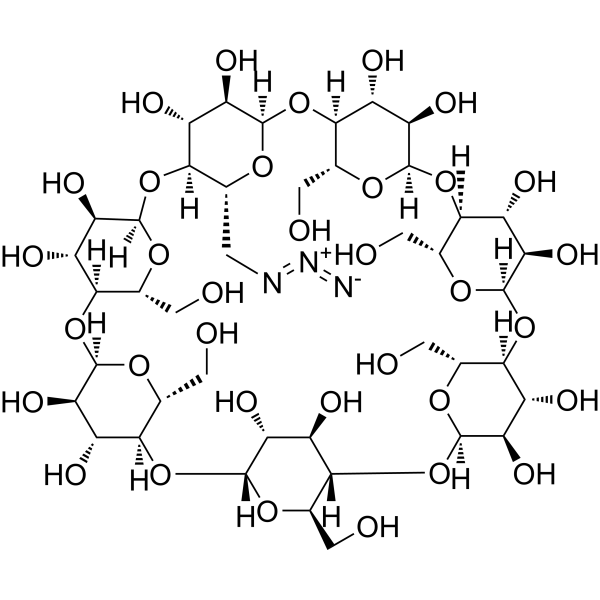
6A-Azido-6A-deoxy-β-cyclodextrin (β-CDN3) is a site-specifically modified β-cyclodextrin with a single azido group replacing the hydroxyl group at the C6 position. 6A-Azido-6A-deoxy-β-cyclodextrin forms a host-guest inclusion complex with Dexamethasone (HY-14648), localizing the drug within its hydrophobic cavity, which restricts the rotational mobility of the drug and places Dexamethasone in a less polar environment. 6A-Azido-6A-deoxy-β-cyclodextrin acts as a coupling agent to graft β-cyclodextrin onto thermosensitive nanogels via strain-promoted alkyne-azide cycloaddition (SPAAC). 6A-Azido-6A-deoxy-β-cyclodextrin also serves as a click chemistry reagent. It contains an azide group and undergoes copper-catalyzed azide-alkyne cycloaddition (CuAAc) with molecules bearing an alkyne group. It also undergoes strain-driven alkyne-azide cycloaddition (SPAAC) with molecules containing DBCO or BCN groups .
|
-
-
- HY-137557
-
|
APN1607; PM-PBB3
|
Tau Protein
|
Neurological Disease
|
|
Florzolotau (APN1607) is a positron emission tomography (PET) ligand that can be used for the detection of Alzheimer's disease (AD) and other tau proteinopathies. Its binding sites are located in the β-sheet of paired helical filaments (PHFs) and straight filaments (SFs) of tau protein, as well as in the C-shaped cavity of SFs. In addition, APN-1607 binds to intraneuronal inclusions in Alzheimer's disease (AD), primary age-related tauopathy (PART) and posterior cortical atrophy (PCA). Florzolotau shows promise for PET imaging studies of neurological disorders, particularly tau proteinopathies .
|
-
-
- HY-P11446
-
|
|
Transmembrane Glycoprotein
|
Cancer
|
|
AE105 is a 9-mer peptide probe targeting the urokinase-type plasminogen activator receptor (uPAR). AE105 binds tightly to the uPA-binding cavity of uPAR. AE105 can be used for the study of cancer .
|
-
-
- HY-W004883
-
|
5A-DMP
|
E1/E2/E3 Enzyme
DNA/RNA Synthesis
|
Cancer
|
|
3-Amino-4,6-dimethylpyridine (5A-DMP) is a UHRF1 inhibitor that targets the Arg-binding cavity site within the UHRF1 TTD domain. 3-Amino-4,6-dimethylpyridine disrupts the interaction between UHRF1 and LIG1, interfering with DNA methylation, and can be utilized in cancer research .
|
-
-
- HY-115488A
-
|
|
HIV
|
Infection
|
|
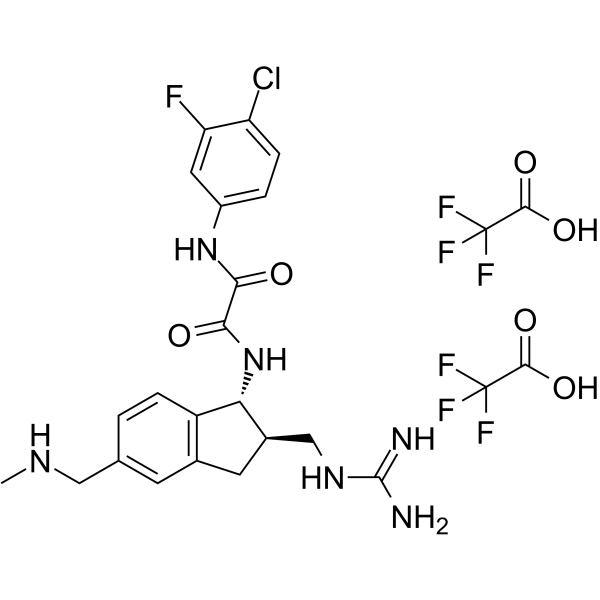
BNM-III-170, CD4-mimeticcompound, is an anti-HIV-1 agent. BNM-III-170 binds to the Phe43 cavity of HIV 1 gp120. BNM-III-170 can inhibits HIV-1 viral entry into target cells. BNM-III-170 can be used for the research of HIV-1 infection .
|
-
-
- HY-B1390A
-
|
|
Environmental Pollutants
Bacterial
|
Infection
|
|
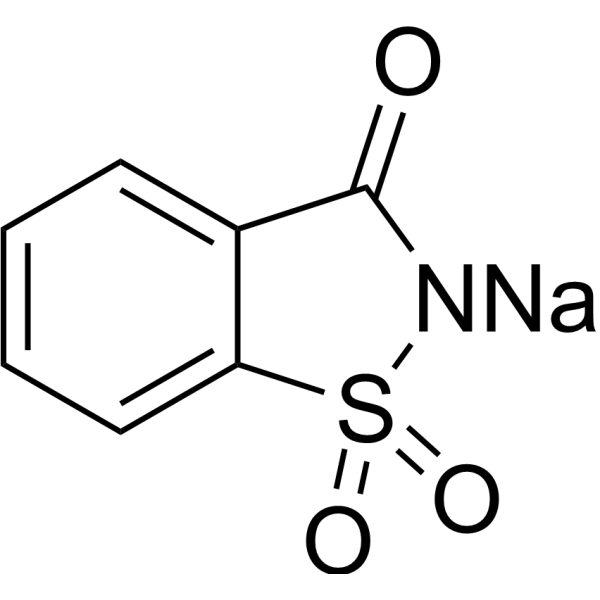
Saccharin sodium is an orally active, non-caloric artificial sweetener (NAS). Saccharin sodium has bacteriostatic and microbiome-modulating properties. Saccharin binds to and signals via specific taste receptors, not only in the oral cavity but also alongside the gastrointestinal tract. Saccharin has been reported to bind the human and rodent heteromeric guanine nucleotide-binding protein (G protein) coupled sweet taste receptors T1R2/T2R3 as well as the human bitter taste receptor T2R43 and T2R44. Saccharin can inhibit bacterial growth in vitro .
|
-
-
- HY-139731
-
|
|
Transketolase
Herbicide
|
Others
|
|
Transketolase-IN-1 is a transketolase inhibitor and a herbicide. Transketolase-IN-1 inhibits weed growth and exhibits safety for maize and wheat at specified application rates. Transketolase-IN-1 can be used for the research of weed control in wheat and maize fields .
|
-
-
- HY-130187
-
|
|
Bacterial
|
Infection
|
|
Sapienic acid is a fatty acid commonly found on the skin and in mucosa. Sapienic acid has variable antimicrobial activities against Gram-positive and Gram-negative bacteria found on the skin and in the oral cavity. Sapienic acid is active against Streptococcus sanguinis, Streptococcus mitis and Fusobacterium nucleatum with MBC values of 31.3 μg/mL, 375.0 μg/mL and 93.8 μg/mL, respectively .
|
-
-
- HY-W130354
-
|
|
Biochemical Assay Reagents
|
Others
|
|
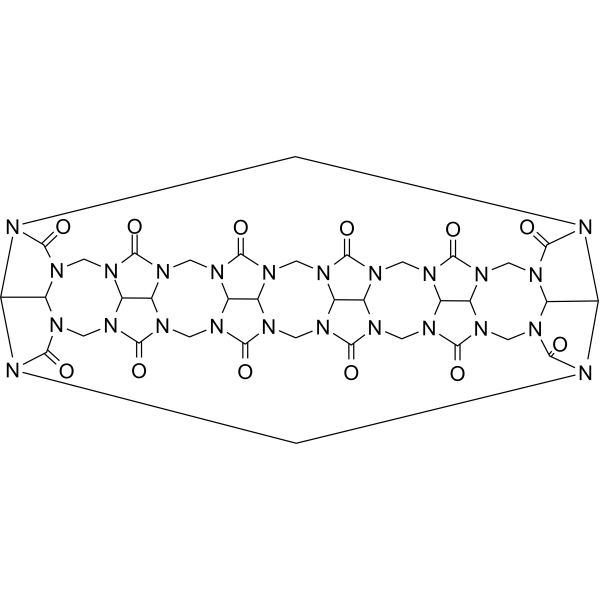
Cucurbituril is a container molecule resembling a hollow pumpkin, with two identical inlets at each end and a hydrophobic cavity in the middle. Cucurbiturils have unique chemical properties that allow them to selectively encapsulate guest molecules such as drugs or catalysts within their cavities, shielding them from the surrounding environment. Cucurbituril has important potential applications in various fields such as drug delivery, catalysis and materials science.
|
-
-
- HY-W342021
-
|
H-Thr-Leu-OH; L-Threonyl-L-leucine
|
Amino Acid Derivatives
|
Others
|
|
Thr-Leu is a dipeptide composed of threonine and leucine. Thr-Leu can be hydrolyzed in the peritoneal cavity to generate constituent amino acids, thereby increasing the osmotic pressure of the dialysate. Thr-Leu can be used for the kinetic study of amino acid-based peritoneal dialysis fluids .
|
-
-
- HY-B2203
-
|
|
Phosphatase
|
Metabolic Disease
|
|
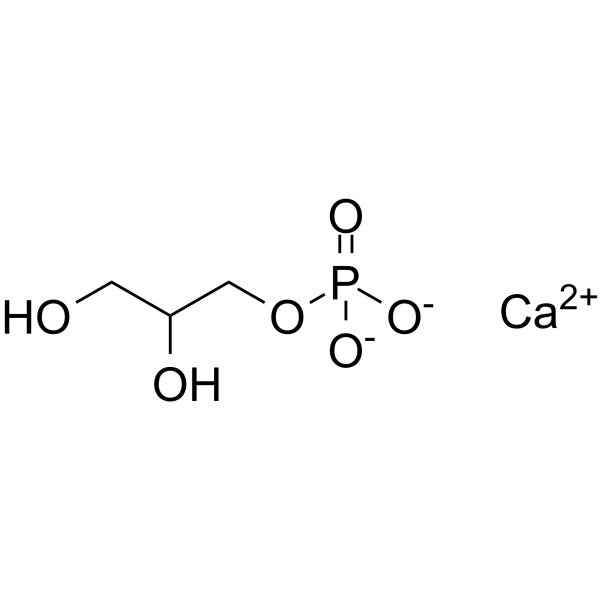
Monocalcium glycerophosphate is an inhibitor of intestinal alkaline phosphatase F3, and it has anti-cavity properties. Monocalcium glycerophosphate is a source of calcium and phosphorus in total parenteral nutrition solutions, helps prevent the mineralization and development of bones from intravenous nutrition, and maintains the integrity of the intestinal epithelium .
|
-
-
- HY-130178
-
|
|
Endogenous Metabolite
|
Infection
|
|
CL-385319 is an N-substituted piperidine compound with inhibitory activity against H5N1 avian influenza A virus infection. CL-385319 exhibited an IC50 of 27.03±2.54 μM against infection of highly pathogenic H5N1 virus in Madin-Darby canine kidney cells (MDCK). CL-385319 had low cytotoxicity with a CC50 of 1.48 mM and was able to inhibit the entry of pseudoviruses carrying H5N1 strains from different sources, but had no inhibitory effect on the entry of VSV-G pseudotyped particles. Pseudoviruses with the M24A mutation in HA1 or the F110S mutation in HA2 were resistant to CL-385319, indicating that these two residues in the cavity region may be critical for the binding of CL-385319 .
|
-
-
- HY-W001952
-
|
|
Fluorescent Dye
Drug Intermediate
|
Others
|
|
6-Bromo-2-naphthol is an RTP (real-time polymerase chain reaction) probe that forms a 1:1 or 2:1 complex with β-cyclodextrin (β-CD). 6-Bromo-2-naphthol is capable of real-time monitoring of PCR reactions and quantification of specific nucleic acid sequences. RTP probes are a class of small DNA or RNA sequences labeled with fluorescent dyes and quencher molecules, which can be widely used in gene expression analysis, SNP genotyping, and pathogen detection. 6-Bromo-2-naphthol embeds into the cyclodextrin cavity through hydrophobic interactions, inhibits the oxygen quenching effect, and emits a phosphorescent signal at room temperature. 6-Bromo-2-naphthol can also be used as an intermediate for the synthesis of antibacterial azo dyes, and its derivatives show antibacterial activity against Staphylococcus aureus, Escherichia coli and other bacteria .
|
-
-
- HY-150137
-
|
|
Biochemical Assay Reagents
|
Others
|
|
Iomeprol is a nonionic X-ray contrast agent with low osmotic pressure, stable chemical properties, and can withstand high temperature sterilization. Iomeprol can be widely used in vascular, body cavity, and gastrointestinal angiography examinations .
|
-
-
- HY-114508
-
|
3-Phenylpropiophenone; β-Phenylpropiophenone
|
Amyloid-β
|
Neurological Disease
|
|
Dihydrochalcone (3-Phenylpropiophenone) is a Aβ aggregation inhibitor. Dihydrochalcone destabilizes Aβ17-42 protofibrils by disrupting the β-sheet of β1 region. Dihydrochalcone destabilizes both U-shaped Aβ40/Aβ42 protofibrils and S-shaped Aβ42 protofibrils by binding to the protofibril cavity. Dihydrochalcone is the main component of daemonorops draco tree .
|
-
-
- HY-N7434S
-
|
Diethylnitrosamine-d4; DEN-d4; DENA-d4
|
DNA/RNA Synthesis
|
Cancer
|
|
N-Nitrosodiethylamine-d4 is the deuterium labeled N-Nitrosodiethylamine . N-Nitrosodiethylamine (Diethylnitrosamine) is a potent hepatocarcinogenic dialkylnitrosoamine. N-Nitrosodiethylamine is mainly present in tobacco smoke, water, cheddar cheese, cured, fried meals and many alcoholic beverages. N-Nitrosodiethylamine is responsible for the changes in the nuclear enzymes associated with DNA repair/replication. N-Nitrosodiethylamine results in various tumors in all animal species. The main target organs are the nasal cavity, trachea, lung, esophagus and liver.
|
-
-
- HY-B0050
-
|
|
Bacterial
|
Infection
|
|
Delmopinol is an antimicrobial agent that can be used in the oral cavity to inhibit the formation of dental biofilm.
|
-
-
- HY-145937
-
|
|
MDM-2/p53
|
Cancer
|
|
PK9327 is a small-molecule stabilizer targeting cavity-creating p53 cancer mutations.
|
-
-
- HY-116188
-
|
|
Others
|
Inflammation/Immunology
|
|
HX1 is a potent reversible myeloperoxidase (MPO) inhibitor with an IC50 value of 50 nM. HX1 is bound within the active site cavity above the heme and blocks the substrate channel. HX1 is promising for research of inflammatory diseases .
|
-
-
- HY-107201A
-
|
Betadex hydrate
|
Biochemical Assay Reagents
|
Others
|
|
β-Cyclodextrin hydrate (Betadex hydrate) is a cyclic oligosaccharide composed of seven glucose units, featuring a hydrophobic central cavity and a hydrophilic outer surface. β-Cyclodextrin hydrate is utilized in an immunoassay method that leverages the complex formed by β-Cyclodextrin hydrate with small molecules to enhance the sensitivity of the immunodetection for these small molecules. β-Cyclodextrin hydrate is applicable for research in biosensing and immunoanalysis .
|
-
-
- HY-B0050A
-
|
|
Bacterial
|
Infection
|
|
Delmopinol hydrochloride is an antimicrobial agent that can be used in the oral cavity to inhibit the formation of dental biofilm .
|
-
-
- HY-W615797
-
|
|
Drug Derivative
|
Cancer
|
|
DL-Sarcolysine is an alkylating agent-based antitumor agent. DL-Sarcolysine shows significant inhibitory activity against solid tumors transplanted subcutaneously and in the abdominal cavity .
|
-
-
- HY-108637A
-
|
|
MDM-2/p53
|
Cancer
|
|
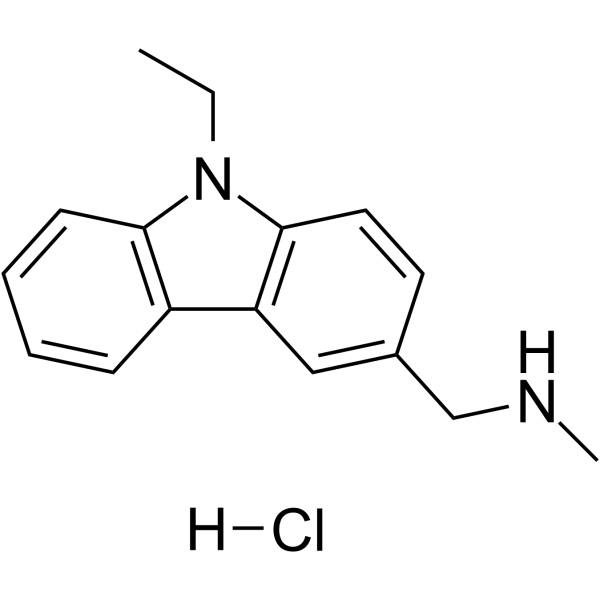
PhiKan 083 hydrochloride is a carbazole derivative, which binds to the surface cavity and stabilizes Y220C (a p53 mutant), with a Kd of 167 μM , and a relative binding affinity (Kd) of 150 μM in Ln229 cells .
|
-
-
- HY-P11446A
-
|
|
Transmembrane Glycoprotein
|
Cancer
|
|
AE105 TFA is a 9-mer peptide probe targeting the urokinase-type plasminogen activator receptor (uPAR). AE105 TFA binds tightly to the uPA-binding cavity of uPAR. AE105 TFA can be used for the study of cancer .
|
-
-
- HY-106526
-
|
Bactacine; Nanbacine
|
Bacterial
|
Infection
Inflammation/Immunology
|
|
Xibornol (Bactacine) has strong antibacterial action against Streptococcus pneumoniae, Streptococcus pyogenes, and Staphyloccus aureus, as well as against Actinomyces israelii and Corynebacterium ulcerans. Xibornol has the potential for using for the antisepsis of the oral cavity and as adjuvant in pharyngeal infections caused by Gram-positive microorganisms .
|
-
-
- HY-185048
-
|
|
Drug Intermediate
|
Neurological Disease
|
|
PCB-OAA is a biocompatible multivinyl polycarboxybetaine macromonomer and that exhibits anti-fouling activity. PCB-OAA can form a hydrogel in vitreous cavity and shows an appealing ability to prevent significantly inflammatory response, fibrosis and complications such as raised intraocular pressure, and cataract formation. PCB-OAA can be used for the research of vitreous substitution .
|
-
-
- HY-W012248
-
|
|
Aryl Hydrocarbon Receptor
|
Others
|
|
KG-655 is a small molecule compound that binds to the β-folded surface and internal cavity of ARNT PAS-B and interferes with its binding to the transcriptional coactivator TACC3. KG-655 can promote the homodimerization of ARNT PAS-B and has the potential to regulate multiple ARNT-mediated signaling pathways .
|
-
-
- HY-P11309
-
|
|
Biochemical Assay Reagents
|
Neurological Disease
|
|
QL6 peptide is a self-assembling peptide. QL6 peptide can self-assembles into β-sheets bridging the cavity at neutral pH and improves the inhibitory environment by reducing inflammation and tissue scaring. QL6 peptide can be used for synthesis nanofiber scaffolds for spinal cord injuries (SCI) research .
|
-
-
- HY-N7434R
-
|
Diethylnitrosamine (Standard); DEN (Standard); DENA (Standard)
|
Reference Standards
DNA/RNA Synthesis
|
Cancer
|
|
N-Nitrosodiethylamine (Standard) is the analytical standard of N-Nitrosodiethylamine. This product is intended for research and analytical applications. N-Nitrosodiethylamine (Diethylnitrosamine) is a potent hepatocarcinogenic dialkylnitrosoamine. N-Nitrosodiethylamine is mainly present in tobacco smoke, water, cheddar cheese, cured, fried meals and many alcoholic beverages. N-Nitrosodiethylamine is responsible for the changes in the nuclear enzymes associated with DNA repair/replication. N-Nitrosodiethylamine results in various tumors in all animal species. The main target organs are the nasal cavity, trachea, lung, esophagus and liver.
|
-
-
- HY-121496
-
|
|
Toll-like Receptor (TLR)
Influenza Virus
|
Infection
Inflammation/Immunology
Cancer
|
|
3M-011 is a potent dual toll-like receptor TLR7/8 agonist and a cytokine inducer. 3M-011 significantly inhibits H3N2 influenza viral replication in the nasal cavity. 3M-011 is also a potent adjuvant to radiotherapy that induces local and profound systemic immune responses during radiotherapy. 3M-011 strongly has antitumor action .
|
-
-
- HY-B1390AR
-
|
|
Bacterial
Reference Standards
|
Infection
|
|
Saccharin (sodium) (Standard) is the analytical standard of Saccharin (sodium). This product is intended for research and analytical applications. Saccharin sodium is an orally active, non-caloric artificial sweetener (NAS). Saccharin sodium has bacteriostatic and microbiome-modulating properties. Saccharin binds to and signals via specific taste receptors, not only in the oral cavity but also alongside the gastrointestinal tract. Saccharin has been reported to bind the human and rodent heteromeric guanine nucleotide-binding protein (G protein) coupled sweet taste receptors T1R2/T2R3 as well as the human bitter taste receptor T2R43 and T2R44. Saccharin can inhibit bacterial growth in vitro .
|
-
-
- HY-10445
-
|
Azoline; R126638
|
Fungal
|
Infection
|
|
Pramiconazole is a broad-spectrum antifungal agent with oral activity. Pramiconazole has a good affinity for 14α-demethylase. Pramiconazole can be used in the study of fungal infections in the local skin, hair, nails, oral cavity, and genital mucosa .
|
-
-
- HY-135618
-
|
|
Dihydroorotate Dehydrogenase
DNA/RNA Synthesis
|
Infection
|
|
DHODH-IN-3 (compound 3) is a potent inhibitor of Human Dihydroorotate Dehydrogenases (HsDHODH) with an IC50 value of 261 nM. DHODH-IN-3 binds to the the ubiquinone binding cavities in DHODH with a Ki app of 32 nM. DHODH-IN-3 has the potential for malaria treatment .
|
-
-
- HY-W342021R
-
|
H-Thr-Leu-OH (Standard); L-Threonyl-L-leucine (Standard)
|
Reference Standards
Others
|
Others
|
|
Thr-Leu is a dipeptide composed of threonine and leucine. Thr-Leu can be hydrolyzed in the peritoneal cavity to generate constituent amino acids, thereby increasing the osmotic pressure of the dialysate. Thr-Leu can be used for the kinetic study of amino acid-based peritoneal dialysis fluids .
|
-
-
- HY-163522
-
|
|
Influenza Virus
|
Infection
|
|
Neuraminidase-IN-20 (Compound 5i) is a potent inhibitor of mutant neuraminidase (NA) (H5N1-H274Y) (IC50= 0.44 μM).Neuraminidase-IN-20 binds to the 430 cavity site of NA and disrupts the enzymatic activity of NA .
|
-
-
- HY-121820
-
|
|
HIV
|
Infection
|
|
DMJ-I-228 is a CD4-mimetic. DMJ-I-228 binds to HIV-1 gp120 within the conserved Phe 43 cavity near the CD4-binding site, thereby blocking CD4 binding and inhibiting HIV-1 infection .
|
-
-
- HY-130187S
-
|
|
Isotope-Labeled Compounds
Bacterial
|
Infection
|
|
Sapienic acid-d19 is a deuterated labeled Sapienic acid . Sapienic acid is a fatty acid commonly found on the skin and in mucosa. Sapienic acid has variable antimicrobial activities against Gram-positive and Gram-negative bacteria found on the skin and in the oral cavity. Sapienic acid is active against Streptococcus sanguinis, Streptococcus mitis and Fusobacterium nucleatum with MBC values of 31.3 μg/mL, 375.0 μg/mL and 93.8 μg/mL, respectively .
|
-
-
- HY-149581
-
|
|
Bacterial
|
Infection
|
|
DprE1-IN-9 (compound B18) is an effective reversible DprE1 inhibitor and can bind to the receptor cavity of DprE1. DprE1-IN-9 shows strong antimycobacterial activity not only against non-pathogenic strain H37Ra (MIC=0.18 µg/mL) but also against pathogenic H37Rv and the clinical MDR and XDR isolates .
|
-
-
- HY-W016586R
-
|
AT-125 (Standard); U-42126 (Standard)
|
Reference Standards
Parasite
γ-Glutamyl Transferase (GGT)
|
Infection
Cancer
|
|
Articaine (Standard) is the analytical standard of Articaine. This product is intended for research and analytical applications. Articaine (Hoe-045 free base) is an amide agent that can suppress or relieve pain. containing an ester group, reversibly binding to the α-subunit of the voltage-gated sodium channels within the inner cavity of the nerve, can provide effective pain relief. Articaine ameliorates LPS-induced acute kidney injury via inhibition of NF-κB activation and the NLRP3 inflammasome pathway .
|
-
-
- HY-149509
-
|
|
α-synuclein
|
Neurological Disease
|
|
α-Synuclein inhibitor 9 (Compound 20C) is an α-Synuclein inhibitor. α-Synuclein inhibitor 9 binds to cavities in mature α-synuclein fibrils and reduces the β-sheet structure. α-Synuclein inhibitor 9 inhibits A53T α-Syn aggregation. α-Synuclein inhibitor 9 has neuroprotective effect, improves brain functional connection and relieves motor dysfunction.α-Synuclein inhibitor 9 can be used for Parkinson’s disease (PD) research. .
|
-
-
- HY-133031A
-
|
|
Histone Methyltransferase
|
Others
|
|
CSV0C018875 hydrochloride is a G9a (EHMT2) inhibitor that inhibits G9a activity. CSV0C018875 can effectively inhibit G9a activity in both enzyme and cell-based assays, and its toxicity is much lower than that of the known G9a inhibitor BIX-01294. CSV0C018875 binds tightly to the active site cavity of G9a, thereby improving the binding firmness and prolonging the residence time of the compound, further enhancing the inhibitory effect of G9a. CSV0C018875 has the potential to improve its ADME (absorption, distribution, metabolism and excretion) and pharmacodynamic properties through further optimization .
|
-
-
- HY-183661
-
|
|
SARS-CoV
|
Infection
|
|
SCHEMBL12616233 is a SARS-CoV-2 main protease (MPro) inhibitor. SCHEMBL12616233 binds to the active cavity of SARS-CoV-2 MPro and forms a stable complex. SCHEMBL12616233 can be used for the research of covid-19 .
|
-
- HY-108637R
-
|
|
Reference Standards
MDM-2/p53
|
Cancer
|
|
PhiKan 083 (Standard) is the analytical standard of PhiKan 083 (HY-108637). This product is intended for research and analytical applications. PhiKan 083 is a carbazole derivative, which binds to the surface cavity and stabilizes Y220C (a p53 mutant), with a Kd of 167 μM. PhiKan 083 can be used for cancer research .
|
-
- HY-167973
-
|
|
GABA Receptor
|
Neurological Disease
|
|
GABA-palmitamide is a GABA-responsive compound. GABA-palmitamide exhibits a dose-dependent bidirectional regulatory effect on the stereotyped behavior induced by Apomorphine (HY-12723): high doses inhibit motor behavior, while low doses enhance stereotyped behaviors in the oral cavity. GABA-palmitamide can be used in research on behavior regulation .
|
-
- HY-N19854
-
|
|
NO Synthase
|
Neurological Disease
|
|
Mariaterpenoside A is an inducible nitric oxide synthase (iNOS) inhibitor. Mariaterpenoside A interacts with the active cavity of iNOS protein via hydrogen bonds with specific residues of the binding site. Mariaterpenoside A suppresses NO release in LPS (HY-D1056)-induced murine microglial BV-2 cells. Mariaterpenoside A can be used for the research of neurodegenerative disease .
|
-
- HY-183076
-
|
|
Bacterial
|
Infection
|
|
AW00718 is a Brachyspira pilosicoli glutamate racemase (Bp-MurI) inhibitor. AW00718 binds to Bp-MurI active site residues, forming stable hydrogen bonds and interactions with conserved amino acids in the enzyme’s binding cavity. AW00718 exerts antibacterial and bactericidal activity against Brachyspira pilosicoli in vitro. AW00718 can be used for the research of intestinal spirochaetosis .
|
-
- HY-113500A
-
|
HXA3
|
Lipoxygenase
|
Inflammation/Immunology
|
|
Hepoxilin A3 (HXA3) is a neutrophil chemo-attractant, synthesized by activating the PLA2-12-LOX pathway. Hepoxilin A3 can guide neutrophils to cross the epithelial barrier and migrate to the infection site (such as the alveolar cavity). The level of Hepoxilin A3 increases synchronously with neutrophil infiltration in mouse models. Hepoxilin A3 can be used to study inflammatory diseases (such as pneumonia, cystic fibrosis) .
|
-
- HY-P11720
-
|
|
Beta-lactamase
Bacterial
|
Infection
|
|
M104 peptide is an OXA-48 carbapenemase inhibitor and antibiotic potentiator. M104 peptide effectively blocks the binding and active site cavity of OXA-48 . M104 peptide restores Meropenem (HY-13678)’s antibacterial activity against OXA-48-producing Klebsiella pneumoniae. M104 peptide can be used for the research of Carbapenem-resistant Klebsiella pneumoniae infection .
|
-
- HY-115488
-
|
|
HIV
|
Infection
|
|
BNM-III-170 free base, CD4-mimeticcompound, is an anti-HIV-1 agent. BNM-III-170 free base, binds to the Phe43 cavity of HIV 1 gp120. BNM-III-170 can inhibits HIV-1 viral entry into target cells. BNM-III-170 free base, can be used for the research of HIV-1 infection .
|
-
- HY-181562
-
|
|
DNA/RNA Synthesis
|
Cancer
|
|
WRN-IN-24 is an orally active allosteric covalent Werner syndrome helicase (WRN) inhibitor with an IC50 of 201 nM. WRN-IN-24 binds to a novel allosteric cavity, forms an additional hydrogen bond with K894, and functionally inhibits WRN activity. WRN-IN-24 inhibits colorectal cancer cells proliferation and exerts dose-dependent antitumor activity in xenograft mouse models. WRN-IN-24 can be used for the research of microsatellite instability-high cancers, including colorectal cancer .
|
-
- HY-131660
-
|
|
Monoamine Oxidase
Amyloid-β
Reactive Oxygen Species (ROS)
|
Neurological Disease
|
|
MAO-B-IN-54 is a selective, reversible and competitiv monoamine oxidase B (MAOB) inhibitor with a human IC50 of 0.052 μM and a Ki of 0.028 μM. MAO-B-IN-54 shows weak activity MAOA. MAO-B-IN-54 occupies both the entrance and substrate cavity of MAOB, forming hydrophobic and hydrogen bonding interactions. MAO-B-IN-54 inhibits Aβ aggregation and ROS production. MAO-B-IN-54 can be used for the research of Alzheimer’s disease .
|
-
- HY-113658
-
|
|
Endogenous Metabolite
|
Others
|
|
ts-SA is a carbonic anhydrase (CA) inhibitor with activity against seven human CA homologues. ts-SA can bind to the Zn(II) ion in the enzyme active site in a deprotonated form. The organic skeleton of ts-SA extends in the enzyme cavity and participates in multiple interactions with amino acid residues and water molecules. Due to its structural differences, the inhibitory performance of ts-SA is significantly better than that of another pyridine derivative. ts-SA exhibits low nanomolar inhibitory activity and is a multi-target CA inhibitor .
|
-
- HY-W150770
-
|
Isophthalic acid diamide
|
Drug Intermediate
|
Others
|
|
Isophthalamide (Isophthalic acid diamide) is a widely used chemical scaffold for the design of high-performance fluorescent chemosensors.Isophthalamide, with its inherent hydrogen-bond-donating properties and tunable chelating cavity, enables highly selective recognition and detection of various analytes ranging from inorganic ions to complex organic molecules.Isophthalamide can be incorporated with various fluorophores to develop sensors displaying “turn-on” or “turn-off” signal responses.Isophthalamide-based sensors are thus capable of detecting diverse analytes including metal ions, anions, neutral molecules, pharmaceuticals, and explosives .
|
-
- HY-P11797
-
|
|
Transmembrane Glycoprotein
|
Cardiovascular Disease
|
|
EP9 is a 7-amino acid peptide targeting CD63. EP9 binds specifically to the extracellular region of CD63, including a groove in the large extracellular loop (EC2) or the extracellular end of CD63’s central cavity, triggering endocytosis of decorated nanoemulsions/liposomes into cells. EP9 promotes cellular uptake of decorated nanoemulsions/liposomes into activated cardiac fibroblasts and epicardial stromal cells via caveolae and/or clathrin-coated pits. EP9 can be used for the research of myocardial infarction, cardiac fibrosis .
|
-
- HY-180129
-
|
|
SARS-CoV
|
Infection
|
|
SARS-CoV-2-IN-120 (Compound S22) is a SARS-CoV-2-specific entry inhibitor. SARS-CoV-2-IN-120 binds and trimerizes within the apex cavity of the SARS2 spike trimer. SARS-CoV-2-IN-120 blocks RBD-ACE2 interaction. SARS-CoV-2-IN-120 neutralizes BA.2 and subsequent Omicron variants. SARS-CoV-2-IN-120 inhibits SARS-CoV-2 replication in mice .
|
-
- HY-W007656R
-
|
|
Reference Standards
|
Others
|
|
Cyclen (Standard) is the analytical standard substance of Cyclen. This product is used for research and analytical applications. Cyclen is a macrocyclic tetrathiolate chelating agent. Cyclen is a nitrogen-containing analogue of crown ethers and can be used as a precursor for MRI contrast agents, as well as an intermediate for preparing highly efficient macrocyclic chelates. As a structural regulator, Cyclen can be prepared into polyamide nanofiltration membranes with efficient Li +/Mg 2+ separation performance through the interfacial polymerization of polyethyleneimine (PEI) and meta-benzotriazole chloride (TMC). Cyclen has a unique cavity structure and exhibits selective coordination properties for Li + ions .
|
-
- HY-153149
-
|
|
Adenosine Receptor
Apoptosis
PGC-1α
|
Metabolic Disease
Inflammation/Immunology
|
|
LJ-2698 is an orally active adenosine A3 receptor antagonist. LJ-2698 induces increased levels of anti-inflammatory cytokines in macrophages and significantly elevates the number of anti-inflammatory M2 macrophages in the lung. LJ-2698 prevents alveolar cavity enlargement, restores pulmonary function, inhibits matrix metalloproteinase activity and pulmonary cell apoptosis in the lung tissues of mice. LJ-2698 prevents renal injury, inhibits renal lipid accumulation, and increases PGC1α levels in renal tissues of mice with diabetic nephropathy. LJ-2698 is applicable to the research of emphysema and diabetic nephropathy .
|
-
- HY-137557A
-
|
(E/Z)-APN1607; (E/Z)-PM-PBB3
|
Tau Protein
|
Neurological Disease
|
|
(E/Z)-Florzolotau ((E/Z)-APN1607) is a mixed configuration or unspecified configuration of Florzolotau (HY-137557). Florzolotau (APN1607) is a positron emission tomography (PET) ligand that can be used for the detection of Alzheimer's disease (AD) and other tau proteinopathies. Its binding sites are located in the β-sheet of paired helical filaments (PHFs) and straight filaments (SFs) of tau protein, as well as in the C-shaped cavity of SFs. In addition, APN-1607 binds to intraneuronal inclusions in Alzheimer's disease (AD), primary age-related tauopathy (PART) and posterior cortical atrophy (PCA). Florzolotau shows promise for PET imaging studies of neurological disorders, particularly tau proteinopathies .
|
-
- HY-179647
-
|
|
HIF/HIF Prolyl-Hydroxylase
|
Metabolic Disease
Endocrinology
|
|
ZG-2686 is a potent and selective HIF-2α agonist with an EC50 of 0.25 µM. ZG-2686 exhibits selectivity over PHD2. ZG-2686 binds to a specific internal cavity of HIF-2α, forming hydrogen bonds via structural water molecules, which stabilizes the HIF-2α/β heterodimer and enhances transcriptional activity. ZG-2686 synergizes with Vadadustat (HY-101277) to upregulate HIF-2α-dependent EPO gene expression both in vitro and in vivo. ZG-2686 can be used for the research of renal anemia .
|
-
- HY-183329
-
|
|
Microtubule/Tubulin
Apoptosis
|
Cancer
|
|
Tubulin polymerization-IN-92, an analog of KX-01 (HY-10340), is a potent orally active tubulin polymerization inhibitor that binds tubulin with a Ka of 1.29 μM. Tubulin polymerization-IN-92 simultaneously occupies the colchicine site in β-tubulin and a cavity in α-tubulin. Tubulin polymerization-IN-92 exerts antiproliferative activity, induces G2/M cell cycle arrest and apoptosis in cancer cells. Tubulin polymerization-IN-92 inhibits tumor growth in mouse xenograft models. Tubulin polymerization-IN-92 can be used for the research of colon cancer, cervical cancer, and Paclitaxel (HY-B0015)-resistant ovarian cancer .
|
-
- HY-183723
-
|
|
Dihydroceramide Desaturase 1 (DES1)
|
Metabolic Disease
|
|
GAA-4OH is a potent and irreversible dihydroceramide desaturase-1 (DES1) inhibitor with an IC50 of 0.6 μM and a Ki of 139.5 nM. GAA-4OH undergoes oxidation to form a reactive iminoquinone that covalently blocks DES1’s catalytic cavity, causing permanent enzyme inactivation. GAA-4OH modulates sphingolipid balance by reducing ceramide-to-dihydroceramide ratios in liver tissue. GAA-4OH improves liver steatosis, inflammation, fibrosis, and reduces pro-inflammatory and pro-fibrogenic gene expression. GAA-4OH can be used for the research of metabolic dysfunction-associated steatotic liver disease (MASLD) .
|
-
- HY-182376
-
|
|
HIV
|
Infection
|
|
JRC-I-191 is an anti-HIV-1 agent. JRC-I-191 inhibits HIV-1 YU-2 entry into cells. JRC-I-191 does not inhibit infection of cells by amphotropic murine leukemia virus. JRC-I-191 can be used for the research of HIV-1 infection .
|
-
| Cat. No. |
Product Name |
Type |
-
- HY-W130354
-
|
|
Biochemical Assay Reagents
|
|
Cucurbituril is a container molecule resembling a hollow pumpkin, with two identical inlets at each end and a hydrophobic cavity in the middle. Cucurbiturils have unique chemical properties that allow them to selectively encapsulate guest molecules such as drugs or catalysts within their cavities, shielding them from the surrounding environment. Cucurbituril has important potential applications in various fields such as drug delivery, catalysis and materials science.
|
-
- HY-W001952
-
|
|
Biochemical Assay Reagents
|
|
6-Bromo-2-naphthol is an RTP (real-time polymerase chain reaction) probe that forms a 1:1 or 2:1 complex with β-cyclodextrin (β-CD). 6-Bromo-2-naphthol is capable of real-time monitoring of PCR reactions and quantification of specific nucleic acid sequences. RTP probes are a class of small DNA or RNA sequences labeled with fluorescent dyes and quencher molecules, which can be widely used in gene expression analysis, SNP genotyping, and pathogen detection. 6-Bromo-2-naphthol embeds into the cyclodextrin cavity through hydrophobic interactions, inhibits the oxygen quenching effect, and emits a phosphorescent signal at room temperature. 6-Bromo-2-naphthol can also be used as an intermediate for the synthesis of antibacterial azo dyes, and its derivatives show antibacterial activity against Staphylococcus aureus, Escherichia coli and other bacteria .
|
-
- HY-185048
-
|
|
Biochemical Assay Reagents
|
|
PCB-OAA is a biocompatible multivinyl polycarboxybetaine macromonomer and that exhibits anti-fouling activity. PCB-OAA can form a hydrogel in vitreous cavity and shows an appealing ability to prevent significantly inflammatory response, fibrosis and complications such as raised intraocular pressure, and cataract formation. PCB-OAA can be used for the research of vitreous substitution .
|
| Cat. No. |
Product Name |
Target |
Research Area |
-
- HY-P11446
-
|
|
Transmembrane Glycoprotein
|
Cancer
|
|
AE105 is a 9-mer peptide probe targeting the urokinase-type plasminogen activator receptor (uPAR). AE105 binds tightly to the uPA-binding cavity of uPAR. AE105 can be used for the study of cancer .
|
-
- HY-W342021
-
|
H-Thr-Leu-OH; L-Threonyl-L-leucine
|
Amino Acid Derivatives
|
Others
|
|
Thr-Leu is a dipeptide composed of threonine and leucine. Thr-Leu can be hydrolyzed in the peritoneal cavity to generate constituent amino acids, thereby increasing the osmotic pressure of the dialysate. Thr-Leu can be used for the kinetic study of amino acid-based peritoneal dialysis fluids .
|
-
- HY-P11446A
-
|
|
Transmembrane Glycoprotein
|
Cancer
|
|
AE105 TFA is a 9-mer peptide probe targeting the urokinase-type plasminogen activator receptor (uPAR). AE105 TFA binds tightly to the uPA-binding cavity of uPAR. AE105 TFA can be used for the study of cancer .
|
-
- HY-P11309
-
|
|
Biochemical Assay Reagents
|
Neurological Disease
|
|
QL6 peptide is a self-assembling peptide. QL6 peptide can self-assembles into β-sheets bridging the cavity at neutral pH and improves the inhibitory environment by reducing inflammation and tissue scaring. QL6 peptide can be used for synthesis nanofiber scaffolds for spinal cord injuries (SCI) research .
|
-
- HY-W342021R
-
|
H-Thr-Leu-OH (Standard); L-Threonyl-L-leucine (Standard)
|
Reference Standards
Peptides
|
Others
|
|
Thr-Leu is a dipeptide composed of threonine and leucine. Thr-Leu can be hydrolyzed in the peritoneal cavity to generate constituent amino acids, thereby increasing the osmotic pressure of the dialysate. Thr-Leu can be used for the kinetic study of amino acid-based peritoneal dialysis fluids .
|
-
- HY-P11720
-
|
|
Beta-lactamase
Bacterial
|
Infection
|
|
M104 peptide is an OXA-48 carbapenemase inhibitor and antibiotic potentiator. M104 peptide effectively blocks the binding and active site cavity of OXA-48 . M104 peptide restores Meropenem (HY-13678)’s antibacterial activity against OXA-48-producing Klebsiella pneumoniae. M104 peptide can be used for the research of Carbapenem-resistant Klebsiella pneumoniae infection .
|
-
- HY-P11797
-
|
|
Transmembrane Glycoprotein
|
Cardiovascular Disease
|
|
EP9 is a 7-amino acid peptide targeting CD63. EP9 binds specifically to the extracellular region of CD63, including a groove in the large extracellular loop (EC2) or the extracellular end of CD63’s central cavity, triggering endocytosis of decorated nanoemulsions/liposomes into cells. EP9 promotes cellular uptake of decorated nanoemulsions/liposomes into activated cardiac fibroblasts and epicardial stromal cells via caveolae and/or clathrin-coated pits. EP9 can be used for the research of myocardial infarction, cardiac fibrosis .
|
| Cat. No. |
Product Name |
Category |
Target |
Chemical Structure |
-
- HY-N7434
-
-
-
- HY-W007656
-
-
-
- HY-I0096
-
|
|
Ketones, Aldehydes, Acids
Endogenous metabolite
Source Classification
|
iGluR
HIV
HIV Integrase
|
|
Indole-2-carboxylic acid (I2CA) is a competitive antagonist of the glycine site of the NMDA receptor (Ki=15 μM, 5-fluoro-I2CA) and an inhibitor of HIV-1 integrase. Indole-2-carboxylic acid is selective for the glycine site of the NMDA receptor and blocks the enhancement of NMDA receptor by competitively inhibiting the binding of glycine to the NMDA receptor. Indole-2-carboxylic acid can also inhibit the strand transfer activity of HIV-1 integrase by chelating Mg 2+ at the active site of integrase and interacting with the hydrophobic cavity. Indole-2-carboxylic acid can be used in the study of neurological diseases (such as stroke, epilepsy) and HIV-1 infection .
|
-
-
- HY-W403933
-
-
-
- HY-N7434R
-
|
Diethylnitrosamine (Standard); DEN (Standard); DENA (Standard)
|
Natural Products
other families
Plants
Source Classification
|
Reference Standards
DNA/RNA Synthesis
|
|
N-Nitrosodiethylamine (Standard) is the analytical standard of N-Nitrosodiethylamine. This product is intended for research and analytical applications. N-Nitrosodiethylamine (Diethylnitrosamine) is a potent hepatocarcinogenic dialkylnitrosoamine. N-Nitrosodiethylamine is mainly present in tobacco smoke, water, cheddar cheese, cured, fried meals and many alcoholic beverages. N-Nitrosodiethylamine is responsible for the changes in the nuclear enzymes associated with DNA repair/replication. N-Nitrosodiethylamine results in various tumors in all animal species. The main target organs are the nasal cavity, trachea, lung, esophagus and liver.
|
-
-
- HY-W016586R
-
-
-
- HY-N19854
-
-
-
- HY-W007656R
-
|
|
Structural Classification
Natural Products
Plants
Menispermaceae
Stephania japonica (Thunb.) Miers
Source Classification
|
Reference Standards
|
|
Cyclen (Standard) is the analytical standard substance of Cyclen. This product is used for research and analytical applications. Cyclen is a macrocyclic tetrathiolate chelating agent. Cyclen is a nitrogen-containing analogue of crown ethers and can be used as a precursor for MRI contrast agents, as well as an intermediate for preparing highly efficient macrocyclic chelates. As a structural regulator, Cyclen can be prepared into polyamide nanofiltration membranes with efficient Li +/Mg 2+ separation performance through the interfacial polymerization of polyethyleneimine (PEI) and meta-benzotriazole chloride (TMC). Cyclen has a unique cavity structure and exhibits selective coordination properties for Li + ions .
|
-
| Cat. No. |
Product Name |
Chemical Structure |
-
- HY-N7434S1
-
|
|
|
N-Nitrosodiethylamine-d10 is the deuterium labeled N-Nitrosodiethylamine . N-Nitrosodiethylamine (Diethylnitrosamine) is a potent hepatocarcinogenic dialkylnitrosoamine. N-Nitrosodiethylamine is mainly present in tobacco smoke, water, cheddar cheese, cured, fried meals and many alcoholic beverages. N-Nitrosodiethylamine is responsible for the changes in the nuclear enzymes associated with DNA repair/replication. N-Nitrosodiethylamine results in various tumors in all animal species. The main target organs are the nasal cavity, trachea, lung, esophagus and liver.
|
-
-
- HY-N7434S
-
|
|
|
N-Nitrosodiethylamine-d4 is the deuterium labeled N-Nitrosodiethylamine . N-Nitrosodiethylamine (Diethylnitrosamine) is a potent hepatocarcinogenic dialkylnitrosoamine. N-Nitrosodiethylamine is mainly present in tobacco smoke, water, cheddar cheese, cured, fried meals and many alcoholic beverages. N-Nitrosodiethylamine is responsible for the changes in the nuclear enzymes associated with DNA repair/replication. N-Nitrosodiethylamine results in various tumors in all animal species. The main target organs are the nasal cavity, trachea, lung, esophagus and liver.
|
-
-
- HY-130187S
-
|
|
|
Sapienic acid-d19 is a deuterated labeled Sapienic acid . Sapienic acid is a fatty acid commonly found on the skin and in mucosa. Sapienic acid has variable antimicrobial activities against Gram-positive and Gram-negative bacteria found on the skin and in the oral cavity. Sapienic acid is active against Streptococcus sanguinis, Streptococcus mitis and Fusobacterium nucleatum with MBC values of 31.3 μg/mL, 375.0 μg/mL and 93.8 μg/mL, respectively .
|
-
| Cat. No. |
Product Name |
|
Classification |
-
- HY-101532
-
|
β-CDN3; 6A-deoxy-6A-azido-β-cyclodextrin
|
|
Azide
|
|
6A-Azido-6A-deoxy-β-cyclodextrin (β-CDN3) is a site-specifically modified β-cyclodextrin with a single azido group replacing the hydroxyl group at the C6 position. 6A-Azido-6A-deoxy-β-cyclodextrin forms a host-guest inclusion complex with Dexamethasone (HY-14648), localizing the drug within its hydrophobic cavity, which restricts the rotational mobility of the drug and places Dexamethasone in a less polar environment. 6A-Azido-6A-deoxy-β-cyclodextrin acts as a coupling agent to graft β-cyclodextrin onto thermosensitive nanogels via strain-promoted alkyne-azide cycloaddition (SPAAC). 6A-Azido-6A-deoxy-β-cyclodextrin also serves as a click chemistry reagent. It contains an azide group and undergoes copper-catalyzed azide-alkyne cycloaddition (CuAAc) with molecules bearing an alkyne group. It also undergoes strain-driven alkyne-azide cycloaddition (SPAAC) with molecules containing DBCO or BCN groups .
|
Your information is safe with us. * Required Fields.
Inquiry Information
- Product Name:
- Cat. No.:
- Quantity:
- MCE Japan Authorized Agent:

