





Search Result
Results for "
cell killing
" in MedChemExpress (MCE) Product Catalog:
2
Biochemical Assay Reagents
13
Isotope-Labeled Compounds
| Cat. No. |
Product Name |
Target |
Research Areas |
Chemical Structure |
-
- HY-N0667
-
|
(-)-Asparagine; Asn; Asparamide
|
Endogenous Metabolite
Apoptosis
DNA/RNA Synthesis
|
Inflammation/Immunology
|
|
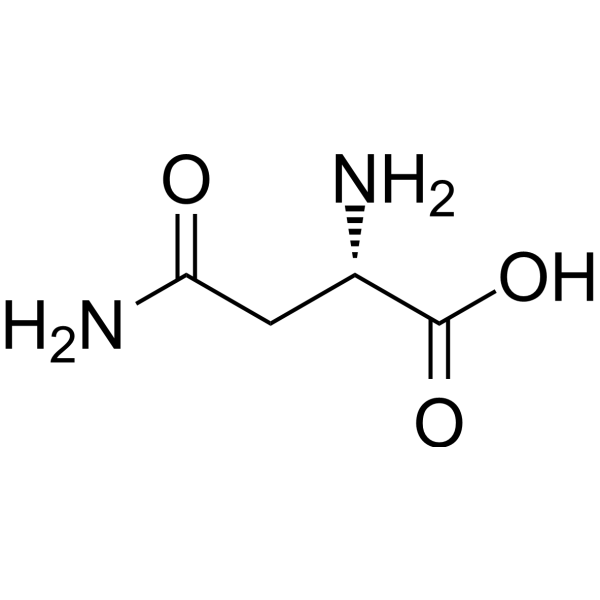
L-Asparagine is an essential amino acid for leukemic cells and a substrate for L-Asparaginase. L-Asparaginase is a potent anti-leukemic enzyme that promotes asparagine (Asn) and glutamine (Gln) depletion and inhibits protein biosynthesis in lymphoblasts. Removal of L-asparagine from plasma by L-Asparaginase results in inhibition of RNA and DNA synthesis and subsequent apoptosis. L-Asparaginase has cell-killing ability in vitro and in vivo, and selectively inhibits the growth of cancer cells with low asparagine synthetase (AASNS) expression. L-Asparagine can be used as a biomarker and sensor for the study of childhood acute lymphoblastic leukemia .
|
-
-
- HY-129046
-
|
Ribonuclease A; EC 4.6.1.18; RNase A
|
Endonuclease
DNA/RNA Synthesis
|
Others
|
|
RNase A (Bovine pancreatic RNase) is a widely used Endonuclease in DNA purification by specifically hydrolyzing cytosine or uracil residues of RNA. RNase A degrades the RNA in the RNA/DNA duplex. RNase A catalyses the breakdown of 3',5'-phosphodiester linkages of single stranded RNA. RNase A family members in organisms are tightly involved in various physiological and pathological processes including cell growth and development, proliferation, differentiation and migration. Dysregulation of RNase A activity or expression level is closely related to pancreatic, ovarian, bladder and thyroid cancer. RNase A has tumor cell-killing ability .
|
-
-
- HY-P99024
-
|
RO7082859; RG-6026
|
CD20
CD3
|
Inflammation/Immunology
Cancer
|
|
Glofitamab (RO7082859) is a T-cell-engaging bispecific antibody possessing a novel 2:1 structure with bivalency for CD20 on B cells and monovalency for CD3 on T cells. Glofitamab leads to T-cell activation, proliferation, and tumor cell killing upon binding to CD20 on malignant cells. Glofitamab induces durable complete remissions in relapsed or refractory B-Cell non-Hodgkin lymphoma (B-NHL) .
|
-
-
- HY-148026
-
|
BGB 11417
|
Bcl-2 Family
|
Cancer
|
|
Sonrotoclax is a potent, orally active Bcl2 inhibitor. Sonrotoclax has effective cell killing effect against a variety of lymphoma and leukemia cell lines .
|
-
-
- HY-P99601
-
|
BFCR 4350A; RG 6160; RO 7187797
|
CD3
|
Neurological Disease
Cancer
|
|
Cevostamab (BFCR4350A; RG6160; RO7187797) is a humanized IgG1-based BsAb that targets membrane-proximal extracellular domain of FcRH5 on multiple myeloma (MM) cells as well as CD3 on T cells. Moreover, Cevostamab facilitates efficient synapse formation, improves killing activity of T cells against MM tumor cells .
|
-
-
- HY-W010342
-
|
|
NADPH Oxidase
|
Cancer
|
|
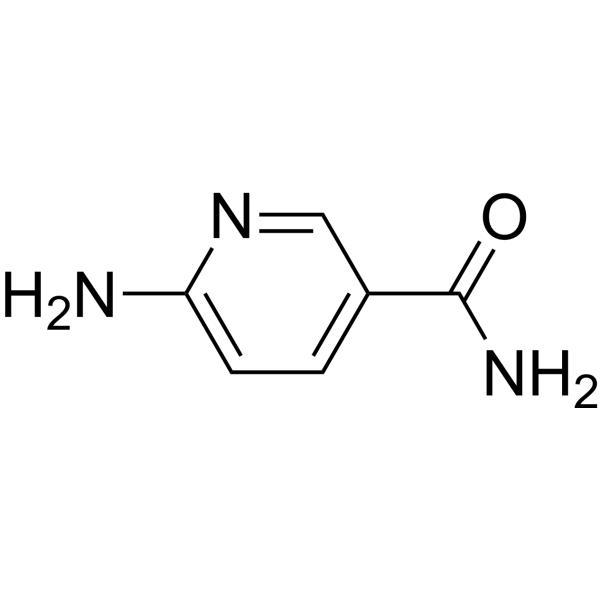
6-Aminonicotinamide, a potent antimetabolite of nicotinamide, is competitive NADP +-dependent enzyme glucose-6-phosphate dehydrogenase (G6PD) inhibitor (Ki=0.46 μM). 6-Aminonicotinamide resultis ATP depletion and synergizes with DNA-crosslinking chemotherapy agents, such as Cisplatin (HY-17394), in killing cancer cells .
|
-
-
- HY-14989
-
SQ109
4 Publications Verification
NSC 722041
|
Parasite
Bacterial
Antibiotic
|
Infection
|
|
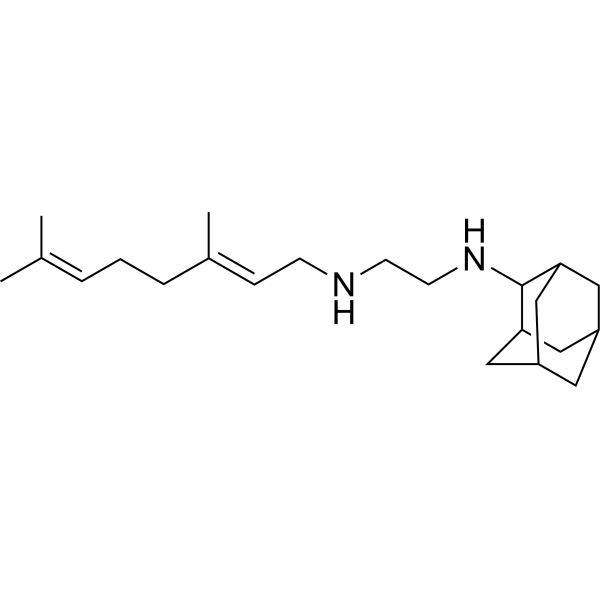
SQ109 is a potent inhibitor of the trypomastigote form of the parasite, with IC50 for cell killing of 50±8 nM. SQ109, targets MmpL3, is an antitubercular agent.
|
-
-
- HY-P99394
-
|
JNJ-64407564
|
CD3
|
Cancer
|
|
Talquetamab (JNJ-64407564) is a humanized bispecific antibody that binds to GPRC5D (member of G protein-coupled receptor family C5 group D) and CD3 to induce T cell-mediated killing of GPRC5D-expressing MM cells through T cell recruitment and activation. Talquetamab (JNJ-64407564) has antitumor activity .
|
-
-
- HY-162472
-
|
|
ATM/ATR
DNA-PK
|
Cancer
|
|
XRD-0394 is a potent and orally active dual ATM and DNA-PKcs inhibitor with IC50s of 0.39 nM and 0.89 nM, respectively. XRD-0394 shows selectivity over other PIKK and PI3K family members. XRD-0394 significantly enhances tumor cell killing in vitro and in vivo under therapeutic ionizing radiation conditions. XRD-0394 can potentiate the effects of PARP and topoisomerase I inhibitors in vitro .
|
-
-
- HY-P99011
-
|
|
CD3
|
Cancer
|
|
Cibisatamab, a T cell bispecific antibody, binds Carcino-Embryonic Antigen (CEA) on cancer cells and CD3 on T cells. Cibisatamab triggers T cell killing of cancer cell lines expressing moderate to high levels of CEA at the cell surface. Cibisatamab can be used for colorectal cancer research .
|
-
-
- HY-P99051
-
|
BAY 1834942
|
Transmembrane Glycoprotein
|
Inflammation/Immunology
Cancer
|
|
Tinurilimab (Bay 1834942) is an anti-CEACAM6 (carcinoembryonic antigen-related cell adhesion molecule 6) humanized IgG2 monoclonal antibody. CEACAM6 is an immune checkpoint regulator suppressing the activity of effector T-cells against tumors. Tinurilimab shows an increased tumor cell killing effect in the tumor-cell/T-cell co-culture system .
|
-
-
- HY-134582
-
|
|
PROTACs
Epigenetic Reader Domain
|
Cancer
|
|
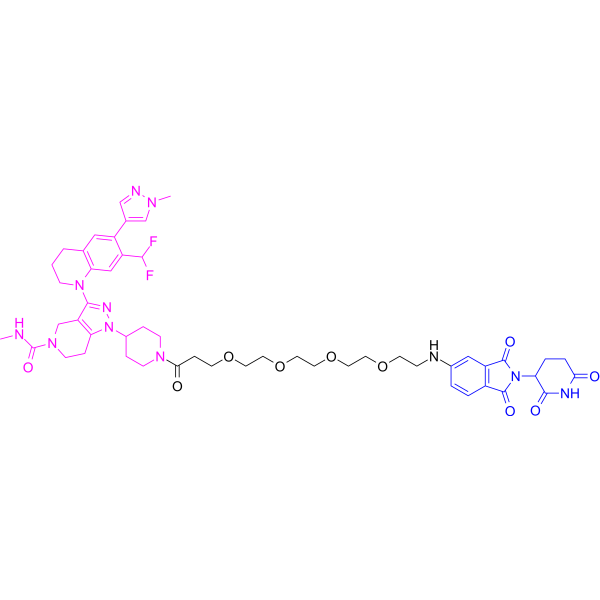
dCBP-1 is a potent and selective heterobifunctional degrader of p300/CBP based on Cereblon ligand. dCBP-1 is exceptionally potent at killing multiple myeloma cells and ablates oncogenic enhancer activity driving MYC expression .
|
-
-
- HY-156773
-
STM3006
2 Publications Verification
|
Apoptosis
METTL3
|
Cancer
|
|
STM3006 is a highly potent, selective, and orally active inhibitor of METTL3 (IC50: 5 nM). STM3006 can reduce the m6A level, promote the formation of dsRNA, trigger a cell-intrinsic interferon response, and enhance the killing effect of T cells on tumors. STM3006 has anti-tumor activity, and its combination with anti-PD-1 immunotherapy yields better results .
|
-
-
- HY-P99521
-
|
XmAb14045
|
CD3
|
Inflammation/Immunology
Cancer
|
|
Vibecotamab (XmAb14045) is a potent bispecific antibody targeting both CD123 and CD3. Vibecotamab targets T cell-mediated killing of CD123-expressing cells, regardless of T cell antigen specificity. Vibecotamab is a full length immunoglobulin molecule. Vibecotamab can be studied in research for diseases such as Myelodysplastic syndrome and acute myeloid leukemia. Recommend Isotype Control: half-IG G1-kappa/(scFv-heavy-lambda)-h-CH2-CH3 .
|
-
-
- HY-N0591
-
|
(-)-Dehydrocostus lactone; Epiligulyl oxide
|
Bacterial
Apoptosis
p38 MAPK
NF-κB
MAPKAPK2 (MK2)
Akt
NO Synthase
Interleukin Related
Caspase
|
Infection
Inflammation/Immunology
Cancer
|
|
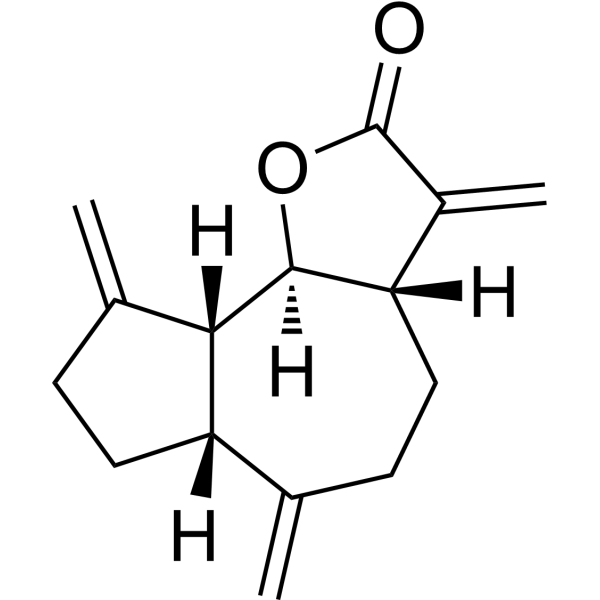
Dehydrocostus Lactone ((-)-Dehydrocostus lactone) is a natural sesquiterpene that can be isolated from Saussurea lappa. Dehydrocostus Lactone has multiple activities such as anti-inflammatory, antibacterial, anti-tumor, and immunomodulatory effects. Dehydrocostus Lactone has an MIC of 2 µg/mL against Mycobacterium tuberculosis. Dehydrocostus Lactone can also inhibit the killing activity of cytotoxic T lymphocytes and induce apoptosis in tumor cells .
|
-
-
- HY-175751
-
|
|
mTOR
|
Cancer
|
|
LRK-4189 is an orally active PIP4K2C (a regulator of mTOR complex) degrader and type 1 immune activator. LRK-4189 induces the degradation of the lipid kinase PIP4K2C. LRK-4189 triggers the interferon signaling pathway in microsatellite-stable (MSS) colorectal cancer cells, activates immunogenic tumor killing, and induces endogenous cell death. LRK-4189 sensitizes microsatellite-stable colorectal cancer tumors to NK cell killing and dendritic cell phagocytosis. LRK-4189 can be used for the research of microsatellite-stable colorectal cancer .
|
-
-
- HY-B0991
-
-
-
- HY-P991731
-
|
ZG006
|
CD3
Notch
|
Neurological Disease
Cancer
|
|
Alveltamig (ZG006) is a trispecific T cell engager targeting Delta-like ligand 3 (DLL3)/CD3, mediating T cell-specific killing of DLL3-expressing tumor cells. Alveltamig can be used for the researches of small cell lung cancer and neuroendocrine carcinoma .
|
-
-
- HY-138936
-
SSK1
2 Publications Verification
|
p38 MAPK
Apoptosis
|
Inflammation/Immunology
|
|
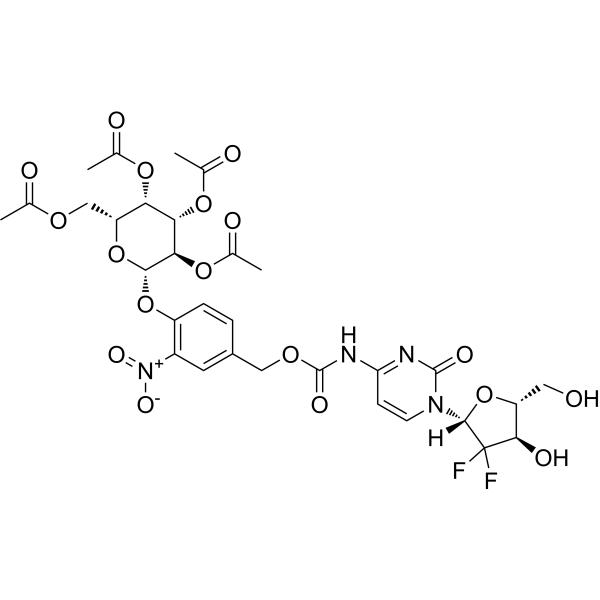
SSK1, a senescence-specific killing compound, is a β-galactosidase-targeted proagent attenuates inflammation. SSK1 is activated by lysosomal β-galactosidase and selectively killed senescent cells through the activation of p38 MAPK and induction of apoptosis .
|
-
-
- HY-N2877
-
|
|
Potassium Channel
Sodium Channel
Na+/K+ ATPase
Calcium Channel
Apoptosis
|
Neurological Disease
Cancer
|
|
Annonacin is an acetylgenin that is toxic by inhibiting the pathway of the mitochondrial complex. Annonacin increases tau phosphorylation in R406W +/+ mice. Annonacin acts as an inhibitor of the sodium/potassium and sarcoplasmic reticulum (SERCA) ATPase pumps. Annonacin has significant killing effect on ovarian cancer cell, cervical cancer cell, breast cancer cell, bladder cancer cell and skin cancer cell. Annonacin induces apoptosis through Bax and Caspase-3-related pathways .
|
-
-
- HY-P990925
-
|
BLYG8824A; RG6286
|
CD3
|
Inflammation/Immunology
|
|
Linclatamig (BLYG8824A) is a humanized IgG1 T-cell engaging bispecific antibody (TCB) targeting LY6G6D and CD3. Linclatamig can bind to LY6G6D and CD3-positive T cells, forming an immunological synapse to promote T cell-mediated killing of LY6G6D-positive cells. Linclatamig can be used in colorectal cancer research .
|
-
-
- HY-P9983
-
|
SGN-33; HuM-195; GLK-33 Antibody
|
Transmembrane Glycoprotein
Radionuclide-Drug Conjugates (RDCs)
|
Inflammation/Immunology
|
|
Lintuzumab (HUM-195) is an anti-CD33 humanized monoclonal antibody. Lintuzumab reduces the production of TNFα-induced pro-inflammatory cytokines and chemokines by AML cells. Lintuzumab promotes tumor cell killing through antibody-dependent cellular cytotoxicity (ADCC) and phagocytosis (ADCP) activities against MDR and MDR+ AML cell lines and primary AML patient samples. Lintuzumab enhances survival and reduces tumor burden in mice .
|
-
-
- HY-W017443
-
|
|
Endogenous Metabolite
Apoptosis
DNA/RNA Synthesis
|
Neurological Disease
Metabolic Disease
Inflammation/Immunology
Cancer
|
|
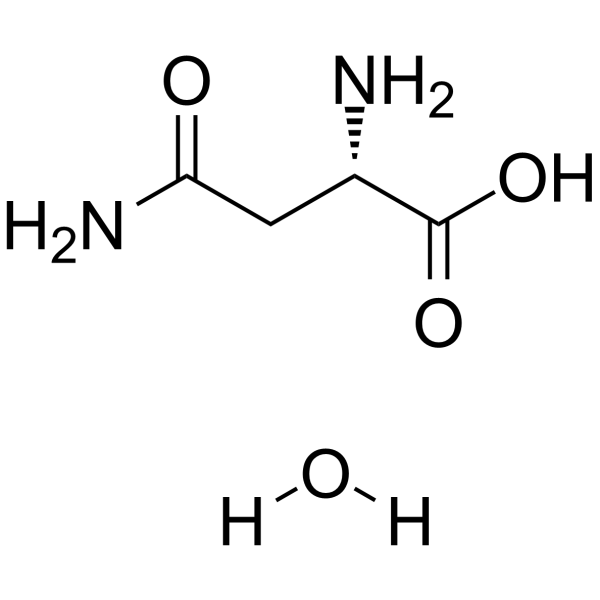
L-Asparagine monohydrate is an essential amino acid for leukemic cells and a substrate for L-Asparaginase. L-Asparaginase is a potent anti-leukemic enzyme that promotes asparagine (Asn) and glutamine (Gln) depletion and inhibits protein biosynthesis in lymphoblasts. Removal of L-asparagine from plasma by L-Asparaginase results in inhibition of RNA and DNA synthesis and subsequent apoptosis. L-Asparaginase has cell-killing ability in vitro and in vivo, and selectively inhibits the growth of cancer cells with low asparagine synthetase (AASNS) expression. L-Asparagine monohydrate can be used as a biomarker and sensor for the study of childhood acute lymphoblastic leukemia .
|
-
-
- HY-W145657
-
|
Cord Factor
|
Biochemical Assay Reagents
|
Infection
|
|
Trehalose 6,6'-dimycolate (Cord Factor) is trehalose 6,6'-dimycolate, a cell wall glycolipid of Mycobacterium tuberculosis, which can be used to simulate inflammation and granuloma induced by Mycobacterium tuberculosis (MTB) form. Trehalose 6,6′-dimycolate also protects Mycobacterium tuberculosis from macrophage-mediated killing, inhibits efficient antigen presentation, and reduces the development of protective T cell responses .
|
-
-
- HY-N2123
-
|
|
Caspase
|
Neurological Disease
Cancer
|
|
Neoliquiritin is a flavonoid and flavanone-derived cytotoxic agent with anticancer activity and neuroprotective effects. Neoliquiritin exhibits excellent tumor specificity, exerting a more pronounced killing effect on cancer cells compared with normal oral cells. Neoliquiritin also exerts neuroprotective effects by inhibiting ATP depletion and the elevation of caspase 3/7 activity. Widely present in the roots of Glycyrrhiza uralensis, Glycyrrhiza inflata and Glycyrrhiza glabra, Neoliquiritin can be applied to studies on human oral squamous cell carcinoma, leukemia, Parkinson's disease and other conditions .
|
-
-
- HY-P99157
-
|
|
CD276/B7-H3
|
Cancer
|
|
Omburtamab is a humanized monoclonal antibody targeting B7-H3 (CD276). Omburtamab selectively binds to B7-H3 highly expressed on the surface of tumor cells and activates anti-tumor immune responses mediated by T cells and natural killer (NK) cells. Omburtamab can promote the specific infiltration of CAR-T cells into tumors, enhance the killing function of NK cells through the CD16 signaling pathway, and regulate tumor cell glucose metabolism (such as inhibiting the Warburg effect). Omburtamab has the potential to inhibit solid tumors such as non-small cell lung cancer (NSCLC) .
|
-
-
- HY-15045
-
|
|
PARP
|
Cancer
|
|
INO-1001 is a potent and selective poly (ADP-ribose) polymerase (PARP) inhibitor. INO-1001 is a potent enhancer of radiation sensitivity and enhances radiation-induced cell killing by interfering with DNA repair mechanisms, resulting in necrotic cell death . INO-1001 has anti-tumor effects .
|
-
-
- HY-132192
-
|
|
PD-1/PD-L1
|
Cancer
|
|
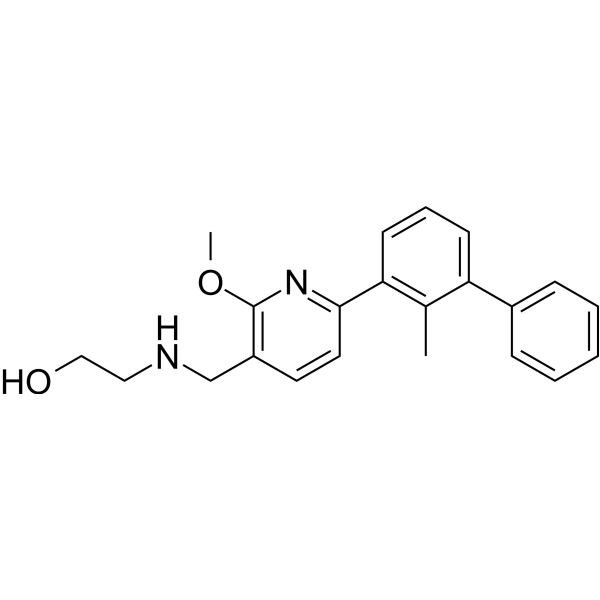
PD-1/PD-L1-IN-9 is a potent and orally active inhibitor of PD-1/PD-L1 interaction, with an IC50 of 3.8 nM. PD-1/PD-L1-IN-9 can enhance the killing activity of tumor cells by immune cells. PD-1/PD-L1-IN-9 also exhibits significant in vivo antitumor activity in a CT26 mouse model .
|
-
-
- HY-P99242
-
|
|
CD276/B7-H3
|
Cancer
|
|
Alsevalimab is a humanized, afucosylated IgG1 monoclonal antibody against B7-H4. Alsevalimab blocks the binding of the B7-H4 protein to the receptors on the surface of T cells, reversing the immunosuppressive state in the tumor microenvironment, thereby activating the killing effect of T cells on cancer cells. Alsevalimab can be used in combination with Pembrolizumab (HY-P9902), and shows good safety profiles .
|
-
-
- HY-P99622
-
|
IMC-20D7S
|
Tyrosinase
|
Cancer
|
|
Flanvotumab (IMC-20D7S) is a human monoclonal antibody targeting to tyrosinase-related protein (TYRP1), specifically expressed in melanocytes and melanoma cells. Flanvotumab acts function via natural killing-mediated antibody-dependent cell-mediated cytotoxicity (ADCC). Flanvotumab has potent anti-tumor activity and good tolerance .
|
-
-
- HY-140696C
-
|
mPEG20000-Hydroxy; Polyethylene glycol monomethyl ether 20000
|
PROTAC Linkers
|
Cancer
|
|
m-PEG20000-OH can be used as a macroinitiator to participate in the synthesis of amphiphilic block copolymers. Nanoscale micelles can be prepared by using amphiphilic block copolymers to deliver active drugs. Paclitaxel (HY-B0015), a hydrophobic anticancer agent encapsulated in micelles, has stronger activity in killing cancer cells than free Paclitaxel. And it preferentially accumulates in tumor tissue with only limited distribution in healthy organs.
|
-
-
- HY-P10563
-
|
BHV-1100
|
CD38
|
Cancer
|
|
Noraramtide (BHV-1100) is an antibody recruitment molecule. Noraramtide can specifically bind to CD38 molecules to recruit natural killer (NK) cells. Noraramtide enhances the ability of NK cells to kill tumor cells through antibody-dependent cellular cytotoxicity (ADCC). This mechanism allows NK cells to more effectively recognize and eliminate tumor cells while avoiding mutual killing between NK cells. Noraramtide can be used for the study of autologous cancer immunity .
|
-
-
- HY-150212
-
|
IMO-2125
|
Toll-like Receptor (TLR)
|
Inflammation/Immunology
Cancer
|
|
Tilsotolimod (IMO-2125) is a TLR9 agonist. Tilsotolimod activates the TLR9 signaling pathway, triggers downstream pro-inflammatory and immunostimulatory pathways, enhances the uptake and killing of cancer cells, and induces adaptive immune responses. Tilsotolimod is applicable to research related to melanoma and colorectal cancer .
|
-
-
- HY-150212A
-
|
IMO-2125 sodium
|
Toll-like Receptor (TLR)
|
Inflammation/Immunology
Cancer
|
|
Tilsotolimod (IMO-2125) sodium is a TLR9 agonist. Tilsotolimod sodium activates the TLR9 signaling pathway, triggers downstream pro-inflammatory and immunostimulatory pathways, enhances the uptake and killing of cancer cells, and induces adaptive immune responses. Tilsotolimod sodium is applicable to research related to melanoma and colorectal cancer .
|
-
-
- HY-P10696
-
|
|
Bacterial
|
Infection
|
|
C16G2 is a specific targeted antimicrobial peptide (STAMP) that targets the cariogenic oral pathogen Streptococcus mutans. C16G2 specifically recognizes and disrupts the bacterial cell membrane, causing small molecule leakage and loss of membrane potential, leading to bacterial killing. C16G2 exhibits higher selectivity and efficacy against Streptococcus mutans, unlike broad-spectrum antimicrobial peptides .
|
-
-
- HY-P991708
-
|
REGN-4336
|
PSMA
CD3
|
Cancer
|
|
Olsutamig is a bivalent humanized IgG4κ monoclonal antibody inhibitor targeting FOLH1/PSMA and CD3E. Olsutamig simultaneously binds to PSMA on the tumor cell surface and CD3E on the T cell surface, markedly activating T cells and thereby specifically killing prostate cancer cells .
|
-
-
- HY-P991671
-
|
JNJ-80948543
|
CD3
CD20
Transmembrane Glycoprotein
|
Cancer
|
|
Anafiltamig is a trivalent monoclonal antibody inhibitor targeting CD79B, CD3E and MS4A1. Anafiltamig consists of a humanized IgG1κ anti-CD79B arm and a bispecific scFv-based arm targeting CD3E and MS4A1. Anafiltamig simultaneously bridges T and B cells, activating T cells and specifically killing B cell tumors. Anafiltamig can be used for B cell malignancies such as non-Hodgkin lymphoma research .
|
-
-
- HY-132192A
-
|
|
PD-1/PD-L1
|
Cancer
|
|
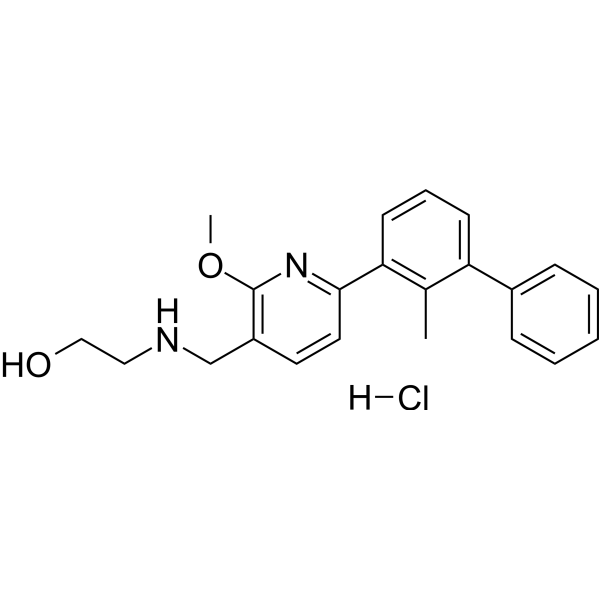
PD-1/PD-L1-IN-9 hydrochloride is a potent and orally active inhibitor of PD-1/PD-L1 interaction, with an IC50 of 3.8 nM. PD-1/PD-L1-IN-9 hydrochloride can enhance the killing activity of tumor cells by immune cells. PD-1/PD-L1-IN-9 hydrochloride also exhibits significant in vivo antitumor activity in a CT26 mouse model .
|
-
-
- HY-P991610
-
|
Sym025
|
C-type Lectin-like Receptors (CTLRs)
|
Cancer
|
|
S-095029 is a humanized IgG1 monoclonal antibody inhibitor targeting NKG2A. S-095029 significantly attenuates Fc-effector functions, inhibits the interaction with its ligand HLA-E, and increases the antibody-dependent cellular cytotoxicity mediated by other Fc-competent mAbs. S-095029 has a potent antitumor activity with enhancement of killing activity and cytokine secretion (IFNγ, TNF-α and CXCL9) of NK and γδ T-cells in co-culture with cancer cells .
|
-
-
- HY-B0991R
-
|
CL-67772 (Standard)
|
Reference Standards
Autophagy
Bacterial
|
Infection
Cardiovascular Disease
Neurological Disease
Inflammation/Immunology
|
|
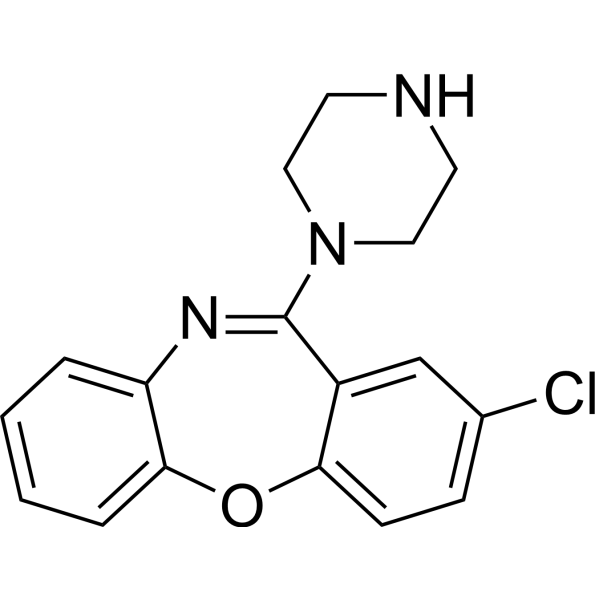
Amoxapine (Standard) is the analytical standard of Amoxapine. This product is intended for research and analytical applications. Amoxapine (CL-67772) is a norepinephrine reuptake blocker and a 5-HT2/5-HT3 antagonist. Amoxapine can be used for the research of depression. Amoxapine has antibacterial activity. Amoxapine can enhance the killing effect of macrophages on mycobacterium by inducing autophagy, while protecting the cells from death .
|
-
-
- HY-169017
-
|
|
Toll-like Receptor (TLR)
|
Cancer
|
MTT5 is a toll-like receptor 7 (TLR7) agonist. MTT5 can couple with Deruxtecan (HY-13631E) and exert anti-tumor activity in HER2 positive solid tumors through tumor cell killing and immune activation .
|
-
-
- HY-157975
-
|
|
Glutaminase
|
Cancer
|
|
LM11 is an inhibitor of transglutaminase 2 (TG2) with an activity of killing glioblastoma cells by maintaining TG2 in a cytotoxic conformational state .
|
-
-
- HY-178774
-
|
Isopentyl-deoxynboquinone
|
Quinone Reductase
|
Cancer
|
|
IP-DNQ is an efficient NQO1 dependent cytotoxic agent. IP-DNQ has a potent killing effect on MCF-7 cells (IC50 = 0.18 µM). IP-DNQ can be used for cancer research .
|
-
-
- HY-P991514
-
|
|
CD20
|
Cancer
|
|
MIL62 is an anti-CD20 monoclonal antibody. MIL62 shows enhanced affinity for the FcγRⅢa receptors and direct B-cell killing effects. MIL62 has antibody-dependent cell-mediated cytotoxicity (ADCC) activity. MIL62 can be used for the study of non-Hodgkin lymphoma (NHL) .
|
-
-
- HY-178261
-
|
|
Glutathione S-transferase
|
Cancer
|
|
KT53 is a highly active, selective, and cell penetrable GSTO1 inhibitor. KT53 can effectively inhibit GSTO1 activity in MDA-MB-435 (IC50 = 35 nM) cells. KT53 significantly enhances the killing effect of cisplatin (HY-17394) on MDA-MB-435 cancer cells. KT53 can be used for cancer research .
|
-
-
- HY-117422
-
|
11-Oxo-prosta-5Z,12E,14Z-trien-1-oic acid
|
PPAR
|
Cancer
|
|
CAY10410 (11-Oxo-prosta-5Z), a 15d-PGJ2 analog, is a potent PPARγ agonist. CAY10410 has the ability to activate PPARγ in human B cells without killing B lymphocytes .
|
-
-
- HY-19605
-
|
|
Sodium Channel
|
Neurological Disease
Cancer
|
|
Gonyautoxin II is a paralytic shellfish poisoning toxin. Gonyautoxin II can block of the voltage-gated sodium channels at axonal level, impeding nerve impulse propagation. Gonyautoxin II has killing activity against mouse neuroblastoma cells. Gonyautoxin II can be used for the researches of cancer and neurological disease .
|
-
-
- HY-P11089
-
|
|
MHC
|
Cancer
|
|
TP53 neoepitope is a high-affinity antigenic peptide targeting HLA-A. TP53 neoepitope can triggers CD8 + T cell-mediated killing of TP53-mutant tumor cells. TP53 neoepitope is promising for research of solid tumors harboring TP53 hotspot mutations (e.g., R175H, R273H) .
|
-
-
- HY-W011079
-
|
|
Nucleoside Antimetabolite/Analog
|
Infection
Cancer
|
|
5-Iodouridine is an iodine-containing pyrimidine nucleoside analog. 5-Iodouridine inhibits dihydroorotase with a Ki value of 340 µM. 5-Iodouridine significantly enhances the cell-killing effect of gamma irradiation. 5-Iodouridine can be used in the research of HSV-1 infection and leukemia .
|
-
-
- HY-159123
-
|
|
MAP4K
|
Cancer
|
|
KHK-6 is an inhibitor for serine/threonine kinase hematopoietic progenitor kinase 1 (HPK 1) with an IC50 of 20 nM. KHK-6 enhances CD3/CD28-induced cytokine production, enhances CD69, CD25 and HLA-DR markers on CD4+ and CD8+ T cells, and enhances T cell-mediated killing activity of SKOV3 and A549 cells .
|
-
- HY-176744
-
|
|
EGFR
Apoptosis
|
Cancer
|
|
HER2-IN-22 is a potent and selective HER2 inhibitor with an IC50 of 215 μM. HER2-IN-22 possesses killing activity against various tumor cells and can induce cell apoptosis. HER2-IN-22 significantly inhibits tumor growth. HER2-IN-22 can be used in the study for tumors such as HER2+ breast cancer .
|
-
- HY-176814
-
|
|
LAG-3
|
Cancer
|
|
LAG-3-IN-1 (Compound 11) is a LAG-3 inhibitor with a KD of 0.41 μM. LAG-3-IN-1 disrupts the LAG-3/MHCII interaction, enhances IFN-γ secretion and promotes tumor cell killing in cocultures of PBMCs and cancer cells. LAG-3-IN-1 can be used for cancers like ovarian cancer, colon adenocarcinoma and melanoma research .
|
-
- HY-W010342R
-
|
|
NADPH Oxidase
Reference Standards
|
Cancer
|
|
6-Aminonicotinamide, a potent antimetabolite of nicotinamide, is competitive NADP+-dependent enzyme glucose-6-phosphate dehydrogenase (G6PD) inhibitor (Ki=0.46 μM). 6-Aminonicotinamide resultis ATP depletion and synergizes with DNA-crosslinking chemotherapy agents, such as Cisplatin (HY-17394), in killing cancer cells .
|
-
- HY-P991542
-
|
|
CD19
|
Cancer
|
|
GBR-401 is a humanized anti-CD19 monoclonal antibody with high affinity for FcγRIIIa. GBR-401 exerts a potent in vitro and in vivo cytotoxic activity against various B-cell malignancies. GBR-401 induces cell death by antibody dependent cellular cytotoxicity (ADCC) and direct killing effect. GBR-401 demonstrates potent activity of depleting malignant B cells and prolongs mice survival in multiple xenograft severe combined immunodeficiency (SCID) mice models .
|
-
- HY-157793
-
|
|
Toll-like Receptor (TLR)
NF-κB
MAPKAPK2 (MK2)
|
Inflammation/Immunology
Cancer
|
|
SMU-L11 is a specific TLR7 agonist (EC50=0.024 μM), which recruits MyD88 adapter protein and activates downstream NF-κB and MAPK signaling pathways. In murine models, SMU-L11 significantly enhances immune cell activation and promotes the proliferation of CD4 + T and CD8 + T cells, thereby directly killing tumor cells and inhibiting tumor growth. SMU-L11 can be used for cancer research, and also has the potential for studying immune system diseases .
|
-
- HY-P10696A
-
|
|
Bacterial
|
Infection
|
|
C16G2 TFA is a specific targeted antimicrobial peptide (STAMP) that targets the cariogenic oral pathogen Streptococcus mutans. C16G2 TFA specifically recognizes and disrupts the bacterial cell membrane, causing small molecule leakage and loss of membrane potential, leading to bacterial killing. C16G2 TFA exhibits higher selectivity and efficacy against Streptococcus mutans, unlike broad-spectrum antimicrobial peptides .
|
-
- HY-P991475
-
|
|
Transmembrane Glycoprotein
NF-κB
IFNAR
|
Cancer
|
|
MG-1131 is a human monoclonal antibody (mAb) targeting TIGIT. MG-1131 activates NF-κB signaling in T cells and enhances NK-mediated tumor killing activity in a PVR-dependent manner. MG-1131 blocks TIGIT to increase IFN-γ secretion. MG-1131 can be used in anti-tumor immunity research. Recommended isotype control: Human IgG1 kappa, Isotype Control (HY-P99001) .
|
-
- HY-D1291A
-
|
|
Fluorescent Dye
|
Cancer
|
|
Photoacoustic contrast agent-1 perchlorate (Compound F-1) is a photo/sono-sensitizer that can produce a significant cell killing effect under illuminated conditions. Photoacoustic contrast agent-1 perchlorate can be used in the research of tumor diagnosis and treatment. Photoacoustic contrast agent-1 perchlorate is a multifunctional dye. Dyes are important tools in biological experiments. They can help researchers observe and analyze cell structures, track biomolecules, evaluate cell functions, distinguish cell types, detect biomolecules, study tissue pathology and monitor microorganisms. Their applications range from basic scientific research to clinical A wide range of diagnostics. Dyes are also widely used in traditional fields such as textile dyeing, as well as in emerging fields such as functional textile processing, food pigments and dye-sensitized solar cells .
|
-
- HY-D1291
-
|
|
Fluorescent Dye
|
Cancer
|
|
Photoacoustic contrast agent-1 (Compound F-1) is a photo/sono-sensitizer that can produce a significant cell killing effect under illuminated conditions. Photoacoustic contrast agent-1 can be used in the research of tumor diagnosis and treatment. Photoacoustic contrast agent-1 is a multifunctional dye. Dyes are important tools in biological experiments. They can help researchers observe and analyze cell structures, track biomolecules, evaluate cell functions, distinguish cell types, detect biomolecules, study tissue pathology and monitor microorganisms. Their applications range from basic scientific research to clinical A wide range of diagnostics. Dyes are also widely used in traditional fields such as textile dyeing, as well as in emerging fields such as functional textile processing, food pigments and dye-sensitized solar cells .
|
-
- HY-116619
-
|
(E/Z)-NVP-LAQ824; (E/Z)-LAQ824
|
HDAC
Apoptosis
|
Others
|
|
(E/Z)-Dacinostat ((E/Z)-NVP-LAQ824) is a histone deacetylase inhibitor that has the ability to induce apoptosis and enhance the activity of fludarabine in killing leukemia cells. (E/Z)-Dacinostat can trigger the production of reactive oxygen species (ROS) and DNA damage, enhance the killing effect of fludarabine on leukemia cells, and induce apoptosis. Its mechanism is related to the regulation of DNA repair processes and intracellular signaling pathways.
|
-
- HY-157503
-
|
|
Photosensitizer
|
Cancer
|
|
Photosensitizer-3 is a photosensitizer that exhibits powerful selective killing effects on transfected HEK cells and affibody-targeted A431 cancer cells when exposed to near-infrared light excitation .
|
-
- HY-159154
-
|
|
Biochemical Assay Reagents
|
Cancer
|
|
PSS-II promotes the production of ROS under light, thereby killing cancer cells and inhibiting tumor growth without damaging important organs of the body .
|
-
- HY-19162
-
|
NSC-625487
|
Reverse Transcriptase
HIV
|
Infection
|
|
Thiazolobenzimidazole (NSC-625487) is a highly potent nonnucleoside HIV-1 reverse transcriptase inhibitor. Thiazolobenzimidazole inhibits HIV-induced cell killing and viral replication in a variety of human cell lines .
|
-
- HY-N8739
-
|
|
Endogenous Metabolite
|
Cancer
|
|
2-Hydroxyxanthone (Compound 3) is an isoprene flavone derived from Calophyllum inophyllum. 2-Hydroxyxanthone has an obvious killing effect on K562 cells .
|
-
- HY-122787
-
|
|
Others
|
Others
|
|
Tylocrebrine is a compound with anticancer activity. Its clinical research was interrupted due to toxicity issues. By making it into targeted nanoparticles, its inhibitory index can be improved, the killing effect on tumor cells can be enhanced and brain penetration can be reduced.
|
-
- HY-159485
-
|
|
Phosphatase
|
Cancer
|
|
NFh-ALP is an alkaline phosphatase (ALP)-activatable photosensitizer. NFh-ALP could be activated by ALP in cells and generate 1O2 under 808 nm excitation, effectively killing tumor cells by inducing apoptosis and having good biocompatibility. The maximum absorption wavelength of NFh-ALP is about 656 nm .
|
-
- HY-14919A
-
|
MN-029
|
Microtubule/Tubulin
|
Cancer
|
|
Denibulin (MN-029) hydrochloride is an anti-angiogenic agent with anticancer activity. It can cause rapid closure of blood vessels in solid tumors and lead to dose-dependent killing of tumor cells, effectively enhancing the antitumor effects of radiation and cisplatin chemotherapy .
|
-
- HY-14989R
-
|
NSC 722041 (Standard)
|
Reference Standards
Parasite
Bacterial
Antibiotic
|
Infection
|
|
SQ109 (Standard) is the analytical standard of SQ109. This product is intended for research and analytical applications. SQ109 is a potent inhibitor of the trypomastigote form of the parasite, with IC50 for cell killing of 50±8 nM. SQ109, targets MmpL3, is an antitubercular agent.
|
-
- HY-15045A
-
|
|
PARP
|
Cancer
|
|
INO-1001 mesylate is a potent and selective poly (ADP-ribose) polymerase (PARP) inhibitor. INO-1001 mesylate is a potent enhancer of radiation sensitivity and enhances radiation-induced cell killing by interfering with DNA repair mechanisms, resulting in necrotic cell death . INO-1001 mesylate has anti-tumor effects .
|
-
- HY-N16446
-
|
|
Bacterial
|
Infection
|
|
Stromemycin is a stromelysin inhibitor. Stromemycin exhibits weak antibacterial activity against Staphylococcus aureus, vancomycin-resistant Enterococcus faecium, and Bacillus subtilis when used alone. Stromemycin shows a significant increase in antibacterial efficacy when combined with Compound 5. Stromemycin does not possess a significant cell-killing effect on HCT-116 cells .
|
-
- HY-P991367
-
|
|
CD47
|
Cancer
|
|
ES004 is a human monoclonal antibody (mAb) targeting SIRPα/CD172a. ES004 enhances macrophage phagocytosis and induces potent T cell responses to promote tumor killing. ES004 can be used in Solid tumours research .
|
-
- HY-120883
-
|
|
Others
|
Infection
|
|
Rhizopodin is a new cytostatic compound isolated from the culture fluid of the slime mold Myxococcus stipitatus. Rhizopodin inhibits the growth of various animal cell cultures without killing the cells, with an ID50 value of 12 to 30 ng/ml, depending on the cell line. In particular, fibroblast-like cells show typical morphological changes, with cells becoming larger and forming long branched reticular extensions within hours, and these morphological changes are irreversible. Rhizopodin inhibits bleb formation in K-562 cells, possibly through interaction with protein phosphorylation.
|
-
- HY-145291
-
|
|
Topoisomerase
Apoptosis
|
Cancer
|
|
CPT-Se4, a selenoproagent of Camptothecin (CPT), shows improved potency in killing cancer cells and inhibiting tumor growth. CPT-Se4 decreases the GSH/GSSG ratio and total thiols, elevates the ROS level in Hep G2 cells, and eventually induces apoptosis of cancer cells. CPT-Se4 shows cytotoxicity against HeLa, Hep G2, A549, and SMMC-7721 cells (IC50= 2.54-6.4 μM) .
|
-
- HY-145290
-
|
|
Topoisomerase
Apoptosis
|
Cancer
|
|
CPT-Se3, a selenoproagent of Camptothecin (CPT), shows improved potency in killing cancer cells and inhibiting tumor growth. CPT–Se3 decreases the GSH/GSSG ratio and total thiols, elevates the ROS level in Hep G2 cells, and eventually induces apoptosis of cancer cells. CPT-Se3 shows cytotoxicity against HeLa, Hep G2, A549, and SMMC-7721 cells (IC50= 2.19-4.7 μM) .
|
-
- HY-W343059
-
|
GTX-III
|
Sodium Channel
|
Neurological Disease
Cancer
|
|
Gonyautoxin III (GTX-III) is a paralytic shellfish poisoning toxin. Gonyautoxin III can block of the voltage-gated sodium channels at axonal level with an IC50 of 14.9 nM, impeding nerve impulse propagation. Gonyautoxin III has killing activity against mouse neuroblastoma cells. Gonyautoxin III can be used for the researches of cancer and neurological disease .
|
-
- HY-155717
-
|
|
Autophagy
Pim
|
Cancer
|
|
NDBM is a probe and binds to tumor-specific Pim-1 kinase, releases strong fluorescence, and produces cytotoxicity, thus achieving cell screening and killing effects. NDBM can specifically target lysosomes and sensitively respond to pH. NDBM can be used to track the pH changes in the intracellular environment under conditions of autophagy and external stimulation .
|
-
- HY-175639
-
|
|
Aldose Reductase
|
Metabolic Disease
Inflammation/Immunology
|
|
ALR2-IN-8 is a potent aldose reductase (ALR2/AKR1B1) inhibitor with a KI of 7.34 nM. ALR2-IN-8 has extremely low toxicity to normal cells and has a weak direct killing effect on cancer cells. ALR2-IN-8 can used for the studies of diabetic and inflammation-linked disorders .
|
-
- HY-172809
-
|
|
Histone Demethylase
PD-1/PD-L1
|
Inflammation/Immunology
Cancer
|
|
LSD1-IN-42 (Compound 7ae) is an orally active LSD1 inhibitor that potently inhibits LSD1 activity (IC50 = 0.08 μM). LSD1-IN-42 downregulates PD-L1 expression and enhances T cell-mediated tumor killing effects. LSD1-IN-42 demonstrates significant anti-gastric cancer activity by inhibiting tumor cell invasion and migration .
|
-
- HY-B1899AR
-
|
Taurodeoxycholate sodium hydrate (Standard)
|
Reference Standards
G protein-coupled Bile Acid Receptor 1
Endogenous Metabolite
|
Metabolic Disease
|
|
(E)-Methyl 4-coumarate (Standard) is the analytical standard of (E)-Methyl 4-coumarate. This product is intended for research and analytical applications. (E)-Methyl 4-coumarate (Methyl 4-hydroxycinnamate), found in several plants, such as Allium cepa or Morinda citrifolia L. leaves. (E)-Methyl 4-coumarate cooperates with Carnosic Acid in inducing apoptosis and killing acute myeloid leukemia cells, but not normal peripheral blood mononuclear cells. Antioxidant and antimicrobial activity.
|
-
- HY-B0991S
-
-
- HY-118722
-
|
|
DNA/RNA Synthesis
Cytochrome P450
|
Cancer
|
|
RB-90740 is a type of biological reducing agent. RB-90740 is activated through metabolic reduction and generates cytotoxic products, thereby selectively killing tumor cells (usually in a hypoxic environment). RB-90740 has selective toxicity towards hypoxic cells, which is mainly achieved by causing DNA strand breaks and activating reducing enzymes (such as Cytochrome P450). RB-90740 does not initially exhibit cytotoxicity similar to its in vitro properties in hypoxic cells in mouse models. RB-90740 can be used to study the tumor physiological environment
|
-
- HY-P10838
-
|
|
PD-1/PD-L1
Apoptosis
|
Cancer
|
|
PL120131 is a PD-1 antagonist, can specifically blocking the interaction between PD-1 and PD-L1, thereby effectively inhibiting the PD-1-mediated apoptosis signaling pathway. PL120131 rescues lymphocytes from apoptosis, maintains the survival and activity of T cells, and induces cytotoxic T lymphocytes to exert killing effects and recognize macrophages and dendritic cells. PL120131 can be used in research related to breast cancer and various malignant tumors .
|
-
- HY-172107
-
|
|
MAP4K
Interleukin Related
|
Inflammation/Immunology
Cancer
|
|
HPK1-IN-56 (Compound A29) is a HPK1 inhibitor (IC50: 2.70 nM). HPK1-IN-56 inhibits downstream p-SLP76 (IC50: 8.1 nM in Jurkat T cells). HPK1-IN-56 induces the production of IL-2 in human PBMCs. HPK1-IN-56 has anticancer effect, enhances T-cell killing ability and the antitumor efficacy of anti-PD-1 antibody .
|
-
- HY-175702
-
|
|
PD-1/PD-L1
|
Inflammation/Immunology
Cancer
|
|
PD-1/PD-L1-IN-57 (Compound J29) is a PD-1/PD-L1 inhibitor with an IC50 of 5.5 nM. PD-1/PD-L1-IN-57 has a strong immunoregulatory activity, effectively promotes T-cell proliferation and restores the killing ability of tumor cells. PD-1/PD-L1-IN-57 can be used for tumor immunotherapy research .
|
-
- HY-101999
-
|
|
Bcl-2 Family
Caspase
Apoptosis
|
Cancer
|
|
EM20-25 is an inhibitor for Bcl-2, which interferes with the interaction between BCL-2 and BAX, activates caspase-9 and thus induces the apoptosis. EM20-25 affects the mitochondrial function, causes the open of permeability transition pore (PTP). EM20-25 enhances the sensitivity of cells to Staurosporine (HY-15141), and enhances the killing effect of BCL-2-expressing leukemia cells to Chlorambucil (HY-13593) and Fludarabine (HY-B0069) .
|
-
- HY-165043
-
|
DG(20:4/0:0/20:4); 1,3-Diarachidonin
|
Biochemical Assay Reagents
|
Others
|
|
1,3-Diarachidonoyl glycerol (DG(20:4/0:0/20:4)) is a compound that is being studied for its selective cell killing mechanism, and it has a selective killing effect on cells transformed by the E1A gene of adenovirus type 12. Its killing effect is attributed to lipid peroxidation, and its structural characteristics are crucial to the specificity of this cytotoxicity, which ultimately exerts cytotoxic effects by destroying the cell membrane.
|
-
- HY-P992112
-
|
|
Folate Receptor (FR)
CD3
|
Cancer
|
|
Eliroptamig is a multispecific antibody targeting albumin, folate receptor α (FOLR1) and cluster of differentiation 3 (CD3). Eliroptamig extends its half-life by binding to albumin, while targeting FOLR1 on tumor cells and activating T cells to achieve precise tumor killing .
|
-
- HY-W989139
-
|
|
Apoptosis
|
Inflammation/Immunology
Cancer
|
|
Perforin-IN-3 is a specific perforin inhibitor that blocks perforin-mediated lytic pore formation and subsequent cell lysis. Perforin-IN-3 potently inhibits the killing effect of NK cells on target cells such as leukemia cells, without interfering with FasL- or TRAIL-mediated cell death pathways. Perforin-IN-3 has no effect on pneumolysin and can be used to study autoimmune diseases, allograft rejection, graft-versus-host disease, and familial hemophagocytic lymphohistiocytosis .
|
-
- HY-180818
-
|
|
Anaplastic lymphoma kinase (ALK)
Apoptosis
|
Cancer
|
|
ALK-IN-33 (Compound 8q) is an orally active ALK inhibitor with an IC50 of 1.61 nM. ALK-IN-33 exhibits significant selective killing effect on ALK-positive cancer cells. ALK-IN-33 induces cell cycle arrest and apoptosis, effectively weakening the migration, invasion and long-term survival ability of cancer cells. ALK-IN-33 can be used for research on non-small cell lung cancer
|
-
- HY-185266
-
|
|
DNA/RNA Synthesis
|
Cancer
|
|
Rev1-CT/RIR PPI-IN-2 (compound 10) is a Rev1-CT/RIR protein-protein interaction inhibitor.Rev1-CT/RIR PPI-IN-2 enhances cisplatin-mediated cell killing .
|
-
- HY-185389
-
|
Liposomal cisplatin
|
Liposome
DNA Alkylator/Crosslinker
|
Cancer
|
|
Cisplatin liposome is a liposome-encapsulated form of Cisplatin (HY-17394). Cisplatin (CDDP) is an anti-tumor chemotherapeutic agent that cross-links with DNA, causing DNA damage in cancer cells. Cisplatin liposome prolongs drug circulation time and slowly releases the drug, allowing it to accumulate in the tumor and exert its killing effect.
|
-
- HY-P992417
-
|
|
CD20
Apoptosis
|
Cancer
|
|
MT-3724 is a CD20-targeted endotoxin B. MT-3724 binds to CD20, triggers receptor internalization, traffics to the endoplasmic reticulum, and induces permanent ribosomal inactivation to mediate cell killing. MT-3724 can inhibit protein synthesis and promote tumor cell apoptosis. MT-3724 can be used for the research of relapsed or refractory B-cell non-Hodgkin’s lymphomas and diffuse large B-cell lymphoma .
|
-
- HY-151871A
-
|
|
HIV
Dipeptidyl Peptidase
Drug Isomer
|
Infection
|
|
cis-ICeD-2 is the cis isomer of ICeD-2 (HY-151871). ICeD-2 is a cell death inducer that induces cell death in HIV-1-infected cells. ICeD-2-mediated killing of HIV-1-infected cells is dependent on HIV-1 protease activity. ICeD-2 effectively blocks the hydrolysis of Gly-Pro-AMC by the dipeptidyl peptidases DPP8 and DPP9. ICeD-2 demonstrates strong stability against DPP9 in PBMCs. .
|
-
- HY-P992368
-
|
|
TNF Receptor
|
Cancer
|
|
HLX51 is a regulatory T cell inhibitor and OX40/CD134/TNFRSF4 agonist with tumour growth inhibitory activity. HLX51 inhibits regulatory T cell differentiation and activity, relieves tumour microenvironment immunosuppression, enhances effector T cell function. HLX51 competitively binds OX40, activates OX40, promotes immune cell proliferation and T cell killing ability. HLX51 modulates immune cell function to inhibit tumour growth. HLX51 can be used for the research of advanced/metastatic solid tumours and lymphomas .
|
-
- HY-P992370
-
|
|
Interleukin Related
IFNAR
|
Cancer
|
|
HPN601 is a protease-activated EpCAM-targeting T-cell engager that binds EpCAM competitively and induces T-cell mediated tumor cell killing. HPN601 binds to EpCAM, CD3e and albumin; albumin binding extends its half-life, while masking groups keep the molecule inert outside the tumor microenvironment. HPN601 significantly reduces the release levels of IFN-γ, IL-2, IL-6 and IL-10. HPN601 can be used in research related to cancers such as breast cancer and gastric cancer .
|
-
- HY-P992457
-
|
|
Glycoprotein VI
Interleukin Related
|
Cancer
|
|
SAR444200 is a nanobody T-cell engager targeting GPC3 (glypican-3) and TCRαβ (T-cell receptor αβ). SAR444200 has a KD of 0.023 nM for human GPC3 and a KD of 5.2 nM for human TCRαβ. SAR444200 mediates T-cell-dependent cytotoxicity, with high selectivity and killing activity against GPC3-positive tumor cells. SAR444200 binds to GPC3 in a dual-epitope manner, and binds to TCRαβ via its N-terminal nanobody, forming an artificial immunological synapse between T cells and tumor cells. SAR444200 can be used for the research of GPC3 + solid tumors, including liver cancer, lung squamous cell carcinoma and melanoma .
|
-
- HY-185426
-
|
SC-011
|
Antibody-Drug Conjugates (ADCs)
|
Cancer
|
|
ABBV-011 (SC-011) is a SEZ6-targeted, antibody-drug conjugate (ADC). ABBV-011 binds cell surface-expressed SEZ6 by anti-SEZ6 antibody Turmetabart (HY-P991041), triggers ADC-receptor complex internalization into lysosomes, releases Calicheamicin (HY-19609) payload, and mediates cytotoxicity. ABBV-011 induces tumor regression and mediates selective killing of SEZ6-positive cells. ABBV-011 can be used for the research of small cell lung cancer .
|
-
- HY-P991530
-
|
|
Biochemical Assay Reagents
|
Inflammation/Immunology
Cancer
|
|
YH004 is an anti-CD137 agonistic monoclonal antibody, with immunostimulating and antineoplastic activities. YH004 activates CD137 expressed on a variety of leukocyte subsets including activated T lymphocytes and natural killer cells. YH004 enhances CD137-mediated signaling and induces cytotoxic T-lymphocyte (CTL) proliferation, cytokine production and promotes anti-tumor response mediated by CTL. YH004 induces NK-mediated tumor cell killing and suppresses the immunosuppressive activity of regulatory T cells. YH004 can be studied in anticancer research .
|
-
- HY-P10838A
-
|
|
PD-1/PD-L1
Apoptosis
|
Cancer
|
|
PL120131 acetate is a PD-1 antagonist, can specifically blocking the interaction between PD-1 and PD-L1, thereby effectively inhibiting the PD-1-mediated apoptosis signaling pathway. PL120131 acetate rescues lymphocytes from apoptosis, maintains the survival and activity of T cells, and induces cytotoxic T lymphocytes to exert killing effects and recognize macrophages and dendritic cells. PL120131 acetate can be used in research related to breast cancer and various malignant tumors .
|
-
- HY-181546
-
|
|
Btk
PERK
Syk
HMG Family
|
Cancer
|
|
Ibt-DOX is a BTK inhibitor with an IC50 of 2.89 nM. Ibt-DOX is also a targeted covalent activated chemotherapeutic agent composed of the targeting ligand Ibrutinib (HY-10997), Doxorubicin (DOX) (HY-15142A), α-MAA (HY-W017180), and a linker (HY-Y0892). Ibt-DOX specifically binds to BTK and releases DOX, synergistically achieving BTK inhibition and chemotherapeutic killing, significantly enhancing toxicity against B-cell lymphoma cells and greatly reducing the toxic side effects of DOX on BTK-negative cells. Ibt-DOX can be used in lymphoma-related research .
|
-
- HY-153358A
-
|
|
HDAC
|
Cancer
|
|
(S)-TNG260 is an isomer of TNG260 (HY-153358). TNG260 is a CoREST selective deacetylase (CoreDAC) inhibitor. TNG260 inhibits HDAC1 with 10-fold selectivity over HDAC3. TNG260 causes HDAC1 inhibition and reverses anti-PD1 resistance driven by STK11 deletion. TNG260 reduces intratumoral infiltration of neutrophils. TNG260 exhibits immune-mediated cell killing.
|
-
- HY-131911
-
|
|
PROTACs
Indoleamine 2,3-Dioxygenase (IDO)
|
Inflammation/Immunology
|
|
PROTAC IDO1 Degrader-1 is the first potent IDO1 (indoleamine 2,3-dioxygenase 1) degrader that hijacks IDO1 to Cereblon E3 ligase to introduce IDO1 into UPS and eventually achieve ubiquitination and degradation (DC50=2.84 μM). PROTAC IDO1 Degrader-1 moderately improves the tumor-killing activity of H ER2 CAR-T cells .
|
-
- HY-153225
-
|
|
HIV
Reverse Transcriptase
|
Infection
|
|
PYR01 is a non-nucleoside reverse transcriptase inhibitor and a killing activator targeting HIV infected cells. PYR01 has cytokilling and antiviral properties of HIV-1 infection with the IC50 values of 27.5nM and 39.7nM, respectively. PYR01 leads to selective cytotoxicity by promoting HIV-1 Gag-Pol dimerization and HIV-1 protease intracellular activation. PYR01 can be used in the study of HIV .
|
-
- HY-P992361
-
|
|
Transmembrane Glycoprotein
|
Cancer
|
|
HB0030 is a TIGIT inhibitor with antibody-dependent cellular cytotoxicity (ADCC) and complement-dependent cytotoxicity (CDC) activities. HB0030 enhances the expression of activation markers in natural killer (NK) cells, promotes the killing of regulatory T cells (Tregs), and reduces the proportion of FoxP3 + Treg in tumor-infiltrating lymphocytes. The combination of HB0030 with the anti-PD-L1/VEGF bispecific antibody HB0025 further enhances tumor suppression efficacy. HB0030 can be used in studies related to colorectal cancer, pancreatic adenocarcinoma, hepatocellular carcinoma, bladder cancer, breast cancer, non-small cell lung cancer, and advanced solid tumors .
|
-
- HY-163028
-
|
|
Tim3
|
Cancer
|
|
ML-T7 is a potent Tim-3 inhibitor. ML-T7 blocks Tim-3 interactions with PtdSer and CEACAM1. ML-T7 not only enhances the antitumor activity of adoptive transfer therapy with cytotoxic T lymphocytes (CTLs) and CAR T cells but also increases the effector function of T cell. ML-T7 promotes NK cells’ killing activity against tumor cells and DC antigen-presenting capacity. ML-T7 directly exerts antitumor efficacy in preclinical tumor models either alone or in combination with Nivolumab (HY-P9903A). ML-T7 can be used for tumor immunotherapy research .
|
-
- HY-168086
-
|
|
PD-1/PD-L1
Histone Demethylase
|
Infection
Inflammation/Immunology
|
|
LSD1-IN-35 (Compound Z-1) is a selective LSD1 Inhibitor (IC50: 108 nM). LSD1-IN-35 inhibits the demethylation on H3K4me1/2. LSD1-IN-35 is an immunomodulator. LSD1-IN-35 promotes response of gastric cancer cells to T-cell killing effect by decreasing PD-L1 expression and further attenuates the PD-1/PD-L1 interaction .
|
-
- HY-181840
-
|
|
Endonuclease
|
Cancer
|
|
MU262 is a MUS81 inhibitor with an IC50 value of 0.87 μM. MU262 directly inhibits the catalytic activity of MUS81 without interfering with DNA binding, induces genomic instability in tumor cells, and specifically inhibits the HR/BIR repair pathway. The combination of MU262 with Cisplatin (HY-17394) significantly enhances the chemotherapeutic killing effect. MU262 serves as a chemical biology tool for studying MUS81 function, and also acts as a lead compound for the development of anticancer therapies that exploit DNA repair defects in cancer cells .
|
-
- HY-106033
-
|
DOTATOC; SDZ-SMT 487; SMT 487
|
Radionuclide-Drug Conjugates (RDCs)
|
Cancer
|
|
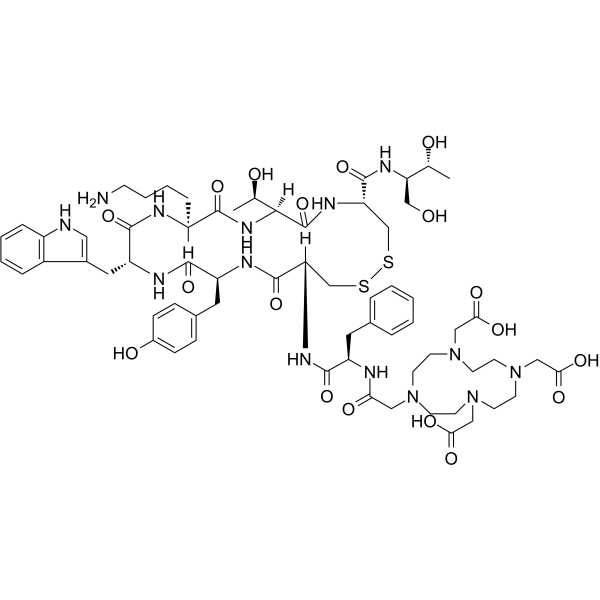
Edotreotide is a ligand that selectively targets SSTR2 and can competitively bind to the receptor. Edotreotide mediates the targeted delivery, while modificated with radionuclides (such as 90Y, 177Lu, and 68Ga) to SSTR-positive tumors and induces tumor cell apoptosis by releasing β rays. Edotreotide has strong tumor targeting and precise killing activity. Edotreotide is used in the synthesis of radionuclide-drug conjugates (RDCs) and is widely used in the field of neuroendocrine tumors (such as metastatic carcinoids, lung and thymus NETs) .
|
-
- HY-118711
-
|
|
HIV
Reverse Transcriptase
|
Infection
|
|
HI-346 is a non-nucleoside reverse transcriptase inhibitor (NNRTI) for HIV-1 with an IC50 value against the HIV-1 virus strain (HTLV-IIIB) of 3 nM. HI-346 is a vaginal bactericidal contraceptive agent, with its sperm-killing activity having an EC50 value of 42 μM. HI-346 shows no cytotoxicity to normal cells at effective concentrations. HI-346 can be used in anti-HIV-1 and contraceptive research .
|
-
- HY-N0591R
-
|
(-)-Dehydrocostus lactone (Standard); Epiligulyl oxide (Standard)
|
Reference Standards
Bacterial
Apoptosis
p38 MAPK
NF-κB
MAPKAPK2 (MK2)
Akt
NO Synthase
Interleukin Related
Caspase
|
Infection
Inflammation/Immunology
Cancer
|
|
Dehydrocostus Lactone (Standard) ((-)-Dehydrocostus lactone (Standard)) is the analytical standard of Dehydrocostus Lactone (HY-N0591). This product is intended for research and analytical applications. Dehydrocostus Lactone is a natural sesquiterpene that can be isolated from Saussurea lappa. Dehydrocostus Lactone has multiple activities such as anti-inflammatory, antibacterial, anti-tumor, and immunomodulatory effects. Dehydrocostus Lactone has an MIC of 2 µg/mL against Mycobacterium tuberculosis. Dehydrocostus Lactone can also inhibit the killing activity of cytotoxic T lymphocytes and induce apoptosis in tumor cells.
|
-
- HY-153572A
-
|
|
PROTACs
Bacterial
|
Infection
|
|
Homo-BacPROTAC7 TFA is a PROTAC protein degrader targeting ClpC1/ClpC2 with a Kd of 0.5-2.5 nM for both targets. Homo-BacPROTAC7 (TFA) acts as a bactericidal agent, induces killing of pathogenic mycobacteria, retains activity against dormant-like mycobacterial cells with reduced intracellular ATP levels, and shows elevated antibiotic potency relative to its parent monomer. Homo-BacPROTAC7 (TFA) can be used for the research of tuberculosis .
|
-
- HY-100195
-
|
|
Checkpoint Kinase (Chk)
|
Cancer
|
|
SAR-020106 is an ATP-competitive, potent, and selective CHK1 inhibitor with an IC50 of 13.3 nM for human CHK1. SAR-020106 shows excellent selectivity over CHK2. SAR-020106 significantly enhances the cell killing of Gemcitabine and SN38 by 3- to 29-fold in several colon tumor lines and in a p53-dependent fashion. SAR-020106 can enhance antitumor activity with selected anticancer agents .
|
-
- HY-N0667S5
-
|
|
Isotope-Labeled Compounds
Endogenous Metabolite
Apoptosis
DNA/RNA Synthesis
|
Inflammation/Immunology
|
|
L-Asparagine-d3 hydrate is the deuterium labeled L-Asparagine (HY-N0667). L-Asparagine is an essential amino acid for leukemic cells and a substrate for L-Asparaginase. L-Asparaginase is a potent anti-leukemic enzyme that promotes asparagine (Asn) and glutamine (Gln) depletion and inhibits protein biosynthesis in lymphoblasts. Removal of L-asparagine from plasma by L-Asparaginase results in inhibition of RNA and DNA synthesis and subsequent apoptosis. L-Asparaginase has cell-killing ability in vitro and in vivo, and selectively inhibits the growth of cancer cells with low asparagine synthetase (AASNS) expression. L-Asparagine can be used as a biomarker and sensor for the study of childhood acute lymphoblastic leukemia .
|
-
- HY-129046D
-
|
Ribonuclease A, Recombinant
|
Endonuclease
DNA/RNA Synthesis
|
Endocrinology
Cancer
|
|
RNase A (Bovine pancreatic RNase) is a widely used Endonuclease in DNA purification by specifically hydrolyzing cytosine or uracil residues of RNA. RNase A degrades the RNA in the RNA/DNA duplex. RNase A catalyses the breakdown of 3',5'-phosphodiester linkages of single stranded RNA. RNase A family members in organisms are tightly involved in various physiological and pathological processes including cell growth and development, proliferation, differentiation and migration. Dysregulation of RNase A activity or expression level is closely related to pancreatic, ovarian, bladder and thyroid cancer. RNase A has tumor cell-killing ability. RNase A, Recombinant (Ribonuclease A, Recombinant) is a recombinant form of RNase A .
|
-
- HY-129046I
-
|
|
DNA/RNA Synthesis
Endonuclease
|
Endocrinology
Cancer
|
|
RNase A (Bovine pancreatic RNase) is a widely used Endonuclease in DNA purification by specifically hydrolyzing cytosine or uracil residues of RNA. RNase A degrades the RNA in the RNA/DNA duplex. RNase A catalyses the breakdown of 3',5'-phosphodiester linkages of single stranded RNA. RNase A family members in organisms are tightly involved in various physiological and pathological processes including cell growth and development, proliferation, differentiation and migration. Dysregulation of RNase A activity or expression level is closely related to pancreatic, ovarian, bladder and thyroid cancer. RNase A has tumor cell-killing ability. RNase A, Recombinant (animal free) is recombinant RNase A with no animal-derived components .
|
-
- HY-P990870
-
|
|
CD19
IFNAR
Interleukin Related
|
Inflammation/Immunology
|
|
Anti-CD19 Antibody (4G7) is an anti-human CD19 IgG1 monoclonal antibody. Anti-CD19 Antibody (4G7) reduces the killing effect of CAR T cells on Raji cells. Anti-CD19 Antibody (4G7) can be used for research on immunology. Anti-CD19 Antibody (4G7) is often used in flow cytometry. The recommend isotype control of Anti-CD19 Antibody (4G7): Mouse IgG1 kappa, Isotype Control (HY-P99977) .
|
-
- HY-N0667S1
-
|
|
Isotope-Labeled Compounds
Endogenous Metabolite
Apoptosis
DNA/RNA Synthesis
|
Inflammation/Immunology
|
|
L-Asparagine- 15N2,d8 is the 15N- and deuterium labeled L-Asparagine (HY-N0667). L-Asparagine is an essential amino acid for leukemic cells and a substrate for L-Asparaginase. L-Asparaginase is a potent anti-leukemic enzyme that promotes asparagine (Asn) and glutamine (Gln) depletion and inhibits protein biosynthesis in lymphoblasts. Removal of L-asparagine from plasma by L-Asparaginase results in inhibition of RNA and DNA synthesis and subsequent apoptosis. L-Asparaginase has cell-killing ability in vitro and in vivo, and selectively inhibits the growth of cancer cells with low asparagine synthetase (AASNS) expression. L-Asparagine can be used as a biomarker and sensor for the study of childhood acute lymphoblastic leukemia .
|
-
- HY-P11084
-
|
|
MHC
|
Inflammation/Immunology
Cancer
|
|
WT1 126-134 peptide is a Wilms' tumor oncogene protein (WT1) peptide (RMFPNAPYL). WT1 126-134 peptide is presented by HLA-A0201 and induces cytotoxic CD8 T cells capable of killing WT1+ positive tumor cells. WT1 126-134 can form stable complexes with the H-2Db (mouse) or HLA-A0201 (human) molecules. WT1 126-134 peptide/HLA-A0201 complex has an extremely high affinity (Kd = 0.2 nM) with the humanized monoclonal antibody (IgG1). WT1 126-134 peptide can be used as a vaccine for T cells or as a target for antibodies .
|
-
- HY-N0667R
-
|
(-)-Asparagine (Standard); Asn (Standard); Asparamide (Standard)
|
Reference Standards
Endogenous Metabolite
Apoptosis
DNA/RNA Synthesis
|
Inflammation/Immunology
|
|
L-Asparagine (Standard) is the analytical standard of L-Asparagine (HY-N0667). This product is intended for research and analytical applications. L-Asparagine is an essential amino acid for leukemic cells and a substrate for L-Asparaginase. L-Asparaginase is a potent anti-leukemic enzyme that promotes asparagine (Asn) and glutamine (Gln) depletion and inhibits protein biosynthesis in lymphoblasts. Removal of L-asparagine from plasma by L-Asparaginase results in inhibition of RNA and DNA synthesis and subsequent apoptosis. L-Asparaginase has cell-killing ability in vitro and in vivo, and selectively inhibits the growth of cancer cells with low asparagine synthetase (AASNS) expression. L-Asparagine can be used as a biomarker and sensor for the study of childhood acute lymphoblastic leukemia .
|
-
- HY-N0667S4
-
|
(-)-Asparagine-4-13C monohydrate; Asn-4-13C monohydrate; Asparamide-4-13C monohydrate
|
Isotope-Labeled Compounds
Endogenous Metabolite
Apoptosis
DNA/RNA Synthesis
|
Inflammation/Immunology
|
|
L-Asparagine-4- 13C monohydrate is the 13C-labeled L-Asparagine monohydrate (HY-W017443).L-Asparagine monohydrate is an essential amino acid for leukemic cells and a substrate for L-Asparaginase. L-Asparaginase is a potent anti-leukemic enzyme that promotes asparagine (Asn) and glutamine (Gln) depletion and inhibits protein biosynthesis in lymphoblasts. Removal of L-asparagine from plasma by L-Asparaginase results in inhibition of RNA and DNA synthesis and subsequent apoptosis. L-Asparaginase has cell-killing ability in vitro and in vivo, and selectively inhibits the growth of cancer cells with low asparagine synthetase (AASNS) expression. L-Asparagine monohydrate can be used as a biomarker and sensor for the study of childhood acute lymphoblastic leukemia .
|
-
- HY-160151
-
|
|
PROTACs
Phosphatase
JAK
IFNAR
MHC
|
Cancer
|
|
TP1L is a potent and selective T-cell protein tyrosine phosphatase (TC-PTP) PROTAC degrader, with a DC50 value of 35.8 nM. TP1L elevates the phosphorylation level of TC-PTP substrates including pSTAT1 and pJAK1. TP1L selectively enhances IFN-γ signaling and increases MHC-I expression. TP1L activates TCR signaling through increases phosphorylation of LCK. TP1L enhances CAR-T cell mediated tumor killing efficacy through activation of the CAR-T cells. TP1L can be used for the study of cancer. (Pink: TC-PTP ligand: (HY-138964), Blue: E3 ligase CRBN Ligand (HY-A0003), Black: Linker: (HY-140002)) .
|
-
- HY-W017443R
-
|
|
Reference Standards
Endogenous Metabolite
Apoptosis
DNA/RNA Synthesis
|
Neurological Disease
Metabolic Disease
Inflammation/Immunology
Cancer
|
|
L-Asparagine monohydrate (Standard) is the analytical standard of L-Asparagine monohydrate (HY-W017443). This product is intended for research and analytical applications. L-Asparagine monohydrate is an essential amino acid for leukemic cells and a substrate for L-Asparaginase. L-Asparaginase is a potent anti-leukemic enzyme that promotes asparagine (Asn) and glutamine (Gln) depletion and inhibits protein biosynthesis in lymphoblasts. Removal of L-asparagine from plasma by L-Asparaginase results in inhibition of RNA and DNA synthesis and subsequent apoptosis. L-Asparaginase has cell-killing ability in vitro and in vivo, and selectively inhibits the growth of cancer cells with low asparagine synthetase (AASNS) expression. L-Asparagine monohydrate can be used as a biomarker and sensor for the study of childhood acute lymphoblastic leukemia .
|
-
- HY-N0667S2
-
|
(-)-Asparagine-15N2 monohydrate; Asn-15N2 monohydrate; Asparamide-15N2 monohydrate
|
Isotope-Labeled Compounds
Endogenous Metabolite
Apoptosis
DNA/RNA Synthesis
|
Inflammation/Immunology
|
|
L-Asparagine- 15N2 monohydrate is the 15N-labeled L-Asparagine monohydrate (HY-W017443). L-Asparagine monohydrate is an essential amino acid for leukemic cells and a substrate for L-Asparaginase. L-Asparaginase is a potent anti-leukemic enzyme that promotes asparagine (Asn) and glutamine (Gln) depletion and inhibits protein biosynthesis in lymphoblasts. Removal of L-asparagine from plasma by L-Asparaginase results in inhibition of RNA and DNA synthesis and subsequent apoptosis. L-Asparaginase has cell-killing ability in vitro and in vivo, and selectively inhibits the growth of cancer cells with low asparagine synthetase (AASNS) expression. L-Asparagine monohydrate can be used as a biomarker and sensor for the study of childhood acute lymphoblastic leukemia .
|
-
- HY-P992162
-
|
|
Orexin Receptor (OX Receptor)
Interleukin Related
|
Inflammation/Immunology
Cancer
|
|
23ME-00610 is a humanized effector-function-null IgG1 antibody targeting CD200R1, with a Kd of <0.1 nM for hCD200R1. 23ME-00610 blocks the binding of CD200 to CD200R1 and inhibits the recruitment of the downstream adaptor protein DOK2 to CD200R1. 23ME-00610 restores IL-2 production suppressed by CD200. 23ME-00610 induces cytokine production in cells. 23ME-00610 enhances cell-mediated tumor cell killing in vitro. 23ME-00610 can be used for melanoma research .
|
-
- HY-W017443S1
-
|
|
Isotope-Labeled Compounds
Endogenous Metabolite
Apoptosis
DNA/RNA Synthesis
|
Neurological Disease
Metabolic Disease
Inflammation/Immunology
Cancer
|
|
L-Asparagine-amide- 15N monohydrate is the 15N-labeled L-Asparagine monohydrate (HY-W017443). L-Asparagine monohydrate is an essential amino acid for leukemic cells and a substrate for L-Asparaginase. L-Asparaginase is a potent anti-leukemic enzyme that promotes asparagine (Asn) and glutamine (Gln) depletion and inhibits protein biosynthesis in lymphoblasts. Removal of L-asparagine from plasma by L-Asparaginase results in inhibition of RNA and DNA synthesis and subsequent apoptosis. L-Asparaginase has cell-killing ability in vitro and in vivo, and selectively inhibits the growth of cancer cells with low asparagine synthetase (AASNS) expression. L-Asparagine monohydrate can be used as a biomarker and sensor for the study of childhood acute lymphoblastic leukemia .
|
-
- HY-W017443S4
-
|
|
Isotope-Labeled Compounds
Endogenous Metabolite
Apoptosis
DNA/RNA Synthesis
|
Neurological Disease
Metabolic Disease
Inflammation/Immunology
Cancer
|
|
L-Asparagine-1,2,3,4- 13C4 monohydrate is the 13C labeled labeled L-Asparagine monohydrate (HY-W017443). L-Asparagine monohydrate is an essential amino acid for leukemic cells and a substrate for L-Asparaginase. L-Asparaginase is a potent anti-leukemic enzyme that promotes asparagine (Asn) and glutamine (Gln) depletion and inhibits protein biosynthesis in lymphoblasts. Removal of L-asparagine from plasma by L-Asparaginase results in inhibition of RNA and DNA synthesis and subsequent apoptosis. L-Asparaginase has cell-killing ability in vitro and in vivo, and selectively inhibits the growth of cancer cells with low asparagine synthetase (AASNS) expression. L-Asparagine monohydrate can be used as a biomarker and sensor for the study of childhood acute lymphoblastic leukemia .
|
-
- HY-N0667S3
-
|
(-)-Asparagine-13C4 monohydrate; Asn-13C4 monohydrate; Asparamide-13C4 monohydrate
|
Isotope-Labeled Compounds
Endogenous Metabolite
Apoptosis
DNA/RNA Synthesis
|
Inflammation/Immunology
|
|
L-Asparagine- 13C4 monohydrate is the 13C-labeled L-Asparagine monohydrate (HY-W017443). L-Asparagine monohydrate is an essential amino acid for leukemic cells and a substrate for L-Asparaginase. L-Asparaginase is a potent anti-leukemic enzyme that promotes asparagine (Asn) and glutamine (Gln) depletion and inhibits protein biosynthesis in lymphoblasts. Removal of L-asparagine from plasma by L-Asparaginase results in inhibition of RNA and DNA synthesis and subsequent apoptosis. L-Asparaginase has cell-killing ability in vitro and in vivo, and selectively inhibits the growth of cancer cells with low asparagine synthetase (AASNS) expression. L-Asparagine monohydrate can be used as a biomarker and sensor for the study of childhood acute lymphoblastic leukemia .
|
-
- HY-P11084A
-
|
|
MHC
|
Inflammation/Immunology
Cancer
|
|
WT1 126-134 peptide acetate is a Wilms' tumor oncogene protein (WT1) peptide (RMFPNAPYL). WT1 126-134 peptide acetate is presented by HLA-A0201 and induces cytotoxic CD8 T cells capable of killing WT1+ positive tumor cells. WT1 126-134 can form stable complexes with the H-2Db (mouse) or HLA-A0201 (human) molecules. WT1 126-134 peptide acetate/HLA-A0201 complex has an extremely high affinity (Kd = 0.2 nM) with the humanized monoclonal antibody (IgG1). WT1 126-134 peptide acetate can be used as a vaccine for T cells or as a target for antibodies .
|
-
- HY-17026A
-
|
dFdCTP
|
Drug Metabolite
DNA/RNA Synthesis
Apoptosis
|
Cancer
|
|
Gemcitabine triphosphate (dFdCTP) is the active metabolite of Gemcitabine (HY-17026). The mechanism of Gemcitabine triphosphate cell-killing is its competition with cytidine triphosphate during DNA replication, which results in the inhibition of chain elongation. Gemcitabine triphosphate shows a Ki of 11.2 μM against DNA polymerase α and 14.4 μM against DNA polymerase ε. Gemcitabine triphosphate partially inhibits dCMP deaminase and acts as a substrate for DNA synthesis to incorporate into cellular DNA and RNA. Gemcitabine triphosphate disrupts DNA and RNA synthesis, arrests cell cycle in G0/G1 and S phases, triggers apoptosis, reduces tumor cell proliferation. Gemcitabine triphosphate can be used for the research of pancreatic cancer and non-small cell lung cancer .
|
-
- HY-17026E
-
|
dFdCTP trisodium
|
Drug Metabolite
DNA/RNA Synthesis
Apoptosis
|
Cancer
|
|
Gemcitabine triphosphate (dFdCTP) trisodium is the active metabolite of Gemcitabine (HY-17026). The mechanism of Gemcitabine triphosphate trisodium cell-killing is its competition with cytidine triphosphate during DNA replication, which results in the inhibition of chain elongation. Gemcitabine triphosphate trisodium shows a Ki of 11.2 μM against DNA polymerase α and 14.4 μM against DNA polymerase ε. Gemcitabine triphosphate trisodium partially inhibits dCMP deaminase and acts as a substrate for DNA synthesis to incorporate into cellular DNA and RNA. Gemcitabine triphosphate trisodium disrupts DNA and RNA synthesis, arrests cell cycle in G0/G1 and S phases, triggers apoptosis, reduces tumor cell proliferation. Gemcitabine triphosphate trisodium can be used for the research of pancreatic cancer and non-small cell lung cancer .
|
-
- HY-P992367
-
|
|
TROP2
|
Cancer
|
|
hIMB1636 is a humanized monoclonal antibody targeting Trop2. By binding to the conformational Trop2 epitope, hIMB1636 regulates related signaling pathways, triggers lysosomal endocytosis, and further induces apoptosis, cell cycle arrest, and antibody-dependent cellular cytotoxicity. hIMB1636 effectively inhibits tumor cell proliferation, migration and in vivo tumor growth, and also exerts bystander killing effect and mediates long-term retention. hIMB1636 can be conjugated with NOTA/DOTA for radiolabeling to enable immuno-PET imaging, or prepared as hIMB1636-LDP-AE to significantly inhibit the growth of breast cancer and lung cancer xenografts .
|
-
- HY-129046E
-
|
Ribonuclease A DNase & Protease Free, Recombinant
|
Endonuclease
DNA/RNA Synthesis
|
Endocrinology
Cancer
|
|
RNase A (Bovine pancreatic RNase) is a widely used Endonuclease in DNA purification by specifically hydrolyzing cytosine or uracil residues of RNA. RNase A degrades the RNA in the RNA/DNA duplex. RNase A catalyses the breakdown of 3',5'-phosphodiester linkages of single stranded RNA. RNase A family members in organisms are tightly involved in various physiological and pathological processes including cell growth and development, proliferation, differentiation and migration. Dysregulation of RNase A activity or expression level is closely related to pancreatic, ovarian, bladder and thyroid cancer. RNase A has tumor cell-killing ability. RNase A (DNase & Protease Free), Recombinant is recombinant RNase A, which does not contain DNase and protease .
|
-
- HY-P990831
-
|
|
Mucin
|
Cancer
|
|
Anti-MUC1/CD227 Antibody (C595 (NCRC48)) is a kind of mouse IgG3 κ chimeric antibody inhibitor, targeting to human MUC1/CD227. Anti-MUC1/CD227 Antibody (C595 (NCRC48)) specifically recognizes and binds to the MUC1 protein, which is overexpressed and abnormally glycosylated on the surface of tumor cells, thereby precisely killing cancer cells. Anti-MUC1/CD227 Antibody (C595 (NCRC48)) can be used for the researches of cancer, such as ovarian cancer .
|
-
- HY-P991224
-
|
|
CCR
|
Inflammation/Immunology
Cancer
|
|
CAP-100 is a monoclonal antibody that targets CCR7. CAP-100 neutralizes the ligand-binding site and signaling of CCR7. CAP-100 strongly inhibits CCR7-induced migration, extravasation, homing, and survival in chronic lymphocytic leukemia (CLL) samples. CAP-100 triggers potent tumor cell killing, mediated by host immune mechanism. CAP-100 shows a favorable toxicity profile on relevant hematopoietic subsets. CAP-100 is involved in research on anti-tumor and disease such as CLL .
|
-
- HY-129046H
-
|
|
DNA/RNA Synthesis
Endonuclease
|
Endocrinology
Cancer
|
|
RNase A (Bovine pancreatic RNase) is a widely used Endonuclease in DNA purification by specifically hydrolyzing cytosine or uracil residues of RNA. RNase A degrades the RNA in the RNA/DNA duplex. RNase A catalyses the breakdown of 3',5'-phosphodiester linkages of single stranded RNA. RNase A family members in organisms are tightly involved in various physiological and pathological processes including cell growth and development, proliferation, differentiation and migration. Dysregulation of RNase A activity or expression level is closely related to pancreatic, ovarian, bladder and thyroid cancer. RNase A has tumor cell-killing ability. RNase A, Recombinant (Protease & DNase free, animal free) is recombinant RNase A that does not contain protease and DNase and does not contain animal components .
|
-
- HY-129046B
-
|
Ribonuclease A DNase & Protease Free
|
Endonuclease
DNA/RNA Synthesis
|
Others
Endocrinology
Cancer
|
|
RNase A (Bovine pancreatic RNase) is a widely used Endonuclease in DNA purification by specifically hydrolyzing cytosine or uracil residues of RNA. RNase A degrades the RNA in the RNA/DNA duplex. RNase A catalyses the breakdown of 3',5'-phosphodiester linkages of single stranded RNA. RNase A family members in organisms are tightly involved in various physiological and pathological processes including cell growth and development, proliferation, differentiation and migration. Dysregulation of RNase A activity or expression level is closely related to pancreatic, ovarian, bladder and thyroid cancer. RNase A has tumor cell-killing ability. RNase A, Bovine Pancreas (DNase & Protease Free) is RNase A derived from bovine pancreas and does not contain DNase or protease .
|
-
- HY-W017443S
-
|
|
Isotope-Labeled Compounds
Endogenous Metabolite
Apoptosis
DNA/RNA Synthesis
|
Neurological Disease
Metabolic Disease
Inflammation/Immunology
Cancer
|
|
L-Asparagine- 13C4, 15N2 monohydrateis the 13C-labeled and 15N-labeled L-Asparagine monohydrate (HY-W017443). L-Asparagine monohydrate is an essential amino acid for leukemic cells and a substrate for L-Asparaginase. L-Asparaginase is a potent anti-leukemic enzyme that promotes asparagine (Asn) and glutamine (Gln) depletion and inhibits protein biosynthesis in lymphoblasts. Removal of L-asparagine from plasma by L-Asparaginase results in inhibition of RNA and DNA synthesis and subsequent apoptosis. L-Asparaginase has cell-killing ability in vitro and in vivo, and selectively inhibits the growth of cancer cells with low asparagine synthetase (AASNS) expression. L-Asparagine monohydrate can be used as a biomarker and sensor for the study of childhood acute lymphoblastic leukemia .
|
-
- HY-W017443S3
-
|
|
Isotope-Labeled Compounds
Endogenous Metabolite
Apoptosis
DNA/RNA Synthesis
|
Neurological Disease
Metabolic Disease
Inflammation/Immunology
Cancer
|
|
L-Asparagine- 15N2,d3 monohydrate is the deuterium and 15N-labeled L-Asparagine monohydrate (HY-W017443). L-Asparagine monohydrate is an essential amino acid for leukemic cells and a substrate for L-Asparaginase. L-Asparaginase is a potent anti-leukemic enzyme that promotes asparagine (Asn) and glutamine (Gln) depletion and inhibits protein biosynthesis in lymphoblasts. Removal of L-asparagine from plasma by L-Asparaginase results in inhibition of RNA and DNA synthesis and subsequent apoptosis. L-Asparaginase has cell-killing ability in vitro and in vivo, and selectively inhibits the growth of cancer cells with low asparagine synthetase (AASNS) expression. L-Asparagine monohydrate can be used as a biomarker and sensor for the study of childhood acute lymphoblastic leukemia .
|
-
- HY-N0667S
-
|
|
Isotope-Labeled Compounds
Endogenous Metabolite
Apoptosis
DNA/RNA Synthesis
|
Inflammation/Immunology
|
|
L-Asparagine- 13C4, 15N2,d8 is the 13C-labeled and 15N-labeled L-Asparagine (HY-N0667). L-Asparagine is an essential amino acid for leukemic cells and a substrate for L-Asparaginase. L-Asparaginase is a potent anti-leukemic enzyme that promotes asparagine (Asn) and glutamine (Gln) depletion and inhibits protein biosynthesis in lymphoblasts. Removal of L-asparagine from plasma by L-Asparaginase results in inhibition of RNA and DNA synthesis and subsequent apoptosis. L-Asparaginase has cell-killing ability in vitro and in vivo, and selectively inhibits the growth of cancer cells with low asparagine synthetase (AASNS) expression. L-Asparagine can be used as a biomarker and sensor for the study of childhood acute lymphoblastic leukemia .
|
-
- HY-N0667S7
-
|
(-)-Asparagine-13C4,15N2; Asn-13C4,15N2; Asparamide-13C4,15N2
|
Isotope-Labeled Compounds
Endogenous Metabolite
Apoptosis
DNA/RNA Synthesis
|
Inflammation/Immunology
|
|
L-Asparagine- 13C4, 15N2 ((-)-Asparagine- 13C4, 15N2) is the 13C and 15N-labeled L-Asparagine (HY-N0667). L-Asparagine is an essential amino acid for leukemic cells and a substrate for L-Asparaginase. L-Asparaginase is a potent anti-leukemic enzyme that promotes asparagine (Asn) and glutamine (Gln) depletion and inhibits protein biosynthesis in lymphoblasts. Removal of L-asparagine from plasma by L-Asparaginase results in inhibition of RNA and DNA synthesis and subsequent apoptosis. L-Asparaginase has cell-killing ability in vitro and in vivo, and selectively inhibits the growth of cancer cells with low asparagine synthetase (AASNS) expression. L-Asparagine can be used as a biomarker and sensor for the study of childhood acute lymphoblastic leukemia .
|
-
- HY-162633
-
|
|
Deubiquitinase
|
Cancer
|
|
USP1-IN-9 (Compound 1m) is reversible and noncompetitive ubiquitin-specific proteases (USP1) inhibitors with an IC50 of 8.8 nM, which is designed and synthesized to pyrido[2,3-d]pyrimidin-7(8H)-one derivative based on the disclosed structure of ML323(HY-17543) and KSQ-4279(HY-145471). USP1-IN-9 displays excellent USP1/UAF inhibition and exhibits strong antiproliferation effect in breast cancer cells. USP1-IN-9 can generate enhanced cell killing with PARP inhibitor olaparib(HY-10162) in olaparib-resistant MDA-MB-436/OP cells, which is promising for research in the field of cancer .
|
-
- HY-W017443S2
-
|
|
Isotope-Labeled Compounds
Endogenous Metabolite
Apoptosis
DNA/RNA Synthesis
|
Neurological Disease
Metabolic Disease
Inflammation/Immunology
Cancer
|
|
L-Asparagine- 13C4, 15N2,d3 monohydrate is the deuterium, 13C-, and 15N-labeled L-Asparagine monohydrate (HY-W017443). L-Asparagine monohydrate is an essential amino acid for leukemic cells and a substrate for L-Asparaginase. L-Asparaginase is a potent anti-leukemic enzyme that promotes asparagine (Asn) and glutamine (Gln) depletion and inhibits protein biosynthesis in lymphoblasts. Removal of L-asparagine from plasma by L-Asparaginase results in inhibition of RNA and DNA synthesis and subsequent apoptosis. L-Asparaginase has cell-killing ability in vitro and in vivo, and selectively inhibits the growth of cancer cells with low asparagine synthetase (AASNS) expression. L-Asparagine monohydrate can be used as a biomarker and sensor for the study of childhood acute lymphoblastic leukemia .
|
-
- HY-141598
-
|
DS-1062 (solution); Dato-DXd (solution)
|
TROP2
Antibody-Drug Conjugates (ADCs)
Topoisomerase
|
Cancer
|
|
Datopotamab deruxtecan (DS-1062) solution is a TROP2-targeted antibody-drug conjugate (ADC) with human TROP2 Kd of 0.74 nmol/L. Datopotamab deruxtecan solution consists of the antibody Datopotamab (HY-P99843) and the toxic molecule-linker conjugate Deruxtecan (HY-13631E). Datopotamab deruxtecan solution binds TROP2, triggers internalization and lysosomal trafficking and releases DXd topoisomerase I inhibitor payload. Datopotamab deruxtecan solution disrupts DNA function, induces DNA damage, apoptosis, and bystander killing of tumor microenvironment cells. Datopotamab deruxtecan solution can be used in research related to triple-negative breast cancer, gastric cancer, and non-small cell lung cancer .
|
-
- HY-153360
-
|
|
Drug-Linker Conjugates for ADC
Topoisomerase
|
Cancer
|
|
MC-GGFG-AM-(10Me-11F-Camptothecin) is a linker-payload conjugate used to synthesize ZW251. ZW251 an antibody-drug conjugate (ADC) targeting human GPC3. ZW251 consists of a humanized IgG1 antibody conjugated to a novel camptothecin-based topoisomerase 1 inhibitor, ZD06519, via a linker. The linker is the maleimide anchor and a glycyl glycyl phenylalanyl glycine (GGFG)-aminomethyl (AM) cleavable linker. ZW251 has high affinity with human and cynomolgus monkey GPC3. ZW251 displays rapid internalization in GPC3-expressing HCC cell lines, and bystander-mediated killing of GPC3 negative cancer cells .
|
-
- HY-180561
-
|
|
Deubiquitinase
JAK
STAT
Apoptosis
|
Cancer
|
|
WWQ-03-012 is a selective deSUMOylating isopeptidases DESI2 inhibitor with an IC50 of 47.3 μM. WWQ-03-012 cans induce JAK2-V617F ubiquitination-proteasome degradation with no significant effect on wild-type JAK2. WWQ-03-012 can block JAK2-STAT3/5 signaling, inhibit cell proliferation and induce apoptosis. WWQ-03-012 has a synergistic effect in combination with Ruxolitinib (HY-50856), further enhancing its killing effect on JAK2 mutant cells. WWQ-03-012 can be used for the research of cancer, such as myeloproliferative neoplasms .
|
-
- HY-178238
-
|
|
ADC Payload
Topoisomerase
|
Cancer
|
|
LD2-3 is a cytotoxic compound derived from Exatecan (HY-13631), designed to be conjugated with anti-FGFR2b or anti-CEA antibodies to form intact antibody-drug conjugate (ADC) molecules. LD2-3 exhibits a remarkable bystander killing effect: it not only effectively kills FGFR2b-positive tumor cells, but also eliminates surrounding FGFR2b-negative cells in co-culture and mixed tumor xenograft models, thereby inducing complete tumor regression. LD2-3 can be used for anti-tumor research in relevant fields such as gastric cancer and lung cancer .
|
-
- HY-159771
-
|
|
FAP
|
Cancer
|
|
FAP6-19 is a fibroblast activation protein (FAP) targeting radioligand with a Kd of 18.2 nM. FAP6-19 selectively delivers therapeutic radioactive nuclides (such as 177Lu) to the tumor site by targeting the overexpressed FAP protein in the tumor microenvironment, achieving precise killing of cancer cells while minimizing radiation damage to healthy tissues. FAP6-19 exhibits extremely high total cellular uptake and good intracellular retention ability in HT1080 cells. After being labeled with 111In, FAP6-19 produced extremely high tumor/kidney and tumor/liver dose ratios in the mouse model with 4T1 tumors. FAP6-19 can be used in the research of solid tumors expressing FAP.
|
-
- HY-P992381
-
|
|
Drug Derivative
|
Cancer
|
|
IBI352g4a is a humanized IgG1 monoclonal antibody targeting PVRIG (Kd = 0.53 nM) and acts as a PVRIG/PVRL2 inhibitor. The anti-tumor effect of IBI352g4a depends on the binding of its Fc region to FcγR. IBI352g4a binds to the extracellular domains of human and cynomolgus monkey PVRIG, and blocks the PVRIG-PVRL2 interaction. IBI352g4a induces NK cell activation, promotes their degranulation and tumor killing. IBI352g4a can be used in the research of gastric cancer .
|
-
- HY-106033R
-
|
DOTATOC (Standard); SDZ-SMT 487 (Standard); SMT 487 (Standard)
|
Reference Standards
Radionuclide-Drug Conjugates (RDCs)
|
Cancer
|
|
Edotreotide (Standard) is the analytical standard of Edotreotide (HY-106033). This product is intended for research and analytical applications. Edotreotide is a ligand that selectively targets SSTR2 and can competitively bind to the receptor. Edotreotide mediates the targeted delivery, while modificated with radionuclides (such as 90Y, 177Lu, and 68Ga) to SSTR-positive tumors and induces tumor cell apoptosis by releasing β rays. Edotreotide has strong tumor targeting and precise killing activity. Edotreotide is used in the synthesis of radionuclide-drug conjugates (RDCs) and is widely used in the field of neuroendocrine tumors (such as metastatic carcinoids, lung and thymus NETs) .
|
-
- HY-182047
-
|
|
PD-1/PD-L1
|
Cancer
|
|
PD-1/PD-L1-IN-61 is a PD-1/PD-L1 interaction inhibitor with a human IC50 of 5.3 nM. PD-1/PD-L1-IN-61 embeds into the hydrophobic pocket at the PD-L1 dimer interface, stabilizing binding through hydrogen bonds and π-π stacking with PD-L1 residues. PD-1/PD-L1-IN-61 acts as an immune activator, enhances immune-killing activity of peripheral blood mononuclear cells against cancer cells, restores T-cell immune function, and promotes IFN-γ secretion. PD-1/PD-L1-IN-61 can be used for the research of triple-negative breast cancer .
|
-
- HY-W093433
-
|
|
Environmental Pollutants
Bacterial
|
Infection
|
|
2,2-Dibromo-2-cyanoacetamide is a non-oxidizing bactericide. 2,2-Dibromo-2-cyanoacetamide enhances bactericidal activity by reacting with sulfhydryl groups on the cell walls of microorganisms in aquatic environments to release bromide ions. 2,2-Dibromo-2-cyanoacetamide effectively inactivates Legionella pneumophila, rendering it non-culturable, and exhibits significantly higher killing efficacy against this bacterium in reservoir biofilms than in aerosol biofilms. 2,2-Dibromo-2-cyanoacetamide is suitable for legionellosis prevention and control as well as related research .
|
-
- HY-P991703
-
|
GSK5733584 antibody; HS-20089 antibody; hu2F7
|
CD276/B7-H3
|
Cancer
|
|
Mocertatug (GSK5733584 antibody) is a humanized IgG1κ antibody targeting B7-H4/VTCN1. Mocertatug can be used to construct ADCs, such as Mocertatug Rezetecan (HY-185280) .
|
-
- HY-129046C
-
|
Ribonuclease B, Bovine Pancreas
|
Endonuclease
DNA/RNA Synthesis
|
Endocrinology
Cancer
|
|
RNase A (Bovine pancreatic RNase) is a widely used Endonuclease in DNA purification by specifically hydrolyzing cytosine or uracil residues of RNA. RNase A degrades the RNA in the RNA/DNA duplex. RNase A catalyses the breakdown of 3',5'-phosphodiester linkages of single stranded RNA. RNase A family members in organisms are tightly involved in various physiological and pathological processes including cell growth and development, proliferation, differentiation and migration. Dysregulation of RNase A activity or expression level is closely related to pancreatic, ovarian, bladder and thyroid cancer. RNase A has tumor cell-killing ability. RNase B, Bovine Pancreas (Ribonuclease B, Bovine Pancreas) is the N-glycosylated form of RNase A. RNase B, Bovine Pancreas can promote the folding of polypeptide chains and play a role similar to molecular chaperones .
|
-
- HY-P992209
-
|
|
Transmembrane Glycoprotein
|
Cancer
|
|
Anti-CD318/CDCP1 Antibody (25A11) is an anti-CDCP1 antibody. Anti-CD318/CDCP1 Antibody (25A11) drives the internalization of antibody-CDCP1 complexes, inhibits cancer cell migration and invasion, and blocks downstream migration/invasion signaling pathways. When conjugated with saponin, Anti-CD318/CDCP1 Antibody (25A11) mediates the killing of prostate cancer cells. When conjugated with saponin, this antibody acts as an immunotoxin to inhibit the growth and metastasis of primary prostate tumors in mouse xenograft models. Anti-CD318/CDCP1 Antibody (25A11) is applicable to prostate cancer-related research .
|
-
- HY-163099
-
|
|
Drug-Linker Conjugates for ADC
Topoisomerase
Apoptosis
|
Cancer
|
|
P5 (PEG24)-VC-PAB-Exatecan is a TOP1 inhibitor payload with antibody-conjugation-dependent activity. Conjugation of P5 (PEG24)-VC-PAB-Exatecan with Trastuzumab (HY-P9907) generates a DAR8 antibody-drug conjugate (ADCs) with antibody-like pharmacokinetic properties. P5 (PEG24)-VC-PAB-Exatecan induces S-phase and G2-M-phase cell cycle arrest, DNA damage and apoptosis in target-positive tumor cells, and releases damage-associated molecular patterns (DAMP) related to immunogenic cell death (ICD). The ADCs prepared from it exert bystander killing effects on non-target tumor cells. ADCs based on P5 (PEG24)-VC-PAB-Exatecan exhibit linker stability in vitro and in vivo, show in vivo efficacy, and can be used in research related to HER2-positive cancers .
|
-
- HY-P11287
-
|
|
Interleukin Related
Radionuclide-Drug Conjugates (RDCs)
|
Cancer
|
|
DOTA-Pep-1L is a polypeptide formed by the conjugation of DOTA and Pep-1L. DOTA-Pep-1L specifically binds to IL13RA2 and can be used for the synthesis of targeted polypeptides. DOTA-Pep-1L yields the isotopically labeled product [ 225Ac]DOTA-Pep-1L, which exerts α-radiation killing effects on orthotopic glioma cells and extends the median survival time of mice bearing orthotopic glioma models after stereotactic injection. DOTA-Pep-1L can be used for PET imaging, tumor targeting and glioma research .
|
-
- HY-174447
-
|
|
PARP
|
Cancer
|
|
ADP-ribose/PARP-IN-1 (Compound Ex.16) is a conjugated compound. ADP-ribose/PARP-IN-1 contains disease targeting moieties, PARP inhibitor moieties, cleavable linkers, chelators. ADP-ribose/PARP-IN-1 targets specific targets through the disease targeting moiety and selectively delivers PARP inhibitors to tumor cells. The cleavable linker of ADP-ribose/PARP-IN-1 releases the PARP inhibitor under appropriate conditions, inhibiting PARP to prevent DNA damage repair, while the radionuclide carried by the chelator exerts a killing effect. ADP-ribose/PARP-IN-1 can be used in the research of prostate cancer .
|
-
- HY-124447
-
|
|
IGF-1R
c-Myc
Apoptosis
TGF-beta/Smad
|
Cancer
|
|
BTYNB is a structure-specific nucleic acid binder and IGF2BP1 inhibitor (with an IC50 of 5 μM against hBTYNB). BTYNB disrupts the IGF2BP1-RNA interaction and blocks its binding to oncogenic mRNAs such as c-Myc, MDM2, PD-L1. BTYNB completely blocks the INHBA-Smad2/3 pathway, disrupts the MYCN/IGF2BP1 loop, and thereby induces apoptosis and cell cycle arrest, effectively inhibiting the proliferation and survival of cancer cells. In addition, BTYNB acts as an immune activator and tumor microenvironment modulator, enhances T cell-mediated tumor killing, and produces significant synergistic effects with inhibitors of PD-1, BRD and BIRC5. BTYNB can be used in relevant research on various malignant tumors including ovarian cancer, neuroblastoma, leukemia and melanoma .
|
-
- HY-P11287A
-
|
|
Interleukin Related
Radionuclide-Drug Conjugates (RDCs)
|
Cancer
|
|
DOTA-Pep-1L TFA is a polypeptide formed by the conjugation of DOTA and Pep-1L. DOTA-Pep-1L TFA specifically binds to IL13RA2 and can be used for the synthesis of targeted polypeptides. DOTA-Pep-1L TFA yields the isotopically labeled product [ 225Ac]DOTA-Pep-1L, which exerts α-radiation killing effects on orthotopic glioma cells and extends the median survival time of mice bearing orthotopic glioma models after stereotactic injection. DOTA-Pep-1L TFA can be used for PET imaging, tumor targeting and glioma research .
|
-
- HY-149493
-
|
|
PI3K
|
Inflammation/Immunology
Cancer
|
|
IHMT-PI3K-455 (Compound 15u) is a potent, selective, orally active PI3Kγ/δ dual inhibitor with IC50s of 7.1 nM and 0.57 nM for PI3Kγ and PI3Kδ, respectively. IHMT-PI3K-455 suppresses the AKT phosphorylation. IHMT-PI3K-455 inhibits tumor growth by recruiting and activating more CD8 + killing T cells.IHMT-PI3K-455 is used in cancer research .
|
-
- HY-164729
-
|
|
Antibody-Drug Conjugates (ADCs)
Topoisomerase
Apoptosis
|
Cancer
|
|
FZ-AD005 is a DLL3-targeting antibody-drug conjugate (ADC) with high selectivity, composed of the anti-DLL3 antibody FZ-A038 (HY-P990896), a dipeptide linker (Val-Ala), and DXd (HY-13631D). The Kd value of FZ-AD005 for human DLL3 ranges from 13.29 to 58.3 pmol/L. After binding to DLL3 on the cell surface, FZ-AD005 mediates endocytosis, and the payload DXd is released via cleavage by lysosomal cathepsins. DXd inhibits topoisomerase TopI to induce double-strand DNA breaks, cell cycle arrest and apoptosis, and FZ-AD005 exhibits bystander killing activity against adjacent DLL3-negative cells. FZ-AD005 shows stable circulation in vivo, has good tolerance and acceptable pharmacokinetic profiles in rats and cynomolgus monkeys, and effectively inhibits the growth of DLL3-expressing tumor cells. FZ-AD005 serves as a promising candidate molecule for research on small cell lung cancer and human neuroendocrine prostate cancer .
|
-
- HY-N6733
-
Aphidicolin
Maximum Cited Publications
15 Publications Verification
|
DNA/RNA Synthesis
HSV
Apoptosis
Antibiotic
Orthopoxvirus
|
Infection
Inflammation/Immunology
|
|
Aphidicolin is an inhibitor of DNA polymerase α and δ, prevents mitotic cell division by interfering DNA polymerase activity. Aphidicolin is an antibiotic produced by mold Cephalosporium aphidicola, inhibits cellular deoxyribonucleic acid synthesis and the growth of herpes simplex virus. Aphidicolin exhibits anti-orthopoxvirus activity and potentiates apoptosis induced by arabinosyl nucleosides in a human promyelocytic leukemia cell line .
|
-
- HY-N6733R
-
|
|
Reference Standards
DNA/RNA Synthesis
HSV
Apoptosis
Antibiotic
Orthopoxvirus
|
Infection
Inflammation/Immunology
|
|
Aphidicolin (Standard) is the analytical standard of Aphidicolin. This product is intended for research and analytical applications. Aphidicolin is an inhibitor of DNA polymerase α and δ, prevents mitotic cell division by interfering DNA polymerase activity. Aphidicolin is an antibiotic produced by mold Cephalosporium aphidicola, inhibits cellular deoxyribonucleic acid synthesis and the growth of herpes simplex virus. Aphidicolin exhibits anti-orthopoxvirus activity and potentiates apoptosis induced by arabinosyl nucleosides in a human promyelocytic leukemia cell line .
|
-
- HY-149213
-
|
J54; J3-54
|
Histone Demethylase
TLK
Apoptosis
PD-1/PD-L1
|
Cancer
|
|
LSD1/TLK1-IN-1 is an orally active LSD1, TLK1, TLK2, TTK inhibitor with an LSD1 IC50 of 0.247 μM. LSD1/TLK1-IN-1 suppresses phosphorylation of Nek1 at T141 and Rad9 at S328, abrogates the TLK1>Nek1>ATR>Chk1 axis, protects H3K4me1/2 from demethylation, and does not affect LSD2, MAO-A, or MAO-B. LSD1/TLK1-IN-1 induces apoptosis, bypasses cell-cycle arrest, suppresses tumor growth, downregulates PD-L1 expression, enhances T-cell killing response, inhibits gastric cancer cell proliferation. LSD1/TLK1-IN-1 can be used for the research of prostate cancer and gastric cancer .
|
-
- HY-182685
-
|
|
Acetyl-CoA synthetase
Parasite
|
Infection
|
|
MMV693183 is an orally active inhibitor of Plasmodium falciparum acetyl-CoA synthetase (AcAS), with an IC50 of 300 nM against Plasmodium falciparum. MMV693183 exhibits potent inhibitory activity against clinical isolates of malaria parasites, including Artemisinin (HY-B0094)-resistant strains. MMV693183 is metabolized in vivo into the active antimetabolite CoA-MMV693183, which exerts effects of killing asexual blood-stage parasites and blocking transmission to Anopheles mosquitoes by binding to and inhibiting the function of acetyl-CoA synthetase, thereby reducing the levels of acetyl-CoA and 4'-phosphopantetheine. In humanized mouse models, MMV693183 shows favorable in vivo efficacy, drug-like properties, and no significant cytotoxicity or off-target activity against human cells. MMV693183 is widely used in malaria-related research as a parasiticide and metabolic disruptor .
|
-
- HY-P990795
-
|
|
Osteopontin
|
Inflammation/Immunology
Cancer
|
|
Anti-Mouse osteopontin/SPP1 Antibody (100D3) is an anti-mouse osteopontin/SPP1 IgG2c monoclonal antibody. Anti-Mouse osteopontin/SPP1 Antibody (100D3) can reverse the inhibition of osteopontin (OPN) on T cells and enhance cytotoxic T lymphocyte (CTL) killing ability. Anti-Mouse osteopontin/SPP1 Antibody (100D3) can improve dentin density. Anti-Mouse osteopontin/SPP1 Antibody (100D3) can be used for researches on cancer and dental related conditions such as colon cancer. The recommend isotype control of Anti-Mouse osteopontin/SPP1 Antibody (100D3): Mouse IgG2c kappa, Isotype Control (HY-P99981) .
|
-
- HY-170451
-
|
KT-253
|
PROTACs
MDM-2/p53
Apoptosis
|
Cancer
|
|
Seldegamadlin (KT-253) is a selective p53 stabilizer and a MDM2 PROTAC degrader (DC50 = 0.4 nM). Seldegamadlin inhibits the proliferation of cancer cell RS4;11 with an IC50 of 0.3 nM, arrests the cell cycle at G2/M phase, and induces apoptosis. Seldegamadlin upregulates p53 activity and overcomes the p53-MDM2 feedback loop. Seldegamadlin can be used for the study of hematologic and solid tumors, such as acute myeloid leukemia (AML) and acute lymphoblastic leukemia (ALL). (Pink: ligand for target protein MDM2 ligand 4 (HY-170452); Black: linker (HY-W001478); Blue: ligand for E3 ligase cereblon (HY-163927)) .
|
-
-
-
HY-L179
-
|
|
41 compounds
|
|
Radiotherapy is a common treatment for various cancers, and more than 50% of cancer patients require radiotherapy during the disease treatment. With advances in radiation technology and a better understanding of tumor biology, the efficacy of radiation therapy has gradually improved, and more and more patients have benefited from it. However, even with the use of advanced radiotherapy techniques, there are still many malignant tumor cells with low sensitivity to radiation, leading to the radiation effect is not ideal. To solve this problem, radiosensitizers have received more and more attention. Radiosensitizer is a kind of drug that can enhance the radiosensitivity of tumor cells and improve the effect of radiotherapy. Radiation sensitizers act in a variety of ways, such as killing hypoxic cells, enhancing DNA damage, inhibiting DNA damage repair, and blocking cell cycle progression, making tumor cells more susceptible to radiation damage and death than surrounding normal cells.
MCE designs a unique collection of 41 compounds with definite reported radiosensitization. It can be used for drug combination research in anti-cancer treatment.
|
-
-
HY-L049
-
|
|
1,904 compounds
|
|
Antibacterial agents are a group of materials that fight against pathogenic bacteria. Thus, by killing or reducing the metabolic activity of bacteria, their pathogenic effect in the biological environments will be minimized. The most widely used antibacterial agents exert their effects on bacterial cell wall synthesis, protein synthesis, DNA replication and metabolic pathways. However, resistance to antimicrobial agents has become a major source of morbidity and mortality worldwide. The main mechanisms of resistance are limiting uptake of a drug, modification of a drug target, inactivation of a drug, and active efflux of a drug. Therefore, it is an urgent need to develop new drugs targeted at resistant organisms.
MCE offers a unique collection of 1,904 compounds with validated antibacterial activities. MCE antibacterial compound library is an effective tool for drug repurposing screening, combination screening and biological investigation.
|
| Cat. No. |
Product Name |
Type |
-
- HY-141598
-
|
DS-1062 (solution); Dato-DXd (solution)
|
Fluorescent Dyes
|
|
Datopotamab deruxtecan (DS-1062) solution is a TROP2-targeted antibody-drug conjugate (ADC) with human TROP2 Kd of 0.74 nmol/L. Datopotamab deruxtecan solution consists of the antibody Datopotamab (HY-P99843) and the toxic molecule-linker conjugate Deruxtecan (HY-13631E). Datopotamab deruxtecan solution binds TROP2, triggers internalization and lysosomal trafficking and releases DXd topoisomerase I inhibitor payload. Datopotamab deruxtecan solution disrupts DNA function, induces DNA damage, apoptosis, and bystander killing of tumor microenvironment cells. Datopotamab deruxtecan solution can be used in research related to triple-negative breast cancer, gastric cancer, and non-small cell lung cancer .
|
-
- HY-164729
-
|
|
Fluorescent Dyes
|
|
FZ-AD005 is a DLL3-targeting antibody-drug conjugate (ADC) with high selectivity, composed of the anti-DLL3 antibody FZ-A038 (HY-P990896), a dipeptide linker (Val-Ala), and DXd (HY-13631D). The Kd value of FZ-AD005 for human DLL3 ranges from 13.29 to 58.3 pmol/L. After binding to DLL3 on the cell surface, FZ-AD005 mediates endocytosis, and the payload DXd is released via cleavage by lysosomal cathepsins. DXd inhibits topoisomerase TopI to induce double-strand DNA breaks, cell cycle arrest and apoptosis, and FZ-AD005 exhibits bystander killing activity against adjacent DLL3-negative cells. FZ-AD005 shows stable circulation in vivo, has good tolerance and acceptable pharmacokinetic profiles in rats and cynomolgus monkeys, and effectively inhibits the growth of DLL3-expressing tumor cells. FZ-AD005 serves as a promising candidate molecule for research on small cell lung cancer and human neuroendocrine prostate cancer .
|
-
- HY-D1291A
-
|
|
Fluorescent Dyes
|
|
Photoacoustic contrast agent-1 perchlorate (Compound F-1) is a photo/sono-sensitizer that can produce a significant cell killing effect under illuminated conditions. Photoacoustic contrast agent-1 perchlorate can be used in the research of tumor diagnosis and treatment. Photoacoustic contrast agent-1 perchlorate is a multifunctional dye. Dyes are important tools in biological experiments. They can help researchers observe and analyze cell structures, track biomolecules, evaluate cell functions, distinguish cell types, detect biomolecules, study tissue pathology and monitor microorganisms. Their applications range from basic scientific research to clinical A wide range of diagnostics. Dyes are also widely used in traditional fields such as textile dyeing, as well as in emerging fields such as functional textile processing, food pigments and dye-sensitized solar cells .
|
-
- HY-D1291
-
|
|
Fluorescent Dyes
|
|
Photoacoustic contrast agent-1 (Compound F-1) is a photo/sono-sensitizer that can produce a significant cell killing effect under illuminated conditions. Photoacoustic contrast agent-1 can be used in the research of tumor diagnosis and treatment. Photoacoustic contrast agent-1 is a multifunctional dye. Dyes are important tools in biological experiments. They can help researchers observe and analyze cell structures, track biomolecules, evaluate cell functions, distinguish cell types, detect biomolecules, study tissue pathology and monitor microorganisms. Their applications range from basic scientific research to clinical A wide range of diagnostics. Dyes are also widely used in traditional fields such as textile dyeing, as well as in emerging fields such as functional textile processing, food pigments and dye-sensitized solar cells .
|
| Cat. No. |
Product Name |
Type |
-
- HY-W145657
-
|
Cord Factor
|
Biochemical Assay Reagents
|
|
Trehalose 6,6'-dimycolate (Cord Factor) is trehalose 6,6'-dimycolate, a cell wall glycolipid of Mycobacterium tuberculosis, which can be used to simulate inflammation and granuloma induced by Mycobacterium tuberculosis (MTB) form. Trehalose 6,6′-dimycolate also protects Mycobacterium tuberculosis from macrophage-mediated killing, inhibits efficient antigen presentation, and reduces the development of protective T cell responses .
|
-
- HY-140696C
-
|
mPEG20000-Hydroxy; Polyethylene glycol monomethyl ether 20000
|
Biochemical Assay Reagents
|
|
m-PEG20000-OH can be used as a macroinitiator to participate in the synthesis of amphiphilic block copolymers. Nanoscale micelles can be prepared by using amphiphilic block copolymers to deliver active drugs. Paclitaxel (HY-B0015), a hydrophobic anticancer agent encapsulated in micelles, has stronger activity in killing cancer cells than free Paclitaxel. And it preferentially accumulates in tumor tissue with only limited distribution in healthy organs.
|
| Cat. No. |
Product Name |
Target |
Research Area |
-
- HY-106033
-
|
DOTATOC; SDZ-SMT 487; SMT 487
|
Radionuclide-Drug Conjugates (RDCs)
|
Cancer
|
|
Edotreotide is a ligand that selectively targets SSTR2 and can competitively bind to the receptor. Edotreotide mediates the targeted delivery, while modificated with radionuclides (such as 90Y, 177Lu, and 68Ga) to SSTR-positive tumors and induces tumor cell apoptosis by releasing β rays. Edotreotide has strong tumor targeting and precise killing activity. Edotreotide is used in the synthesis of radionuclide-drug conjugates (RDCs) and is widely used in the field of neuroendocrine tumors (such as metastatic carcinoids, lung and thymus NETs) .
|
-
- HY-P11287A
-
|
|
Interleukin Related
Radionuclide-Drug Conjugates (RDCs)
|
Cancer
|
|
DOTA-Pep-1L TFA is a polypeptide formed by the conjugation of DOTA and Pep-1L. DOTA-Pep-1L TFA specifically binds to IL13RA2 and can be used for the synthesis of targeted polypeptides. DOTA-Pep-1L TFA yields the isotopically labeled product [ 225Ac]DOTA-Pep-1L, which exerts α-radiation killing effects on orthotopic glioma cells and extends the median survival time of mice bearing orthotopic glioma models after stereotactic injection. DOTA-Pep-1L TFA can be used for PET imaging, tumor targeting and glioma research .
|
-
- HY-P10563
-
|
BHV-1100
|
CD38
|
Cancer
|
|
Noraramtide (BHV-1100) is an antibody recruitment molecule. Noraramtide can specifically bind to CD38 molecules to recruit natural killer (NK) cells. Noraramtide enhances the ability of NK cells to kill tumor cells through antibody-dependent cellular cytotoxicity (ADCC). This mechanism allows NK cells to more effectively recognize and eliminate tumor cells while avoiding mutual killing between NK cells. Noraramtide can be used for the study of autologous cancer immunity .
|
-
- HY-P10696
-
|
|
Bacterial
|
Infection
|
|
C16G2 is a specific targeted antimicrobial peptide (STAMP) that targets the cariogenic oral pathogen Streptococcus mutans. C16G2 specifically recognizes and disrupts the bacterial cell membrane, causing small molecule leakage and loss of membrane potential, leading to bacterial killing. C16G2 exhibits higher selectivity and efficacy against Streptococcus mutans, unlike broad-spectrum antimicrobial peptides .
|
-
- HY-P11084
-
|
|
MHC
|
Inflammation/Immunology
Cancer
|
|
WT1 126-134 peptide is a Wilms' tumor oncogene protein (WT1) peptide (RMFPNAPYL). WT1 126-134 peptide is presented by HLA-A0201 and induces cytotoxic CD8 T cells capable of killing WT1+ positive tumor cells. WT1 126-134 can form stable complexes with the H-2Db (mouse) or HLA-A0201 (human) molecules. WT1 126-134 peptide/HLA-A0201 complex has an extremely high affinity (Kd = 0.2 nM) with the humanized monoclonal antibody (IgG1). WT1 126-134 peptide can be used as a vaccine for T cells or as a target for antibodies .
|
-
- HY-P11287
-
|
|
Interleukin Related
Radionuclide-Drug Conjugates (RDCs)
|
Cancer
|
|
DOTA-Pep-1L is a polypeptide formed by the conjugation of DOTA and Pep-1L. DOTA-Pep-1L specifically binds to IL13RA2 and can be used for the synthesis of targeted polypeptides. DOTA-Pep-1L yields the isotopically labeled product [ 225Ac]DOTA-Pep-1L, which exerts α-radiation killing effects on orthotopic glioma cells and extends the median survival time of mice bearing orthotopic glioma models after stereotactic injection. DOTA-Pep-1L can be used for PET imaging, tumor targeting and glioma research .
|
-
- HY-P11089
-
|
|
MHC
|
Cancer
|
|
TP53 neoepitope is a high-affinity antigenic peptide targeting HLA-A. TP53 neoepitope can triggers CD8 + T cell-mediated killing of TP53-mutant tumor cells. TP53 neoepitope is promising for research of solid tumors harboring TP53 hotspot mutations (e.g., R175H, R273H) .
|
-
- HY-P10696A
-
|
|
Bacterial
|
Infection
|
|
C16G2 TFA is a specific targeted antimicrobial peptide (STAMP) that targets the cariogenic oral pathogen Streptococcus mutans. C16G2 TFA specifically recognizes and disrupts the bacterial cell membrane, causing small molecule leakage and loss of membrane potential, leading to bacterial killing. C16G2 TFA exhibits higher selectivity and efficacy against Streptococcus mutans, unlike broad-spectrum antimicrobial peptides .
|
-
- HY-159771
-
|
|
FAP
|
Cancer
|
|
FAP6-19 is a fibroblast activation protein (FAP) targeting radioligand with a Kd of 18.2 nM. FAP6-19 selectively delivers therapeutic radioactive nuclides (such as 177Lu) to the tumor site by targeting the overexpressed FAP protein in the tumor microenvironment, achieving precise killing of cancer cells while minimizing radiation damage to healthy tissues. FAP6-19 exhibits extremely high total cellular uptake and good intracellular retention ability in HT1080 cells. After being labeled with 111In, FAP6-19 produced extremely high tumor/kidney and tumor/liver dose ratios in the mouse model with 4T1 tumors. FAP6-19 can be used in the research of solid tumors expressing FAP.
|
-
- HY-P3305
-
|
|
Peptides
|
Others
|
|
NBD-LLLLpY is an enzymatically forming intranuclear peptide for selectively killing human induced pluripotent stem cells.
|
-
- HY-P5496
-
|
|
Peptides
|
Others
|
|
AAV2 Epitope is a biological active peptide. (This peptide is the capsid derived immunodominant adeno-associated virus 2 (AAV2), CD8 T cell epitope. Liver toxicity observed in a clinical trial of AAV2 delivered systemically to patients with hemophilia was ascribed to killing of vector-transduced hepatocytes by capsid-specific T-cells.)
|
-
- HY-P10491
-
|
|
Peptides
|
Cancer
|
|
MAGE A4 (230-239) is a peptide sequence derived from the MAGE-A4 protein. MAGE A4 (230-239) is an immunogenic epitope that can activate T cells and trigger the killing of tumor cells expressing MAGE-A4. MAGE A4 (230-239) is used in the development of next-generation T cell-based immunotherapies .
|
-
- HY-P10838
-
|
|
PD-1/PD-L1
Apoptosis
|
Cancer
|
|
PL120131 is a PD-1 antagonist, can specifically blocking the interaction between PD-1 and PD-L1, thereby effectively inhibiting the PD-1-mediated apoptosis signaling pathway. PL120131 rescues lymphocytes from apoptosis, maintains the survival and activity of T cells, and induces cytotoxic T lymphocytes to exert killing effects and recognize macrophages and dendritic cells. PL120131 can be used in research related to breast cancer and various malignant tumors .
|
-
- HY-P10838A
-
|
|
PD-1/PD-L1
Apoptosis
|
Cancer
|
|
PL120131 acetate is a PD-1 antagonist, can specifically blocking the interaction between PD-1 and PD-L1, thereby effectively inhibiting the PD-1-mediated apoptosis signaling pathway. PL120131 acetate rescues lymphocytes from apoptosis, maintains the survival and activity of T cells, and induces cytotoxic T lymphocytes to exert killing effects and recognize macrophages and dendritic cells. PL120131 acetate can be used in research related to breast cancer and various malignant tumors .
|
-
- HY-P11084A
-
|
|
MHC
|
Inflammation/Immunology
Cancer
|
|
WT1 126-134 peptide acetate is a Wilms' tumor oncogene protein (WT1) peptide (RMFPNAPYL). WT1 126-134 peptide acetate is presented by HLA-A0201 and induces cytotoxic CD8 T cells capable of killing WT1+ positive tumor cells. WT1 126-134 can form stable complexes with the H-2Db (mouse) or HLA-A0201 (human) molecules. WT1 126-134 peptide acetate/HLA-A0201 complex has an extremely high affinity (Kd = 0.2 nM) with the humanized monoclonal antibody (IgG1). WT1 126-134 peptide acetate can be used as a vaccine for T cells or as a target for antibodies .
|
-
- HY-106033R
-
|
DOTATOC (Standard); SDZ-SMT 487 (Standard); SMT 487 (Standard)
|
Reference Standards
Radionuclide-Drug Conjugates (RDCs)
|
Cancer
|
|
Edotreotide (Standard) is the analytical standard of Edotreotide (HY-106033). This product is intended for research and analytical applications. Edotreotide is a ligand that selectively targets SSTR2 and can competitively bind to the receptor. Edotreotide mediates the targeted delivery, while modificated with radionuclides (such as 90Y, 177Lu, and 68Ga) to SSTR-positive tumors and induces tumor cell apoptosis by releasing β rays. Edotreotide has strong tumor targeting and precise killing activity. Edotreotide is used in the synthesis of radionuclide-drug conjugates (RDCs) and is widely used in the field of neuroendocrine tumors (such as metastatic carcinoids, lung and thymus NETs) .
|
| Cat. No. |
Product Name |
Target |
Research Area |
Image |
-
- HY-P99058
-
|
IMAB362; Claudiximab; GC-182
|
Inhibitory Antibodies
|
Cancer
|
|
Zolbetuximab (IMAB362) is a monoclonal antibody targeting Claudin-18.2. Zolbetuximab mediates specific killing of Claudin-18.2-positive cells through immune effector mechanisms. Zolbetuximab can be used for the research of gastrointestinal adenocarcinomas and pancreatic tumors .
|
-
(5)
-
- HY-P99024
-
|
RO7082859; RG-6026
|
CD20
CD3
|
Inflammation/Immunology
Cancer
|
|
Glofitamab (RO7082859) is a T-cell-engaging bispecific antibody possessing a novel 2:1 structure with bivalency for CD20 on B cells and monovalency for CD3 on T cells. Glofitamab leads to T-cell activation, proliferation, and tumor cell killing upon binding to CD20 on malignant cells. Glofitamab induces durable complete remissions in relapsed or refractory B-Cell non-Hodgkin lymphoma (B-NHL) .
|
-
(5)
-
- HY-P99601
-
|
BFCR 4350A; RG 6160; RO 7187797
|
CD3
|
Neurological Disease
Cancer
|
|
Cevostamab (BFCR4350A; RG6160; RO7187797) is a humanized IgG1-based BsAb that targets membrane-proximal extracellular domain of FcRH5 on multiple myeloma (MM) cells as well as CD3 on T cells. Moreover, Cevostamab facilitates efficient synapse formation, improves killing activity of T cells against MM tumor cells .
|
-
(5)
-
- HY-P99394
-
|
JNJ-64407564
|
CD3
|
Cancer
|
|
Talquetamab (JNJ-64407564) is a humanized bispecific antibody that binds to GPRC5D (member of G protein-coupled receptor family C5 group D) and CD3 to induce T cell-mediated killing of GPRC5D-expressing MM cells through T cell recruitment and activation. Talquetamab (JNJ-64407564) has antitumor activity .
|
-
(5)
-
- HY-P99011
-
|
|
CD3
|
Cancer
|
|
Cibisatamab, a T cell bispecific antibody, binds Carcino-Embryonic Antigen (CEA) on cancer cells and CD3 on T cells. Cibisatamab triggers T cell killing of cancer cell lines expressing moderate to high levels of CEA at the cell surface. Cibisatamab can be used for colorectal cancer research .
|
-
(5)
-
- HY-P99051
-
|
BAY 1834942
|
Transmembrane Glycoprotein
|
Inflammation/Immunology
Cancer
|
|
Tinurilimab (Bay 1834942) is an anti-CEACAM6 (carcinoembryonic antigen-related cell adhesion molecule 6) humanized IgG2 monoclonal antibody. CEACAM6 is an immune checkpoint regulator suppressing the activity of effector T-cells against tumors. Tinurilimab shows an increased tumor cell killing effect in the tumor-cell/T-cell co-culture system .
|
-
(5)
-
- HY-P99521
-
|
XmAb14045
|
CD3
|
Inflammation/Immunology
Cancer
|
|
Vibecotamab (XmAb14045) is a potent bispecific antibody targeting both CD123 and CD3. Vibecotamab targets T cell-mediated killing of CD123-expressing cells, regardless of T cell antigen specificity. Vibecotamab is a full length immunoglobulin molecule. Vibecotamab can be studied in research for diseases such as Myelodysplastic syndrome and acute myeloid leukemia. Recommend Isotype Control: half-IG G1-kappa/(scFv-heavy-lambda)-h-CH2-CH3 .
|
-
(5)
-
- HY-P991731
-
|
ZG006
|
CD3
Notch
|
Neurological Disease
Cancer
|
|
Alveltamig (ZG006) is a trispecific T cell engager targeting Delta-like ligand 3 (DLL3)/CD3, mediating T cell-specific killing of DLL3-expressing tumor cells. Alveltamig can be used for the researches of small cell lung cancer and neuroendocrine carcinoma .
|
-
(5)
-
- HY-P990925
-
|
BLYG8824A; RG6286
|
CD3
|
Inflammation/Immunology
|
|
Linclatamig (BLYG8824A) is a humanized IgG1 T-cell engaging bispecific antibody (TCB) targeting LY6G6D and CD3. Linclatamig can bind to LY6G6D and CD3-positive T cells, forming an immunological synapse to promote T cell-mediated killing of LY6G6D-positive cells. Linclatamig can be used in colorectal cancer research .
|
-
(5)
-
- HY-P9983
-
|
SGN-33; HuM-195; GLK-33 Antibody
|
Transmembrane Glycoprotein
Radionuclide-Drug Conjugates (RDCs)
|
Inflammation/Immunology
|
|
Lintuzumab (HUM-195) is an anti-CD33 humanized monoclonal antibody. Lintuzumab reduces the production of TNFα-induced pro-inflammatory cytokines and chemokines by AML cells. Lintuzumab promotes tumor cell killing through antibody-dependent cellular cytotoxicity (ADCC) and phagocytosis (ADCP) activities against MDR and MDR+ AML cell lines and primary AML patient samples. Lintuzumab enhances survival and reduces tumor burden in mice .
|
-
(5)
-
- HY-P99157
-
|
|
CD276/B7-H3
|
Cancer
|
|
Omburtamab is a humanized monoclonal antibody targeting B7-H3 (CD276). Omburtamab selectively binds to B7-H3 highly expressed on the surface of tumor cells and activates anti-tumor immune responses mediated by T cells and natural killer (NK) cells. Omburtamab can promote the specific infiltration of CAR-T cells into tumors, enhance the killing function of NK cells through the CD16 signaling pathway, and regulate tumor cell glucose metabolism (such as inhibiting the Warburg effect). Omburtamab has the potential to inhibit solid tumors such as non-small cell lung cancer (NSCLC) .
|
-
(5)
-
- HY-P991224
-
|
|
CCR
|
Inflammation/Immunology
Cancer
|
|
CAP-100 is a monoclonal antibody that targets CCR7. CAP-100 neutralizes the ligand-binding site and signaling of CCR7. CAP-100 strongly inhibits CCR7-induced migration, extravasation, homing, and survival in chronic lymphocytic leukemia (CLL) samples. CAP-100 triggers potent tumor cell killing, mediated by host immune mechanism. CAP-100 shows a favorable toxicity profile on relevant hematopoietic subsets. CAP-100 is involved in research on anti-tumor and disease such as CLL .
|
-
(5)
-
- HY-P990795
-
|
|
Osteopontin
|
Inflammation/Immunology
Cancer
|
|
Anti-Mouse osteopontin/SPP1 Antibody (100D3) is an anti-mouse osteopontin/SPP1 IgG2c monoclonal antibody. Anti-Mouse osteopontin/SPP1 Antibody (100D3) can reverse the inhibition of osteopontin (OPN) on T cells and enhance cytotoxic T lymphocyte (CTL) killing ability. Anti-Mouse osteopontin/SPP1 Antibody (100D3) can improve dentin density. Anti-Mouse osteopontin/SPP1 Antibody (100D3) can be used for researches on cancer and dental related conditions such as colon cancer. The recommend isotype control of Anti-Mouse osteopontin/SPP1 Antibody (100D3): Mouse IgG2c kappa, Isotype Control (HY-P99981) .
|
-
(5)
-
- HY-P991703
-
|
GSK5733584 antibody; HS-20089 antibody; hu2F7
|
CD276/B7-H3
|
Cancer
|
|
Mocertatug (GSK5733584 antibody) is a humanized IgG1κ antibody targeting B7-H4/VTCN1. Mocertatug can be used to construct ADCs, such as Mocertatug Rezetecan (HY-185280) .
|
-
(5)
-
- HY-P99242
-
|
|
CD276/B7-H3
|
Cancer
|
|
Alsevalimab is a humanized, afucosylated IgG1 monoclonal antibody against B7-H4. Alsevalimab blocks the binding of the B7-H4 protein to the receptors on the surface of T cells, reversing the immunosuppressive state in the tumor microenvironment, thereby activating the killing effect of T cells on cancer cells. Alsevalimab can be used in combination with Pembrolizumab (HY-P9902), and shows good safety profiles .
|
-
(5)
-
- HY-P990870
-
|
|
CD19
IFNAR
Interleukin Related
|
Inflammation/Immunology
|
|
Anti-CD19 Antibody (4G7) is an anti-human CD19 IgG1 monoclonal antibody. Anti-CD19 Antibody (4G7) reduces the killing effect of CAR T cells on Raji cells. Anti-CD19 Antibody (4G7) can be used for research on immunology. Anti-CD19 Antibody (4G7) is often used in flow cytometry. The recommend isotype control of Anti-CD19 Antibody (4G7): Mouse IgG1 kappa, Isotype Control (HY-P99977) .
|
-
(5)
-
- HY-P99622
-
|
IMC-20D7S
|
Tyrosinase
|
Cancer
|
|
Flanvotumab (IMC-20D7S) is a human monoclonal antibody targeting to tyrosinase-related protein (TYRP1), specifically expressed in melanocytes and melanoma cells. Flanvotumab acts function via natural killing-mediated antibody-dependent cell-mediated cytotoxicity (ADCC). Flanvotumab has potent anti-tumor activity and good tolerance .
|
-
(5)
-
- HY-P990831
-
|
|
Mucin
|
Cancer
|
|
Anti-MUC1/CD227 Antibody (C595 (NCRC48)) is a kind of mouse IgG3 κ chimeric antibody inhibitor, targeting to human MUC1/CD227. Anti-MUC1/CD227 Antibody (C595 (NCRC48)) specifically recognizes and binds to the MUC1 protein, which is overexpressed and abnormally glycosylated on the surface of tumor cells, thereby precisely killing cancer cells. Anti-MUC1/CD227 Antibody (C595 (NCRC48)) can be used for the researches of cancer, such as ovarian cancer .
|
-
(5)
-
- HY-P991708
-
|
REGN-4336
|
PSMA
CD3
|
Cancer
|
|
Olsutamig is a bivalent humanized IgG4κ monoclonal antibody inhibitor targeting FOLH1/PSMA and CD3E. Olsutamig simultaneously binds to PSMA on the tumor cell surface and CD3E on the T cell surface, markedly activating T cells and thereby specifically killing prostate cancer cells .
|
-
(5)
-
- HY-P99949
-
|
OMP-313M32
|
Inhibitory Antibodies
|
Cancer
|
|
Etigilimab (OMP-313M32), a humanized IgG1 monoclonal antibody, blocks TIGIT interaction with PVR (CD155; poliovirus receptor) and inhibits downstream signalling with target cell killing .
|
-
(5)
-
- HY-P991671
-
|
JNJ-80948543
|
CD3
CD20
Transmembrane Glycoprotein
|
Cancer
|
|
Anafiltamig is a trivalent monoclonal antibody inhibitor targeting CD79B, CD3E and MS4A1. Anafiltamig consists of a humanized IgG1κ anti-CD79B arm and a bispecific scFv-based arm targeting CD3E and MS4A1. Anafiltamig simultaneously bridges T and B cells, activating T cells and specifically killing B cell tumors. Anafiltamig can be used for B cell malignancies such as non-Hodgkin lymphoma research .
|
-
(5)
-
- HY-P991610
-
|
Sym025
|
C-type Lectin-like Receptors (CTLRs)
|
Cancer
|
|
S-095029 is a humanized IgG1 monoclonal antibody inhibitor targeting NKG2A. S-095029 significantly attenuates Fc-effector functions, inhibits the interaction with its ligand HLA-E, and increases the antibody-dependent cellular cytotoxicity mediated by other Fc-competent mAbs. S-095029 has a potent antitumor activity with enhancement of killing activity and cytokine secretion (IFNγ, TNF-α and CXCL9) of NK and γδ T-cells in co-culture with cancer cells .
|
-
(5)
-
- HY-P991514
-
|
|
CD20
|
Cancer
|
|
MIL62 is an anti-CD20 monoclonal antibody. MIL62 shows enhanced affinity for the FcγRⅢa receptors and direct B-cell killing effects. MIL62 has antibody-dependent cell-mediated cytotoxicity (ADCC) activity. MIL62 can be used for the study of non-Hodgkin lymphoma (NHL) .
|
-
(5)
-
- HY-P991542
-
|
|
CD19
|
Cancer
|
|
GBR-401 is a humanized anti-CD19 monoclonal antibody with high affinity for FcγRIIIa. GBR-401 exerts a potent in vitro and in vivo cytotoxic activity against various B-cell malignancies. GBR-401 induces cell death by antibody dependent cellular cytotoxicity (ADCC) and direct killing effect. GBR-401 demonstrates potent activity of depleting malignant B cells and prolongs mice survival in multiple xenograft severe combined immunodeficiency (SCID) mice models .
|
-
(5)
-
- HY-P991475
-
|
|
Transmembrane Glycoprotein
NF-κB
IFNAR
|
Cancer
|
|
MG-1131 is a human monoclonal antibody (mAb) targeting TIGIT. MG-1131 activates NF-κB signaling in T cells and enhances NK-mediated tumor killing activity in a PVR-dependent manner. MG-1131 blocks TIGIT to increase IFN-γ secretion. MG-1131 can be used in anti-tumor immunity research. Recommended isotype control: Human IgG1 kappa, Isotype Control (HY-P99001) .
|
-
(5)
-
- HY-P991367
-
|
|
CD47
|
Cancer
|
|
ES004 is a human monoclonal antibody (mAb) targeting SIRPα/CD172a. ES004 enhances macrophage phagocytosis and induces potent T cell responses to promote tumor killing. ES004 can be used in Solid tumours research .
|
-
(5)
-
- HY-P992112
-
|
|
Folate Receptor (FR)
CD3
|
Cancer
|
|
Eliroptamig is a multispecific antibody targeting albumin, folate receptor α (FOLR1) and cluster of differentiation 3 (CD3). Eliroptamig extends its half-life by binding to albumin, while targeting FOLR1 on tumor cells and activating T cells to achieve precise tumor killing .
|
-
(5)
-
- HY-P992417
-
|
|
CD20
Apoptosis
|
Cancer
|
|
MT-3724 is a CD20-targeted endotoxin B. MT-3724 binds to CD20, triggers receptor internalization, traffics to the endoplasmic reticulum, and induces permanent ribosomal inactivation to mediate cell killing. MT-3724 can inhibit protein synthesis and promote tumor cell apoptosis. MT-3724 can be used for the research of relapsed or refractory B-cell non-Hodgkin’s lymphomas and diffuse large B-cell lymphoma .
|
-
(5)
-
- HY-P992368
-
|
|
TNF Receptor
|
Cancer
|
|
HLX51 is a regulatory T cell inhibitor and OX40/CD134/TNFRSF4 agonist with tumour growth inhibitory activity. HLX51 inhibits regulatory T cell differentiation and activity, relieves tumour microenvironment immunosuppression, enhances effector T cell function. HLX51 competitively binds OX40, activates OX40, promotes immune cell proliferation and T cell killing ability. HLX51 modulates immune cell function to inhibit tumour growth. HLX51 can be used for the research of advanced/metastatic solid tumours and lymphomas .
|
-
(5)
-
- HY-P992370
-
|
|
Interleukin Related
IFNAR
|
Cancer
|
|
HPN601 is a protease-activated EpCAM-targeting T-cell engager that binds EpCAM competitively and induces T-cell mediated tumor cell killing. HPN601 binds to EpCAM, CD3e and albumin; albumin binding extends its half-life, while masking groups keep the molecule inert outside the tumor microenvironment. HPN601 significantly reduces the release levels of IFN-γ, IL-2, IL-6 and IL-10. HPN601 can be used in research related to cancers such as breast cancer and gastric cancer .
|
-
(5)
-
- HY-P992457
-
|
|
Glycoprotein VI
Interleukin Related
|
Cancer
|
|
SAR444200 is a nanobody T-cell engager targeting GPC3 (glypican-3) and TCRαβ (T-cell receptor αβ). SAR444200 has a KD of 0.023 nM for human GPC3 and a KD of 5.2 nM for human TCRαβ. SAR444200 mediates T-cell-dependent cytotoxicity, with high selectivity and killing activity against GPC3-positive tumor cells. SAR444200 binds to GPC3 in a dual-epitope manner, and binds to TCRαβ via its N-terminal nanobody, forming an artificial immunological synapse between T cells and tumor cells. SAR444200 can be used for the research of GPC3 + solid tumors, including liver cancer, lung squamous cell carcinoma and melanoma .
|
-
(5)
-
- HY-P991530
-
|
|
Biochemical Assay Reagents
|
Inflammation/Immunology
Cancer
|
|
YH004 is an anti-CD137 agonistic monoclonal antibody, with immunostimulating and antineoplastic activities. YH004 activates CD137 expressed on a variety of leukocyte subsets including activated T lymphocytes and natural killer cells. YH004 enhances CD137-mediated signaling and induces cytotoxic T-lymphocyte (CTL) proliferation, cytokine production and promotes anti-tumor response mediated by CTL. YH004 induces NK-mediated tumor cell killing and suppresses the immunosuppressive activity of regulatory T cells. YH004 can be studied in anticancer research .
|
-
(5)
-
- HY-P992361
-
|
|
Transmembrane Glycoprotein
|
Cancer
|
|
HB0030 is a TIGIT inhibitor with antibody-dependent cellular cytotoxicity (ADCC) and complement-dependent cytotoxicity (CDC) activities. HB0030 enhances the expression of activation markers in natural killer (NK) cells, promotes the killing of regulatory T cells (Tregs), and reduces the proportion of FoxP3 + Treg in tumor-infiltrating lymphocytes. The combination of HB0030 with the anti-PD-L1/VEGF bispecific antibody HB0025 further enhances tumor suppression efficacy. HB0030 can be used in studies related to colorectal cancer, pancreatic adenocarcinoma, hepatocellular carcinoma, bladder cancer, breast cancer, non-small cell lung cancer, and advanced solid tumors .
|
-
(5)
-
- HY-P992162
-
|
|
Orexin Receptor (OX Receptor)
Interleukin Related
|
Inflammation/Immunology
Cancer
|
|
23ME-00610 is a humanized effector-function-null IgG1 antibody targeting CD200R1, with a Kd of <0.1 nM for hCD200R1. 23ME-00610 blocks the binding of CD200 to CD200R1 and inhibits the recruitment of the downstream adaptor protein DOK2 to CD200R1. 23ME-00610 restores IL-2 production suppressed by CD200. 23ME-00610 induces cytokine production in cells. 23ME-00610 enhances cell-mediated tumor cell killing in vitro. 23ME-00610 can be used for melanoma research .
|
-
(5)
-
- HY-P992367
-
|
|
TROP2
|
Cancer
|
|
hIMB1636 is a humanized monoclonal antibody targeting Trop2. By binding to the conformational Trop2 epitope, hIMB1636 regulates related signaling pathways, triggers lysosomal endocytosis, and further induces apoptosis, cell cycle arrest, and antibody-dependent cellular cytotoxicity. hIMB1636 effectively inhibits tumor cell proliferation, migration and in vivo tumor growth, and also exerts bystander killing effect and mediates long-term retention. hIMB1636 can be conjugated with NOTA/DOTA for radiolabeling to enable immuno-PET imaging, or prepared as hIMB1636-LDP-AE to significantly inhibit the growth of breast cancer and lung cancer xenografts .
|
-
(5)
-
- HY-P992381
-
|
|
Drug Derivative
|
Cancer
|
|
IBI352g4a is a humanized IgG1 monoclonal antibody targeting PVRIG (Kd = 0.53 nM) and acts as a PVRIG/PVRL2 inhibitor. The anti-tumor effect of IBI352g4a depends on the binding of its Fc region to FcγR. IBI352g4a binds to the extracellular domains of human and cynomolgus monkey PVRIG, and blocks the PVRIG-PVRL2 interaction. IBI352g4a induces NK cell activation, promotes their degranulation and tumor killing. IBI352g4a can be used in the research of gastric cancer .
|
-
(5)
-
- HY-P992209
-
|
|
Transmembrane Glycoprotein
|
Cancer
|
|
Anti-CD318/CDCP1 Antibody (25A11) is an anti-CDCP1 antibody. Anti-CD318/CDCP1 Antibody (25A11) drives the internalization of antibody-CDCP1 complexes, inhibits cancer cell migration and invasion, and blocks downstream migration/invasion signaling pathways. When conjugated with saponin, Anti-CD318/CDCP1 Antibody (25A11) mediates the killing of prostate cancer cells. When conjugated with saponin, this antibody acts as an immunotoxin to inhibit the growth and metastasis of primary prostate tumors in mouse xenograft models. Anti-CD318/CDCP1 Antibody (25A11) is applicable to prostate cancer-related research .
|
-
(5)
| Cat. No. |
Product Name |
Category |
Target |
Chemical Structure |
-
- HY-N6733
-
-
-
- HY-N0667
-
-
-
- HY-N0591
-
-
-
- HY-17026E
-
|
dFdCTP trisodium
|
Structural Classification
Natural Products
Classification of Application Fields
Endogenous metabolite
Disease Research Fields
Source Classification
Cancer
|
Drug Metabolite
DNA/RNA Synthesis
Apoptosis
|
|
Gemcitabine triphosphate (dFdCTP) trisodium is the active metabolite of Gemcitabine (HY-17026). The mechanism of Gemcitabine triphosphate trisodium cell-killing is its competition with cytidine triphosphate during DNA replication, which results in the inhibition of chain elongation. Gemcitabine triphosphate trisodium shows a Ki of 11.2 μM against DNA polymerase α and 14.4 μM against DNA polymerase ε. Gemcitabine triphosphate trisodium partially inhibits dCMP deaminase and acts as a substrate for DNA synthesis to incorporate into cellular DNA and RNA. Gemcitabine triphosphate trisodium disrupts DNA and RNA synthesis, arrests cell cycle in G0/G1 and S phases, triggers apoptosis, reduces tumor cell proliferation. Gemcitabine triphosphate trisodium can be used for the research of pancreatic cancer and non-small cell lung cancer .
|
-
-
- HY-N2877
-
-
-
- HY-W017443
-
-
-
- HY-N2123
-
-
-
- HY-17026A
-
|
dFdCTP
|
Structural Classification
Natural Products
Classification of Application Fields
Endogenous metabolite
Disease Research Fields
Source Classification
Cancer
|
Drug Metabolite
DNA/RNA Synthesis
Apoptosis
|
|
Gemcitabine triphosphate (dFdCTP) is the active metabolite of Gemcitabine (HY-17026). The mechanism of Gemcitabine triphosphate cell-killing is its competition with cytidine triphosphate during DNA replication, which results in the inhibition of chain elongation. Gemcitabine triphosphate shows a Ki of 11.2 μM against DNA polymerase α and 14.4 μM against DNA polymerase ε. Gemcitabine triphosphate partially inhibits dCMP deaminase and acts as a substrate for DNA synthesis to incorporate into cellular DNA and RNA. Gemcitabine triphosphate disrupts DNA and RNA synthesis, arrests cell cycle in G0/G1 and S phases, triggers apoptosis, reduces tumor cell proliferation. Gemcitabine triphosphate can be used for the research of pancreatic cancer and non-small cell lung cancer .
|
-
-
- HY-N0667R
-
-
-
- HY-W017443R
-
|
|
Structural Classification
Amino acids
Endogenous metabolite
Source Classification
|
Reference Standards
Endogenous Metabolite
Apoptosis
DNA/RNA Synthesis
|
|
L-Asparagine monohydrate (Standard) is the analytical standard of L-Asparagine monohydrate (HY-W017443). This product is intended for research and analytical applications. L-Asparagine monohydrate is an essential amino acid for leukemic cells and a substrate for L-Asparaginase. L-Asparaginase is a potent anti-leukemic enzyme that promotes asparagine (Asn) and glutamine (Gln) depletion and inhibits protein biosynthesis in lymphoblasts. Removal of L-asparagine from plasma by L-Asparaginase results in inhibition of RNA and DNA synthesis and subsequent apoptosis. L-Asparaginase has cell-killing ability in vitro and in vivo, and selectively inhibits the growth of cancer cells with low asparagine synthetase (AASNS) expression. L-Asparagine monohydrate can be used as a biomarker and sensor for the study of childhood acute lymphoblastic leukemia .
|
-
-
- HY-N6733R
-
-
-
- HY-N8739
-
-
-
- HY-N16446
-
|
|
Structural Classification
Microorganisms
Ketones, Aldehydes, Acids
Source Classification
|
Bacterial
|
|
Stromemycin is a stromelysin inhibitor. Stromemycin exhibits weak antibacterial activity against Staphylococcus aureus, vancomycin-resistant Enterococcus faecium, and Bacillus subtilis when used alone. Stromemycin shows a significant increase in antibacterial efficacy when combined with Compound 5. Stromemycin does not possess a significant cell-killing effect on HCT-116 cells .
|
-
-
- HY-120883
-
|
|
Microorganisms
Macrolide Antibiotics
Antibiotics
Source Classification
|
Others
|
|
Rhizopodin is a new cytostatic compound isolated from the culture fluid of the slime mold Myxococcus stipitatus. Rhizopodin inhibits the growth of various animal cell cultures without killing the cells, with an ID50 value of 12 to 30 ng/ml, depending on the cell line. In particular, fibroblast-like cells show typical morphological changes, with cells becoming larger and forming long branched reticular extensions within hours, and these morphological changes are irreversible. Rhizopodin inhibits bleb formation in K-562 cells, possibly through interaction with protein phosphorylation.
|
-
-
- HY-B1899AR
-
-
-
- HY-N0591R
-
-
| Cat. No. |
Product Name |
Chemical Structure |
-
- HY-N0667S2
-
1 Publications Verification
|
|
L-Asparagine- 15N2 monohydrate is the 15N-labeled L-Asparagine monohydrate (HY-W017443). L-Asparagine monohydrate is an essential amino acid for leukemic cells and a substrate for L-Asparaginase. L-Asparaginase is a potent anti-leukemic enzyme that promotes asparagine (Asn) and glutamine (Gln) depletion and inhibits protein biosynthesis in lymphoblasts. Removal of L-asparagine from plasma by L-Asparaginase results in inhibition of RNA and DNA synthesis and subsequent apoptosis. L-Asparaginase has cell-killing ability in vitro and in vivo, and selectively inhibits the growth of cancer cells with low asparagine synthetase (AASNS) expression. L-Asparagine monohydrate can be used as a biomarker and sensor for the study of childhood acute lymphoblastic leukemia .
|
-
-
- HY-N0667S5
-
1 Publications Verification
|
|
L-Asparagine-d3 hydrate is the deuterium labeled L-Asparagine (HY-N0667). L-Asparagine is an essential amino acid for leukemic cells and a substrate for L-Asparaginase. L-Asparaginase is a potent anti-leukemic enzyme that promotes asparagine (Asn) and glutamine (Gln) depletion and inhibits protein biosynthesis in lymphoblasts. Removal of L-asparagine from plasma by L-Asparaginase results in inhibition of RNA and DNA synthesis and subsequent apoptosis. L-Asparaginase has cell-killing ability in vitro and in vivo, and selectively inhibits the growth of cancer cells with low asparagine synthetase (AASNS) expression. L-Asparagine can be used as a biomarker and sensor for the study of childhood acute lymphoblastic leukemia .
|
-
-
- HY-W017443S
-
|
|
|
L-Asparagine- 13C4, 15N2 monohydrateis the 13C-labeled and 15N-labeled L-Asparagine monohydrate (HY-W017443). L-Asparagine monohydrate is an essential amino acid for leukemic cells and a substrate for L-Asparaginase. L-Asparaginase is a potent anti-leukemic enzyme that promotes asparagine (Asn) and glutamine (Gln) depletion and inhibits protein biosynthesis in lymphoblasts. Removal of L-asparagine from plasma by L-Asparaginase results in inhibition of RNA and DNA synthesis and subsequent apoptosis. L-Asparaginase has cell-killing ability in vitro and in vivo, and selectively inhibits the growth of cancer cells with low asparagine synthetase (AASNS) expression. L-Asparagine monohydrate can be used as a biomarker and sensor for the study of childhood acute lymphoblastic leukemia .
|
-
-
- HY-N0667S3
-
|
|
|
L-Asparagine- 13C4 monohydrate is the 13C-labeled L-Asparagine monohydrate (HY-W017443). L-Asparagine monohydrate is an essential amino acid for leukemic cells and a substrate for L-Asparaginase. L-Asparaginase is a potent anti-leukemic enzyme that promotes asparagine (Asn) and glutamine (Gln) depletion and inhibits protein biosynthesis in lymphoblasts. Removal of L-asparagine from plasma by L-Asparaginase results in inhibition of RNA and DNA synthesis and subsequent apoptosis. L-Asparaginase has cell-killing ability in vitro and in vivo, and selectively inhibits the growth of cancer cells with low asparagine synthetase (AASNS) expression. L-Asparagine monohydrate can be used as a biomarker and sensor for the study of childhood acute lymphoblastic leukemia .
|
-
-
- HY-W017443S1
-
|
|
|
L-Asparagine-amide- 15N monohydrate is the 15N-labeled L-Asparagine monohydrate (HY-W017443). L-Asparagine monohydrate is an essential amino acid for leukemic cells and a substrate for L-Asparaginase. L-Asparaginase is a potent anti-leukemic enzyme that promotes asparagine (Asn) and glutamine (Gln) depletion and inhibits protein biosynthesis in lymphoblasts. Removal of L-asparagine from plasma by L-Asparaginase results in inhibition of RNA and DNA synthesis and subsequent apoptosis. L-Asparaginase has cell-killing ability in vitro and in vivo, and selectively inhibits the growth of cancer cells with low asparagine synthetase (AASNS) expression. L-Asparagine monohydrate can be used as a biomarker and sensor for the study of childhood acute lymphoblastic leukemia .
|
-
-
- HY-N0667S7
-
|
|
|
L-Asparagine- 13C4, 15N2 ((-)-Asparagine- 13C4, 15N2) is the 13C and 15N-labeled L-Asparagine (HY-N0667). L-Asparagine is an essential amino acid for leukemic cells and a substrate for L-Asparaginase. L-Asparaginase is a potent anti-leukemic enzyme that promotes asparagine (Asn) and glutamine (Gln) depletion and inhibits protein biosynthesis in lymphoblasts. Removal of L-asparagine from plasma by L-Asparaginase results in inhibition of RNA and DNA synthesis and subsequent apoptosis. L-Asparaginase has cell-killing ability in vitro and in vivo, and selectively inhibits the growth of cancer cells with low asparagine synthetase (AASNS) expression. L-Asparagine can be used as a biomarker and sensor for the study of childhood acute lymphoblastic leukemia .
|
-
-
- HY-B0991S
-
|
|
|
Amoxapine-d8 is the deuterium labeled Amoxapine. Amoxapine (CL-67772) is a norepinephrine reuptake blocker and a 5-HT2/5-HT3 antagonist. Amoxapine can be used for the research of depression. Amoxapine has antibacterial activity. Amoxapine can enhance the killing effect of macrophages on mycobacterium by inducing autophagy, while protecting the cells from death .
|
-
-
- HY-N0667S1
-
|
|
|
L-Asparagine- 15N2,d8 is the 15N- and deuterium labeled L-Asparagine (HY-N0667). L-Asparagine is an essential amino acid for leukemic cells and a substrate for L-Asparaginase. L-Asparaginase is a potent anti-leukemic enzyme that promotes asparagine (Asn) and glutamine (Gln) depletion and inhibits protein biosynthesis in lymphoblasts. Removal of L-asparagine from plasma by L-Asparaginase results in inhibition of RNA and DNA synthesis and subsequent apoptosis. L-Asparaginase has cell-killing ability in vitro and in vivo, and selectively inhibits the growth of cancer cells with low asparagine synthetase (AASNS) expression. L-Asparagine can be used as a biomarker and sensor for the study of childhood acute lymphoblastic leukemia .
|
-
-
- HY-N0667S4
-
|
|
|
L-Asparagine-4- 13C monohydrate is the 13C-labeled L-Asparagine monohydrate (HY-W017443).L-Asparagine monohydrate is an essential amino acid for leukemic cells and a substrate for L-Asparaginase. L-Asparaginase is a potent anti-leukemic enzyme that promotes asparagine (Asn) and glutamine (Gln) depletion and inhibits protein biosynthesis in lymphoblasts. Removal of L-asparagine from plasma by L-Asparaginase results in inhibition of RNA and DNA synthesis and subsequent apoptosis. L-Asparaginase has cell-killing ability in vitro and in vivo, and selectively inhibits the growth of cancer cells with low asparagine synthetase (AASNS) expression. L-Asparagine monohydrate can be used as a biomarker and sensor for the study of childhood acute lymphoblastic leukemia .
|
-
-
- HY-W017443S4
-
|
|
|
L-Asparagine-1,2,3,4- 13C4 monohydrate is the 13C labeled labeled L-Asparagine monohydrate (HY-W017443). L-Asparagine monohydrate is an essential amino acid for leukemic cells and a substrate for L-Asparaginase. L-Asparaginase is a potent anti-leukemic enzyme that promotes asparagine (Asn) and glutamine (Gln) depletion and inhibits protein biosynthesis in lymphoblasts. Removal of L-asparagine from plasma by L-Asparaginase results in inhibition of RNA and DNA synthesis and subsequent apoptosis. L-Asparaginase has cell-killing ability in vitro and in vivo, and selectively inhibits the growth of cancer cells with low asparagine synthetase (AASNS) expression. L-Asparagine monohydrate can be used as a biomarker and sensor for the study of childhood acute lymphoblastic leukemia .
|
-
-
- HY-N0667S
-
|
|
|
L-Asparagine- 13C4, 15N2,d8 is the 13C-labeled and 15N-labeled L-Asparagine (HY-N0667). L-Asparagine is an essential amino acid for leukemic cells and a substrate for L-Asparaginase. L-Asparaginase is a potent anti-leukemic enzyme that promotes asparagine (Asn) and glutamine (Gln) depletion and inhibits protein biosynthesis in lymphoblasts. Removal of L-asparagine from plasma by L-Asparaginase results in inhibition of RNA and DNA synthesis and subsequent apoptosis. L-Asparaginase has cell-killing ability in vitro and in vivo, and selectively inhibits the growth of cancer cells with low asparagine synthetase (AASNS) expression. L-Asparagine can be used as a biomarker and sensor for the study of childhood acute lymphoblastic leukemia .
|
-
-
- HY-W017443S2
-
|
|
|
L-Asparagine- 13C4, 15N2,d3 monohydrate is the deuterium, 13C-, and 15N-labeled L-Asparagine monohydrate (HY-W017443). L-Asparagine monohydrate is an essential amino acid for leukemic cells and a substrate for L-Asparaginase. L-Asparaginase is a potent anti-leukemic enzyme that promotes asparagine (Asn) and glutamine (Gln) depletion and inhibits protein biosynthesis in lymphoblasts. Removal of L-asparagine from plasma by L-Asparaginase results in inhibition of RNA and DNA synthesis and subsequent apoptosis. L-Asparaginase has cell-killing ability in vitro and in vivo, and selectively inhibits the growth of cancer cells with low asparagine synthetase (AASNS) expression. L-Asparagine monohydrate can be used as a biomarker and sensor for the study of childhood acute lymphoblastic leukemia .
|
-
-
- HY-W017443S3
-
|
|
|
L-Asparagine- 15N2,d3 monohydrate is the deuterium and 15N-labeled L-Asparagine monohydrate (HY-W017443). L-Asparagine monohydrate is an essential amino acid for leukemic cells and a substrate for L-Asparaginase. L-Asparaginase is a potent anti-leukemic enzyme that promotes asparagine (Asn) and glutamine (Gln) depletion and inhibits protein biosynthesis in lymphoblasts. Removal of L-asparagine from plasma by L-Asparaginase results in inhibition of RNA and DNA synthesis and subsequent apoptosis. L-Asparaginase has cell-killing ability in vitro and in vivo, and selectively inhibits the growth of cancer cells with low asparagine synthetase (AASNS) expression. L-Asparagine monohydrate can be used as a biomarker and sensor for the study of childhood acute lymphoblastic leukemia .
|
-
| Cat. No. |
Product Name |
|
Classification |
-
- HY-163099
-
|
|
|
Alkynes
|
|
P5 (PEG24)-VC-PAB-Exatecan is a TOP1 inhibitor payload with antibody-conjugation-dependent activity. Conjugation of P5 (PEG24)-VC-PAB-Exatecan with Trastuzumab (HY-P9907) generates a DAR8 antibody-drug conjugate (ADCs) with antibody-like pharmacokinetic properties. P5 (PEG24)-VC-PAB-Exatecan induces S-phase and G2-M-phase cell cycle arrest, DNA damage and apoptosis in target-positive tumor cells, and releases damage-associated molecular patterns (DAMP) related to immunogenic cell death (ICD). The ADCs prepared from it exert bystander killing effects on non-target tumor cells. ADCs based on P5 (PEG24)-VC-PAB-Exatecan exhibit linker stability in vitro and in vivo, show in vivo efficacy, and can be used in research related to HER2-positive cancers .
|
| Cat. No. |
Product Name |
|
Classification |
-
- HY-N0667
-
|
(-)-Asparagine; Asn; Asparamide
|
|
Freeze-drying Protective Agents
Solubilizing Agents
|
|
L-Asparagine is an essential amino acid for leukemic cells and a substrate for L-Asparaginase. L-Asparaginase is a potent anti-leukemic enzyme that promotes asparagine (Asn) and glutamine (Gln) depletion and inhibits protein biosynthesis in lymphoblasts. Removal of L-asparagine from plasma by L-Asparaginase results in inhibition of RNA and DNA synthesis and subsequent apoptosis. L-Asparaginase has cell-killing ability in vitro and in vivo, and selectively inhibits the growth of cancer cells with low asparagine synthetase (AASNS) expression. L-Asparagine can be used as a biomarker and sensor for the study of childhood acute lymphoblastic leukemia .
|
-
- HY-150212
-
|
IMO-2125
|
|
Antisense Oligonucleotides
|
|
Tilsotolimod (IMO-2125) is a TLR9 agonist. Tilsotolimod activates the TLR9 signaling pathway, triggers downstream pro-inflammatory and immunostimulatory pathways, enhances the uptake and killing of cancer cells, and induces adaptive immune responses. Tilsotolimod is applicable to research related to melanoma and colorectal cancer .
|
-
- HY-150212A
-
|
IMO-2125 sodium
|
|
Antisense Oligonucleotides
|
|
Tilsotolimod (IMO-2125) sodium is a TLR9 agonist. Tilsotolimod sodium activates the TLR9 signaling pathway, triggers downstream pro-inflammatory and immunostimulatory pathways, enhances the uptake and killing of cancer cells, and induces adaptive immune responses. Tilsotolimod sodium is applicable to research related to melanoma and colorectal cancer .
|
-
- HY-W011079
-
|
|
|
Nucleoside Analogs
Uridine
|
|
5-Iodouridine is an iodine-containing pyrimidine nucleoside analog. 5-Iodouridine inhibits dihydroorotase with a Ki value of 340 µM. 5-Iodouridine significantly enhances the cell-killing effect of gamma irradiation. 5-Iodouridine can be used in the research of HSV-1 infection and leukemia .
|
-
- HY-185389
-
|
Liposomal cisplatin
|
|
Liposome
|
|
Cisplatin liposome is a liposome-encapsulated form of Cisplatin (HY-17394). Cisplatin (CDDP) is an anti-tumor chemotherapeutic agent that cross-links with DNA, causing DNA damage in cancer cells. Cisplatin liposome prolongs drug circulation time and slowly releases the drug, allowing it to accumulate in the tumor and exert its killing effect.
|
Your information is safe with us. * Required Fields.
Inquiry Information
- Product Name:
- Cat. No.:
- Quantity:
- MCE Japan Authorized Agent:

