
1. Search Result
Search Result
Results for "

cellular senescence

" in MedChemExpress (MCE) Product Catalog:

32

Inhibitors & Agonists

2

Screening Libraries

1

Biochemical Assay Reagents

3

Peptides

5

MCE Kits

1

Inhibitory Antibodies

7

Natural
Products

2

Oligonucleotides

Cat. No. Product Name Target Research Areas Chemical Structure
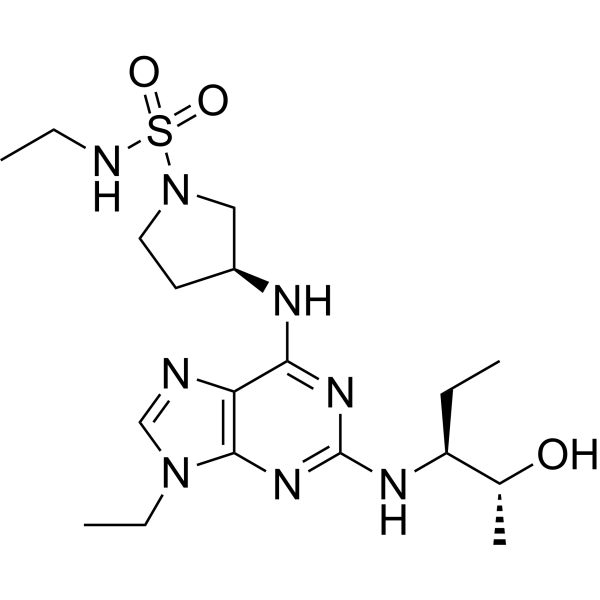
  • HY-158106
    AZD8421
    1 Publications Verification

    CDK Cancer
    AZD8421 is a selective CDK2 inhibitor (IC50 = 9 nM) as well as achieving CDK family selectivity in cells versus key off-targets (CDK1, CDK4/6, CDK9), AZD8421 had no significant kinase inhibition outside the CDK family. AZD8421 inhibits cancer cell proliferation by inhibiting pRB phosphorylation, inducing cell cycle arrest in G1/S phase and senescence. AZD8421 can be studied in research for breast cancer and ovarian cancer .
    AZD8421
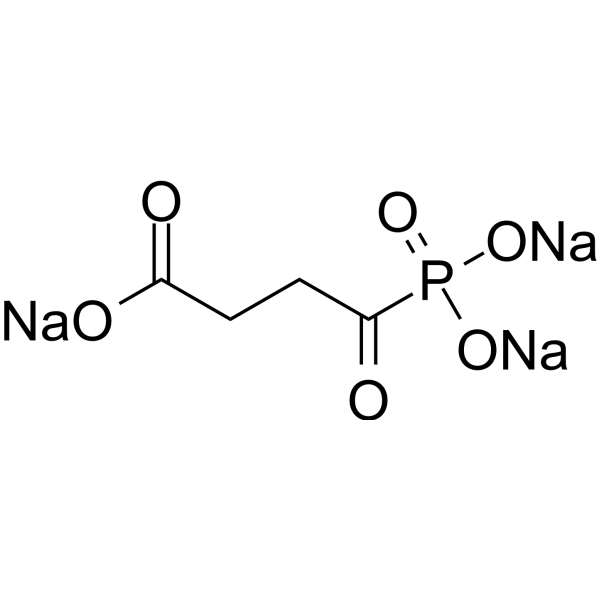
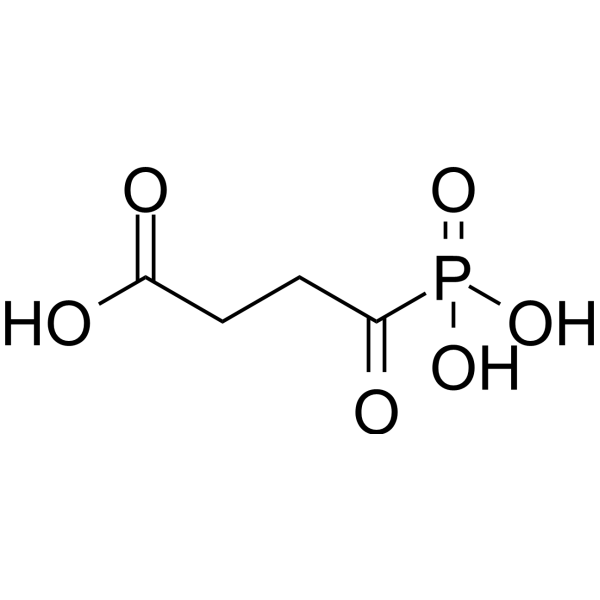
  • HY-12688A

    Mitochondrial Metabolism Reactive Oxygen Species (ROS) Amyloid-β Neurological Disease Inflammation/Immunology
    Succinyl phosphonate trisodium salt is a α-Ketoglutarate Dehydrogenase Complex (KGDHC) modulator with neuroprotective activity. Succinyl phosphonate trisodium salt protects this complex, reduces cellular succinyl-CoA concentration, downregulates protein succinylation levels, and inhibits the activity of the α-ketoglutarate dehydrogenase complex. Succinyl phosphonate trisodium salt corrects hypoxic or ethanol-induced behavioral impairments, modulates exploratory behavior and emotional stress responses, and improves hypoxia tolerance. Succinyl phosphonate trisodium salt reduces glutamate excitotoxicity, restores the activity of the α-ketoglutarate dehydrogenase complex, reverses the changes in glutamate dehydrogenase and glutamine synthetase activities induced by β-amyloid (Amyloid-β), modulates cognitive function, and prevents β-amyloid-induced neuronal damage. Succinyl phosphonate trisodium salt improves microglial senescence, alleviates neuroinflammation, reactive oxygen species (ROS) production, lipid peroxidation, and the expression of proinflammatory cytokines. Succinyl phosphonate trisodium salt can be used in the research of Alzheimer's disease, aging-related neuroinflammation, and Parkinson's disease .
    Succinyl phosphonate trisodium salt
  • HY-P991488

    Interleukin Related Inflammation/Immunology
    BI-765423 is a selective monoclonal antibody inhibitor targeting IL-11. BI-765423 blocks IL-11-mediated signaling, inhibits fibroblast activation, and can extend the healthy lifespan of mammals, counteract cellular senescence in human cells, and alleviate inflammatory aging-related pathological processes. BI-765423 is primarily used in research on fibrotic diseases such as idiopathic pulmonary fibrosis (IPF) .
    BI-765423
  • HY-U00177
    GDP366
    2 Publications Verification

    Survivin Cancer
    GDP366, a dual inhibitor of survivin and Op18, induces cell growth inhibition, cellular senescence and mitotic catastrophe in human cancer cells.
    GDP366
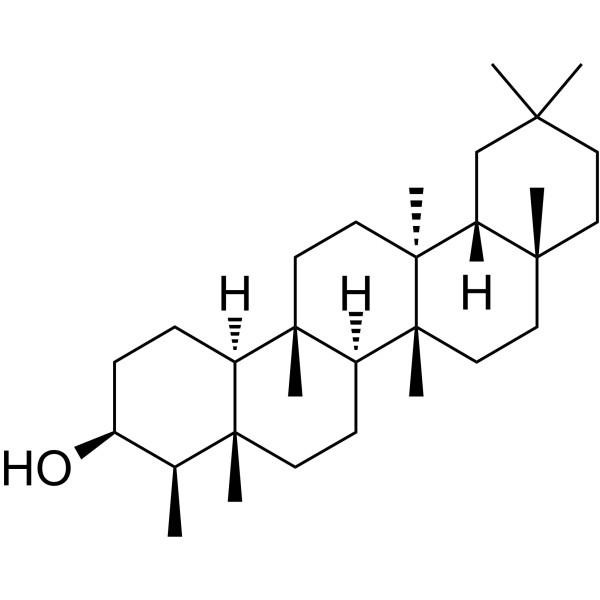
  • HY-N1931

    Caspase PARP Apoptosis MDM-2/p53 Cancer
    Epifriedelanol is a triterpenoid found in the root bark of Ulmus davidiana. Epifriedelanol induces apoptosis in DU145 cells. Epifriedelanol has antitumor and anti-inflammatory activities. Epifriedelanol inhibits cellular senescence in human primary cells .
    Epifriedelanol
  • HY-402361

    MEK ERK AP-1 Neurological Disease Inflammation/Immunology
    TERT activator-1 is a small molecule activator of telomerase reverse transcriptase (TERT). TERT activator-1 promotes TERT transcription through the MEK/ERK/AP-1 signaling cascade. TERT activator-1 promotes adult neurogenesis and enhances neuromuscular function. TERT activator-1 reduces cellular senescence and systemic inflammation in aged mice, and can be used in the study of aging .
    TERT activator-1
  • HY-P11178

    Apoptosis SARS-CoV Infection Metabolic Disease Inflammation/Immunology
    Corisin is a pro-apoptotic small peptide produced by Staphylococcus species. Corisin binds to serum albumin to target organs such as the lungs and kidneys, induces cellular senescence, apoptosis and epithelial-mesenchymal transition, and accelerates the progression of organ fibrosis including pulmonary fibrosis and diabetic renal fibrosis. Corisin levels are closely associated with coronavirus disease 2019 (COVID-19), diabetic chronic kidney disease (CKD), non-diabetic CKD, and idiopathic pulmonary fibrosis (IPF) .
    Corisin
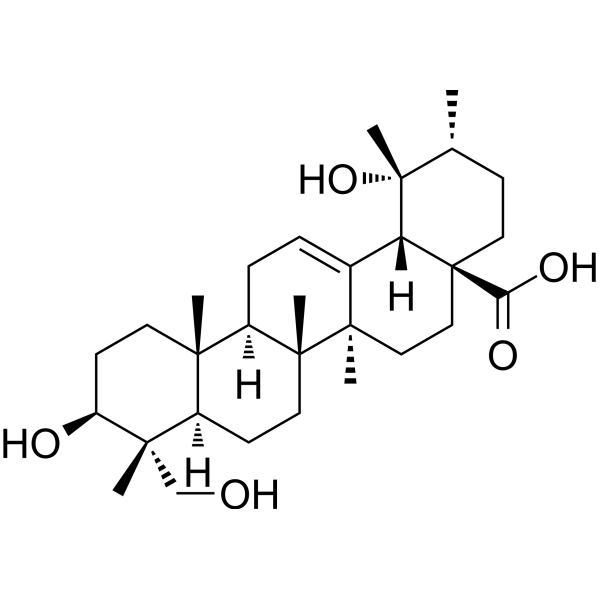
  • HY-N2217

    Akt mTOR p38 MAPK Apoptosis Phosphatase Interleukin Related NF-κB PI3K Keap1-Nrf2 Heme Oxygenase (HO) Toll-like Receptor (TLR) Reactive Oxygen Species (ROS) Metabolic Disease Inflammation/Immunology Cancer
    Rotundic acid is an orally effective triterpenoid with a Kd value of 51.3 µM for PTP1B. Rotundic acid downregulates the AKT/mTOR pro-survival pathway and modulates the MAPK pathway. Rotundic acid induces cell cycle S-phase arrest, DNA damage and apoptosis; it inhibits migration, invasion, angiogenesis and proliferation of cancer cells. Rotundic acid improves leptin sensitivity, regulates gut microbiota and reduces cellular senescence. Rotundic acid can be used in research related to hepatocellular carcinoma, obesity, aging, acute lung injury and type 2 diabetes .
    Rotundic acid
  • HY-N5139
    Lecithins, egg
    1 Publications Verification

    Lecithins, egg yolk; Belovo PL 85

    Cholinesterase (ChE) Angiotensin-converting Enzyme (ACE) Bacterial Infection Neurological Disease Metabolic Disease Inflammation/Immunology
    Lecithins, egg (Lecithins, egg yolk; Belovo PL 85) is an orally active natural phospholipid mixture extracted from egg yolks . Lecithins, egg inhibits the activities of acetylcholinesterase (AChE) and angiotensin-converting enzyme (ACE). Lecithins, egg exhibits antibacterial, antioxidant and anti-inflammatory activities, and helps delay cellular senescence. Lecithins, egg enhances nerve conduction, improves memory and cognitive function, and exerts positive effects on delaying neurodegenerative diseases. Lecithins, egg promotes lipid absorption and alleviates diarrhea. Lecithins, egg acts as a high-efficiency drug carrier for the preparation of targeted drug delivery systems such as liposomes .
    Lecithins, egg
  • HY-W011654

    4-Aminophenyl-beta-D-galactopyranoside, 98%

    Glycosidase Inflammation/Immunology Cancer
    4-Aminophenyl-β-D-galactopyranoside, 98% is a highly efficient substrate for β-galactosidase. It is specifically hydrolyzed by this enzyme to release galactose and electroactive p-aminophenol. 4-Aminophenyl-β-D-galactopyranoside, 98% is widely used in colorimetric and electrochemical assays for detecting β-galactosidase activity and determining enzyme kinetics, such as in biosensing fields including cellular senescence, pathogen and contaminant detection. In addition, since β-galactosidase is often overexpressed in primary ovarian cancer, 4-Aminophenyl-β-D-galactopyranoside, 98% can also be applied to related research on primary ovarian cancer .
    4-Aminophenyl-β-D-galactopyranoside, 98%
  • HY-171030

    Reactive Oxygen Species (ROS) Cancer
    Pro-GA is a γ-glutamyl cyclotransferase (GGCT) inhibitor. Pro-GA inhibits the enzymatic activity of GGCT, disrupts glutathione homeostasis, induces the production of mitochondrial ROS, and upregulates the expression of p21, p27 and p16 in cells. Pro-GA inhibits the growth of cancer cells, induces cell cycle arrest and cellular senescence. Pro-GA exerts anti-tumor effects in breast cancer xenograft mouse models. Pro-GA can be used in research related to bladder cancer and breast cancer .
    Pro-GA
  • HY-169369

    XJZ-06-462

    MDM-2/p53 Apoptosis Cancer
    TRAP-1 (XJZ-06-462) is a non-covalent regulated induced proximity targeting chimera (RIPTAC) with JQ-1 carboxylic acid (HY-78695) as its target protein ligand. TRAP-1 forms a ternary complex with p53 Y220C and BRD4, potently activates p53 transcription, and inhibits the growth and proliferation of tumor cells. TRAP-1 upregulates p21 and other p53 target genes in pancreatic cell lines carrying p53 Y220C, and induces cellular senescence and apoptosis. TRAP-1 can be used in cancer research involving p53 Y220C-carrying tumors .
    TRAP-1
  • HY-169120

    Telomerase Cancer
    FKB04 is a telomeric repeat binding factor 2 (TRF2) inhibitor that exerts its antitumor activity by disrupting the telomere maintenance mechanism in liver cancer cells, leading to T-loop defects, telomere shortening, and cellular senescence. Additionally, FKB04 can inhibit tumor growth in a human liver cancer xenograft mouse model (with Huh-7 cells implanted in BALB/c mice). FKB04 can be used in liver cancer research .
    FKB04
  • HY-12688

    Mitochondrial Metabolism Reactive Oxygen Species (ROS) Amyloid-β Neurological Disease Inflammation/Immunology
    Succinyl phosphonate is a α-Ketoglutarate Dehydrogenase Complex (KGDHC) modulator with neuroprotective activity. Succinyl phosphonate protects this complex, reduces cellular succinyl-CoA concentration, downregulates protein succinylation levels, and inhibits the activity of the α-ketoglutarate dehydrogenase complex. Succinyl phosphonate corrects hypoxic or ethanol-induced behavioral impairments, modulates exploratory behavior and emotional stress responses, and improves hypoxia tolerance. Succinyl phosphonate reduces glutamate excitotoxicity, restores the activity of the α-ketoglutarate dehydrogenase complex, reverses the changes in glutamate dehydrogenase and glutamine synthetase activities induced by β-amyloid (Amyloid-β), modulates cognitive function, and prevents β-amyloid-induced neuronal damage. Succinyl phosphonate improves microglial senescence, alleviates neuroinflammation, reactive oxygen species (ROS) production, lipid peroxidation, and the expression of proinflammatory cytokines. Succinyl phosphonate can be used in the research of Alzheimer's disease, aging-related neuroinflammation, and Parkinson's disease .
    Succinyl phosphonate
  • HY-161088

    Drug Derivative ERK Others
    Anti-aging agent 1 (compound 24) is a derivative of piperlongumine (HY-N2329) (PL). Anti-aging agent 1 exhibits a 50-fold enhancement in senolytic activity against senescent WI-38 fibroblasts compared to PL .
    Anti-aging agent 1
  • HY-165424

    Fluorescent Dye Glycosidase Cardiovascular Disease Cancer
    NIR-BG2 is a near-infrared fluorescent probe targeting senescence-associated β-galactosidase (SA-β-Gal). NIR-BG2 is activated by SA-β-Gal and undergoes hydrolysis to release electrophilic quinone methide that covalently binds to surrounding proteins for in situ labeling, with a 16-fold enhancement of fluorescence signal at 709 nm . NIR-BG2 is promising for research of vivo imaging of cellular senescence .
    NIR-BG2
  • HY-172620

    IKK Akt Apoptosis PI3K NF-κB CDK Caspase PARP Neurological Disease Metabolic Disease Inflammation/Immunology Cancer
    LIB3S0280 is a potent TBK1 inhibitor with an IC50 value of 493.9 nM. LIB3S0280 exhibits better anticancer effects in pancreatic cancer cell lines with high TBK1 expression. LIB3S0280 inhibits TBK1 downstream signaling pathways, including PI3K/AKT and NF-κB. LIB3S0280 induces G2/M arrest, apoptosis and cellular senescence. LIB3S0280 can be used for pancreatic ductal adenocarcinoma (PDAC) research .
    LIB3S0280
  • HY-147359

    Antibiotic Apoptosis Cancer
    Boanmycin is an antibiotic with antitumor activity that induces cellular senescence and apoptosis .
    Boanmycin
  • HY-P10598

    Biochemical Assay Reagents Others
    BIMAX1 is a tool peptide used in experiments to examine the interaction of RBBP4 with importin β1 and the effects on the nuclear import pathway. BIMAX1 can be used to study the role of RBBP4 in regulating nuclear import efficiency and cellular senescence .
    BIMAX1
  • HY-149708

    ICMT Others
    UCM-13207 is a selective isoprenylcysteine carboxylmethyltransferase (ICMT) inhibitor with a human IC50 of 1.4 μM and human Ka of 7.2 μM. UCM-13207 modulates progerin localization, stability, and levels, reduces DNA damage, increases cellular viability, and decreases tissue senescence. UCM-13207 can be used for the research of Hutchinson−Gilford progeria syndrome .
    UCM-13207
  • HY-173337

    HSP Interleukin Related Cancer
    HSP90α-IN-1 is a HSP90α inhibitor (IC50 = 111 nM) that exhibits senolytic activity across various cellular senescence models. HSP90α-IN-1 is related to the xanthinic family. HSP90α-IN-1 is involved in research on combating age-related inflammaging and diseases, including cancer, and possibly extend a healthy lifespan .
    HSP90α-IN-1
  • HY-120339

    Microtubule/Tubulin FAK MEK ERK MMP Caspase PARP Apoptosis MDM-2/p53 Cancer
    STK899704 is a tubulin polymerization inhibitor. STK899704 exhibits broad-spectrum inhibitory activity against various cancer cell lines with IC50 values ​​ranging from 0.2 to 1.0 μM. STK899704 disrupts the mitotic spindle structure, inducing G2/M phase cell cycle arrest. STK899704 inhibits the migration ability of HT29 cells by downregulating the FAK-MEK-ERK signaling pathway, thereby suppressing the expression and activity of MMP-2 and MMP-9. STK899704 activates caspase-3/7/8/9, leading to PARP cleavage and inducing apoptosis. STK899704 induces cellular senescence through the p53 pathway. STK899704 can be used in research on skin cancer, lung cancer, colon cancer, and other cancers .
    STK899704
  • HY-162688

    Telomerase G-quadruplex Apoptosis Ferroptosis Others
    Anticancer agent 239 (Compound 5) is a ligand of hTERT promoter G-quadruplex DNA structures (hTERT G4) (Kd = 1.1 μM), and downregulates hTERT expression. Anticancer agent 239 decreases telomerase activity, shortens telomere length, and induces DNA damage, acute cellular senescence, and apoptosis. Anticancer agent 239 causes mitochondrial dysfunction, disrupts iron metabolism and activates ferroptosis in cancer cells. Anticancer agent 239 inhibits tumor growth in MDA-MB-231 xenograft mouse model .
    Anticancer agent 239
  • HY-162456

    Apoptosis Reactive Oxygen Species (ROS) Cancer
    Anticancer agent 205 (compound 9) is a potent anticancer agent. Anticancer agent 205 binds to G4-mtDNA target and inhibits the replication, transcription, and translation of mtDNA (mitochondrial genome). Anticancer agent 205 causes mitochondrial dysfunction, increases ROS production, induces DNA damage and cellular senescence. Anticancer agent 205 induces apoptosis and cell cycle arrests at G0/G1 phase. Anticancer agent 205 has the potential for the research of colorectal cancer .
    Anticancer agent 205
  • HY-156334

    FAK Cancer
    FAK-IN-12 (Compound 12S) is a FAK inhibitor (IC50 = 47 nM). FAK-IN-12 inhibits MGC-803, HCT-116 and KYSE30 cell proliferation (IC50: 0.24, 0.45, 0.44 μM). FAK-IN-12 induces apoptosis and cellular senescence .
    FAK-IN-12
  • HY-174511

    mRNA Cancer
    Human TP53 mRNA encodes the human tumor protein p53 (TP53) protein, a tumor suppressor protein containing transcriptional activation, DNA binding, and oligomerization domains. TP53 responds to diverse cellular stresses to regulate expression of target genes, thereby inducing cell cycle arrest, apoptosis, senescence, DNA repair, or changes in metabolism.
    Human TP53 mRNA
  • HY-100355R

    Endogenous Metabolite Reference Standards Neurological Disease Cancer
    C18-Ceramide (Standard) is the analytical standard of C18-Ceramide. This product is intended for research and analytical applications. C18-Ceramide can promote exocytosis of glutamate from damaged neurons. C18-Ceramide promotes cell death in glioma cells. Ceramides is involved in diverse cellular functions, such as differentiation, cell cycle progression, cell-cell adhesion, senescence, and apoptosis .
    C18-Ceramide (Standard)
  • HY-173310

    CDK Cancer
    CDK2-IN-44 (Compound 46) is an inhibitor of cyclin-dependent kinase 2 (CDK2). CDK2-IN-44 can effectively inhibit the proliferation of cancer cells and exert its activity in inhibiting cancer cell growth by arresting the cell cycle, promoting Apoptosis, and inducing cellular senescence. CDK2-IN-44 holds promise for use in the research of ovarian cancer and breast cancer .
    CDK2-IN-44
  • HY-N2217R

    Reference Standards Akt mTOR p38 MAPK Apoptosis Cardiovascular Disease Inflammation/Immunology Cancer
    Rotundic acid (Standard) is the analytical standard of Rotundic acid (HY-N2217). This product is intended for research and analytical applications. Rotundic acid is an orally effective triterpenoid with a Kd value of 51.3 µM for PTP1B. Rotundic acid downregulates the AKT/mTOR pro-survival pathway and modulates the MAPK pathway. Rotundic acid induces cell cycle S-phase arrest, DNA damage and apoptosis; it inhibits migration, invasion, angiogenesis and proliferation of cancer cells. Rotundic acid improves leptin sensitivity, regulates gut microbiota and reduces cellular senescence. Rotundic acid can be used in research related to hepatocellular carcinoma, obesity, aging, acute lung injury and type 2 diabetes .
    Rotundic acid (Standard)
  • HY-181627

    MNK DNA/RNA Synthesis Interleukin Related Eukaryotic Initiation Factor (eIF) Cancer
    ETC-501 is a blood-brain barrier-permeable, orally active, and selective MNK1/MNK2 inhibitor, with an IC50 of 0.033 μM against MNK1 and 0.111 μM against MNK2. ETC-501 inhibits glioblastoma cell proliferation, impairs DNA damage repair function, delays cell cycle progression, and suppresses ribosome biogenesis. ETC-501 enhances Temozolomide (HY-17364)-induced cellular senescence, attenuates the senescence-associated secretory phenotype, and increases cellular sensitivity to Navitoclax (HY-10087). ETC-501 is applicable to research related to glioblastoma .
    ETC-501
  • HY-183102

    Aurora Kinase Apoptosis Cancer
    ATC12 is a Aurora-A kinase inhibitor. ATC12 binds to Aurora-A and competes with TPX2 for binding to disrupt the Aurora-A/TPX2 interaction. ATC12 inhibits cancer cell proliferation, induces apoptosis and cellular senescence. ATC12 can be used in the research of breast cancer .
    ATC12
  • HY-183629

    Zinc Finger Protein Apoptosis Cardiovascular Disease Cancer
    ZNF281-IN-1 is a ZNF281 inhibitor. ZNF281-IN-1 disrupts the binding of transcriptionally active DNA-bound ZNF281 to the promoters of target genes including TRIM35 and ZEB1. ZNF281-IN-1 inhibits tumor cell proliferation, stabilizes P53 and upregulates PUMA to induce apoptosis, while triggering cellular senescence. ZNF281-IN-1 completely prevents Doxorubicin (HY-15142A)-induced cardiotoxicity (AIC), and enhances rather than impairs the antitumor efficacy of Doxorubicin. ZNF281-IN-1 completely blocks the distant metastasis of melanoma to the lungs. ZNF281-IN-1 can be used in the research of cardiotoxicity, lung cancer and metastatic melanoma .
    ZNF281-IN-1

Inquiry Online

Your information is safe with us. * Required Fields.

Salutation


Country or Region *

Applicant Name *


Organization Name *

Department *


Email Address *


Product Name *

Cat. No.


Requested quantity *

Phone Number *


Remarks

Inquiry Online

Inquiry Information

Product Name:
Cat. No.:
Quantity:
MCE Japan Authorized Agent:

