
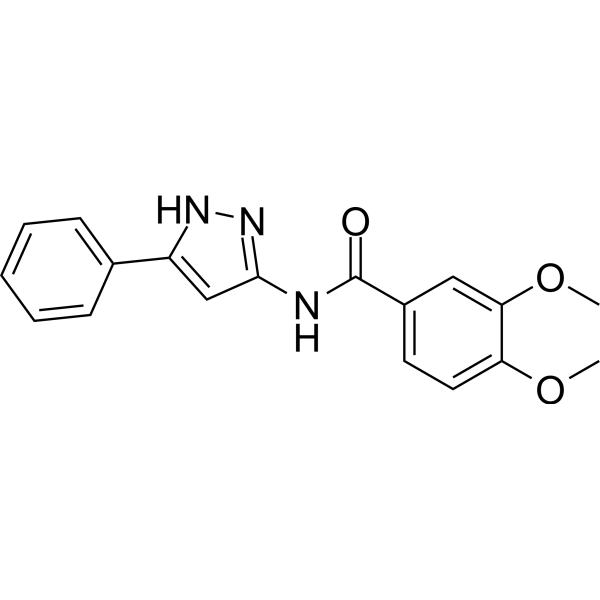
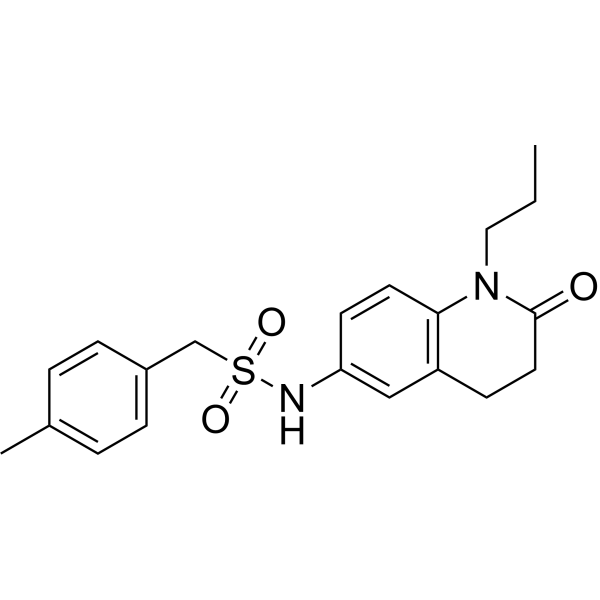
1. Search Result
Search Result
Results for "

closure

" in MedChemExpress (MCE) Product Catalog:

32

Inhibitors & Agonists

2

Biochemical Assay Reagents

2

Peptides

3

Natural
Products

2

Click Chemistry

1

Oligonucleotides

Cat. No. Product Name Target Research Areas Chemical Structure
  • HY-N6871
    Abietic acid
    3 Publications Verification

    Bacterial IKK Ferroptosis Infection Metabolic Disease Inflammation/Immunology Cancer
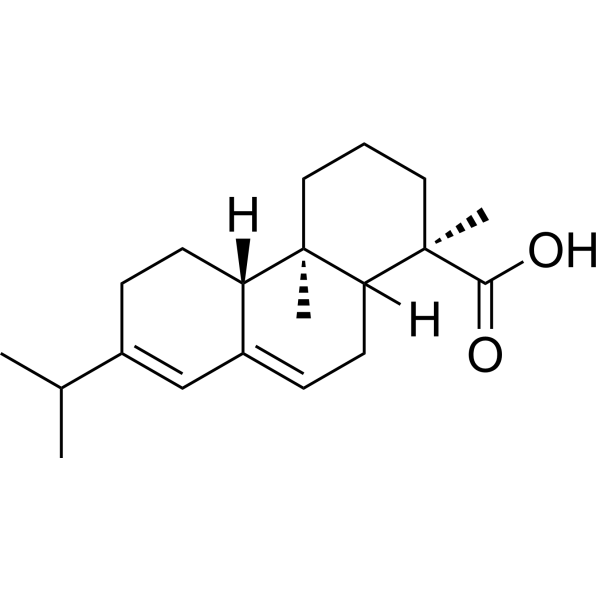
    Abietic acid, an orally active diterpene isolated from Colophony, displays significant anti-proliferative, anti-inflammatory, anti-obesity effect, bacteriostatic, cell cycle arresting and pro-apoptotic activities. Abietic acid inhibits lipoxygenase activity for allergy. Abietic acid enhances cell migration and tube formation in HUVECs. Abietic acid induces significant angiogenic potential, which is associated with upregulation of extracellular signal-regulated kinase (ERK) and p38 expression. Abietic acid attenuates sepsis-induced lung injury by inhibiting nuclear factor kappa-light-chain-enhancer of activated B cells (NF-κB) pathway to inhibit M1 macrophage polarization. Abietic acid exhibits a positive effect against liver injury by attenuating inflammation and ferroptosis. Abietic acid shows accelerated wound closure in a mouse model of cutaneous wounds. Abietic acid significantly reduces the proliferation and growth of NSCLC cells by IKKβ inhibition.Additionally, Abietic acid ameliorates psoriasis-like inflammation and modulates gut microbiota in mice. Abietic acid is promising for research in non-small-cell lung cancer (NSCLC), liver injury-related deseases and psoriasis .
    Abietic acid
  • HY-N11420

    Bacterial Phytohormone Others
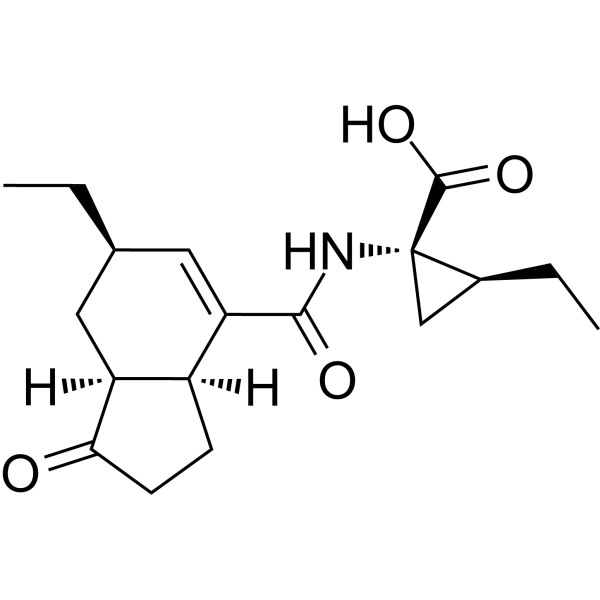
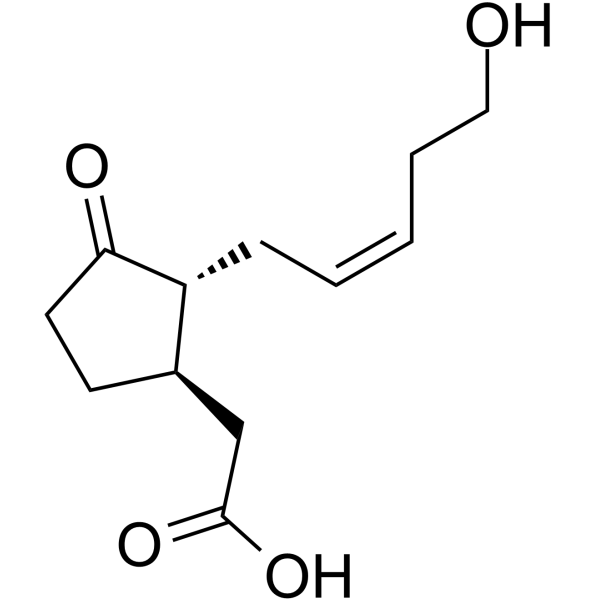
    Coronatine is a plant growth regulator that mimicks the jasmonic acid-isoleucine conjugate (JA-Ile), targets the jasmonic acid receptor COI1, activates the jasmonic acid signaling pathway, thereby inhibiting salicylic acid (SA)-dependent defense responses. Coronatine antagonizes the stomatal closure, induces plant cell necrosis and chlorosis, interfers with plant hormone balance, thereby promoting pathogen infection .
    Coronatine
  • HY-134570
    ZINC40099027
    3 Publications Verification

    FAK Metabolic Disease Inflammation/Immunology
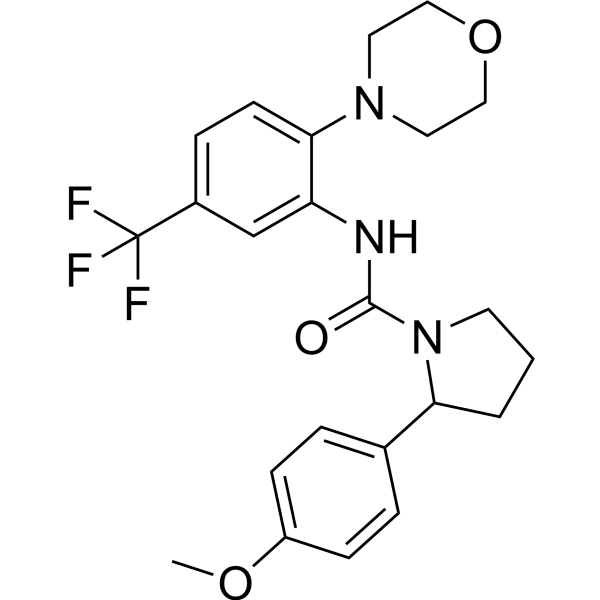
    ZINC40099027 is a selective FAK activator. ZINC40099027 promotes FAK phosphorylation, without activating its paralogs Pyk2 and Src. ZINC40099027 promotes the wound closure of human intestinal epithelial monolayers and the healing of mouse ulcers by activating FAK. ZINC40099027 can be used for diseases related to gastrointestinal mucosal injury research .
    ZINC40099027
  • HY-N9445

    LNnT

    Endogenous Metabolite TNF Receptor Inflammation/Immunology
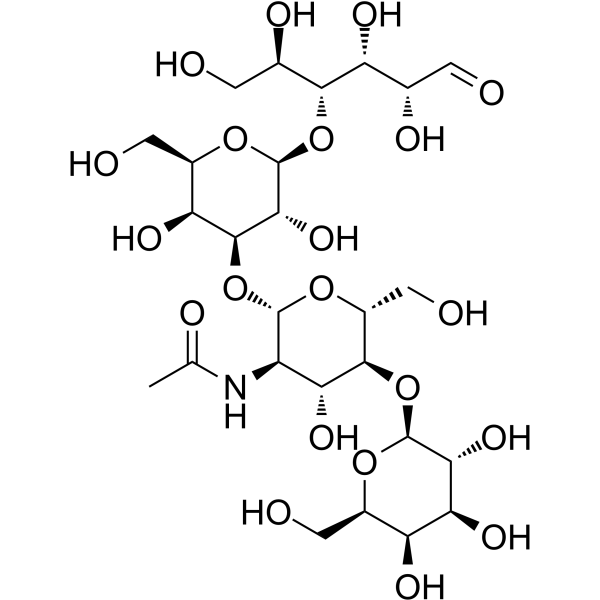
    Lacto-N-neotetraose (LNnT) is an endogenous metabolite. Lacto-N-neotetraose can inhibit TNF-α induced IL-8 secretion in immature epithelial cells. Lacto-N-neotetraose has anti-inflammatory avtivity, and can improve the wound closure .
    Lacto-N-neotetraose
  • HY-118563

    ICMT Apoptosis Ras Cancer
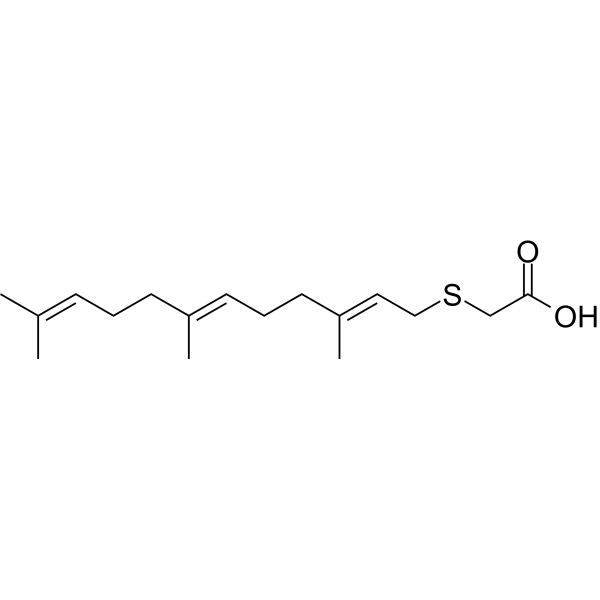
    Farnesylthioacetic acid is a competitive, non-substrate inhibitor of Prenylcysteine α-carboxyl methyltransferase. It acts as a non-substrate competitive inhibitor of Arabidopsis thaliana Prenylcysteine α-carboxyl methyltransferase and blocks methyltransferase activity. Farnesylthioacetic acid does not inhibit protein farnesyltransferase activity in Arabidopsis. It induces Apoptosis. Farnesylthioacetic acid regulates the subcellular localization of Ras protein, reducing the proportion of cytoplasmic Ras protein without disrupting membrane binding. It enhances ABA-induced seed dormancy, delays seed germination, and promotes maximum stomatal closure at lower exogenous ABA concentrations. Farnesylthioacetic acid can be used in studies related to promyelocytic leukemia .
    Farnesylthioacetic acid
  • HY-122124

    Leukotriene Receptor Inflammation/Immunology
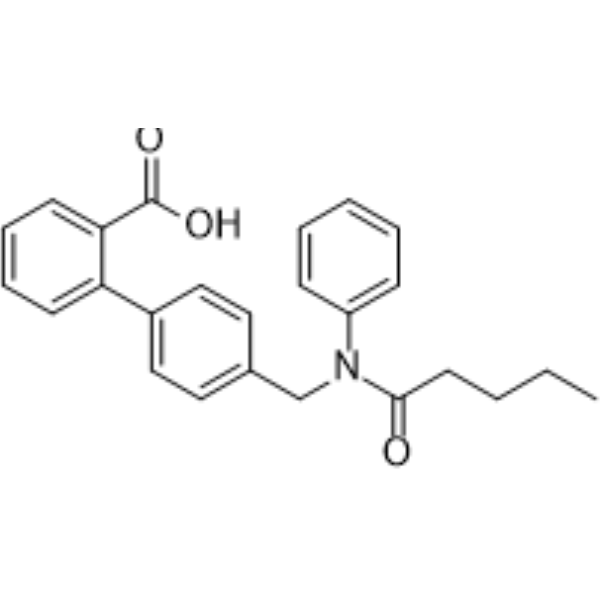
    CAY10583 is a potent and selective full Leukotriene B4 receptor type 2 (BLT2) agonist. CAY10583 directly promotes keratinocyte migration in vitro and accelerates wound closure in vivo. CAY10583 is a promising pharmaceutical agent for diabetic wounds .
    CAY10583
  • HY-P2931

    TPI

    Biochemical Assay Reagents Metabolic Disease Cancer
    Triosephosphate isomerase (TPI) is a biocatalyst that interconverts dihydroxyacetone phosphate and D-glyceraldehyde-3-phosphate. Triosephosphate isomerase utilises Glu167 as catalytic base, mediates proton shuttling, and stabilises a cis-enediolate intermediate via loop-6 and loop-7 closure to shield its catalytic site. Triosephosphate isomerase can be used for the research of triosephosphate isomerase deficiency .
    Triosephosphate isomerase
  • HY-W250121

    Environmental Pollutants Biochemical Assay Reagents Infection Inflammation/Immunology Cancer
    Tragacanth gum is an orally active anionic composite polysaccharide and multifunctional biomaterial. Tragacanth gum exhibits biocompatibility, mucoadhesion and renoprotective effects, and effectively promotes wound closure and tissue healing. Tragacanth gum can be isolated from Astragalus gummifer. Tragacanth gum acts as an emulsifier and drug delivery carrier, and is also widely used in fields such as 3D scaffolds, tissue engineering and green nanoparticle preparation. High doses of Tragacanth gum may induce reversible forestomach squamous epithelial hyperplasia in mice, but show no mutagenic or carcinogenic activity. Tragacanth gum is commonly used in studies related to diseases including systemic candidiasis, rheumatoid arthritis and osteosarcoma .
    Tragacanth gum
  • HY-130354
    Dibutyryl-cGMP sodium
    2 Publications Verification

    Bt2cGMP sodium

    Potassium Channel Cardiovascular Disease
    Dibutyryl-cGMP sodium (Bt2cGMP sodium) is a cell-permeable cGMP analogue. Dibutyryl-cGMP sodium preferentially activates cGMP-dependent protein kinase (PKG). Dibutyryl-cGMP sodium inhibits the release of [ 3H]-arachidonic acid from γ thrombin-stimulated human platelets. Dibutyryl-cGMP sodium induces peripheral antinociception via activation of ATP-sensitive K + channels .
    Dibutyryl-cGMP sodium
  • HY-29347

    Biochemical Assay Reagents Cardiovascular Disease
    Ocrylate is a tissue adhesive that contains an 8-carbon alkyl cyanoacrylate in its structure. Ocrylate can be used in research on gastric fundal varices, bone and cartilage grafting, cerebrospinal fluid leakage repair, and skin closure. Additionally, the rapid polymerization property of Ocrylate makes it suitable for inhibiting vascular embolization .
    Ocrylate
  • HY-14790

    (S,S)-(+)-Reboxetine

    Adrenergic Receptor Neurological Disease
    Esreboxetine ((S,S)-Reboxetine) is a selective norepinephrine reuptake inhibitor with activity in increasing urethral resistance. Esreboxetine has been reported to be effective in patients with stress urinary incontinence in a Phase IIa clinical study, achieving this effect by increasing urethral closure. The mechanism of action of esreboxetine involves inhibition of norepinephrine transporters in the central and peripheral nervous systems. The peripheral selectivity of esreboxetine helps it significantly increase urethral resistance without penetrating the brain .
    Esreboxetine
  • HY-137273

    Somatostatin Receptor MMP Inflammation/Immunology
    Sucrose octasulfate sodium, a derivative of sulfated oligosaccharides, is a matrix metalloproteinase (MMP) inhibitor. Sucrose octasulfate sodium stimulates the release of somatostatin-like immunoreactivity (SLI) from the stomach by acting directly on D cells in the gastric mucosa. Sucrose octasulfate sodium exerts its ulcer-healing effect by releasing endogenous gastric somatostatin. Sucrose octasulfate sodium can be used as a pharmaceutical excipient and significantly improves wound closure in diabetic foot ulcers caused by nerve ischemia and venous leg ulcers. Sucrose octasulfate sodium can be used in the study of chronic wound healing .
    Sucrose octasulfate sodium
  • HY-134454

    Prolyl Endopeptidase (PREP) Parasite Infection
    Z-Pro-Pro-CHO is a potent inhibitor of prolyl oligopeptidase (POP), with extremely high affinity for human prolyl oligopeptidase (HsPOP) (IC50=0.012 μM), and it also effectively inhibits the activity of Schistosoma mansoni prolyl oligopeptidase (SmPOP) (IC50=0.16 μM). Z-Pro-Pro-CHO does not block the phosphorylation of ERK or the production of TNF-α or IFN-γ in immune cells from presensitized mice, nor does it induce harmful phenotypes in cultured Schistosoma mansoni schistosomula. Z-Pro-Pro-CHO only partially inhibits epithelial cell wound healing at extremely high concentrations. Z-Pro-Pro-CHO finds wide application in studies related to schistosomiasis .
    Z-Pro-Pro-CHO
  • HY-174422

    Opioid Receptor Others
    Opioid receptor antagonist 2 (Compound 9) is a potent opioid receptor antagonist. Opioid receptor antagonist 2 can reverse ventilatory depression and vocal cord closure induced by fentanyl analogs in mice. Opioid receptor antagonist 2 is promising for research of acute poisoning such as respiratory depression caused by overdose of opioids .
    Opioid receptor antagonist 2
  • HY-P10670

    ABA Receptor Others
    CLE25 peptide moves from the roots to the leaves and modulates NCED3 expression in leaves in association with the receptor-like kinases BAM1 and BAM3. CLE25 peptide induces stomatal closure by modulating abscisic acid accumulation and thereby enhances resistance to dehydration stress .
    CLE25 Peptide
  • HY-108933

    VEGFR FGFR Cancer
    JK-P3 is a potent and pan VEGFR2 inhibitor, with IC50s of 7.83 μM, 27 μM and 5.18 μM for VEGFR2, FGFR1 and FGFR3, respectively. JK-P3 can inhibit VEGF-A-stimulated VEGFR2 activation and intracellular signalling, also inhibits endothelial monolayer wound closure and angiogenesis, as well as fibroblast growth factor receptor kinase activity in vitro. JK-P3 has anti-angiogenic activity .
    JK-P3
  • HY-167677

    5-HT Receptor Neurological Disease
    ASP-2205 is a 5-HT2C receptor agonist (human 5-HT2C receptor, EC50=0.85 nM; rat 5-HT2C receptor, EC50=2.5 nM). ASP-2205 enhances the pudendal nerve-mediated urethral closure reflex through the 5-HT2C receptor, thereby preventing urinary incontinence .
    ASP-2205
  • HY-126478

    Proton Pump Others
    Quinabactin is a sulfonamide Abscisic acid (ABA) agonist. Quinabactin promotes guard cell closure, inhibits water loss, and promotes drought tolerance in adult Arabidopsis and soybean plants .
    Quinabactin
  • HY-172140

    Potassium Channel Neurological Disease
    Ebio3 is a selective potassium channel (KCNQ2) inhibitor with an IC50 of 1.2 nM. Ebio3 binds to the KCNQ2 channel through its hydrophobic tail, causing the S6 helix to move inward, which leads to the closure of the inner gate. The inhibitory effect of Ebio3 is also effective in pathogenic mutants of KCNQ2 (such as R75C and I238L), where it can inhibit outward currents by more than 80%. Ebio3 is expected to be used in the research of neurological diseases such as epilepsy .
    Ebio3
  • HY-151738

    ADC Linker Others
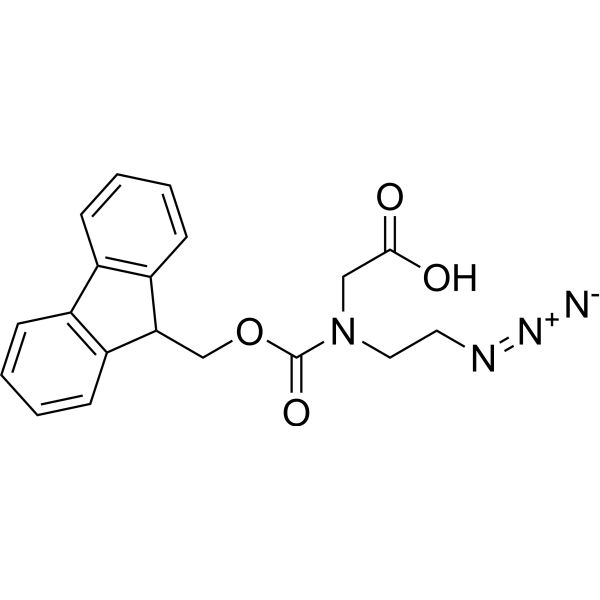
    Fmoc-Aeg(N3)-OH is a click chemistry reagent containing an Azide. Alkylating the Nitrogen of an amide bond results in peptoid structures, which leads to conformational restrains, like N-methylation and allows backbone derivatisation. Altering cytotoxicity, bacterial cell selectivity and receptor pharmacology through formation of peptoid derivatives have been published for Cilengitide, Piscidin 1, and MC3, MC4 and MC5 receptor agonist. This building block enables design of macrocycles through intermolecular crosslinking or backbone stabilization through intermolecular ring-closure. This compound is a potential building block for the construction of (customized) peptide nucleic acids (PNAs) and for peptoid synthesis . Fmoc-Aeg(N3)-OH is a click chemistry reagent, it contains an Azide group and can undergo copper-catalyzed azide-alkyne cycloaddition reaction (CuAAc) with molecules containing Alkyne groups. It can also undergo strain-promoted alkyne-azide cycloaddition (SPAAC) reactions with molecules containing DBCO or BCN groups.
    Fmoc-Aeg(N3)-OH
  • HY-162466

    Proton Pump Others
    ABA receptor agonist 1 (compound 4c) is a receptor agonist for abscisic acid (ABA). ABA receptor agonist 1 can inhibit seed germination and seedling growth of Arabidopsis and rice, stomatal closure and drought resistance of wheat and soybean .
    ABA receptor agonist 1
  • HY-14919A

    MN-029

    Microtubule/Tubulin Cancer
    Denibulin (MN-029) hydrochloride is an anti-angiogenic agent with anticancer activity. It can cause rapid closure of blood vessels in solid tumors and lead to dose-dependent killing of tumor cells, effectively enhancing the antitumor effects of radiation and cisplatin chemotherapy .
    Denibulin hydrochloride
  • HY-161611

    YAP Others
    14-3-3-IN-1 (Compound 2) is an inhibitor for 14-3-3 proteins in Arabidopsis thaliana, with an IC50 of 1.21 μM. 14-3-3-IN-1 exhibits different inhibitory activities against different 14-3-3 isomers. 14-3-3-IN-1 promotes the closure of stomata on leaves .
    14-3-3-IN-1
  • HY-170366

    VEGFR Apoptosis Cancer
    VEGFR-2-IN-58 (Compound 7b) inhibits VEGFR-2 with an IC50 of 42.5 nM. VEGFR-2-IN-58 displays selective cytotoxicity against cancer cells. VEGFR-2-IN-58 shows cellular growth arrest at the G2/M phase in cancer cells. VEGFR-2-IN-58 induces cancer cells Apoptosis, increasing BAX expression and reducing Bcl2 expression. VEGFR-2-IN-58 inhibits wound closure in cancer cells .
    VEGFR-2-IN-58
  • HY-E71128

    Biochemical Assay Reagents Others
    (S)-Nandinine synthase (EC 1.14.21.12) is a cytochrome P-450 heme-thiolate enzyme catalysing an oxidative reaction that does not incorporate oxygen into the product. Forms the methylenedioxy bridge of the protoberberine alkaloid (S)-Nandinine by the oxidative ring closure of adjacent phenolic and methoxy groups of (S)-Scoulerine.
    (S)-Nandinine synthase
  • HY-182450

    Ser/Thr Protease Cancer
    WX-293 is a highly selective urokinase-type plasminogen activator (uPA) inhibitor with a Ki value of 2.4 μM. WX-293 abolishes hypoxia-induced keratinocyte migration and in vitro wound closure. WX-293 can be used in research on hypoxia-mediated skin wounds and solid malignant tumors .
    WX-293
  • HY-176923

    Reactive Oxygen Species (ROS) Inflammation/Immunology
    1,3-Bis(isothiocyanatomethyl)benzene is a plant regulator. prevents the invasion of pathogens by inducing stomatal closure. 1,3-Bis(isothiocyanatomethyl)benzene significantly increases the levels of ROS and NO in guard cells. 1,3-Bis(isothiocyanatomethyl)benzene has shown significant control effects on grape downy mildew, cucumber downy mildew, and wheat leaf rust .
    1,3-Bis(isothiocyanatomethyl)benzene
  • HY-W714852

    Insecticide Sodium Channel Infection
    Zeta-Cypermethrin is a type II pyrethroid insecticide. Zeta-Cypermethrin primarily acts on voltage-gated sodium channels in nerve cells, causing delayed channel closure, persistent nerve excitation and convulsions. In Drosophila, Zeta-Cypermethrin rapidly induces extremely high metabolic resistance that can be screened, and exhibits in vitro genotoxicity to human peripheral blood lymphocytes .
    Zeta-Cypermethrin
  • HY-181239

    Phosphatase Inflammation/Immunology Cancer
    PTP1B-IN-33 is a PTP1B inhibitor with a human IC50 of 2.45 μM and over 20-fold selectivity for PTP1B over SHP2. PTP1B-IN-33 enhances π-Alkyl interaction with PTP1B to increase WPD loop closure degree. PTP1B-IN-33 can be used for the research of cancer, diabetes, autoimmune deficiency diseases .
    PTP1B-IN-33
  • HY-137273A

    MMP Somatostatin Receptor Inflammation/Immunology
    Sucrose octasulfate, a derivative of sulfated oligosaccharides, is a matrix metalloproteinase (MMP) inhibitor. Sucrose octasulfate stimulates the release of somatostatin-like immunoreactivity (SLI) from the stomach by acting directly on D cells in the gastric mucosa. Sucrose octasulfate exerts its ulcer-healing effect by releasing endogenous gastric somatostatin. Sucrose octasulfate can be used as a pharmaceutical excipient and significantly improves wound closure in diabetic foot ulcers caused by nerve ischemia and venous leg ulcers. Sucrose octasulfate can be used in the study of chronic wound healing .
    Sucrose octasulfate
  • HY-181126

    HDAC Neurological Disease Metabolic Disease Inflammation/Immunology
    G194-0712 is a selective histone deacetylase 5 (HDAC5) activator with an EC50 of 7.96 μM and a Kd of 2.53 μM. G194-0712 restores ACTN4-K417 deacetylation and nuclear import, and increases CSTA expression. G194-0712 accelerates wound closure in chronic wound models, reducing wound area and epithelial gap. G194-0712 can be used for the research of chronic skin wounds, such as diabetic wounds, ischemic wounds, radiation injury wounds .
    G194-0712
  • HY-108933R

    Reference Standards VEGFR FGFR Cancer
    JK-P3 (Standard) is the analytical standard of JK-P3 (HY-108933). This product is intended for research and analytical applications. JK-P3 is a potent and pan VEGFR2 inhibitor, with IC50s of 7.83 μM, 27 μM and 5.18 μM for VEGFR2, FGFR1 and FGFR3, respectively. JK-P3 can inhibit VEGF-A-stimulated VEGFR2 activation and intracellular signalling, also inhibits endothelial monolayer wound closure and angiogenesis, as well as fibroblast growth factor receptor Kinase activity in vitro. JK-P3 has anti-angiogenic activity .
    JK-P3 (Standard)

Inquiry Online

Your information is safe with us. * Required Fields.

Salutation


Country or Region *

Applicant Name *


Organization Name *

Department *


Email Address *


Product Name *

Cat. No.


Requested quantity *

Phone Number *


Remarks

Inquiry Online

Inquiry Information

Product Name:
Cat. No.:
Quantity:
MCE Japan Authorized Agent:

