875 Results for "

combined

" in MedChemExpress (MCE) Product Catalog:
Products (875)

875 Results for "combined" in MCE Product Catalog:

188
188 Publications Verification
Cat. No.: HY-D0079
CAS No.: 104821-25-2
Synonyms: Hydroethidine; PD-MY 003
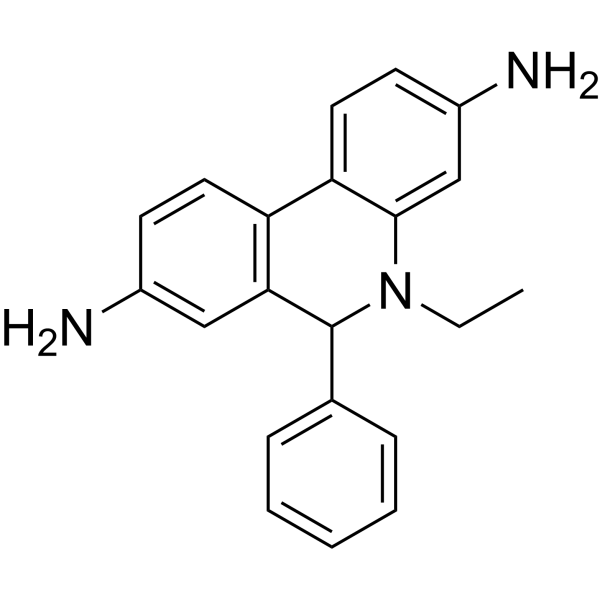
Dihydroethidium, also known as DHE, is a peroxide indicator. Dihydroethidium penetrates cell membranes to form a fluorescent protein complex with blue fluoresces. After entering the cells, Dihydroethidium is mainly localized in the cell membrane, cytoplasm and nucleus, and the staining effect is the strongest in the nucleus. Dihydroethidium produces inherent blue fluorescence with a maximum excitation wavelength of 370 nm and a maximum emission wavelength of 420 nm; after dehydrogenation, Dihydroethidium combines with RNA or DNA to produce red fluorescence with a maximum excitation wavelength of 300 nm and a maximum emission wavelength of 610 nm. 535 nm can also be used as the excitation wavelength for actual observation .
loading...
    loading...
102
102 Cited Publications
Cat. No.: HY-66019
CAS No.: 3326-32-7
Synonyms: Fluorescein 5-isothiocyanate
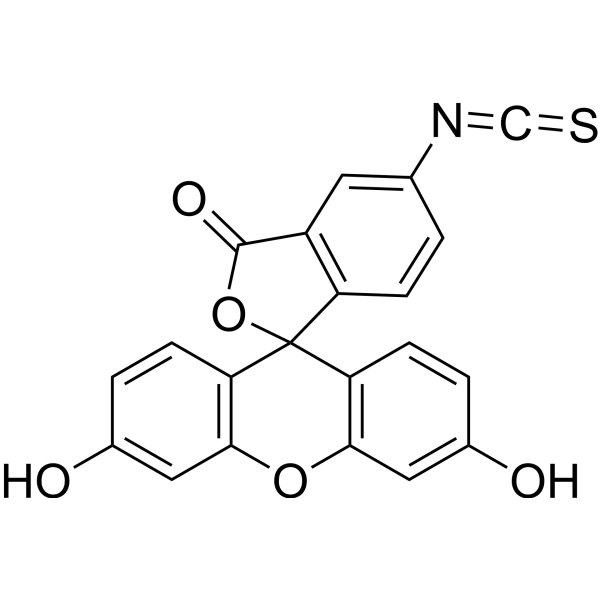
FITC (Fluorescein Isothiocyanate), is one of the green fluorescein derivatives widely used in biology. FITC has the characteristics of high absorptivity and excellent fluorescence quantum yield. The isothiocyanate group of FITC can be combined with amino, sulfhydryl, imidazole, tyrosyl, carbonyl and other groups on the protein, so as to achieve protein labeling including antibodies and lectins. In addition to its use as a protein marker, FITC can also be used as a fluorescent protein tracer to rapidly identify pathogens by labeling antibodies, or for microsequencing of proteins and peptides (HPLC). The maximum excitation wavelength of FITC is 494 nm. Once excited, it fluoresces yellow-green at a maximum emission wavelength of 520 nm. In addition, FITC is also a hapten that can induce contact hypersensitivity (CHS) and induce an atopic dermatitis model .
loading...
    loading...
100
100 Cited Publications
Cat. No.: HY-K1006

MCE Penicillin-Streptomycin (100×), Sterile is used to prevent bacterial contamination of cell culture due to their effective combined action against gram-positive and gram-negative bacteria, which contains 10,000 units/mL of penicillin and 10 mg/mL of streptomycin.

loading...
    loading...
32
32 Cited Publications
Cat. No.: HY-10459
CAS No.: 717907-75-0
Purity:  99.68%
Synonyms: VS-6062
Target:  

FAK Pyk2

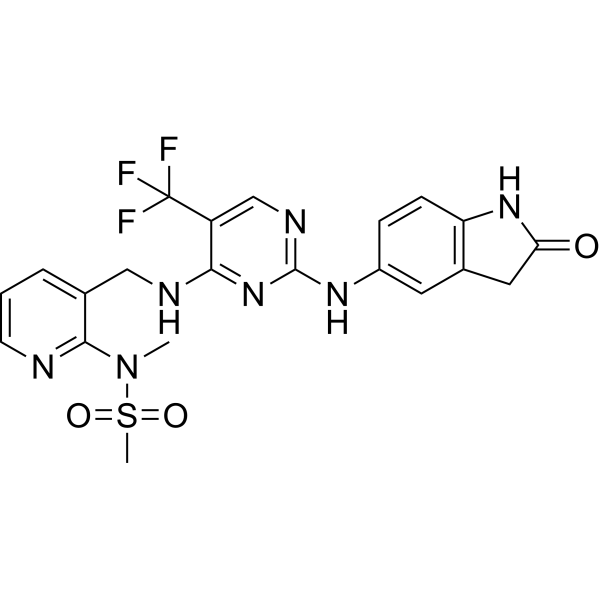
PF-562271 (VS-6062) is an orally active, ATP-competitive, reversible FAK/Pyk2 inhibitor, with an IC50 of 1.5 nM for FAK and 13 nM for Pyk2. PF-562271 induces tumor regression, and inhibits tumor growth, invasion and metastasis. PF-562271 exerts no effect on tumor necrosis, angiogenesis or apoptosis in an orthotopic mouse model of pancreatic ductal adenocarcinoma. When combined with Sunitinib (HY-10255A), PF-562271 reduces tumor vascularization, decreases serum alpha-fetoprotein levels and improves cachexia. PF-562271 can be used in research related to prostate cancer, breast cancer, pancreatic cancer, colon cancer, glioblastoma, lung cancer, pancreatic ductal adenocarcinoma and hepatocellular carcinoma .
loading...
    loading...
32
32 Cited Publications
Cat. No.: HY-10458
CAS No.: 939791-38-5
Purity:  99.17%
Synonyms: VS-6062 (besylate)
Target:  

FAK Pyk2

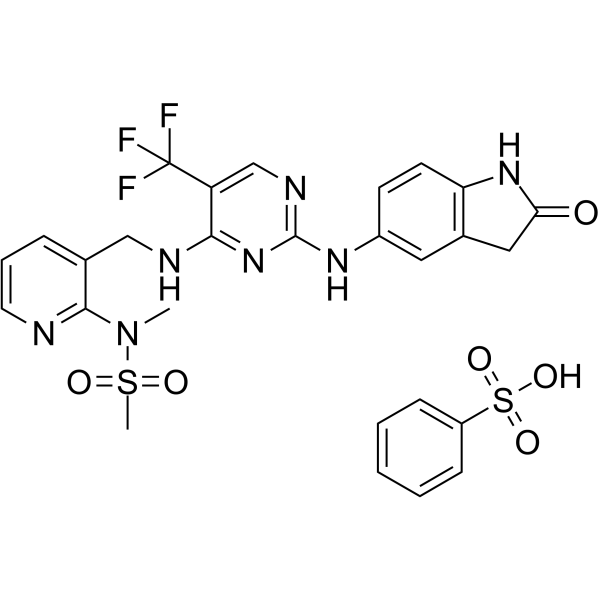
PF-562271 besylate (VS-6062 besylate) is an orally active, ATP-competitive, reversible FAK/Pyk2 inhibitor, with an IC50 of 1.5 nM for FAK and 13 nM for Pyk2. PF-562271 besylate induces tumor regression, and inhibits tumor growth, invasion and metastasis. PF-562271 besylate exerts no effect on tumor necrosis, angiogenesis or apoptosis in an orthotopic mouse model of pancreatic ductal adenocarcinoma. When combined with Sunitinib (HY-10255A), PF-562271 besylate reduces tumor vascularization, decreases serum alpha-fetoprotein levels and improves cachexia. PF-562271 besylate can be used in research related to prostate cancer, breast cancer, pancreatic cancer, colon cancer, glioblastoma, lung cancer, pancreatic ductal adenocarcinoma and hepatocellular carcinoma .
loading...
    loading...
30
30 Cited Publications
Cat. No.: HY-20403
CAS No.: 939791-41-0
Synonyms: VS-6062hydrochloride
Target:  

FAK Pyk2

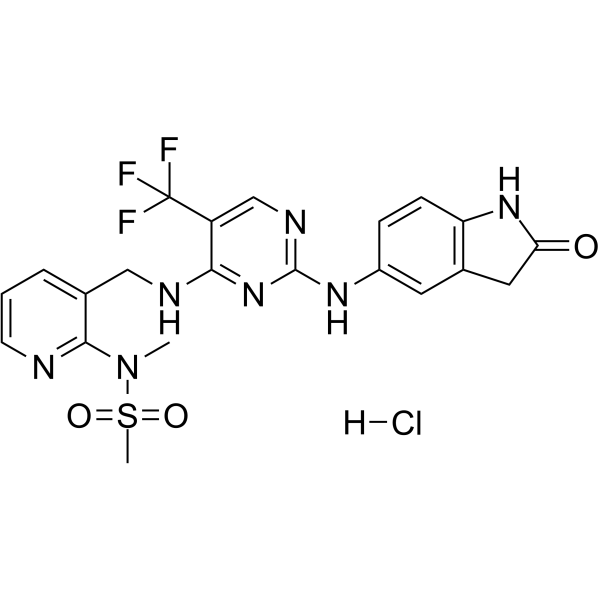
PF-562271 hydrochloride (VS-6062 hydrochloride) is an orally active, ATP-competitive, reversible FAK/Pyk2 inhibitor, with an IC50 of 1.5 nM for FAK and 13 nM for Pyk2. PF-562271 hydrochloride induces tumor regression, and inhibits tumor growth, invasion and metastasis. PF-562271 hydrochloride exerts no effect on tumor necrosis, angiogenesis or apoptosis in an orthotopic mouse model of pancreatic ductal adenocarcinoma. When combined with Sunitinib (HY-10255A), PF-562271 hydrochloride reduces tumor vascularization, decreases serum alpha-fetoprotein levels and improves cachexia. PF-562271 hydrochloride can be used in research related to prostate cancer, breast cancer, pancreatic cancer, colon cancer, glioblastoma, lung cancer, pancreatic ductal adenocarcinoma and hepatocellular carcinoma .
loading...
    loading...
28
28 Cited Publications
Cat. No.: HY-15448
CAS No.: 1152311-62-0
Purity:  99.85%
Synonyms: VX-661
Target:  

CFTR

Research Areas:  

Cancer

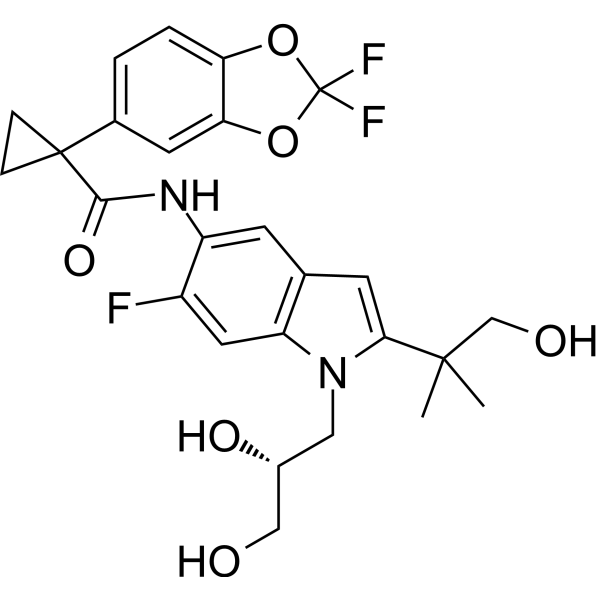
Tezacaftor (VX-661) is a F508del CFTR corrector. It helps CFTR protein reach the cell surface. However, Ivacaftor (VX-770, HY-13017), a CFTR potentiator, helps to prolong the opening time of cell surface CFTR protein channels. Tezacaftor combining with Ivacaftor, shows potent efficacy against cystic fibrosis and diseases with homozygous for the CFTR Phe508del mutation. Moreover, Elexacaftor (VX-445, HY-111772) is also a CFTR corrector. Elexacaftor-Tezacaftor-Ivacaftor aims at with cystic fibrosis (CF) with at least one Phe508del mutation, often avoids the indication for lung transplantation .
loading...
    loading...
24
24 Cited Publications
Cat. No.: HY-13032B
CAS No.: 1895049-20-3
Purity:  97.04%
Synonyms: GSK 525762C; I-BET 762 besylate
Research Areas:  

Cancer

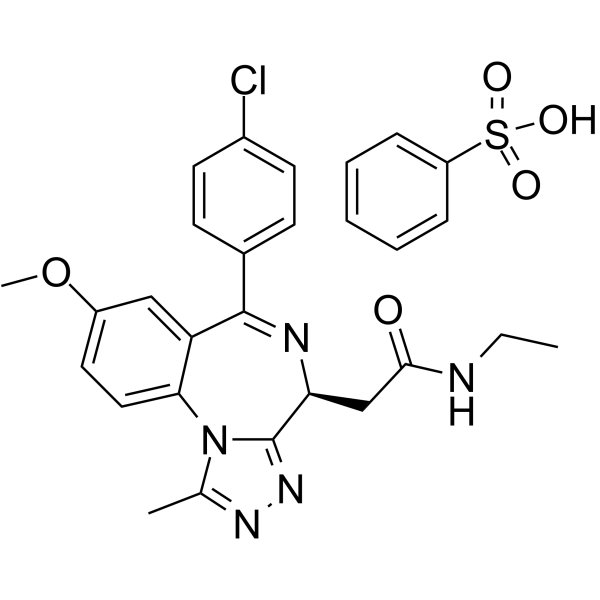
Molibresib besylate (GSK 525762C; I-BET 762 besylate) is an orally active pan-BET inhibitor that targets and binds to BRD2, BRD3, BRD4 and BRDT. By competitively occupying acetylated lysine binding sites, Molibresib besylate disrupts the interaction between BET proteins and chromatin, thereby effectively inhibiting MYC expression and target gene transcription. Molibresib besylate exhibits broad antiproliferative activity, which not only inhibits cancer cell growth and induces growth arrest, but also downregulates mitosis-related genes and upregulates the level of p-ERK1/2. When combined with MEK inhibitors, Molibresib besylate shows a significant synergistic effect, reduces tumor burden in mouse models of leukemia, modulates the immune microenvironment and prolongs survival. Molibresib besylate is widely applicable to research related to acute myeloid leukemia, multiple myeloma, triple-negative breast cancer, small-cell lung cancer and various advanced refractory solid tumors .
loading...
    loading...
20
20 Cited Publications
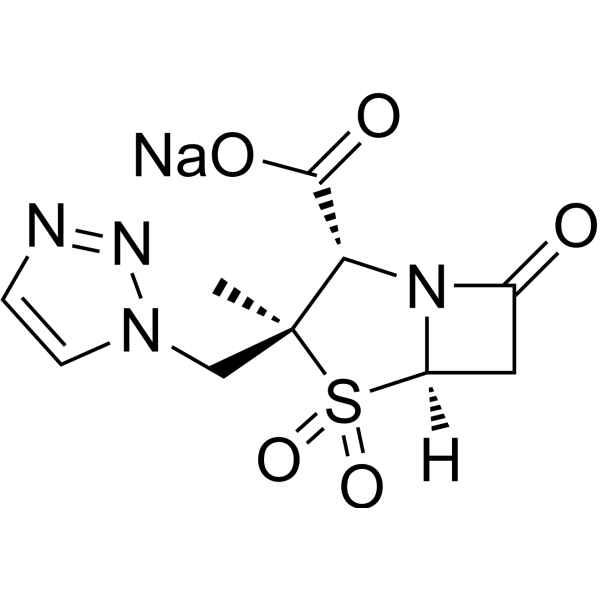
Cat. No.: HY-W009168
CAS No.: 89785-84-2
Target:  

Bacterial Antibiotic

Research Areas:  

Infection Cancer

Tazobactam sodium is an antibiotic of the beta-lactamase inhibitor class. Ceftolozane combines with Tazobactam, extends the activity of ceftolozane against many ESBL-producing Enterobacteriaceae and some Bacteroides spp..
loading...
    loading...
18
18 Cited Publications
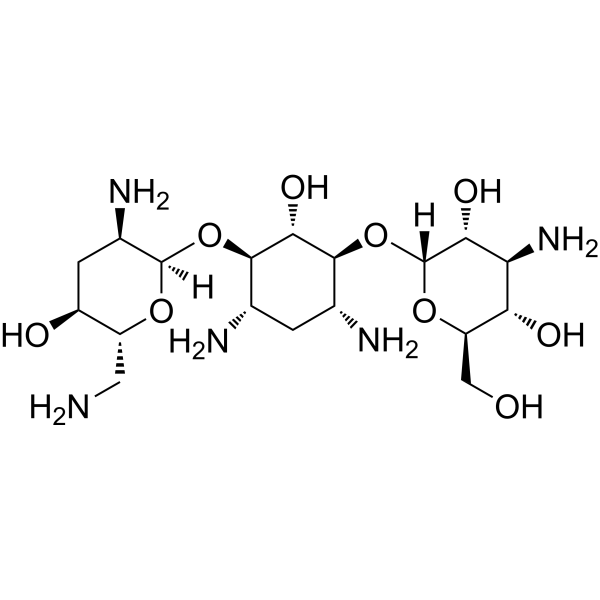
Cat. No.: HY-B0441
CAS No.: 32986-56-4
Synonyms: Nebramycin Factor 6; Deoxykanamycin B
Tobramycin (Nebramycin Factor 6) is a parenterally administered, broad spectrum aminoglycoside antibiotic that is widely used in the treatment of moderate to severe bacterial infections due to sensitive organisms .Tobramycin can be used to pneumonia research caused by Pseudomonas aeruginosa .
loading...
    loading...
16
16 Cited Publications
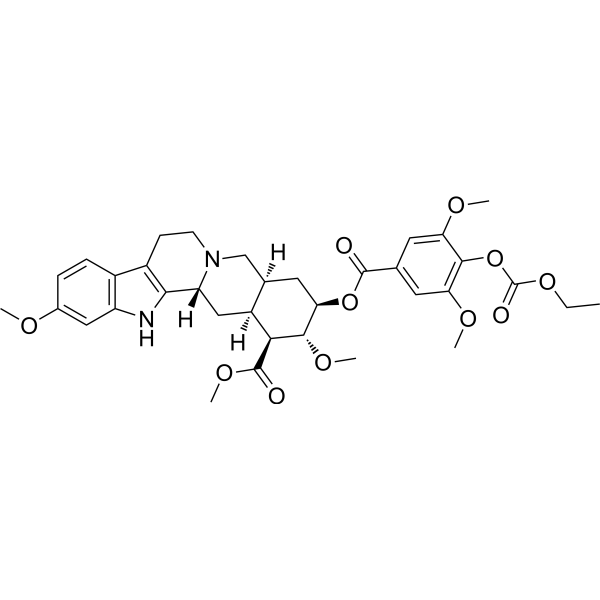
Cat. No.: HY-N4115
CAS No.: 84-36-6
Synonyms: Su 3118
Syrosingopine (Su 3118) is an orally active lactate transporters (MCT1/MCT4) dual inhibitor, which can reduce glycolysis and induce synthetic lethality in cancer cells when combine with metformin. Syrosingopine shows anti-hypertensive activity by depleting peripheral stores of norepinephrine .
loading...
    loading...
14
14 Cited Publications
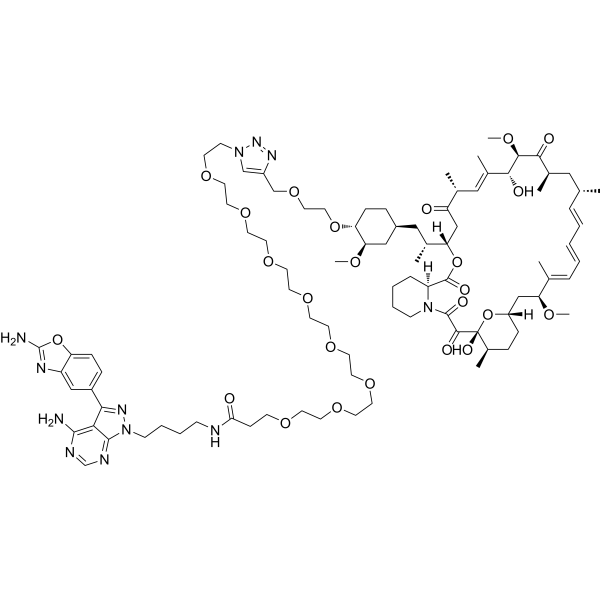
Cat. No.: HY-111373
CAS No.: 1887095-82-0
Purity:  99.92%
Target:  

mTOR Autophagy

Research Areas:  

Cancer

RapaLink-1, the third-generation bivalent mTOR inhibitor, combines Rapamycin (HY-10219) with MLN0128 (HY-13328, a second-generation mTOR kinase inhibitor) by an inert chemical linker. RapaLink-1 shows better efficacy than Rapamycin or mTOR kinase inhibitors (TORKi), potently blocking cancer-derived, activating mutants of mTOR. RapaLink-1 can cross the blood-brain barrier. RapaLink-1 binding to FKBP12 results in targeted and durable inhibition of mTORC1. RapaLink-1 plays an antithrombotic role in antiphospholipid syndrome by improving autophagy. Anticancer activity .
loading...
    loading...
12
12 Cited Publications
Cat. No.: HY-112005
CAS No.: 4004-05-1
Purity:  98.80%
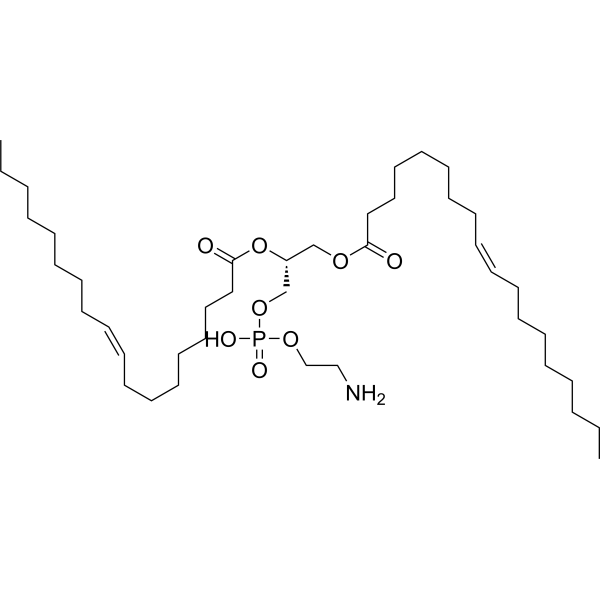
Synonyms: Dioleoylphosphatidylethanolamine; 1,2-Dioleoyl-sn-glycero-3-phosphoethanolamine
DOPE (Dioleoylphosphatidylethanolamine) is a neutral helper lipid for cationic liposome and combines with cationic phospholipids to improve transfection efficiency of naked siRNA .
loading...
    loading...
10
10 Cited Publications
Cat. No.: HY-120601
CAS No.: 130-22-3
Purity:  ≥95.0%
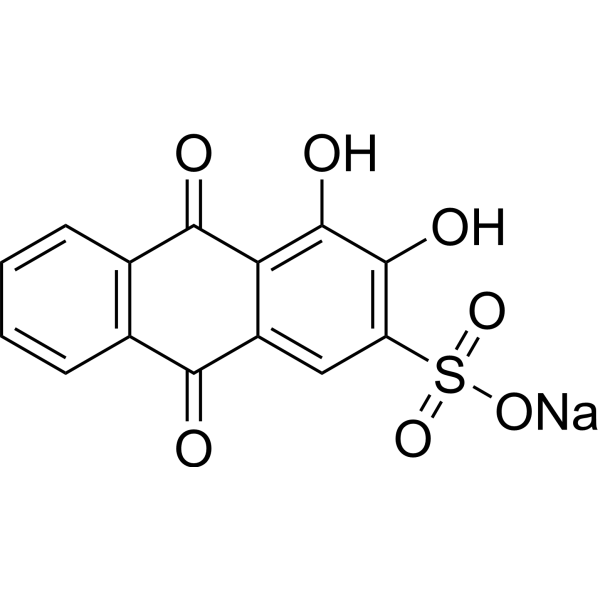
Synonyms: ARS sodium
Target:  

Fluorescent Dye

Research Areas:  

Others

Alizarin Red S sodium is an anthraquinone derivative dye. When combined with cations such as calcium ions, the functional group of Alizarin Red S sodium can form a coordination bond with the cation through the oxygen atom to show orange-red fluorescence. Alizarin Red S sodium can be used for screening of calcium compounds in synovial fluid and detecting osteoblast differentiation, and can also be used for bone staining in mice. Excitation/emission wavelength: 500/570 nm .
loading...
    loading...
10
10 Cited Publications
Cat. No.: HY-120601A
CAS No.: 83-61-4
Synonyms: ARS
Target:  

Fluorescent Dye

Research Areas:  

Others

Alizarin Red S (ARS) is an anthraquinone derivative dye. When combined with cations such as calcium ions, the functional group of Alizarin Red S can form a coordination bond with the cation through the oxygen atom to show orange-red fluorescence. Alizarin Red S can be used for screening of calcium compounds in synovial fluid and detecting osteoblast differentiation, and can also be used for bone staining in mice. Excitation/emission wavelength: 500/570 nm .
loading...
    loading...
8
8 Cited Publications
Cat. No.: HY-D0720
CAS No.: 2315-97-1
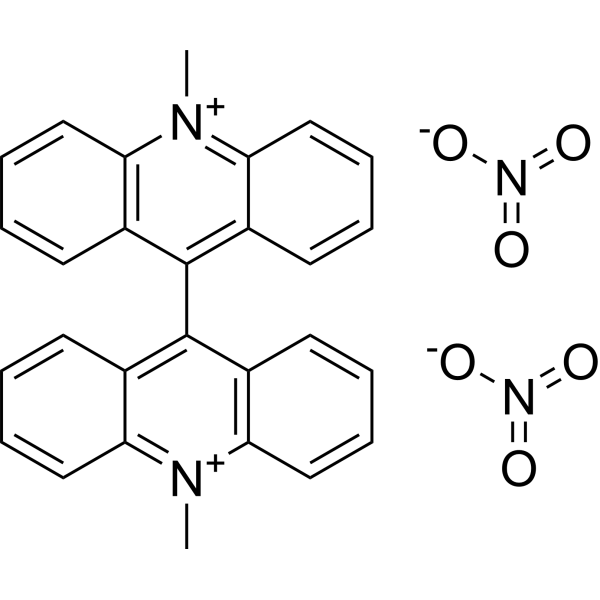
Synonyms: NSC-151912; L-6868
Lucigenin is a chemiluminescence probe. Lucigenin can be used to detect the production of endogenous superoxide anion radical (O 2-). Lucigenin is extremely sensitive to chloride ions, while it combined with chloride ions, the fluorescence will be quenched. Lucigenin also can be used as a chloride indicator. Ex/Em=455/505 nm .
loading...
    loading...
7
7 Cited Publications
Cat. No.: HY-128952
CAS No.: 1595275-62-9
Purity:  98.10%
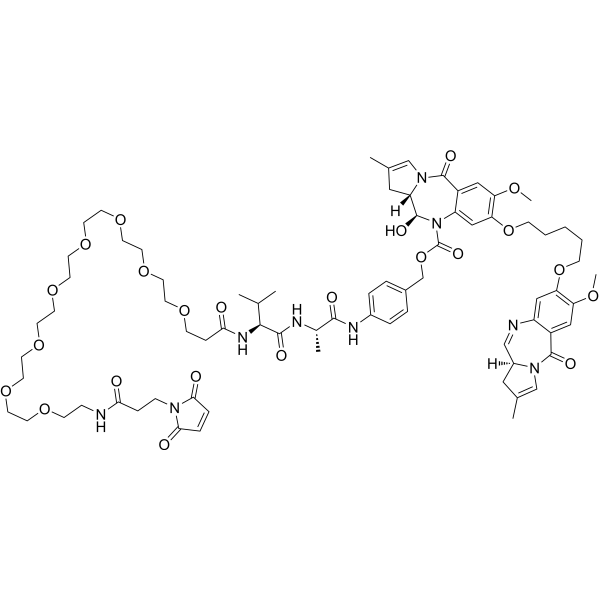
Synonyms: SG3249
Tesirine (SG3249) is an antibody-drug conjugate (ADC) pyrrolobenzodiazepine (PBD) dimer payload. Tesirine combines potent antitumor activity with desirable physicochemical properties such as favorable hydrophobicity and improved conjugation characteristics. SG3199 (HY-101161) is the released warhead component of the ADC payload Tesirine. SG3199 retains picomolar activity in a panel of cancer cell lines. PBD dimers are highly efficient DNA minor groove cross-linking agents with potent cytotoxicity .
loading...
    loading...
6
6 Cited Publications
Cat. No.: HY-119287
CAS No.: 109628-27-5
Purity:  99.50%
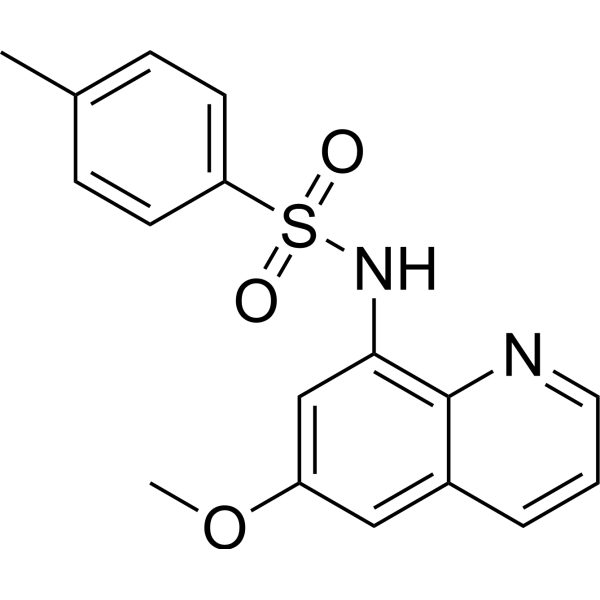
TSQ is a cytosolic zinc ion fluorescence probe that is membrane permeable and can be used for intracellular imaging of zinc proteins (λmax ~470 nm). TSQ can combine with Zn 2+ in the presence of Ca 2+ and Mg 2+ to produce blue fluorescence (Ex/Em = 334/495 nm) .
loading...
    loading...
5
5 Cited Publications
Cat. No.: HY-B1064
CAS No.: 24729-96-2
Synonyms: Clindamycin 2-phosphate; U-28508
Research Areas:  

Infection Cancer

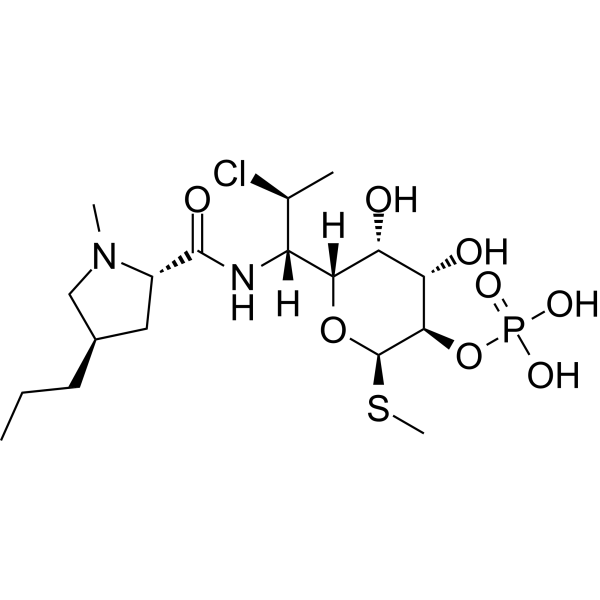
Clindamycin phosphate (Clindamycin 2-phosphate) is a broad-spectrum bacteriostatic lincosamide antibiotic. Clindamycin phosphate is the proagent of Clindamycin (HY-B1455) with no antimicrobial activity in vitro but can be rapidly converted in vivo to the active parent agent, Clindamycin, by phosphatase ester hydrolysis. Clindamycin phosphate can be used for researching acne and bacterial vaginosis . Clindamycin phosphate has no cytotoxicity. Combined with platelet rich fibrin (PRF), PRF-Clindamycin phosphate enhances antimicrobial properties .
loading...
    loading...
5
5 Cited Publications
Cat. No.: HY-145603
CAS No.: 2374124-49-7
Purity:  98.19%
Synonyms: VX-121
Target:  

CFTR Chloride Channel

Research Areas:  

Neurological Disease

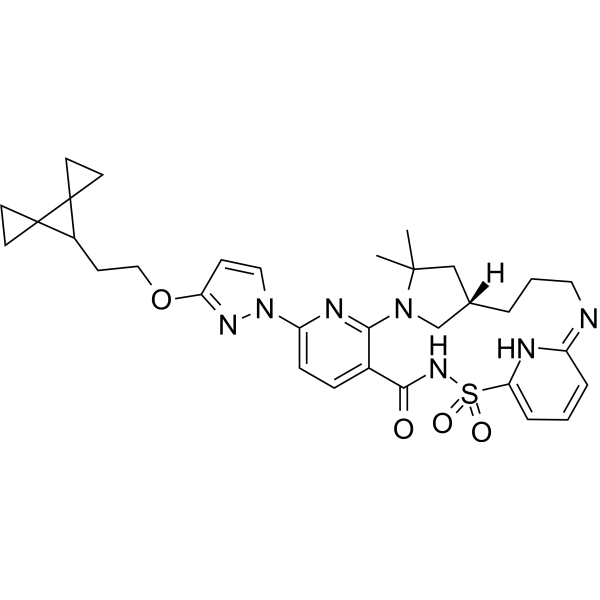
Vanzacaftor (VX-121) is an orally active noval corrector of Cystic fibrosis transmembrane conductance regulator (CFTR). Vanzacaftor improves processing and trafficking of CFTR protein as well as increases chloride transport in triple combined with Tezacaftor (HY-15448) and Deutivacaftor. Vanzacaftor-Tezacaftor-Deutivacaftor is safe and well tolerated, improving lung function, respiratory symptoms, and CFTR function with cystic fibrosis, which is promising for research in the field of cystic fibrosis diseases .
loading...
    loading...

