


Search Result
Results for "
cytolytic
" in MedChemExpress (MCE) Product Catalog:
2
Isotope-Labeled Compounds
| Cat. No. |
Product Name |
Target |
Research Areas |
Chemical Structure |
-
- HY-B1777
-
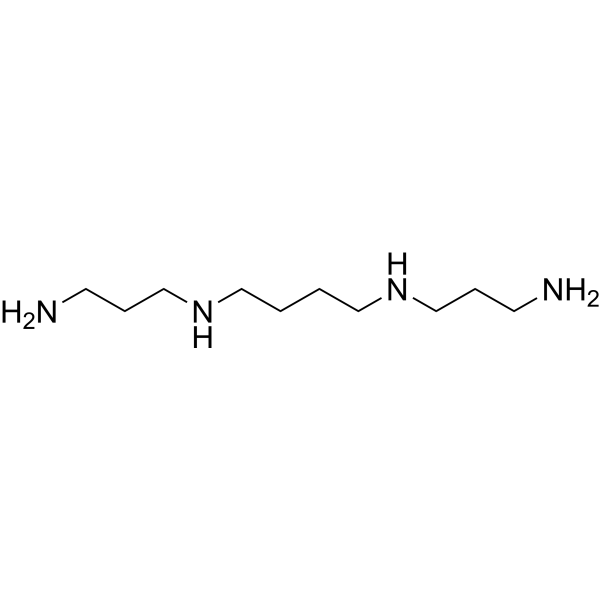
Spermine
Maximum Cited Publications
8 Publications Verification
NSC 268508; Neuridine
|
Endogenous Metabolite
Bacterial
Reactive Oxygen Species (ROS)
DNA/RNA Synthesis
|
Infection
Neurological Disease
Inflammation/Immunology
|
|
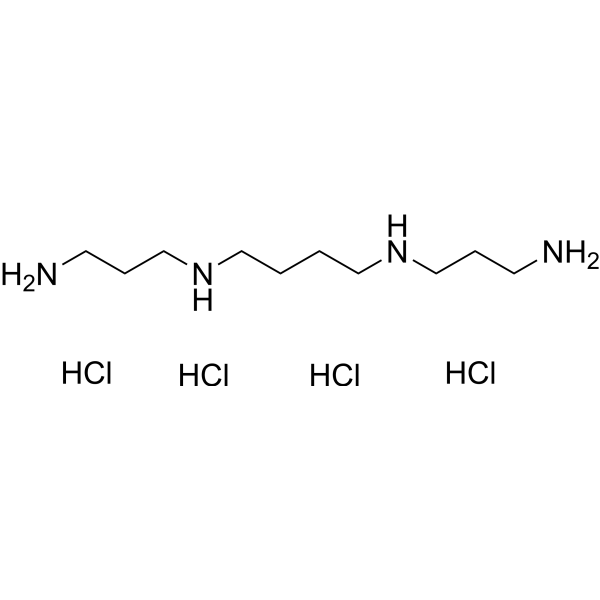
Spermine is a natural antioxidant and anti-inflammatory agent. Spermine is known to inhibit some bacterial cultures, especially strains of Staphylococcus aureus. Spermine induces neurotoxicity in the striarum dose-dependently. Spermine can reversibly inhibits DNA synthetic response, mixed lymphocyte response and the induction of cytolytic lymphocyte response in primary cultures of murine spleen cells. Spermine tetrahydrochloride is a polyamine nitric oxide donor that can provide nitric oxide to platelets and inhibit platelet activation to a certain extent concentration-dependently. Spermine tetrahydrochloride occurs in mammalian tissues, plants, bacteria, ribosomes and bacteriophage. Spermine tetrahydrochloride inhibits primary human embryo lung fibroblasts in vitro .
|
-
-
- HY-P9968
-
|
h-R3
|
EGFR
|
Cancer
|
|
Nimotuzumab is a humanized IgG1 monoclonal antibody targeting EGFR with a KD of 0.21 nM. Nimotuzumab is directed against the extracellular domain of the EGFR blocking the binding to its ligands. Nimotuzumab, a strong antitumor agent, is cytolytic on target tumors by its capacity to cause antibody dependent cell mediated cytotoxicity (ADCC) and complement dependent cytotoxicity (CDC) .
|
-
-
- HY-P990688
-
|
AMG-509
|
CD3
|
Cancer
|
|
Xaluritamig (AMG-509) is a bispecific T cell engager and cytolytic agent with a Kd of 27.6 nM for human CD3ε. Xaluritamig binds to CD3ε via an anti-CD3 single-chain variable fragment (scFv) domain, and to STEAP1 via a bispecific anti-STEAP1 antigen-binding fragment (Fab) domain, thereby recruiting and activating T cells and forming a bridge between T cells and STEAP1-expressing cancer cells. Xaluritamig induces T cell-mediated redirected cytotoxicity, tumor cell lysis, cytokine release, CD8 + T cell activation and expansion, as well as tumor stasis or regression. Xaluritamig contains an Fc domain with no effector function, which prolongs serum half-life, exhibits only minimal activity against cells with low STEAP1 expression and normal cells, and shows extremely low target-related off-tumor toxicity in cynomolgus monkeys. Xaluritamig is used in STEAP1×CD3 XmAb 2+1 immunotherapy and in research on metastatic castration-resistant prostate cancer and Ewing sarcoma .
|
-
-
- HY-P99339
-
|
IMCgp100
|
Interleukin Related
TNF Receptor
|
Cancer
|
|
Tebentafusp (IMCgp100) is a bispecific fusion protein to target gp100 peptide-HLA-A*02:01 (a melanoma-associated antigen). Tebentafusp guides T cells to kill gp100-expressing tumor cells via a high affinity T-cell receptor (TCR) binding domain and an anti-CD3 T-cell engaging domain. Tebentafusp leads to inflammatory cytokines and cytolytic proteins production, resulting in the direct lysis of tumour cells .
|
-
-
- HY-P9923A
-
|
MEDI-563 (anti-IL5RA ); BIW-8405 (anti-IL5RA )
|
Interleukin Related
Apoptosis
|
Inflammation/Immunology
|
|
Benralizumab (anti-IL5RA ) (MEDI-563 (anti-IL5RA ); BIW-8405 (anti-IL5RA)) is an interleukin-5 receptor α (IL-5Rα)-directed cytolytic monoclonal antibody that induces direct, rapid and nearly complete depletion of eosinophils via enhanced antibody-dependent cell-mediated cytotoxicity. Benralizumab can be used for severe eosinophilic asthma study .
|
-
-
- HY-P10408
-
|
|
EGFR
MMP
Calcium Channel
NOD-like Receptor (NLR)
ERK
p38 MAPK
|
Infection
Inflammation/Immunology
|
|
Candidalysin is a cytolytic peptide toxin secreted by the fungus Candida albicans. Candidalysin drives epithelial immune responses by activating the EGFR-MAPK signaling pathway, inducing MMP expression and calcium influx, and regulating the c-Fos transcription factor and MKP1 via p38 MAPK and ERK1/2 respectively. Candidalysin is essential for mucosal and systemic infections, activating NLRP3 to promote inflammatory responses, neutrophil recruitment, and Th17 immunity. Candidalysin activates LDH causing membrane damage and exhibiting cytotoxicity
|
-
-
- HY-B1777AS
-
|
|
Isotope-Labeled Compounds
Endogenous Metabolite
Reactive Oxygen Species (ROS)
Bacterial
DNA/RNA Synthesis
|
Metabolic Disease
|
|
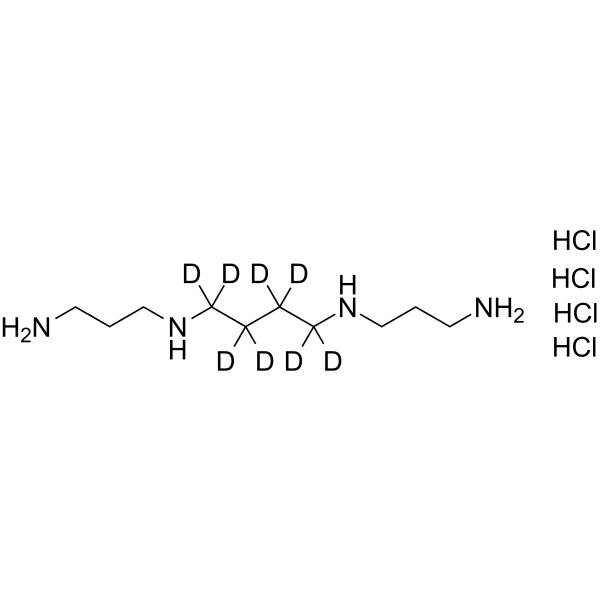
Spermine-d8 (tetrahydrochloride) is the deuterium labeled Spermine tetrahydrochloride. Spermine tetrahydrochloride is a polyamine nitric oxide donor that can provide nitric oxide to platelets and inhibit platelet activation to a certain extent concentration-dependently. Spermine tetrahydrochloride occurs in mammalian tissues, plants, bacteria, ribosomes and bacteriophage. Spermine tetrahydrochloride inhibits primary human embryo lung fibroblasts in vitro. Spermine is a natural antioxidant and anti-inflammatory agent. Spermine is known to inhibit some bacterial cultures, especially strains of Staphylococcus aureus. Spermine induces neurotoxicity in the striarum dose-dependently. Spermine can reversibly inhibits DNA synthetic response, mixed lymphocyte response and the induction of cytolytic lymphocyte response in primary cultures of murine spleen cells .
|
-
-
- HY-B1777A
-
|
|
Endogenous Metabolite
Bacterial
Reactive Oxygen Species (ROS)
DNA/RNA Synthesis
|
Infection
Neurological Disease
Inflammation/Immunology
|
|
Spermine tetrahydrochloride is a polyamine nitric oxide donor that can provide nitric oxide to platelets and inhibit platelet activation to a certain extent concentration-dependently. Spermine tetrahydrochloride occurs in mammalian tissues, plants, bacteria, ribosomes and bacteriophage. Spermine tetrahydrochloride inhibits primary human embryo lung fibroblasts in vitro. Spermine is a natural antioxidant and anti-inflammatory agent. Spermine is known to inhibit some bacterial cultures, especially strains of Staphylococcus aureus. Spermine induces neurotoxicity in the striarum dose-dependently. Spermine can reversibly inhibits DNA synthetic response, mixed lymphocyte response and the induction of cytolytic lymphocyte response in primary cultures of murine spleen cells .
|
-
-
- HY-P9923
-
|
MEDI-563; BIW-8405; KHK4563
|
Interleukin Related
Apoptosis
|
Inflammation/Immunology
Cancer
|
|
Benralizumab (MEDI-563) is an interleukin-5 receptor α (IL-5Rα)-directed cytolytic monoclonal antibody that induces direct, rapid and nearly complete depletion of eosinophils via enhanced antibody-dependent cell-mediated cytotoxicity. Benralizumab can be used for severe eosinophilic asthma .
|
-
-
- HY-125938
-
|
Cycloartenol ferulate; Cycloartenol ferulic acid ester
|
Drug Derivative
Apoptosis
Reactive Oxygen Species (ROS)
JAK
STAT
|
Inflammation/Immunology
Cancer
|
|
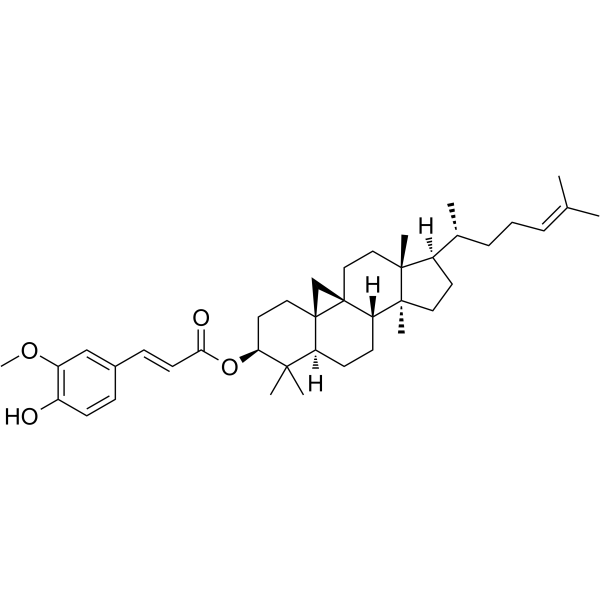
Cycloartenyl ferulate (Cycloartenol ferulate; Cycloartenol ferulic acid ester) is a derivative of γ-oryzanol (HY-B2194) with multiple biological activities including antioxidant, anti-inflammatory, and anti-tumor properties. Cycloartenyl ferulate selectively binds to IFNγR1 (binding affinity Kd = 0.5 μM) to activate the canonical JAK1/2-STAT1 signaling pathway. Cycloartenyl ferulate inhibits paraquat (PQ)-triggered apoptosis and ROS in HK2 cells. Cycloartenyl ferulate enhances the activation and cytolytic activity of natural killer (NK) cells by upregulating the expression of NK cell activation receptors (NKG2D, NKp30, NKp44) and the release of cytotoxic molecules and cytokine IFNγ. Cycloartenyl ferulate exerts anti-cancer effects in tumor mice models. Cycloartenyl ferulate can be used for the study of cancer and allergic inflammation intervention .
|
-
-
- HY-P10841
-
|
|
Amino Acid Derivatives
|
Cancer
|
|
CyPep-1 is a novel cationic lytic peptide with antitumor activity. CyPep-1 is highly cytotoxic by interacting with the negatively charged cell membrane of cancer cells. CyPep-1 has strong cytolytic activity on cancer cells both in vivo and in vitro, and can be used in the study of solid tumors .
|
-
-
- HY-174736
-
|
|
mRNA
|
Inflammation/Immunology
|
|
Human CD70 mRNA encodes the human CD70 molecule (CD70) protein, a cytokine that belongs to the tumor necrosis factor (TNF) ligand family. CD70 induces proliferation of costimulated T cells, enhances the generation of cytolytic T cells, and contributes to T cell activation. It is also reported to play a role in regulating B-cell activation, cytotoxic function of natural killer cells, and immunoglobulin sythesis.
|
-
-
- HY-P991225
-
|
|
Fc Receptor (FcR)
CD20
|
Inflammation/Immunology
Cancer
|
|
BI-1206 is a recombinant and antagonistic human monoclonal antibody targeting FcγRIIB (CD32B). BI-1206 can block CD20 internalization induced by Rituximab (HY-P9913) itself or combined with others including Ibrutinib (HY-10997), Venetoclax (HY-15531), and CHOP. BI-1206 can enhance or recover the activity of Rituximab or other anti-CD20 monoclonal antibodies. BI-1206 has cytolytic activity against malignant B cells. BI-1206 can be studied for cancer research such as mantle cell lymphoma (MCL) .
|
-
-
- HY-P3742
-
|
|
Tyrosinase
MHC
|
Cancer
|
|
Tyrosinase (192-200), human mouse is a HLA-B*4403-restricted tyrosinase epitope with affinity for HLA-B4403 and HLA-B4402. Tyrosinase (192-200), human mouse binds to HLA-B*4403 to form a complex, which is recognized by the autologous cytotoxic T lymphocyte clone 22/31 derived from melanoma. Tyrosinase (192-200), human mouse binds to HLA-B4402 to form a complex, which is recognized by the CTL clone 329B/5 derived from healthy HLA-B4402 donors. Tyrosinase (192-200), human mouse is applicable to melanoma-related research .
|
-
-
- HY-P9968A
-
|
|
EGFR
|
Cancer
|
|
Nimotuzumab (powder) is a humanized IgG1 monoclonal antibody targeting EGFR with a KD value of 0.21 nM. Nimotuzumab (powder) is directed against the extracellular domain of the EGFR blocking the binding to its ligands. Nimotuzumab (powder), a strong antitumor agent, is cytolytic on target tumors by its capacity to cause antibody dependent cell mediated cytotoxicity (ADCC) and complement dependent cytotoxicity (CDC) .
|
-
-
- HY-P9994
-
|
SBT6050
|
Antibody-Drug Conjugates (ADCs)
EGFR
Toll-like Receptor (TLR)
|
Inflammation/Immunology
Cancer
|
|
Pertuzumab zuvotolimod (SBT6050) is an anti-HER2 antibody-drug conjugate (ADC). Pertuzumab zuvotolimod is composed of a humanized anti-HER2 antibody (Pertuzumab) (HY-P9912A), a linker, a TLR8 agonist payload, and the drug-linker conjugate for ADC is Zuvotolimod (HY-145620). Pertuzumab zuvotolimod potently induces multiple anti-tumor immune activities through the direct activation myeloid cells and the subsequent induction of T and NK cell cytolytic activity. Pertuzumab zuvotolimod can be used for HER2-expressing solid tumors research .
|
-
-
- HY-P11454
-
|
|
Bacterial
|
Infection
|
|
PSM-mec peptide is a peptide toxin belonging to the phenol-soluble modulin (PSM) superfamily. PSM-mec peptide is encoded by the psm-mec gene and associated with the methicillin resistance gene element (SCCmec). PSM-mec peptide has pro-inflammatory, cytolytic functions and the role of regulating the structure of biofilms. PSM-mec peptide can be mainly used for the pathogenic mechanism and drug resistance research of canine pseudo-intermediate Staphylococcus (S. pseudintermedius) related infections and zoonotic diseases .
|
-
-
- HY-P10635
-
|
|
Biochemical Assay Reagents
|
Inflammation/Immunology
|
|
TKD (450-463) is a 14-mer peptide (TKDNNLLGRFELSG). TKD (450-463) is able to stimulate the cytolytic and proliferative activity of NK cells at concentrations equivalent to full-length Hsp70 protein .
|
-
-
- HY-P991582
-
|
|
Fc Receptor (FcR)
|
Cancer
|
|
BI-1607 is a humanized monoclonal antibody targeting CD32b/FcγRIIB. BI-1607 has an antagonistic function capable of blocking the inhibitory function of FcγRIIB on immune effector cells. BI-1607 has a significant cytolytic activity against malignant B cells and antitumor activity against HER2-positive solid tumors including advanced gastric cancer (GC) with combination with Trastuzumab (HY-P9907) .
|
-
-
- HY-134261
-
|
8-Bromoadenosine-5'-O-diphosphoribose
|
TRP Channel
CaMK
|
Metabolic Disease
Cancer
|
|
8-Br-ADPR (8-Bromoadenosine-5'-O-diphosphoribose) is a TRPM2 inhibitor and ADPR signaling pathway antagonist. 8-Br-ADPR inhibits glucagon-mediated nuclear calcium signaling and downstream CaMKII/CREB phosphorylation by blocking ADPR-induced TRPM2 activation. 8-Br-ADPR significantly reduces gluconeogenic gene expression and blood glucose levels in diabetic models. 8-Br-ADPR effectively blocks ADPR-mediated calcium signal transduction in NK cells, inhibits immune synapse formation, granzyme B release and cytolytic activity against melanoma cells. 8-Br-ADPR is widely used in studies related to diseases such as diabetes, melanoma and lymphoma .
|
-
-
- HY-P990905
-
|
SAR-443579
|
Interleukin Related
|
Cancer
|
|
Bexatamig (SAR-443579) is a trifunctional natural killer cell engager targeting IL-3R α/CD123, NKp46/NCR1/CD335 and Fc gamma RIIIA/CD16a. Bexatamig forms a cytolytic synapse between natural killer cells and CD123-positive tumor cells. By activating natural killer cells to induce tumor cell death, Bexatamig effectively reduces the burden of CD123-positive acute myeloid leukemia (AML) blasts. Bexatamig has been granted FDA Fast Track designation, and is primarily investigated for relapsed or refractory acute myeloid leukemia, B-cell acute lymphoblastic leukemia, and high-risk myelodysplastic syndromes .
|
-
-
- HY-134261A
-
|
8-Bromoadenosine-5'-O-diphosphoribose disodium
|
CaMK
TRP Channel
|
Metabolic Disease
Inflammation/Immunology
Cancer
|
|
8-Br-ADPR disodium (8-Bromoadenosine-5'-O-diphosphoribose) is a TRPM2 inhibitor and ADPR signaling pathway antagonist. 8-Br-ADPR disodium inhibits glucagon-mediated nuclear calcium signaling and downstream CaMKII/CREB phosphorylation by blocking ADPR-induced TRPM2 activation. 8-Br-ADPR disodium significantly reduces gluconeogenic gene expression and blood glucose levels in diabetic models. 8-Br-ADPR disodium effectively blocks ADPR-mediated calcium signal transduction in NK cells, inhibits immune synapse formation, granzyme B release and cytolytic activity against melanoma cells. 8-Br-ADPR disodium is widely used in studies related to diseases such as diabetes, melanoma and lymphoma .
|
-
-
- HY-B1777S
-
|
NSC 268508-15N2; Neuridine-15N2
|
Isotope-Labeled Compounds
Endogenous Metabolite
Bacterial
Reactive Oxygen Species (ROS)
DNA/RNA Synthesis
|
Infection
Neurological Disease
Inflammation/Immunology
|
|
Spermine- 15N2 (NSC 268508- 15N2) is the 15N-labeled Spermine (HY-B1777). Spermine is a natural antioxidant and anti-inflammatory agent. Spermine is known to inhibit some bacterial cultures, especially strains of Staphylococcus aureus. Spermine induces neurotoxicity in the striarum dose-dependently. Spermine can reversibly inhibits DNA synthetic response, mixed lymphocyte response and the induction of cytolytic lymphocyte response in primary cultures of murine spleen cells. Spermine tetrahydrochloride is a polyamine nitric oxide donor that can provide nitric oxide to platelets and inhibit platelet activation to a certain extent concentration-dependently. Spermine tetrahydrochloride occurs in mammalian tissues, plants, bacteria, ribosomes and bacteriophage. Spermine tetrahydrochloride inhibits primary human embryo lung fibroblasts in vitro .
|
-
-
- HY-19577
-
|
PTT119
|
DNA Alkylator/Crosslinker
|
Infection
Cancer
|
|
Ambamustine (PTT119) is a bifunctional alkylating agent and induces DNA damage by alkylating mechanisms. Ambamustine interferes with late steps in murine mammary tumor virus (MuMTV) processing and maturation and reduces production of the B-type retrovirus MuMTV. Ambamustine possesses cytolytic and antiviral activities .
|
-
-
- HY-B1777AR
-
|
|
Reference Standards
Endogenous Metabolite
Bacterial
Reactive Oxygen Species (ROS)
DNA/RNA Synthesis
|
Infection
Neurological Disease
Inflammation/Immunology
|
|
Spermine (tetrahydrochloride) (Standard) is the analytical standard of Spermine (tetrahydrochloride). This product is intended for research and analytical applications. Spermine tetrahydrochloride is a polyamine nitric oxide donor that can provide nitric oxide to platelets and inhibit platelet activation to a certain extent concentration-dependently. Spermine tetrahydrochloride occurs in mammalian tissues, plants, bacteria, ribosomes and bacteriophage. Spermine tetrahydrochloride inhibits primary human embryo lung fibroblasts in vitro. Spermine is a natural antioxidant and anti-inflammatory agent. Spermine is known to inhibit some bacterial cultures, especially strains of Staphylococcus aureus. Spermine induces neurotoxicity in the striarum dose-dependently. Spermine can reversibly inhibits DNA synthetic response, mixed lymphocyte response and the induction of cytolytic lymphocyte response in primary cultures of murine spleen cells .
|
-
-
- HY-P99911
-
|
MEDI-6383
|
Orexin Receptor (OX Receptor)
|
Inflammation/Immunology
Cancer
|
|
Efizonerimod alfa (MEDI-6383) is a recombinant human OX40L IgG4P Fc fusion protein that assembles into a hexameric structure and exerts potent agonist activity upon binding to OX40. The activity of Efizonerimod alfa is enhanced by Fcγ receptor-mediated aggregation. Efizonerimod alfa binds to OX40 on the surface of activated T cells, induces NF-κB promoter activity in OX40-expressing T cells, and triggers the production of Th1-type cytokines, T cell proliferation, and resistance to regulatory T cell (Treg)-mediated suppression. Efizonerimod alfa enhances the cytolytic activity of tumor-reactive T cells and slows tumor growth in immunodeficient mice. Efizonerimod alfa induces the proliferation of CD4, CD8, and B cells in the peripheral blood of healthy non-human primates. Efizonerimod alfa can be used in the research of advanced solid malignancies and melanoma .
|
-
-
- HY-19577A
-
|
PTT119 hydrochloride
|
DNA Alkylator/Crosslinker
|
Infection
Cancer
|
|
Ambamustine (PTT119) hydrochloride is a bifunctional alkylating agent and induces DNA damage by alkylating mechanisms. Ambamustine interferes with late steps in murine mammary tumor virus (MuMTV) processing and maturation and reduces production of the B-type retrovirus MuMTV. Ambamustine possesses cytolytic and antiviral activities .
|
-
-
- HY-19009B
-
|
|
CCR
|
Metabolic Disease
Inflammation/Immunology
Cancer
|
|
Propagermanium is an orally active and selective CCR2 inhibitor. Propagermanium enhances IFN-γ, IL-2, 2',5'-oligoadenylate synthetase, and unspecified cytokine production, and induces mature cytolytic NK cell subsets. Propagermanium reduces HBe antigen and HBV DNA polymerase levels, promotes HBV clearance and lowers serum ALT. Propagermanium downregulates STAT1, inhibits pro-inflammatory microglia polarization, pro-inflammatory cytokine release, and monocyte/macrophage infiltration. Propagermanium can be used for the research of chronic hepatitis B, atherosclerosis, breast cancer, non-alcoholic steatohepatitis, insulin resistance, refractory gastric cancer, multiple myeloma, type 2 diabetes .
|
-
-
- HY-P11714
-
|
|
EBV
MHC
|
Infection
Cancer
|
|
EBNA3 246-254 (RYSIFFDYM) is an EBV peptide. EBNA3 246-254 is submitted by HLA-A24. EBNA3 246-254 is amplified in vitro, followed by HLA multimer staining to measure EBV-specific CTLs. EBNA3 246-254 can be used for the research of lung cancer .
|
-
| Cat. No. |
Product Name |
Type |
-
- HY-P9994
-
|
SBT6050
|
Fluorescent Dyes
|
|
Pertuzumab zuvotolimod (SBT6050) is an anti-HER2 antibody-drug conjugate (ADC). Pertuzumab zuvotolimod is composed of a humanized anti-HER2 antibody (Pertuzumab) (HY-P9912A), a linker, a TLR8 agonist payload, and the drug-linker conjugate for ADC is Zuvotolimod (HY-145620). Pertuzumab zuvotolimod potently induces multiple anti-tumor immune activities through the direct activation myeloid cells and the subsequent induction of T and NK cell cytolytic activity. Pertuzumab zuvotolimod can be used for HER2-expressing solid tumors research .
|
| Cat. No. |
Product Name |
Target |
Research Area |
-
- HY-P10408
-
|
|
EGFR
MMP
Calcium Channel
NOD-like Receptor (NLR)
ERK
p38 MAPK
|
Infection
Inflammation/Immunology
|
|
Candidalysin is a cytolytic peptide toxin secreted by the fungus Candida albicans. Candidalysin drives epithelial immune responses by activating the EGFR-MAPK signaling pathway, inducing MMP expression and calcium influx, and regulating the c-Fos transcription factor and MKP1 via p38 MAPK and ERK1/2 respectively. Candidalysin is essential for mucosal and systemic infections, activating NLRP3 to promote inflammatory responses, neutrophil recruitment, and Th17 immunity. Candidalysin activates LDH causing membrane damage and exhibiting cytotoxicity
|
-
- HY-P10841
-
|
|
Amino Acid Derivatives
|
Cancer
|
|
CyPep-1 is a novel cationic lytic peptide with antitumor activity. CyPep-1 is highly cytotoxic by interacting with the negatively charged cell membrane of cancer cells. CyPep-1 has strong cytolytic activity on cancer cells both in vivo and in vitro, and can be used in the study of solid tumors .
|
-
- HY-P3742
-
|
|
Tyrosinase
MHC
|
Cancer
|
|
Tyrosinase (192-200), human mouse is a HLA-B*4403-restricted tyrosinase epitope with affinity for HLA-B4403 and HLA-B4402. Tyrosinase (192-200), human mouse binds to HLA-B*4403 to form a complex, which is recognized by the autologous cytotoxic T lymphocyte clone 22/31 derived from melanoma. Tyrosinase (192-200), human mouse binds to HLA-B4402 to form a complex, which is recognized by the CTL clone 329B/5 derived from healthy HLA-B4402 donors. Tyrosinase (192-200), human mouse is applicable to melanoma-related research .
|
-
- HY-P11454
-
|
|
Bacterial
|
Infection
|
|
PSM-mec peptide is a peptide toxin belonging to the phenol-soluble modulin (PSM) superfamily. PSM-mec peptide is encoded by the psm-mec gene and associated with the methicillin resistance gene element (SCCmec). PSM-mec peptide has pro-inflammatory, cytolytic functions and the role of regulating the structure of biofilms. PSM-mec peptide can be mainly used for the pathogenic mechanism and drug resistance research of canine pseudo-intermediate Staphylococcus (S. pseudintermedius) related infections and zoonotic diseases .
|
-
- HY-P10635
-
|
|
Biochemical Assay Reagents
|
Inflammation/Immunology
|
|
TKD (450-463) is a 14-mer peptide (TKDNNLLGRFELSG). TKD (450-463) is able to stimulate the cytolytic and proliferative activity of NK cells at concentrations equivalent to full-length Hsp70 protein .
|
-
- HY-P10264
-
|
MAGE-3(168-176), human
|
Peptides
|
Cancer
|
|
MAGE-3 peptide (MAGE-3 168-176, human) is a peptide encoded by human MAGE-3 gene, which is expressed in tumor cells, presented by HLA and recognized by cytolytic T lymphocytes (CTL) as tumor antigen .
|
-
- HY-P2524
-
|
|
Peptides
|
Cancer
|
|
MAGE-3 (271-279) is a 271-279 residue peptide derived from melanoma antigens encoded by MAGE-3. MAGE-3 is a cytolytic T lymphocyte (CTL)-defined MAGE-3 protein associated with the human leukocyte antigen (HLA)-A2 molecule. MAGE-3 is overexpressed in different human tumor types, including malignant melanoma, but not by normal tissues except for testis and placenta .
|
-
- HY-P3644
-
|
|
Peptides
|
Cancer
|
|
EEKLIVVAF is a pepitide, can be recognized on HLA-B44 by the anti-melanoma cytolytic T-cell (CTL) clone LB33- CTL-159/5 .
|
-
- HY-P11714
-
|
|
EBV
MHC
|
Infection
Cancer
|
|
EBNA3 246-254 (RYSIFFDYM) is an EBV peptide. EBNA3 246-254 is submitted by HLA-A24. EBNA3 246-254 is amplified in vitro, followed by HLA multimer staining to measure EBV-specific CTLs. EBNA3 246-254 can be used for the research of lung cancer .
|
| Cat. No. |
Product Name |
Target |
Research Area |
Image |
-
- HY-P9968
-
|
h-R3
|
EGFR
|
Cancer
|
|
Nimotuzumab is a humanized IgG1 monoclonal antibody targeting EGFR with a KD of 0.21 nM. Nimotuzumab is directed against the extracellular domain of the EGFR blocking the binding to its ligands. Nimotuzumab, a strong antitumor agent, is cytolytic on target tumors by its capacity to cause antibody dependent cell mediated cytotoxicity (ADCC) and complement dependent cytotoxicity (CDC) .
|
-
(5)
-
- HY-P990688
-
|
AMG-509
|
CD3
|
Cancer
|
|
Xaluritamig (AMG-509) is a bispecific T cell engager and cytolytic agent with a Kd of 27.6 nM for human CD3ε. Xaluritamig binds to CD3ε via an anti-CD3 single-chain variable fragment (scFv) domain, and to STEAP1 via a bispecific anti-STEAP1 antigen-binding fragment (Fab) domain, thereby recruiting and activating T cells and forming a bridge between T cells and STEAP1-expressing cancer cells. Xaluritamig induces T cell-mediated redirected cytotoxicity, tumor cell lysis, cytokine release, CD8 + T cell activation and expansion, as well as tumor stasis or regression. Xaluritamig contains an Fc domain with no effector function, which prolongs serum half-life, exhibits only minimal activity against cells with low STEAP1 expression and normal cells, and shows extremely low target-related off-tumor toxicity in cynomolgus monkeys. Xaluritamig is used in STEAP1×CD3 XmAb 2+1 immunotherapy and in research on metastatic castration-resistant prostate cancer and Ewing sarcoma .
|
-
(5)
-
- HY-P99339
-
|
IMCgp100
|
Interleukin Related
TNF Receptor
|
Cancer
|
|
Tebentafusp (IMCgp100) is a bispecific fusion protein to target gp100 peptide-HLA-A*02:01 (a melanoma-associated antigen). Tebentafusp guides T cells to kill gp100-expressing tumor cells via a high affinity T-cell receptor (TCR) binding domain and an anti-CD3 T-cell engaging domain. Tebentafusp leads to inflammatory cytokines and cytolytic proteins production, resulting in the direct lysis of tumour cells .
|
-
(5)
-
- HY-P9923A
-
|
MEDI-563 (anti-IL5RA ); BIW-8405 (anti-IL5RA )
|
Interleukin Related
Apoptosis
|
Inflammation/Immunology
|
|
Benralizumab (anti-IL5RA ) (MEDI-563 (anti-IL5RA ); BIW-8405 (anti-IL5RA)) is an interleukin-5 receptor α (IL-5Rα)-directed cytolytic monoclonal antibody that induces direct, rapid and nearly complete depletion of eosinophils via enhanced antibody-dependent cell-mediated cytotoxicity. Benralizumab can be used for severe eosinophilic asthma study .
|
-
(5)
-
- HY-P9923
-
|
MEDI-563; BIW-8405; KHK4563
|
Interleukin Related
Apoptosis
|
Inflammation/Immunology
Cancer
|
|
Benralizumab (MEDI-563) is an interleukin-5 receptor α (IL-5Rα)-directed cytolytic monoclonal antibody that induces direct, rapid and nearly complete depletion of eosinophils via enhanced antibody-dependent cell-mediated cytotoxicity. Benralizumab can be used for severe eosinophilic asthma .
|
-
(5)
-
- HY-P991225
-
|
|
Fc Receptor (FcR)
CD20
|
Inflammation/Immunology
Cancer
|
|
BI-1206 is a recombinant and antagonistic human monoclonal antibody targeting FcγRIIB (CD32B). BI-1206 can block CD20 internalization induced by Rituximab (HY-P9913) itself or combined with others including Ibrutinib (HY-10997), Venetoclax (HY-15531), and CHOP. BI-1206 can enhance or recover the activity of Rituximab or other anti-CD20 monoclonal antibodies. BI-1206 has cytolytic activity against malignant B cells. BI-1206 can be studied for cancer research such as mantle cell lymphoma (MCL) .
|
-
(5)
-
- HY-P9968A
-
|
|
EGFR
|
Cancer
|
|
Nimotuzumab (powder) is a humanized IgG1 monoclonal antibody targeting EGFR with a KD value of 0.21 nM. Nimotuzumab (powder) is directed against the extracellular domain of the EGFR blocking the binding to its ligands. Nimotuzumab (powder), a strong antitumor agent, is cytolytic on target tumors by its capacity to cause antibody dependent cell mediated cytotoxicity (ADCC) and complement dependent cytotoxicity (CDC) .
|
-
(5)
-
- HY-P9994
-
|
SBT6050
|
Antibody-Drug Conjugates (ADCs)
EGFR
Toll-like Receptor (TLR)
|
Inflammation/Immunology
Cancer
|
|
Pertuzumab zuvotolimod (SBT6050) is an anti-HER2 antibody-drug conjugate (ADC). Pertuzumab zuvotolimod is composed of a humanized anti-HER2 antibody (Pertuzumab) (HY-P9912A), a linker, a TLR8 agonist payload, and the drug-linker conjugate for ADC is Zuvotolimod (HY-145620). Pertuzumab zuvotolimod potently induces multiple anti-tumor immune activities through the direct activation myeloid cells and the subsequent induction of T and NK cell cytolytic activity. Pertuzumab zuvotolimod can be used for HER2-expressing solid tumors research .
|
-
(5)
-
- HY-P991582
-
|
|
Fc Receptor (FcR)
|
Cancer
|
|
BI-1607 is a humanized monoclonal antibody targeting CD32b/FcγRIIB. BI-1607 has an antagonistic function capable of blocking the inhibitory function of FcγRIIB on immune effector cells. BI-1607 has a significant cytolytic activity against malignant B cells and antitumor activity against HER2-positive solid tumors including advanced gastric cancer (GC) with combination with Trastuzumab (HY-P9907) .
|
-
(5)
-
- HY-P990905
-
|
SAR-443579
|
Interleukin Related
|
Cancer
|
|
Bexatamig (SAR-443579) is a trifunctional natural killer cell engager targeting IL-3R α/CD123, NKp46/NCR1/CD335 and Fc gamma RIIIA/CD16a. Bexatamig forms a cytolytic synapse between natural killer cells and CD123-positive tumor cells. By activating natural killer cells to induce tumor cell death, Bexatamig effectively reduces the burden of CD123-positive acute myeloid leukemia (AML) blasts. Bexatamig has been granted FDA Fast Track designation, and is primarily investigated for relapsed or refractory acute myeloid leukemia, B-cell acute lymphoblastic leukemia, and high-risk myelodysplastic syndromes .
|
-
(5)
-
- HY-P99911
-
|
MEDI-6383
|
Orexin Receptor (OX Receptor)
|
Inflammation/Immunology
Cancer
|
|
Efizonerimod alfa (MEDI-6383) is a recombinant human OX40L IgG4P Fc fusion protein that assembles into a hexameric structure and exerts potent agonist activity upon binding to OX40. The activity of Efizonerimod alfa is enhanced by Fcγ receptor-mediated aggregation. Efizonerimod alfa binds to OX40 on the surface of activated T cells, induces NF-κB promoter activity in OX40-expressing T cells, and triggers the production of Th1-type cytokines, T cell proliferation, and resistance to regulatory T cell (Treg)-mediated suppression. Efizonerimod alfa enhances the cytolytic activity of tumor-reactive T cells and slows tumor growth in immunodeficient mice. Efizonerimod alfa induces the proliferation of CD4, CD8, and B cells in the peripheral blood of healthy non-human primates. Efizonerimod alfa can be used in the research of advanced solid malignancies and melanoma .
|
-
(5)
| Cat. No. |
Product Name |
Category |
Target |
Chemical Structure |
-
- HY-B1777
-
-
-
- HY-B1777A
-
-
-
- HY-125938
-
|
Cycloartenol ferulate; Cycloartenol ferulic acid ester
|
Triterpenes
Monophenols
other families
Classification of Application Fields
Terpenoids
Phenols
Plants
Inflammation/Immunology
Disease Research Fields
Source Classification
|
Drug Derivative
Apoptosis
Reactive Oxygen Species (ROS)
JAK
STAT
|
|
Cycloartenyl ferulate (Cycloartenol ferulate; Cycloartenol ferulic acid ester) is a derivative of γ-oryzanol (HY-B2194) with multiple biological activities including antioxidant, anti-inflammatory, and anti-tumor properties. Cycloartenyl ferulate selectively binds to IFNγR1 (binding affinity Kd = 0.5 μM) to activate the canonical JAK1/2-STAT1 signaling pathway. Cycloartenyl ferulate inhibits paraquat (PQ)-triggered apoptosis and ROS in HK2 cells. Cycloartenyl ferulate enhances the activation and cytolytic activity of natural killer (NK) cells by upregulating the expression of NK cell activation receptors (NKG2D, NKp30, NKp44) and the release of cytotoxic molecules and cytokine IFNγ. Cycloartenyl ferulate exerts anti-cancer effects in tumor mice models. Cycloartenyl ferulate can be used for the study of cancer and allergic inflammation intervention .
|
-
-
- HY-B1777AR
-
|
|
Structural Classification
Natural Products
Endogenous metabolite
Source Classification
|
Reference Standards
Endogenous Metabolite
Bacterial
Reactive Oxygen Species (ROS)
DNA/RNA Synthesis
|
|
Spermine (tetrahydrochloride) (Standard) is the analytical standard of Spermine (tetrahydrochloride). This product is intended for research and analytical applications. Spermine tetrahydrochloride is a polyamine nitric oxide donor that can provide nitric oxide to platelets and inhibit platelet activation to a certain extent concentration-dependently. Spermine tetrahydrochloride occurs in mammalian tissues, plants, bacteria, ribosomes and bacteriophage. Spermine tetrahydrochloride inhibits primary human embryo lung fibroblasts in vitro. Spermine is a natural antioxidant and anti-inflammatory agent. Spermine is known to inhibit some bacterial cultures, especially strains of Staphylococcus aureus. Spermine induces neurotoxicity in the striarum dose-dependently. Spermine can reversibly inhibits DNA synthetic response, mixed lymphocyte response and the induction of cytolytic lymphocyte response in primary cultures of murine spleen cells .
|
-
| Cat. No. |
Product Name |
Chemical Structure |
-
- HY-B1777AS
-
|
|
|
Spermine-d8 (tetrahydrochloride) is the deuterium labeled Spermine tetrahydrochloride. Spermine tetrahydrochloride is a polyamine nitric oxide donor that can provide nitric oxide to platelets and inhibit platelet activation to a certain extent concentration-dependently. Spermine tetrahydrochloride occurs in mammalian tissues, plants, bacteria, ribosomes and bacteriophage. Spermine tetrahydrochloride inhibits primary human embryo lung fibroblasts in vitro. Spermine is a natural antioxidant and anti-inflammatory agent. Spermine is known to inhibit some bacterial cultures, especially strains of Staphylococcus aureus. Spermine induces neurotoxicity in the striarum dose-dependently. Spermine can reversibly inhibits DNA synthetic response, mixed lymphocyte response and the induction of cytolytic lymphocyte response in primary cultures of murine spleen cells .
|
-
-
- HY-B1777S
-
|
|
|
Spermine- 15N2 (NSC 268508- 15N2) is the 15N-labeled Spermine (HY-B1777). Spermine is a natural antioxidant and anti-inflammatory agent. Spermine is known to inhibit some bacterial cultures, especially strains of Staphylococcus aureus. Spermine induces neurotoxicity in the striarum dose-dependently. Spermine can reversibly inhibits DNA synthetic response, mixed lymphocyte response and the induction of cytolytic lymphocyte response in primary cultures of murine spleen cells. Spermine tetrahydrochloride is a polyamine nitric oxide donor that can provide nitric oxide to platelets and inhibit platelet activation to a certain extent concentration-dependently. Spermine tetrahydrochloride occurs in mammalian tissues, plants, bacteria, ribosomes and bacteriophage. Spermine tetrahydrochloride inhibits primary human embryo lung fibroblasts in vitro .
|
-
| Cat. No. |
Product Name |
|
Classification |
-
- HY-174736
-
|
|
|
mRNA
|
|
Human CD70 mRNA encodes the human CD70 molecule (CD70) protein, a cytokine that belongs to the tumor necrosis factor (TNF) ligand family. CD70 induces proliferation of costimulated T cells, enhances the generation of cytolytic T cells, and contributes to T cell activation. It is also reported to play a role in regulating B-cell activation, cytotoxic function of natural killer cells, and immunoglobulin sythesis.
|
Your information is safe with us. * Required Fields.
Inquiry Information
- Product Name:
- Cat. No.:
- Quantity:
- MCE Japan Authorized Agent:

