1. Search Result
Search Result
Results for "

decay

" in MedChemExpress (MCE) Product Catalog:

33

Inhibitors & Agonists

3

Fluorescent Dye

1

Peptides

3

Natural
Products

4

Recombinant Proteins

3

Antibodies

1

Click Chemistry

1

Oligonucleotides

Cat. No. Product Name Target Research Areas Chemical Structure
  • HY-111374
    NMDI14
    Maximum Cited Publications
    16 Publications Verification

    DNA/RNA Synthesis Cancer
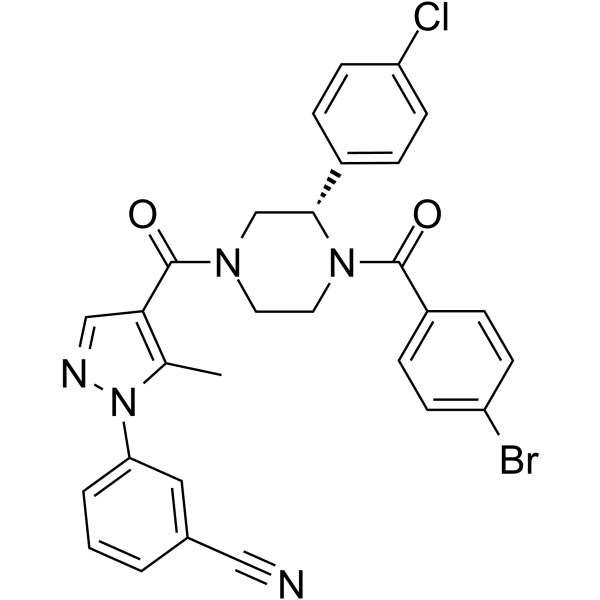
    NMDI14 is a nonsense mediated RNA decay (NMD) inhibitor. NMDI14 disrupts the SMG7-UPF1 interactions and inhibits NMD.
    NMDI14
  • HY-161111

    Ser/Thr Kinase Cancer
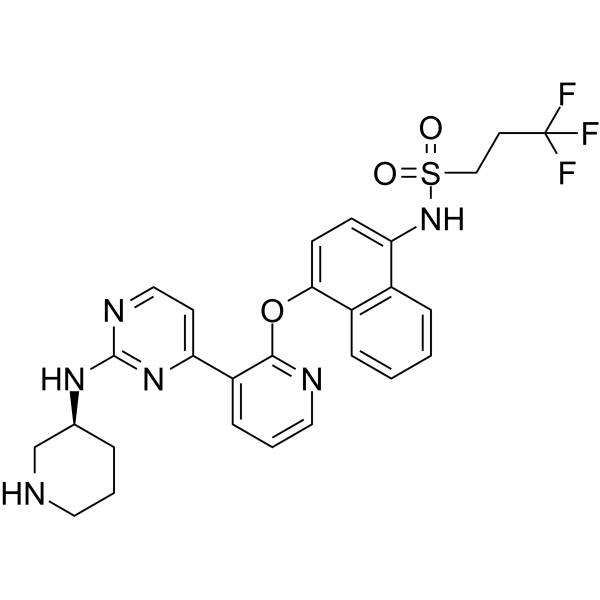
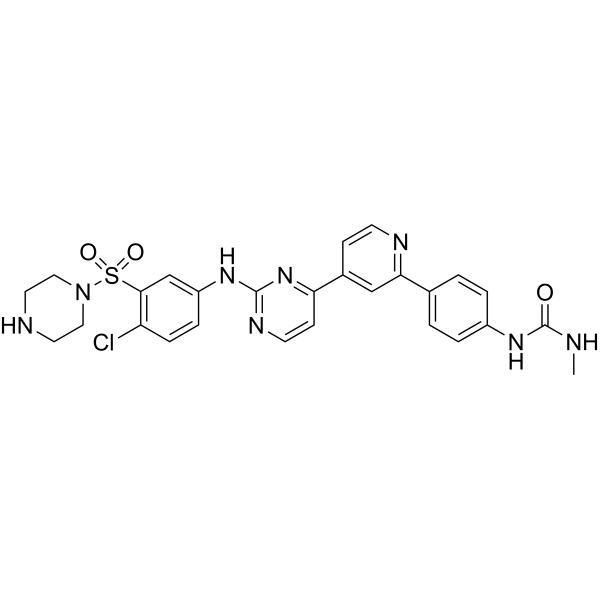
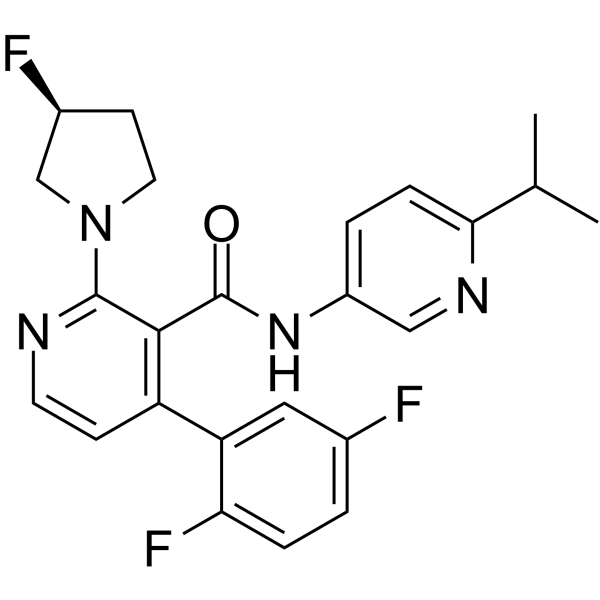
    KVS0001 is a selective SMG1 inhibitor. KVS0001 elevates the expression of transcripts and proteins resulting from truncating mutations. KVS0001 increased the presentation of immune-targetable HLA class I-associated peptides from nonsense-mediated decay (NMD)-downregulated proteins on the surface of cancer cells. KVS0001 exerts anti-tumor properties and can be studied in research for NMD-related diseases, including cancer and inherited diseases .
    KVS0001
  • HY-W012642

    DNA Stain Others
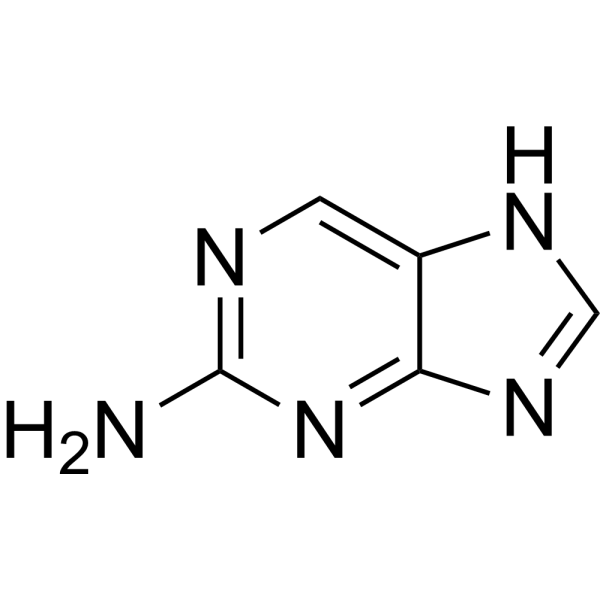
    2-Aminopurine, a fluorescent analog of guanosine and adenosine, is a widely used fluorescence-decay-based probe of DNA structure. When 2-Aminopurine is inserted in anoligonucleotide, its fluorescence is highly quenched by stacking with the natural bases. 2-Aminopurine has been used to probe nucleic acid structure and dynamics .
    2-Aminopurine
  • HY-101513
    eIF4A3-IN-1
    4 Publications Verification

    Eukaryotic Initiation Factor (eIF) Neurological Disease Cancer
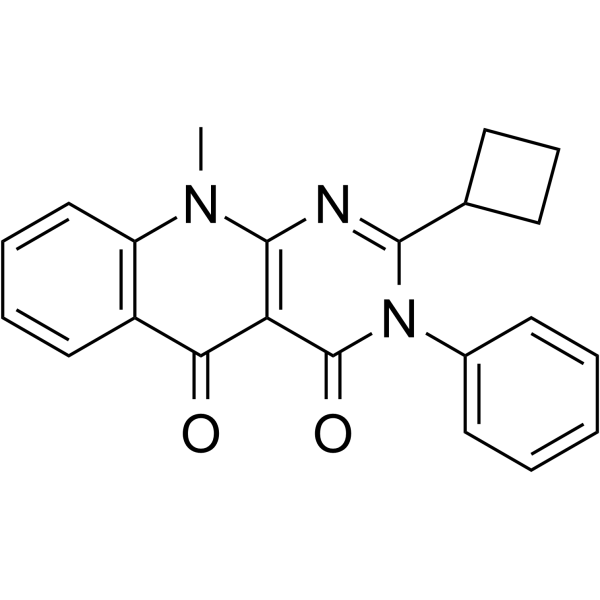
    eIF4A3-IN-1 is a selective eIF4A3 inhibitor (IC50: 0.26 μM; Kd: 0.043 μM) with cellular nonsense-mediated RNA decay (NMD) inhibitory activity. eIF4A3-IN-1 can specifically bind to the non-ATP binding site of eIF4A3. eIF4A3-IN-1 has anti-tumor and analgesic activities .
    eIF4A3-IN-1
  • HY-150090
    SRI-41315
    1 Publications Verification

    CFTR Inflammation/Immunology
    SRI-41315 induces a prolonged pause at stop codons and suppresses PTCs (premature termination codons) associated with cystic fibrosis in immortalized and primary human bronchial epithelial cells, restoring CFTR (cystic fibrosis transmembrane conductance regulator) expression and function. SRI-41315 suppresses PTCs by reducing the abundance of the termination factor eRF1. SRI-41315 also potentiates aminoglycoside-mediated readthrough, leading to synergistic increases in CFTR activity .
    SRI-41315
  • HY-Y0975

    Environmental Pollutants Drug Intermediate Others
    Silver(I) fluoride is a drug intermediate for synthesis of various active compounds. Silver(I) fluoride is a silver(I) complex that can form hydrates in aqueous solutions and in the solid state, enabling its localized application to the tooth decay area for oral health research .
    Silver(I) fluoride
  • HY-128454

    Environmental Pollutants Biochemical Assay Reagents Infection Neurological Disease
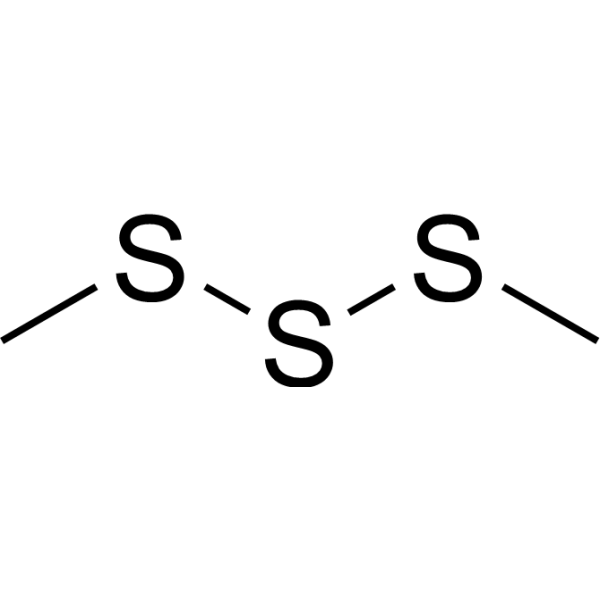
    Dimethyl trisulfide is a cyanide scavenger. Dimethyl trisulfide can be isolated from garlic, onions, broccoli and similar plants. Dimethyl trisulfide converts cyanide into thiocyanate. Dimethyl trisulfide is used by saprophagous insects to locate breeding sites (decaying organic matter), and is also used by deceptive flowers in brood sites to attract such insects. Dimethyl trisulfide induces electrophysiological responses in houseflies .
    Dimethyl trisulfide
  • HY-142035
    N-Propargylglycine
    1 Publications Verification

    Mitochondrial Metabolism Neurological Disease Metabolic Disease Inflammation/Immunology Cancer
    N-Propargylglycine is a brain-penetrant and orally active PRODH inhibitor. N-Propargylglycine covalently modifies enzyme-bound FAD and active site lysine, causing enzyme structural distortion, protein decay, and irreversible inhibition of proline and 4-hydroxyproline catabolism. N-Propargylglycine induces UPRmt, upregulates mitochondrial chaperones and YME1L1, enhances mitochondrial proteostasis, blocks astrocytic L-proline consumption, and abolishes L-proline’s ATP-maintaining and viability-protective effects. N-Propargylglycine stimulates neural processes, increases brain proline, hydroxyproline, and sarcosine levels, partially normalizes Huntington’s disease whole brain transcriptomes. N-Propargylglycine reduces hyperoxaluria, prevents calcium oxalate stone formation, reduces kidney tubular damage, and restores weight and survival in Grhpr knockout mice. N-Propargylglycine can be used for the research of breast cancer, neurodegenerative disorders, Huntington’s disease, and primary hyperoxaluria type 2 .
    N-Propargylglycine
  • HY-114231
    Exaluren
    2 Publications Verification

    ELX-02; NB-124

    Drug Derivative Inflammation/Immunology
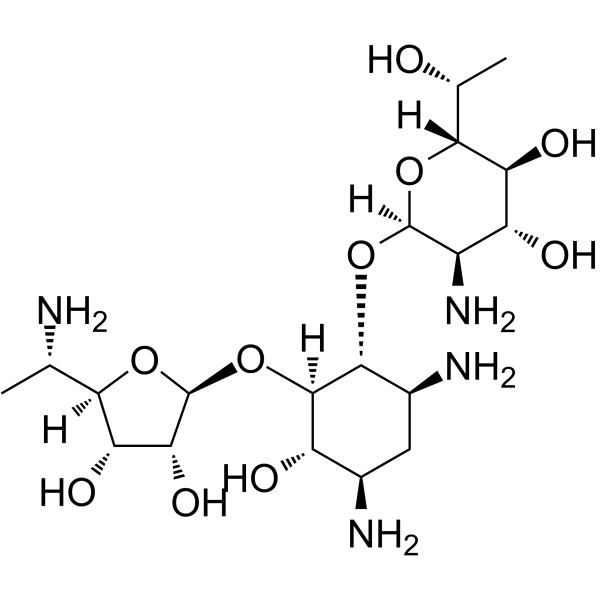
    Exaluren (ELX-02; NB-124) is an synthetic eukaryotic ribosome-selective glycoside that induces read-through of nonsense mutations, resulting in normally localized full-length functional proteins. Exaluren is used for the research of cystic fibrosis caused by nonsense mutations .
    Exaluren
  • HY-126061

    Biochemical Assay Reagents Drug Metabolite Others
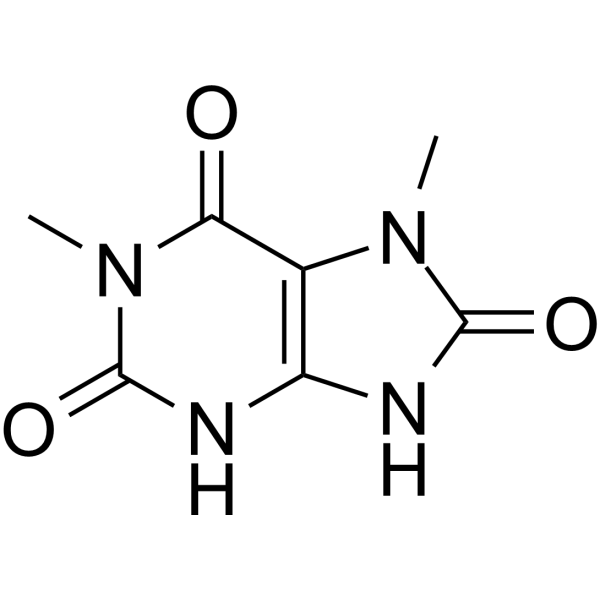
    1,7-Dimethyluric acid is an N-methylated uric acid and purine derivative, as well as a caffeine metabolite. When 1,7-Dimethyluric acid is acted upon by peroxidase in the presence of H2O2, it follows the same oxidation pathway to generate a UV-absorbing intermediate, which decays via first-order kinetics. 1,7-Dimethyluric acid can adsorb onto pyrolytic graphite electrodes, but not onto glassy carbon electrodes or platinum electrodes. The N-methylation modification of its pyrimidine ring prevents ring contraction of the diol intermediate, and no NMR evidence of O-alkylation is observed during propylation under the test conditions .
    1,7-Dimethyluric acid
  • HY-177360

    DNA/RNA Synthesis Neurological Disease Cancer
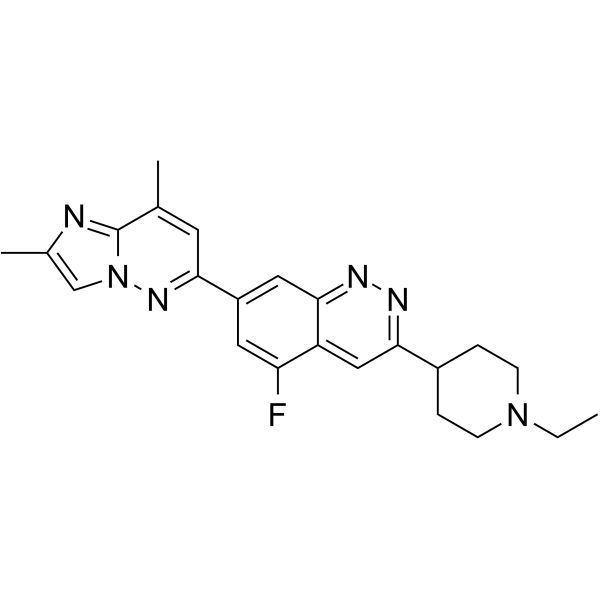
    RNA splicing modulator-4 is an RNA splicing modulator. RNA splicing modulator-4 controls the inclusion or exclusion of specific exons in precursor mRNA (pre-mRNA) by regulating alternative splicing events, thereby altering the coding sequence and function of mature mRNA. RNA splicing modulator-4 shows promise for research into neurodegenerative diseases (such as Huntington's disease) and cancers .
    RNA splicing modulator-4
  • HY-B2053

    Environmental Pollutants Bacterial Infection
    Tolclofos-methyl is a broad-spectrum aromatic hydrocarbon fungicide that is used as a see treatment for protection against soil-borne and seed borne fungal pathogens that caused seed decay and seedling blights.
    Tolclofos-methyl
  • HY-145425

    IRE1 Apoptosis FGFR Inflammation/Immunology
    PAIR2 is a highly selective inhibitor targeting the kinase domain of human IRE1α, with a Ki value of 8.8 nM against human IRE1α. PAIR2 fully occupies the ATP-binding site of the IRE1α kinase domain, partially antagonizes the ribonuclease activity of IRE1α, specifically inhibits regulated IRE1α-dependent decay (RIDD) and its mediated substrate cleavage, while preserving the splicing function of Xbp1 mRNA. PAIR2 also promotes the differentiation of B cells into plasma cells, blocks IRE1α-induced cell apoptosis, and restores the expression of Fgfr2 mRNA in AT2 cells. PAIR2 effectively reaches a steady-state concentration in the lung tissues of Mus musculus, and serves as an important tool for investigating the function of the IRE1α signaling pathway in diseases such as pulmonary fibrosis .
    PAIR2
  • HY-126429

    Sodium Channel Neurological Disease
    Nav1.1 activator 1 (compound 4), a highly potent Nav1.1 activator with BBB penetration, increases decay time constant τ of Nav1.1 currents at 0.03 μM along with significant selectivity against Nav1.2, Nav1.5, and Nav1.6 .
    Nav1.1 activator 1
  • HY-143792

    Huntingtin P-glycoprotein Neurological Disease
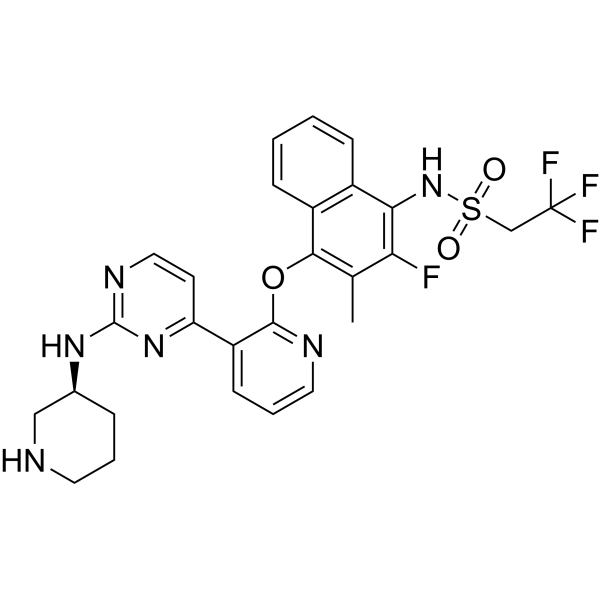
    HTT-D3 is an orally active, blood-brain barrier penetrant splicing modulator of huntingtin (HTT). HTT-D3 promotes the inclusion of a pseudo-exon containing a premature termination codon into HTT pre-mRNA, triggers nonsense-mediated mRNA degradation and reduces HTT protein levels. HTT-D3 induces dose-dependent, comparable reductions in mutant HTT protein in both the brain and peripheral tissues of transgenic mouse models. HTT-D3 can be used for the research of Huntington's disease .
    HTT-D3
  • HY-175885

    PROTACs Fat Mass and Obesity-associated Protein (FTO) Apoptosis Caspase PARP YTHDF Cancer
    PROTAC FTO degrader 1 is a Fat Mass and Obesity-associated Protein (FTO) PROTAC degrader. PROTAC FTO degrader 1 selectively degrades FTO depending on VHL E3 ligase and ubiquitin-proteasome system. PROTAC FTO degrader 1 can increase m6A modifications on mRNAs associated with ribosome biogenesis and promote their YTHDF2-mediated decay. PROTAC FTO degrader 1 can inhibit cancer cells proliferation and induce apoptosis. PROTAC FTO degrader 1 can be used for the research of cancer, such as acute myeloid leukemia (AML) . (Structure Note: Pink: FTO ligand (HY-175886); Blue: VHL ligand (HY-112078); Black: linker (HY-W002042); VHL ligand-Linker: (HY-139218))
    PROTAC FTO degrader 1
  • HY-100686

    GABA Receptor Neurological Disease
    U93631 is a GABAA receptor ligand of novel chemical structure with IC50 of 100 nM,and has been shown to induce a rapid, time-dependent decay of GABA-induced whole-cell Cl-currents in recombinant GABAA receptors.
    U93631
  • HY-138100

    (+)-Hyalodendrin

    Fungal Infection
    Hyalodendrin ((+)-Hyalodendrin) is a fungal growth inhibitor with inhibitory activity against wood decay fungi. Hyalodendrin has low phytotoxicity, with an acute toxicity (LD50) of 75 mg/kg in mice .
    Hyalodendrin
  • HY-145422

    IRE1 Apoptosis Others
    KIRA9 is a potent IRE1 inhibitor (IC50=4.8 μM in INS-1 cells). KIRA9 is able to fully engage the ATP-binding site of IRE1α. KIRA9 can block ER-localized mRNA decay and apoptosis .
    KIRA9
  • HY-153475

    IRE1 Cancer
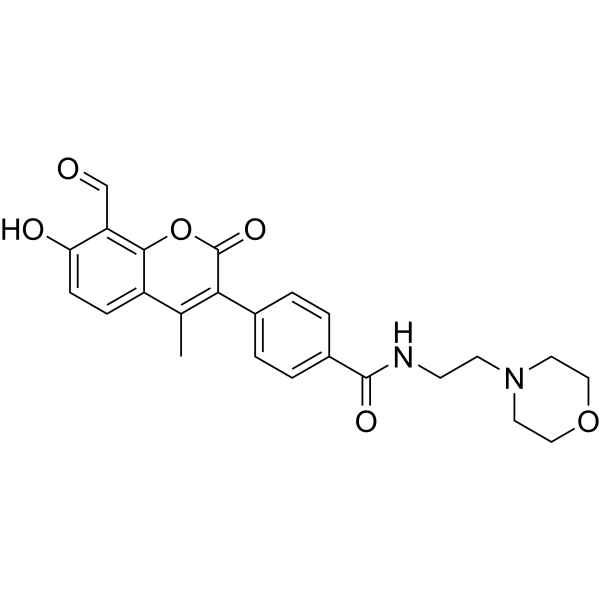
    IRE1α kinase-IN-9 (compound 2) is a potent IRE-1α inhibitor,exhibits an average IC50 value of <0.1 μM. IRE1α kinase-IN-9 can be used for research in diseases associated with the unfolded protein response or with regulated IRE1-dependent decay (RIDD) .
    IRE1α kinase-IN-9
  • HY-153474

    IRE1 Others
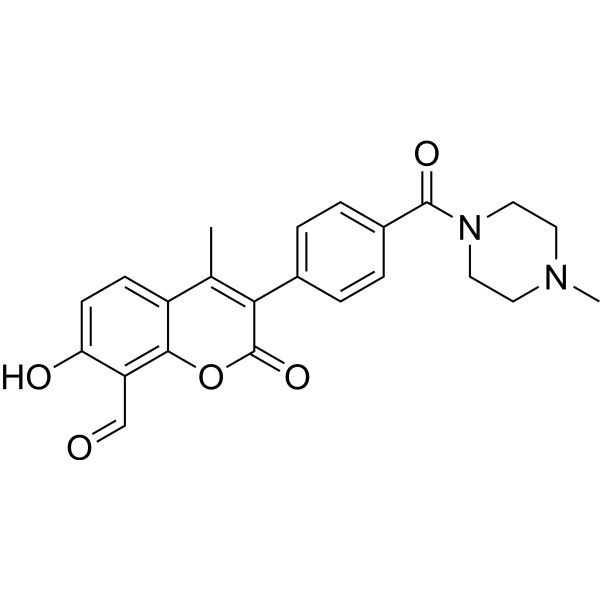
    IRE1α kinase-IN-8, a benzoheterocyclecarboxaldehyde derivative, is a potent IRE-1α inhibitor. IRE1α kinase-IN-8 can be used for research in diseases associated with the unfolded protein response or with regulated IRE1-dependent decay (RIDD) .
    IRE1α kinase-IN-8
  • HY-167695

    Others Others
    Propiosyringone is derived from the breakdown of Eucalyptus globulus wood by wood-decaying fungi.
    Propiosyringone
  • HY-118202A

    (-)-Methoxyverapamil hydrochloride

    Calcium Channel Cardiovascular Disease
    (-)-Gallopamil (hydrochloride) exerts a selective modulation of the fast voltage-dependent inactivation. (-)-Gallopamil (hydrochloride) inhibits efficiently Cav1.2 constructs formed by β-subunits (promoting fast voltage-dependent inactivation). (-)-Gallopamil (hydrochloride) also accelerates the voltage-dependent phase of ICa decay (as well as the voltage-dependent decay of Ba 2+ currents). (-)-Gallopamil (hydrochloride) is promising for research of antiarrhythmics .
    (-)-Gallopamil hydrochloride
  • HY-118202

    (-)-Methoxyverapamil

    Calcium Channel Cardiovascular Disease
    (-)-Gallopamil exerts a selective modulation of the fast voltage-dependent inactivation. (-)-Gallopamil inhibits efficiently Cav1.2 constructs formed by β-subunits (promoting fast voltage-dependent inactivation). (-)-Gallopamil also accelerates the voltage-dependent phase of ICa decay (as well as the voltage-dependent decay of Ba 2+ currents). (-)-Gallopamil is promising for research of antiarrhythmics .
    (-)-Gallopamil
  • HY-103501

    GABA Receptor Neurological Disease
    SB-205384 is a GABAA receptor modulator. The primary effect of SB-205384 on GABAA-activated currents is a prolonged response decay half-life upon removal of the agonist .
    SB-205384
  • HY-W303135

    Biochemical Assay Reagents Others
    EMPO is a free radical scavenger. EMPO is stable in phosphate buffers at physiological pH, its superoxide spin adducts are more durable and no hydroxyl adducts are produced when decaying. EMPO can be used in the study of free radicals .
    EMPO
  • HY-W693142

    Orphan GPCR Apoptosis Cardiovascular Disease
    Succinate calcium is a key intermediate product of the citric acid cycle (tricarboxylic acid cycle). Succinate calcium can act as a specific ligand for the G protein-coupled receptor GPR91. Succinate calcium can increase the amplitude of calcium transient in cardiac muscle cells and accelerate the decay rate of calcium transient. Succinate calcium can induce myocardial apoptosis .
    Succinate calcium
  • HY-121143

    Cholinesterase (ChE) Neurological Disease
    Bis-Q is an acetylcholine (ACh) agonist that targets voltage-clamped muscle fibers of the fish Xenomystus nigris. Bis-Q exists in two forms: cis-Bis-Q (non-agonist) and trans-Bis-Q (agonist). Photoisomerization converts cis-Bis-Q to trans-Bis-Q, which induces agonist-induced currents. Channels activated by trans-Bis-Q and ACh have similar conductances and open times. Flashes increase the ratio of trans-Bis-Q to cis-Bis-Q until light equilibrium is reached. Further flashes transiently increase agonist-induced currents, indicating binding of trans-Bis-Q to desensitized receptors. Higher concentrations of cis-Bis-Q produce larger agonist-induced currents that decay exponentially. .
    Bis-Q
  • HY-D3012

    Fluorescent Dye Others
    12-AS is a 9-anthracenoxy fatty acid probe. 12-AS’s fluorescence decay is not a single index, and its lifetime increases with the red shift of the emission wavelength .
    12-AS
  • HY-W072994

    Fungal Insecticide Infection
    Copper naphthenate is an organocopper compound with the properties of a fungicide, preservative, oil-borne protectant, and toxicant. Copper naphthenate increases serum and urine copper levels in exposed populations, causes skin irritation, and induces intraperitoneal toxicity in rats. Copper naphthenate inhibits the growth of decay fungi and molds on moso bamboo, kills the free-living stages of Ichthyophthirius multifiliis, and controls wood-boring insects and termites .
    Copper naphthenate
  • HY-D3250

    Fluorescent Dye NO Synthase Cardiovascular Disease
    PYSNO is a lysosome-targeted fluorescent probe based on a pyridazinone skeleton (λem=515-565 nm, λex=405 nm) that can be used to track nitric oxide (NO) production in vivo. PYSNO exhibits a rapid, highly sensitive and highly selective "turn-on" response to endogenous and exogenous NO by blocking photoinduced electron transfer and regulating radiative decay rates. PYSNO enables precise in vivo monitoring in a mouse model of myocardial fibrosis and can be applied to the research of related diseases .
    PYSNO
  • HY-101513R

    Eukaryotic Initiation Factor (eIF) Reference Standards Neurological Disease Cancer
    eIF4A3-IN-1 (Standard) is the analytical standard of eIF4A3-IN-1 (HY-101513). This product is intended for research and analytical applications. eIF4A3-IN-1 is a selective eIF4A3 inhibitor (IC50: 0.26 μM; Kd: 0.043 μM) with cellular nonsense-mediated RNA decay (NMD) inhibitory activity. eIF4A3-IN-1 can specifically bind to the non-ATP binding site of eIF4A3. eIF4A3-IN-1 has anti-tumor and analgesic activities .
    eIF4A3-IN-1 (Standard)
  • HY-124057

    nAChR Neurological Disease
    RO5126946 is a selective, orally active α7 nAChR allosteric potentiator with EC50 values of 0.06 μM (hα7 nAChR) and 770 nM (α7 nAChR), and it crosses the blood-brain barrier. RO5126946 enhances synaptic transmission and positively modulates GABA-ergic responses by increasing peak current, slowing current decay, and elevating the frequency of spontaneous inhibitory postsynaptic currents, without affecting the recovery of receptors from the desensitized state. RO5126946 not only enhances subthreshold nicotine effects and improves associative learning, but also does not interfere with the original pro-cognitive effects of nicotine. RO5126946 can be used to study cognitive impairments associated with diseases such as Alzheimer's disease and schizophrenia .
    RO5126946

Inquiry Online

Your information is safe with us. * Required Fields.

Salutation


Country or Region *

Applicant Name *


Organization Name *

Department *


Email Address *


Product Name *

Cat. No.


Requested quantity *

Phone Number *


Remarks

Inquiry Online

Inquiry Information

Product Name:
Cat. No.:
Quantity:
MCE Japan Authorized Agent: