

Search Result
Results for "
differential
" in MedChemExpress (MCE) Product Catalog:
2
Biochemical Assay Reagents
| Cat. No. |
Product Name |
Target |
Research Areas |
Chemical Structure |
-
- HY-16658B
-
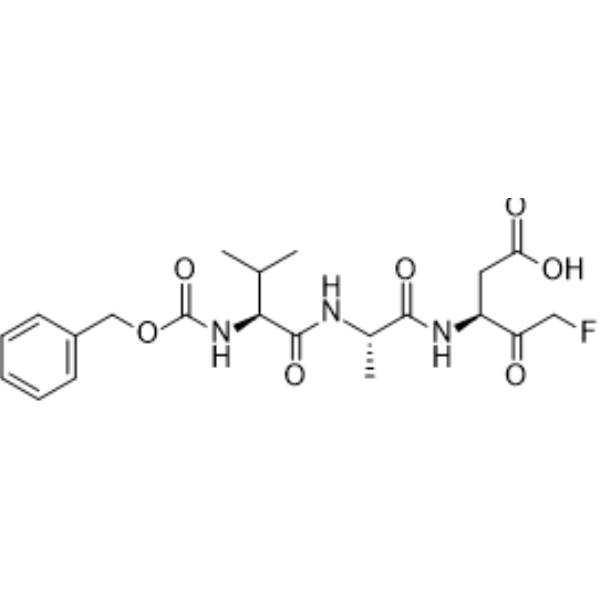
Z-VAD-FMK
Maximum Cited Publications
740 Publications Verification
Z-VAD(OH)-FMK
|
Caspase
Apoptosis
RIP kinase
Glutathione Peroxidase
Reactive Oxygen Species (ROS)
|
Inflammation/Immunology
Cancer
|
|
Z-VAD-FMK is a pan-caspase inhibitor and also an ICE-like protease inhibitor, which inhibits apoptosis by preventing the processing of CPP32 to its active form. Z-VAD-FMK sensitivity varies primarily due to differential expression of receptor-interacting protein 1 (RIP1). Z-VAD-FMK limits the cryopreservation-induced apoptosis by reducing caspase-3 activity of in vitro produced bovine embryos. Z-VAD-FMK is immunosuppressive in vitro and inhibits T cell proliferation without blocking the processing of caspase-8 and caspase-3. Z-VAD-FMK leads to a decrease in intracellular glutathione (GSH) with a concomitant increase in reactive oxygen species (ROS) levels in activated T cells. Z-VAD-FMK is due to oxidative stress via the depletion of GSH. Z-VAD-FMK can be used for the study of acute pancreatitis .
|
-
-
- HY-144226
-
|
|
NOD-like Receptor (NLR)
AIM2
Pyroptosis
|
Inflammation/Immunology
|
|
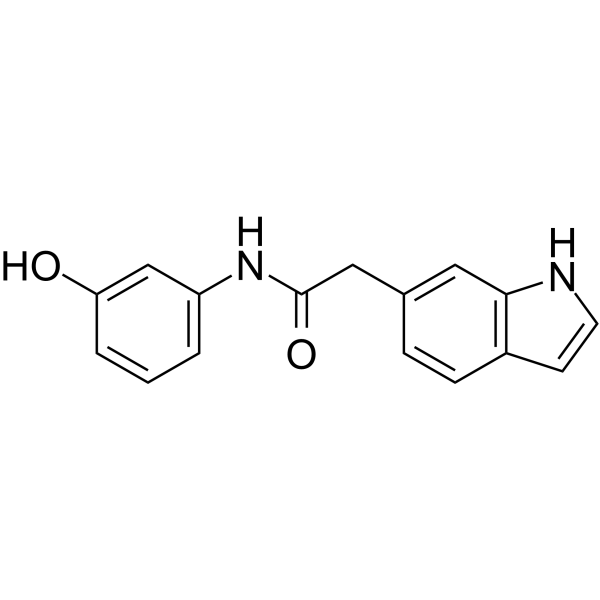
NLRP3/AIM2-IN-3 (compound 59) is a potent inhibitor with differential species specific effects against NLRP3 and AIM2 inflammasome-dependent pyroptosis. NLRP3/AIM2-IN-3 shows inhibitory efficacy against pyroptosis in THP-1 macrophages stimulated with LPS/nigericin, with an IC50 of 0.077 ± 0.008 μM. NLRP3/AIM2-IN-3 disturbs the interaction of NLRP3 or AIM2 with the adaptor protein ASC and inhibited ASC oligomerization .
|
-
-
- HY-12522
-
|
Aur0101; Auristatin-0101
|
Microtubule/Tubulin
ADC Payload
|
Cancer
|
|
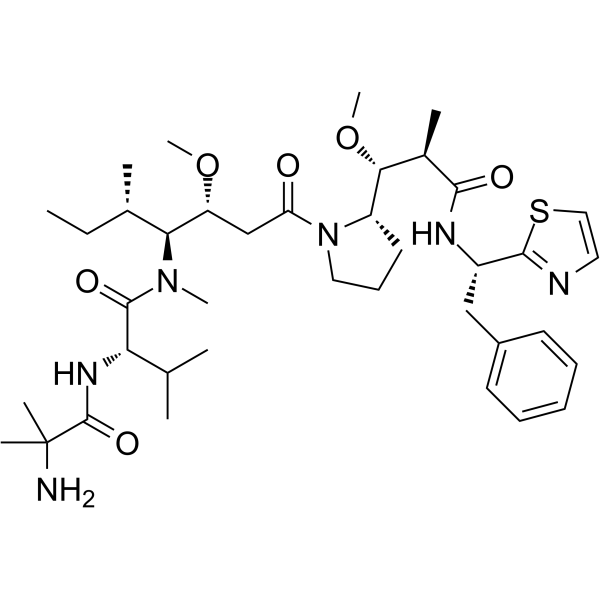
PF-06380101 (Aur0101), an auristatin microtubule inhibitor, is a cytotoxic Dolastatin 10 analogue. PF-06380101 (Aur0101) shows excellent potencies in tumor cell proliferation assays and differential ADME properties when compared to other synthetic auristatin analogues that are used in the preparation of ADCs.
|
-
-
- HY-P1248
-
|
NPFF
|
Neuropeptide FF Receptor
|
Cardiovascular Disease
Neurological Disease
|
|
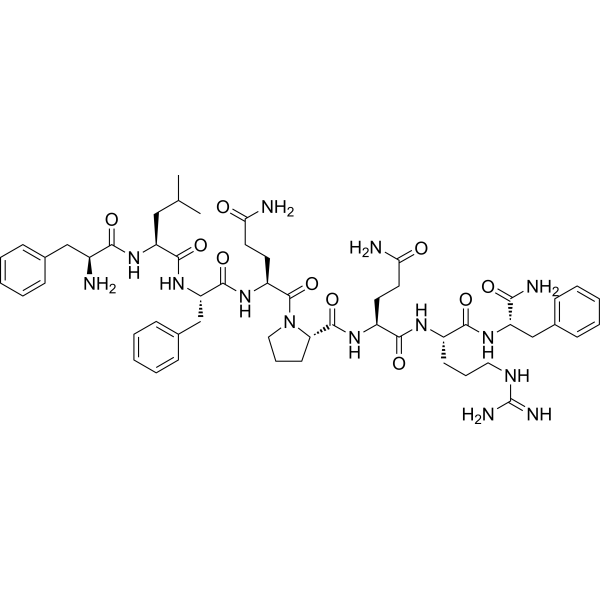
Neuropeptide FF (NPFF), an octapeptide belonging to the RF-amide family of peptides, is a NPFF1 and NPFF2 receptors agonist with Ki values of 2.82 nM and 0.21 nM, respectively. Neuropeptide FF induces abstinence syndrome, exerts antiopioid and analgesic effects, releases via calcium-dependent mechanisms from rat spinal cord, regulates memory, autonomic function, and neuroendocrine function, modulates pain and opioid antinociception, reduces food intake, stimulates water intake, alters cardiovascular parameters, and shows differential activity in hypothalamic paraventricular nucleus neurons. Neuropeptide FF is present in mammalian central nervous system and periphery, with NPFF-immunoreactivity increases in rat cerebrospinal fluid during opiate tolerance, and its NPFF gene and NPFF-R2 gene are up-regulated in rat spinal cord and dorsal root ganglia during peripheral inflammation. Neuropeptide FF can be used for the research of opioid tolerance, morphine-induced analgesia, abstinence syndrome, pain, hypertension, nociception, inflammatory pain, and neuropathic pain .
|
-
-
- HY-W088068
-
|
|
Fluorescent Dye
|
Others
|
|
Wright's stain is a composite cell stain that mainly binds to intracellular nucleic acids, proteins and other components through thiazine dyes (such as methylene blue) and eosin. Wright's stain is pH-dependent (optimal pH 6.4-6.7) and achieves cell morphology resolution by differentially staining the cytoplasm and nucleus. Under alkaline conditions, thiazine dyes bind to nucleic acids to form purple, and acidic eosin binds to cytoplasmic proteins to form red, which can form contrasting cell morphological features. Wright's stain can clearly display the fine structures of blood cells and bone marrow cells (such as nuclear chromatin and granules) and quickly evaluate cell morphological abnormalities .
|
-
-
- HY-NP0147
-
|
WGA (Fluorescein)
|
Fluorescent Dye
|
Infection
Neurological Disease
|
|
Wheat Germ Agglutinin (WGA) Fluorescein is a classic fluorescent label that specifically binds to sugar residues such as N-acetylglucosamine, N-acetylneuraminic acid and sialic acid. Wheat Germ Agglutinin Fluorescein performs regionally differential fluorescent staining of the ocular surface epithelial glycocalyx to assess its integrity, and causes no damage to the eye at safe concentrations. Wheat Germ Agglutinin Fluorescein is also used for staining structures including red blood cells, cultured cells, bacteria and pine wood nematodes, and facilitates the isolation of wheat-associated plant-growth-promoting rhizobacterial strains. Wheat Germ Agglutinin Fluorescein can be applied to the detection of ocular glycocalyx integrity and the research of related diseases such as pine wilt disease .
|
-
-
- HY-145819
-
|
|
HDAC
PROTACs
|
Cancer
|
|
JPS036 is a benzamide-based Von Hippel-Lindau (VHL) E3-ligase proteolysis targeting chimeras (PROTAC). JPS036 degrades class I histone deacetylase (HDAC). JPS036 is potent HDAC1/2 degrader correlated with greater total differentially expressed genes and enhanced apoptosis in HCT116 cells .
|
-
-
- HY-P99431
-
|
Alomfilimab; SAR 445256
|
CD28
|
Inflammation/Immunology
Cancer
|
|
KY-1044 (Alomfilimab; SAR 445256) is a fully human IgG1 antibody targeting inducible costimulatory receptor (ICOS). KY-1044 depletes ICOS high cells via antibody-dependent cellular cytotoxicity (ADCC) through the engagement of FcgRIIIa. KY-1044 act as a costimulatory molecule on cells expressing lower ICOS levels, such as CD8 + TEff cells (through FcgR-dependent clustering). KY-1044 exploit the differential expression of ICOS on T-cell subtypes to improve the intratumoral immune contexture and restore an antitumor immune response .
|
-
-
- HY-168366
-
|
|
Opioid Receptor
|
Neurological Disease
|
|
R-6890 is a Brorphine-related opioid receptor antagonist that exhibits differential binding activities toward rat opioid receptors (IC50=4.6 nM (0.05 M Tris; pH 7.4) and 170 nM (0.05 M Tris+0.1 M NaCl)). R-6890 displaces bound labeled opioids from receptors, and its binding affinity is affected by environmental factors, decreasing in the presence of NaCl. R-6890 crosses the blood-brain barrier (BBB) and exerts analgesic effects in the warm water-induced tail-flick reflex model of male Wistar rats .
|
-
-
- HY-121848
-
|
ML397
|
mGluR
|
Neurological Disease
|
|
VU0155094 is a positive allosteric modulator with differential activity at the various group III mGluRs .
|
-
-
- HY-W250151
-
|
|
Fluorescent Dye
|
Others
|
|
Leishman's stain is an essential staining tool for for staining of the peripheral blood and bone marrow smears (displayed pale bluish-grey to deep blue under oil-immersion lens) .
|
-
-
- HY-145815A
-
|
|
PROTACs
HDAC
Apoptosis
|
Cancer
|
|
JPS014 TFA is a benzamide-based Von Hippel-Lindau (VHL) E3-ligase proteolysis targeting chimeras (PROTAC). JPS014 TFA degrades class I histone deacetylase (HDAC). JPS014 TFA is potent HDAC1/2 degrader correlated with greater total differentially expressed genes and enhanced apoptosis in HCT116 cells .
|
-
-
- HY-177291
-
|
|
Microsomal Triglyceride Transfer Protein (MTP)
Smo
Hedgehog
LDLR
|
Cardiovascular Disease
Cancer
|
|
LAB687 is a microsomal triglyceride transfer protein (MTP) inhibitor with an IC50 of 0.9 nM for apolipoprotein B (apoB) secretion in HepG2 cells. LAB687 also acts as a Smoothened (Smo) antagonist, with IC50 values of 2.48 μM and 3.42 μM against mouse and human Smo receptors, respectively. LAB687 reduces triglyceride and low-density lipoprotein cholesterol (LDL-C) levels, and inhibits the Hedgehog signaling pathway. LAB687 can be used in studies related to Hedgehog-dependent cancers .
|
-
-
- HY-50882
-
|
|
γ-secretase
|
Neurological Disease
|
|
ELN318463 is an amyloid precursor protein (APP) selective γ-secretase inhibitor. ELN318463 shows differential inhibition of presenilin (PS1)- and PS2-comprised γ-secretase with EC50s of 12 nM and 656 nM for PS1 and PS2, respectively. ELN318463 is 51-fold more selective for PS1 .
|
-
-
- HY-124084
-
|
|
Stearoyl-CoA Desaturase (SCD)
|
Cancer
|
|
SW203668 is an irreversible stearoyl CoA desaturase (SCD) inhibitor with an IC50 of 54 nM. SW203668 covalently binds and inhibits SCD, depletes unsaturated fatty acids, and triggers cell death in sensitive cells. SW203668 requires demethylation by CYP4F11 to form its active SCD-inhibiting form; differential CYP4F11 expression drives selective cytotoxicity. SW203668 exerts cytotoxicity toward CYP4F11-expressing non-small cell lung cancer (NSCLC) cells and spares CYP4F11-lacking NSCLC cells. SW203668 inhibits tumor growth in immunodeficient mice bearing CYP4F11-expressing NSCLC xenografts and spares mouse skin sebocytes. SW203668 can be used for the research of non-small cell lung cancer .
|
-
-
- HY-19371
-
|
|
GABA Receptor
|
Neurological Disease
|
|
Lorediplon is a novel non-benzodiazepine drug acting as a GABAA receptor modulator, differentially active at the alpha1-subunit, associated with promoting sleep.
|
-
-
- HY-P3911
-
|
|
Bacterial
|
Infection
|
|
CAP 37 (20-44) is a peptide based on amino acid residues 20 through 44 of CAP37. CAP37, a Cationic antimicrobial protein of 37 kDa, is a multifunctional protein .
|
-
-
- HY-145818
-
|
|
HDAC
PROTACs
|
Cancer
|
|
JPS035 is a benzamide-based Von Hippel-Lindau (VHL) E3-ligase proteolysis targeting chimeras (PROTAC). JPS035 degrades class I histone deacetylase (HDAC). JPS035 is potent HDAC1/2 degrader correlated with greater total differentially expressed genes and enhanced apoptosis in HCT116 cells .
|
-
-
- HY-145815
-
|
|
HDAC
PROTACs
|
Cancer
|
|
JPS014 is a benzamide-based Von Hippel-Lindau (VHL) E3-ligase proteolysis targeting chimeras (PROTAC). JPS014 degrades class I histone deacetylase (HDAC). JPS014 is potent HDAC1/2 degrader correlated with greater total differentially expressed genes and enhanced apoptosis in HCT116 cells .
|
-
-
- HY-124052
-
|
|
RSV
|
Infection
|
AZ-27 is a respiratory syncytial virus (RSV) inhibitor. AZ-27 can differentially suppress various RSV polymerase activities at the promoter, thereby inhibiting the early stages of mRNA transcription and genome replication by targeting the promoter .
|
-
-
- HY-137516A
-
|
|
PROTACs
Ras
|
Cancer
|
|
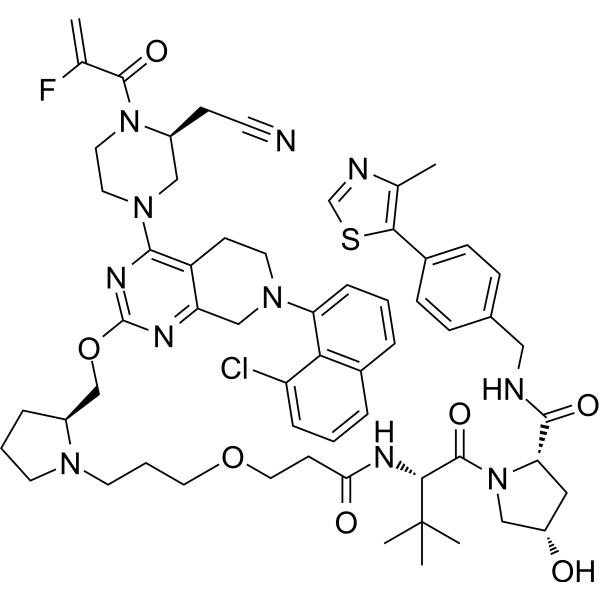
LC-2 epimer is a differential isomer of LC-2. LC-2 is a mutation-selective PROTAC depressant for KRAS and contains a ligand for the von Hippel Lindau E3 ligase linked to the KRAS inhibitor MRTX849 .
|
-
-
- HY-50882A
-
|
|
γ-secretase
|
Neurological Disease
|
|
ELN318463 racemate is the racemate of ELN318463. ELN318463 is an amyloid precursor protein (APP) selective γ-secretase inhibitor. ELN318463 shows differential inhibition of presenilin (PS1)- and PS2-comprised γ-secretase with EC50s of 12nM and 656 nM for PS1and PS2, respectively. ELN318463 is 51-fold more selective for PS1 .
|
-
-
- HY-16658BG
-
|
|
Caspase
Apoptosis
|
Cancer
|
|
Z-VAD-FMK is a pan-caspase inhibitor and also an ICE-like protease inhibitor, which inhibits apoptosis by preventing the processing of CPP32 to its active form. Z-VAD-FMK sensitivity varies primarily due to differential expression of receptor-interacting protein 1 (RIP1). Z-VAD-FMK limits the cryopreservation-induced apoptosis by reducing caspase-3 activity of in vitro produced bovine embryos. Z-VAD-FMK is immunosuppressive in vitro and inhibits T cell proliferation without blocking the processing of caspase-8 and caspase-3. Z-VAD-FMK leads to a decrease in intracellular glutathione (GSH) with a concomitant increase in reactive oxygen species (ROS) levels in activated T cells. Z-VAD-FMK is due to oxidative stress via the depletion of GSH. Z-VAD-FMK can be used for the study of acute pancreatitis .
|
-
-
- HY-124084A
-
|
|
Stearoyl-CoA Desaturase (SCD)
|
Cancer
|
|
SW203668 TFA is an irreversible stearoyl CoA desaturase (SCD) inhibitor with an IC50 of 54 nM. SW203668 TFA covalently binds and inhibits SCD, depletes unsaturated fatty acids, and triggers cell death in sensitive cells. SW203668 TFA requires demethylation by CYP4F11 to form its active SCD-inhibiting form; differential CYP4F11 expression drives selective cytotoxicity. SW203668 TFA exerts cytotoxicity toward CYP4F11-expressing non-small cell lung cancer (NSCLC) cells and spares CYP4F11-lacking NSCLC cells. SW203668 TFA inhibits tumor growth in immunodeficient mice bearing CYP4F11-expressing NSCLC xenografts and spares mouse skin sebocytes. SW203668 TFA can be used for the research of non-small cell lung cancer .
|
-
-
- HY-N0913AR
-
|
|
Reference Standards
Bacterial
Drug Intermediate
|
Metabolic Disease
|
|
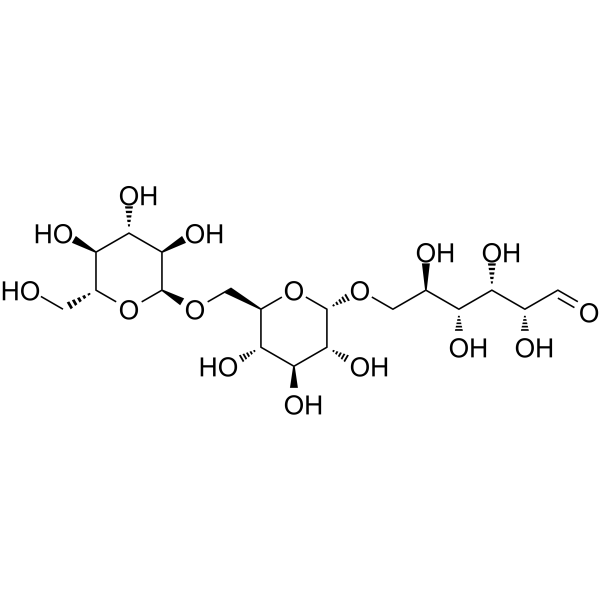
Isomaltotriose (Standard) is the analytical standard of Isomaltotriose. This product is intended for research and analytical applications. Isomaltotriose is a type of isomaltooligosaccharide belonging to the α-glucan family. Isomaltotriose acts not only as an important prebiotic component that can be differentially metabolized by beneficial intestinal bacteria to regulate the intestinal flora, but also as a valuable chemical synthesis precursor that can be modified enzymatically to introduce hydrophobic groups and converted into high-value functional molecules.
|
-
-
- HY-107302
-
|
Soyasaponin Bd
|
Endogenous Metabolite
|
Others
|
|
Sandosaponin A (Soyasaponin Bd) is a saponin with inhibitory activity against human recombinant aldehyde reductase (hAKR1B1). Sandosaponin A can inhibit the reduction of l-idose and 4-hydroxynonenal to varying degrees. The presence of Sandosaponin A reveals the challenges posed by the masking effect of conventional aldehyde reductase inhibitors in mixtures when exploring differential aldehyde reductase inhibitors. The inhibitory mechanism of Sandosaponin A may be related to its mode of action on different substrates .
|
-
-
- HY-126311
-
|
3,4,5,4'-Tetrahydroxystibene
|
MDM-2/p53
Bcl-2 Family
Apoptosis
|
Cancer
|
|
4-Hydroxyresveratrol (3,4,5,4'-Tetrahydroxystibene), a Resveratrol (HY-16561) analog, differentially induces pro-apoptotic p53/Bax gene expression. 4-Hydroxyresveratrol induces apoptosis in SV40 virally transformed WI38 cells (WI38VA) cells, but not in WI38 cells. 4-Hydroxyresveratrol significantly induces the expression of p53, GADD45 and Bax genes and concomitantly suppresses the expression of bcl-2 gene in WI38VA .
|
-
-
- HY-15056
-
|
|
TRP Channel
|
Inflammation/Immunology
|
|
AMG 9090 is characterized as a compound that acts as a partial agonist of rat TRPA1 channels, demonstrating pharmacological activity in pain and inflammation models. TRPA1 is pivotal in sensing reactive compounds, triggering pain responses in humans and rodents. AMG 9090, along with other trichloro(sulfanyl)ethyl benzamides (TCEB compounds), shows differential effects on human and rat TRPA1 channels: it acts as a potent antagonist of human TRPA1 activated by AITC and noxious cold, whereas it behaves as a partial agonist at rat TRPA1. This suggests AMG 9090's potential as a therapeutic agent targeting TRPA1-mediated pain and inflammation, with additional inhibitory activity against TRPM8 noted .
|
-
-
- HY-138439
-
|
|
Mitochondrial Metabolism
|
Infection
|
|
Mandestrobin is a mitochondrial respiratory chain complex III inhibitor with bactericidal activity. The enantiomers of Mandestrobin exhibit differential bactericidal activity, with the R-enantiomer showing higher activity than the S-enantiomer .
|
-
-
- HY-126862
-
|
|
mAChR
|
Others
|
|
AQ-RA 721 is a muscarinic receptor antagonist with differential affinity for the m4 and M2 sites, which can be used to characterize muscarinic receptor subtypes. Other muscarinic receptor antagonists have differential affinity for the M1 (rat cerebral cortex), M2 (rat heart), M3 (rat submandibular gland), m4 (receptor expressed in Chinese hamster ovary cells transfected with CHO), and guinea pig uterine smooth muscle at the muscarinic binding site .
|
-
-
- HY-183279
-
|
|
FXR
AMPK
|
Metabolic Disease
|
|
FXR antagonist 4 (Compound 4l) is an orally active, selective FXR antagonist with an IC50 of 0.70 μM. FXR antagonist 4 binds to FXR, differentially regulates bile acid and lipid transporter genes, and exerts no effect on gluconeogenesis-related genes. FXR modulator 1 activates the AMPK signaling pathway to inhibit fatty acid synthesis. FXR modulator 1 alleviates hepatic steatosis, ballooning degeneration and fibrosis, and improves dyslipidemia. FXR modulator 1 can be used for research on metabolic dysfunction-associated steatohepatitis .
|
-
-
- HY-115894
-
|
|
Herbicide
|
Infection
|
|
DapL-IN-1 is an inhibitor of L,L-diaminoheptanoic acid aminotransferase (DapL) with the characteristics of inhibiting DapL activity in bacteria and plants. DapL-IN-1 can be used to design and discover new biocides such as antibiotics, herbicides or algaecides with the potential to be non-toxic to animals. DapL-IN-1 shows differential sensitivity in inhibiting different DapL homologues, which can provide important information for further drug development. DapL-IN-1 may affect its biological activity by affecting the interaction with residues adjacent to the active site, which may lead to different binding modes .
|
-
-
- HY-183665
-
|
|
Dopamine Receptor
|
Neurological Disease
|
|
GBR-13119 is a blood-brain barrier-permeable inhibitor of the presynaptic dopamine uptake system. GBR-13119 binds to dopamine uptake sites with high selectivity, without being affected by other neurotransmitter reuptake inhibitors. GBR-13119 exhibits a lipophilic systemic distribution profile with extremely low defluorination in rats, while it shows a differential characteristic of slow striatal washout in the brain of primates. GBR-13119 can serve as a PET tracer to achieve visualized imaging of the striatum in primates, and can reflect MPTP-induced dopaminergic neuron degeneration through reduced uptake. GBR-13119 can be widely applied to studies related to Parkinson's disease and dopaminergic neuron degeneration .
|
-
| Cat. No. |
Product Name |
Type |
-
- HY-W088068
-
|
|
Fluorescent Dyes
|
|
Wright's stain is a composite cell stain that mainly binds to intracellular nucleic acids, proteins and other components through thiazine dyes (such as methylene blue) and eosin. Wright's stain is pH-dependent (optimal pH 6.4-6.7) and achieves cell morphology resolution by differentially staining the cytoplasm and nucleus. Under alkaline conditions, thiazine dyes bind to nucleic acids to form purple, and acidic eosin binds to cytoplasmic proteins to form red, which can form contrasting cell morphological features. Wright's stain can clearly display the fine structures of blood cells and bone marrow cells (such as nuclear chromatin and granules) and quickly evaluate cell morphological abnormalities .
|
-
- HY-W250151
-
|
|
Fluorescent Dyes
|
|
Leishman's stain is an essential staining tool for for staining of the peripheral blood and bone marrow smears (displayed pale bluish-grey to deep blue under oil-immersion lens) .
|
-
- HY-16658BG
-
|
|
Fluorescent Dyes
|
|
Z-VAD-FMK is a pan-caspase inhibitor and also an ICE-like protease inhibitor, which inhibits apoptosis by preventing the processing of CPP32 to its active form. Z-VAD-FMK sensitivity varies primarily due to differential expression of receptor-interacting protein 1 (RIP1). Z-VAD-FMK limits the cryopreservation-induced apoptosis by reducing caspase-3 activity of in vitro produced bovine embryos. Z-VAD-FMK is immunosuppressive in vitro and inhibits T cell proliferation without blocking the processing of caspase-8 and caspase-3. Z-VAD-FMK leads to a decrease in intracellular glutathione (GSH) with a concomitant increase in reactive oxygen species (ROS) levels in activated T cells. Z-VAD-FMK is due to oxidative stress via the depletion of GSH. Z-VAD-FMK can be used for the study of acute pancreatitis .
|
| Cat. No. |
Product Name |
Type |
-
- HY-NP0147
-
|
WGA (Fluorescein)
|
Biochemical Assay Reagents
|
|
Wheat Germ Agglutinin (WGA) Fluorescein is a classic fluorescent label that specifically binds to sugar residues such as N-acetylglucosamine, N-acetylneuraminic acid and sialic acid. Wheat Germ Agglutinin Fluorescein performs regionally differential fluorescent staining of the ocular surface epithelial glycocalyx to assess its integrity, and causes no damage to the eye at safe concentrations. Wheat Germ Agglutinin Fluorescein is also used for staining structures including red blood cells, cultured cells, bacteria and pine wood nematodes, and facilitates the isolation of wheat-associated plant-growth-promoting rhizobacterial strains. Wheat Germ Agglutinin Fluorescein can be applied to the detection of ocular glycocalyx integrity and the research of related diseases such as pine wilt disease .
|
-
- HY-16658BG
-
|
|
Biochemical Assay Reagents
|
|
Z-VAD-FMK is a pan-caspase inhibitor and also an ICE-like protease inhibitor, which inhibits apoptosis by preventing the processing of CPP32 to its active form. Z-VAD-FMK sensitivity varies primarily due to differential expression of receptor-interacting protein 1 (RIP1). Z-VAD-FMK limits the cryopreservation-induced apoptosis by reducing caspase-3 activity of in vitro produced bovine embryos. Z-VAD-FMK is immunosuppressive in vitro and inhibits T cell proliferation without blocking the processing of caspase-8 and caspase-3. Z-VAD-FMK leads to a decrease in intracellular glutathione (GSH) with a concomitant increase in reactive oxygen species (ROS) levels in activated T cells. Z-VAD-FMK is due to oxidative stress via the depletion of GSH. Z-VAD-FMK can be used for the study of acute pancreatitis .
|
| Cat. No. |
Product Name |
Target |
Research Area |
-
- HY-P1248
-
|
NPFF
|
Neuropeptide FF Receptor
|
Cardiovascular Disease
Neurological Disease
|
|
Neuropeptide FF (NPFF), an octapeptide belonging to the RF-amide family of peptides, is a NPFF1 and NPFF2 receptors agonist with Ki values of 2.82 nM and 0.21 nM, respectively. Neuropeptide FF induces abstinence syndrome, exerts antiopioid and analgesic effects, releases via calcium-dependent mechanisms from rat spinal cord, regulates memory, autonomic function, and neuroendocrine function, modulates pain and opioid antinociception, reduces food intake, stimulates water intake, alters cardiovascular parameters, and shows differential activity in hypothalamic paraventricular nucleus neurons. Neuropeptide FF is present in mammalian central nervous system and periphery, with NPFF-immunoreactivity increases in rat cerebrospinal fluid during opiate tolerance, and its NPFF gene and NPFF-R2 gene are up-regulated in rat spinal cord and dorsal root ganglia during peripheral inflammation. Neuropeptide FF can be used for the research of opioid tolerance, morphine-induced analgesia, abstinence syndrome, pain, hypertension, nociception, inflammatory pain, and neuropathic pain .
|
-
- HY-P3911
-
|
|
Bacterial
|
Infection
|
|
CAP 37 (20-44) is a peptide based on amino acid residues 20 through 44 of CAP37. CAP37, a Cationic antimicrobial protein of 37 kDa, is a multifunctional protein .
|
-
- HY-P2512A
-
|
|
Peptides
|
Others
|
|
Phytochelatin 2 (PC2) TFA is a phytochelatin, an important heavy metal-binding peptide. Phytochelatin 2 (PC2) TFA can chelate metals, prevent metal toxicity, and maintain metal stability in the internal environment .
|
-
- HY-K1061
-
|
|
|
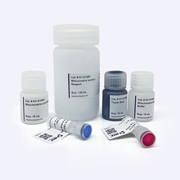
MCE Mitochondria Isolation Kit for Tissue enables the fast and efficient isolation of intact mitochondria from tissue using differential centrifugation.
|
-
- HY-K1060
-
|
|
|
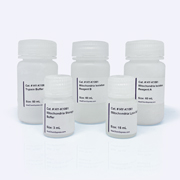
MCE Mitochondria Isolation Kit for Cultured Cells enables the fast and efficient isolation of intact mitochondria from cells using differential centrifugation.
|
| Cat. No. |
Product Name |
Target |
Research Area |
Image |
-
- HY-P99431
-
|
Alomfilimab; SAR 445256
|
CD28
|
Inflammation/Immunology
Cancer
|
|
KY-1044 (Alomfilimab; SAR 445256) is a fully human IgG1 antibody targeting inducible costimulatory receptor (ICOS). KY-1044 depletes ICOS high cells via antibody-dependent cellular cytotoxicity (ADCC) through the engagement of FcgRIIIa. KY-1044 act as a costimulatory molecule on cells expressing lower ICOS levels, such as CD8 + TEff cells (through FcgR-dependent clustering). KY-1044 exploit the differential expression of ICOS on T-cell subtypes to improve the intratumoral immune contexture and restore an antitumor immune response .
|
-
(5)
| Cat. No. |
Product Name |
Category |
Target |
Chemical Structure |
-
- HY-107302
-
|
Soyasaponin Bd
|
Triterpenes
Leguminosae
Terpenoids
Plants
Phaseolus vulgaris Linn.
Source Classification
|
Endogenous Metabolite
|
|
Sandosaponin A (Soyasaponin Bd) is a saponin with inhibitory activity against human recombinant aldehyde reductase (hAKR1B1). Sandosaponin A can inhibit the reduction of l-idose and 4-hydroxynonenal to varying degrees. The presence of Sandosaponin A reveals the challenges posed by the masking effect of conventional aldehyde reductase inhibitors in mixtures when exploring differential aldehyde reductase inhibitors. The inhibitory mechanism of Sandosaponin A may be related to its mode of action on different substrates .
|
-
| Cat. No. |
Product Name |
Target |
Research Areas |
Chemical Structure |
-
- HY-16658BG
-
|
|
Caspase
Apoptosis
|
Cancer
|
|
Z-VAD-FMK is a pan-caspase inhibitor and also an ICE-like protease inhibitor, which inhibits apoptosis by preventing the processing of CPP32 to its active form. Z-VAD-FMK sensitivity varies primarily due to differential expression of receptor-interacting protein 1 (RIP1). Z-VAD-FMK limits the cryopreservation-induced apoptosis by reducing caspase-3 activity of in vitro produced bovine embryos. Z-VAD-FMK is immunosuppressive in vitro and inhibits T cell proliferation without blocking the processing of caspase-8 and caspase-3. Z-VAD-FMK leads to a decrease in intracellular glutathione (GSH) with a concomitant increase in reactive oxygen species (ROS) levels in activated T cells. Z-VAD-FMK is due to oxidative stress via the depletion of GSH. Z-VAD-FMK can be used for the study of acute pancreatitis .
|
-
Your information is safe with us. * Required Fields.
Inquiry Information
- Product Name:
- Cat. No.:
- Quantity:
- MCE Japan Authorized Agent:

