

1. Search Result
Search Result
Results for "

disease detection

" in MedChemExpress (MCE) Product Catalog:

38

Inhibitors & Agonists

5

Screening Libraries

10

Fluorescent Dyes

6

Biochemical Assay Reagents

3

Peptides

3

Inhibitory Antibodies

3

Natural
Products

1

Isotope-Labeled Compounds

2

Oligonucleotides

Cat. No. Product Name Target Research Areas Chemical Structure
  • HY-141511
    Coppersensor 1
    25+ Cited Publications

    Fluorescent Dye Neurological Disease Cancer
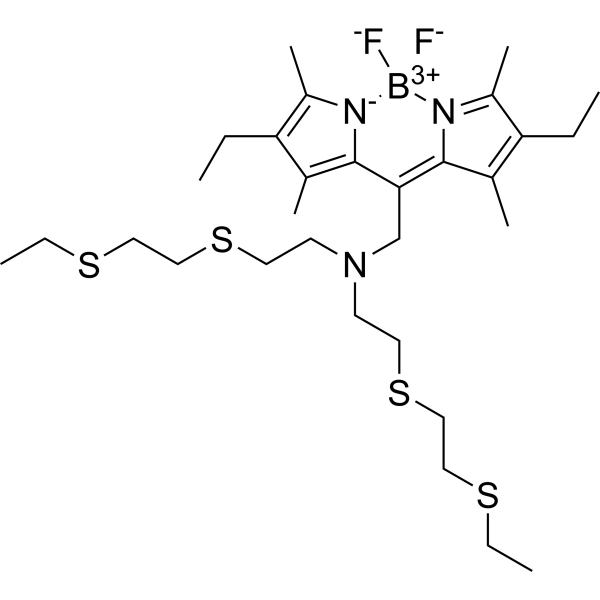
    Coppersensor-1 (CS1) is a membrane-permeable fluorescent dye. Coppersensor-1 has a picomolar affinity for Cu + with high selectivity over competing cellular metalions. Coppersensor-1 as a probe, can selective and sensitive detection of copper(I) ions (Cu +) in biological samples, including live cells. Coppersensor-1 can be used for the research of imaging of severe diseases such as cancer, cardiovascular disorders and neurogenerative diseases .
    Coppersensor 1
  • HY-137875

    N-Benzoyl-Gly-His-Leu hydrate

    Angiotensin-converting Enzyme (ACE) Amino Acid Derivatives Cardiovascular Disease
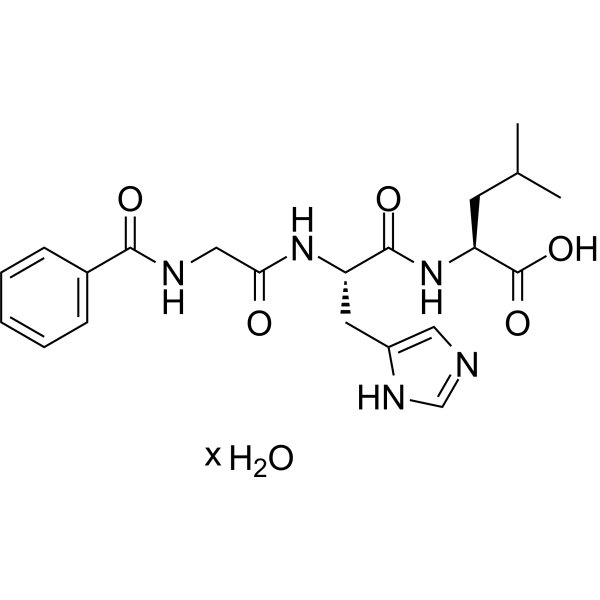
    Hippuryl-His-Leu-OH (N-Benzoyl-Gly-His-Leu) hydrate is a specific substrate for angiotensin-converting enzyme ACE I and is a molecular tool used for ACE activity detection in in vitro experiments. Hippuryl-His-Leu-OH hydrate is hydrolyzed by ACE through competitive binding. Under ACE catalysis, Hippuryl-His-Leu-OH hydrate undergoes hydrolysis to produce hippuric acid (HA). The amount of HA produced can be used to quantitatively assess ACE activity or screen for ACE inhibitors. The His-Leu released from Hippuryl-His-Leu-OH hydrate can also react with o-phthalaldehyde or Fluorescamine (HY-D0715) for fluorescence detection. Hippuryl-His-Leu-OH hydrate can be applied to the in vitro screening of ACE inhibitors for hypertension and cardiovascular diseases, and is also used in the study of changes in ACE activity during physiological and pathological processes such as renal compensatory hypertrophy .
    Hippuryl-His-Leu-OH hydrate
  • HY-125623
    MitoPerOx
    3 Publications Verification

    Fluorescent Dye Others
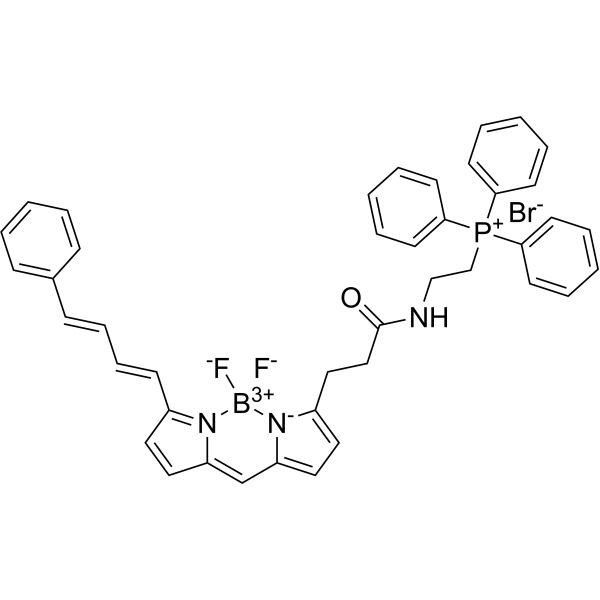
    MitoPerOx is a mitochondrial-targeted, lipid peroxidation-indicating fluorescent probe with BODIPY581/591 fluorophores. The triphenylphosphine cation (TPP+) of MitoPerOx can be selectively enriched in mitochondria (depending on membrane potential) and can be used to detect lipid peroxidation in the inner mitochondrial membrane. Under the action of lipid peroxides, the BODIPY581/591 fluorophores of MitoPerOx shift their emission wavelength from 590 nm (reduced state) to 520 nm (oxidized state), and ratiometric detection can be performed at an excitation wavelength of 488 nm. MitoPerOx can specifically monitor the peroxidation of mitochondrial phospholipids (especially cardiolipin) and is used in the study of oxidative stress-related diseases (such as aging, neurodegenerative diseases, and mitochondrial dysfunction)[1][2].
    MitoPerOx
  • HY-160116

    Radionuclide-Drug Conjugates (RDCs) Fluorescent Dye α-synuclein Neurological Disease
    α-Synuclein aggregate binder 1 (Compound C05-05) is a specific binder for α-synuclein aggregates and can inhibit α-synuclein aggregation. α-Synuclein aggregate binder 1 can be used as a fluorescent probe (excitation wavelength 900 nm, detection wavelength 500-550 nm) for optical imaging, and can also inhibit α-synuclein fibril formation by blocking the aggregation process. α-Synuclein aggregate binder 1 can be used for positron emission tomography (PET) imaging after being labeled with 18F. α-Synuclein aggregate binder 1 can be used for visual diagnosis of brain lesions and mechanism research of neurodegenerative diseases such as Parkinson's disease and Lewy body dementia .
    α-Synuclein aggregate binder 1
  • HY-W089645

    N-Methyl-n-trimethylsilyltrifluoroacetamide

    Biochemical Assay Reagents Cancer
    2,2,2-Trifluoro-N-methyl-N-(trimethylsilyl)acetamide (N-Methyl-n-trimethylsilyltrifluoroacetamide) is an ester product commonly used for silylation reactions in analyticalchemistry. 2,2,2-Trifluoro-N-methyl-N-(trimethylsilyl)acetamide can be used in the derivatization step of metabolomics analysis with gas chromatography/mass spectrometry (GC/MS) or as a derivatization reagent in GC with flame ionization detection analysis. 2,2,2-Trifluoro-N-methyl-N-(trimethylsilyl)acetamide can be used in research for studying Tamoxifen (HY-13757A) resistant breast cancer cells and other disease pathways .
    2,2,2-Trifluoro-N-methyl-N-(trimethylsilyl)acetamide
  • HY-128733
    Phenyl acetate
    1 Publications Verification

    Endogenous Metabolite Neurological Disease Metabolic Disease Cancer
    Phenyl acetate is an endogenous metabolite and a metabolite of 2-phenylethylamine, which can be found in urine. Phenyl acetate regulates the metabolism of glutamine. In addition, Phenyl acetate can be used as a detection index for certain diseases, such as depression .
    Phenyl acetate
  • HY-W110927

    Biochemical Assay Reagents Fluorescent Dye Others
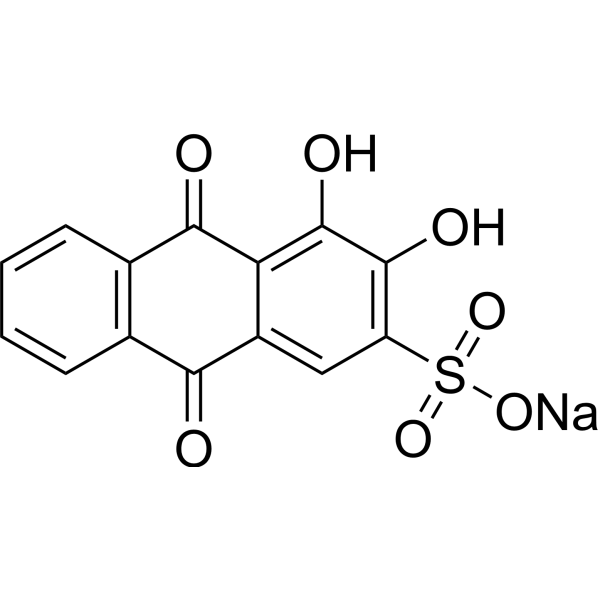
    Alizarin red S indicator (C.I. 58005) is a reductively active (quinone-based) anthraquinone dye that forms complexes with metal ions (such as zirconium, calcium) or boric acid to label calcium deposition and perform electrochemical sensing functions. Alizarin Red S undergoes reversible redox reactions (for electrochemical detection) and irreversible chelation (for bone staining). Alizarin Red S is mainly used in bone metabolism research (labeling mineralized tissue), sugar detection (boric acid-sugar competition system) and metal ion sensing (such as zirconium ion detection), and can be used in osteoporosis and metabolic disease research .
    Alizarin Red S Indicator (4.3-6.3), IND
  • HY-P99834

    IAB22M2C; ImaginAb

    Transmembrane Glycoprotein Cancer
    Crefmirlimab (IAB22M2C; ImaginAb) is a humanized CD8-specific single-domain antibody. Conjugation of Crefmirlimab with radioisotopes (e.g., 89Zr) enables tumor immune infiltration assessment, autoimmune disease detection, and immunotherapy response monitoring. Crefmirlimab is applicable for cancer research .
    Crefmirlimab
  • HY-D0961

    Fluorescent Dye Wnt β-catenin Neurological Disease Inflammation/Immunology Cancer
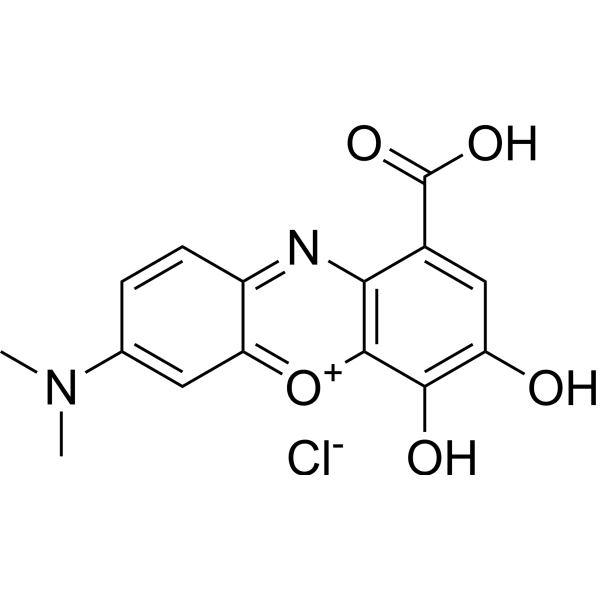
    Gallocyanine chloride is a synthetic blue dyestuff that can be used as a potential agent for the research of Alzheimer's disease and related neurodegenerative tauopathies. Gallocyanine chloride inhibits DKK1/LRP6 interaction (IC50=6.38 μM), activates Wnt signaling pathway, and causes β-catenin accumulation. Gallocyanine chloride exhibits anti-metastasis, anti-inflammatory and anti-fibrosis activities. Gallocyanine chloride can be used as a fluorescent probe for detection of superoxide anion radicals .
    Gallocyanine chloride
  • HY-B0315A

    Biotin-Cyanocobalamin B12

    Endogenous Metabolite Metabolic Disease
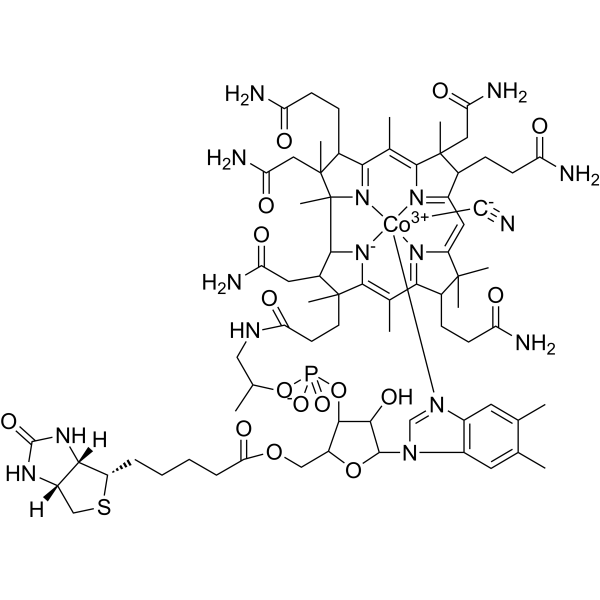
    Biotin-Vitamin B12 (Biotin-Cyanocobalamin B12) is the biotinylated Vitamin B12 (HY-B0315). Vitamin B12 is a vitamin that can pass through the blood-brain barrier. Vitamin B12 plays a key role in the normal functioning of the brain and nervous system, and for the formation of blood. Vitamin B12 is beneficial for many inflammatory diseases and also provides protection in oxidative-stress-associated pathologies. Biotin-Vitamin B12 can be used in researches on vitamin B12 transport, cellular uptake, targeted delivery, analytical detection, and other areas .
    Biotin-Vitamin B12
  • HY-DY1073

    Fluorescent Dye Others
    MitoPerOx (solution) is a mitochondrial-targeted, lipid peroxidation-indicating fluorescent probe with BODIPY581/591 fluorophores. The triphenylphosphine cation (TPP+) of MitoPerOx can be selectively enriched in mitochondria (depending on membrane potential) and can be used to detect lipid peroxidation in the inner mitochondrial membrane. Under the action of lipid peroxides, the BODIPY581/591 fluorophores of MitoPerOx shift their emission wavelength from 590 nm (reduced state) to 520 nm (oxidized state) , and ratiometric detection can be performed at an excitation wavelength of 488 nm. MitoPerOx can specifically monitor the peroxidation of mitochondrial phospholipids (especially cardiolipin) and is used in the study of oxidative stress-related diseases (such as aging, neurodegenerative diseases, and mitochondrial dysfunction) .
    Solvent and concentration: DMSO: 2 mM
    MitoPerOx (solution)
  • HY-142021

    Cathepsin Parasite Infection Inflammation/Immunology
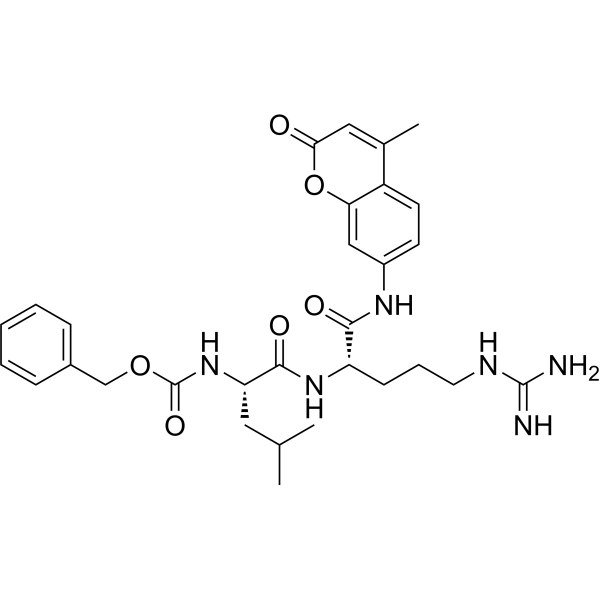
    Z-Leu-Arg-AMC is a fluorogenic peptide substrate for cysteine proteases (e.g., Cathepsin) (Ex=350 nm,Em=460 nm). Z-Leu-Arg-AMC is preferentially cleaved by Cathepsin K and S under weakly acidic conditions, while its hydrolysis relies on residual Cathepsin S activity at neutral pH. Z-Leu-Arg-AMC serves as a substrate for recombinant Sphenophorus levis Cathepsin L, falcipain-2, falcipain-3, berghepain-2, knowlepain-2, vivapain-2, as well as falcipain-2 chimeras and constructs. It enables quantitative detection of cysteine protease activity in human inflammatory bronchoalveolar lavage fluid via fluorescence generation. Z-Leu-Arg-AMC can be used in research related to pulmonary inflammatory diseases and malaria .
    Z-Leu-Arg-AMC
  • HY-137557

    APN1607; PM-PBB3

    Tau Protein Neurological Disease
    Florzolotau (APN1607) is a positron emission tomography (PET) ligand that can be used for the detection of Alzheimer's disease (AD) and other tau proteinopathies. Its binding sites are located in the β-sheet of paired helical filaments (PHFs) and straight filaments (SFs) of tau protein, as well as in the C-shaped cavity of SFs. In addition, APN-1607 binds to intraneuronal inclusions in Alzheimer's disease (AD), primary age-related tauopathy (PART) and posterior cortical atrophy (PCA). Florzolotau shows promise for PET imaging studies of neurological disorders, particularly tau proteinopathies .
    Florzolotau
  • HY-NP0147
    Wheat Germ Agglutinin (Fluorescein)
    1 Publications Verification

    WGA (Fluorescein)

    Fluorescent Dye Infection Neurological Disease
    Wheat Germ Agglutinin (WGA) Fluorescein is a classic fluorescent label that specifically binds to sugar residues such as N-acetylglucosamine, N-acetylneuraminic acid and sialic acid. Wheat Germ Agglutinin Fluorescein performs regionally differential fluorescent staining of the ocular surface epithelial glycocalyx to assess its integrity, and causes no damage to the eye at safe concentrations. Wheat Germ Agglutinin Fluorescein is also used for staining structures including red blood cells, cultured cells, bacteria and pine wood nematodes, and facilitates the isolation of wheat-associated plant-growth-promoting rhizobacterial strains. Wheat Germ Agglutinin Fluorescein can be applied to the detection of ocular glycocalyx integrity and the research of related diseases such as pine wilt disease .
    Wheat Germ Agglutinin (Fluorescein)
  • HY-143678

    Biochemical Assay Reagents Others
    Citrulline-specific probe-biotin is a biotinylated probe for detection of citrulline. Citrulline is the hydrolysis product of arginine catalyzed by protein arginine deiminase (PAD). PAD is abnormally activated in many diseases, leading to increased citrulline levels. Citrulline-specific probe-biotin is a biological probe that can identify diseases showing abnormal increases in PAD activity .
    Citrulline-specific probe-biotin
  • HY-174790

    mRNA Cancer
    Firefly Luciferase mRNA is a reporter mRNA that can be transfected into cells to express firefly luciferase protein. Firefly Luciferase mRNA induces cytotoxicity in cancer cells at low concentrations. In cancer cells, the expression level of luciferase shows a non-linear relationship with the dose of Firefly Luciferase mRNA. When combined with the H2S-responsive bioluminescent probe (H-Luc), Firefly Luciferase mRNA enables bioluminescence-based detection of endogenous hydrogen sulfide in non-transgenic NAFLD cell models and NAFLD mouse models. Firefly Luciferase mRNA can be used in studies related to non-alcoholic fatty liver disease .
    Firefly Luciferase mRNA
  • HY-128733R

    Reference Standards Endogenous Metabolite Neurological Disease Metabolic Disease Cancer
    Phenyl acetate (Standard) is the analytical standard of Phenyl acetate. This product is intended for research and analytical applications. Phenyl acetate is an endogenous metabolite and a metabolite of 2-phenylethylamine, which can be found in urine. Phenyl acetate regulates the metabolism of glutamine. In addition, Phenyl acetate can be used as a detection index for certain diseases, such as depression.
    Phenyl acetate (Standard)
  • HY-160052

    Interleukin Related Inflammation/Immunology Cancer
    IL-6 aptamer sodium is an aptamer that specifically binds to IL-6, and can serve as a biological recognition receptor for high-sensitivity detection. IL-6 aptamer sodium enables label-free specific detection through changes in electrical signals of carbon nanotube microarrays or alterations in capacitive impedance on the surface of gold sensors. IL-6 aptamer sodium still maintains high selectivity even below the gray zone threshold for cancer diagnosis, and shows no significant non-specific binding to bovine serum albumin. IL-6 aptamer sodium can form an ordered self-assembled monolayer with 6-mercapto-1-hexanol on gold surfaces, making it suitable for reagent-free capacitive impedance biosensing platforms. IL-6 aptamer sodium is widely used in research related to fields such as cancer, inflammatory diseases, myeloma, liver cancer and glioma .
    IL-6 aptamer sodium
  • HY-W015672

    Biochemical Assay Reagents Neurological Disease Metabolic Disease
    2-Methylquinoxaline is a detection marker of Methylglyoxal (HY-106634) and can be used for quantitative Methylglyoxal. 2-Methylquinoxaline can be used for the researches of type 2 diabetes and Alzheimer's disease .
    2-Methylquinoxaline
  • HY-P4551

    N-Benzoyl-Gly-His-Leu

    Angiotensin-converting Enzyme (ACE) Amino Acid Derivatives Cardiovascular Disease
    Hippuryl-His-Leu-OH (N-Benzoyl-Gly-His-Leu) is a specific substrate for angiotensin-converting enzyme (ACE I) and a molecular tool used for ACE activity detection in in vitro experiments. Hippuryl-His-Leu-OH is hydrolyzed by ACE through competitive binding. Under ACE catalysis, Hippuryl-His-Leu-OH undergoes hydrolysis to produce hippuric acid (HA). The amount of HA produced can be used to quantitatively assess ACE activity or screen for ACE inhibitors. The released His-Leu can also react with o-phthalaldehyde or Fluorescamine (HY-D0715) for fluorescence detection. Hippuryl-His-Leu-OH can be applied to the in vitro screening of ACE inhibitors for hypertension and cardiovascular diseases, and is also used in the study of ACE activity changes in physiological and pathological processes such as renal compensatory hypertrophy .
    Hippuryl-His-Leu-OH
  • HY-W127393

    Biochemical Assay Reagents Others
    Quorum sensing is a regulatory system used by bacteria to control gene expression in response to increased cell density. This regulatory process manifests itself in a variety of phenotypes, including biofilm formation and virulence factor production. Coordinated gene expression is achieved through the production, release and detection of small diffusible signaling molecules called autoinducers. N-acylated homoserine lactones (AHLs) comprise a class of such autoinducers, each of which generally consists of a fatty acid coupled to a homoserine lactone (HSL). Modulation of bacterial quorum-sensing signaling systems to suppress pathogenesis represents a new approach to antimicrobial research for infectious diseases. AHLs differ in acyl length (C4-C18), C3 substitution (hydrogen, hydroxyl, or oxo group), and the presence or absence of one or more carbon-carbon double bonds in the fatty acid chain. These differences confer signaling specificity through the affinity of the LuxR family of transcriptional regulators. C9-HSL is a rare odd-numbered acyl carbon chain produced by wild-type Erwinia carotovora strain SCC 3193 grown in nutrient-rich Luria-Bertani broth (LB) medium.
    N-Nonanoyl-L-homoserine lactone
  • HY-D2379

    Fluorescent Dye Endocrinology Cancer
    HMRG is a type of hydroxymethyl rhodamine green fluorescent scaffold, featuring an open non-cyclic structure. HMRG can produce significant dynamic fluorescence changes through a one-step enzymatic reaction at physiological pH, which is useful for developing various probes. Fluorescent probes based on HMRG can be used for fluorescence detection of diseases such as tumors and diabetic nephropathy .
    HMRG
  • HY-157470

    Protoporphyrinogen IX oxidase Cancer
    PPO-IN-6 is a protoporphyrinogen oxidase (PPO) inhibitor that blocks the production of heme and chlorophyll. Pop-in-6 can be used IN the detection and research of cancer and other diseases .
    PPO-IN-6
  • HY-128733S

    Isotope-Labeled Compounds Endogenous Metabolite Neurological Disease Metabolic Disease Cancer
    Phenyl acetate-d5 is the deuterium labeled Phenyl acetate. Phenyl acetate is an endogenous metabolite and a metabolite of 2-phenylethylamine, which can be found in urine. Phenyl acetate regulates the metabolism of glutamine. In addition, Phenyl acetate can be used as a detection index for certain diseases, such as depression .
    Phenyl acetate-d5
  • HY-173384

    1,2-distearoyl-sn-glycero-3-phosphoethanolamine-N- tetraazacyclododecane-N-tetraacetic acid, sodium salt

    Biochemical Assay Reagents Neurological Disease Inflammation/Immunology Cancer
    DSPE-DOTA sodium (1,2-distearoyl-sn-glycero-3-phosphoethanolamine-N- tetraazacyclododecane-N-tetraacetic acid, sodium salt) is a chelating lipid used as a key contrast agent in magnetic resonance imaging (MRI). DSPE-DOTA sodium can be used for imaging detection of tumors, neurological and inflammatory diseases .
    DSPE-DOTA sodium
  • HY-D3003

    Fluorescent Dye Others
    M-H2S is an endoplasmic reticulum-targeted ratio-type near-infrared fluorescent probe (Ex/Em : 480 nm/560 nm) specifically designed for the detection of hydrogen sulfide (H2S) in living cells and zebrafish. M-H2S exhibits detection limit for H2S of 39.1 nM, and the fluorescence intensity ratio (F₆₅₀/F₅₆₀) within the range of 0-40 μM shows a linear relationship with the H2S concentration. M-H2S responds best under pH = 7.2 (the normal physiological pH of the endoplasmic reticulum) conditions, making it suitable for the detection of the microenvironment of the endoplasmic reticulum. M-H2S can be used to study the role of H2S in endoplasmic reticulum function, stress response, and related diseases .
    M-H2S
  • HY-114773

    Biochemical Assay Reagents Others
    Quorum sensing is a regulatory system used by bacteria to control gene expression in response to increased cell density. This regulatory process manifests itself in a variety of phenotypes, including biofilm formation and virulence factor production. Coordinated gene expression is achieved through the production, release and detection of small diffusible signaling molecules called autoinducers. N-acylated homoserine lactones (AHLs) comprise a class of such autoinducers, each of which generally consists of a fatty acid coupled to a homoserine lactone (HSL). Modulation of bacterial quorum-sensing signaling systems to suppress pathogenesis represents a new approach to antimicrobial research for infectious diseases. AHLs differ in acyl length (C4-C18), C3 substitution (hydrogen, hydroxyl, or oxo group), and the presence or absence of one or more carbon-carbon double bonds in the fatty acid chain. These differences confer signaling specificity through the affinity of the LuxR family of transcriptional regulators. C11-HSL has a rare odd-numbered acyl carbon chain and may be a minor quorum-sensing signaling molecule in Pseudomonas aeruginosa strains.
    N-Undecanoyl-L-homoserine lactone
  • HY-W127487

    Biochemical Assay Reagents Others
    Quorum sensing is a regulatory system used by bacteria to control gene expression in response to increased cell density. This regulatory process manifests itself in a variety of phenotypes, including biofilm formation and virulence factor production. Coordinated gene expression is achieved through the production, release and detection of small diffusible signaling molecules called autoinducers. N-acylated homoserine lactones (AHLs) comprise a class of such autoinducers, each of which generally consists of a fatty acid coupled to a homoserine lactone (HSL). Modulation of bacterial quorum-sensing signaling systems to suppress pathogenesis represents a new approach to antimicrobial research for infectious diseases. AHLs differ in acyl length (C4-C18), C3 substitution (hydrogen, hydroxyl, or oxo group), and the presence or absence of one or more carbon-carbon double bonds in the fatty acid chain. These differences confer signaling specificity through the affinity of the LuxR family of transcriptional regulators. C18-HSL, one of four lipophilic long acyl side chain AHLs produced by the LuxI AHL synthase homolog SinI, is involved in quorum-sensing signaling in strains of Rhizobium meliloti (a nitrogen-fixing bacterial symbiont of the legume M. sativa) . C18-HSL and other hydrophobic AHLs tend to localize in the relatively lipophilic environment of bacterial cells and cannot diffuse freely across the cell membrane. Long-chain N-acyl homoserine lactones can be exported from cells by efflux pumps, or can be transported between communicating cells by extracellular outer membrane vesicles.
    N-Octadecanoyl-L-homoserine lactone
  • HY-D2969

    Fluorescent Dye Metabolic Disease
    CYDA is a colorimetric probe based on cyanine dyes, which enables highly sensitive and selective detection of Cu²⁺. CYDA can be used for urine copper detection in Wilson's disease .
    CYDA
  • HY-W654215

    Biochemical Assay Reagents Metabolic Disease
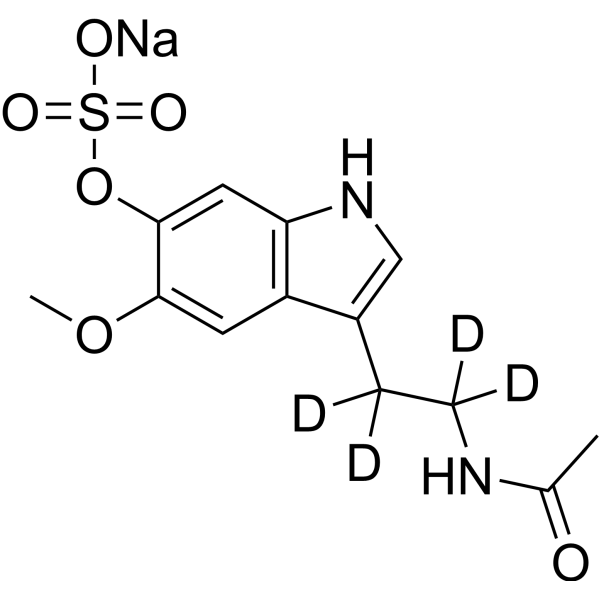
    Homovanillic acid sulfate (sodium) is a phenol that can be found in olive oil and a dopamine metabolite. Homovanillic acid sulfate (sodium) increases in response to acute renal injury in vivo. Homovanillic acid sulfate (sodium) can be used as a biomarker for early detection of kidney disease .
    Homovanillic acid sulfate sodium
  • HY-108010

    Amyloid-β Neurological Disease
    Aftobetin is a non-invasive molecular probe used for the early diagnosis of Alzheimer's disease (AD). Aftobetin can specifically bind to the aggregated β-amyloid peptide () in the lens of the eye, enabling the early diagnosis of AD through a rapid and painless detection method .
    Aftobetin
  • HY-DY1087

    Fluorescent Dye Cancer
    Coppersensor 1 (solution) is a membrane-permeable fluorescent dye. Coppersensor-1 has a picomolar affinity for Cu + with high selectivity over competing cellular metalions. Coppersensor-1 as a probe, can selective and sensitive detection of copper(I) ions (Cu +) in biological samples, including live cells. Coppersensor-1 can be used for the research of imaging of severe diseases such as cancer, cardiovascular disorders and neurogenerative diseases .
    Solvent and concentration: DMSO: 2 mM
    Coppersensor 1 (solution)
  • HY-D3222

    Fluorescent Dye Neurological Disease
    NIR-PN1 is a blood-brain barrier-permeable near-infrared fluorescent indicator targeting peroxynitrite anion (ONOO ) (Ex/Em = 510 nm/670 nm). NIR-PN1 reacts with ONOO to trigger a strong near-infrared fluorescence enhancement, enabling the detection of ONOO flux. NIR-PN1 allows the imaging of ONOO flux in various Parkinson's disease models. NIR-PN1 is applicable to Parkinson's disease-related research .
    NIR-PN1
  • HY-D2962

    Fluorescent Dye Neurological Disease
    CAQ is a near-infrared fluorescent probe based on a curcumin scaffold (Ex/Em = 565/635). CAQ exhibits high affinity for Aβ1-42 aggregates (Kd = 78.89 nM) and excellent selectivity toward common biomolecules. CAQ’s emission wavelength shows significant solvent dependence. CAQ, by incorporating intramolecular rotation donors and quinoline functional groups, can be used for the specific detection and imaging of Aβ aggregates in Alzheimer's disease .
    CAQ
  • HY-137557A

    (E/Z)-APN1607; (E/Z)-PM-PBB3

    Tau Protein Neurological Disease
    (E/Z)-Florzolotau ((E/Z)-APN1607) is a mixed configuration or unspecified configuration of Florzolotau (HY-137557). Florzolotau (APN1607) is a positron emission tomography (PET) ligand that can be used for the detection of Alzheimer's disease (AD) and other tau proteinopathies. Its binding sites are located in the β-sheet of paired helical filaments (PHFs) and straight filaments (SFs) of tau protein, as well as in the C-shaped cavity of SFs. In addition, APN-1607 binds to intraneuronal inclusions in Alzheimer's disease (AD), primary age-related tauopathy (PART) and posterior cortical atrophy (PCA). Florzolotau shows promise for PET imaging studies of neurological disorders, particularly tau proteinopathies .
    (E/Z)-Florzolotau
  • HY-P992157

    murine version of Bapineuzumab

    Amyloid-β Neurological Disease
    Anti-APP/Amyloid beta Antibody (3D6) is an antibody targeting β-amyloid protein () containing free Asp1. Anti-APP/Amyloid beta Antibody (3D6) recognizes and binds to the amino acid epitope at positions 1-5 of β-amyloid protein with a free Asp1 residue. Anti-APP/Amyloid beta Antibody (3D6) serves as a detection antibody in immunoblot analysis. Anti-APP/Amyloid beta Antibody (3D6) is applicable to research related to Alzheimer's disease .
    Anti-APP/Amyloid beta Antibody (3D6)
  • HY-W783351

    Coppersensor 790 acetoxymethyl ester

    Fluorescent Dye Metabolic Disease
    CS790AM (Coppersensor 790 acetoxymethyl ester) is a cell-permeable, Cu +-targeted near-infrared fluorescent probe (λabs=760 nm, λem=790 nm) applicable to live cells. CS790AM can cross lipophilic cell membranes, and is converted into negatively charged CS790 under the action of intracellular esterases to be retained, thus enabling highly sensitive, reversible "turn-on" detection of labile Cu + pools in live cells and mice. CS790AM possesses excellent biocompatibility and selectivity, avoids interference from other metal ions, shows no obvious toxicity, and can be rapidly cleared. CS790AM allows long-term longitudinal monitoring of individual mice, visualizes copper levels in internal organs and isolated livers, and effectively evaluates abnormal copper accumulation in Wilson's disease models (Atp7b -/-) as well as dynamic changes after chelator treatment. CS790AM can be used for research on Wilson's disease and related copper metabolic disorders .
    CS790AM
  • HY-P992275

    γ-secretase Neurological Disease Cancer
    Anti-Nicastrin Antibody (A5226A) is a monoclonal antibody against Nicastrin and an inhibitor of γ-secretase. Anti-Nicastrin Antibody (A5226A) recognizes the fully glycosylated mature presenilin enhancer in the active γ-secretase complex and inhibits its activity via competition for substrate binding. Anti-Nicastrin Antibody (A5226A) abrogates the growth of cancer cells dependent on γ-secretase activity. Anti-Nicastrin Antibody (A5226A) serves as an imaging tool to visualize the endocytic trafficking of active γ-secretase, and also acts as a detection reagent to evaluate the endocytic efficiency of γ-secretase. Anti-Nicastrin Antibody (A5226A) can be used in studies related to non-small cell lung cancer, T-cell acute lymphoblastic leukemia and Alzheimer's disease .
    Anti-Nicastrin Antibody (A5226A)

Inquiry Online

Your information is safe with us. * Required Fields.

Salutation


Country or Region *

Applicant Name *


Organization Name *

Department *


Email Address *


Product Name *

Cat. No.


Requested quantity *

Phone Number *


Remarks

Inquiry Online

Inquiry Information

Product Name:
Cat. No.:
Quantity:
MCE Japan Authorized Agent:

