

1. Search Result
Search Result
Results for "

diuretic activity

" in MedChemExpress (MCE) Product Catalog:

37

Inhibitors & Agonists

1

Screening Libraries

3

Peptides

10

Natural
Products

1

Isotope-Labeled Compounds

Cat. No. Product Name Target Research Areas Chemical Structure
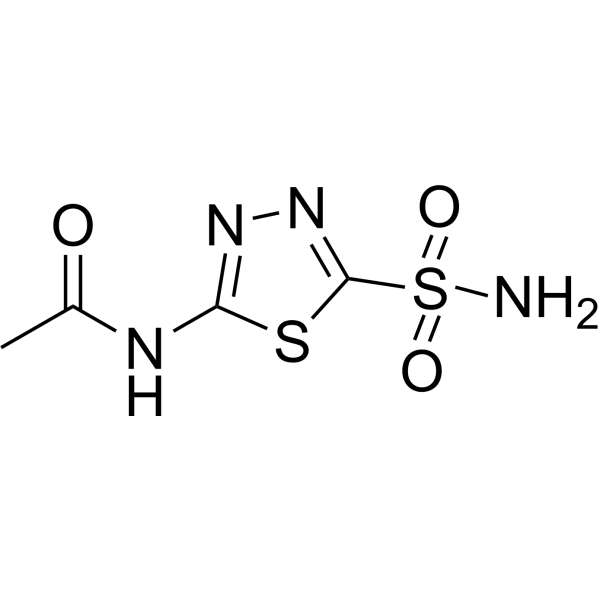
  • HY-B0782
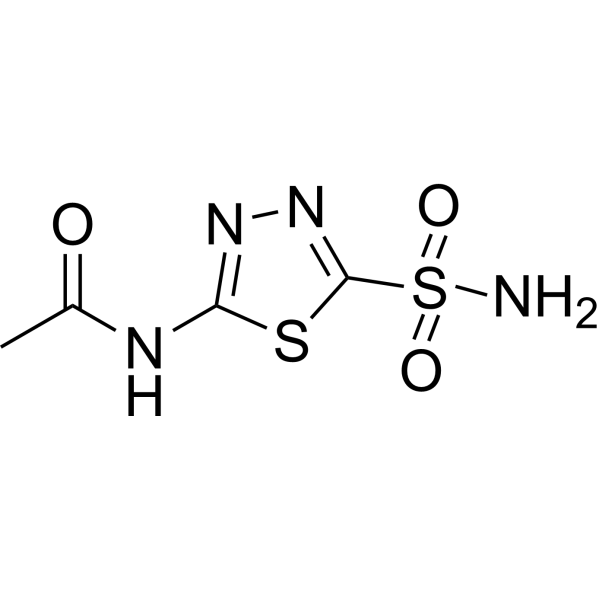
    Acetazolamide
    Maximum Cited Publications
    13 Publications Verification

    Carbonic Anhydrase Autophagy Bacterial Cardiovascular Disease Cancer
    Acetazolamide is a carbonic anhydrase (CA) IX inhibitor with an IC50 of 30 nM for hCA IX. Acetazolamide has diuretic, antihypertensive and anti-gonococcal activities .
    Acetazolamide
  • HY-B1640
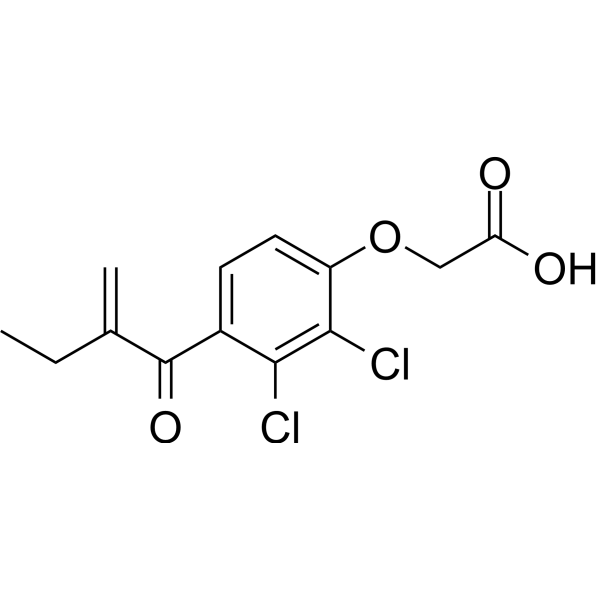
    Ethacrynic acid
    5+ Cited Publications

    Etacrynic acid

    Wnt Glutathione S-transferase NF-κB Calcium Channel NO Synthase Cardiovascular Disease Inflammation/Immunology Cancer
    Ethacrynic acid has anti-inflammatory and anticancer activity. Ethacrynic acid is an orally active diuretic. Ethacrynic acid is an inhibitor of glutathione S-transferase (GSTs) and Wnt signaling pathways. Ethacrynic acid is a radiosensitizer. Ethacrynic acid can inhibit airway smooth muscle (ASM) contraction in mice. Ethacrynic acid can increase the outflow of aqueous humor from the eye for the study of glaucoma .
    Ethacrynic acid
  • HY-P0003

    Brain Natriuretic Peptide-32 human; BNP-32

    Natriuretic Peptide Receptor (NPR) Calcium Channel Cardiovascular Disease
    Nesiritide (Brain Natriuretic Peptide-32 human) is a recombinant human B-type natriuretic peptide. Nesiritide is a NPRs agonist, with Kd values of 7.3 and 13 pM for NPR-A and NPR-C, respectively. Nesiritide regulates V1/2 activation/inactivation of the L-type calcium channel. Nesiritide shows vasodilatory, diuretic, and natriuretic activities. Nesiritide is used in cardiovascular diseases such as heart failure and vascular remodeling after arterial injury .
    Nesiritide
  • HY-N0354
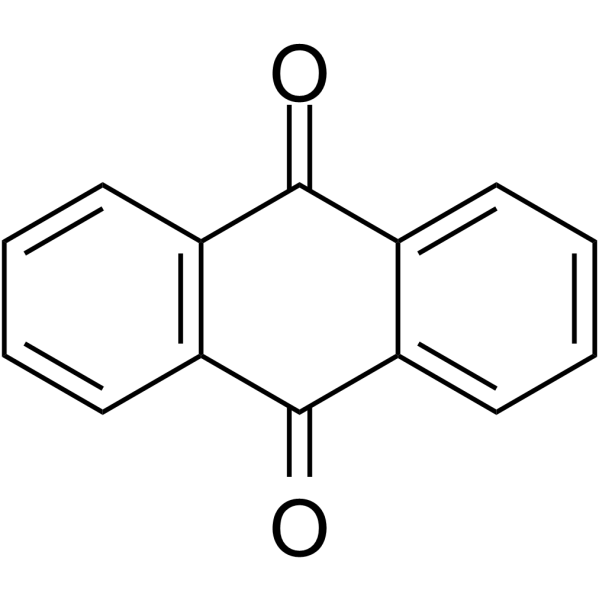
    Anthraquinone
    3 Publications Verification

    Environmental Pollutants Virus Protease Infection Metabolic Disease Inflammation/Immunology Cancer
    Anthraquinone is used as a precursor for dye formation and agrochemicals, existing in different organisms, such as bacteria, fungi, plants, and some animals. Anthraquinone has biological activities: anticancer, antiinflammatory, diuretic, antiarthritic, antifungal, antibacterial, antimalarial and antioxidant. Anthraquinone also plays an important role in the primary metabolism of plants by acting on the electron transport chain through the inhibition of energy transfer in the photosynthetic process. Anthraquinone can intercalates into DNA and inhibits the topoisomerase II (topo II) enzyme, resulting in cell death via Apoptosis .
    Anthraquinone
  • HY-B0782A
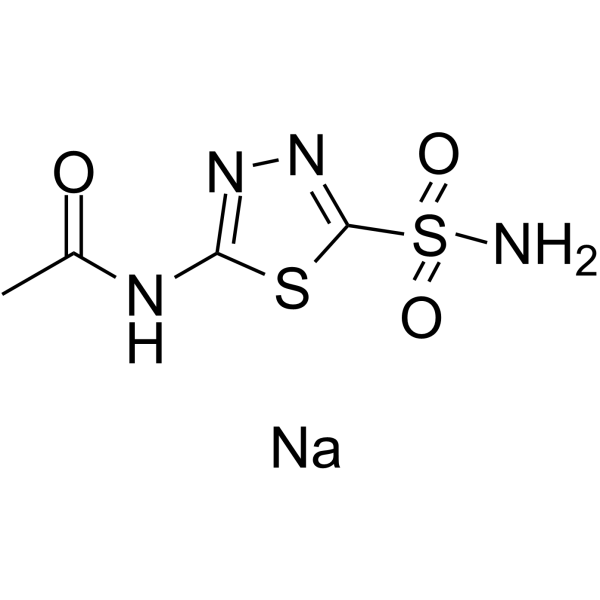
    Acetazolamide sodium
    Maximum Cited Publications
    13 Publications Verification

    Carbonic Anhydrase Autophagy Bacterial Infection Cardiovascular Disease Metabolic Disease Cancer
    Acetazolamide sodium is a carbonic anhydrase (CA) IX inhibitor with an IC50 of 30 nM for hCA IX. Acetazolamide sodium has diuretic, antihypertensive and anti-gonococcal activities .
    Acetazolamide sodium
  • HY-118472

    CGS 14831

    Drug Metabolite Endogenous Metabolite Angiotensin-converting Enzyme (ACE) Cardiovascular Disease
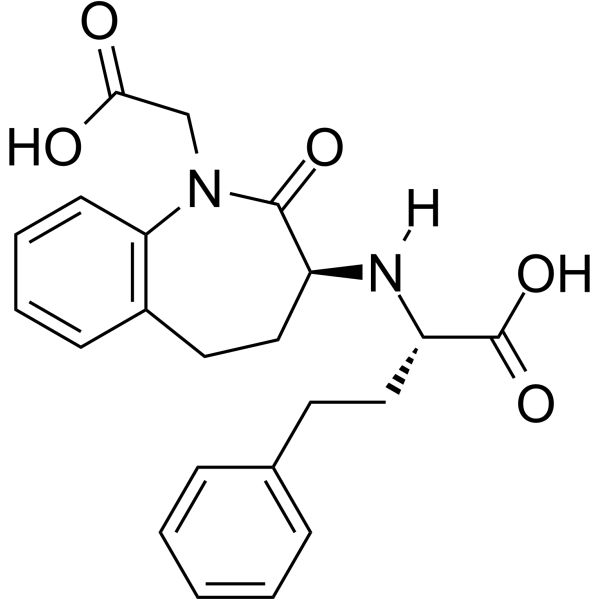
    Benazeprilat is an orally active and the active metabolite of benazepril, a carboxyl-containing ACE inhibitor with antihypertensive activity. Benazepril is a well-established antihypertensive agent, both in monoresearch and in combination with other classes of drugs including thiazide diuretics and calcium channel blockers. Benazepril is a first-line research in reducing various pathologies associated with CV risk and secondary end-organ damage .
    Benazeprilat
  • HY-N3980
    Guaiol
    1 Publications Verification

    Champacol; Guaiac alcohol

    Autophagy RAD51 Infection Cardiovascular Disease Inflammation/Immunology Cancer
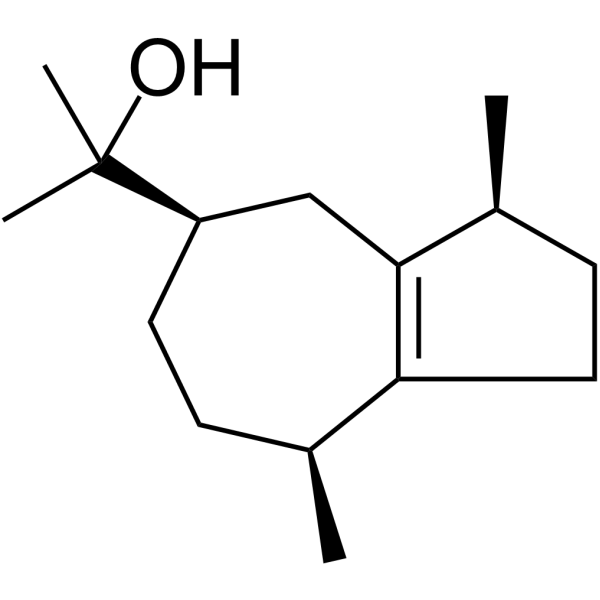
    Guaiol is a sesquiterpenoid alcohol with oral activity found in various traditional Chinese medicines, exhibiting biological activities such as anti-proliferative, autophagy-promoting, insecticidal, anti-anxiety, anti-inflammatory, diuretic, and blood pressure-lowering effects. Guaiol induces apoptosis in non-small cell lung cancer cells by regulating the stability of RAD51 through autophagy modulation. Guaiol can also act directly on parasites, inhibiting their growth by affecting the kinetoplast, mitochondrial matrix and plasma membrane of the promastigotes. Guaiol kills amastigotes at an IC50 of 0.01 µg/mL. Guaiol can be used in research related to cancer, infections, cardiovascular diseases, and inflammatory conditions [4]
    Guaiol
  • HY-P2469

    BNP-45, mouse

    Natriuretic Peptide Receptor (NPR) Cardiovascular Disease
    Brain Natriuretic Peptide-45, mouse (BNP-45, mouse) is a 45-amino-acid peptide derived from the mouse BNP prohormone, which exhibits natriuretic, diuretic, and vasoactive effects. Brain Natriuretic Peptide-45, mouse contains all amino acid residues deemed critical for the biological activity of natriuretic peptides. Brain Natriuretic Peptide-45, mouse possesses hypotensive and diuretic activities .
    Brain Natriuretic Peptide-45, mouse
  • HY-17391

    Adenosine Receptor Endocrinology
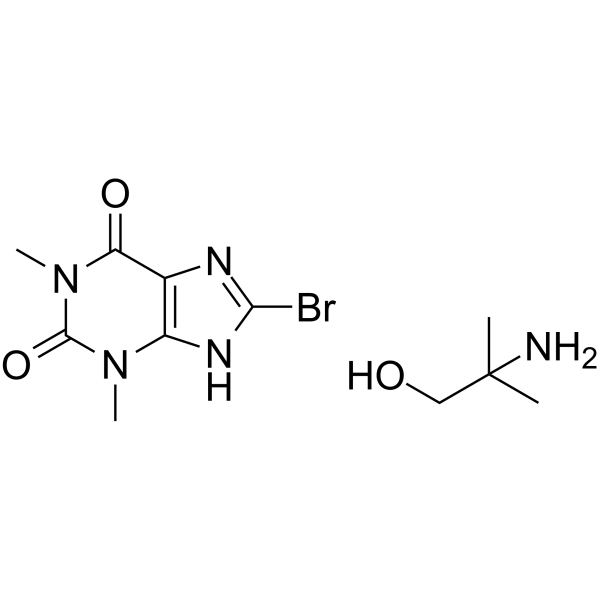
    Pamabrom is a diuretic that acts on the opioid receptor-nitric oxide (NO) -cyclic guanosine monophosphate (cGMP) -K + channel pathway. Pamabrom exerts peripheral antinociceptive activity by activating this pathway. The mechanism involves activating opioid receptors, promoting the release of nitric oxide, and then influencing cyclic guanosine monophosphate and K channels to produce an analgesic effect. Pamabrom is orally active and is mainly used in the research and treatment of premenstrual syndrome and primary dysmenorrhea[1].
    Pamabrom
  • HY-W042301

    Anion Exchangers Carbonic Anhydrase Endothelin Receptor Cardiovascular Disease
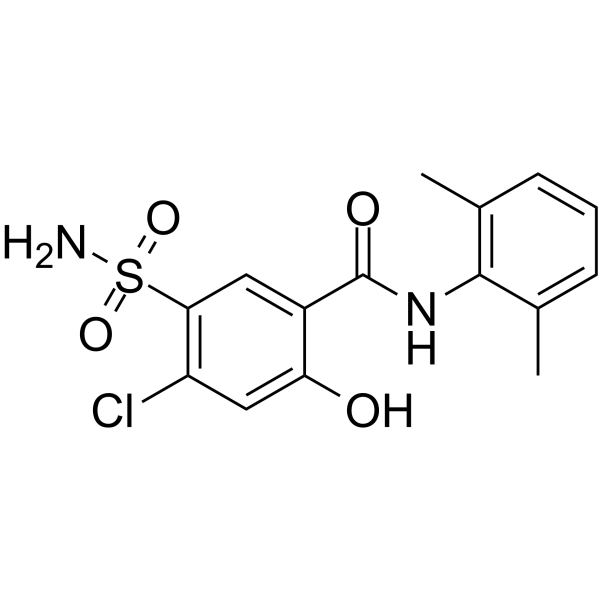
    Xipamide is an orally active carbonic anhydrase (CA) inhibitor and Na +/Cl --potassium transporter inhibitor with diuretic and antihypertensive effects. Xipamide reduces NaCl reabsorption by inhibiting the Cl -/NaCO3 - anion exchanger, and increases calcium reabsorption while promoting potassium and magnesium excretion. Xipamide is mainly cleared via the renal pathway and causes a temporary decrease in glomerular filtration rate under specific conditions. Xipamide does not affect Ca 2+ signaling induced by endothelin-1 and other factors, nor does it inhibit various ion cotransport or pump activities in red blood cells. Xipamide can be used in researches related to cardiovascular diseases, hypertension (especially with left ventricular hypertrophy), advanced renal failure, and liver cirrhosis with ascites .
    Xipamide
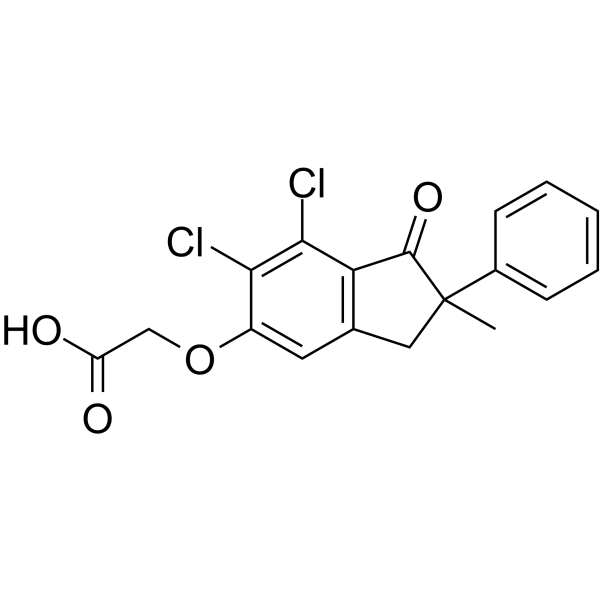
  • HY-U00242

    MK-196; Indacrynic acid

    Biochemical Assay Reagents Metabolic Disease
    Indacrinone (MK196) is an investigational diuretic which has pronounced saluretic activity in the rat and dog as well as both uricosuric and saluretic activity in the chimpanzee.
    Indacrinone
  • HY-B0782R
    Acetazolamide (Standard)
    Maximum Cited Publications
    13 Publications Verification

    Reference Standards Carbonic Anhydrase Autophagy Bacterial Cardiovascular Disease Cancer
    Acetazolamide (Standard) is the analytical standard of Acetazolamide. This product is intended for research and analytical applications. Acetazolamide is a carbonic anhydrase (CA) IX inhibitor with an IC50 of 30 nM for hCA IX. Acetazolamide has diuretic, antihypertensive and anti-gonococcal activities .
    Acetazolamide (Standard)
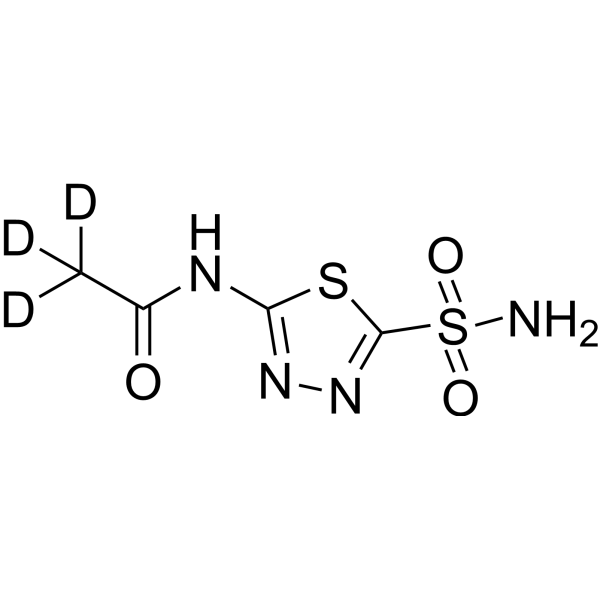
  • HY-B0782S

    Carbonic Anhydrase Cardiovascular Disease
    Acetazolamide-d3 is deuterium labeled Acetazolamide (HY-B0782). Acetazolamide is a carbonic anhydrase (CA) IX inhibitor with an IC50 of 30 nM for hCA IX. Acetazolamide has diuretic, antihypertensive and anti-gonococcal activities.
    Acetazolamide-d3
  • HY-19699

    NAAM; 1-Naphthaleneacetamide; α-Naphthylacetamide

    Environmental Pollutants Phytohormone Neurological Disease Endocrinology
    1-Naphthylacetamide is an orally active nonsteroidal anti-inflammatory agent (NAIA) and also an indole-type auxin plant growth regulator. 1-Naphthylacetamide inhibits inflammatory response-related pathways and modulates plant hormone signaling, exhibiting anti-inflammatory, local anesthetic, antispasmodic, analgesic, and diuretic activities. 1-Naphthylacetamide promotes plant cell expansion, differentiation, and fruit enlargement. Additionally, 1-Naphthylacetamide induces central nervous system (CNS) depression in mice, characterized by reduced spontaneous activity, decreased irritability, decreased muscle tone, and attenuated ear-cuff reflex, ipsilateral flexor reflex, and corneal reflex [1][2].
    1-Naphthylacetamide
  • HY-B0562

    Carbonic Anhydrase Cardiovascular Disease Metabolic Disease
    Methyclothiazide is an orally active antihypertensive agent and a diuretic agent. Methyclothiazide leads to a reduction of the vascular response to the action of endogenous vasoconstricting stimuli, such as Norepinephrine (HY-13715). Methyclothiazide is against voltage-dependent Ca-channel (VDCC) activity in vitro .
    Methyclothiazide
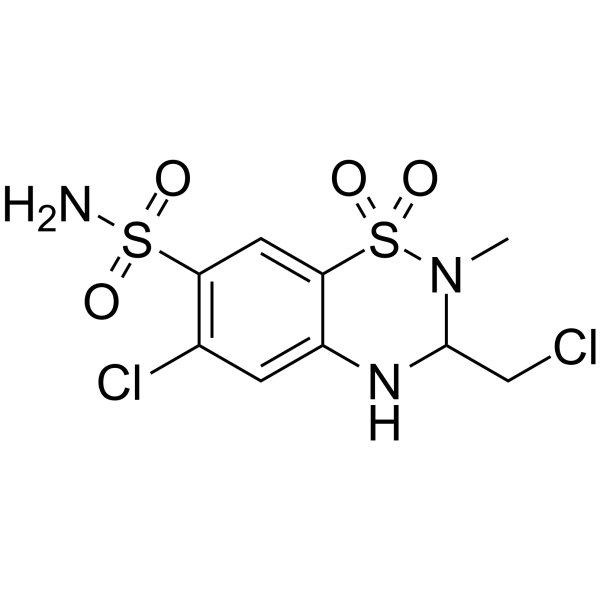
  • HY-119919

    Aquedux

    Carbonic Anhydrase Metabolic Disease
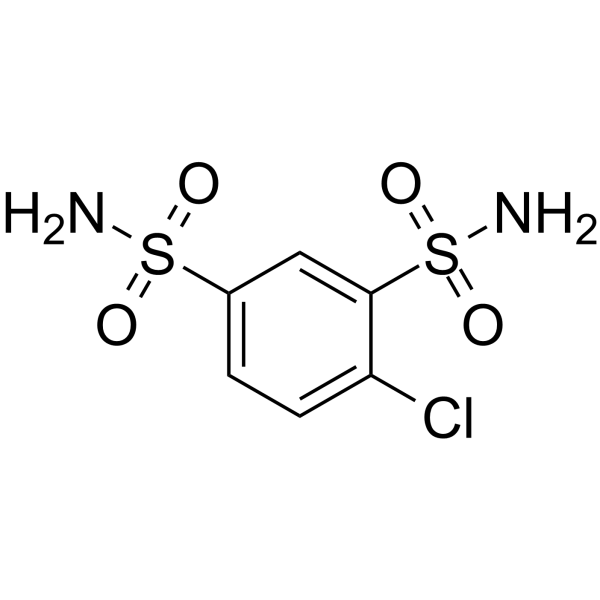
    Clofenamide (Aquedux) is a carbonic anhydrase (CA) inhibitor. Clofenamide exhibits diuretic activity .
    Clofenamide
  • HY-N11706

    (+)-β-Cedrene

    Fungal Infection Inflammation/Immunology
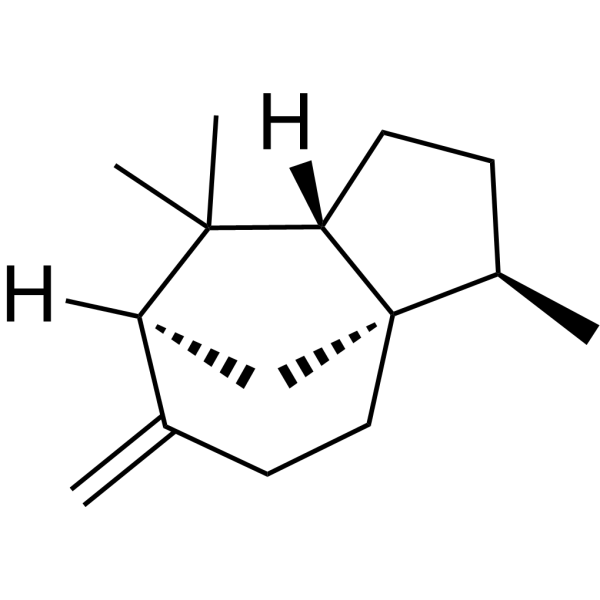
    β-Cedrene ((+)-β-Cedrene) is a sesquiterpene compound that can be isolated from Centaurea kotschyi var. kotschyi and Centaurea kotschyi var. decumbens, exhibiting antibacterial, anti-inflammatory, antispasmodic, tonic, diuretic, sedative, insecticidal, and antifungal activities. β-Cedrene is also a potent competitive inhibitor of the CYP2B6-mediatedbupropion hydroxylase, with a Ki value of 1.6 μM .
    β-Cedrene
  • HY-167082

    NKCC Potassium Channel Sodium Channel Cardiovascular Disease
    AY 31906 is an orally active pyrimidine sulfonamide diuretic. AY 31906 exhibits potent diuretic and natriuretic activities in rats and dogs, along with relatively potassium-sparing properties. AY 31906 exhibits superior activity to Furosemide (HY-B0135). AY-31906 also has antihypertensive effects and can be used in the research of cardiovascular diseases .
    AY 31906
  • HY-N16467

    Speciofiline

    Others Cardiovascular Disease Neurological Disease Inflammation/Immunology Cancer
    Uncarine F (Speciofiline) is a pentacyclic oxindole alkaloid found in Uncaria tomentosa. Uncaria alkaloids have wide medicinal properties, including neuroprotective, anticancer, and antihypertensive activities. Uncaria alkaloids may stimulate the immune system, relax smooth muscles, dilate blood vessels, and act as a diuretic. Uncarine F can be used for the researches of cancer, immunology, cardiovascular and neurological disease .
    Uncarine F
  • HY-W403930

    Carbonic Anhydrase Metabolic Disease
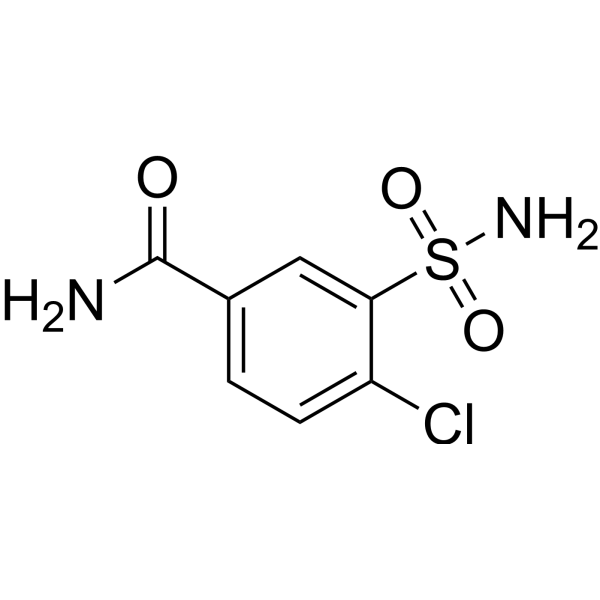
    Sulclamide is a sulfamoylbenzoic acid derivative with diuretic activity. Sulclamide is an inhibitor of carbonic anhydrase .
    Sulclamide
  • HY-120405

    Dopamine Receptor Others
    RS-12254 is a compound with hypotensive, diuretic and sympathostatic effects, and has the activity of regulating blood pressure, water and salt metabolism and sympathetic nerve activity. RS-12254 can lower blood pressure, reduce plasma norepinephrine levels, has diuretic and natriuretic effects, and has sympathostatic properties.
    RS-12254
  • HY-N11929

    Others Inflammation/Immunology
    (S)-(+)-Imperanene can be isolated from Imperata cylindrica. Imperata cylindrica has diuretic and antiinflammatory activity .
    (S)-(+)-Imperanene
  • HY-19367

    Drug Intermediate Cardiovascular Disease
    MD-39-AM exhibits antihypertensive, diuretic and saliuretic activities with good in vivo pharmacokinetic characters .
    MD-39-AM
  • HY-113813

    Angiotensin-converting Enzyme (ACE) Cardiovascular Disease
    SQ 28853 is an angiotensin converting enzyme (ACE) inhibitor with potent diuretic activity. SQ 28853 can be used for the research of cardiovascular .
    SQ 28853
  • HY-126038

    Chloride Channel Potassium Channel Sodium Channel Cardiovascular Disease
    BTS 39542 is an orally active inhibitor for Na+ K+ Cl cotransport system, that exhibits diuretic activity, and can be used in hypertension and edema research .
    BTS 39542
  • HY-128543

    Drug Isomer Cardiovascular Disease
    Zidapamide (Compound 4a) is an isomer of indapamide (HY-B0259). Zidapamide has diuretic and natriuretic activities. Zidapamide is used in the study of hypertension .
    Zidapamide
  • HY-B0562R

    Reference Standards Carbonic Anhydrase Cardiovascular Disease Metabolic Disease
    Methyclothiazide (Standard) is the analytical standard of Methyclothiazide. This product is intended for research and analytical applications. Methyclothiazide is an orally active antihypertensive agent and a diuretic agent. Methyclothiazide leads to a reduction of the vascular response to the action of endogenous vasoconstricting stimuli, such as Norepinephrine (HY-13715). Methyclothiazide is against voltage-dependent Ca-channel (VDCC) activity in vitro .
    Methyclothiazide (Standard)
  • HY-167715

    Histamine Receptor Phosphodiesterase (PDE) Inflammation/Immunology
    Traxanox is an orally available diuretic that enhances phagocytosis of yeast granules by mouse peritoneal macrophages and rat peritoneal polymorphonuclear leukocytes in vitro. Traxanox inhibits IgE-mediated histamine release and cyclic AMP phosphodiesterase activity.Traxanox exhibits anti-inflammatory activity, as it inhibits the anaphylactoid reaction and reduces pleural fluid accumulation in experimental models of inflammation. Traxanox also demonstrates a synergistic effect when combined with hydrocortisone or indomethacin in suppressing adjuvant arthritis in rats.
    Traxanox
  • HY-118472R

    CGS 14831 (Standard)

    Drug Metabolite Reference Standards Endogenous Metabolite Angiotensin-converting Enzyme (ACE) Cardiovascular Disease
    Benazeprilat (Standard) is the analytical standard of Benazeprilat. This product is intended for research and analytical applications. Benazeprilat is an orally active and the active metabolite of benazepril, a carboxyl-containing ACE inhibitor with antihypertensive activity. Benazepril is a well-established antihypertensive agent, both in monoresearch and in combination with other classes of drugs including thiazide diuretics and calcium channel blockers. Benazepril is a first-line research in reducing various pathologies associated with CV risk and secondary end-organ damage .
    Benazeprilat (Standard)
  • HY-N3103R

    Ethyl (E)-p-hydroxycinnamate (Standard); Ethyl trans-4-hydroxycinnamate (Standard)

    Reference Standards Drug Metabolite Inflammation/Immunology
    Benazeprilat (Standard) is the analytical standard of Benazeprilat. This product is intended for research and analytical applications. Benazeprilat is an orally active and the active metabolite of benazepril, a carboxyl-containing ACE inhibitor with antihypertensive activity. Benazepril is a well-established antihypertensive agent, both in monoresearch and in combination with other classes of drugs including thiazide diuretics and calcium channel blockers. Benazepril is a first-line research in reducing various pathologies associated with CV risk and secondary end-organ damage .
    p-Coumaric Acid Ethyl Ester (Standard)
  • HY-P0003A

    Brain Natriuretic Peptide-32 human acetate; BNP-32 acetate

    Natriuretic Peptide Receptor (NPR) Calcium Channel Cardiovascular Disease
    Nesiritide (Brain Natriuretic Peptide-32 human) acetate is a recombinant human B-type natriuretic peptide. Nesiritide acetate is a NPRs agonist, with Kd values of 7.3 and 13 pM for NPR-A and NPR-C, respectively. Nesiritide acetate regulates V1/2 activation/inactivation of the L-type calcium channel. Nesiritide acetate shows vasodilatory, diuretic, and natriuretic activities. Nesiritide acetate is used in cardiovascular diseases such as heart failure and vascular remodeling after arterial injury .
    Nesiritide acetate
  • HY-134043

    Chlorthalidone EP Impurity G

    Carbonic Anhydrase Cardiovascular Disease
    Chlorthalidone Impurity G (Chlorthalidone EP Impurity G) is a potential impurity found in commercial preparations of chlorthalidone with moderate antihypertensive effects. Chlorthalidone is a thiazide diuretic that inhibits the Na+/Cl- cotransporter in the distal tubule of the kidney, thereby preventing sodium and chloride reabsorption, resulting in decreased plasma volume and cardiac output. It also inhibits carbonic anhydrase (CA), including isoenzymes CAVB, VII, IX, XII, and XIII (Kis=2.8-23 nM) and to a lesser extent CAI, CAII, IV, VA, and VI (Ki=138-1,347 nM), mediating vasodilatory activity.
    Chlorthalidone Impurity G
  • HY-N3980R

    Champacol (Standard); Guaiac alcohol (Standard)

    Reference Standards Autophagy RAD51 Infection Cardiovascular Disease Inflammation/Immunology Cancer
    Guaiol (Standard) is the analytical standard of Guaiol. This product is intended for research and analytical applications. Guaiol is a sesquiterpenoid alcohol with oral activity found in various traditional Chinese medicines, exhibiting biological activities such as anti-proliferative, autophagy-promoting, insecticidal, anti-anxiety, anti-inflammatory, diuretic, and blood pressure-lowering effects. Guaiol induces apoptosis in non-small cell lung cancer cells by regulating the stability of RAD51 through autophagy modulation. Guaiol can also act directly on parasites, inhibiting their growth by affecting the kinetoplast, mitochondrial matrix and plasma membrane of the promastigotes. Guaiol kills amastigotes at an IC50 of 0.01 µg/mL. Guaiol can be used in research related to cancer, infections, cardiovascular diseases, and inflammatory conditions [4]
    Guaiol (Standard)
  • HY-113724

    Endogenous Metabolite Cardiovascular Disease Metabolic Disease
    S-8666 is an orally active uricosuric antihypertensive diuretic. The S-8666 has both S-(-)- and R-(+)-isomers. The diuretic and sodium-excretion activities of it are entirely dominated by the S-(-)-isomer, while the R-(+)-isomer shows no significant activity. S-8666 relies on the organic acid transport system to be secreted through the proximal tubule. S-8666 exhibits a clear uric acid excretion-promoting activity and diuretic effect in various species (such as rats and chimpanzees) .
    S-8666
  • HY-105227

    Adenosine Receptor Cardiovascular Disease
    FK 838 is an adenosine subtype-1 receptor antagonist with potent diuretic activity. FK 838 can be used for the research of cardiovascular disease, such as hypertension .
    FK 838
  • HY-N16736

    Others Inflammation/Immunology
    Alpinenone is a sesquiterpene compound isolated from nootropic fruits. Alpinenone exerts anti-inflammatory activity by inhibiting overproduction of nitric oxide (NO) and has traditionally had antidiarrheal, diuretic properties. Alpinenone can be used to study inflammation-related diseases and digestive and urinary system diseases .
    Alpinenone
  • HY-167681

    Ro 12-4713

    Endogenous Metabolite Cardiovascular Disease
    Carprazidil (Ro 12-4713) is a potent vasodilator with activity in suppressing severe hypertension and mild heart failure. The use of carprazidil may lead to sodium retention and increased heart rate, requiring increased doses of diuretics or beta-blockers in some cases. Carprazidil and mecycline may both cause hirsutism, limiting their long-term use in women. Carprazidil did not cause adverse side effects on hematological parameters, liver, or kidney function .
    Carprazidil

Inquiry Online

Your information is safe with us. * Required Fields.

Salutation


Country or Region *

Applicant Name *


Organization Name *

Department *


Email Address *


Product Name *

Cat. No.


Requested quantity *

Phone Number *


Remarks

Inquiry Online

Inquiry Information

Product Name:
Cat. No.:
Quantity:
MCE Japan Authorized Agent:

