




From 11:00 pm to 12:00 pm EST ( 8:00 pm to 9:00 pm PST ) on January 6th, the website will be under maintenance. We are sorry for the inconvenience. Please arrange your schedule properly.
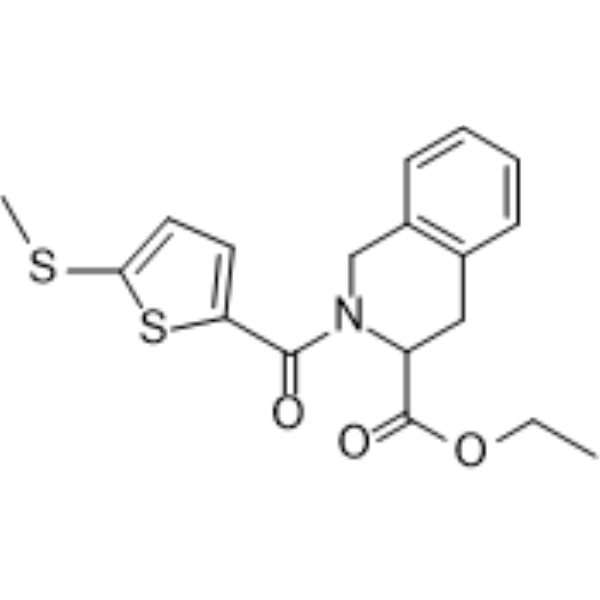
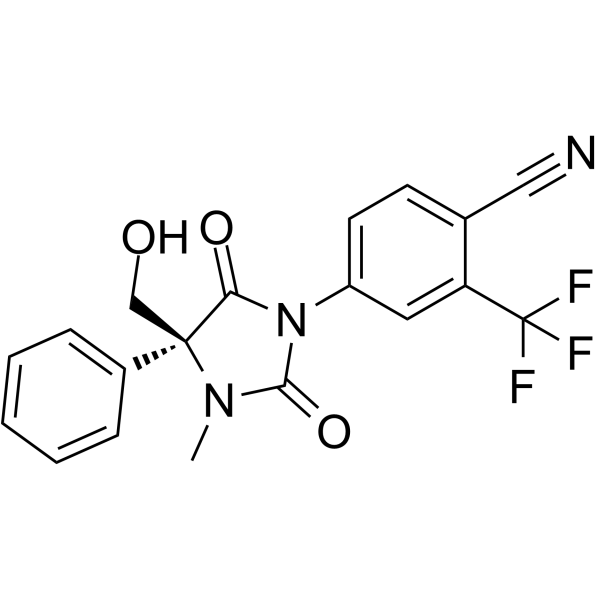
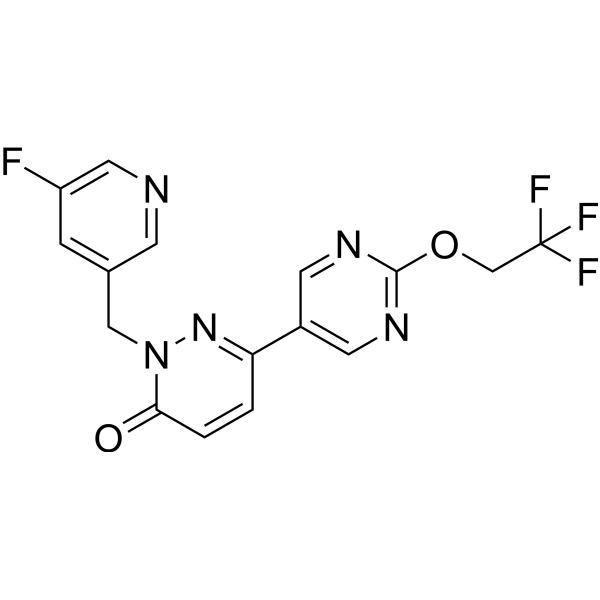
SR8278 is a REV-ERBα antagonist and inhibits the REV-ERBα transcriptional repression activity with an EC50 of 0.47 μM. SR8278 is used to regulate the metabolism in organisms and study biological rhythm. SR8278 also can be used for the research of Duchenne muscular dystrophy and Alzheimer's disease .
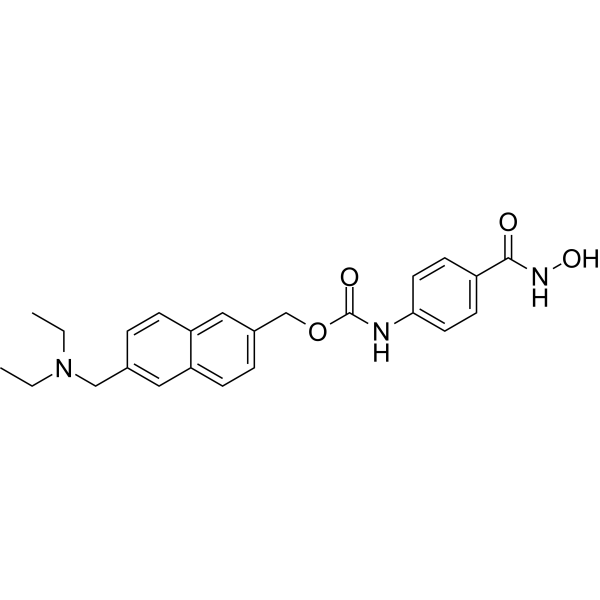
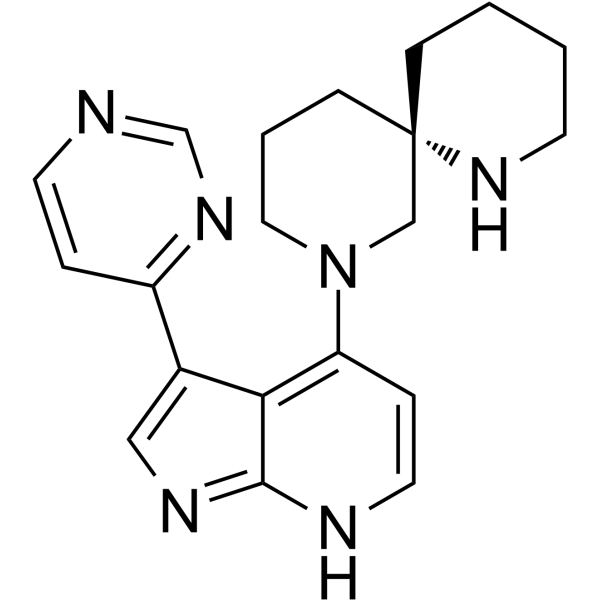
Givinostat (ITF-2357) is a HDAC inhibitor with an IC50 of 198 and 157 nM for HDAC1 and HDAC3, respectively. Givinostat can be used for Duchenne muscular dystrophy (DMD) research. Givinostat can penetrate the blood-brain barrier (BBB) .
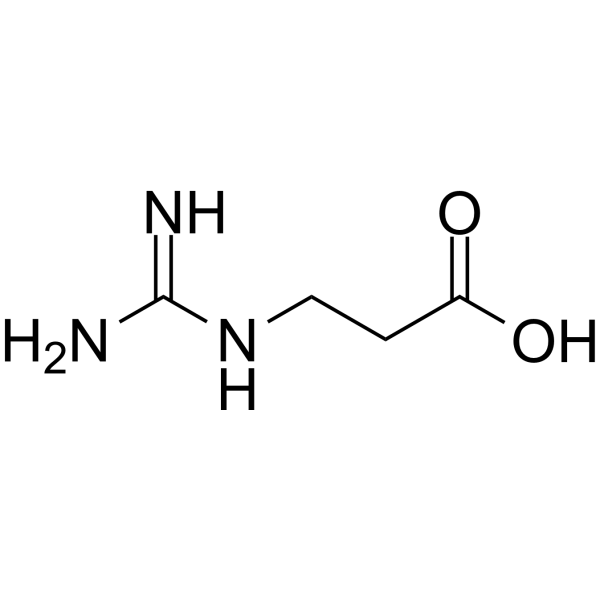
Ompenaclid (RGX-202) is an oral small-molecule SLC6A8 transporter inhibitor. Ompenaclid robustly inhibits creatine import in vitro and in vivo, reduces intracellular phosphocreatine and ATP levels, and induces tumor apoptosis. Ompenaclid can be used for the research of cancer and duchenne muscular dystrophy .
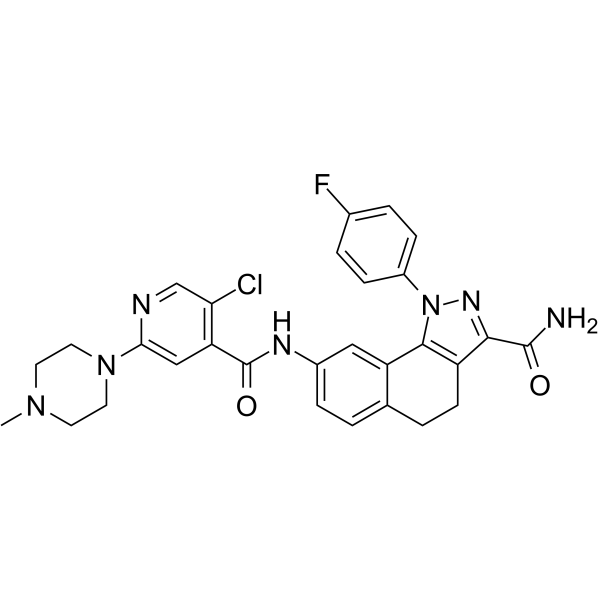
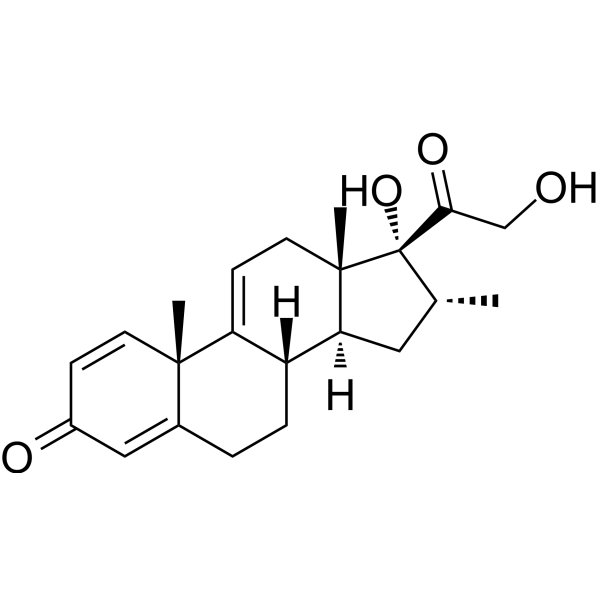
Vamorolone (VBP15) is a first-in-class, orally active dissociative steroidal anti-inflammatory agent and membrane-stabilizer. Vamorolone improves muscular dystrophy without side effects. Vamorolone shows potent NF-κB inhibition and substantially reduces hormonal effects .
Sevasemten is an orally active, selective allosteric inhibitor of skeletal muscle myosin that protects skeletal muscle from contraction-induced injury. Sevasemten decreases muscle damage biomarkers and fibrosis while increasing muscle strength and activity in in Duchenne muscular dystrophy disease models .
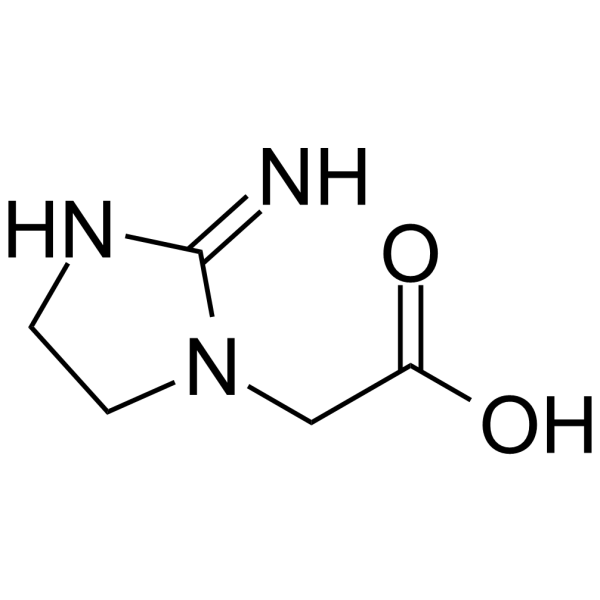
Cyclocreatine, a creatine analogue, acts as a brain-penetrant and potent bioenergetic protective agent by providing high levels of ATP. Cyclocreatine can be phosphorylated and dephosphorylated by creatine kinases. Cyclocreatine suppresses creatine metabolism ameliorating the cognitive, autistic and epileptic phenotype in a mouse model of creatine transporter defciency. Cyclocreatine protects against ischemic injury and enhances cardiac recovery during early reperfusion in dogs and rats. Cyclocreatine decreases plaque-adjacent neuronal dystrophy in TREM2-deficient mice with amyloid-β pathology. Cyclocreatine is proming for research of ischemic heart disease, cardiovascular diseases, Alzheimer’s disease and other neurodegenerative diseases associated with microglial dysfunction, prostate cancer .
Golodirsen (SRP-4053) is an antisense oligonucleotide of the phophorodiamidate morpholino oligomer (PMO). Golodirsen restores the reading frame of the Duchenne muscular dystrophy (DMD) gene by modifying the splicing process of the pre-mRNA, skipping exon 53. Golodirsen can restore the expression of the anti-myostatin protein. Golodirsen can be used for the research of duchenne muscular dystrophy (DMD) .
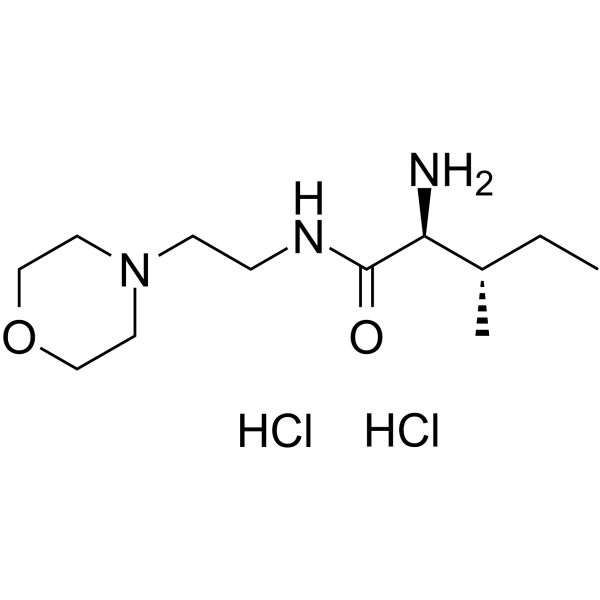
LM11A-31 dihydrochloride, a non-peptide p75 NTR (neurotrophin receptor p75) modulator, is an orally active and potent proNGF (nerve growth factor) antagonist. LM11A-31 dihydrochloride is an amino acid derivative with high blood-brain barrier permeability and blocks p75-mediated cell death. LM11A-31 dihydrochloride reverses cholinergic neurite dystrophy in Alzheimer's disease mouse models with mid- to late-stage disease progression .
Delpacibart is a humanized IgG1κ monoclonal antibody targeting the transferrin receptor TFRC. Delpacibart can be conjugated with the phosphorodiamidate morpholino oligonucleotide (PMO) Zotadirsen (HY-177972), which targets exon 44 of the dystrophin gene, to synthesize the antibody-oligonucleotide conjugate (AOC) Delpacibart zotadirsen (HY-177564). Delpacibart is suitable for use in Duchenne muscular dystrophy (DMD44) research .
Viltolarsen (NS-065/NCNP-01) is a phosphorodiamidate morpholino antisense oligonucleotide. Viltolarsen binds to exon 53 of the dystrophin mRNA precursor and restores the amino acid open-reading frame by skipping exon 53, resulting in the production of a shortened dystrophin protein that contains essential functional portions. Viltolarsen has the potential for Duchenne muscular dystrophy (DMD) research .
Aladorian (ARM036; S44121) is a non-peptidic ryanodine receptor 2 (RyR2) stabilizer. Aladorian stabilizes RyR2 channels and rectifies abnormal Ca²⁺ handling in cardiomyocytes. Aladorian improves cardiomyocyte Ca²⁺ homeostasis independent of dystrophin restoration. Aladorian attenuates early cardiomyopathy and enhances left ventricular function in a canine muscular dystrophy model. Aladorian can be used for the research of heart failure, Duchenne muscular dystrophy-associated cardiomyopathy and muscular dystrophy .
LM11A-31, a non-peptide p75 NTR (neurotrophin receptor p75) modulator, is an orally active and potent proNGF (nerve growth factor) antagonist. LM11A-31 is an amino acid derivative with high blood-brain barrier permeability and blocks p75-mediated cell death. LM11A-31 reverses cholinergic neurite dystrophy in Alzheimer's disease mouse models with mid- to late-stage disease progression .
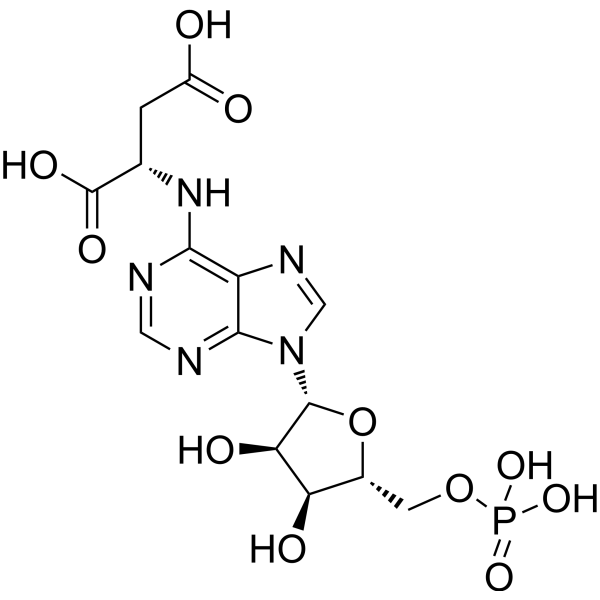
Adenylosuccinic acid (Adenylosuccinate; Aspartyl adenylate) is a purine ribonucleoside monophosphate and plays a role in nucleotide cycle metabolite. Adenylosuccinic acid can be converted into fumaric acid through adenylosuccinate lyase. Adenylosuccinic acid has the potential for the study of duchenne muscular dystrophy(DMD) .
BDP9066 is a potent and selective myotonic dystrophy-related Cdc42-binding kinase MRCK inhibitor with an IC50 of 64 nM for MRCKβ in SCC12 cells, Ki values of 0.0136 nM and 0.0233 nM for MRCKα/β in house determinations, respectively. BDP9066 has therapeutic effect on skin cancer by reducing substrate phosphorylation.
Landogrozumab (LY2495655) is an humanized anti-myostatin monoclonal antibody. Landogrozumab effectively improves muscle volume, hand grip strength and function. Landogrozumab can be used for the research of muscle wasting disease .
TCL053 is an ionizable lipid carrier and used to introduce active components, in particular nucleic acids, into cells with excellent efriciency. TCL053, together with DPPC (Dipalmitoylphosphatidylcholine), PEG-DMG (Polyethylene glycoldimyristoyl glycerol), and cholesterol, forms lipid nanoparticle (LNP) which is able to deliver Cas9 mRNA and sgRNA into skeletal muscle .
Domagrozumab is an anti-myostatin humanized monoclonal antibody with a KD value of 2.6 pM for human myostatin. Domagrozumab induces muscle anabolic activity. Domagrozumab can be used in research of duchenne muscular dystrophy (DMD) .
Ezutromid (SMT C1100) is a first-in-class, orally active benzoxazole utrophin modulator with an EC50 of 0.91 μM. Ezutromid can be used for the research Duchenne muscular dystrophy (DMD). Ezutromid inhibits CYP1A2 enzymic activity in human liver microsomes (HLM) with an IC50 of 5.4 μM .
Emugrobart (GYM-329, RG6237, RG-70240) is a humanized IgG1κ antibody targeting myostatin (Myostatin; GDF8). Emugrobart binds to pro-myostatin and latent myostatin, blocking their cleavage into mature myostatin; it also has a clearance function, which transports bound myostatin for degradation and allows for cyclic reuse. Emugrobart enhances muscle strength in mouse models of muscle atrophy and increases muscle mass in cynomolgus monkeys. Emugrobart can be used in research on spinal muscular atrophy and facioscapulohumeral muscular dystrophy .
Drisapersen (Kyndrisa) is a 2 '-O-methyl phosphorothioate RNA antisense oligonucleotide that induces exon 51 skipping. Drisapersen induces skipping of exon 51 during Dystrophin pre-mRNA splicing, allowing the synthesis of partially functional Dystrophin. Drisapersen can be used in research related to Duchenne muscular dystrophy .
Baliforsen (ISIS 5987690) is an antisense oligonucleotide (ASO) that inhibits DMPK mRNA. Baliforsen binds within exon 9 of the human DMPK transcript to promote RNase H1-mediated degradation Baliforsen can be used for the research of myotonic dystrophy type 1 .
Avacincaptad pegol (Izervay) is a selective inhibitor targeting complement component C5, and is a pegylated ribonucleic acid aptamer. Avacincaptad pegol inhibits the cleavage of C5 into pro-inflammatory C5a and C5b, which forms the membrane attack complex (C5b-9), thereby reducing inflammatory cell recruitment and retinal cell damage. Avacincaptad pegol can slow the growth of geographic atrophy (GA) lesions and reduce the risk of persistent vision loss. Avacincaptad pegol can be used in research of geographic atrophy associated with age-related macular degeneration (AMD) and has been approved by the FDA .
Drp1-IN-1 is a dynamin-1-like protein (Drp1) inhibitor with an IC50 of 0.91 μM. Drp1 mediates the fission of the outer mitochondrial membrane. Drp1-IN-1 can be used to study diseases associated with mitochondrial dysfunction .
Stamulumab (MYO-029) is a recombinant human IgG1λ antibody that binds to myostatin and neutralizes its activity by preventing binding to its endogenous high-affinity receptor ActRIIB. Stamulumab leads to muscle fiber hypertrophy and not hyperplasia in SCID mice. Stamulumab has the potential for Becker muscular dystrophy (BMD), facioscapulohumeral dystrophy (FSHD), and limb-girdle muscular dystrophy (LGMD) research .
Golodirsen (SRP-4053) sodium is an antisense oligonucleotide of the phophorodiamidate morpholino oligomer (PMO). Golodirsen sodium restores the reading frame of the Duchenne muscular dystrophy (DMD) gene by modifying the splicing process of the pre-mRNA, skipping exon 53. Golodirsen sodium can restore the expression of the anti-myostatin protein. Golodirsen sodium can be used for the research of duchenne muscular dystrophy (DMD) .
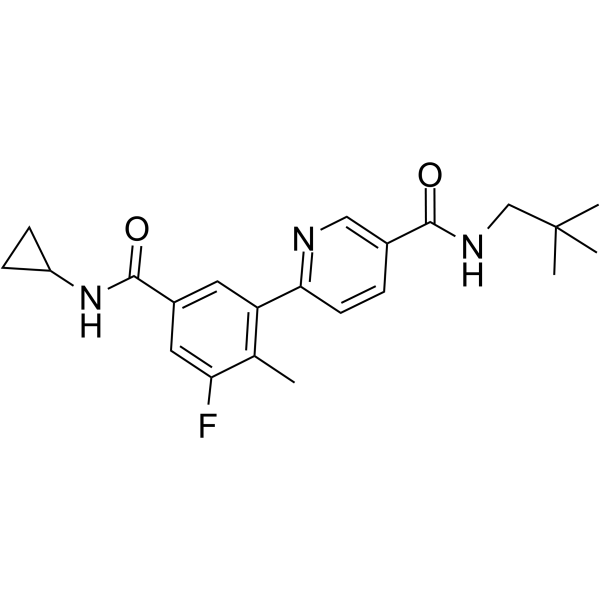
CLK1-IN-2 is metabolically stable Clk1 inhibitor. CLK1-IN-2 has selectivity for Clk1 with an IC50 value of 1.7 nM. CLK1-IN-2 can be used for the research of tumour, Duchenne's muscular dystrophy and viral infections such as HIV-1 and influenza .
Bocidelpar (ASP0367; MA-0211) is a selective, orally active PPARδ modulator. Bocidelpar activates the PPARδ downstream signaling pathway, upregulates the expression of target genes such as ABCA1 and ACAA2. Bocidelpar then promotes fatty acid oxidation (FAO) and mitochondrial biogenesis, and improves mitochondrial dysfunction. Bocidelpar can improve mitochondrial biogenesis and function in muscle cells. Bocidelpar is mainly used in the study of mitochondrial dysfunction diseases such as primary mitochondrial myopathy (PMM) and Duchenne muscular dystrophy (DMD) .
Omigapil maleate (CGP3466B), an orally active GAPDH nitrosylation inhibitor, abrogates Aβ1-42-induced tau acetylation, memory impairment, and locomotor dysfunction in mice. Omigapil maleate has the potential for the research of Alzheimer's disease. Omigapil maleate is a apoptosis inhibitor. Omigapil maleate can be used for the research of congenital muscular dystrophy (CMD). Omigapil maleate is a click chemistry reagent, it contains an Alkyne group and can undergo copper-catalyzed azide-alkyne cycloaddition (CuAAc) with molecules containing Azide groups .
GLPG0492 is an orally active, non-steroidal selective androgen receptor modulator.GLPG0492 exerts functional transactivation by binding to the ligand-binding domain of the receptor, exhibiting preferential partial agonist activity in muscle and bone tissues with low activity in reproductive tissues. GLPG0492 effectively counteracts muscle atrophy-related pathways, significantly enhances muscle strength, maintains motor ability, reduces fibrosis and improves electrophysiological parameters. GLPG0492 prevents immobilization-induced muscle atrophy and regulates muscle mass homeostasis, serving as a valuable tool compound for studies on Duchenne muscular dystrophy, muscle loss and various types of disuse musculoskeletal atrophy .
Myostatin inhibitory peptide 7 is a 23 amino acids peptide, which is derived from amino acids 21 to 43 of the mouse myostatin prodomain. Myostatin inhibitory peptide 7 inhibits myostatin with a Kd of 29.7 nM. Myostatin inhibitory peptide 7 can be used for researches of muscle atrophic disorders .
Viltolarsen (NS-065/NCNP-01) sodium is a phosphorodiamidate morpholino antisense oligonucleotide. Viltolarsen sodium binds to exon 53 of the dystrophin mRNA precursor and restores the amino acid open-reading frame by skipping exon 53, resulting in the production of a shortened dystrophin protein that contains essential functional portions. Viltolarsen sodium has the potential for Duchenne muscular dystrophy (DMD) research .
TG693 is an orally active inhibitor of CLK1. TG693 regulates the mutated exon 31 of the dystrophin gene in vivo. TG693 is used in Duchenne muscular dystrophy (DMD) research .
Brogidirsen (NS 089; NCNP 02) is a a dual-targeting antisense oligonucleotide. Brogidirsen can induce dystrophin protein experession. Brogidirsen can be used for the research of Duchenne muscular dystrophy .
Delpacibart zotadirsen (Del-zota), an antibody oligonucleotide conjugate (AOC), consists of a monoclonal antibody (Delpacibart) (HY-P990051) that binds to the transferrin receptor 1 (TfR1) conjugated to a phosphorodiamidate morpholino conjugate (PMO), Delpacibart zotadirsen is designed to deliver phosphorodiamidate morpholino oligomers (PMOs) to skeletal muscle and heart tissue to specifically skip exon 44 of the dystrophin gene and enable production of near-full length dystrophin. Delpacibart zotadirsen is used for the study of myotonic dystrophy type 1 (DM1) .
(Rac)-LM11A-31 dihydrochloride is an isomer of LM11A-31 dihydrochloride. LM11A-31 dihydrochloride, a non-peptide p75 NTR (neurotrophin receptor p75) modulator, is an orally active and potent proNGF (nerve growth factor) antagonist .
1,2-Dihydrotanshinone (1,2-Dihydrotanshinquinone) is an abietane diterpene. 1,2-Dihydrotanshinone inhibits the formation of the pathogenic complex formed between (CUG)n-RNA and the splicing-factor muscleblind-like 1 (MBNL1). 1,2-Dihydrotanshinone can be used for the research of myotonic dystrophy type 1 .
Adenylosuccinic acid tetraammonium (Adenylosuccinate; Aspartyl adenylate) is an orally active purine ribonucleoside monophosphate and plays a role in nucleotide cycle metabolite. Adenylosuccinic acid tetraammonium can be converted into fumaric acid through adenylosuccinate lyase. Adenylosuccinic acid tetraammonium has the potential for the study of duchenne muscular dystrophy(DMD) .
YSR734 (Compound 21) is a covalent HDAC inhibitor with IC50 values of 110 nM, 154 nM, and 143 nM for HDAC1, HDAC2, and HDAC3, respectively. YSR734 can induce apoptosis in leukemia cells. YSR734 can induce myoblast differentiation and is used in the study of Duchenne muscular dystrophy .
Heptamidine dimethanesulfonate (SBi4211 dimethanesulfonate) is a potent Pentamidine-related inhibitor of the calcium-binding protein S100B (Kd=6.9 μM), selectively kills melanoma cells with S100B over those without S100B . Heptamidine is a useful tool for the investigation of Myotonic dystrophy (DM) .
Basivarsen linker is a linker used in HY-177452 Zeleciment basivarsen for coupling a TfR1-binding Fab (HY-P990780 Zeleciment) and an antisense oligonucleotide. Zeleciment basivarsen is an antibody-oligonucleotide conjugate (AOC) designed to target mutant nuclear myotonic dystrophy protein kinase (DMPK) RNA for RHase H-mediated degradation to correct splicing. It is used for the study of myotonic dystrophy type 1 (DM1).
BDP8900 is a potent and selective inhibitor of myotonic dystrophy-related Cdc42-binding kinases (MRCKα and MRCKβ). BDP8900 reduces substrate phosphorylation, leading to morphological changes, motility inhibition and invasiveness of cancer cells .
MA-0204 is a potent, highly selective and orally available peroxisome proliferator activated receptor δ (PPARδ) modulator with EC50s of 0.4 nM, 7.9 nM and 10 nM for human, mouse and rat PPARδ, respectively. Potential treatment for Duchene Muscular Dystrophy (DMD) .
Pizuglanstat (Compound 3; TAS-205 free base) is an orally active prostaglandin D synthase inhibitor with an IC50 of 76 nM for human hematopoietic prostaglandin D synthase. Pizuglanstat inhibits the synthesis of PGD2. Pizuglanstat improves experimental allergic rhinitis. Pizuglanstat can be used in the study of muscle regenerative diseases such as muscular dystrophy .
Cathepsin K inhibitor 6 (compound 19) is an inhibitor of cathepsin K (Cat K) with an IC50 of 17 nM. Cathepsin K inhibitor 6 also has inhibitory effects on other isoforms, with IC50s of 0.05 μM (Cat L) and 0.3 μM (Cat B), respectively .
(R)-BDP9066 is an isomer of BDP9066 and has lower activity compared to BDP9066. BDP9066 is a potent inhibitor of myotonic dystrophy kinase-related Cdc42-binding kinase (MRCK). (R)-BDP9066 is derived from patent WO2019034890A1 (E118) .
Activated DPG Subunit can be used in the synthesis of exon jumping oligomer conjugates. The oligomer conjugates complement selected target sites in the human anti-muscular atrophy protein gene and induce exon 51 jumping. It can be used for research of muscular dystrophy .
Givinostat (Standard) is the analytical standard of Givinostat. This product is intended for research and analytical applications. Givinostat (ITF-2357) is a HDAC inhibitor with an IC50 of 198 and 157 nM for HDAC1 and HDAC3, respectively. Givinostat can be used for Duchenne muscular dystrophy (DMD) research .
Activated T Subunit can be used in the synthesis of exon jumping oligomer conjugates. The oligomer conjugates complement selected target sites in the human anti-muscular atrophy protein gene and induce exon 51 jumping. Activated T subunit can be used for research of muscular dystrophy .
BAY-747 (BAY 1165747) is an orally active and brain-penetrant stimulator of soluble guanylate cyclase (sGC). BAY-747 reverses L-NAME induced memory impairments and enhances cognition of rats in the object location task (OLT). BAY-747 also decreases blood pressure in both conscious normotensive and spontaneously hypertensive rats (SHR). BAY-747 improves function of the skeletal muscle associated with Duchenne muscular dystrophy (DMD) in mdx/mTRG2 mice model .
ML404 (Compound 38) is an inhibitor of the mitochondrial permeability transition pore (mtPTP), which can suppress mitochondrial swelling (EC50=4.9 nM) and only disrupts mitochondrial coupling (an adverse effect) at concentrations > 100 μM. ML404 can be utilized in research related to multiple sclerosis (MS), amyotrophic lateral sclerosis (ALS), Alzheimer's disease (AD), muscular dystrophies (MD), myocardial infarction, and stroke .
Utrophin modulator 1 is a potent utrophin modulator (upregulates utrophin protein levels), with an EC50 of 0.11 μM. Utrophin modulator 1 can be used in study of duchenne muscular dystrophy (DMD) .
Negamycin (hydrochloride) is a dipeptide antibiotic. Negamycin (hydrochloride) can restore dystrophin expression in skeletal and cardiac muscles in mdx Duchenne muscular dystrophy (DMD) murine model. Negamycin (hydrochloride) can bind to a partial sequence of the eukaryotic rRNA-decoding A-site. Negamycin (hydrochloride) can be studied in DMD research .
Ompenaclid (RGX-202) is an oral small-molecule SLC6A8 transporter inhibitor. Ompenaclid robustly inhibits creatine import in vitro and in vivo, reduces intracellular phosphocreatine and ATP levels, and induces tumor apoptosis. Ompenaclid can be used for the research of cancer and duchenne muscular dystrophy .
RNA binder 2 (Compound 20) is a covalent inhibitor targeting the r(CUG)exp RNA in myotonic dystrophy type 1 (DM1). RNA binder 2 binds to RNA via a Hoechst scaffold, blocking MBNL1 binding and restoring normal splicing. RNA binder 2 is promising for research of DM1 .
Pizuglanstat hydrate (Compound 3; TAS-205) is an orally active prostaglandin D synthase inhibitor with an IC50 of 76 nM for human hematopoietic prostaglandin D synthase. Pizuglanstat hydrate inhibits the synthesis of PGD2. Pizuglanstat hydrate improves experimental allergic rhinitis. Pizuglanstat hydrate can be used in the study of muscle regenerative diseases such as muscular dystrophy .
TCL065 is an ionizable lipid with a pKa of 6.3. TCL065 can be used to generate lipid nanoparticles (LNPs) for the delivery of mRNA as well as single-guide RNA (sgRNA) both in vitro and in vivo. TCL065-containing LNPs can studied in research for Duchenne muscular dystrophy and gene-editing technologies .
Braxlosiran, one of the components of the AOC Delpacibart braxlosiran (HY-177566), is composed of a siRNA targeting DUX4 (dual homologous box protein) and SMCC linker (HY-42360). Abnormal expression of the DUX4 protein leads to changes in gene expression in muscle cells, and these changes are associated with the loss of muscle function in facioscapulohumeral muscular dystrophy (FSHD) .
RTC14 is a read-through compound (RTC) that can induce ribosomes to bypass nonsense mutations in mRNA and allow the production of full-length functional proteins. RTC14 has the potential to be used in the research of various genetic disorders, such as nonsense mutations in the ataxia-telangiectasia mutated (ATM) gene and the dystrophin gene .
21-Acetoxypregna-1,4,9(11),16-tetraene-3,20-dione is an intermediate of delta 9,11 steroids synthesis, for example, Vamorolone (HY-109017). The delta 9,11 steroids are modifications of glucocorticoids and has anti-inflammatory properties. The delta 9,11 steroids are agents for protection against cell damage (lipid peroxidation) and inhibition of neovascularization .
Cyclocreatine, a creatine analogue, acts as a brain-penetrant and potent bioenergetic protective agent by providing high levels of ATP. Cyclocreatine can be phosphorylated and dephosphorylated by creatine kinases. Cyclocreatine suppresses creatine metabolism ameliorating the cognitive, autistic and epileptic phenotype in a mouse model of creatine transporter defciency. Cyclocreatine protects against ischemic injury and enhances cardiac recovery during early reperfusion in dogs and rats. Cyclocreatine decreases plaque-adjacent neuronal dystrophy in TREM2-deficient mice with amyloid-β pathology. Cyclocreatine is proming for research of ischemic heart disease, cardiovascular diseases, Alzheimer’s disease and other neurodegenerative diseases associated with microglial dysfunction, prostate cancer .
Ezutromid (Standard) is the analytical standard of Ezutromid. This product is intended for research and analytical applications. Ezutromid (SMT C1100) is a first-in-class, orally active benzoxazole utrophin modulator with an EC50 of 0.91 μM. Ezutromid can be used for the research Duchenne muscular dystrophy (DMD). Ezutromid inhibits CYP1A2 enzymic activity in human liver microsomes (HLM) with an IC50 of 5.4 μM .
Heptamidine (SBi4211) is a potent Pentamidine-related inhibitor of the calcium-binding protein S100B (Kd=6.9 μM), selectively kills melanoma cells with S100B over those without S100B . Heptamidine is a useful tool for the investigation of Myotonic dystrophy (DM) .
Aladorian (ARM036; S44121) sodium is a non-peptidic ryanodine receptor 2 (RyR2) stabilizer. Aladorian sodium stabilizes RyR2 channels and rectifies abnormal Ca²⁺ handling in cardiomyocytes. Aladorian sodium improves cardiomyocyte Ca 2+ homeostasis independent of dystrophin restoration. Aladorian sodium attenuates early cardiomyopathy and enhances left ventricular function in a canine muscular dystrophy model. Aladorian sodium can be used for the research of heart failure, Duchenne muscular dystrophy-associated cardiomyopathy and muscular dystrophy .
Rimigorsen sodium is an antisense oligonucleotide that induces skipping of exon 44 of the pre-mRNA encoding dystrophin in a Duchenne muscular dystrophy (DMD)
Utrophin activator-1 (compound 3) is an utrophin upregulator with an EC50 of 1.8 μM. Utrophin activator-1 can be used for Duchenne muscular dystrophy research .
Brogidirsen (NS 089; NCNP 02) sodium is a a dual-targeting antisense oligonucleotide. Brogidirsen sodium can induce dystrophin protein experession. Brogidirsen sodium can be used for the research of Duchenne muscular dystrophy .
OX01914 is a water-solube and permeable utrophin modulator (upregulates utrophin protein levels), with an EC50 of 20.5 μM. OX01914 can be used in study of duchenne muscular dystrophy (DMD) .
Casein kinase 1δ-IN-27 (Compound 8) is the inhibitor for casein kinase 1 that inhibits CK1α, CK1δ, CK1ε, and p38α with IC50s of 22, 16.5, 9.41 and 14.8 nM, respectively. Casein kinase 1δ-IN-27 inhibits the DUX4 expression with an IC50 of 10 nM .
p-Hydroxybestatin is an active metabolite of Bestatinc (HY-B0134) that can be found in serum from muscular dystrophic patients and from healthy subjects dosed with Bestatin .
FITC-labeled Drisapersen (sodium) is Drisapersen labeled with FITC. Drisapersen, a antisense oligonucleotide, induces exon 51 skipping during dystrophin pre-mRNA splicing and allows synthesis of partially functional dystrophin in Duchenne muscular dystrophy (DMD) patients with amenable mutations.
Activated A Subunit can be used in the synthesis of exon jumping oligomer conjugates. The oligomer conjugates complement selected target sites in the human anti-muscular atrophy protein gene and induce exon 51 jumping. It can be used for research of muscular dystrophy .
Activated C Subunit can be used in the synthesis of exon jumping oligomer conjugates. The oligomer conjugates complement selected target sites in the human anti-muscular atrophy protein gene and induce exon 51 jumping. It can be used for research of muscular dystrophy .
PSB-KD107 is an agonist of the cannabinoid activated orphan G-protein-coupled receptor GPR18, and PSB-KD107 has anti-inflammatory activity. PSB-KD107 can be used in the study of Duchenne muscular dystrophy .
NCP2 Anchor can be used in the synthesis of exon jumping oligomer conjugates. The oligomer conjugates complement selected target sites in the human anti-muscular atrophy protein gene and induce exon 52 jumping. NCP2 Anchor can be used for research of muscular dystrophy .
PMO-G is a spherical-shape polymeric micelles. PMO-G has skin permeation. PMO-G can result in up to a 50-fold higher level of dystrophin in abdominal muscles of mdx mice. PMO-G can be studied in research on Duchenne muscular dystrophy .
H-D-MeAla-EtVaI-VaI-MeLeu-AIa-D-AIa-MeLeu-MeLeu-MeVaI-MeBmt(OAc)-Abu-O-CH2-CH2-NHMe is a nonimmunosuppressive cyclosporin A derivative. H-D-MeAla-EtVaI-VaI-MeLeu-AIa-D-AIa-MeLeu-MeLeu-MeVaI-MeBmt(OAc)-Abu-O-CH2-CH2-NHMe has the potential for the research of congenital muscular dystrophy .
Cyclocreatine- 13C3 is the 13C-labeled Cyclocreatine (HY-W017540). Cyclocreatine, a creatine analogue, acts as a brain-penetrant and potent bioenergetic protective agent by providing high levels of ATP. Cyclocreatine can be phosphorylated and dephosphorylated by creatine kinases. Cyclocreatine suppresses creatine metabolism ameliorating the cognitive, autistic and epileptic phenotype in a mouse model of creatine transporter defciency. Cyclocreatine protects against ischemic injury and enhances cardiac recovery during early reperfusion in dogs and rats. Cyclocreatine decreases plaque-adjacent neuronal dystrophy in TREM2-deficient mice with amyloid-β pathology. Cyclocreatine is proming for research of ischemic heart disease, cardiovascular diseases, Alzheimer’s disease and other neurodegenerative diseases associated with microglial dysfunction, prostate cancer .
RTC13 (Standard) is the analytical standard of RTC13 (HY-101459). This product is intended for research and analytical applications. RTC13 restores dystrophin expression and improves muscle function in the mdx mouse model for Duchenne muscular dystrophy (DMD) .
Etedesiran is a component of the AOC drug Delpacibart etedesiran (HY-177565), formed by the reaction of an siRNA that induces cleavage of mRNA encoding myotonic dystrophy protein kinase (MTPK or DMPK) with SMCC linker (HY-42360). Etedesiran carries a maleimide group at its terminus, which can react with cysteine or lysine and is used for the synthesis of AOC drugs. Etedesiran is applicable to research related to myotonic dystrophy type 1 .
GW780056X is a CDK12 inhibitor. GW780056X decreases nuclear foci count in DM1 cells. GW780056X can be used for the research of myotonic dystrophy type 1 .
Omigapil (CGP3466B free base), an orally active GAPDH nitrosylation inhibitor, abrogates Aβ1-42-induced tau acetylation, memory impairment, and locomotor dysfunction in mice. Omigapil has the potential for the research of Alzheimer's disease. Omigapil is a apoptosis inhibitor. Omigapil can be used for the research of congenital muscular dystrophy (CMD). Omigapil is a click chemistry reagent, it contains an Alkyne group and can undergo copper-catalyzed azide-alkyne cycloaddition (CuAAc) with molecules containing Azide groups .
BV2 is a delivery peptide that binds to BVES, with a Ka of 2.03 μM for the BVES target. BV2 specifically binds to the extracellular domain of BVES, achieving muscle homing and cellular internalization via caveolae-mediated endocytosis. When BV2 is modified on the surface of exosomes by PMO, it enhances dystrophin restoration in the peripheral muscles and myocardium of dystrophin-deficient mice. BV2 is applicable to research related to Duchenne muscular dystrophy and muscle atrophy .
Tacadirsen is an oligonucleotide that can promote the synthesis of functional dystrophin synthesis, and is used for the research of Duchenne muscular dystrophy.
Tacadirsen sodium is an oligonucleotide that can promote the synthesis of functional dystrophin synthesis, and is used for the research of Duchenne muscular dystrophy.
(rac)-Activated T subunit is the racemate of Activated T Subunit (HY-153406). Activated T Subunit can be used in the synthesis of exon jumping oligomer conjugates. The oligomer conjugates complement selected target sites in the human anti-muscular atrophy protein gene and induce exon 51 jumping. (rac)-Activated T subunit can be used for research of muscular dystrophy .
Zotadirsen, one of the components of the AOC Delpacibart zotadirsen (HY-177564), is composed of a phosphorodiamidate morpholino oligomers (PMOs) and SMCC linker (HY-42360). Zotadirsen specifically skip exon 44 of the dystrophin gene and enable production of near-full length dystrophin. Zotadirsen can be used to synthesize AOC drugs. Zotadirsen can also be used in the research of Duchenne muscular dystrophy (DM) .
TCL053 is an ionizable lipid carrier and used to introduce active components, in particular nucleic acids, into cells with excellent efriciency. TCL053, together with DPPC (Dipalmitoylphosphatidylcholine), PEG-DMG (Polyethylene glycoldimyristoyl glycerol), and cholesterol, forms lipid nanoparticle (LNP) which is able to deliver Cas9 mRNA and sgRNA into skeletal muscle .
Myostatin inhibitory peptide 7 is a 23 amino acids peptide, which is derived from amino acids 21 to 43 of the mouse myostatin prodomain. Myostatin inhibitory peptide 7 inhibits myostatin with a Kd of 29.7 nM. Myostatin inhibitory peptide 7 can be used for researches of muscle atrophic disorders .
Pip6a is an arginine-rich cell-penetrating peptide. Pip6a has the ability to deliver associated cargoes across the plasma and endosomal membranes and is stable to serum proteolysis. Pip6a is composed of a hydrophobic core region flanked on each side by arginine-rich domains containing β-alanine and aminohexanoyl spacers. Pip6a-conjugated morpholino phosphorodiamidate oligomer (PMO) dramatically enhanced antisense oligonucleotide (ASO) delivery into striated muscles of myotonic dystrophy (DM1) mice .
H-D-MeAla-EtVaI-VaI-MeLeu-AIa-D-AIa-MeLeu-MeLeu-MeVaI-MeBmt(OAc)-Abu-O-CH2-CH2-NHMe is a nonimmunosuppressive cyclosporin A derivative. H-D-MeAla-EtVaI-VaI-MeLeu-AIa-D-AIa-MeLeu-MeLeu-MeVaI-MeBmt(OAc)-Abu-O-CH2-CH2-NHMe has the potential for the research of congenital muscular dystrophy .
BV2 is a delivery peptide that binds to BVES, with a Ka of 2.03 μM for the BVES target. BV2 specifically binds to the extracellular domain of BVES, achieving muscle homing and cellular internalization via caveolae-mediated endocytosis. When BV2 is modified on the surface of exosomes by PMO, it enhances dystrophin restoration in the peripheral muscles and myocardium of dystrophin-deficient mice. BV2 is applicable to research related to Duchenne muscular dystrophy and muscle atrophy .
Delpacibart is a humanized IgG1κ monoclonal antibody targeting the transferrin receptor TFRC. Delpacibart can be conjugated with the phosphorodiamidate morpholino oligonucleotide (PMO) Zotadirsen (HY-177972), which targets exon 44 of the dystrophin gene, to synthesize the antibody-oligonucleotide conjugate (AOC) Delpacibart zotadirsen (HY-177564). Delpacibart is suitable for use in Duchenne muscular dystrophy (DMD44) research .
Landogrozumab (LY2495655) is an humanized anti-myostatin monoclonal antibody. Landogrozumab effectively improves muscle volume, hand grip strength and function. Landogrozumab can be used for the research of muscle wasting disease .
Domagrozumab is an anti-myostatin humanized monoclonal antibody with a KD value of 2.6 pM for human myostatin. Domagrozumab induces muscle anabolic activity. Domagrozumab can be used in research of duchenne muscular dystrophy (DMD) .
Emugrobart (GYM-329, RG6237, RG-70240) is a humanized IgG1κ antibody targeting myostatin (Myostatin; GDF8). Emugrobart binds to pro-myostatin and latent myostatin, blocking their cleavage into mature myostatin; it also has a clearance function, which transports bound myostatin for degradation and allows for cyclic reuse. Emugrobart enhances muscle strength in mouse models of muscle atrophy and increases muscle mass in cynomolgus monkeys. Emugrobart can be used in research on spinal muscular atrophy and facioscapulohumeral muscular dystrophy .
Stamulumab (MYO-029) is a recombinant human IgG1λ antibody that binds to myostatin and neutralizes its activity by preventing binding to its endogenous high-affinity receptor ActRIIB. Stamulumab leads to muscle fiber hypertrophy and not hyperplasia in SCID mice. Stamulumab has the potential for Becker muscular dystrophy (BMD), facioscapulohumeral dystrophy (FSHD), and limb-girdle muscular dystrophy (LGMD) research .
Ompenaclid (RGX-202) is an oral small-molecule SLC6A8 transporter inhibitor. Ompenaclid robustly inhibits creatine import in vitro and in vivo, reduces intracellular phosphocreatine and ATP levels, and induces tumor apoptosis. Ompenaclid can be used for the research of cancer and duchenne muscular dystrophy .
Adenylosuccinic acid (Adenylosuccinate; Aspartyl adenylate) is a purine ribonucleoside monophosphate and plays a role in nucleotide cycle metabolite. Adenylosuccinic acid can be converted into fumaric acid through adenylosuccinate lyase. Adenylosuccinic acid has the potential for the study of duchenne muscular dystrophy(DMD) .
1,2-Dihydrotanshinone (1,2-Dihydrotanshinquinone) is an abietane diterpene. 1,2-Dihydrotanshinone inhibits the formation of the pathogenic complex formed between (CUG)n-RNA and the splicing-factor muscleblind-like 1 (MBNL1). 1,2-Dihydrotanshinone can be used for the research of myotonic dystrophy type 1 .
Ompenaclid (RGX-202) is an oral small-molecule SLC6A8 transporter inhibitor. Ompenaclid robustly inhibits creatine import in vitro and in vivo, reduces intracellular phosphocreatine and ATP levels, and induces tumor apoptosis. Ompenaclid can be used for the research of cancer and duchenne muscular dystrophy .
The MRCKα protein is a key serine/threonine protein kinase downstream of CDC42 that coordinates cytoskeletal dynamics and cell migration. MRCKα phosphorylates PPP1R12C and MYL9/MLC2, regulating actin reorganization. MRCKα Protein, Human (sf9, GST) is the recombinant human-derived MRCKα protein, expressed by sf9 insect cells , with N-GST labeled tag.
CDC42BPB protein is a key serine/threonine protein kinase downstream of CDC42 that controls cytoskeletal dynamics and cell migration. CDC42BPB phosphorylates PPP1R12C and MYL9/MLC2, regulates actin reorganization and shapes cell dynamics. MRCKβ Protein, Human (sf9, GST) is the recombinant human-derived MRCKβ, expressed by Sf9 insect cells, with GST labeled tag.
Cyclocreatine- 13C3 is the 13C-labeled Cyclocreatine (HY-W017540). Cyclocreatine, a creatine analogue, acts as a brain-penetrant and potent bioenergetic protective agent by providing high levels of ATP. Cyclocreatine can be phosphorylated and dephosphorylated by creatine kinases. Cyclocreatine suppresses creatine metabolism ameliorating the cognitive, autistic and epileptic phenotype in a mouse model of creatine transporter defciency. Cyclocreatine protects against ischemic injury and enhances cardiac recovery during early reperfusion in dogs and rats. Cyclocreatine decreases plaque-adjacent neuronal dystrophy in TREM2-deficient mice with amyloid-β pathology. Cyclocreatine is proming for research of ischemic heart disease, cardiovascular diseases, Alzheimer’s disease and other neurodegenerative diseases associated with microglial dysfunction, prostate cancer .
Omigapil maleate (CGP3466B), an orally active GAPDH nitrosylation inhibitor, abrogates Aβ1-42-induced tau acetylation, memory impairment, and locomotor dysfunction in mice. Omigapil maleate has the potential for the research of Alzheimer's disease. Omigapil maleate is a apoptosis inhibitor. Omigapil maleate can be used for the research of congenital muscular dystrophy (CMD). Omigapil maleate is a click chemistry reagent, it contains an Alkyne group and can undergo copper-catalyzed azide-alkyne cycloaddition (CuAAc) with molecules containing Azide groups .
Omigapil (CGP3466B free base), an orally active GAPDH nitrosylation inhibitor, abrogates Aβ1-42-induced tau acetylation, memory impairment, and locomotor dysfunction in mice. Omigapil has the potential for the research of Alzheimer's disease. Omigapil is a apoptosis inhibitor. Omigapil can be used for the research of congenital muscular dystrophy (CMD). Omigapil is a click chemistry reagent, it contains an Alkyne group and can undergo copper-catalyzed azide-alkyne cycloaddition (CuAAc) with molecules containing Azide groups .
Golodirsen (SRP-4053) is an antisense oligonucleotide of the phophorodiamidate morpholino oligomer (PMO). Golodirsen restores the reading frame of the Duchenne muscular dystrophy (DMD) gene by modifying the splicing process of the pre-mRNA, skipping exon 53. Golodirsen can restore the expression of the anti-myostatin protein. Golodirsen can be used for the research of duchenne muscular dystrophy (DMD) .
Viltolarsen (NS-065/NCNP-01) is a phosphorodiamidate morpholino antisense oligonucleotide. Viltolarsen binds to exon 53 of the dystrophin mRNA precursor and restores the amino acid open-reading frame by skipping exon 53, resulting in the production of a shortened dystrophin protein that contains essential functional portions. Viltolarsen has the potential for Duchenne muscular dystrophy (DMD) research .
TCL053 is an ionizable lipid carrier and used to introduce active components, in particular nucleic acids, into cells with excellent efriciency. TCL053, together with DPPC (Dipalmitoylphosphatidylcholine), PEG-DMG (Polyethylene glycoldimyristoyl glycerol), and cholesterol, forms lipid nanoparticle (LNP) which is able to deliver Cas9 mRNA and sgRNA into skeletal muscle .
Drisapersen (Kyndrisa) is a 2 '-O-methyl phosphorothioate RNA antisense oligonucleotide that induces exon 51 skipping. Drisapersen induces skipping of exon 51 during Dystrophin pre-mRNA splicing, allowing the synthesis of partially functional Dystrophin. Drisapersen can be used in research related to Duchenne muscular dystrophy .
Baliforsen (ISIS 5987690) is an antisense oligonucleotide (ASO) that inhibits DMPK mRNA. Baliforsen binds within exon 9 of the human DMPK transcript to promote RNase H1-mediated degradation Baliforsen can be used for the research of myotonic dystrophy type 1 .
Avacincaptad pegol (Izervay) is a selective inhibitor targeting complement component C5, and is a pegylated ribonucleic acid aptamer. Avacincaptad pegol inhibits the cleavage of C5 into pro-inflammatory C5a and C5b, which forms the membrane attack complex (C5b-9), thereby reducing inflammatory cell recruitment and retinal cell damage. Avacincaptad pegol can slow the growth of geographic atrophy (GA) lesions and reduce the risk of persistent vision loss. Avacincaptad pegol can be used in research of geographic atrophy associated with age-related macular degeneration (AMD) and has been approved by the FDA .
Eteplirsen (AVI 4658) sodium is a synthetic antisense oligonucleotide that induces dystrophin production. Eteplirsen (AVI 4658) sodium promotes exon 51 skipping in Duchenne muscular dystrophy patients and can be used in Duchenne muscular dystrophy research .
Golodirsen (SRP-4053) sodium is an antisense oligonucleotide of the phophorodiamidate morpholino oligomer (PMO). Golodirsen sodium restores the reading frame of the Duchenne muscular dystrophy (DMD) gene by modifying the splicing process of the pre-mRNA, skipping exon 53. Golodirsen sodium can restore the expression of the anti-myostatin protein. Golodirsen sodium can be used for the research of duchenne muscular dystrophy (DMD) .
Baliforsen (sodium) is an antisense oligonucleotide (16 nucleotides) designed to target myotonic dystrophy protein kinase (DMPK) mRNA and research myotonic dystrophy.
Viltolarsen (NS-065/NCNP-01) sodium is a phosphorodiamidate morpholino antisense oligonucleotide. Viltolarsen sodium binds to exon 53 of the dystrophin mRNA precursor and restores the amino acid open-reading frame by skipping exon 53, resulting in the production of a shortened dystrophin protein that contains essential functional portions. Viltolarsen sodium has the potential for Duchenne muscular dystrophy (DMD) research .
Brogidirsen (NS 089; NCNP 02) is a a dual-targeting antisense oligonucleotide. Brogidirsen can induce dystrophin protein experession. Brogidirsen can be used for the research of Duchenne muscular dystrophy .
Adenylosuccinic acid tetraammonium (Adenylosuccinate; Aspartyl adenylate) is an orally active purine ribonucleoside monophosphate and plays a role in nucleotide cycle metabolite. Adenylosuccinic acid tetraammonium can be converted into fumaric acid through adenylosuccinate lyase. Adenylosuccinic acid tetraammonium has the potential for the study of duchenne muscular dystrophy(DMD) .
Drisapersen sodium, a antisense oligonucleotide, induces exon 51 skipping during dystrophin pre-mRNA splicing and allows synthesis of partially functional dystrophin in Duchenne muscular dystrophy (DMD) patients with amenable mutations.
Activated DPG Subunit can be used in the synthesis of exon jumping oligomer conjugates. The oligomer conjugates complement selected target sites in the human anti-muscular atrophy protein gene and induce exon 51 jumping. It can be used for research of muscular dystrophy .
TCL065 is an ionizable lipid with a pKa of 6.3. TCL065 can be used to generate lipid nanoparticles (LNPs) for the delivery of mRNA as well as single-guide RNA (sgRNA) both in vitro and in vivo. TCL065-containing LNPs can studied in research for Duchenne muscular dystrophy and gene-editing technologies .
Braxlosiran, one of the components of the AOC Delpacibart braxlosiran (HY-177566), is composed of a siRNA targeting DUX4 (dual homologous box protein) and SMCC linker (HY-42360). Abnormal expression of the DUX4 protein leads to changes in gene expression in muscle cells, and these changes are associated with the loss of muscle function in facioscapulohumeral muscular dystrophy (FSHD) .
Rimigorsen sodium is an antisense oligonucleotide that induces skipping of exon 44 of the pre-mRNA encoding dystrophin in a Duchenne muscular dystrophy (DMD)
Brogidirsen (NS 089; NCNP 02) sodium is a a dual-targeting antisense oligonucleotide. Brogidirsen sodium can induce dystrophin protein experession. Brogidirsen sodium can be used for the research of Duchenne muscular dystrophy .
FITC-labeled Drisapersen (sodium) is Drisapersen labeled with FITC. Drisapersen, a antisense oligonucleotide, induces exon 51 skipping during dystrophin pre-mRNA splicing and allows synthesis of partially functional dystrophin in Duchenne muscular dystrophy (DMD) patients with amenable mutations.
Activated C Subunit can be used in the synthesis of exon jumping oligomer conjugates. The oligomer conjugates complement selected target sites in the human anti-muscular atrophy protein gene and induce exon 51 jumping. It can be used for research of muscular dystrophy .
Etedesiran is a component of the AOC drug Delpacibart etedesiran (HY-177565), formed by the reaction of an siRNA that induces cleavage of mRNA encoding myotonic dystrophy protein kinase (MTPK or DMPK) with SMCC linker (HY-42360). Etedesiran carries a maleimide group at its terminus, which can react with cysteine or lysine and is used for the synthesis of AOC drugs. Etedesiran is applicable to research related to myotonic dystrophy type 1 .
Tacadirsen is an oligonucleotide that can promote the synthesis of functional dystrophin synthesis, and is used for the research of Duchenne muscular dystrophy.
Tacadirsen sodium is an oligonucleotide that can promote the synthesis of functional dystrophin synthesis, and is used for the research of Duchenne muscular dystrophy.
Inquiry Online
Your information is safe with us. * Required Fields.
Western blot analysis of extracts from THP-1(lane 2(20μg), Jurkat (lane 3(20μg) and NIH3T3(lane 4(20μg) using FOXO1A (HY-P80132) Rabbit mAb. Proteins were transferred
to a PVDF membrane and blocked with 5% non-fat milk in TBST for 2 hour at room temperature. The primary antibody (1/1000) and Loading control antibody (Beta Actin, HY-P80438, 1/10000) was
used in 5% non-fat milk in TBST at 4°C overnight. Goat Anti-Mouse/Rabbit IgG-HRP Secondary Antibody (1/10000) was used for 1 hour at room temperature.
Western blot analysis of extracts from THP-1(lane 2(20μg), Jurkat (lane 3(20μg) and NIH3T3(lane 4(20μg) using FOXO1A (HY-P80132) Rabbit mAb. Proteins were transferred
to a PVDF membrane and blocked with 5% non-fat milk in TBST for 2 hour at room temperature. The primary antibody (1/1000) and Loading control antibody (Beta Actin, HY-P80438, 1/10000) was
used in 5% non-fat milk in TBST at 4°C overnight. Goat Anti-Mouse/Rabbit IgG-HRP Secondary Antibody (1/10000) was used for 1 hour at room temperature.
Western blot analysis of extracts from THP-1(lane 2(20μg), Jurkat (lane 3(20μg) and NIH3T3(lane 4(20μg) using FOXO1A (HY-P80132) Rabbit mAb. Proteins were transferred
to a PVDF membrane and blocked with 5% non-fat milk in TBST for 2 hour at room temperature. The primary antibody (1/1000) and Loading control antibody (Beta Actin, HY-P80438, 1/10000) was
used in 5% non-fat milk in TBST at 4°C overnight. Goat Anti-Mouse/Rabbit IgG-HRP Secondary Antibody (1/10000) was used for 1 hour at room temperature.
Western blot analysis of extracts from THP-1(lane 2(20μg), Jurkat (lane 3(20μg) and NIH3T3(lane 4(20μg) using FOXO1A (HY-P80132) Rabbit mAb. Proteins were transferred
to a PVDF membrane and blocked with 5% non-fat milk in TBST for 2 hour at room temperature. The primary antibody (1/1000) and Loading control antibody (Beta Actin, HY-P80438, 1/10000) was
MedchemExpress Validation 03
Western blot analysis of extracts from THP-1(lane 2(20μg), Jurkat (lane 3(20μg) and NIH3T3(lane 4(20μg) using FOXO1A (HY-P80132) Rabbit mAb. Proteins were transferred
MedchemExpress Validation 04
Western blot analysis of extracts from THP-1(lane 2(20μg), Jurkat (lane 3(20μg) and NIH3T3(lane 4(20μg) using FOXO1A (HY-P80132) Rabbit mAb. Proteins were transferred
to a PVDF membrane and blocked with 5% non-fat milk in TBST for 2 hour at room temperature. The primary antibody (1/1000) and Loading control antibody (Beta Actin, HY-P80438, 1/10000) was
used in 5% non-fat milk in TBST at 4°C overnight. Goat Anti-Mouse/Rabbit IgG-HRP Secondary Antibody (1/10000) was used for 1 hour at room temperature.
MedchemExpress Validation
Western blot analysis of extracts from THP-1(lane 2(20μg), Jurkat (lane 3(20μg) and NIH3T3(lane 4(20μg) using FOXO1A (HY-P80132) Rabbit mAb. Proteins were transferred
to a PVDF membrane and blocked with 5% non-fat milk in TBST for 2 hour at room temperature. The primary antibody (1/1000) and Loading control antibody (Beta Actin, HY-P80438, 1/10000) was
used in 5% non-fat milk in TBST at 4°C overnight. Goat Anti-Mouse/Rabbit IgG-HRP Secondary Antibody (1/10000) was used for 1 hour at room temperature.
Western blot analysis of extracts from THP-1(lane 2(20μg), Jurkat (lane 3(20μg) and NIH3T3(lane 4(20μg) using FOXO1A (HY-P80132) Rabbit mAb. Proteins were transferred
to a PVDF membrane and blocked with 5% non-fat milk in TBST for 2 hour at room temperature. The primary antibody (1/1000) and Loading control antibody (Beta Actin, HY-P80438, 1/10000) was
used in 5% non-fat milk in TBST at 4°C overnight. Goat Anti-Mouse/Rabbit IgG-HRP Secondary Antibody (1/10000) was used for 1 hour at room temperature.
MedchemExpress Validation
Western blot analysis of extracts from THP-1(lane 2(20μg), Jurkat (lane 3(20μg) and NIH3T3(lane 4(20μg) using FOXO1A (HY-P80132) Rabbit mAb. Proteins were transferred
to a PVDF membrane and blocked with 5% non-fat milk in TBST for 2 hour at room temperature. The primary antibody (1/1000) and Loading control antibody (Beta Actin, HY-P80438, 1/10000) was
used in 5% non-fat milk in TBST at 4°C overnight. Goat Anti-Mouse/Rabbit IgG-HRP Secondary Antibody (1/10000) was used for 1 hour at room temperature.
MedchemExpress Validation
Western blot analysis of extracts from THP-1(lane 2(20μg), Jurkat (lane 3(20μg) and NIH3T3(lane 4(20μg) using FOXO1A (HY-P80132) Rabbit mAb. Proteins were transferred
to a PVDF membrane and blocked with 5% non-fat milk in TBST for 2 hour at room temperature. The primary antibody (1/1000) and Loading control antibody (Beta Actin, HY-P80438, 1/10000) was
used in 5% non-fat milk in TBST at 4°C overnight. Goat Anti-Mouse/Rabbit IgG-HRP Secondary Antibody (1/10000) was used for 1 hour at room temperature.
MedchemExpress Validation
Western blot analysis of extracts from THP-1(lane 2(20μg), Jurkat (lane 3(20μg) and NIH3T3(lane 4(20μg) using FOXO1A (HY-P80132) Rabbit mAb. Proteins were transferred
to a PVDF membrane and blocked with 5% non-fat milk in TBST for 2 hour at room temperature. The primary antibody (1/1000) and Loading control antibody (Beta Actin, HY-P80438, 1/10000) was
used in 5% non-fat milk in TBST at 4°C overnight. Goat Anti-Mouse/Rabbit IgG-HRP Secondary Antibody (1/10000) was used for 1 hour at room temperature.
MedchemExpress Validation
Western blot analysis of extracts from THP-1(lane 2(20μg), Jurkat (lane 3(20μg) and NIH3T3(lane 4(20μg) using FOXO1A (HY-P80132) Rabbit mAb. Proteins were transferred
to a PVDF membrane and blocked with 5% non-fat milk in TBST for 2 hour at room temperature. The primary antibody (1/1000) and Loading control antibody (Beta Actin, HY-P80438, 1/10000) was
used in 5% non-fat milk in TBST at 4°C overnight. Goat Anti-Mouse/Rabbit IgG-HRP Secondary Antibody (1/10000) was used for 1 hour at room temperature.
MedchemExpress Validation
Western blot analysis of extracts from THP-1(lane 2(20μg), Jurkat (lane 3(20μg) and NIH3T3(lane 4(20μg) using FOXO1A (HY-P80132) Rabbit mAb. Proteins were transferred
to a PVDF membrane and blocked with 5% non-fat milk in TBST for 2 hour at room temperature. The primary antibody (1/1000) and Loading control antibody (Beta Actin, HY-P80438, 1/10000) was
used in 5% non-fat milk in TBST at 4°C overnight. Goat Anti-Mouse/Rabbit IgG-HRP Secondary Antibody (1/10000) was used for 1 hour at room temperature.
MedchemExpress Validation
Western blot analysis of extracts from THP-1(lane 2(20μg), Jurkat (lane 3(20μg) and NIH3T3(lane 4(20μg) using FOXO1A (HY-P80132) Rabbit mAb. Proteins were transferred
to a PVDF membrane and blocked with 5% non-fat milk in TBST for 2 hour at room temperature. The primary antibody (1/1000) and Loading control antibody (Beta Actin, HY-P80438, 1/10000) was
used in 5% non-fat milk in TBST at 4°C overnight. Goat Anti-Mouse/Rabbit IgG-HRP Secondary Antibody (1/10000) was used for 1 hour at room temperature.
MedChemExpress values your privacy and your trust is important to us. We use cookies to enhance your website experience. Some cookies are necessary to run the website.
Privacy and Cookie Policy

