

Search Result
Results for "
efflux function
" in MedChemExpress (MCE) Product Catalog:
1
Biochemical Assay Reagents
| Cat. No. |
Product Name |
Target |
Research Areas |
Chemical Structure |
-
- HY-D0180
-
|
18C6; 1,4,7,10,13,16-Hexaoxacyclooctadecane
|
Bacterial
|
Infection
|
|
18-Crown-6-ether is a type of crown ether compound and a specific structure dissociating agent. 18-Crown-6-ether can compete with K + for binding to G-quadruplexes, disrupting their stable structure to regulate the functions of related systems. 18-Crown-6-ether combines with K + and other metal ions to achieve precise ion transmembrane transport. 18-Crown-6-ether can act as an "susceptibility substrate" for the multi-drug efflux pump EmrE (a bacterial multidrug resistance transporter), ultimately inhibiting bacterial growth. 18-Crown-6-ether can be used in microcapsule controlled release and the research on developing antibacterial enhancers .
|
-
-
- HY-N0468
-
|
|
FXR
Acetyl-CoA Carboxylase
|
Metabolic Disease
|
|
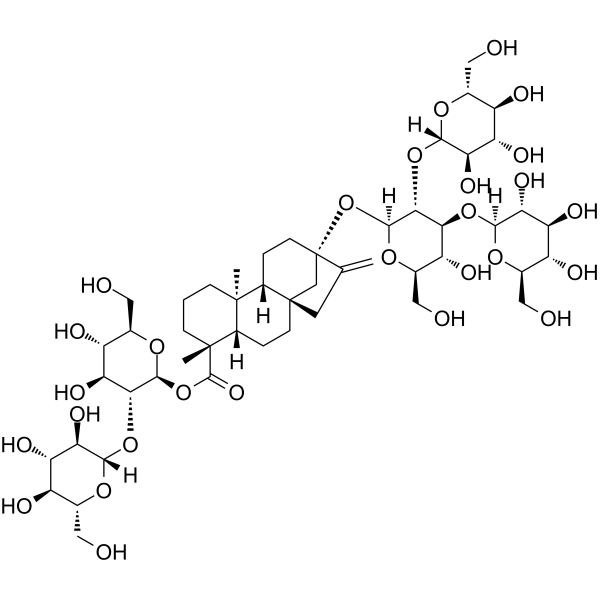
Rebaudioside D is an orally active sweetener that targets and activates FXR, modulates Acetyl-CoA Carboxylase, and inhibits 3-hydroxy-3-methylglutaryl-CoA reductase. Rebaudioside D regulates bile acid homeostasis and lipid metabolism, reduces the synthesis rates of fatty acids and cholesterol, and exerts multiple effects including anti-adipogenesis, hepatoprotection, anti-steatosis, gut microbiota modulation, enhancement of secondary bile acid metabolism, anti-endotoxin activity, regulation of bile acid transport, and inhibition of bile acid efflux. Rebaudioside D also reduces body weight gain, visceral fat accumulation, hepatic triglyceride and cholesterol accumulation, hepatic lipid peroxidation, and decreases the circulating level of lipopolysaccharide-binding protein. Rebaudioside D additionally enhances the secondary bile acid metabolic pathway of intestinal bacteria, upregulates the gene expression of ileal organic solute transporter α, and downregulates the gene expression of hepatic bile salt export pump. Rebaudioside D does not affect glucose homeostasis, alter total caloric intake or fecal energy excretion, induce weight gain, exacerbate obesity, promote hepatic steatosis, impair brown adipose tissue function, nor change skeletal muscle metabolism-related proteins. Rebaudioside D can be used in diet-induced obesity and obesity-related research .
|
-
-
- HY-101511
-
|
|
P-glycoprotein
|
Cancer
|
|
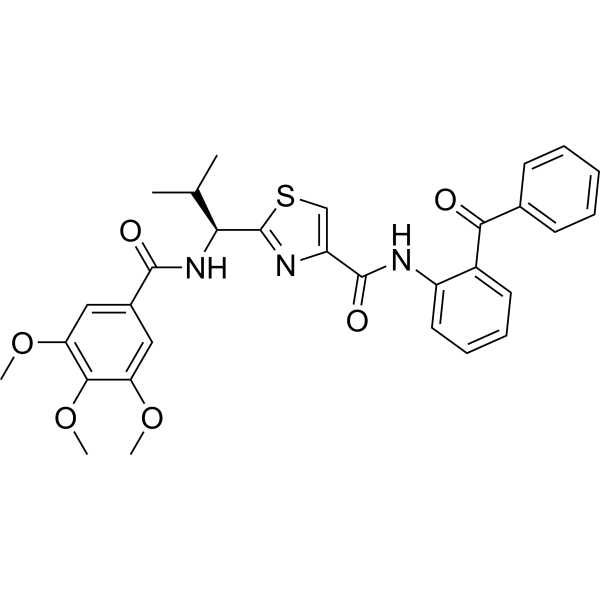
TTT-28 is a synthesized thiazole-valine peptidomimetic, a novel selective inhibitor of ABCB1 (P-gp/MDR1) with high efficacy and low toxicity, which reverses the ATP-binding cassette sub-family B member 1 (ABCB1)-mediated multidrug resistance (MDR) by selectively blocking the efflux function of ABCB1 .
|
-
-
- HY-12758
-
|
|
BCRP
|
Cancer
|
|
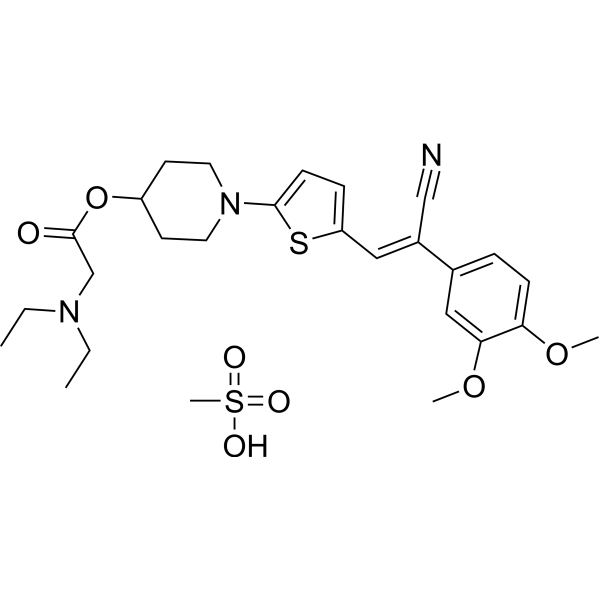
YHO-13351 is an orally active ABCG2 inhibitor . YHO-13351 modulates the function of ABCG2, blocks BCRP-mediated compound efflux, downregulates the expression of breast cancer resistance protein at the post-transcriptional level, and reverses ABCG2-associated tolerance. YHO-13351 restores the toxicity of SN-38 to SN-38-resistant cancer cells and sensitizes cancer cells to Irinotecan. YHO-13351 is a water-soluble prodrug that is rapidly converted to YHO-13177 (HY-12757) in mice. YHO-13351 prolongs the median survival time of mice bearing cancer cell xenografts when combined with IMMU-132. YHO-13351 extends the survival time of tumor-bearing mice and inhibits the growth of xenograft tumors when combined with Irinotecan. YHO-13351 can be used for the research of breast cancer, gastric cancer, BCRP-mediated drug-resistant cancers, and cervical cancer .
|
-
-
- HY-126940
-
|
|
Reactive Oxygen Species (ROS)
P-glycoprotein
Apoptosis
|
Cancer
|
|
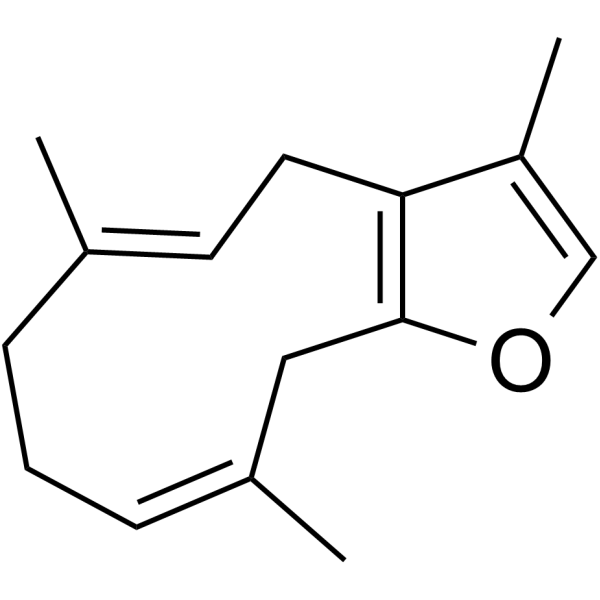
Furanodiene is a natural terpenoid isolated from Rhizoma Curcumae. Furanodiene plays anti-cancer effects through anti-angiogenesis and inducing ROS production, DNA strand breaks and apoptosis. Furanodiene suppresseed efflux transporter Pgp (P-glycoprotein) function and reduced Pgp protein level .
|
-
-
- HY-P5589
-
|
PlnA
|
Bacterial
Reactive Oxygen Species (ROS)
|
Infection
Inflammation/Immunology
|
|
Plantaricin A is an antimicrobial peptide that can be derived from Lactobacillus plantarum. Plantaricin A has a synergistic effect with Ciprofloxacin. Plantaricin A shows anti-microbial activity. Plantaricin A increases the membrane potential of S. aureus and the level of intracellular ROS. Plantaricin A inhibits the function of the efflux pump by binding it and altering the structure of MepA, NorA, and LmrS. Plantaricin A significantly relieves inflammation, and promotes wound healing. Plantaricin A permeabilizes cancerous rat pituitary cells [1][2].
|
-
-
- HY-P10551
-
|
|
Transmembrane Glycoprotein
NF-κB
TNF Receptor
|
Cardiovascular Disease
|
|
ApoA-I mimetic peptide 5A is a synthetic peptide molecule designed based on the structure and function of naturally occurring apolipoprotein A-I (Apo A-I). ApoA-I mimetic peptide 5A can promote the efflux of cholesterol from cells and help reduce the accumulation of cholesterol in cells. ApoA-I mimetic peptide 5A also shows anti-inflammatory activity and can reduce inflammatory markers in blood and tissues. ApoA-I mimetic peptide 5A can be used in the study of cardiovascular diseases .
|
-
-
- HY-W014118
-
|
|
Environmental Pollutants
|
Inflammation/Immunology
Cancer
|
|
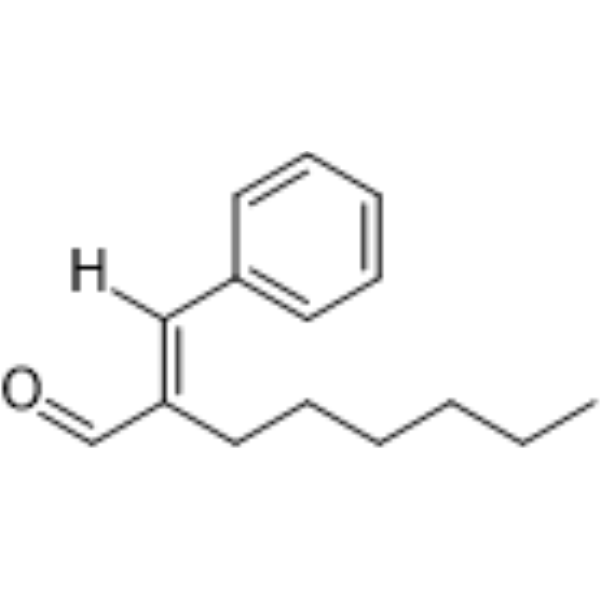
α-Hexylcinnamaldehyde is an O-acetyltransferase (OAT) inhibitor. α-Hexylcinnamaldehyde inhibits OAT-mediated bioactivation of nitroarene mutagens, exerts antimutagenic activity through demutagenic and bioantimutagenic mechanisms, and interferes with ATP-binding cassette (ABC) transporter function to reduce substrate efflux. α-Hexylcinnamaldehyde alters membrane permeability, fluidizes phospholipid membranes, exerts antioxidant effects, and enhances the antiproliferative effect of Doxorubicin on human cancer cells. α-Hexylcinnamaldehyde can be used in the research of colorectal adenocarcinoma, T-cell leukemia, and multidrug-resistant cancers .
|
-
-
- HY-N0566
-
|
Anemosapogenin
|
Apoptosis
Autophagy
Bcl-2 Family
Caspase
Survivin
p38 MAPK
MMP
|
Cancer
|
|
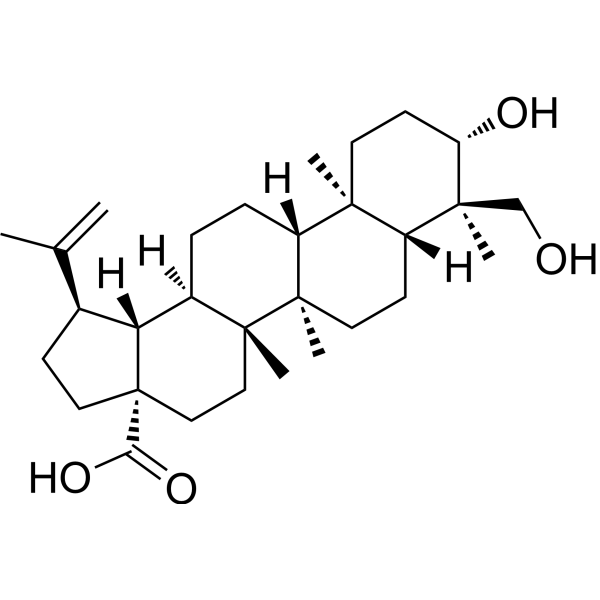
23-Hydroxybetulinic acid (Anemosapogenin) is an orally active triterpenoid with broad-spectrum anticancer activity. 23-Hydroxybetulinic acid reduces the levels of Bcl-2 and survivin, elevates the level of Bax, promotes the cleavage/activation of caspase-3 and caspase-9, and induces apoptosis via the endogenous mitochondrial pathway involving cytochrome C release and mitochondrial membrane potential disruption. 23-Hydroxybetulinic acid arrests the cell cycle at S and G1 phases, inhibits cancer cell proliferation, blocks the MAPK signaling pathway, regulates MMP2, and induces autophagic apoptosis by upregulating beclin-1. 23-Hydroxybetulinic acid inhibits the activity and efflux function of P-gp, increases the intracellular accumulation of chemotherapeutic drugs, and synergistically enhances cytotoxicity with Doxorubicin (HY-15142). 23-Hydroxybetulinic acid inhibits the phosphorylation and nuclear translocation of STAT6, blocks M2 macrophage polarization, and reduces M2 macrophage-mediated apoptosis resistance of colon cancer cells. 23-Hydroxybetulinic acid can be used in related studies on chronic myeloid leukemia, hepatocellular carcinoma, sarcoma 180, multidrug-resistant breast cancer, leukemia, Doxorubicin-induced cardiotoxicity, and colorectal cancer .
|
-
-
- HY-175838
-
|
|
P-glycoprotein
|
Cancer
|
|
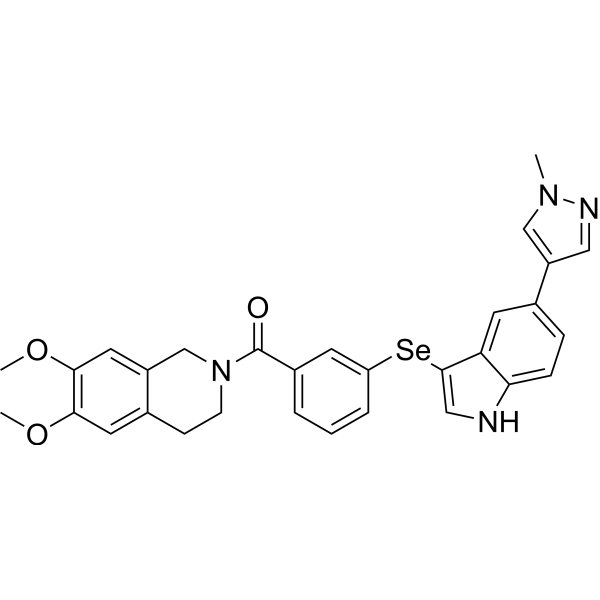
P-gp-IN-32 is a P-glycoprotein (P-gp) inhibitor. P-gp-IN-32 exhibits low cytotoxicity and potent multidrug resistance (MDR) reversal activity against Doxorubicin (HY-15142A) in MCF7/ADR cells (IC50 = 0.11 μM, reversal fold (RF) = 215.9). P-gp-IN-32 can bind to P-gp directly, induce a conformation change of P-gp and inhibit the efflux function. P-gp-IN-32 can be used for the research of cancer, such as breast cancer .
|
-
-
- HY-144366
-
|
|
P-glycoprotein
|
Cancer
|
|
P-gp inhibitor 3 is an effective P-glycoprotein (P-gp) inhibitor. P-gp inhibitor 3 inhibits the efflux function of P-gp by activating P-gp ATPase. P-gp inhibitor 3 has relatively stronger multidrug resistance (MDR) reversal ability and enhances the anti-tumor activity of Paclitaxel .
|
-
-
- HY-178111
-
|
|
Bacterial
|
Infection
|
|
AcrB-IN-6 is an effective AcrB inhibitor. AcrB-IN-6 The compound inhibits the function of bacterial multidrug efflux pumps, thereby significantly enhancing the antibacterial activity of various antibiotics. AcrB-IN-6 achieves 32-fold MIC reductions in wild-type E. coli BW25113. AcrB-IN-6 exhibits excellent synergistic antibacterial effects, low cytotoxicity and hemolytic properties. AcrB-IN-6 can be used for researching anti-resistant bacteria .
|
-
-
- HY-178466
-
|
|
Microtubule/Tubulin
P-glycoprotein
Apoptosis
|
Cancer
|
|
Tubulin polymerization/P-gp-IN-1 is a Tubulin polymerization/P-gp dual inhibitor. Tubulin polymerization/P-gp-IN-1 inhibits tubulin polymerization and induces G2/M arrest and apoptosis. Tubulin polymerization/P-gp-IN-1 reverses MDR by inhibiting P-gp efflux function. Tubulin polymerization/P-gp-IN-1 has dual functions: direct antitumor activity and reversal of P-gp-mediated Cisplatin (HY-17394) resistance. Tubulin polymerization/P-gp-IN-1 stable binds to the tubulin CBS (ΔG = −12.4 kcal/mol) and the P-gp hydrophobic lumen (ΔG = −10.8 kcal/mol). Tubulin polymerization/P-gp-IN-1 can be used for the study of drug-resistant cervical cancer .
|
-
-
- HY-N0468R
-
|
|
Reference Standards
Acetyl-CoA Carboxylase
FXR
|
Metabolic Disease
|
|
Rebaudioside D (Standard) is the analytical standard of Rebaudioside D. This product is intended for research and analytical applications. Rebaudioside D is an orally active sweetener that targets and activates FXR, modulates Acetyl-CoA Carboxylase, and inhibits 3-hydroxy-3-methylglutaryl-CoA reductase. Rebaudioside D regulates bile acid homeostasis and lipid metabolism, reduces the synthesis rates of fatty acids and cholesterol, and exerts multiple effects including anti-adipogenesis, hepatoprotection, anti-steatosis, gut microbiota modulation, enhancement of secondary bile acid metabolism, anti-endotoxin activity, regulation of bile acid transport, and inhibition of bile acid efflux. Rebaudioside D also reduces body weight gain, visceral fat accumulation, hepatic triglyceride and cholesterol accumulation, hepatic lipid peroxidation, and decreases the circulating level of lipopolysaccharide-binding protein. Rebaudioside D additionally enhances the secondary bile acid metabolic pathway of intestinal bacteria, upregulates the gene expression of ileal organic solute transporter α, and downregulates the gene expression of hepatic bile salt export pump. Rebaudioside D does not affect glucose homeostasis, alter total caloric intake or fecal energy excretion, induce weight gain, exacerbate obesity, promote hepatic steatosis, impair brown adipose tissue function, nor change skeletal muscle metabolism-related proteins. Rebaudioside D can be used in diet-induced obesity and obesity-related research .
|
-
-
- HY-162447
-
|
|
P-glycoprotein
Apoptosis
|
Cancer
|
|
P-gp inhibitor 22 is a P-glycoprotein (P-gp) inhibitor that effectively inhibits P-pg and efflux function. P-gp inhibitor 22 induces apoptosis and accumulation of MCF-7/ADR cells processed in the S phase .
|
-
-
- HY-149053
-
|
|
P-glycoprotein
|
Cancer
|
|
OY-101 is an orally active, potent and specific P-glycoprotein (P-gp) inhibitor. OY-101 can sensitize drug-resistant tumors and effectively reverse tumor multidrug resistance. OY-101 is improvements in water-solubility, cytotoxicity, and reversal activity compared to Tetrandrine (HY-13764) .
|
-
-
- HY-144393
-
|
|
BCRP
|
Cancer
|
|
P-gp/BCRP-IN-1 (compound 19) is a potential, relatively safe, orally active and efficient efflux transporter (P-gp and BCRP) inhibitor. P-gp/BCRP-IN-1 exerts resistance reversal by inhibiting the efflux function of P-gp and BCRP. P-gp/BCRP-IN-1 can overcome the resistance and improve the oral bioavailability of PTX (Paclitaxel) .
|
-
-
- HY-161645
-
|
|
P-glycoprotein
|
Cancer
|
|
P-gp modulator-4 (compound 4c) inhibits the efflux function of P-glycoprotein (P-gp). P-gp modulator-4 shows multidrug resistance (MDR) in cancer reversal activity (IC50 of Paclitaxel (HY-B0015) = 8.80, reversal fold = 211.8) .
|
-
-
- HY-N15297
-
|
|
P-glycoprotein
|
Cancer
|
|
Isotenulin inhibits the efflux function of P-glycoprotein by stimulation of P-glycoprotein ATPase, thereby overcoming the multidrug resistance (MDR) of cancer cells. Isotenulin exhibits cytotoxicity in multidrug-resistant cancer cell KB-vin and sensitive cancer cell HeLaS3. Isotenulin exhibits synergistic effect with Paclitaxel (HY-B0015), Vinblastine (HY-13780) and Doxorubicin (HY-15142) .
|
-
-
- HY-161260
-
|
|
P-glycoprotein
|
Cancer
|
|
P-gp inhibitor 20 (compound H27) is a low cytotoxicity P-glycoprotein (P-gp) inhibitor. P-gp inhibitor 20 inhibits the efflux function of P-gp in a dose-dependent manner (without affecting the expression of P-gp), thereby reversing the multidrug resistance (MDR) of MCF-7/ADR cells, with an IC50 value of 46.6 nM. P-gp inhibitor 20 can be used for cancer research .
|
-
-
- HY-155198
-
|
|
Fungal
|
Infection
|
|
Antifungal agent 72 (Compound B8) is a potent antifungal agent. Antifungal agent 72 suppresses the function of efflux pump and down-regulates the resistance-associated genes through blocking the Pdr1-KIX interaction (Ki: 11.7 μM). Antifungal agent 72 is active against Fluconazole (HY-B0101)-resistant with a MIC value of 63 ng/mL, and shows synergistic inhibitory activity with Fluconazole. Antifungal agent 72 can be used for C. glabrata infection research .
|
-
-
- HY-W014118R
-
|
|
Reference Standards
Environmental Pollutants
|
Cancer
|
|
α-Hexylcinnamaldehyde (Standard) is the analytical standard of α-Hexylcinnamaldehyde. This product is intended for research and analytical applications. α-Hexylcinnamaldehyde is an O-acetyltransferase (OAT) inhibitor. α-Hexylcinnamaldehyde inhibits OAT-mediated bioactivation of nitroarene mutagens, exerts antimutagenic activity through demutagenic and bioantimutagenic mechanisms, and interferes with ATP-binding cassette (ABC) transporter function to reduce substrate efflux. α-Hexylcinnamaldehyde alters membrane permeability, fluidizes phospholipid membranes, exerts antioxidant effects, and enhances the antiproliferative effect of Doxorubicin on human cancer cells. α-Hexylcinnamaldehyde can be used in the research of colorectal adenocarcinoma, T-cell leukemia, and multidrug-resistant cancers .
|
-
-
- HY-175206
-
|
|
P-glycoprotein
|
Cancer
|
|
P-gp-IN-30 (Compound 13) is a P-glycoprotein (P-gp) inhibitor by targeting YB-1. P-gp-IN-30 significantly enhances sensitivity to Paclitaxel by reducing total YB-1 and nucleus YB-1 protein expression, inhibiting the expression and function of downstream P-gp, further suppressing the efflux rate of Paclitaxel. P-gp-IN-30 potently inhibits tumor growth in A549/Taxol xenografts mice model with combination of Paclitaxel (HY-B0015). P-gp-IN-30 can be used for non-small cell lung cancer (NSCLC) research .
|
-
-
- HY-168921
-
|
|
P-glycoprotein
Apoptosis
|
Cancer
|
|
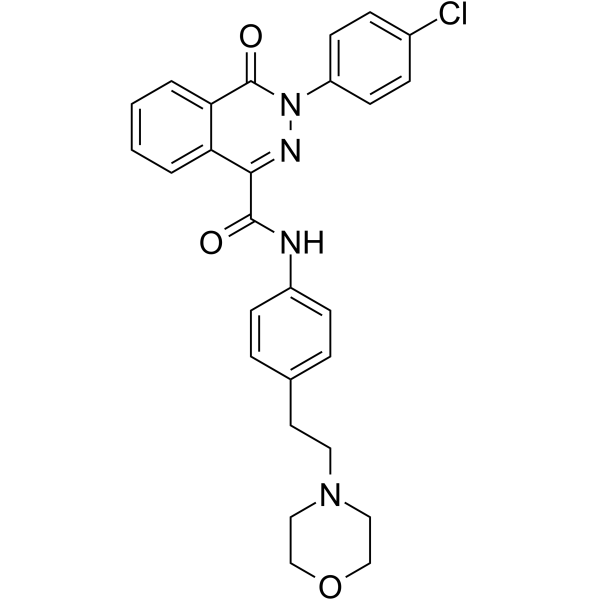
ABCB1-IN-3 (Compound K27) is an orally active inhibitor of ABCB1, and induces apoptosis. ABCB1-IN-3 directly binds to ABCB1 to inhibit efflux function, ensuring stable intracellular concentration of Paclitaxel (PTX) (HY-B0015) without affecting ABCB1 normal expression. ABCB1-IN-3 significantly increases the sensitivity of ABCB1-mediated multidrug resistance (MDR) to Paclitaxel in vitro, enhances cell cycle arrest, and inhibits proliferation. BCB1-IN-3 combined with Paclitaxel exhibits potent tumor suppression in vivo without generating toxicity .
|
-
-
- HY-174324
-
|
|
VEGFR
P-glycoprotein
Apoptosis
|
Cancer
|
|
VEGFR-2/P-gp-IN-1, a Licochalcone A (HY-N0372) derivative, is an orally active VEGFR-2 (IC50 = 0.885 μM) and P-gp inhibitor. VEGFR-2/P-gp-IN-1 achieves anti-tumor proliferation and overcomes chemotherapy resistance by synchronously inhibiting VEGFR-2 kinase activity and P-gp drug efflux pump function. VEGFR-2/P-gp-IN-1 inhibits phosphorylation of VEGFR-2 and downstream PI3K/AKT signaling pathway proteins, induces apoptosis, blocks cells in the S phase, and inhibits invasive migration. VEGFR-2/P-gp-IN-1 exerts potent in vivo anti-tumor effects in the HeLa/DDP cell xenograft tumor model. VEGFR-2/P-gp-IN-1 is used in cervical cancer research.
|
-
-
- HY-N0566R
-
|
Anemosapogenin (Standard)
|
Reference Standards
Apoptosis
Autophagy
Bcl-2 Family
Caspase
Survivin
p38 MAPK
MMP
|
Cancer
|
|
23-Hydroxybetulinic acid (Standard) is the analytical standard of 23-Hydroxybetulinic acid (HY-N0566). This product is intended for research and analytical applications. 23-Hydroxybetulinic acid (Anemosapogenin) is an orally active triterpenoid with broad-spectrum anticancer activity. 23-Hydroxybetulinic acid reduces the levels of Bcl-2 and survivin, elevates the level of Bax, promotes the cleavage/activation of caspase-3 and caspase-9, and induces apoptosis via the endogenous mitochondrial pathway involving cytochrome C release and mitochondrial membrane potential disruption. 23-Hydroxybetulinic acid arrests the cell cycle at S and G1 phases, inhibits cancer cell proliferation, blocks the MAPK signaling pathway, regulates MMP2, and induces autophagic apoptosis by upregulating beclin-1. 23-Hydroxybetulinic acid inhibits the activity and efflux function of P-gp, increases the intracellular accumulation of chemotherapeutic drugs, and synergistically enhances cytotoxicity with Doxorubicin (HY-15142). 23-Hydroxybetulinic acid inhibits the phosphorylation and nuclear translocation of STAT6, blocks M2 macrophage polarization, and reduces M2 macrophage-mediated apoptosis resistance of colon cancer cells. 23-Hydroxybetulinic acid can be used in related studies on chronic myeloid leukemia, hepatocellular carcinoma, sarcoma 180, multidrug-resistant breast cancer, leukemia, Doxorubicin-induced cardiotoxicity, and colorectal cancer.
|
-
-
- HY-182484
-
|
|
GlyT
|
Neurological Disease
|
|
Org 24461 is a selective and brain-penetrant GlyT-1 inhibitor. Org 24461 blocks glycine uptake, reuptake, reverse operation, [ 3H]glycine efflux and release. Org 24461 enhances NMDA receptor function, modulates striatal monoamine/glutamate levels, and reverses PCP-induced behavioral and electrographic abnormalities. Org 24461 can be used for the research of retinal hypoxia/ischemia, and schizophrenia .
|
-
-
- HY-101511R
-
|
|
P-glycoprotein
Reference Standards
|
Cancer
|
|
TTT-28 (Standard) is the analytical standard of TTT-28 (HY-101511). This product is intended for research and analytical applications. TTT-28 is a synthesized thiazole-valine peptidomimetic, a novel selective inhibitor of ABCB1 (P-gp/MDR1) with high efficacy and low toxicity, which reverses the ATP-binding cassette sub-family B member 1 (ABCB1)-mediated multidrug resistance (MDR) by selectively blocking the efflux function of ABCB1 .
|
-
-
- HY-182633
-
|
|
P-glycoprotein
|
Cancer
|
|
Hapalosin is a multidrug resistance reversal agent and chemosensitizer with mild cytotoxicity against cancer cells. Hapalosin inhibits the ATP-dependent drug efflux pump function of P-glycoprotein and antagonizes multidrug resistance-associated proteins. Hapalosin reverses multidrug resistance mediated by P-glycoprotein and multidrug resistance-associated proteins, increases the intracellular accumulation of drugs transported by P-glycoprotein, and enhances the cytotoxicity of these drugs against cancer cells overexpressing P-glycoprotein. Hapalosin can be used in the research of multidrug-resistant cancers .
|
-
-
- HY-182253
-
|
|
P-glycoprotein
|
Cancer
|
|
WS-691 is an orally active, selective ABCB1 modulator. WS-691 selectively stabilizes ABCB1 via direct binding to ABCB1. WS-691 inhibits the efflux function of ABCB1 and activates ABCB1 ATPase activity. WS-691 elevates intracellular Paclitaxel (HY-B0015) levels and reduces the required dose of Paclitaxel in cancer cells overexpressing ABCB1. WS-691 increases the sensitivity of colon cancer cells to Paclitaxel .
|
-
-
- HY-181773
-
|
|
P-glycoprotein
STAT
|
Cancer
|
|
P-gp-IN-36 is a potent P-glycoprotein (P-gp) inhibitor with an EC50 of approximately 1 μM. P-gp-IN-36 inhibits the efflux function of P-glycoprotein, overcoming P-gp-mediated multidrug resistance in cancer cells. P-gp-IN-36 inhibits STAT3 phosphorylation and reduces total STAT3 expression. P-gp-IN-36 sensitizes P-gp-expressing cancer cells to the cytostatic effects of conventional cytostatic drugs. P-gp-IN-36 can be used for the research of multidrug-resistant cancer .
|
-
| Cat. No. |
Product Name |
Type |
-
- HY-D0180
-
|
18C6; 1,4,7,10,13,16-Hexaoxacyclooctadecane
|
Biochemical Assay Reagents
|
|
18-Crown-6-ether is a type of crown ether compound and a specific structure dissociating agent. 18-Crown-6-ether can compete with K + for binding to G-quadruplexes, disrupting their stable structure to regulate the functions of related systems. 18-Crown-6-ether combines with K + and other metal ions to achieve precise ion transmembrane transport. 18-Crown-6-ether can act as an "susceptibility substrate" for the multi-drug efflux pump EmrE (a bacterial multidrug resistance transporter), ultimately inhibiting bacterial growth. 18-Crown-6-ether can be used in microcapsule controlled release and the research on developing antibacterial enhancers .
|
| Cat. No. |
Product Name |
Target |
Research Area |
-
- HY-P5589
-
|
PlnA
|
Bacterial
Reactive Oxygen Species (ROS)
|
Infection
Inflammation/Immunology
|
|
Plantaricin A is an antimicrobial peptide that can be derived from Lactobacillus plantarum. Plantaricin A has a synergistic effect with Ciprofloxacin. Plantaricin A shows anti-microbial activity. Plantaricin A increases the membrane potential of S. aureus and the level of intracellular ROS. Plantaricin A inhibits the function of the efflux pump by binding it and altering the structure of MepA, NorA, and LmrS. Plantaricin A significantly relieves inflammation, and promotes wound healing. Plantaricin A permeabilizes cancerous rat pituitary cells [1][2].
|
-
- HY-P10551
-
|
|
Transmembrane Glycoprotein
NF-κB
TNF Receptor
|
Cardiovascular Disease
|
|
ApoA-I mimetic peptide 5A is a synthetic peptide molecule designed based on the structure and function of naturally occurring apolipoprotein A-I (Apo A-I). ApoA-I mimetic peptide 5A can promote the efflux of cholesterol from cells and help reduce the accumulation of cholesterol in cells. ApoA-I mimetic peptide 5A also shows anti-inflammatory activity and can reduce inflammatory markers in blood and tissues. ApoA-I mimetic peptide 5A can be used in the study of cardiovascular diseases .
|
| Cat. No. |
Product Name |
Category |
Target |
Chemical Structure |
-
- HY-N0468
-
|
|
Structural Classification
other families
Classification of Application Fields
Terpenoids
Metabolic Disease
Diterpenoids
Plants
Disease Research Fields
Sweeteners
Source Classification
Food Research
|
FXR
Acetyl-CoA Carboxylase
|
|
Rebaudioside D is an orally active sweetener that targets and activates FXR, modulates Acetyl-CoA Carboxylase, and inhibits 3-hydroxy-3-methylglutaryl-CoA reductase. Rebaudioside D regulates bile acid homeostasis and lipid metabolism, reduces the synthesis rates of fatty acids and cholesterol, and exerts multiple effects including anti-adipogenesis, hepatoprotection, anti-steatosis, gut microbiota modulation, enhancement of secondary bile acid metabolism, anti-endotoxin activity, regulation of bile acid transport, and inhibition of bile acid efflux. Rebaudioside D also reduces body weight gain, visceral fat accumulation, hepatic triglyceride and cholesterol accumulation, hepatic lipid peroxidation, and decreases the circulating level of lipopolysaccharide-binding protein. Rebaudioside D additionally enhances the secondary bile acid metabolic pathway of intestinal bacteria, upregulates the gene expression of ileal organic solute transporter α, and downregulates the gene expression of hepatic bile salt export pump. Rebaudioside D does not affect glucose homeostasis, alter total caloric intake or fecal energy excretion, induce weight gain, exacerbate obesity, promote hepatic steatosis, impair brown adipose tissue function, nor change skeletal muscle metabolism-related proteins. Rebaudioside D can be used in diet-induced obesity and obesity-related research .
|
-
-
- HY-126940
-
-
-
- HY-W014118
-
|
|
Classification of Application Fields
Ketones, Aldehydes, Acids
Endogenous metabolite
Disease Research Fields
Source Classification
Cancer
|
Environmental Pollutants
|
|
α-Hexylcinnamaldehyde is an O-acetyltransferase (OAT) inhibitor. α-Hexylcinnamaldehyde inhibits OAT-mediated bioactivation of nitroarene mutagens, exerts antimutagenic activity through demutagenic and bioantimutagenic mechanisms, and interferes with ATP-binding cassette (ABC) transporter function to reduce substrate efflux. α-Hexylcinnamaldehyde alters membrane permeability, fluidizes phospholipid membranes, exerts antioxidant effects, and enhances the antiproliferative effect of Doxorubicin on human cancer cells. α-Hexylcinnamaldehyde can be used in the research of colorectal adenocarcinoma, T-cell leukemia, and multidrug-resistant cancers .
|
-
-
- HY-N0566
-
|
Anemosapogenin
|
Triterpenes
Structural Classification
other families
Classification of Application Fields
Terpenoids
Plants
Disease Research Fields
Source Classification
Cancer
|
Apoptosis
Autophagy
Bcl-2 Family
Caspase
Survivin
p38 MAPK
MMP
|
|
23-Hydroxybetulinic acid (Anemosapogenin) is an orally active triterpenoid with broad-spectrum anticancer activity. 23-Hydroxybetulinic acid reduces the levels of Bcl-2 and survivin, elevates the level of Bax, promotes the cleavage/activation of caspase-3 and caspase-9, and induces apoptosis via the endogenous mitochondrial pathway involving cytochrome C release and mitochondrial membrane potential disruption. 23-Hydroxybetulinic acid arrests the cell cycle at S and G1 phases, inhibits cancer cell proliferation, blocks the MAPK signaling pathway, regulates MMP2, and induces autophagic apoptosis by upregulating beclin-1. 23-Hydroxybetulinic acid inhibits the activity and efflux function of P-gp, increases the intracellular accumulation of chemotherapeutic drugs, and synergistically enhances cytotoxicity with Doxorubicin (HY-15142). 23-Hydroxybetulinic acid inhibits the phosphorylation and nuclear translocation of STAT6, blocks M2 macrophage polarization, and reduces M2 macrophage-mediated apoptosis resistance of colon cancer cells. 23-Hydroxybetulinic acid can be used in related studies on chronic myeloid leukemia, hepatocellular carcinoma, sarcoma 180, multidrug-resistant breast cancer, leukemia, Doxorubicin-induced cardiotoxicity, and colorectal cancer .
|
-
-
- HY-N0468R
-
|
|
Structural Classification
other families
Terpenoids
Diterpenoids
Plants
Source Classification
|
Reference Standards
Acetyl-CoA Carboxylase
FXR
|
|
Rebaudioside D (Standard) is the analytical standard of Rebaudioside D. This product is intended for research and analytical applications. Rebaudioside D is an orally active sweetener that targets and activates FXR, modulates Acetyl-CoA Carboxylase, and inhibits 3-hydroxy-3-methylglutaryl-CoA reductase. Rebaudioside D regulates bile acid homeostasis and lipid metabolism, reduces the synthesis rates of fatty acids and cholesterol, and exerts multiple effects including anti-adipogenesis, hepatoprotection, anti-steatosis, gut microbiota modulation, enhancement of secondary bile acid metabolism, anti-endotoxin activity, regulation of bile acid transport, and inhibition of bile acid efflux. Rebaudioside D also reduces body weight gain, visceral fat accumulation, hepatic triglyceride and cholesterol accumulation, hepatic lipid peroxidation, and decreases the circulating level of lipopolysaccharide-binding protein. Rebaudioside D additionally enhances the secondary bile acid metabolic pathway of intestinal bacteria, upregulates the gene expression of ileal organic solute transporter α, and downregulates the gene expression of hepatic bile salt export pump. Rebaudioside D does not affect glucose homeostasis, alter total caloric intake or fecal energy excretion, induce weight gain, exacerbate obesity, promote hepatic steatosis, impair brown adipose tissue function, nor change skeletal muscle metabolism-related proteins. Rebaudioside D can be used in diet-induced obesity and obesity-related research .
|
-
-
- HY-N15297
-
-
-
- HY-W014118R
-
|
|
Ketones, Aldehydes, Acids
Endogenous metabolite
Source Classification
|
Reference Standards
Environmental Pollutants
|
|
α-Hexylcinnamaldehyde (Standard) is the analytical standard of α-Hexylcinnamaldehyde. This product is intended for research and analytical applications. α-Hexylcinnamaldehyde is an O-acetyltransferase (OAT) inhibitor. α-Hexylcinnamaldehyde inhibits OAT-mediated bioactivation of nitroarene mutagens, exerts antimutagenic activity through demutagenic and bioantimutagenic mechanisms, and interferes with ATP-binding cassette (ABC) transporter function to reduce substrate efflux. α-Hexylcinnamaldehyde alters membrane permeability, fluidizes phospholipid membranes, exerts antioxidant effects, and enhances the antiproliferative effect of Doxorubicin on human cancer cells. α-Hexylcinnamaldehyde can be used in the research of colorectal adenocarcinoma, T-cell leukemia, and multidrug-resistant cancers .
|
-
-
- HY-N0566R
-
|
Anemosapogenin (Standard)
|
Triterpenes
Structural Classification
other families
Terpenoids
Plants
Source Classification
|
Reference Standards
Apoptosis
Autophagy
Bcl-2 Family
Caspase
Survivin
p38 MAPK
MMP
|
|
23-Hydroxybetulinic acid (Standard) is the analytical standard of 23-Hydroxybetulinic acid (HY-N0566). This product is intended for research and analytical applications. 23-Hydroxybetulinic acid (Anemosapogenin) is an orally active triterpenoid with broad-spectrum anticancer activity. 23-Hydroxybetulinic acid reduces the levels of Bcl-2 and survivin, elevates the level of Bax, promotes the cleavage/activation of caspase-3 and caspase-9, and induces apoptosis via the endogenous mitochondrial pathway involving cytochrome C release and mitochondrial membrane potential disruption. 23-Hydroxybetulinic acid arrests the cell cycle at S and G1 phases, inhibits cancer cell proliferation, blocks the MAPK signaling pathway, regulates MMP2, and induces autophagic apoptosis by upregulating beclin-1. 23-Hydroxybetulinic acid inhibits the activity and efflux function of P-gp, increases the intracellular accumulation of chemotherapeutic drugs, and synergistically enhances cytotoxicity with Doxorubicin (HY-15142). 23-Hydroxybetulinic acid inhibits the phosphorylation and nuclear translocation of STAT6, blocks M2 macrophage polarization, and reduces M2 macrophage-mediated apoptosis resistance of colon cancer cells. 23-Hydroxybetulinic acid can be used in related studies on chronic myeloid leukemia, hepatocellular carcinoma, sarcoma 180, multidrug-resistant breast cancer, leukemia, Doxorubicin-induced cardiotoxicity, and colorectal cancer.
|
-
Your information is safe with us. * Required Fields.
Inquiry Information
- Product Name:
- Cat. No.:
- Quantity:
- MCE Japan Authorized Agent:

