


Search Result
Results for "
encephalitis
" in MedChemExpress (MCE) Product Catalog:
| Cat. No. |
Product Name |
Target |
Research Areas |
Chemical Structure |
-
- HY-B0217
-
|
NTZ; NSC 697855
|
Parasite
Influenza Virus
Autophagy
|
Infection
Cancer
|
|
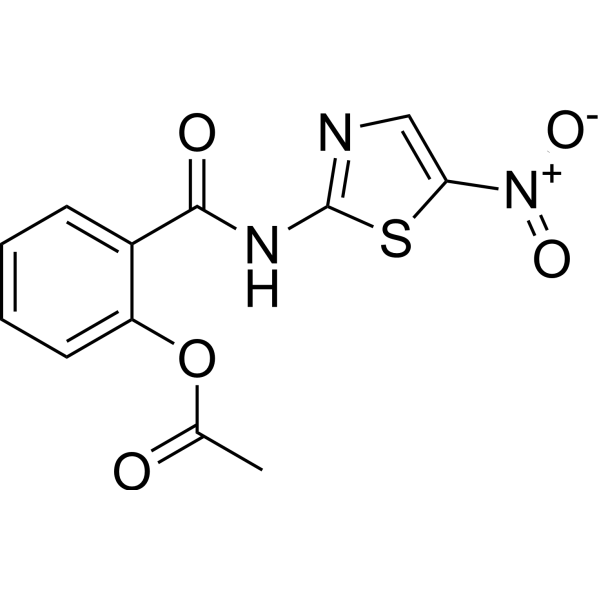
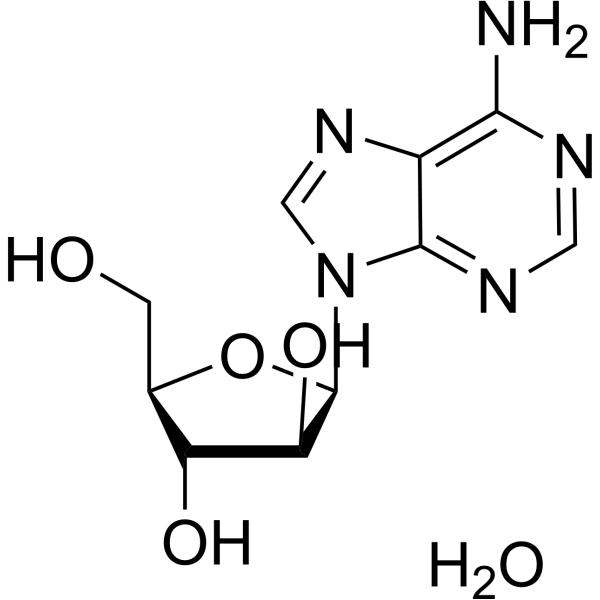
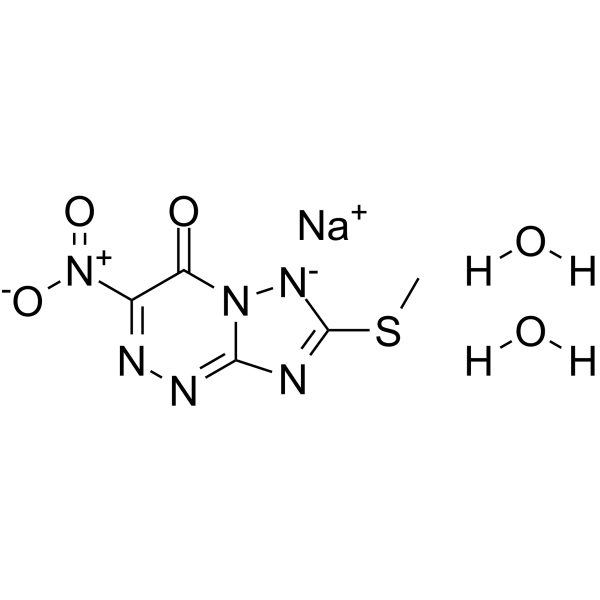
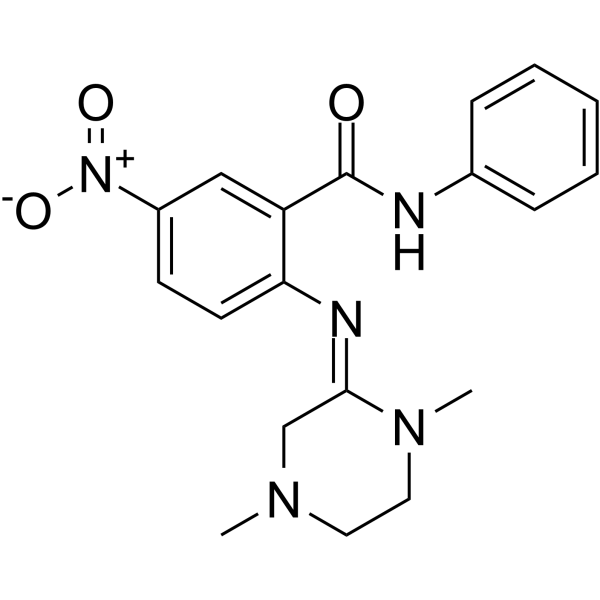
Nitazoxanide (NTZ), an anthelmintic agent, exhibits a broad spectrum of activities against a wide variety of helminths, protozoa, and enteric bacteria infecting animals and humans. Nitazoxanide inhibits Giardia lamblia trophozoite proliferation in axenic culture with an IC50 of 2.4 μM . Nitazoxanide can be used for the research of parasitic gastroenteritis. Nitazoxanide shows anti-Japanese encephalitis virus (JEV) activity in a mouse model .
|
-
-
- HY-125033
-
EIDD-1931
Maximum Cited Publications
39 Publications Verification
β-D-N4-hydroxycytidine; NHC
|
CHIKV
SARS-CoV
Enterovirus
HCV
Topoisomerase
|
Infection
|
|
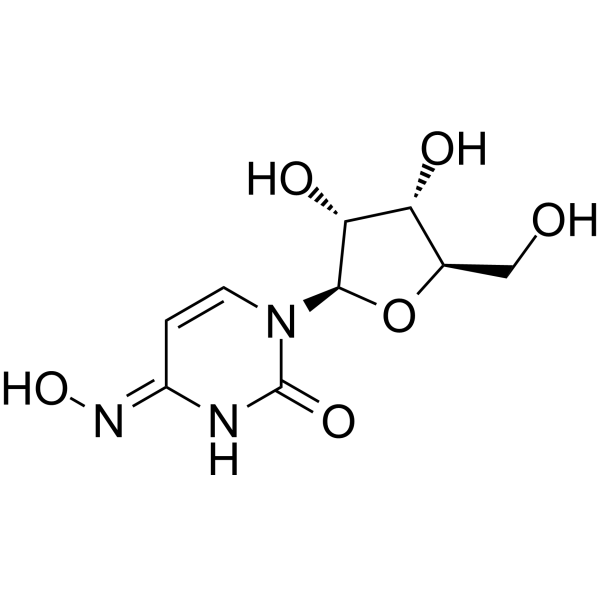
EIDD-1931 (Beta-d-N4-hydroxycytidine; NHC) is a novel nucleoside analog and behaves as a potent anti-virus agent. EIDD-1931 effectively inhibits the replication activity of venezuelan equine encephalitis virus (VEEV), Chikungunya virus (CHIKV) and hepatitis C virus (HCV) .
|
-
-
- HY-P99113
-
|
MEDI-551
|
ADC Antibody
CD19
|
Inflammation/Immunology
|
|
Inebilizumab is an anti-CD19 monoclonal antibody (mAb) with enhanced antibody-dependent cell-mediated cytotoxicity against B cells. Inebilizumab can be used for multiple sclerosis and neuromyelitis optica research .
|
-
-
- HY-19711
-
|
G10
|
STING
Virus Protease
|
Infection
|
|
STING agonist-1 (G10) is human-specific STING agonist that elicits antiviral activity against emerging Alphaviruses. G10 potently blocks replication of Alphavirus species Venezuelan Equine Encephalitis Virus (VEEV) with IC90 of 24.57 μM .
|
-
-
- HY-P5912
-
|
|
iGluR
Calcium Channel
|
Neurological Disease
|
|
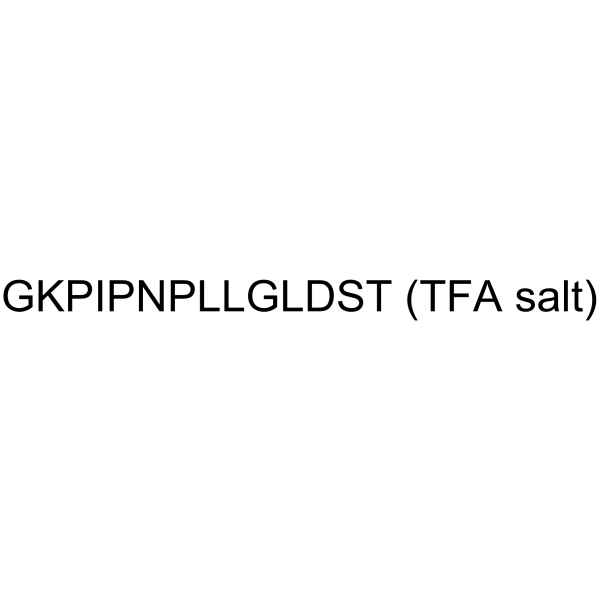
GluN1 (356-385) is a polypeptide targeting NMDAR GluN1. GluN1 (356-385) induces the production of autoantibodies, which reduce the density of cell surface NMDAR clusters, impair long-term potentiation, and decrease NMDAR-mediated Ca 2+ influx. As an immunogen, GluN1 (356-385) induces symptoms similar to anti-NMDAR encephalitis, including memory loss, in mice. GluN1 (356-385) can be used to establish a mouse model that mimics the pathogenesis of anti-NMDAR encephalitis. GluN1 (356-385) is applicable to research related to anti-NMDAR encephalitis .
|
-
-
- HY-101265
-
|
S1p receptor agonist 1
|
LPL Receptor
|
Inflammation/Immunology
|
|
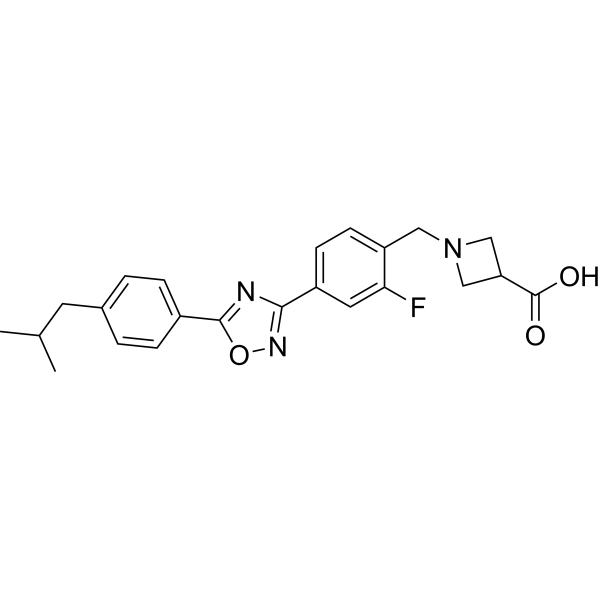
Icanbelimod (S1p receptor agonist 1) is a potent and orally active S1P receptor agonist, exhibits an activity of inducing S1P1 internalization (EC50=9.83 nM). Icanbelimod has the potential for the study of arthritis and EAE (experimental autoimmune encephalitis). Icanbelimod is extracted from patent WO2015039587A1, Compound 2.
|
-
-
- HY-12928
-
|
|
Virus Protease
|
Infection
|
|
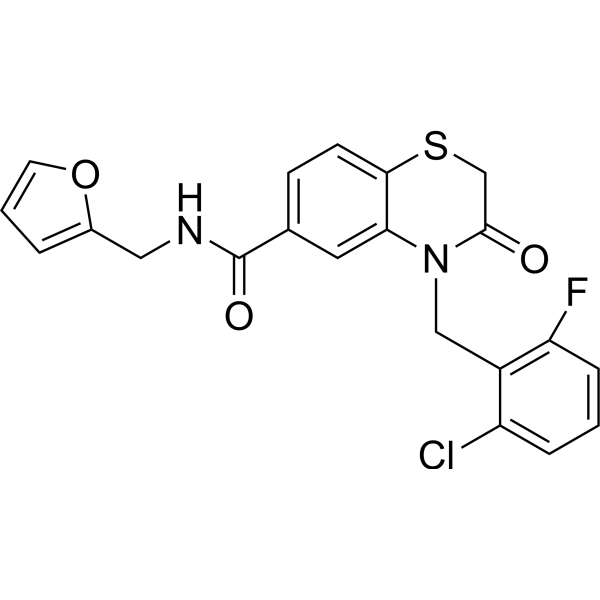
ML336 is quinazolinone-based inhibitor against venezuelan equine encephalitis virus (VEEV), with IC50s of 32, 20, and 42 nM for VEEV TC-83 CPE , VEEV V3526 CPE, VEEV Wild Type CPE, respectively. ML336 potently inhibits a VEEV-induced cytopathic effect in three strains of the virus (TC-83, V3526, and wild type Trinidad donkey) in the low nanomolar range .
|
-
-
- HY-P4086
-
|
|
RABV
nAChR
|
Neurological Disease
Cancer
|
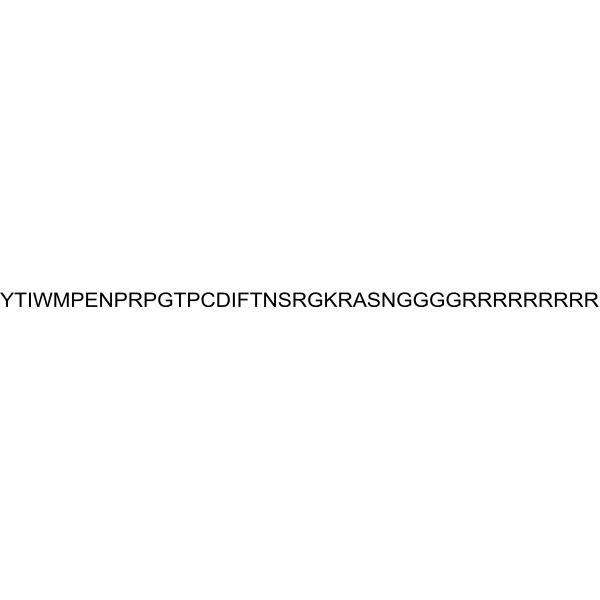
Chimeric Rabies Virus Glycoprotein Fragment (RVG-9R) is a cell-penetrating peptide that is synthesized by adding nona-arginine motif to the carboxy terminus of RVG (rabies virus glycoprotein). Chimeric Rabies Virus Glycoprotein Fragment (RVG-9R) binds to nAChR on neuronal cells to mediate receptor-mediated endocytosis and targeted siRNA delivery. Chimeric Rabies Virus Glycoprotein Fragment (RVG-9R) protects complexed siRNA from degradation, enhances transcellular siRNA delivery in neuronal cells, and promotes efficient, pecific gene silencing. Chimeric Rabies Virus Glycoprotein Fragment (RVG-9R) can be used for the researches of neurological disease and cancer .
|
-
-
- HY-19743
-
-
-
- HY-135867E
-
|
|
CHIKV
Endogenous Metabolite
Enterovirus
HCV
Topoisomerase
SARS-CoV
|
Infection
|
|
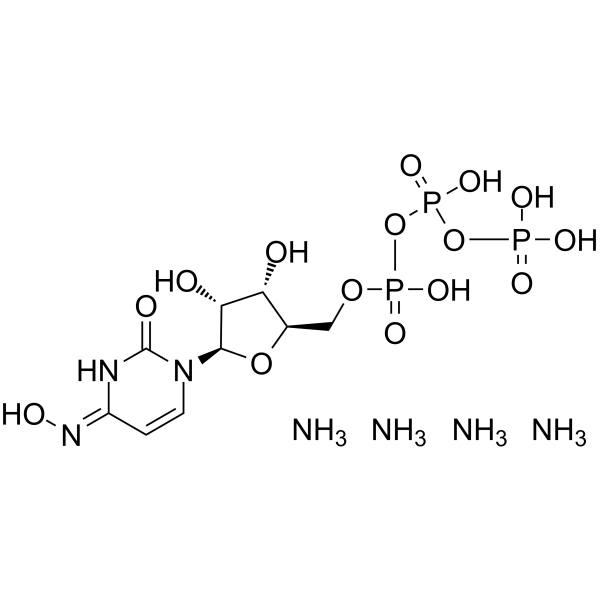
NHC-triphosphate tetraammonium is an active phosphorylated intracellular metabolite of β-d-N4-Hydroxycytidine (NHC) (HY-125033) as a triphosphate form . NHC-triphosphate tetraammonium is a weak alternative substrate for the viral polymerase and can be incorporated into HCV replicon RNA .
|
-
-
- HY-P5911
-
|
|
iGluR
|
Inflammation/Immunology
|
|
GluN1 (359-378) is an anti-N-methyl-D-aspartate
receptor (NMDAR) peptide. GluN1 (359-378) can cross the blood-brain barrier.
GluN1 (359-378) can be used to study anti-NMDAR encephalitis therapy targeting
the immune system .
|
-
-
- HY-136797
-
|
|
Dengue Virus
|
Infection
|
|
BP13944 is a potential small molecule inhibitor discovered by high-throughput screening. It can effectively inhibit the expression of dengue virus (DENV) replicons with an EC50 value of 1.03±0.09 μM. BP13944 can inhibit the replication or viral RNA synthesis of all four serotypes of DENV, but is ineffective against Japanese encephalitis virus. BP13944 may target the DENV NS3 protease, and the E66G amino acid substitution in the NS3 protease region will cause the virus to become resistant to BP13944. BP13944 has no obvious cytotoxicity. As there is currently no effective dengue vaccine and treatment, BP13944, as an effective small molecule inhibitor, may become a potential agent for the treatment of dengue in the future.
|
-
-
- HY-W128400
-
|
|
DNA/RNA Synthesis
HCV
|
Infection
|
|
3′-Deoxy-3′-fluoroguanosine exhibits antiviral activity against tick-borne encephalitis virus (TBEV), through interaction with NS5B RdRp of HCV, resulting in suppression of viral RNA synthesis by disruption of further extension of the replicating viral RNA .
|
-
-
- HY-P991611
-
|
|
iGluR
|
Inflammation/Immunology
|
|
ART5803 is a humanized IgG1 monoclonal antibody inhibitor targeting NMDAR. ART5803 binds to the N-terminal domain (NTD) of the NMDAR GluN1 subunit (GluN1-NTD) with a high affinity. ART5803 blocks NMDAR internalization induced by pathogenic autoantibodies and restores cell-surface NMDAR expression and functions. ART5803 reverses behavioral abnormalities and NMDAR expression in marmoset disease models. ABT-147 can be used to study anti-NMDAR encephalitis .
|
-
-
- HY-P990135
-
|
|
Transmembrane Glycoprotein
|
Infection
Inflammation/Immunology
|
|
Anti-Rat CD4 Antibody (OX-38) is a mouse-derived IgG2a κ type antibody inhibitor, targeting to rat CD4. Anti-Rat CD4 Antibody (OX-38) can deplete CD4 + cells. Anti-Rat CD4 Antibody (OX-38) can be used for the researches of immunology and infection, such as borna disease and transplantation .
|
-
-
- HY-P10862
-
|
|
Exosomes
Virus Protease
|
Infection
Cancer
|
AH-D peptide is a brain-penetrant antiviral agent disrupting highly curved lipid membranes. AH-D peptide exhibits broad-spectrum antiviral activity against ZIKV, Dengue virus, Chikungunya virus, yellow fever virus and Japanese encephalitis virus, with IC50 values of 11.9, 12.5, 35.7, 206 and 136 nM, respectively. AH-D peptide reduces the viral load in the brain, suppresses inflammation, protects neurons, and does not damage the blood brain barrier. AH-D peptide restores antitumor immunity by decreasing circulating PD-L1 + exosomes, reducing intratumoral immunosuppressive cells (regulatory T cells, myeloid-derived suppressor cells), and enhancing T cell function. AH-D peptide inhibits membrane-enveloped viruses and cancer cell metastasis in vivo. AH-D peptide exhibits no immunogenicity and has negligible effects on normal tissues. AH-D peptide can be used for research in Zika virus and other mosquito-borne viruses, cancer immunotherapy and metastasis .
|
-
-
- HY-161844
-
|
|
SARS-CoV
Dengue Virus
|
Infection
|
|
Virapinib is a macropinocytosis inhibitor with antiviral activity. Virapinib exhibits broad-spectrum antiviral activity against SARS-CoV-2, monkeypox virus, tick-borne encephalitis virus, and Ebola pseudotyped vesicular stomatitis virus, and it enhances Dengue Virus infection. Virapinib blocks viral entry by inhibiting macropinocytosis, reduces syncytium formation in SARS-CoV-2-infected cells, and impairs cellular entry of SARS-CoV-2 variants. Virapinib upregulates the expression of genes related to sterol biosynthesis. Virapinib can be used in studies related to COVID-19, monkeypox, tick-borne encephalitis, and Ebola virus infection .
|
-
-
- HY-135867
-
-
-
- HY-135867A
-
|
|
CHIKV
Endogenous Metabolite
Enterovirus
HCV
Topoisomerase
|
Infection
|
|
NHC-triphosphate tetrasodium is an active phosphorylated intracellular metabolite of β-d-N4-Hydroxycytidine (NHC) (HY-125033) as a triphosphate form . NHC-triphosphate tetrasodium is a weak alternative substrate for the viral polymerase and can be incorporated into HCV replicon RNA .
|
-
-
- HY-18649B
-
|
BCX4430 dihydrochloride; Immucillin-A dihydrochloride
|
Flavivirus
|
Infection
|
|
Galidesivir (BCX4430; Immucillin-A) dihydrochloride is a broad-spectrum RNA virus inhibitor that can inhibit Ebola and yellow fever virus (Flavivirus) infections. Galidesivir has potent antiviral activity against tick-borne encephalitis virus (TBEV) and also inhibits the proliferation of many other medically important flaviviruses .
|
-
-
- HY-145842
-
|
|
Virus Protease
|
Infection
Neurological Disease
|
|
Encephalitic alphavirus-IN-1 has antiviral activity for VEEV and EEEV with EC50s of 0.24 μM and 0.16 μM, respectively. Encephalitic alphavirus-IN-1 has robust mouse plasma stability, and no obvious cytotoxicity .
|
-
-
- HY-135867D
-
|
|
CHIKV
Endogenous Metabolite
Enterovirus
HCV
Topoisomerase
SARS-CoV
|
Infection
|
|
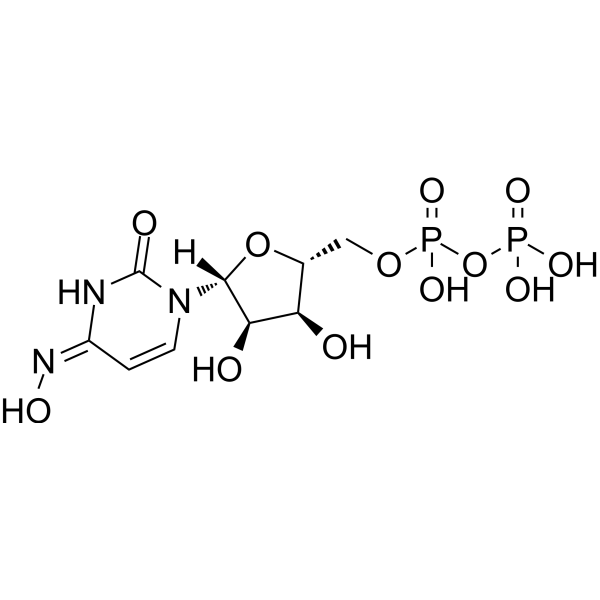
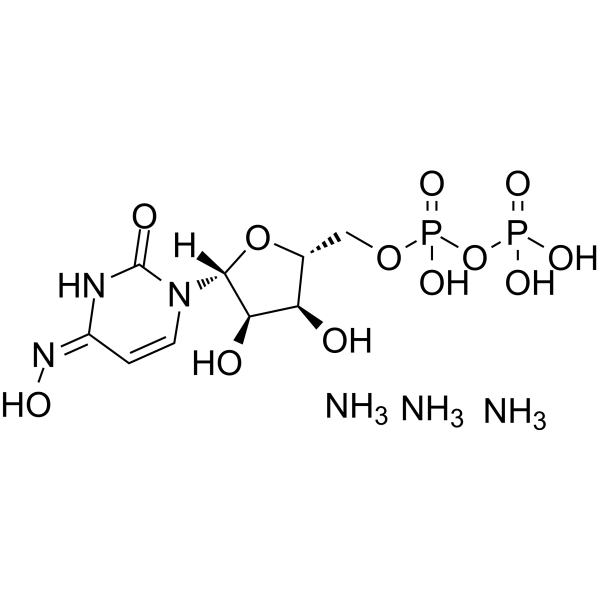
NHC-diphosphate is an active phosphorylated intracellular metabolite of β-d-N4-Hydroxycytidine (NHC) (HY-125033) as a diphosphate form . NHC is a pyrimidine ribonucleoside and behaves as a potent anti-virus agent. NHC effectively inhibits the replication of venezuelan equine encephalitis virus (VEEV), Chikungunya virus (CHIKV) and hepatitis C virus (HCV) .
|
-
-
- HY-B0217R
-
|
NTZ (Standard); NSC 697855 (Standard)
|
Reference Standards
Parasite
Influenza Virus
Autophagy
|
Infection
Cancer
|
|
Nitazoxanide (Standard) is the analytical standard of Nitazoxanide. This product is intended for research and analytical applications. Nitazoxanide (NTZ), an anthelmintic agent, exhibits a broad spectrum of activities against a wide variety of helminths, protozoa, and enteric bacteria infecting animals and humans. Nitazoxanide inhibits Giardia lamblia trophozoite proliferation in axenic culture with an IC50 of 2.4 μM . Nitazoxanide can be used for the research of parasitic gastroenteritis. Nitazoxanide shows anti-Japanese encephalitis virus (JEV) activity in a mouse model .
|
-
-
- HY-135867F
-
|
|
CHIKV
Endogenous Metabolite
Enterovirus
HCV
Topoisomerase
SARS-CoV
|
Infection
|
|
NHC-diphosphate triammonium is an active phosphorylated intracellular metabolite of β-d-N4-Hydroxycytidine (NHC) (HY-125033) as a diphosphate form . NHC-diphosphate triammonium is a weak alternative substrate for the viral polymerase and can be incorporated into HCV replicon RNA .
|
-
-
- HY-147660
-
|
|
LPL Receptor
|
Inflammation/Immunology
|
|
IMMH001, also called SYL930, is an orally active, potent and selective S1P1 (sphingosine-1-phosphate receptor 1) agonist. IMMH001 decreased levels of both chemokines and proinflammatory cytokines, including IL-1β, IL-5, IL-18, IP10, CCL3, and CCL5. IMMH001 can be used for rheumatoid arthritis (RA) research .
|
-
-
- HY-161804
-
|
|
PROTACs
Dengue Virus
|
Infection
|
|
GNF-2-deg is a PROTAC degrader for dengue virus envelope protein (DENV E protein) with DC50 of 0.83 μM. GNF-2-deg prevents viral entry by inhibiting E-mediated membrane fusion, prevents virion production by protein degradation, and thereby exhibits antiviral activity against DENV 2 with EC90 of 3.5 μM. GNF-2-deg exhibits antiviral activity against ZIKV, JEV, WNV and YFV with EC90 of 1.96-7.79 μM. (Pink: ligand for target protein (HY-161805); Black: linker (HY-42149); Blue: ligand for E3 ligase (HY-23095))
|
-
-
- HY-P5642
-
-
-
- HY-171261
-
|
|
Virus Protease
|
Infection
|
|
CID15997213 is a blood-brain barrier penetrating antiviral agent. CID15997213 targets the amino-terminal domain of the VEEV nonstructural protein 2 (nsP2). CID15997213 shows alphavirus-specific antiviral effect, inhibiting VEEV and Western equine encephalitis virus .
|
-
-
- HY-124378
-
|
|
MAGL
|
Inflammation/Immunology
|
|
MAGL-IN-17 (Compound ) is an inhibitor for MAGL with a Ki of 0.4 μM. MAGL-IN-17 inhibits mouse MAGL and rat MAGL with IC50 of 0.18 and 0.24 μM. MAGL-IN-17 exhibits anti-inflammatory activity in mouse experimental autoimmune encephalitis models .
|
-
-
- HY-176163
-
|
|
HSV
|
Infection
|
|
HSV-1-IN-2 (compound 5i) is a potent Herpes simplex virus type 1 (HSV-1) inhibitor with an EC50 of 1.95 μM. HSV-1-IN-2 inhibits apoptosis and improves herpes encephalitis model mouse survival .
|
-
-
- HY-159879
-
|
|
AAK1
Dengue Virus
|
Infection
|
|
AAK1-IN-6 (Compound 23) is an inhibitor of AP-2-associated protein kinase 1 (AAK1, IC50 = 12 nM) with antiviral activity against the dengue virus (DNEV2, EC50 = 0.24 μM) and Venezuelan equine encephalitis virus (VEEV, EC50 = 0.30 μM). AAK1-IN-6 can be utilized in antiviral research .
|
-
-
- HY-123168
-
|
|
Drug Derivative
|
Infection
|
|
ZIMET 124/73 is a hetarylhydrazone derivative. ZIMET 124/73 is a potent antiviral agent. ZIMET 124/73 can be used for Mengo virus research .
|
-
-
- HY-175234
-
|
|
DNA/RNA Synthesis
Virus Protease
|
Infection
|
|
CHIKV nsP2 protease-IN-2 (Compound 2o) is a allosteric nonstructural protein 2 helicase (nsP2hel) inhibitor with IC50s of 0.5 μM and 0.9 μM for nsP2 ATPase and RNA unwindase, respectively. CHIKV nsP2 protease-IN-2 has broad-spectrum antialphaviral activity against chikungunya virus (CHIKV), Mayaro virus (MAYV), and Venezuelan equine encephalitis virus (VEEV) (EC50 of 120 nM for CHIKV-nLuc). CHIKV nsP2 protease-IN-2 can be used for alphaviruses infections research .
|
-
-
- HY-144126
-
|
|
LPL Receptor
|
Inflammation/Immunology
|
|
S1P1 agonist 5 is a selective and orally active S1P1 agonist. S1P1 agonist 5 inhibits the lymphocyte egress from the lymphoid tissue to the peripheral blood. S1P1 agonist 5 has the potential for the research of multiple sclerosis (MS) .
|
-
-
- HY-178334
-
|
|
CHIKV
|
Infection
|
|
GAP-1173149 is a Chikungunya Virus polymerase inhibitor targeting the CHIKV nsP4 RNA-dependent RNA polymerase .
|
-
-
- HY-P991768
-
|
|
Virus Protease
|
Infection
|
|
Anti-Eastern equine encephalitis virus E2 protein Antibody (EEEV-3) reacts with the B domain of the E2 glycoprotein on the eastern equine encephalitis virus (EEEV). Anti-Eastern equine encephalitis virus E2 protein Antibody (EEEV-3) exhibits a modest inhibition of viral attachment to the plasma membrane of the cells. Recommend Isotype Controls: Mouse IgG2c kappa, Isotype Control (HY-P99981) .
|
-
-
- HY-P991766
-
|
|
Flavivirus
|
Infection
|
|
Anti-Venezuelan equine encephalitis virus E2 protein Antibody (VEEV-57) reacts with the E2 protein of the Venezuelan equine encephalitis virus (VEEV). Anti-Venezuelan equine encephalitis virus E2 protein Antibody (VEEV-57) inhibits VEEV attachment to Vero cells, viral egress, viral fusion, and LDLRAD3-D1-Fc binding. Recommend Isotype Controls: Mouse IgG2c kappa, Isotype Control (HY-P99981) .
|
-
-
- HY-101265R
-
|
S1p receptor agonist 1 (Standard)
|
LPL Receptor
Reference Standards
|
Inflammation/Immunology
|
|
Icanbelimod (Standard) is the analytical standard of Icanbelimod (HY-101265). This product is intended for research and analytical applications. Icanbelimod (S1p receptor agonist 1) is a potent and orally active S1P receptor agonist, exhibits an activity of inducing S1P1 internalization (EC50=9.83 nM). Icanbelimod has the potential for the study of arthritis and EAE (experimental autoimmune encephalitis). Icanbelimod is extracted from patent WO2015039587A1, Compound 2.
|
-
-
- HY-N11234A
-
|
|
Insecticide
|
Infection
|
|
(Z)-γ-Bisabolene is a monocyclic bisabolane-type sesquiterpene hydrocarbon found in the essential oil of Galinsoga parviflora, acting as a mosquito larvicide and oviposition deterrent. (Z)-γ-Bisabolene induces acute toxicity in larvae of six mosquito species. (Z)-γ-Bisabolene deters oviposition in gravid females of six mosquito species. (Z)-γ-Bisabolene can be used for the research of malaria, dengue, japanese encephalitis, zika virus .
|
-
-
- HY-150306A
-
|
(Rac)-IM-250
|
HSV
DNA/RNA Synthesis
|
Infection
|
|
(Rac)-Adibelivir ((Rac)-IM-250) is a blood-brain barrier-penetrant HSV helicase-primase inhibitor and metabolic stabilizer with antiviral activity. (Rac)-Adibelivir is also effective against Acyclovir (HY-17422)-resistant strains, and its deuterated structure exhibits enhanced metabolic stability, reducing the formation of hydroxylated metabolites. (Rac)-Adibelivir prolongs in vivo half-life, reduces administration dosage, improves oral bioavailability, and achieves higher brain exposure in mice. (Rac)-Adibelivir can be used in the research of herpes simplex infection, herpes encephalitis and Alzheimer's disease .
|
-
-
- HY-150306B
-
|
(R)-IM-250
|
HSV
DNA/RNA Synthesis
|
Infection
|
|
(R)-Adibelivir ((R)-IM-250) is a blood-brain barrier-permeable HSV helicase-primase inhibitor. (R)-Adibelivir specifically inhibits the activity of the HSV UL5-UL52-UL8 helicase-primase complex. (R)-Adibelivir affects viral reactivation and significantly reduces the reactivation capacity of latent neuronal HSV reservoirs. (R)-Adibelivir can be used in studies related to herpes simplex virus infection, herpes encephalitis, neonatal herpes, and other related conditions .
|
-
-
- HY-181969
-
|
|
Virus Protease
|
Infection
|
|
BFB78 is a blood-brain barrier-permeable nsP2 protease inhibitor. BFB78 potently and broadly inhibits the purified nsP2 proteases of various alphaviruses, with IC50 values ranging from 21.6 nM (Mayaro virus; MAYV) to 130.7 nM (Chikungunya virus; CHIKV). BFB78 blocks viral replication in cell culture systems and reduces viral titers in the brains of mice. BFB78 can be used in studies related to Venezuelan equine encephalitis virus (VEEV) infection .
|
-
-
- HY-186103
-
|
|
CD1
IFNAR
Interleukin Related
Bacterial
Influenza Virus
|
Infection
Inflammation/Immunology
|
|
Glycolipid C34, α-GalCer (HY-102022) analog, is a CD1d-binding glycolipid antinfection agent. Glycolipid C34 mediates invariant natural killer T cell activation and increases the secretion of IFN-γ and IL-4. Glycolipid C34 promotes clearance of bacterial infections in murine models and enhances protective immunity against viral infections. Glycolipid C34 can be used for the research of bacterial infection, viral infection .
|
-
-
- HY-P5642A
-
|
RC-101 TFA
|
HIV
SARS-CoV
Influenza Virus
Flavivirus
HSV
Bacterial
Fungal
Toll-like Receptor (TLR)
Ser/Thr Protease
|
Infection
Inflammation/Immunology
|
|
Retrocyclin-101 (RC-101) TFA is an artificially synthesized, cyclic-structured θ-defensin, a broad-spectrum agent with antimicrobial (covering viruses, bacteria, and fungi) activity and anti-inflammatory activity. Retrocyclin-101 TFA can inhibit the serine protease activity of ZIKV NS2B-NS3, with an IC50 of 7.20 μM. Retrocyclin-101 TFA has significant inhibitory activity against HIV, SARS-CoV-2, flaviviruses, influenza viruses, HSV-1/2, Staphylococcus aureus, etc. Retrocyclin-101 TFA inhibits the signal transduction mediated by TLR4 and TLR2, reducing the expression of pro-inflammatory cytokines .
|
-
| Cat. No. |
Product Name |
Target |
Research Area |
-
- HY-P5912
-
|
|
iGluR
Calcium Channel
|
Neurological Disease
|
|
GluN1 (356-385) is a polypeptide targeting NMDAR GluN1. GluN1 (356-385) induces the production of autoantibodies, which reduce the density of cell surface NMDAR clusters, impair long-term potentiation, and decrease NMDAR-mediated Ca 2+ influx. As an immunogen, GluN1 (356-385) induces symptoms similar to anti-NMDAR encephalitis, including memory loss, in mice. GluN1 (356-385) can be used to establish a mouse model that mimics the pathogenesis of anti-NMDAR encephalitis. GluN1 (356-385) is applicable to research related to anti-NMDAR encephalitis .
|
-
- HY-P4086
-
|
|
RABV
nAChR
|
Neurological Disease
Cancer
|
Chimeric Rabies Virus Glycoprotein Fragment (RVG-9R) is a cell-penetrating peptide that is synthesized by adding nona-arginine motif to the carboxy terminus of RVG (rabies virus glycoprotein). Chimeric Rabies Virus Glycoprotein Fragment (RVG-9R) binds to nAChR on neuronal cells to mediate receptor-mediated endocytosis and targeted siRNA delivery. Chimeric Rabies Virus Glycoprotein Fragment (RVG-9R) protects complexed siRNA from degradation, enhances transcellular siRNA delivery in neuronal cells, and promotes efficient, pecific gene silencing. Chimeric Rabies Virus Glycoprotein Fragment (RVG-9R) can be used for the researches of neurological disease and cancer .
|
-
- HY-P5911
-
|
|
iGluR
|
Inflammation/Immunology
|
|
GluN1 (359-378) is an anti-N-methyl-D-aspartate
receptor (NMDAR) peptide. GluN1 (359-378) can cross the blood-brain barrier.
GluN1 (359-378) can be used to study anti-NMDAR encephalitis therapy targeting
the immune system .
|
-
- HY-P10862
-
|
|
Exosomes
Virus Protease
|
Infection
Cancer
|
AH-D peptide is a brain-penetrant antiviral agent disrupting highly curved lipid membranes. AH-D peptide exhibits broad-spectrum antiviral activity against ZIKV, Dengue virus, Chikungunya virus, yellow fever virus and Japanese encephalitis virus, with IC50 values of 11.9, 12.5, 35.7, 206 and 136 nM, respectively. AH-D peptide reduces the viral load in the brain, suppresses inflammation, protects neurons, and does not damage the blood brain barrier. AH-D peptide restores antitumor immunity by decreasing circulating PD-L1 + exosomes, reducing intratumoral immunosuppressive cells (regulatory T cells, myeloid-derived suppressor cells), and enhancing T cell function. AH-D peptide inhibits membrane-enveloped viruses and cancer cell metastasis in vivo. AH-D peptide exhibits no immunogenicity and has negligible effects on normal tissues. AH-D peptide can be used for research in Zika virus and other mosquito-borne viruses, cancer immunotherapy and metastasis .
|
-
- HY-P5642
-
-
- HY-P5642A
-
|
RC-101 TFA
|
HIV
SARS-CoV
Influenza Virus
Flavivirus
HSV
Bacterial
Fungal
Toll-like Receptor (TLR)
Ser/Thr Protease
|
Infection
Inflammation/Immunology
|
|
Retrocyclin-101 (RC-101) TFA is an artificially synthesized, cyclic-structured θ-defensin, a broad-spectrum agent with antimicrobial (covering viruses, bacteria, and fungi) activity and anti-inflammatory activity. Retrocyclin-101 TFA can inhibit the serine protease activity of ZIKV NS2B-NS3, with an IC50 of 7.20 μM. Retrocyclin-101 TFA has significant inhibitory activity against HIV, SARS-CoV-2, flaviviruses, influenza viruses, HSV-1/2, Staphylococcus aureus, etc. Retrocyclin-101 TFA inhibits the signal transduction mediated by TLR4 and TLR2, reducing the expression of pro-inflammatory cytokines .
|
| Cat. No. |
Product Name |
Target |
Research Area |
Image |
-
- HY-P99113
-
|
MEDI-551
|
ADC Antibody
CD19
|
Inflammation/Immunology
|
|
Inebilizumab is an anti-CD19 monoclonal antibody (mAb) with enhanced antibody-dependent cell-mediated cytotoxicity against B cells. Inebilizumab can be used for multiple sclerosis and neuromyelitis optica research .
|
-
(5)
-
- HY-P991611
-
|
|
iGluR
|
Inflammation/Immunology
|
|
ART5803 is a humanized IgG1 monoclonal antibody inhibitor targeting NMDAR. ART5803 binds to the N-terminal domain (NTD) of the NMDAR GluN1 subunit (GluN1-NTD) with a high affinity. ART5803 blocks NMDAR internalization induced by pathogenic autoantibodies and restores cell-surface NMDAR expression and functions. ART5803 reverses behavioral abnormalities and NMDAR expression in marmoset disease models. ABT-147 can be used to study anti-NMDAR encephalitis .
|
-
(5)
-
- HY-P990135
-
|
|
Transmembrane Glycoprotein
|
Infection
Inflammation/Immunology
|
|
Anti-Rat CD4 Antibody (OX-38) is a mouse-derived IgG2a κ type antibody inhibitor, targeting to rat CD4. Anti-Rat CD4 Antibody (OX-38) can deplete CD4 + cells. Anti-Rat CD4 Antibody (OX-38) can be used for the researches of immunology and infection, such as borna disease and transplantation .
|
-
(5)
-
- HY-P991768
-
|
|
Virus Protease
|
Infection
|
|
Anti-Eastern equine encephalitis virus E2 protein Antibody (EEEV-3) reacts with the B domain of the E2 glycoprotein on the eastern equine encephalitis virus (EEEV). Anti-Eastern equine encephalitis virus E2 protein Antibody (EEEV-3) exhibits a modest inhibition of viral attachment to the plasma membrane of the cells. Recommend Isotype Controls: Mouse IgG2c kappa, Isotype Control (HY-P99981) .
|
-
(5)
-
- HY-P991766
-
|
|
Flavivirus
|
Infection
|
|
Anti-Venezuelan equine encephalitis virus E2 protein Antibody (VEEV-57) reacts with the E2 protein of the Venezuelan equine encephalitis virus (VEEV). Anti-Venezuelan equine encephalitis virus E2 protein Antibody (VEEV-57) inhibits VEEV attachment to Vero cells, viral egress, viral fusion, and LDLRAD3-D1-Fc binding. Recommend Isotype Controls: Mouse IgG2c kappa, Isotype Control (HY-P99981) .
|
-
(5)
| Cat. No. |
Product Name |
Category |
Target |
Chemical Structure |
| Cat. No. |
Compare |
Product Name |
Species |
Source |
Image |
Compare Products
|
| Products |
|
| Cat. No. |
|
| Species |
|
| Source |
|
| Tag |
|
| Accession |
|
| Gene ID |
|
| Molecular Weight |
|
| Purity |
|
| Endotoxin Level |
|
| Biological Activity |
|
| Appearance |
|
| Formulation |
|
| Storage & Stability |
|
| Shipping |
|
| Free Sample |
Yes
No
|
| Size |
* This product has been "discontinued".
Optimized version of product available:
|
| Cat. No. |
Compare |
Product Name |
Application |
Reactivity |
Image |
Compare Products
|
| Products |
|
| Cat. No. |
|
| Host |
|
| Reactivity |
|
| Application |
|
Dilution Ratio |
|
| Molecular Weight |
|
| Conjugation |
|
| Clonality |
|
| Immunogen |
|
| Appearance |
|
| Isotype |
|
| Gene ID |
|
| SwissProt ID |
|
| Purity |
|
| Formulation |
|
| Free Sample |
Yes
No
|
| Size |
* This product has been "discontinued".
Optimized version of product available:
|
Your information is safe with us. * Required Fields.
Inquiry Information
- Product Name:
- Cat. No.:
- Quantity:
- MCE Japan Authorized Agent:

