


Search Result
Results for "
ferment
" in MedChemExpress (MCE) Product Catalog:
3
Biochemical Assay Reagents
1
Isotope-Labeled Compounds
| Cat. No. |
Product Name |
Target |
Research Areas |
Chemical Structure |
-
- HY-N0537
-
Xylose
5 Publications Verification
D-(+)-Xylose; (+)-Xylose; Wood sugar
|
Environmental Pollutants
Endogenous Metabolite
|
Metabolic Disease
|
|
Xylose (D-(+)-Xylose) is a natural pentose sugar that is catalyzed by xylose isomerase to form xylulose, which is a key step in the anaerobic ethanol fermentation of Xylose. Xylose can be used by microorganisms to produce fuels, chemicals, and bulk industrial enzymes. Xylose provides the substances and energy for cells, as a carbon source for the biosynthesis of high-value chemicals and biofuel. Xylose can be used to fully explore lignocellulose resources and provide a new direction for microbia fermentation .
|
-
-
- HY-P2857
-
|
Amyloglucosidase, Aspergillus niger
|
Endogenous Metabolite
|
Metabolic Disease
|
|
Amyloglucosidase, Aspergillus niger (Amyloglucosidase, Aspergillus niger) is a starch-hydrolyzing enzyme with high catalytic efficiency towards soluble starch and raw starch. Amyloglucosidase, Aspergillus niger hydrolyzes α-1,4 and α-1,6 glycosidic linkages in starch and similar substrates, and primarily releases β-glucose molecules from the non-reducing ends. Amyloglucosidase, Aspergillus niger participates in glycogen metabolism and is associated with type II glycogen storage disease. Amyloglucosidase, Aspergillus niger converts starch into glucose, and is applicable to the industrial production of high-fructose syrup, ethanol and other fermented products .
|
-
-
- HY-B0921
-
|
Succinylsulphathiazole
|
Antibiotic
Bacterial
Dihydrofolate reductase (DHFR)
mTOR
|
Infection
|
|
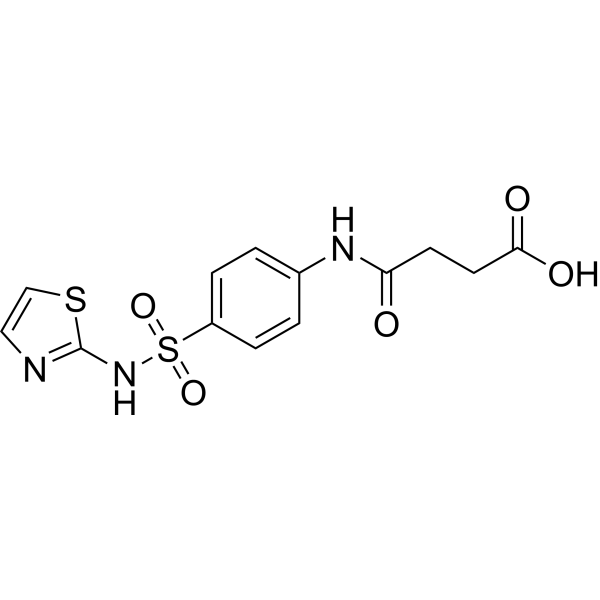
Succinylsulfathiazole (Succinylsulphathiazole) is a long-acting sulfonamide antibiotic with localized gut-specific antibacterial activity and is orally active. Succinylsulfathiazole inhibits bacterial folate synthesis, reduces coliform counts, suppresses intestinal bacterial growth and vitamin biosynthesis, and depletes gut folate-producing bacteria. Succinylsulfathiazole modulates hepatic mTOR signaling, diminishes cecal fermentation, decreases hepatic folate levels and total folate excretion, elevates nitrogen excretion and reduces the fermentability of certain dietary fibers. Succinylsulfathiazole induces folate deficiency and triggers biotin- and folate-related nutritional deficiency symptoms in rats and C57BL/6 mice .
|
-
-
- HY-N6641
-
|
|
Keap1-Nrf2
PPAR
|
Inflammation/Immunology
Cancer
|
|
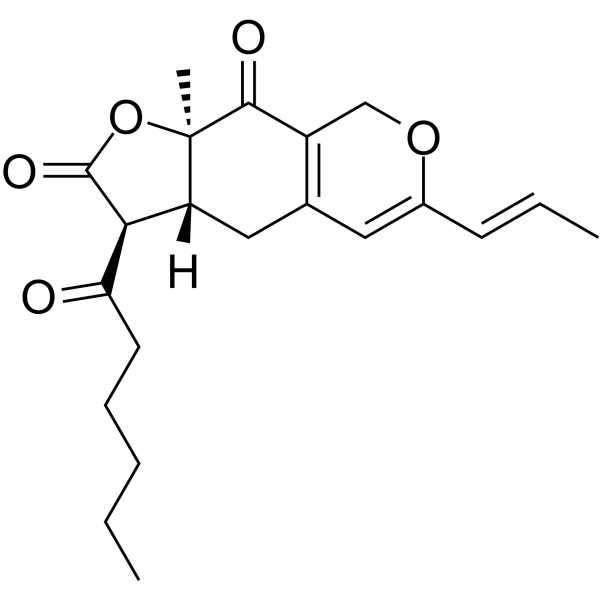
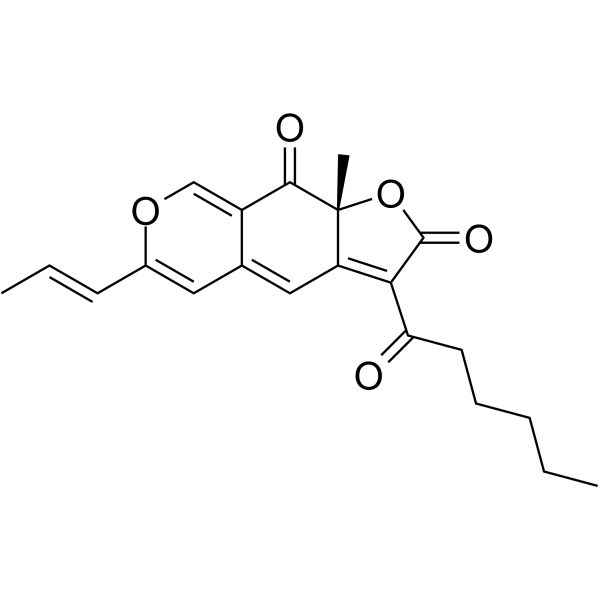
Monascin is a kind of azaphilonoid pigments extracted from Monascus pilosus-fermented rice (red-mold rice). Monascin also exhibits anti-tumor-initiating activity and anti-inflammatory activity with oral administration. Monascin inhibits the activation of NOR 1 (an NO donor). Monascin is a Nrf2 activator and PPARγ agonist .
|
-
-
- HY-P3173
-
|
R-enzyme
|
Biochemical Assay Reagents
|
Others
|
|
Pullulanase (R-enzyme) is a key starch debranching enzyme that specifically hydrolyzes α-1,6-glycosidic linkages in polysaccharides such as amylopectin and pullulan, facilitating the efficient degradation of starch into fermentable sugars .
|
-
-
- HY-N6642
-
|
|
PPAR
Apoptosis
|
Inflammation/Immunology
Cancer
|
|
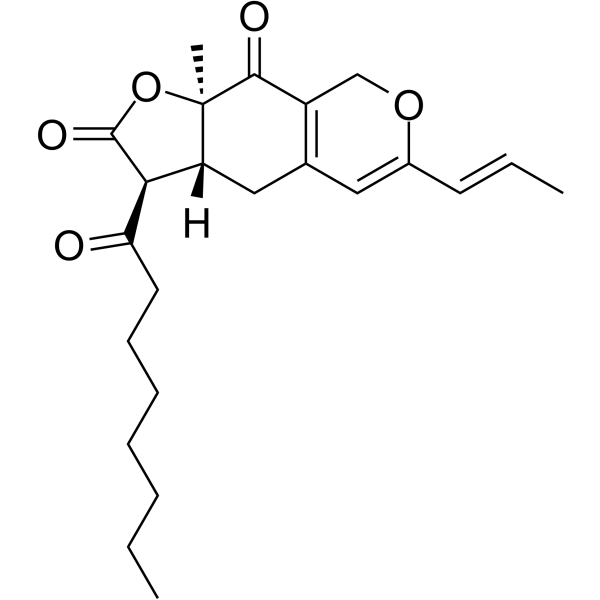
Ankaflavin, isolated from Monascus-Fermented red rice, is an orally active PPARγ agonist. Ankaflavin exhibits selective cytotoxic effect and induces cell death through apoptosis on cancer cells. Ankaflavin has anti-inflammatory, anti-cancer, antiatherosclerotic, and hypolipidemic effects .
|
-
-
- HY-B0724A
-
|
T-3762; Pazufloxacin methanesulfonate; Pazufloxacin mesilate
|
Bacterial
DNA/RNA Synthesis
|
Infection
|
|
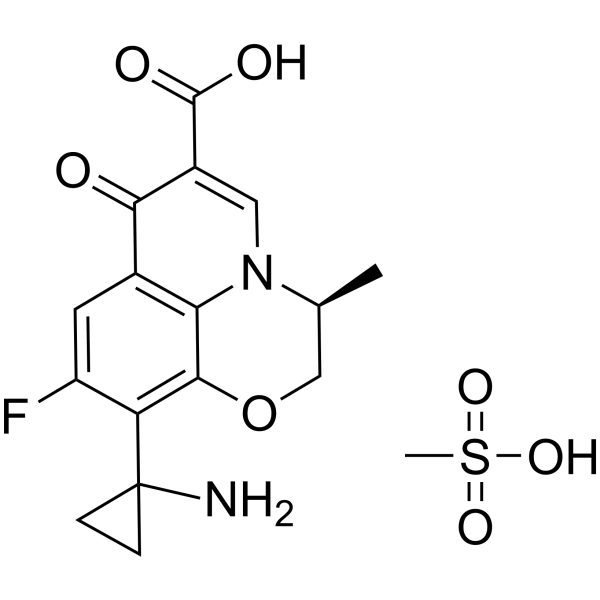
Pazufloxacin mesylate is an orally active fluoroquinolone antimicrobial agent. Pazufloxacin mesylate inhibits DNA gyrase with IC50 values of 0.88 μg/mL (E. coli) and 1.9 μg/mL (P. aeruginosa). Pazufloxacin mesylate exhibits broad-spectrum antimicrobial activity, with MIC90 values ranging from 0.025 to 100 μg/mL against Gram-positive and Gram-negative bacteria, non-fermenting bacteria, Legionella spp., and anaerobic bacteria. Pazufloxacin mesylate is indicated for research on systemic infections, lung infections, urinary tract infections, and Legionella pneumonia .
|
-
-
- HY-100589
-
|
Sch 21420 sulfate
|
Antibiotic
Bacterial
|
Infection
Cardiovascular Disease
Neurological Disease
Metabolic Disease
|
|
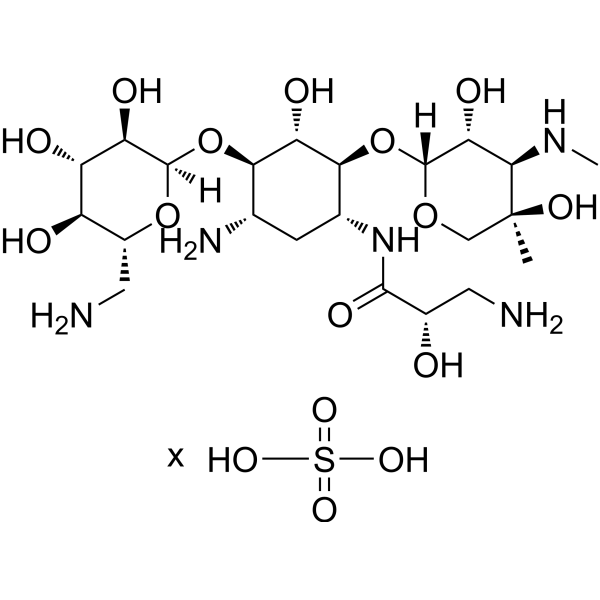
Isepamicin sulfate (Sch 21420 sulfate) is a broad-spectrum aminoglycoside antibiotic. Isepamicin sulfate has considerable antimicrobial activity against some Gram-negative non-fermenting bacteria that are highly resistant to antibiotics. Isepamicin sulfate inhibits writhing reactions induced by Acetic acid (HY-Y0319), regulates vascular blood flow and blood pressure, and inhibits spontaneous uterine movements. Isepamicin sulfate has antidiuretic and blood sugar-raising effects. Isepamicin sulfate can be used in seizure research .
|
-
-
- HY-W423191
-
|
4-O-α-D-Glucopyranosyl-D-gluconic acid
|
Nuclear Factor of activated T Cells (NFAT)
Bacterial
|
Infection
Metabolic Disease
|
|
Maltobionic acid (4-O-α-D-Glucopyranosyl-D-gluconic acid) is an orally active oligosaccharide and iron chelator with antibacterial activity. Maltobionic acid inhibits the expression of NFATc1, suppresses osteoclast differentiation, inhibits bone resorption, and increases serum calcitonin levels. Maltobionic acid protects mammalian cells from hydrogen peroxide (H2O2)-induced oxidative damage; resists fermentation by the gut microbiota; and exhibits anti-digestive and anti-fermentative properties. Maltobionic acid can be used in research related to osteoporosis, bacterial infections, and constipation .
|
-
-
- HY-P2857A
-
|
Amyloglucosidase, Rhizopus sp.
|
Endogenous Metabolite
|
Metabolic Disease
|
|
Glucoamylase, Rhizopus sp. (Amyloglucosidase, Rhizopus sp.) is a starch-hydrolyzing enzyme with high catalytic efficiency towards soluble starch and raw starch. Glucoamylase, Rhizopus sp. hydrolyzes α-1,4 and α-1,6 glycosidic linkages in starch and similar substrates, and primarily releases β-glucose molecules from the non-reducing ends. Glucoamylase, Rhizopus sp. participates in glycogen metabolism and is associated with type II glycogen storage disease. Glucoamylase, Rhizopus sp. converts starch into glucose, and is applicable to the industrial production of high-fructose syrup, ethanol and other fermented products .
|
-
-
- HY-N7766
-
|
|
Apoptosis
|
Inflammation/Immunology
Cancer
|
|
Rubropunctatin, an orange azaphilone pigment, is isolated from the extracts of Monascus pilosus-fermented rice (red-mold rice). Rubropunctatin has anti-inflammatory, immunosuppressive and antioxidative effects, and also exhibits anti-tumor activity .
|
-
-
- HY-N2990
-
|
3β,16α-Dihydroxylanosta-7,9(11),24-trien-21-oic acid
|
Others
|
Inflammation/Immunology
|
|
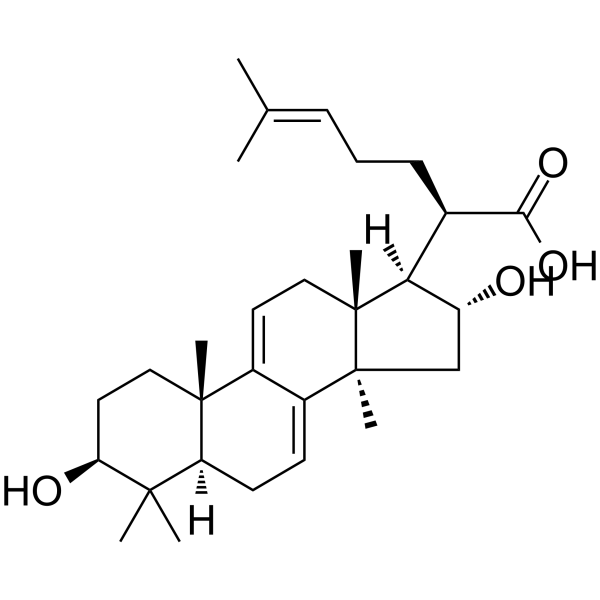
16α-Hydroxydehydrotrametenolic acid is a triterpene Acid in fermented mycelia of edible fungus Poria cocos .
|
-
-
- HY-W007708
-
|
|
Drug Derivative
|
Others
|
|
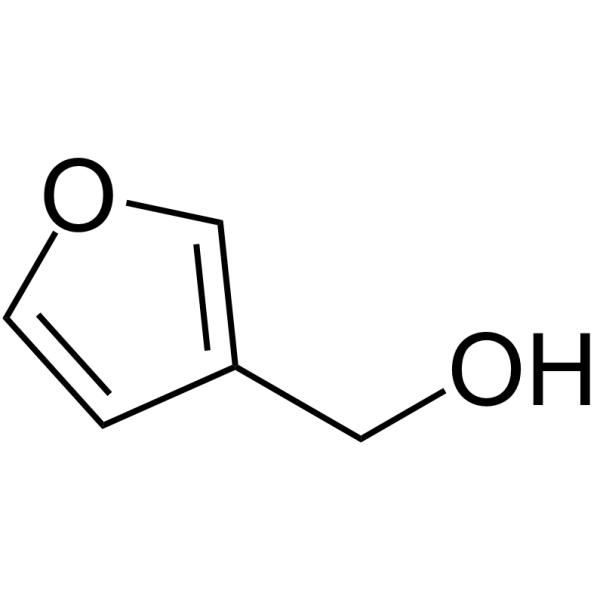
3-Furanmethanol, a volatile furan compound, can be detected in malt beverages fermented with Bifidobacterium breve. 3-Furanmethanol exhibits roasty, popcorn-like flavors .
|
-
-
- HY-W718179
-
|
2-Hydroxypropyl starch
|
Biochemical Assay Reagents
|
Metabolic Disease
|
|
Hydroxypropyl starch (2-Hydroxypropyl starch) is a type of modified starch used as a food additive. Hydroxypropyl starch is not absorbed intact by the gut, but is significantly hydrolyzed by intestinal enzymes and then fermented by intestinal microbiota .
|
-
-
- HY-N7541
-
|
|
Others
|
Inflammation/Immunology
|
|
Antrodin A is one of the main active ingredients in the solid-state fermented A. camphorate mycelium. Antrodin A protects the liver from alcohol damage by improving the antioxidant and anti-inflammatory capacity of the liver and maintaining the stability of the intestinal flora .
|
-
-
- HY-115658
-
|
|
Bacterial
|
Infection
Metabolic Disease
|
|
VU0420373 is a potent heme sensor system (HssRS) activator with an EC50 of 10.7 μM and a pEC50 of 4.97. VU0420373 induces heme biosynthesis, and is toxic to fermenting S. aureus .
|
-
-
- HY-P5435
-
|
|
Ser/Thr Kinase
|
Others
|
|
LKBtide is a biological active peptide. (This is a peptide substrate that is phosphorylated by Serine/Threonine kinase 11 (STK11), also known as LKB1. LKBtide is derived from sucrose non-fermenting 1 (SNF1) protein kinase, which is normally activated by the LKB1/AMP-activated protein kinase (AMPK) signaling pathway.)
|
-
-
- HY-122450
-
|
pGlu-Leu; pyroGlu-Leu
|
Bacterial
|
Infection
|
|
Pyroglutamylleucine (pGlu-Leu) is an orally active peptide. Pyroglutamylleucine can be present in certain food protein hydrolysates and traditional Japanese fermented foods. Pyroglutamylleucine attenuates dysbiosis by increasing in the host antimicrobial peptide, Rattusin (HY-P11548) .
|
-
-
- HY-116866
-
|
|
Lipoxygenase
Fungal
|
Infection
Inflammation/Immunology
|
|
Sclerotiorin is a reversible and uncompetitive inhibitor against soybean lipoxygenase-1 (LOX-1) (IC50: 4.2 μM). Sclerotiorin also shows antioxidant activity by scavenging free radical (ED50: 0.12 μM), and nonenzymatic lipid peroxidation inhibition activity. Sclerotiorin has antifungal activity, and also inhibits platelet aggregation. Sclerotiorin can be purified from the fermented broth of Penicillium frequentans .
|
-
-
- HY-B0724B
-
|
T3761
|
Bacterial
DNA/RNA Synthesis
|
Infection
|
|
Pazufloxacin is an orally active fluoroquinolone antimicrobial agent. Pazufloxacin inhibits DNA gyrase with IC50 values of 0.88 μg/mL (E. coli) and 1.9 μg/mL (P. aeruginosa). Pazufloxacin exhibits broad-spectrum antimicrobial activity, with MIC90 values ranging from 0.025 to 100 μg/mL against Gram-positive and Gram-negative bacteria, non-fermenting bacteria, Legionella spp., and anaerobic bacteria. Pazufloxacin is indicated for research on systemic infections, lung infections, urinary tract infections, and Legionella pneumonia .
|
-
-
- HY-B0221A
-
-
-
- HY-N6877
-
|
|
Others
|
Cancer
|
|
Purpurogallin carboxylic acid, isolated from Macleaya microcarpa (Maxim.) Fedde, is an oxidation product of gallic acid in fermented tea. Purpurogallin carboxylic acid has anti-cancer activity .
|
-
-
- HY-N11636
-
|
|
Apoptosis
|
Cancer
|
|
Ganoderic acid S is a positional isomer of ganoderic acids, that can be isolated from the fermented mycelia of Ganoderma lucidum. Ganoderic acid S can induce apoptosis in HeLa cells through the mitochondria pathway .
|
-
-
- HY-138959
-
|
p-Nitrophenyl caprylate
|
Lipase
|
Others
|
|
4-Nitrophenyl octanoate (p-Nitrophenyl caprylate) is an aromatic ester compound which can be used as a substrate for pancreatic lipase.
4-Nitrophenyl octanoate contains an ester bond that can be hydrolyzed under the action of lipase, releasing p-nitrophenol as a yellow product.
4-Nitrophenyl octanoate can be used to assay the activities of lipases and esterases .
|
-
-
- HY-B0724BS
-
|
T3761-d4
|
Isotope-Labeled Compounds
Bacterial
DNA/RNA Synthesis
|
Infection
|
|
Pazufloxacin-d4 is deuterium labeled Pazufloxacin (HY-B0724B). Pazufloxacin is an orally active fluoroquinolone antimicrobial agent. Pazufloxacin inhibits DNA gyrase with IC50 values of 0.88 μg/mL (E. coli) and 1.9 μg/mL (P. aeruginosa). Pazufloxacin exhibits broad-spectrum antimicrobial activity, with MIC90 values ranging from 0.025 to 100 μg/mL against Gram-positive and Gram-negative bacteria, non-fermenting bacteria, Legionella spp., and anaerobic bacteria. Pazufloxacin is indicated for research on systemic infections, lung infections, urinary tract infections, and Legionella pneumonia .
|
-
-
- HY-120769
-
-
-
- HY-134558
-
-
-
- HY-124874
-
|
(rel)-Aspergillimide; (rel)-VM55598
|
nAChR
|
Neurological Disease
|
|
(rel)-Asperparaline A ((rel)-Aspergillimide), an anthelmintic metabolite, is isolated from okara that has been fermented with Aspergillus japonicas JV-23. (rel)-Asperparaline A is also a potent and selective antagonist of nAChR. (rel)-Asperparaline A exhibits paralytic activity in silk worms .
|
-
-
- HY-157360
-
|
|
Biochemical Assay Reagents
|
Others
|
|
Acetamide Agar is a solid culture media for non-fermenting bacteria. Acetamide Agar helps differentiate P. acidovorans from other non-sugar-soluble or weakly sugar-soluble Pseudomonas species. Acetamide Agar can be used to test the ability of microorganisms such as Pseudomonas aeruginosa to utilize acetamide through deamination .
|
-
-
- HY-19602
-
|
|
Endogenous Metabolite
|
Cancer
|
|
Cedefingol is an antitumor compound with α-glucosidase inhibitory activity. Cedefingol was identified together with other compounds in fermented dark tea samples. The biotransformation of cedefingol is related to enzymatic hydrolysis, hydrolysis and biosynthesis. Cedefingol exhibited different bioactivities in samples with different fermentation times. The antioxidant properties of cedefingol showed certain activity in the DPPH model .
|
-
-
- HY-N6641R
-
|
|
Reference Standards
Keap1-Nrf2
PPAR
|
Inflammation/Immunology
Cancer
|
|
Monascin (Standard) is the analytical standard of Monascin. This product is intended for research and analytical applications. Monascin is a kind of azaphilonoid pigments extracted from Monascus pilosus-fermented rice (red-mold rice). Monascin also exhibits anti-tumor-initiating activity and anti-inflammatory activity with oral administration. Monascin inhibits the activation of NOR 1 (an NO donor). Monascin is a Nrf2 activator and PPARγ agonist .
|
-
-
- HY-B0724AR
-
|
T-3762 (Standard); Pazufloxacin methanesulfonate (Standard); Pazufloxacin mesilate (Standard)
|
Reference Standards
Bacterial
DNA/RNA Synthesis
|
Infection
|
|
Pazufloxacin (mesylate) (Standard) is the analytical standard of Pazufloxacin mesylate (HY-B0724A). This product is intended for research and analytical applications. Pazufloxacin mesylate is an orally active fluoroquinolone antimicrobial agent. Pazufloxacin mesylate inhibits DNA gyrase with IC50 values of 0.88 μg/mL (E. coli) and 1.9 μg/mL (P. aeruginosa). Pazufloxacin mesylate exhibits broad-spectrum antimicrobial activity, with MIC90 values ranging from 0.025 to 100 μg/mL against Gram-positive and Gram-negative bacteria, non-fermenting bacteria, Legionella spp., and anaerobic bacteria. Pazufloxacin mesylate is indicated for research on systemic infections, lung infections, urinary tract infections, and Legionella pneumonia .
|
-
-
- HY-B0921R
-
|
Succinylsulphathiazole (Standard)
|
Reference Standards
Bacterial
Antibiotic
Dihydrofolate reductase (DHFR)
mTOR
|
Infection
|
|
Succinylsulfathiazole (Standard) (Succinylsulphathiazole) is the analytical standard of Succinylsulfathiazole (HY-B0921). This product is intended for research and analytical applications. Succinylsulfathiazole is a long-acting sulfonamide antibiotic with localized gut-specific antibacterial activity and is orally active. Succinylsulfathiazole inhibits bacterial folate synthesis, reduces coliform counts, suppresses intestinal bacterial growth and vitamin biosynthesis, and depletes gut folate-producing bacteria. Succinylsulfathiazole modulates hepatic mTOR signaling, diminishes cecal fermentation, decreases hepatic folate levels and total folate excretion, elevates nitrogen excretion and reduces the fermentability of certain dietary fibers. Succinylsulfathiazole induces folate deficiency and triggers biotin- and folate-related nutritional deficiency symptoms in rats and C57BL/6 mice .
|
-
-
- HY-N18989A
-
-
-
- HY-W012969
-
|
3-Ethoxypropanol
|
Drug Derivative
|
Others
|
|
3-Ethoxy-1-propanol (3-Ethoxypropanol) is a saturated aliphatic alcohol that can be found in Chinese Sinkiang fermented camel milk as a volatile component .
|
-
-
- HY-N12181
-
|
|
Others
|
Others
|
|
Brevianamide R (compound 4) is an alkaloid isolated from Aspergillus versicolor on fermented rice .
|
-
-
- HY-N15650
-
-
-
- HY-W007708R
-
|
|
Others
Reference Standards
|
Others
|
|
3-Furanmethanol (Standard) is the analytical standard of 3-Furanmethanol (HY-W007708). This product is intended for research and analytical applications. 3-Furanmethanol, a volatile furan compound, can be detected in malt beverages fermented with Bifidobacterium breve. 3-Furanmethanol exhibits roasty, popcorn-like flavors .
|
-
-
- HY-179538
-
|
|
Biochemical Assay Reagents
Pim
DYRK
|
Cancer
|
|
CSH-4044 can be isolated from fermented wheat germ extract. CSH-4044 is a unique benzothiazole compound. CSH-4044 can inhibit PIM3-driven BAD phosphorylation in pancreatic cancer cell lines as well as reducing DYRK1A-induced Tau phosphorylation in neuronal cells .
|
-
-
- HY-N17760
-
|
|
Fungal
|
Others
|
|
(25RS)-Schidigera-saponin E1 is a steroidal saponin with anti-yeast activity, which can be isolated from the stems of Yucca schidigera (Mojave yucca). (25RS)-Schidigera-saponin E1 exerts weak anti-yeast activity by affecting the integrity of microbial cell membranes, with a MIC≥100 μg/mL against some food spoilage yeasts. (25RS)-Schidigera-saponin E1 can be used in the field of food preservation to extend the shelf life of foods containing cooked rice, beans, fermented condiments, etc.
|
-
| Cat. No. |
Product Name |
Type |
-
- HY-W423191
-
|
4-O-α-D-Glucopyranosyl-D-gluconic acid
|
Biochemical Assay Reagents
|
|
Maltobionic acid (4-O-α-D-Glucopyranosyl-D-gluconic acid) is an orally active oligosaccharide and iron chelator with antibacterial activity. Maltobionic acid inhibits the expression of NFATc1, suppresses osteoclast differentiation, inhibits bone resorption, and increases serum calcitonin levels. Maltobionic acid protects mammalian cells from hydrogen peroxide (H2O2)-induced oxidative damage; resists fermentation by the gut microbiota; and exhibits anti-digestive and anti-fermentative properties. Maltobionic acid can be used in research related to osteoporosis, bacterial infections, and constipation .
|
-
- HY-W718179
-
|
2-Hydroxypropyl starch
|
Biochemical Assay Reagents
|
|
Hydroxypropyl starch (2-Hydroxypropyl starch) is a type of modified starch used as a food additive. Hydroxypropyl starch is not absorbed intact by the gut, but is significantly hydrolyzed by intestinal enzymes and then fermented by intestinal microbiota .
|
-
- HY-157360
-
|
|
Biochemical Assay Reagents
|
|
Acetamide Agar is a solid culture media for non-fermenting bacteria. Acetamide Agar helps differentiate P. acidovorans from other non-sugar-soluble or weakly sugar-soluble Pseudomonas species. Acetamide Agar can be used to test the ability of microorganisms such as Pseudomonas aeruginosa to utilize acetamide through deamination .
|
| Cat. No. |
Product Name |
Target |
Research Area |
-
- HY-P5435
-
|
|
Ser/Thr Kinase
|
Others
|
|
LKBtide is a biological active peptide. (This is a peptide substrate that is phosphorylated by Serine/Threonine kinase 11 (STK11), also known as LKB1. LKBtide is derived from sucrose non-fermenting 1 (SNF1) protein kinase, which is normally activated by the LKB1/AMP-activated protein kinase (AMPK) signaling pathway.)
|
| Cat. No. |
Product Name |
Category |
Target |
Chemical Structure |
-
- HY-N0537
-
-
-
- HY-P2857
-
|
Amyloglucosidase, Aspergillus niger
|
Structural Classification
Natural Products
Microorganisms
Animals
Classification of Application Fields
Metabolic Disease
Disease Research Fields
Source Classification
|
Endogenous Metabolite
|
|
Amyloglucosidase, Aspergillus niger (Amyloglucosidase, Aspergillus niger) is a starch-hydrolyzing enzyme with high catalytic efficiency towards soluble starch and raw starch. Amyloglucosidase, Aspergillus niger hydrolyzes α-1,4 and α-1,6 glycosidic linkages in starch and similar substrates, and primarily releases β-glucose molecules from the non-reducing ends. Amyloglucosidase, Aspergillus niger participates in glycogen metabolism and is associated with type II glycogen storage disease. Amyloglucosidase, Aspergillus niger converts starch into glucose, and is applicable to the industrial production of high-fructose syrup, ethanol and other fermented products .
|
-
-
- HY-N6641
-
-
-
- HY-N6642
-
-
-
- HY-N7766
-
-
-
- HY-N2990
-
-
-
- HY-W007708
-
-
-
- HY-N7541
-
-
-
- HY-116866
-
|
|
Structural Classification
Natural Products
Microorganisms
Source Classification
|
Lipoxygenase
Fungal
|
|
Sclerotiorin is a reversible and uncompetitive inhibitor against soybean lipoxygenase-1 (LOX-1) (IC50: 4.2 μM). Sclerotiorin also shows antioxidant activity by scavenging free radical (ED50: 0.12 μM), and nonenzymatic lipid peroxidation inhibition activity. Sclerotiorin has antifungal activity, and also inhibits platelet aggregation. Sclerotiorin can be purified from the fermented broth of Penicillium frequentans .
|
-
-
- HY-B0221A
-
-
-
- HY-N6877
-
-
-
- HY-N11636
-
-
-
- HY-134558
-
-
-
- HY-124874
-
|
(rel)-Aspergillimide; (rel)-VM55598
|
Alkaloids
Microorganisms
Pyrrole Alkaloids
Source Classification
|
nAChR
|
|
(rel)-Asperparaline A ((rel)-Aspergillimide), an anthelmintic metabolite, is isolated from okara that has been fermented with Aspergillus japonicas JV-23. (rel)-Asperparaline A is also a potent and selective antagonist of nAChR. (rel)-Asperparaline A exhibits paralytic activity in silk worms .
|
-
-
- HY-N6641R
-
-
-
- HY-N18989A
-
-
-
- HY-W012969
-
-
-
- HY-N12181
-
-
-
- HY-N15650
-
-
-
- HY-W007708R
-
-
-
- HY-N17760
-
-
| Cat. No. |
Product Name |
Chemical Structure |
-
- HY-B0724BS
-
|
|
|
Pazufloxacin-d4 is deuterium labeled Pazufloxacin (HY-B0724B). Pazufloxacin is an orally active fluoroquinolone antimicrobial agent. Pazufloxacin inhibits DNA gyrase with IC50 values of 0.88 μg/mL (E. coli) and 1.9 μg/mL (P. aeruginosa). Pazufloxacin exhibits broad-spectrum antimicrobial activity, with MIC90 values ranging from 0.025 to 100 μg/mL against Gram-positive and Gram-negative bacteria, non-fermenting bacteria, Legionella spp., and anaerobic bacteria. Pazufloxacin is indicated for research on systemic infections, lung infections, urinary tract infections, and Legionella pneumonia .
|
-
| Cat. No. |
Product Name |
|
Classification |
-
- HY-N0537
-
Xylose
5 Publications Verification
D-(+)-Xylose; (+)-Xylose; Wood sugar
|
|
Sweetening Agents
|
|
Xylose (D-(+)-Xylose) is a natural pentose sugar that is catalyzed by xylose isomerase to form xylulose, which is a key step in the anaerobic ethanol fermentation of Xylose. Xylose can be used by microorganisms to produce fuels, chemicals, and bulk industrial enzymes. Xylose provides the substances and energy for cells, as a carbon source for the biosynthesis of high-value chemicals and biofuel. Xylose can be used to fully explore lignocellulose resources and provide a new direction for microbia fermentation .
|
Your information is safe with us. * Required Fields.
Inquiry Information
- Product Name:
- Cat. No.:
- Quantity:
- MCE Japan Authorized Agent:

