
1. Search Result
Search Result
Results for "

gap

" in MedChemExpress (MCE) Product Catalog:

93

Inhibitors & Agonists

2

Screening Libraries

6

Fluorescent Dye

4

Biochemical Assay Reagents

14

Peptides

7

Natural
Products

6

Recombinant Proteins

8

Isotope-Labeled Compounds

27

Antibodies

15

Oligonucleotides

Targets Recommended:
Cat. No. Product Name Target Research Areas Chemical Structure
  • HY-B2227
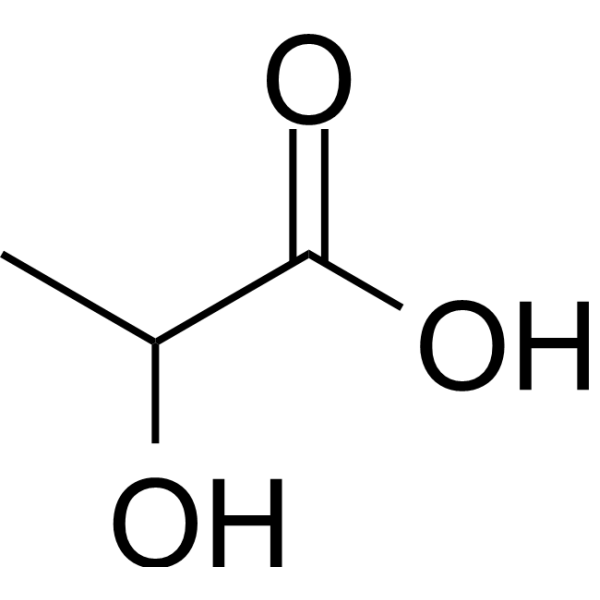
    Lactic acid
    Maximum Cited Publications
    52 Publications Verification

    DL-Lactic acid; E-270

    Environmental Pollutants Endogenous Metabolite Bacterial Hydroxycarboxylic Acid Receptor (HCAR) Infection Metabolic Disease Inflammation/Immunology Cancer
    Lactic acid (DL-Lactic acid) is a hydroxycarboxylic acid receptor 1 (HCAR1) activator and an epigenetic modulator inducing lysine residues lactylation. Lactic acid is a glycolysis end-product, bridging the gap between glycolysis and oxidative phosphorylation. Lactic acid is an oncometabolite and has immune protective role of lactate in anti-tumor immunity . Lactic acid also has antimicrobial activity, which can be used as a food preservative .
    Lactic acid
  • HY-B2227B

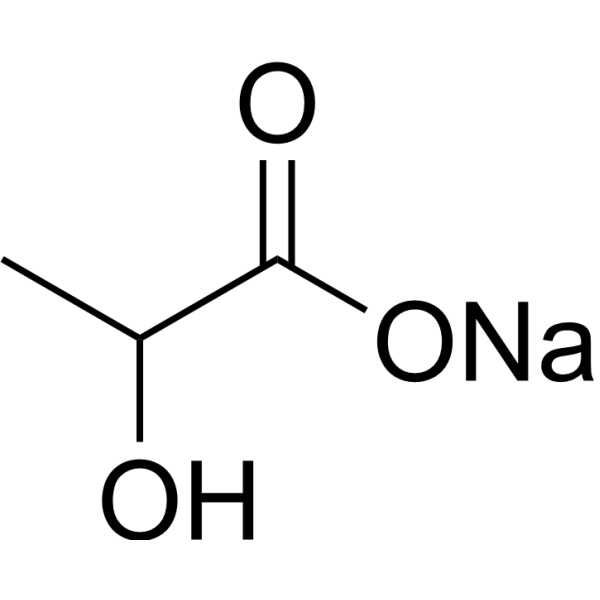
    DL-Lactic acid sodium; E-270 sodium

    Environmental Pollutants Endogenous Metabolite Bacterial Hydroxycarboxylic Acid Receptor (HCAR) Infection Metabolic Disease Inflammation/Immunology Cancer
    Lactic acid (DL-Lactic acid) sodium (60% w/w in water) is a hydroxycarboxylic acid receptor 1 (HCAR1) activator and an epigenetic modulator inducing lysine residues lactylation. Lactic acid sodium (60% w/w in water) is a glycolysis end-product, bridging the gap between glycolysis and oxidative phosphorylation. Lactic acid sodium (60% w/w in water) is an oncometabolite and has immune protective role of lactate in anti-tumor immunity . Lactic acid sodium (60% w/w in water) also has antimicrobial activity, which can be used as a food preservative .
    This product has a content (w/w) of 60%, and 1 mL of the system contains 798 mg of Lactic acid sodium, i.e., a concentration of 798 mg/mL (i.e., 7.12 M).
    Lactic acid sodium (60% w/w in water)
  • HY-128692
    Luc Yellow CH dilithium
    5 Publications Verification

    Fluorescent Dye Neurological Disease
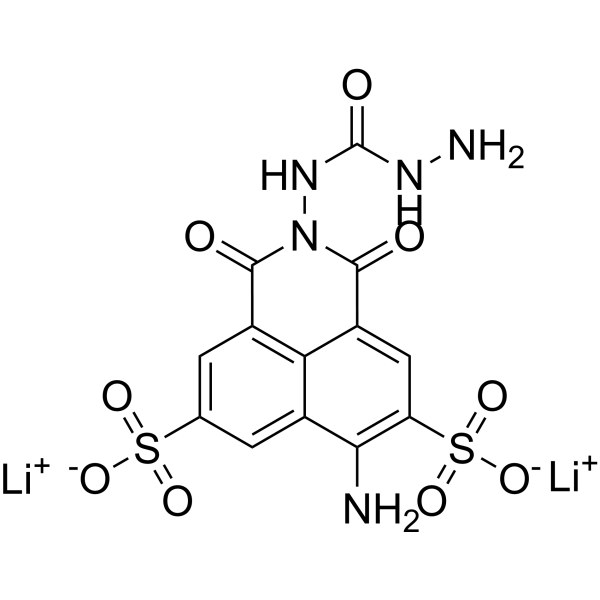
    Luc Yellow CH dilithium is a high-intensity fluorescent probe containing free hydrazyl groups. Luc Yellow CH can react with fatty aldehydes at room temperature. Luc Yellow CH serves as a biological tracer to monitor neuronal branching, regeneration, gap junction detection and characterization, and selective ablation of cells after aldehyde fixation. Luc Yellow CH displays the maximum excitation/emission of 430 nm/540 nm, respectively .
    Luc Yellow CH dilithium
  • HY-B1367
    Carbenoxolone disodium
    5+ Cited Publications

    Gap Junction Protein Orthopoxvirus 11β-HSD Infection Inflammation/Immunology
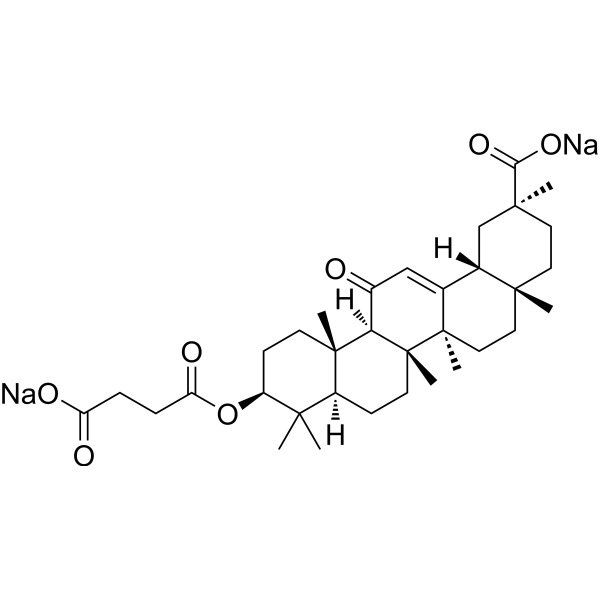
    Carbenoxolone disodium is the active metabolite of Glycyrrhizic acid (HY-N0184) and the inhibitor of human 11β-HSD and bacterial 3α, 20β-HSD . Carbenoxolone disodium is an uncoupling agent for gap junctions and a potent inhibitor of Vaccinia virus replication . Carbenoxolone disodium is used for the study of peptic, esophageal and oral ulceration and inflammation. Carbenoxolone disodium inhibits Vaccinia virus replication.
    Carbenoxolone disodium
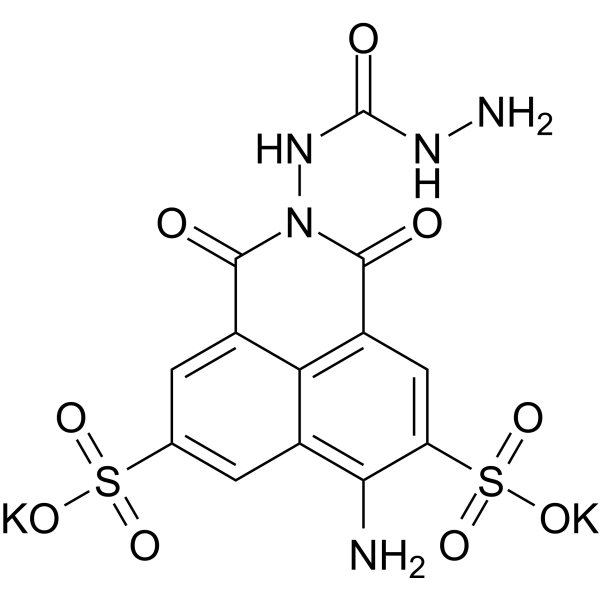
  • HY-W127715
    Lucifer Yellow CH dipotassium salt
    5 Publications Verification

    Fluorescent Dye Others
    Lucifer Yellow CH dipotassium is a high-intensity fluorescent probe containing free hydrazyl groups. Lucifer Yellow CH can react with fatty aldehydes at room temperature. Lucifer Yellow CH serves as a biological tracer to monitor neuronal branching, regeneration, gap junction detection and characterization, and selective ablation of cells after aldehyde fixation. Lucifer yellow CH displays the maximum excitation/emission of 430 nm/540 nm, respectively .
    Lucifer Yellow CH dipotassium salt
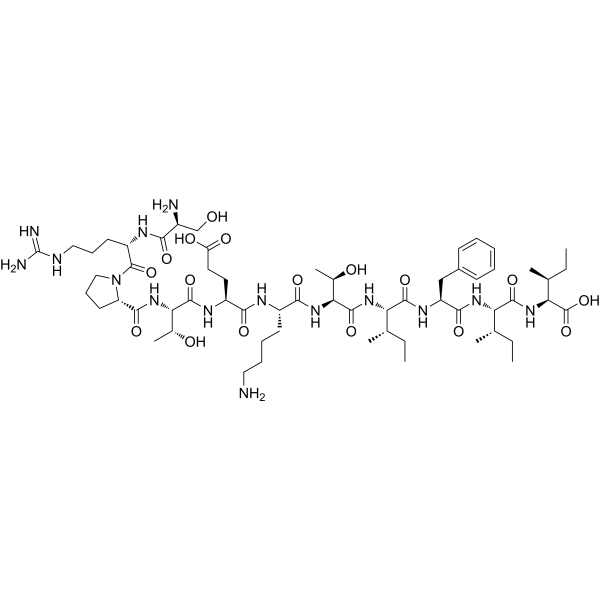
  • HY-P0139
    Gap 27
    5+ Cited Publications

    Gap Junction Protein Cardiovascular Disease
    Gap 27, a synthetic connexin43 mimetic peptide, is a gap junction inhibitor. Gap 27 possesses conserved sequence homology to a portion of the second extracellular loop leading into the fourth transmembrane connexin segment .
    Gap 27
  • HY-117275
    Meclofenamic acid
    5+ Cited Publications

    Meclofenamate

    Fat Mass and Obesity-associated Protein (FTO) Potassium Channel Gap Junction Protein Endogenous Metabolite Neurological Disease Metabolic Disease Inflammation/Immunology
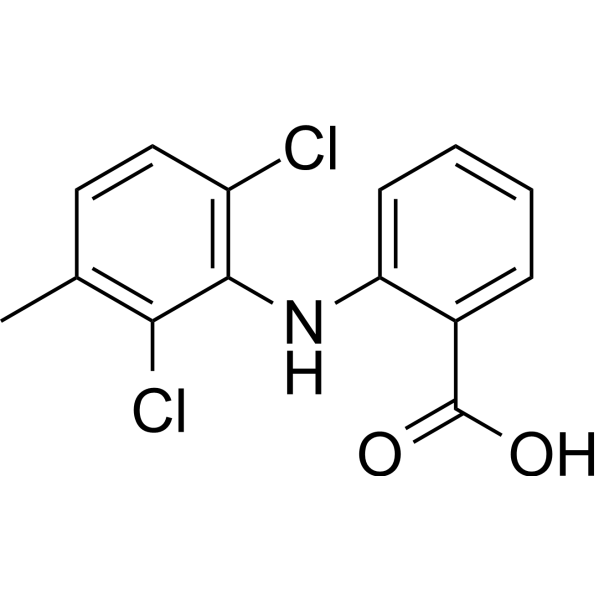
    Meclofenamic acid (Meclofenamate) is a non-steroidal anti-inflammatory agent. Meclofenamic acid is a highly selective FTO (fat mass and obesity-associated) enzyme inhibitor. Meclofenamic acid competes with FTO binding for the m(6)A-containing nucleic acid. Meclofenamic acid is a non-selective gap-junction blocker. Meclofenamic acid inhibits hKv2.1 and hKv1.1, with IC50 values of 56.0 and 155.9 μM, respectively .
    Meclofenamic acid
  • HY-15204
    Tonabersat
    15+ Cited Publications

    SB-220453

    Gap Junction Protein Neurological Disease Inflammation/Immunology
    Tonabersat (SB-220453) is a gap-junction modulator. Tonabersat prevents inflammatory damage in the central nervous system .
    Tonabersat
  • HY-B1320
    Meclofenamic acid sodium
    5+ Cited Publications

    Meclofenamate sodium

    Gap Junction Protein Endogenous Metabolite Fat Mass and Obesity-associated Protein (FTO) Inflammation/Immunology Cancer
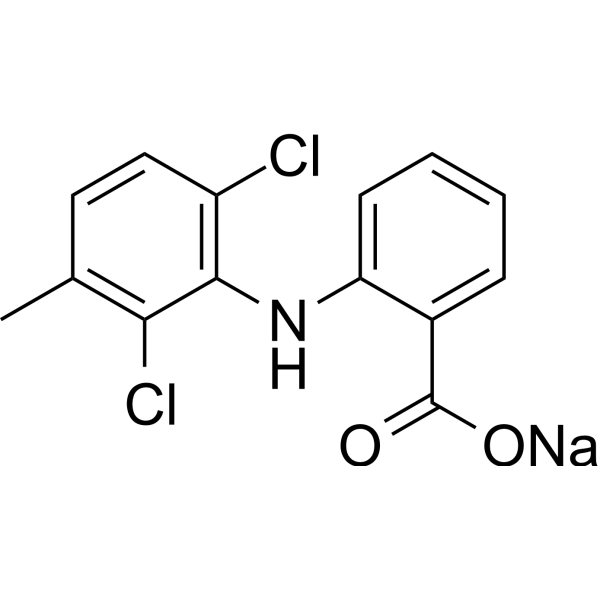
    Meclofenamic acid (Meclofenamate) sodium is a non-steroidal anti-inflammatory agent (NSAID). Meclofenamic acid sodium is a non-selective gap-junction blocker and a highly selective inhibitor of fat - and obesity-related enzyme (FTO). Meclofenamic acid sodium has anti-inflammatory and antitumor activities .
    Meclofenamic acid sodium
  • HY-A0170
    Trovafloxacin
    5+ Cited Publications

    Bacterial Topoisomerase Antibiotic Infection
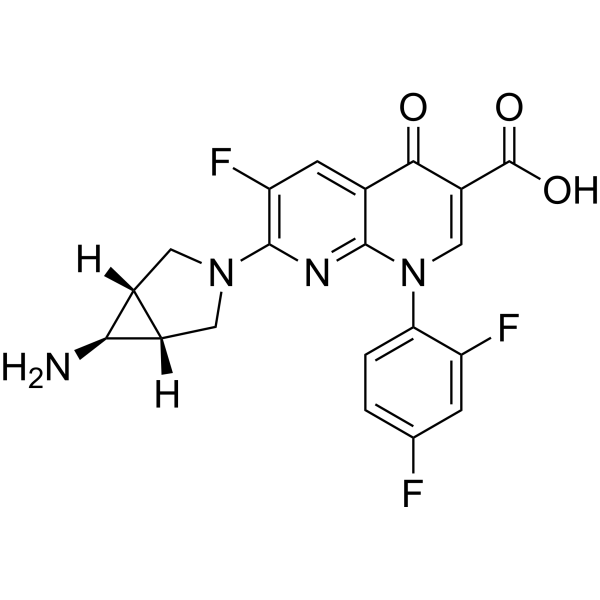
    Trovafloxacin is a broad-spectrum quinolone antibiotic with potent activity against Gram-positive, Gram-negative and anaerobic organisms. Trovafloxacin blocks the DNA gyrase and topoisomerase IV activity. Trovafloxacin is also a potent, selective and orally active pannexin 1 channel (PANX1) inhibitor with an IC50 of 4 μM for PANX1 inward current. Trovafloxacin does not inhibit connexin 43 gap junction or PANX2. Trovafloxacin leads to dysregulated fragmentation of apoptotic cells by inhibiting PANX1 .
    Trovafloxacin
  • HY-103399
    Trovafloxacin mesylate
    5+ Cited Publications

    Bacterial Topoisomerase Antibiotic Infection
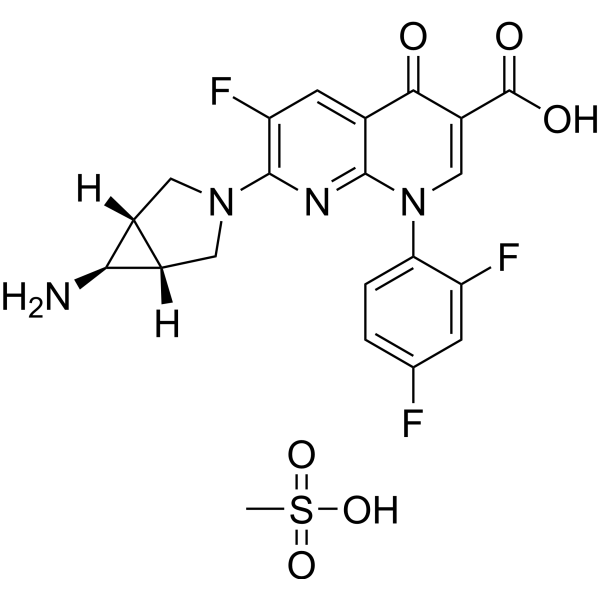
    Trovafloxacin mesylate is a broad-spectrum quinolone antibiotic with potent activity against Gram-positive, Gram-negative and anaerobic organisms. Trovafloxacin mesylate blocks the DNA gyrase and topoisomerase IV activity. Trovafloxacin mesylate is also a potent, selective and orally active pannexin 1 channel (PANX1) inhibitor with an IC50 of 4 μM for PANX1 inward current. Trovafloxacin mesylate does not inhibit connexin 43 gap junction or PANX2. Trovafloxacin mesylate leads to dysregulated fragmentation of apoptotic cells by inhibiting PANX1 .
    Trovafloxacin mesylate
  • HY-126247

    Ras Cancer
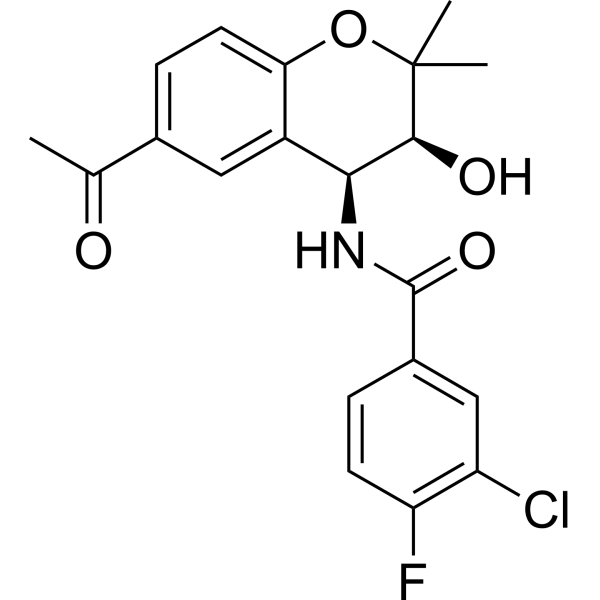
    BI-2852 is a KRAS inhibitor for the switch I/II pocket (SI/II-pocket) by structure-based agent design with nanomolar affinity. BI-2852 is mechanistically distinct from covalent KRASG12C inhibitor (binds to switch II pocket) and binds ten-fold more strongly to active KRASG12D versus KRASwt (740 nM vs 7.5 μM). BI-2852 blocks GEF, GAP, and effector interactions with KRAS, leading to inhibition of downstream signaling and an antiproliferative effect in KRAS mutant cells.
    BI-2852
  • HY-P1136B
    TAT-Gap19
    1 Publications Verification

    Gap Junction Protein Cardiovascular Disease Inflammation/Immunology
    TAT-Gap19, a Cx mimetic peptide, is a specific connexin43 hemichannel (Cx43 HC) inhibitor. TAT-Gap19 does not inhibits the corresponding Cx43 GJCs. TAT-Gap19 traverses the blood-brain barrier and alleviate liver fibrosis in mice .
    TAT-Gap19
  • HY-P1082
    Gap 26
    Maximum Cited Publications
    8 Publications Verification

    Connexin Gap Junction Protein Cardiovascular Disease
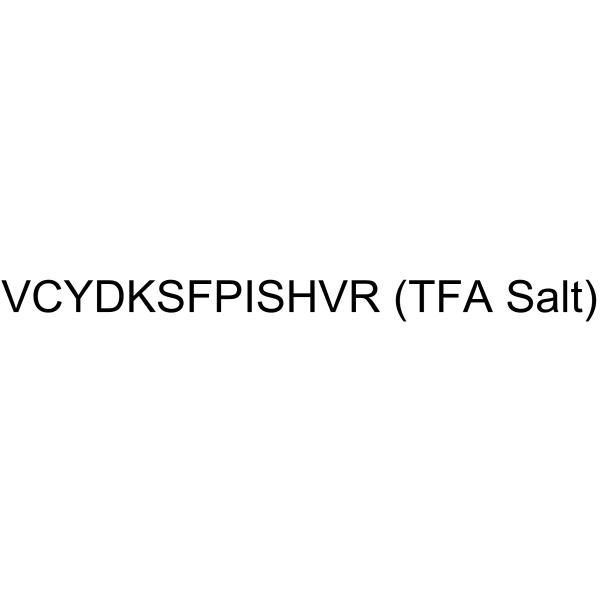
    Gap 26 is a connexin mimetic peptide, composed of residue numbers 63-75 of the first extracellular loop of connexin 43 (gap junction blocker), containing the SHVR amino acid motif .
    Gap 26
  • HY-10913A
    Danegaptide Hydrochloride
    1 Publications Verification

    gap-134 Hydrochloride; ZP 1609 Hydrochloride

    Gap Junction Protein Cardiovascular Disease
    Danegaptide Hydrochloride (GAP-134 Hydrochloride) is a potent, selective and orally active gap-junction modifier with an antiarrhythmic effect .
    Danegaptide Hydrochloride
  • HY-106225
    Rotigaptide
    1 Publications Verification

    ZP123

    Gap Junction Protein Cardiovascular Disease
    Rotigaptide (ZP123) is a novel and specific modulator of connexin 43 (Cx43). Rotigaptide prevents the uncoupling of Cx43-mediated gap junction communication and normalizes cell-to-cell communication during acute metabolic stress. Rotigaptide is a potent antiarrhythmic peptide (AAP) with improved stability and has the potential for the investigation of cardiac arrhythmias-specifically atrial fibrillation .
    Rotigaptide
  • HY-W010653

    lrganox 1010; AT1010

    Environmental Pollutants Biochemical Assay Reagents Others
    Antioxidant 1010 (lrganox 1010; AT1010) is a hindered phenolic antioxidant. Antioxidant 1010 does not inhibit intercellular gap-junctional communication. Antioxidant 1010 exhibits antioxidant efficacy in plastic, rubber and synthetic fiber .
    Antioxidant 1010
  • HY-W010323

    DHBQ

    Endogenous Metabolite Fungal Others
    2,5-Dihydroxy-1,4-benzoquinone (DHBQ) is a redox-active quinone-based organic ligand with antibacterial activity that can be obtained from fungal metabolites. After 2,5-Dihydroxy-1,4-benzoquinone is incorporated into the Fe (dhbq) metal-organic framework, a two-electron redox process occurs, which helps improve the discharge capacity of Li +-ion battery cathodes. 2,5-Dihydroxy-1,4-benzoquinone can be used to construct conductive metal-organic frameworks suitable for Li +-ion battery cathodes .
    2,5-Dihydroxy-1,4-benzoquinone
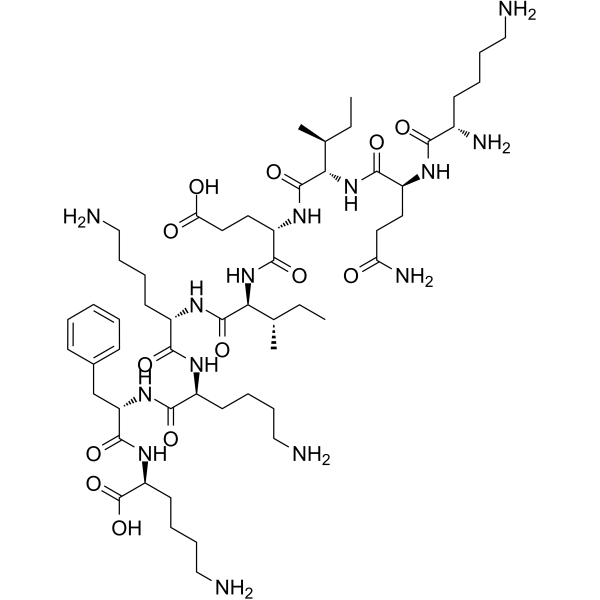
  • HY-P1136
    Gap19
    5 Publications Verification

    Gap Junction Protein Cardiovascular Disease
    Gap19, a peptide derived from nine amino acids of the Cx43 cytoplasmic loop (CL), is a potent and selective connexin 43 (Cx43) hemichannel blocker. Gap19 inhibits hemichannels caused by preventing intramolecular interactions of the C-terminus (CT) with the CL. Gap19 is not blocking GJ channels or Cx40/pannexin-1 hemichannels. Gap19 has protective effects against myocardial .
    Gap19
  • HY-B2227C
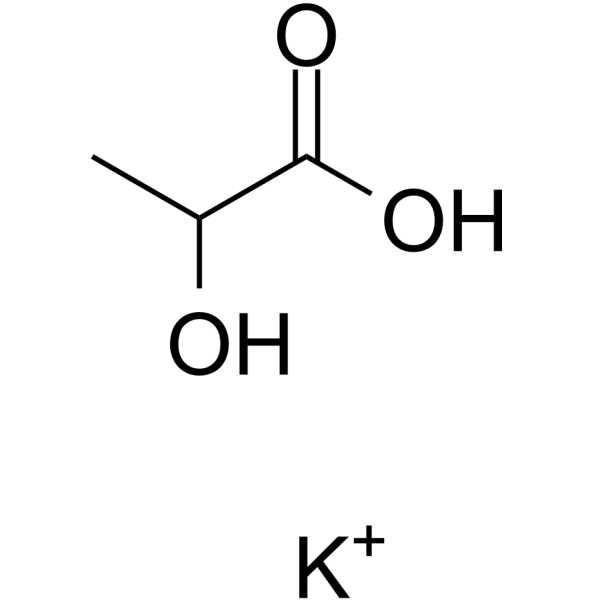
    Lactic acid potassium
    50+ Cited Publications

    DL-Lactic acid potassium; E-270 potassium

    Endogenous Metabolite Hydroxycarboxylic Acid Receptor (HCAR) Bacterial Infection Metabolic Disease Inflammation/Immunology Cancer
    Lactic acid (DL-Lactic acid) potassium is a hydroxycarboxylic acid receptor 1 (HCAR1) activator and an epigenetic modulator inducing lysine residues lactylation. Lactic acid potassium is a glycolysis end-product, bridging the gap between glycolysis and oxidative phosphorylation. Lactic acid potassium is an oncometabolite and has immune protective role of lactate in anti-tumor immunity . Lactic acid also potassium has antimicrobial activity, which can be used as a food preservative .
    Lactic acid potassium
  • HY-B0327
    Irsogladine
    3 Publications Verification

    Dicloguamine

    Phosphodiesterase (PDE) NF-κB AP-1 TRP Channel Interleukin Related Inflammation/Immunology Cancer
    Irsogladine (Dicloguamine) is an orally active gastric mucosal protective agent. Irsogladine inhibits breast cancer recurrence and lung metastasis in nude mice . Irsogladine inhibits the transcriptional activities of NF-κB and AP-1, suppresses the activities of PDE and PDE4 to elevate intracellular cAMP levels, and activates TRPV1 and KATP channels. Irsogladine enhances iNOS expression, NO production, and the activation of cAMP-responsive elements. Irsogladine inhibits the development and progression of intestinal polyps in Apc-mutant mice. Irsogladine alleviates oxidative stress, increases gastric mucosal blood flow, and stimulates the production of endogenous prostaglandins. Irsogladine promotes insulin secretion in MIN6 cells. Irsogladine inhibits tumor angiogenesis, cancer cell proliferation, and the production of proinflammatory cytokines. Irsogladine exerts protective effects on astrocytes in ethanol/hydrochloric acid-induced gastric ulcers in mice. Irsogladine prevents colitis in IL-10 gene-deficient mice by reducing the production of IL-12 and IL-23. Irsogladine upregulates gap junction intercellular communication in pancreatic cancer cells via the PKA pathway. Irsogladine is applicable to research related to breast cancer, intestinal polyposis, gastric ulcer, spontaneous colitis, glioma, liver cancer, and pancreatic cancer [5][6] .
    Irsogladine
  • HY-21242

    Drug Intermediate Phosphoramidites Others
    MMT-Hexylaminolinker Phosphoramidite is a degradable linker and aminoalkylphosphoramidite monomer that can be used for the synthesis of oligonucleotide gap sequences or other nucleic acid molecules .
    MMT-hexylaminolinker phosphoramidite
  • HY-B2227A
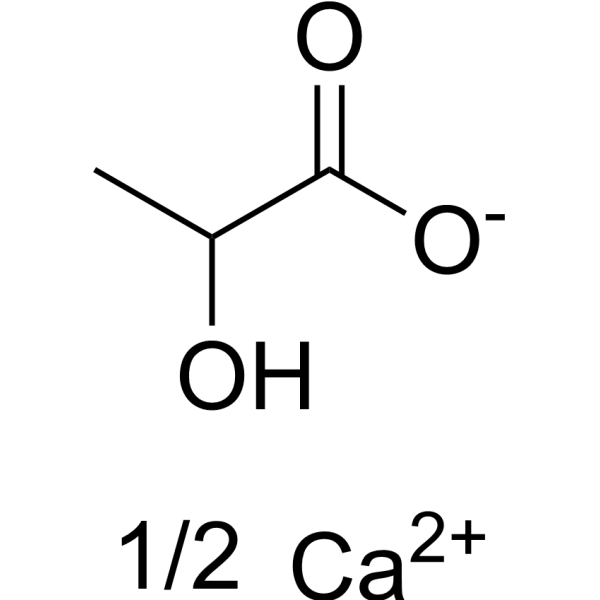
    Lactic acid calcium
    50+ Cited Publications

    DL-Lactic acid calcium; E-270 calcium

    Environmental Pollutants Endogenous Metabolite Bacterial Hydroxycarboxylic Acid Receptor (HCAR) Infection Neurological Disease Inflammation/Immunology Cancer
    Lactic acid (DL-Lactic acid) calcium is a hydroxycarboxylic acid receptor 1 (HCAR1) activator and an epigenetic modulator inducing lysine residues lactylation. Lactic acid calcium is a glycolysis end-product, bridging the gap between glycolysis and oxidative phosphorylation. Lactic acid calcium is an oncometabolite and has immune protective role of lactate in anti-tumor immunity . Lactic acid calcium also has antimicrobial activity, which can be used as a food preservative .
    Lactic acid calcium
  • HY-B2227R

    DL-Lactic acid (Standard); E-270 (Standard)

    Reference Standards Endogenous Metabolite Hydroxycarboxylic Acid Receptor (HCAR) Bacterial Infection Metabolic Disease Inflammation/Immunology Cancer
    Lactic acid (Standard) (DL-Lactic acid (Standard)) is the analytical standard of Lactic acid (HY-B2227). This product is intended for research and analytical applications. Lactic acid (DL-Lactic acid) is a hydroxycarboxylic acid receptor 1 (HCAR1) activator and an epigenetic modulator inducing lysine residues lactylation. Lactic acid is a glycolysis end-product, bridging the gap between glycolysis and oxidative phosphorylation. Lactic acid is an oncometabolite and has immune protective role of lactate in anti-tumor immunity . Lactic acid also has antimicrobial activity, which can be used as a food preservative .
    Lactic acid (Standard)
  • HY-159069

    Toll-like Receptor (TLR) TNF Receptor Connexin Infection Cancer
    Zymosan (ZM), 95% is a yeast cell wall-derived carbohydrate-rich preparation and immunomodulator. Zymosan (ZM), 95% binds to and activates TLR-2, TLR-4, and Dectin-1 receptor to trigger downstream signaling pathways. Zymosan (ZM), 95% upregulates TLR-2, TLR-4, and TNF-α mRNA expression, increases serum TNF-α levels, and stimulates splenocyte number and viability in mice. Zymosan (ZM), 95% attenuates melanoma growth progression, modulates macrophage marker gene expression, and mediates phagocytosis, ROS generation, and cytokine production. Zymosan (ZM), 95% reduces Connexin 43 protein and mRNA levels, inhibits gap junctional intercellular communication, and induces proinflammatory factor production in human corneal cells. Zymosan (ZM), 95% induces peritoneal inflammation in mice, functions as a drug carrier, and supports fibroblast cell attachment in hydrogel formulations. Zymosan (ZM), 95% can be used for the research of melanoma, tumors, fungal keratitis, ocular surface inflammatory disorders, and peritoneal inflammation .
    Zymosan (ZM), 95%
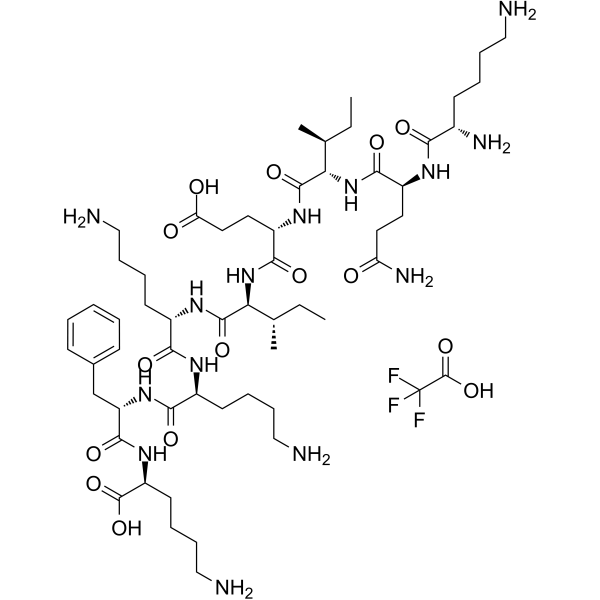
  • HY-P1136A
    Gap19 TFA
    5 Publications Verification

    Gap Junction Protein Cardiovascular Disease
    Gap19 TFA, a peptide derived from nine amino acids of the Cx43 cytoplasmic loop (CL), is a potent and selective connexin 43 (Cx43) hemichannel blocker. Gap19 TFA inhibits hemichannels caused by preventing intramolecular interactions of the C-terminus (CT) with the CL. Gap19 TFA is not blocking GJ channels or Cx40/pannexin-1 hemichannels. Gap19 TFA has protective effects against myocardial .
    Gap19 TFA
  • HY-P1174

    GnRH Receptor Endocrinology
    GnRH Associated Peptide (GAP) (1-13), human is an amino acid peptide fragment derived from GnRH. GAP can increase the secretion of luteinizing hormone (LH) and follicle-stimulating hormone (FSH) in rat anterior pituitary cells. GAP also inhibit the secretion of prolactin .
    GnRH Associated Peptide (GAP) (1-13), human
  • HY-B2227BS

    DL-Lactic acid-d4 sodium; E-270-d4 sodium

    Isotope-Labeled Compounds Endogenous Metabolite Hydroxycarboxylic Acid Receptor (HCAR) Bacterial Infection Metabolic Disease Inflammation/Immunology Cancer
    Lactic acid-d4 (DL-Lactic acid-d4) sodium (60% in water) is the deuterium labeled Lactic acid sodium (60% in water) (HY-B2227B) . Lactic acid (DL-Lactic acid) sodium (60% w/w in water) is a hydroxycarboxylic acid receptor 1 (HCAR1) activator and an epigenetic modulator inducing lysine residues lactylation. Lactic acid sodium (60% w/w in water) is a glycolysis end-product, bridging the gap between glycolysis and oxidative phosphorylation. Lactic acid sodium (60% w/w in water) is an oncometabolite and has immune protective role of lactate in anti-tumor immunity . Lactic acid sodium (60% w/w in water) also has antimicrobial activity, which can be used as a food preservative .
    Lactic acid-d4 sodium (60% w/w in water)
  • HY-B2227BS1

    DL-Lactic acid-d3 sodium; E-270-d3 sodium

    Isotope-Labeled Compounds Endogenous Metabolite Hydroxycarboxylic Acid Receptor (HCAR) Bacterial Infection Metabolic Disease Inflammation/Immunology Cancer
    Lactic acid-d3 (DL-Lactic acid-d3) sodium (60% in water) is the deuterium labeled Lactic acid sodium (60% in water) (HY-B2227B) . Lactic acid (DL-Lactic acid) sodium (60% w/w in water) is a hydroxycarboxylic acid receptor 1 (HCAR1) activator and an epigenetic modulator inducing lysine residues lactylation. Lactic acid sodium (60% w/w in water) is a glycolysis end-product, bridging the gap between glycolysis and oxidative phosphorylation. Lactic acid sodium (60% w/w in water) is an oncometabolite and has immune protective role of lactate in anti-tumor immunity . Lactic acid sodium (60% w/w in water) also has antimicrobial activity, which can be used as a food preservative .
    Lactic acid-d3 sodium (60% w/w in water)
  • HY-P1082A
    Gap 26 TFA
    Maximum Cited Publications
    8 Publications Verification

    Connexin Gap Junction Protein Cardiovascular Disease
    Gap 26 TFA is a connexin mimetic peptide, composed of residue numbers 63-75 of the first extracellular loop of connexin 43 (gap junction blocker), containing the SHVR amino acid motif .
    Gap 26 TFA
  • HY-P10886

    Gap Junction Protein Claudin Inflammation/Immunology
    Zifogaptide is a gap junction protein channel regulator. Zifogaptide mimics the PDZ-binding motif at the C-terminal of Claudin C and competitively interferes with the interaction between Claudin–TJP1 (ZO-1) scaffold. Zifogaptide can promote epithelial cell migration, reduce scar formation, and accelerate wound healing. Zifogaptide can be used for radiation dermatitis, skin injuries, etc .
    Zifogaptide
  • HY-B1588

    Amyloid-β Gap Junction Protein Neurological Disease Metabolic Disease
    Carbenoxolone is a blood-brain barrier-permeable Pannexin1 inhibitor, gap junction (Gap junction) blocker, and β-amyloid 42 inhibitor. Carbenoxolone modulates voltage-gated currents of wild-type and mutant Panx1, and inhibits stimulus-activated Panx1 channel function. Carbenoxolone interacts with stable residues of β-amyloid 42 peptides, fibrils and oligomers, thereby inhibiting their aggregation. Carbenoxolone alleviates liver fibrosis. Carbenoxolone exerts neuroprotective and nootropic effects. Carbenoxolone can be used in studies related to Alzheimer's disease and liver fibrosis .
    Carbenoxolone
  • HY-W248583

    PM650

    Fluorescent Dye Others
    Pyrromethene 650 (PM650) is a green-fluorescent polar tracer dye. It is used for investigations of membrane fusion, lysis, and gap-junctional communication and to detect volume changes in cells or liposomes.
    Pyrromethene 650
  • HY-P3605

    gap (25-53), human

    GnRH Receptor Endocrinology
    GnRH Associated Peptide (GAP) (25-53), human is the human gonadotropin-releasing hormone-associated peptide (GAP) 25-53 fragment (hGAP-25-53), can be used as immunogen to generate antiseras including MC-1, MC-2, and MC-3. GAP is joined to the luteinizing hormone-releasing hormone (LH-RH) sequence by a 3 amino acid processing site .
    GnRH Associated Peptide (25-53), human
  • HY-10913

    gap-134; ZP 1609

    Gap Junction Protein Cardiovascular Disease
    Danegaptide (GAP-134) is a potent, selective and orally active gap-junction modifier with an antiarrhythmic effect .
    Danegaptide
  • HY-P1136C
    TAT-Gap19 TFA
    1 Publications Verification

    Gap Junction Protein Cardiovascular Disease Inflammation/Immunology
    TAT-Gap19 TFA, a Cx mimetic peptide, is a specific connexin43 hemichannel (Cx43 HC) inhibitor. TAT-Gap19 TFA does not inhibits the corresponding Cx43 GJCs. TAT-Gap19 TFA traverses the blood-brain barrier and alleviate liver fibrosis in mice .
    TAT-Gap19 TFA
  • HY-175763

    RGS Protein Neurological Disease Metabolic Disease
    Z55660043 is a Regulator of G protein signaling-14 (RGS14) inhibitor with an IC50 of 2.3  μM. Z55660043 selectively and non-covalently inhibits RGS14 GTPase-accelerating protein (GAP) activity without measurable cytotoxicity. Z55660043 can be used for central nervous system and metabolic disorders research .
    Z55660043
  • HY-D1777

    PM605

    Fluorescent Dye Others
    Pyrromethene 605 (PM605) is a green-fluorescent polar tracer dye. It is used for investigations of membrane fusion, lysis, and gap-junctional communication and to detect volume changes in cells or liposomes.
    Pyrromethene 605
  • HY-B2227D

    Environmental Pollutants Endogenous Metabolite Metabolic Disease Inflammation/Immunology Cancer
    Calcium 2-hydroxypropanoate (pentahydrate) is a hydroxycarboxylic acid receptor 1 (HCAR1) activator and an epigenetic modulator inducing lysine residues lactylation. Calcium 2-hydroxypropanoate (pentahydrate) is a glycolysis end-product, bridging the gap between glycolysis and oxidative phosphorylation. Calcium 2-hydroxypropanoate (pentahydrate) is an oncometabolite and has immune protective role of lactate in anti-tumor immunity .
    Calcium 2-hydroxypropanoate pentahydrate
  • HY-126247B

    Drug Derivative Ras Cancer
    (R)-BI-2852 is the isomer of BI-2852 (HY-126247), and can be used as an experimental control. BI-2852 is a KRAS inhibitor for the switch I/II pocket (SI/II-pocket) by structure-based agent design with nanomolar affinity. BI-2852 is mechanistically distinct from covalent KRASG12C inhibitor (binds to switch II pocket) and binds ten-fold more strongly to active KRASG12D versus KRASwt (740 nM vs 7.5 μM). BI-2852 blocks GEF, GAP, and effector interactions with KRAS, leading to inhibition of downstream signaling and an antiproliferative effect in KRAS mutant cells.
    (R)-BI-2852
  • HY-P11197

    Gap Junction Protein Cancer
    ACT1 is a peptide that targets endogenous Cx43 by stabilizing its activity at gap junctions. ACT1 stabilizes gap junction intercellular communication in breast cancer cells. ACT1 enhances the activity of Tamoxifen (HY-13757A) and Lapatinib (HY-50898) in breast cancer. ACT1 can be used for breast cancer research .
    ACT1
  • HY-W104816

    DNA/RNA Synthesis Others
    L-Tyrosyl-L-glutamic acid is an amino acid penetrase GAP1 inhibitor .
    L-Tyrosyl-L-glutamic acid
  • HY-W248118

    PM556

    Fluorescent Dye Others
    Pyrromethene 556 (PM556) is a green-fluorescent polar tracer dye. It is used for investigations of membrane fusion, lysis, and gap-junctional communication and to detect volume changes in cells or liposomes.
    Pyrromethene 556
  • HY-N7424

    4,7-DHC

    EGFR Estrogen Receptor/ERR Progesterone Receptor Cancer
    4,7-Dihydroxycoumarin is an EGFR inhibitor, estrogen receptor inhibitor, and progesterone receptor inhibitor. 4,7-Dihydroxycoumarin against breast cancer cells with an IC50 velue of 18.36 μg/mL. 4,7-Dihydroxycoumarin can be used for the research of breast cancer .
    4,7-Dihydroxycoumarin
  • HY-P5389

    Gap Junction Protein Others
    Connexin mimetic peptide 40GAP27 is a biological active peptide. (This peptide corresponds to the GAP27 domain of the second extracellular loop of dominant vascular connexin (Cx40), designated as 40Gap 27. It was used to investigate mechanisms through which oxidant stress impairs communication via gap junctions. When administered, 40Gap27attenuates endothelium-dependent subintimal smooth muscle hyperpolarization.)
    Connexin mimetic peptide 40GAP27
  • HY-114865

    RGS Protein Calcium Channel Neurological Disease
    BMS-192364 is targeting the Gα-RGS interaction to produce an inactive Gα-RGS complex. BMS-192364 reduces urinary bladder contraction and exert RGS-agonist properties by increasing the action of GAPs on Gq proteins. BMS-192364 inhibits calcium flux .
    BMS-192364
  • HY-106225R

    ZP123 (Standard)

    Reference Standards Gap Junction Protein Cardiovascular Disease
    Rotigaptide (Standard) is the analytical standard of Rotigaptide. This product is intended for research and analytical applications. Rotigaptide (ZP123) is a novel and specific modulator of connexin 43 (Cx43). Rotigaptide prevents the uncoupling of Cx43-mediated gap junction communication and normalizes cell-to-cell communication during acute metabolic stress. Rotigaptide is a potent antiarrhythmic peptide (AAP) with improved stability and has the potential for the investigation of cardiac arrhythmias-specifically?atrial fibrillation .
    Rotigaptide (Standard)
  • HY-117275A

    Meclofenamate sodium hydrate

    Fat Mass and Obesity-associated Protein (FTO) Potassium Channel Gap Junction Protein Endogenous Metabolite Neurological Disease Metabolic Disease Inflammation/Immunology
    Meclofenamic acid (Meclofenamate) sodium hydrate is a non-steroidal anti-inflammatory agent. Meclofenamic acid sodium hydrate is a highly selective FTO (fat mass and obesity-associated) enzyme inhibitor. Meclofenamic acid sodium hydrate competes with FTO binding for the m(6)A-containing nucleic acid. Meclofenamic acid sodium hydrate is a non-selective gap-junction blocker. Meclofenamic acid sodium hydrate inhibits hKv2.1 and hKv1.1, with IC50 values of 56.0 and 155.9 μM, respectively .
    Meclofenamic acid sodium hydrate
  • HY-153125

    Liposome Others
    DLRIE is a cationic lipid that can be used for the synthesis of liposome GAP-DLRIE. GAP-DLRIE can be used to enhance the delivery and expression of plasmid DNA. DLRIE can be used for delivery of nucleic acids .
    DLRIE
  • HY-W010653R

    lrganox 1010 (Standard); AT1010 (Standard)

    Reference Standards Biochemical Assay Reagents Others
    Antioxidant 1010 (Standard) is the analytical standard of Antioxidant 1010 (lrganox 1010; AT1010) (HY-W010653) . This product is intended for research and analytical applications. Antioxidant 1010 is a hindered phenolic antioxidant. Antioxidant 1010 does not inhibit intercellular gap-junctional communication. Antioxidant 1010 exhibits antioxidant efficacy in plastic, rubber and synthetic fiber ..
    Antioxidant 1010 (Standard)

Inquiry Online

Your information is safe with us. * Required Fields.

Salutation


Country or Region *

Applicant Name *


Organization Name *

Department *


Email Address *


Product Name *

Cat. No.


Requested quantity *

Phone Number *


Remarks

Inquiry Online

Inquiry Information

Product Name:
Cat. No.:
Quantity:
MCE Japan Authorized Agent:

