

1. Search Result
Search Result
Results for "

gliomas

" in MedChemExpress (MCE) Product Catalog:

284

Inhibitors & Agonists

1

Screening Libraries

6

Fluorescent Dyes

6

Biochemical Assay Reagents

21

Peptides

1

MCE Kits

10

Inhibitory Antibodies

46

Natural
Products

12

Isotope-Labeled Compounds

1

Click Chemistry

9

Oligonucleotides

Cat. No. Product Name Target Research Areas Chemical Structure
  • HY-10521
    Darapladib
    5+ Cited Publications

    SB-480848

    Phospholipase Apoptosis Cardiovascular Disease Cancer
    Darapladib (SB-480848) is an orally active, selective and reversible Lp-PLA2 inhibitor (IC50=0.25 nM). Darapladib can trigger irreversible actions on glioma cell apoptosis and induce cycle arrest. Darapladib can be used in the study of atherosclerosis and cancer .
    Darapladib
  • HY-15246
    Tovorafenib
    5+ Cited Publications

    TAK-580; MLN 2480; BIIB-024

    Raf Cancer
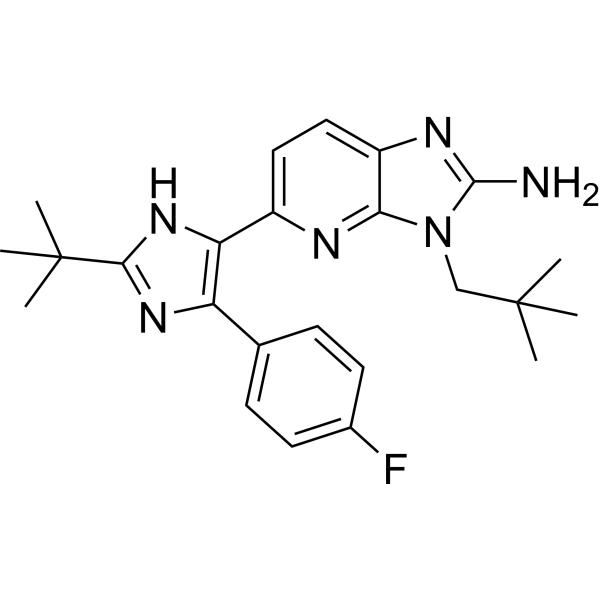
    Tovorafenib (TAK-580, MLN 2480) is an orally active and selective inhibitor of pan-Raf kinase. Tovorafenib can be used for the study of glioma .
    Tovorafenib
  • HY-100355

    C18-Ceramide

    Endogenous Metabolite Neurological Disease Cancer
    C18-Ceramide (d18:1/18:0) is a bioactive molecule with multiple functions in cells, not a traditional agonist or inhibitor targeting a single site. It can act on multiple cellular targets, such as proteins related to endoplasmic reticulum stress (e.g., ATF-4, XBP-1, CHOP), proteins in the PI3K/AKT signaling pathway, and SNARE complex proteins. It exerts activities like inducing cell death, promoting autophagy, and regulating exocytosis through mechanisms such as activating endoplasmic reticulum stress, inhibiting the PI3K/AKT signaling pathway, and affecting lipid raft - related functions. It can be used in research on the mechanism of neuronal injury in the field of neuroscience and in the treatment research of cancers such as glioma in the field of oncology .
    C18-Ceramide (d18:1/18:0)
  • HY-B0896

    Glyceryl triacetate; 1,2,3-Triacetoxypropane

    Environmental Pollutants Fungal Endogenous Metabolite Cancer
    Triacetin (Glyceryl triacetate) is a synthetic compound that is a triester of glycerol and acetic acid, orally active. Triacetin increases acetate bioavailability in glioma cells. Triacetin induces glioma cell growth arrest and Apoptosis. Triacetin freely crosses the blood brain barrier/plasma membrane. Triacetin increases histone acetylation and enhances Temozolomide (HY-17364) (TMZ) chemotherapeutic efficacy .
    Triacetin
  • HY-B0754A
    Hematoporphyrin dihydrochloride
    Maximum Cited Publications
    15 Publications Verification

    Hematoporphyrin IX dihydrochloride

    Apoptosis Endogenous Metabolite Cancer
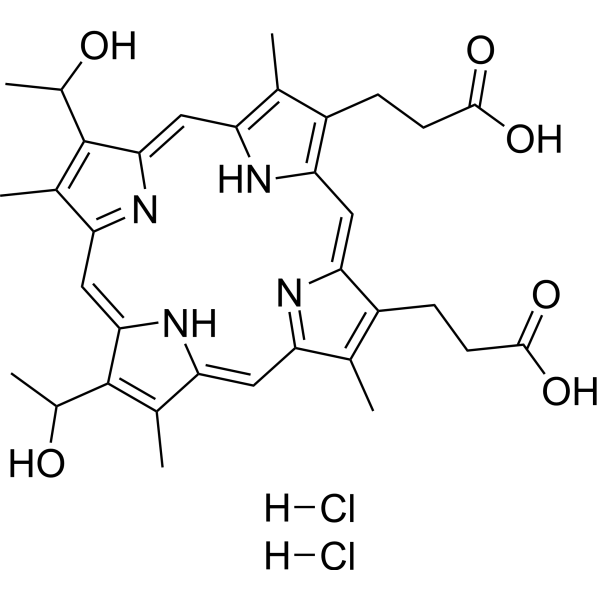
    Hematoporphyrin dihydrochloride (Hematoporphyrin IX dihydrochloride), a photosensitizer, is a substrate for affinity chromatography of heme-binding proteins. Hematoporphyrin dihydrochloride can induce apoptosis in U87 glioma cells and decrease tumor growth in vivo when exposed to red light .
    Hematoporphyrin dihydrochloride
  • HY-146245C
    ODN 1826 sodium
    5+ Cited Publications

    CpG 1826 sodium

    Toll-like Receptor (TLR) Apoptosis NO Synthase Cardiovascular Disease Inflammation/Immunology Cancer
    ODN 1826 sodium is a class B CpG ODN (oligodeoxynucleotide) and TLR9 agonist. ODN 1826 sodium induces NO and iNOS production and enhances Apoptosis. ODN 1826 sodium enhances immune surveillance. ODN 1826 sodium increases aortic atherosclerotic plaque size. ODN 1826 sodium has antitumor activity against lung cancer, glioma and melanoma .
    ODN 1826 sodium
  • HY-101374A

    (+)-BRD4780

    Imidazoline Receptor Caspase Mitochondrial Metabolism Lactate Dehydrogenase Cardiovascular Disease Neurological Disease Cancer
    AGN 192403 (BRD4780) hydrochloride is a potent and selective imidazoline-1 receptor antagonist with a Ki value of 42 nM. AGN 192403 hydrochloride is also a TMED9 inhibitor. AGN 192403 hydrochloride shows protective effects on oxidative cytotoxicity and mitochondrial inhibitor-induced cytotoxicity in astrocytes. AGN 192403 hydrochloride mitigates the proliferation and migration of differentiated glioma tumor cells. AGN 192403 hydrochloride can be used for glioma tumor and neurological diseases research .
    AGN 192403 hydrochloride
  • HY-129420

    Fluorescent Dye Cancer
    WSP-5 is a H2S-selective fluorescent probe (Ex/Em = 502/525 nm). WSP-5 enables visual monitoring of H2S released and accumulated from peptide-H2S donor conjugates in glioma cells. WSP-5 is applicable to glioma research .
    WSP-5
  • HY-148811

    ICP-723

    c-Met/HGFR Trk Receptor Cancer
    Zurletrectinib is a brain-penetrant, orally active TRK inhibitor (TRKA IC50 = 0.81 nM; TRKB IC50 = 0.145 nM; TRKC IC50 = 0.184 nM). Zurletrectinib exhibits stronger activity as a consequence of its augmented binding affinity for TRK kinases. Zurletrectinib exhibits higher activity against most TRK inhibitor resistance mutations (13 out of 18 mutations). Zurletrectinib can be used for the study of glioma .
    Zurletrectinib
  • HY-N7255
    Cycloartenol
    2 Publications Verification

    p38 MAPK Apoptosis Cancer
    Cycloartenol, a phytosterol compound, is one of the key precusor substances for biosynthesis of numerous sterol compounds. Cycloartenol inhibits the migration of glioma cells and suppresses the phosphorylation of the p38 MAP kinase. Cycloartenol has a variety of pharmacological activities such as anti-inflammatory, anti-tumor, antioxidant, antibiosis and anti-alzheimer's disease. Cycloartenol also plays an important role in the process of plant growth and development .
    Cycloartenol
  • HY-16712
    LDN-214117
    2 Publications Verification

    TGF-β Receptor Cancer
    LDN-214117 is an orally active ALK2 inhibitor with well-tolerated and good brain penetration. LDN-214117 has a high selectivity and low cytotoxicity for ALK2 with an IC50 value of 24 nM. LDN-214117 also is a specific bone morphogenetic proteins (BMPs) signaling inhibitor and has relatively selective inhibition for BMP6 with an IC50 value of 100 nM. LDN-214117 can be used for the research of fibrodysplasia ossificans progressiva (FOP), diffuse intrinsic pontine glioma (DIPG) .
    LDN-214117
  • HY-113763

    TNF Receptor Others
    L524-0366 is a specific, dose-dependent TWEAK-Fn14 inhibitor. L524-0366 specifically binds to the Fn14 surface with a KD of 7.12 μM, competitively inhibiting the binding of Fn14 to TWEAK (inhibition rate reaching 16%). L524-0366 inhibits TWEAK-induced glioma cell migration without potential cytotoxic effects .
    L524-0366
  • HY-10293
    Aderbasib
    1 Publications Verification

    INCB007839; INCB7839

    MMP Cancer
    Aderbasib (INCB007839) is a potent, orally active and target specific low nanomolar hydroxamate-based inhibitor of ADAM10 and ADAM17. Aderbasib exhibits robust antineoplastic activity and can be used for cancer research, including diffuse large B-cell non-Hodgkin lymphoma, HER2 + breast cancer, gliomas, et al .
    Aderbasib
  • HY-172723

    Liposome Transferrin Receptor Neurological Disease Cancer
    DSPE-PEG2000-T7 is a PEGylated compound composed of DSPE and peptideT7. T7 (HAIYPRH) specifically binds to TfR. DSPE-PEG2000-T7 can be used to prepare T7-modified liposomes, where liposomes modified with both T7 and DA7R peptides can effectively co-deliver Doxorubicin (HY-15142A) and Vincristine (HY-N0488A) to gliomas. DSPE-PEG2000-T7 can also be used to prepare nanomodulators that mediate the co-delivery of tyrosine hydroxylase mRNA and interferon gene stimulator antagonists for synergistic intervention in Parkinson's disease .
    DSPE-PEG2000-T7
  • HY-139604
    PCC0208017
    3 Publications Verification

    MARK Apoptosis Cancer
    PCC0208017 is a microtubule affinity regulating kinases (MARK3/MARK4) inhibitor with IC50s of 1.8 and 2.01 nM, respectively. PCC0208017 has much lower inhibitory activity against MARK1 and MARK2, with IC50s of 31.4 and 33.7 nM, respectively. PCC0208017 suppresses glioma progression in vitro and in vivo. PCC0208017 disrupts microtubule dynamics and induces G2/M phase cell cycle arrest and cell apoptosis. PCC0208017 demonstrates robust antitumor activity in vivo and displays good BBB permeability .
    PCC0208017
  • HY-N7844

    Benzyladenosine

    Apoptosis Adenosine Receptor Inflammation/Immunology Cancer
    N6-Benzyladenosine is an adenosine receptor agonist, has a cytoactive activity. N6-Benzyladenosine arrests cell cycle at G0/G1 phase and induces cell apoptosis. N6-Benzyladenosine also exerts inhibitory effect on T. gondii adenosine kinase and glioma - .
    N6-Benzyladenosine
  • HY-P11287A

    Interleukin Related Radionuclide-Drug Conjugates (RDCs) Cancer
    DOTA-Pep-1L TFA is a polypeptide formed by the conjugation of DOTA and Pep-1L. DOTA-Pep-1L TFA specifically binds to IL13RA2 and can be used for the synthesis of targeted polypeptides. DOTA-Pep-1L TFA yields the isotopically labeled product [ 225Ac]DOTA-Pep-1L, which exerts α-radiation killing effects on orthotopic glioma cells and extends the median survival time of mice bearing orthotopic glioma models after stereotactic injection. DOTA-Pep-1L TFA can be used for PET imaging, tumor targeting and glioma research .
    DOTA-Pep-1L TFA
  • HY-B0754

    Hematoporphyrin IX

    Apoptosis Endogenous Metabolite Cancer
    Hematoporphyrin (Hematoporphyrin IX), a photosensitizer, is a substrate for affinity chromatography of heme-binding proteins. Hematoporphyrin can induce apoptosis in U87 glioma cells and decrease tumor growth in vivo when exposed to red light .
    Hematoporphyrin
  • HY-160972

    LXR Neurological Disease Cancer
    MM0299 is a selective lanosterol synthase (LSS) inhibitor with an IC50 value of 2.22 μM. MM0299 depletes intracellular cholesterol and acts as a growth inhibitor for glioma stem-like cells. MM0299 exhibits anti-glioblastoma activity. MM0299 is applicable to research related to glioblastoma .
    MM0299
  • HY-148234

    Anaplastic lymphoma kinase (ALK) TGF-beta/Smad Cancer
    M4K2234, a chemical probe, is an orally active, highly selective inhibitor of ALK1 and ALK2 with IC50 values of 7 nM and 14 nM, respectively. M4K2234 specifically blocks BMP signaling by inhibiting the phosphorylation of SMAD1/5/8. M4K2234 inhibits BMP7-stimulated reporter gene activity (IC50 = 16 nM). M4K2234 can be used for the investigation of ALK1/2-mediated biological processes and related diseases such as diffuse midline glioma (DMG) and fibrodysplasia ossificans progressiva (FOP) .
    M4K2234
  • HY-123927

    VEGFR Ephrin Receptor Inflammation/Immunology Cancer
    UniPR1331 is an orally active 3β-hydroxy-Δ5-choline acid derivative that inhibits Eph-ephrin interactions. UniPR1331 blocks the interaction of VEGFR2 with its natural ligand vascular endothelial growth factor and inhibits subsequent autophosphorylation, signaling, and pro-angiogenic activation of endothelial cells. UniPR1331 exhibits anti-angiogenesis, anti-cancer and anti-inflammation effects. UniPR1331 can be used for the researches of cancer and inflammation, such as glioma and colitis .
    UniPR1331
  • HY-N1983
    Caudatin
    1 Publications Verification

    Apoptosis Autophagy Reactive Oxygen Species (ROS) Mitochondrial Metabolism PARP Caspase Bcl-2 Family VEGFR FAK WDR5 p38 MAPK JNK PPAR Neurological Disease Inflammation/Immunology Cancer
    Caudatin is an orally active and brain-penetrant C-21 steroidal found in Cynanchum bungei decne with a variety of biological activities. Caudatin can inhibit cell proliferation, migration, invasion, cause cell phase arrest, induce apoptosis, autophagy, ROS prodution and loss of mitochondrial membrane potential. Caudatin activates PARP, caspase-3, -7, -9, upregulates pro-apoptotic Bad and Bax and downregulates anti-apoptotic Bcl-2 and Bcl-XL. Caudatin suppresses VEGF, FAK phosphorylation, upregulates p21, p27, DR5 protein expression, activates the p38 MAPK, JNK and PPARα/TFEB-mediated autophagy-lysosomal signaling pathways. Caudatin can be used for the research of cancer, inflammation and neurological disease, such as glioma and Alzheimer's disease .
    Caudatin
  • HY-129079
    TFMB-(R)-2-HG
    3 Publications Verification

    Estrogen Receptor/ERR Histone Demethylase Fat Mass and Obesity-associated Protein (FTO) Cancer
    TFMB-(R)-2-HG is a cell membrane-permeable (R)-2-HG and acute myeloid leukemia (AML) oncogenic factor. TFMB-(R)-2-HG competitively inhibits α-ketoglutarate-dependent dioxygenases such as KDM2B and FTO. TFMB-(R)-2-HG impairs cell differentiation in response to Estrogen withdrawal. TFMB-(R)-2-HG is used in acute myeloid leukemia and glioma research .
    TFMB-(R)-2-HG
  • HY-115452

    JAK Apoptosis Cancer
    G5-7, an orally active and allosteric JAK2 inhibitor, selectively inhibits JAK2 mediated phosphorylation and activation of EGFR (Tyr 1068) and STAT3 by binding to JAK2. G5-7 induces cell cycle arrest, apoptosis and possesses antiangiogenic effect. G5-7 has the potential for glioma study .
    G5-7
  • HY-W037619

    Biochemical Assay Reagents Neurological Disease Cancer
    Pteridine-2,4 (1H,3H)-dione is a pteridine derivative (xanthopterin) and a sulfur-containing pteridine compound (2,4-dimercaptopyrimidine). Pteridine-2,4 (1H,3H)-dione possesses metal-binding ability, and forms closed-shell (ionic) interactions with palladium via sulfur and nitrogen atoms. Pteridine-2,4 (1H,3H)-dione derivates can be used in studies related to neuroblastoma, glioma and breast cancer .
    Pteridine-2,4(1H,3H)-dione
  • HY-B0459
    Scopine
    2 Publications Verification

    6,7-Epoxytropine

    Drug Metabolite Neurological Disease Cancer
    Scopine is a metabolite of Scopolamine (HY-N0296) and brain-targeting compound. Scopine significantly increases the brain exposure of Chlorambucil (HY-13593) and enhances its anti-glioma activity. Scopine can be used in targeted therapy research for brain gliomas .
    Scopine
  • HY-B0459A
    Scopine hydrochloride
    2 Publications Verification

    6,7-Epoxytropine hydrochloride

    Drug Metabolite Neurological Disease Cancer
    Scopine hydrochloride is a metabolite of Scopolamine (HY-N0296) and brain-targeting compound. Scopine hydrochloride significantly increases the brain exposure of Chlorambucil (HY-13593) and enhances its anti-glioma activity. Scopine hydrochloride can be used in targeted therapy research for brain gliomas .
    Scopine hydrochloride
  • HY-P9973

    DLX1008; ESBA 1008; RTH258

    VEGFR Cancer
    Brolucizumab (DLX1008) is a single-chain anti-VEGF-A antibody fragment with low picomolar affinity (KD=1.05 pM). Brolucizumab can be used for the research of cancer .
    Brolucizumab
  • HY-172199

    ClpP Cancer
    THX6 is an hClpP activator with an EC50 of 1.18 μM. THX6 improves off-target profile with no affinity for hD2R and only weak affinity for hD3R (Ki = 51.1 µM) in HEK293 cells. THX6 shows good cytotoxicity in ONC201-resistant cells with an IC50 of 0.13 μM. THX6 changes the levels of fatty acids (PUFAs, MUFAs, and SFAs) in DIPG cells. THX6 decreases the level of proteins involved in oxidative phosphorylation, biogenesis, and mitophagy proteins, thereby resulting in a global collapse of mitochondrial integrity and function. THX6 can be used for diffuse intrinsic pontine glioma research .
    THX6
  • HY-N5025

    P2X Receptor Apoptosis ERK p38 MAPK c-Myc NF-κB Reactive Oxygen Species (ROS) Neurological Disease Inflammation/Immunology Cancer
    Bullatine A, a diterpenoid alkaloid, is a potent P2X7 antagonist. Bullatine A possesses anti-rheumatic, anti-inflammatory and anti-nociceptive effects. Bullatine A inhibits ATP-induced BV-2 cell death/apoptosis and P2X receptor-mediated inflammatory responses. Bullatine A suppresses glioma cell growth by targeting SIRT6. Bullatine A specifically attenuates pain hypersensitivity in rats. Bullatine A attenuates LPS (HY-D1056)-induced systemic inflammatory response by inhibiting the ROS/JNK/NF-κB pathway in mice. Bullatine A improves despair behavior in Chronic chronic social defeat stress (CSDS) mice. Bullatine A can be used for the study of inflammation, glioblastoma (GBM) and depression .
    Bullatine A
  • HY-150082

    CDK DNA/RNA Synthesis Cancer
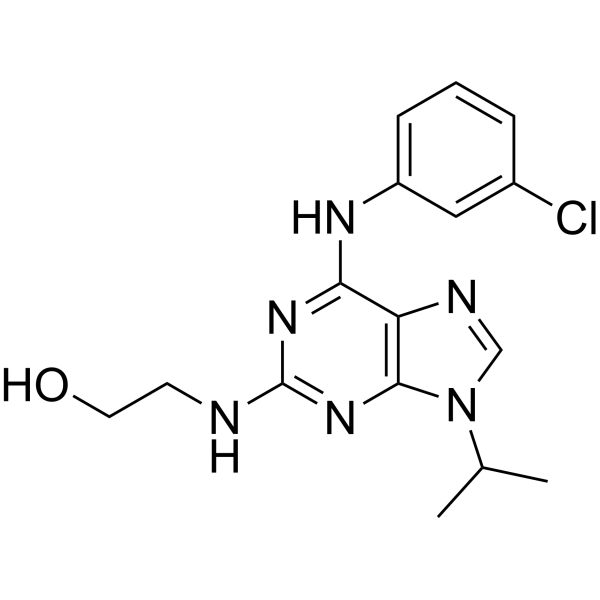
    CP681301 is a potent CDK5 inhibitor. CP681301 shows antiproliferative activity. CP681301 decreases the expression of CD133, OLIG2, SOX2, KI67, pCDK5 protein level in GSCs (Glioma stem cells). CP681301 reduces self-renewal in mouse glioma xenografts. CP681301 shows anti-tumor activity in Drosophila .
    CP681301
  • HY-144707

    Apoptosis VEGFR MMP PTEN Cancer
    AK-778-XXMU is a potent DNA binding inhibitor 2 (ID2) antagonist with a KD of 129 nM. AK-778-XXMU can inhibit cell migration and invasion of glioma cell lines, induce apoptosis, and exhibits significant cancer-suppressing potency. AK-778-XXMU inhibits the ID2-KDR signaling axis, thereby down-regulating the downstream angiogenic factors (VEGFA) and invasion-related proteins (MMP2/9), and up-regulating the tumor suppressor factor (PTEN). AK-778-XXMU can be used for the study of glioma .
    AK-778-XXMU
  • HY-117651

    Acyltransferase Cancer
    2-Fluoropalmitic acid, an acyl-CoA synthetase inhibitor, acts as a candidate anti-glioma agent. 2-Fluoropalmitic acid suppresses the viability and stem-like phenotype of glioma stem cells (GSCs). 2-Fluoropalmitic acid also inhibits proliferation and invasion of glioma cell lines .
    2-Fluoropalmitic acid
  • HY-172699

    Liposome LDLR Cancer
    DSPE-PEG2000-ANG is a conjugate of DSPE-PEG2000-MAL and Angiopep-2. Angiopep-2 is a peptide ligand that targets LRP-1. DSPE-PEG2000-ANG is used to synthesize gadolinium-boron bifunctionalized lipid nanoparticles BPA-F&DOTA-Gd@LIPO-ANG with blood-brain barrier and glioma targeting properties .
    DSPE-PEG2000-ANG
  • HY-149591

    TGF-β Receptor Anaplastic lymphoma kinase (ALK) Cancer
    M4K-2009 is an orally bioactive ALK2 inhibitor with an IC50 of 13 nM. M4K-2009 exerts comparable inhibitory potency against wild-type and mutant ALK2 G328V, ALK2 R206H, and ALK2 R258G. M4K-2009 exhibits moderate off-target inhibitory activity against hERG potassium channels. M4K-2009 can be used in studies related to diffuse intrinsic pontine glioma .
    M4K-2009
  • HY-117778B

    Enolase Bacterial Antibiotic ATP Synthase Infection Cancer
    SF2312 ammonium is a phosphonate Antibiotic and Enolase inhibitor, with an IC50 of 18.4 nM against E. coli enolase. SF2312 ammonium reduces intracellular ATP levels and inhibits glycolytic flux. SF2312 ammonium exhibits activity against both Gram-positive and Gram-negative bacteria, and exerts synergistic effects against E. coli when combined with Fosfomycin (HY-B1075A). SF2312 ammonium shows selective toxicity toward gliomas with ENO1 gene knockout. SF2312 ammonium can be used in research related to bacterial infections and gliomas .
    SF2312 ammonium
  • HY-176508

    Casein Kinase Cancer
    KDX1381 is a bivalent CK2α inhibitor (IC50: 17 nM, KD: 54 nM). KDX1381 has antitumor activity in mouse 786-O and A375 tumor xenograft models. KDX1381 combined with VEGFR inhibitors or DNA damaging agents enhances antitumor efficacy in mouse hepatocellular carcinoma and glioma models .
    KDX1381
  • HY-P11287

    Interleukin Related Radionuclide-Drug Conjugates (RDCs) Cancer
    DOTA-Pep-1L is a polypeptide formed by the conjugation of DOTA and Pep-1L. DOTA-Pep-1L specifically binds to IL13RA2 and can be used for the synthesis of targeted polypeptides. DOTA-Pep-1L yields the isotopically labeled product [ 225Ac]DOTA-Pep-1L, which exerts α-radiation killing effects on orthotopic glioma cells and extends the median survival time of mice bearing orthotopic glioma models after stereotactic injection. DOTA-Pep-1L can be used for PET imaging, tumor targeting and glioma research .
    DOTA-Pep-1L
  • HY-176941

    TGF-β Receptor Cancer
    ALK2-IN-6 (Compound 14a) is a selective ALK2 inhibitor, with an IC50 of 9 nM. ALK2-IN-6 can be used in the research of diffuse intrinsic pontine glioma .
    ALK2-IN-6
  • HY-P99772

    L19TNF

    TNF Receptor Cancer
    Onfekafusp alfa (L19TNF) is a homotrimer that forms from engineered peptides for the L19 antibody in scFv format fused to human TNF. Onfekafusp alfa can be used for malignant glioma research .
    Onfekafusp alfa
  • HY-N11108

    Others Cancer
    Gochnatiolide A is a dimeric sesquiterpene that can be found in Ainsliaea henryi. Gochnatiolide A exhibits antiproliferative activity against the kidney, melanoma, ovarian-resistant and glioma cell lines .
    Gochnatiolide A
  • HY-W023758

    4-(4-Bromo-1H-pyrazol-5-yl)pyridine

    DNA/RNA Synthesis Cancer
    HDGFRP2/PSIP1-IN-1 (compound BPP) is a dual inhibitor targeting the PWWP domain of hepatocarcinogenic growth factor-related protein 2 (HDGFRP2) and its homologous protein PSIP1, hinder the development and progression of diffuse intrinsic pontine glioma (DIPG). HDGFRP2/PSIP1-IN-1 binds to HDGFRP2 with a Kd value of 7 μM and a ligand efficiency of 0.47; it binds to the PSIP1 PWWP domain with a Kd value of 27 μM; meanwhile, it has a Kd value of 14 μM for HDGFRP3, indicating its effectiveness as an inhibitor of the HDGFRP2 PWWP subfamily .
    HDGFRP2/PSIP1-IN-1
  • HY-101374

    (+)-BRD4780 free base

    Imidazoline Receptor Mitochondrial Metabolism Caspase Lactate Dehydrogenase Cardiovascular Disease Neurological Disease Cancer
    AGN 192403 (BRD4780) is a potent and selective imidazoline-1 receptor antagonist with a Ki value of 42 nM. AGN 192403 is also a TMED9 inhibitor. AGN 192403 shows protective effects on oxidative cytotoxicity and mitochondrial inhibitor-induced cytotoxicity in astrocytes. AGN 192403 mitigates the proliferation and migration of differentiated glioma tumor cells. AGN 192403 can be used for glioma tumor and neurological diseases research .
    AGN 192403
  • HY-128553A

    Ras Apoptosis Cancer
    (rac)-Antineoplaston A10 is the racemate of Antineoplaston A10. Antineoplaston A10 is a Ras inhibitor potentially for the treatment of glioma, lymphoma, astrocytoma and breast cancer .
    (Rac)-Antineoplaston A10
  • HY-123410

    Cannabinoid Receptor Cancer
    KM-233 is a classical cannabinoid with good blood brain barrier penetration. KM-233 possesses a selective affinity for the CB2 receptors relative to THC. KM-233 is effective at reducing U87 glioma tumor burden, and can be used for glioma research .
    KM-233
  • HY-178178

    PARP Reactive Oxygen Species (ROS) DNA/RNA Synthesis Apoptosis Cancer
    PARP1-IN-46 is a potent PARP-1 inhibitor with an IC50 of 2.4 nM. PARP1-IN-46 demonstrates remarkable anti-proliferative activity in both rat (C6) and human (U87MG) glioma cells. PARP1-IN-46 promotes PARP cleavage, triggers DNA damage, and increases ROS. PARP1-IN-46 effectively inhibits the migration, invasion and colony formation of glioma cells, and ultimately induces cell apoptosis. PARP1-IN-46 can be used to the study of glioma .
    PARP1-IN-46
  • HY-P990278

    Integrin Cancer
    Anti-Mouse CD29 Antibody (KMI6) is a rat-derived IgG2a κ type antibody inhibitor, targeting to mouse CD29. Anti-Mouse CD29 Antibody (KMI6) can neutralize CD29. Anti-Mouse CD29 Antibody (KMI6) can be used for the research of cancer, such as glioma .
    Anti-Mouse CD29 Antibody (KMI6)
  • HY-144041

    c-Fms Cancer
    CSF1R-IN-5 is a potent inhibitor of CSF1R. CSF-1R is expressed in macrophages, and the survival and differentiation of macrophages depends on the CSF-1/CSF-1R signaling pathway. CSF1R-IN-5 affects the exchange of inflammatory factors between TAMs and glioma cells. CSF1R-IN-5 has the potential for the research of cancer disease (extracted from patent WO2021197276A1, compound 11) .
    CSF1R-IN-5
  • HY-175291

    MMP Cadherin Cancer
    Cystatin B agonist 1 is an orally active MMP-2/9 inhibitor. Cystatin B agonist 1 exhibits inhibitory effects with IC50 values of 3.95 and 3.43 μM against U87 and T98G cells, respectively. Cystatin B agonist 1 induces the cell-cycle arrest at S phase, inhibits angiogenesis, and suppresses migration and invasion of MG cells. Cystatin B agonist 1 inhibits tumor growth in U87 MG xenograft model. Cystatin B agonist 1 can be used for the study of malignant glioma (MG) .
    Cystatin B agonist 1
  • HY-174212

    Apoptosis Cancer
    MXC-017 is a blood-brain barrier (BBB)-penetrant apoptosis inducer that directly targets Vimentin (VIM). MXC-017 prevents radiation-induced glioma stem cell (GSC) formation, while promoting G0/G1 cell cycle arrest and apoptosis. MXC-017 exhibits minimal off-target effects and shows no significant cytotoxicity. MXC-017 significantly prolongs median survival when used in combination with radiation therapy in glioblastoma (GBM) mouse models.
    MXC-017

Inquiry Online

Your information is safe with us. * Required Fields.

Salutation


Country or Region *

Applicant Name *


Organization Name *

Department *


Email Address *


Product Name *

Cat. No.


Requested quantity *

Phone Number *


Remarks

Inquiry Online

Inquiry Information

Product Name:
Cat. No.:
Quantity:
MCE Japan Authorized Agent:

