



49 Results for "

glycemic

" in MedChemExpress (MCE) Product Catalog:
Products (49)

49 Results for "glycemic" in MCE Product Catalog:

3
3 Cited Publications
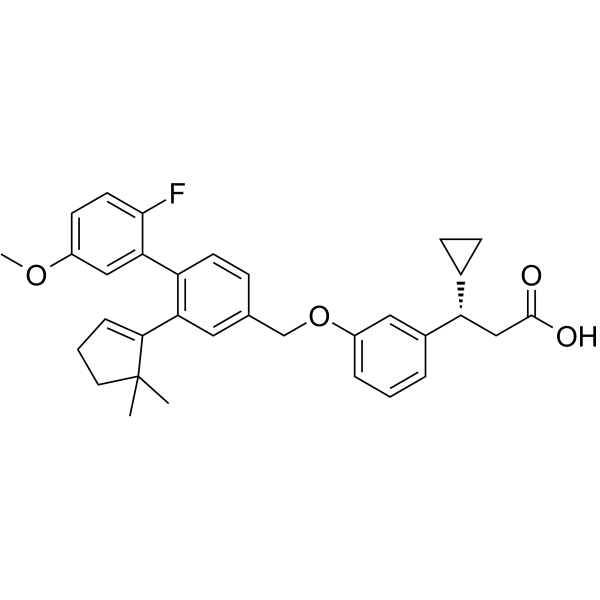
Cat. No.: HY-13467
CAS No.: 1142214-62-7
Purity:  99.65%
Research Areas:  

Metabolic Disease

AM-1638 is an orally active full agonist of GPR40 (EC50: 0.16 μM). AM-1638 increases the expression of antioxidant molecules (HO-1 and NQO-1). AM1638 blocks Palmitate (HY-N0830)-mediated superoxide production and ER stress. AM-1638 has antidiabetic activity and improves glycemic control in BDF mice with diet-induced obesity (DIO). AM-1638 demonstrates excellent oral bioavailability (mouse, >100%; rat, 72%; and cyno, 71%) .
loading...
    loading...
3
3 Cited Publications
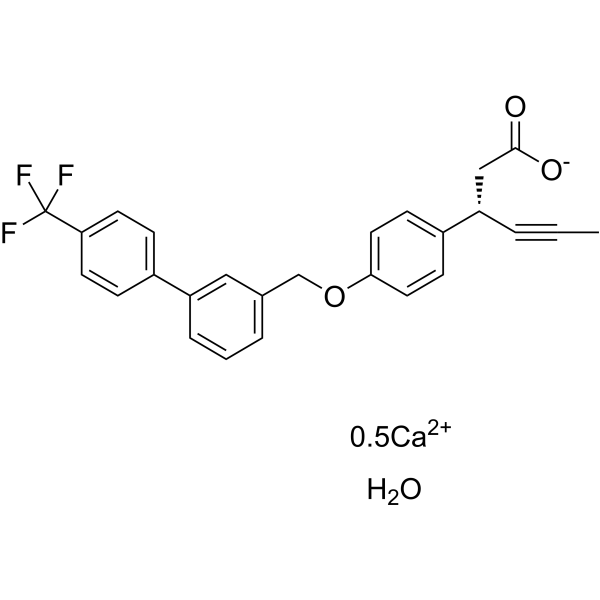
Cat. No.: HY-13967B
CAS No.: 1259389-38-2
Purity:  99.00%
Research Areas:  

Metabolic Disease

AMG 837 calcium hydrate is an orally active, selective GPR40/FFA1 agonist with an EC50 of 1.5 nM against human GPR40. AMG 837 calcium hydrate stimulates insulin secretion in a glucose-dependent manner, and effectively improves glycemic control in both normal and diabetic rodent models . AMG 837 calcium hydrate binds to the BacA protein and impairs the survival and replication of Brucella. AMG 837 calcium hydrate can be used in research related to type 2 diabetes and brucellosis .
loading...
    loading...
3
3 Cited Publications
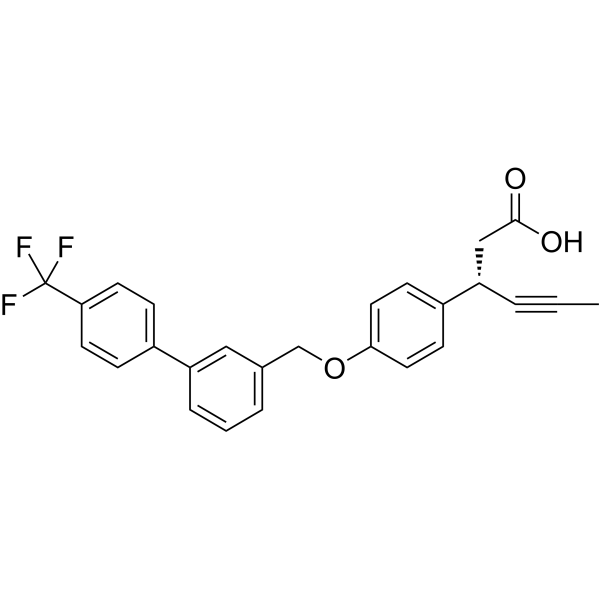
Cat. No.: HY-13967
CAS No.: 865231-46-5
AMG 837 is an orally active, selective GPR40/FFA1 agonist with an EC50 of 1.5 nM against human GPR40. AMG 837 stimulates insulin secretion in a glucose-dependent manner, and effectively improves glycemic control in both normal and diabetic rodent models . AMG 837 binds to the BacA protein and impairs the survival and replication of Brucella. AMG 837 can be used in research related to type 2 diabetes and brucellosis .
loading...
    loading...
1
1 Cited Publications
Cat. No.: HY-P3463
CAS No.: 123475-27-4
Synonyms: GLP-1 (human)
Target:  

GCGR

Beinaglutide is a human GLP-1 polypeptide that shares almost 100% homology with human GLP-1 (7–36). Beinaglutide displays does-dependent effects in glycemic control, inhibiting food intake and gastric empty and promoting weight loss. Beinaglutide has the potential for the research of overweight/obesity and nonalcoholic steatohepatitis (NASH) .
loading...
    loading...
1
1 Cited Publications
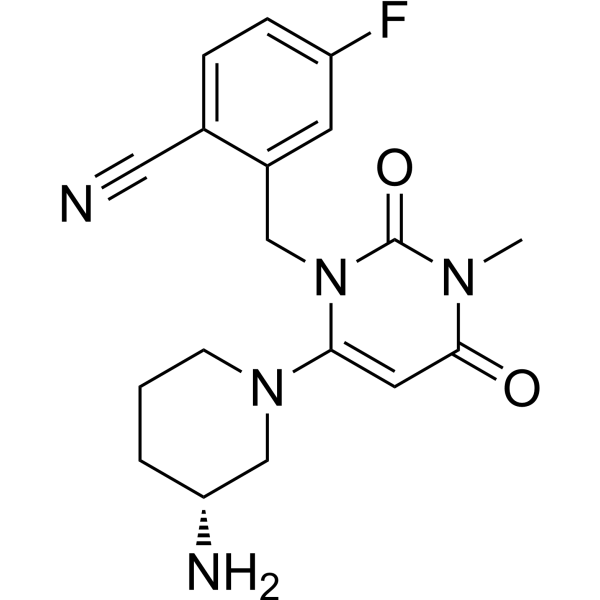
Cat. No.: HY-15408
CAS No.: 865759-25-7
Purity:  99.54%
Synonyms: SYR-472
Target:  

Dipeptidyl Peptidase

Research Areas:  

Metabolic Disease

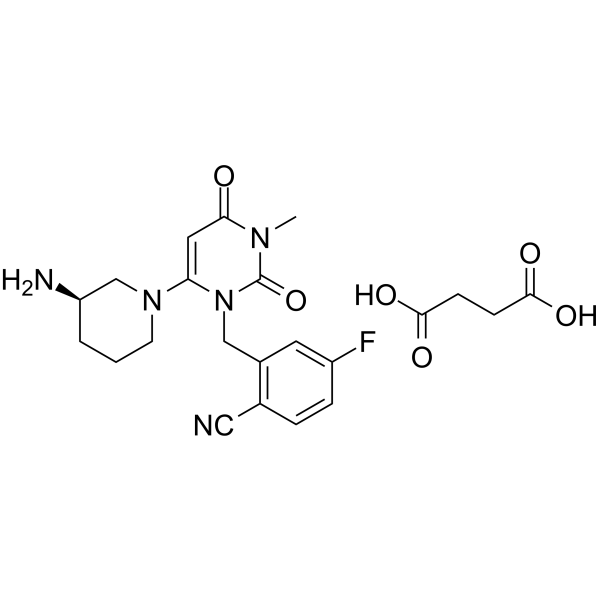
Trelagliptin (SYR-472) is a potent, orally active and highly selective DPP-4 inhibitor with an IC50 of 4 nM. Trelagliptin succinate improves glycemic control in vivo and can be used for the study of type 2 diabetes mellitus (T2DM) .
loading...
    loading...
1
1 Cited Publications
Cat. No.: HY-15408A
CAS No.: 1029877-94-8
Purity:  99.96%
Synonyms: SYR-472 succinate
Target:  

Dipeptidyl Peptidase

Research Areas:  

Metabolic Disease

Trelagliptin (SYR-472) succinate is a potent, orally active and highly selective DPP-4 inhibitor with an IC50 of 4 nM. Trelagliptin succinate improves glycemic control in vivo and can be used for the study of type 2 diabetes mellitus (T2DM) .
loading...
    loading...
1
1 Cited Publications
Cat. No.: HY-113075
CAS No.: 154-58-5
Purity:  99.57%
Synonyms: 1,5-Anhydro-D-glucitol
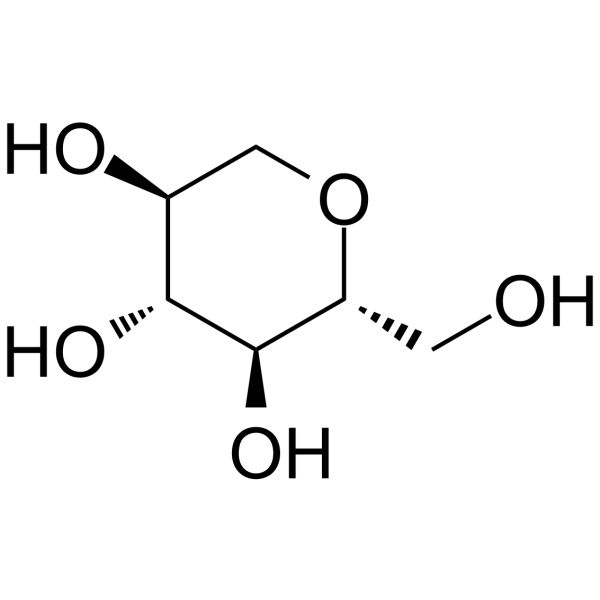
1,5-Anhydrosorbitol is a short-term marker for glycemic control.
loading...
    loading...
Cat. No.: HY-150105
CAS No.: 2448172-22-1
Purity:  98.72%
Synonyms: BMF-219; Menin-MLL inhibitor 21
Icovamenib (BMF-219) is a selective, orally active, irreversible Menin inhibitor. Icovamenib forms a stable and irreversible covalent bond with Menin. Icovamenib promotes selective and controlled proliferation of beta cells and improvement of beta cell function in ex vivo human islet cultures. Icovamenib enhances glycemic control in animal diabetic models. Icovamenib induces a dose-dependent enhancement in insulin secretion potentiated by the GLP-1 RA. Icovamenib can be used for the study of multiple hematologic malignancies, solid tumors, and diabetes mellitus, such as diffuse large B-cell lymphoma (DLBCL), multiple myeloma (MM) and chronic lymphocytic leukemia and type 2 diabetes .
loading...
    loading...
Cat. No.: HY-N3018
CAS No.: 499-40-1
Synonyms: 6-O-α-D-Glucopyranosyl-D-glucose; D-Isomaltose
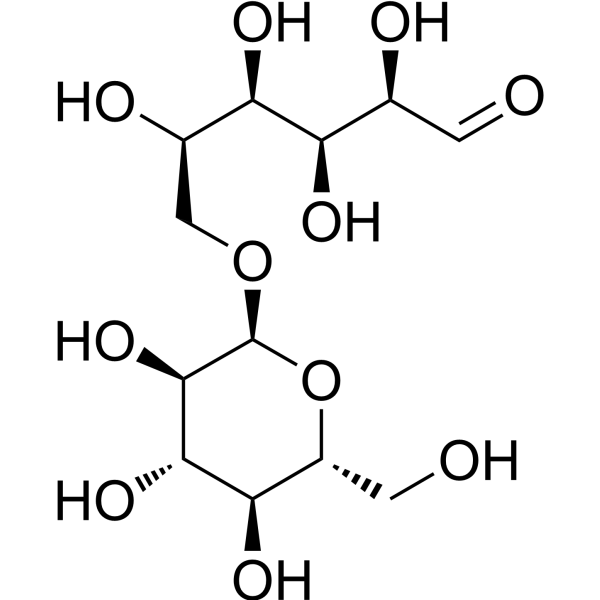
Isomaltose (6-O-α-D-Glucopyranosyl-D-glucose) is a glucose disaccharide. Isomaltose induces G-CSF secretion via heat-induced oxidative polymerization of glucose groups into high-molecular-weight compounds. Isomaltose modulates cecal bacterial cluster structure in mice. Isomaltose exhibits low glycemic index, slow hydrolysis, and prebiotic properties. Isomaltose reduces in vivo Cryptosporidium parvum colonization in neonatal mice. Isomaltose can be used for the research of Cryptosporidium parvum infection .
loading...
    loading...
Cat. No.: HY-W145665
CAS No.: 9005-82-7
Amylose is not a typical small-molecule ligand with a specific traditional receptor-binding target. It is a polysaccharide. In food science and biological systems, amylose can interact with proteins and free fatty acids through non-covalent forces like hydrophobic interactions and electrostatic interactions. For example, it can form a ternary complex with them, which is related to the structure and digestion of starch. It is widely studied in the fields of food science, carbohydrate metabolism, and is also relevant in research on controlling glycemic responses, as it affects starch digestion rate .
loading...
    loading...
Cat. No.: HY-106539
CAS No.: 182815-44-7
Purity:  ≥95.0%
Colesevelam hydrochloride is an orally active bile acid sequestrant, lipid-lowering agent, and glycemic control agent. Colesevelam hydrochloride binds bile acids in the gastrointestinal tract to form nonabsorbable complexes, interrupts enterohepatic recirculation and increases fecal bile acid elimination. Colesevelam hydrochloride modulates FXR, TGR5, and Cyp7a1 activity and triggers cAMP signaling and GLP-1 release. Colesevelam hydrochloride alters hepatic lipid and glucose metabolism, suppresses hepatic glycogenolysis, reduces hepatic triglyceride and cholesterol levels, and increases LDL-C (low-density lipoprotein cholesterol) clearance. Colesevelam hydrochloride can be used for the research of type 2 diabetes mellitus, hypercholesterolemia, and alcohol-related liver disease .
loading...
    loading...
Cat. No.: HY-N6675
CAS No.: 94238-00-3
Gardenia yellow is a competitive inhibitor of α-Amylase (HY-B2193) and α-glucosidase. Gardenia yellow can bind to the catalytic sites of α-Amylase and α-glucosidase, inhibit starch digestion, and significantly increase the contents of resistant starch and slowly digestible starch in starch-based systems. Gardenia yellow reduces the glycemic index and hydrolysis index. Gardenia yellow can be used in diabetes-related research .
loading...
    loading...
Cat. No.: HY-108448
CAS No.: 105955-11-1
Purity:  99.47%
Synonyms: OLDA
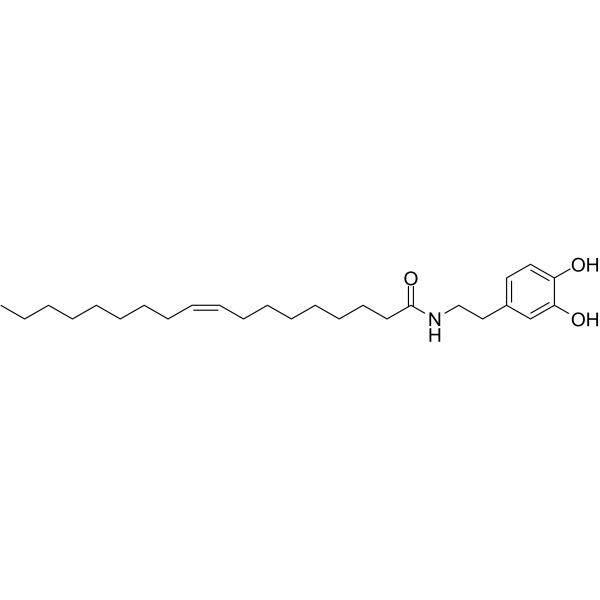
N-Oleoyldopamine (OLDA) is an orally active TRPV1 activator and 5-LOX inhibitor with blood-brain barrier permeability. N-Oleoyldopamine excites histaminergic neurons in the tuberomammillary nucleus via a dopamine receptor mechanism, a process independent of TRPV1 and cannabinoid receptors. On one hand, N-Oleoyldopamine promotes the release of insulin and glucose-dependent insulinotropic polypeptide through a GPR119-dependent pathway to improve glucose tolerance; on the other hand, N-Oleoyldopamine improves left ventricular function and reduces myocardial infarction size by triggering the release of substance P and calcitonin gene-related peptide. N-Oleoyldopamine is used in studies related to glycemic abnormalities and myocardial ischemia-reperfusion injury .
loading...
    loading...
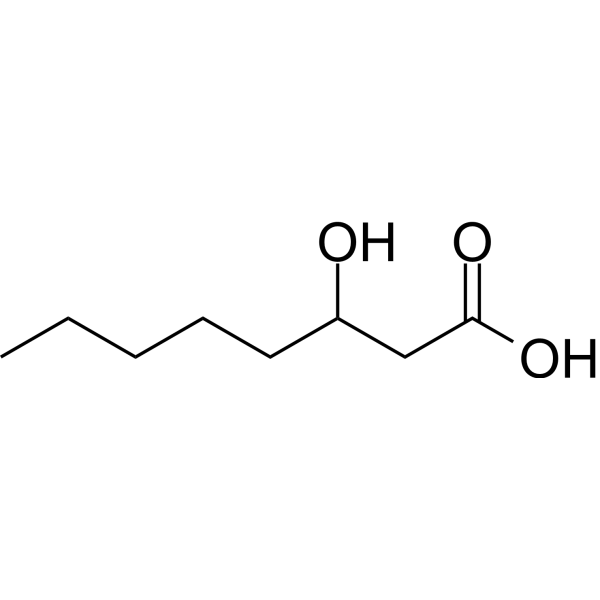
Cat. No.: HY-113058
CAS No.: 14292-27-4
Purity:  ≥98.0%
Category:  

Microorganisms

Target:  

Endogenous Metabolite

3-Hydroxyoctanoic acid is a hydroxylated fatty acid that has been found in the LPS of Pseudomonas aeruginosa and in methyl-branched poly(3-hydroxyalkanoate) (PHA) polymers produced by Pseudomonas oleophores. It is an agonist of the orphan receptor GPR109B, increasing intracellular calcium in human neutrophils endogenously expressing GPR109B. 3-Hydroxycaprylic acid prevents lipolysis in human adipocytes and is upregulated in human plasma in response to a ketogenic diet. Plasma levels of 3-hydroxyoctanoic acid were also increased 3.41-fold in human male runners exhausted on a treadmill and in a mouse model of autism spectrum disorder (ASD) fed a high-glycemic diet.
loading...
    loading...
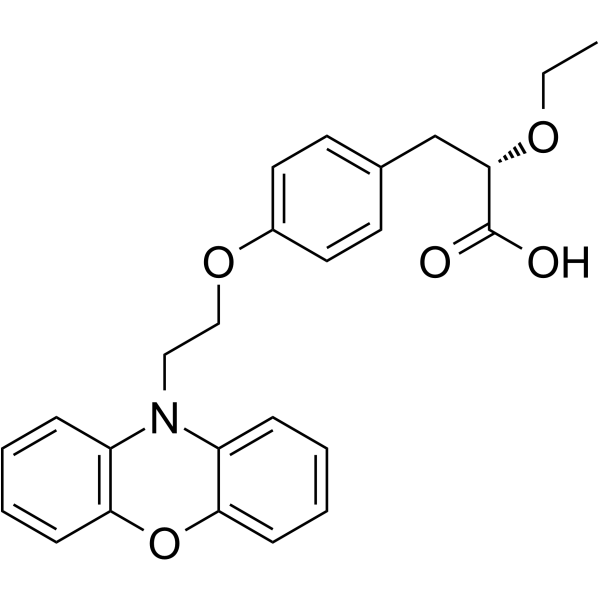
Cat. No.: HY-16421
CAS No.: 222834-30-2
Synonyms: (-)-DRF 2725; NNC 61-0029
Target:  

PPAR

Research Areas:  

Metabolic Disease

Ragaglitazar is a PPARα and PPARγ agonist with potent lipid-lowering and insulin-sensitizing efficacy in animal models. Ragaglitazar improves glycemic control and lipid profile in type 2 diabetic.
loading...
    loading...
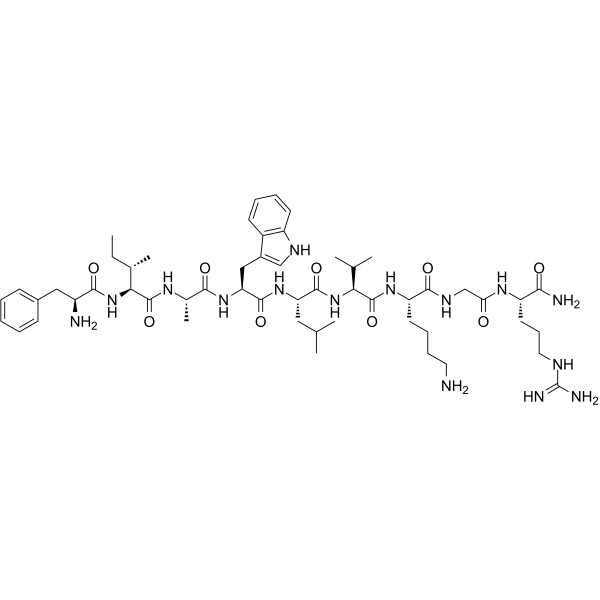
Cat. No.: HY-P3101
CAS No.: 1225021-13-5
Target:  

GCGR

GLP-1(28-36)amide, a C-terminal nonapeptide of GLP-1, is a major product derived from the cleavage of GLP-1 by the neutral endopeptidase (NEP). GLP-1(28-36)amide is an antioxidant and targets to mitochondrion, inhibits mitochondrial permeability transition (MPT). GLP-1(28-36)amide has anti-diabetic and cardioprotection effects .
loading...
    loading...
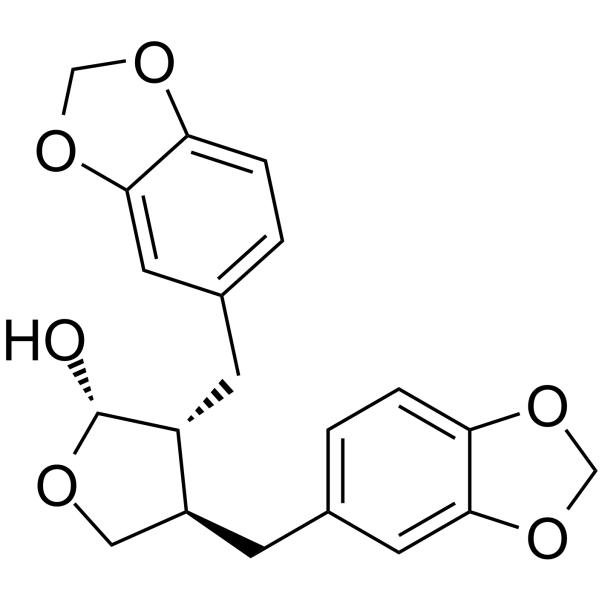
Cat. No.: HY-N10423
CAS No.: 18423-69-3
Synonyms: (-)-Cubebin
Cubebin ((-)-Cubebin), a dibenzyl butyrolactone lignan, is an orally active AChE inhibitor. Cubebin binds to active sites of NF-κB, TNF-α, and TGF-β1 via hydrogen and hydrophobic interactions, obstructing critical residues to inhibit pro-inflammatory or renal fibrosis-related activity. Cubebin enhances p38 MAPK phosphorylation to increase tyrosinase gene expression, stimulating melanogenesis via elevated tyrosinase activity, expression, and mRNA levels. Cubebin reduces oxidative stress via enhanced endogenous antioxidant enzyme activity and inhibited lipid peroxidation, regulates lipid metabolism, improves glycemic control, and exerts renoprotective effects via reduced renal dysfunction markers and improved renal architecture. Cubebin shows antimicrobial activity. Cubebin exerts larvicidal activity against Angiostrongylus cantonensis larvae, with no cytotoxicity toward monkey or human cell lines or Caenorhabditis elegans. Cubebin can be used for the research of diabetic nephropathy, melanoma, colon adenocarcinoma, neuroangiostrongyliasis, Alzheimer’s disease (AD) and depression .
loading...
    loading...
Cat. No.: HY-139201E
CAS No.: 27964-99-4
Synonyms: PDLHB (MW 150000-300000)
Poly-D-lysine hydrobromide (MW 150000-300000) is a synthetic polymer composed of D-lysine residues and is one of the most widely used matrices in neural cell culture applications. Poly-D-lysine hydrobromide (MW 150000-300000) can be used as a non-specific cell adhesion enhancer. Poly-D-lysine hydrobromide (MW 30000-70000) is an orally active CaSR agonist peptide that indirectly activates the 5-HT₃ receptor signaling pathway, delaying gastric emptying and thereby slowing the rate at which glucose enters the small intestine and is absorbed .
loading...
    loading...
Cat. No.: HY-P10341
CAS No.: 1345835-12-2
Target:  

GCGR

Research Areas:  

Metabolic Disease

ZP3022 is a dual agonist of glucagon-like peptide-1 (GLP-1) and gastrin that has the ability to sustainably improve glycemic control. Additionally, ZP3022 can effectively increase β-cell mass, promote β-cell proliferation, and enhance the function of pancreatic islets. ZP3022 can be used in anti-diabetic research .
loading...
    loading...
Cat. No.: HY-101122
CAS No.: 1610954-97-6
Target:  

SGLT GLP Receptor

Research Areas:  

Metabolic Disease

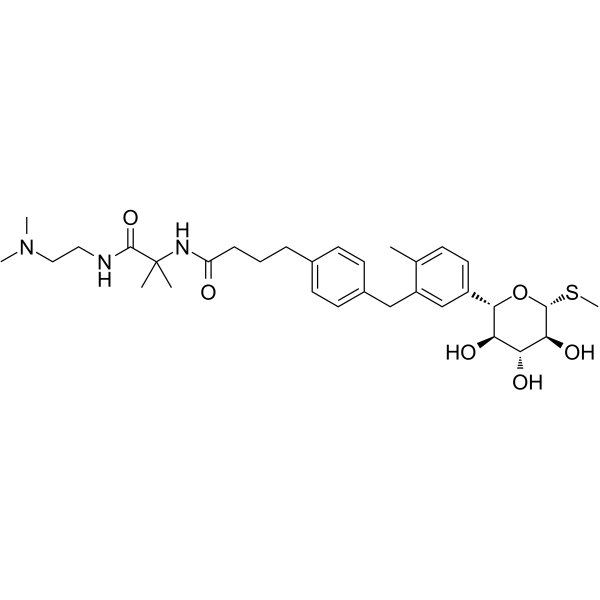
LX2761 is an orally active, dual SGLT1/SGLT2 inhibitor with IC50 values of 2.2 nM and 2.7 nM against human SGLT1 and SGLT2, respectively. LX2761 locks human SGLT1 in an outward-open conformation and blocks its putative water permeation pathway. After oral administration, LX2761 is confined exclusively to the intestinal lumen, delays intestinal glucose absorption, regulates intestinal glucose metabolism, increases cecal glucose levels, reduces cecal pH, improves glycemic control and elevates plasma total GLP-1 levels. However, LX2761 induces diarrhea in a dose-dependent manner. LX2761 can be used in diabetes-related research .
loading...
    loading...

