1. Search Result
Search Result
Results for "

hepatitis virus

" in MedChemExpress (MCE) Product Catalog:

380

Inhibitors & Agonists

3

Screening Libraries

3

Fluorescent Dyes

4

Biochemical Assay Reagents

28

Peptides

13

Inhibitory Antibodies

37

Natural
Products

35

Recombinant Proteins

18

Isotope-Labeled Compounds

4

Antibodies

2

Click Chemistry

21

Oligonucleotides

Cat. No. Product Name Target Research Areas Chemical Structure
  • HY-107433
    U18666A
    20+ Cited Publications

    Flavivirus Dengue Virus HCV Infection Neurological Disease
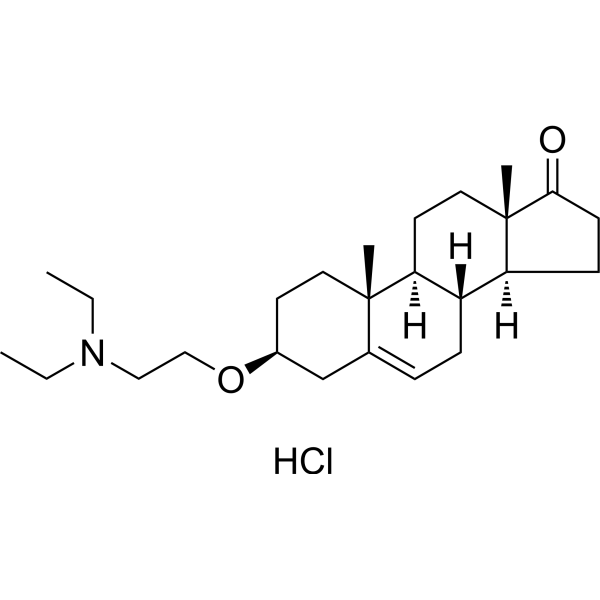
    U18666A, an intra-cellular cholesterol transport inhibitor, inhibits replication of Ebola virus, dengue virus, and human hepatitis C virus .
    U18666A
  • HY-109137
    Selgantolimod
    1 Publications Verification

    GS-9688

    Toll-like Receptor (TLR) HBV Infection
    Selgantolimod (GS-9688) is an orally active, potent and selective toll-like receptor 8 (TLR8) agonist for the treatment of hepatitis B virus (HBV) and human immunodeficiency virus (HIV) infection .
    Selgantolimod
  • HY-Y0073
    4-Hydroxyacetophenone
    1 Publications Verification

    P-hydroxyacetophenone

    HBV Myosin Infection Inflammation/Immunology Cancer
    4-Hydroxyacetophenone (P-hydroxyacetophenone) is a major hepatoprotective and choleretic compound found in Artemisia and Illicium plants, exhibiting antiviral and anti-inflammatory effects against hepatitis B virus. Additionally, 4-Hydroxyacetophenone inhibits cancer cell adhesion, invasion, and migration by remodeling actin. 4-Hydroxyacetophenone holds promise for research in the fields of inflammatory diseases and cancer .
    4-Hydroxyacetophenone
  • HY-128067
    5-(N,N-Hexamethylene)-amiloride
    2 Publications Verification

    Hexamethylene amiloride; HMA

    Sodium Channel HIV Apoptosis Infection Cancer
    5-(N,N-Hexamethylene)-amiloride (Hexamethylene amiloride) derives from an amiloride and is a potent Na +/H + exchanger inhibitor, which decreases the intracellular pH (pHi) and induces apoptosis in leukemic cells. 5-(N,N-Hexamethylene)-amiloride (Hexamethylene amiloride) is also an inhibitor of the HIV-1 Vpu virus ion channel and inhibits mouse hepatitis virus (MHV) replication and human coronavirus 229E (HCoV229E) replication in cultured L929 cells with EC50s of 3.91 μM and 1.34 μM, respectively .
    5-(N,N-Hexamethylene)-amiloride
  • HY-125474
    Carrageenan
    1 Publications Verification

    Environmental Pollutants HIV HSV Infection Cancer
    Carrageenan is an antiviral and anticancer agent. Carrageenan inhibits herpes simplex virus (HSV), HIV, and hepatitis A virus (HAV) by directly binding to the viral capsid to block the attachment of viruses such as HPV to HSPG factors on the cell surface. Carrageenan delays and arrests cell cycle progression, exhibits cytotoxicity against HeLa cancer cells, and can be applied to studies related to cervical cancer, genital warts, hepatitis A, and other conditions. Carrageenan also induces acute non-immune inflammation, triggers a three-phase inflammatory response involving the release of multiple proinflammatory mediators, and causes persistent edema, hyperalgesia, and neutrophil recruitment in mice .
    Carrageenan
  • HY-125118
    GSK-A1
    2 Publications Verification

    PI4K HCV Infection
    GSK-A1 is a selective type III phosphatidylinositol 4-kinase PI4KA (PI4KIIIα) inhibitor with a pIC50 of 8.5-9.8. GSK-A1 inhibits PtdIns(4,5)P2 resynthesis with an IC50 of about 3 nM. GSK-A1 potently decreases the levels of PtdIns(4)P with a negligible effect on PtdIns(4,5)P2. GSK-A1 has the potential for anti-hepatitis C virus (HCV) research .
    GSK-A1
  • HY-125371
    2'-C-Methyladenosine
    2 Publications Verification

    HCV Infection Inflammation/Immunology
    2'-C-Methyladenosine is an inhibitor of hepatitis C virus (HCV) replication. 2'-C-Methyladenosine inhibits HCV replicon and NS5B-catalyzed RNA synthesis with IC50 values of 0.3μM and 1.9 μM, respectively. 2'-C-Methyladenosine also potently inhibits LRV1 in Leishmania guyanensis (Lgy) and Leishmania braziliensis .
    2'-C-Methyladenosine
  • HY-N0249
    Saikosaponin C
    2 Publications Verification

    MMP Infection Inflammation/Immunology
    Saikosaponin C is an orally active MMP-2 inducer. Saikosaponin C induces the survival, growth, migration and capillary tube formation of endothelial cells. Saikosaponin C inhibits the early stage of hepatitis C virus infection. Saikosaponin C can be used in research related to ischemic tissue diseases, chronic kidney diseases and hepatitis C virus infection .
    Saikosaponin C
  • HY-B0420A
    Moroxydine hydrochloride
    1 Publications Verification

    ABOB hydrochloride

    Influenza Virus HCV HSV Apoptosis Caspase Infection
    Moroxydine (ABOB) hydrochloride is a broad-spectrum agent with multi-antiviral activities against DNA and RNA viruses, including influenza virus, herpes simplex, varicella zoster, measles, mumps disease, hepatitis C virus, etc. Moroxydine hydrochloride exhibits excellent antiviral activity and shows low cytotoxicity to cells infected by dsRNA viruses (grass carp reovirus, GCRV) and large DNA viruses (giant salamander iridovirus, GSIV). Moroxydine hydrochloride blocks the GCRV-induced cytopathic effects and eliminates nucleocapsids in ctenopharyngodon idella kidney (CIK) cells to keep the normal morphological structure. Moroxydine hydrochloride significantly inhibits the apoptosis, the caspase 3 activity, Bax expression and down-regulates Bcl-2 levels .
    Moroxydine hydrochloride
  • HY-147255

    ZM-H1505R

    HBV Infection
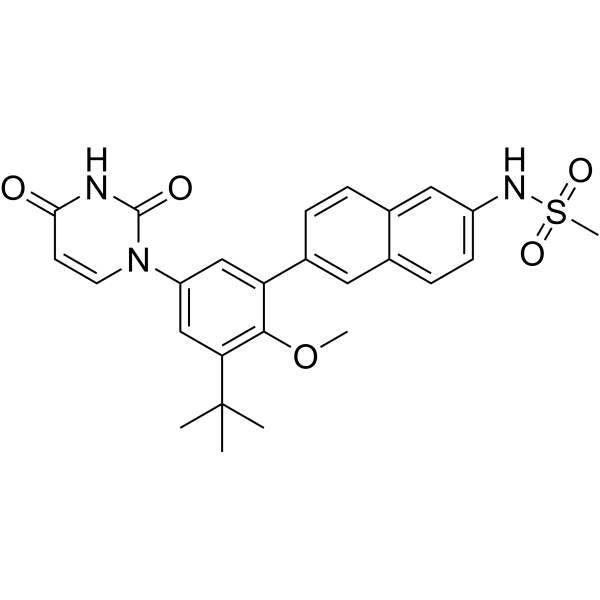
    Canocapavir (ZM-H1505R) is an orally active HBV core protein-targeting antiviral agent. Canocapavir binds to the hydrophobic pocket at the dimer-dimer interface of HBV core protein (HBc), stimulating intracellular accumulation of nonfunctional HBV capsids, disrupting viral replication. Canocapavir interferes with the interaction between HBc and HBV large surface protein, resulting in diminished
    production of empty virionsis. Canocapavir can be used for the research of hepatitis B virus (HBV) infection .
    Canocapavir
  • HY-112564
    JNJ-632
    2 Publications Verification

    HBV Infection
    JNJ-632 is a hepatitis B virus (HBV) capsid assembly modulator (CAM).
    JNJ-632
  • HY-19447
    Besifovir
    1 Publications Verification

    LB80331

    HBV Infection
    Besifovir (LB80331), a parent agent converted by LB80380 (HY-19447A), further metabolizes to its active form, LB80317 (HY-106235). Besifovir is an orally active, novel antiviral agent against hepatitis B virus (HBV) .
    Besifovir
  • HY-13337

    INX-08189

    HCV Infection
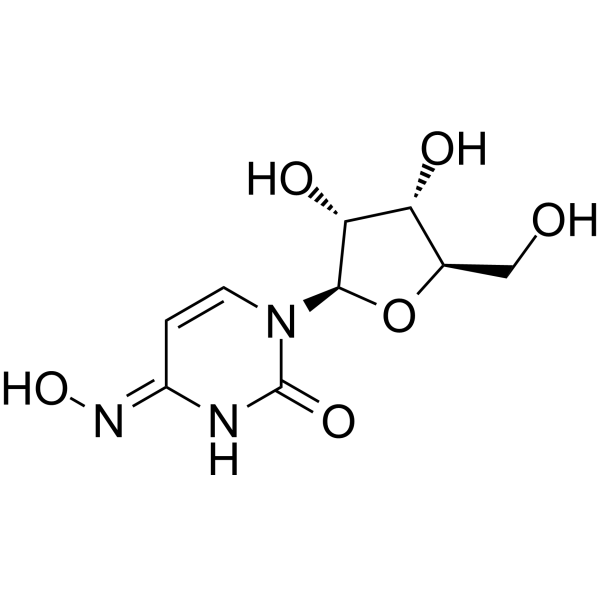
    BMS-986094 (INX-08189) is a potent inhibitor of hepatitis C virus (HCV) replication, with an EC50 of 35 nM at 24 h in Huh-7 cells. BMS-986094 is a phosphoramidate proagent of 6-O-methyl-2’-C-methyl guanosine. BMS-986094 can be used for the research of chronic HCV infection .
    BMS-986094
  • HY-P990223

    Interleukin Related Infection Others Inflammation/Immunology Cancer
    Anti-Mouse IL-15 Antibody (AIO.3) is a rat-derived IgG2a λ type antibody inhibitor, targeting to mouse IL-15. Anti-Mouse IL-15 Antibody (AIO.3) can neutralize IL-15. Anti-Mouse IL-15 Antibody (AIO.3) can be used for the researches of cancer, infection and inflammation, such as hepatitis virus infection and esophagitis .
    Anti-Mouse IL-15 Antibody (AIO.3)
  • HY-142989

    Liposome HIV HCV HBV Infection Cancer
    1,2-Didocosahexaenoyl-sn-glycero-3-phosphocholine is a polyunsaturated phospholipid that serves as a component of lipid monolayers and small unilamellar vesicles. 1,2-Didocosahexaenoyl-sn-glycero-3-phosphocholine can be used to prepare endoplasmic reticulum-targeted liposomes (PERLs), which are composed of 1,2-didocosahexaenoyl-sn-glycero-3-phosphoethanolamine, l-α-phosphatidylinositol and l-α-phosphatidylserine at a molar ratio of 1.5:1.5:1:1. PERLs reduce cholesterol levels in human peripheral blood mononuclear cells (PBMCs) and decrease HIV-1 particle secretion from HIV-1-infected PBMCs. Liposomes formed from 1,2-Didocosahexaenoyl-sn-glycero-3-phosphocholine exhibit cytotoxicity against leukemia cells. 1,2-Didocosahexaenoyl-sn-glycero-3-phosphocholine is applicable to studies related to hepatitis C virus infection, HIV infection, hepatitis B virus infection and leukemia .
    1,2-Didocosahexaenoyl-sn-glycero-3-phosphocholine
  • HY-148560A

    HBV DNA/RNA Synthesis Infection
    trans-ccc_R08 (Compound 1-B) is a cccDNA inhibitor with anti-HBV activity, with an IC50 of 0.14 μM for HBeAg and an IC50 of 0.08 μM for HBsAg in in vitro assays. trans-ccc_R08 inhibits covalently closed circular DNA (cccDNA). trans-ccc_R08 is applicable to research related to hepatitis B virus infection .
    trans-ccc_R08
  • HY-P99693

    GC1102

    HBV Infection
    Lenvervimab (GC1102) is a IgG1-type recombinant human hepatitis B Immunoglobulin. Lenvervimab can be used for research of hepatitis B virus infection .
    Lenvervimab
  • HY-W352344

    HBV Infection
    2'-Deoxy-L-adenosine is an orally active synthon for modified oligodeoxyribonucleotides. 2'-Deoxy-L-adenosine is a potent, specific and selective inhibitor of the replication of hepatitis B virus (HBV) as well as the closely related duck and woodchuck hepatitis viruses (WHV) .
    2'-Deoxy-L-adenosine
  • HY-133721

    HBV Infection Inflammation/Immunology
    Chamaechromone is a biflavonoid ingredient isolated from the roots of Stellera chamaejasme L. (Thymelaeaceae). Chamaechromone possesses anti-hepatitis B virus (HBV) effects against the surface antigen of HBV (HBsAg) secretion and has insecticidal activities .
    Chamaechromone
  • HY-15591A
    TMC647055 Choline salt
    2 Publications Verification

    HCV Infection
    TMC647055 (Choline salt) is a potent nonnucleoside NS5B polymerase inhibitor of HCV replication. TMC647055 Choline salt has potent HCV combine activity with an IC50 value of 82 nM. TMC647055 Choline salt can be used for the research of Hepatitis C virus (HCV) .
    TMC647055 Choline salt
  • HY-147358

    Emitasvir diphosphate; DAG-181 diphosphate

    HCV Infection
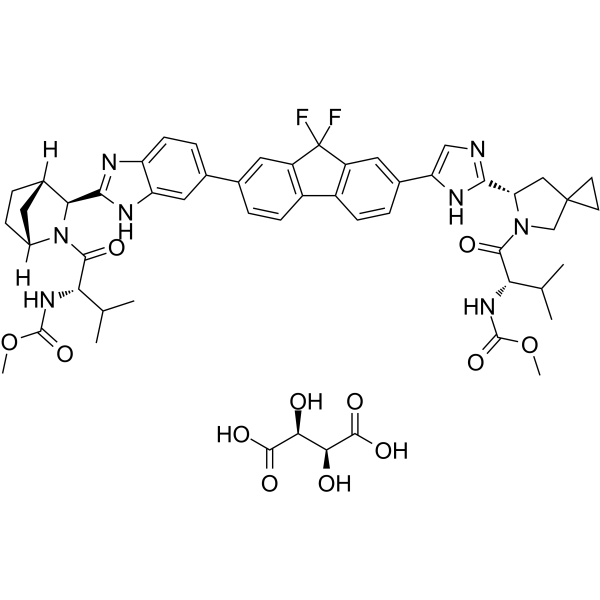
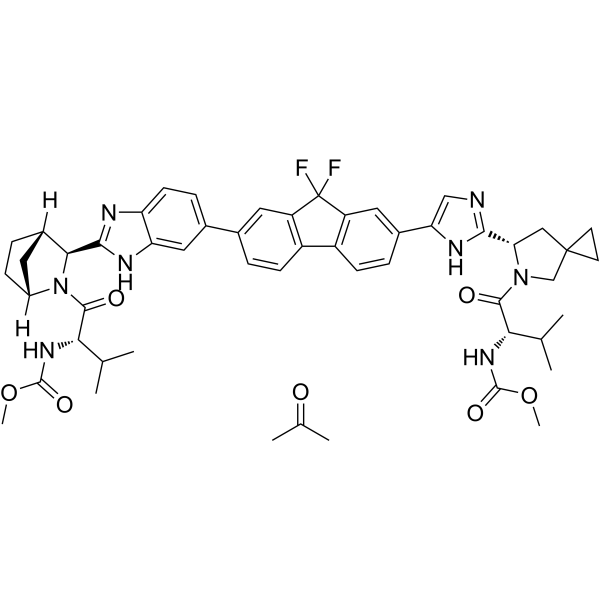
    Yimitasvir diphosphate (Emitasvir diphosphate; DAG-181 diphosphate) is an orally active inhibitor of hepatitis C virus (HCV) nonstructural protein 5A (NS5A). Yimitasvir diphosphate is applicable to research related to HCV infection .
    Yimitasvir diphosphate
  • HY-15256

    BI 201335

    HCV Protease Infection
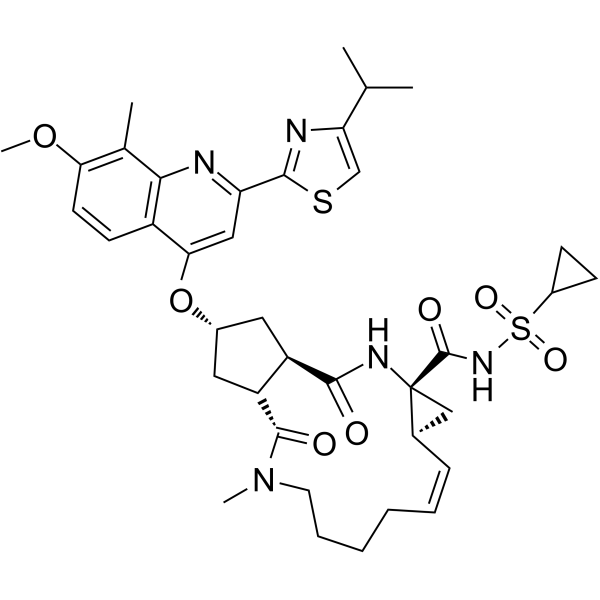
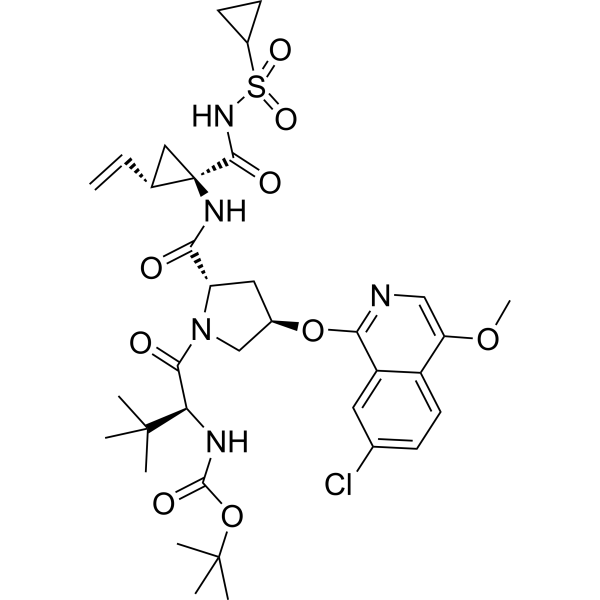
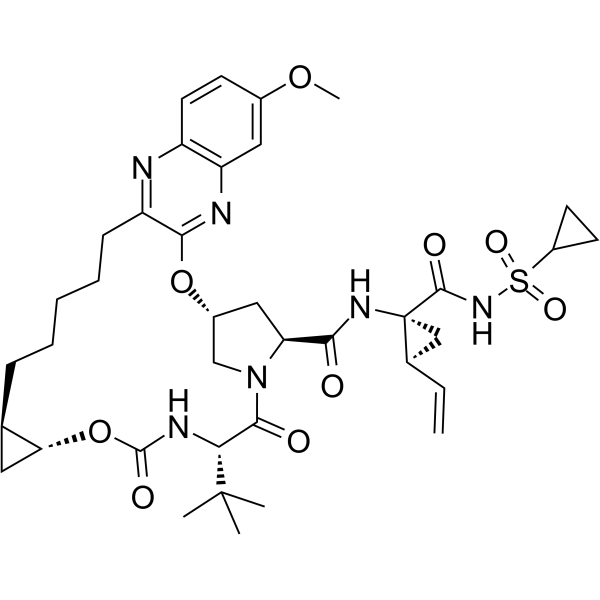
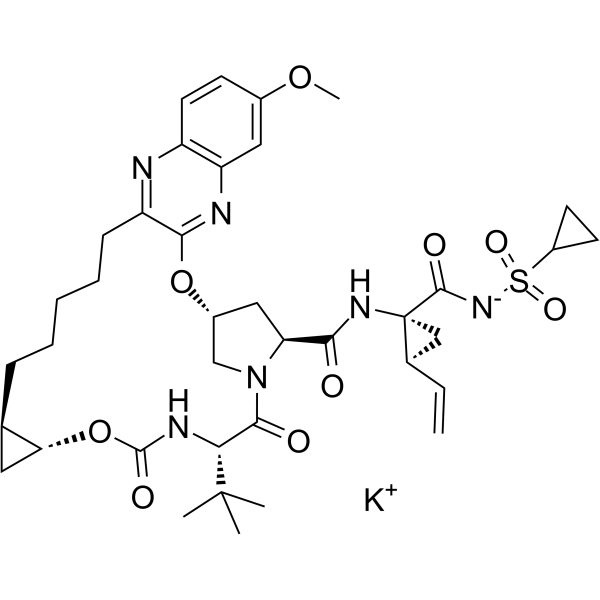
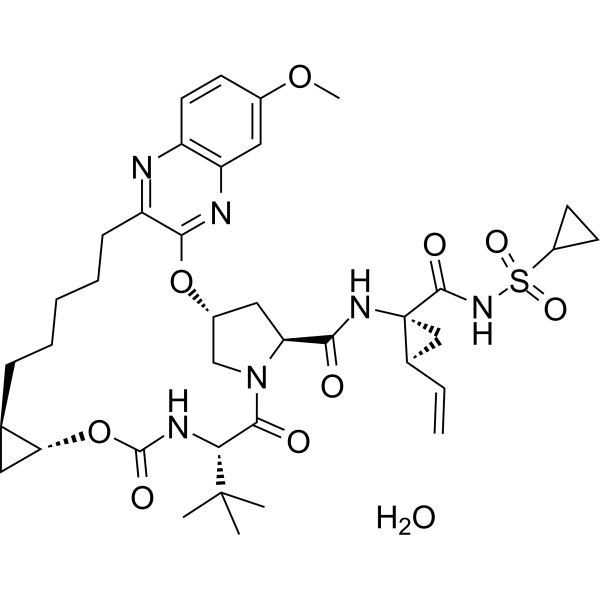
    Faldaprevir (BI 201335) is a potent, orally active and selective noncovalent inhibitor of NS3/4A protease of HCV (hepatitis C virus) genotypes 1a and 1b, with Ki values of 2.6 and 2.0 nM, respectively. Faldaprevir inhibits HCV RNA replication, with EC50 values of 6.5 and 3.1 nM, respectively. Faldaprevir has potent antiviral activity against chronic HCV infection .
    Faldaprevir
  • HY-B0376

    Dimecarbin; Dimecarbine; Dimekarbin

    HCV Infection
    Mecarbinate is an anti-hepatitis C virus (HCV) agent.
    Mecarbinate
  • HY-P1774

    HBV Infection
    Hepatitis B Virus Core (128-140) is a peptide of hepatitis B virus core protein.
    Hepatitis B Virus Core (128-140)
  • HY-103487

    IDX21437; MK-3682

    HCV Infection
    Uprifosbuvir is an antiviral agent. Uprifosbuvir is a NS5b inhibitor developed for the research of chronic hepatitis C virus .
    Uprifosbuvir
  • HY-117411A

    KW-136 dihydrochloride

    HCV HCV Protease Infection
    Coblopasvir (KW-136) dihydrochloride is a pangenotypic non-structural protein 5A (NS5A) inhibitor. Coblopasvir dihydrochloride can be used for research of chronic hepatitis C virus infection .
    Coblopasvir dihydrochloride
  • HY-114314

    HBV Infection
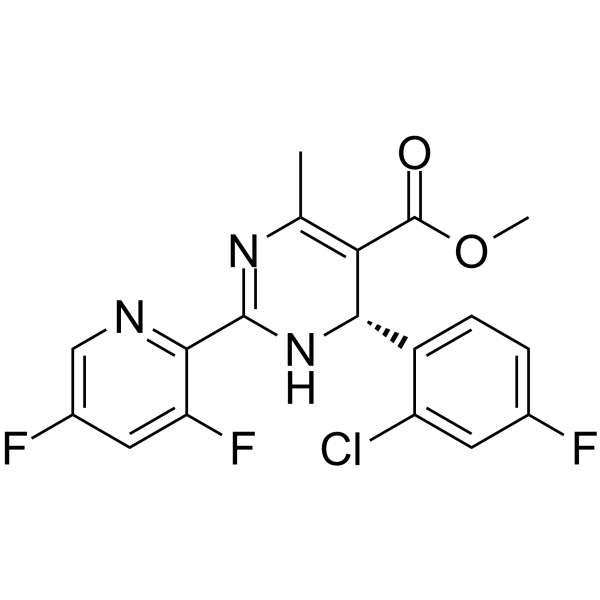
    BA-53038B is a HBV core protein allosteric modulator (CpAM), binding to the HAP pocket and modulating HBV capsid assembly. BA-53038B has antiviral activity for hepatitis B virus (HBV) with an EC50 value of 3.32 μM. BA-53038B can be used for the research of chronic hepatitis B .
    BA-53038B
  • HY-116999

    HBV Infection
    IR415 is a potent anti-HBV agent and inhibits HBV replication by blocking the HBx activity. IR415 selectively interacts with HBx (Kd=2 nM) and blocks HBV-mediated RNAi suppression, reverses the inhibitory effect of HBx protein on the activity of the dicer endoribonuclease . HBx: hepatitis B virus X protein.
    IR415
  • HY-13465
    VCH-916
    1 Publications Verification

    HCV Infection
    VCH-916 is a thiophene derivative and non-nucleoside inhibitor of HCV NS5B polymerase with sub-micromolar IC50 values versus genotype 1a and 1b replicons. VCH-916 binds to Thumb Site II. VCH-916 can be used for the research of hepatitis c virus (hcv) infection .
    VCH-916
  • HY-16680

    Helioxanthin analogue 8-1

    HBV Infection
    Helioxanthin 8-1(Helioxanthin analogue 8-1) is an anti-HBV agent. Helioxanthin 8-1 exhibits anti-hepatitis B virus activity in both in vitro human hepatitis B virus models and animal models. Helioxanthin 8-1 inhibits the synthesis of duck hepatitis B virus (DHBV) DNA, covalently closed circular DNA, RNA and proteins, thereby blocking DHBV replication. Helioxanthin 8-1 shows higher cytotoxicity in virus-induced cells than in non-induced cells. Helioxanthin 8-1 can be used in studies related to hepatitis B virus infection .
    Helioxanthin 8-1
  • HY-121513

    2'-Deoxy-L-cytidine; L-dC

    HBV Infection
    Torcitabine (2'-Deoxy-L-cytidine) is an antiviral agent. Torcitabine has the potential for chronic hepatitis B virus infection treatment .
    Torcitabine
  • HY-19643

    HCV Protease Infection
    JTK-109 is a potent inhibitor of hepatitis C virus NS5B RNA-dependent RNA polymerase. JTK-109 has NS5B inhibitory activity with IC50 value of 0.017μM. JTK-109 can be used for the research of hepatitis C virus (HCV) .
    JTK-109
  • HY-114247

    D-FMAU

    Nucleoside Antimetabolite/Analog Infection Cancer
    FMAU is a nucleoside analog and cell proliferation marker that can be phosphorylated by human thymidine kinase and subsequently incorporated into DNA. FMAU is applicable to research related to herpes simplex virus infection, various cancers, hepatitis B virus infection, and Epstein-Barr virus infection .
    FMAU
  • HY-100603A

    PI3K PI4K Infection
    (S)-GSK-F1 (Compound 28) is an inhibitor for type III phosphatidylinositol 4-kinase α (PI4KIIIα). (S)-GSK-F1 inhibits PI4Kα, PI4Kβ, PI4Kγ, PI3Kα, PI3Kβ and PI3Kδ with pIC50 of 8.3, 6.0, 5.6, 5.6, 5.1 and 5.6, respectively. (S)-GSK-F1 exhibits anti-hepatitis C virus (HCV) activity through inhibition of HCV replication. (S)-GSK-F1 exhibits moderate pharmacokinetic characters in rat model .
    (S)-GSK-F1
  • HY-P990828

    PD-1/PD-L1 Infection
    Anti-PD-L1/B7-H1 Antibody (29E.2A3) is a kind of mouse IgG2b κ chimeric antibody inhibitor, targeting to human PD-L1/B7-H1. Anti-PD-L1/B7-H1 Antibody (29E.2A3) can block the binding of PD-1 to PD-L1. Anti-PD-L1/B7-H1 Antibody (29E.2A3) can be used for the research of infection, such as hepatitis C virus (HCV) .
    Anti-PD-L1/B7-H1 Antibody (29E.2A3)
  • HY-P4051

    HBV Infection Inflammation/Immunology
    HBV Seq1 aa:141-151 is a peptide. HBV Seq1 aa:141-151 can be used for the research of chronic hepatitis B virus (HBV) .
    HBV Seq1 aa:141-151
  • HY-119691

    LY582563; MCC-478

    HBV Infection
    Alamifovir (LY582563; MCC-478), a purine nucleotide analogue proagent, shows potent activity against wild type and lamivudine resistant hepatitis B virus (HBV). Alamifovir has high activity against HBV replication and sustained antiviral effect .
    Alamifovir
  • HY-147358A

    Emitasvir; DAG-181

    HCV Infection
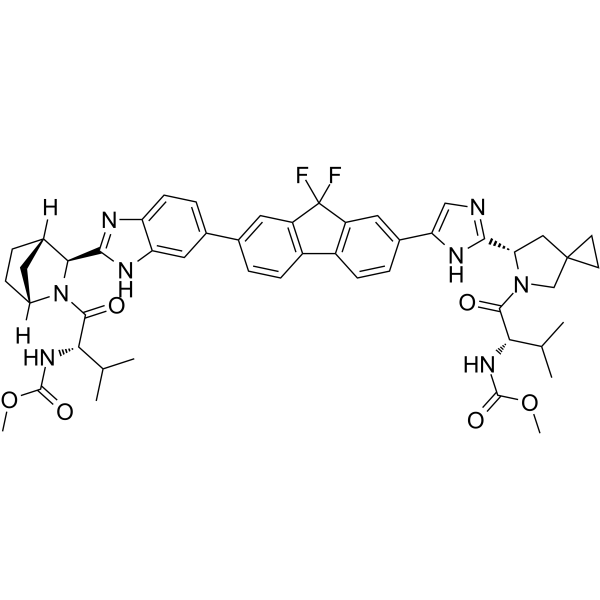
    Yimitasvir (Emitasvir; DAG-181) is an orally active inhibitor of hepatitis C virus (HCV) nonstructural protein 5A (NS5A). Yimitasvir is applicable to research related to HCV infection .
    Yimitasvir
  • HY-N8107
    Matairesinol monoglucoside
    2 Publications Verification

    STING IFNAR HBV Infection
    Matairesinol monoglucoside is a STING activator. Matairesinol monoglucoside modulates the STING-TBK1-IRF3 signaling axis, promotes STING transcriptional expression, increases TBK1 and IRF3 phosphorylation. Matairesinol monoglucoside induces IFN-α and IFN-β production, reduces HBV DNA, HBsAg, and HBeAg expression. Matairesinol monoglucoside can be used for the research of hepatitis b virus (hbv) infection .
    Matairesinol monoglucoside
  • HY-W103964

    HCV Infection
    HCV-IN-47 (Compound (R)-1) shows anti-hepatitis C virus (HCV) activity with an EC50 value of 0.032 μM. HCV-IN-47 is promising for research of hepatitis C virus pathogenesis, and host-virus interaction .
    HCV-IN-47
  • HY-P4042

    hepatitis B peptide 4980

    HBV Infection Inflammation/Immunology
    Hepatitis B Virus Receptor Binding Fragment (hepatitis B peptide 4980) is a synthetic peptide analog which specifically binds to Hep G2 cells. Hepatitis B Virus Receptor Binding Fragment is a promising immunogen expected to elicit protective antibodies based on the concept of the attachment blockade pathway of virus neutralization .
    Hepatitis B Virus Receptor Binding Fragment
  • HY-126033

    HBV RSV Infection
    Sophoranol is an alkaloid that can be isolated from S. flavescens, with antiviral activity. Sophoranol has anti-HBV (hepatitis B virus) activity. Sophoranol shows potent antiviral activities against respiratory syncytial virus (RSV) with an IC50 of 10.4 μg/mL .
    Sophoranol
  • HY-117411

    KW-136

    HCV HCV Protease Infection Inflammation/Immunology
    Coblopasvir (KW-136) is a pangenotypic non-structural protein 5A (NS5A) inhibitor. Coblopasvir can be used for research of chronic hepatitis C virus infection .
    Coblopasvir
  • HY-19844

    Drug Derivative Aldehyde Oxidase (AO) Infection
    ANA975, 5-amino-3-β -D-ribofuranosyl-3H-thiazolo[4,5-d]pyrimidin-2-one derivative, is an oral prodrug of the TLR-7 agonist Isatoribine (HY-13655A). ANA975 is converted to Isatoribine via a combined mechanism of hydrolysis by esterases and oxidation by aldehyde oxidase. ANA975 can be used in the research of hepatitis C virus infection .
    ANA-975
  • HY-156578

    DGK HIV Infection Cancer
    DGKα-IN-8 (Example 51) is a DGKα inhibitor (IC50=22.491 nM; EC50=0.256 nM). DGKα-IN-8 can be used to study cancer, including solid tumors, and viral infections, such as HIV or hepatitis B virus infection .
    DGKα-IN-8
  • HY-Y1013

    Drug Intermediate Others
    5-Bromonicotinic acid can be used as a pharmaceutical intermediate to synthesize 5-aryloyl nicotinic acid compounds. 5-Bromonicotinic acid has the characteristics of good drug similarity, high oral bioavailability, and low toxicity through molecular docking prediction. 5-Bromonicotinic acid has good binding ability with hepatitis virus proteins (binding energy: -4.7 to -5.3 kcal/mol) .
    5-Bromonicotinic acid
  • HY-15591

    HCV Infection
    TMC647055 is a potent nonnucleoside NS5B polymerase inhibitor of HCV replication. TMC647055 has potent HCV combine activity with an IC50 value of 82 nM. TMC647055 can be used for the research of Hepatitis C virus (HCV) .
    TMC647055
  • HY-126970

    HBV Infection
    HBF-0259 is a potent and selective inhibitor of hepatitis B virus (HBV) surface antigen (HBsAg) secretion, with an EC50 of 1.5 μM in HepG2.2.15 cells. HBF-0259 has no effect on HBV DNA synthesis .
    HBF-0259
  • HY-Y0073R

    P-hydroxyacetophenone (Standard)

    Reference Standards HBV Myosin Infection Inflammation/Immunology Cancer
    4-Hydroxyacetophenone (Standard) is the analytical standard of 4-Hydroxyacetophenone. This product is intended for research and analytical applications. 4-Hydroxyacetophenone (P-hydroxyacetophenone) is a major hepatoprotective and choleretic compound found in Artemisia and Illicium plants, exhibiting antiviral and anti-inflammatory effects against hepatitis B virus. Additionally, 4-Hydroxyacetophenone inhibits cancer cell adhesion, invasion, and migration by remodeling actin. 4-Hydroxyacetophenone holds promise for research in the fields of inflammatory diseases and cancer .
    4-Hydroxyacetophenone (Standard)
  • HY-P10974

    HCV Enterovirus Infection
    La peptide (LAP) is an internal ribosome entry site (IRES) inhibitor. La peptide efficiently enters cells, blocks binding of cellular transacting factors to viral IRES, followed by inhibiting IRES-mediated translation. La peptide can be used for RNA viruses research, such as hepatitis C (HCV) and poliovirus (PV) .
    La peptide

Inquiry Online

Your information is safe with us. * Required Fields.

Salutation


Country or Region *

Applicant Name *


Organization Name *

Department *


Email Address *


Product Name *

Cat. No.


Requested quantity *

Phone Number *


Remarks

Inquiry Online

Inquiry Information

Product Name:
Cat. No.:
Quantity:
MCE Japan Authorized Agent:

